ℹ️ Skipped - page is already crawled
| Filter | Status | Condition | Details |
|---|---|---|---|
| HTTP status | PASS | download_http_code = 200 | HTTP 200 |
| Age cutoff | PASS | download_stamp > now() - 6 MONTH | 0.8 months ago |
| History drop | PASS | isNull(history_drop_reason) | No drop reason |
| Spam/ban | PASS | fh_dont_index != 1 AND ml_spam_score = 0 | ml_spam_score=0 |
| Canonical | PASS | meta_canonical IS NULL OR = '' OR = src_unparsed | Not set |
| Property | Value |
|---|---|
| URL | https://wwwnc.cdc.gov/travel/destinations/traveler/none/singapore |
| Last Crawled | 2026-03-27 16:36:11 (25 days ago) |
| First Indexed | 2016-05-23 15:29:29 (9 years ago) |
| HTTP Status Code | 200 |
| Meta Title | Singapore - Traveler view | Travelers' Health | CDC |
| Meta Description | Official U.S. government health recommendations for traveling. Provided by the U.S. Centers for Disease Control and Prevention (CDC). |
| Meta Canonical | null |
| Boilerpipe Text | Learn actions you can take to stay healthy and safe on your trip. Vaccines cannot protect you from many diseases in Singapore, so your behaviors are important.
Although Singapore is an industrialized country, bug bites here can still spread diseases. Just as you would in the United States, try to avoid bug bites while spending time outside or in wooded areas.
What can I do to prevent bug bites?
Cover exposed skin by wearing long-sleeved shirts, long pants, and hats.
Use an appropriate insect repellent (see below).
Consider using permethrin-treated clothing and gear if spending a lot of time outside. Do
not
use permethrin directly on skin.
What type of insect repellent should I use?
FOR PROTECTION AGAINST TICKS AND MOSQUITOES:
Use a repellent that contains 20% or more
DEET
for protection that lasts up to several hours.
FOR PROTECTION AGAINST MOSQUITOES ONLY:
Products with one of the following active ingredients can also help prevent mosquito bites. Higher percentages of active ingredient provide longer protection.
DEET
Picaridin
(also known as KBR 3023, Bayrepel, and icaridin)
Oil of lemon eucalyptus (OLE)
or para-menthane-diol
(PMD)
IR3535
2-undecanone
Always use insect repellent as directed.
What should I do if I am bitten by bugs?
Avoid scratching bug bites, and apply hydrocortisone cream or calamine lotion to reduce the itching.
Check your entire body for ticks after outdoor activity. Be sure to
remove ticks
properly.
What can I do to avoid bed bugs?
Although bed bugs do not carry disease, they are an annoyance. See our
information page about avoiding bug bites
for some easy tips to avoid them. For more information on bed bugs, see
Bed Bugs
.
For more detailed information on avoiding bug bites, see
Avoid Bug Bites
.
Hide
If your travel plans in Singapore include outdoor activities, take these steps to stay safe and healthy during your trip:
Stay alert to changing weather conditions and adjust your plans if conditions become unsafe.
Prepare for activities by wearing the right clothes and packing protective items, such as bug spray, sunscreen, and a basic first aid kit.
Consider learning basic first aid and CPR before travel. Bring a
travel health kit
with items appropriate for your activities.
Heat-related illness, such as heat stroke, can be deadly. Eat and drink regularly, wear loose and lightweight clothing, and limit physical activity in the heat of the day.
If you are outside for many hours in the heat, eat salty snacks and drink water to stay hydrated and replace salt lost through sweating.
Protect yourself from UV radiation
: use sunscreen with an SPF of at least 15, wear protective clothing, and seek shade during the hottest time of day (10 a.m.–4 p.m.).
Be especially careful during summer months and at high elevation. Because sunlight reflects off snow, sand, and water, sun exposure may be increased during activities like skiing, swimming, and sailing.
Very cold temperatures can be dangerous. Dress in layers and cover heads, hands, and feet properly if you are visiting a cold location.
Stay safe around water
Swim only in designated swimming areas. Obey lifeguards and warning flags on beaches.
Do not dive into shallow water.
Avoid swallowing water when swimming. Untreated water can carry germs that make you sick.
Practice safe boating—follow all boating safety laws, do not drink alcohol if you are driving a boat, and always wear a life jacket.
Hide
Most animals avoid people, but they may attack if they feel threatened, are protecting their young or territory, or if they are injured or ill. Animal bites and scratches can lead to serious diseases such as rabies.
Follow these tips to protect yourself:
Do not touch or feed
any
animals you do not know.
Do not allow animals to lick open wounds, and do not get animal saliva in your eyes or mouth.
Avoid rodents and their urine and feces.
Traveling pets should be supervised closely and not allowed to come in contact with local animals.
If you wake in a room with a bat, seek medical care immediately. Bat bites may be hard to see.
All animals can pose a threat, but be extra careful around dogs, bats, monkeys, sea animals such as jellyfish, and snakes. If you are bitten or scratched by an animal, immediately:
Wash
the wound with soap and clean water.
Go
to a doctor right away.
Tell
your doctor about your injury when you get back to the United States.
Hide
Follow these tips to avoid getting sick or spreading illness to others while traveling:
Wash your hands often, especially before eating.
If soap and water aren’t available, clean hands with hand sanitizer (containing at least 60% alcohol).
Don’t touch your eyes, nose, or mouth. If you need to touch your face, make sure your hands are clean.
Cover your mouth and nose with a tissue or your sleeve (not your hands) when coughing or sneezing.
Try to avoid contact with people who are sick.
If you are sick, stay home or in your hotel room, unless you need medical care.
Hide
Diseases can be spread through body fluids, such as saliva, blood, vomit, and semen.
Protect yourself:
Use latex condoms correctly.
Do not inject drugs.
Limit alcohol consumption. People take more risks when intoxicated.
Do not share needles or any devices that can break the skin. That includes needles for tattoos, piercings, and acupuncture.
If you receive medical or dental care, make sure the equipment is disinfected or sanitized.
Hide
Plan for how you will get health care during your trip, should the need arise:
Carry a list of
local doctors and hospitals
at your destination.
Review your health insurance plan to determine what medical services it would cover during your trip. Consider purchasing travel health and medical evacuation insurance for things your regular insurance will not cover.
Carry a card that identifies, in the local language, your blood type, chronic conditions or serious allergies, and the generic names of any medicines you take.
Bring copies of your prescriptions for medicine and for eye glasses and contact lenses.
Some prescription drugs may be illegal in other countries. Call
Singapore’s embassy
to verify that all of your prescription(s) are legal to bring with you.
Bring all the medicines (including over-the-counter medicines) you think you might need during your trip, including extra in case of travel delays. Ask your doctor to help you get prescriptions filled early if you need to.
Many foreign hospitals and clinics are accredited by the Joint Commission International. A list of accredited facilities is available at their website (
www.jointcommissioninternational.org
).
Hide
Motor vehicle crashes are the #1 killer of healthy US citizens in foreign countries.
Walking
Be smart when you are traveling on foot.
Use sidewalks and marked crosswalks.
Pay attention to the traffic around you, especially in crowded areas.
Remember, people on foot do not always have the right of way in other countries.
Riding/Driving
Choose a safe vehicle.
Choose official taxis or public transportation, such as trains and buses.
Make sure there are seatbelts.
Avoid overcrowded, overloaded, top-heavy buses and minivans.
Avoid riding on motorcycles or motorbikes, especially motorbike taxis. (Many crashes are caused by inexperienced motorbike drivers.)
Choose newer vehicles—they may have more safety features, such as airbags, and be more reliable.
Choose larger vehicles, which may provide more protection in crashes.
Think about the driver.
Do not drive after drinking alcohol or ride with someone who has been drinking.
Consider hiring a licensed, trained driver familiar with the area.
Arrange payment before departing.
Follow basic safety tips.
Wear a seatbelt at all times.
Sit in the back seat of cars and taxis.
When on motorbikes or bicycles, always wear a helmet. (Bring a helmet from home, if needed.)
Do not use a cell phone or text while driving (illegal in many countries).
Travel during daylight hours only, especially in rural areas.
If you choose to drive a vehicle in Singapore, learn the local traffic laws and have the proper paperwork.
Get any driving permits and insurance you may need. Get an International Driving Permit (IDP). Carry the IDP and a US-issued driver's license at all times.
Check with your auto insurance policy's international coverage, and get more coverage if needed. Make sure you have liability insurance.
Flying
Avoid using local, unscheduled aircraft.
If possible, fly on larger planes (more than 30 seats); larger airplanes are more likely to have regular safety inspections.
Try to schedule flights during daylight hours and in good weather.
Helpful Resources
Road Safety Overseas
(Information from the US Department of State): Includes tips on driving in other countries, International Driving Permits, auto insurance, and other resources.
The
Association for International Road Travel
has country-specific
Road Travel Reviews
available for most countries for a minimal fee.
Traffic flows on the left side of the road in Singapore.
Always pay close attention to the flow of traffic, especially when crossing the street.
LOOK RIGHT for approaching traffic.
Hide
Use the same common sense traveling overseas that you would at home, and always stay alert and aware of your surroundings.
Before you leave
Research your destination(s), including local laws, customs, and culture.
Monitor
travel advisories and alerts
and read travel
tips
from the US Department of State.
Enroll in the
Smart Traveler Enrollment Program (STEP)
.
Leave a copy of your itinerary, contact information, credit cards, and passport with someone at home.
Pack as light as possible, and leave at home any item you could not replace.
While at your destination(s)
Carry contact information for the nearest
US embassy or consulate
.
Carry a photocopy of your passport and entry stamp; leave the actual passport securely in your hotel.
Follow all local laws and social customs.
Do not wear expensive clothing or jewelry.
Always keep hotel doors locked, and store valuables in secure areas.
If possible, choose hotel rooms between the 2nd and 6th floors.
Hide |
| Markdown | [Skip directly to site content](https://wwwnc.cdc.gov/travel/destinations/traveler/none/singapore#content) [Skip directly to page options](https://wwwnc.cdc.gov/travel/destinations/traveler/none/singapore#share-nav) [Skip directly to A-Z link](https://wwwnc.cdc.gov/travel/destinations/traveler/none/singapore#az-large) [Skip directly to A-Z link](https://wwwnc.cdc.gov/travel/destinations/traveler/none/singapore#az-medium) [Skip directly to A-Z link](https://wwwnc.cdc.gov/travel/destinations/traveler/none/singapore#az-small)
[Centers for Disease Control and Prevention. CDC twenty four seven. Saving Lives, Protecting People  ](https://www.cdc.gov/)
Travelers' Health
Note: Javascript is disabled or is not supported by your browser. For this reason, some items on this page will be unavailable. For more information about this message, please visit this page: [About CDC.gov](https://www.cdc.gov/other/about_cdcgov.html).
- [Facebook](https://wwwnc.cdc.gov/travel/destinations/traveler/none/singapore)
- [Twitter](https://wwwnc.cdc.gov/travel/destinations/traveler/none/singapore)
- [LinkedIn](https://wwwnc.cdc.gov/travel/destinations/traveler/none/singapore)
- [Syndicate](https://tools.cdc.gov/medialibrary/index.aspx#/sharecontent/https%3A%2F%2Fwww.cdc.gov%2Findex.htm)
### SingaporeTraveler View
[Clinician View](https://wwwnc.cdc.gov/travel/destinations/clinician/none/singapore)
[Traveler View](https://wwwnc.cdc.gov/travel/destinations/traveler/none/singapore)
On This Page
- [Travel Health Notices](https://wwwnc.cdc.gov/travel/destinations/traveler/none/singapore#travel-notices)
- [Vaccines and Medicines](https://wwwnc.cdc.gov/travel/destinations/traveler/none/singapore#vaccines-and-medicines)
- [Non-Vaccine-Preventable Diseases](https://wwwnc.cdc.gov/travel/destinations/traveler/none/singapore#non-vaccine-preventable-diseases)
- [Stay Healthy and Safe](https://wwwnc.cdc.gov/travel/destinations/traveler/none/singapore#stay-healthy-and-safe)
- [Packing List](https://wwwnc.cdc.gov/travel/destinations/traveler/none/singapore#packing-list-description)
- [After Your Trip](https://wwwnc.cdc.gov/travel/destinations/traveler/none/singapore#after-your-trip)
[Hide]()
### Travel Health Notices
Be aware of current health issues in Singapore. Learn how to protect yourself.
#### Level 1 Practice Usual Precautions
- [Global Measles](https://wwwnc.cdc.gov/travel/notices/level1/measles-globe) May 28, 2025 Measles cases are rising in many countries around the world. All international travelers should be fully vaccinated against measles with the measles-mumps-rubella (MMR) vaccine, according to CDC's measles vaccination recommendations for international travel.
[⇧ Top](https://wwwnc.cdc.gov/travel/destinations/traveler/none/singapore)
[Hide]()
### Vaccines and Medicines
Check the vaccines and medicines list and visit your doctor at least a month before your trip to get vaccines or medicines you may need. If you or your doctor need help finding a location that provides certain vaccines or medicines, visit the [Find a Clinic](https://wwwnc.cdc.gov/travel/page/find-clinic) page.
| Vaccines for disease | Recommendations | Clinical Guidance for Healthcare providers |
|---|---|---|
| [Routine vaccines](https://wwwnc.cdc.gov/travel/page/routine-vaccines) | Make sure you are up-to-date on all routine vaccines before every trip. Some of these vaccines include [Chickenpox (Varicella)](https://www.cdc.gov/vaccines/vpd/varicella/public/index.html) [Diphtheria-Tetanus-Pertussis (DTaP, Tdap, or Td)](https://www.cdc.gov/vaccines/hcp/by-disease/dtap-tdap-td.html) [Flu (influenza)](https://www.cdc.gov/flu/prevent/vaccinations.htm) [Measles-Mumps-Rubella (MMR)](https://www.cdc.gov/vaccines/vpd/mmr/public/index.html) [Polio](https://www.cdc.gov/vaccines/vpd/polio/index.html) [Shingles](https://www.cdc.gov/vaccines/vpd/shingles/public/shingrix/index.html) | [Immunization schedules](https://www.cdc.gov/vaccines/hcp/imz-schedules/) [Macrolide-resistant *Bordetella* *pertussis*](https://www.cdc.gov/pertussis/hcp/antibiotic-resistance/index.html) |
| [COVID-19](https://www.cdc.gov/coronavirus/2019-ncov/index.html) | All eligible travelers should be up to date with their COVID-19 vaccines. Please see [Your COVID-19 Vaccination](https://www.cdc.gov/covid/vaccines/) for more information. | [COVID-19 vaccine](https://www.cdc.gov/covid/vaccines/) |
| [Hepatitis A](https://www.cdc.gov/hepatitis-a/index.html) | Recommended for unvaccinated travelers one year old or older going to Singapore. Infants 6 to 11 months old should also be vaccinated against Hepatitis A. The dose does not count toward the routine 2-dose series. Travelers allergic to a vaccine component should receive a single dose of immune globulin, which provides effective protection for up to 2 months depending on dosage given. Unvaccinated travelers who are over 40 years old, are immunocompromised, or have chronic medical conditions planning to depart to a risk area in less than 2 weeks should get the initial dose of vaccine and at the same appointment receive immune globulin. | [Hepatitis A - CDC Yellow Book](https://www.cdc.gov/yellow-book/hcp/travel-associated-infections-diseases/hepatitis-a.html) [Vaccine dosing information - Hep A](https://www.cdc.gov/yellow-book/hcp/travel-associated-infections-diseases/hepatitis-a.html#heading-idepgiam52) |
| [Hepatitis B](https://www.cdc.gov/hepatitis-b/index.html) | Recommended for unvaccinated travelers younger than 60 years old traveling to Singapore. Unvaccinated travelers 60 years and older may get vaccinated before traveling to Singapore. | [Sex and Travel - CDC Yellow Book](https://www.cdc.gov/yellow-book/hcp/travel-for-work-other/sex-and-travel.html) |
| [Measles](https://www.cdc.gov/measles/index.html) | Cases of measles are on the rise worldwide. Travelers are at risk of measles if they have not been fully vaccinated at least two weeks prior to departure, or have not had measles in the past, and travel internationally to areas where measles is spreading. All international travelers should be fully vaccinated against measles with the measles-mumps-rubella (MMR) vaccine, including an early dose for infants 6–11 months, according to [CDC’s measles vaccination recommendations for international travel](https://www.cdc.gov/measles/plan-for-travel.html). | [Measles (Rubeola) - CDC Yellow Book](https://www.cdc.gov/yellow-book/hcp/travel-associated-infections-diseases/measles-rubeola.html) |
| [Rabies](https://www.cdc.gov/rabies/about/index.html) | Dogs infected with rabies are not commonly found in Singapore. If rabies exposures occur while in Singapore, rabies vaccines are typically available throughout most of the country. Rabies pre-exposure vaccination considerations include whether travelers 1) will be performing occupational or recreational activities that increase risk for exposure to potentially rabid animals and 2) might have difficulty getting prompt access to safe post-exposure prophylaxis. Please consult with a healthcare provider to determine whether you should receive pre-exposure vaccination before travel. For more information, see [country rabies status assessments](https://www.cdc.gov/rabies/country-risk/index.html). | [Rabies - CDC Yellow Book](https://www.cdc.gov/yellow-book/hcp/travel-associated-infections-diseases/rabies.html) |
| [Typhoid](https://www.cdc.gov/typhoid-fever/about/index.html) | Recommended for most travelers, especially those staying with friends or relatives or visiting smaller cities or rural areas. | [Typhoid - CDC Yellow Book](https://www.cdc.gov/yellow-book/hcp/travel-associated-infections-diseases/typhoid-and-paratyphoid-fever.html) [Typhoid fever vaccines licensed in the U.S.](https://www.cdc.gov/yellow-book/hcp/travel-associated-infections-diseases/typhoid-and-paratyphoid-fever.html#heading-gnoxw7klzd) |
| [Yellow Fever](https://www.cdc.gov/yellow-fever/index.html) | **CDC recommendations:** Vaccine is **not** recommended. **Country entry requirements:**Direct travel from United States: Vaccine is **not** required. Travel from countries with risk for YF virus transmission: Vaccine is **required** for travelers ≥1 year old; this includes \>12-hour airport transits or layovers in countries with risk for YF virus transmission.3 *Updated April 23, 2025* [See footnotes](https://www.cdc.gov/yellow-book/hcp/preparing-international-travelers/yellow-fever-vaccine-and-malaria-prevention-information-by-country.html#cdc_report_pub_study_section_3-footnotes) | [Yellow Fever - CDC Yellow Book](https://www.cdc.gov/yellow-book/hcp/travel-associated-infections-diseases/yellow-fever.html) [Yellow Fever Vaccine and Malaria Prevention Information, by Country](https://www.cdc.gov/yellow-book/hcp/preparing-international-travelers/yellow-fever-vaccine-and-malaria-prevention-information-by-country.html) |
[Top](https://wwwnc.cdc.gov/travel/destinations/traveler/none/singapore)
[Hide]()
### Non-Vaccine-Preventable Diseases
| Disease Name | Common ways the disease spreads | Advice | Clinical Guidance for Healthcare Providers |
|---|---|---|---|
| Avoid contaminated water | | | |
| [Leptospirosis](https://www.cdc.gov/leptospirosis/about/index.html) | Touching urine or other body fluids from an animal infected with leptospirosis Swimming or wading in urine-contaminated fresh water, or contact with urine-contaminated mud Drinking water or eating food contaminated with animal urine | Avoid contaminated water and soil [Avoid floodwater](https://www.cdc.gov/leptospirosis/prevention/) | [Leptospirosis](https://www.cdc.gov/yellow-book/hcp/travel-associated-infections-diseases/leptospirosis.html) |
| [Melioidosis](https://www.cdc.gov/melioidosis/about/index.html) | Contact with contaminated fresh water, mud, or soil, especially after heavy rains Drinking contaminated water Breathing in contaminated dust or water droplets, especially during severe weather | Avoid floodwater and contact with soil or muddy water, particularly after heavy rains Bandage open wounds, cuts, or burns to protect them from coming into contact with soil or water | [Melioidosis](https://www.cdc.gov/melioidosis/hcp/clinical-overview/index.html) |
| Avoid bug bites | | | |
| [Dengue](https://www.cdc.gov/dengue/index.html) | Mosquito bite | [Avoid bug bites](https://wwwnc.cdc.gov/travel/page/avoid-bug-bites) | [Dengue](https://www.cdc.gov/yellow-book/hcp/travel-associated-infections-diseases/dengue.html) |
| [Zika](https://wwwnc.cdc.gov/travel/diseases/zika) | Mosquito bite An infected pregnant woman can spread it to her unborn baby | [Avoid bug bites](https://wwwnc.cdc.gov/travel/page/avoid-bug-bites) | [Zika](https://www.cdc.gov/yellow-book/hcp/travel-associated-infections-diseases/zika.html) |
| Airborne & droplet | | | |
| [Hantavirus](https://www.cdc.gov/hantavirus/about/index.html) | Breathing in air or accidentally eating food contaminated with the urine, droppings, or saliva of infected rodents Bite from an infected rodent Less commonly, being around someone sick with hantavirus (only occurs with Andes virus) | Avoid rodents and areas where they live Avoid sick people | [Post-Travel Evaluation to Rule Out Viral Special Pathogen Infection](https://www.cdc.gov/yellow-book/hcp/post-travel-evaluation/post-travel-evaluation-to-rule-out-viral-special-pathogen-infection.html) |
| [Tuberculosis (TB)](https://www.cdc.gov/tb/prevention/index.html) | Breathe in TB bacteria that is in the air from an infected and contagious person coughing, speaking, or singing. | Avoid sick people | [Tuberculosis (TB)](https://www.cdc.gov/yellow-book/hcp/travel-associated-infections-diseases/tuberculosis.html) |
#### Avoid contaminated water
#### Leptospirosis
##### How most people get sick (most common modes of transmission)
- Touching urine or other body fluids from an animal infected with leptospirosis
- Swimming or wading in urine-contaminated fresh water, or contact with urine-contaminated mud
- Drinking water or eating food contaminated with animal urine
##### Advice
- Avoid contaminated water and soil
- [Avoid floodwater](https://www.cdc.gov/leptospirosis/prevention/)
##### Clinical Guidance
[Leptospirosis](https://www.cdc.gov/yellow-book/hcp/travel-associated-infections-diseases/leptospirosis.html)
#### Melioidosis
##### How most people get sick (most common modes of transmission)
- Contact with contaminated fresh water, mud, or soil, especially after heavy rains
- Drinking contaminated water
- Breathing in contaminated dust or water droplets, especially during severe weather
##### Advice
- Avoid floodwater and contact with soil or muddy water, particularly after heavy rains
- Bandage open wounds, cuts, or burns to protect them from coming into contact with soil or water
##### Clinical Guidance
[Melioidosis](https://www.cdc.gov/melioidosis/hcp/clinical-overview/index.html)
#### Avoid bug bites
#### Dengue
##### How most people get sick (most common modes of transmission)
- Mosquito bite
##### Advice
- [Avoid bug bites](https://wwwnc.cdc.gov/travel/page/avoid-bug-bites)
##### Clinical Guidance
[Dengue](https://www.cdc.gov/yellow-book/hcp/travel-associated-infections-diseases/dengue.html)
#### Zika
##### How most people get sick (most common modes of transmission)
- Mosquito bite
- An infected pregnant woman can spread it to her unborn baby
##### Advice
- [Avoid bug bites](https://wwwnc.cdc.gov/travel/page/avoid-bug-bites)
##### Clinical Guidance
[Zika](https://www.cdc.gov/yellow-book/hcp/travel-associated-infections-diseases/zika.html)
#### Airborne & droplet
#### Hantavirus
##### How most people get sick (most common modes of transmission)
- Breathing in air or accidentally eating food contaminated with the urine, droppings, or saliva of infected rodents
- Bite from an infected rodent
- Less commonly, being around someone sick with hantavirus (only occurs with Andes virus)
##### Advice
- Avoid rodents and areas where they live
- Avoid sick people
##### Clinical Guidance
[Post-Travel Evaluation to Rule Out Viral Special Pathogen Infection](https://www.cdc.gov/yellow-book/hcp/post-travel-evaluation/post-travel-evaluation-to-rule-out-viral-special-pathogen-infection.html)
#### Tuberculosis (TB)
##### How most people get sick (most common modes of transmission)
- Breathe in TB bacteria that is in the air from an infected and contagious person coughing, speaking, or singing.
##### Advice
- Avoid sick people
##### Clinical Guidance
[Tuberculosis (TB)](https://www.cdc.gov/yellow-book/hcp/travel-associated-infections-diseases/tuberculosis.html)
[Top](https://wwwnc.cdc.gov/travel/destinations/traveler/none/singapore)
[Hide]()
### Stay Healthy and Safe
Learn actions you can take to stay healthy and safe on your trip. Vaccines cannot protect you from many diseases in Singapore, so your behaviors are important.
### Eat and drink safely
Food and water standards around the world vary based on the destination. Standards may also differ within a country and risk may change depending on activity type (e.g., hiking versus business trip). You can learn more about safe food and drink choices when traveling by accessing the resources below.
- [Choose Safe Food and Drinks When Traveling](https://wwwnc.cdc.gov/travel/page/food-water-safety)
- [Water Treatment Options When Hiking, Camping or Traveling](https://www.cdc.gov/drinking-water/prevention/water-treatment-hiking-camping-traveling.html)
- [Global Water, Sanitation and Hygiene \| Global Water, Sanitation, and Hygiene (WASH) \| CDC](https://www.cdc.gov/global-water-sanitation-hygiene/about/index.html)
- [Avoid Contaminated Water During Travel](https://wwwnc.cdc.gov/travel/page/water-disinfection)
You can also visit the [Department of State Country Information Pages](https://travel.state.gov/content/travel/en/international-travel/International-Travel-Country-Information-Pages.html) for additional information about food and water safety.
[Hide]()
### Prevent bug bites
Although Singapore is an industrialized country, bug bites here can still spread diseases. Just as you would in the United States, try to avoid bug bites while spending time outside or in wooded areas.
##### What can I do to prevent bug bites?
- Cover exposed skin by wearing long-sleeved shirts, long pants, and hats.
- Use an appropriate insect repellent (see below).
- Consider using permethrin-treated clothing and gear if spending a lot of time outside. Do **not** use permethrin directly on skin.
##### What type of insect repellent should I use?
- **FOR PROTECTION AGAINST TICKS AND MOSQUITOES:** Use a repellent that contains 20% or more **DEET** for protection that lasts up to several hours.
- **FOR PROTECTION AGAINST MOSQUITOES ONLY:** Products with one of the following active ingredients can also help prevent mosquito bites. Higher percentages of active ingredient provide longer protection.
- **[DEET](https://www.epa.gov/insect-repellents/deet)**
- **Picaridin** (also known as KBR 3023, Bayrepel, and icaridin)
- **Oil of lemon eucalyptus (OLE)** or para-menthane-diol **(PMD)**
- **IR3535**
- **2-undecanone**
- Always use insect repellent as directed.
##### What should I do if I am bitten by bugs?
- Avoid scratching bug bites, and apply hydrocortisone cream or calamine lotion to reduce the itching.
- Check your entire body for ticks after outdoor activity. Be sure to [remove ticks](https://www.cdc.gov/ticks/after-a-tick-bite/) properly.
##### What can I do to avoid bed bugs?
Although bed bugs do not carry disease, they are an annoyance. See our [information page about avoiding bug bites](https://wwwnc.cdc.gov/travel/page/avoid-bug-bites) for some easy tips to avoid them. For more information on bed bugs, see [Bed Bugs](https://www.cdc.gov/bed-bugs/about/).
For more detailed information on avoiding bug bites, see [Avoid Bug Bites](https://wwwnc.cdc.gov/travel/page/avoid-bug-bites).
[Hide]()
### Stay safe outdoors
**If your travel plans in Singapore include outdoor activities, take these steps to stay safe and healthy during your trip:**
- Stay alert to changing weather conditions and adjust your plans if conditions become unsafe.
- Prepare for activities by wearing the right clothes and packing protective items, such as bug spray, sunscreen, and a basic first aid kit.
- Consider learning basic first aid and CPR before travel. Bring a [travel health kit](https://wwwnc.cdc.gov/travel/page/pack-smart.htm) with items appropriate for your activities.
- Heat-related illness, such as heat stroke, can be deadly. Eat and drink regularly, wear loose and lightweight clothing, and limit physical activity in the heat of the day.
- If you are outside for many hours in the heat, eat salty snacks and drink water to stay hydrated and replace salt lost through sweating.
- [Protect yourself from UV radiation](https://www.cdc.gov/radiation-health/features/uv-radiation.html#cdc_story_lessons-to-protect-yourself-from-uv-radiation): use sunscreen with an SPF of at least 15, wear protective clothing, and seek shade during the hottest time of day (10 a.m.–4 p.m.).
- Be especially careful during summer months and at high elevation. Because sunlight reflects off snow, sand, and water, sun exposure may be increased during activities like skiing, swimming, and sailing.
- Very cold temperatures can be dangerous. Dress in layers and cover heads, hands, and feet properly if you are visiting a cold location.
##### Stay safe around water
- Swim only in designated swimming areas. Obey lifeguards and warning flags on beaches.
- Do not dive into shallow water.
- Avoid swallowing water when swimming. Untreated water can carry germs that make you sick.
- Practice safe boating—follow all boating safety laws, do not drink alcohol if you are driving a boat, and always wear a life jacket.
[Hide]()
### Keep away from animals
Most animals avoid people, but they may attack if they feel threatened, are protecting their young or territory, or if they are injured or ill. Animal bites and scratches can lead to serious diseases such as rabies.
Follow these tips to protect yourself:
- Do not touch or feed *any* animals you do not know.
- Do not allow animals to lick open wounds, and do not get animal saliva in your eyes or mouth.
- Avoid rodents and their urine and feces.
- Traveling pets should be supervised closely and not allowed to come in contact with local animals.
- If you wake in a room with a bat, seek medical care immediately. Bat bites may be hard to see.
All animals can pose a threat, but be extra careful around dogs, bats, monkeys, sea animals such as jellyfish, and snakes. If you are bitten or scratched by an animal, immediately:
- **Wash** the wound with soap and clean water.
- **Go** to a doctor right away.
- **Tell** your doctor about your injury when you get back to the United States.
[Hide]()
### Reduce your exposure to germs
Follow these tips to avoid getting sick or spreading illness to others while traveling:
- Wash your hands often, especially before eating.
- If soap and water aren’t available, clean hands with hand sanitizer (containing at least 60% alcohol).
- Don’t touch your eyes, nose, or mouth. If you need to touch your face, make sure your hands are clean.
- Cover your mouth and nose with a tissue or your sleeve (not your hands) when coughing or sneezing.
- Try to avoid contact with people who are sick.
- If you are sick, stay home or in your hotel room, unless you need medical care.
[Hide]()
### Avoid sharing body fluids
Diseases can be spread through body fluids, such as saliva, blood, vomit, and semen.
Protect yourself:
- Use latex condoms correctly.
- Do not inject drugs.
- Limit alcohol consumption. People take more risks when intoxicated.
- Do not share needles or any devices that can break the skin. That includes needles for tattoos, piercings, and acupuncture.
- If you receive medical or dental care, make sure the equipment is disinfected or sanitized.
[Hide]()
### Know how to get medical care while traveling
Plan for how you will get health care during your trip, should the need arise:
- Carry a list of [local doctors and hospitals](https://travel.state.gov/content/passports/en/go/health.html) at your destination.
- Review your health insurance plan to determine what medical services it would cover during your trip. Consider purchasing travel health and medical evacuation insurance for things your regular insurance will not cover.
- Carry a card that identifies, in the local language, your blood type, chronic conditions or serious allergies, and the generic names of any medicines you take.
- Bring copies of your prescriptions for medicine and for eye glasses and contact lenses.
- Some prescription drugs may be illegal in other countries. Call [Singapore’s embassy](https://www.usembassy.gov/) to verify that all of your prescription(s) are legal to bring with you.
- Bring all the medicines (including over-the-counter medicines) you think you might need during your trip, including extra in case of travel delays. Ask your doctor to help you get prescriptions filled early if you need to.
Many foreign hospitals and clinics are accredited by the Joint Commission International. A list of accredited facilities is available at their website ([www.jointcommissioninternational.org](http://www.jointcommissioninternational.org/)).
[Hide]()
### Select safe transportation
**Motor vehicle crashes are the \#1 killer of healthy US citizens in foreign countries.**
##### Walking
Be smart when you are traveling on foot.
- Use sidewalks and marked crosswalks.
- Pay attention to the traffic around you, especially in crowded areas.
- Remember, people on foot do not always have the right of way in other countries.
##### Riding/Driving
Choose a safe vehicle.
- Choose official taxis or public transportation, such as trains and buses.
- Make sure there are seatbelts.
- Avoid overcrowded, overloaded, top-heavy buses and minivans.
- Avoid riding on motorcycles or motorbikes, especially motorbike taxis. (Many crashes are caused by inexperienced motorbike drivers.)
- Choose newer vehicles—they may have more safety features, such as airbags, and be more reliable.
- Choose larger vehicles, which may provide more protection in crashes.
Think about the driver.
- Do not drive after drinking alcohol or ride with someone who has been drinking.
- Consider hiring a licensed, trained driver familiar with the area.
- Arrange payment before departing.
Follow basic safety tips.
- Wear a seatbelt at all times.
- Sit in the back seat of cars and taxis.
- When on motorbikes or bicycles, always wear a helmet. (Bring a helmet from home, if needed.)
- Do not use a cell phone or text while driving (illegal in many countries).
- Travel during daylight hours only, especially in rural areas.
- If you choose to drive a vehicle in Singapore, learn the local traffic laws and have the proper paperwork.
- Get any driving permits and insurance you may need. Get an International Driving Permit (IDP). Carry the IDP and a US-issued driver's license at all times.
- Check with your auto insurance policy's international coverage, and get more coverage if needed. Make sure you have liability insurance.
##### Flying
- Avoid using local, unscheduled aircraft.
- If possible, fly on larger planes (more than 30 seats); larger airplanes are more likely to have regular safety inspections.
- Try to schedule flights during daylight hours and in good weather.
##### Helpful Resources
[Road Safety Overseas](https://travel.state.gov/content/travel/en/international-travel/before-you-go/driving-and-road-safety.html) (Information from the US Department of State): Includes tips on driving in other countries, International Driving Permits, auto insurance, and other resources.
The [Association for International Road Travel](http://www.asirt.org/) has country-specific [Road Travel Reviews](https://www.asirt.org/resources/) available for most countries for a minimal fee.
Traffic flows on the left side of the road in Singapore.
- Always pay close attention to the flow of traffic, especially when crossing the street.
- LOOK RIGHT for approaching traffic.
[Hide]()
### Maintain personal security
Use the same common sense traveling overseas that you would at home, and always stay alert and aware of your surroundings.
##### Before you leave
- Research your destination(s), including local laws, customs, and culture.
- Monitor [travel advisories and alerts](http://travel.state.gov/content/passports/en/alertswarnings.html) and read travel [tips](http://travel.state.gov/content/passports/en/go/checklist.html) from the US Department of State.
- Enroll in the [Smart Traveler Enrollment Program (STEP)](http://travel.state.gov/content/passports/en/go/step.html).
- Leave a copy of your itinerary, contact information, credit cards, and passport with someone at home.
- Pack as light as possible, and leave at home any item you could not replace.
##### While at your destination(s)
- Carry contact information for the nearest [US embassy or consulate](http://www.usembassy.gov/).
- Carry a photocopy of your passport and entry stamp; leave the actual passport securely in your hotel.
- Follow all local laws and social customs.
- Do not wear expensive clothing or jewelry.
- Always keep hotel doors locked, and store valuables in secure areas.
- If possible, choose hotel rooms between the 2nd and 6th floors.
[Hide]()
[⇧ Top](https://wwwnc.cdc.gov/travel/destinations/traveler/none/singapore)
[Hide]()
### Healthy Travel Packing List
Use the [Healthy Travel Packing List for Singapore](https://wwwnc.cdc.gov/travel/destinations/singapore/traveler/packing-list) for a list of health-related items to consider packing for your trip. Talk to your doctor about which items are most important for you.
#### Why does CDC recommend packing these health-related items?
It’s best to be prepared to prevent and treat common illnesses and injuries. Some supplies and medicines may be difficult to find at your destination, may have different names, or may have different ingredients than what you normally use.
[⇧ Top](https://wwwnc.cdc.gov/travel/destinations/traveler/none/singapore)
[Hide]()
### After Your Trip
If you are not feeling well after your trip, you may need to see a doctor. If you need help finding a travel medicine specialist, see [Find a Clinic](https://wwwnc.cdc.gov/travel/page/find-clinic). Be sure to tell your doctor about your travel, including where you went and what you did on your trip. Also tell your doctor if you were bitten or scratched by an animal while traveling.
For more information on what to do if you are sick after your trip, see [Getting Sick after Travel](https://wwwnc.cdc.gov/travel/page/getting-sick-after-travel).
[⇧ Top](https://wwwnc.cdc.gov/travel/destinations/traveler/none/singapore)
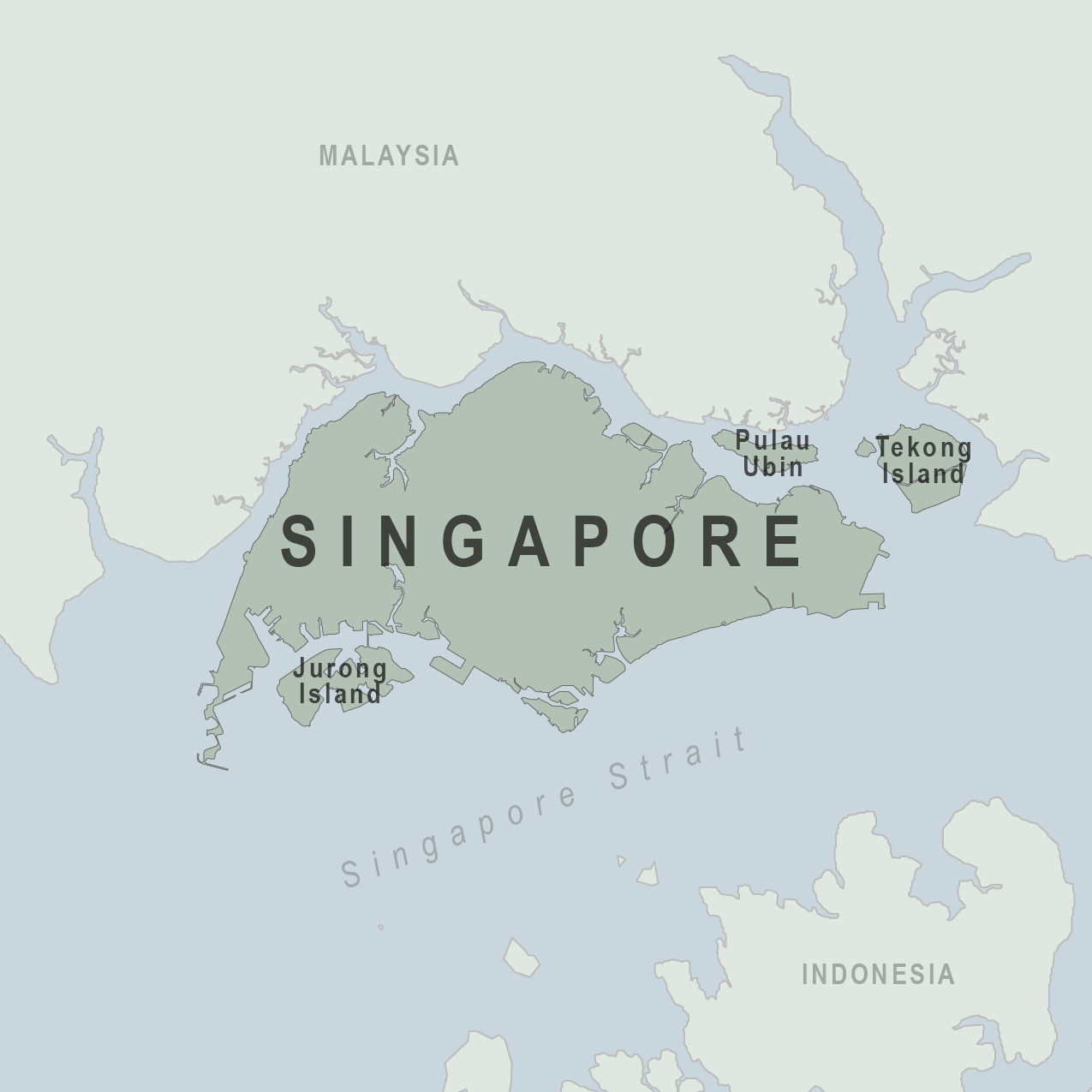
**Map Disclaimer** - The boundaries and names shown and the designations used on maps do not imply the expression of any opinion whatsoever on the part of the Centers for Disease Control and Prevention concerning the legal status of any country, territory, city or area or of its authorities, or concerning the delimitation of its frontiers or boundaries. Approximate border lines for which there may not yet be full agreement are generally marked.
***
Page last reviewed: February 19, 2026
Content source: [National Center for Emerging and Zoonotic Infectious Diseases (NCEZID)](https://www.cdc.gov/ncezid/index.html)
[Division of Global Migration Health (DGMH)](https://www.cdc.gov/ncezid/dgmq/index.html)
[Travelers Health](https://wwwnc.cdc.gov/travel/)
- [Destinations (244)](https://wwwnc.cdc.gov/travel/destinations/list "Destinations (244)")
- [Singapore](https://wwwnc.cdc.gov/travel/destinations/traveler/none/singapore)
- [Healthy Travel Packing List](https://wwwnc.cdc.gov/travel/destinations/singapore/traveler/packing-list)
- [Travel Notices](https://wwwnc.cdc.gov/travel/notices "Travel Notices")
- [Advice for Travelers](https://wwwnc.cdc.gov/travel/page/traveler-information-center)
- [Adventure Travel](https://wwwnc.cdc.gov/travel/page/adventure)
- [After Travel Tips](https://wwwnc.cdc.gov/travel/page/after-travel)
- [Allergies and Travel](https://wwwnc.cdc.gov/travel/page/allergies)
- [Avoid Animals](https://wwwnc.cdc.gov/travel/page/be-safe-around-animals)
- [Before You Travel](https://wwwnc.cdc.gov/travel/page/before-travel)
- [Blood Clots](https://wwwnc.cdc.gov/travel/page/dvt)
- [Bug Bites](https://wwwnc.cdc.gov/travel/page/avoid-bug-bites)
- [Business Travel](https://wwwnc.cdc.gov/travel/page/business)
- [Cold Weather and Travel](https://wwwnc.cdc.gov/travel/page/cold-weather-and-travel)
- [Counterfeit Medicines](https://wwwnc.cdc.gov/travel/page/counterfeit-medicine)
- [Cruise Ship Travel](https://wwwnc.cdc.gov/travel/page/cruise-ship)
- [During Travel Tips](https://wwwnc.cdc.gov/travel/page/during-travel)
- [Food Poisoning from Seafood](https://wwwnc.cdc.gov/travel/page/fish-poisoning-ciguatera-scombroid)
- [Food and Drinks](https://wwwnc.cdc.gov/travel/page/food-water-safety)
- [Health Care During Travel](https://wwwnc.cdc.gov/travel/page/health-care-during-travel)
- [Obtención de atención médica en el extranjero](https://wwwnc.cdc.gov/travel/page/getting-health-care-abroad-esp)
- [High Altitudes](https://wwwnc.cdc.gov/travel/page/travel-to-high-altitudes)
- [Holiday Travel](https://wwwnc.cdc.gov/travel/page/traveling-holidays)
- [Heat Illnesses](https://wwwnc.cdc.gov/travel/page/heat-illnesses)
- [Humanitarian Aid Workers](https://wwwnc.cdc.gov/travel/page/humanitarian-aid-workers)
- [Travel Insurance](https://wwwnc.cdc.gov/travel/page/insurance)
- [Jet Lag](https://wwwnc.cdc.gov/travel/page/jet-lag)
- [Last-Minute Travel](https://wwwnc.cdc.gov/travel/page/last-minute-travelers)
- [Long-Term Travel](https://wwwnc.cdc.gov/travel/page/long-term-travelers-expatriates)
- [Mass Gatherings](https://wwwnc.cdc.gov/travel/page/travel-to-mass-gatherings)
- [Medical Tourism](https://wwwnc.cdc.gov/travel/page/medical-tourism)
- [Mental Health](https://wwwnc.cdc.gov/travel/page/mental-health)
- [Motion Sickness](https://wwwnc.cdc.gov/travel/page/motion-sickness)
- [Natural Disasters](https://wwwnc.cdc.gov/travel/page/natural-disasters)
- [Older Adults](https://wwwnc.cdc.gov/travel/page/senior-citizens)
- [Pack Smart](https://wwwnc.cdc.gov/travel/page/pack-smart)
- [Pregnant Travelers](https://wwwnc.cdc.gov/travel/page/pregnant-travelers)
- [Road Safety](https://wwwnc.cdc.gov/travel/page/road-safety)
- [Routine Vaccines](https://wwwnc.cdc.gov/travel/page/routine-vaccines)
- [Sex Tourism](https://wwwnc.cdc.gov/travel/page/sex-tourism)
- [Spring Break Travel](https://wwwnc.cdc.gov/travel/page/spring-break-travel)
- [STIs](https://wwwnc.cdc.gov/travel/page/std)
- [Study Abroad](https://wwwnc.cdc.gov/travel/page/studying-abroad)
- [Summer Travel](https://wwwnc.cdc.gov/travel/page/summer-travel)
- [Sun Exposure](https://wwwnc.cdc.gov/travel/page/sun-exposure)
- [Tick Bites](https://wwwnc.cdc.gov/travel/page/diseases-spread-by-ticks)
- [Travel Vaccines](https://wwwnc.cdc.gov/travel/page/travel-vaccines)
- [Traveler Survival Guide](https://wwwnc.cdc.gov/travel/page/survival-guide)
- [Traveling Abroad with Medicine](https://wwwnc.cdc.gov/travel/page/travel-abroad-with-medicine)
- [Traveling with Children](https://wwwnc.cdc.gov/travel/page/children)
- [Traveling with Your Pet](https://wwwnc.cdc.gov/travel/page/pets)
- [Travelers' Diarrhea](https://wwwnc.cdc.gov/travel/page/travelers-diarrhea)
- [Travelers with Chronic Illnesses](https://wwwnc.cdc.gov/travel/page/chronic-illnesses)
- [Travelers with Disability](https://wwwnc.cdc.gov/travel/page/disability)
- [Travelers with Weakened Immune Systems](https://wwwnc.cdc.gov/travel/page/weakened-immune-systems)
- [Visiting Friends or Relatives](https://wwwnc.cdc.gov/travel/page/vfr)
- [Avoid Contaminated Water During Travel](https://wwwnc.cdc.gov/travel/page/water-disinfection)
- [Swimming and Diving Safety](https://wwwnc.cdc.gov/travel/page/safe-swimming-diving)
- [RSS Feeds](https://wwwnc.cdc.gov/travel/page/rss)
- [Find a Clinic](https://wwwnc.cdc.gov/travel/page/find-clinic)
- [Yellow Fever Vaccination Clinics](https://wwwnc.cdc.gov/travel/page/yellow-fever-clinics)
- [FAQ](https://wwwnc.cdc.gov/travel/page/yellow-fever-registry-faq)
- [Clinician Resources](https://wwwnc.cdc.gov/travel/page/clinician-information-center)
- [Clinical Updates](https://wwwnc.cdc.gov/travel/news-announcements)
- [ICVP](https://wwwnc.cdc.gov/travel/page/icvp)
- [Yellow Fever Vaccine Course](https://wwwnc.cdc.gov/travel/page/yellow-fever-vaccine-course)
- [Cholera Information for Health Care Professionals](https://wwwnc.cdc.gov/travel/page/cholera-travel-information)
- [Pre-Travel Quick Guide](https://wwwnc.cdc.gov/travel/page/pre-travel-guide)
- [Think Travel Vaccine Guide](https://wwwnc.cdc.gov/travel/page/vaccine-guide)
- [Patient Counseling](https://wwwnc.cdc.gov/travel/page/patient-counseling)
- [Training Courses](https://wwwnc.cdc.gov/travel/page/continuing-education)
- [CDC Yellow Book](https://wwwnc.cdc.gov/travel/page/yellowbook-home)
- [Research and Surveillance](https://wwwnc.cdc.gov/travel/page/partners)
- [Traveler-based Genomic Surveillance](https://wwwnc.cdc.gov/travel/page/travel-genomic-surveillance)
- [Frequently Asked Questions](https://wwwnc.cdc.gov/travel/page/faq)
- [Contact Us](https://wwwnc.cdc.gov/travel/page/contact)
#### Other Destinations
If you need help finding travel information:
mobile light icon
[Call CDC-INFO](https://www.cdc.gov/cdc-info/index.html#hours) (1-800-232-4636)
email icon
[Email CDC-INFO](https://wwwn.cdc.gov/dcs/ContactUs/Form)
Message & data rates may apply. [CDC Privacy Policy](https://www.cdc.gov/other/privacy.html)
##### File Formats Help:
[How do I view different file formats (PDF, DOC, PPT, MPEG) on this site?](https://www.cdc.gov/Other/plugins/)
- [Adobe PDF file](https://www.cdc.gov/Other/plugins/#pdf)
- [Microsoft PowerPoint file](https://www.cdc.gov/Other/plugins/#ppt)
- [Microsoft Word file](https://www.cdc.gov/Other/plugins/#doc)
- [Microsoft Excel file](https://www.cdc.gov/Other/plugins/#xls)
- [Audio/Video file](https://www.cdc.gov/Other/plugins/#wmv)
- [Apple Quicktime file](https://www.cdc.gov/Other/plugins/#qt)
- [RealPlayer file](https://www.cdc.gov/Other/plugins/#ram)
- [Text file](https://www.cdc.gov/Other/plugins/#text)
- [Zip Archive file](https://www.cdc.gov/Other/plugins/#zip)
- [SAS file](https://www.cdc.gov/Other/plugins/#sas)
- [ePub file](https://www.cdc.gov/Other/plugins/#epub)
**CONTACT CDC-INFO**
Have questions? We have answers. 1-800-CDC-INFO (800-232-4636) TTY: 888-232-6348
[Email CDC-INFO](https://wwwn.cdc.gov/dcs/RequestForm.aspx)
**CDC INFORMATION**
- [About CDC](https://www.cdc.gov/about/default.htm)
- [Jobs](https://jobs.cdc.gov/)
- [Funding](https://www.cdc.gov/funding)
- [Policies](https://www.cdc.gov/Other/policies.html)
- [File Viewers & Players](https://www.cdc.gov/other/plugins/index.html)
- [Privacy](https://www.cdc.gov/Other/policies.html)
- [FOIA](https://www.cdc.gov/od/foia)
- [No Fear Act](https://www.cdc.gov/eeo/nofearact/index.htm)
- [OIG](https://oig.hhs.gov/)
- [Nondiscrimination](https://www.cdc.gov/other/nondiscrimination.html)
**CONNECT WITH CDC**
- [Facebook](https://www.facebook.com/CDC)
- [Twitter](https://twitter.com/CDCgov)
- [Youtube](https://www.youtube.com/user/CDCstreamingHealth)
- [Instagram](https://www.instagram.com/CDCgov/)
- [Syndicate](https://tools.cdc.gov/medialibrary/index.aspx#/sharecontent/https://www.cdc.gov/wcms/4.0/cdc-wp/sample-pages/samplecontent3.html)
- [CDC TV](https://www.cdc.gov/cdctv)
- [RSS](https://tools.cdc.gov/podcasts/rss.asp)
- [Email](https://wwwn.cdc.gov/dcs/RequestForm.aspx)
[U.S. Department of Health & Human Services](https://www.hhs.gov/)
[USA.gov](https://www.usa.gov/)
[CDC Website Exit Disclaimer](https://www.cdc.gov/Other/disclaimer.html)
###### Follow CDC
- [Email](https://www.cdc.gov/Other/emailupdates/)
- [Recommend](https://www.facebook.com/CDCTravelersHealth)
- [Tweet](https://twitter.com/CDCtravel)
- [Post](https://www.linkedin.com/company/centers-for-disease-control-and-prevention)
- [RSS](https://www2c.cdc.gov/podcasts/rss.asp)
###### CDC Media
- [Listen](https://www2c.cdc.gov/podcasts/)
- [Watch](https://www.cdc.gov/cdctv)
- [eCards](https://tools.cdc.gov/ecards/)
- [YouTube](https://www.youtube.com/CDCstreamingHealth)
TOP |
| Readable Markdown | Learn actions you can take to stay healthy and safe on your trip. Vaccines cannot protect you from many diseases in Singapore, so your behaviors are important.
Although Singapore is an industrialized country, bug bites here can still spread diseases. Just as you would in the United States, try to avoid bug bites while spending time outside or in wooded areas.
##### What can I do to prevent bug bites?
- Cover exposed skin by wearing long-sleeved shirts, long pants, and hats.
- Use an appropriate insect repellent (see below).
- Consider using permethrin-treated clothing and gear if spending a lot of time outside. Do **not** use permethrin directly on skin.
##### What type of insect repellent should I use?
- **FOR PROTECTION AGAINST TICKS AND MOSQUITOES:** Use a repellent that contains 20% or more **DEET** for protection that lasts up to several hours.
- **FOR PROTECTION AGAINST MOSQUITOES ONLY:** Products with one of the following active ingredients can also help prevent mosquito bites. Higher percentages of active ingredient provide longer protection.
- **[DEET](https://www.epa.gov/insect-repellents/deet)**
- **Picaridin** (also known as KBR 3023, Bayrepel, and icaridin)
- **Oil of lemon eucalyptus (OLE)** or para-menthane-diol **(PMD)**
- **IR3535**
- **2-undecanone**
- Always use insect repellent as directed.
##### What should I do if I am bitten by bugs?
- Avoid scratching bug bites, and apply hydrocortisone cream or calamine lotion to reduce the itching.
- Check your entire body for ticks after outdoor activity. Be sure to [remove ticks](https://www.cdc.gov/ticks/after-a-tick-bite/) properly.
##### What can I do to avoid bed bugs?
Although bed bugs do not carry disease, they are an annoyance. See our [information page about avoiding bug bites](https://wwwnc.cdc.gov/travel/page/avoid-bug-bites) for some easy tips to avoid them. For more information on bed bugs, see [Bed Bugs](https://www.cdc.gov/bed-bugs/about/).
For more detailed information on avoiding bug bites, see [Avoid Bug Bites](https://wwwnc.cdc.gov/travel/page/avoid-bug-bites).
Hide
**If your travel plans in Singapore include outdoor activities, take these steps to stay safe and healthy during your trip:**
- Stay alert to changing weather conditions and adjust your plans if conditions become unsafe.
- Prepare for activities by wearing the right clothes and packing protective items, such as bug spray, sunscreen, and a basic first aid kit.
- Consider learning basic first aid and CPR before travel. Bring a [travel health kit](https://wwwnc.cdc.gov/travel/page/pack-smart.htm) with items appropriate for your activities.
- Heat-related illness, such as heat stroke, can be deadly. Eat and drink regularly, wear loose and lightweight clothing, and limit physical activity in the heat of the day.
- If you are outside for many hours in the heat, eat salty snacks and drink water to stay hydrated and replace salt lost through sweating.
- [Protect yourself from UV radiation](https://www.cdc.gov/radiation-health/features/uv-radiation.html#cdc_story_lessons-to-protect-yourself-from-uv-radiation): use sunscreen with an SPF of at least 15, wear protective clothing, and seek shade during the hottest time of day (10 a.m.–4 p.m.).
- Be especially careful during summer months and at high elevation. Because sunlight reflects off snow, sand, and water, sun exposure may be increased during activities like skiing, swimming, and sailing.
- Very cold temperatures can be dangerous. Dress in layers and cover heads, hands, and feet properly if you are visiting a cold location.
##### Stay safe around water
- Swim only in designated swimming areas. Obey lifeguards and warning flags on beaches.
- Do not dive into shallow water.
- Avoid swallowing water when swimming. Untreated water can carry germs that make you sick.
- Practice safe boating—follow all boating safety laws, do not drink alcohol if you are driving a boat, and always wear a life jacket.
Hide
Most animals avoid people, but they may attack if they feel threatened, are protecting their young or territory, or if they are injured or ill. Animal bites and scratches can lead to serious diseases such as rabies.
Follow these tips to protect yourself:
- Do not touch or feed *any* animals you do not know.
- Do not allow animals to lick open wounds, and do not get animal saliva in your eyes or mouth.
- Avoid rodents and their urine and feces.
- Traveling pets should be supervised closely and not allowed to come in contact with local animals.
- If you wake in a room with a bat, seek medical care immediately. Bat bites may be hard to see.
All animals can pose a threat, but be extra careful around dogs, bats, monkeys, sea animals such as jellyfish, and snakes. If you are bitten or scratched by an animal, immediately:
- **Wash** the wound with soap and clean water.
- **Go** to a doctor right away.
- **Tell** your doctor about your injury when you get back to the United States.
Hide
Follow these tips to avoid getting sick or spreading illness to others while traveling:
- Wash your hands often, especially before eating.
- If soap and water aren’t available, clean hands with hand sanitizer (containing at least 60% alcohol).
- Don’t touch your eyes, nose, or mouth. If you need to touch your face, make sure your hands are clean.
- Cover your mouth and nose with a tissue or your sleeve (not your hands) when coughing or sneezing.
- Try to avoid contact with people who are sick.
- If you are sick, stay home or in your hotel room, unless you need medical care.
Hide
Diseases can be spread through body fluids, such as saliva, blood, vomit, and semen.
Protect yourself:
- Use latex condoms correctly.
- Do not inject drugs.
- Limit alcohol consumption. People take more risks when intoxicated.
- Do not share needles or any devices that can break the skin. That includes needles for tattoos, piercings, and acupuncture.
- If you receive medical or dental care, make sure the equipment is disinfected or sanitized.
Hide
Plan for how you will get health care during your trip, should the need arise:
- Carry a list of [local doctors and hospitals](https://travel.state.gov/content/passports/en/go/health.html) at your destination.
- Review your health insurance plan to determine what medical services it would cover during your trip. Consider purchasing travel health and medical evacuation insurance for things your regular insurance will not cover.
- Carry a card that identifies, in the local language, your blood type, chronic conditions or serious allergies, and the generic names of any medicines you take.
- Bring copies of your prescriptions for medicine and for eye glasses and contact lenses.
- Some prescription drugs may be illegal in other countries. Call [Singapore’s embassy](https://www.usembassy.gov/) to verify that all of your prescription(s) are legal to bring with you.
- Bring all the medicines (including over-the-counter medicines) you think you might need during your trip, including extra in case of travel delays. Ask your doctor to help you get prescriptions filled early if you need to.
Many foreign hospitals and clinics are accredited by the Joint Commission International. A list of accredited facilities is available at their website ([www.jointcommissioninternational.org](http://www.jointcommissioninternational.org/)).
Hide
**Motor vehicle crashes are the \#1 killer of healthy US citizens in foreign countries.**
##### Walking
Be smart when you are traveling on foot.
- Use sidewalks and marked crosswalks.
- Pay attention to the traffic around you, especially in crowded areas.
- Remember, people on foot do not always have the right of way in other countries.
##### Riding/Driving
Choose a safe vehicle.
- Choose official taxis or public transportation, such as trains and buses.
- Make sure there are seatbelts.
- Avoid overcrowded, overloaded, top-heavy buses and minivans.
- Avoid riding on motorcycles or motorbikes, especially motorbike taxis. (Many crashes are caused by inexperienced motorbike drivers.)
- Choose newer vehicles—they may have more safety features, such as airbags, and be more reliable.
- Choose larger vehicles, which may provide more protection in crashes.
Think about the driver.
- Do not drive after drinking alcohol or ride with someone who has been drinking.
- Consider hiring a licensed, trained driver familiar with the area.
- Arrange payment before departing.
Follow basic safety tips.
- Wear a seatbelt at all times.
- Sit in the back seat of cars and taxis.
- When on motorbikes or bicycles, always wear a helmet. (Bring a helmet from home, if needed.)
- Do not use a cell phone or text while driving (illegal in many countries).
- Travel during daylight hours only, especially in rural areas.
- If you choose to drive a vehicle in Singapore, learn the local traffic laws and have the proper paperwork.
- Get any driving permits and insurance you may need. Get an International Driving Permit (IDP). Carry the IDP and a US-issued driver's license at all times.
- Check with your auto insurance policy's international coverage, and get more coverage if needed. Make sure you have liability insurance.
##### Flying
- Avoid using local, unscheduled aircraft.
- If possible, fly on larger planes (more than 30 seats); larger airplanes are more likely to have regular safety inspections.
- Try to schedule flights during daylight hours and in good weather.
##### Helpful Resources
[Road Safety Overseas](https://travel.state.gov/content/travel/en/international-travel/before-you-go/driving-and-road-safety.html) (Information from the US Department of State): Includes tips on driving in other countries, International Driving Permits, auto insurance, and other resources.
The [Association for International Road Travel](http://www.asirt.org/) has country-specific [Road Travel Reviews](https://www.asirt.org/resources/) available for most countries for a minimal fee.
Traffic flows on the left side of the road in Singapore.
- Always pay close attention to the flow of traffic, especially when crossing the street.
- LOOK RIGHT for approaching traffic.
Hide
Use the same common sense traveling overseas that you would at home, and always stay alert and aware of your surroundings.
##### Before you leave
- Research your destination(s), including local laws, customs, and culture.
- Monitor [travel advisories and alerts](http://travel.state.gov/content/passports/en/alertswarnings.html) and read travel [tips](http://travel.state.gov/content/passports/en/go/checklist.html) from the US Department of State.
- Enroll in the [Smart Traveler Enrollment Program (STEP)](http://travel.state.gov/content/passports/en/go/step.html).
- Leave a copy of your itinerary, contact information, credit cards, and passport with someone at home.
- Pack as light as possible, and leave at home any item you could not replace.
##### While at your destination(s)
- Carry contact information for the nearest [US embassy or consulate](http://www.usembassy.gov/).
- Carry a photocopy of your passport and entry stamp; leave the actual passport securely in your hotel.
- Follow all local laws and social customs.
- Do not wear expensive clothing or jewelry.
- Always keep hotel doors locked, and store valuables in secure areas.
- If possible, choose hotel rooms between the 2nd and 6th floors.
Hide |
| Shard | 5 (laksa) |
| Root Hash | 17308952984333333205 |
| Unparsed URL | gov,cdc!wwwnc,/travel/destinations/traveler/none/singapore s443 |