ℹ️ Skipped - page is already crawled
| Filter | Status | Condition | Details |
|---|---|---|---|
| HTTP status | PASS | download_http_code = 200 | HTTP 200 |
| Age cutoff | PASS | download_stamp > now() - 6 MONTH | 0.9 months ago |
| History drop | PASS | isNull(history_drop_reason) | No drop reason |
| Spam/ban | PASS | fh_dont_index != 1 AND ml_spam_score = 0 | ml_spam_score=0 |
| Canonical | PASS | meta_canonical IS NULL OR = '' OR = src_unparsed | Not set |
| Property | Value | |||||||||
|---|---|---|---|---|---|---|---|---|---|---|
| URL | https://www.webmd.com/pain-management/abdominal-pain-causes-treatments | |||||||||
| Last Crawled | 2026-03-27 18:25:23 (28 days ago) | |||||||||
| First Indexed | not set | |||||||||
| HTTP Status Code | 200 | |||||||||
| Content | ||||||||||
| Meta Title | Abdominal Pain: Types, Causes, Treatment & Home Remedies | |||||||||
| Meta Description | Abdominal pain - A discomfort that you feel in your belly area. Learn more about types, causes, symptoms, diagnosis, treatment & home remedies. | |||||||||
| Meta Canonical | null | |||||||||
| Boilerpipe Text | Abdominal pain refers to discomfort or other uncomfortable sensations that you feel in your belly area. Just about everybody, at one time or another, will get a
bellyache
.
Most causes of abdominal pain aren't reasons to worry, and your doctor can easily diagnose and treat the problem. But sometimes, it can be a sign of a serious illness that needs medical attention.
There are several types of abdominal pain, based on how quickly your pain starts and how long it lasts:
Acute.
Acute abdominal pain starts over a few hours or days and may come with other symptoms. It’s pretty common and rarely much of a concern. It could be gas, for example. But if you have severe pain that comes on suddenly, you’re more likely to have something more serious that might require a trip to the emergency room, such as appendicitis.
Chronic.
This type of pain lasts 3 months or more and may come and go. Chronic abdominal pain may occur along with other symptoms. What those symptoms might be depends on the cause of the pain. If you have an inflammatory bowel disease such as
Crohn’s disease
, you might have chronic diarrhea in addition to abdominal pain.
Progressive.
This type of abdominal pain gets worse over time. Other symptoms typically develop along with the pain. Those additional symptoms depend on what’s causing the pain. It’s usually a sign of serious illness, including Crohn’s disease and different types of cancer.
Colicky.
You get this type of abdominal pain in waves that stop and start suddenly. It’s frequently severe. Kidney stones are a common culprit.
Whether you've got a mild ache or serious cramps, abdominal pain can have many causes.
Keep in mind that most causes are not serious and the pain will ease on its own. Such causes include indigestion,
constipation
, a stomach virus, and menstrual cramps. But you should see a doctor if you don’t know the reason for it, if it does not go away, or if it’s severe. Call your doctor if you have abdominal pain while pregnant or after an injury. You should also call your doctor if you have the following in addition to your abdominal pain:
Persistent fever
Persistent nausea or vomiting
Blood in your poop, pee, or vomit
Abdomen that is swollen and tender to the touch
Yellowing of the eyes and skin, called jaundice
Pain elsewhere in your body
Shortness of breath
Symptoms that worsen with exertion
The most common causes of abdominal pain can be grouped into categories. These are:
Pain caused by digestive issues:
Indigestion
Gas pain
Constipation
Diarrhea
Certain food allergies and sensitivities
Food poisoning
Pain caused by inflammation due to:
Stomach flu, or viral gastroenteritis
Peptic ulcer disease
Gastroesophageal reflux disease (GERD), also called chronic acid reflux
Urinary tract infection (UTI)
Reproductive pain in people with a uterus:
Menstrual cramps
Pain due to ovulation
Less common but more serious causes of abdominal pain include:
Appendicitis
Diverticulitis
Gallstones
Gallbladder inflammation, called
cholecystitis
Hepatitis, including alcoholic hepatitis, toxic hepatitis, viral hepatitis, metabolic hepatitis, and autoimmune hepatitis
Certain types of cancer, including stomach, gallbladder, pancreatic, colon, ovarian, uterine, and liver cancer
Bile duct issues, such as cancer, stones, and strictures
Kidney stones
Kidney infection
Ulcers, such as stomach ulcers and duodenal ulcers
Pancreatitis, or inflamed pancreas
Gastritis, or inflamed stomach lining
Irritable bowel syndrome
Inflammatory bowel diseases including Crohn’s disease and ulcerative colitis
Bowel obstructions
Abdominal aortic aneurysms
Hernia
Heart attack
Angina
Pulmonary embolism
Pneumonia
Low blood flow to your intestines caused by a blocked blood vessel, called mesenteric ischemia
Ectopic pregnancy (when a fertilized egg grows outside the uterus, for example, in a fallopian tube)
Abdominal pain can be a normal but unfortunate part of pregnancy and should not alarm you. But some types of pain require medical attention.
Common but harmless causes of
abdominal pain in pregnancy
include:
Round ligament pain.
This can be sharp and stabbing, or dull and achy pain that lingers. It may occur as your uterus grows, stretching the two ligaments that connect your uterus and groin. It typically occurs in the second trimester.
Gas and constipation.
Progesterone, a hormone released during pregnancy, can slow your digestion, leading to gas and constipation. Staying hydrated, getting plenty of fiber in your diet, exercising, and taking stool softeners can help.
Braxton-Hicks contractions.
These may make your stomach muscles feel tight, or your stomach may feel hard and firm. They’re different from true
contractions
and are less severe. Staying hydrated may help reduce them.
Abdominal pain during pregnancy can also be a sign of something serious that requires immediate medical attention, including:
Ectopic pregnancy.
This occurs when a fertilized egg does not implant in your uterus but in a fallopian tube or elsewhere. It’s uncommon, but when it happens, it can cause severe pain and bleeding. They typically occur between weeks 6 and 10 of pregnancy.
Placental abruption.
This happens when your placenta separates from your uterus before birth. It’s life-threatening and causes constant pain. You also may have bloody leakage, or your water may break earlier than it should. Other signs include
back pain
and tenderness in your abdomen.
Miscarriage.
In addition to abdominal pain, a miscarriage can cause mild to severe back pain, true contractions, bright red or brown bleeding that occurs with or without cramps, tissue or clot-like material passing out of your vagina, and a sudden drop in signs and symptoms of pregnancy.
Urinary tract infection (UTI).
These can cause lower abdominal pain as well as pain when you urinate, like a burning sensation. If the pain spreads to your lower back, sides, or above your pelvis, the infection may have spread to your kidney, requiring immediate medical attention. Other signs include fever, nausea, sweats, or chills.
Preeclampsia.
This causes upper abdominal pain, usually under your ribs on the right side of your body.
Nausea
, vomiting, and abdominal pressure also may develop. Tests will detect high blood pressure and protein in your urine.
There are a variety of reasons that you could develop abdominal pain after you eat. They include:
Indigestion.
You can trigger indigestion by overeating, eating too quickly, or eating fatty foods. You may experience pain in your central and upper abdomen, a burning sensation, and an early or long-lasting feeling of fullness. Gas, constipation, and nausea may occur as well.
Gas and gas pain.
Normally, you pass gas as part of digestion. But when you have too much gas in your system, some of that gas can get trapped in your abdomen and cause abdominal pain. High-fiber foods can cause gas, as can swallowing too much air, which can happen if you talk while eating or drinking. Infections and digestive conditions such as
irritable bowel syndrome
and lactose intolerance also can make you gassy.
Constipation.
When your poop can’t move through your digestive tract, it can cause abdominal pain. Lots of things can cause constipation. Food-related causes include consuming lots of cheese or milk, too little fiber in your diet, and not drinking enough water.
Diarrhea.
In addition to frequent bathroom trips, diarrhea also can trigger painful cramps in your abdomen. If you get diarrhea after you eat, it may be from food poisoning. Other causes include lactose intolerance, celiac disease, and sensitivity to sweeteners, such as honey, that contain fructose.
Food intolerances or sensitivities.
If you have trouble digesting certain foods and you eat them anyway, you may experience abdominal pain and other uncomfortable symptoms.
Lactose intolerance
is a common example. It requires avoiding dairy products, such as milk, that contain an enzyme called lactose.
Food poisoning.
This happens when you eat food contaminated with certain toxic organisms, including bacteria, fungi, parasites, or viruses. Abdominal pain is one of the many possible and unpleasant signs that you’ve eaten something you shouldn’t have.
The location of your abdominal pain can provide a clue to its cause. If your pain occurs on your lower left side, the most common culprit is diverticulitis of the colon. This is a complication of diverticulosis, a condition in which small pouches develop on the lining of your intestines. When these pouches become inflamed (a condition called
diverticulitis
), you’ll likely have severe abdominal pain. Irritable bowel syndrome also may cause pause pain in your lower left abdomen.
Pain in your upper left abdomen has many possible causes, including:
Inflammation of your pancreas, called pancreatitis
Pancreatic cancer
Enlarged spleen, called splenomegaly
Inflammation of your stomach lining, called gastritis
Stomach ulcer
Bile reflux
Stomach cancer
Kidney infection
Kidney stone
Pain in this part of your abdomen can also start in your chest due to:
Heartburn
Angina, or chest pain caused by coronary artery disease
Chest pain not related to your heart
Heart attack
Inflammation of the tissue that surrounds your heart, called pericarditis
Pneumonia
Inflammation of the lining of your lungs, called pleurisy
Pulmonary embolism
If you have pain in your lower right abdomen, it could mean trouble with your appendix, such as appendicitis or, rarely, appendix cancer.
You have some major organs on the upper right side of your abdomen, including your liver and right kidney, as well as your gallbladder. Serious causes of pain in this area include:
Hepatitis, including alcoholic hepatitis, toxic hepatitis, viral hepatitis, metabolic hepatitis, and autoimmune hepatitis
Gallstones
Liver disease, including liver cancer
Gallbladder cancer
Inflammation of your gallbladder, called cholecystitis
Kidney infection
Kidney stones
Duodenal ulcer
Large bowel obstruction
If you have long-lasting, or chronic, abdominal pain, it may come and go without getting worse over time. Conditions that can cause chronic abdominal pain include:
Celiac disease
Gallstones
Gastritis, or inflammation of the lining of your stomach
Gastroesophageal reflux disease (
GERD
)
Hernias
Irritable bowel syndrome
Ovarian cysts
Peptic ulcer
Ulcerative colitis, a type of inflammatory bowel disease
You may also have colicky abdominal pain, which comes and goes and is often severe, due to more acute causes, such as kidney stones and gallstones.
If you have at least three stomachaches over 3 months, and they’re severe enough to keep you from doing everyday activities, you have what doctors call “recurrent abdominal pain.”
Recurrent abdominal pain symptoms
Recurrent abdominal pain feels different from person to person. The pain may start and stop without warning or could be ongoing. Some people describe it as a dull ache in their belly. Others have sharp
cramps
. Besides pain, there may be symptoms such as
diarrhea
or throwing up.
If your abdominal pain is serious, doesn't go away, or keeps coming back, talk to your doctor. Call 911 right away if your belly hurts because you had a recent injury there or if you have
chest pain
.
You should also contact your doctor as soon as you can if you have pain along with other symptoms, such as:
Inability to keep food down for more than 2 days
Signs of dehydration
, including not urinating frequently, dark-colored urine, and being very thirsty
Inability to have a bowel movement, especially if you're also
vomiting
Pain when you urinate or you need to urinate often
Also call your doctor if:
Your belly is tender to the touch
Pain lasts more than a few hours
You may have other symptoms that could indicate a problem inside your body that needs immediate treatment. Get medical care right away if you have abdominal pain and you also:
Vomit blood
Notice bloody or black, tarry stool
Have trouble breathing
Vomit constantly
Have swelling in your belly
Have yellow skin
Are
pregnant
Have unexplained weight loss
These two symptoms often go hand in hand. When they persist, you should see a doctor. The following, some of them serious, are a few examples of conditions that can cause both abdominal pain and nausea:
Diverticulitis
Food poisoning
Food intolerances, such as lactose intolerance
Digestive issues, including constipation, diarrhea, and indigestion
Low blood flow to your intestines caused by a blocked blood vessel, called mesenteric ischemia
Ulcers
Inflammation of your pancreas, called pancreatitis
Hepatitis
Preeclampsia
UTI
Stomach flu, also called viral gastroenteritis
Since there are so many possible causes, your doctor will do a thorough physical exam. They’ll also ask you some questions about your symptoms and want to know what type of pain you have. For instance, is it a severe stabbing pain or a dull ache?
Some other questions your doctor may ask you:
Does it hurt throughout your abdomen, or is it just in one particular area?
When does it hurt? Always? More often in the morning or at night?
If the pain comes and goes, how long does it last each time?
Does it hurt after you eat certain foods or drink alcohol?
Are you in
pain during
menstruation
?
How long have you been hurting?
Does the pain sometimes move into your lower back, shoulder, groin, or buttocks?
Do you take any medications or herbal supplements?
Are you pregnant?
Does any activity ease the pain, such as eating or lying on one side?
Does an activity or position make the pain worse?
Were you injured recently?
After your exam is over and your doctor is done asking you questions, you may need tests to help find the cause of your pain. These tests may include:
Stool or urine tests
Blood tests
Barium swallows or enemas
Colonoscopy or sigmoidoscopy
CT scan
Ultrasound
Upper endoscopy
X-rays
The treatment for abdominal pain depends on its cause and may include:
Medications to lower inflammation, prevent
acid reflux
, or treat ulcers or infection
Surgery to treat a problem with an organ
Over-the-counter pain relievers such as aspirin and ibuprofen can irritate your stomach and worsen your pain. Don’t take them unless a doctor has diagnosed the cause of your belly pain and recommends their use.
Some diet and lifestyle changes may help ease belly pain caused by gas and indigestion. Here are some things you can try:
Eat smaller portions at more frequent meals.
Eat slowly.
Chew your food well.
Drink beverages at room temperature.
Avoid foods that give you gas or indigestion.
Manage your stress.
Limit alcohol and
caffeine
.
Sit up straight after you eat.
Get regular physical activity and take a short walk after you eat.
Abdominal pain can develop for many different reasons. Most of the time, it’s not serious and will go away on its own. But persistent, severe, and unexplained abdominal pain could be a cause for concern and require treatment. Our best advice — let your doctor decide.
What does the location of your abdominal pain tell you?
Where your pain occurs provides clues to its cause. For example, your appendix is in your lower right abdomen, so pain in that area could indicate you have
appendicitis
, a medical emergency requiring surgery.
What is the difference between stomach pain and abdominal pain?
Your stomach is just one organ in your abdomen. It’s located in your upper abdomen on the left-hand side. While you can feel pain in your stomach, abdominal pain can occur anywhere in your abdomen, the area of your body between your chest and your pelvis. | |||||||||
| Markdown | [Skip to main content](https://www.webmd.com/pain-management/abdominal-pain-causes-treatments#main-container)
[](https://www.webmd.com/)
- [Home](https://www.webmd.com/)
- [Conditions]()
Back
Conditions[ View All](https://www.webmd.com/a-to-z-guides/health-topics)
- [ADD/ADHD](https://www.webmd.com/add-adhd/default.htm)
- [Allergies](https://www.webmd.com/allergies/default.htm)
- [Arthritis](https://www.webmd.com/arthritis/default.htm)
- [Atrial fibrillation](https://www.webmd.com/heart-disease/atrial-fibrillation/default.htm)
- [Breast Cancer](https://www.webmd.com/breast-cancer/default.htm)
- [Cancer](https://www.webmd.com/cancer/default.htm)
- [Crohn's Disease](https://www.webmd.com/ibd-crohns-disease/crohns-disease/default.htm)
- [Depression](https://www.webmd.com/depression/default.htm)
- [Diabetes](https://www.webmd.com/diabetes/default.htm)
- [DVT](https://www.webmd.com/dvt/default.htm)
- [Eczema](https://www.webmd.com/skin-problems-and-treatments/eczema/default.htm)
- [Eye Health](https://www.webmd.com/eye-health/default.htm)
- [Heart Disease](https://www.webmd.com/heart-disease/default.htm)
- [HIV & AIDS](https://www.webmd.com/hiv-aids/default.htm)
- [Hypertension](https://www.webmd.com/hypertension-high-blood-pressure/default.htm)
- [Lung Disease](https://www.webmd.com/lung/default.htm)
- [Lupus](https://www.webmd.com/lupus/default.htm)
- [Mental Health](https://www.webmd.com/mental-health/default.htm)
- [Multiple Sclerosis](https://www.webmd.com/multiple-sclerosis/default.htm)
- [Migraine](https://www.webmd.com/migraines-headaches/default.htm)
- [Pain Management](https://www.webmd.com/pain-management/default.htm)
- [Psoriasis](https://www.webmd.com/skin-problems-and-treatments/psoriasis/default.htm)
- [Psoriatic Arthritis](https://www.webmd.com/arthritis/psoriatic-arthritis/default.htm)
- [Rheumatoid Arthritis](https://www.webmd.com/rheumatoid-arthritis/default.htm)
- [Sexual Conditions](https://www.webmd.com/sexual-conditions/default.htm)
- [Skin Problems](https://www.webmd.com/skin-problems-and-treatments/default.htm)
- [Sleep Disorders](https://www.webmd.com/sleep-disorders/default.htm)
- [Ulcerative Colitis](https://www.webmd.com/ibd-crohns-disease/ulcerative-colitis/default.htm)
- [ View All](https://www.webmd.com/a-to-z-guides/health-topics)
- [Drugs & Supplements]()
Back
Drugs & Supplements
- [Drugs](https://www.webmd.com/drugs/2/index)
- [Supplements](https://www.webmd.com/vitamins/index)
- [Pill Identifier](https://www.webmd.com/pill-identification/default.htm)
- [Interaction Checker](https://www.webmd.com/interaction-checker/default.htm)
- [Pet Medications](https://www.webmd.com/pets/pet-meds)
- [Well-Being]()
Back
Well-Being
- [Aging Well](https://www.webmd.com/healthy-aging/default.htm)
- [Baby](https://www.webmd.com/parenting/baby/default.htm)
- [Birth Control](https://www.webmd.com/sex/birth-control/default.htm)
- [Children's Health](https://www.webmd.com/children/default.htm)
- [Diet & Weight Management](https://www.webmd.com/diet/default.htm)
- [Fitness & Exercise](https://www.webmd.com/fitness-exercise/default.htm)
- [Food & Recipes](https://www.webmd.com/food-recipes/default.htm)
- [Health & Balance](https://www.webmd.com/balance/default.htm)
- [Healthy Beauty](https://www.webmd.com/beauty/default.htm)
- [Men's Health](https://www.webmd.com/men/default.htm)
- [Parenting](https://www.webmd.com/parenting/default.htm)
- [Pet Health](https://www.webmd.com/pets/default.htm)
- [Pregnancy](https://www.webmd.com/baby/default.htm)
- [Sex & Relationships](https://www.webmd.com/sex-relationships/default.htm)
- [Teen Health](https://www.webmd.com/teens/default.htm)
- [Women's Health](https://www.webmd.com/women/default.htm)
- [Symptom Checker](https://symptoms.webmd.com/default.htm)
- [Find a Doctor](https://doctor.webmd.com/)
- [More]()
Back
More
- [News](https://www.webmd.com/news/default.htm)
- [Blogs](https://blogs.webmd.com/default.htm)
- [Podcasts](https://www.webmd.com/podcasts/default.htm)
- [Webinars](https://www.webmd.com/webinar/default.htm)
- [Newsletters](https://www.webmd.com/newsletters)
- [Videos](https://www.webmd.com/a-to-z-guides/videos)
- [WebMD Surveys](https://surveys.webmd.com/survey/lu3n6U0tmKKU?eid=webmdheader)
- [WebMD Magazine](https://www.webmd.com/magazine/default.htm)
- [Best Hospitals](https://doctor.webmd.com/choice-awards)
- [Support Groups](https://www.webmd.com/facebook-groups)
- [Privacy & More]()
Subscribe
[Log In](https://member.webmd.com/signin?appid=1&returl=https://www.webmd.com/pain-management/abdominal-pain-causes-treatments)
Subscribe
- [Pain Management](https://www.webmd.com/pain-management/default.htm)/
Pain Management Guide
- [Types of Pain](https://www.webmd.com/pain-management/pain-types-and-classifications)
- [Symptoms & Causes](https://www.webmd.com/pain-management/cause-chronic-pain)
- [Tests & Diagnosis](https://www.webmd.com/pain-management/pain-management-diagnosing)
- [Treatment](https://www.webmd.com/pain-management/pain-management-treatment-overview)
- [Living With](https://www.webmd.com/pain-management/11-tips-for-living-with-chronic-pain)
- [Support & Resources](https://doctor.webmd.com/)
- [Appointment Prep](https://www.webmd.com/apptprep/your-surgery-prep-pain-relief-journey/toc)
- [En Español](https://www.webmd.com/es/pain-management/manejo-del-dolor-cronico)
- [View Full Guide](https://www.webmd.com/pain-management/default.htm)
# Abdominal Pain: What You Should Know


Written by [Matt McMillen](https://www.webmd.com/bio/matt-mcmillen)
Medically Reviewed by [Poonam Sachdev](https://www.webmd.com/bio/poonam-sachdev) on April 02, 2024
- [What Is Abdominal Pain?](https://www.webmd.com/pain-management/abdominal-pain-causes-treatments#091e9c5e800079f8-1-1)
- [Types of Abdominal Pain](https://www.webmd.com/pain-management/abdominal-pain-causes-treatments#091e9c5e800079f8-1-2)
- [Abdominal Pain Causes](https://www.webmd.com/pain-management/abdominal-pain-causes-treatments#091e9c5e800079f8-2-4)
- [Abdominal Pain and Pregnancy](https://www.webmd.com/pain-management/abdominal-pain-causes-treatments#091e9c5e800079f8-4-6)
- [Abdominal Pain After Eating](https://www.webmd.com/pain-management/abdominal-pain-causes-treatments#091e9c5e800079f8-6-9)
- [Abdominal Pain on Left Side](https://www.webmd.com/pain-management/abdominal-pain-causes-treatments#091e9c5e800079f8-7-12)
- [Abdominal Pain on Right Side](https://www.webmd.com/pain-management/abdominal-pain-causes-treatments#091e9c5e800079f8-8-14)
- [Abdominal Pain That Comes and Goes](https://www.webmd.com/pain-management/abdominal-pain-causes-treatments#091e9c5e800079f8-9-15)
- [Recurrent Abdominal Pain](https://www.webmd.com/pain-management/abdominal-pain-causes-treatments#091e9c5e800079f8-9-16)
- [When to Call the Doctor About Abdominal Pain](https://www.webmd.com/pain-management/abdominal-pain-causes-treatments#091e9c5e800079f8-10-17)
- [Abdominal Pain and Nausea](https://www.webmd.com/pain-management/abdominal-pain-causes-treatments#091e9c5e800079f8-11-19)
- [Abdominal Pain Diagnosis](https://www.webmd.com/pain-management/abdominal-pain-causes-treatments#091e9c5e800079f8-11-20)
- [Abdominal Pain Treatment](https://www.webmd.com/pain-management/abdominal-pain-causes-treatments#091e9c5e800079f8-12-21)
- [Abdominal Pain Home Remedies](https://www.webmd.com/pain-management/abdominal-pain-causes-treatments#091e9c5e800079f8-12-22)
- [Takeaways](https://www.webmd.com/pain-management/abdominal-pain-causes-treatments#091e9c5e800079f8-12-23)
- [Abdominal Pain FAQs](https://www.webmd.com/pain-management/abdominal-pain-causes-treatments#091e9c5e800079f8-13-24)
12 min read
## What Is Abdominal Pain?
Abdominal pain refers to discomfort or other uncomfortable sensations that you feel in your belly area. Just about everybody, at one time or another, will get a [bellyache](https://www.webmd.com/first-aid/abdominal-pain-in-adults-treatment).
Most causes of abdominal pain aren't reasons to worry, and your doctor can easily diagnose and treat the problem. But sometimes, it can be a sign of a serious illness that needs medical attention.
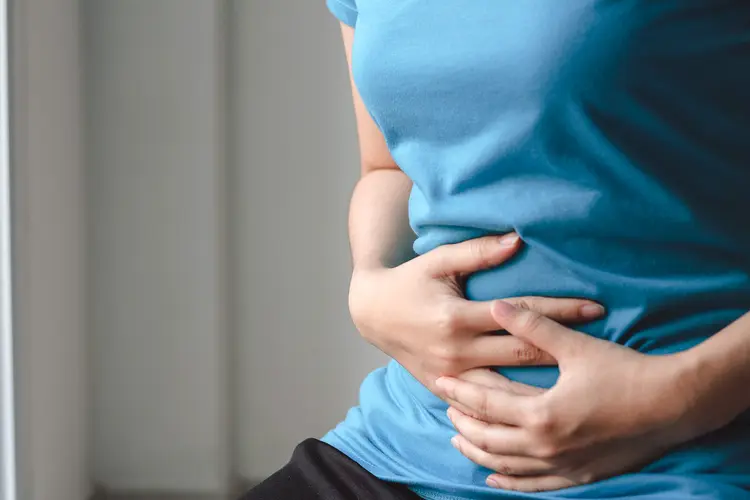
Talk to your doctor if you have sudden, severe abdominal pain. (Photo credit: Wacharaphorn Phetpradub/EyeEm/Getty Images)
## Types of Abdominal Pain
There are several types of abdominal pain, based on how quickly your pain starts and how long it lasts:
**Acute.** Acute abdominal pain starts over a few hours or days and may come with other symptoms. It’s pretty common and rarely much of a concern. It could be gas, for example. But if you have severe pain that comes on suddenly, you’re more likely to have something more serious that might require a trip to the emergency room, such as appendicitis.
**Chronic.** This type of pain lasts 3 months or more and may come and go. Chronic abdominal pain may occur along with other symptoms. What those symptoms might be depends on the cause of the pain. If you have an inflammatory bowel disease such as [Crohn’s disease](https://www.webmd.com/ibd-crohns-disease/crohns-disease/digestive-diseases-crohns-disease), you might have chronic diarrhea in addition to abdominal pain.
**Progressive.** This type of abdominal pain gets worse over time. Other symptoms typically develop along with the pain. Those additional symptoms depend on what’s causing the pain. It’s usually a sign of serious illness, including Crohn’s disease and different types of cancer.
**Colicky.** You get this type of abdominal pain in waves that stop and start suddenly. It’s frequently severe. Kidney stones are a common culprit.
## Abdominal Pain Causes
Whether you've got a mild ache or serious cramps, abdominal pain can have many causes.
Keep in mind that most causes are not serious and the pain will ease on its own. Such causes include indigestion, [constipation](https://www.webmd.com/digestive-disorders/digestive-diseases-constipation), a stomach virus, and menstrual cramps. But you should see a doctor if you don’t know the reason for it, if it does not go away, or if it’s severe. Call your doctor if you have abdominal pain while pregnant or after an injury. You should also call your doctor if you have the following in addition to your abdominal pain:
- Persistent fever
- Persistent nausea or vomiting
- Blood in your poop, pee, or vomit
- Abdomen that is swollen and tender to the touch
- Yellowing of the eyes and skin, called jaundice
- Pain elsewhere in your body
- Shortness of breath
- Symptoms that worsen with exertion
The most common causes of abdominal pain can be grouped into categories. These are:
Pain caused by digestive issues:
- Indigestion
- Gas pain
- Constipation
- [Diarrhea](https://www.webmd.com/digestive-disorders/digestive-diseases-diarrhea)
- Certain food allergies and sensitivities
- Food poisoning
Pain caused by inflammation due to:
- Stomach flu, or viral gastroenteritis
- Peptic ulcer disease
- Gastroesophageal reflux disease (GERD), also called chronic acid reflux
- Urinary tract infection (UTI)
Reproductive pain in people with a uterus:
- Menstrual cramps
- Pain due to ovulation
Less common but more serious causes of abdominal pain include:
- Appendicitis
- Diverticulitis
- Gallstones
- Gallbladder inflammation, called [cholecystitis](https://www.webmd.com/digestive-disorders/what-is-cholecystitis)
- Hepatitis, including alcoholic hepatitis, toxic hepatitis, viral hepatitis, metabolic hepatitis, and autoimmune hepatitis
- Certain types of cancer, including stomach, gallbladder, pancreatic, colon, ovarian, uterine, and liver cancer
- Bile duct issues, such as cancer, stones, and strictures
- Kidney stones
- Kidney infection
- Ulcers, such as stomach ulcers and duodenal ulcers
- Pancreatitis, or inflamed pancreas
- Gastritis, or inflamed stomach lining
- Irritable bowel syndrome
- Inflammatory bowel diseases including Crohn’s disease and ulcerative colitis
- Bowel obstructions
- Abdominal aortic aneurysms
- [Hernia](https://www.webmd.com/digestive-disorders/understanding-hernia-basics)
- Heart attack
- Angina
- Pulmonary embolism
- Pneumonia
- Low blood flow to your intestines caused by a blocked blood vessel, called mesenteric ischemia
- Ectopic pregnancy (when a fertilized egg grows outside the uterus, for example, in a fallopian tube)
## Abdominal Pain and Pregnancy
Abdominal pain can be a normal but unfortunate part of pregnancy and should not alarm you. But some types of pain require medical attention.
Common but harmless causes of [abdominal pain in pregnancy](https://www.webmd.com/baby/abdominal-pain-and-pregnancy-what-to-know) include:
**Round ligament pain.** This can be sharp and stabbing, or dull and achy pain that lingers. It may occur as your uterus grows, stretching the two ligaments that connect your uterus and groin. It typically occurs in the second trimester.
**Gas and constipation.** Progesterone, a hormone released during pregnancy, can slow your digestion, leading to gas and constipation. Staying hydrated, getting plenty of fiber in your diet, exercising, and taking stool softeners can help.
**Braxton-Hicks contractions.** These may make your stomach muscles feel tight, or your stomach may feel hard and firm. They’re different from true [contractions](https://www.webmd.com/baby/what-to-know-contractions) and are less severe. Staying hydrated may help reduce them.
Abdominal pain during pregnancy can also be a sign of something serious that requires immediate medical attention, including:
**Ectopic pregnancy.** This occurs when a fertilized egg does not implant in your uterus but in a fallopian tube or elsewhere. It’s uncommon, but when it happens, it can cause severe pain and bleeding. They typically occur between weeks 6 and 10 of pregnancy.
**Placental abruption.** This happens when your placenta separates from your uterus before birth. It’s life-threatening and causes constant pain. You also may have bloody leakage, or your water may break earlier than it should. Other signs include [back pain](https://www.webmd.com/baby/back-pain-in-pregnancy) and tenderness in your abdomen.
**Miscarriage.** In addition to abdominal pain, a miscarriage can cause mild to severe back pain, true contractions, bright red or brown bleeding that occurs with or without cramps, tissue or clot-like material passing out of your vagina, and a sudden drop in signs and symptoms of pregnancy.
**Urinary tract infection (UTI).** These can cause lower abdominal pain as well as pain when you urinate, like a burning sensation. If the pain spreads to your lower back, sides, or above your pelvis, the infection may have spread to your kidney, requiring immediate medical attention. Other signs include fever, nausea, sweats, or chills.
**Preeclampsia.** This causes upper abdominal pain, usually under your ribs on the right side of your body. [Nausea](https://www.webmd.com/digestive-disorders/digestive-diseases-nausea-vomiting), vomiting, and abdominal pressure also may develop. Tests will detect high blood pressure and protein in your urine.
## Abdominal Pain After Eating
There are a variety of reasons that you could develop abdominal pain after you eat. They include:
**Indigestion.** You can trigger indigestion by overeating, eating too quickly, or eating fatty foods. You may experience pain in your central and upper abdomen, a burning sensation, and an early or long-lasting feeling of fullness. Gas, constipation, and nausea may occur as well.
**Gas and gas pain.** Normally, you pass gas as part of digestion. But when you have too much gas in your system, some of that gas can get trapped in your abdomen and cause abdominal pain. High-fiber foods can cause gas, as can swallowing too much air, which can happen if you talk while eating or drinking. Infections and digestive conditions such as [irritable bowel syndrome](https://www.webmd.com/ibs/digestive-diseases-irritable-bowel-syndrome) and lactose intolerance also can make you gassy.
**Constipation.** When your poop can’t move through your digestive tract, it can cause abdominal pain. Lots of things can cause constipation. Food-related causes include consuming lots of cheese or milk, too little fiber in your diet, and not drinking enough water.
**Diarrhea.** In addition to frequent bathroom trips, diarrhea also can trigger painful cramps in your abdomen. If you get diarrhea after you eat, it may be from food poisoning. Other causes include lactose intolerance, celiac disease, and sensitivity to sweeteners, such as honey, that contain fructose.
**Food intolerances or sensitivities.** If you have trouble digesting certain foods and you eat them anyway, you may experience abdominal pain and other uncomfortable symptoms. [Lactose intolerance](https://www.webmd.com/digestive-disorders/digestive-diseases-lactose-intolerance) is a common example. It requires avoiding dairy products, such as milk, that contain an enzyme called lactose.
**Food poisoning.** This happens when you eat food contaminated with certain toxic organisms, including bacteria, fungi, parasites, or viruses. Abdominal pain is one of the many possible and unpleasant signs that you’ve eaten something you shouldn’t have.
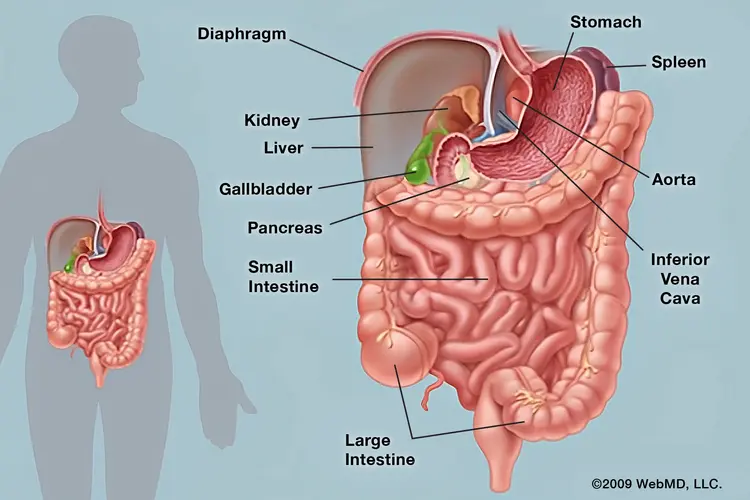
The abdomen contains digestive organs including the stomach, intestines, pancreas, liver, and gallbladder. Problems affecting these organs and others can cause abdominal pain. (Photo Credit: WebMD)
## Abdominal Pain on Left Side
The location of your abdominal pain can provide a clue to its cause. If your pain occurs on your lower left side, the most common culprit is diverticulitis of the colon. This is a complication of diverticulosis, a condition in which small pouches develop on the lining of your intestines. When these pouches become inflamed (a condition called [diverticulitis](https://www.webmd.com/digestive-disorders/understanding-diverticulitis-symptoms)), you’ll likely have severe abdominal pain. Irritable bowel syndrome also may cause pause pain in your lower left abdomen.
Pain in your upper left abdomen has many possible causes, including:
- Inflammation of your pancreas, called pancreatitis
- Pancreatic cancer
- Enlarged spleen, called splenomegaly
- Inflammation of your stomach lining, called gastritis
- Stomach ulcer
- Bile reflux
- Stomach cancer
- Kidney infection
- Kidney stone
Pain in this part of your abdomen can also start in your chest due to:
- [Heartburn](https://www.webmd.com/heartburn-gerd/understanding-heartburn-basics)
- Angina, or chest pain caused by coronary artery disease
- Chest pain not related to your heart
- Heart attack
- Inflammation of the tissue that surrounds your heart, called pericarditis
- Pneumonia
- Inflammation of the lining of your lungs, called pleurisy
- Pulmonary embolism
## Abdominal Pain on Right Side
If you have pain in your lower right abdomen, it could mean trouble with your appendix, such as appendicitis or, rarely, appendix cancer.
You have some major organs on the upper right side of your abdomen, including your liver and right kidney, as well as your gallbladder. Serious causes of pain in this area include:
- Hepatitis, including alcoholic hepatitis, toxic hepatitis, viral hepatitis, metabolic hepatitis, and autoimmune hepatitis
- [Gallstones](https://www.webmd.com/digestive-disorders/understanding-gallstones-symptoms)
- Liver disease, including liver cancer
- Gallbladder cancer
- Inflammation of your gallbladder, called cholecystitis
- Kidney infection
- Kidney stones
- Duodenal ulcer
- Large bowel obstruction
## Abdominal Pain That Comes and Goes
If you have long-lasting, or chronic, abdominal pain, it may come and go without getting worse over time. Conditions that can cause chronic abdominal pain include:
- Celiac disease
- Gallstones
- Gastritis, or inflammation of the lining of your stomach
- Gastroesophageal reflux disease ([GERD](https://www.webmd.com/heartburn-gerd/reflux-disease-gerd-1))
- Hernias
- Irritable bowel syndrome
- Ovarian cysts
- Peptic ulcer
- Ulcerative colitis, a type of inflammatory bowel disease
You may also have colicky abdominal pain, which comes and goes and is often severe, due to more acute causes, such as kidney stones and gallstones.
## Recurrent Abdominal Pain
If you have at least three stomachaches over 3 months, and they’re severe enough to keep you from doing everyday activities, you have what doctors call “recurrent abdominal pain.”
**Recurrent abdominal pain symptoms**
Recurrent abdominal pain feels different from person to person. The pain may start and stop without warning or could be ongoing. Some people describe it as a dull ache in their belly. Others have sharp [cramps](https://www.webmd.com/digestive-disorders/stomach-cramps). Besides pain, there may be symptoms such as diarrheaor throwing up.
## When to Call the Doctor About Abdominal Pain
If your abdominal pain is serious, doesn't go away, or keeps coming back, talk to your doctor. Call 911 right away if your belly hurts because you had a recent injury there or if you have chest pain.
You should also contact your doctor as soon as you can if you have pain along with other symptoms, such as:
- Inability to keep food down for more than 2 days
- [Signs of dehydration](https://www.webmd.com/a-to-z-guides/dehydration-adults), including not urinating frequently, dark-colored urine, and being very thirsty
- Inability to have a bowel movement, especially if you're also vomiting
- Pain when you urinate or you need to urinate often
Also call your doctor if:
- Your belly is tender to the touch
- Pain lasts more than a few hours
You may have other symptoms that could indicate a problem inside your body that needs immediate treatment. Get medical care right away if you have abdominal pain and you also:
- Vomit blood
- Notice bloody or black, tarry stool
- Have trouble breathing
- Vomit constantly
- Have swelling in your belly
- Have yellow skin
- Are pregnant
- Have unexplained weight loss
## Abdominal Pain and Nausea
These two symptoms often go hand in hand. When they persist, you should see a doctor. The following, some of them serious, are a few examples of conditions that can cause both abdominal pain and nausea:
- Diverticulitis
- [Food poisoning](https://www.webmd.com/digestive-disorders/remedies-for-food-poisoning)
- Food intolerances, such as lactose intolerance
- Digestive issues, including constipation, diarrhea, and indigestion
- Low blood flow to your intestines caused by a blocked blood vessel, called mesenteric ischemia
- Ulcers
- Inflammation of your pancreas, called pancreatitis
- Hepatitis
- Preeclampsia
- UTI
- Stomach flu, also called viral gastroenteritis
## Abdominal Pain Diagnosis
Since there are so many possible causes, your doctor will do a thorough physical exam. They’ll also ask you some questions about your symptoms and want to know what type of pain you have. For instance, is it a severe stabbing pain or a dull ache?
Some other questions your doctor may ask you:
- Does it hurt throughout your abdomen, or is it just in one particular area?
- When does it hurt? Always? More often in the morning or at night?
- If the pain comes and goes, how long does it last each time?
- Does it hurt after you eat certain foods or drink alcohol?
- Are you in pain during [menstruation](https://www.webmd.com/women/menstrual-cramps)?
- How long have you been hurting?
- Does the pain sometimes move into your lower back, shoulder, groin, or buttocks?
- Do you take any medications or herbal supplements?
- Are you pregnant?
- Does any activity ease the pain, such as eating or lying on one side?
- Does an activity or position make the pain worse?
- Were you injured recently?
After your exam is over and your doctor is done asking you questions, you may need tests to help find the cause of your pain. These tests may include:
- Stool or urine tests
- Blood tests
- Barium swallows or enemas
- Colonoscopy or sigmoidoscopy
- CT scan
- Ultrasound
- Upper endoscopy
- X-rays
## Abdominal Pain Treatment
The treatment for abdominal pain depends on its cause and may include:
- Medications to lower inflammation, prevent [acid reflux](https://www.webmd.com/heartburn-gerd/what-is-acid-reflux-disease), or treat ulcers or infection
- Surgery to treat a problem with an organ
Over-the-counter pain relievers such as aspirin and ibuprofen can irritate your stomach and worsen your pain. Don’t take them unless a doctor has diagnosed the cause of your belly pain and recommends their use.
## Abdominal Pain Home Remedies
Some diet and lifestyle changes may help ease belly pain caused by gas and indigestion. Here are some things you can try:
- Eat smaller portions at more frequent meals.
- Eat slowly.
- Chew your food well.
- Drink beverages at room temperature.
- Avoid foods that give you gas or indigestion.
- Manage your stress.
- Limit alcohol and [caffeine](https://www.webmd.com/diet/how-caffeine-affects-your-body).
- Sit up straight after you eat.
- Get regular physical activity and take a short walk after you eat.
## Takeaways
Abdominal pain can develop for many different reasons. Most of the time, it’s not serious and will go away on its own. But persistent, severe, and unexplained abdominal pain could be a cause for concern and require treatment. Our best advice — let your doctor decide.
## Abdominal Pain FAQs
**What does the location of your abdominal pain tell you?**
Where your pain occurs provides clues to its cause. For example, your appendix is in your lower right abdomen, so pain in that area could indicate you have [appendicitis](https://www.webmd.com/digestive-disorders/digestive-diseases-appendicitis), a medical emergency requiring surgery.
**What is the difference between stomach pain and abdominal pain?**
Your stomach is just one organ in your abdomen. It’s located in your upper abdomen on the left-hand side. While you can feel pain in your stomach, abdominal pain can occur anywhere in your abdomen, the area of your body between your chest and your pelvis.
Sources
Update History
Share
Print
Save
SOURCES:
National Institutes of Health.
FamilyDoctor.org: “Dehydration.”
American College of Gastroenterology: “Abdominal Pain Syndrome.”
Mayo Clinic: “Abdominal Pain,” “Viral gastroenteritis (stomach flu),” “Intestinal Ischemia,” “Indigestion,” “Dehydration.”
Brigham and Women’s Hospital: “Gas: Beat The Bloat.”
MedlinePlus: “Abdominal Pain.”
Global First Aid Reference Centre: “Abdominal Pain.”
Merck Manuals: “Acute Abdominal Pain,” “Overview of Inflammatory Bowel Disease (IBD).”
Mount Sinai: “Abdominal pain.”
Cleveland Clinic: “Abdominal Pain,” “Miscarriage,” “Abdominal Pain: Care and Treatment,” “Indigestion,” “Gas and Gas Pain,” “Constipation,” “Diarrhea,” “Food Intolerances,” “Food Poisoning,” “Diverticulitis,” “Food Allergy vs. Intolerance: What’s the Difference?” “Mesenteric Ischemia,” “Stomach.”
American Pregnancy Association: “Stomach Pain in Pregnancy.”
Medscape: “Irritable Bowel Syndrome (IBS) Clinical Presentation.”
Johns Hopkins Medicine: “Why Does My Stomach Hurt?”
Cedars-Sinai: “Abdominal Pain - Unexplained.”
St. Luke’s: “Anatomy of the Abdomen and Groin.”
[View privacy policy, copyright and trust info](https://www.webmd.com/about-webmd-policies/about-privacy-policy)
Share
Print
Save
[View privacy policy, copyright and trust info](https://www.webmd.com/about-webmd-policies/about-privacy-policy)
### More on Pain Management

[Alternative Therapy For Pain Management](https://www.webmd.com/pain-management/pain-management-alternative-therapy)
[Pain Management Treatment Overview](https://www.webmd.com/pain-management/pain-management-treatment-overview)
[Best Exercises for a Pinched Nerve in Your Neck](https://www.webmd.com/pain-management/best-exercises-for-pinched-nerve-in-neck)
Recommended

### FEATURED
### Related Links
- [Pain Topics Home](https://www.webmd.com/pain-management/default.htm)
- [Abdominal Pain](https://www.webmd.com/pain-management/abdominal-pain-causes-treatments)
- [Arthritis](https://www.webmd.com/arthritis/default.htm)
- [Back Pain](https://www.webmd.com/back-pain/default.htm)
- [Carpal Tunnel Syndrome](https://www.webmd.com/pain-management/carpal-tunnel/default.htm)
- [Fibromyalgia](https://www.webmd.com/fibromyalgia/default.htm)
- [Hip Pain](https://www.webmd.com/pain-management/hip-pain-causes-and-treatment)
- [Knee Pain](https://www.webmd.com/pain-management/knee-pain/default.htm)
- [Foot Pain](https://www.webmd.com/pain-management/foot-pain-causes-and-treatments)
- [Lupus](https://www.webmd.com/lupus/default.htm)
- [Migraine](https://www.webmd.com/migraines-headaches/default.htm)
- [Nerve Pain](https://www.webmd.com/pain-management/treating-nerve-pain-caused-cancer-hiv)
- [Osteoarthritis](https://www.webmd.com/osteoarthritis/default.htm)
- [Rheumatoid Arthritis](https://www.webmd.com/rheumatoid-arthritis/default.htm)
- [Pain Topics News](https://www.webmd.com/pain-management/news-features)
- [Pain Topics Reference](https://www.webmd.com/pain-management/medical-reference/default.htm)
- [Pain Topics Slideshows](https://www.webmd.com/pain-management/ss/default.htm)
- [Pain Topics Quizzes](https://www.webmd.com/pain-management/quiz/default.htm)
- [Pain Topics Blog](https://blogs.webmd.com/pain-management/default.htm)
- [Pain Topics Videos](https://www.webmd.com/pain-management/video/default.htm)
- [Find a Neurologist](https://doctor.webmd.com/find-a-doctor/specialty/neurology)
- [Find an Orthopedist](https://doctor.webmd.com/providers/specialty/orthopedic-surgery)
- [Medications](https://www.webmd.com/drugs/2/condition-3079/pain)
- [Pill Identifier](https://www.webmd.com/pill-identification/default.htm)
- [Check for Drug Interactions](https://www.webmd.com/interaction-checker/default.htm)
### Sign up for our free Chronic Pain Newsletter
#### Get the latest news and information about managing pain

Subscribe

## Thanks for subscribing\!
###
By clicking Subscribe, I agree to the WebMD [Terms & Conditions](https://www.webmd.com/about-webmd-policies/about-terms-and-conditions-of-use) & [Privacy Policy](https://www.webmd.com/about-webmd-policies/about-privacy-policy) and understand that I may opt out of WebMD subscriptions at any time. This site is protected by reCAPTCHA and the Google [Privacy Policy](https://policies.google.com/privacy) and [Terms of Service](https://policies.google.com/terms) apply.
### Follow WebMD on Social Media
### Download WebMD App
[](https://taps.io/Bzg3Q)[](https://taps.io/Bzg2w)
[Policies]()
[About]()
[For Advertisers]()
- [Privacy Policy](https://www.webmd.com/about-webmd-policies/about-privacy-policy)
- [Cookie Policy](https://www.webmd.com/about-webmd-policies/cookie-policy)
- [Editorial Policy](https://www.webmd.com/about-webmd-policies/about-editorial-policy)
- [Advertising Policy](https://www.webmd.com/about-webmd-policies/about-advertising-policy)
- [Correction Policy](https://www.webmd.com/about-webmd-policies/webmd-corrections-policies)
- [Terms of Use](https://www.webmd.com/about-webmd-policies/about-terms-and-conditions-of-use)
- [Accessibility Statement](https://www.webmd.com/about-webmd-policies/accessibility-statement)
- [](https://privacy.truste.com/privacy-seal/validation?rid=07326333-3522-463d-81bf-f00fd7171fff)
- 
- 
© 2005 - 2026 WebMD LLC, an [Internet Brands](https://www.internetbrands.com/) company. All rights reserved. WebMD does not provide medical advice, diagnosis or treatment. [See additional information.](https://www.webmd.com/about-webmd-policies/additional-info)
[](https://www.webmd.com/) | |||||||||
| Readable Markdown | Abdominal pain refers to discomfort or other uncomfortable sensations that you feel in your belly area. Just about everybody, at one time or another, will get a [bellyache](https://www.webmd.com/first-aid/abdominal-pain-in-adults-treatment).
Most causes of abdominal pain aren't reasons to worry, and your doctor can easily diagnose and treat the problem. But sometimes, it can be a sign of a serious illness that needs medical attention.
There are several types of abdominal pain, based on how quickly your pain starts and how long it lasts:
**Acute.** Acute abdominal pain starts over a few hours or days and may come with other symptoms. It’s pretty common and rarely much of a concern. It could be gas, for example. But if you have severe pain that comes on suddenly, you’re more likely to have something more serious that might require a trip to the emergency room, such as appendicitis.
**Chronic.** This type of pain lasts 3 months or more and may come and go. Chronic abdominal pain may occur along with other symptoms. What those symptoms might be depends on the cause of the pain. If you have an inflammatory bowel disease such as [Crohn’s disease](https://www.webmd.com/ibd-crohns-disease/crohns-disease/digestive-diseases-crohns-disease), you might have chronic diarrhea in addition to abdominal pain.
**Progressive.** This type of abdominal pain gets worse over time. Other symptoms typically develop along with the pain. Those additional symptoms depend on what’s causing the pain. It’s usually a sign of serious illness, including Crohn’s disease and different types of cancer.
**Colicky.** You get this type of abdominal pain in waves that stop and start suddenly. It’s frequently severe. Kidney stones are a common culprit.
Whether you've got a mild ache or serious cramps, abdominal pain can have many causes.
Keep in mind that most causes are not serious and the pain will ease on its own. Such causes include indigestion, [constipation](https://www.webmd.com/digestive-disorders/digestive-diseases-constipation), a stomach virus, and menstrual cramps. But you should see a doctor if you don’t know the reason for it, if it does not go away, or if it’s severe. Call your doctor if you have abdominal pain while pregnant or after an injury. You should also call your doctor if you have the following in addition to your abdominal pain:
- Persistent fever
- Persistent nausea or vomiting
- Blood in your poop, pee, or vomit
- Abdomen that is swollen and tender to the touch
- Yellowing of the eyes and skin, called jaundice
- Pain elsewhere in your body
- Shortness of breath
- Symptoms that worsen with exertion
The most common causes of abdominal pain can be grouped into categories. These are:
Pain caused by digestive issues:
- Indigestion
- Gas pain
- Constipation
- [Diarrhea](https://www.webmd.com/digestive-disorders/digestive-diseases-diarrhea)
- Certain food allergies and sensitivities
- Food poisoning
Pain caused by inflammation due to:
- Stomach flu, or viral gastroenteritis
- Peptic ulcer disease
- Gastroesophageal reflux disease (GERD), also called chronic acid reflux
- Urinary tract infection (UTI)
Reproductive pain in people with a uterus:
- Menstrual cramps
- Pain due to ovulation
Less common but more serious causes of abdominal pain include:
- Appendicitis
- Diverticulitis
- Gallstones
- Gallbladder inflammation, called [cholecystitis](https://www.webmd.com/digestive-disorders/what-is-cholecystitis)
- Hepatitis, including alcoholic hepatitis, toxic hepatitis, viral hepatitis, metabolic hepatitis, and autoimmune hepatitis
- Certain types of cancer, including stomach, gallbladder, pancreatic, colon, ovarian, uterine, and liver cancer
- Bile duct issues, such as cancer, stones, and strictures
- Kidney stones
- Kidney infection
- Ulcers, such as stomach ulcers and duodenal ulcers
- Pancreatitis, or inflamed pancreas
- Gastritis, or inflamed stomach lining
- Irritable bowel syndrome
- Inflammatory bowel diseases including Crohn’s disease and ulcerative colitis
- Bowel obstructions
- Abdominal aortic aneurysms
- [Hernia](https://www.webmd.com/digestive-disorders/understanding-hernia-basics)
- Heart attack
- Angina
- Pulmonary embolism
- Pneumonia
- Low blood flow to your intestines caused by a blocked blood vessel, called mesenteric ischemia
- Ectopic pregnancy (when a fertilized egg grows outside the uterus, for example, in a fallopian tube)
Abdominal pain can be a normal but unfortunate part of pregnancy and should not alarm you. But some types of pain require medical attention.
Common but harmless causes of [abdominal pain in pregnancy](https://www.webmd.com/baby/abdominal-pain-and-pregnancy-what-to-know) include:
**Round ligament pain.** This can be sharp and stabbing, or dull and achy pain that lingers. It may occur as your uterus grows, stretching the two ligaments that connect your uterus and groin. It typically occurs in the second trimester.
**Gas and constipation.** Progesterone, a hormone released during pregnancy, can slow your digestion, leading to gas and constipation. Staying hydrated, getting plenty of fiber in your diet, exercising, and taking stool softeners can help.
**Braxton-Hicks contractions.** These may make your stomach muscles feel tight, or your stomach may feel hard and firm. They’re different from true [contractions](https://www.webmd.com/baby/what-to-know-contractions) and are less severe. Staying hydrated may help reduce them.
Abdominal pain during pregnancy can also be a sign of something serious that requires immediate medical attention, including:
**Ectopic pregnancy.** This occurs when a fertilized egg does not implant in your uterus but in a fallopian tube or elsewhere. It’s uncommon, but when it happens, it can cause severe pain and bleeding. They typically occur between weeks 6 and 10 of pregnancy.
**Placental abruption.** This happens when your placenta separates from your uterus before birth. It’s life-threatening and causes constant pain. You also may have bloody leakage, or your water may break earlier than it should. Other signs include [back pain](https://www.webmd.com/baby/back-pain-in-pregnancy) and tenderness in your abdomen.
**Miscarriage.** In addition to abdominal pain, a miscarriage can cause mild to severe back pain, true contractions, bright red or brown bleeding that occurs with or without cramps, tissue or clot-like material passing out of your vagina, and a sudden drop in signs and symptoms of pregnancy.
**Urinary tract infection (UTI).** These can cause lower abdominal pain as well as pain when you urinate, like a burning sensation. If the pain spreads to your lower back, sides, or above your pelvis, the infection may have spread to your kidney, requiring immediate medical attention. Other signs include fever, nausea, sweats, or chills.
**Preeclampsia.** This causes upper abdominal pain, usually under your ribs on the right side of your body. [Nausea](https://www.webmd.com/digestive-disorders/digestive-diseases-nausea-vomiting), vomiting, and abdominal pressure also may develop. Tests will detect high blood pressure and protein in your urine.
There are a variety of reasons that you could develop abdominal pain after you eat. They include:
**Indigestion.** You can trigger indigestion by overeating, eating too quickly, or eating fatty foods. You may experience pain in your central and upper abdomen, a burning sensation, and an early or long-lasting feeling of fullness. Gas, constipation, and nausea may occur as well.
**Gas and gas pain.** Normally, you pass gas as part of digestion. But when you have too much gas in your system, some of that gas can get trapped in your abdomen and cause abdominal pain. High-fiber foods can cause gas, as can swallowing too much air, which can happen if you talk while eating or drinking. Infections and digestive conditions such as [irritable bowel syndrome](https://www.webmd.com/ibs/digestive-diseases-irritable-bowel-syndrome) and lactose intolerance also can make you gassy.
**Constipation.** When your poop can’t move through your digestive tract, it can cause abdominal pain. Lots of things can cause constipation. Food-related causes include consuming lots of cheese or milk, too little fiber in your diet, and not drinking enough water.
**Diarrhea.** In addition to frequent bathroom trips, diarrhea also can trigger painful cramps in your abdomen. If you get diarrhea after you eat, it may be from food poisoning. Other causes include lactose intolerance, celiac disease, and sensitivity to sweeteners, such as honey, that contain fructose.
**Food intolerances or sensitivities.** If you have trouble digesting certain foods and you eat them anyway, you may experience abdominal pain and other uncomfortable symptoms. [Lactose intolerance](https://www.webmd.com/digestive-disorders/digestive-diseases-lactose-intolerance) is a common example. It requires avoiding dairy products, such as milk, that contain an enzyme called lactose.
**Food poisoning.** This happens when you eat food contaminated with certain toxic organisms, including bacteria, fungi, parasites, or viruses. Abdominal pain is one of the many possible and unpleasant signs that you’ve eaten something you shouldn’t have.
The location of your abdominal pain can provide a clue to its cause. If your pain occurs on your lower left side, the most common culprit is diverticulitis of the colon. This is a complication of diverticulosis, a condition in which small pouches develop on the lining of your intestines. When these pouches become inflamed (a condition called [diverticulitis](https://www.webmd.com/digestive-disorders/understanding-diverticulitis-symptoms)), you’ll likely have severe abdominal pain. Irritable bowel syndrome also may cause pause pain in your lower left abdomen.
Pain in your upper left abdomen has many possible causes, including:
- Inflammation of your pancreas, called pancreatitis
- Pancreatic cancer
- Enlarged spleen, called splenomegaly
- Inflammation of your stomach lining, called gastritis
- Stomach ulcer
- Bile reflux
- Stomach cancer
- Kidney infection
- Kidney stone
Pain in this part of your abdomen can also start in your chest due to:
- [Heartburn](https://www.webmd.com/heartburn-gerd/understanding-heartburn-basics)
- Angina, or chest pain caused by coronary artery disease
- Chest pain not related to your heart
- Heart attack
- Inflammation of the tissue that surrounds your heart, called pericarditis
- Pneumonia
- Inflammation of the lining of your lungs, called pleurisy
- Pulmonary embolism
If you have pain in your lower right abdomen, it could mean trouble with your appendix, such as appendicitis or, rarely, appendix cancer.
You have some major organs on the upper right side of your abdomen, including your liver and right kidney, as well as your gallbladder. Serious causes of pain in this area include:
- Hepatitis, including alcoholic hepatitis, toxic hepatitis, viral hepatitis, metabolic hepatitis, and autoimmune hepatitis
- [Gallstones](https://www.webmd.com/digestive-disorders/understanding-gallstones-symptoms)
- Liver disease, including liver cancer
- Gallbladder cancer
- Inflammation of your gallbladder, called cholecystitis
- Kidney infection
- Kidney stones
- Duodenal ulcer
- Large bowel obstruction
If you have long-lasting, or chronic, abdominal pain, it may come and go without getting worse over time. Conditions that can cause chronic abdominal pain include:
- Celiac disease
- Gallstones
- Gastritis, or inflammation of the lining of your stomach
- Gastroesophageal reflux disease ([GERD](https://www.webmd.com/heartburn-gerd/reflux-disease-gerd-1))
- Hernias
- Irritable bowel syndrome
- Ovarian cysts
- Peptic ulcer
- Ulcerative colitis, a type of inflammatory bowel disease
You may also have colicky abdominal pain, which comes and goes and is often severe, due to more acute causes, such as kidney stones and gallstones.
If you have at least three stomachaches over 3 months, and they’re severe enough to keep you from doing everyday activities, you have what doctors call “recurrent abdominal pain.”
**Recurrent abdominal pain symptoms**
Recurrent abdominal pain feels different from person to person. The pain may start and stop without warning or could be ongoing. Some people describe it as a dull ache in their belly. Others have sharp [cramps](https://www.webmd.com/digestive-disorders/stomach-cramps). Besides pain, there may be symptoms such as diarrheaor throwing up.
If your abdominal pain is serious, doesn't go away, or keeps coming back, talk to your doctor. Call 911 right away if your belly hurts because you had a recent injury there or if you have chest pain.
You should also contact your doctor as soon as you can if you have pain along with other symptoms, such as:
- Inability to keep food down for more than 2 days
- [Signs of dehydration](https://www.webmd.com/a-to-z-guides/dehydration-adults), including not urinating frequently, dark-colored urine, and being very thirsty
- Inability to have a bowel movement, especially if you're also vomiting
- Pain when you urinate or you need to urinate often
Also call your doctor if:
- Your belly is tender to the touch
- Pain lasts more than a few hours
You may have other symptoms that could indicate a problem inside your body that needs immediate treatment. Get medical care right away if you have abdominal pain and you also:
- Vomit blood
- Notice bloody or black, tarry stool
- Have trouble breathing
- Vomit constantly
- Have swelling in your belly
- Have yellow skin
- Are pregnant
- Have unexplained weight loss
These two symptoms often go hand in hand. When they persist, you should see a doctor. The following, some of them serious, are a few examples of conditions that can cause both abdominal pain and nausea:
- Diverticulitis
- [Food poisoning](https://www.webmd.com/digestive-disorders/remedies-for-food-poisoning)
- Food intolerances, such as lactose intolerance
- Digestive issues, including constipation, diarrhea, and indigestion
- Low blood flow to your intestines caused by a blocked blood vessel, called mesenteric ischemia
- Ulcers
- Inflammation of your pancreas, called pancreatitis
- Hepatitis
- Preeclampsia
- UTI
- Stomach flu, also called viral gastroenteritis
Since there are so many possible causes, your doctor will do a thorough physical exam. They’ll also ask you some questions about your symptoms and want to know what type of pain you have. For instance, is it a severe stabbing pain or a dull ache?
Some other questions your doctor may ask you:
- Does it hurt throughout your abdomen, or is it just in one particular area?
- When does it hurt? Always? More often in the morning or at night?
- If the pain comes and goes, how long does it last each time?
- Does it hurt after you eat certain foods or drink alcohol?
- Are you in pain during [menstruation](https://www.webmd.com/women/menstrual-cramps)?
- How long have you been hurting?
- Does the pain sometimes move into your lower back, shoulder, groin, or buttocks?
- Do you take any medications or herbal supplements?
- Are you pregnant?
- Does any activity ease the pain, such as eating or lying on one side?
- Does an activity or position make the pain worse?
- Were you injured recently?
After your exam is over and your doctor is done asking you questions, you may need tests to help find the cause of your pain. These tests may include:
- Stool or urine tests
- Blood tests
- Barium swallows or enemas
- Colonoscopy or sigmoidoscopy
- CT scan
- Ultrasound
- Upper endoscopy
- X-rays
The treatment for abdominal pain depends on its cause and may include:
- Medications to lower inflammation, prevent [acid reflux](https://www.webmd.com/heartburn-gerd/what-is-acid-reflux-disease), or treat ulcers or infection
- Surgery to treat a problem with an organ
Over-the-counter pain relievers such as aspirin and ibuprofen can irritate your stomach and worsen your pain. Don’t take them unless a doctor has diagnosed the cause of your belly pain and recommends their use.
Some diet and lifestyle changes may help ease belly pain caused by gas and indigestion. Here are some things you can try:
- Eat smaller portions at more frequent meals.
- Eat slowly.
- Chew your food well.
- Drink beverages at room temperature.
- Avoid foods that give you gas or indigestion.
- Manage your stress.
- Limit alcohol and [caffeine](https://www.webmd.com/diet/how-caffeine-affects-your-body).
- Sit up straight after you eat.
- Get regular physical activity and take a short walk after you eat.
Abdominal pain can develop for many different reasons. Most of the time, it’s not serious and will go away on its own. But persistent, severe, and unexplained abdominal pain could be a cause for concern and require treatment. Our best advice — let your doctor decide.
**What does the location of your abdominal pain tell you?**
Where your pain occurs provides clues to its cause. For example, your appendix is in your lower right abdomen, so pain in that area could indicate you have [appendicitis](https://www.webmd.com/digestive-disorders/digestive-diseases-appendicitis), a medical emergency requiring surgery.
**What is the difference between stomach pain and abdominal pain?**
Your stomach is just one organ in your abdomen. It’s located in your upper abdomen on the left-hand side. While you can feel pain in your stomach, abdominal pain can occur anywhere in your abdomen, the area of your body between your chest and your pelvis. | |||||||||
| ML Classification | ||||||||||
| ML Categories |
Raw JSON{
"/Health": 999,
"/Health/Health_Conditions": 986,
"/Health/Health_Conditions/GERD_and_Digestive_Disorders": 766
} | |||||||||
| ML Page Types |
Raw JSON{
"/Article": 999,
"/Article/Tutorial_or_Guide": 658
} | |||||||||
| ML Intent Types |
Raw JSON{
"Informational": 999
} | |||||||||
| Content Metadata | ||||||||||
| Language | en | |||||||||
| Author | null | |||||||||
| Publish Time | not set | |||||||||
| Original Publish Time | 2018-02-10 14:54:52 (8 years ago) | |||||||||
| Republished | No | |||||||||
| Word Count (Total) | 3,215 | |||||||||
| Word Count (Content) | 2,501 | |||||||||
| Links | ||||||||||
| External Links | 21 | |||||||||
| Internal Links | 140 | |||||||||
| Technical SEO | ||||||||||
| Meta Nofollow | No | |||||||||
| Meta Noarchive | No | |||||||||
| JS Rendered | Yes | |||||||||
| Redirect Target | null | |||||||||
| Performance | ||||||||||
| Download Time (ms) | 204 | |||||||||
| TTFB (ms) | 140 | |||||||||
| Download Size (bytes) | 95,154 | |||||||||
| Shard | 142 (laksa) | |||||||||
| Root Hash | 18365360746078618142 | |||||||||
| Unparsed URL | com,webmd!www,/pain-management/abdominal-pain-causes-treatments s443 | |||||||||