ℹ️ Skipped - page is already crawled
| Filter | Status | Condition | Details |
|---|---|---|---|
| HTTP status | PASS | download_http_code = 200 | HTTP 200 |
| Age cutoff | PASS | download_stamp > now() - 6 MONTH | 0 months ago |
| History drop | PASS | isNull(history_drop_reason) | No drop reason |
| Spam/ban | PASS | fh_dont_index != 1 AND ml_spam_score = 0 | ml_spam_score=0 |
| Canonical | PASS | meta_canonical IS NULL OR = '' OR = src_unparsed | Not set |
| Property | Value |
|---|---|
| URL | https://www.uclahealth.org/news/release/brain-fog-following-covid-19-recovery-may-indicate-ptsd |
| Last Crawled | 2026-04-17 18:25:28 (2 hours ago) |
| First Indexed | 2024-05-01 11:34:50 (1 year ago) |
| HTTP Status Code | 200 |
| Meta Title | 'Brain fog' following COVID-19 recovery may indicate PTSD | UCLA Health |
| Meta Description | null |
| Meta Canonical | null |
| Boilerpipe Text | A new report suggests that lingering "brain fog" and other neurological symptoms after COVID -19 recovery may be due to post-traumatic stress disorder (PTSD), an effect observed in past human coronavirus outbreaks such as SARS and MERS.
People who have recovered from COVID-19 sometimes experience lingering difficulties in concentration, as well as headaches, anxiety, fatigue or sleep disruptions. Patients may fear that the infection has permanently damaged their brains, but researchers say that’s not necessarily the case.
A recent paper co-authored by clinical professor and neuropsychologist Andrew Levine, MD, of the David Geffen School of Medicine at UCLA, and graduate student Erin Kaseda, of Rosalind Franklin University of Medicine and Science, in Chicago, explores the historical data on survivors of previous coronaviruses, which caused severe acute respiratory syndrome (SARS) and Middle East respiratory syndrome (MERS).
The paper was published in
The Clinical
Neuropsychologist
Link is external, Link opens in new window
.
"The idea is to raise awareness among neuropsychologists that PTSD is something you might want to consider when evaluating persistent cognitive and emotional difficulties among COVID-19 survivors," said Dr. Levine.
"When we see someone for neuropsychological testing, we expect them to be at their best, relatively speaking," Dr. Levine said. "If we identify a psychiatric illness during our evaluation, and if we believe that condition's symptoms are interfering with their ability to perform at their best, we would want that treated first, and then retest them once it’s under control."
Dr. Andrew Levine
If the symptoms are due, even partially, to a psychiatric condition such as PTSD, treatment will help manage those symptoms, and provide a clearer view of any underlying brain issues.
"Once they have treatment, and hopefully have some remission of their psychiatric symptoms, if the cognitive complaints and the deficits on neuropsychological tests are still there, then that’s more evidence that something else is going on," Kaseda said. "It's going to be important for clinicians across the board to be keeping up with the literature that's coming out, to make sure they have the most up to date information as these survivors are starting to present for neuropsychological testing."
Kaseda began pursuing this question based on her experience working with patients with mild traumatic brain injury, such as concussion. "When these symptoms persist for months or years after the original injury, it's much more likely to be due to the presence of a psychiatric disorder," she said.
A review of data from the SARS and MERS outbreaks showed that those survivors had heightened risk for PTSD.
In the case of COVID-19, the symptoms of PTSD may arise in response to the invasive measures needed to treat the patients, including intubation and ventilation, which can be traumatic for fearful patients. Other times, delirium causes patients with COVID-19 to suffer hallucinations, and the memory of these terrifying sensations continues to plague the recovered patient.
In addition to patients who have been hospitalized, frontline health-care providers can be similarly affected due to the constant stress and fear they face at work. And for some people, the anxiety of living through a pandemic, being isolated from friends, and battling the constant fear of an invisible threat can deliver a similar blow to thinking and memory skills.
While a PTSD diagnosis might not sound like good news, there are many available treatments for the disorder, including psychotherapy and medications. By comparison, researchers are still working to understand the direct neurological effects of COVID-19. "Treatment options (for COVID) are still quite a way's out, because it's still an evolving situation," Kaseda said.
"We don't actually know anything yet from survivors of COVID-19," Kaseda said. "Until we have that data, it's very hard to say what actual percentage of patients are going to have cognitive complaints because of direct effects of the virus, because of medical intervention, or because of psychiatric concerns." |
| Markdown | [Skip to main content](https://www.uclahealth.org/news/release/brain-fog-following-covid-19-recovery-may-indicate-ptsd#main-content)
Explore links (header)
Explore UCLA Health
- [UCLA Health Home](https://www.uclahealth.org/)
- [About Us](https://www.uclahealth.org/discover/about)
- [Cancer Center](https://www.uclahealth.org/cancer)
- [Hospitals & Clinics](https://www.uclahealth.org/locations)
- [School of Medicine](https://medschool.ucla.edu/)
- [Academic Departments](https://www.uclahealth.org/departments)
- [News & Insights](https://www.uclahealth.org/news)
- [Community & Equity](https://www.uclahealth.org/community-equity)
[Refer a Patient](https://www.uclahealth.org/discover/healthcare-professionals)
Universal links (header)
[myUCLAhealth](https://www.uclahealth.org/myuclahealth/nojs "myUCLAhealth Login.")
[Contact Us](https://www.uclahealth.org/contact-us)
Translate
- [English](https://www.uclahealth.org/news/release/brain-fog-following-covid-19-recovery-may-indicate-ptsd#nolink)
- [العربية](https://www.uclahealth.org/news/release/brain-fog-following-covid-19-recovery-may-indicate-ptsd#nolink)
- [中文](https://www.uclahealth.org/news/release/brain-fog-following-covid-19-recovery-may-indicate-ptsd#nolink)
- [Italiano](https://www.uclahealth.org/news/release/brain-fog-following-covid-19-recovery-may-indicate-ptsd#nolink)
- [日本語](https://www.uclahealth.org/news/release/brain-fog-following-covid-19-recovery-may-indicate-ptsd#nolink)
- [한국어](https://www.uclahealth.org/news/release/brain-fog-following-covid-19-recovery-may-indicate-ptsd#nolink)
- [فارسی](https://www.uclahealth.org/news/release/brain-fog-following-covid-19-recovery-may-indicate-ptsd#nolink)
- [Русский](https://www.uclahealth.org/news/release/brain-fog-following-covid-19-recovery-may-indicate-ptsd#nolink)
- [Español](https://www.uclahealth.org/news/release/brain-fog-following-covid-19-recovery-may-indicate-ptsd#nolink)
- [Tiếng Việt](https://www.uclahealth.org/news/release/brain-fog-following-covid-19-recovery-may-indicate-ptsd#nolink)
Translate
- [English](https://www.uclahealth.org/news/release/brain-fog-following-covid-19-recovery-may-indicate-ptsd#nolink)
- [العربية](https://www.uclahealth.org/news/release/brain-fog-following-covid-19-recovery-may-indicate-ptsd#nolink)
- [中文](https://www.uclahealth.org/news/release/brain-fog-following-covid-19-recovery-may-indicate-ptsd#nolink)
- [Italiano](https://www.uclahealth.org/news/release/brain-fog-following-covid-19-recovery-may-indicate-ptsd#nolink)
- [日本語](https://www.uclahealth.org/news/release/brain-fog-following-covid-19-recovery-may-indicate-ptsd#nolink)
- [한국어](https://www.uclahealth.org/news/release/brain-fog-following-covid-19-recovery-may-indicate-ptsd#nolink)
- [فارسی](https://www.uclahealth.org/news/release/brain-fog-following-covid-19-recovery-may-indicate-ptsd#nolink)
- [Русский](https://www.uclahealth.org/news/release/brain-fog-following-covid-19-recovery-may-indicate-ptsd#nolink)
- [Español](https://www.uclahealth.org/news/release/brain-fog-following-covid-19-recovery-may-indicate-ptsd#nolink)
- [Tiếng Việt](https://www.uclahealth.org/news/release/brain-fog-following-covid-19-recovery-may-indicate-ptsd#nolink)
[](https://www.uclahealth.org/)
Primary navigation
[Find Care](https://www.uclahealth.org/find-care/appointments)
\>
- [Find a Doctor](https://www.uclahealth.org/providers)
- [Find a Location](https://www.uclahealth.org/locations)
- [Virtual Care](https://www.uclahealth.org/find-care/appointments/virtual-care)
- [Make an Appointment](https://www.uclahealth.org/find-care/appointments)
- [Second Opinion Consults](https://www.uclahealth.org/find-care/appointments/second-opinion-consults)
- [Medical Services](https://www.uclahealth.org/medical-services)
- [Cancer Medical Services](https://www.uclahealth.org/cancer/cancer-services)
- [Clinical Trials](https://www.uclahealth.org/clinical-trials)
- [Wellness & Routine Care](https://www.uclahealth.org/patient-resources/support-information/patient-education/annual-health-wellness-screenings)
[Patient Resources](https://www.uclahealth.org/patient-resources)
\>
- [Prepare for Your Visit](https://www.uclahealth.org/patient-resources/prepare-your-visit)
- [Billing & Insurance](https://www.uclahealth.org/patient-resources/billing-insurance)
- [Support & Information](https://www.uclahealth.org/patient-resources/support-information)
- [Patient Portal (myUCLAhealth) & Medical Records](https://www.uclahealth.org/patient-resources/medical-records)
- [Help Paying Your Bill](https://www.uclahealth.org/patient-resources/billing-insurance/financial-assistance-program/hospital-services-help-paying-your-bill)
- [International Services](https://www.uclahealth.org/international-services)
- [Patient Scam Alert](https://www.uclahealth.org/patient-resources/patient-scam-alert)
[Locations](https://www.uclahealth.org/locations/search)
\>
- [Immediate Care](https://www.uclahealth.org/locations/immediate-care)
- [Primary Care](https://www.uclahealth.org/locations/search?s=&f%5B0%5D=type%3A741)
- [Pediatric Care](https://www.uclahealth.org/locations/search?s=&f%5B0%5D=type%3A781)
- [Cancer Care](https://www.uclahealth.org/cancer/locations)
- [Surgical Centers](https://www.uclahealth.org/locations/search?s=&f%5B0%5D=type%3A761 "See a list of outpatient surgical centers at UCLA Health")
- [Imaging/Radiology](https://www.uclahealth.org/locations/search?s=&f%5B0%5D=type%3A786)
- [Hospitals](https://www.uclahealth.org/locations/search?f%5B0%5D=type%3A751)
- [All Locations](https://www.uclahealth.org/locations)
[Discover](https://www.uclahealth.org/discover/about)
\>
- [About UCLA Health](https://www.uclahealth.org/discover/about)
- [News & Insights](https://www.uclahealth.org/news)
- [Patient Stories](https://www.uclahealth.org/news/search?f%5B0%5D=type%3A80636)
- [Events Calendar](https://www.uclahealth.org/events)
- [Donate to UCLA Health](https://www.uclahealth.org/giving)
- [Work at UCLA Health](https://www.uclahealth.org/human-resources)
- [For Health Care Professionals](https://www.uclahealth.org/discover/healthcare-professionals)
- [Connect with UCLA Health](https://www.uclahealth.org/discover-ucla-health/connect)
[Find a Doctor](https://www.uclahealth.org/providers)
Primary navigation (mobile)
[Find a Doctor](https://www.uclahealth.org/providers)
[Find Care](https://www.uclahealth.org/find-care/appointments)
- [Find a Doctor](https://www.uclahealth.org/providers)
- [Find a Location](https://www.uclahealth.org/locations)
- [Virtual Care](https://www.uclahealth.org/find-care/appointments/virtual-care)
- [Make an Appointment](https://www.uclahealth.org/find-care/appointments)
- [Second Opinion Consults](https://www.uclahealth.org/find-care/appointments/second-opinion-consults)
- [Medical Services](https://www.uclahealth.org/medical-services)
- [Cancer Medical Services](https://www.uclahealth.org/cancer/cancer-services)
- [Clinical Trials](https://www.uclahealth.org/clinical-trials)
- [Wellness & Routine Care](https://www.uclahealth.org/patient-resources/support-information/patient-education/annual-health-wellness-screenings)
[Patient Resources](https://www.uclahealth.org/patient-resources)
- [Prepare for Your Visit](https://www.uclahealth.org/patient-resources/prepare-your-visit)
- [Billing & Insurance](https://www.uclahealth.org/patient-resources/billing-insurance)
- [Support & Information](https://www.uclahealth.org/patient-resources/support-information)
- [Patient Portal (myUCLAhealth) & Medical Records](https://www.uclahealth.org/patient-resources/medical-records)
- [Help Paying Your Bill](https://www.uclahealth.org/patient-resources/billing-insurance/financial-assistance-program/hospital-services-help-paying-your-bill)
- [International Services](https://www.uclahealth.org/international-services)
- [Patient Scam Alert](https://www.uclahealth.org/patient-resources/patient-scam-alert)
[Locations](https://www.uclahealth.org/locations/search)
- [Immediate Care](https://www.uclahealth.org/locations/immediate-care)
- [Primary Care](https://www.uclahealth.org/locations/search?s=&f%5B0%5D=type%3A741)
- [Pediatric Care](https://www.uclahealth.org/locations/search?s=&f%5B0%5D=type%3A781)
- [Cancer Care](https://www.uclahealth.org/cancer/locations)
- [Surgical Centers](https://www.uclahealth.org/locations/search?s=&f%5B0%5D=type%3A761 "See a list of outpatient surgical centers at UCLA Health")
- [Imaging/Radiology](https://www.uclahealth.org/locations/search?s=&f%5B0%5D=type%3A786)
- [Hospitals](https://www.uclahealth.org/locations/search?f%5B0%5D=type%3A751)
- [All Locations](https://www.uclahealth.org/locations)
[Discover](https://www.uclahealth.org/discover/about)
- [About UCLA Health](https://www.uclahealth.org/discover/about)
- [News & Insights](https://www.uclahealth.org/news)
- [Patient Stories](https://www.uclahealth.org/news/search?f%5B0%5D=type%3A80636)
- [Events Calendar](https://www.uclahealth.org/events)
- [Donate to UCLA Health](https://www.uclahealth.org/giving)
- [Work at UCLA Health](https://www.uclahealth.org/human-resources)
- [For Health Care Professionals](https://www.uclahealth.org/discover/healthcare-professionals)
- [Connect with UCLA Health](https://www.uclahealth.org/discover-ucla-health/connect)
Explore links (mobile)
Explore UCLA Health
- [UCLA Health Home](https://www.uclahealth.org/)
- [About Us](https://www.uclahealth.org/discover/about)
- [Cancer Center](https://www.uclahealth.org/cancer)
- [Hospitals & Clinics](https://www.uclahealth.org/locations)
- [School of Medicine](https://medschool.ucla.edu/)
- [Academic Departments](https://www.uclahealth.org/departments)
- [News & Insights](https://www.uclahealth.org/news)
- [Community & Equity](https://www.uclahealth.org/community-equity)
[Refer a Patient](https://www.uclahealth.org/discover/healthcare-professionals)
Universal links (mobile)
[myUCLAhealth](https://www.uclahealth.org/myuclahealth/nojs "myUCLAhealth Login.")
[Contact Us](https://www.uclahealth.org/contact-us)
Breadcrumb
1. [Home](https://www.uclahealth.org/)
2. [News & Insights](https://www.uclahealth.org/news)
# 'Brain fog' following COVID-19 recovery may indicate PTSD
Psychiatric disorders and brain damage can share similar symptoms but require different treatments.
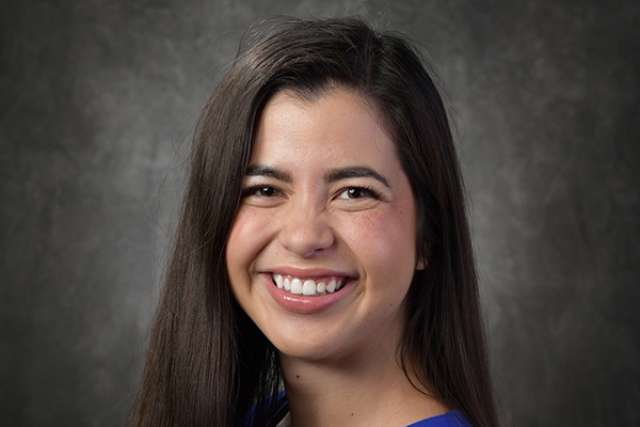
Erin Kaseda
October 6, 2020
3 min read
A new report suggests that lingering "brain fog" and other neurological symptoms after COVID -19 recovery may be due to post-traumatic stress disorder (PTSD), an effect observed in past human coronavirus outbreaks such as SARS and MERS.
People who have recovered from COVID-19 sometimes experience lingering difficulties in concentration, as well as headaches, anxiety, fatigue or sleep disruptions. Patients may fear that the infection has permanently damaged their brains, but researchers say that’s not necessarily the case.
A recent paper co-authored by clinical professor and neuropsychologist Andrew Levine, MD, of the David Geffen School of Medicine at UCLA, and graduate student Erin Kaseda, of Rosalind Franklin University of Medicine and Science, in Chicago, explores the historical data on survivors of previous coronaviruses, which caused severe acute respiratory syndrome (SARS) and Middle East respiratory syndrome (MERS).
The paper was published in *[The Clinical Neuropsychologist Link is external, Link opens in new window](https://www.tandfonline.com/doi/full/10.1080/13854046.2020.1811894 "The Clinical Neuropsychologist")*.
"The idea is to raise awareness among neuropsychologists that PTSD is something you might want to consider when evaluating persistent cognitive and emotional difficulties among COVID-19 survivors," said Dr. Levine.
"When we see someone for neuropsychological testing, we expect them to be at their best, relatively speaking," Dr. Levine said. "If we identify a psychiatric illness during our evaluation, and if we believe that condition's symptoms are interfering with their ability to perform at their best, we would want that treated first, and then retest them once it’s under control."
Dr. Andrew Levine
If the symptoms are due, even partially, to a psychiatric condition such as PTSD, treatment will help manage those symptoms, and provide a clearer view of any underlying brain issues.
"Once they have treatment, and hopefully have some remission of their psychiatric symptoms, if the cognitive complaints and the deficits on neuropsychological tests are still there, then that’s more evidence that something else is going on," Kaseda said. "It's going to be important for clinicians across the board to be keeping up with the literature that's coming out, to make sure they have the most up to date information as these survivors are starting to present for neuropsychological testing."
Kaseda began pursuing this question based on her experience working with patients with mild traumatic brain injury, such as concussion. "When these symptoms persist for months or years after the original injury, it's much more likely to be due to the presence of a psychiatric disorder," she said.
A review of data from the SARS and MERS outbreaks showed that those survivors had heightened risk for PTSD.
In the case of COVID-19, the symptoms of PTSD may arise in response to the invasive measures needed to treat the patients, including intubation and ventilation, which can be traumatic for fearful patients. Other times, delirium causes patients with COVID-19 to suffer hallucinations, and the memory of these terrifying sensations continues to plague the recovered patient.
In addition to patients who have been hospitalized, frontline health-care providers can be similarly affected due to the constant stress and fear they face at work. And for some people, the anxiety of living through a pandemic, being isolated from friends, and battling the constant fear of an invisible threat can deliver a similar blow to thinking and memory skills.
While a PTSD diagnosis might not sound like good news, there are many available treatments for the disorder, including psychotherapy and medications. By comparison, researchers are still working to understand the direct neurological effects of COVID-19. "Treatment options (for COVID) are still quite a way's out, because it's still an evolving situation," Kaseda said.
"We don't actually know anything yet from survivors of COVID-19," Kaseda said. "Until we have that data, it's very hard to say what actual percentage of patients are going to have cognitive complaints because of direct effects of the virus, because of medical intervention, or because of psychiatric concerns."
[View All News & Insights](https://www.uclahealth.org/news)
## Related Content
### Articles:
- [Healthy Lifestyle](https://www.uclahealth.org/news/search?f%5B0%5D=topic%3A80096)
## Media Contact
Marrecca Fiore
[MFiore@mednet.ucla.edu](mailto:MFiore@mednet.ucla.edu)
Share:
- [Facebook](https://www.facebook.com/sharer/sharer.php?u=https%3A%2F%2Fwww.uclahealth.org%2Fnews%2Frelease%2Fbrain-fog-following-covid-19-recovery-may-indicate-ptsd)
- [X-Twitter](https://x.com/intent/tweet?text=https%3A%2F%2Fwww.uclahealth.org%2Fnews%2Frelease%2Fbrain-fog-following-covid-19-recovery-may-indicate-ptsd)
- [LinkedIn](https://www.linkedin.com/shareArticle?mini=true&url=https%3A%2F%2Fwww.uclahealth.org%2Fnews%2Frelease%2Fbrain-fog-following-covid-19-recovery-may-indicate-ptsd)
## Related Articles
### [He doesn’t play a doctor on TV, but teaches those who do](https://www.uclahealth.org/news/article/he-doesnt-play-doctor-tv-teaches-those-who-do)
April 14, 2026
6 min read
### [Looking for stress-busting strategies?](https://www.uclahealth.org/news/article/looking-stress-busting-strategies)
April 13, 2026
6 min read

### [Following a severe COVID-19 infection, a patient is grateful for his UCLA Health specialists](https://www.uclahealth.org/news/story/following-severe-covid-19-infection-patient-grateful-his)
April 13, 2026
4 min read
[View all Healthy Lifestyle articles](https://www.uclahealth.org/news/search/?f%5B0%5D=topic%3A80096)
[](https://www.uclahealth.org/)
- ### CONNECT WITH US
- [Contact Us](https://www.uclahealth.org/contact-us)
- [Share Your Feedback](https://connect.uclahealth.org/send-a-care-compliment/)
- [International Services](https://www.uclahealth.org/international-services)
- [中文](https://cn.uclahealth.org/)
- [العربية](https://mena.uclahealth.org/)
- [myUCLAhealth](https://www.uclahealth.org/myuclahealth/nojs)
- [Get the UCLA Health Apps](https://www.uclahealth.org/patient-resources/support-information/apps)
- ### FIND CARE
- [Find a Doctor](https://www.uclahealth.org/providers)
- [Find a Location](https://www.uclahealth.org/locations "/patients-families/find-a-location")
- [Immediate Care](https://www.uclahealth.org/locations/immediate-care)
- [Emergency Care](https://www.uclahealth.org/emergency)
- [Make an Appointment](https://www.uclahealth.org/find-care/appointments)
- [Medical Services](https://www.uclahealth.org/medical-services)
- [Clinical Trials](https://www.uclahealth.org/clinical-trials)
- ### PATIENT RESOURCES
- [Prepare for Your Visit](https://www.uclahealth.org/patient-resources/prepare-your-visit)
- [Visitor Guidelines](https://www.uclahealth.org/patient-resources/visitor-guidelines)
- [Patient Education](https://www.uclahealth.org/patient-resources/support-information/patient-education)
- [Billing & Insurance](https://www.uclahealth.org/patient-resources/billing-insurance)
- [Help Paying Your Bill](https://www.uclahealth.org/patient-resources/billing-insurance/financial-assistance-program/hospital-services-help-paying-your-bill)
- [Price Transparency](https://www.uclahealth.org/patient-resources/billing-insurance/price-transparency/machine-readable-files)
- [Support & Information](https://www.uclahealth.org/patient-resources/support-information)
- [COVID-19 Info](https://www.uclahealth.org/treatment-options/coronavirus)
- [Wellness & Routine Care](https://www.uclahealth.org/patient-resources/support-information/patient-education/annual-health-wellness-screenings)
- ### DISCOVER UCLA HEALTH
- [About UCLA Health](https://www.uclahealth.org/discover/about)
- [Departments](https://www.uclahealth.org/departments)
- [News, Insights and Patient Stories](https://www.uclahealth.org/news)
- [For Health Care Professionals](https://www.uclahealth.org/discover/healthcare-professionals)
- [Community, Equity and Inclusive Excellence](https://www.uclahealth.org/discover/about/hedi)
- [Contact Media Team](https://www.uclahealth.org/news/journalist-resources)
- [Donate to UCLA Health](https://www.uclahealth.org/giving)
- [Work at UCLA Health](https://www.uclahealthcareers.org/)
- [Volunteer for UCLA Health](https://www.uclahealth.org/volunteer)
- [Facebook](https://www.facebook.com/uclahealth)
- [X-Twitter](https://x.com/uclahealth)
- [Instagram](https://instagram.com/uclahealth)
- [YouTube](https://youtube.com/ucla-health)
- [LinkedIn](https://linkedin.com/company/ucla-health)
- [Weibo](https://weibo.com/UCLAHealth)
## Policy links (footer)
- [HIPAA Notice](https://www.uclahealth.org/privacy-practices)
- [Privacy Notice](https://www.uclahealth.org/privacy-notice)
- [Nondiscrimination](https://www.uclahealth.org/nondiscrimination)
- [Report Misconduct](https://www.uclahealth.org/reporting-misconduct)
- [We listen. We care.](https://www.uclahealth.org/patient-resources/support-information/patient-experience/we-listen-we-care)
© 2026 UCLA Health |
| Readable Markdown | A new report suggests that lingering "brain fog" and other neurological symptoms after COVID -19 recovery may be due to post-traumatic stress disorder (PTSD), an effect observed in past human coronavirus outbreaks such as SARS and MERS.
People who have recovered from COVID-19 sometimes experience lingering difficulties in concentration, as well as headaches, anxiety, fatigue or sleep disruptions. Patients may fear that the infection has permanently damaged their brains, but researchers say that’s not necessarily the case.
A recent paper co-authored by clinical professor and neuropsychologist Andrew Levine, MD, of the David Geffen School of Medicine at UCLA, and graduate student Erin Kaseda, of Rosalind Franklin University of Medicine and Science, in Chicago, explores the historical data on survivors of previous coronaviruses, which caused severe acute respiratory syndrome (SARS) and Middle East respiratory syndrome (MERS).
The paper was published in *[The Clinical Neuropsychologist Link is external, Link opens in new window](https://www.tandfonline.com/doi/full/10.1080/13854046.2020.1811894 "The Clinical Neuropsychologist")*.
"The idea is to raise awareness among neuropsychologists that PTSD is something you might want to consider when evaluating persistent cognitive and emotional difficulties among COVID-19 survivors," said Dr. Levine.
"When we see someone for neuropsychological testing, we expect them to be at their best, relatively speaking," Dr. Levine said. "If we identify a psychiatric illness during our evaluation, and if we believe that condition's symptoms are interfering with their ability to perform at their best, we would want that treated first, and then retest them once it’s under control."
Dr. Andrew Levine
If the symptoms are due, even partially, to a psychiatric condition such as PTSD, treatment will help manage those symptoms, and provide a clearer view of any underlying brain issues.
"Once they have treatment, and hopefully have some remission of their psychiatric symptoms, if the cognitive complaints and the deficits on neuropsychological tests are still there, then that’s more evidence that something else is going on," Kaseda said. "It's going to be important for clinicians across the board to be keeping up with the literature that's coming out, to make sure they have the most up to date information as these survivors are starting to present for neuropsychological testing."
Kaseda began pursuing this question based on her experience working with patients with mild traumatic brain injury, such as concussion. "When these symptoms persist for months or years after the original injury, it's much more likely to be due to the presence of a psychiatric disorder," she said.
A review of data from the SARS and MERS outbreaks showed that those survivors had heightened risk for PTSD.
In the case of COVID-19, the symptoms of PTSD may arise in response to the invasive measures needed to treat the patients, including intubation and ventilation, which can be traumatic for fearful patients. Other times, delirium causes patients with COVID-19 to suffer hallucinations, and the memory of these terrifying sensations continues to plague the recovered patient.
In addition to patients who have been hospitalized, frontline health-care providers can be similarly affected due to the constant stress and fear they face at work. And for some people, the anxiety of living through a pandemic, being isolated from friends, and battling the constant fear of an invisible threat can deliver a similar blow to thinking and memory skills.
While a PTSD diagnosis might not sound like good news, there are many available treatments for the disorder, including psychotherapy and medications. By comparison, researchers are still working to understand the direct neurological effects of COVID-19. "Treatment options (for COVID) are still quite a way's out, because it's still an evolving situation," Kaseda said.
"We don't actually know anything yet from survivors of COVID-19," Kaseda said. "Until we have that data, it's very hard to say what actual percentage of patients are going to have cognitive complaints because of direct effects of the virus, because of medical intervention, or because of psychiatric concerns." |
| Shard | 170 (laksa) |
| Root Hash | 15898094397791395770 |
| Unparsed URL | org,uclahealth!www,/news/release/brain-fog-following-covid-19-recovery-may-indicate-ptsd s443 |