ℹ️ Skipped - page is already crawled
| Filter | Status | Condition | Details |
|---|---|---|---|
| HTTP status | PASS | download_http_code = 200 | HTTP 200 |
| Age cutoff | PASS | download_stamp > now() - 6 MONTH | 0.1 months ago |
| History drop | PASS | isNull(history_drop_reason) | No drop reason |
| Spam/ban | PASS | fh_dont_index != 1 AND ml_spam_score = 0 | ml_spam_score=0 |
| Canonical | PASS | meta_canonical IS NULL OR = '' OR = src_unparsed | Not set |
| Property | Value |
|---|---|
| URL | https://www.thinkglobalhealth.org/article/global-travel-restrictions-lessons-covid-19-marburg |
| Last Crawled | 2026-04-20 07:02:33 (2 days ago) |
| First Indexed | 2024-12-23 19:48:32 (1 year ago) |
| HTTP Status Code | 200 |
| Meta Title | Global Travel Restrictions: Lessons from COVID-19 to Marburg | Think Global Health |
| Meta Description | Recent outbreaks have resurfaced conversations about when travel restrictions are appropriate to contain virus spread |
| Meta Canonical | null |
| Boilerpipe Text | Five years since the start of the COVID-19 pandemic, Africa's recent outbreaks of Marburg virus disease and mpox have rekindled concerns surrounding the global response to major public health events. As health systems and the international community again face the challenge of managing emerging infectious diseases, countries continue to ignore lessons learned from the COVID-19 response.
In particular, the use of travel restrictions to manage the COVID-19 omicron variant and the Marburg virus in Rwanda highlight persisting challenges in the global health response to outbreaks. The
selective travel bans
applied by many high-income countries during the early days of omicron in late 2021, especially against several African nations, brought intense criticism and raised questions of fairness and equity.
By 2024, however, different approaches were taken for Marburg. For example, from October 16 to December 4, the United States implemented
enhanced health screenings
for travelers from Rwanda to the United States rather than outright travel bans. This shift in international responses highlights the limitations of travel restrictions and the need for more effective, equitable responses in managing global health crises.
This phenomenon can be examined more closely by looking at the approach the United States took for these two diseases. Although the severity and manner of transmission for each differ, the evolution of travel restrictions over time can reveal which responses can be harmful or helpful.
International Response to Omicron: Knee-Jerk Travel Bans
When omicron was first identified in South Africa in November 2021, the United States joined more than a dozen other countries in
imposing a travel ban
on eight southern African nations—a move that hurt economies and disrupted supply chains. Scientists and government officials from Botswana and South Africa, instrumental in the discovery of omicron,
expressed
feeling punished rather than rewarded for their findings.
South Africa's Foreign Ministry stated
that "excellent science should be applauded and not punished," and that the bans were "akin to punishing South Africa for its advanced genomic sequencing and the ability to detect new variants quicker." Punishing transparency creates a dangerous precedent, potentially deterring countries from timely reporting and thus increasing pandemic risks worldwide.
This shift in international responses highlights the limitations of travel restrictions and the need for more effective, equitable responses
Those restrictions—which barred most non–U.S. citizens from entering if they had been in one of the affected countries within the previous 14 days—also disrupted the global supply chain for personal protective equipment and other crucial medical items, complicating response efforts. Omicron, however, was already spreading widely across the globe, including in Europe where similar restrictions were not applied. Patchwork travel restrictions led to accusations of racial bias and selective punishment, causing more tensions between high- and low-income countries. Those measures were lifted by the end of December 2021 when omicron's spread proved unstoppable, highlighting the limited efficacy of such bans.
Marburg: International and Rwandan Responses
The handling of the Marburg outbreak in 2024 in Rwanda marked a different approach.
Marburg
is a severe disease with a fatality rate of up to 88%—spread by human-to-human transmission including direct contact with the blood, secretions, organs, or other bodily fluids of infected people or via contaminated surfaces. Rather than travel restrictions, the United States opted for a public health information advisory for travelers from Rwanda and directed action to
enhanced health screenings
at specific airports as of October 16, allowing travelers from Rwanda to enter the United States but under close health supervision. The U.S. Centers for Disease Control and Prevention (CDC) also issued a
Level 3 travel advisory for Rwanda
, advising against all nonessential travel.
Although the measures taken by the United States stopped short of a full travel ban, the country was still something of an outlier relative to how the
European Union
, the
United Kingdom
,
Germany
, and other countries handled Marburg. Furthermore, the
World Health Organization (WHO) guidelines
advised against any travel restrictions because of their limited impact and high economic cost. A knee-jerk travel ban such as the one implemented during omicron was avoided, but African officials still condemned the response. In a
swift statement
, the Africa CDC reminded the United States and the world that "under the International Health Regulations, travel restrictions are discouraged unless there is compelling evidence to justify them. Historically, these measures have proven counterproductive: delaying response efforts, fostering public anxiety, and disrupting global mobility." Marburg was effectively contained within Rwanda thanks to decisive local actions, including isolation and contact tracing, without the need for international travel bans.
A health worker in protective clothing carries waste for disposal outside the Marburg isolation ward, in Uige, Angola, on April 20, 2005
REUTERS/Mike Hutchings
The domestic response to the Marburg outbreak in Rwanda in 2024 showcased
effective leadership
and coordination at multiple levels.
Rwandan health authorities acted quickly
, prioritizing swift containment measures, including effective contact tracing, isolation, and rigorous testing, especially in Kigali, where the virus was initially detected among health-care workers. Such targeted actions have been instrumental in preventing community transmission. In addition, designated treatment centers allowed health-care teams to monitor and manage cases more effectively, helping contain the virus to specific hospital clusters. As a result, Rwanda saw a
sharp decline in new cases
at the beginning of October and
declared the outbreak over
at the end of December. This proactive approach helped contain the virus before it could spread widely.
Rwanda's strong and resilient health system
and previous experience with outbreaks—such as Ebola—allowed for a swift and organized response, showcasing effective leadership at both national and local levels. By focusing on infection prevention and control strategies, such as proper hygiene, safe handling of potentially infected materials, and community engagement, countries can manage outbreaks more effectively without resorting to travel bans that have significant negative repercussions.
With international cooperation, the Rwandan government's focus on measures including contact tracing, isolation, designated treatment centers along with swift cooperation with international and regional bodies such as the Sabin Institute, the Africa CDC, and the WHO enabled the country to effectively contain the virus within specific clusters. Such a model exemplifies how proactive local containment together with international cooperation can prevent a virus from spreading more broadly while safeguarding both the local and global economy.
Rwanda's Marburg response is a compelling example of why countries need to embrace global solidarity over individual approaches. Countries should be supported to contain infectious disease outbreaks when they occur instead of being isolated with measures such as travel bans.
A Role for Travel Restrictions?
Countries should consider the economic repercussions, supply chain and medical aid disruptions, food security consequences, as well as the impact on communities and families when weighing up travel bans. The WHO states that travel bans may only be justified at the beginning of an outbreak to slow down the spread of viruses, buying critical time for health-care preparations and public health interventions.
Recent research finds that travel bans are effective in delaying rather than stopping the spread of a virus, and that they are
most effective when implemented early and promptly
as the first line of defense against a novel pathogen, combined with other measures like quarantine and lockdowns. For example, early travel measures
implemented in Wuhan
during COVID were found to be effective at slowing down the spread of COVID. Researchers also found that internal and international border restrictions could delay the spread of an outbreak by more than 2 months. However, the effectiveness of these bans
tends to decrease
as the virus spreads more widely, especially when bans are
implemented later in an outbreak.
Furthermore, even though travel bans may temporarily delay the early spread of a virus,
research
also indicates they are generally less effective for highly contagious diseases.
The experiences from COVID-19 and Marburg show that travel restrictions need to carefully be considered and not be deployed as a political reaction to a new outbreak or variant. Research and the experience of COVID-19 has shown that full travel bans can pose a serious risk to global health cooperation. When countries face economic penalties for reporting outbreaks, they may be less willing to
share crucial epidemiological data
, delaying the world's ability to respond to new threats. Travel restrictions should be but one tool in the toolbox, with domestic response capability, health system and supply chain resilience the focus of prevention, preparedness, and response efforts.
As climate change makes future pandemics even
more likely
due to the increasing frequency, geographic spread, and severity of infectious diseases, leaders, finance ministers, health and climate ministers need to focus with urgency on developing pandemic and climate-resilient health systems so that virus spread is contained, and deployment of travel bans—and in some cases restrictions—can be a rare event, not a go-to.
Travelers are seen at Soekarno Hatta International airport, among bans on the arrival of travelers to curb the spread of the Omicron variant of COVID-19, in Tangerang, Indonesia, on November 29, 2021.
REUTERS/Willy Kurniawan |
| Markdown | - [Environment](https://www.thinkglobalhealth.org/topic/environment)
- [Poverty](https://www.thinkglobalhealth.org/topic/poverty)
- [Trade](https://www.thinkglobalhealth.org/topic/trade)
- [Governance](https://www.thinkglobalhealth.org/topic/governance)
- [Food](https://www.thinkglobalhealth.org/topic/food)
- [Urbanization](https://www.thinkglobalhealth.org/topic/urbanization)
- [Aging](https://www.thinkglobalhealth.org/topic/aging)
- [Gender](https://www.thinkglobalhealth.org/topic/gender)
- [Migration](https://www.thinkglobalhealth.org/topic/migration)
- [Data Visualization](https://www.thinkglobalhealth.org/type/data-visualization)
- [Recommendations](https://www.thinkglobalhealth.org/type/recommendations)
- [Research & Analysis](https://www.thinkglobalhealth.org/type/research-analysis)
- [Series](https://www.thinkglobalhealth.org/series)
- [Interviews](https://www.thinkglobalhealth.org/type/interviews)
- [About This Site](https://www.thinkglobalhealth.org/about-site)
- [Submission Guidelines](https://www.thinkglobalhealth.org/submission-guidelines)
## Newsletter
[Think Global Health](https://www.thinkglobalhealth.org/)
- [Environment](https://www.thinkglobalhealth.org/topic/environment)
- [Poverty](https://www.thinkglobalhealth.org/topic/poverty)
- [Trade](https://www.thinkglobalhealth.org/topic/trade)
- [Governance](https://www.thinkglobalhealth.org/topic/governance)
- [Food](https://www.thinkglobalhealth.org/topic/food)
- [Urbanization](https://www.thinkglobalhealth.org/topic/urbanization)
- [Aging](https://www.thinkglobalhealth.org/topic/aging)
- [Gender](https://www.thinkglobalhealth.org/topic/gender)
- [Migration](https://www.thinkglobalhealth.org/topic/migration)
- [Data Visualization](https://www.thinkglobalhealth.org/type/data-visualization)
- [Recommendations](https://www.thinkglobalhealth.org/type/recommendations)
- [Research & Analysis](https://www.thinkglobalhealth.org/type/research-analysis)
- [Series](https://www.thinkglobalhealth.org/series)
- [Interviews](https://www.thinkglobalhealth.org/type/interviews)
- [About This Site](https://www.thinkglobalhealth.org/about-site)
- [Submission Guidelines](https://www.thinkglobalhealth.org/submission-guidelines)
## Newsletter
## Global Travel Restrictions: Lessons from COVID-19 to Marburg
[Migration](https://www.thinkglobalhealth.org/topic/migration)
# Global Travel Restrictions: Lessons from COVID-19 to Marburg
Recent outbreaks have resurfaced conversations about when travel restrictions are appropriate to contain virus spread
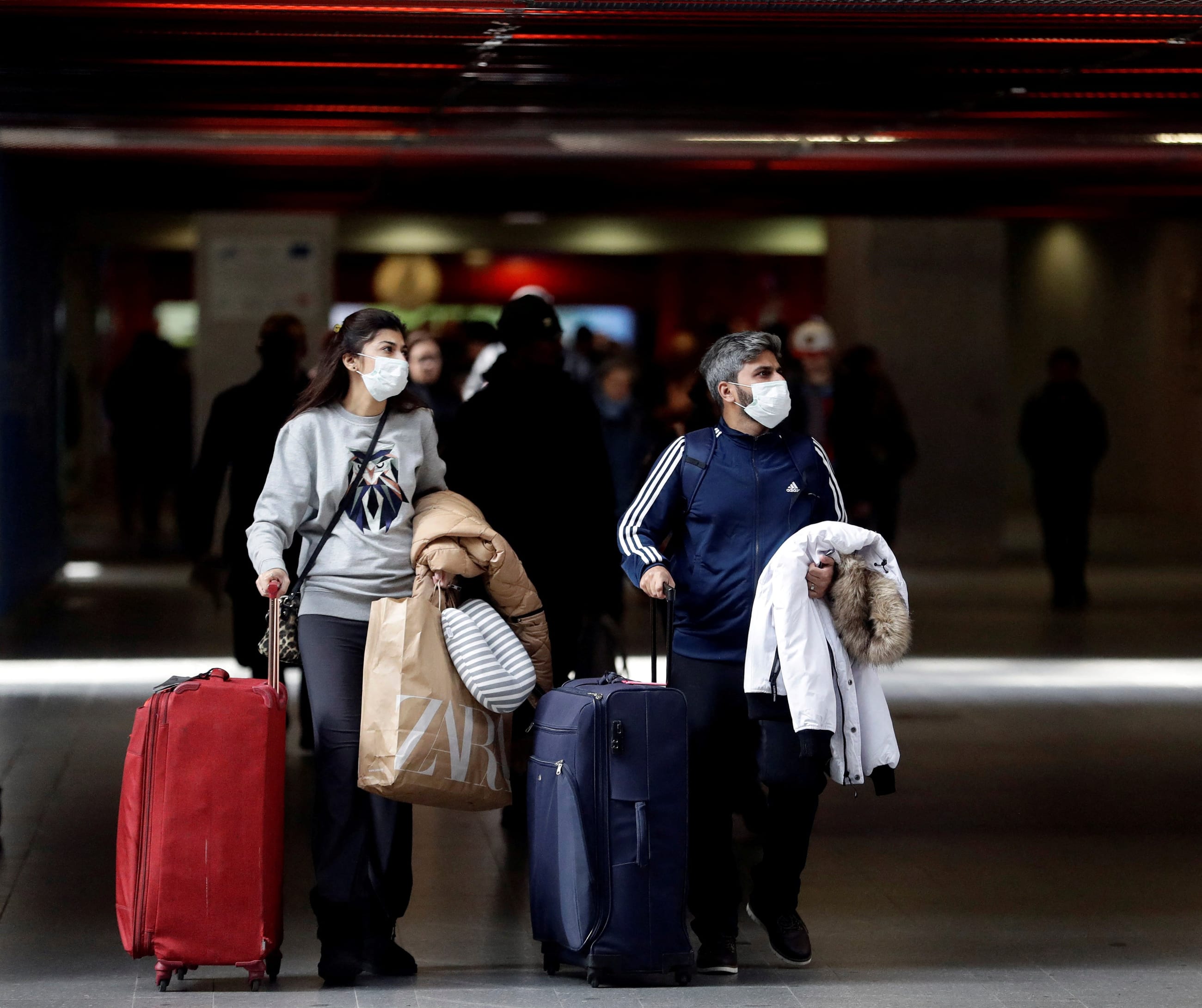
People wearing masks are seen at a railway station, as the Czech government bans most travel to contain the spread of the COVID-19, in Prague, Czech Republic, on March 13, 2020. REUTERS/David W Cerny
by [Aggrey Aluso](https://www.thinkglobalhealth.org/author/aggrey-aluso)
December 23, 2024
Five years since the start of the COVID-19 pandemic, Africa's recent outbreaks of Marburg virus disease and mpox have rekindled concerns surrounding the global response to major public health events. As health systems and the international community again face the challenge of managing emerging infectious diseases, countries continue to ignore lessons learned from the COVID-19 response.
In particular, the use of travel restrictions to manage the COVID-19 omicron variant and the Marburg virus in Rwanda highlight persisting challenges in the global health response to outbreaks. The [selective travel bans](https://www.cnn.com/travel/article/new-us-travel-rules-omicron-what-to-know/index.html) applied by many high-income countries during the early days of omicron in late 2021, especially against several African nations, brought intense criticism and raised questions of fairness and equity.
By 2024, however, different approaches were taken for Marburg. For example, from October 16 to December 4, the United States implemented [enhanced health screenings](https://www.cbp.gov/sites/default/files/2024-10/clp_bulletin-_rwanda-_redirected_airports_20241015.pdf) for travelers from Rwanda to the United States rather than outright travel bans. This shift in international responses highlights the limitations of travel restrictions and the need for more effective, equitable responses in managing global health crises.
This phenomenon can be examined more closely by looking at the approach the United States took for these two diseases. Although the severity and manner of transmission for each differ, the evolution of travel restrictions over time can reveal which responses can be harmful or helpful.
#### International Response to Omicron: Knee-Jerk Travel Bans
When omicron was first identified in South Africa in November 2021, the United States joined more than a dozen other countries in [imposing a travel ban](https://www.newsweek.com/us-joins-least-15-other-nations-banning-travel-south-africa-after-omicron-emerges-1653629) on eight southern African nations—a move that hurt economies and disrupted supply chains. Scientists and government officials from Botswana and South Africa, instrumental in the discovery of omicron, [expressed](https://sciencebusiness.net/news/covid-19/do-not-blame-south-africa-omicron-variant) feeling punished rather than rewarded for their findings. [South Africa's Foreign Ministry stated](https://www.bbc.com/news/world-59442129) that "excellent science should be applauded and not punished," and that the bans were "akin to punishing South Africa for its advanced genomic sequencing and the ability to detect new variants quicker." Punishing transparency creates a dangerous precedent, potentially deterring countries from timely reporting and thus increasing pandemic risks worldwide.
> This shift in international responses highlights the limitations of travel restrictions and the need for more effective, equitable responses
Those restrictions—which barred most non–U.S. citizens from entering if they had been in one of the affected countries within the previous 14 days—also disrupted the global supply chain for personal protective equipment and other crucial medical items, complicating response efforts. Omicron, however, was already spreading widely across the globe, including in Europe where similar restrictions were not applied. Patchwork travel restrictions led to accusations of racial bias and selective punishment, causing more tensions between high- and low-income countries. Those measures were lifted by the end of December 2021 when omicron's spread proved unstoppable, highlighting the limited efficacy of such bans.
#### Marburg: International and Rwandan Responses
The handling of the Marburg outbreak in 2024 in Rwanda marked a different approach. [Marburg](https://www.who.int/health-topics/marburg-virus-disease#tab=tab_1) is a severe disease with a fatality rate of up to 88%—spread by human-to-human transmission including direct contact with the blood, secretions, organs, or other bodily fluids of infected people or via contaminated surfaces. Rather than travel restrictions, the United States opted for a public health information advisory for travelers from Rwanda and directed action to [enhanced health screenings](https://www.cdc.gov/marburg/situation-summary/travel-to-the-us.html) at specific airports as of October 16, allowing travelers from Rwanda to enter the United States but under close health supervision. The U.S. Centers for Disease Control and Prevention (CDC) also issued a [Level 3 travel advisory for Rwanda](https://www.cbp.gov/sites/default/files/2024-10/clp_bulletin-_rwanda-_redirected_airports_20241015.pdf), advising against all nonessential travel.
Although the measures taken by the United States stopped short of a full travel ban, the country was still something of an outlier relative to how the [European Union](https://www.ecdc.europa.eu/en/news-events/ecdc-advice-marburg-virus-disease), the [United Kingdom](https://www.independent.co.uk/travel/news-and-advice/marburg-virus-outbreak-travel-advice-rwanda-symptoms-b2625105.html), [Germany](https://www.cidrap.umn.edu/marburg/german-health-officials-probe-symptoms-contact-rwandan-marburg-patient), and other countries handled Marburg. Furthermore, the [World Health Organization (WHO) guidelines](https://www.who.int/news-room/articles-detail/who-advises-against-any-travel-and-trade-restrictions-with-rwanda-in-the-context-of-the-ongoing-marburg-virus-disease-\(mvd\)-outbreak) advised against any travel restrictions because of their limited impact and high economic cost. A knee-jerk travel ban such as the one implemented during omicron was avoided, but African officials still condemned the response. In a [swift statement](https://africacdc.org/news-item/statement-against-travel-restrictions-inresponse-to-mpox-and-marburg-virus-outbreaks/), the Africa CDC reminded the United States and the world that "under the International Health Regulations, travel restrictions are discouraged unless there is compelling evidence to justify them. Historically, these measures have proven counterproductive: delaying response efforts, fostering public anxiety, and disrupting global mobility." Marburg was effectively contained within Rwanda thanks to decisive local actions, including isolation and contact tracing, without the need for international travel bans.
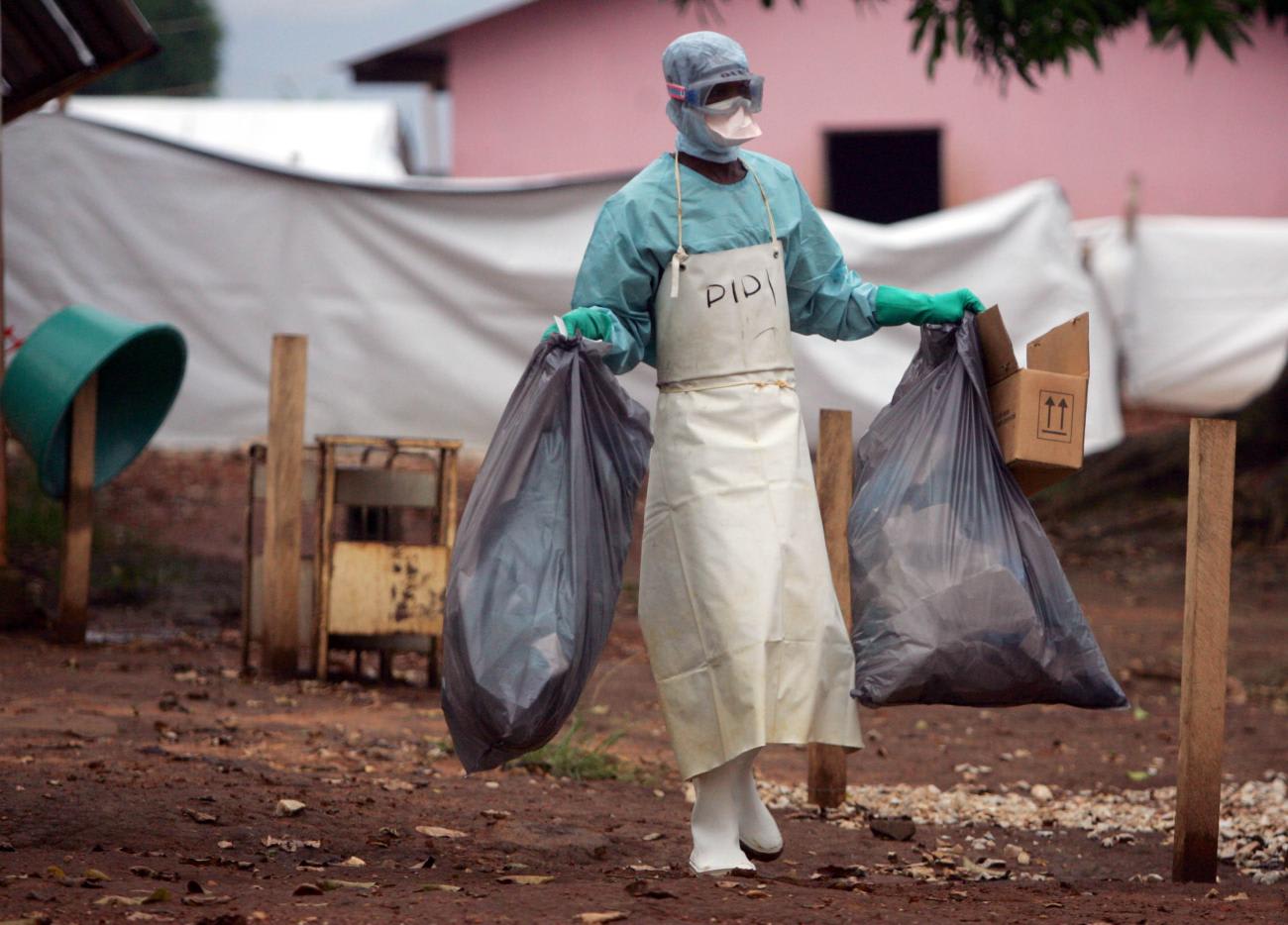
A health worker in protective clothing carries waste for disposal outside the Marburg isolation ward, in Uige, Angola, on April 20, 2005 REUTERS/Mike Hutchings
The domestic response to the Marburg outbreak in Rwanda in 2024 showcased [effective leadership](https://www.cidrap.umn.edu/marburg/who-lauds-rwandas-marburg-response-country-shares-initial-genetic-findings) and coordination at multiple levels. [Rwandan health authorities acted quickly](https://www.lemonde.fr/en/environment/article/2024/10/22/marburg-virus-how-rwanda-managed-to-contain-the-epidemic_6730068_114.html), prioritizing swift containment measures, including effective contact tracing, isolation, and rigorous testing, especially in Kigali, where the virus was initially detected among health-care workers. Such targeted actions have been instrumental in preventing community transmission. In addition, designated treatment centers allowed health-care teams to monitor and manage cases more effectively, helping contain the virus to specific hospital clusters. As a result, Rwanda saw a [sharp decline in new cases](https://www.who.int/emergencies/disease-outbreak-news/item/2024-DON541) at the beginning of October and [declared the outbreak over](https://www.reuters.com/world/africa/rwanda-declares-that-marburg-virus-outbreak-is-over-2024-12-20/) at the end of December. This proactive approach helped contain the virus before it could spread widely.
[Rwanda's strong and resilient health system](https://www.cidrap.umn.edu/marburg/who-lauds-rwandas-marburg-response-country-shares-initial-genetic-findings) and previous experience with outbreaks—such as Ebola—allowed for a swift and organized response, showcasing effective leadership at both national and local levels. By focusing on infection prevention and control strategies, such as proper hygiene, safe handling of potentially infected materials, and community engagement, countries can manage outbreaks more effectively without resorting to travel bans that have significant negative repercussions.
With international cooperation, the Rwandan government's focus on measures including contact tracing, isolation, designated treatment centers along with swift cooperation with international and regional bodies such as the Sabin Institute, the Africa CDC, and the WHO enabled the country to effectively contain the virus within specific clusters. Such a model exemplifies how proactive local containment together with international cooperation can prevent a virus from spreading more broadly while safeguarding both the local and global economy.
Rwanda's Marburg response is a compelling example of why countries need to embrace global solidarity over individual approaches. Countries should be supported to contain infectious disease outbreaks when they occur instead of being isolated with measures such as travel bans.
## Subscribe to Our Newsletter
Sign up for our weekly newsletter to stay up to date.
[See Past Newsletters](https://www.thinkglobalhealth.org/newsletter)
#### A Role for Travel Restrictions?
Countries should consider the economic repercussions, supply chain and medical aid disruptions, food security consequences, as well as the impact on communities and families when weighing up travel bans. The WHO states that travel bans may only be justified at the beginning of an outbreak to slow down the spread of viruses, buying critical time for health-care preparations and public health interventions.
Recent research finds that travel bans are effective in delaying rather than stopping the spread of a virus, and that they are [most effective when implemented early and promptly](https://pmc.ncbi.nlm.nih.gov/articles/PMC7969755/) as the first line of defense against a novel pathogen, combined with other measures like quarantine and lockdowns. For example, early travel measures [implemented in Wuhan](https://gh.bmj.com/content/6/3/e004537) during COVID were found to be effective at slowing down the spread of COVID. Researchers also found that internal and international border restrictions could delay the spread of an outbreak by more than 2 months. However, the effectiveness of these bans [tends to decrease](https://www.sciencedaily.com/releases/2020/08/200803120134.htm) as the virus spreads more widely, especially when bans are [implemented later in an outbreak.](https://www.nature.com/articles/d41586-020-03605-6) Furthermore, even though travel bans may temporarily delay the early spread of a virus, [research](https://pmc.ncbi.nlm.nih.gov/articles/PMC7969755/) also indicates they are generally less effective for highly contagious diseases.
The experiences from COVID-19 and Marburg show that travel restrictions need to carefully be considered and not be deployed as a political reaction to a new outbreak or variant. Research and the experience of COVID-19 has shown that full travel bans can pose a serious risk to global health cooperation. When countries face economic penalties for reporting outbreaks, they may be less willing to [share crucial epidemiological data](https://journals.openedition.org/poldev/2178#tocto2n3), delaying the world's ability to respond to new threats. Travel restrictions should be but one tool in the toolbox, with domestic response capability, health system and supply chain resilience the focus of prevention, preparedness, and response efforts.
As climate change makes future pandemics even [more likely](https://pubmed.ncbi.nlm.nih.gov/35483403/) due to the increasing frequency, geographic spread, and severity of infectious diseases, leaders, finance ministers, health and climate ministers need to focus with urgency on developing pandemic and climate-resilient health systems so that virus spread is contained, and deployment of travel bans—and in some cases restrictions—can be a rare event, not a go-to.
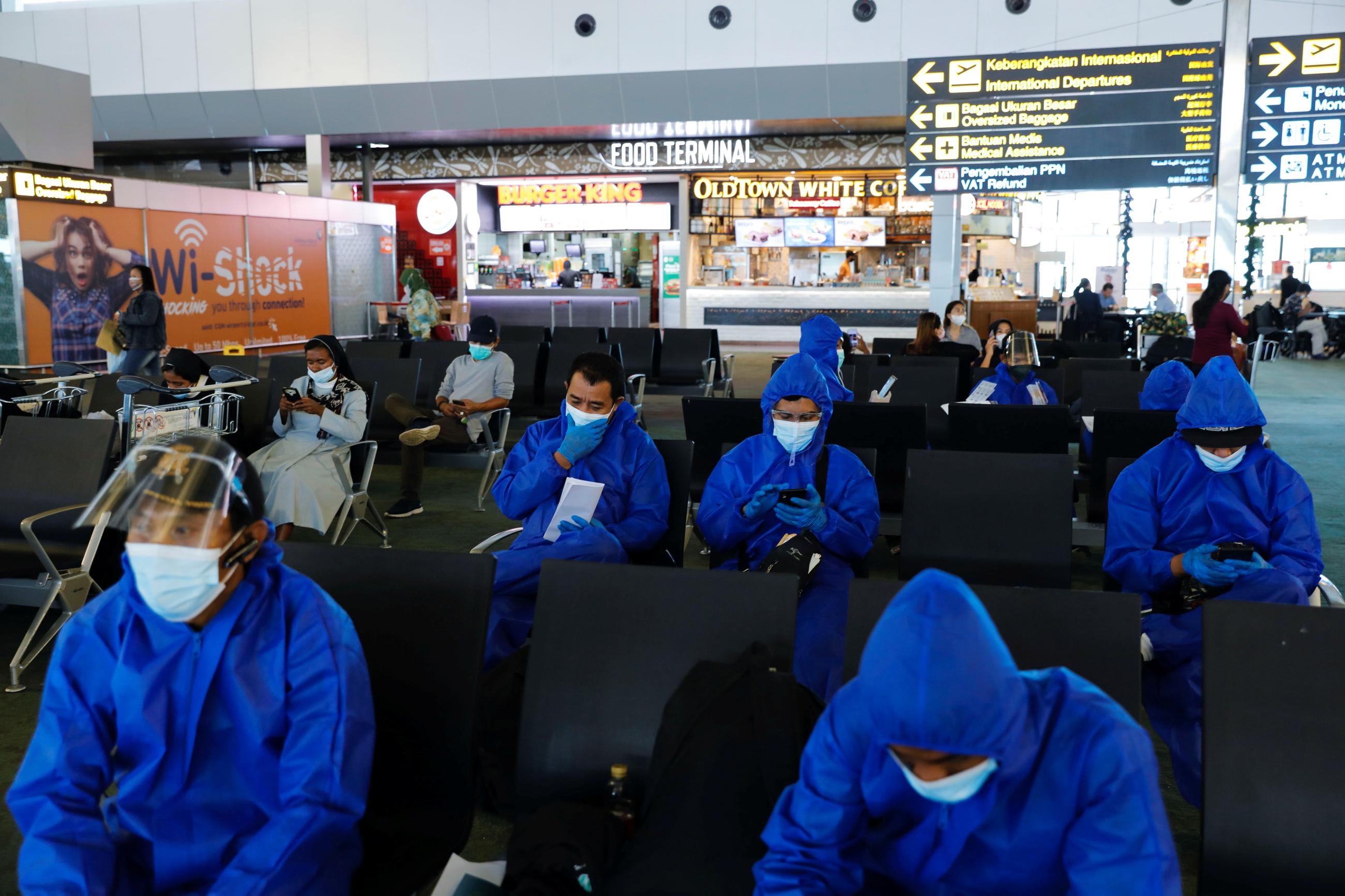
Travelers are seen at Soekarno Hatta International airport, among bans on the arrival of travelers to curb the spread of the Omicron variant of COVID-19, in Tangerang, Indonesia, on November 29, 2021. REUTERS/Willy Kurniawan
Aggrey Aluso is the director, Africa Region, at Pandemic Action Network, where he has more than fifteen years of experience in advancing intersectional justice, using citizen-led, rights-based approaches in Africa.
[COVID-19](https://www.thinkglobalhealth.org/tag/covid-19)[Infectious Disease](https://www.thinkglobalhealth.org/tag/infectious-disease)[Marburg](https://www.thinkglobalhealth.org/tag/marburg)[Travel](https://www.thinkglobalhealth.org/tag/travel)
## Related
[Migration](https://www.thinkglobalhealth.org/topic/migration)
[](https://www.thinkglobalhealth.org/article/rohingya-exile-and-the-limits-of-emergency-aid)
[Rohingya Exile and the Limits of Emergency Aid](https://www.thinkglobalhealth.org/article/rohingya-exile-and-the-limits-of-emergency-aid)
by [Darren Cuthbert](https://www.thinkglobalhealth.org/author/darren-cuthbert)
[As aid funding declines, refugees are perceived increasingly not as temporary guests but as a prolonged burden](https://www.thinkglobalhealth.org/article/rohingya-exile-and-the-limits-of-emergency-aid)
[Migration](https://www.thinkglobalhealth.org/topic/migration)
[](https://www.thinkglobalhealth.org/article/darkness-and-courage-a-humanitarian-in-lebanon-details-the-war-escalation)
[Darkness and Courage: A Humanitarian in Lebanon Details the War Escalation](https://www.thinkglobalhealth.org/article/darkness-and-courage-a-humanitarian-in-lebanon-details-the-war-escalation)
by [Tania Baban](https://www.thinkglobalhealth.org/author/tania-baban)
[MedGlobal's Lebanon country director describes how communities are stepping in amid the fresh conflict](https://www.thinkglobalhealth.org/article/darkness-and-courage-a-humanitarian-in-lebanon-details-the-war-escalation)
[Migration](https://www.thinkglobalhealth.org/topic/migration)
[](https://www.thinkglobalhealth.org/article/reversing-ukraines-population-loss-after-four-years-of-war)
[Reversing Ukraine's Population Loss After Four Years of War](https://www.thinkglobalhealth.org/article/reversing-ukraines-population-loss-after-four-years-of-war)
by [Nataliia Bushkovska](https://www.thinkglobalhealth.org/author/nataliia-bushkovska)
[Ukraine is facing demographic erosion and devising plans to encourage refugee returns and the birth rate](https://www.thinkglobalhealth.org/article/reversing-ukraines-population-loss-after-four-years-of-war)
[Migration](https://www.thinkglobalhealth.org/topic/migration)
[](https://www.thinkglobalhealth.org/article/how-federal-bans-to-migrant-health-care-could-affect-u-s-citizens)
[How Federal Bans to Migrant Health Care Could Affect U.S. Citizens](https://www.thinkglobalhealth.org/article/how-federal-bans-to-migrant-health-care-could-affect-u-s-citizens)
by [Sarah Rendón García](https://www.thinkglobalhealth.org/author/sarah-rendon-garcia), [Germán A. Cadenas](https://www.thinkglobalhealth.org/author/germ-n-a-cadenas), [Oswaldo Moreno](https://www.thinkglobalhealth.org/author/oswaldo-moreno)
[The ripple effects extend to early childhood education, addiction recovery services, and mental health programs](https://www.thinkglobalhealth.org/article/how-federal-bans-to-migrant-health-care-could-affect-u-s-citizens)
## Most Popular
[Birth Registration to Improve Health Equity](https://www.thinkglobalhealth.org/article/birth-registration-to-improve-health-equity)
[](https://www.thinkglobalhealth.org/article/birth-registration-to-improve-health-equity)
[](https://www.thinkglobalhealth.org/article/birth-registration-to-improve-health-equity)
[Birth Registration to Improve Health Equity](https://www.thinkglobalhealth.org/article/birth-registration-to-improve-health-equity)
[Tracking the "America First" Bilateral Health Agreements](https://www.thinkglobalhealth.org/article/tracking-the-america-first-bilateral-health-agreements)
[](https://www.thinkglobalhealth.org/article/tracking-the-america-first-bilateral-health-agreements)
[](https://www.thinkglobalhealth.org/article/tracking-the-america-first-bilateral-health-agreements)
[Tracking the "America First" Bilateral Health Agreements](https://www.thinkglobalhealth.org/article/tracking-the-america-first-bilateral-health-agreements)
[Rohingya Exile and the Limits of Emergency Aid](https://www.thinkglobalhealth.org/article/rohingya-exile-and-the-limits-of-emergency-aid)
[](https://www.thinkglobalhealth.org/article/rohingya-exile-and-the-limits-of-emergency-aid)
[](https://www.thinkglobalhealth.org/article/rohingya-exile-and-the-limits-of-emergency-aid)
[Rohingya Exile and the Limits of Emergency Aid](https://www.thinkglobalhealth.org/article/rohingya-exile-and-the-limits-of-emergency-aid)
[Why Ghana Needs a Childhood Cancer Registry](https://www.thinkglobalhealth.org/article/why-ghana-needs-a-childhood-cancer-registry)
[](https://www.thinkglobalhealth.org/article/why-ghana-needs-a-childhood-cancer-registry)
[](https://www.thinkglobalhealth.org/article/why-ghana-needs-a-childhood-cancer-registry)
[Why Ghana Needs a Childhood Cancer Registry](https://www.thinkglobalhealth.org/article/why-ghana-needs-a-childhood-cancer-registry)
### Subscribe To Our Newsletter
Stay up to date with the latest trends in global health
[About This Site](https://www.thinkglobalhealth.org/about-site)[Submission Guidelines](https://www.thinkglobalhealth.org/submission-guidelines)
©2025 Council on Foreign Relations. All rights reserved. [Privacy Policy](https://www.thinkglobalhealth.org/privacy-policy) and [Terms of Use.](https://www.thinkglobalhealth.org/terms-use) |
| Readable Markdown | Five years since the start of the COVID-19 pandemic, Africa's recent outbreaks of Marburg virus disease and mpox have rekindled concerns surrounding the global response to major public health events. As health systems and the international community again face the challenge of managing emerging infectious diseases, countries continue to ignore lessons learned from the COVID-19 response.
In particular, the use of travel restrictions to manage the COVID-19 omicron variant and the Marburg virus in Rwanda highlight persisting challenges in the global health response to outbreaks. The [selective travel bans](https://www.cnn.com/travel/article/new-us-travel-rules-omicron-what-to-know/index.html) applied by many high-income countries during the early days of omicron in late 2021, especially against several African nations, brought intense criticism and raised questions of fairness and equity.
By 2024, however, different approaches were taken for Marburg. For example, from October 16 to December 4, the United States implemented [enhanced health screenings](https://www.cbp.gov/sites/default/files/2024-10/clp_bulletin-_rwanda-_redirected_airports_20241015.pdf) for travelers from Rwanda to the United States rather than outright travel bans. This shift in international responses highlights the limitations of travel restrictions and the need for more effective, equitable responses in managing global health crises.
This phenomenon can be examined more closely by looking at the approach the United States took for these two diseases. Although the severity and manner of transmission for each differ, the evolution of travel restrictions over time can reveal which responses can be harmful or helpful.
#### International Response to Omicron: Knee-Jerk Travel Bans
When omicron was first identified in South Africa in November 2021, the United States joined more than a dozen other countries in [imposing a travel ban](https://www.newsweek.com/us-joins-least-15-other-nations-banning-travel-south-africa-after-omicron-emerges-1653629) on eight southern African nations—a move that hurt economies and disrupted supply chains. Scientists and government officials from Botswana and South Africa, instrumental in the discovery of omicron, [expressed](https://sciencebusiness.net/news/covid-19/do-not-blame-south-africa-omicron-variant) feeling punished rather than rewarded for their findings. [South Africa's Foreign Ministry stated](https://www.bbc.com/news/world-59442129) that "excellent science should be applauded and not punished," and that the bans were "akin to punishing South Africa for its advanced genomic sequencing and the ability to detect new variants quicker." Punishing transparency creates a dangerous precedent, potentially deterring countries from timely reporting and thus increasing pandemic risks worldwide.
> This shift in international responses highlights the limitations of travel restrictions and the need for more effective, equitable responses
Those restrictions—which barred most non–U.S. citizens from entering if they had been in one of the affected countries within the previous 14 days—also disrupted the global supply chain for personal protective equipment and other crucial medical items, complicating response efforts. Omicron, however, was already spreading widely across the globe, including in Europe where similar restrictions were not applied. Patchwork travel restrictions led to accusations of racial bias and selective punishment, causing more tensions between high- and low-income countries. Those measures were lifted by the end of December 2021 when omicron's spread proved unstoppable, highlighting the limited efficacy of such bans.
#### Marburg: International and Rwandan Responses
The handling of the Marburg outbreak in 2024 in Rwanda marked a different approach. [Marburg](https://www.who.int/health-topics/marburg-virus-disease#tab=tab_1) is a severe disease with a fatality rate of up to 88%—spread by human-to-human transmission including direct contact with the blood, secretions, organs, or other bodily fluids of infected people or via contaminated surfaces. Rather than travel restrictions, the United States opted for a public health information advisory for travelers from Rwanda and directed action to [enhanced health screenings](https://www.cdc.gov/marburg/situation-summary/travel-to-the-us.html) at specific airports as of October 16, allowing travelers from Rwanda to enter the United States but under close health supervision. The U.S. Centers for Disease Control and Prevention (CDC) also issued a [Level 3 travel advisory for Rwanda](https://www.cbp.gov/sites/default/files/2024-10/clp_bulletin-_rwanda-_redirected_airports_20241015.pdf), advising against all nonessential travel.
Although the measures taken by the United States stopped short of a full travel ban, the country was still something of an outlier relative to how the [European Union](https://www.ecdc.europa.eu/en/news-events/ecdc-advice-marburg-virus-disease), the [United Kingdom](https://www.independent.co.uk/travel/news-and-advice/marburg-virus-outbreak-travel-advice-rwanda-symptoms-b2625105.html), [Germany](https://www.cidrap.umn.edu/marburg/german-health-officials-probe-symptoms-contact-rwandan-marburg-patient), and other countries handled Marburg. Furthermore, the [World Health Organization (WHO) guidelines](https://www.who.int/news-room/articles-detail/who-advises-against-any-travel-and-trade-restrictions-with-rwanda-in-the-context-of-the-ongoing-marburg-virus-disease-\(mvd\)-outbreak) advised against any travel restrictions because of their limited impact and high economic cost. A knee-jerk travel ban such as the one implemented during omicron was avoided, but African officials still condemned the response. In a [swift statement](https://africacdc.org/news-item/statement-against-travel-restrictions-inresponse-to-mpox-and-marburg-virus-outbreaks/), the Africa CDC reminded the United States and the world that "under the International Health Regulations, travel restrictions are discouraged unless there is compelling evidence to justify them. Historically, these measures have proven counterproductive: delaying response efforts, fostering public anxiety, and disrupting global mobility." Marburg was effectively contained within Rwanda thanks to decisive local actions, including isolation and contact tracing, without the need for international travel bans.

A health worker in protective clothing carries waste for disposal outside the Marburg isolation ward, in Uige, Angola, on April 20, 2005 REUTERS/Mike Hutchings
The domestic response to the Marburg outbreak in Rwanda in 2024 showcased [effective leadership](https://www.cidrap.umn.edu/marburg/who-lauds-rwandas-marburg-response-country-shares-initial-genetic-findings) and coordination at multiple levels. [Rwandan health authorities acted quickly](https://www.lemonde.fr/en/environment/article/2024/10/22/marburg-virus-how-rwanda-managed-to-contain-the-epidemic_6730068_114.html), prioritizing swift containment measures, including effective contact tracing, isolation, and rigorous testing, especially in Kigali, where the virus was initially detected among health-care workers. Such targeted actions have been instrumental in preventing community transmission. In addition, designated treatment centers allowed health-care teams to monitor and manage cases more effectively, helping contain the virus to specific hospital clusters. As a result, Rwanda saw a [sharp decline in new cases](https://www.who.int/emergencies/disease-outbreak-news/item/2024-DON541) at the beginning of October and [declared the outbreak over](https://www.reuters.com/world/africa/rwanda-declares-that-marburg-virus-outbreak-is-over-2024-12-20/) at the end of December. This proactive approach helped contain the virus before it could spread widely.
[Rwanda's strong and resilient health system](https://www.cidrap.umn.edu/marburg/who-lauds-rwandas-marburg-response-country-shares-initial-genetic-findings) and previous experience with outbreaks—such as Ebola—allowed for a swift and organized response, showcasing effective leadership at both national and local levels. By focusing on infection prevention and control strategies, such as proper hygiene, safe handling of potentially infected materials, and community engagement, countries can manage outbreaks more effectively without resorting to travel bans that have significant negative repercussions.
With international cooperation, the Rwandan government's focus on measures including contact tracing, isolation, designated treatment centers along with swift cooperation with international and regional bodies such as the Sabin Institute, the Africa CDC, and the WHO enabled the country to effectively contain the virus within specific clusters. Such a model exemplifies how proactive local containment together with international cooperation can prevent a virus from spreading more broadly while safeguarding both the local and global economy.
Rwanda's Marburg response is a compelling example of why countries need to embrace global solidarity over individual approaches. Countries should be supported to contain infectious disease outbreaks when they occur instead of being isolated with measures such as travel bans.
#### A Role for Travel Restrictions?
Countries should consider the economic repercussions, supply chain and medical aid disruptions, food security consequences, as well as the impact on communities and families when weighing up travel bans. The WHO states that travel bans may only be justified at the beginning of an outbreak to slow down the spread of viruses, buying critical time for health-care preparations and public health interventions.
Recent research finds that travel bans are effective in delaying rather than stopping the spread of a virus, and that they are [most effective when implemented early and promptly](https://pmc.ncbi.nlm.nih.gov/articles/PMC7969755/) as the first line of defense against a novel pathogen, combined with other measures like quarantine and lockdowns. For example, early travel measures [implemented in Wuhan](https://gh.bmj.com/content/6/3/e004537) during COVID were found to be effective at slowing down the spread of COVID. Researchers also found that internal and international border restrictions could delay the spread of an outbreak by more than 2 months. However, the effectiveness of these bans [tends to decrease](https://www.sciencedaily.com/releases/2020/08/200803120134.htm) as the virus spreads more widely, especially when bans are [implemented later in an outbreak.](https://www.nature.com/articles/d41586-020-03605-6) Furthermore, even though travel bans may temporarily delay the early spread of a virus, [research](https://pmc.ncbi.nlm.nih.gov/articles/PMC7969755/) also indicates they are generally less effective for highly contagious diseases.
The experiences from COVID-19 and Marburg show that travel restrictions need to carefully be considered and not be deployed as a political reaction to a new outbreak or variant. Research and the experience of COVID-19 has shown that full travel bans can pose a serious risk to global health cooperation. When countries face economic penalties for reporting outbreaks, they may be less willing to [share crucial epidemiological data](https://journals.openedition.org/poldev/2178#tocto2n3), delaying the world's ability to respond to new threats. Travel restrictions should be but one tool in the toolbox, with domestic response capability, health system and supply chain resilience the focus of prevention, preparedness, and response efforts.
As climate change makes future pandemics even [more likely](https://pubmed.ncbi.nlm.nih.gov/35483403/) due to the increasing frequency, geographic spread, and severity of infectious diseases, leaders, finance ministers, health and climate ministers need to focus with urgency on developing pandemic and climate-resilient health systems so that virus spread is contained, and deployment of travel bans—and in some cases restrictions—can be a rare event, not a go-to.

Travelers are seen at Soekarno Hatta International airport, among bans on the arrival of travelers to curb the spread of the Omicron variant of COVID-19, in Tangerang, Indonesia, on November 29, 2021. REUTERS/Willy Kurniawan |
| Shard | 113 (laksa) |
| Root Hash | 13810122709961913513 |
| Unparsed URL | org,thinkglobalhealth!www,/article/global-travel-restrictions-lessons-covid-19-marburg s443 |