ℹ️ Skipped - page is already crawled
| Filter | Status | Condition | Details |
|---|---|---|---|
| HTTP status | PASS | download_http_code = 200 | HTTP 200 |
| Age cutoff | PASS | download_stamp > now() - 6 MONTH | 0.1 months ago |
| History drop | PASS | isNull(history_drop_reason) | No drop reason |
| Spam/ban | PASS | fh_dont_index != 1 AND ml_spam_score = 0 | ml_spam_score=0 |
| Canonical | PASS | meta_canonical IS NULL OR = '' OR = src_unparsed | Not set |
| Property | Value |
|---|---|
| URL | https://www.singsaver.com.sg/investment/blog/etfs-versus-unit-trusts-what-should-i-invest-in |
| Last Crawled | 2026-04-18 00:45:41 (2 days ago) |
| First Indexed | 2025-02-15 10:26:55 (1 year ago) |
| HTTP Status Code | 200 |
| Meta Title | ETFs Versus Unit Trusts: What To Invest In? I SingSaver - SingSaver |
| Meta Description | ETFs and Unit Trusts share similarities, however, ETFs are generally much cheaper. |
| Meta Canonical | null |
| Boilerpipe Text | ETF vs. Unit Trusts: What’s the Difference?
Updated: 25 Sept 2025
While mutual funds and ETFs share similarities in providing diversified investment options, distinct characteristics set them apart.
Saver Takeaways
ETFs are usually passively managed, while unit trusts are actively managed to seek higher returns.
ETFs typically have lower fees compared to unit trusts, making them more cost-effective.
ETFs trade throughout the day on the SGX, whereas unit trusts are priced and traded only at the end of the day.
Exchange-Traded Funds (ETF) and unit trusts (also known as mutual funds) both offer diversified investments by pooling investor capital into a portfolio of securities, simplifying the process of owning multiple assets. However, they differ significantly.
So, how do you choose the right investment for you? Let’s break it down and explore everything you need to know about ETFs and unit trusts.
ETFs are index-tracking investment tools traded on public markets. They follow indices composed of asset classes such as stocks or bonds, focusing on specific market segments like technology, energy, and real estate or specific regions, such as
China’s ETFs
.
Unit trusts, on the other hand, are actively managed investment tools where individual investors pool their money, and fund managers invest in securities like stocks or bonds. Unlike ETFs, unit trusts rely on the manager's ability to outperform the market and are traded through private channels.
» Learn more:
What is an ETF?
ETF
Unit Trust
Buy/Sell
Traded on a public market
Sold through private channels
Management Type
Passively managed
Actively managed
Liquidity
Highly liquid (can be bought or sold like a stock)
Not very liquid (high fees and limited buying and selling)
Asset Class Composition
Constrained to asset class
Can have diversified asset classes
Annual Fees
0.05%–0.7%
1.5%(median)
Entry Fees
If purchased through a broker, S$10–20 per trade
3–5%
ETFs and unit trusts offer ways to invest for the future, but they function in distinct ways. Below are some of the key differences you need to know.
The management style of ETFs and unit trusts is one of their most significant differences. ETFs are typically passively managed, designed ETFs are typically passively managed, designed to replicate the performance of a certain index, sector, or asset class.
For example, an ETF may track the performance of the S&P 500 or a particular industry, such as technology. This passive management approach generally results in lower costs since there is no active decision-making by a fund manager.
Unit trusts, as mentioned, are more likely to be actively managed. Fund managers strategically select and adjust the portfolio's holdings with the aim of outperforming the market or achieving specific investment goals.
This hands-on approach can provide the potential for higher returns but also comes with increased fees to compensate for the active management effort. However, due to higher fees, they must deliver 1–2% more returns annually than passive funds to match net-of-fees performance.
» Ready to get started? See SingSaver’s best
online brokers for ETF investing
.
ETFs are known for their cost efficiency, lower management fees, and operating expenses. This is because most ETFs do not require extensive research or frequent adjustments by fund managers.
Unit trusts, however, often come with higher expense ratios. This is due to the active involvement of fund managers, administrative costs, and other operational fees. While these higher fees might be justified by the potential for active management to outperform benchmarks, they can also erode returns, especially in periods of underperformance.
» What’s the cost?
Unit trust fees investors need to know
ETFs are traded on stock exchanges, similar to individual stocks. This means they can be bought and sold throughout the trading day at market prices.
The flexibility to trade in real-time allows investors to take advantage of intraday price movements or respond to market changes quickly. This makes ETFs a popular choice for those who value liquidity and market accessibility.
Meanwhile, unit trusts do not offer the same level of trading convenience. Transactions are executed directly with the fund management company and are based on the Net Asset Value (NAV), which is calculated at the end of the trading day.
This means investors cannot capitalise on intraday price movements, and trades are subject to processing delays. The limited trading flexibility of unit trusts may not suit investors who prefer active portfolio management or frequent adjustments.
» Learn more:
Everything you need to know about ETFs
Tax efficiency is an important factor when choosing between ETFs and unit trusts. ETFs are designed to minimise taxable events, whereas unit trusts often generate more due to frequent trading within the fund. Singapore-listed ETFs do not incur withholding tax on dividends. However, foreign ETFs may be liable to taxes on the dividends.
Unit trusts are taxed differently. Approved unit trusts are subject to tax on 10% of their gains from selling securities, with specific rules for calculating gains, losses, and deductions. However, the remaining 90% of gains or losses are treated differently for tax purposes.
Minimum investment is another aspect where ETFs and unit trusts differ significantly.
ETFs generally do not require a specific minimum investment amount since they trade like stocks. Retail investors can start with as little as the cost of a single share, making ETFs an affordable entry point for those with limited capital. This flexibility has made ETFs a popular choice for new investors or those looking to build a diversified portfolio incrementally.
Conversely, unit trusts often have higher minimum investment requirements. The amount can vary, starting from a few thousand dollars and potentially going much higher, depending on the specific fund.
Therefore, due to its higher threshold, unit trusts can be less accessible for beginner investors or those with smaller budgets.
» Want more options?
Investment guide: SingSaver’s one-stop investment shop
Choosing between ETFs and unit trusts isn’t a one-size-fits-all decision. ETFs are a solid choice for investors who prioritise low costs and flexibility. With their reputation for minimal fees and the ability to trade like stocks, they’re great for those who want to build a diversified portfolio on their terms.
However, managing an ETF portfolio often requires active involvement or the support of a financial advisor or robo-advisor.
Unit trusts, on the other hand, are better suited for investors seeking professional management and targeted strategies. If you prefer a more hands-off approach or want exposure to niche markets, a unit trust could align with your goals. Just be prepared for potentially higher fees, which cover the expertise of active fund managers.
At SingSaver, we exclusively use ETFs in our clients' portfolios. Their low costs, diversified exposure, and high liquidity help maximise returns, manage risk, and navigate various market conditions, enabling our clients to reach their financial goals more efficiently.
» Want more options? See our picks for the
best brokers for funds
.
Article sources
SingSaver's team of financial experts ensures content accuracy by using reliable sources like government publications, industry reports, and interviews with financial professionals. We uphold strict editorial guidelines, fact-checking all content for accuracy, timeliness, and relevance to provide readers with the most current and trustworthy information for making informed financial decisions. Learn more about our commitment to quality by reviewing our editorial guidelines.
While both ETFs and unit trusts provide access to diverse investment opportunities, the costs involved can vary significantly and impact your long-term returns.
ETFs generally come with lower expense ratios, making them a more efficient choice for budget-conscious investors. Brokerage fees, however, may apply each time you buy or sell an ETF, so frequent trading can add up.
For unit trusts, there are also some fees that investors need to know. For instance, unit trusts typically come with entry and switching fees when buying or selling, making them less liquid and more expensive than ETFs.
Getting started with ETFs or unit trusts is relatively straightforward. To invest in ETFs, you’ll need to open a brokerage account. Look for the best brokers that has access to a wide range of ETFs with competitive fees and user-friendly platforms.
Once your account is set up, you can buy and sell ETFs on the stock exchange during market hours, much like trading individual stocks.
For unit trusts, you can invest directly through fund providers or financial advisors. Some online platforms also offer access to a variety of unit trusts, allowing for easy comparison of funds and fees. Keep in mind that unit trusts generally demand a higher minimum investment compared to ETFs, so it’s important to ensure the fund suits your financial objectives and budget.
Relevant articles
About the author |
| Markdown | [](https://www.singsaver.com.sg/)

## Credit Cards
## Insurance
## Loans
## Banking
## Investments
[Blog](https://www.singsaver.com.sg/blog)
[Reward Tracker](https://www.singsaver.com.sg/user/account/dashboard)
[Credit Cards](https://www.singsaver.com.sg/investment/blog/etfs-versus-unit-trusts-what-should-i-invest-in)
[Compare](https://www.singsaver.com.sg/investment/blog/etfs-versus-unit-trusts-what-should-i-invest-in)
[Best Credit Cards](https://www.singsaver.com.sg/credit-card/best)
[Best Cashback Cards](https://www.singsaver.com.sg/credit-card/comparison/best-cashback-credit-cards)
[Best Airmiles Cards](https://www.singsaver.com.sg/credit-card/comparison/best-air-miles-credit-cards)
[Best Reward Cards](https://www.singsaver.com.sg/credit-card/comparison/best-rewards-credit-cards)
[Best Travel Credit Cards](https://www.singsaver.com.sg/credit-card/comparison/best-travel-credit-cards)
[All Credit Cards](https://www.singsaver.com.sg/credit-card/all)
[Best Bank Credit Cards](https://www.singsaver.com.sg/investment/blog/etfs-versus-unit-trusts-what-should-i-invest-in)
[DBS Credit Cards](https://www.singsaver.com.sg/credit-card/dbs)
[Citibank Credit Cards](https://www.singsaver.com.sg/credit-card/citibank)
[OCBC Credit Cards](https://www.singsaver.com.sg/credit-card/ocbc)
[CIMB Credit Cards](https://www.singsaver.com.sg/credit-card/cimb)
[Standard Chartered Credit Cards](https://www.singsaver.com.sg/credit-card/standard-chartered)
[HSBC Credit Cards](https://www.singsaver.com.sg/credit-card/hsbc)
[UOB Credit Cards](https://www.singsaver.com.sg/credit-card/uob)
[Popular Cards](https://www.singsaver.com.sg/investment/blog/etfs-versus-unit-trusts-what-should-i-invest-in)
[Citi Premier Miles](https://www.singsaver.com.sg/credit-card/products/citi-premier-miles-card)
[Citi Rewards](https://www.singsaver.com.sg/credit-card/products/citi-rewards-card)
UOB Lady's Card
[DBS Altitude](https://www.singsaver.com.sg/credit-card/products/dbs-altitude-visa-signature-card)
[HSBC Live Plus](https://www.singsaver.com.sg/credit-card/products/hsbc-live-plus-credit-card)
[HSBC Revolution](https://www.singsaver.com.sg/credit-card/products/hsbc-revolution-credit-card)
DBS Woman's World vs UOB Lady's Card
[Card Guides By Spending](https://www.singsaver.com.sg/investment/blog/etfs-versus-unit-trusts-what-should-i-invest-in)
[Best Groceries Credit Cards](https://www.singsaver.com.sg/credit-card/comparison/best-credit-card-for-groceries)
[Best Dining Credit Cards](https://www.singsaver.com.sg/credit-card/dining)
[Best Overseas Spending Credit Cards](https://www.singsaver.com.sg/credit-card/shopping)
[Best Flights & Hotel Credit Cards](https://www.singsaver.com.sg/credit-card/comparison/best-credit-card-for-groceries)
[Best Petrol Credit Cards](https://www.singsaver.com.sg/credit-card/comparison/petrol)
[Best Big Purchase Credit Cards](https://www.singsaver.com.sg/credit-card/blog/best-credit-card-for-big-purchases)
[Best Utilities Credit Cards](https://www.singsaver.com.sg/credit-card/blog/best-credit-cards-for-paying-utility-bills-in-singapore)
[Insurance](https://www.singsaver.com.sg/investment/blog/etfs-versus-unit-trusts-what-should-i-invest-in)
[Travel](https://www.singsaver.com.sg/investment/blog/etfs-versus-unit-trusts-what-should-i-invest-in)
[Compare Travel Insurance](https://www.singsaver.com.sg/travel-insurance/comparison)
[Travel Insurance Promotions](https://www.singsaver.com.sg/personal-loan/reviews)
[Pre-existing Conditions Travel Insurance](https://www.singsaver.com.sg/travel-insurance/comparison/travel-insurance-pre-existing-medical-conditions)
[Adventure Travel Insurance](https://www.singsaver.com.sg/blog/travel-insurance/travel-insurance-hiking-trekking)
[Diving Travel Insurance](https://www.singsaver.com.sg/blog/travel-insurance-scuba-diving)
[Seniors Travel Insurance](https://www.singsaver.com.sg/travel-insurance/blog/travel-insurance-for-seniors)
[Life & Health](https://www.singsaver.com.sg/investment/blog/etfs-versus-unit-trusts-what-should-i-invest-in)
[Best Personal Accident Insurance](https://www.singsaver.com.sg/travel-insurance/blog/best-personal-accident-insurance-singapore)
[Best Critical Illness Insurance](https://www.singsaver.com.sg/blog/best-critical-illness-insurance-singapore)
[Best Term Life Insurance](https://www.singsaver.com.sg/insurance/term-life-insurance)
[Best Integrated Shield Plans](https://www.singsaver.com.sg/insurance/best-integrated-shield-plan)
[Best Cancer Insurance](https://www.singsaver.com.sg/insurance/best-cancer-insurance)
[Best Disability Insurance](https://www.singsaver.com.sg/insurance/careshield-life-insurance)
[Best Endowment Plans](https://www.singsaver.com.sg/personal-finance/blog/best-endowment-plans-singapore)
[Other Insurance](https://www.singsaver.com.sg/investment/blog/etfs-versus-unit-trusts-what-should-i-invest-in)
[Compare Car Insurance](https://www.singsaver.com.sg/car-insurance)
[Best Car Insurance](https://www.singsaver.com.sg/car-insurance/blog/10-best-car-insurance-in-singapore-to-consider)
[Cheapest Car Insurance](https://www.singsaver.com.sg/car-insurance/blog/cheapest-car-insurance-singapore)
[New Car Insurance](https://www.singsaver.com.sg/car-insurance/blog/new-car-insurance-what-to-know)
[Compare Maid Insurance](https://www.singsaver.com.sg/maid-insurance)
[Compare Home Insurance](https://www.singsaver.com.sg/home-insurance)
[Compare Pet Insurance](https://www.singsaver.com.sg/insurance/pet-insurance)
[Insurance Providers](https://www.singsaver.com.sg/investment/blog/etfs-versus-unit-trusts-what-should-i-invest-in)
[Income Travel Insurance](https://www.singsaver.com.sg/travel-insurance/provider/income)
[MSIG Travel Insurance](https://www.singsaver.com.sg/travel-insurance/provider/msig)
[FWD Travel Insurance](https://www.singsaver.com.sg/travel-insurance/provider/fwd)
[Starr Travel Insurance](https://www.singsaver.com.sg/travel-insurance/provider/starr)
[Great Eastern Travel Insurance](https://www.singsaver.com.sg/travel-insurance/provider/great-eastern)
[Singlife Travel Insurance](https://www.singsaver.com.sg/travel-insurance/provider/singlife)
[Allianz Travel Insurance](https://www.singsaver.com.sg/travel-insurance/provider/allianz-travel)
[Loans](https://www.singsaver.com.sg/investment/blog/etfs-versus-unit-trusts-what-should-i-invest-in)
[Personal Loan](https://www.singsaver.com.sg/personal-loan)
[Compare Personal Loans](https://www.singsaver.com.sg/personal-loan)
[Debt Consolidation](https://www.singsaver.com.sg/personal-loan/comparison/best-debt-consolidation-plans)
[Credit Line](https://www.singsaver.com.sg/personal-loan/credit-line)
[Balance Transfer](https://www.singsaver.com.sg/personal-loan/balance-transfer)
Loans For Bad Credit
[Personal Loans For Foreigners](https://www.singsaver.com.sg/personal-loan/comparison/best-personal-loans-for-foreigners-in-singapore)
[Compare Fast Cash Loans](https://www.singsaver.com.sg/personal-loan/comparison/best-fast-cash-loan)
[Best Alternate Lenders](https://www.singsaver.com.sg/personal-loan/comparison/best-alternate-lenders)
[Guides](https://www.singsaver.com.sg/investment/blog/etfs-versus-unit-trusts-what-should-i-invest-in)
[Standard Chartered Loans](https://www.singsaver.com.sg/personal-loan/standard-chartered)
[UOB Loans](https://www.singsaver.com.sg/personal-loan/uob)
[Citibank Loans](https://www.singsaver.com.sg/personal-loan/citibank)
[DBS Loans](https://www.singsaver.com.sg/personal-loan/dbs)
[OCBC Loans](https://www.singsaver.com.sg/personal-loan/ocbc)
[Guide to Loans for Weddings](https://www.singsaver.com.sg/campaign/personal-loan/wedding-guide)
[Guide to Loans for Education](https://www.singsaver.com.sg/campaign/personal-loan/education-guide)
[Guide to Loans for Renovations](https://www.singsaver.com.sg/campaign/personal-loan/renovation-guide)
[Other Loans](https://www.singsaver.com.sg/investment/blog/etfs-versus-unit-trusts-what-should-i-invest-in)
[Compare Home Loans](https://www.singsaver.com.sg/blog/best-home-loans-singapore)
[Compare Renovation Loans](https://www.singsaver.com.sg/personal-loan/comparison/best-renovation-loan)
[Compare Education Loans](https://www.singsaver.com.sg/personal-loan/education-loan)
[Compare Home Equity Loans](https://www.singsaver.com.sg/personal-loan/blog/home-equity-loan)
[Compare Wedding Loans](https://www.singsaver.com.sg/personal-loan/blog/best-wedding-loans-singapore)
[Compare Emergency Loans](https://www.singsaver.com.sg/personal-loan/comparison/best-loans-for-emergencies)
[Compare Online Loans](https://www.singsaver.com.sg/personal-loan/comparison/online-loans)
[Compare Car Loans](https://www.singsaver.com.sg/personal-loan/car-loan)
[Other Loan Guides](https://www.singsaver.com.sg/investment/blog/etfs-versus-unit-trusts-what-should-i-invest-in)
[How Many Personal Loans Can You Take](https://www.singsaver.com.sg/personal-loan/blog/how-many-personal-loans-can-you-take-at-once)
[How To Buy A House In Singapore](https://www.singsaver.com.sg/personal-loan/blog/how-to-buy-a-house-in-singapore)
[How To Use CPF To Pay For House](https://www.singsaver.com.sg/personal-loan/blog/how-to-use-cpf-to-pay-for-housing-loan)
[How Much To Buy Car](https://www.singsaver.com.sg/car-insurance/blog/how-much-do-you-need-to-afford-a-car-in-singapore)
[Education Cost](https://www.singsaver.com.sg/personal-loan/blog/education-cost-in-singapore)
[Career Coaching](https://www.singsaver.com.sg/personal-loan/blog/career-coaching-in-singapore)
[How To Get A Renovation Loan](https://www.singsaver.com.sg/personal-loan/blog/how-to-apply-for-a-renovation-loan-in-singapore)
[Banking](https://www.singsaver.com.sg/investment/blog/etfs-versus-unit-trusts-what-should-i-invest-in)
[Debit Cards](https://www.singsaver.com.sg/investment/blog/etfs-versus-unit-trusts-what-should-i-invest-in)
[Compare Debit Cards](https://www.singsaver.com.sg/banking/comparison/debit-cards)
[Best Prepaid Debit Cards](https://www.singsaver.com.sg/banking/blog/best-prepaid-debit-cards)
[Best Kids Debit Cards](https://www.singsaver.com.sg/credit-card/blog/credit-or-debit-card-for-kids)
[Savings Accounts](https://www.singsaver.com.sg/investment/blog/etfs-versus-unit-trusts-what-should-i-invest-in)
[Compare Savings Accounts](https://www.singsaver.com.sg/banking/comparison/bank-account)
[Best Kids Saving Accounts](https://www.singsaver.com.sg/blog/best-savings-account-for-kids)
[Best Multi Currency Saving Accounts](https://www.singsaver.com.sg/banking/blog/multi-currency-savings-accounts)
[High Interest Savings Accounts](https://www.singsaver.com.sg/banking/blog/what-are-high-interest-savings-accounts)
[Joint Savings Accounts](https://www.singsaver.com.sg/banking/blog/joint-savings-account)
[How To Open Savings Account](https://www.singsaver.com.sg/banking/blog/how-to-open-a-savings-account)
[What Is A Savings Account](https://www.singsaver.com.sg/banking/blog/what-is-a-savings-account)
[Priority Banking Accounts](https://www.singsaver.com.sg/investment/blog/etfs-versus-unit-trusts-what-should-i-invest-in)
[Compare Priority Banking Accounts](https://www.singsaver.com.sg/bank-account/priority-banking)
[Guide to Priority Banking](https://www.singsaver.com.sg/banking/blog/priority-banking-singapore-guide)
[Priority Banking Resources](https://www.singsaver.com.sg/banking/blog/how-priority-banking-can-help-you-to-grow-your-wealth)
[Net Worth Calculator](https://www.singsaver.com.sg/personal-loan/blog/how-to-calculate-net-worth-singapore)
[Priority Vs Private Banking](https://www.singsaver.com.sg/blog/priority-banking-and-private-banking-differences)
[SCB Vs UOB Priority Banking](https://www.singsaver.com.sg/blog/standard-chartered-vs-uob-priority-banking)
[HSBC Premier Vs Citigold](https://www.singsaver.com.sg/blog/priority-banking-comparison-hsbc-premier-vs-citigold)
[Guides](https://www.singsaver.com.sg/investment/blog/etfs-versus-unit-trusts-what-should-i-invest-in)
[What are Debit Cards](https://www.singsaver.com.sg/blog/what-is-a-debit-card)
[Debit Card vs Credit Card](https://www.singsaver.com.sg/credit-card/blog/debit-cards-versus-credit-cards-in-singapore)
[Priority Banking Guide](https://www.singsaver.com.sg/personal-loan/blog/priority-banking-singapore-guide)
[Different Bank Account Types](https://www.singsaver.com.sg/blog/the-differences-between-bank-account-types-that-you-need-to-know)
[Alternatives To Saving Accounts](https://www.singsaver.com.sg/banking/blog/best-alternatives-to-savings-accounts-singapore)
[POSB Debit Card Review](https://www.singsaver.com.sg/credit-card/blog/passion-posb-debit-card-yuu-app-rebates)
[OCBC Frank Debit Card Review](https://www.singsaver.com.sg/credit-card/blog/ocbc-frank-credit-card-the-perfect-card-for-gen-z)
[Investments](https://www.singsaver.com.sg/investment/blog/etfs-versus-unit-trusts-what-should-i-invest-in)
[Stocks](https://www.singsaver.com.sg/investment/blog/etfs-versus-unit-trusts-what-should-i-invest-in)
[Compare Singapore Stocks Investment Accounts](https://www.singsaver.com.sg/investments/sgx-stocks)
[Compare US Stocks Investment Accounts](https://www.singsaver.com.sg/investments/us-stocks)
[Monthly Dividend Stocks](https://www.singsaver.com.sg/investment/blog/best-monthly-dividend-stocks-to-consider)
[Blue Chip Stocks](https://www.singsaver.com.sg/investment/blog/blue-chip-stocks-singapore-guide)
[Best SREITs](https://www.singsaver.com.sg/credit-card/blog/best-sreits-singapore-for-your-investment-portfolio)
[Best Gold Stocks](https://www.singsaver.com.sg/investment/blog/best-gold-stocks)
[CFD & Forex](https://www.singsaver.com.sg/investment/blog/etfs-versus-unit-trusts-what-should-i-invest-in)
[Compare CFD Investment Accounts](https://www.singsaver.com.sg/investments/cfd)
[Best CFD Brokers](https://www.singsaver.com.sg/blog/best-cfd-brokers)
What Are CFDs
[CFDs vs Stocks](https://www.singsaver.com.sg/blog/stocks-vs-cfds)
[Compare Forex Investment Accounts](https://www.singsaver.com.sg/investments/forex)
What Is Forex Trading
[Brokers](https://www.singsaver.com.sg/investment/blog/etfs-versus-unit-trusts-what-should-i-invest-in)
Compare Robo Advisors
[Best Brokerage Accounts](https://www.singsaver.com.sg/investments/online-brokerage)
Moomoo
[Longbridge](https://www.singsaver.com.sg/investment/products/longbridge)
[Webull](https://www.singsaver.com.sg/investment/products/webull-singapore)
[Tiger Brokers](https://www.singsaver.com.sg/investment/products/tiger-brokers)
[IG](https://www.singsaver.com.sg/investment/products/ig-asia)
[Plus500](https://www.singsaver.com.sg/investment/products/plus500)
[Guides](https://www.singsaver.com.sg/investment/blog/etfs-versus-unit-trusts-what-should-i-invest-in)
[How To Start Investing](https://www.singsaver.com.sg/investment/blog/how-to-start-investing-in-singapore-a-beginners-guide)
[Best Ways To Invest](https://www.singsaver.com.sg/blog/best-ways-to-invest-money)
[Best Investments For Beginners](https://www.singsaver.com.sg/investment/blog/investments-for-beginners)
[How To Invest In Mutual Funds](https://www.singsaver.com.sg/investment/blog/a-guide-on-how-to-start-investing-in-mutual-funds-for-beginners)
[How To Buy Stocks](https://www.singsaver.com.sg/investment/blog/how-to-buy-stocks-in-singapore-online-for-beginners)
[What Is a Brokerage Account](https://www.singsaver.com.sg/investment/blog/what-is-a-brokerage-account)
[Best Investment Platforms](https://www.singsaver.com.sg/investment/blog/a-complete-review-of-the-best-investment-apps-and-platforms-in-singapore-for-beginners-students)
[Blog](https://www.singsaver.com.sg/blog)
[Reward Tracker](https://www.singsaver.com.sg/user/account/dashboard)
Log in
/[Investments](https://www.singsaver.com.sg/investment/blog)/[Blog](https://www.singsaver.com.sg/blog)/[ETF vs. Unit Trusts: What’s the Difference?](https://www.singsaver.com.sg/investment/blog/etfs-versus-unit-trusts-what-should-i-invest-in)
# ETF vs. Unit Trusts: What’s the Difference?
Updated: 25 Sept 2025
While mutual funds and ETFs share similarities in providing diversified investment options, distinct characteristics set them apart.

**Saver Takeaways**
- ETFs are usually passively managed, while unit trusts are actively managed to seek higher returns.
- ETFs typically have lower fees compared to unit trusts, making them more cost-effective.
- ETFs trade throughout the day on the SGX, whereas unit trusts are priced and traded only at the end of the day.
Exchange-Traded Funds (ETF) and unit trusts (also known as mutual funds) both offer diversified investments by pooling investor capital into a portfolio of securities, simplifying the process of owning multiple assets. However, they differ significantly.
So, how do you choose the right investment for you? Let’s break it down and explore everything you need to know about ETFs and unit trusts.
## ETF vs unit trusts
ETFs are index-tracking investment tools traded on public markets. They follow indices composed of asset classes such as stocks or bonds, focusing on specific market segments like technology, energy, and real estate or specific regions, such as [China’s ETFs](https://www.singsaver.com.sg/blog/invest-in-chinese-stocks).
Unit trusts, on the other hand, are actively managed investment tools where individual investors pool their money, and fund managers invest in securities like stocks or bonds. Unlike ETFs, unit trusts rely on the manager's ability to outperform the market and are traded through private channels.
**» Learn more:** [What is an ETF?](https://www.singsaver.com.sg/investment/blog/investing-in-exchange-traded-funds)
| | | |
|---|---|---|
| | **ETF** | **Unit Trust** |
| **Buy/Sell** | Traded on a public market | Sold through private channels |
| **Management Type** | Passively managed | Actively managed |
| **Liquidity** | Highly liquid (can be bought or sold like a stock) | Not very liquid (high fees and limited buying and selling) |
| **Asset Class Composition** | Constrained to asset class | Can have diversified asset classes |
| **Annual Fees** | 0\.05%–0.7% | 1\.5%(median) |
| **Entry Fees** | If purchased through a broker, S\$10–20 per trade | 3–5% |
## ETFs and unit trusts: the main differences
ETFs and unit trusts offer ways to invest for the future, but they function in distinct ways. Below are some of the key differences you need to know.
### 1\. How they are managed
The management style of ETFs and unit trusts is one of their most significant differences. ETFs are typically passively managed, designed ETFs are typically passively managed, designed to replicate the performance of a certain index, sector, or asset class.
For example, an ETF may track the performance of the S\&P 500 or a particular industry, such as technology. This passive management approach generally results in lower costs since there is no active decision-making by a fund manager.
Unit trusts, as mentioned, are more likely to be actively managed. Fund managers strategically select and adjust the portfolio's holdings with the aim of outperforming the market or achieving specific investment goals.
This hands-on approach can provide the potential for higher returns but also comes with increased fees to compensate for the active management effort. However, due to higher fees, they must deliver 1–2% more returns annually than passive funds to match net-of-fees performance.
**» Ready to get started? See SingSaver’s best [online brokers for ETF investing](https://www.singsaver.com.sg/investments/online-brokerage).**
### 2\. The expense ratios of each
ETFs are known for their cost efficiency, lower management fees, and operating expenses. This is because most ETFs do not require extensive research or frequent adjustments by fund managers.
Unit trusts, however, often come with higher expense ratios. This is due to the active involvement of fund managers, administrative costs, and other operational fees. While these higher fees might be justified by the potential for active management to outperform benchmarks, they can also erode returns, especially in periods of underperformance.
**» What’s the cost? [Unit trust fees investors need to know](https://www.singsaver.com.sg/blog/unit-trust-singapore-investment-guide)**
### 3\. The trading methods
ETFs are traded on stock exchanges, similar to individual stocks. This means they can be bought and sold throughout the trading day at market prices.
The flexibility to trade in real-time allows investors to take advantage of intraday price movements or respond to market changes quickly. This makes ETFs a popular choice for those who value liquidity and market accessibility.
Meanwhile, unit trusts do not offer the same level of trading convenience. Transactions are executed directly with the fund management company and are based on the Net Asset Value (NAV), which is calculated at the end of the trading day.
This means investors cannot capitalise on intraday price movements, and trades are subject to processing delays. The limited trading flexibility of unit trusts may not suit investors who prefer active portfolio management or frequent adjustments.
**» Learn more: [Everything you need to know about ETFs](https://www.singsaver.com.sg/blog/investing-in-exchange-traded-funds)**
### 4\. Tax-efficiency
Tax efficiency is an important factor when choosing between ETFs and unit trusts. ETFs are designed to minimise taxable events, whereas unit trusts often generate more due to frequent trading within the fund. Singapore-listed ETFs do not incur withholding tax on dividends. However, foreign ETFs may be liable to taxes on the dividends.
Unit trusts are taxed differently. Approved unit trusts are subject to tax on 10% of their gains from selling securities, with specific rules for calculating gains, losses, and deductions. However, the remaining 90% of gains or losses are treated differently for tax purposes.
### 5\. Minimum investment requirement
Minimum investment is another aspect where ETFs and unit trusts differ significantly.
ETFs generally do not require a specific minimum investment amount since they trade like stocks. Retail investors can start with as little as the cost of a single share, making ETFs an affordable entry point for those with limited capital. This flexibility has made ETFs a popular choice for new investors or those looking to build a diversified portfolio incrementally.
Conversely, unit trusts often have higher minimum investment requirements. The amount can vary, starting from a few thousand dollars and potentially going much higher, depending on the specific fund.
Therefore, due to its higher threshold, unit trusts can be less accessible for beginner investors or those with smaller budgets.
**» Want more options? [Investment guide: SingSaver’s one-stop investment shop](https://www.singsaver.com.sg/blog/guide-to-investment)**
[](https://www.singsaver.com.sg/apply-v2b/15058)
### [SingSaver x CMC Markets Exclusive Offer](https://www.singsaver.com.sg/apply-v2b/15058)
Open a CMC Markets account and get **2,500 Max Miles by HeyMax (worth S\$45), an upsized S\$20 cash via PayNow or S\$40 Grab Voucher**. Valid until 31 March 2026. [T\&Cs apply](https://singsaver.link/stk-rewards-campaign).
[Apply Now](https://www.singsaver.com.sg/apply-v2b/15058)
## ETFs or unit trusts: which is best for you?
Choosing between ETFs and unit trusts isn’t a one-size-fits-all decision. ETFs are a solid choice for investors who prioritise low costs and flexibility. With their reputation for minimal fees and the ability to trade like stocks, they’re great for those who want to build a diversified portfolio on their terms.
However, managing an ETF portfolio often requires active involvement or the support of a financial advisor or robo-advisor.
Unit trusts, on the other hand, are better suited for investors seeking professional management and targeted strategies. If you prefer a more hands-off approach or want exposure to niche markets, a unit trust could align with your goals. Just be prepared for potentially higher fees, which cover the expertise of active fund managers.
At SingSaver, we exclusively use ETFs in our clients' portfolios. Their low costs, diversified exposure, and high liquidity help maximise returns, manage risk, and navigate various market conditions, enabling our clients to reach their financial goals more efficiently.
**» Want more options? See our picks for the [best brokers for funds](https://www.singsaver.com.sg/investments/online-brokerage).**
## Learn more about ETFs and unit trusts
[POEMS (Phillip Securities) Review – Should You Use This Investment Brokerage Tool?](https://www.singsaver.com.sg/blog/poems-phillip-securities)
[What Are Mutual Funds, And How to Pick The Best Mutual Funds In Singapore 2023](https://www.singsaver.com.sg/blog/best-mutual-funds-singapore)
[8 Investment Myths From ‘Uncles, Aunties & Friends’ You Once Believed](https://www.singsaver.com.sg/blog/investment-myths)
[When Should You Pay for Comfort and Convenience?](https://www.singsaver.com.sg/blog/paying-for-convenience-and-comfort)
[This Is One S\&P 500 ETF You Might Want To Avoid](https://www.singsaver.com.sg/blog/sp-500-etf-to-avoid)
[Unit Trust In Singapore – Complete Investment Guide On How It Works](https://www.singsaver.com.sg/blog/unit-trust-singapore-investment-guide)
[Regular Savings Plan (RSP): What They Are And The Best Ones To Invest In](https://www.singsaver.com.sg/blog/regular-savings-plan-rsp-singapore)
[What ETFs Are And Why Warren Buffett Advocates Them](https://www.singsaver.com.sg/blog/why-invest-in-etfs-warren-buffet-words)
Article sources
SingSaver's team of financial experts ensures content accuracy by using reliable sources like government publications, industry reports, and interviews with financial professionals. We uphold strict editorial guidelines, fact-checking all content for accuracy, timeliness, and relevance to provide readers with the most current and trustworthy information for making informed financial decisions. Learn more about our commitment to quality by reviewing our editorial guidelines.
[Back to top](https://www.singsaver.com.sg/investment/blog/etfs-versus-unit-trusts-what-should-i-invest-in#top)
[](https://www.singsaver.com.sg/apply-v2b/15066)
### [SingSaver x uSmart Exclusive Offer](https://www.singsaver.com.sg/apply-v2b/15066)
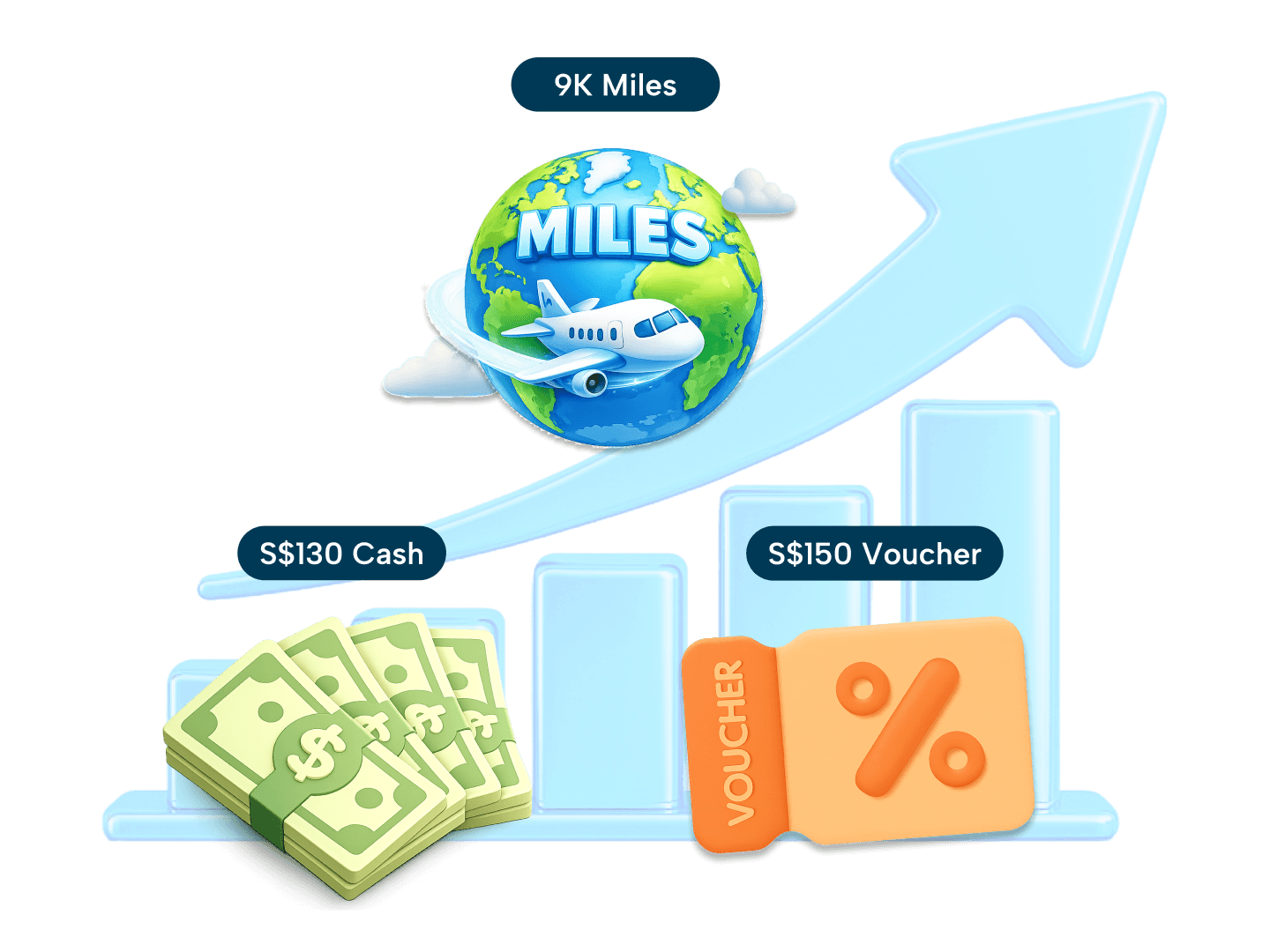
Get an **upsized S\$130 Cash, a \$150 eCapitaVoucher, or 9,000 Max Miles by Heymax (worth S\$162)** when you open a uSMART SG Account, and fund an initial single deposit of S\$1,000 within the promotional period and maintain it for 30 days from the date of deposit. Valid until 3 May 2026. [T\&Cs apply](https://singsaver.link/stk-rewards-campaign).
[Apply Now](https://www.singsaver.com.sg/apply-v2b/15066)
## Costs of ETFs and unit trusts
While both ETFs and unit trusts provide access to diverse investment opportunities, the costs involved can vary significantly and impact your long-term returns.
ETFs generally come with lower expense ratios, making them a more efficient choice for budget-conscious investors. Brokerage fees, however, may apply each time you buy or sell an ETF, so frequent trading can add up.
For unit trusts, there are also some fees that investors need to know. For instance, unit trusts typically come with entry and switching fees when buying or selling, making them less liquid and more expensive than ETFs.
## How to invest in ETFs or unit trusts
Getting started with ETFs or unit trusts is relatively straightforward. To invest in ETFs, you’ll need to open a brokerage account. Look for the best brokers that has access to a wide range of ETFs with competitive fees and user-friendly platforms.
Once your account is set up, you can buy and sell ETFs on the stock exchange during market hours, much like trading individual stocks.
For unit trusts, you can invest directly through fund providers or financial advisors. Some online platforms also offer access to a variety of unit trusts, allowing for easy comparison of funds and fees. Keep in mind that unit trusts generally demand a higher minimum investment compared to ETFs, so it’s important to ensure the fund suits your financial objectives and budget.
[](https://www.singsaver.com.sg/apply-v2b/15344)
### [⚡SingSaver x Tiger Brokers Flash Deal⚡](https://www.singsaver.com.sg/apply-v2b/15344)
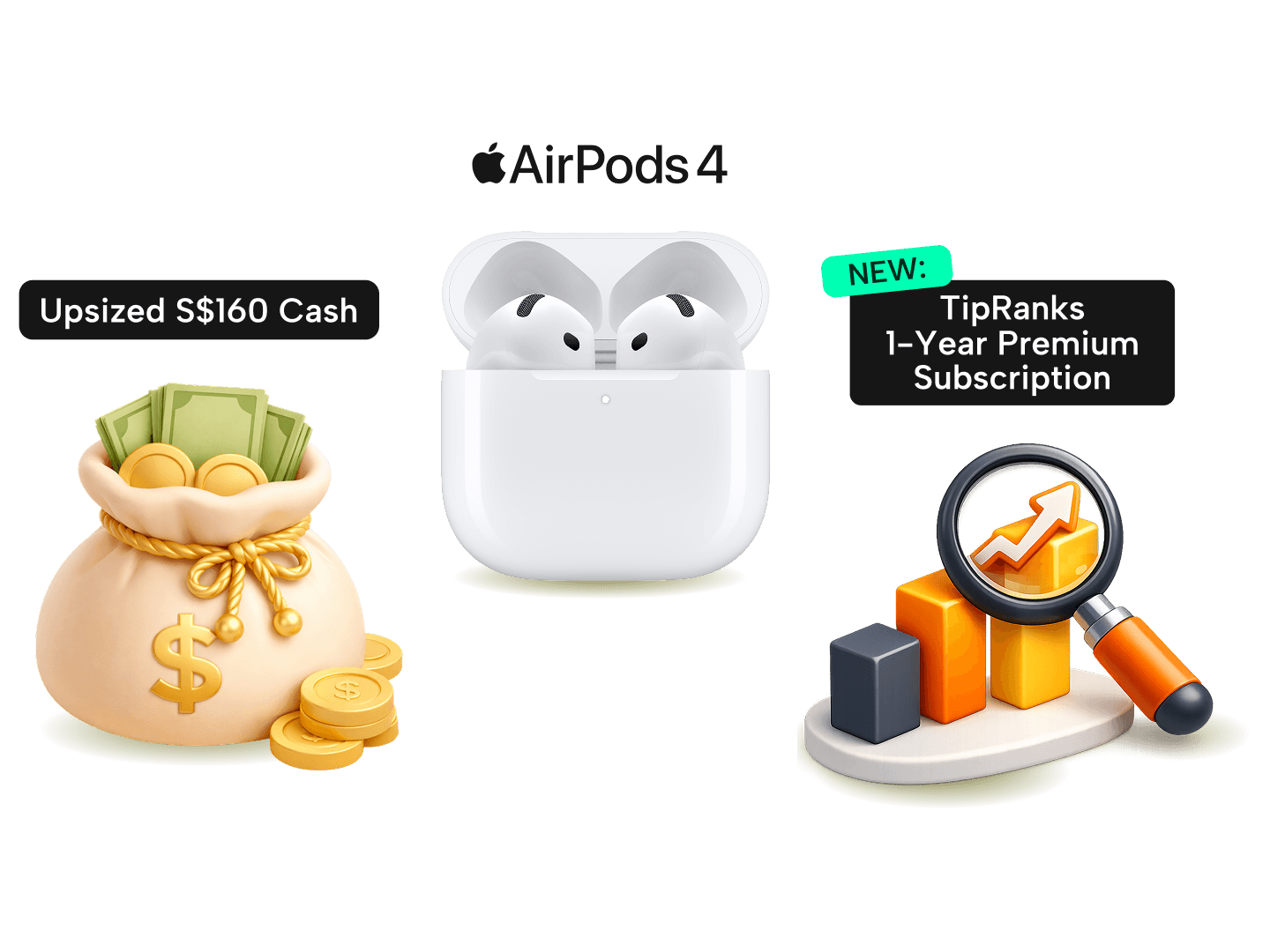
Open a Tiger Brokers account, fund a minimum amount of S\$3,00 and make one trade within the promotional period to receive an upsized S\$160 Cash, upsized S\$180 eCapitaVoucher, Apple AirPods 4, or 1-Year Premium Plan Subscription for TipRanks (worth S\$459.98). Valid till 3 May 2026. [T\&Cs apply](https://singsaver.link/stk-rewards-campaign).
[Apply Now](https://www.singsaver.com.sg/apply-v2b/15344)
### Relevant articles
### 8 Best ETFs for February 2025 and How to Invest
### A Guide on How To Invest in ETF for Beginners Online
### [Unit Trust In Singapore – Complete Investment Guide On How It Works](https://www.singsaver.com.sg/blog/unit-trust-singapore-investment-guide)
### [What Are Mutual Funds, And How to Pick The Best Mutual Funds In Singapore 2025](https://www.singsaver.com.sg/blog/best-mutual-funds-singapore)
### About the author
[](https://www.singsaver.com.sg/)
Credit Cards
- Categories
- Resources
- Providers
Insurance
- Travel
- Life & Health
Loans
- Resources
- Providers
Promotions & Campaigns
- [Travel Insurance Promotions](https://www.singsaver.com.sg/travel-insurance/best-travel-insurance-promotion)
- [Best Deal Guarantee](https://www.singsaver.com.sg/campaign/bestdeal)
Resources
- [Blog](https://www.singsaver.com.sg/blog)
- [Reward Tracker](https://www.singsaver.com.sg/dashboard)
- [Help Centre](https://singsaversg.zendesk.com/hc/en-gb)
- [Giveaway Winners](https://www.singsaver.com.sg/blog/giveaway-and-competition-winners)
About Us
- [Why Singsaver](https://www.singsaver.com.sg/page/singsaver-about-us)
- [Terms & Conditions](https://www.singsaver.com.sg/page/singsaver-terms)
- [Privacy Policy](https://www.singsaver.com.sg/page/singsaver-privacy-policy)
- [Affiliates](https://creatory.biz/)
- [Careers](https://www.hyphengroup.io/careers/)
- [Press](https://www.singsaver.com.sg/press)
© 2015 - 2026 SingSaver PTE LTD. All rights reserved.
This online platform is operated by SingSaver Pte. Ltd. and by continuing to use [www.singsaver.com.sg](https://www.singsaver.com.sg/) (the “SingSaver Website”) or by carrying out a transaction on the SingSaver Website, users are deemed to have agreed with the [Terms and Conditions](https://www.singsaver.com.sg/page/singsaver-terms) and [Privacy Policy](https://www.singsaver.com.sg/page/singsaver-privacy-policy) of the SingSaver Website. All insurance product-related transactions on the SingSaver Website are arranged and administered by SingSaver Insurance Brokers Pte. Ltd., a wholly owned subsidiary of SingSaver Pte. Ltd. SingSaver Insurance Brokers Pte. Ltd. is a licensed and authorised broker regulated by the Monetary Authority of Singapore (“MAS”). SingSaver Pte. Ltd. (which administers all other financial products on the SingSaver Website) is not regulated by MAS. SingSaver is located at Eon Shenton, 70 Shenton Way, 18-08, Singapore, 079118.
fe da9e4f7 |
| Readable Markdown | ## ETF vs. Unit Trusts: What’s the Difference?
Updated: 25 Sept 2025
While mutual funds and ETFs share similarities in providing diversified investment options, distinct characteristics set them apart.

**Saver Takeaways**
- ETFs are usually passively managed, while unit trusts are actively managed to seek higher returns.
- ETFs typically have lower fees compared to unit trusts, making them more cost-effective.
- ETFs trade throughout the day on the SGX, whereas unit trusts are priced and traded only at the end of the day.
Exchange-Traded Funds (ETF) and unit trusts (also known as mutual funds) both offer diversified investments by pooling investor capital into a portfolio of securities, simplifying the process of owning multiple assets. However, they differ significantly.
So, how do you choose the right investment for you? Let’s break it down and explore everything you need to know about ETFs and unit trusts.
ETFs are index-tracking investment tools traded on public markets. They follow indices composed of asset classes such as stocks or bonds, focusing on specific market segments like technology, energy, and real estate or specific regions, such as [China’s ETFs](https://www.singsaver.com.sg/blog/invest-in-chinese-stocks).
Unit trusts, on the other hand, are actively managed investment tools where individual investors pool their money, and fund managers invest in securities like stocks or bonds. Unlike ETFs, unit trusts rely on the manager's ability to outperform the market and are traded through private channels.
**» Learn more:** [What is an ETF?](https://www.singsaver.com.sg/investment/blog/investing-in-exchange-traded-funds)
| | | |
|---|---|---|
| | **ETF** | **Unit Trust** |
| **Buy/Sell** | Traded on a public market | Sold through private channels |
| **Management Type** | Passively managed | Actively managed |
| **Liquidity** | Highly liquid (can be bought or sold like a stock) | Not very liquid (high fees and limited buying and selling) |
| **Asset Class Composition** | Constrained to asset class | Can have diversified asset classes |
| **Annual Fees** | 0\.05%–0.7% | 1\.5%(median) |
| **Entry Fees** | If purchased through a broker, S\$10–20 per trade | 3–5% |
ETFs and unit trusts offer ways to invest for the future, but they function in distinct ways. Below are some of the key differences you need to know.
The management style of ETFs and unit trusts is one of their most significant differences. ETFs are typically passively managed, designed ETFs are typically passively managed, designed to replicate the performance of a certain index, sector, or asset class.
For example, an ETF may track the performance of the S\&P 500 or a particular industry, such as technology. This passive management approach generally results in lower costs since there is no active decision-making by a fund manager.
Unit trusts, as mentioned, are more likely to be actively managed. Fund managers strategically select and adjust the portfolio's holdings with the aim of outperforming the market or achieving specific investment goals.
This hands-on approach can provide the potential for higher returns but also comes with increased fees to compensate for the active management effort. However, due to higher fees, they must deliver 1–2% more returns annually than passive funds to match net-of-fees performance.
**» Ready to get started? See SingSaver’s best [online brokers for ETF investing](https://www.singsaver.com.sg/investments/online-brokerage).**
ETFs are known for their cost efficiency, lower management fees, and operating expenses. This is because most ETFs do not require extensive research or frequent adjustments by fund managers.
Unit trusts, however, often come with higher expense ratios. This is due to the active involvement of fund managers, administrative costs, and other operational fees. While these higher fees might be justified by the potential for active management to outperform benchmarks, they can also erode returns, especially in periods of underperformance.
**» What’s the cost? [Unit trust fees investors need to know](https://www.singsaver.com.sg/blog/unit-trust-singapore-investment-guide)**
ETFs are traded on stock exchanges, similar to individual stocks. This means they can be bought and sold throughout the trading day at market prices.
The flexibility to trade in real-time allows investors to take advantage of intraday price movements or respond to market changes quickly. This makes ETFs a popular choice for those who value liquidity and market accessibility.
Meanwhile, unit trusts do not offer the same level of trading convenience. Transactions are executed directly with the fund management company and are based on the Net Asset Value (NAV), which is calculated at the end of the trading day.
This means investors cannot capitalise on intraday price movements, and trades are subject to processing delays. The limited trading flexibility of unit trusts may not suit investors who prefer active portfolio management or frequent adjustments.
**» Learn more: [Everything you need to know about ETFs](https://www.singsaver.com.sg/blog/investing-in-exchange-traded-funds)**
Tax efficiency is an important factor when choosing between ETFs and unit trusts. ETFs are designed to minimise taxable events, whereas unit trusts often generate more due to frequent trading within the fund. Singapore-listed ETFs do not incur withholding tax on dividends. However, foreign ETFs may be liable to taxes on the dividends.
Unit trusts are taxed differently. Approved unit trusts are subject to tax on 10% of their gains from selling securities, with specific rules for calculating gains, losses, and deductions. However, the remaining 90% of gains or losses are treated differently for tax purposes.
Minimum investment is another aspect where ETFs and unit trusts differ significantly.
ETFs generally do not require a specific minimum investment amount since they trade like stocks. Retail investors can start with as little as the cost of a single share, making ETFs an affordable entry point for those with limited capital. This flexibility has made ETFs a popular choice for new investors or those looking to build a diversified portfolio incrementally.
Conversely, unit trusts often have higher minimum investment requirements. The amount can vary, starting from a few thousand dollars and potentially going much higher, depending on the specific fund.
Therefore, due to its higher threshold, unit trusts can be less accessible for beginner investors or those with smaller budgets.
**» Want more options? [Investment guide: SingSaver’s one-stop investment shop](https://www.singsaver.com.sg/blog/guide-to-investment)**
Choosing between ETFs and unit trusts isn’t a one-size-fits-all decision. ETFs are a solid choice for investors who prioritise low costs and flexibility. With their reputation for minimal fees and the ability to trade like stocks, they’re great for those who want to build a diversified portfolio on their terms.
However, managing an ETF portfolio often requires active involvement or the support of a financial advisor or robo-advisor.
Unit trusts, on the other hand, are better suited for investors seeking professional management and targeted strategies. If you prefer a more hands-off approach or want exposure to niche markets, a unit trust could align with your goals. Just be prepared for potentially higher fees, which cover the expertise of active fund managers.
At SingSaver, we exclusively use ETFs in our clients' portfolios. Their low costs, diversified exposure, and high liquidity help maximise returns, manage risk, and navigate various market conditions, enabling our clients to reach their financial goals more efficiently.
**» Want more options? See our picks for the [best brokers for funds](https://www.singsaver.com.sg/investments/online-brokerage).**
Article sources
SingSaver's team of financial experts ensures content accuracy by using reliable sources like government publications, industry reports, and interviews with financial professionals. We uphold strict editorial guidelines, fact-checking all content for accuracy, timeliness, and relevance to provide readers with the most current and trustworthy information for making informed financial decisions. Learn more about our commitment to quality by reviewing our editorial guidelines.
While both ETFs and unit trusts provide access to diverse investment opportunities, the costs involved can vary significantly and impact your long-term returns.
ETFs generally come with lower expense ratios, making them a more efficient choice for budget-conscious investors. Brokerage fees, however, may apply each time you buy or sell an ETF, so frequent trading can add up.
For unit trusts, there are also some fees that investors need to know. For instance, unit trusts typically come with entry and switching fees when buying or selling, making them less liquid and more expensive than ETFs.
Getting started with ETFs or unit trusts is relatively straightforward. To invest in ETFs, you’ll need to open a brokerage account. Look for the best brokers that has access to a wide range of ETFs with competitive fees and user-friendly platforms.
Once your account is set up, you can buy and sell ETFs on the stock exchange during market hours, much like trading individual stocks.
For unit trusts, you can invest directly through fund providers or financial advisors. Some online platforms also offer access to a variety of unit trusts, allowing for easy comparison of funds and fees. Keep in mind that unit trusts generally demand a higher minimum investment compared to ETFs, so it’s important to ensure the fund suits your financial objectives and budget.
Relevant articles
About the author |
| Shard | 177 (laksa) |
| Root Hash | 1354253889108504977 |
| Unparsed URL | sg,com,singsaver!www,/investment/blog/etfs-versus-unit-trusts-what-should-i-invest-in s443 |