ℹ️ Skipped - page is already crawled
| Filter | Status | Condition | Details |
|---|---|---|---|
| HTTP status | PASS | download_http_code = 200 | HTTP 200 |
| Age cutoff | PASS | download_stamp > now() - 6 MONTH | 0.5 months ago |
| History drop | PASS | isNull(history_drop_reason) | No drop reason |
| Spam/ban | PASS | fh_dont_index != 1 AND ml_spam_score = 0 | ml_spam_score=0 |
| Canonical | PASS | meta_canonical IS NULL OR = '' OR = src_unparsed | Not set |
| Property | Value |
|---|---|
| URL | https://www.savorynothings.com/how-to-cook-pasta/ |
| Last Crawled | 2026-04-01 01:30:04 (14 days ago) |
| First Indexed | 2021-04-21 22:47:07 (4 years ago) |
| HTTP Status Code | 200 |
| Meta Title | How to Cook Pasta - Savory Nothings |
| Meta Description | Wondering how to cook pasta for perfect results every time? This is a great cooking skill to learn when you're starting out with home cooking! |
| Meta Canonical | null |
| Boilerpipe Text | Wondering how to cook pasta for perfect results every time? This is a basic cooking skill to learn when you’re starting out with home cooking, and it really is simple if you know the key points!
Pasta is such an evergreen in the kitchen year-round – though I will never forget the day my brother told me he tried to cook pasta, but it turned out so badly he couldn’t eat it.
I figured he wouldn’t be the only one who follows the package directions, but doesn’t get good results. So let’s take a step-by-step look at the best way to cook a great pot of pasta!
Ingredients you’ll need
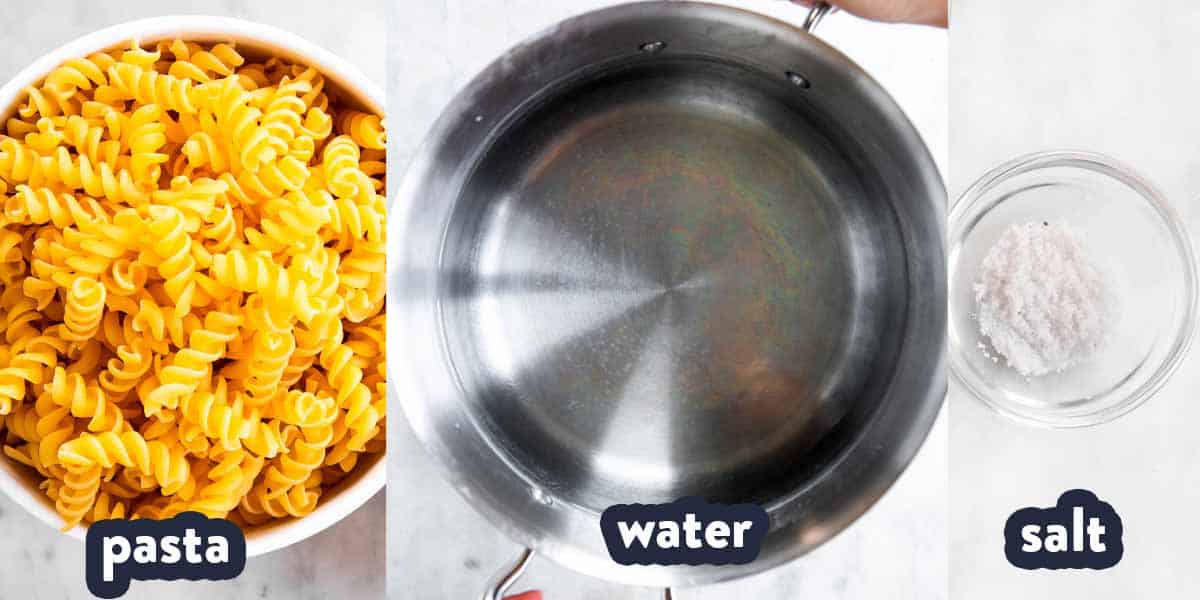
Here is a visual overview of the ingredients in the recipe.
Scroll down to the printable recipe card at the bottom of this post for quantities!
Ingredients to cook pasta: Pasta, water and salt.
Ingredient notes
Pasta:
This recipe applies to pretty much every pasta shape – from spaghetti to bow ties.
The main difference will be the cooking times, but the cooking times do not only depend on the shape (they also depend on the pasta’s ingredients, thickness etc). Make sure to check your pasta box for the recommended cooking time.
Another difference is what kind of pat you’ll want to use. If you’re making a single portion of shells, a smaller saucepan will be fine. But even for a single portion of spaghetti, you’ll want a pot that is pretty wide, so the spaghetti is quickly able to fully submerge in water as the bottom part softens.
Salt:
Believe it or not, but salts can be incredibly different. I use a fine sea salt for pretty much all of my cooking. Sometimes I buy table salt or a different sea salt from the store because I forgot to order the sea salt we usually have, and the “strengths” or how salty they taste can be so different.
The shape of the salt also matters. Kosher salt, for example, has larger grains so it is bulkier on a spoon. This means you have less salt by weight on a tablespoon compared to something like a fine table salt, which makes it less “salty” if measured with the same spoon.
If you are completely new to cooking, I recommend starting with the salt amount recommended in the recipe below. Just know that you may need to adjust the amount up or down, depending on your exact salt.
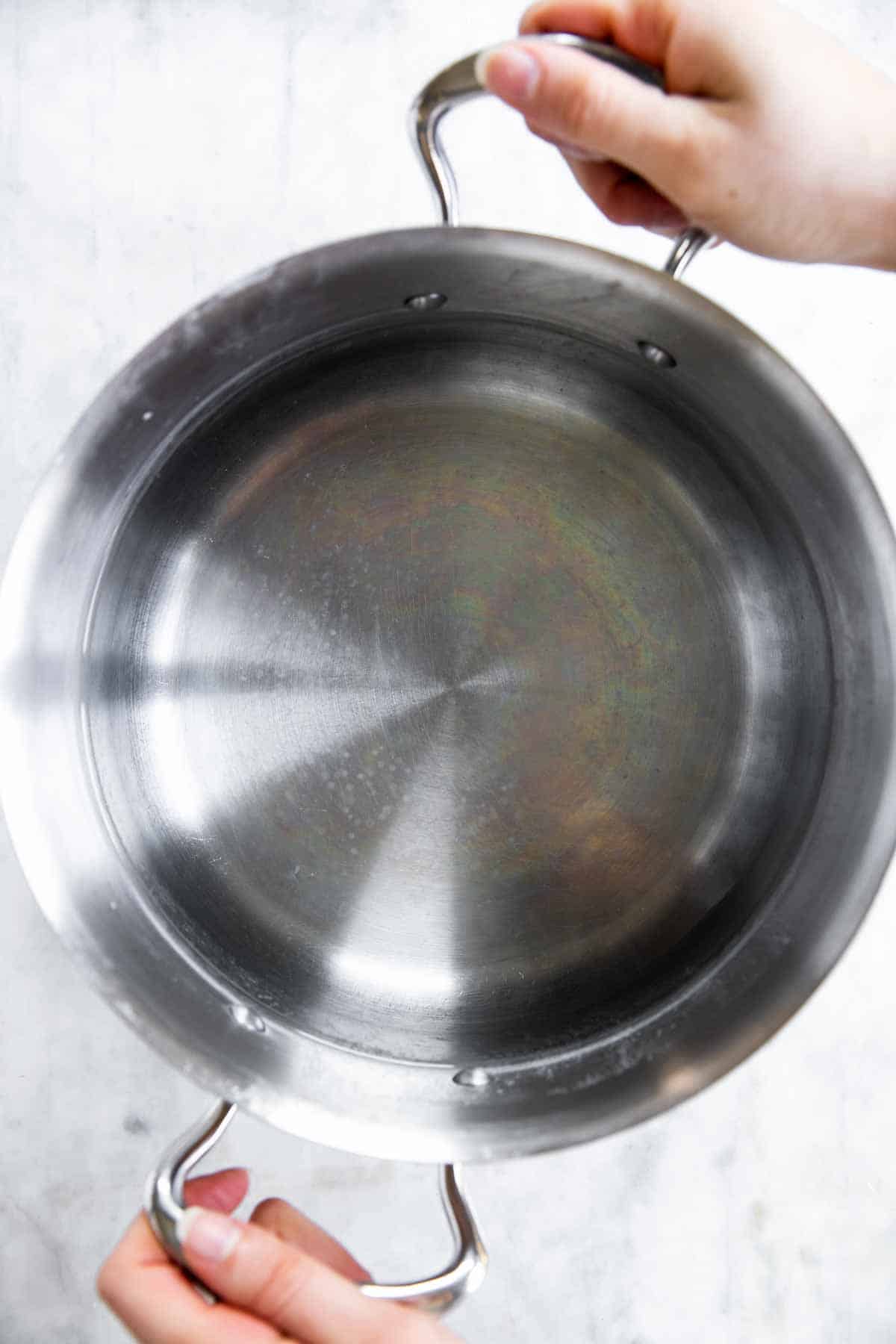
1. Start by filling a pot with water. You’ll want to use about 5-6 quarts of water per pound of pasta you are cooking.
I highly recommend covering the pot with a lid as you’re bringing the water to a boil over high heat, because it will result in the water boiling faster.
fill large pot with water
bring to boil, covered
2. Once at a boil, remove the lid and allow the water to boil for one minute, uncovered, until at a rolling boil.
A boil occurs at around 205°F and looks like large bubbles moving slower within the water. A rolling boil occurs at 212°F and involves all of the water bubbling vigorously, with plenty of steam emerging.
3. Before you add the pasta to the water, you’ll want to salt it. I prefer salting the water when it is at a boil, but
according to this article
, the exact point you do salt your water is not all that relevant – as long as you salt it at a point where is has enough time so the salt dissolves and has time to season the pasta as it cooks.
once at rolling boil, salt well
4. Add the pasta to the boiling water, then stir it carefully to keep it from sticking to the bottom of the pot, and to keep it from sticking together.
5. Boil the pasta – I usually adjust the heat to one setting down from the highest, to keep the water from boiling over.
add pasta
boil
6. Start trying the pasta 2 minutes before the recommended cooking time from your pasta box is up (carefully remove a pasta with a slotted spoon, allow it to cool a little and then try it to see how done it is).
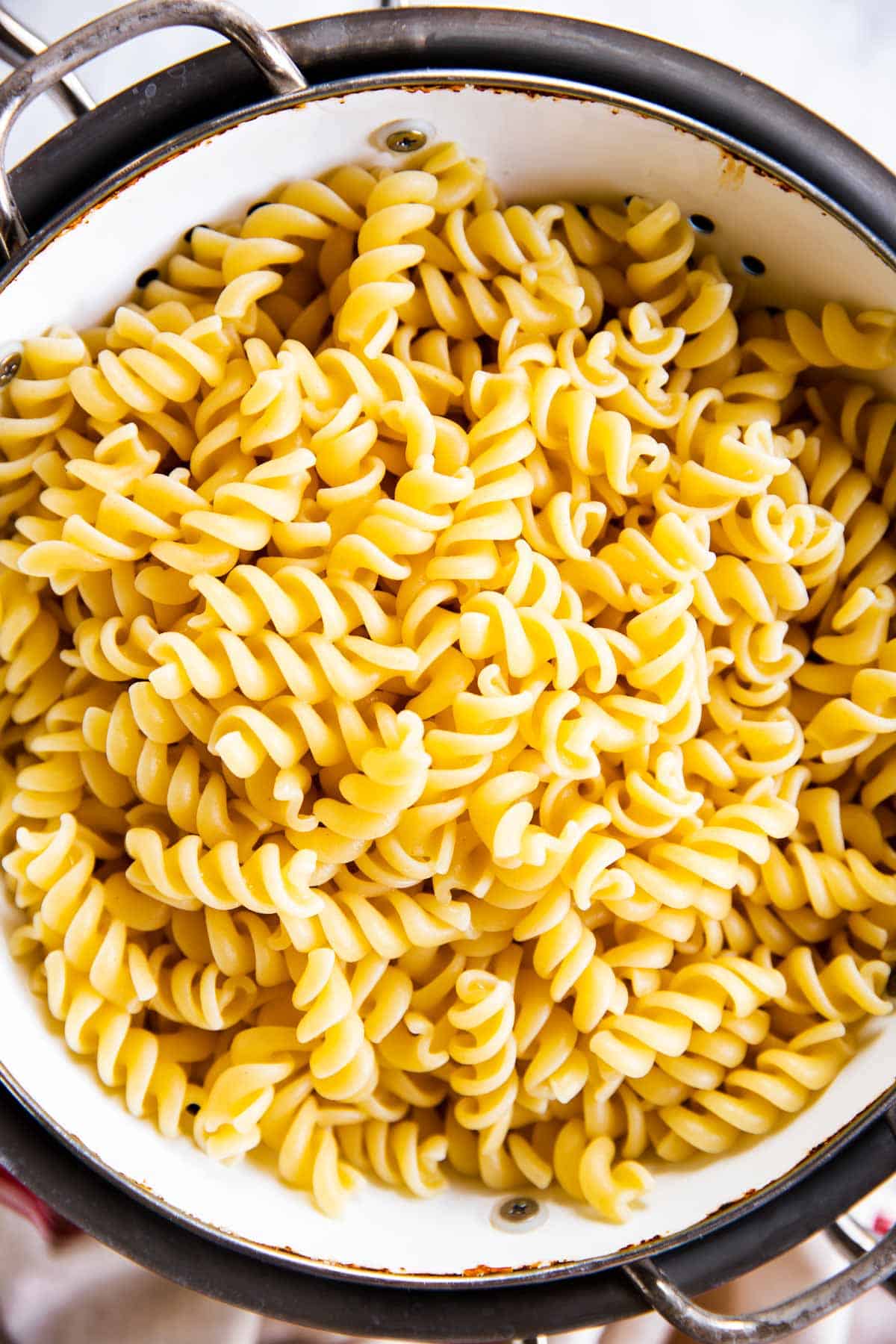
7. Once the pasta is done, carefully drain it in the sink with a heat-safe colander. (Sorry for the rust on mine, it is very old and needs to be replaced, I just… haven’t made that simple purchase yet ?) My husband has taught me to have the tap running cool water as I drain the pasta, to generate less steam.
If your recipe calls for you to reserve some pasta water, it is easiest and safest to switch off the heat and remove the pasta to a clean pot or large serving bowl with the help of a large slotted spoon. Then you can remove as much cooking water as you need from the pot with a soup ladle. This is also an option if you don’t own a colander, or if your sink is very small or it is otherwise unsafe in your specific situation to pour the boiling water from the pot into a colander in the sink.
drain
How long to cook pasta
The cooking time for every pasta will be different, and indicated on the box it comes in. This will depend on the shape, the size, the thickness and the ingredients the pasta is made from (plus probably other factors like altitude etc. – so really, this is not a blanket number).
I recommend checking your box for the recommended cooking time, then start checking and trying the pasta 2 minutes before this time is up (and then every minute until the pasta is done to your liking). Never trust the time on the box without trying the pasta.
What is al dente
Many recipes call for “al dente” pasta.
Al dente
means your pasta is cooked, but retains a little bit of a bite. This does not mean your pasta is undercooked – it’s just not fully soft but still has a bite to it.
I have tried to illustrate pasta at three different stages below (but it is really hard to translate this through pictures). As you can see, there is a visible difference in the pasta size – it “grows” as it cooks, because it holds more water the more cooked it is. (Very overcooked and thus very mushy pasta will look paler and “blown up” in comparison, so the “fully soft” pasta below is not overcooked. Sorry, I forgot to overcooked a single pasta ?)
You can also see, how in the undercooked pasta, there is a lot of hard/white pasta in the centre. The al dente pasta only has a tiny fleck of white left but is visible firmer in the middle compared to the fully soft pasta.
Pasta cooking tips
Make sure to add the salt at a point where it has enough time to dissolve in the cooking water, and enough time to properly season the cooking pasta. I prefer adding it when the water is at a rolling boil. Scientifically,
it doesn’t seem to matter all that much
if you add the salt to the cold or to the boiling water – but I would very much recommend to salt the water at some point before adding the pasta.
Be careful when adding the salt, and when adding the pasta to the water. Splatters from boiling water are hot, and it’s also very hot to hold your hand over the pot of steaming, boiling water.
I highly recommend to start checking the pasta 2 minutes before the recommended cooking time is up, and then again every minute until it has reached your favorite doneness. It is easy to overcook pasta to mush, and this way you should catch it at the right time.
If you leave your cooked and drain pasta sit for any length of time, please keep in mind that it will continue softening and cooking in the residual heat generated from the pasta sitting in a heat – and this will affect the pasta on the bottom more than the pasta on top. If you know your pasta is going to be done much earlier than the rest of your meal, consider draining it a minute before it is done to your liking.
What is the ratio of water to pasta?
Use about 5-6 quart of water per pound of pasta. If you are only cooking ¼ pound of pasta, 1 quart is fine.
Why salt pasta water?
Salt adds flavor to the pasta, which is otherwise very plain. Pasta cooked in unsalted water doesn’t really taste of much, so I highly recommend salting the cooking water well.
How much salt to add to pasta water?
About 1 ½ tablespoons of salt per pound is a good rule of thumb to follow when salting pasta water.
Keep in mind that different kinds of salts have different sodium levels or a different “saltiness” to them, so you may need to adjust your salt amount up or down depending on your specific salt.
Should you cook pasta with lid on or off?
It’s fine to cover the pot with a lid while the water is coming to a boil (I actually recommend it for efficiency), but once you add the pasta, boil it without a lid.
Should you put oil in pasta water?
No, there is no need to put oil in pasta water.
If you’re used to add it to keep the pasta from sticking together, instead make sure to use a large pot and 5-6 quarts of water per pound of pasta.
If you’re used to add the oil to keep the water from boiling over, instead use a large enough pot to very comfortably hold the required water and pasta (I usually use an 8-9 quart pot for a pound of pasta.
Should pasta be boiled or simmered?
Pasta should be boiled to keep it from turning out mushy.
How much pasta per person?
Generally, 2 ounces of dry (uncooked) pasta is considered a portion.
Some boxes have a scale on the side, but if yours doesn’t and you don’t own kitchen scales you can use about 1 cup of short pasta shapes (uncooked) per person.
For spaghetti, there are measuring tools available to purchase.
Finally, you can also estimate how much of the box is the serving you need – e.g. if you need 4 ounces an your box has 12 ounces, you would need to use about ⅓ of the pasta from your box.
What happens if you rinse pasta?
Rinsing pasta under cold water can quickly cool it down to stop the cooking process. It also removes excess starch on the surface of the pasta. While you don’t want to do this if you’re using the pasta immediately, it can help to keep pasta from sticking together if you are looking to use it in cold dishes such as cold pasta salads.
How to use cooked pasta in recipes
Here are just a few ideas for how to handle just-cooked pasta in a recipe:
Immediately toss the just-cooked pasta with a sauce like
homemade bolognese sauce
or
marinara sauce
.
Serve immediately with something like
Italian meatballs
– if I’m not tossing the pasta with a sauce, I like to add a tablespoon of olive oil (or butter if it’s something like egg noodles for
Swedish meatballs
) to the cooked, drained pasta.
Rinse the drained pasta under cold water in the colander for 1-2 minutes, stirring and tossing, until fully cooled to use in a pasta salad like an
Italian pasta salad
, a
Greek pasta salad
, a
bacon ranch pasta salad
, a
macaroni salad
…
PS
If you try this recipe, please leave
a review in the comment section
and add a star rating in the recipe card – I appreciate your feedback! Follow along on
Pinterest
,
Facebook
or
Instagram
.
How to Cook Pasta
Wondering how to cook pasta for perfect results every time? This is a great cooking skill to learn when you're starting out with home cooking!
made it? tap the stars to add your rating!
5
from 1 vote
Recipe details
Prep
5
minutes
Cook
10
minutes
Total
15
minutes
Servings
8
servings
Difficulty
Easy
▢
6
quarts
water
▢
1 ½
tablespoons
salt
▢
1
pound
dry pasta
Place water in large pot (I recommend an 8-9 quart pot for one pound of pasta). Cover and bring to a boil over high heat.
Remove lid and allow water to boil for one more minute, to allow to come to a rolling/vigorous boil.
Carefully add salt to water and stir with a wooden spoon, then carefully add pasta to boiling water and stir to break any pasta away from bottom of pot, and to break up any pasta lumping together.
Boil pasta, uncovered, on heat setting just below high heat (water should be at an enthusiastic boil, but not boil over). Start checking for doneness 2 minutes before recommended time on box is up, and then once every minute until pasta is done to your liking.
Drain pasta, then use with your favorite sauce or in your favorite recipe. If using in a cold dish such as a pasta salad, immediately rinse pasta under cold water in colander for 1-2 minutes. Stir or toss pasta in colander to make sure every shape is fully rinsed.
Ingredient notes
Pasta:
This recipe applies to pretty much every pasta shape – from spaghetti to bow ties.
The main difference will be the cooking times, but the cooking times do not only depend on the shape (they also depend on the pasta’s ingredients, thickness etc). Make sure to check your pasta box for the recommended cooking time.
Another difference is what kind of pat you’ll want to use. If you’re making a single portion of shells, a smaller saucepan will be fine. But even for a single portion of spaghetti, you’ll want a pot that is pretty wide, so the spaghetti is quickly able to fully submerge in water as the bottom part softens.
Salt:
Believe it or not, but salts can be incredibly different. I use a fine sea salt for pretty much all of my cooking. Sometimes I buy table salt or a different sea salt from the store because I forgot to order the sea salt we usually have, and the “strengths” or how salty they taste can be so different.
The shape of the salt also matters. Kosher salt, for example, has larger grains so it is bulkier on a spoon. This means you have less salt by weight on a tablespoon compared to something like a fine table salt, which makes it less “salty” if measured with the same spoon.
If you are completely new to cooking, I recommend starting with the salt amount recommended in the recipe below. Just know that you may need to adjust the amount up or down, depending on your exact salt.
Serving:
1
serving
Calories:
210
kcal
Carbohydrates:
42
g
Protein:
7
g
Fat:
1
g
Saturated Fat:
1
g
Sodium:
1347
mg
Potassium:
127
mg
Fiber:
2
g
Sugar:
2
g
Calcium:
34
mg
Iron:
1
mg
Nutrition is an estimate.
More recipe information
Course:
Main Course, Side Dish
Cuisine:
American, Italian, Traditional
More kitchen basics
How to Hard Boil Eggs
How to Make Shredded Chicken
How to Cut a Bell Pepper
Homemade Mashed Potatoes
How to Make a Fruit Smoothie
How To Separate Eggs
How To Make Meatballs from Scratch
How to Cut a Pineapple |
| Markdown | - [Skip to primary navigation](https://www.savorynothings.com/how-to-cook-pasta/#genesis-nav-primary)
- [Skip to main content](https://www.savorynothings.com/how-to-cook-pasta/#genesis-content)
- [Skip to primary sidebar](https://www.savorynothings.com/how-to-cook-pasta/#genesis-sidebar-primary)
- [Skip to footer](https://www.savorynothings.com/how-to-cook-pasta/#genesis-footer-widgets)
[](https://www.savorynothings.com/ "Savory Nothings")
- [Recipe Index](https://www.savorynothings.com/category/recipes/)
- [Easy Dinner Recipes](https://www.savorynothings.com/category/recipes/easy-dinner/)
- [Slow Cooker](https://www.savorynothings.com/category/recipes/mains/easy-dinner/slow-cooker/)
- [One Pot Meals](https://www.savorynothings.com/category/recipes/mains/easy-dinner/one-pot/)
- [Quick Meals](https://www.savorynothings.com/category/recipes/mains/easy-dinner/quick-meals/)
- [Instant Pot](https://www.savorynothings.com/category/recipes/mains/easy-dinner/instant-pot/)
- [Side Dishes](https://www.savorynothings.com/category/recipes/sides/)
- [Breakfast](https://www.savorynothings.com/category/recipes/breakfast-and-brunch/)
- [Dessert](https://www.savorynothings.com/category/recipes/dessert/)
- [Small Meals](https://www.savorynothings.com/category/recipes/small-meals/)
- [Dinner Ideas](https://www.savorynothings.com/category/recipes/easy-dinner/)
- [🐰 Easter 🐰](https://www.savorynothings.com/category/occasions/easter/)
- [About](https://www.savorynothings.com/about-savory-nothings/)
[](https://www.savorynothings.com/)
[](https://www.savorynothings.com/)
- [Recipes](https://www.savorynothings.com/category/recipes/)
- [Dinner Ideas](https://www.savorynothings.com/category/recipes/easy-dinner/)
- [Holidays & Occasions](https://www.savorynothings.com/category/occasions/)
- [About](https://www.savorynothings.com/about-savory-nothings/)
- [🐰 Easter 🐰](https://www.savorynothings.com/category/occasions/easter/)
[×](https://www.savorynothings.com/how-to-cook-pasta/)
[Home](https://www.savorynothings.com/) / [Kitchen Tips](https://www.savorynothings.com/category/kitchen-tips/) / [How to Cook](https://www.savorynothings.com/category/kitchen-tips/tips-and-hints/) / How to Cook Pasta
# How to Cook Pasta
[Email recipe ⟩](mailto:?subject=Check%20out%20this%20recipe%21&body=I%20found%20this%20recipe%20you%20might%20like%3A%0A%0AHow%20to%20Cook%20Pasta%0Ahttps%3A%2F%2Fwww.savorynothings.com%2Fhow-to-cook-pasta%2F%0A%0A6%20quarts%20water%0A1%20%C2%BD%20tablespoons%20salt%0A1%20pound%20dry%20pasta%0A)
[Jump to recipe ⟩](https://www.savorynothings.com/how-to-cook-pasta/#wprm-recipe-container-42332)
by [Nora](https://www.savorynothings.com/about-savory-nothings/) · Updated
04/22/21
5 from 1 vote
[Leave a Comment](https://www.savorynothings.com/how-to-cook-pasta/#respond)

*Wondering how to cook pasta for perfect results every time? This is a basic cooking skill to learn when you’re starting out with home cooking, and it really is simple if you know the key points\!*

Pasta is such an evergreen in the kitchen year-round – though I will never forget the day my brother told me he tried to cook pasta, but it turned out so badly he couldn’t eat it.
I figured he wouldn’t be the only one who follows the package directions, but doesn’t get good results. So let’s take a step-by-step look at the best way to cook a great pot of pasta\!
## Ingredients you’ll need
Here is a visual overview of the ingredients in the recipe. **Scroll down to the printable recipe card at the bottom of this post for quantities\!**

Ingredients to cook pasta: Pasta, water and salt.
### Ingredient notes
**Pasta:**
This recipe applies to pretty much every pasta shape – from spaghetti to bow ties.
The main difference will be the cooking times, but the cooking times do not only depend on the shape (they also depend on the pasta’s ingredients, thickness etc). Make sure to check your pasta box for the recommended cooking time.
Another difference is what kind of pat you’ll want to use. If you’re making a single portion of shells, a smaller saucepan will be fine. But even for a single portion of spaghetti, you’ll want a pot that is pretty wide, so the spaghetti is quickly able to fully submerge in water as the bottom part softens.
**Salt:**
Believe it or not, but salts can be incredibly different. I use a fine sea salt for pretty much all of my cooking. Sometimes I buy table salt or a different sea salt from the store because I forgot to order the sea salt we usually have, and the “strengths” or how salty they taste can be so different.
The shape of the salt also matters. Kosher salt, for example, has larger grains so it is bulkier on a spoon. This means you have less salt by weight on a tablespoon compared to something like a fine table salt, which makes it less “salty” if measured with the same spoon.
If you are completely new to cooking, I recommend starting with the salt amount recommended in the recipe below. Just know that you may need to adjust the amount up or down, depending on your exact salt.
## How to boil pasta
1\. Start by filling a pot with water. You’ll want to use about 5-6 quarts of water per pound of pasta you are cooking.
I highly recommend covering the pot with a lid as you’re bringing the water to a boil over high heat, because it will result in the water boiling faster.
- 
fill large pot with water
- 
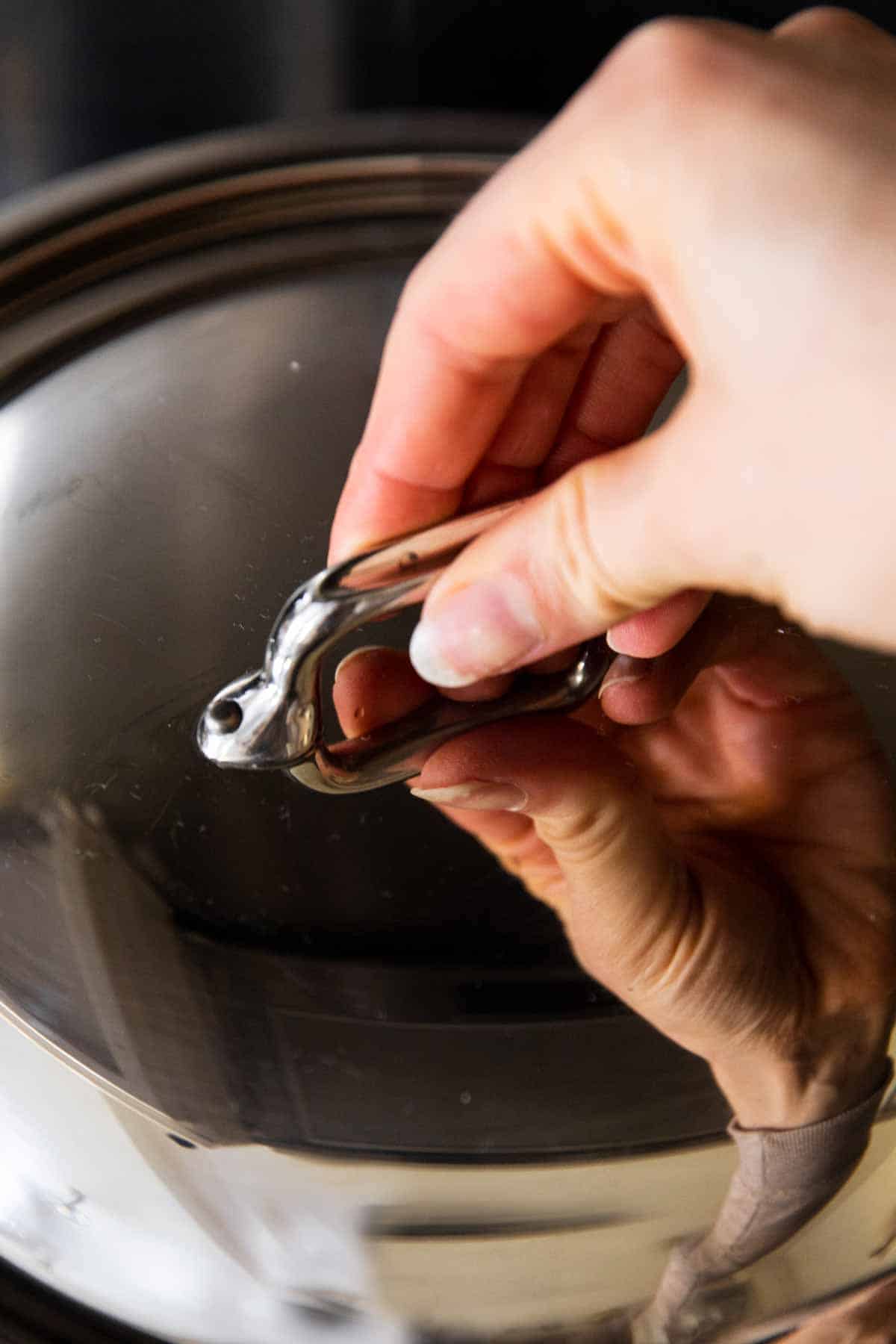
bring to boil, covered
2\. Once at a boil, remove the lid and allow the water to boil for one minute, uncovered, until at a rolling boil.
A boil occurs at around 205°F and looks like large bubbles moving slower within the water. A rolling boil occurs at 212°F and involves all of the water bubbling vigorously, with plenty of steam emerging.
3\. Before you add the pasta to the water, you’ll want to salt it. I prefer salting the water when it is at a boil, but [according to this article](https://qz.com/265055/the-real-italian-debate-on-salty-pasta-water-not-if-but-when/), the exact point you do salt your water is not all that relevant – as long as you salt it at a point where is has enough time so the salt dissolves and has time to season the pasta as it cooks.
- 
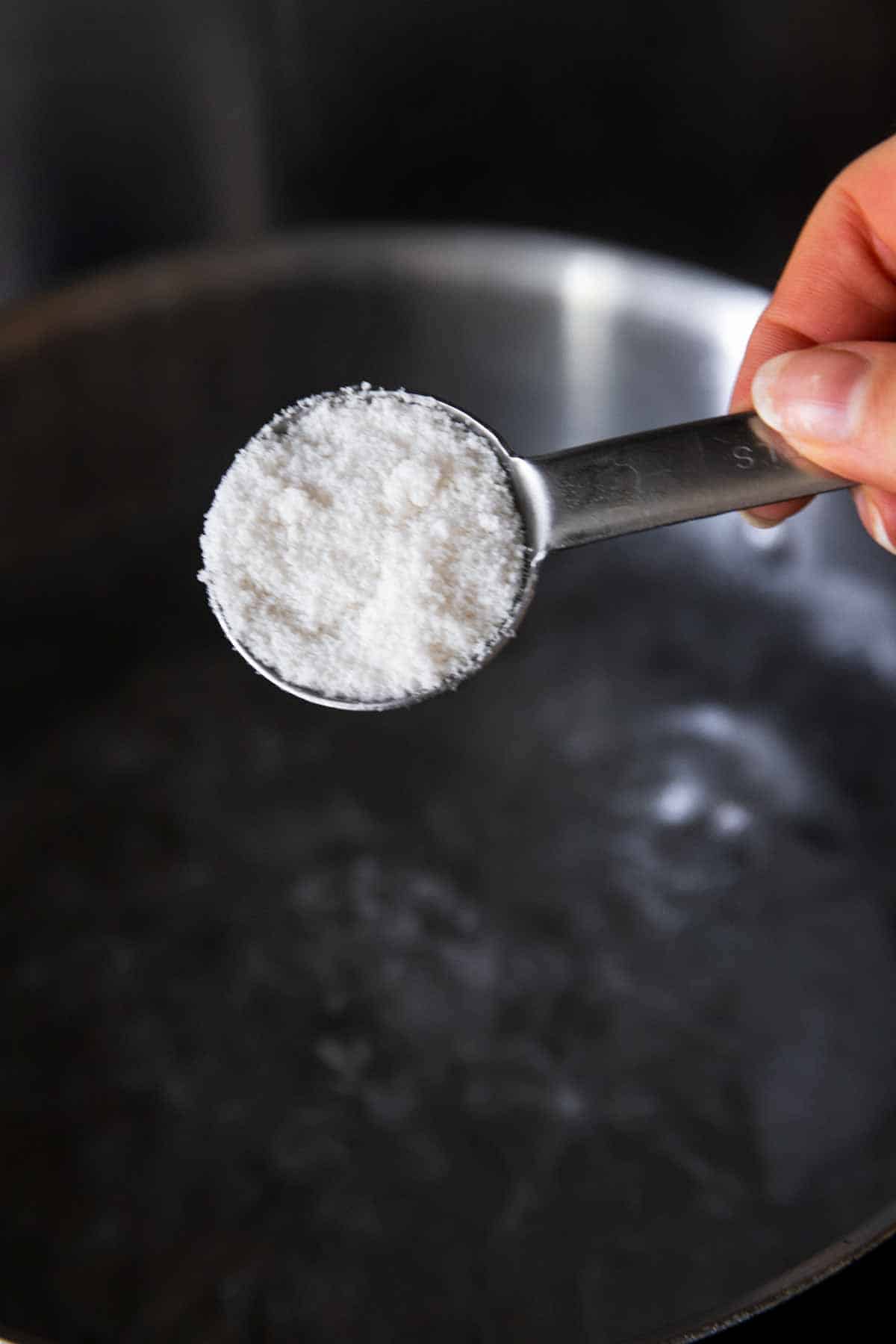
once at rolling boil, salt well
4\. Add the pasta to the boiling water, then stir it carefully to keep it from sticking to the bottom of the pot, and to keep it from sticking together.
5\. Boil the pasta – I usually adjust the heat to one setting down from the highest, to keep the water from boiling over.
- 
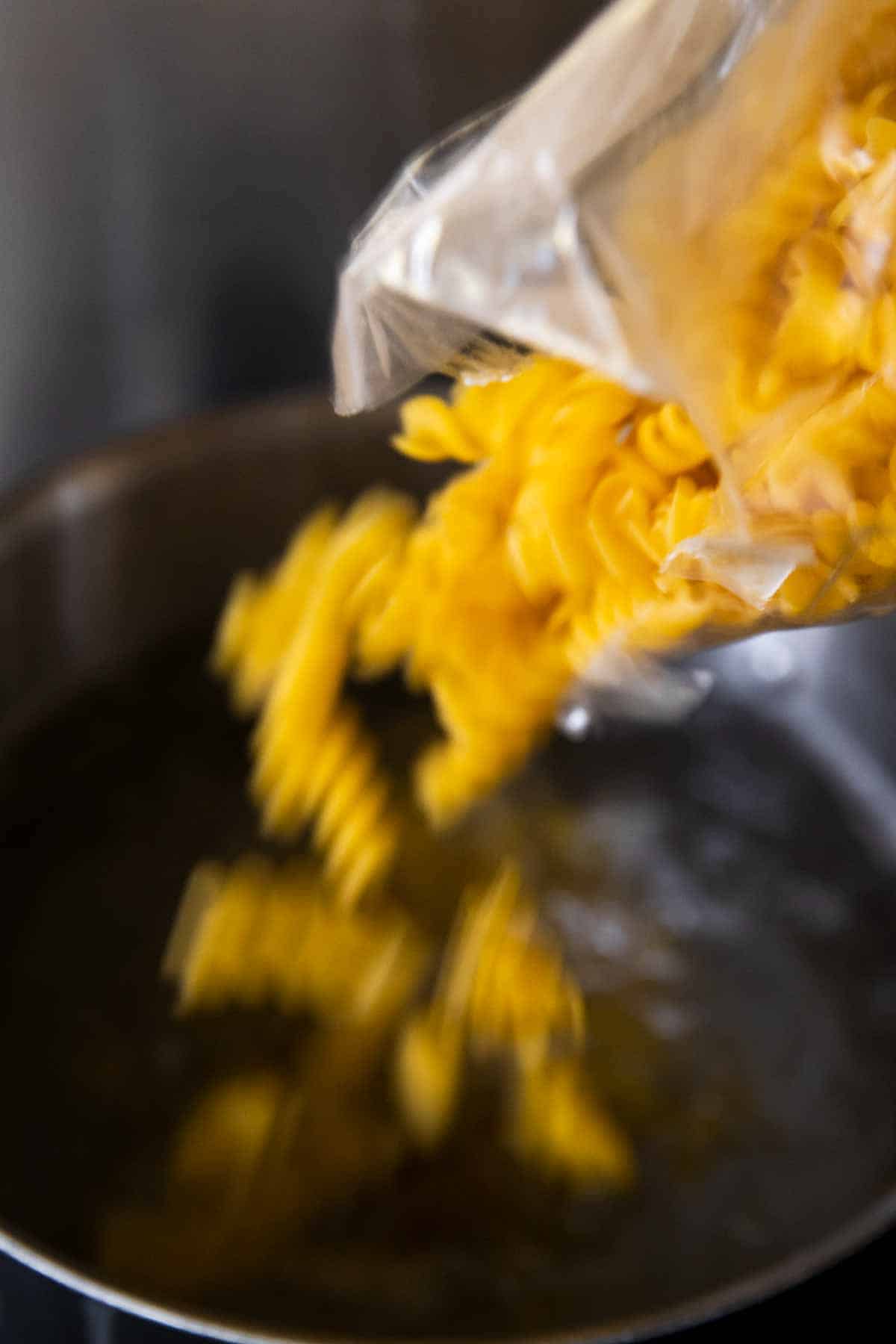
add pasta
- 
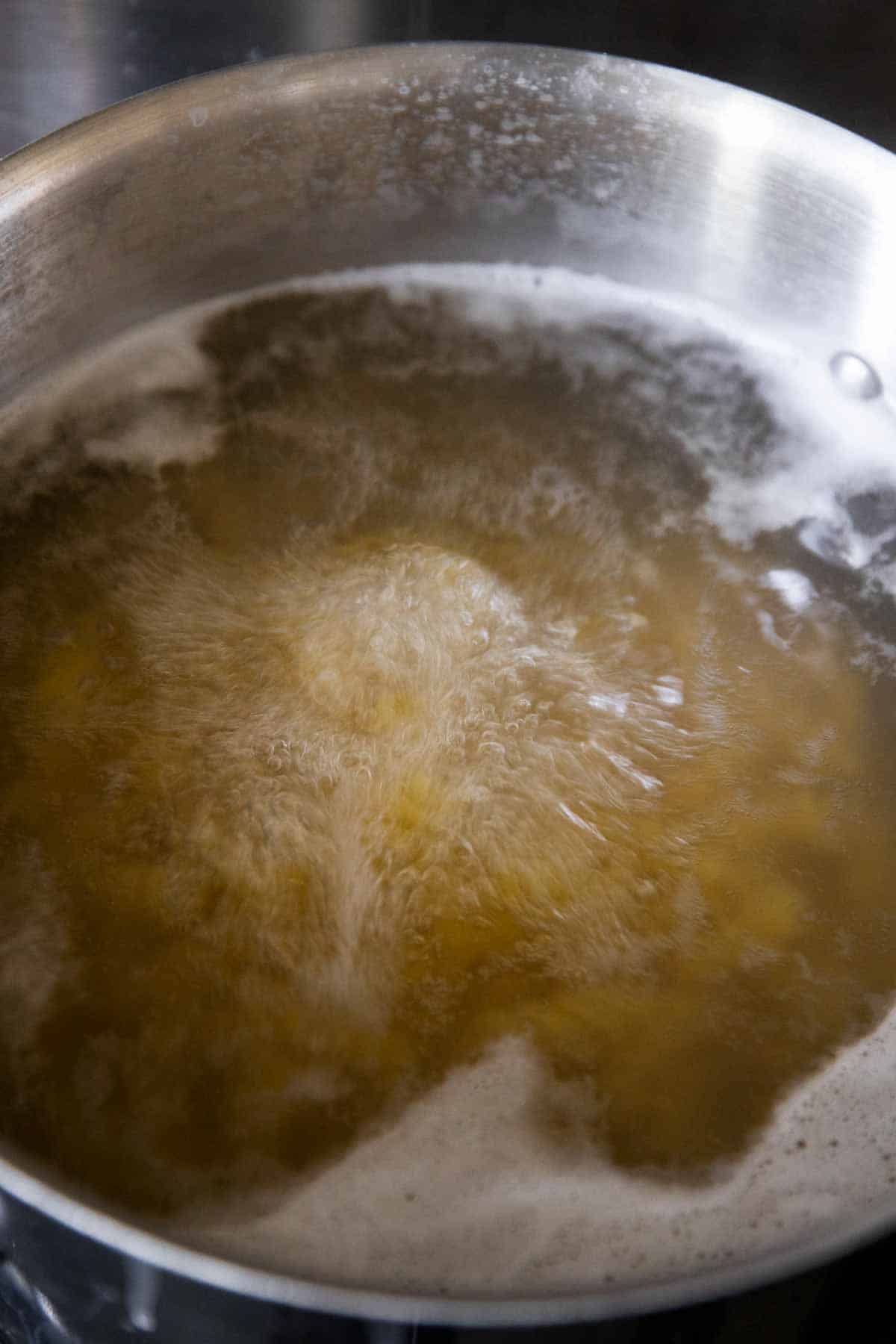
boil
6\. Start trying the pasta 2 minutes before the recommended cooking time from your pasta box is up (carefully remove a pasta with a slotted spoon, allow it to cool a little and then try it to see how done it is).
7\. Once the pasta is done, carefully drain it in the sink with a heat-safe colander. (Sorry for the rust on mine, it is very old and needs to be replaced, I just… haven’t made that simple purchase yet ?) My husband has taught me to have the tap running cool water as I drain the pasta, to generate less steam.
If your recipe calls for you to reserve some pasta water, it is easiest and safest to switch off the heat and remove the pasta to a clean pot or large serving bowl with the help of a large slotted spoon. Then you can remove as much cooking water as you need from the pot with a soup ladle. This is also an option if you don’t own a colander, or if your sink is very small or it is otherwise unsafe in your specific situation to pour the boiling water from the pot into a colander in the sink.
- 
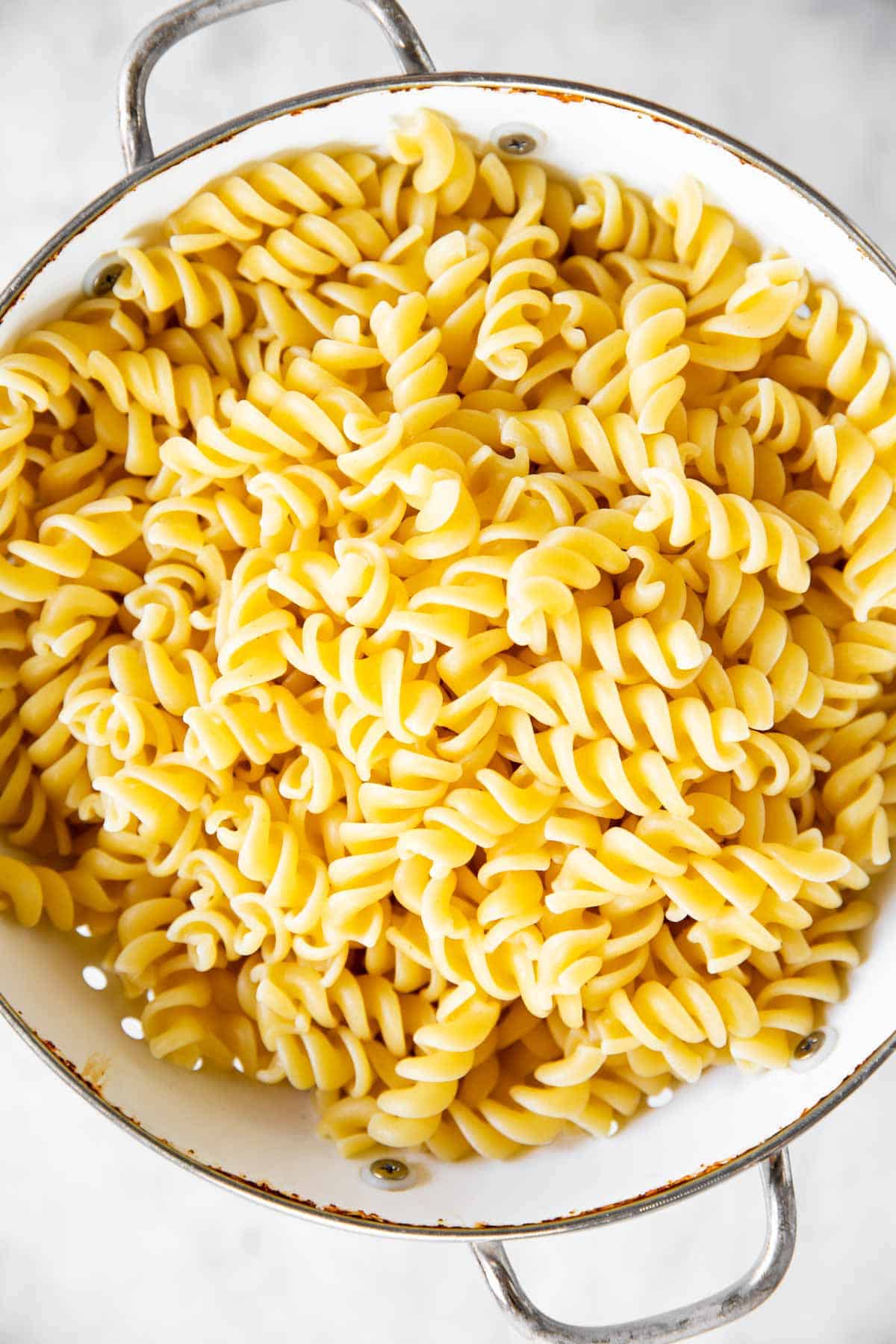
drain
## How long to cook pasta
The cooking time for every pasta will be different, and indicated on the box it comes in. This will depend on the shape, the size, the thickness and the ingredients the pasta is made from (plus probably other factors like altitude etc. – so really, this is not a blanket number).
I recommend checking your box for the recommended cooking time, then start checking and trying the pasta 2 minutes before this time is up (and then every minute until the pasta is done to your liking). Never trust the time on the box without trying the pasta.
### What is al dente
Many recipes call for “al dente” pasta. *Al dente* means your pasta is cooked, but retains a little bit of a bite. This does not mean your pasta is undercooked – it’s just not fully soft but still has a bite to it.
I have tried to illustrate pasta at three different stages below (but it is really hard to translate this through pictures). As you can see, there is a visible difference in the pasta size – it “grows” as it cooks, because it holds more water the more cooked it is. (Very overcooked and thus very mushy pasta will look paler and “blown up” in comparison, so the “fully soft” pasta below is not overcooked. Sorry, I forgot to overcooked a single pasta ?)

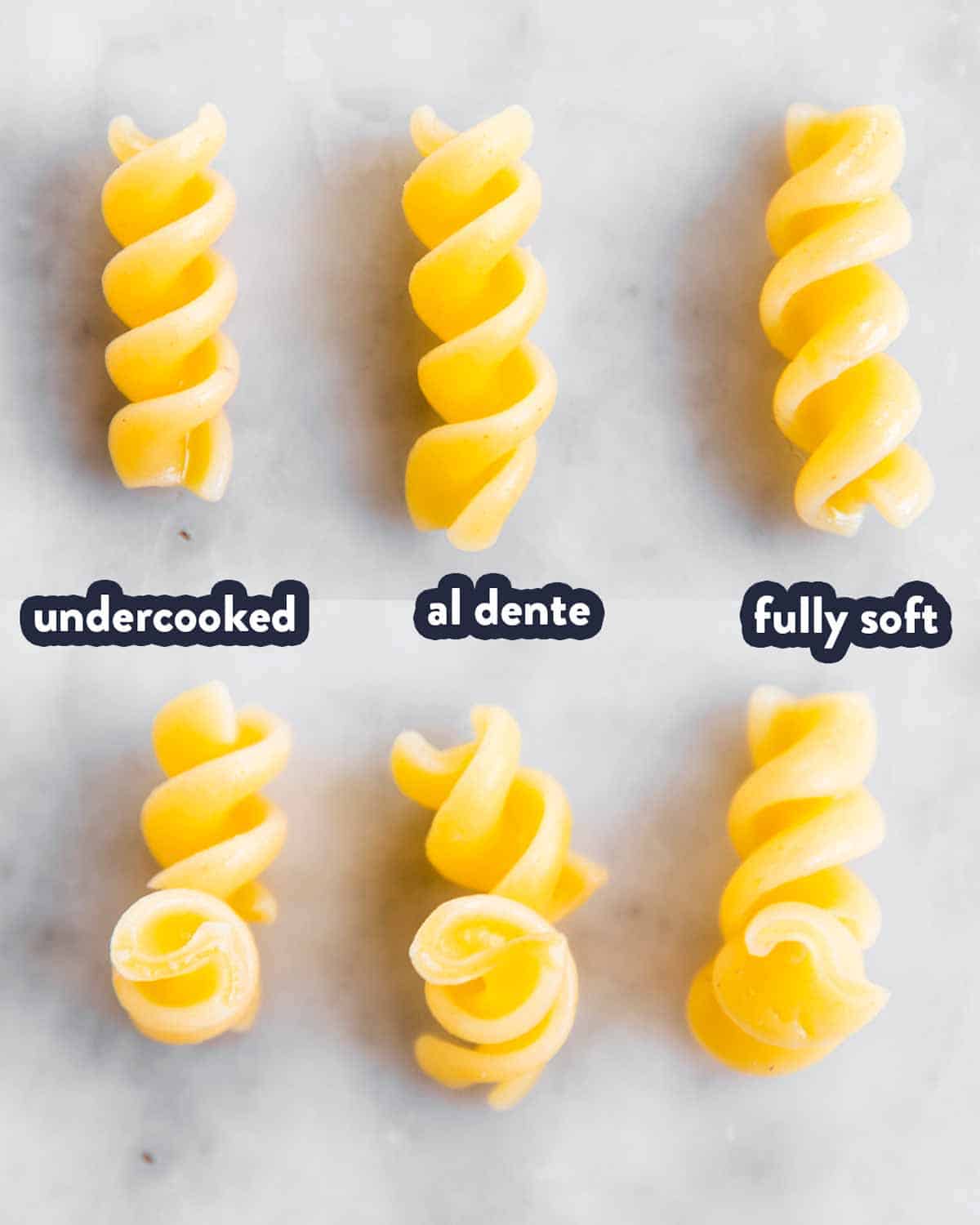
You can also see, how in the undercooked pasta, there is a lot of hard/white pasta in the centre. The al dente pasta only has a tiny fleck of white left but is visible firmer in the middle compared to the fully soft pasta.
## Pasta cooking tips
- Make sure to add the salt at a point where it has enough time to dissolve in the cooking water, and enough time to properly season the cooking pasta. I prefer adding it when the water is at a rolling boil. Scientifically, [it doesn’t seem to matter all that much](https://qz.com/265055/the-real-italian-debate-on-salty-pasta-water-not-if-but-when/) if you add the salt to the cold or to the boiling water – but I would very much recommend to salt the water at some point before adding the pasta.
- Be careful when adding the salt, and when adding the pasta to the water. Splatters from boiling water are hot, and it’s also very hot to hold your hand over the pot of steaming, boiling water.
- I highly recommend to start checking the pasta 2 minutes before the recommended cooking time is up, and then again every minute until it has reached your favorite doneness. It is easy to overcook pasta to mush, and this way you should catch it at the right time.
- If you leave your cooked and drain pasta sit for any length of time, please keep in mind that it will continue softening and cooking in the residual heat generated from the pasta sitting in a heat – and this will affect the pasta on the bottom more than the pasta on top. If you know your pasta is going to be done much earlier than the rest of your meal, consider draining it a minute before it is done to your liking.
**What is the ratio of water to pasta?**
Use about 5-6 quart of water per pound of pasta. If you are only cooking ¼ pound of pasta, 1 quart is fine.
**Why salt pasta water?**
Salt adds flavor to the pasta, which is otherwise very plain. Pasta cooked in unsalted water doesn’t really taste of much, so I highly recommend salting the cooking water well.
**How much salt to add to pasta water?**
About 1 ½ tablespoons of salt per pound is a good rule of thumb to follow when salting pasta water.
Keep in mind that different kinds of salts have different sodium levels or a different “saltiness” to them, so you may need to adjust your salt amount up or down depending on your specific salt.
**Should you cook pasta with lid on or off?**
It’s fine to cover the pot with a lid while the water is coming to a boil (I actually recommend it for efficiency), but once you add the pasta, boil it without a lid.
**Should you put oil in pasta water?**
No, there is no need to put oil in pasta water.
If you’re used to add it to keep the pasta from sticking together, instead make sure to use a large pot and 5-6 quarts of water per pound of pasta.
If you’re used to add the oil to keep the water from boiling over, instead use a large enough pot to very comfortably hold the required water and pasta (I usually use an 8-9 quart pot for a pound of pasta.
**Should pasta be boiled or simmered?**
Pasta should be boiled to keep it from turning out mushy.
**How much pasta per person?**
Generally, 2 ounces of dry (uncooked) pasta is considered a portion.
Some boxes have a scale on the side, but if yours doesn’t and you don’t own kitchen scales you can use about 1 cup of short pasta shapes (uncooked) per person.
For spaghetti, there are measuring tools available to purchase.
Finally, you can also estimate how much of the box is the serving you need – e.g. if you need 4 ounces an your box has 12 ounces, you would need to use about ⅓ of the pasta from your box.
**What happens if you rinse pasta?**
Rinsing pasta under cold water can quickly cool it down to stop the cooking process. It also removes excess starch on the surface of the pasta. While you don’t want to do this if you’re using the pasta immediately, it can help to keep pasta from sticking together if you are looking to use it in cold dishes such as cold pasta salads.

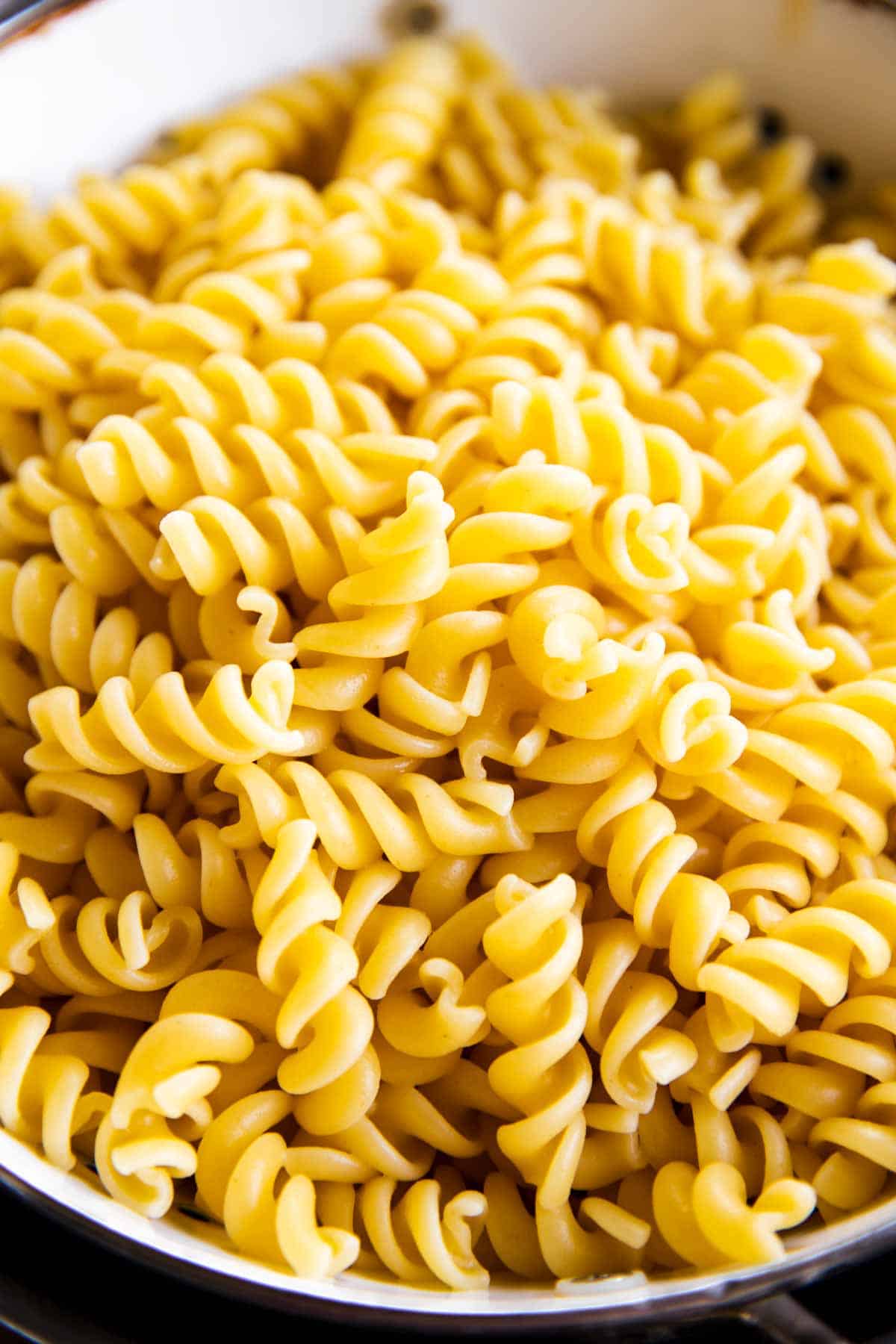
## How to use cooked pasta in recipes
Here are just a few ideas for how to handle just-cooked pasta in a recipe:
- Immediately toss the just-cooked pasta with a sauce like [homemade bolognese sauce](https://www.savorynothings.com/simple-bolognese-sauce/) or [marinara sauce](https://www.savorynothings.com/easy-homemade-marinara-sauce/).
- Serve immediately with something like [Italian meatballs](https://www.savorynothings.com/easy-italian-meatballs/) – if I’m not tossing the pasta with a sauce, I like to add a tablespoon of olive oil (or butter if it’s something like egg noodles for [Swedish meatballs](https://www.savorynothings.com/easy-swedish-meatballs/)) to the cooked, drained pasta.
- Rinse the drained pasta under cold water in the colander for 1-2 minutes, stirring and tossing, until fully cooled to use in a pasta salad like an [Italian pasta salad](https://www.savorynothings.com/easy-italian-pasta-salad/), a [Greek pasta salad](https://www.savorynothings.com/greek-pasta-salad/), a [bacon ranch pasta salad](https://www.savorynothings.com/bacon-ranch-pasta-salad/), a [macaroni salad](https://www.savorynothings.com/easy-macaroni-salad/)…
**PS** If you try this recipe, please leave [a review in the comment section](https://www.savorynothings.com/how-to-cook-pasta/#comments) and add a star rating in the recipe card – I appreciate your feedback! Follow along on [Pinterest](https://www.pinterest.com/savorynothings/), [Facebook](https://www.facebook.com/savorynothings/) or [Instagram](https://www.instagram.com/savorynothings/).
Printable Recipe Card

[Save Recipe](https://www.savorynothings.com/how-to-cook-pasta/)
[Saved\!](https://www.savorynothings.com/how-to-cook-pasta/)
## How to Cook Pasta
Wondering how to cook pasta for perfect results every time? This is a great cooking skill to learn when you're starting out with home cooking\!
Recipe by [Nora from Savory Nothings](https://www.savorynothings.com/about-savory-nothings/)
made it? tap the stars to add your rating\!
5 from 1 vote
[Print](https://www.savorynothings.com/wprm_print/how-to-cook-pasta)
[Add Review](https://www.savorynothings.com/how-to-cook-pasta/#commentform)
### Recipe details
Prep 5 minutes mins
Cook 10 minutes mins
Total 15 minutes mins
Servings 8 servings
Difficulty Easy
### Ingredients 1x 2x 3x
- ▢
6 quarts water
- ▢
1 ½ tablespoons salt
- ▢
1 pound dry pasta
### Instructions
- Place water in large pot (I recommend an 8-9 quart pot for one pound of pasta). Cover and bring to a boil over high heat.
- Remove lid and allow water to boil for one more minute, to allow to come to a rolling/vigorous boil.
- Carefully add salt to water and stir with a wooden spoon, then carefully add pasta to boiling water and stir to break any pasta away from bottom of pot, and to break up any pasta lumping together.
- Boil pasta, uncovered, on heat setting just below high heat (water should be at an enthusiastic boil, but not boil over). Start checking for doneness 2 minutes before recommended time on box is up, and then once every minute until pasta is done to your liking.
- Drain pasta, then use with your favorite sauce or in your favorite recipe. If using in a cold dish such as a pasta salad, immediately rinse pasta under cold water in colander for 1-2 minutes. Stir or toss pasta in colander to make sure every shape is fully rinsed.
### Notes
#### Ingredient notes
**Pasta:**
This recipe applies to pretty much every pasta shape – from spaghetti to bow ties.
The main difference will be the cooking times, but the cooking times do not only depend on the shape (they also depend on the pasta’s ingredients, thickness etc). Make sure to check your pasta box for the recommended cooking time.
Another difference is what kind of pat you’ll want to use. If you’re making a single portion of shells, a smaller saucepan will be fine. But even for a single portion of spaghetti, you’ll want a pot that is pretty wide, so the spaghetti is quickly able to fully submerge in water as the bottom part softens.
**Salt:**
Believe it or not, but salts can be incredibly different. I use a fine sea salt for pretty much all of my cooking. Sometimes I buy table salt or a different sea salt from the store because I forgot to order the sea salt we usually have, and the “strengths” or how salty they taste can be so different.
The shape of the salt also matters. Kosher salt, for example, has larger grains so it is bulkier on a spoon. This means you have less salt by weight on a tablespoon compared to something like a fine table salt, which makes it less “salty” if measured with the same spoon.
If you are completely new to cooking, I recommend starting with the salt amount recommended in the recipe below. Just know that you may need to adjust the amount up or down, depending on your exact salt.
### Nutrition
Serving: 1servingCalories: 210kcalCarbohydrates: 42gProtein: 7gFat: 1gSaturated Fat: 1gSodium: 1347mgPotassium: 127mgFiber: 2gSugar: 2gCalcium: 34mgIron: 1mg
Nutrition is an estimate.
### More recipe information
Course: Main Course, Side Dish
Cuisine: American, Italian, Traditional
## More kitchen basics
- [How to Hard Boil Eggs](https://www.savorynothings.com/how-to-hard-boil-eggs/)
- [How to Make Shredded Chicken](https://www.savorynothings.com/shredded-chicken/)
- [How to Cut a Bell Pepper](https://www.savorynothings.com/how-to-cut-a-bell-pepper/)
- [Homemade Mashed Potatoes](https://www.savorynothings.com/how-to-make-mashed-potatoes/)
- [How to Make a Fruit Smoothie](https://www.savorynothings.com/how-to-make-a-fruit-smoothie/)
- [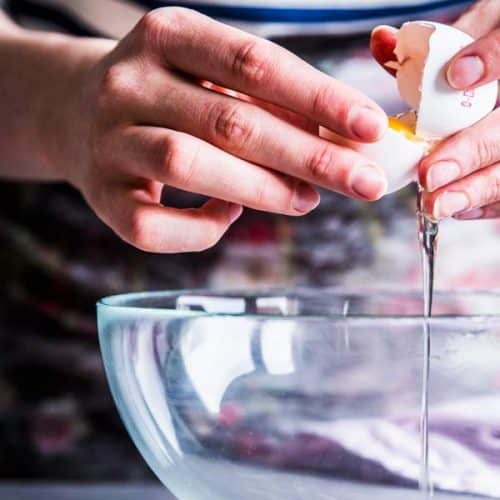How To Separate Eggs](https://www.savorynothings.com/how-to-separate-eggs/)
- [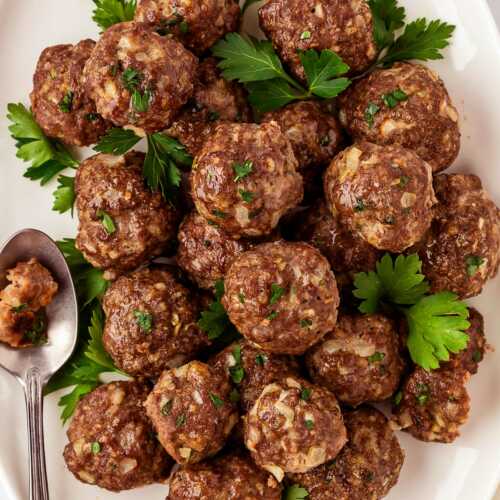How To Make Meatballs from Scratch](https://www.savorynothings.com/how-to-make-meatballs/)
- [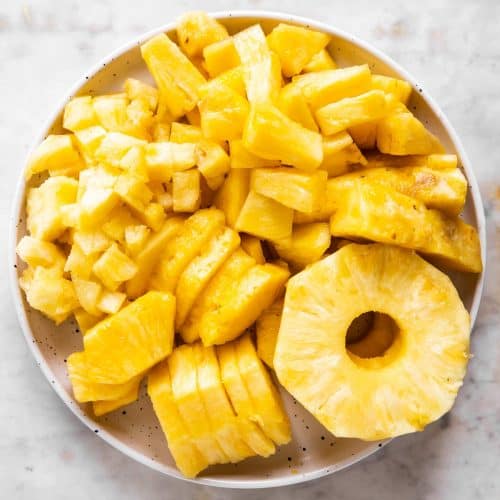How to Cut a Pineapple](https://www.savorynothings.com/how-to-cut-a-pineapple/)
**[About Nora](https://www.savorynothings.com/about-savory-nothings/)** I married a chef and learned to cook for both comfort and quality. Now I share our favorite family recipes – simple, reliable, and a little bit special.
## Reader Interactions
[](https://www.savorynothings.com/greek-pasta-salad/)
[](https://www.savorynothings.com/easy-chicken-fajitas-cilantro-lime-salsa/)
[Next Post \>](https://www.savorynothings.com/easy-chicken-fajitas-cilantro-lime-salsa/)
### Comments
No Comments
5 from 1 vote ([1 rating without comment](https://www.savorynothings.com/how-to-cook-pasta/))
### Add a Review or Ask a Question [Cancel reply](https://www.savorynothings.com/how-to-cook-pasta/#respond)
## Primary Sidebar
### Trending categories
- [St. Patrick's Day](https://www.savorynothings.com/category/occasions/st-patricks-day-recipes/)
- [Easter](https://www.savorynothings.com/category/occasions/easter/)
- [Dinner](https://www.savorynothings.com/category/recipes/easy-dinner/)
- [Soups & Stews](https://www.savorynothings.com/category/recipes/easy-dinner/soups-stews/)
### Easter Recipes
- [Crockpot Brown Sugar Pineapple Ham](https://www.savorynothings.com/crockpot-brown-sugar-pineapple-ham/)
- [Perfect Glazed Carrots](https://www.savorynothings.com/orange-glazed-carrots/)
- [Carrot Sheet Cake](https://www.savorynothings.com/easy-carrot-cake/)
- [Easter Sugar Cookies](https://www.savorynothings.com/easter-sugar-cookies/)
[See more Easter](https://www.savorynothings.com/category/occasions/easter/)
### Reader favorites
- [Oven Baked Boneless Pork Chops](https://www.savorynothings.com/oven-baked-boneless-pork-chops/)
- [Pork Tenderloin Marinade](https://www.savorynothings.com/pork-tenderloin-marinade/)
- [Oven Baked Salmon](https://www.savorynothings.com/garlic-butter-baked-salmon/)
- [Oven Baked Chicken Breast](https://www.savorynothings.com/oven-baked-chicken-breast/)
### Popular
- [Crispy Oven Fried Chicken](https://www.savorynothings.com/crispy-oven-fried-chicken/)
- [Easy Italian Meatballs](https://www.savorynothings.com/easy-italian-meatballs/)
- [Crock Pot Beef Stew](https://www.savorynothings.com/crock-pot-beef-stew/)
- [Homemade Shepherd’s Pie](https://www.savorynothings.com/shepherds-pie/)
- [Southwestern Crockpot Chicken Tacos](https://www.savorynothings.com/southwestern-crockpot-chicken-tacos/)
- [Garlic Parmesan Crispy Oven Fried Chicken](https://www.savorynothings.com/garlic-parmesan-crispy-oven-fried-chicken/)
- [Oven Baked Chicken Breast](https://www.savorynothings.com/oven-baked-chicken-breast/)
- [TikTok Baked Oats: 6 Ways\!](https://www.savorynothings.com/tiktok-baked-oats/)

**This is your cozy kitchen corner of the internet**...
... where a self-taught home cook married to a professional chef is sharing warm suppers, cozy bakes, and recipes that make home feel warm.
[Read more 〉](https://www.savorynothings.com/about-savory-nothings/)
### Trending on Pinterest
- [Balsamic Chicken Marinade](https://www.savorynothings.com/balsamic-chicken-marinade/)
- [Swedish Meatballs](https://www.savorynothings.com/easy-swedish-meatballs/)
- [Mexican Beef and Rice Skillet](https://www.savorynothings.com/mexican-beef-and-rice-skillet/)
- [Instant Pot Pot Roast](https://www.savorynothings.com/instant-pot-pot-roast/)
- [Homemade Salisbury Steak](https://www.savorynothings.com/homemade-salisbury-steak/)
- [About](https://www.savorynothings.com/about-savory-nothings/)
- [Contact](https://www.savorynothings.com/contact/)
## Footer
## Footer
### Featured On


### Follow Along

### Recipes
[Breakfast](https://www.savorynothings.com/category/recipes/breakfast-and-brunch/)
[Lunch](https://www.savorynothings.com/category/recipes/small-meals/)
[Dinner](https://www.savorynothings.com/category/recipes/easy-dinner/)
[Sides](https://www.savorynothings.com/category/recipes/sides/)
[Dessert](https://www.savorynothings.com/category/recipes/dessert/)
[Appetizers](https://www.savorynothings.com/category/recipes/small-meals/appetizers/)
[Instant Pot](https://www.savorynothings.com/category/recipes/easy-dinner/instant-pot/)
[Slow Cooker](https://www.savorynothings.com/category/recipes/easy-dinner/slow-cooker/)
[One Pot](https://www.savorynothings.com/category/recipes/easy-dinner/one-pot/)
[Casseroles](https://www.savorynothings.com/category/recipes/easy-dinner/casseroles/)
[Ground Beef](https://www.savorynothings.com/category/recipes/easy-dinner/ground-beef/)
[Chicken](https://www.savorynothings.com/category/recipes/easy-dinner/chicken/)
[↑ back to top](https://www.savorynothings.com/how-to-cook-pasta/)
[About](https://www.savorynothings.com/about-savory-nothings/) \| [Contact](https://www.savorynothings.com/contact/)
Copyright Savory Nothings © 2026
Made with lots of love and spices ♥︎
[PRIVACY POLICY](https://www.savorynothings.com/privacy-policy/) \| [ACCESSIBILITY STATEMENT](https://www.savorynothings.com/accessibility/) \|
As an Amazon associate, I earn from qualifying purchases.
## Rate This Recipe
## Recipe Ratings without Comment
Something went wrong. Please try again. |
| Readable Markdown | *Wondering how to cook pasta for perfect results every time? This is a basic cooking skill to learn when you’re starting out with home cooking, and it really is simple if you know the key points\!*

Pasta is such an evergreen in the kitchen year-round – though I will never forget the day my brother told me he tried to cook pasta, but it turned out so badly he couldn’t eat it.
I figured he wouldn’t be the only one who follows the package directions, but doesn’t get good results. So let’s take a step-by-step look at the best way to cook a great pot of pasta\!
## Ingredients you’ll need
Here is a visual overview of the ingredients in the recipe. **Scroll down to the printable recipe card at the bottom of this post for quantities\!**

Ingredients to cook pasta: Pasta, water and salt.
### Ingredient notes
**Pasta:**
This recipe applies to pretty much every pasta shape – from spaghetti to bow ties.
The main difference will be the cooking times, but the cooking times do not only depend on the shape (they also depend on the pasta’s ingredients, thickness etc). Make sure to check your pasta box for the recommended cooking time.
Another difference is what kind of pat you’ll want to use. If you’re making a single portion of shells, a smaller saucepan will be fine. But even for a single portion of spaghetti, you’ll want a pot that is pretty wide, so the spaghetti is quickly able to fully submerge in water as the bottom part softens.
**Salt:**
Believe it or not, but salts can be incredibly different. I use a fine sea salt for pretty much all of my cooking. Sometimes I buy table salt or a different sea salt from the store because I forgot to order the sea salt we usually have, and the “strengths” or how salty they taste can be so different.
The shape of the salt also matters. Kosher salt, for example, has larger grains so it is bulkier on a spoon. This means you have less salt by weight on a tablespoon compared to something like a fine table salt, which makes it less “salty” if measured with the same spoon.
If you are completely new to cooking, I recommend starting with the salt amount recommended in the recipe below. Just know that you may need to adjust the amount up or down, depending on your exact salt.
1\. Start by filling a pot with water. You’ll want to use about 5-6 quarts of water per pound of pasta you are cooking.
I highly recommend covering the pot with a lid as you’re bringing the water to a boil over high heat, because it will result in the water boiling faster.
- 
fill large pot with water
- 
bring to boil, covered
2\. Once at a boil, remove the lid and allow the water to boil for one minute, uncovered, until at a rolling boil.
A boil occurs at around 205°F and looks like large bubbles moving slower within the water. A rolling boil occurs at 212°F and involves all of the water bubbling vigorously, with plenty of steam emerging.
3\. Before you add the pasta to the water, you’ll want to salt it. I prefer salting the water when it is at a boil, but [according to this article](https://qz.com/265055/the-real-italian-debate-on-salty-pasta-water-not-if-but-when/), the exact point you do salt your water is not all that relevant – as long as you salt it at a point where is has enough time so the salt dissolves and has time to season the pasta as it cooks.
- 
once at rolling boil, salt well
4\. Add the pasta to the boiling water, then stir it carefully to keep it from sticking to the bottom of the pot, and to keep it from sticking together.
5\. Boil the pasta – I usually adjust the heat to one setting down from the highest, to keep the water from boiling over.
- 
add pasta
- 
boil
6\. Start trying the pasta 2 minutes before the recommended cooking time from your pasta box is up (carefully remove a pasta with a slotted spoon, allow it to cool a little and then try it to see how done it is).
7\. Once the pasta is done, carefully drain it in the sink with a heat-safe colander. (Sorry for the rust on mine, it is very old and needs to be replaced, I just… haven’t made that simple purchase yet ?) My husband has taught me to have the tap running cool water as I drain the pasta, to generate less steam.
If your recipe calls for you to reserve some pasta water, it is easiest and safest to switch off the heat and remove the pasta to a clean pot or large serving bowl with the help of a large slotted spoon. Then you can remove as much cooking water as you need from the pot with a soup ladle. This is also an option if you don’t own a colander, or if your sink is very small or it is otherwise unsafe in your specific situation to pour the boiling water from the pot into a colander in the sink.
- 
drain
## How long to cook pasta
The cooking time for every pasta will be different, and indicated on the box it comes in. This will depend on the shape, the size, the thickness and the ingredients the pasta is made from (plus probably other factors like altitude etc. – so really, this is not a blanket number).
I recommend checking your box for the recommended cooking time, then start checking and trying the pasta 2 minutes before this time is up (and then every minute until the pasta is done to your liking). Never trust the time on the box without trying the pasta.
### What is al dente
Many recipes call for “al dente” pasta. *Al dente* means your pasta is cooked, but retains a little bit of a bite. This does not mean your pasta is undercooked – it’s just not fully soft but still has a bite to it.
I have tried to illustrate pasta at three different stages below (but it is really hard to translate this through pictures). As you can see, there is a visible difference in the pasta size – it “grows” as it cooks, because it holds more water the more cooked it is. (Very overcooked and thus very mushy pasta will look paler and “blown up” in comparison, so the “fully soft” pasta below is not overcooked. Sorry, I forgot to overcooked a single pasta ?)

You can also see, how in the undercooked pasta, there is a lot of hard/white pasta in the centre. The al dente pasta only has a tiny fleck of white left but is visible firmer in the middle compared to the fully soft pasta.
## Pasta cooking tips
- Make sure to add the salt at a point where it has enough time to dissolve in the cooking water, and enough time to properly season the cooking pasta. I prefer adding it when the water is at a rolling boil. Scientifically, [it doesn’t seem to matter all that much](https://qz.com/265055/the-real-italian-debate-on-salty-pasta-water-not-if-but-when/) if you add the salt to the cold or to the boiling water – but I would very much recommend to salt the water at some point before adding the pasta.
- Be careful when adding the salt, and when adding the pasta to the water. Splatters from boiling water are hot, and it’s also very hot to hold your hand over the pot of steaming, boiling water.
- I highly recommend to start checking the pasta 2 minutes before the recommended cooking time is up, and then again every minute until it has reached your favorite doneness. It is easy to overcook pasta to mush, and this way you should catch it at the right time.
- If you leave your cooked and drain pasta sit for any length of time, please keep in mind that it will continue softening and cooking in the residual heat generated from the pasta sitting in a heat – and this will affect the pasta on the bottom more than the pasta on top. If you know your pasta is going to be done much earlier than the rest of your meal, consider draining it a minute before it is done to your liking.
**What is the ratio of water to pasta?**
Use about 5-6 quart of water per pound of pasta. If you are only cooking ¼ pound of pasta, 1 quart is fine.
**Why salt pasta water?**
Salt adds flavor to the pasta, which is otherwise very plain. Pasta cooked in unsalted water doesn’t really taste of much, so I highly recommend salting the cooking water well.
**How much salt to add to pasta water?**
About 1 ½ tablespoons of salt per pound is a good rule of thumb to follow when salting pasta water.
Keep in mind that different kinds of salts have different sodium levels or a different “saltiness” to them, so you may need to adjust your salt amount up or down depending on your specific salt.
**Should you cook pasta with lid on or off?**
It’s fine to cover the pot with a lid while the water is coming to a boil (I actually recommend it for efficiency), but once you add the pasta, boil it without a lid.
**Should you put oil in pasta water?**
No, there is no need to put oil in pasta water.
If you’re used to add it to keep the pasta from sticking together, instead make sure to use a large pot and 5-6 quarts of water per pound of pasta.
If you’re used to add the oil to keep the water from boiling over, instead use a large enough pot to very comfortably hold the required water and pasta (I usually use an 8-9 quart pot for a pound of pasta.
**Should pasta be boiled or simmered?**
Pasta should be boiled to keep it from turning out mushy.
**How much pasta per person?**
Generally, 2 ounces of dry (uncooked) pasta is considered a portion.
Some boxes have a scale on the side, but if yours doesn’t and you don’t own kitchen scales you can use about 1 cup of short pasta shapes (uncooked) per person.
For spaghetti, there are measuring tools available to purchase.
Finally, you can also estimate how much of the box is the serving you need – e.g. if you need 4 ounces an your box has 12 ounces, you would need to use about ⅓ of the pasta from your box.
**What happens if you rinse pasta?**
Rinsing pasta under cold water can quickly cool it down to stop the cooking process. It also removes excess starch on the surface of the pasta. While you don’t want to do this if you’re using the pasta immediately, it can help to keep pasta from sticking together if you are looking to use it in cold dishes such as cold pasta salads.

## How to use cooked pasta in recipes
Here are just a few ideas for how to handle just-cooked pasta in a recipe:
- Immediately toss the just-cooked pasta with a sauce like [homemade bolognese sauce](https://www.savorynothings.com/simple-bolognese-sauce/) or [marinara sauce](https://www.savorynothings.com/easy-homemade-marinara-sauce/).
- Serve immediately with something like [Italian meatballs](https://www.savorynothings.com/easy-italian-meatballs/) – if I’m not tossing the pasta with a sauce, I like to add a tablespoon of olive oil (or butter if it’s something like egg noodles for [Swedish meatballs](https://www.savorynothings.com/easy-swedish-meatballs/)) to the cooked, drained pasta.
- Rinse the drained pasta under cold water in the colander for 1-2 minutes, stirring and tossing, until fully cooled to use in a pasta salad like an [Italian pasta salad](https://www.savorynothings.com/easy-italian-pasta-salad/), a [Greek pasta salad](https://www.savorynothings.com/greek-pasta-salad/), a [bacon ranch pasta salad](https://www.savorynothings.com/bacon-ranch-pasta-salad/), a [macaroni salad](https://www.savorynothings.com/easy-macaroni-salad/)…
**PS** If you try this recipe, please leave [a review in the comment section](https://www.savorynothings.com/how-to-cook-pasta/#comments) and add a star rating in the recipe card – I appreciate your feedback! Follow along on [Pinterest](https://www.pinterest.com/savorynothings/), [Facebook](https://www.facebook.com/savorynothings/) or [Instagram](https://www.instagram.com/savorynothings/).

## How to Cook Pasta
Wondering how to cook pasta for perfect results every time? This is a great cooking skill to learn when you're starting out with home cooking\!
made it? tap the stars to add your rating\! 5 from 1 vote
### Recipe details
Prep 5 minutes
Cook 10 minutes
Total 15 minutes
Servings 8 servings
Difficulty Easy
- ▢
6 quarts water
- ▢
1 ½ tablespoons salt
- ▢
1 pound dry pasta
- Place water in large pot (I recommend an 8-9 quart pot for one pound of pasta). Cover and bring to a boil over high heat.
- Remove lid and allow water to boil for one more minute, to allow to come to a rolling/vigorous boil.
- Carefully add salt to water and stir with a wooden spoon, then carefully add pasta to boiling water and stir to break any pasta away from bottom of pot, and to break up any pasta lumping together.
- Boil pasta, uncovered, on heat setting just below high heat (water should be at an enthusiastic boil, but not boil over). Start checking for doneness 2 minutes before recommended time on box is up, and then once every minute until pasta is done to your liking.
- Drain pasta, then use with your favorite sauce or in your favorite recipe. If using in a cold dish such as a pasta salad, immediately rinse pasta under cold water in colander for 1-2 minutes. Stir or toss pasta in colander to make sure every shape is fully rinsed.
#### Ingredient notes
**Pasta:**
This recipe applies to pretty much every pasta shape – from spaghetti to bow ties.
The main difference will be the cooking times, but the cooking times do not only depend on the shape (they also depend on the pasta’s ingredients, thickness etc). Make sure to check your pasta box for the recommended cooking time.
Another difference is what kind of pat you’ll want to use. If you’re making a single portion of shells, a smaller saucepan will be fine. But even for a single portion of spaghetti, you’ll want a pot that is pretty wide, so the spaghetti is quickly able to fully submerge in water as the bottom part softens.
**Salt:**
Believe it or not, but salts can be incredibly different. I use a fine sea salt for pretty much all of my cooking. Sometimes I buy table salt or a different sea salt from the store because I forgot to order the sea salt we usually have, and the “strengths” or how salty they taste can be so different.
The shape of the salt also matters. Kosher salt, for example, has larger grains so it is bulkier on a spoon. This means you have less salt by weight on a tablespoon compared to something like a fine table salt, which makes it less “salty” if measured with the same spoon.
If you are completely new to cooking, I recommend starting with the salt amount recommended in the recipe below. Just know that you may need to adjust the amount up or down, depending on your exact salt.
Serving: 1servingCalories: 210kcalCarbohydrates: 42gProtein: 7gFat: 1gSaturated Fat: 1gSodium: 1347mgPotassium: 127mgFiber: 2gSugar: 2gCalcium: 34mgIron: 1mg
Nutrition is an estimate.
### More recipe information
Course: Main Course, Side Dish
Cuisine: American, Italian, Traditional
## More kitchen basics
- [How to Hard Boil Eggs](https://www.savorynothings.com/how-to-hard-boil-eggs/)
- [How to Make Shredded Chicken](https://www.savorynothings.com/shredded-chicken/)
- [How to Cut a Bell Pepper](https://www.savorynothings.com/how-to-cut-a-bell-pepper/)
- [Homemade Mashed Potatoes](https://www.savorynothings.com/how-to-make-mashed-potatoes/)
- [How to Make a Fruit Smoothie](https://www.savorynothings.com/how-to-make-a-fruit-smoothie/)
- [How To Separate Eggs](https://www.savorynothings.com/how-to-separate-eggs/)
- [How To Make Meatballs from Scratch](https://www.savorynothings.com/how-to-make-meatballs/)
- [How to Cut a Pineapple](https://www.savorynothings.com/how-to-cut-a-pineapple/) |
| Shard | 169 (laksa) |
| Root Hash | 14255054016458019969 |
| Unparsed URL | com,savorynothings!www,/how-to-cook-pasta/ s443 |