ℹ️ Skipped - page is already crawled
| Filter | Status | Condition | Details |
|---|---|---|---|
| HTTP status | PASS | download_http_code = 200 | HTTP 200 |
| Age cutoff | PASS | download_stamp > now() - 6 MONTH | 0 months ago |
| History drop | PASS | isNull(history_drop_reason) | No drop reason |
| Spam/ban | PASS | fh_dont_index != 1 AND ml_spam_score = 0 | ml_spam_score=0 |
| Canonical | PASS | meta_canonical IS NULL OR = '' OR = src_unparsed | Not set |
| Property | Value |
|---|---|
| URL | https://www.rhs.org.uk/garden-jobs/watering |
| Last Crawled | 2026-04-11 15:19:09 (2 hours ago) |
| First Indexed | 2021-11-15 11:47:23 (4 years ago) |
| HTTP Status Code | 200 |
| Meta Title | Watering Plants Wisely | RHS Advice |
| Meta Description | Master the art of watering to keep plants healthy while conserving water and reducing waste. |
| Meta Canonical | null |
| Boilerpipe Text | Established trees, shrubs and herbaceous perennials in beds and borders will only need watering in extreme drought. Just water the most stressed individual plants.
Check for signs of stress – drooping leaves, especially in the early morning, often indicate drought
Water slowly and thoroughly so that when you dig down, the soil is moist at a depth of 15cm (6in)
borders with
organic matter
such as
garden compost
to help conserve moisture
Avoid a routine such as “watering once a week”. Plants need different amounts depending on the weather, soil type, stage of establishment and size
Containers and hanging baskets
Check the
daily from spring through to autumn, and water when it’s dry 2-3cm (1in) below the surface. Plants used for seasonal colour are often fast growing and have high water requirements.
See our guide to
watering containers
If you are away in summer, consider setting up an automatic watering system for
hanging baskets
and containers
During winter, rainfall is often enough to keep containers watered sufficiently. However, in dry, windy conditions, evergreen plants such as bamboo can desiccate, so it’s worth checking them, especially during prolonged dry spells.
Seeds and seedlings
Use a watering can with a rose attachment to water the seed
or border before sowing to ensure moisture is available for the roots as the seeds germinate. After
sowing
, water consistently to keep the surface moist.
Young trees and shrubs
Water newly planted trees and shrubs regularly during dry spells from spring to autumn in their first year, and large specimens for up to three summers.
Water slowly, so it soaks in deeply around the
Aim to moisten soil to a depth of 20-30cm (8-12in) – where the roots grow
Plants below tree canopies, next to walls or under eaves in rain shadows may need watering even after rainfall
Herbaceous perennials
In their first year, water around the base of the plant until the soil is evenly moist down to the depth of the roots – typically 15cm (6in). After the first year, established perennials usually do not need regular watering.
Mulching with organic matter
around plants will help prevent evaporation.
Lawns
Water newly
seeded lawns
regularly to prevent the top layer of soil from drying out. Use a watering can with a rose or a hose with a gentle spray. Water newly laid
turf
regularly, making sure the soil is damp underneath by lifting a corner to check. In warm, dry or windy conditions, newly seeded or turfed lawns may need to be watered daily. After three or four weeks, gradually move to less frequent but deeper watering, and still check the soil moisture levels regularly.
Vegetables
Many vegetable and salad crops prefer consistent moisture, as they are quick growing.
Leafy crops such as lettuce and spinach: keep the soil evenly moist
Root crops such as carrots and beetroots: less frequent watering is needed
Once plants are established and putting on growth, to keep watering to a minimum, water when drought will affect the part of the plant that is to be harvested
See our guide to
watering vegetables
for more information
Top Tip
Keep your plants healthy as you water. Make sure you apply water to the base of plants, not on the foliage. This helps avoid fungal diseases.
Annual flowers
If you’ve sown
in spring, they will need watering in dry weather during summer and possibly into autumn. Self-seeded plants and autumn-sown annuals are less demanding.
Use a trowel to check if the soil is damp at a depth of 15cm (6in) – if it’s dry, water
Use the touch test to check how damp the soil or compost is below the surface.
Top five water saving tips:
1.
Choose the right plant for the right place
2.
Improve soil with organic matter
3.
Mulch borders annually
4
. Store rainwater from hard surfaces in water butts
5.
Use mains water only as a last resort
Timing makes a big difference to how effectively plants use water.
Watering early in the morning is the best time. There will be less evaporation, and plants can use the water through the day
Evening watering is acceptable, but damp leaves overnight can encourage pests and fungal diseases
Avoid watering in the heat of the day – much of the water evaporates before reaching the roots
Top Tip
Deep, occasional watering encourages deep roots and drought-tolerant plants. Train your plants to be “drought athletes”.
Watering cans are the most water-efficient method and give you the most control. Use hoses sparingly as they use more water. Sprinklers are one of the least efficient ways to water.
Ideally, use a watering can and apply water directly to the soil or compost above the root zone.
Did you know?
Outside taps should have a double check valve to meet water regulations. The valve is designed to prevent any contamination flowing back into the mains supply.
Yes, this is a very sustainable way of using resources. You can use washing up water (grey water) on ornamental plants, and collect rainwater in water butts to use directly on the garden. For more information, see our guide to
collecting, storing and reusing water
. |
| Markdown | [Home](https://www.rhs.org.uk/)
- [Become a member](https://www.rhs.org.uk/join)
- [Menu](https://www.rhs.org.uk/garden-jobs/watering#mobile-nav-menu)
- [Search](https://www.rhs.org.uk/garden-jobs/watering#mobile-nav-search)
- [Membership](https://www.rhs.org.uk/join)
- [Become a member](https://www.rhs.org.uk/join)
- [Home](https://www.rhs.org.uk/)
- [Menu](https://www.rhs.org.uk/garden-jobs/watering#mobile-nav-menu)
- [Search](https://www.rhs.org.uk/garden-jobs/watering#mobile-nav-search)
- [Get involved](https://www.rhs.org.uk/garden-jobs/watering#nav-get-involved)
- [Gardening](https://www.rhs.org.uk/garden-jobs/watering#nav-gardening)
- [Shows](https://www.rhs.org.uk/garden-jobs/watering#nav-shows)
- [Gardens](https://www.rhs.org.uk/garden-jobs/watering#nav-gardens)
- [Learn](https://www.rhs.org.uk/garden-jobs/watering#nav-learn)
- [Science](https://www.rhs.org.uk/garden-jobs/watering#nav-science)
- [Shop](https://www.rhs.org.uk/garden-jobs/watering#nav-shop)
- [About](https://www.rhs.org.uk/garden-jobs/watering#nav-about)
- [My RHS](https://www.rhs.org.uk/my-rhs)
- [Membership](https://www.rhs.org.uk/join)
- [Become a member](https://www.rhs.org.uk/join)
- [Home](https://www.rhs.org.uk/)
- [My RHS](https://www.rhs.org.uk/my-rhs)
- [Get involved with the RHS](https://www.rhs.org.uk/garden-jobs/watering)
- [Back](https://www.rhs.org.uk/garden-jobs/watering)
- [Take action](https://www.rhs.org.uk/garden-jobs/watering)
- [Back](https://www.rhs.org.uk/garden-jobs/watering)
- [Get involved with RHS](https://www.rhs.org.uk/get-involved)
- [Horticulture Matters](https://www.rhs.org.uk/education-learning/careers-horticulture/horticulture-matters)
- [Wild About Gardens](https://www.rhs.org.uk/get-involved/wild-about-gardens)
- [National Gardening Week](https://www.rhs.org.uk/get-involved/national-gardening-week/)
- [Schools](https://www.rhs.org.uk/get-involved/schools)
- [Volunteer](https://www.rhs.org.uk/get-involved/volunteer)
- [Communities](https://www.rhs.org.uk/garden-jobs/watering)
- [Back](https://www.rhs.org.uk/garden-jobs/watering)
- [Community gardening](https://www.rhs.org.uk/get-involved/community-gardening)
- [Britain in Bloom](https://www.rhs.org.uk/get-involved/britain-in-bloom)
- [It's Your Neighbourhood](https://www.rhs.org.uk/get-involved/its-your-neighbourhood)
- [Community Outreach](https://www.rhs.org.uk/get-involved/community-gardening/outreach)
- [Campaign for School Gardening](https://www.rhs.org.uk/get-involved/schools)
- [Affiliated Societies](https://www.rhs.org.uk/get-involved/affiliated-societies)
- [Find a local gardening group](https://www.rhs.org.uk/get-involved/find-a-group)
- [Join the RHS](https://www.rhs.org.uk/join)
- [Back](https://www.rhs.org.uk/garden-jobs/watering)
- [Individual & Joint membership](https://www.rhs.org.uk/join#join-individual)
- [Gift](https://www.rhs.org.uk/join#join-gift)
- [Life & Senior Life](https://www.rhs.org.uk/join#join-life)
- [Students](https://www.rhs.org.uk/membership/rhs-student-membership)
- [RHS Patrons](https://www.rhs.org.uk/about-us/support-us/rhs-patrons)
- [About membership](https://www.rhs.org.uk/membership/faqs)
- [Activate gift membership](https://support.rhs.org.uk/giftpackactivation/activate.aspx)
- [Support us](https://www.rhs.org.uk/garden-jobs/watering)
- [Back](https://www.rhs.org.uk/garden-jobs/watering)
- [Donate](https://www.rhs.org.uk/about-us/support-us/making-a-donation)
- [Careers](https://www.rhs.org.uk/about-us/careers)
- [Commercial](https://www.rhs.org.uk/about-us/commercial-opportunities)
- [Leave a gift in your will](https://www.rhs.org.uk/about-us/support-us/leave-a-gift-in-your-will)
- [Sponsorship and Partner opportunities](https://www.rhs.org.uk/about-us/commercial-opportunities/corporate-partnerships)
- [Gardening](https://www.rhs.org.uk/garden-jobs/watering)
- [Back](https://www.rhs.org.uk/garden-jobs/watering)
- [Gardening with the RHS](https://www.rhs.org.uk/gardening)
- [RHS Grow app](https://www.rhs.org.uk/rhsgrow)
- [Plants](https://www.rhs.org.uk/plants)
- [Back](https://www.rhs.org.uk/garden-jobs/watering)
- [Find a plant](https://www.rhs.org.uk/plants/search-form)
- [Popular plants](https://www.rhs.org.uk/plants/popular)
- [Houseplants](https://www.rhs.org.uk/plants/types/houseplants)
- [Plants by type](https://www.rhs.org.uk/plants/types)
- [Buy plants online](https://www.rhsplants.co.uk/)
- [RHS trials & awards](https://www.rhs.org.uk/plants/trials-awards)
- [Horticulture Hub](https://www.rhs.org.uk/plants/horticulture-hub)
- [Advice](https://www.rhs.org.uk/advice)
- [Back](https://www.rhs.org.uk/garden-jobs/watering)
- [Search all advice](https://www.rhs.org.uk/advice/advice-search)
- [Grow Your Own](https://www.rhs.org.uk/advice/grow-your-own)
- [This month](https://www.rhs.org.uk/advice/in-month)
- [Problems, pests & diseases](https://www.rhs.org.uk/advice/advice-search?keywords=problems%20pests%20disease)
- [Beginners' guide](https://www.rhs.org.uk/advice/beginners-guide)
- [Garden design](https://www.rhs.org.uk/garden-design)
- [Gardening for the environment](https://www.rhs.org.uk/gardening-for-the-environment)
- [Wildlife gardening](https://www.rhs.org.uk/wildlife)
- [Health & wellbeing](https://www.rhs.org.uk/advice/health-and-wellbeing)
- [My Garden](https://www.rhs.org.uk/my-rhs)
- [Browse inspiration articles](https://www.rhs.org.uk/garden-inspiration)
- [Buy plants online](https://www.rhsplants.co.uk/)
- [Shows](https://www.rhs.org.uk/garden-jobs/watering)
- [Back](https://www.rhs.org.uk/garden-jobs/watering)
- [RHS Malvern Spring Festival — 7-10 May 2026](https://www.rhs.org.uk/shows-events/malvern-spring-festival)
- [RHS Chelsea Flower Show — 19-23 May 2026](https://www.rhs.org.uk/shows-events/rhs-chelsea-flower-show)
- [RHS Botanical Art and Photography Show — 19 June – 2 August 2026](https://www.rhs.org.uk/shows-events/rhs-botanical-art-and-photography-show)
- [RHS Badminton Flower Show — 8-12 July 2026](https://www.rhs.org.uk/shows-events/rhs-badminton-flower-show)
- [RHS Sandringham Flower Show — 22-26 July 2026](https://www.rhs.org.uk/shows-events/rhs-sandringham-flower-show)
- [Malvern Autumn Show — 25-27 September 2026](https://www.rhs.org.uk/shows-events/malvern-autumn-show)
- [Exhibit at a show](https://www.rhs.org.uk/shows-events/exhibit-at-a-show)
- [See all RHS events](https://www.rhs.org.uk/shows-events/event-search)
- [Gardens](https://www.rhs.org.uk/garden-jobs/watering)
- [Back](https://www.rhs.org.uk/garden-jobs/watering)
- [RHS Gardens](https://www.rhs.org.uk/gardens)
- [RHS Bridgewater, Greater Manchester](https://www.rhs.org.uk/gardens/bridgewater)
- [RHS Harlow Carr, Yorkshire](https://www.rhs.org.uk/gardens/harlow-carr)
- [RHS Hyde Hall, Essex](https://www.rhs.org.uk/gardens/hyde-hall)
- [RHS Rosemoor, Devon](https://www.rhs.org.uk/gardens/rosemoor)
- [RHS Wisley, Surrey](https://www.rhs.org.uk/gardens/wisley)
- [RHS Partner Gardens](https://www.rhs.org.uk/gardens/partner-gardens)
- [RHS Flower Shows](https://www.rhs.org.uk/shows-events)
- [Find a garden](https://www.rhs.org.uk/gardens/search-form)
- [What’s on](https://www.rhs.org.uk/shows-events/event-search)
- [Learn](https://www.rhs.org.uk/garden-jobs/watering)
- [Back](https://www.rhs.org.uk/garden-jobs/watering)
- [Learning](https://www.rhs.org.uk/education-learning)
- [Back](https://www.rhs.org.uk/garden-jobs/watering)
- [Courses & Workshops](https://www.rhs.org.uk/education-learning/courses-workshops)
- [Bursaries](https://www.rhs.org.uk/education-learning/bursaries-grants)
- [Schools](https://www.rhs.org.uk/education-learning/school-gardening)
- [Children and young people](https://www.rhs.org.uk/education-learning/children-young-people)
- [RHS Libraries](https://www.rhs.org.uk/education-learning/libraries)
- [Qualifications & training](https://www.rhs.org.uk/education-learning/qualifications-and-training)
- [Back](https://www.rhs.org.uk/garden-jobs/watering)
- [Grow careers](https://www.rhs.org.uk/education-learning/careers-horticulture)
- [RHS Qualifications](https://www.rhs.org.uk/education-learning/qualifications-and-training/rhs-qualifications)
- [Find an approved centre](https://www.rhs.org.uk/education-learning/qualifications-and-training/rhs-qualifications/find-a-centre)
- [Work-based training](https://www.rhs.org.uk/education-learning/qualifications-and-training/work-based-training)
- [Master of Horticulture](https://www.rhs.org.uk/education-learning/qualifications-and-training/master-of-horticulture)
- [Grow Careers](https://www.rhs.org.uk/education-learning/careers)
- [Courses calendar](https://www.rhs.org.uk/shows-events/event-search)
- [Science](https://www.rhs.org.uk/garden-jobs/watering)
- [Back](https://www.rhs.org.uk/garden-jobs/watering)
- [RHS Science & Collections](https://www.rhs.org.uk/science)
- [Research areas](https://www.rhs.org.uk/science/research)
- [Meet the team](https://www.rhs.org.uk/science/meet-the-team)
- [Help our research](https://www.rhs.org.uk/science/help-our-research)
- [Herbarium](https://www.rhs.org.uk/science/conservation-biodiversity/conserving-garden-plants/rhs-herbarium)
- [What’s on](https://www.rhs.org.uk/science/events)
- [Shop](https://www.rhs.org.uk/garden-jobs/watering)
- [Back](https://www.rhs.org.uk/garden-jobs/watering)
- [Visit the RHS shop](https://www.rhs.org.uk/shop)
- [Shop plants — rhsplants.co.uk](https://www.rhsplants.co.uk/)
- [Shop prints — rhsprints.co.uk](http://www.rhsprints.co.uk/)
- [RHS Gifting — rhsplants.co.uk](https://www.rhsplants.co.uk/rhs-gifting/)
- [Gift cards and vouchers](https://www.rhs.org.uk/shop/vouchers)
- [Special offers](https://www.rhs.org.uk/offers)
- [Our shops & garden centres](https://www.rhs.org.uk/shop/garden-centres)
- [Other stockists](https://www.rhs.org.uk/shop/licensed-products)
- [About us](https://www.rhs.org.uk/garden-jobs/watering)
- [Back](https://www.rhs.org.uk/garden-jobs/watering)
- [About us](https://www.rhs.org.uk/about-us)
- [What we do](https://www.rhs.org.uk/about-us/what-we-do)
- [Our people](https://www.rhs.org.uk/about-us/our-people%20)
- [Support us](https://www.rhs.org.uk/about-us/support-us)
- [Careers](https://www.rhs.org.uk/about-us/careers)
- [Commercial](https://www.rhs.org.uk/about-us/commercial-opportunities)
- [My RHS](https://www.rhs.org.uk/garden-jobs/watering)
- [Back](https://www.rhs.org.uk/garden-jobs/watering)
- [Log in](https://www.rhs.org.uk/auth/login)
- [Register](https://www.rhs.org.uk/register)
Close
[Find out more](https://www.rhs.org.uk/garden-jobs/watering)
1. [RHS Home](https://www.rhs.org.uk/)
2. [Gardening Advice](https://www.rhs.org.uk/advice)
# Watering
RHS Advice Guide
Watering well helps most plants grow stronger, develop deeper roots and cope better with dry spells. The trick is to water less often but more thoroughly – then let the surface dry before you water again.
***
By The RHS Advice Team
***
- [Do I need to water?](https://www.rhs.org.uk/garden-jobs/watering#do-i-need-to-water-borders)
- [Different plants' needs](https://www.rhs.org.uk/garden-jobs/watering#how-should-i-water-different-types-of-plants)
- [When to water](https://www.rhs.org.uk/garden-jobs/watering#what-time-of-day-should-i-water)
- [Watering methods](https://www.rhs.org.uk/garden-jobs/watering#which-method-should-i-use)
- [Recycled water](https://www.rhs.org.uk/garden-jobs/watering#can-i-use-recycled-water)


## Grow
The new app packed with trusted gardening know-how
[Download app](https://www.rhs.org.uk/rhsgrow)
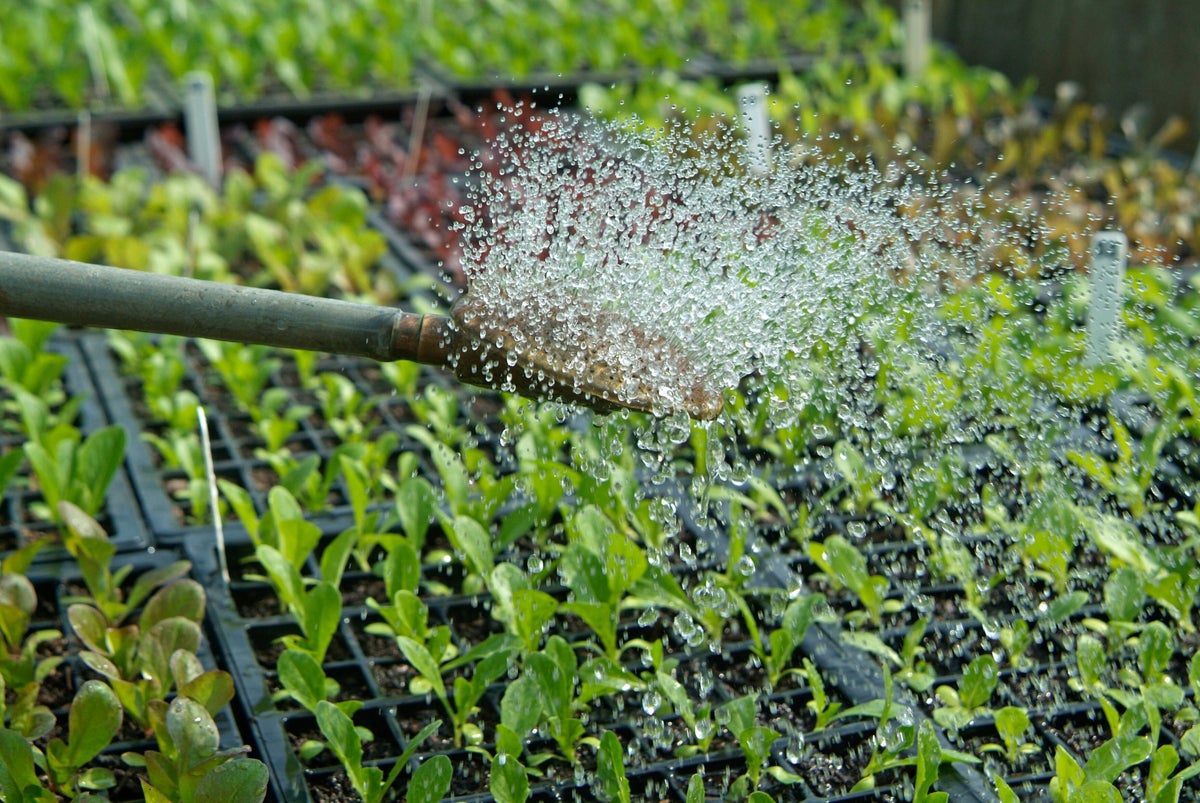
## Do I need to water borders?
Established trees, shrubs and herbaceous perennials in beds and borders will only need watering in extreme drought. Just water the most stressed individual plants.
- Check for signs of stress – drooping leaves, especially in the early morning, often indicate drought
- Water slowly and thoroughly so that when you dig down, the soil is moist at a depth of 15cm (6in)
- Mulch
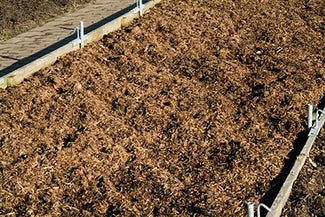
**Mulch** is a layer of material, at least 5cm (2in) thick, applied to the soil surface in late autumn to late winter (Nov-Feb). It is used to provide frost protection, improve plant growth by adding nutrients or increasing organic matter content, reducing water loss from the soil, for decorative purposes and suppressing weeds. Examples include well-rotted garden compost and manure, chipped bark, gravel, grit and slate chippings.
borders with [organic matter](https://www.rhs.org.uk/soil-composts-mulches/what-is-organic-matter) such as [garden compost](https://www.rhs.org.uk/soil-composts-mulches/composting) to help conserve moisture
- Avoid a routine such as “watering once a week”. Plants need different amounts depending on the weather, soil type, stage of establishment and size

## Is RHS Chelsea Flower Show on your bucket list?
Tickets selling fast\!
[Book today](https://www.rhs.org.uk/shows-events/rhs-chelsea-flower-show)
## How should I water different types of plants?
### **Containers and hanging baskets**
Check the compost 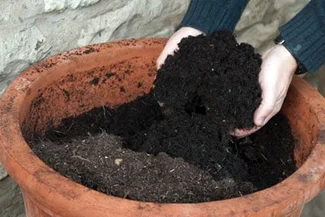 Can refer to either home-made garden compost or seed/potting compost: • Garden compost is a soil improver made from decomposed plant waste, usually in a compost bin or heap. It is added to soil to improve its fertility, structure and water-holding capacity. Seed or potting composts are used for growing seedlings or plants in containers - a wide range of commercially produced peat-free composts are available, made from a mix of various ingredients, such as loam, composted bark, coir and sand, although you can mix your own. daily from spring through to autumn, and water when it’s dry 2-3cm (1in) below the surface. Plants used for seasonal colour are often fast growing and have high water requirements.
- See our guide to [watering containers](https://www.rhs.org.uk/container-gardening/how-to-water-containers)
- If you are away in summer, consider setting up an automatic watering system for [hanging baskets](https://www.rhs.org.uk/container-gardening/hanging-baskets) and containers
During winter, rainfall is often enough to keep containers watered sufficiently. However, in dry, windy conditions, evergreen plants such as bamboo can desiccate, so it’s worth checking them, especially during prolonged dry spells.
### Seeds and seedlings
Use a watering can with a rose attachment to water the seed drill  A miniature furrow typically 1–5cm deep, made with a stick, hoe or rake. It is used for planting seeds or bulbs, and ensures they are positioned at the correct depth and spacing. or border before sowing to ensure moisture is available for the roots as the seeds germinate. After [sowing](https://www.rhs.org.uk/propagation/how-to-sow-seeds-outdoors), water consistently to keep the surface moist.
### Young trees and shrubs
Water newly planted trees and shrubs regularly during dry spells from spring to autumn in their first year, and large specimens for up to three summers.
- Water slowly, so it soaks in deeply around the
rootball
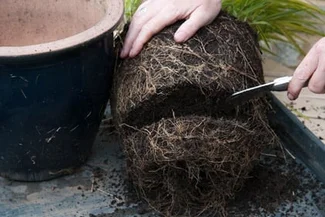
The roots and accompanying soil when a plant is removed from a container or lifted from the ground.
- Aim to moisten soil to a depth of 20-30cm (8-12in) – where the roots grow
- Plants below tree canopies, next to walls or under eaves in rain shadows may need watering even after rainfall
### Herbaceous perennials
In their first year, water around the base of the plant until the soil is evenly moist down to the depth of the roots – typically 15cm (6in). After the first year, established perennials usually do not need regular watering. [Mulching with organic matter](https://www.rhs.org.uk/soil-composts-mulches/how-to-mulch-with-organic-matter) around plants will help prevent evaporation.
### Lawns
Water newly [seeded lawns](https://www.rhs.org.uk/lawns/lawns-from-seed) regularly to prevent the top layer of soil from drying out. Use a watering can with a rose or a hose with a gentle spray. Water newly laid [turf](https://www.rhs.org.uk/lawns/lawns-from-turf) regularly, making sure the soil is damp underneath by lifting a corner to check. In warm, dry or windy conditions, newly seeded or turfed lawns may need to be watered daily. After three or four weeks, gradually move to less frequent but deeper watering, and still check the soil moisture levels regularly.
### Vegetables
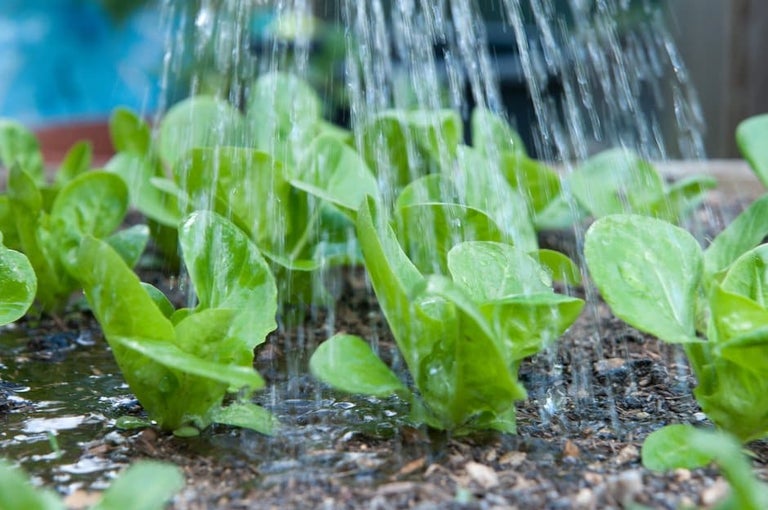
Many vegetable and salad crops prefer consistent moisture, as they are quick growing.
- Leafy crops such as lettuce and spinach: keep the soil evenly moist
- Root crops such as carrots and beetroots: less frequent watering is needed
- Once plants are established and putting on growth, to keep watering to a minimum, water when drought will affect the part of the plant that is to be harvested
- See our guide to [watering vegetables](https://www.rhs.org.uk/vegetables/watering) for more information
### Top Tip
Keep your plants healthy as you water. Make sure you apply water to the base of plants, not on the foliage. This helps avoid fungal diseases.
### Annual flowers
If you’ve sown annuals 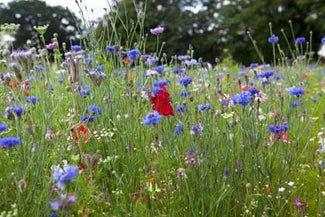 Annuals are plants that complete their life cycle in one growing season. They are generally easy to grow from seed or can be bought as young plants from garden centres. Annuals are ideal for growing in summer containers and filling gaps in borders. Some examples of annuals include sunflowers, cosmos, sweet peas and zinnia. in spring, they will need watering in dry weather during summer and possibly into autumn. Self-seeded plants and autumn-sown annuals are less demanding.
- Use a trowel to check if the soil is damp at a depth of 15cm (6in) – if it’s dry, water

Use the touch test to check how damp the soil or compost is below the surface.
### Top five water saving tips:
**1\.** Choose the right plant for the right place
**2\.** Improve soil with organic matter
**3\.** Mulch borders annually
**4**. Store rainwater from hard surfaces in water butts
**5\.** Use mains water only as a last resort
## What time of day should I water?
Timing makes a big difference to how effectively plants use water.
- Watering early in the morning is the best time. There will be less evaporation, and plants can use the water through the day
- Evening watering is acceptable, but damp leaves overnight can encourage pests and fungal diseases
- Avoid watering in the heat of the day – much of the water evaporates before reaching the roots
### Top Tip
Deep, occasional watering encourages deep roots and drought-tolerant plants. Train your plants to be “drought athletes”.
## Which method should I use?
Watering cans are the most water-efficient method and give you the most control. Use hoses sparingly as they use more water. Sprinklers are one of the least efficient ways to water.
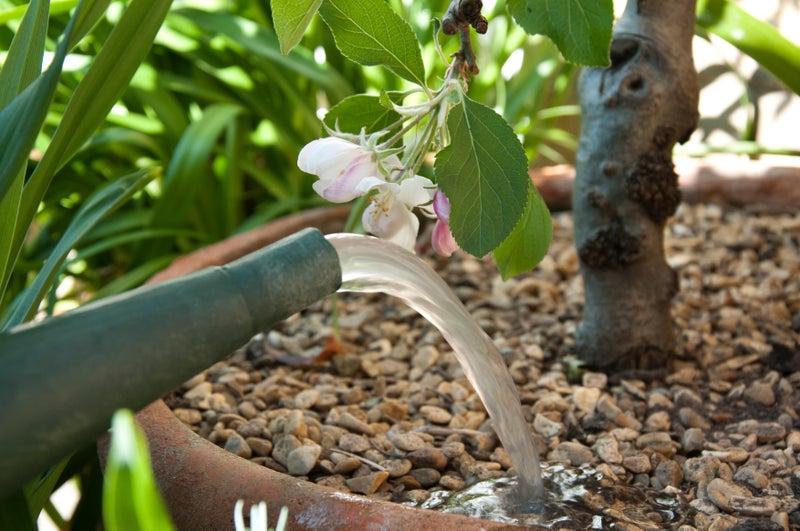
Ideally, use a watering can and apply water directly to the soil or compost above the root zone.
### Did you know?
Outside taps should have a double check valve to meet water regulations. The valve is designed to prevent any contamination flowing back into the mains supply.
## Can I use recycled water?
Yes, this is a very sustainable way of using resources. You can use washing up water (grey water) on ornamental plants, and collect rainwater in water butts to use directly on the garden. For more information, see our guide to [collecting, storing and reusing water](https://www.rhs.org.uk/garden-jobs/water-collecting-storing-and-using).
### How to water your garden wisely

## RHS Guides, you may also like
- [ Category: AdviceHow plants absorb water Water is as vital to plants as it is to us. Here you can learn more about their amazing ability to absorb water, what happens when there is too much or too little, and how we as gardeners can help to quench their thirst.](https://www.rhs.org.uk/advice/understanding-plants/how-plants-absorb-water)
- [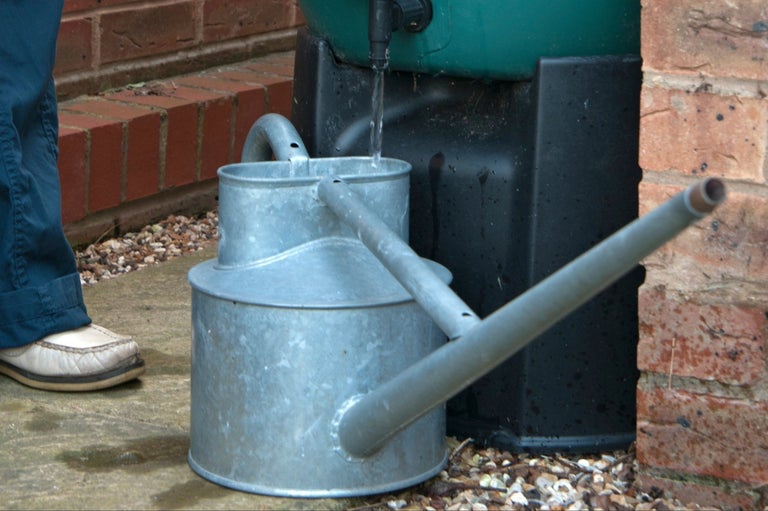 Category: AdviceCollecting, storing and reusing water Knowing which water sources to use – like rainwater, grey water or softened water – will help you garden more sustainably, reduce mains water use and keep plants healthy during dry spells.](https://www.rhs.org.uk/garden-jobs/water-collecting-storing-and-using)
- [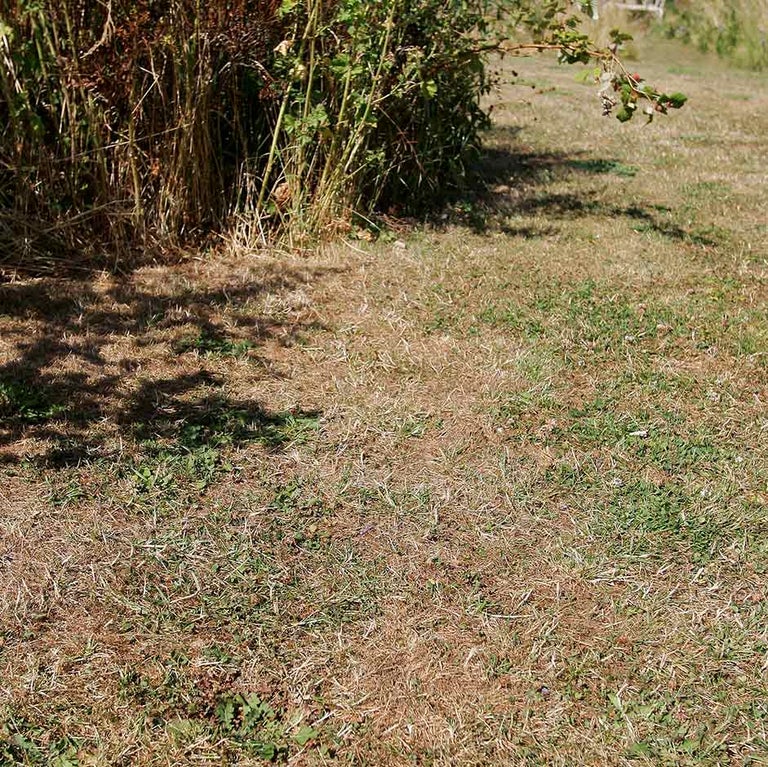 Category: AdviceLawn care for drought In hot summers with little or no rain, lawns can turn brown and stop growing. Although this looks serious, the grass will green up once rain returns. But there are steps you can take to make your lawn more drought resistant in future and recover better afterwards.](https://www.rhs.org.uk/lawns/drought-care)
- [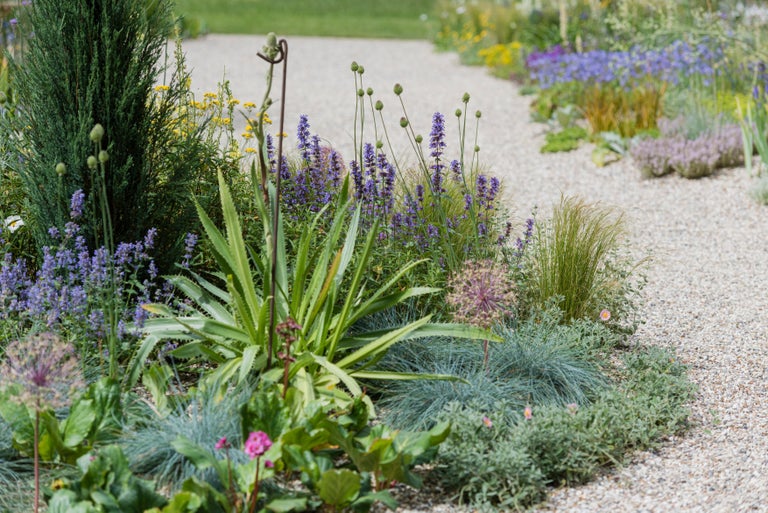 Category: AdviceDrought-resistant gardening We all want our plants to thrive in our gardens. By choosing the right plants for your conditions and by preparing the soil, plants can thrive with minimal or no additional watering.](https://www.rhs.org.uk/garden-design/drought-resistant-gardening)
- [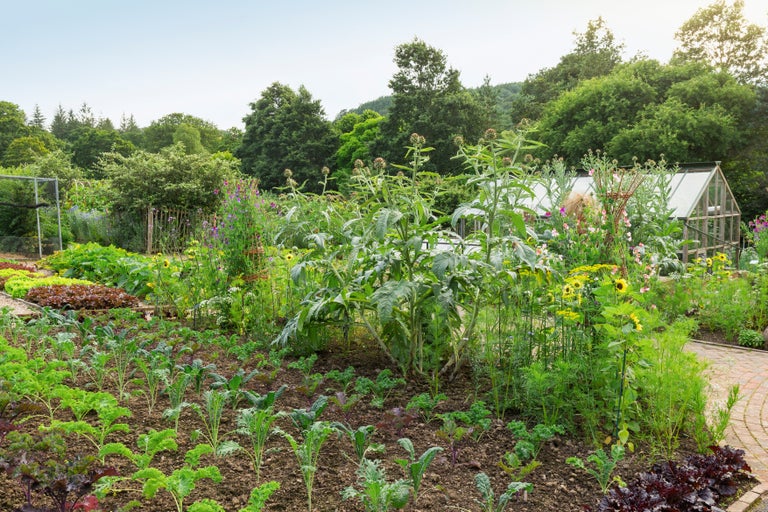 Category: AdviceWatering vegetables and fruit Knowing when, how often and how much to water helps edible plants grow and crop well, while using water efficiently. This guide will help you ensure your plants receive the water they need at every stage of development, from seedling to mature crop.](https://www.rhs.org.uk/vegetables/watering)
- [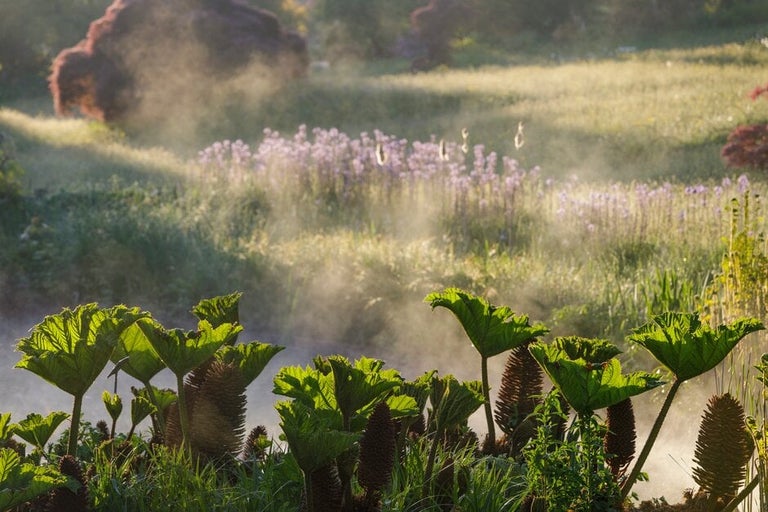 Category: AdviceHow plants lose water Plants only use a small amount of the water they absorb from the soil. Here you can discover how ‘sweating out’ the rest plays a vital role in keeping them happy and healthy, with practical tips to help you ensure your plants are getting the balance of water in and water out just right.](https://www.rhs.org.uk/advice/understanding-plants/how-plants-lose-water)
- [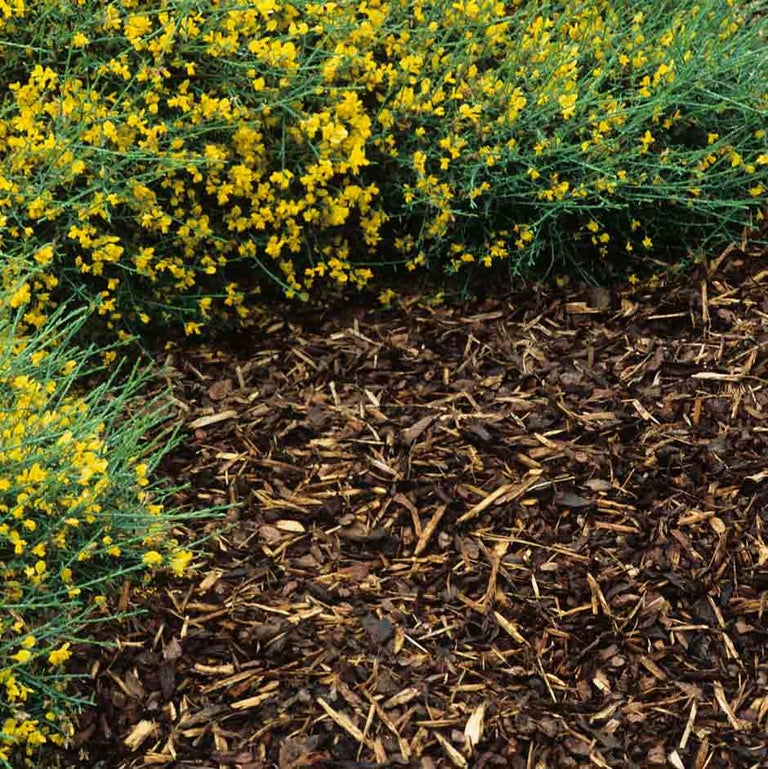 Category: AdviceMulches and mulching Mulching is generally used to save water, suppress weeds and improve the soil around plants but it also gives your garden a neat, tidy appearance and can reduce the amount of time spent on tasks such as watering and weeding. Mulches help soil retain moisture in summer, rain to penetrate the soil in winter, prevent weeds from growing and protect the roots of plants in winter.](https://www.rhs.org.uk/soil-composts-mulches/mulch)
- [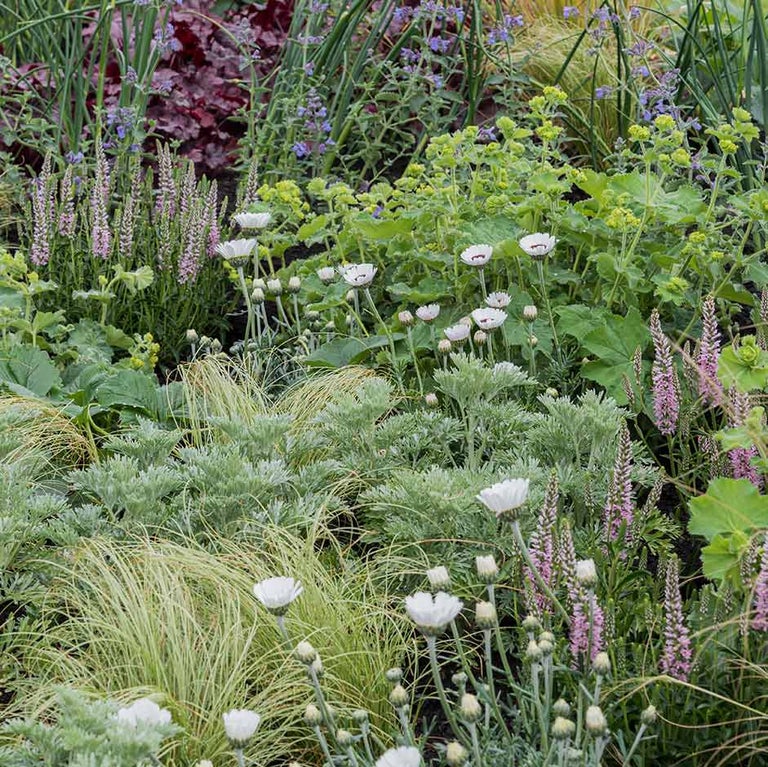 Category: AdviceDrought-resistant plants As climate change presents us with the challenge of gardening with less water, choosing plants to suit our growing conditions becomes paramount.](https://www.rhs.org.uk/plants/for-places/drought-resistant)
- [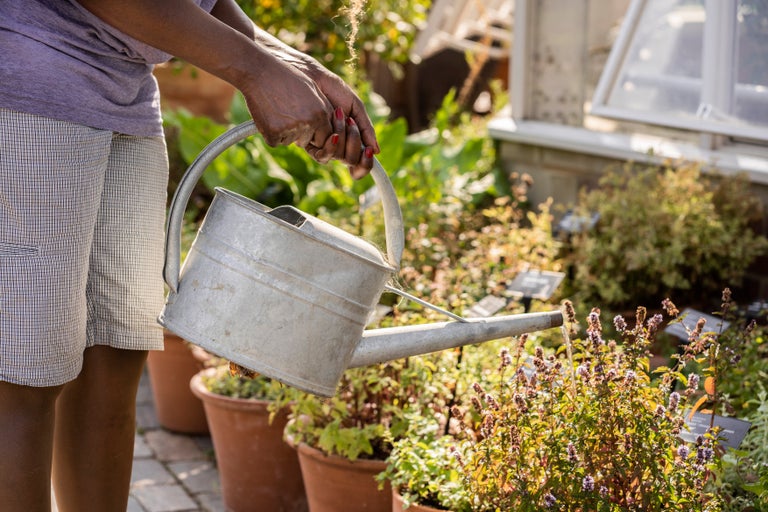 Category: AdviceHow to water containers Plants in containers dry out more quickly than in garden soil, so they rely on us for water. However, with the right containers, compost, positioning and by using stored rainwater when possible, you can keep plants healthy while minimising water use.](https://www.rhs.org.uk/container-gardening/how-to-water-containers)
- [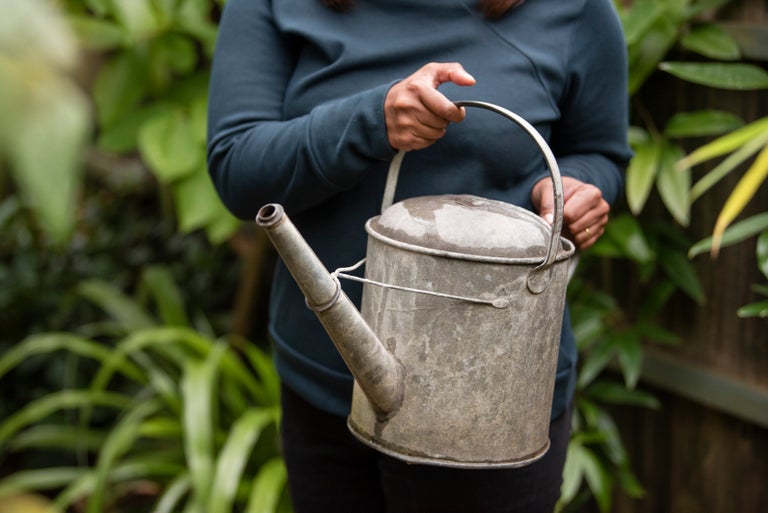 Category: AdviceGarden watering methods From a simple watering can to a smart irrigation system, there are many options to keep your plants hydrated. Here we help you work out which is best for your garden and how to minimise your use of tap water.](https://www.rhs.org.uk/garden-jobs/garden-watering-methods)
## Win a £250 RHS voucher to spend on your garden
Sign up to RHS emails for gardening tips, inspiration, days out and offers and you’ll be entered into our £250 prize draw
### Join the RHS
[Become an RHS Member today **and save 25% on your first year**](https://www.rhs.org.uk/join)
[Join now](https://www.rhs.org.uk/join)

- [Support us](https://www.rhs.org.uk/about-us/support-us)
- [Contact us](https://www.rhs.org.uk/about-us/contact-us)
- [Privacy](https://www.rhs.org.uk/privacy)
- [Cookies](https://www.rhs.org.uk/privacy/cookies)
- Manage cookies
- [Policies](https://www.rhs.org.uk/about-us/what-we-do/policies)
- [Modern slavery statement](https://www.rhs.org.uk/about-us/what-we-do/policies/modern-slavery-statement)
- [Careers](https://www.rhs.org.uk/about-us/careers)
- [Refer a friend](https://www.rhs.org.uk/membership/refer-a-friend)
- [Advertise with us](https://www.rhs.org.uk/about-us/commercial-opportunities/advertising)
- [Media centre](https://www.rhs.org.uk/press)
- [Listen to RHS podcasts](https://www.rhs.org.uk/podcast)
© The Royal Horticultural Society 2026
RHS Registered Charity no. 222879 / SC038262 |
| Readable Markdown | Established trees, shrubs and herbaceous perennials in beds and borders will only need watering in extreme drought. Just water the most stressed individual plants.
- Check for signs of stress – drooping leaves, especially in the early morning, often indicate drought
- Water slowly and thoroughly so that when you dig down, the soil is moist at a depth of 15cm (6in)
- borders with [organic matter](https://www.rhs.org.uk/soil-composts-mulches/what-is-organic-matter) such as [garden compost](https://www.rhs.org.uk/soil-composts-mulches/composting) to help conserve moisture
- Avoid a routine such as “watering once a week”. Plants need different amounts depending on the weather, soil type, stage of establishment and size
### **Containers and hanging baskets**
Check the daily from spring through to autumn, and water when it’s dry 2-3cm (1in) below the surface. Plants used for seasonal colour are often fast growing and have high water requirements.
- See our guide to [watering containers](https://www.rhs.org.uk/container-gardening/how-to-water-containers)
- If you are away in summer, consider setting up an automatic watering system for [hanging baskets](https://www.rhs.org.uk/container-gardening/hanging-baskets) and containers
During winter, rainfall is often enough to keep containers watered sufficiently. However, in dry, windy conditions, evergreen plants such as bamboo can desiccate, so it’s worth checking them, especially during prolonged dry spells.
### Seeds and seedlings
Use a watering can with a rose attachment to water the seed or border before sowing to ensure moisture is available for the roots as the seeds germinate. After [sowing](https://www.rhs.org.uk/propagation/how-to-sow-seeds-outdoors), water consistently to keep the surface moist.
### Young trees and shrubs
Water newly planted trees and shrubs regularly during dry spells from spring to autumn in their first year, and large specimens for up to three summers.
- Water slowly, so it soaks in deeply around the
- Aim to moisten soil to a depth of 20-30cm (8-12in) – where the roots grow
- Plants below tree canopies, next to walls or under eaves in rain shadows may need watering even after rainfall
### Herbaceous perennials
In their first year, water around the base of the plant until the soil is evenly moist down to the depth of the roots – typically 15cm (6in). After the first year, established perennials usually do not need regular watering. [Mulching with organic matter](https://www.rhs.org.uk/soil-composts-mulches/how-to-mulch-with-organic-matter) around plants will help prevent evaporation.
### Lawns
Water newly [seeded lawns](https://www.rhs.org.uk/lawns/lawns-from-seed) regularly to prevent the top layer of soil from drying out. Use a watering can with a rose or a hose with a gentle spray. Water newly laid [turf](https://www.rhs.org.uk/lawns/lawns-from-turf) regularly, making sure the soil is damp underneath by lifting a corner to check. In warm, dry or windy conditions, newly seeded or turfed lawns may need to be watered daily. After three or four weeks, gradually move to less frequent but deeper watering, and still check the soil moisture levels regularly.
### Vegetables
Many vegetable and salad crops prefer consistent moisture, as they are quick growing.
- Leafy crops such as lettuce and spinach: keep the soil evenly moist
- Root crops such as carrots and beetroots: less frequent watering is needed
- Once plants are established and putting on growth, to keep watering to a minimum, water when drought will affect the part of the plant that is to be harvested
- See our guide to [watering vegetables](https://www.rhs.org.uk/vegetables/watering) for more information
### Top Tip
Keep your plants healthy as you water. Make sure you apply water to the base of plants, not on the foliage. This helps avoid fungal diseases.
### Annual flowers
If you’ve sown in spring, they will need watering in dry weather during summer and possibly into autumn. Self-seeded plants and autumn-sown annuals are less demanding.
- Use a trowel to check if the soil is damp at a depth of 15cm (6in) – if it’s dry, water

Use the touch test to check how damp the soil or compost is below the surface.
### Top five water saving tips:
**1\.** Choose the right plant for the right place
**2\.** Improve soil with organic matter
**3\.** Mulch borders annually
**4**. Store rainwater from hard surfaces in water butts
**5\.** Use mains water only as a last resort
Timing makes a big difference to how effectively plants use water.
- Watering early in the morning is the best time. There will be less evaporation, and plants can use the water through the day
- Evening watering is acceptable, but damp leaves overnight can encourage pests and fungal diseases
- Avoid watering in the heat of the day – much of the water evaporates before reaching the roots
### Top Tip
Deep, occasional watering encourages deep roots and drought-tolerant plants. Train your plants to be “drought athletes”.
Watering cans are the most water-efficient method and give you the most control. Use hoses sparingly as they use more water. Sprinklers are one of the least efficient ways to water.

Ideally, use a watering can and apply water directly to the soil or compost above the root zone.
### Did you know?
Outside taps should have a double check valve to meet water regulations. The valve is designed to prevent any contamination flowing back into the mains supply.
Yes, this is a very sustainable way of using resources. You can use washing up water (grey water) on ornamental plants, and collect rainwater in water butts to use directly on the garden. For more information, see our guide to [collecting, storing and reusing water](https://www.rhs.org.uk/garden-jobs/water-collecting-storing-and-using). |
| Shard | 186 (laksa) |
| Root Hash | 5439330040997690186 |
| Unparsed URL | uk,org,rhs!www,/garden-jobs/watering s443 |