ℹ️ Skipped - page is already crawled
| Filter | Status | Condition | Details |
|---|---|---|---|
| HTTP status | PASS | download_http_code = 200 | HTTP 200 |
| Age cutoff | PASS | download_stamp > now() - 6 MONTH | 0.7 months ago |
| History drop | PASS | isNull(history_drop_reason) | No drop reason |
| Spam/ban | PASS | fh_dont_index != 1 AND ml_spam_score = 0 | ml_spam_score=0 |
| Canonical | PASS | meta_canonical IS NULL OR = '' OR = src_unparsed | Not set |
| Property | Value | ||||||||||||
|---|---|---|---|---|---|---|---|---|---|---|---|---|---|
| URL | https://www.nuhs.edu.sg/patient-care/nuhs-diagnostics/our-services | ||||||||||||
| Last Crawled | 2026-04-03 23:26:20 (19 days ago) | ||||||||||||
| First Indexed | 2024-06-28 06:36:34 (1 year ago) | ||||||||||||
| HTTP Status Code | 200 | ||||||||||||
| Content | |||||||||||||
| Meta Title | Our Services at NUHS Diagnostics | National University Health System | ||||||||||||
| Meta Description | NUHS Diagnostics runs phlebotomy, laboratory and diagnostic imaging services at the National University Polyclinics. | ||||||||||||
| Meta Canonical | null | ||||||||||||
| Boilerpipe Text | Navigate To
2025/02/06
NUHS Diagnostics acts as a one-stop provider delivering excellent laboratory and imaging services to primary healthcare. NUHS Diagnostics supports polyclinics, General Practitioners, community hospitals, nursing homes, home care providers and the community in Singapore.
Click on the links below to find out more about the range of services we offer or download and view our clinical services brochure
here
(PDF, 899 KB)
.
To hear about updates on our services, new tests launched, events and more, follow our WhatsApp channel
here
.
Laboratory Services
Blood Collection
Urine Collection
Stool Collection
Electrocardiography (ECG)
Spirometry
Others
Diagnostic Imaging Services
General X-ray
Mammogram
Ultrasound
Bone Mineral Densitometry (BMD)
Blood tests provide insights for healthcare providers to confirm a diagnosis for a patient in order to prepare the appropriate treatment plan for the patient.
At NUHS Diagnostics, our medical technologists and phlebotomists undergo phlebotomy proficiency certifications that focus on effective venepuncture and care management. Our medical technologists are well-trained and will undergo periodic assessments to assess their competency to perform the services we provide.
Some of these blood tests that we offer require patient preparation prior to testing. One common example is the need to fast for a period of time before blood taking. Fasting blood will yield actual patient results for the healthcare provider to assess a patient's condition accurately. Our care team will inform you if there is a need to fast or stop medication before blood taking.
How should you prepare for the blood test?
For fasting blood test
Do fast for 10 - 12 hours before blood collection. Do not over-fast.
Only drink plain water when fasting.
Drinking other beverages such as coffee, tea, milo or juice is not allowed.
The doctor will advise you if taking medication before the fasting blood test is allowed.
For all blood tests
Avoid excessive exercising prior to the test as vigorous exercise will cause a false surge in certain components in the blood, causing inaccurate results.
Paediatric Patients
For paediatric patients, a smaller-sized needle will be used for venous blood taking. Other blood taking techniques include finger-prick or heel-prick.
The finger-prick blood test is done by making a small puncture on the child's fingertip allowing blood to be collected in a small container. For the heel-prick blood test, a small puncture is made on the heel and blood is collected in a capillary tube or a small container. The heel-prick blood test is more commonly performed for newborns.
Children may feel anxious and scared when it comes to blood drawing, below are some advice to ease the process for your child:
For young children i.e. neonates / infants -
Bring along items with a familiar scent (e.g. blanket, toys) for the child.
Have a person more familiar to the child to hold him/her.
Bring warm coverings (e.g. towel, blanket) for the child.
For older children -
Explain the procedure to the child before the test.
Conduct role-play practices of the procedure with the child using stuffed toys at home.
Encourage the child to drink plenty of water.
Bring along a distraction for the child.
Provide physical comfort to the child during the procedure.
Urine tests are simple laboratory tests that measures what is in the urine. This test is most commonly performed for healthcare providers to diagnose or rule out certain health conditions, for example, urinary tract infection (UTI).
Prior to the urine collection, the patient is encouraged to hydrate. It is recommended to collect midstream urine for all urine collection. For some urine tests, the first/early morning urine is preferred to be collected as it is the most concentrated.
Midstream urine is collected by first passing some urine in the toilet. Without interrupting the flow, collect urine in the sample bottle given by our diagnostics personnel. Once there is sufficient urine, pass the remaining urine in the toilet bowl.
For females experiencing menstruation, collection of urine test for processing is not recommended. The patient will be required to revisit the laboratory for the urine test only after the menstrual cycle is over.
A stool test (faecal test) involves the collection and analysis of faecal matter to diagnose the presence or absence of a medical condition. If a stool test is required to be conducted, a sample bottle with a scoop will be provided to the patient. Our doctors will advise on the medications and diet intake before the collection.
An ECG is a non-invasive procedure that measures the rate and regularity of heartbeats to determine any damage of the heart. The test is painless and is used to detect heart disease, heart attack or other heart abnormalities which could lead to heart failure.
How should you prepare for the procedure?
Avoid strenuous activities one day before the procedure.
There are no diet restrictions required prior to the procedure.
Ensure that the skin is clean, dry and free of skin products.
Before the ECG procedure, please inform the staff if you have:
Applied powder/oil/lotion on your chest - the staff will wipe these off the chest as it will affect the adhesive pads in contact with the skin.
A pacemaker attached to your body.
Dextrocardia (Right-sided heart).
Any history of cardiac arrest.
What to expect during an ECG procedure?
The ECG procedure will take approximately 5 - 10 minutes and will be performed in supine (laying horizontally on the back with face up) position. For patients on wheelchairs, the procedure will be done in a sitting position. Our healthcare professionals will attach a total of 10 disposable adhesive pads on your chest area, legs and arms. As the ECG machine takes the reading, please relax and breathe normally.
Spirometry is a simple breathing test that is used to assess how well your lungs work by measuring how much air you inhale, how much air you exhale and how quickly you exhale. It is used to:
Help diagnose lung conditions such as chronic obstructive pulmonary disease (COPD) & asthma;
Check a person's current lung function;
Check the effectiveness of treatment for COPD and asthma.
Although spirometry is very useful to diagnose COPD and asthma, a normal spirometry test does not always rule out the diagnosis of certain lung conditions as there can be periods when spirometry tests may be normal even though a lung condition such as asthma exists.
Patients who typically require the spirometry procedure include:
Asthmatics
Smokers (>40 years of age)
Ex-smokers
People with chronic cough conditions or wheezing episodes
People who present with dyspnoea
People frequently exposed to occupational hazards (e.g. fumes or dust)
Patients with chronic obstructive pulmonary disease (COPD)
How should you prepare for the test?
Wear comfortable and loose-fitting clothes that will allow you to take in deep breaths
Do not smoke for at least one hour before the test
Do not engage in strenuous exercise at least two hours before the test
Do not eat a large meal at least two hours before the test
Do not drink alcohol at least four hours prior to the test
Follow your doctor's/nurse's instructions on which inhalers or oral medications to avoid before the test
What to expect during a spirometry procedure?
During a spirometry test, you will be asked to breathe through a mouthpiece attached to a medical device called a spirometer. The spirometer is attached to a computer with a software to measure how much air you can breathe in and out of your lungs and how quickly you can blow air out of your lungs.
This test is usually done seated. You will take a deep breath and breathe out into the mouthpiece as hard and as fast as you can for at least six seconds. It is important that your lips are sealed tightly around the mouthpiece so that no air leaks out.
You will need to do this at least three times to make sure your results are consistent. If there is too much variation and result is inconclusive, a repeat test will be required. The highest value among the three closest test results is used as the final result.
The doctor may request that you perform a bronchodilator challenge test (post test). After the initial round of tests, you will be given an inhaled medication, also known as a bronchodilator to open up your airways. You will rest for at least 15 minutes before repeating the breathing tests. The doctor will compare the results of the two measurements (pre and post) to see if the bronchodilator has improved your lung function.
The entire pre and post spirometry procedure usually takes between 20 to 45 minutes. The test results will be reviewed by your attending doctor for follow-up management. Spirometry is a relatively safe procedure for most people. However, due to the prolong exhalations, you may feel short of breath or dizzy for a short period after completing the test.
Appointment is required to be made for spirometry.
To make an appointment for a spirometry with NUHS Diagnostics, please click
here
.
Fungal Smear Testing
Fungal Smear testing is performed to detect superficial infection at the skin, scalp, groin or nails. Superficial fungal growth is very common and it is known to cause "Athlete's Foot" or itchy red scaly skin infection.
Our diagnostics personnel are trained to use a sterile scrape to collect specimen at the site of infection. Patients are to ensure that the infected area is free of moisturiser, oil or any skin product before the procedure. If products are applied, healthcare professionals will ask the patient to wash off and dry the affected area before doing the collection.
For nails, the affected nails will be clipped off and sent for examination.
Vaginal Swab
A vaginal swab is a common procedure performed by doctors to investigate conditions such as vaginitis (inflammation). Patients tend to experience genital itching, pain or burning within the genital region. This is due to an overgrowth of yeast leading to infection.
What to expect during the procedure?
A female chaperone must be present during the procedure.
There will be slight discomfort when the doctor collects the specimen.
The retrieved specimen will be placed in a sterile container and sent to the lab for testing
Do approach our healthcare professionals for any enquires during the procedures.
Plain films X-ray involves exposing a part of the body (e.g. chest and extremities etc) to radiation under medical instructions by the referring doctor.
How should you prepare for the test?
Preparation for the procedure varies according to the type of scan performed. Depending on the region of examination requested by your doctor, some patients may be required to change for the procedure.
What to expect during the X-ray procedure?
Depending on the region of the examination requested by your doctor, you will be positioned by the radiographer in a position where you are sitting, standing or lying down. You will need to maintain the position for a short period of time, while the radiographer exposes the area to the X-ray.
No prior appointment is required. Patients who require an X-ray (with a referral requested by a doctor) can walk-in to our clinics. However, please expect some waiting time during busy periods.
A mammogram is an X-ray examination of the breasts that is used to detect and diagnose breast diseases in women. It has been established as the primary means of detecting early breast cancer. The X-ray images will be viewed by a radiologist (a doctor who specialises in the interpretation of images).
How should you prepare for a mammogram?
No fasting is required.
Do not use talcum powder, body lotion or deodorant on the chest and underarms, as these may be reflected on the image.
You are advised to wear a two-piece outfit, as you will need to undress above the waist for the procedure.
Please inform your doctor or radiographer if there is a possibility that you may be pregnant.
What to expect during the mammogram?
A female radiographer will attend to you. She will first ask you a few questions regarding your medical history.
During the procedure, your breast(s) will be placed on a special platform (the detector) and compressed slowly with a paddle. Each breast will be X-rayed separately.
You may feel slight discomfort for a few seconds while the breast is being compressed. Compression of the breast is necessary in order to obtain a more detailed image of the structures within the breast.
This examination can be carried out during your period.
With modern equipment, the amount of radiation delivered to the breasts is very low. The compression used during the mammogram also decreases the amount of radiation a woman is exposed to.
Appointments are required to be made prior to each mammogram. Patients must follow the preparation instructions provided.
In addition, late arrival for the appointment may result in rescheduling of the appointment. Please arrive at least 15 minutes before the appointed time to register and prepare for the procedure. We appreciate your understanding should an unforeseen delay occur due to medical exigencies. Kindly inform us if you are unable to keep to the scheduled appointment.
To make an appointment for a mammogram with NUHS Diagnostics, please click
here
.
An ultrasound scan involves the use of inaudible high frequency sound waves to obtain images of internal organs. The radiographer/sonographer will scan the patient and produce diagnostic images for interpretation. This allows the radiologist (a doctor who specialises in the interpretation of images) to examine the patient non-invasively and without discomfort.
How should you prepare for an ultrasound?
Preparation for the procedure varies according to the type of scan required mentioned below:
Ultrasound for the Abdomen & the Hepatobiliary System (Liver & Gallbladder)
Fast at least 6 - 8 hours
*
prior to the appointment time.
For fasting diabetic patients, please stop all diabetic medications (including insulin injections) on the day of the scan when you are fasting.
Abstain from smoking on the day of the examination for the ultrasound of the upper abdomen as smoking is likely to stimulate the biliary system and affect the accuracy of the diagnosis.
*
If your appointment time is changed, please adjust the fasting start time accordingly.
Ultrasound for the Abdomen & Pelvis
Fast at least 6 - 8 hours
*
prior to the appointment time.
For fasting diabetic patients, please stop all diabetic medications (including insulin injections) on the day of the scan when you are fasting.
Drink at least four cups of plain water an hour before the scan to keep your bladder full (note: to omit this instruction if you are on fluid restriction, but please inform the staff upon making your appointment).
Abstain from smoking on the day of the examination for the ultrasound of the upper abdomen as smoking is likely to stimulate the biliary system and affect the accuracy of the diagnosis.
*
If your appointment time is changed, please adjust the fasting start time accordingly.
Ultrasound for the Pelvis, Kidneys & Bladder or the Prostate
No fasting is required.
Drink at least four cups of plain water an hour before the scan to keep your bladder full (note: to omit this instruction if you are on fluid restriction, but please inform the staff upon making your appointment).
Do not empty your bladder until the scan is completed or as instructed by the radiographer.
What to expect during the ultrasound procedure?
You will be positioned comfortably lying down on the examination couch.
The area of the body to be examined will be uncovered.
A thick water-soluble gel will be applied over the area under examination to facilitate the transmission of the sound waves through your body.
An ultrasound probe will be moved over the area under examination. The waves generated from the probe will produce images on the display monitor. Slight pressure may be applied to better visualise some structures.
Room lights will be dimmed in order for the operator to visualise the images on the monitor properly.
The gel can be wiped off after completion of examination. You will then be ready to leave the room.
You may resume normal activity after the procedure. Your doctor will advise you of the results at your next appointment.
Appointments are to be made prior to each ultrasound scan. If you are on restricted fluids or suffer from diabetes mellitus, please inform us when you make an appointment. If you are on medication, please continue to take them with plain water.
In addition, late arrival for the appointment may result in rescheduling of the appointment. Please arrive at least 15 minutes before the appointed time to register and prepare for the procedure. We appreciate your understanding should an unforeseen delay occur due to medical exigencies. Kindly inform us if you are unable to keep to the scheduled appointment.
To make an appointment for an ultrasound scan with NUHS Diagnostics, please click
here
.
A BMD scan is done to measure an individual’s bone mass density, most commonly in the left hip and lumbar spine. The measurements are used for the diagnosis of osteoporosis.
Osteoporosis is a disease characterised by the loss of bone mineral, leading to bone fragility.
In patients with osteoporosis, the hips and spine are most prone to fractures. Preventing fractures is therefore critical - especially for the elderly. Such fractures have a significant impact on a person's quality of life.
By measuring the bone mass and density, a patient's response to osteoporosis and risk of fracture can be evaluated. A doctor/radiologist can then assess the patient's response to osteoporosis and evaluate their risk of fracture.
How should you prepare for a BMD scan?
You are not required to fast.
You will be required to change prior to the procedure.
You are advised not to have a BMD scan in the first week after examinations that involve contrast media such as contrast studies of the stomach and bowels, computed tomography (CT) scan, intravenous urography, etc.
Please inform your doctor or radiographer if there is a possibility that you may be pregnant.
What to expect during the BMD scan?
You will need to change into a patient gown.
You will be positioned comfortably lying down on the examination couch, a radiographer will position you for the scan.
A scanner will emit a low dose X-ray to form the image required for analysis.
There will not be any pain or discomfort throughout the whole procedure.
It is important to refrain from moving to allow us to obtain good quality images.
Room lights may be dimmed in order for the operator to visualise the images on the monitor properly.
Appointments are to be made prior to each BMD scan. Patients must follow the preparation instructions provided. Patients are to inform the radiographer if there is a possibility of pregnancy.
To make an appointment for a BMD scan with NUHS Diagnostics, please click
here
.
Make an Appointment
Locations & Opening Hours
Back to NUHS Diagnostics
2024/09/13
1E Kent Ridge Road, NUHS Tower Block, Singapore 119228 | ||||||||||||
| Markdown | Beware of Scam Calls
NUHS Institutions will NEVER ask you to transfer money or disclose bank details over a call.
If in doubt, call the 24/7 ScamShield helpline at 1799, or visit the ScamShield website at [www.scamshield.gov.sg](https://www.scamshield.gov.sg/).
- [](https://for.sg/nuhs-mobile-app "NUHS App")
- [](https://www.facebook.com/NationalUniversityHealthSystem/ "Facebook: National University Health System")
- [](https://www.linkedin.com/company/national-university-health-system "LinkedIn: National University Health System")
- [](https://instagram.com/nuhsofficial "Instagram: National University Health System")
- [](https://x.com/NUHSofficial/ "X: National University Health System")
- [](https://www.tiktok.com/@nuhsofficial "TikTok: National University Health System")
- [](https://nuhsplus.edu.sg/ "NUHS+")
[](https://www.nuhs.edu.sg/ "National University Health System")
Menu
- [Patient Care](https://www.nuhs.edu.sg/patient-care/patient-care-institutions "Patient Care Institutions")
Our Institutions
[Patient Care Institutions](https://www.nuhs.edu.sg/patient-care/patient-care-institutions "Patient Care Institutions")
[Tengah General and Community Hospital](https://www.nuhs.edu.sg/patient-care/tengah-general-and-community-hospital "Tengah General and Community Hospital")
[Jurong Medical Centre](https://www.nuhs.edu.sg/patient-care/jurong-medical-centre "Jurong Medical Centre")
[NUHS Diagnostics](https://www.nuhs.edu.sg/patient-care/nuhs-diagnostics "NUHS Diagnostics")
[NUHS Pharmacy](https://www.nuhs.edu.sg/patient-care/nuhs-pharmacy "NUHS Pharmacy")
[NUHS@Home](https://www.nuhs.edu.sg/patient-care/nuhs-at-home "NUHS@Home")
Patients' and Visitors' Information
[NUHS App](https://www.nuhs.edu.sg/patient-care/nuhs-app "NUHS App")
[Appointments](https://www.nuhs.edu.sg/patient-care/appointments "Appointments")
[TeleConsult](https://www.nuhs.edu.sg/patient-care/teleconsult "TeleConsult")
[Bill Payments](https://www.nuhs.edu.sg/patient-care/bill-payments "Bill Payments")
[Find a Condition](https://www.nuhs.edu.sg/patient-care/find-a-condition "Find a Condition")
[Find a Doctor](https://www.nuhs.edu.sg/patient-care/find-a-doctor "Find a Doctor")
[Medications](https://www.nuhs.edu.sg/patient-care/medications "Medications")
[NUHS Virtual Care Centre](https://www.nuhs.edu.sg/patient-care/nuhs-virtual-care-centre-vcc "NUHS Virtual Care Centre (VCC)")
[CHAMP (Chronic Disease Management Programme)](https://www.nuhs.edu.sg/patient-care/champ "CHAMP (Population-based Chronic Disease Management Programme)")
[Patient & Caregiver Support](https://www.nuhs.edu.sg/patient-care/patient-and-caregiver-support "Patient & Caregiver Support")
[NUHS Plus](https://nuhsplus.edu.sg/ "NUHS Plus")
- [Research](https://www.nuhs.edu.sg/research "Research")
[Research at NUHS](https://www.nuhs.edu.sg/research "Research at NUHS")
[Research Programmes](https://www.nuhs.edu.sg/research/research-programmes "Research Programmes")
[Clinical Trials](https://www.nuhs.edu.sg/research/clinical-trials "Clinical Trials")
[Research Facilities](https://www.nuhs.edu.sg/research/research-facilities "Research Facilities")
[Research Stories](https://www.nuhs.edu.sg/research/research-stories "Research Stories")
[Find a Researcher](https://discovery.nuhs.edu.sg/ "Find a Researcher")
[Grant Calendar](https://www.nuhs.edu.sg/research/grant-calendar "Grant Calendar")
[About NUHS Research & Innovation Office](https://www.nuhs.edu.sg/research/about-nuhs-research-office "About NUHS Research Office")
[NUHS Centres](https://coe.nuhs.edu.sg/ "NUHS Centres")
[Yeo Boon Khim Mind Science Centre](https://coe.nuhs.edu.sg/mind-science-centre "Yeo Boon Khim Mind Science Centre")
[Centre for Functional Movement & Enabling Technologies](https://coe.nuhs.edu.sg/centre-for-functional-movement-and-enabling-technologies "Centre for Functional Movement & Enabling Technologies")
[Centre for Healthy Longevity](https://coe.nuhs.edu.sg/centre-for-healthy-longevity "Centre for Healthy Longevity")
[Centre for Innovation in Healthcare](https://coe.nuhs.edu.sg/centre-for-innovation-in-healthcare "Centre for Innovation in Healthcare")
[Centre for Health Professionals Training](https://coe.nuhs.edu.sg/centre-for-health-professionals-training "Centre for Health Professionals Training")
- [Education](https://www.nuhs.edu.sg/education "Education")
[Education at NUHS](https://www.nuhs.edu.sg/education "Education at NUHS")
[Honorary Fellowship & Observership](https://www.nuhs.edu.sg/education/honorary-fellowship-and-observership "Honorary Fellowship & Observership ")
[Job Shadowing](https://www.nuhs.edu.sg/education/job-shadowing "Job Shadowing ")
[Undergraduate Education](https://www.nuhs.edu.sg/education/undergraduate-education "Undergraduate Education")
[Beyond NUHS](https://www.nuhs.edu.sg/education/undergraduate-education/beyond-nuhs "Beyond NUHS")
[Continuing Healthcare Education & Training](https://www.nuhs.edu.sg/education/continuing-healthcare-education-and-training "Continuing Healthcare Education and Training at NUHS")
[Training for General Practitioners](https://www.nuhs.edu.sg/education/continuing-healthcare-education-and-training/training-for-general-practitioners-gps "Training & Continuing Medical Education (CME) for General Practitioners (GPs)")
[Postgraduate Education](https://www.nuhs.edu.sg/education/postgraduate-education "Postgraduate Education")
[NUHS Residency](https://www.nuhs.edu.sg/education/postgraduate-education/nuhs-residency "NUHS Residency")
[NUHS PGY1 Programme](https://www.nuhs.edu.sg/education/postgraduate-education/nuhs-pgy1-programme "NUHS PGY1 Programme")
[Hallmark Programmes](https://www.nuhs.edu.sg/education/postgraduate-education/nuhs-residency/hallmark-programmes "Hallmark Programmes")
[NUHS Hospital Clinician Scheme](https://www.nuhs.edu.sg/education/postgraduate-education/nuhs-hospital-clinician-scheme "NUHS Hospital Clinician Scheme")
- [Care in the Community](https://www.nuhs.edu.sg/care-in-the-community "Care in the Community")
[Care in the Community](https://www.nuhs.edu.sg/care-in-the-community "Care in the Community")
[About Our Regional Health System](https://www.nuhs.edu.sg/care-in-the-community/about-our-regional-health-system "About Our Regional Health System")
[Regional Health System Community Outreach](https://www.nuhs.edu.sg/care-in-the-community/regional-health-system-community-outreach "Regional Health System Community Outreach")
[Health Together](https://www.nuhs.edu.sg/care-in-the-community/health-together "Health Together")
[Healthy Precinct](https://www.nuhs.edu.sg/care-in-the-community/healthy-precinct "Healthy Precinct")
[Primary Care & GP Partners](https://www.nuhs.edu.sg/care-in-the-community/primary-care-gp-partners "Primary Care & GP Partners")
[Community Health](https://www.nuhs.edu.sg/care-in-the-community/community-health "Community Health")
[Health Services Research](https://www.nuhs.edu.sg/care-in-the-community/health-services-research "Health Services Research")
[Get Involved](https://www.nuhs.edu.sg/care-in-the-community/get-involved "Get Involved")
- [Giving](https://www.nuhs.edu.sg/giving "Giving")
[Give a Gift Today](https://www.nuhs.edu.sg/giving "Give a Gift Today")
[How to Donate](https://www.nuhs.edu.sg/giving/how-to-donate "How to Donate")
[Your Gift of Hope](https://www.nuhs.edu.sg/giving/your-gift-of-hope "Your Gift of Hope")
[Our Beneficiaries' Stories](https://www.nuhs.edu.sg/giving/your-gift-of-hope/our-beneficiaries-stories "Our Beneficiaries' Stories")
[Tomorrow's Health, Together](https://www.nuhs.edu.sg/giving/tomorrows-health-together "Tomorrow's Health, Together!")
[Leave a Legacy Gift](https://www.nuhs.edu.sg/giving/leave-a-legacy-gift "Leave a Legacy Gift")
[About NUHS Fund](https://www.nuhs.edu.sg/giving/about-nuhs-fund "About NUHS Fund")
[Contact NUHS Development Office](https://www.nuhs.edu.sg/giving/contact-nuhs-development-office "Contact NUHS Development Office")
- [Careers](https://www.nuhs.edu.sg/careers-at-nuhs "Careers at NUHS")
[Careers at NUHS](https://www.nuhs.edu.sg/careers-at-nuhs "Careers at NUHS")
[Why Choose NUHS](https://www.nuhs.edu.sg/careers-at-nuhs/why-choose-nuhs "Why Choose NUHS")
[Our Benefits](https://www.nuhs.edu.sg/careers-at-nuhs/why-choose-nuhs/our-benefits "Our Benefits")
[Learning and People Development](https://www.nuhs.edu.sg/careers-at-nuhs/why-choose-nuhs/learning-and-people-development "Learning and People Development")
[Our Culture](https://www.nuhs.edu.sg/careers-at-nuhs/our-culture "Our Culture ")
[Career Pathways](https://www.nuhs.edu.sg/careers-at-nuhs/career-pathways "Career Pathways")
[People Stories](https://www.nuhs.edu.sg/careers-at-nuhs/people-stories "People Stories")
[MOHH Healthcare Scholarships and NUHS Sponsorships](https://www.nuhs.edu.sg/careers-at-nuhs/mohh-healthcare-scholarships-nuhs-sponsorships "MOHH Healthcare Scholarships & NUHS Sponsorships")
[NUHS Nursing](https://www.nuhs.edu.sg/careers-at-nuhs/nuhs-nursing "NUHS Nursing Careers")
[NUHS Allied Health & Pharmacy Professionals](https://www.nuhs.edu.sg/careers-at-nuhs/nuhs-allied-health-professionals "NUHS Allied Health & Pharmacy Professionals")
- [About NUHS](https://www.nuhs.edu.sg/about-nuhs/who-we-are "Who We Are")
[Who We Are](https://www.nuhs.edu.sg/about-nuhs/who-we-are "Who We Are")
[Our Vision, Mission & Values](https://www.nuhs.edu.sg/about-nuhs/vision-mission-and-values "Vision, Mission & Values")
[Our Leadership](https://www.nuhs.edu.sg/about-nuhs/our-leadership "Our Leadership")
[Our Milestones](https://www.nuhs.edu.sg/about-nuhs/milestones "Milestones")
[Awards & Achievements](https://www.nuhs.edu.sg/about-nuhs/awards-and-achievements "Awards & Achievements")
[Value-Based Healthcare](https://www.nuhs.edu.sg/about-nuhs/value-based-healthcare "Value-Based Healthcare")
[NUHS Sustainability](https://www.nuhs.edu.sg/about-nuhs/nuhs-sustainability "NUHS Sustainability")
[NUHS Institute of Clinical Quality](https://www.nuhs.edu.sg/about-nuhs/nuhs-institute-of-clinical-quality "NUHS Institute of Clinical Quality ")
[Global Health Initiatives](https://www.nuhs.edu.sg/about-nuhs/global-health-initiatives "Global Health Initiatives")
Newsroom
[News & Stories](https://www.nuhs.edu.sg/about-nuhs/news-and-stories "News & Stories")
[NUHS - Care to Talk? Podcast](https://www.nuhs.edu.sg/about-nuhs/news-and-stories/news-and-stories-details/nuhs-care-to-talk-podcast "NUHS - Care to Talk? Podcast")
[Publications](https://www.nuhs.edu.sg/about-nuhs/publications "Publications")
[Gallery](https://www.nuhs.edu.sg/about-nuhs/gallery "Gallery")
[Events](https://www.nuhs.edu.sg/about-nuhs/events "Events")
[Volunteer with Us](https://www.nuhs.edu.sg/about-nuhs/volunteer-with-us "Volunteer with Us")
[Contact Us](https://www.nuhs.edu.sg/about-nuhs/contact-us "Contact Us")
[Whistleblowing](https://www.nuhs.edu.sg/about-nuhs/whistleblowing "Whistleblowing")
- [I Want To](https://www.nuhs.edu.sg/patient-care/nuhs-diagnostics/our-services#/ "I Want To")
[Find a Doctor](https://www.nuhs.edu.sg/patient-care/find-a-doctor "Find a Doctor")
[Find a Condition](https://www.nuhs.edu.sg/patient-care/find-a-condition "Find a Condition")
[Contact NUHS](https://www.nuhs.edu.sg/about-nuhs/contact-us "Contact NUHS")
[Pay Bills Online](https://www.nuhs.edu.sg/patient-care/bill-payments "Pay Bills Online")
Search
[A\-](https://www.nuhs.edu.sg/patient-care/nuhs-diagnostics/our-services "Decrease Font Size") [A](https://www.nuhs.edu.sg/patient-care/nuhs-diagnostics/our-services "Default Font Size") [A\+](https://www.nuhs.edu.sg/patient-care/nuhs-diagnostics/our-services "Increase Font Size")
[Home](https://www.nuhs.edu.sg/) \[%\>%\] [Patient Care](https://www.nuhs.edu.sg/patient-care) \[%\>%\] [NUHS Diagnostics](https://www.nuhs.edu.sg/patient-care/nuhs-diagnostics) \[%\>%\]
Our Services
Patient Care
Navigate To
- [Patient Care Institutions](https://www.nuhs.edu.sg/patient-care/patient-care-institutions)
- [Tengah General and Community Hospital](https://www.nuhs.edu.sg/patient-care/tengah-general-and-community-hospital)
- [Jurong Medical Centre](https://www.nuhs.edu.sg/patient-care/jurong-medical-centre)
- [NUHS Diagnostics](https://www.nuhs.edu.sg/patient-care/nuhs-diagnostics)
- [Our Services](https://www.nuhs.edu.sg/patient-care/nuhs-diagnostics/our-services)
- [Make an Appointment](https://www.nuhs.edu.sg/patient-care/nuhs-diagnostics/make-an-appointment)
- [Locations & Opening Hours](https://www.nuhs.edu.sg/patient-care/nuhs-diagnostics/locations-and-opening-hours)
- [NUHS Pharmacy](https://www.nuhs.edu.sg/patient-care/nuhs-pharmacy)
- [NUHS@Home](https://www.nuhs.edu.sg/patient-care/nuhs-at-home)
- [NUHS App](https://www.nuhs.edu.sg/patient-care/nuhs-app)
- [Appointments](https://www.nuhs.edu.sg/patient-care/appointments)
- [TeleConsult](https://www.nuhs.edu.sg/patient-care/teleconsult)
- [Bill Payments](https://www.nuhs.edu.sg/patient-care/bill-payments)
- [Find a Condition](https://www.nuhs.edu.sg/patient-care/find-a-condition)
- [Find a Doctor](https://www.nuhs.edu.sg/patient-care/find-a-doctor)
- [Medications](https://www.nuhs.edu.sg/patient-care/medications)
- [NUHS Virtual Care Centre (VCC)](https://www.nuhs.edu.sg/patient-care/nuhs-virtual-care-centre-vcc)
- [CHAMP (Population-based Chronic Disease Management Programme)](https://www.nuhs.edu.sg/patient-care/champ)
- [Patient & Caregiver Support](https://www.nuhs.edu.sg/patient-care/patient-and-caregiver-support)
# Our Services
2025/02/06
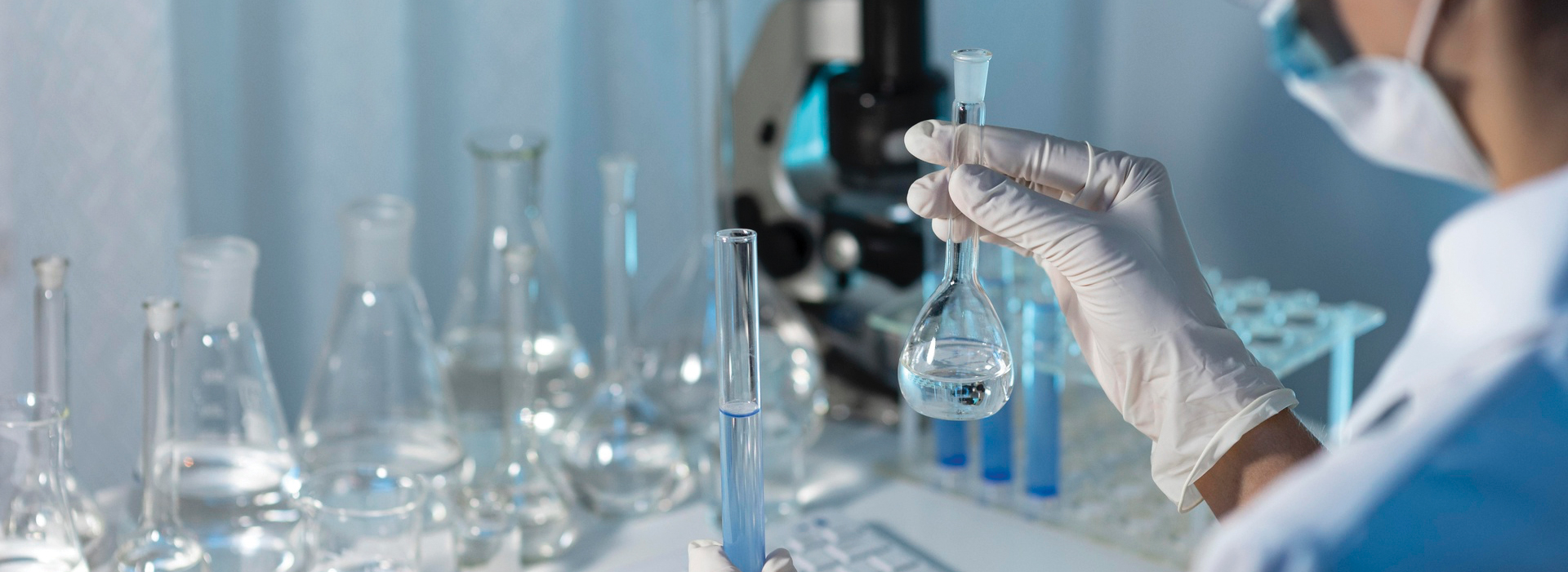
NUHS Diagnostics acts as a one-stop provider delivering excellent laboratory and imaging services to primary healthcare. NUHS Diagnostics supports polyclinics, General Practitioners, community hospitals, nursing homes, home care providers and the community in Singapore.
Click on the links below to find out more about the range of services we offer or download and view our clinical services brochure [here](https://www.nuhs.edu.sg/docs/nuhslibraries/content-document/patient-care/nuhs-diagnostics-clinical-services-brochure.pdf?sfvrsn=417d5f8_1) (PDF, 899 KB).
To hear about updates on our services, new tests launched, events and more, follow our WhatsApp channel [here](https://whatsapp.com/channel/0029Vb4eLWo0AgW3K5HKiB0Z).
## Laboratory Services
- [Blood Collection](https://www.nuhs.edu.sg/patient-care/nuhs-diagnostics/our-services#bloodcollect)
- [Urine Collection](https://www.nuhs.edu.sg/patient-care/nuhs-diagnostics/our-services#urinecollect)
- [Stool Collection](https://www.nuhs.edu.sg/patient-care/nuhs-diagnostics/our-services#stoolcollect)
- [Electrocardiography (ECG)](https://www.nuhs.edu.sg/patient-care/nuhs-diagnostics/our-services#ecg)
- [Spirometry](https://www.nuhs.edu.sg/patient-care/nuhs-diagnostics/our-services#spirometry)
- [Others](https://www.nuhs.edu.sg/patient-care/nuhs-diagnostics/our-services#others)
## Diagnostic Imaging Services
- [General X-ray](https://www.nuhs.edu.sg/patient-care/nuhs-diagnostics/our-services#xray)
- [Mammogram](https://www.nuhs.edu.sg/patient-care/nuhs-diagnostics/our-services#mammogram)
- [Ultrasound](https://www.nuhs.edu.sg/patient-care/nuhs-diagnostics/our-services#ultrasound)
- [Bone Mineral Densitometry (BMD)](https://www.nuhs.edu.sg/patient-care/nuhs-diagnostics/our-services#bmd)
[Collapse All]() \| [Expand All]()
Blood Collection
Blood tests provide insights for healthcare providers to confirm a diagnosis for a patient in order to prepare the appropriate treatment plan for the patient.
At NUHS Diagnostics, our medical technologists and phlebotomists undergo phlebotomy proficiency certifications that focus on effective venepuncture and care management. Our medical technologists are well-trained and will undergo periodic assessments to assess their competency to perform the services we provide.
Some of these blood tests that we offer require patient preparation prior to testing. One common example is the need to fast for a period of time before blood taking. Fasting blood will yield actual patient results for the healthcare provider to assess a patient's condition accurately. Our care team will inform you if there is a need to fast or stop medication before blood taking.
How should you prepare for the blood test?
**For fasting blood test**
- Do fast for 10 - 12 hours before blood collection. Do not over-fast.
- Only drink plain water when fasting.
- Drinking other beverages such as coffee, tea, milo or juice is not allowed.
- The doctor will advise you if taking medication before the fasting blood test is allowed.
**For all blood tests**
- Avoid excessive exercising prior to the test as vigorous exercise will cause a false surge in certain components in the blood, causing inaccurate results.
Paediatric Patients
For paediatric patients, a smaller-sized needle will be used for venous blood taking. Other blood taking techniques include finger-prick or heel-prick.
The finger-prick blood test is done by making a small puncture on the child's fingertip allowing blood to be collected in a small container. For the heel-prick blood test, a small puncture is made on the heel and blood is collected in a capillary tube or a small container. The heel-prick blood test is more commonly performed for newborns.
Children may feel anxious and scared when it comes to blood drawing, below are some advice to ease the process for your child:
**For young children i.e. neonates / infants -**
- Bring along items with a familiar scent (e.g. blanket, toys) for the child.
- Have a person more familiar to the child to hold him/her.
- Bring warm coverings (e.g. towel, blanket) for the child.
**For older children -**
- Explain the procedure to the child before the test.
- Conduct role-play practices of the procedure with the child using stuffed toys at home.
- Encourage the child to drink plenty of water.
- Bring along a distraction for the child.
- Provide physical comfort to the child during the procedure.
Urine Collection
Urine tests are simple laboratory tests that measures what is in the urine. This test is most commonly performed for healthcare providers to diagnose or rule out certain health conditions, for example, urinary tract infection (UTI).
Prior to the urine collection, the patient is encouraged to hydrate. It is recommended to collect midstream urine for all urine collection. For some urine tests, the first/early morning urine is preferred to be collected as it is the most concentrated.
Midstream urine is collected by first passing some urine in the toilet. Without interrupting the flow, collect urine in the sample bottle given by our diagnostics personnel. Once there is sufficient urine, pass the remaining urine in the toilet bowl.
For females experiencing menstruation, collection of urine test for processing is not recommended. The patient will be required to revisit the laboratory for the urine test only after the menstrual cycle is over.
Stool Collection
A stool test (faecal test) involves the collection and analysis of faecal matter to diagnose the presence or absence of a medical condition. If a stool test is required to be conducted, a sample bottle with a scoop will be provided to the patient. Our doctors will advise on the medications and diet intake before the collection.
Electrocardiography (ECG)
An ECG is a non-invasive procedure that measures the rate and regularity of heartbeats to determine any damage of the heart. The test is painless and is used to detect heart disease, heart attack or other heart abnormalities which could lead to heart failure.
**How should you prepare for the procedure?**
- Avoid strenuous activities one day before the procedure.
- There are no diet restrictions required prior to the procedure.
- Ensure that the skin is clean, dry and free of skin products.
**Before the ECG procedure, please inform the staff if you have:**
- Applied powder/oil/lotion on your chest - the staff will wipe these off the chest as it will affect the adhesive pads in contact with the skin.
- A pacemaker attached to your body.
- Dextrocardia (Right-sided heart).
- Any history of cardiac arrest.
**What to expect during an ECG procedure?**
The ECG procedure will take approximately 5 - 10 minutes and will be performed in supine (laying horizontally on the back with face up) position. For patients on wheelchairs, the procedure will be done in a sitting position. Our healthcare professionals will attach a total of 10 disposable adhesive pads on your chest area, legs and arms. As the ECG machine takes the reading, please relax and breathe normally.
Spirometry
Spirometry is a simple breathing test that is used to assess how well your lungs work by measuring how much air you inhale, how much air you exhale and how quickly you exhale. It is used to:
- Help diagnose lung conditions such as chronic obstructive pulmonary disease (COPD) & asthma;
- Check a person's current lung function;
- Check the effectiveness of treatment for COPD and asthma.
Although spirometry is very useful to diagnose COPD and asthma, a normal spirometry test does not always rule out the diagnosis of certain lung conditions as there can be periods when spirometry tests may be normal even though a lung condition such as asthma exists.
Patients who typically require the spirometry procedure include:
- Asthmatics
- Smokers (\>40 years of age)
- Ex-smokers
- People with chronic cough conditions or wheezing episodes
- People who present with dyspnoea
- People frequently exposed to occupational hazards (e.g. fumes or dust)
- Patients with chronic obstructive pulmonary disease (COPD)
**How should you prepare for the test?**
- Wear comfortable and loose-fitting clothes that will allow you to take in deep breaths
- Do not smoke for at least one hour before the test
- Do not engage in strenuous exercise at least two hours before the test
- Do not eat a large meal at least two hours before the test
- Do not drink alcohol at least four hours prior to the test
- Follow your doctor's/nurse's instructions on which inhalers or oral medications to avoid before the test
**What to expect during a spirometry procedure?**
During a spirometry test, you will be asked to breathe through a mouthpiece attached to a medical device called a spirometer. The spirometer is attached to a computer with a software to measure how much air you can breathe in and out of your lungs and how quickly you can blow air out of your lungs.
This test is usually done seated. You will take a deep breath and breathe out into the mouthpiece as hard and as fast as you can for at least six seconds. It is important that your lips are sealed tightly around the mouthpiece so that no air leaks out.
You will need to do this at least three times to make sure your results are consistent. If there is too much variation and result is inconclusive, a repeat test will be required. The highest value among the three closest test results is used as the final result.
The doctor may request that you perform a bronchodilator challenge test (post test). After the initial round of tests, you will be given an inhaled medication, also known as a bronchodilator to open up your airways. You will rest for at least 15 minutes before repeating the breathing tests. The doctor will compare the results of the two measurements (pre and post) to see if the bronchodilator has improved your lung function.
The entire pre and post spirometry procedure usually takes between 20 to 45 minutes. The test results will be reviewed by your attending doctor for follow-up management. Spirometry is a relatively safe procedure for most people. However, due to the prolong exhalations, you may feel short of breath or dizzy for a short period after completing the test.
Appointment is required to be made for spirometry.
To make an appointment for a spirometry with NUHS Diagnostics, please click [here](https://www.nuhs.edu.sg/patient-care/nuhs-diagnostics/make-an-appointment).
Others
Fungal Smear Testing
Fungal Smear testing is performed to detect superficial infection at the skin, scalp, groin or nails. Superficial fungal growth is very common and it is known to cause "Athlete's Foot" or itchy red scaly skin infection.
Our diagnostics personnel are trained to use a sterile scrape to collect specimen at the site of infection. Patients are to ensure that the infected area is free of moisturiser, oil or any skin product before the procedure. If products are applied, healthcare professionals will ask the patient to wash off and dry the affected area before doing the collection.
For nails, the affected nails will be clipped off and sent for examination.
Vaginal Swab
A vaginal swab is a common procedure performed by doctors to investigate conditions such as vaginitis (inflammation). Patients tend to experience genital itching, pain or burning within the genital region. This is due to an overgrowth of yeast leading to infection.
**What to expect during the procedure?**
- A female chaperone must be present during the procedure.
- There will be slight discomfort when the doctor collects the specimen.
- The retrieved specimen will be placed in a sterile container and sent to the lab for testing
Do approach our healthcare professionals for any enquires during the procedures.
General X-ray
Plain films X-ray involves exposing a part of the body (e.g. chest and extremities etc) to radiation under medical instructions by the referring doctor.
**How should you prepare for the test?**
Preparation for the procedure varies according to the type of scan performed. Depending on the region of examination requested by your doctor, some patients may be required to change for the procedure.
**What to expect during the X-ray procedure?**
Depending on the region of the examination requested by your doctor, you will be positioned by the radiographer in a position where you are sitting, standing or lying down. You will need to maintain the position for a short period of time, while the radiographer exposes the area to the X-ray.
No prior appointment is required. Patients who require an X-ray (with a referral requested by a doctor) can walk-in to our clinics. However, please expect some waiting time during busy periods.
Mammogram
A mammogram is an X-ray examination of the breasts that is used to detect and diagnose breast diseases in women. It has been established as the primary means of detecting early breast cancer. The X-ray images will be viewed by a radiologist (a doctor who specialises in the interpretation of images).
**How should you prepare for a mammogram?**
- No fasting is required.
- Do not use talcum powder, body lotion or deodorant on the chest and underarms, as these may be reflected on the image.
- You are advised to wear a two-piece outfit, as you will need to undress above the waist for the procedure.
- Please inform your doctor or radiographer if there is a possibility that you may be pregnant.
**What to expect during the mammogram?**
A female radiographer will attend to you. She will first ask you a few questions regarding your medical history.
During the procedure, your breast(s) will be placed on a special platform (the detector) and compressed slowly with a paddle. Each breast will be X-rayed separately.
You may feel slight discomfort for a few seconds while the breast is being compressed. Compression of the breast is necessary in order to obtain a more detailed image of the structures within the breast.
This examination can be carried out during your period.
With modern equipment, the amount of radiation delivered to the breasts is very low. The compression used during the mammogram also decreases the amount of radiation a woman is exposed to.
Appointments are required to be made prior to each mammogram. Patients must follow the preparation instructions provided.
In addition, late arrival for the appointment may result in rescheduling of the appointment. Please arrive at least 15 minutes before the appointed time to register and prepare for the procedure. We appreciate your understanding should an unforeseen delay occur due to medical exigencies. Kindly inform us if you are unable to keep to the scheduled appointment.
To make an appointment for a mammogram with NUHS Diagnostics, please click [here](https://www.nuhs.edu.sg/patient-care/nuhs-diagnostics/make-an-appointment).
Ultrasound
An ultrasound scan involves the use of inaudible high frequency sound waves to obtain images of internal organs. The radiographer/sonographer will scan the patient and produce diagnostic images for interpretation. This allows the radiologist (a doctor who specialises in the interpretation of images) to examine the patient non-invasively and without discomfort.
**How should you prepare for an ultrasound?**
Preparation for the procedure varies according to the type of scan required mentioned below:
Ultrasound for the Abdomen & the Hepatobiliary System (Liver & Gallbladder)
- Fast at least 6 - 8 hours\* prior to the appointment time.
- For fasting diabetic patients, please stop all diabetic medications (including insulin injections) on the day of the scan when you are fasting.
- Abstain from smoking on the day of the examination for the ultrasound of the upper abdomen as smoking is likely to stimulate the biliary system and affect the accuracy of the diagnosis.
*\** *If your appointment time is changed, please adjust the fasting start time accordingly.*
Ultrasound for the Abdomen & Pelvis
- Fast at least 6 - 8 hours\* prior to the appointment time.
- For fasting diabetic patients, please stop all diabetic medications (including insulin injections) on the day of the scan when you are fasting.
- Drink at least four cups of plain water an hour before the scan to keep your bladder full (note: to omit this instruction if you are on fluid restriction, but please inform the staff upon making your appointment).
- Abstain from smoking on the day of the examination for the ultrasound of the upper abdomen as smoking is likely to stimulate the biliary system and affect the accuracy of the diagnosis.
*\** *If your appointment time is changed, please adjust the fasting start time accordingly.*
Ultrasound for the Pelvis, Kidneys & Bladder or the Prostate
- No fasting is required.
- Drink at least four cups of plain water an hour before the scan to keep your bladder full (note: to omit this instruction if you are on fluid restriction, but please inform the staff upon making your appointment).
- Do not empty your bladder until the scan is completed or as instructed by the radiographer.
**What to expect during the ultrasound procedure?**
- You will be positioned comfortably lying down on the examination couch.
- The area of the body to be examined will be uncovered.
- A thick water-soluble gel will be applied over the area under examination to facilitate the transmission of the sound waves through your body.
- An ultrasound probe will be moved over the area under examination. The waves generated from the probe will produce images on the display monitor. Slight pressure may be applied to better visualise some structures.
- Room lights will be dimmed in order for the operator to visualise the images on the monitor properly.
- The gel can be wiped off after completion of examination. You will then be ready to leave the room.
You may resume normal activity after the procedure. Your doctor will advise you of the results at your next appointment.
Appointments are to be made prior to each ultrasound scan. If you are on restricted fluids or suffer from diabetes mellitus, please inform us when you make an appointment. If you are on medication, please continue to take them with plain water.
In addition, late arrival for the appointment may result in rescheduling of the appointment. Please arrive at least 15 minutes before the appointed time to register and prepare for the procedure. We appreciate your understanding should an unforeseen delay occur due to medical exigencies. Kindly inform us if you are unable to keep to the scheduled appointment.
To make an appointment for an ultrasound scan with NUHS Diagnostics, please click [here](https://www.nuhs.edu.sg/patient-care/nuhs-diagnostics/make-an-appointment).
Bone Mineral Density (BMD) Scan
A BMD scan is done to measure an individual’s bone mass density, most commonly in the left hip and lumbar spine. The measurements are used for the diagnosis of osteoporosis.
Osteoporosis is a disease characterised by the loss of bone mineral, leading to bone fragility. In patients with osteoporosis, the hips and spine are most prone to fractures. Preventing fractures is therefore critical - especially for the elderly. Such fractures have a significant impact on a person's quality of life.
By measuring the bone mass and density, a patient's response to osteoporosis and risk of fracture can be evaluated. A doctor/radiologist can then assess the patient's response to osteoporosis and evaluate their risk of fracture.
**How should you prepare for a BMD scan?**
- You are not required to fast.
- You will be required to change prior to the procedure.
- You are advised not to have a BMD scan in the first week after examinations that involve contrast media such as contrast studies of the stomach and bowels, computed tomography (CT) scan, intravenous urography, etc.
- Please inform your doctor or radiographer if there is a possibility that you may be pregnant.
**What to expect during the BMD scan?**
- You will need to change into a patient gown.
- You will be positioned comfortably lying down on the examination couch, a radiographer will position you for the scan.
- A scanner will emit a low dose X-ray to form the image required for analysis.
- There will not be any pain or discomfort throughout the whole procedure.
- It is important to refrain from moving to allow us to obtain good quality images.
- Room lights may be dimmed in order for the operator to visualise the images on the monitor properly.
Appointments are to be made prior to each BMD scan. Patients must follow the preparation instructions provided. Patients are to inform the radiographer if there is a possibility of pregnancy.
To make an appointment for a BMD scan with NUHS Diagnostics, please click [here](https://www.nuhs.edu.sg/patient-care/nuhs-diagnostics/make-an-appointment).
- [ Make an Appointment](https://www.nuhs.edu.sg/patient-care/nuhs-diagnostics/make-an-appointment "Make an Appointment")
- [ Locations & Opening Hours](https://www.nup.com.sg/Pages/Our%20Clinics/nup.aspx "Locations & Opening Hours")
- [ Back to NUHS Diagnostics](https://www.nuhs.edu.sg/patient-care/nuhs-diagnostics "NUHS Diagnostics")
2024/09/13
- Quick Links
- [NUHS App](https://for.sg/nuhs-mobile-app "NUHS App")
- [Our Patient Care Institutions](https://www.nuhs.edu.sg/patient-care/patient-care-institutions "Patient Care Institutions")
- [Find A Doctor](https://www.nuhs.edu.sg/patient-care/find-a-doctor "Find a Doctor")
- [Research](https://www.nuhs.edu.sg/research "Research")
- [Continuing Education and Training](https://www.nuhs.edu.sg/education/continuing-healthcare-education-and-training "Continuing Healthcare Education and Training at NUHS")
- [Giving](https://www.nuhs.edu.sg/giving "Giving")
- [TeleConsult](https://www.nuhs.edu.sg/patient-care/teleconsult "TeleConsult")
- [Careers](https://www.nuhs.edu.sg/careers-at-nuhs "Careers at NUHS")
- [Events](https://www.nuhs.edu.sg/about-nuhs/events "Events")
- [Newsroom](https://www.nuhs.edu.sg/about-nuhs/news-and-stories "News & Stories")
- [NUHSPlus](https://www.nuhsplus.edu.sg/ "NUHSPlus")
- [NUHS Centres](https://coe.nuhs.edu.sg/ "NUHS Centres")
- Useful Links
- [Ministry of Health](https://www.moh.gov.sg/ "Ministry of Health")
- [Health Promotion Board](https://www.hpb.gov.sg/ "Health Promotion Board")
- [HealthHub](https://www.healthhub.sg/ "HealthHub")
- [World Health Organisation](http://www.who.int/ "World Health Organisation")
- [Agency for Integrated Care](https://www.aic.sg/ "Agency for Integrated Care")
- [Care to Go Beyond](http://www.caretogobeyond.sg/ "Care to Go Beyond")
- [Healthcare Scholarships](http://www.healthcarescholarships.sg/ "Healthcare Scholarships")
- [BrightSparks](https://brightsparks.com.sg/ "BrightSparks")
- [Contact Us](https://www.nuhs.edu.sg/about-nuhs/contact-us "Contact Us")
- [Sitemap](https://www.nuhs.edu.sg/sitemap "Sitemap")
- [Terms of Use](https://www.nuhs.edu.sg/terms-of-use "Terms of Use")
- [Personal Data Protection Act](https://www.nuhs.edu.sg/personal-data-protection-act "Personal Data Protection Act")
- [Privacy](https://www.nuhs.edu.sg/privacy "Privacy")
- [Disclaimer](https://www.nuhs.edu.sg/disclaimer "Disclaimer")
- [Security Advisory](https://www.nuhs.edu.sg/security-advisory "Security Advisory")
- [Rate This Website](https://for.sg/rate-the-nuhs-website "Rate This Website")
- [Report Vulnerability](https://www.synapxe.sg/report-vulnerability "Report Vulnerability")
1E Kent Ridge Road, NUHS Tower Block, Singapore 119228
[\+65 6908 2222](tel:+6569082222 "Call +65 6908 2222")
Last updated on
Copyright © 2023 National University Health System. All Rights Reserved.
Best viewed with Chrome 79.0, Edge 112.0, Firefox 61.0, Safari 11
[](https://www.nuhs.edu.sg/home "Home")
- [](https://www.nuh.com.sg/ "NUH - National University Hospital")
- [](https://www.ntfgh.com.sg/ "NTFGH - Ng Teng Fong General Hospital")
- [](https://www.ah.com.sg/ "AH - Alexandra Hospital")
- [](https://www.nuhs.edu.sg/patient-care/tengah-general-and-community-hospital "TGCH - Tengah General and Community Hospital")
- [](https://www.jch.com.sg/ "JCH - Jurong Community Hospital")
- [](https://www.nup.com.sg/ "NUP - National University Polyclinics")
- [](https://www.nuhs.edu.sg/patient-care/jurong-medical-centre "Jurong Medical Centre")
- [](https://www.ncis.com.sg/ "NCIS - National University Cancer Institute, Singapore")
- [](https://www.nuhcs.com.sg/ "NUHCS - National University Heart Centre, Singapore")
- [](https://www.nucohs.com.sg/ "NUCOHS - National University Centre for Oral Health, Singapore")
- [](https://www.nuhs.edu.sg/patient-care/nuhs-diagnostics "NUHS Diagnostics")
- [](https://www.nuhs.edu.sg/patient-care/nuhs-pharmacy "NUHS Pharmacy")
- [](https://www.nuhs.edu.sg/care-in-the-community "NUHS RHSO - Regional Health System Office")
- [](https://medicine.nus.edu.sg/ "NUS - Yong Loo Lin, School of Medicine")
- [](http://www.dentistry.nus.edu.sg/ "NUS - Faculty of Dentistry")
- [](https://www.sph.nus.edu.sg/ "NUS - Saw Swee Hock, School of Public Health")

 | ||||||||||||
| Readable Markdown | Navigate To
2025/02/06

NUHS Diagnostics acts as a one-stop provider delivering excellent laboratory and imaging services to primary healthcare. NUHS Diagnostics supports polyclinics, General Practitioners, community hospitals, nursing homes, home care providers and the community in Singapore.
Click on the links below to find out more about the range of services we offer or download and view our clinical services brochure [here](https://www.nuhs.edu.sg/docs/nuhslibraries/content-document/patient-care/nuhs-diagnostics-clinical-services-brochure.pdf?sfvrsn=417d5f8_1) (PDF, 899 KB).
To hear about updates on our services, new tests launched, events and more, follow our WhatsApp channel [here](https://whatsapp.com/channel/0029Vb4eLWo0AgW3K5HKiB0Z).
## Laboratory Services
- [Blood Collection](https://www.nuhs.edu.sg/patient-care/nuhs-diagnostics/our-services#bloodcollect)
- [Urine Collection](https://www.nuhs.edu.sg/patient-care/nuhs-diagnostics/our-services#urinecollect)
- [Stool Collection](https://www.nuhs.edu.sg/patient-care/nuhs-diagnostics/our-services#stoolcollect)
- [Electrocardiography (ECG)](https://www.nuhs.edu.sg/patient-care/nuhs-diagnostics/our-services#ecg)
- [Spirometry](https://www.nuhs.edu.sg/patient-care/nuhs-diagnostics/our-services#spirometry)
- [Others](https://www.nuhs.edu.sg/patient-care/nuhs-diagnostics/our-services#others)
## Diagnostic Imaging Services
- [General X-ray](https://www.nuhs.edu.sg/patient-care/nuhs-diagnostics/our-services#xray)
- [Mammogram](https://www.nuhs.edu.sg/patient-care/nuhs-diagnostics/our-services#mammogram)
- [Ultrasound](https://www.nuhs.edu.sg/patient-care/nuhs-diagnostics/our-services#ultrasound)
- [Bone Mineral Densitometry (BMD)](https://www.nuhs.edu.sg/patient-care/nuhs-diagnostics/our-services#bmd)
Blood tests provide insights for healthcare providers to confirm a diagnosis for a patient in order to prepare the appropriate treatment plan for the patient.
At NUHS Diagnostics, our medical technologists and phlebotomists undergo phlebotomy proficiency certifications that focus on effective venepuncture and care management. Our medical technologists are well-trained and will undergo periodic assessments to assess their competency to perform the services we provide.
Some of these blood tests that we offer require patient preparation prior to testing. One common example is the need to fast for a period of time before blood taking. Fasting blood will yield actual patient results for the healthcare provider to assess a patient's condition accurately. Our care team will inform you if there is a need to fast or stop medication before blood taking.
How should you prepare for the blood test?
**For fasting blood test**
- Do fast for 10 - 12 hours before blood collection. Do not over-fast.
- Only drink plain water when fasting.
- Drinking other beverages such as coffee, tea, milo or juice is not allowed.
- The doctor will advise you if taking medication before the fasting blood test is allowed.
**For all blood tests**
- Avoid excessive exercising prior to the test as vigorous exercise will cause a false surge in certain components in the blood, causing inaccurate results.
Paediatric Patients
For paediatric patients, a smaller-sized needle will be used for venous blood taking. Other blood taking techniques include finger-prick or heel-prick.
The finger-prick blood test is done by making a small puncture on the child's fingertip allowing blood to be collected in a small container. For the heel-prick blood test, a small puncture is made on the heel and blood is collected in a capillary tube or a small container. The heel-prick blood test is more commonly performed for newborns.
Children may feel anxious and scared when it comes to blood drawing, below are some advice to ease the process for your child:
**For young children i.e. neonates / infants -**
- Bring along items with a familiar scent (e.g. blanket, toys) for the child.
- Have a person more familiar to the child to hold him/her.
- Bring warm coverings (e.g. towel, blanket) for the child.
**For older children -**
- Explain the procedure to the child before the test.
- Conduct role-play practices of the procedure with the child using stuffed toys at home.
- Encourage the child to drink plenty of water.
- Bring along a distraction for the child.
- Provide physical comfort to the child during the procedure.
Urine tests are simple laboratory tests that measures what is in the urine. This test is most commonly performed for healthcare providers to diagnose or rule out certain health conditions, for example, urinary tract infection (UTI).
Prior to the urine collection, the patient is encouraged to hydrate. It is recommended to collect midstream urine for all urine collection. For some urine tests, the first/early morning urine is preferred to be collected as it is the most concentrated.
Midstream urine is collected by first passing some urine in the toilet. Without interrupting the flow, collect urine in the sample bottle given by our diagnostics personnel. Once there is sufficient urine, pass the remaining urine in the toilet bowl.
For females experiencing menstruation, collection of urine test for processing is not recommended. The patient will be required to revisit the laboratory for the urine test only after the menstrual cycle is over.
A stool test (faecal test) involves the collection and analysis of faecal matter to diagnose the presence or absence of a medical condition. If a stool test is required to be conducted, a sample bottle with a scoop will be provided to the patient. Our doctors will advise on the medications and diet intake before the collection.
An ECG is a non-invasive procedure that measures the rate and regularity of heartbeats to determine any damage of the heart. The test is painless and is used to detect heart disease, heart attack or other heart abnormalities which could lead to heart failure.
**How should you prepare for the procedure?**
- Avoid strenuous activities one day before the procedure.
- There are no diet restrictions required prior to the procedure.
- Ensure that the skin is clean, dry and free of skin products.
**Before the ECG procedure, please inform the staff if you have:**
- Applied powder/oil/lotion on your chest - the staff will wipe these off the chest as it will affect the adhesive pads in contact with the skin.
- A pacemaker attached to your body.
- Dextrocardia (Right-sided heart).
- Any history of cardiac arrest.
**What to expect during an ECG procedure?**
The ECG procedure will take approximately 5 - 10 minutes and will be performed in supine (laying horizontally on the back with face up) position. For patients on wheelchairs, the procedure will be done in a sitting position. Our healthcare professionals will attach a total of 10 disposable adhesive pads on your chest area, legs and arms. As the ECG machine takes the reading, please relax and breathe normally.
Spirometry is a simple breathing test that is used to assess how well your lungs work by measuring how much air you inhale, how much air you exhale and how quickly you exhale. It is used to:
- Help diagnose lung conditions such as chronic obstructive pulmonary disease (COPD) & asthma;
- Check a person's current lung function;
- Check the effectiveness of treatment for COPD and asthma.
Although spirometry is very useful to diagnose COPD and asthma, a normal spirometry test does not always rule out the diagnosis of certain lung conditions as there can be periods when spirometry tests may be normal even though a lung condition such as asthma exists.
Patients who typically require the spirometry procedure include:
- Asthmatics
- Smokers (\>40 years of age)
- Ex-smokers
- People with chronic cough conditions or wheezing episodes
- People who present with dyspnoea
- People frequently exposed to occupational hazards (e.g. fumes or dust)
- Patients with chronic obstructive pulmonary disease (COPD)
**How should you prepare for the test?**
- Wear comfortable and loose-fitting clothes that will allow you to take in deep breaths
- Do not smoke for at least one hour before the test
- Do not engage in strenuous exercise at least two hours before the test
- Do not eat a large meal at least two hours before the test
- Do not drink alcohol at least four hours prior to the test
- Follow your doctor's/nurse's instructions on which inhalers or oral medications to avoid before the test
**What to expect during a spirometry procedure?**
During a spirometry test, you will be asked to breathe through a mouthpiece attached to a medical device called a spirometer. The spirometer is attached to a computer with a software to measure how much air you can breathe in and out of your lungs and how quickly you can blow air out of your lungs.
This test is usually done seated. You will take a deep breath and breathe out into the mouthpiece as hard and as fast as you can for at least six seconds. It is important that your lips are sealed tightly around the mouthpiece so that no air leaks out.
You will need to do this at least three times to make sure your results are consistent. If there is too much variation and result is inconclusive, a repeat test will be required. The highest value among the three closest test results is used as the final result.
The doctor may request that you perform a bronchodilator challenge test (post test). After the initial round of tests, you will be given an inhaled medication, also known as a bronchodilator to open up your airways. You will rest for at least 15 minutes before repeating the breathing tests. The doctor will compare the results of the two measurements (pre and post) to see if the bronchodilator has improved your lung function.
The entire pre and post spirometry procedure usually takes between 20 to 45 minutes. The test results will be reviewed by your attending doctor for follow-up management. Spirometry is a relatively safe procedure for most people. However, due to the prolong exhalations, you may feel short of breath or dizzy for a short period after completing the test.
Appointment is required to be made for spirometry.
To make an appointment for a spirometry with NUHS Diagnostics, please click [here](https://www.nuhs.edu.sg/patient-care/nuhs-diagnostics/make-an-appointment).
Fungal Smear Testing
Fungal Smear testing is performed to detect superficial infection at the skin, scalp, groin or nails. Superficial fungal growth is very common and it is known to cause "Athlete's Foot" or itchy red scaly skin infection.
Our diagnostics personnel are trained to use a sterile scrape to collect specimen at the site of infection. Patients are to ensure that the infected area is free of moisturiser, oil or any skin product before the procedure. If products are applied, healthcare professionals will ask the patient to wash off and dry the affected area before doing the collection.
For nails, the affected nails will be clipped off and sent for examination.
Vaginal Swab
A vaginal swab is a common procedure performed by doctors to investigate conditions such as vaginitis (inflammation). Patients tend to experience genital itching, pain or burning within the genital region. This is due to an overgrowth of yeast leading to infection.
**What to expect during the procedure?**
- A female chaperone must be present during the procedure.
- There will be slight discomfort when the doctor collects the specimen.
- The retrieved specimen will be placed in a sterile container and sent to the lab for testing
Do approach our healthcare professionals for any enquires during the procedures.
Plain films X-ray involves exposing a part of the body (e.g. chest and extremities etc) to radiation under medical instructions by the referring doctor.
**How should you prepare for the test?**
Preparation for the procedure varies according to the type of scan performed. Depending on the region of examination requested by your doctor, some patients may be required to change for the procedure.
**What to expect during the X-ray procedure?**
Depending on the region of the examination requested by your doctor, you will be positioned by the radiographer in a position where you are sitting, standing or lying down. You will need to maintain the position for a short period of time, while the radiographer exposes the area to the X-ray.
No prior appointment is required. Patients who require an X-ray (with a referral requested by a doctor) can walk-in to our clinics. However, please expect some waiting time during busy periods.
A mammogram is an X-ray examination of the breasts that is used to detect and diagnose breast diseases in women. It has been established as the primary means of detecting early breast cancer. The X-ray images will be viewed by a radiologist (a doctor who specialises in the interpretation of images).
**How should you prepare for a mammogram?**
- No fasting is required.
- Do not use talcum powder, body lotion or deodorant on the chest and underarms, as these may be reflected on the image.
- You are advised to wear a two-piece outfit, as you will need to undress above the waist for the procedure.
- Please inform your doctor or radiographer if there is a possibility that you may be pregnant.
**What to expect during the mammogram?**
A female radiographer will attend to you. She will first ask you a few questions regarding your medical history.
During the procedure, your breast(s) will be placed on a special platform (the detector) and compressed slowly with a paddle. Each breast will be X-rayed separately.
You may feel slight discomfort for a few seconds while the breast is being compressed. Compression of the breast is necessary in order to obtain a more detailed image of the structures within the breast.
This examination can be carried out during your period.
With modern equipment, the amount of radiation delivered to the breasts is very low. The compression used during the mammogram also decreases the amount of radiation a woman is exposed to.
Appointments are required to be made prior to each mammogram. Patients must follow the preparation instructions provided.
In addition, late arrival for the appointment may result in rescheduling of the appointment. Please arrive at least 15 minutes before the appointed time to register and prepare for the procedure. We appreciate your understanding should an unforeseen delay occur due to medical exigencies. Kindly inform us if you are unable to keep to the scheduled appointment.
To make an appointment for a mammogram with NUHS Diagnostics, please click [here](https://www.nuhs.edu.sg/patient-care/nuhs-diagnostics/make-an-appointment).
An ultrasound scan involves the use of inaudible high frequency sound waves to obtain images of internal organs. The radiographer/sonographer will scan the patient and produce diagnostic images for interpretation. This allows the radiologist (a doctor who specialises in the interpretation of images) to examine the patient non-invasively and without discomfort.
**How should you prepare for an ultrasound?**
Preparation for the procedure varies according to the type of scan required mentioned below:
Ultrasound for the Abdomen & the Hepatobiliary System (Liver & Gallbladder)
- Fast at least 6 - 8 hours\* prior to the appointment time.
- For fasting diabetic patients, please stop all diabetic medications (including insulin injections) on the day of the scan when you are fasting.
- Abstain from smoking on the day of the examination for the ultrasound of the upper abdomen as smoking is likely to stimulate the biliary system and affect the accuracy of the diagnosis.
*\** *If your appointment time is changed, please adjust the fasting start time accordingly.*
Ultrasound for the Abdomen & Pelvis
- Fast at least 6 - 8 hours\* prior to the appointment time.
- For fasting diabetic patients, please stop all diabetic medications (including insulin injections) on the day of the scan when you are fasting.
- Drink at least four cups of plain water an hour before the scan to keep your bladder full (note: to omit this instruction if you are on fluid restriction, but please inform the staff upon making your appointment).
- Abstain from smoking on the day of the examination for the ultrasound of the upper abdomen as smoking is likely to stimulate the biliary system and affect the accuracy of the diagnosis.
*\** *If your appointment time is changed, please adjust the fasting start time accordingly.*
Ultrasound for the Pelvis, Kidneys & Bladder or the Prostate
- No fasting is required.
- Drink at least four cups of plain water an hour before the scan to keep your bladder full (note: to omit this instruction if you are on fluid restriction, but please inform the staff upon making your appointment).
- Do not empty your bladder until the scan is completed or as instructed by the radiographer.
**What to expect during the ultrasound procedure?**
- You will be positioned comfortably lying down on the examination couch.
- The area of the body to be examined will be uncovered.
- A thick water-soluble gel will be applied over the area under examination to facilitate the transmission of the sound waves through your body.
- An ultrasound probe will be moved over the area under examination. The waves generated from the probe will produce images on the display monitor. Slight pressure may be applied to better visualise some structures.
- Room lights will be dimmed in order for the operator to visualise the images on the monitor properly.
- The gel can be wiped off after completion of examination. You will then be ready to leave the room.
You may resume normal activity after the procedure. Your doctor will advise you of the results at your next appointment.
Appointments are to be made prior to each ultrasound scan. If you are on restricted fluids or suffer from diabetes mellitus, please inform us when you make an appointment. If you are on medication, please continue to take them with plain water.
In addition, late arrival for the appointment may result in rescheduling of the appointment. Please arrive at least 15 minutes before the appointed time to register and prepare for the procedure. We appreciate your understanding should an unforeseen delay occur due to medical exigencies. Kindly inform us if you are unable to keep to the scheduled appointment.
To make an appointment for an ultrasound scan with NUHS Diagnostics, please click [here](https://www.nuhs.edu.sg/patient-care/nuhs-diagnostics/make-an-appointment).
A BMD scan is done to measure an individual’s bone mass density, most commonly in the left hip and lumbar spine. The measurements are used for the diagnosis of osteoporosis.
Osteoporosis is a disease characterised by the loss of bone mineral, leading to bone fragility. In patients with osteoporosis, the hips and spine are most prone to fractures. Preventing fractures is therefore critical - especially for the elderly. Such fractures have a significant impact on a person's quality of life.
By measuring the bone mass and density, a patient's response to osteoporosis and risk of fracture can be evaluated. A doctor/radiologist can then assess the patient's response to osteoporosis and evaluate their risk of fracture.
**How should you prepare for a BMD scan?**
- You are not required to fast.
- You will be required to change prior to the procedure.
- You are advised not to have a BMD scan in the first week after examinations that involve contrast media such as contrast studies of the stomach and bowels, computed tomography (CT) scan, intravenous urography, etc.
- Please inform your doctor or radiographer if there is a possibility that you may be pregnant.
**What to expect during the BMD scan?**
- You will need to change into a patient gown.
- You will be positioned comfortably lying down on the examination couch, a radiographer will position you for the scan.
- A scanner will emit a low dose X-ray to form the image required for analysis.
- There will not be any pain or discomfort throughout the whole procedure.
- It is important to refrain from moving to allow us to obtain good quality images.
- Room lights may be dimmed in order for the operator to visualise the images on the monitor properly.
Appointments are to be made prior to each BMD scan. Patients must follow the preparation instructions provided. Patients are to inform the radiographer if there is a possibility of pregnancy.
To make an appointment for a BMD scan with NUHS Diagnostics, please click [here](https://www.nuhs.edu.sg/patient-care/nuhs-diagnostics/make-an-appointment).
- [ Make an Appointment](https://www.nuhs.edu.sg/patient-care/nuhs-diagnostics/make-an-appointment "Make an Appointment")
- [ Locations & Opening Hours](https://www.nup.com.sg/Pages/Our%20Clinics/nup.aspx "Locations & Opening Hours")
- [ Back to NUHS Diagnostics](https://www.nuhs.edu.sg/patient-care/nuhs-diagnostics "NUHS Diagnostics")
2024/09/13
1E Kent Ridge Road, NUHS Tower Block, Singapore 119228 | ||||||||||||
| ML Classification | |||||||||||||
| ML Categories |
Raw JSON{
"/Health": 994,
"/Health/Medical_Facilities_and_Services": 902,
"/Health/Medical_Facilities_and_Services/Medical_Procedures": 876,
"/Health/Medical_Facilities_and_Services/Medical_Procedures/Other": 872
} | ||||||||||||
| ML Page Types |
Raw JSON{
"/Core_Page": 917,
"/Core_Page/Services_Page": 916
} | ||||||||||||
| ML Intent Types |
Raw JSON{
"Informational": 663,
"Commercial": 541
} | ||||||||||||
| Content Metadata | |||||||||||||
| Language | en | ||||||||||||
| Author | null | ||||||||||||
| Publish Time | not set | ||||||||||||
| Original Publish Time | 2024-06-28 06:36:34 (1 year ago) | ||||||||||||
| Republished | No | ||||||||||||
| Word Count (Total) | 3,687 | ||||||||||||
| Word Count (Content) | 3,150 | ||||||||||||
| Links | |||||||||||||
| External Links | 51 | ||||||||||||
| Internal Links | 104 | ||||||||||||
| Technical SEO | |||||||||||||
| Meta Nofollow | No | ||||||||||||
| Meta Noarchive | No | ||||||||||||
| JS Rendered | No | ||||||||||||
| Redirect Target | null | ||||||||||||
| Performance | |||||||||||||
| Download Time (ms) | 556 | ||||||||||||
| TTFB (ms) | 549 | ||||||||||||
| Download Size (bytes) | 78,412 | ||||||||||||
| Shard | 100 (laksa) | ||||||||||||
| Root Hash | 17797115232466402500 | ||||||||||||
| Unparsed URL | sg,edu,nuhs!www,/patient-care/nuhs-diagnostics/our-services s443 | ||||||||||||