ℹ️ Skipped - page is already crawled
| Filter | Status | Condition | Details |
|---|---|---|---|
| HTTP status | PASS | download_http_code = 200 | HTTP 200 |
| Age cutoff | PASS | download_stamp > now() - 6 MONTH | 0.1 months ago |
| History drop | PASS | isNull(history_drop_reason) | No drop reason |
| Spam/ban | PASS | fh_dont_index != 1 AND ml_spam_score = 0 | ml_spam_score=0 |
| Canonical | PASS | meta_canonical IS NULL OR = '' OR = src_unparsed | Not set |
| Property | Value |
|---|---|
| URL | https://www.northwell.edu/news/insights/pain-under-right-rib-cage-12-common-causes |
| Last Crawled | 2026-04-18 03:25:35 (3 days ago) |
| First Indexed | 2023-12-24 20:51:33 (2 years ago) |
| HTTP Status Code | 200 |
| Meta Title | Pain under right rib cage: 12 common causes everyone should know | Northwell Health |
| Meta Description | While rib injuries and heartburn are the most common culprits, Chidubem Iloabachie, MD, explains that conditions linked to the heart, lungs, liver, kidneys and even skin can also lead to pain under the right rib cage. |
| Meta Canonical | null |
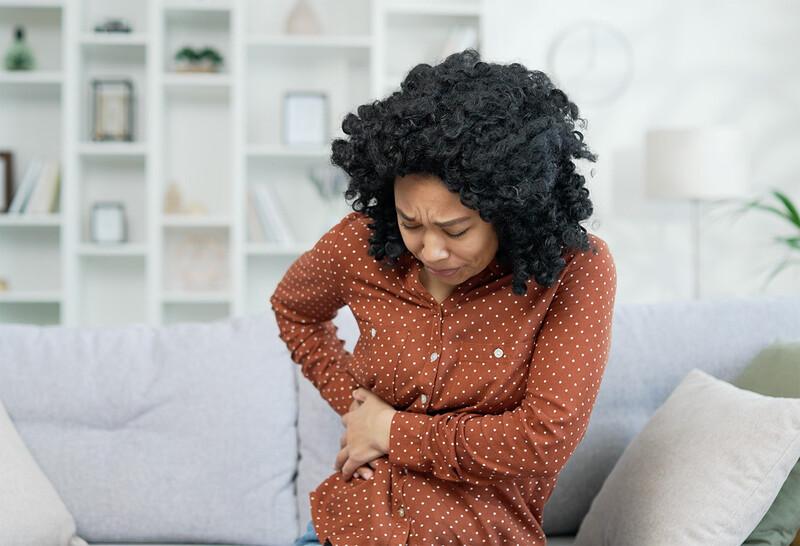
| Boilerpipe Text | Rib injuries and heartburn are the most common causes, but conditions linked to the heart, lungs, liver, kidneys and even skin can also lead to pain under the right rib cage
Pain under the right rib cage can be as scary as it is sudden. You might try to pinpoint the source on your own, which is only natural. But with a large number of possible causes — and organ systems at play — the most important thing to know is when to seek help, says Chidubem Iloabachie, MD, associate chair of
Long Island Jewish (LIJ) Valley Stream
’s Emergency Department.
The most obvious causes of pain in that area can be
orthopedic-related
, such as a muscle strain or bruised or broken ribs, but there are conditions linked to the
heart
,
lungs
,
liver
,
kidneys
and even the
skin
that can also lead to pain under the right rib cage. And if pain is the only symptom, any of those body parts may be the source, says Dr. Iloabachie.
“If someone touches your skin, not only do you feel it right away, you can tell exactly where,” he says. “But, the same is not true on the inside of your body. While each part of the outside of our body has its own specific nerve endings, organs share nerve pathways — meaning the channel through which messages flow between the body and brain — making it impossible to tell where you are feeling something based on location alone.”
The good news is that many of the potential causes will resolve on their own as long as you address the issue, says Dr. Iloabachie. “My job is to think of the conditions that, if untreated, might pose a danger to your health and wellbeing.”
Dr. Iloabachie breaks down the most common causes of pain under the right rib cage — and how to know if you need to see a doctor or you can manage on your own.
What organs are under my right rib cage?
The right rib cage protects many vital organs: the right lung; parts of the digestive system such as the liver, pancreas, gallbladder and large and small intestines; and the urinary system — the right kidney, ureter, the bladder and the urethra.
While it’s important to rule out serious conditions involving any organs that may cause pain in that area, says Dr. Iloabachie, the most common causes tend to heal on their own with proper care. That starts with injuries to the ribs.
For young, otherwise healthy people, pain under the right rib cage is often the result of a fall, car accident or an impact from activities such as contact sports. A break or fracture to the ribs and sternum could take a month or longer to heal, while bruised ribs can heal in about two to four weeks.
“More commonly, the pain is due to muscle strains,” Dr. Iloabachie says. “If you have been dancing, exercising, even something as simple as holding a baby, you might strain muscles in between your ribs or on your chest wall that can cause pain under the right rib cage.”
What to do
The way to treat an
injury to the ribs
depends on the type and severity.
For muscle strains, over-the-counter pain medications like Ibuprofen or Tylenol, in combination with an ice pack might be all you need to recover. “If that does the trick, then there’s no need to come see me in the emergency department,” Dr. Iloabachie says. “However, if the pain persists or is particularly severe, you should certainly seek medical attention.”
Rib fractures and breaks can be dangerous if they impact any nearby organs and patients should seek immediate medical attention if they feel severe pain or have trouble breathing. Doctors may order an X-ray and can help patients manage their pain with prescription or over-the-counter medication.
The digestive system
Many of the organs that help the body process food can be a potential cause of pain under the right rib cage. Certain conditions interrupt how food is broken down through the gastrointestinal (GI) tract, which is part of the digestive system.
Biliary colic
The body digests fatty foods by releasing a liquid called bile from the liver, gallbladder and pancreas to the small intestine via a tube called the bile duct. When that tube gets blocked, often by
gallstones,
it results in abdominal pain under the right rib cage. This is a condition called biliary colic.
“When that bile builds up in the gallbladder, it can lead to significant inflammation or infection,” Dr. Iloabachie says.
Other signs of a bile duct obstruction include:
Stomach pain
Fever
Nausea
Vomiting
Unintentional weight loss
Anemia
Jaundice (yellowing of the skin or eyes)
What to do
Sometimes the pain associated with biliary colic will ease when the obstruction passes, and you won’t need to see a doctor. If the blockage doesn’t clear, the complications can be serious, potentially even leading to a ruptured gallbladder. “To prevent that, biliary colic often needs to be treated surgically, which involves removing the gallbladder.”
If you have signs of a bile duct obstruction, seek immediate medical attention.
Is It Heartburn, or Something More?
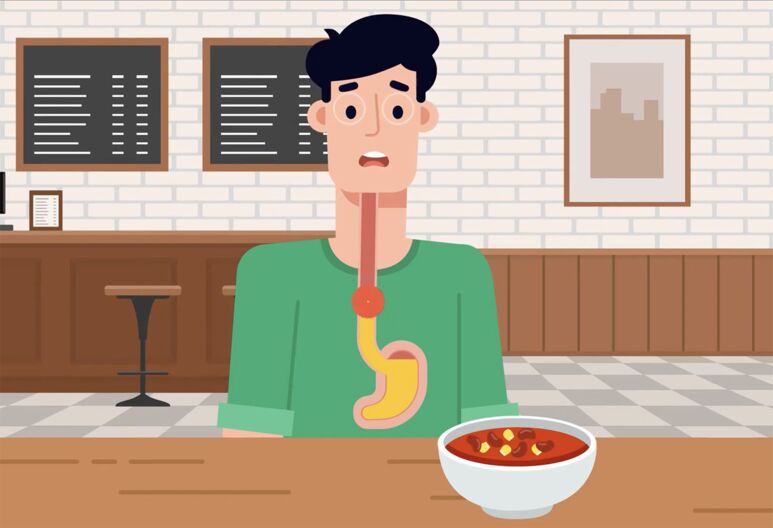
An informational animation about gastroesophageal reflux disease (GERD): what it is, signs and symptoms, when to see a doctor, and how Northwell's Heartburn and Reflux Center can help.
Read more
Dyspepsia
Dyspepsia is a chronic form of indigestion, meaning it happens over a long period of time. Approximately one-third of cases are caused by a stomach ulcer, but for the majority the exact physical cause is unknown — this is common among GI conditions.
In both types, dyspepsia occurs during or after eating and has a long list of causes and symptoms. “This is a more benign condition, which most may know better as indigestion or heartburn, and is caused by something you ate, something you did not eat, or something you ate too quickly,” Dr. Iloabachie says.
Symptoms come and go in the upper abdomen — a region called the epigastrium — on either the right or left side. They include:
Burning or bloating
Nausea
Sharp pain right after, or while eating
Loss of appetite
Feeling “full,” despite a small portion
Acid reflux
What to do
Dyspepsia does not typically require medical attention. To control symptoms, Dr. Iloabachie recommends lifestyle changes, such as eliminating fatty foods from your diet and reducing portion sizes. Antacids and other over-the-counter medications for indigestion, as well as reducing stress and anxiety can also help.
But, he cautions, if symptoms persist beyond one to two weeks, consult a doctor.
Hepatitis
Hepatitis is an inflammation of the liver, which can damage the organ — the largest in the body. Hepatitis can be
acute
or
chronic
— meaning symptoms last six months or longer. It is often caused by one of five viruses (hepatitis A, B, C, D and E), all of which are distinct but cause similar conditions. There are vaccines to prevent hepatitis A and hepatitis B, as well as a combination vaccine that guards against both. (These are typically given in the first two years of life.)
The inflammation caused by hepatitis can lead to liver damage, but progression is usually slow. Some have no symptoms, while others may experience upper abdominal pain or any of the following:
Loss of appetite
Fatigue
Low-grade fever
Jaundice
Symptoms of chronic liver disease
What to do
Depending on the type of hepatitis, you may need to see a doctor, who can prescribe medication to prevent additional damage to the liver.
Hepatitis A and B — Thanks to effective vaccines, both are rare in the U.S. For those not vaccinated who contract either strain, the virus is often mild and may resolve on its own without treatment. If the initial infection is severe, it can cause liver damage. Those patients should consult a hematologist for monitoring and possible treatment.
Hepatitis C — About four in five cases progress from acute to chronic hepatitis C. At that point, close monitoring and antiviral treatments are used to slow or eliminate the virus.
Hepatitis D — This is only found in those also infected with hepatitis B, this virus is structurally different than hepatitis A, B and C. Treatment includes antivirals for hepatitis B, as well as an antiviral therapy called
pegylated interferon alpha,
which is taken for at least a year.
Hepatitis E — More prevalent in Asia and Africa, this form doesn’t typically require treatment. If symptoms persist longer than two months, see a specialist.
The respiratory system (right lung)
There are several conditions that impact the lower part of the right lung and can cause pain under the right rib cage.
Pulmonary embolism
A pulmonary embolism is a blood clot in the arteries of the lungs. “This is a potentially lethal condition and needs emergency treatment,” Dr. Iloabachie says.
Blood clots originating in the legs or other extremities — called
deep vein thrombosis (DVT)
— can travel through the bloodstream to the arteries of the lungs, leading to a pulmonary embolism.
It’s possible to have a pulmonary embolism and not have any signs or symptoms. More often, symptoms include:
Chest pain
Difficulty breathing
Rapid or irregular heart rate
Coughing up blood
What to do
Blood clots often go undetected until they grow to a size that can obstruct circulation in the veins or arteries. Large clots can lead to shock or sudden death, so it’s critical to seek medical attention if you suspect you may have one. During a physical exam, a doctor will check your legs for signs of DVT, as well as your blood pressure, heart and lungs.
Pneumonia
The human body is very good at preventing lung infections caused by germs, but if the immune system gets overwhelmed by bacteria or viruses it can lead to an infection, which is called pneumonia. Depending on the type and severity, pneumonia can cause serious lung issues and can even be deadly.
Symptoms include confusion, especially in older people, cough, fever and shortness of breath. It can also cause sharp or stabbing chest pain that gets worse when you breathe deeply or cough.
What to do
There are two types of pneumonia: bacterial and viral.
Viral pneumonias most often clear up on their own and there is no specific treatment. Dr. Iloabachie recommends getting plenty of fluids and rest, as well as making use of over-the-counter medications to alleviate any pain, cough or fever.
Bacterial pneumonia is an infection and requires antibiotics to treat. Call your primary care doctor or visit an urgent care center near you. If symptoms worsen, call 911 or visit your nearest emergency department.
Pleurisy
Pleurisy is an inflammation of the lining of the lungs, often caused by a viral infection like influenza. It can also occur after a bacterial infection like pneumonia. This can cause chest pain that gets worse when you try to breathe deeply and may be the reason for pain under the right rib cage.
What to do
When caused by a viral infection, pleurisy often resolves itself and you can avoid the doctor’s office. But if the cause is bacterial, antibiotics may be necessary. “Most of the time it is not dangerous, but it can be very uncomfortable,” Dr. Iloabachie says.
The cardiovascular system (heart)
Heart-related conditions don’t typically impact the right side, more often causing
pain under the left rib cage
. However, says Dr. Iloabachie: “Because the inside of the body does not have specific nerve endings for specific locations, you can still have heart pain and experience that as pain under the right rib cage.”
Heart attack
When blood flow to the heart suddenly becomes blocked, it’s called a heart attack. Most heart attacks develop slowly as a result of plaque buildup inside the coronary arteries. The most common symptom is chest pain. It can occur on the center or left side. The pain can also spread to the jaw, back, and left or right arms. Still others experience a prolonged, burning sensation in the upper abdomen near the breastbone.
“Diseases do not read textbooks,” stresses Dr. Iloabachie. “You will not always get classic symptoms and pain under the right rib cage or in the right chest could potentially mean that you are having a heart attack, especially if it is associated with some of the more common symptoms. This is particularly true of women, elderly patients and those with diabetes.”
Atypical symptoms of a heart attack also include:
Extreme fatigue
Indigestion/heartburn
Pain in the abdomen
Pain or discomfort in the center of the back or in the jaw
What to do
A heart attack is a medical emergency and requires immediate treatment. Anyone experiencing symptoms should call 911. “One of the ways I might look for a heart attack is by getting an EKG as soon as you come to me in the emergency department.”
Treatments
may include medicines to dissolve the blood clot blocking the coronary arteries, or aspirin to prevent further blood clotting. Surgery may be an option and include
coronary artery bypass grafting (CABG)
or percutaneous coronary intervention (PCI).
Pericarditis
Pericarditis is another reason for heart-related pain on the right side under the rib cage. It causes inflammation of the heart lining, known as the pericardium. Potential causes include autoimmune conditions, viral infections and medication.
Pericarditis can last two to six weeks. Symptoms include sharp chest pain felt behind the breastbone, beneath the clavicle (collarbone), neck or left shoulder. Other symptoms include:
Fever
Pain when swallowing
Palpitations (irregular heartbeats)
What to do
Anyone with this condition should consult a health care provider, Dr. Iloabachie says. A doctor will conduct a full history and evaluation, as well as order an EKG. Treatment may include medication, aspiration or removal of excess fluid, or surgery.
The urinary system (kidneys)
Two conditions affecting the urinary system can also cause pain under the right rib cage.
Kidney stones
Kidney stones
are mineral deposits that can form in one or both of your kidneys. Some are as small as a grain of sand and pass on their own. One of the kidneys’ jobs is to filter urine; when the organs are overwhelmed, they can allow substances through that can harden into a stone, sometimes growing to the size of a pea — or even as large as a golf ball — leading to an extremely painful and dangerous situation.
“These larger stones can get stuck in the kidney, preventing the flow of urine to the bladder and causing severe pain or bleeding,” Dr. Iloabachie says. “This can trigger some of the worst pain that people experience and, because the kidneys sit just below the rib cage, this can lead to pain on the right side.”
As the body tries to clear that blockage, he continues, the pain caused by kidney stones can move from the back to the abdomen and down into the pelvis.
What to do
If you
suspect you have kidney stones
, particularly if you experience lasting pain or blood in the urine, schedule an appointment with a urologist; if the pain’s excruciating, go to your local urgent care or hospital. Patients may receive medication to relax the muscle responsible for transporting urine from the kidney to the bladder — known as the ureter. If that doesn’t work, more targeted treatments are available.
To help lower your risk of kidney stones, Dr. Iloabachie strongly recommends making
these changes to your diet.
Urinary tract infection
One of the risks of untreated kidney stones is a urinary tract infection (UTI). The buildup of urine in the kidneys leads to excess bacteria, which is known to cause UTIs. The most common type of UTI-causing bacteria is E. coli, which is typically passed from the GI tract. UTIs can affect any part of the urinary system, but there are three main types:
Urethritis — infection of the urethra
Pyelonephritis — infection of the kidneys
Cystitis — infection of the bladder
“We tend to think of them as being lower urinary problems, but when UTIs get to be as bad as they can be, an infection in the bladder or urethra can spread up to the kidneys and that can certainly cause pain under the right rib cage.”
What to do
If you suspect you have a UTI, talk to your doctor — especially if you’re prone to recurring UTIs. Antibiotics are the main treatment.
The cutaneous layer (skin)
The skin, hair, nails and glands make up the outer layer of the body, called the integumentary system. Some skin conditions can cause significant pain and could potentially be responsible for that pain under — in this case on top of — the right rib cage.
Shingles
Shingles
is a painful rash caused by the same virus — known as herpes zoster or varicella-zoster virus — that causes chicken pox in childhood. It can resurface decades later as shingles. “This can happen during times of stress as a rash typically around the waist and on just one side of the body,” Dr. Iloabachie says. “The pain of shingles can be excruciating despite covering a very small area of the body.”
What to do
If you think you have shingles, see a dermatologist. Medications can help manage pain and potentially reduce the severity and duration of symptoms. Long-lasting nerve pain is one potential complication of shingles, but
starting treatment within three days
can potentially prevent that, according to the American Academy of Dermatology Association.
What should I do if I have pain under my right rib cage?
If you’re still not sure whether it’s safe to heal at home, or if your symptoms are a sign that you need medical attention, Dr. Iloabachie stresses that pain is subjective.
“If the pain is minor and goes away on its own, there is usually no reason to panic. If that pain seems to worsen with certain movements, with exertion or with breathing, this is often a sign that there is something more dangerous going on. If the pain is unbearable to you, that's when you should go to the emergency department.” |
| Markdown | We use cookies to give you the best experience. By using our site, you agree to our use of cookies. Please review our [privacy policy](https://www.northwell.edu/privacy-policies-disclaimers) to learn more.
Accept
[Skip to main content](https://www.northwell.edu/news/insights/pain-under-right-rib-cage-12-common-causes#main-content)
[Log in]()
- [Dashboard](https://www.northwell.edu/dashboard)
- [Appointments](https://www.northwell.edu/dashboard/appointments)
- [Billing](https://www.northwell.edu/dashboard/billing)
- [Profile](https://www.northwell.edu/dashboard/profile)
- [Settings](https://www.northwell.edu/dashboard/settings)
- [Log out]()
[](https://www.northwell.edu/)
[Main menu]() [Search menu](https://www.northwell.edu/news/insights/pain-under-right-rib-cage-12-common-causes#search-nav)
- [All](https://www.northwell.edu/news/insights/pain-under-right-rib-cage-12-common-causes)
Search all
- [Providers](https://www.northwell.edu/news/insights/pain-under-right-rib-cage-12-common-causes)
Search for:
- [Locations](https://www.northwell.edu/news/insights/pain-under-right-rib-cage-12-common-causes)
Search all locations
- [Treatments & services](https://www.northwell.edu/news/insights/pain-under-right-rib-cage-12-common-causes)
Search all treatments & services
- [Conditions](https://www.northwell.edu/news/insights/pain-under-right-rib-cage-12-common-causes)
Search all conditions
[Newsroom](https://www.northwell.edu/news)

- [Find & book care](https://www.northwell.edu/find-care)
- [Locations](https://www.northwell.edu/doctors-and-care/locations)
- [Areas of care](https://www.northwell.edu/clinical-services)
- [Pay a bill](https://www.northwell.edu/manage-your-care/billpay)
- [Patient portal](https://www.northwell.edu/patient-portal)
- Language
- [Log in](https://www.northwell.edu/login)
- [About us](https://www.northwell.edu/about-northwell)
- [Medical records](https://www.northwell.edu/manage-your-care/medical-records)
- [Events](https://www.northwell.edu/support-and-resources/find-an-event)
- [For physicians](https://physicians.northwell.edu/)
- [For professionals](https://professionals.northwell.edu/)
- [Research & innovation](https://www.northwell.edu/research-and-education)
- [Careers](https://jobs.northwell.edu/?utm_source=corp&utm_medium=website&utm_campaign=topnav)
- [Newsroom](https://www.northwell.edu/news)
- [Give a gift](https://support.northwell.edu/donate-to-northwell-health?f=EDUMAINNAV&utm_source=edusite&utm_medium=GiveAGiftButton)
- English
Select a language:
- [Pay a bill](https://www.northwell.edu/manage-your-care/billpay)
- [Make a gift](https://give.northwell.edu/)
- [Log in](https://www.northwell.edu/login)
- Search menuSearch
Menu
[](https://www.northwell.edu/)
- English
Select a language:
- [Pay a bill](https://www.northwell.edu/manage-your-care/billpay)
- [Make a gift](https://give.northwell.edu/)
- [Log in](https://www.northwell.edu/login)
- Search menuSearch
[Newsroom](https://www.northwell.edu/news)
- [The latest](https://www.northwell.edu/news/the-latest)
- [Insights](https://www.northwell.edu/news/insights)
- [News A - Z](https://www.northwell.edu/news/a-z)
- [Speakers Bureau](https://www.northwell.edu/news/speakers-bureau)
- [Podcasts](https://www.northwell.edu/news/podcasts)
- [Publications](https://www.northwell.edu/news/publications)
- [Media contacts](https://www.northwell.edu/news/media-contacts)
Menu
- [The latest](https://www.northwell.edu/news/the-latest)
- [Insights](https://www.northwell.edu/news/insights)
- [News A - Z](https://www.northwell.edu/news/a-z)
- [Speakers Bureau](https://www.northwell.edu/news/speakers-bureau)
- [Podcasts](https://www.northwell.edu/news/podcasts)
- [Publications](https://www.northwell.edu/news/publications)
- [Media contacts](https://www.northwell.edu/news/media-contacts)
# Insights
# 12 common causes of pain under the right rib cage
March 24th, 2026
[Brian Donnelly](mailto:bdonnelly22@northwell.edu)
## Rib injuries and heartburn are the most common causes, but conditions linked to the heart, lungs, liver, kidneys and even skin can also lead to pain under the right rib cage
Pain under the right rib cage can be as scary as it is sudden. You might try to pinpoint the source on your own, which is only natural. But with a large number of possible causes — and organ systems at play — the most important thing to know is when to seek help, says Chidubem Iloabachie, MD, associate chair of [Long Island Jewish (LIJ) Valley Stream](https://valleystream.northwell.edu/)’s Emergency Department.
#### **Featured expert**
[**Chidubem Iloabachie, MD**](https://www.northwell.edu/find-care/find-a-doctor/dr-chidubem-iloabachie-md-1639435340)
Emergency Medicine
The most obvious causes of pain in that area can be [orthopedic-related](https://nwh.northwell.edu/orthopedic-spine-institute), such as a muscle strain or bruised or broken ribs, but there are conditions linked to the [heart](https://heart.northwell.edu/), [lungs](https://heart.northwell.edu/), [liver](https://www.northwell.edu/hepatology/programs-services), [kidneys](https://www.northwell.edu/nephrology) and even the [skin](https://www.northwell.edu/dermatology) that can also lead to pain under the right rib cage. And if pain is the only symptom, any of those body parts may be the source, says Dr. Iloabachie.
“If someone touches your skin, not only do you feel it right away, you can tell exactly where,” he says. “But, the same is not true on the inside of your body. While each part of the outside of our body has its own specific nerve endings, organs share nerve pathways — meaning the channel through which messages flow between the body and brain — making it impossible to tell where you are feeling something based on location alone.”
The good news is that many of the potential causes will resolve on their own as long as you address the issue, says Dr. Iloabachie. “My job is to think of the conditions that, if untreated, might pose a danger to your health and wellbeing.”
Dr. Iloabachie breaks down the most common causes of pain under the right rib cage — and how to know if you need to see a doctor or you can manage on your own.
## What organs are under my right rib cage?

### [Pain under the left rib cage: 21 possible causes](https://www.northwell.edu/news/insights/pain-under-the-left-rib-cage-21-causes)
Chidubem Iloabachie, MD, explains how to “think like an emergency medicine physician” to get to the source of the pain.
[Read more](https://www.northwell.edu/news/insights/pain-under-the-left-rib-cage-21-causes)
The right rib cage protects many vital organs: the right lung; parts of the digestive system such as the liver, pancreas, gallbladder and large and small intestines; and the urinary system — the right kidney, ureter, the bladder and the urethra.
While it’s important to rule out serious conditions involving any organs that may cause pain in that area, says Dr. Iloabachie, the most common causes tend to heal on their own with proper care. That starts with injuries to the ribs.
#### Related podcast
## The musculoskeletal system
### Rib cage injury
For young, otherwise healthy people, pain under the right rib cage is often the result of a fall, car accident or an impact from activities such as contact sports. A break or fracture to the ribs and sternum could take a month or longer to heal, while bruised ribs can heal in about two to four weeks.
“More commonly, the pain is due to muscle strains,” Dr. Iloabachie says. “If you have been dancing, exercising, even something as simple as holding a baby, you might strain muscles in between your ribs or on your chest wall that can cause pain under the right rib cage.”
#### What to do
The way to treat an [injury to the ribs](https://thewell.northwell.edu/joint-health-orthopedics/rib-pain-causes-treatment "Why do my ribs hurt? ") depends on the type and severity.
For muscle strains, over-the-counter pain medications like Ibuprofen or Tylenol, in combination with an ice pack might be all you need to recover. “If that does the trick, then there’s no need to come see me in the emergency department,” Dr. Iloabachie says. “However, if the pain persists or is particularly severe, you should certainly seek medical attention.”
Rib fractures and breaks can be dangerous if they impact any nearby organs and patients should seek immediate medical attention if they feel severe pain or have trouble breathing. Doctors may order an X-ray and can help patients manage their pain with prescription or over-the-counter medication.

### [5 things to know about bone health as you age](https://www.northwell.edu/news/insights/bone-doctors-how-to-prevent-osteoporosis)
A strong skeleton helps keep you vital. Here’s how to prevent bone loss at any age.
[Read more](https://www.northwell.edu/news/insights/bone-doctors-how-to-prevent-osteoporosis)
## The digestive system
Many of the organs that help the body process food can be a potential cause of pain under the right rib cage. Certain conditions interrupt how food is broken down through the gastrointestinal (GI) tract, which is part of the digestive system.
### Biliary colic
The body digests fatty foods by releasing a liquid called bile from the liver, gallbladder and pancreas to the small intestine via a tube called the bile duct. When that tube gets blocked, often by [gallstones,](https://www.northwell.edu/gastroenterology/conditions/gallstones#:~:text=Attacks%20of%20gallstones%20usually%20occur,back%20between%20the%20shoulder%20blades "Gallstones and how Northwell treats them") it results in abdominal pain under the right rib cage. This is a condition called biliary colic.
“When that bile builds up in the gallbladder, it can lead to significant inflammation or infection,” Dr. Iloabachie says.
Other signs of a bile duct obstruction include:
- Stomach pain
- Fever
- Nausea
- Vomiting
- Unintentional weight loss
- Anemia
- Jaundice (yellowing of the skin or eyes)
#### What to do
Sometimes the pain associated with biliary colic will ease when the obstruction passes, and you won’t need to see a doctor. If the blockage doesn’t clear, the complications can be serious, potentially even leading to a ruptured gallbladder. “To prevent that, biliary colic often needs to be treated surgically, which involves removing the gallbladder.”
If you have signs of a bile duct obstruction, seek immediate medical attention.

### [Is It Heartburn, or Something More?](https://www.northwell.edu/news/insights/gerd-causes-symptoms-treatments)
An informational animation about gastroesophageal reflux disease (GERD): what it is, signs and symptoms, when to see a doctor, and how Northwell's Heartburn and Reflux Center can help.
[Read more](https://www.northwell.edu/news/insights/gerd-causes-symptoms-treatments)
### Dyspepsia
Dyspepsia is a chronic form of indigestion, meaning it happens over a long period of time. Approximately one-third of cases are caused by a stomach ulcer, but for the majority the exact physical cause is unknown — this is common among GI conditions.
In both types, dyspepsia occurs during or after eating and has a long list of causes and symptoms. “This is a more benign condition, which most may know better as indigestion or heartburn, and is caused by something you ate, something you did not eat, or something you ate too quickly,” Dr. Iloabachie says.
Symptoms come and go in the upper abdomen — a region called the epigastrium — on either the right or left side. They include:
- Burning or bloating
- Nausea
- Sharp pain right after, or while eating
- Loss of appetite
- Feeling “full,” despite a small portion
- [Acid reflux](https://www.northwell.edu/katz-institute-for-womens-health/articles/gerd-acid-reflux#:~:text=There%20are%20a%20number%20of,the%20esophagus%20through%20the%20diaphragm. "Acid reflux and GERD: how they're related, and how Northwell treats them")
#### What to do
Dyspepsia does not typically require medical attention. To control symptoms, Dr. Iloabachie recommends lifestyle changes, such as eliminating fatty foods from your diet and reducing portion sizes. Antacids and other over-the-counter medications for indigestion, as well as reducing stress and anxiety can also help.
But, he cautions, if symptoms persist beyond one to two weeks, consult a doctor.
### Hepatitis
Hepatitis is an inflammation of the liver, which can damage the organ — the largest in the body. Hepatitis can be [acute](https://www.northwell.edu/hepatology/conditions/acute-hepatitis "Acute hepatitis and how Northwell treats it") or [chronic](https://www.northwell.edu/hepatology/conditions/chronic-hepatitis "Chronic hepatitis and how Northwell treats it") — meaning symptoms last six months or longer. It is often caused by one of five viruses (hepatitis A, B, C, D and E), all of which are distinct but cause similar conditions. There are vaccines to prevent hepatitis A and hepatitis B, as well as a combination vaccine that guards against both. (These are typically given in the first two years of life.)

### [The truth about alcohol and your health](https://www.northwell.edu/news/the-latest/alcohol-and-your-health)
New guidelines suggest no amount of drinking is healthy as attitudes towards alcohol change and drinking rates drop in America.
[Read more](https://www.northwell.edu/news/the-latest/alcohol-and-your-health)
The inflammation caused by hepatitis can lead to liver damage, but progression is usually slow. Some have no symptoms, while others may experience upper abdominal pain or any of the following:
- Loss of appetite
- Fatigue
- Low-grade fever
- Jaundice
- Symptoms of chronic liver disease
#### What to do
Depending on the type of hepatitis, you may need to see a doctor, who can prescribe medication to prevent additional damage to the liver.
- Hepatitis A and B — Thanks to effective vaccines, both are rare in the U.S. For those not vaccinated who contract either strain, the virus is often mild and may resolve on its own without treatment. If the initial infection is severe, it can cause liver damage. Those patients should consult a hematologist for monitoring and possible treatment.
- Hepatitis C — About four in five cases progress from acute to chronic hepatitis C. At that point, close monitoring and antiviral treatments are used to slow or eliminate the virus.
- Hepatitis D — This is only found in those also infected with hepatitis B, this virus is structurally different than hepatitis A, B and C. Treatment includes antivirals for hepatitis B, as well as an antiviral therapy called [pegylated interferon alpha,](https://www.who.int/news-room/fact-sheets/detail/hepatitis-d#:~:text=to%20antiviral%20therapy.-,Treatment,-Pegylated%20interferon%20alpha "Pegylated interferon alpha: Hepatitis D treatment") which is taken for at least a year.
- Hepatitis E — More prevalent in Asia and Africa, this form doesn’t typically require treatment. If symptoms persist longer than two months, see a specialist.
## The respiratory system (right lung)
There are several conditions that impact the lower part of the right lung and can cause pain under the right rib cage.
### Pulmonary embolism
A pulmonary embolism is a blood clot in the arteries of the lungs. “This is a potentially lethal condition and needs emergency treatment,” Dr. Iloabachie says.
Blood clots originating in the legs or other extremities — called [deep vein thrombosis (DVT)](https://www.northwell.edu/news/insights/thrombectomy-for-dvt-new-blood-clot-treatment-option "Deep vein thrombosis and thrombectomy") — can travel through the bloodstream to the arteries of the lungs, leading to a pulmonary embolism.
It’s possible to have a pulmonary embolism and not have any signs or symptoms. More often, symptoms include:
- Chest pain
- Difficulty breathing
- Rapid or irregular heart rate
- Coughing up blood
#### What to do
Blood clots often go undetected until they grow to a size that can obstruct circulation in the veins or arteries. Large clots can lead to shock or sudden death, so it’s critical to seek medical attention if you suspect you may have one. During a physical exam, a doctor will check your legs for signs of DVT, as well as your blood pressure, heart and lungs.

### [Pulmonary embolism thrombectomy: A life-threatening clot, game-changing care](https://www.northwell.edu/news/insights/pulmonary-embolism-thrombectomy-blood-clot-surgery)
When a pulmonary embolism threatened a patient's life, Huntington Hospital doctors called on an innovative new treatment — thrombectomy.
[Read more](https://www.northwell.edu/news/insights/pulmonary-embolism-thrombectomy-blood-clot-surgery)
If diagnosed with pulmonary embolism, treatment may involve blood thinners, clot-dissolving medications or, for those who meet the criteria, a procedure called [thrombectomy](https://www.northwell.edu/news/insights/thrombectomy-a-minimally-invasive-treatment-for-blood-clots "Thrombectomy for lung clot") to remove the clot. Doctors may also prescribe compression stockings to help prevent future clotting.
### Pneumonia
The human body is very good at preventing lung infections caused by germs, but if the immune system gets overwhelmed by bacteria or viruses it can lead to an infection, which is called pneumonia. Depending on the type and severity, pneumonia can cause serious lung issues and can even be deadly.
Symptoms include confusion, especially in older people, cough, fever and shortness of breath. It can also cause sharp or stabbing chest pain that gets worse when you breathe deeply or cough.
#### What to do
There are two types of pneumonia: bacterial and viral.
Viral pneumonias most often clear up on their own and there is no specific treatment. Dr. Iloabachie recommends getting plenty of fluids and rest, as well as making use of over-the-counter medications to alleviate any pain, cough or fever.
Bacterial pneumonia is an infection and requires antibiotics to treat. Call your primary care doctor or visit an urgent care center near you. If symptoms worsen, call 911 or visit your nearest emergency department.
### Pleurisy
Pleurisy is an inflammation of the lining of the lungs, often caused by a viral infection like influenza. It can also occur after a bacterial infection like pneumonia. This can cause chest pain that gets worse when you try to breathe deeply and may be the reason for pain under the right rib cage.
#### What to do
When caused by a viral infection, pleurisy often resolves itself and you can avoid the doctor’s office. But if the cause is bacterial, antibiotics may be necessary. “Most of the time it is not dangerous, but it can be very uncomfortable,” Dr. Iloabachie says.
## The cardiovascular system (heart)
Heart-related conditions don’t typically impact the right side, more often causing [pain under the left rib cage](https://www.northwell.edu/news/insights/pain-under-the-left-rib-cage-21-causes "Pain under left rib cage: 21 possible causes"). However, says Dr. Iloabachie: “Because the inside of the body does not have specific nerve endings for specific locations, you can still have heart pain and experience that as pain under the right rib cage.”
### Heart attack
When blood flow to the heart suddenly becomes blocked, it’s called a heart attack. Most heart attacks develop slowly as a result of plaque buildup inside the coronary arteries. The most common symptom is chest pain. It can occur on the center or left side. The pain can also spread to the jaw, back, and left or right arms. Still others experience a prolonged, burning sensation in the upper abdomen near the breastbone.

### [5 heart health risks no one thinks about](https://www.northwell.edu/news/5-heart-health-risks-no-one-thinks-about)
Stacey Rosen, MD, shares surprising and often-overlooked heart health insights from her three decades as a cardiologist.
[Read more](https://www.northwell.edu/news/5-heart-health-risks-no-one-thinks-about)
“Diseases do not read textbooks,” stresses Dr. Iloabachie. “You will not always get classic symptoms and pain under the right rib cage or in the right chest could potentially mean that you are having a heart attack, especially if it is associated with some of the more common symptoms. This is particularly true of women, elderly patients and those with diabetes.”
Atypical symptoms of a heart attack also include:
- Extreme fatigue
- Indigestion/heartburn
- Pain in the abdomen
- Pain or discomfort in the center of the back or in the jaw
#### What to do
A heart attack is a medical emergency and requires immediate treatment. Anyone experiencing symptoms should call 911. “One of the ways I might look for a heart attack is by getting an EKG as soon as you come to me in the emergency department.”
[Treatments](https://www.northwell.edu/cardiovascular-thoracic-services/cardiology/find-care/conditions/heart-attack#:~:text=Treatments%20configuration%20options-,Treatments,-We%20provide%20advanced "Northwell treatments for heart attack") may include medicines to dissolve the blood clot blocking the coronary arteries, or aspirin to prevent further blood clotting. Surgery may be an option and include [coronary artery bypass grafting (CABG)](https://www.northwell.edu/cardiovascular-thoracic-services/cardiac-surgery/find-care/treatments/coronary-artery-bypass-graft-surgery-cagb-open-heart-surgery "Coronary artery bypass grafting performed at Northwell") or percutaneous coronary intervention (PCI).
### Pericarditis
Pericarditis is another reason for heart-related pain on the right side under the rib cage. It causes inflammation of the heart lining, known as the pericardium. Potential causes include autoimmune conditions, viral infections and medication.
Pericarditis can last two to six weeks. Symptoms include sharp chest pain felt behind the breastbone, beneath the clavicle (collarbone), neck or left shoulder. Other symptoms include:
- Fever
- Pain when swallowing
- Palpitations (irregular heartbeats)
#### What to do
Anyone with this condition should consult a health care provider, Dr. Iloabachie says. A doctor will conduct a full history and evaluation, as well as order an EKG. Treatment may include medication, aspiration or removal of excess fluid, or surgery.
## The urinary system (kidneys)
Two conditions affecting the urinary system can also cause pain under the right rib cage.
### Kidney stones
[Kidney stones](https://www.northwell.edu/nephrology/conditions/kidney-stones "Kidney stones: what they are and how to treat them") are mineral deposits that can form in one or both of your kidneys. Some are as small as a grain of sand and pass on their own. One of the kidneys’ jobs is to filter urine; when the organs are overwhelmed, they can allow substances through that can harden into a stone, sometimes growing to the size of a pea — or even as large as a golf ball — leading to an extremely painful and dangerous situation.
“These larger stones can get stuck in the kidney, preventing the flow of urine to the bladder and causing severe pain or bleeding,” Dr. Iloabachie says. “This can trigger some of the worst pain that people experience and, because the kidneys sit just below the rib cage, this can lead to pain on the right side.”
As the body tries to clear that blockage, he continues, the pain caused by kidney stones can move from the back to the abdomen and down into the pelvis.
#### What to do

### [Kidney stone pain, explained: Where it shows up and how to get relief](https://www.northwell.edu/news/insights/kidney-stones-why-they-hurt-how-to-help)
From lower back to groin pain, kidney stone pain can shift quickly. Learn why stones hurt and what to do when you’re in pain.
[Read more](https://www.northwell.edu/news/insights/kidney-stones-why-they-hurt-how-to-help)
If you [suspect you have kidney stones](https://www.northwell.edu/news/insights/kidney-stones-why-they-hurt-how-to-help "Kidney stone pain, explained: Where it shows up and how to get relief"), particularly if you experience lasting pain or blood in the urine, schedule an appointment with a urologist; if the pain’s excruciating, go to your local urgent care or hospital. Patients may receive medication to relax the muscle responsible for transporting urine from the kidney to the bladder — known as the ureter. If that doesn’t work, more targeted treatments are available.
To help lower your risk of kidney stones, Dr. Iloabachie strongly recommends making [these changes to your diet.](https://www.northwell.edu/news/insights/kidney-stones-why-they-hurt-how-to-help#:~:text=Keeping%20stones%20from%20coming%20back "Preventive diet for kidney stones")
### Urinary tract infection
One of the risks of untreated kidney stones is a urinary tract infection (UTI). The buildup of urine in the kidneys leads to excess bacteria, which is known to cause UTIs. The most common type of UTI-causing bacteria is E. coli, which is typically passed from the GI tract. UTIs can affect any part of the urinary system, but there are three main types:
- Urethritis — infection of the urethra
- Pyelonephritis — infection of the kidneys
- Cystitis — infection of the bladder
“We tend to think of them as being lower urinary problems, but when UTIs get to be as bad as they can be, an infection in the bladder or urethra can spread up to the kidneys and that can certainly cause pain under the right rib cage.”
#### What to do
If you suspect you have a UTI, talk to your doctor — especially if you’re prone to recurring UTIs. Antibiotics are the main treatment.
## The cutaneous layer (skin)
The skin, hair, nails and glands make up the outer layer of the body, called the integumentary system. Some skin conditions can cause significant pain and could potentially be responsible for that pain under — in this case on top of — the right rib cage.
### Shingles
[Shingles](https://thewell.northwell.edu/skin-health/shingles-symptoms-causes-treatment-explained "Shingles: The Well") is a painful rash caused by the same virus — known as herpes zoster or varicella-zoster virus — that causes chicken pox in childhood. It can resurface decades later as shingles. “This can happen during times of stress as a rash typically around the waist and on just one side of the body,” Dr. Iloabachie says. “The pain of shingles can be excruciating despite covering a very small area of the body.”
#### What to do
If you think you have shingles, see a dermatologist. Medications can help manage pain and potentially reduce the severity and duration of symptoms. Long-lasting nerve pain is one potential complication of shingles, but [starting treatment within three days](https://www.aad.org/public/diseases/a-z/shingles-treatment#:~:text=If%20you%20think%20you%20could,as%20long-lasting%20nerve%20pain. "AAD — suggested shingles treatment") can potentially prevent that, according to the American Academy of Dermatology Association.
## What should I do if I have pain under my right rib cage?
If you’re still not sure whether it’s safe to heal at home, or if your symptoms are a sign that you need medical attention, Dr. Iloabachie stresses that pain is subjective.
“If the pain is minor and goes away on its own, there is usually no reason to panic. If that pain seems to worsen with certain movements, with exertion or with breathing, this is often a sign that there is something more dangerous going on. If the pain is unbearable to you, that's when you should go to the emergency department.”
### Related news
### [Do you need an at-home sleep study? What you need to know](https://www.northwell.edu/news/insights/at-home-sleep-study-what-you-need-to-know)
As the fastest-growing test in sleep medicine, these home studies are helping many suffering from the effects of undiagnosed obstructive sleep apnea get the help they need.

### [Seeing a sports medicine physician is for everyone – not just athletes](https://www.northwell.edu/news/insights/sports-medicine-physician-not-just-for-athletes)
Whether you’re an athlete in a stadium or in your backyard, sports medicine physicians work with sports physical therapists to get you back to the activities of daily life.
### [Thrombectomy revolutionizes blood clot treatment](https://www.northwell.edu/news/insights/thrombectomy-a-minimally-invasive-treatment-for-blood-clots)
More and more hospitals are using thrombectomy to treat various conditions, including stroke, heart attack, pulmonary embolism, and deep-vein thrombosis
[(888) 321-DOCS](tel:+18883213627 "Click to call (888) 321-DOCS")
Our representatives are available to schedule your appointment Monday through Friday from 9am to 5pm.
*For a Northwell ambulance, call (833) 259-2367.*
Quick links
- [Pay a bill](https://www.northwell.edu/manage-your-care/billpay)
- [FollowMyHealth](https://www.northwell.edu/patient-portal)
- [For professionals](https://professionals.northwell.edu/)
- [For physicians](https://physicians.northwell.edu/)
- [Price transparency](https://www.northwell.edu/billing-and-insurance/price-estimator-tools#machine-readable-files)
Connect
- [Contact us](https://www.northwell.edu/about-northwell/contact-us)
- [Ways to give](https://give.northwell.edu/support-us)
- [Volunteer](https://www.northwell.edu/about-northwell/volunteer)
- [The Well by Northwell](https://thewell.northwell.edu/?utm_medium=footer_link&utm_source=northwell.edu&utm_campaign=the_well)
- [Northwell Alumni Network](https://alumni.northwell.edu/)
About
- [FAQ](https://www.northwell.edu/help)
- [Jobs](https://jobs.northwell.edu/)
- [Newsroom](https://www.northwell.edu/news)
- [Northwell Health Physician Partners](https://www.northwell.edu/physician-partners)
Policies
- [Corporate compliance](https://www.northwell.edu/about-northwell/commitment-to-excellence/compliance)
- [Notice of non-discrimination & accessibility](https://www.northwell.edu/privacy-policies-disclaimers/notice-non-discrimination-and-accessibility)
- [Privacy policies & disclaimers](https://www.northwell.edu/privacy-policies-disclaimers)
### Employees
We are Northwell Health—and together, we're raising the standard of health care.
[For employees](https://www.northwell.edu/employees)
© Copyright 2026 Northwell Health. As an official 501(c)(3) nonprofit organization, your gift is tax-deductible as allowed by law.
[Visit Northwell Health on facebook](https://www.facebook.com/northwellhealth)
[Visit Northwell Health on x-twitter](https://www.twitter.com/northwellhealth)
[Visit Northwell Health on instagram](https://instagram.com/northwellhealth)
[Visit Northwell Health on linkedin](https://www.linkedin.com/company/northwell-health)
[Visit Northwell Health on youtube](https://www.youtube.com/user/nslijhs)
Policies
- [Corporate compliance](https://www.northwell.edu/about-northwell/commitment-to-excellence/compliance)
- [Notice of non-discrimination & accessibility](https://www.northwell.edu/privacy-policies-disclaimers/notice-non-discrimination-and-accessibility)
- [Privacy policies & disclaimers](https://www.northwell.edu/privacy-policies-disclaimers) |
| Readable Markdown | ## Rib injuries and heartburn are the most common causes, but conditions linked to the heart, lungs, liver, kidneys and even skin can also lead to pain under the right rib cage
Pain under the right rib cage can be as scary as it is sudden. You might try to pinpoint the source on your own, which is only natural. But with a large number of possible causes — and organ systems at play — the most important thing to know is when to seek help, says Chidubem Iloabachie, MD, associate chair of [Long Island Jewish (LIJ) Valley Stream](https://valleystream.northwell.edu/)’s Emergency Department.
The most obvious causes of pain in that area can be [orthopedic-related](https://nwh.northwell.edu/orthopedic-spine-institute), such as a muscle strain or bruised or broken ribs, but there are conditions linked to the [heart](https://heart.northwell.edu/), [lungs](https://heart.northwell.edu/), [liver](https://www.northwell.edu/hepatology/programs-services), [kidneys](https://www.northwell.edu/nephrology) and even the [skin](https://www.northwell.edu/dermatology) that can also lead to pain under the right rib cage. And if pain is the only symptom, any of those body parts may be the source, says Dr. Iloabachie.
“If someone touches your skin, not only do you feel it right away, you can tell exactly where,” he says. “But, the same is not true on the inside of your body. While each part of the outside of our body has its own specific nerve endings, organs share nerve pathways — meaning the channel through which messages flow between the body and brain — making it impossible to tell where you are feeling something based on location alone.”
The good news is that many of the potential causes will resolve on their own as long as you address the issue, says Dr. Iloabachie. “My job is to think of the conditions that, if untreated, might pose a danger to your health and wellbeing.”
Dr. Iloabachie breaks down the most common causes of pain under the right rib cage — and how to know if you need to see a doctor or you can manage on your own.
## What organs are under my right rib cage?
The right rib cage protects many vital organs: the right lung; parts of the digestive system such as the liver, pancreas, gallbladder and large and small intestines; and the urinary system — the right kidney, ureter, the bladder and the urethra.
While it’s important to rule out serious conditions involving any organs that may cause pain in that area, says Dr. Iloabachie, the most common causes tend to heal on their own with proper care. That starts with injuries to the ribs.
For young, otherwise healthy people, pain under the right rib cage is often the result of a fall, car accident or an impact from activities such as contact sports. A break or fracture to the ribs and sternum could take a month or longer to heal, while bruised ribs can heal in about two to four weeks.
“More commonly, the pain is due to muscle strains,” Dr. Iloabachie says. “If you have been dancing, exercising, even something as simple as holding a baby, you might strain muscles in between your ribs or on your chest wall that can cause pain under the right rib cage.”
#### What to do
The way to treat an [injury to the ribs](https://thewell.northwell.edu/joint-health-orthopedics/rib-pain-causes-treatment "Why do my ribs hurt? ") depends on the type and severity.
For muscle strains, over-the-counter pain medications like Ibuprofen or Tylenol, in combination with an ice pack might be all you need to recover. “If that does the trick, then there’s no need to come see me in the emergency department,” Dr. Iloabachie says. “However, if the pain persists or is particularly severe, you should certainly seek medical attention.”
Rib fractures and breaks can be dangerous if they impact any nearby organs and patients should seek immediate medical attention if they feel severe pain or have trouble breathing. Doctors may order an X-ray and can help patients manage their pain with prescription or over-the-counter medication.
## The digestive system
Many of the organs that help the body process food can be a potential cause of pain under the right rib cage. Certain conditions interrupt how food is broken down through the gastrointestinal (GI) tract, which is part of the digestive system.
### Biliary colic
The body digests fatty foods by releasing a liquid called bile from the liver, gallbladder and pancreas to the small intestine via a tube called the bile duct. When that tube gets blocked, often by [gallstones,](https://www.northwell.edu/gastroenterology/conditions/gallstones#:~:text=Attacks%20of%20gallstones%20usually%20occur,back%20between%20the%20shoulder%20blades "Gallstones and how Northwell treats them") it results in abdominal pain under the right rib cage. This is a condition called biliary colic.
“When that bile builds up in the gallbladder, it can lead to significant inflammation or infection,” Dr. Iloabachie says.
Other signs of a bile duct obstruction include:
- Stomach pain
- Fever
- Nausea
- Vomiting
- Unintentional weight loss
- Anemia
- Jaundice (yellowing of the skin or eyes)
#### What to do
Sometimes the pain associated with biliary colic will ease when the obstruction passes, and you won’t need to see a doctor. If the blockage doesn’t clear, the complications can be serious, potentially even leading to a ruptured gallbladder. “To prevent that, biliary colic often needs to be treated surgically, which involves removing the gallbladder.”
If you have signs of a bile duct obstruction, seek immediate medical attention.
### [Is It Heartburn, or Something More?](https://www.northwell.edu/news/insights/gerd-causes-symptoms-treatments)
An informational animation about gastroesophageal reflux disease (GERD): what it is, signs and symptoms, when to see a doctor, and how Northwell's Heartburn and Reflux Center can help.
[Read more](https://www.northwell.edu/news/insights/gerd-causes-symptoms-treatments)
### Dyspepsia
Dyspepsia is a chronic form of indigestion, meaning it happens over a long period of time. Approximately one-third of cases are caused by a stomach ulcer, but for the majority the exact physical cause is unknown — this is common among GI conditions.
In both types, dyspepsia occurs during or after eating and has a long list of causes and symptoms. “This is a more benign condition, which most may know better as indigestion or heartburn, and is caused by something you ate, something you did not eat, or something you ate too quickly,” Dr. Iloabachie says.
Symptoms come and go in the upper abdomen — a region called the epigastrium — on either the right or left side. They include:
- Burning or bloating
- Nausea
- Sharp pain right after, or while eating
- Loss of appetite
- Feeling “full,” despite a small portion
- [Acid reflux](https://www.northwell.edu/katz-institute-for-womens-health/articles/gerd-acid-reflux#:~:text=There%20are%20a%20number%20of,the%20esophagus%20through%20the%20diaphragm. "Acid reflux and GERD: how they're related, and how Northwell treats them")
#### What to do
Dyspepsia does not typically require medical attention. To control symptoms, Dr. Iloabachie recommends lifestyle changes, such as eliminating fatty foods from your diet and reducing portion sizes. Antacids and other over-the-counter medications for indigestion, as well as reducing stress and anxiety can also help.
But, he cautions, if symptoms persist beyond one to two weeks, consult a doctor.
### Hepatitis
Hepatitis is an inflammation of the liver, which can damage the organ — the largest in the body. Hepatitis can be [acute](https://www.northwell.edu/hepatology/conditions/acute-hepatitis "Acute hepatitis and how Northwell treats it") or [chronic](https://www.northwell.edu/hepatology/conditions/chronic-hepatitis "Chronic hepatitis and how Northwell treats it") — meaning symptoms last six months or longer. It is often caused by one of five viruses (hepatitis A, B, C, D and E), all of which are distinct but cause similar conditions. There are vaccines to prevent hepatitis A and hepatitis B, as well as a combination vaccine that guards against both. (These are typically given in the first two years of life.)
The inflammation caused by hepatitis can lead to liver damage, but progression is usually slow. Some have no symptoms, while others may experience upper abdominal pain or any of the following:
- Loss of appetite
- Fatigue
- Low-grade fever
- Jaundice
- Symptoms of chronic liver disease
#### What to do
Depending on the type of hepatitis, you may need to see a doctor, who can prescribe medication to prevent additional damage to the liver.
- Hepatitis A and B — Thanks to effective vaccines, both are rare in the U.S. For those not vaccinated who contract either strain, the virus is often mild and may resolve on its own without treatment. If the initial infection is severe, it can cause liver damage. Those patients should consult a hematologist for monitoring and possible treatment.
- Hepatitis C — About four in five cases progress from acute to chronic hepatitis C. At that point, close monitoring and antiviral treatments are used to slow or eliminate the virus.
- Hepatitis D — This is only found in those also infected with hepatitis B, this virus is structurally different than hepatitis A, B and C. Treatment includes antivirals for hepatitis B, as well as an antiviral therapy called [pegylated interferon alpha,](https://www.who.int/news-room/fact-sheets/detail/hepatitis-d#:~:text=to%20antiviral%20therapy.-,Treatment,-Pegylated%20interferon%20alpha "Pegylated interferon alpha: Hepatitis D treatment") which is taken for at least a year.
- Hepatitis E — More prevalent in Asia and Africa, this form doesn’t typically require treatment. If symptoms persist longer than two months, see a specialist.
## The respiratory system (right lung)
There are several conditions that impact the lower part of the right lung and can cause pain under the right rib cage.
### Pulmonary embolism
A pulmonary embolism is a blood clot in the arteries of the lungs. “This is a potentially lethal condition and needs emergency treatment,” Dr. Iloabachie says.
Blood clots originating in the legs or other extremities — called [deep vein thrombosis (DVT)](https://www.northwell.edu/news/insights/thrombectomy-for-dvt-new-blood-clot-treatment-option "Deep vein thrombosis and thrombectomy") — can travel through the bloodstream to the arteries of the lungs, leading to a pulmonary embolism.
It’s possible to have a pulmonary embolism and not have any signs or symptoms. More often, symptoms include:
- Chest pain
- Difficulty breathing
- Rapid or irregular heart rate
- Coughing up blood
#### What to do
Blood clots often go undetected until they grow to a size that can obstruct circulation in the veins or arteries. Large clots can lead to shock or sudden death, so it’s critical to seek medical attention if you suspect you may have one. During a physical exam, a doctor will check your legs for signs of DVT, as well as your blood pressure, heart and lungs.
### Pneumonia
The human body is very good at preventing lung infections caused by germs, but if the immune system gets overwhelmed by bacteria or viruses it can lead to an infection, which is called pneumonia. Depending on the type and severity, pneumonia can cause serious lung issues and can even be deadly.
Symptoms include confusion, especially in older people, cough, fever and shortness of breath. It can also cause sharp or stabbing chest pain that gets worse when you breathe deeply or cough.
#### What to do
There are two types of pneumonia: bacterial and viral.
Viral pneumonias most often clear up on their own and there is no specific treatment. Dr. Iloabachie recommends getting plenty of fluids and rest, as well as making use of over-the-counter medications to alleviate any pain, cough or fever.
Bacterial pneumonia is an infection and requires antibiotics to treat. Call your primary care doctor or visit an urgent care center near you. If symptoms worsen, call 911 or visit your nearest emergency department.
### Pleurisy
Pleurisy is an inflammation of the lining of the lungs, often caused by a viral infection like influenza. It can also occur after a bacterial infection like pneumonia. This can cause chest pain that gets worse when you try to breathe deeply and may be the reason for pain under the right rib cage.
#### What to do
When caused by a viral infection, pleurisy often resolves itself and you can avoid the doctor’s office. But if the cause is bacterial, antibiotics may be necessary. “Most of the time it is not dangerous, but it can be very uncomfortable,” Dr. Iloabachie says.
## The cardiovascular system (heart)
Heart-related conditions don’t typically impact the right side, more often causing [pain under the left rib cage](https://www.northwell.edu/news/insights/pain-under-the-left-rib-cage-21-causes "Pain under left rib cage: 21 possible causes"). However, says Dr. Iloabachie: “Because the inside of the body does not have specific nerve endings for specific locations, you can still have heart pain and experience that as pain under the right rib cage.”
### Heart attack
When blood flow to the heart suddenly becomes blocked, it’s called a heart attack. Most heart attacks develop slowly as a result of plaque buildup inside the coronary arteries. The most common symptom is chest pain. It can occur on the center or left side. The pain can also spread to the jaw, back, and left or right arms. Still others experience a prolonged, burning sensation in the upper abdomen near the breastbone.
“Diseases do not read textbooks,” stresses Dr. Iloabachie. “You will not always get classic symptoms and pain under the right rib cage or in the right chest could potentially mean that you are having a heart attack, especially if it is associated with some of the more common symptoms. This is particularly true of women, elderly patients and those with diabetes.”
Atypical symptoms of a heart attack also include:
- Extreme fatigue
- Indigestion/heartburn
- Pain in the abdomen
- Pain or discomfort in the center of the back or in the jaw
#### What to do
A heart attack is a medical emergency and requires immediate treatment. Anyone experiencing symptoms should call 911. “One of the ways I might look for a heart attack is by getting an EKG as soon as you come to me in the emergency department.”
[Treatments](https://www.northwell.edu/cardiovascular-thoracic-services/cardiology/find-care/conditions/heart-attack#:~:text=Treatments%20configuration%20options-,Treatments,-We%20provide%20advanced "Northwell treatments for heart attack") may include medicines to dissolve the blood clot blocking the coronary arteries, or aspirin to prevent further blood clotting. Surgery may be an option and include [coronary artery bypass grafting (CABG)](https://www.northwell.edu/cardiovascular-thoracic-services/cardiac-surgery/find-care/treatments/coronary-artery-bypass-graft-surgery-cagb-open-heart-surgery "Coronary artery bypass grafting performed at Northwell") or percutaneous coronary intervention (PCI).
### Pericarditis
Pericarditis is another reason for heart-related pain on the right side under the rib cage. It causes inflammation of the heart lining, known as the pericardium. Potential causes include autoimmune conditions, viral infections and medication.
Pericarditis can last two to six weeks. Symptoms include sharp chest pain felt behind the breastbone, beneath the clavicle (collarbone), neck or left shoulder. Other symptoms include:
- Fever
- Pain when swallowing
- Palpitations (irregular heartbeats)
#### What to do
Anyone with this condition should consult a health care provider, Dr. Iloabachie says. A doctor will conduct a full history and evaluation, as well as order an EKG. Treatment may include medication, aspiration or removal of excess fluid, or surgery.
## The urinary system (kidneys)
Two conditions affecting the urinary system can also cause pain under the right rib cage.
### Kidney stones
[Kidney stones](https://www.northwell.edu/nephrology/conditions/kidney-stones "Kidney stones: what they are and how to treat them") are mineral deposits that can form in one or both of your kidneys. Some are as small as a grain of sand and pass on their own. One of the kidneys’ jobs is to filter urine; when the organs are overwhelmed, they can allow substances through that can harden into a stone, sometimes growing to the size of a pea — or even as large as a golf ball — leading to an extremely painful and dangerous situation.
“These larger stones can get stuck in the kidney, preventing the flow of urine to the bladder and causing severe pain or bleeding,” Dr. Iloabachie says. “This can trigger some of the worst pain that people experience and, because the kidneys sit just below the rib cage, this can lead to pain on the right side.”
As the body tries to clear that blockage, he continues, the pain caused by kidney stones can move from the back to the abdomen and down into the pelvis.
#### What to do
If you [suspect you have kidney stones](https://www.northwell.edu/news/insights/kidney-stones-why-they-hurt-how-to-help "Kidney stone pain, explained: Where it shows up and how to get relief"), particularly if you experience lasting pain or blood in the urine, schedule an appointment with a urologist; if the pain’s excruciating, go to your local urgent care or hospital. Patients may receive medication to relax the muscle responsible for transporting urine from the kidney to the bladder — known as the ureter. If that doesn’t work, more targeted treatments are available.
To help lower your risk of kidney stones, Dr. Iloabachie strongly recommends making [these changes to your diet.](https://www.northwell.edu/news/insights/kidney-stones-why-they-hurt-how-to-help#:~:text=Keeping%20stones%20from%20coming%20back "Preventive diet for kidney stones")
### Urinary tract infection
One of the risks of untreated kidney stones is a urinary tract infection (UTI). The buildup of urine in the kidneys leads to excess bacteria, which is known to cause UTIs. The most common type of UTI-causing bacteria is E. coli, which is typically passed from the GI tract. UTIs can affect any part of the urinary system, but there are three main types:
- Urethritis — infection of the urethra
- Pyelonephritis — infection of the kidneys
- Cystitis — infection of the bladder
“We tend to think of them as being lower urinary problems, but when UTIs get to be as bad as they can be, an infection in the bladder or urethra can spread up to the kidneys and that can certainly cause pain under the right rib cage.”
#### What to do
If you suspect you have a UTI, talk to your doctor — especially if you’re prone to recurring UTIs. Antibiotics are the main treatment.
## The cutaneous layer (skin)
The skin, hair, nails and glands make up the outer layer of the body, called the integumentary system. Some skin conditions can cause significant pain and could potentially be responsible for that pain under — in this case on top of — the right rib cage.
### Shingles
[Shingles](https://thewell.northwell.edu/skin-health/shingles-symptoms-causes-treatment-explained "Shingles: The Well") is a painful rash caused by the same virus — known as herpes zoster or varicella-zoster virus — that causes chicken pox in childhood. It can resurface decades later as shingles. “This can happen during times of stress as a rash typically around the waist and on just one side of the body,” Dr. Iloabachie says. “The pain of shingles can be excruciating despite covering a very small area of the body.”
#### What to do
If you think you have shingles, see a dermatologist. Medications can help manage pain and potentially reduce the severity and duration of symptoms. Long-lasting nerve pain is one potential complication of shingles, but [starting treatment within three days](https://www.aad.org/public/diseases/a-z/shingles-treatment#:~:text=If%20you%20think%20you%20could,as%20long-lasting%20nerve%20pain. "AAD — suggested shingles treatment") can potentially prevent that, according to the American Academy of Dermatology Association.
## What should I do if I have pain under my right rib cage?
If you’re still not sure whether it’s safe to heal at home, or if your symptoms are a sign that you need medical attention, Dr. Iloabachie stresses that pain is subjective.
“If the pain is minor and goes away on its own, there is usually no reason to panic. If that pain seems to worsen with certain movements, with exertion or with breathing, this is often a sign that there is something more dangerous going on. If the pain is unbearable to you, that's when you should go to the emergency department.” |
| Shard | 138 (laksa) |
| Root Hash | 15053446874383013538 |
| Unparsed URL | edu,northwell!www,/news/insights/pain-under-right-rib-cage-12-common-causes s443 |