ℹ️ Skipped - page is already crawled
| Filter | Status | Condition | Details |
|---|---|---|---|
| HTTP status | PASS | download_http_code = 200 | HTTP 200 |
| Age cutoff | PASS | download_stamp > now() - 6 MONTH | 0 months ago |
| History drop | PASS | isNull(history_drop_reason) | No drop reason |
| Spam/ban | PASS | fh_dont_index != 1 AND ml_spam_score = 0 | ml_spam_score=0 |
| Canonical | PASS | meta_canonical IS NULL OR = '' OR = src_unparsed | Not set |
| Property | Value |
|---|---|
| URL | https://www.nib.com.au/the-checkup/mental-wellbeing/self-care/how-to-be-more-present-in-the-moment |
| Last Crawled | 2026-04-16 04:57:43 (1 day ago) |
| First Indexed | 2025-05-13 11:20:20 (11 months ago) |
| HTTP Status Code | 200 |
| Meta Title | How To Be More Present In The Moment | nib |
| Meta Description | Being present can be a challenge for many with our minds always racing ahead. Here, nib explores how to better practice being in the moment. |
| Meta Canonical | null |
| Boilerpipe Text | Learning how to be mindful or more present in the moment can bring about life-changing benefits, including
helping to manage and reduce stress, anxiety and depression
.
But why do so many of us find it hard to be in the moment?
“We’re living in this superbly connected world and are continually disrupted and interrupted with emails and messages,” says Dr
Laura Kampel
, Head of Clinical Services at nib foundation partner, the
Black Dog Institute
.
“We’re training ourselves to respond to everything and anything.”
This reactive state results in the opposite of being mindful, she says – and that is: mindless.
“It’s like when you are reading and realise after 20 minutes that you have no idea what you have read, or when you walk into a room and forget why you went in there,” she says. “Your mind is in a different place to your body, and is disengaged”
Here are some simple ways you can learn to be more present in the moment.
Practice gratitude
Looking for the good and practising gratitude can help you connect with the present and the “flourishing” part of life, Laura says.
Practise gratitude by noticing and appreciating the things and people around you. It might be a comfortable bed, a coffee break at work or a beautiful tree. It could be your health or a special friend.
You could start by writing down three things you are grateful for in a gratitude journal every day.
“These small moments of appreciation start to link together and create this sense of contentment, and strengthen your ability to notice the good,” Laura says.
Take notice of your surroundings
Turn on your senses and bring a “curious attention” to the things – both big and little – around you, says Laura.
When you go for a walk, notice how your body moves and feels. Look at what’s around you – from the expansive sky to the small flower. Feel the wind or sun on your face. Listen for noises close by and in the distance. Smell the air and nature around you.
Be more present at different moments of the day by bringing your attention to:
What you can hear: Listen to the radio or music without other distractions. Speak to a friend and really listen to their voice.
What you feel: Feel the clothes on your skin, your back against the chair or your feet on the ground.
What you can taste: Think about the flavour and texture of your food.
What you see: Notice your surroundings, watch the sunrise or a bird fly across the sky.
What you can smell: Smell the flowers (literally), notice the smells of food or the sea air.
Practise mindfulness meditation
Mindfulness meditation
teaches you the skill of paying attention to the present and noticing when your mind wanders off, and gently bringing it back to the present. Practising for five to 10 minutes a day is a good start, and using
an app
can be a big help.
For a formal practice, set a time each day and perhaps do a breathing technique, a body scan or a loving kindness meditation.
Informal practice can be incorporating several “mindful moments” into every day, Laura says. “That’s where you bring all your senses into your experience.”
Having a shower is a great chance to do this. “Think about what the tiles feel like under your feet. How does the water feel? What does the soap smell like?”
Laura notes that mindfulness meditation is a skill that needs to be developed. “It’s very similar to exercise. We need to practise or train to get better at it.”
Related:
A beginner’s guide to mindfulness
.
Focus on one thing at a time
“If you’re having a conversation with someone and sending an email at the same time, that’s not being present,” Laura says.
And even if you think you’re an adept multi-tasker at work,
science shows
multi-tasking does not equate to efficiency.
A US study
found it can take more than 20 minutes to regain your initial momentum after you’ve been interrupted.
“If you’re working on a task and notice your thoughts getting hijacked, gently pull your awareness back to the task and complete it before moving onto the next one.”
Being more present in the moment takes effort, but the benefits will come, Laura notes. “Give it a go and see for yourself.”
The tips throughout this article serve as broad information and should not replace any advice you have been given by your medical practitioner.
Articles you might also like
5 female personalities reveal tips on putting health first
To celebrate International Women’s Day 2023, nib brought together 5 women to discuss gender equity, discrimination and tips for other women.
What makes a habit stick?
What is a habit and what makes a habit, good or bad, stick? Discover what a habit is and how they stick with Dr. Gina Cleo and nib today.
Mind full? A beginner’s guide to mindfulness
We investigate the basics of mindfulness, how it works and how we can put it to use in everyday life. |
| Markdown | [Skip to content](https://www.nib.com.au/the-checkup/mental-wellbeing/self-care/how-to-be-more-present-in-the-moment#content)
- [Search](https://www.nib.com.au/search)
- [Get a quote](https://www.nib.com.au/health-insurance/join/welcome)
- - **Health**
- **Find health cover**
- [**Health insurance**](https://www.nib.com.au/health-insurance)
- [**Singles cover**](https://www.nib.com.au/health-insurance/singles)
- [**Couples cover**](https://www.nib.com.au/health-insurance/couples)
- [**Family cover**](https://www.nib.com.au/health-insurance/family)
- [**Extras cover**](https://www.nib.com.au/health-insurance/extras)
- [**Hospital cover**](https://www.nib.com.au/health-insurance/hospital)
- [**Ambulance cover**](https://www.nib.com.au/health-insurance/ambulance)
- [**Overseas students (OSHC)**](https://www.nib.com.au/overseas-students)
- [**Overseas visitors (OVHC)**](https://www.nib.com.au/overseas-working-visitors)
- **Using health cover**
- [**Make the most of your membership**](https://www.nib.com.au/member-benefits)
- [**Preferred provider network**](https://www.nib.com.au/first-choice-network)
- [**Find a Provider**](https://www.nib.com.au/find-a-provider)
- [**Going to Hospital**](https://www.nib.com.au/going-to-hospital)
- [**Health insurance in Australia**](https://www.nib.com.au/health-information)
- [**Help and support**](https://www.nib.com.au/help/health)
- **Wellbeing**
- [**Health and wellbeing support**](https://www.nib.com.au/healthy-living)
- [**Telehealth**](https://www.nib.com.au/healthy-living/telehealth)
- [**Treatment delivery**](https://www.nib.com.au/healthy-living/hub-health)
- [**Health management programs**](https://www.nib.com.au/health-management-programs)
- [**HealthCheck**](https://www.nib.com.au/healthy-living/healthcheck)
- [**The Check Up articles**](https://www.nib.com.au/the-checkup)
- [**Join nib for free**](https://www.nib.com.au/free-membership)
- **Travel**
- **Find travel cover**
- [**Travel insurance**](https://www.nib.com.au/travel-insurance)
- [**Domestic Travel**](https://www.nib.com.au/travel-insurance/plans/domestic)
- [**International Travel**](https://www.nib.com.au/travel-insurance/plans/international)
- [**Annual Multi Trip**](https://www.nib.com.au/travel-insurance/plans/annual-travel-insurance)
- [**Travel offers**](https://www.nib.com.au/travel-insurance/campaigns)
- **Using travel cover**
- [**What we cover**](https://www.nib.com.au/travel-insurance/what-we-cover)
- [**Make a claim**](https://www.nib.com.au/travel-insurance/how-to-make-a-claim)
- [**Help centre**](https://www.nib.com.au/help/travel)
- [**Emergency assistance**](https://www.nib.com.au/travel-insurance/emergency-assistance)
- [**Partner with nib**](https://www.nib.com.au/travel-insurance/partners)
- **NDIS**
- **NDIS plan management**
- [**NDIS Plan management**](https://www.nib.com.au/thrive)
- [**Contact nib Thrive**](https://www.nib.com.au/thrive/contact-us)
- **Resources and support**
- [**Resources for providers**](https://www.nib.com.au/thrive/resources-for-providers)
- [**Resources for participants and support coordinators**](https://www.nib.com.au/thrive/resources-for-participants-and-support-coordinators)
- [**Help and Support**](https://www.nib.com.au/help/thrive)
- **Life**
**New**
- **Find life cover**
- [**Life insurance**](https://www.nib.com.au/life-insurance)
- [**Life cover**](https://www.nib.com.au/life-insurance/life-cover)
- [**Income protection cover**](https://www.nib.com.au/life-insurance/income-protection)
- [**Help**](https://www.nib.com.au/help)
- **Login**
- [**Health insurance**](https://my.nib.com.au/)
- [**Travel insurance**](https://www.nibtravelinsurance.com.au/account)
- [**NDIS plan management**](https://gateway.nibthrive.com.au/)
- [**Free membership**](https://www.nib.com.au/free-membership)
[Get a quote](https://www.nib.com.au/health-insurance/join/welcome)
- Health
- Travel
- NDIS
- Life
**New**
- [Help](https://www.nib.com.au/help)
- Login
- - **Health**
- **Find health cover**
- [**Health insurance**](https://www.nib.com.au/health-insurance)
- [**Singles cover**](https://www.nib.com.au/health-insurance/singles)
- [**Couples cover**](https://www.nib.com.au/health-insurance/couples)
- [**Family cover**](https://www.nib.com.au/health-insurance/family)
- [**Extras cover**](https://www.nib.com.au/health-insurance/extras)
- [**Hospital cover**](https://www.nib.com.au/health-insurance/hospital)
- [**Ambulance cover**](https://www.nib.com.au/health-insurance/ambulance)
- [**Overseas students (OSHC)**](https://www.nib.com.au/overseas-students)
- [**Overseas visitors (OVHC)**](https://www.nib.com.au/overseas-working-visitors)
- **Using health cover**
- [**Make the most of your membership**](https://www.nib.com.au/member-benefits)
- [**Preferred provider network**](https://www.nib.com.au/first-choice-network)
- [**Find a Provider**](https://www.nib.com.au/find-a-provider)
- [**Going to Hospital**](https://www.nib.com.au/going-to-hospital)
- [**Health insurance in Australia**](https://www.nib.com.au/health-information)
- [**Help and support**](https://www.nib.com.au/help/health)
- **Wellbeing**
- [**Health and wellbeing support**](https://www.nib.com.au/healthy-living)
- [**Telehealth**](https://www.nib.com.au/healthy-living/telehealth)
- [**Treatment delivery**](https://www.nib.com.au/healthy-living/hub-health)
- [**Health management programs**](https://www.nib.com.au/health-management-programs)
- [**HealthCheck**](https://www.nib.com.au/healthy-living/healthcheck)
- [**The Check Up articles**](https://www.nib.com.au/the-checkup)
- [**Join nib for free**](https://www.nib.com.au/free-membership)
- **Travel**
- **Find travel cover**
- [**Travel insurance**](https://www.nib.com.au/travel-insurance)
- [**Domestic Travel**](https://www.nib.com.au/travel-insurance/plans/domestic)
- [**International Travel**](https://www.nib.com.au/travel-insurance/plans/international)
- [**Annual Multi Trip**](https://www.nib.com.au/travel-insurance/plans/annual-travel-insurance)
- [**Travel offers**](https://www.nib.com.au/travel-insurance/campaigns)
- **Using travel cover**
- [**What we cover**](https://www.nib.com.au/travel-insurance/what-we-cover)
- [**Make a claim**](https://www.nib.com.au/travel-insurance/how-to-make-a-claim)
- [**Help centre**](https://www.nib.com.au/help/travel)
- [**Emergency assistance**](https://www.nib.com.au/travel-insurance/emergency-assistance)
- [**Partner with nib**](https://www.nib.com.au/travel-insurance/partners)
- **NDIS**
- **NDIS plan management**
- [**NDIS Plan management**](https://www.nib.com.au/thrive)
- [**Contact nib Thrive**](https://www.nib.com.au/thrive/contact-us)
- **Resources and support**
- [**Resources for providers**](https://www.nib.com.au/thrive/resources-for-providers)
- [**Resources for participants and support coordinators**](https://www.nib.com.au/thrive/resources-for-participants-and-support-coordinators)
- [**Help and Support**](https://www.nib.com.au/help/thrive)
- **Life**
**New**
- **Find life cover**
- [**Life insurance**](https://www.nib.com.au/life-insurance)
- [**Life cover**](https://www.nib.com.au/life-insurance/life-cover)
- [**Income protection cover**](https://www.nib.com.au/life-insurance/income-protection)
- [**Help**](https://www.nib.com.au/help)
- **Login**
- [**Health insurance**](https://my.nib.com.au/)
- [**Travel insurance**](https://www.nibtravelinsurance.com.au/account)
- [**NDIS plan management**](https://gateway.nibthrive.com.au/)
- [**Free membership**](https://www.nib.com.au/free-membership)
[Get a quote](https://www.nib.com.au/health-insurance/join/welcome)
- Health
- Travel
- NDIS
- Life
**New**
- [Help](https://www.nib.com.au/help)
- Login
- [Get a quote](https://www.nib.com.au/health-insurance/join/welcome)
1. [The Check Up](https://www.nib.com.au/the-checkup)
2. [Mental Wellbeing](https://www.nib.com.au/the-checkup/mental-wellbeing)
3. [Self Care](https://www.nib.com.au/the-checkup/mental-wellbeing/self-care)
# How to be more present in the moment
In partnership with [Laura Kampel](https://www.nib.com.au/author/laura-kampel)
Learning how to be mindful or more present in the moment can bring about life-changing benefits, including [helping to manage and reduce stress, anxiety and depression](https://www.healthdirect.gov.au/mindfulness).
But why do so many of us find it hard to be in the moment?
“We’re living in this superbly connected world and are continually disrupted and interrupted with emails and messages,” says Dr [Laura Kampel](https://www.laurakampel.com.au/), Head of Clinical Services at nib foundation partner, the [Black Dog Institute](https://www.blackdoginstitute.org.au/).
“We’re training ourselves to respond to everything and anything.”
This reactive state results in the opposite of being mindful, she says – and that is: mindless.
“It’s like when you are reading and realise after 20 minutes that you have no idea what you have read, or when you walk into a room and forget why you went in there,” she says. “Your mind is in a different place to your body, and is disengaged”
Here are some simple ways you can learn to be more present in the moment.
## Practice gratitude
Looking for the good and practising gratitude can help you connect with the present and the “flourishing” part of life, Laura says.
Practise gratitude by noticing and appreciating the things and people around you. It might be a comfortable bed, a coffee break at work or a beautiful tree. It could be your health or a special friend.
You could start by writing down three things you are grateful for in a gratitude journal every day.
“These small moments of appreciation start to link together and create this sense of contentment, and strengthen your ability to notice the good,” Laura says.
## Take notice of your surroundings
Turn on your senses and bring a “curious attention” to the things – both big and little – around you, says Laura.
When you go for a walk, notice how your body moves and feels. Look at what’s around you – from the expansive sky to the small flower. Feel the wind or sun on your face. Listen for noises close by and in the distance. Smell the air and nature around you.
Be more present at different moments of the day by bringing your attention to:
- What you can hear: Listen to the radio or music without other distractions. Speak to a friend and really listen to their voice.
- What you feel: Feel the clothes on your skin, your back against the chair or your feet on the ground.
- What you can taste: Think about the flavour and texture of your food.
- What you see: Notice your surroundings, watch the sunrise or a bird fly across the sky.
- What you can smell: Smell the flowers (literally), notice the smells of food or the sea air.
## Practise mindfulness meditation
[Mindfulness meditation](https://news.harvard.edu/gazette/story/2018/04/less-stress-clearer-thoughts-with-mindfulness-meditation/) teaches you the skill of paying attention to the present and noticing when your mind wanders off, and gently bringing it back to the present. Practising for five to 10 minutes a day is a good start, and using [an app](https://www.nib.com.au/the-checkup/6-free-mental-health-programs) can be a big help.
For a formal practice, set a time each day and perhaps do a breathing technique, a body scan or a loving kindness meditation.
Informal practice can be incorporating several “mindful moments” into every day, Laura says. “That’s where you bring all your senses into your experience.”
Having a shower is a great chance to do this. “Think about what the tiles feel like under your feet. How does the water feel? What does the soap smell like?”
Laura notes that mindfulness meditation is a skill that needs to be developed. “It’s very similar to exercise. We need to practise or train to get better at it.”
**Related:** [A beginner’s guide to mindfulness](https://www.nib.com.au/the-checkup/beginners-guide-to-mindfulness).
## Focus on one thing at a time
“If you’re having a conversation with someone and sending an email at the same time, that’s not being present,” Laura says.
And even if you think you’re an adept multi-tasker at work, [science shows](https://health.clevelandclinic.org/science-clear-multitasking-doesnt-work/) multi-tasking does not equate to efficiency. [A US study](https://hbr.org/2014/07/the-cost-of-continuously-checking-email) found it can take more than 20 minutes to regain your initial momentum after you’ve been interrupted.
“If you’re working on a task and notice your thoughts getting hijacked, gently pull your awareness back to the task and complete it before moving onto the next one.”
Being more present in the moment takes effort, but the benefits will come, Laura notes. “Give it a go and see for yourself.”
*The tips throughout this article serve as broad information and should not replace any advice you have been given by your medical practitioner.*
## Articles you might also like
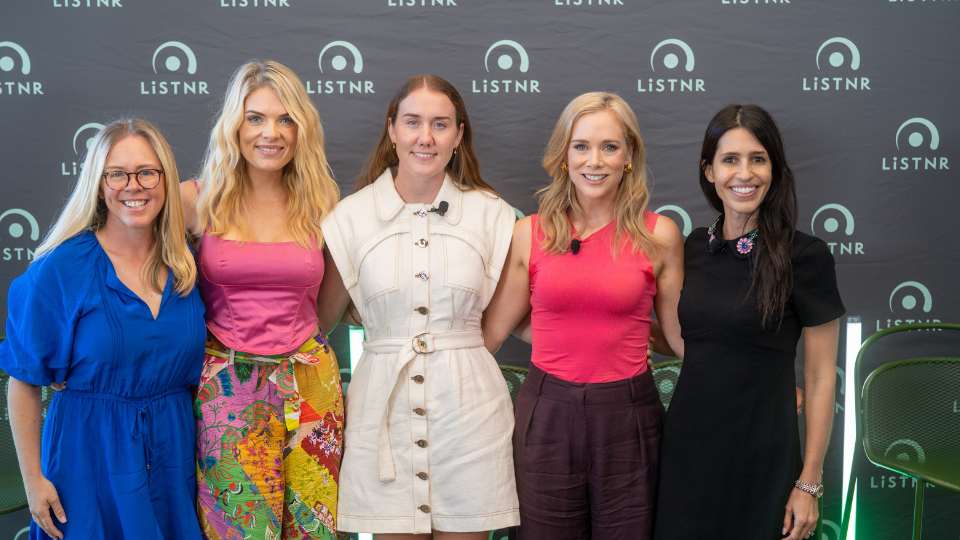
### 5 female personalities reveal tips on putting health first
To celebrate International Women’s Day 2023, nib brought together 5 women to discuss gender equity, discrimination and tips for other women.
***
[Read more](https://www.nib.com.au/the-checkup/mental-wellbeing/self-care/tips-for-putting-health-first)

### What makes a habit stick?
What is a habit and what makes a habit, good or bad, stick? Discover what a habit is and how they stick with Dr. Gina Cleo and nib today.
***
[Read more](https://www.nib.com.au/the-checkup/mental-wellbeing/self-care/what-is-a-habit-and-how-do-they-form)

### Mind full? A beginner’s guide to mindfulness
We investigate the basics of mindfulness, how it works and how we can put it to use in everyday life.
***
[Read more](https://www.nib.com.au/the-checkup/mental-wellbeing/self-care/beginners-guide-to-mindfulness)

In partnership with
## **Laura Kampel**
[Read more about Laura](https://www.nib.com.au/author/Laura-Kampel)
## Connect
- [Contact us](https://www.nib.com.au/contact-us)
- [Help and support](https://www.nib.com.au/help)
- [Find a provider](https://www.nib.com.au/find-a-provider)
- [Feedback and complaints](https://www.nib.com.au/health-information/member-services/feedback-and-complaints)
## Download the nib App
- [, opens in a new tab](https://apps.apple.com/au/app/nib-health-insurance/id373883175 "App Store")
- [, opens in a new tab](https://play.google.com/store/apps/details?id=au.com.nib&hl=en_AU "Google Play")
## Products
- [Health insurance](https://www.nib.com.au/health-insurance)
- [Travel insurance](https://www.nib.com.au/travel-insurance)
- [NDIS services (Thrive)](https://www.nib.com.au/thrive)
- [Life insurance and income protection](https://www.nib.com.au/life-insurance)
- [Corporate plans](https://www.nib.com.au/corporate-plans)
## Helpful links
- [Our company](https://www.nib.com.au/about-us)
- [nib foundation](https://www.nib.com.au/foundation)
- [Shareholders](https://www.nib.com.au/shareholders/home)
- [For providers](https://www.nib.com.au/providers)
- [Careers](https://www.nib.com.au/careers)
- [Media centre](https://www.nib.com.au/media)
## Legal information (Health)
- [Changes that may impact you](https://www.nib.com.au/legal/changes-that-may-impact-you)
- [Fund rules](https://www.nib.com.au/docs/fund-rules)
- [Terms and Conditions](https://www.nib.com.au/docs/online-terms)
- [Code of Conduct](https://www.nib.com.au/legal#codeofconduct)
- [Policy booklet](https://www.nib.com.au/docs/policy-booklet)
## Legal information (Travel)
- [Policy Hub](https://www.nib.com.au/travel-insurance/policy-hub)
- [Family violence policy](https://www.nib.com.au/travel-insurance/family-violence-policy)
- [Financial hardship support](https://www.nib.com.au/travel-insurance/financial-hardships)
- [General Insurance Code of Practice](https://www.codeofpractice.com.au/)
### Products
- [Health insurance](https://www.nib.com.au/health-insurance)
- [Travel insurance](https://www.nib.com.au/travel-insurance)
- [NDIS services (Thrive)](https://www.nib.com.au/thrive)
- [Life insurance and income protection](https://www.nib.com.au/life-insurance)
- [Corporate plans](https://www.nib.com.au/corporate-plans)
### Helpful links
- [Our company](https://www.nib.com.au/about-us)
- [nib foundation](https://www.nib.com.au/foundation)
- [Shareholders](https://www.nib.com.au/shareholders/home)
- [For providers](https://www.nib.com.au/providers)
- [Careers](https://www.nib.com.au/careers)
- [Media centre](https://www.nib.com.au/media)
### Legal information (Health)
- [Changes that may impact you](https://www.nib.com.au/legal/changes-that-may-impact-you)
- [Fund rules](https://www.nib.com.au/docs/fund-rules)
- [Terms and Conditions](https://www.nib.com.au/docs/online-terms)
- [Code of Conduct](https://www.nib.com.au/legal#codeofconduct)
- [Policy booklet](https://www.nib.com.au/docs/policy-booklet)
### Legal information (Travel)
- [Policy Hub](https://www.nib.com.au/travel-insurance/policy-hub)
- [Family violence policy](https://www.nib.com.au/travel-insurance/family-violence-policy)
- [Financial hardship support](https://www.nib.com.au/travel-insurance/financial-hardships)
- [General Insurance Code of Practice](https://www.codeofpractice.com.au/)

We acknowledge Aboriginal and Torres Strait Islander peoples as the Traditional Custodians of the lands where we live, learn and work. [View our Reconciliation Action Plan](https://www.nib.com.au/docs/reconciliation-action-plan)
Copyright © 2026 nib Group ABN 51 125 633 856
[Privacy policy, opens in a new tab](https://www.nib.com.au/legal/privacy-policy)
[**13 16 42**](tel:131642) |
| Readable Markdown | Learning how to be mindful or more present in the moment can bring about life-changing benefits, including [helping to manage and reduce stress, anxiety and depression](https://www.healthdirect.gov.au/mindfulness).
But why do so many of us find it hard to be in the moment?
“We’re living in this superbly connected world and are continually disrupted and interrupted with emails and messages,” says Dr [Laura Kampel](https://www.laurakampel.com.au/), Head of Clinical Services at nib foundation partner, the [Black Dog Institute](https://www.blackdoginstitute.org.au/).
“We’re training ourselves to respond to everything and anything.”
This reactive state results in the opposite of being mindful, she says – and that is: mindless.
“It’s like when you are reading and realise after 20 minutes that you have no idea what you have read, or when you walk into a room and forget why you went in there,” she says. “Your mind is in a different place to your body, and is disengaged”
Here are some simple ways you can learn to be more present in the moment.
## Practice gratitude
Looking for the good and practising gratitude can help you connect with the present and the “flourishing” part of life, Laura says.
Practise gratitude by noticing and appreciating the things and people around you. It might be a comfortable bed, a coffee break at work or a beautiful tree. It could be your health or a special friend.
You could start by writing down three things you are grateful for in a gratitude journal every day.
“These small moments of appreciation start to link together and create this sense of contentment, and strengthen your ability to notice the good,” Laura says.
## Take notice of your surroundings
Turn on your senses and bring a “curious attention” to the things – both big and little – around you, says Laura.
When you go for a walk, notice how your body moves and feels. Look at what’s around you – from the expansive sky to the small flower. Feel the wind or sun on your face. Listen for noises close by and in the distance. Smell the air and nature around you.
Be more present at different moments of the day by bringing your attention to:
- What you can hear: Listen to the radio or music without other distractions. Speak to a friend and really listen to their voice.
- What you feel: Feel the clothes on your skin, your back against the chair or your feet on the ground.
- What you can taste: Think about the flavour and texture of your food.
- What you see: Notice your surroundings, watch the sunrise or a bird fly across the sky.
- What you can smell: Smell the flowers (literally), notice the smells of food or the sea air.
## Practise mindfulness meditation
[Mindfulness meditation](https://news.harvard.edu/gazette/story/2018/04/less-stress-clearer-thoughts-with-mindfulness-meditation/) teaches you the skill of paying attention to the present and noticing when your mind wanders off, and gently bringing it back to the present. Practising for five to 10 minutes a day is a good start, and using [an app](https://www.nib.com.au/the-checkup/6-free-mental-health-programs) can be a big help.
For a formal practice, set a time each day and perhaps do a breathing technique, a body scan or a loving kindness meditation.
Informal practice can be incorporating several “mindful moments” into every day, Laura says. “That’s where you bring all your senses into your experience.”
Having a shower is a great chance to do this. “Think about what the tiles feel like under your feet. How does the water feel? What does the soap smell like?”
Laura notes that mindfulness meditation is a skill that needs to be developed. “It’s very similar to exercise. We need to practise or train to get better at it.”
**Related:** [A beginner’s guide to mindfulness](https://www.nib.com.au/the-checkup/beginners-guide-to-mindfulness).
## Focus on one thing at a time
“If you’re having a conversation with someone and sending an email at the same time, that’s not being present,” Laura says.
And even if you think you’re an adept multi-tasker at work, [science shows](https://health.clevelandclinic.org/science-clear-multitasking-doesnt-work/) multi-tasking does not equate to efficiency. [A US study](https://hbr.org/2014/07/the-cost-of-continuously-checking-email) found it can take more than 20 minutes to regain your initial momentum after you’ve been interrupted.
“If you’re working on a task and notice your thoughts getting hijacked, gently pull your awareness back to the task and complete it before moving onto the next one.”
Being more present in the moment takes effort, but the benefits will come, Laura notes. “Give it a go and see for yourself.”
*The tips throughout this article serve as broad information and should not replace any advice you have been given by your medical practitioner.*
## Articles you might also like

5 female personalities reveal tips on putting health first
To celebrate International Women’s Day 2023, nib brought together 5 women to discuss gender equity, discrimination and tips for other women.
***

What makes a habit stick?
What is a habit and what makes a habit, good or bad, stick? Discover what a habit is and how they stick with Dr. Gina Cleo and nib today.
***

Mind full? A beginner’s guide to mindfulness
We investigate the basics of mindfulness, how it works and how we can put it to use in everyday life.
***
 |
| Shard | 190 (laksa) |
| Root Hash | 6526897537076680390 |
| Unparsed URL | au,com,nib!www,/the-checkup/mental-wellbeing/self-care/how-to-be-more-present-in-the-moment s443 |