ℹ️ Skipped - page is already crawled
| Filter | Status | Condition | Details |
|---|---|---|---|
| HTTP status | PASS | download_http_code = 200 | HTTP 200 |
| Age cutoff | PASS | download_stamp > now() - 6 MONTH | 0.1 months ago |
| History drop | PASS | isNull(history_drop_reason) | No drop reason |
| Spam/ban | PASS | fh_dont_index != 1 AND ml_spam_score = 0 | ml_spam_score=0 |
| Canonical | PASS | meta_canonical IS NULL OR = '' OR = src_unparsed | Not set |
| Property | Value | |||||||||
|---|---|---|---|---|---|---|---|---|---|---|
| URL | https://www.ncoa.org/article/insomnia-explained-causes-symptoms-and-how-to-overcome-sleep-problems/ | |||||||||
| Last Crawled | 2026-04-21 00:06:09 (3 days ago) | |||||||||
| First Indexed | 2025-11-17 15:29:52 (5 months ago) | |||||||||
| HTTP Status Code | 200 | |||||||||
| Content | ||||||||||
| Meta Title | Insomnia: Causes, Symptoms, and Proven Treatments for Better Sleep | |||||||||
| Meta Description | Struggling to fall or stay asleep? Learn about insomnia, its common symptoms, risk factors, and effective treatments—including lifestyle tips and cognitive behavioral therapy—to improve your sleep and overall health. | |||||||||
| Meta Canonical | null | |||||||||
| Boilerpipe Text | Insomnia is more than having trouble falling asleep. For many people, and
especially older adults
, insomnia can also mean that you end up sleeping for small periods of time or waking up frequently throughout the night. And while everyone has trouble sleeping at some point, chronic insomnia is a serious condition that can affect your health, mental well-being, and even your lifespan.
Learn more about what insomnia is, the symptoms you should look out for, and what treatments are available to help you get a better night’s sleep.
What is insomnia?
Insomnia is a sleep disorder that can mean you have trouble falling asleep, staying asleep, or both. According to the
Journal of Clinical Sleep Medicine
, over 50% of surveyed adults 60 or older reported difficulty sleeping, and up to
20% of those adults
meet the criteria for an insomnia diagnosis.
1,2
While many adults develop insomnia at some point in their lives, the condition becomes concerning when that poor-quality sleep starts to affect your waking hours.
Many people with insomnia end up feeling tired, sluggish, or cranky during the day. They might also feel the need to take a nap in the afternoon to make up for the lost sleep. Over time, this poor sleep cycle can negatively affect your health, mood, and general well-being.
Symptoms of insomnia
While the most recognizable symptom of insomnia is the inability to fall asleep, you might also have other symptoms, including:
Waking up frequently during the night
Waking up too early in the morning
Unable to stay asleep for long periods of time
Feeling tired or sluggish during the day
Low mood or irritability
Having a hard time concentrating
Insomnia is different from poor sleep because it happens more than three times a week for three months, and it often results in daytime impairments that make it difficult to function, like irritability or loss of focus.
How common is insomnia?
Insomnia is believed to be incredibly common—50% of adults 60+ deal with difficulty sleeping, and up to 20% of those adults meet the diagnosis criteria for insomnia.
Insomnia and aging
As we age, we are more likely to develop conditions that increase the chances of insomnia, like sleep apnea or restless leg syndrome. Certain medications like those for blood pressure can also contribute to sleepless nights. It’s common for our
sleep patterns to change
.
3
Many older adults fall asleep earlier in the evening, wake up earlier in the morning, or experience lighter, more fragmented sleep. These changes are a normal part of aging and often relate to shifts in our circadian rhythm.
Insomnia, on the other hand, is not a normal part of aging. It involves ongoing difficulty falling asleep, staying asleep, or waking up too early, and it causes daytime fatigue, mood changes, or problems with concentration. Insomnia may be short-term (lasting days or weeks) or chronic (lasting three months or longer).
"As we age, we tend to sleep less and wake up more throughout the night," said NCOA Center for Healthy Aging Program Specialist
Samantha Capacillo
, MPH, CHES. "The foods we eat, the medications we take, our medical conditions, and much more can all influence sleep quality. A sleep diary can help you see patterns, understand what might be disrupting your sleep, and give you useful insights to share with your health care provider.”
Types of insomnia
Insomnia falls into several categories, including:
Acute
: insomnia that lasts for less than three months or occurs fewer than three times per week (usually attributed to stress or anxiety)
Chronic
: insomnia that lasts for more than three months or occurs more than three times a week
Primary
: insomnia that occurs on its own
Secondary
: insomnia that is caused by something else, like a new medication
Initial (sleep onset)
: trouble falling asleep
Middle (maintenance)
: trouble staying asleep
Late (early waking)
: waking up too early and unable to go back to sleep
Other sleep conditions
Some
other sleep conditions
can be confused with insomnia, such as narcolepsy (the inability to stay awake during the day),
sleep apnea
(which makes you feel tired even after a long night of sleep) or restless leg syndrome (which can cause you to wake up frequently).
4
If you have any of these symptoms, it’s important to reach out to your doctor to find the true cause so that you can get the right treatment.
What causes insomnia?
Insomnia doesn’t have a single cause, but instead can be brought on by a variety of different things. Sometimes insomnia happens when you are feeling stressed, anxious, or depressed. It can also be genetic, so if you have a family member with insomnia, you might develop it, too.
Medications can have side effects that make it difficult for you to sleep well. Some health conditions, like heart disease, acid reflux, Parkinson’s, or diabetes also tend to have a negative effect on your sleep quality.
Also, lifestyle habits can cause insomnia. If you drink a lot of caffeine, smoke, or watch TV right before bed, you might have more difficulty sleeping.
It can be helpful to keep a sleep diary that tracks what you did, ate, drank, or felt across a week or so to help pinpoint what might be causing insomnia. Your doctor could use this data to help identify the problem.
Risk factors for insomnia
Some people are more at risk for insomnia than others. These groups include:
Adults who are over 60
People with mental health conditions like anxiety or depression
Patients diagnosed with other sleep disorders or chronic health conditions
People with family members who have insomnia
People going through a sudden life change, such as a move or loss of a loved one
People with poor sleep habits
How is insomnia diagnosed?
Diagnosing insomnia usually takes several steps, the first being reaching out to your doctor. They might schedule an appointment for you to come in for tests. They also might ask you to keep track of your sleep and lifestyle habits in a diary. Your doctor will examine your medical history, current medications, and do a physical exam to try and learn what might be causing your sleepless nights.
Some
tests your doctor might request
to help diagnose insomnia include:
5
A sleep study, which helps identify any potential issues while you sleep
Blood tests for any abnormal results
Actigraphy, which monitors your periods of rest and activity for several days
When to see your doctor
You should see your doctor about insomnia when you feel the condition is negatively affecting your life. If you’re feeling tired, sluggish, irritable, or find yourself tossing and turning all night, then it’s time to call. Poor quality sleep can harm your mental, physical, and emotional health, so it’s not something to take lightly.
Insomnia treatments
Insomnia is treatable, often by a combination of medical and non-medical interventions. Your doctor will help you create a treatment plan that’s designed specifically for you and your sleep needs.
Cognitive Behavioral Therapy for Insomnia (CBT-I) is the recommended first-line treatment for chronic insomnia. It focuses on practical tools and strategies to improve sleep habits and overall sleep hygiene. This means keeping your bedroom quiet and dark, not using your phone in bed, and not sleeping with the TV on.
Your doctor might prescribe certain medications to help you fall or stay asleep, but this is typically a short-term solution that offers temporary relief and is not intended for long-term use.
Insomnia tips
Insomnia can be a real headache to deal with, but good sleep hygiene practices can help increase your chances of a good night’s sleep. Some of these tips include:
Keeping a regular bedtime
Limiting caffeine and screens
Creating a calm sleep environment
Putting away your phone an hour before bedtime
Avoiding late-afternoon naps
High-quality sleep is important for your health. You can read more about ways to make your bedroom more comfortable in our guides to the
best mattresses
,
best mattress toppers for cooling
,
best mattress for back pain
,
best orthopedic mattress
, and
best adjustable beds
.
Insomnia prevention
Some insomnia, like the kind caused by a medicine’s side effects, isn’t preventable. But by practicing good sleep habits, taking care of your mental health, and staying in contact with your doctor, you can lower your risk of insomnia.
Frequently asked questions (FAQ)
Is insomnia genetic?
It is unclear if insomnia is genetic. There is some evidence of genetic presdispostion, but it is also influenced by other factors.
Can pregnancy cause insomnia?
Yes, pregnancy can cause insomnia. This is often due to physical discomfort and other conditions that can occur like restless leg syndrome.
Is insomnia more common in women?
Yes, insomnia is more common in women. Doctors believe this is because of changing hormones and health conditions like menopause.
Can insomnia go away on its own?
Yes, some insomnia cases can go away on their own, but others require medical or non-medical intervention techniques. Talk to your doctor if you have any concerns.
Sources
1. Patel, D. et al. Insomnia in the Elderly: A Review. Journal of Clinical Sleep Medicine. June 15, 2018. Found on the internet at https://jcsm.aasm.org/doi/10.5664/jcsm.7172
2. Barrera-Leon, R. Insomnia in older adults: a review. Jan. 9, 2025. Found on the internet at https://www.ccjm.org/content/92/1/43#:~:text=Insomnia%20is%20a%20disturbance%20in,%2C%20irritability%2C%20and%20cognitive%20dysfunction
3. Suzuki, K. et al. Sleep disorders in the elderly: Diagnosis and management. Journal of General and Family Medicine. Mar. 30, 2017. Found on the internet at https://pmc.ncbi.nlm.nih.gov/articles/PMC5689397/
4. Medline Plus. Sleep Disorders. Found on the internet at https://medlineplus.gov/sleepdisorders.html
5. National Heart, Lung, and Blood Institute. Insomnia. Found on the internet at https://www.nhlbi.nih.gov/health/insomnia/diagnosis
Photo by ugurhan
©
all rights reserved for NCOA use only | |||||||||
| Markdown | [Skip to main content](https://www.ncoa.org/article/insomnia-explained-causes-symptoms-and-how-to-overcome-sleep-problems/#content)
- [Events](https://connect.ncoa.org/)
- [Research](https://www.ncoa.org/research/)
- [Product Resources](https://www.ncoa.org/product-resources/)
- [BenefitsCheckUp®](https://benefitscheckup.org/)
Decrease Font SizeA
Increase Font SizeA
Search
[](https://www.ncoa.org/)
[Donate](https://act.ncoa.org/a/donate)
Menu
- Aging Well
- [Caregiver Support](https://www.ncoa.org/caregivers/benefits/caregiver-support/)
- [Chronic Diseases](https://www.ncoa.org/older-adults/health/physical-health/chronic-disease/)
- [Falls Prevention](https://www.ncoa.org/older-adults/health/prevention/falls-prevention/)
- [Health & Wellness](https://www.ncoa.org/older-adults/health/)
- [Nutrition & Exercise](https://www.ncoa.org/nutrition-exercise/)
- [Aging in Place](https://www.ncoa.org/aging-in-place/)
- [Benefits & Assistance](https://www.ncoa.org/benefits-assistance/)
- [Medicare](https://www.ncoa.org/older-adults/benefits/healthcare/medicare/)
- [Personal Finance](https://www.ncoa.org/older-adults/money/)
- [Work, Job Training, & Retirement Resources](https://www.ncoa.org/older-adults/money/work-retirement/)
[AGING WELL: SEE ALL TOPICS](https://www.ncoa.org/aging-well/)
### Aging Well
For most older adults, good health and financial wellness ensures independence, security, and the ability to afford a longer life. Discover tools and resources to improve quality of life and tips to make the most of your money.
- Professional Resources
- [Benefits Access](https://www.ncoa.org/page/benefits-access/)
- [Economic Well-Being](https://www.ncoa.org/page/economic-wellbeing/)
- [Falls Prevention](https://www.ncoa.org/professionals/health/prevention/falls-prevention/)
- [Healthy Aging Programs](https://www.ncoa.org/page/healthy-aging-programs/)
- [Senior Centers](https://www.ncoa.org/page/senior-centers/)
- [Workforce Training](https://www.ncoa.org/page/workforce-training/)
[PROFESSIONAL RESOURCES: SEE ALL TOPICS](https://www.ncoa.org/professional-resources/)
### Professional Resources
Improving the lives of older adults, especially those who are struggling, is not just your job–it’s at your core. Gain your inspiration here and find NCOA tools, tips, and resources to help improve your delivery and service.
- About Us
- [About NCOA](https://www.ncoa.org/page/about-us/)
- [Our Impact](https://www.ncoa.org/page/impact-report/)
- [Our Promise](https://www.ncoa.org/page/our-promise/)
- [Financial Information](https://www.ncoa.org/page/finances/)
- [Policy Positions](https://www.ncoa.org/page/public-policy-positions/)
[ABOUT US](https://www.ncoa.org/about-us/)
### About NCOA
We believe every person deserves to age well, regardless of their background. Learn more about the work we do, the people we serve, and why aging well matters now more than ever.
- Get Involved
- [Ways to Give](https://www.ncoa.org/page/ways-to-give/)
- [Partner with Us](https://www.ncoa.org/partnership/)
- [Advocate](https://www.ncoa.org/page/advocate/)
- [Events & Education](https://connect.ncoa.org/)
- [Community Partners](https://benefitscheckup.org/map)
[GET INVOLVED](https://www.ncoa.org/page/get-involved/)
### Help NCOA Make an Impact
Help us build a more just and caring society in which each of us, as we age, lives with dignity, purpose, and security. Explore how to support our mission, partner with us, and advocate on behalf of older adults.
[Donate](https://act.ncoa.org/a/donate)
# Menu
[](https://www.ncoa.org/)
[Donate](https://act.ncoa.org/a/donate)
Close
- Aging Well
- [Caregiver Support](https://www.ncoa.org/caregivers/benefits/caregiver-support/)
- [Chronic Diseases](https://www.ncoa.org/older-adults/health/physical-health/chronic-disease/)
- [Falls Prevention](https://www.ncoa.org/older-adults/health/prevention/falls-prevention/)
- [Health & Wellness](https://www.ncoa.org/older-adults/health/)
- [Nutrition & Exercise](https://www.ncoa.org/nutrition-exercise/)
- [Aging in Place](https://www.ncoa.org/aging-in-place/)
- [Benefits & Assistance](https://www.ncoa.org/benefits-assistance/)
- [Medicare](https://www.ncoa.org/older-adults/benefits/healthcare/medicare/)
- [Personal Finance](https://www.ncoa.org/older-adults/money/)
- [Work, Job Training, & Retirement Resources](https://www.ncoa.org/older-adults/money/work-retirement/)
[AGING WELL: SEE ALL TOPICS](https://www.ncoa.org/aging-well/)
- Professional Resources
- [Benefits Access](https://www.ncoa.org/page/benefits-access/)
- [Economic Well-Being](https://www.ncoa.org/page/economic-wellbeing/)
- [Falls Prevention](https://www.ncoa.org/professionals/health/prevention/falls-prevention/)
- [Healthy Aging Programs](https://www.ncoa.org/page/healthy-aging-programs/)
- [Senior Centers](https://www.ncoa.org/page/senior-centers/)
- [Workforce Training](https://www.ncoa.org/page/workforce-training/)
[PROFESSIONAL RESOURCES: SEE ALL TOPICS](https://www.ncoa.org/professional-resources/)
- About Us
- [About NCOA](https://www.ncoa.org/page/about-us/)
- [Our Impact](https://www.ncoa.org/page/impact-report/)
- [Our Promise](https://www.ncoa.org/page/our-promise/)
- [Financial Information](https://www.ncoa.org/page/finances/)
- [Policy Positions](https://www.ncoa.org/page/public-policy-positions/)
[ABOUT US](https://www.ncoa.org/about-us/)
- Get Involved
- [Ways to Give](https://www.ncoa.org/page/ways-to-give/)
- [Partner with Us](https://www.ncoa.org/partnership/)
- [Advocate](https://www.ncoa.org/page/advocate/)
- [Events & Education](https://connect.ncoa.org/)
- [Community Partners](https://benefitscheckup.org/map)
[GET INVOLVED](https://www.ncoa.org/page/get-involved/)
- [Events](https://connect.ncoa.org/)
- [Research](https://www.ncoa.org/research/)
- [Product Resources](https://www.ncoa.org/product-resources/)
- [BenefitsCheckUp®](https://benefitscheckup.org/)
## Find us on Social
- [Facebook](https://www.facebook.com/NCOAging/)
- [Linkedin](https://www.linkedin.com/company/national-council-on-aging/)
- [Instagram](https://www.instagram.com/ncoaging/)
- [Twitter](https://twitter.com/NCOAging)
- [YouTube](https://www.youtube.com/user/ncoaging)
[](https://www.ncoa.org/)
- Aging Well
- [Caregiver Support](https://www.ncoa.org/caregivers/benefits/caregiver-support/)
- [Chronic Diseases](https://www.ncoa.org/older-adults/health/physical-health/chronic-disease/)
- [Falls Prevention](https://www.ncoa.org/older-adults/health/prevention/falls-prevention/)
- [Health & Wellness](https://www.ncoa.org/older-adults/health/)
- [Nutrition & Exercise](https://www.ncoa.org/nutrition-exercise/)
- [Aging in Place](https://www.ncoa.org/aging-in-place/)
- [Benefits & Assistance](https://www.ncoa.org/benefits-assistance/)
- [Medicare](https://www.ncoa.org/older-adults/benefits/healthcare/medicare/)
- [Personal Finance](https://www.ncoa.org/older-adults/money/)
- [Work, Job Training, & Retirement Resources](https://www.ncoa.org/older-adults/money/work-retirement/)
[AGING WELL: SEE ALL TOPICS](https://www.ncoa.org/aging-well/)
### Aging Well
For most older adults, good health and financial wellness ensures independence, security, and the ability to afford a longer life. Discover tools and resources to improve quality of life and tips to make the most of your money.
- Professional Resources
- [Benefits Access](https://www.ncoa.org/page/benefits-access/)
- [Economic Well-Being](https://www.ncoa.org/page/economic-wellbeing/)
- [Falls Prevention](https://www.ncoa.org/professionals/health/prevention/falls-prevention/)
- [Healthy Aging Programs](https://www.ncoa.org/page/healthy-aging-programs/)
- [Senior Centers](https://www.ncoa.org/page/senior-centers/)
- [Workforce Training](https://www.ncoa.org/page/workforce-training/)
[PROFESSIONAL RESOURCES: SEE ALL TOPICS](https://www.ncoa.org/professional-resources/)
### Professional Resources
Improving the lives of older adults, especially those who are struggling, is not just your job–it’s at your core. Gain your inspiration here and find NCOA tools, tips, and resources to help improve your delivery and service.
- About Us
- [About NCOA](https://www.ncoa.org/page/about-us/)
- [Our Impact](https://www.ncoa.org/page/impact-report/)
- [Our Promise](https://www.ncoa.org/page/our-promise/)
- [Financial Information](https://www.ncoa.org/page/finances/)
- [Policy Positions](https://www.ncoa.org/page/public-policy-positions/)
[ABOUT US](https://www.ncoa.org/about-us/)
### About NCOA
We believe every person deserves to age well, regardless of their background. Learn more about the work we do, the people we serve, and why aging well matters now more than ever.
- Get Involved
- [Ways to Give](https://www.ncoa.org/page/ways-to-give/)
- [Partner with Us](https://www.ncoa.org/partnership/)
- [Advocate](https://www.ncoa.org/page/advocate/)
- [Events & Education](https://connect.ncoa.org/)
- [Community Partners](https://benefitscheckup.org/map)
[GET INVOLVED](https://www.ncoa.org/page/get-involved/)
### Help NCOA Make an Impact
Help us build a more just and caring society in which each of us, as we age, lives with dignity, purpose, and security. Explore how to support our mission, partner with us, and advocate on behalf of older adults.
Decrease Font SizeA
Increase Font SizeA
Search
[Donate](https://act.ncoa.org/a/donate)
Menu
## Search
Close
## This site uses cookies.
For more information on what this means and how we use your data, please see our [Privacy Policy](https://www.ncoa.org/page/privacy-policy).
Close
# Insomnia Explained: Causes, Symptoms, and How to Overcome Sleep Problems
[Sleep](https://www.ncoa.org/older-adults/health/physical-health/sleep/)
Nov 17, 2025
6 min read
Print Page
Share
1. [Samantha Colaianni](https://www.ncoa.org/author/samantha-colaianni/)NCOA Writer/Editor
## Key Takeaways
- Insomnia is a common sleep disorder that makes it harder to fall asleep, stay asleep, or go back to sleep.
- Insomnia can negatively affect your physical, mental, and emotional health, so it's important to talk to your doctor right away.
- A combination of medical, non-medical, and lifestyle interventions can ease insomnia and help you get a better night's sleep.
## Related Topics
- [Lifestyle](https://www.ncoa.org/older-adults/health/lifestyle/)
- [Sleep](https://www.ncoa.org/older-adults/health/physical-health/sleep/)
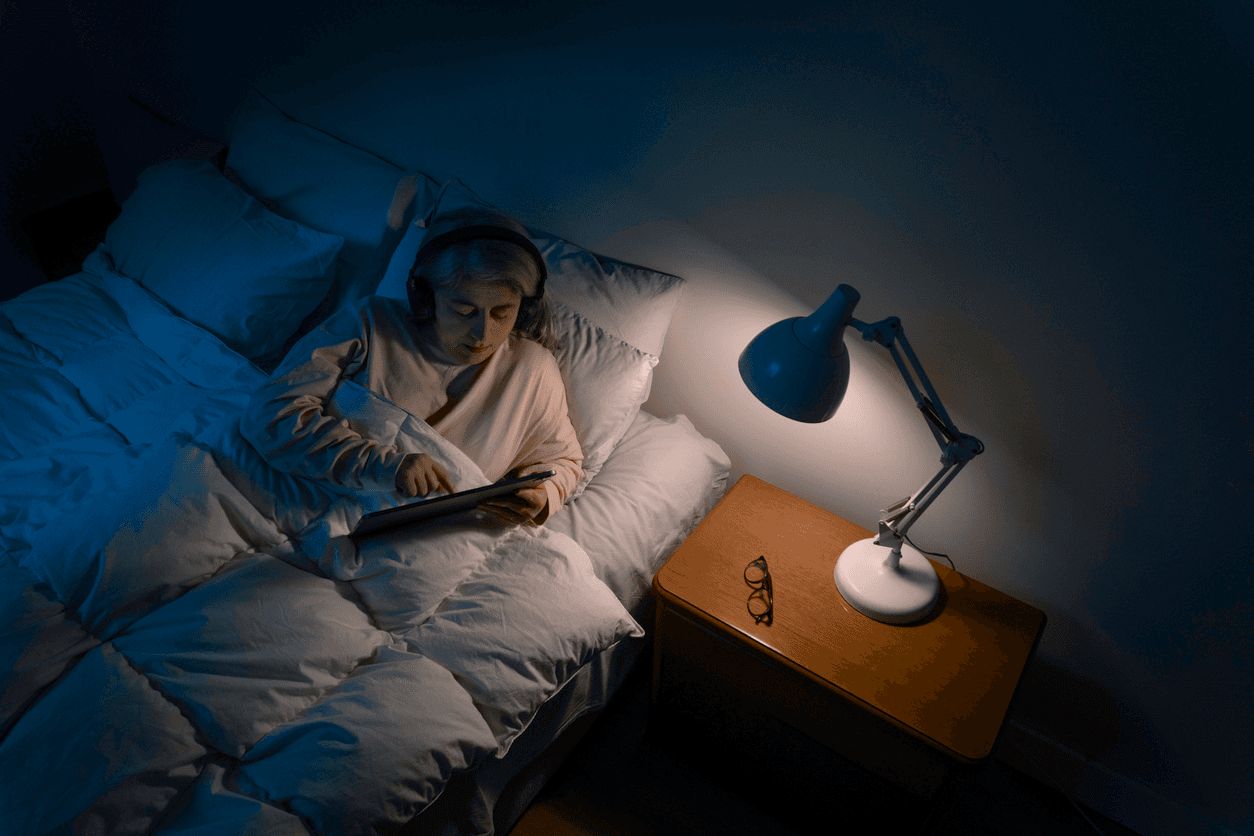
Insomnia is more than having trouble falling asleep. For many people, and [especially older adults](https://www.ncoa.org/article/sleep-statistics-older-adults/), insomnia can also mean that you end up sleeping for small periods of time or waking up frequently throughout the night. And while everyone has trouble sleeping at some point, chronic insomnia is a serious condition that can affect your health, mental well-being, and even your lifespan.
Learn more about what insomnia is, the symptoms you should look out for, and what treatments are available to help you get a better night’s sleep.
## What is insomnia?
Insomnia is a sleep disorder that can mean you have trouble falling asleep, staying asleep, or both. According to the [Journal of Clinical Sleep Medicine](https://jcsm.aasm.org/doi/10.5664/jcsm.7172), over 50% of surveyed adults 60 or older reported difficulty sleeping, and up to [20% of those adults](https://www.ccjm.org/content/92/1/43#:~:text=Insomnia%20is%20a%20disturbance%20in,%2C%20irritability%2C%20and%20cognitive%20dysfunction.) meet the criteria for an insomnia diagnosis.**1,2** While many adults develop insomnia at some point in their lives, the condition becomes concerning when that poor-quality sleep starts to affect your waking hours.
Many people with insomnia end up feeling tired, sluggish, or cranky during the day. They might also feel the need to take a nap in the afternoon to make up for the lost sleep. Over time, this poor sleep cycle can negatively affect your health, mood, and general well-being.
## Symptoms of insomnia
While the most recognizable symptom of insomnia is the inability to fall asleep, you might also have other symptoms, including:
- Waking up frequently during the night
- Waking up too early in the morning
- Unable to stay asleep for long periods of time
- Feeling tired or sluggish during the day
- Low mood or irritability
- Having a hard time concentrating
Insomnia is different from poor sleep because it happens more than three times a week for three months, and it often results in daytime impairments that make it difficult to function, like irritability or loss of focus.
## How common is insomnia?
Insomnia is believed to be incredibly common—50% of adults 60+ deal with difficulty sleeping, and up to 20% of those adults meet the diagnosis criteria for insomnia.
## Insomnia and aging
As we age, we are more likely to develop conditions that increase the chances of insomnia, like sleep apnea or restless leg syndrome. Certain medications like those for blood pressure can also contribute to sleepless nights. It’s common for our [sleep patterns to change](https://pmc.ncbi.nlm.nih.gov/articles/PMC5689397/).**3** Many older adults fall asleep earlier in the evening, wake up earlier in the morning, or experience lighter, more fragmented sleep. These changes are a normal part of aging and often relate to shifts in our circadian rhythm.
Insomnia, on the other hand, is not a normal part of aging. It involves ongoing difficulty falling asleep, staying asleep, or waking up too early, and it causes daytime fatigue, mood changes, or problems with concentration. Insomnia may be short-term (lasting days or weeks) or chronic (lasting three months or longer).
"As we age, we tend to sleep less and wake up more throughout the night," said NCOA Center for Healthy Aging Program Specialist [Samantha Capacillo](https://www.ncoa.org/author/samantha-capacillo/), MPH, CHES. "The foods we eat, the medications we take, our medical conditions, and much more can all influence sleep quality. A sleep diary can help you see patterns, understand what might be disrupting your sleep, and give you useful insights to share with your health care provider.”
## Types of insomnia
Insomnia falls into several categories, including:
- **Acute**: insomnia that lasts for less than three months or occurs fewer than three times per week (usually attributed to stress or anxiety)
- **Chronic**: insomnia that lasts for more than three months or occurs more than three times a week
- **Primary**: insomnia that occurs on its own
- **Secondary**: insomnia that is caused by something else, like a new medication
- **Initial (sleep onset)**: trouble falling asleep
- **Middle (maintenance)**: trouble staying asleep
- **Late (early waking)**: waking up too early and unable to go back to sleep
## Other sleep conditions
Some [other sleep conditions](https://medlineplus.gov/sleepdisorders.html) can be confused with insomnia, such as narcolepsy (the inability to stay awake during the day), [sleep apnea](https://www.ncoa.org/article/sleep-apnea-in-older-adults-diagnosis-and-treatment-options/) (which makes you feel tired even after a long night of sleep) or restless leg syndrome (which can cause you to wake up frequently).**4** If you have any of these symptoms, it’s important to reach out to your doctor to find the true cause so that you can get the right treatment.
## What causes insomnia?
Insomnia doesn’t have a single cause, but instead can be brought on by a variety of different things. Sometimes insomnia happens when you are feeling stressed, anxious, or depressed. It can also be genetic, so if you have a family member with insomnia, you might develop it, too.
Medications can have side effects that make it difficult for you to sleep well. Some health conditions, like heart disease, acid reflux, Parkinson’s, or diabetes also tend to have a negative effect on your sleep quality.
Also, lifestyle habits can cause insomnia. If you drink a lot of caffeine, smoke, or watch TV right before bed, you might have more difficulty sleeping.
It can be helpful to keep a sleep diary that tracks what you did, ate, drank, or felt across a week or so to help pinpoint what might be causing insomnia. Your doctor could use this data to help identify the problem.
## Risk factors for insomnia
Some people are more at risk for insomnia than others. These groups include:
- Adults who are over 60
- People with mental health conditions like anxiety or depression
- Patients diagnosed with other sleep disorders or chronic health conditions
- People with family members who have insomnia
- People going through a sudden life change, such as a move or loss of a loved one
- People with poor sleep habits
## How is insomnia diagnosed?
Diagnosing insomnia usually takes several steps, the first being reaching out to your doctor. They might schedule an appointment for you to come in for tests. They also might ask you to keep track of your sleep and lifestyle habits in a diary. Your doctor will examine your medical history, current medications, and do a physical exam to try and learn what might be causing your sleepless nights.
Some [tests your doctor might request](https://www.nhlbi.nih.gov/health/insomnia/diagnosis) to help diagnose insomnia include:**5**
- A sleep study, which helps identify any potential issues while you sleep
- Blood tests for any abnormal results
- Actigraphy, which monitors your periods of rest and activity for several days
## When to see your doctor
You should see your doctor about insomnia when you feel the condition is negatively affecting your life. If you’re feeling tired, sluggish, irritable, or find yourself tossing and turning all night, then it’s time to call. Poor quality sleep can harm your mental, physical, and emotional health, so it’s not something to take lightly.
## Insomnia treatments
Insomnia is treatable, often by a combination of medical and non-medical interventions. Your doctor will help you create a treatment plan that’s designed specifically for you and your sleep needs.
Cognitive Behavioral Therapy for Insomnia (CBT-I) is the recommended first-line treatment for chronic insomnia. It focuses on practical tools and strategies to improve sleep habits and overall sleep hygiene. This means keeping your bedroom quiet and dark, not using your phone in bed, and not sleeping with the TV on.
Your doctor might prescribe certain medications to help you fall or stay asleep, but this is typically a short-term solution that offers temporary relief and is not intended for long-term use.
## Insomnia tips
Insomnia can be a real headache to deal with, but good sleep hygiene practices can help increase your chances of a good night’s sleep. Some of these tips include:
- Keeping a regular bedtime
- Limiting caffeine and screens
- Creating a calm sleep environment
- Putting away your phone an hour before bedtime
- Avoiding late-afternoon naps
High-quality sleep is important for your health. You can read more about ways to make your bedroom more comfortable in our guides to the [best mattresses](https://www.ncoa.org/product-resources/sleep/best-mattress/), [best mattress toppers for cooling](https://www.ncoa.org/product-resources/sleep/best-mattress/), [best mattress for back pain](https://www.ncoa.org/product-resources/sleep/best-mattresses-for-back-pain/), [best orthopedic mattress](https://www.ncoa.org/product-resources/sleep/best-orthopedic-mattresses/), and [best adjustable beds](https://www.ncoa.org/product-resources/sleep/best-adjustable-beds/).
## Insomnia prevention
Some insomnia, like the kind caused by a medicine’s side effects, isn’t preventable. But by practicing good sleep habits, taking care of your mental health, and staying in contact with your doctor, you can lower your risk of insomnia.
## Frequently asked questions (FAQ)
**Is insomnia genetic?**
It is unclear if insomnia is genetic. There is some evidence of genetic presdispostion, but it is also influenced by other factors.
**Can pregnancy cause insomnia?**
Yes, pregnancy can cause insomnia. This is often due to physical discomfort and other conditions that can occur like restless leg syndrome.
**Is insomnia more common in women?**
Yes, insomnia is more common in women. Doctors believe this is because of changing hormones and health conditions like menopause.
**Can insomnia go away on its own?**
Yes, some insomnia cases can go away on their own, but others require medical or non-medical intervention techniques. Talk to your doctor if you have any concerns.
## Sources
1\. Patel, D. et al. Insomnia in the Elderly: A Review. Journal of Clinical Sleep Medicine. June 15, 2018. Found on the internet at https://jcsm.aasm.org/doi/10.5664/jcsm.7172
2\. Barrera-Leon, R. Insomnia in older adults: a review. Jan. 9, 2025. Found on the internet at https://www.ccjm.org/content/92/1/43\#:~:text=Insomnia%20is%20a%20disturbance%20in,%2C%20irritability%2C%20and%20cognitive%20dysfunction
3\. Suzuki, K. et al. Sleep disorders in the elderly: Diagnosis and management. Journal of General and Family Medicine. Mar. 30, 2017. Found on the internet at https://pmc.ncbi.nlm.nih.gov/articles/PMC5689397/
4\. Medline Plus. Sleep Disorders. Found on the internet at https://medlineplus.gov/sleepdisorders.html
5\. National Heart, Lung, and Blood Institute. Insomnia. Found on the internet at https://www.nhlbi.nih.gov/health/insomnia/diagnosis
*Photo by ugurhan*© *all rights reserved for NCOA use only*
Share
## Related Topics
- [Lifestyle](https://www.ncoa.org/older-adults/health/lifestyle/)
- [Sleep](https://www.ncoa.org/older-adults/health/physical-health/sleep/)
## Can Sleep Impact Your Health?
Sleep is critical for maintaining good health, yet it is often taken for granted. Adults should get seven to nine hours of sleep per night, but about 1 in 3 of us report not getting enough rest. Find out how quality sleep is connected to better health.
[Read Our Resource](https://www.ncoa.org/article/how-sleep-affects-your-health/)
## Related Articles
- ### [Best Sleeping Positions for Back Pain: A Guide for Adults Over 50](https://www.ncoa.org/article/best-sleeping-positions-for-back-pain-a-guide-for-adults-over-50/)
- ### [6 Sensible Sleep Tips for Older Adults](https://www.ncoa.org/article/6-sensible-sleep-tips-for-older-adults/)
- ### [Sleep Facts and Statistics: What Older Adults Should Know](https://www.ncoa.org/article/sleep-statistics-older-adults/)
## Related Articles
### [Sleep and Blood Pressure: How Rest Affects Heart Health](https://www.ncoa.org/article/sleep-and-blood-pressure-how-rest-affects-heart-health/)
Feb 20, 2026
### [How to Fall Asleep Fast: 10 Expert-Recommended Tips](https://www.ncoa.org/article/how-to-fall-asleep-fast/)
Feb 13, 2026
### [Natural Ways to Get Better Sleep](https://www.ncoa.org/article/natural-sleep-remedies/)
Jan 15, 2026
## Get NCOA in Your Inbox
Choose where we'll send you resources to support your health and financial well-being. Select the option(s) below that best describes you to get communication that matches your interests.
## Footer
[](https://www.ncoa.org/)
[Donate](https://act.ncoa.org/a/donate-1)
### ABOUT US
- [About Us](https://www.ncoa.org/page/about-us/)
- [Impact Report](https://www.ncoa.org/page/impact-report/)
- [Our Promise](https://www.ncoa.org/page/our-promise/)
- [Financial Information](https://www.ncoa.org/page/finances/)
- [Policy Positions](https://www.ncoa.org/page/public-policy-positions/)
### ABOUT US
- [About Us](https://www.ncoa.org/page/about-us/)
- [Impact Report](https://www.ncoa.org/page/impact-report/)
- [Our Promise](https://www.ncoa.org/page/our-promise/)
- [Financial Information](https://www.ncoa.org/page/finances/)
- [Policy Positions](https://www.ncoa.org/page/public-policy-positions/)
### QUICK LINKS
- [Press Room](https://www.ncoa.org/page/press-room/)
- [Action Center](https://www.ncoa.org/page/action-center/)
- [Careers](https://www.ncoa.org/page/careers/)
- [Partner with Us](https://www.ncoa.org/partnership/)
- [Contact Us](https://www.ncoa.org/page/contact-us/)
### QUICK LINKS
- [Press Room](https://www.ncoa.org/page/press-room/)
- [Action Center](https://www.ncoa.org/page/action-center/)
- [Careers](https://www.ncoa.org/page/careers/)
- [Partner with Us](https://www.ncoa.org/partnership/)
- [Contact Us](https://www.ncoa.org/page/contact-us/)
- [](https://give.org/charity-reviews/national/Elderly/National-Council-on-Aging-in-Arlington-va-3133)
- [](https://www.guidestar.org/profile/13-1932384)
- [](https://www.charitynavigator.org/ein/131932384)
- [](https://www.charitywatch.org/charities/national-council-on-aging)
### Follow NCOA on Social Media:
- [Facebook](https://www.facebook.com/NCOAging/)
- [Linkedin](https://www.linkedin.com/company/national-council-on-aging/)
- [Instagram](https://www.instagram.com/ncoaging/)
- [Twitter](https://twitter.com/NCOAging)
- [YouTube](https://www.youtube.com/user/ncoaging)
251 18th Street South, Suite 500, Arlington, VA 22202
251 18th Street South, Suite 500, Arlington, VA 22202
© 2026 National Council on Aging, Inc.
### Secondary Footer Navigation
- [Privacy Policy](https://www.ncoa.org/page/privacy-policy/)
- [Terms of Service](https://www.ncoa.org/page/terms-of-service/)
- [Ethics & Compliance](https://www.ncoa.org/page/accountability/)
alertSiteNCOA
[Back to Top](https://www.ncoa.org/article/insomnia-explained-causes-symptoms-and-how-to-overcome-sleep-problems/#masthead) | |||||||||
| Readable Markdown | Insomnia is more than having trouble falling asleep. For many people, and [especially older adults](https://www.ncoa.org/article/sleep-statistics-older-adults/), insomnia can also mean that you end up sleeping for small periods of time or waking up frequently throughout the night. And while everyone has trouble sleeping at some point, chronic insomnia is a serious condition that can affect your health, mental well-being, and even your lifespan.
Learn more about what insomnia is, the symptoms you should look out for, and what treatments are available to help you get a better night’s sleep.
## What is insomnia?
Insomnia is a sleep disorder that can mean you have trouble falling asleep, staying asleep, or both. According to the [Journal of Clinical Sleep Medicine](https://jcsm.aasm.org/doi/10.5664/jcsm.7172), over 50% of surveyed adults 60 or older reported difficulty sleeping, and up to [20% of those adults](https://www.ccjm.org/content/92/1/43#:~:text=Insomnia%20is%20a%20disturbance%20in,%2C%20irritability%2C%20and%20cognitive%20dysfunction.) meet the criteria for an insomnia diagnosis.**1,2** While many adults develop insomnia at some point in their lives, the condition becomes concerning when that poor-quality sleep starts to affect your waking hours.
Many people with insomnia end up feeling tired, sluggish, or cranky during the day. They might also feel the need to take a nap in the afternoon to make up for the lost sleep. Over time, this poor sleep cycle can negatively affect your health, mood, and general well-being.
## Symptoms of insomnia
While the most recognizable symptom of insomnia is the inability to fall asleep, you might also have other symptoms, including:
- Waking up frequently during the night
- Waking up too early in the morning
- Unable to stay asleep for long periods of time
- Feeling tired or sluggish during the day
- Low mood or irritability
- Having a hard time concentrating
Insomnia is different from poor sleep because it happens more than three times a week for three months, and it often results in daytime impairments that make it difficult to function, like irritability or loss of focus.
## How common is insomnia?
Insomnia is believed to be incredibly common—50% of adults 60+ deal with difficulty sleeping, and up to 20% of those adults meet the diagnosis criteria for insomnia.
## Insomnia and aging
As we age, we are more likely to develop conditions that increase the chances of insomnia, like sleep apnea or restless leg syndrome. Certain medications like those for blood pressure can also contribute to sleepless nights. It’s common for our [sleep patterns to change](https://pmc.ncbi.nlm.nih.gov/articles/PMC5689397/).**3** Many older adults fall asleep earlier in the evening, wake up earlier in the morning, or experience lighter, more fragmented sleep. These changes are a normal part of aging and often relate to shifts in our circadian rhythm.
Insomnia, on the other hand, is not a normal part of aging. It involves ongoing difficulty falling asleep, staying asleep, or waking up too early, and it causes daytime fatigue, mood changes, or problems with concentration. Insomnia may be short-term (lasting days or weeks) or chronic (lasting three months or longer).
"As we age, we tend to sleep less and wake up more throughout the night," said NCOA Center for Healthy Aging Program Specialist [Samantha Capacillo](https://www.ncoa.org/author/samantha-capacillo/), MPH, CHES. "The foods we eat, the medications we take, our medical conditions, and much more can all influence sleep quality. A sleep diary can help you see patterns, understand what might be disrupting your sleep, and give you useful insights to share with your health care provider.”
## Types of insomnia
Insomnia falls into several categories, including:
- **Acute**: insomnia that lasts for less than three months or occurs fewer than three times per week (usually attributed to stress or anxiety)
- **Chronic**: insomnia that lasts for more than three months or occurs more than three times a week
- **Primary**: insomnia that occurs on its own
- **Secondary**: insomnia that is caused by something else, like a new medication
- **Initial (sleep onset)**: trouble falling asleep
- **Middle (maintenance)**: trouble staying asleep
- **Late (early waking)**: waking up too early and unable to go back to sleep
## Other sleep conditions
Some [other sleep conditions](https://medlineplus.gov/sleepdisorders.html) can be confused with insomnia, such as narcolepsy (the inability to stay awake during the day), [sleep apnea](https://www.ncoa.org/article/sleep-apnea-in-older-adults-diagnosis-and-treatment-options/) (which makes you feel tired even after a long night of sleep) or restless leg syndrome (which can cause you to wake up frequently).**4** If you have any of these symptoms, it’s important to reach out to your doctor to find the true cause so that you can get the right treatment.
## What causes insomnia?
Insomnia doesn’t have a single cause, but instead can be brought on by a variety of different things. Sometimes insomnia happens when you are feeling stressed, anxious, or depressed. It can also be genetic, so if you have a family member with insomnia, you might develop it, too.
Medications can have side effects that make it difficult for you to sleep well. Some health conditions, like heart disease, acid reflux, Parkinson’s, or diabetes also tend to have a negative effect on your sleep quality.
Also, lifestyle habits can cause insomnia. If you drink a lot of caffeine, smoke, or watch TV right before bed, you might have more difficulty sleeping.
It can be helpful to keep a sleep diary that tracks what you did, ate, drank, or felt across a week or so to help pinpoint what might be causing insomnia. Your doctor could use this data to help identify the problem.
## Risk factors for insomnia
Some people are more at risk for insomnia than others. These groups include:
- Adults who are over 60
- People with mental health conditions like anxiety or depression
- Patients diagnosed with other sleep disorders or chronic health conditions
- People with family members who have insomnia
- People going through a sudden life change, such as a move or loss of a loved one
- People with poor sleep habits
## How is insomnia diagnosed?
Diagnosing insomnia usually takes several steps, the first being reaching out to your doctor. They might schedule an appointment for you to come in for tests. They also might ask you to keep track of your sleep and lifestyle habits in a diary. Your doctor will examine your medical history, current medications, and do a physical exam to try and learn what might be causing your sleepless nights.
Some [tests your doctor might request](https://www.nhlbi.nih.gov/health/insomnia/diagnosis) to help diagnose insomnia include:**5**
- A sleep study, which helps identify any potential issues while you sleep
- Blood tests for any abnormal results
- Actigraphy, which monitors your periods of rest and activity for several days
## When to see your doctor
You should see your doctor about insomnia when you feel the condition is negatively affecting your life. If you’re feeling tired, sluggish, irritable, or find yourself tossing and turning all night, then it’s time to call. Poor quality sleep can harm your mental, physical, and emotional health, so it’s not something to take lightly.
## Insomnia treatments
Insomnia is treatable, often by a combination of medical and non-medical interventions. Your doctor will help you create a treatment plan that’s designed specifically for you and your sleep needs.
Cognitive Behavioral Therapy for Insomnia (CBT-I) is the recommended first-line treatment for chronic insomnia. It focuses on practical tools and strategies to improve sleep habits and overall sleep hygiene. This means keeping your bedroom quiet and dark, not using your phone in bed, and not sleeping with the TV on.
Your doctor might prescribe certain medications to help you fall or stay asleep, but this is typically a short-term solution that offers temporary relief and is not intended for long-term use.
## Insomnia tips
Insomnia can be a real headache to deal with, but good sleep hygiene practices can help increase your chances of a good night’s sleep. Some of these tips include:
- Keeping a regular bedtime
- Limiting caffeine and screens
- Creating a calm sleep environment
- Putting away your phone an hour before bedtime
- Avoiding late-afternoon naps
High-quality sleep is important for your health. You can read more about ways to make your bedroom more comfortable in our guides to the [best mattresses](https://www.ncoa.org/product-resources/sleep/best-mattress/), [best mattress toppers for cooling](https://www.ncoa.org/product-resources/sleep/best-mattress/), [best mattress for back pain](https://www.ncoa.org/product-resources/sleep/best-mattresses-for-back-pain/), [best orthopedic mattress](https://www.ncoa.org/product-resources/sleep/best-orthopedic-mattresses/), and [best adjustable beds](https://www.ncoa.org/product-resources/sleep/best-adjustable-beds/).
## Insomnia prevention
Some insomnia, like the kind caused by a medicine’s side effects, isn’t preventable. But by practicing good sleep habits, taking care of your mental health, and staying in contact with your doctor, you can lower your risk of insomnia.
## Frequently asked questions (FAQ)
**Is insomnia genetic?**
It is unclear if insomnia is genetic. There is some evidence of genetic presdispostion, but it is also influenced by other factors.
**Can pregnancy cause insomnia?**
Yes, pregnancy can cause insomnia. This is often due to physical discomfort and other conditions that can occur like restless leg syndrome.
**Is insomnia more common in women?**
Yes, insomnia is more common in women. Doctors believe this is because of changing hormones and health conditions like menopause.
**Can insomnia go away on its own?**
Yes, some insomnia cases can go away on their own, but others require medical or non-medical intervention techniques. Talk to your doctor if you have any concerns.
## Sources
1\. Patel, D. et al. Insomnia in the Elderly: A Review. Journal of Clinical Sleep Medicine. June 15, 2018. Found on the internet at https://jcsm.aasm.org/doi/10.5664/jcsm.7172
2\. Barrera-Leon, R. Insomnia in older adults: a review. Jan. 9, 2025. Found on the internet at https://www.ccjm.org/content/92/1/43\#:~:text=Insomnia%20is%20a%20disturbance%20in,%2C%20irritability%2C%20and%20cognitive%20dysfunction
3\. Suzuki, K. et al. Sleep disorders in the elderly: Diagnosis and management. Journal of General and Family Medicine. Mar. 30, 2017. Found on the internet at https://pmc.ncbi.nlm.nih.gov/articles/PMC5689397/
4\. Medline Plus. Sleep Disorders. Found on the internet at https://medlineplus.gov/sleepdisorders.html
5\. National Heart, Lung, and Blood Institute. Insomnia. Found on the internet at https://www.nhlbi.nih.gov/health/insomnia/diagnosis
*Photo by ugurhan*© *all rights reserved for NCOA use only* | |||||||||
| ML Classification | ||||||||||
| ML Categories |
Raw JSON{
"/Health": 998,
"/Health/Mental_Health": 799,
"/Health/Mental_Health/Anxiety_and_Stress": 606
} | |||||||||
| ML Page Types |
Raw JSON{
"/Article": 999,
"/Article/Tutorial_or_Guide": 718
} | |||||||||
| ML Intent Types |
Raw JSON{
"Informational": 999
} | |||||||||
| Content Metadata | ||||||||||
| Language | en | |||||||||
| Author | null | |||||||||
| Publish Time | 2025-11-17 05:00:00 (5 months ago) | |||||||||
| Original Publish Time | 2025-11-17 05:00:00 (5 months ago) | |||||||||
| Republished | No | |||||||||
| Word Count (Total) | 2,669 | |||||||||
| Word Count (Content) | 1,615 | |||||||||
| Links | ||||||||||
| External Links | 19 | |||||||||
| Internal Links | 60 | |||||||||
| Technical SEO | ||||||||||
| Meta Nofollow | No | |||||||||
| Meta Noarchive | No | |||||||||
| JS Rendered | No | |||||||||
| Redirect Target | null | |||||||||
| Performance | ||||||||||
| Download Time (ms) | 396 | |||||||||
| TTFB (ms) | 390 | |||||||||
| Download Size (bytes) | 44,959 | |||||||||
| Shard | 189 (laksa) | |||||||||
| Root Hash | 2925544337805501389 | |||||||||
| Unparsed URL | org,ncoa!www,/article/insomnia-explained-causes-symptoms-and-how-to-overcome-sleep-problems/ s443 | |||||||||