ℹ️ Skipped - page is already crawled
| Filter | Status | Condition | Details |
|---|---|---|---|
| HTTP status | PASS | download_http_code = 200 | HTTP 200 |
| Age cutoff | PASS | download_stamp > now() - 6 MONTH | 0 months ago |
| History drop | PASS | isNull(history_drop_reason) | No drop reason |
| Spam/ban | PASS | fh_dont_index != 1 AND ml_spam_score = 0 | ml_spam_score=0 |
| Canonical | PASS | meta_canonical IS NULL OR = '' OR = src_unparsed | Not set |
| Property | Value |
|---|---|
| URL | https://www.mindful.org/meditation/mindfulness-getting-started/ |
| Last Crawled | 2026-04-06 22:40:20 (6 hours ago) |
| First Indexed | 2016-11-13 03:12:41 (9 years ago) |
| HTTP Status Code | 200 |
| Meta Title | Getting Started with Mindfulness - Mindful |
| Meta Description | Learn how to get started with mindfulness. We'll show you how to start, feel better, reduce your stress, and enjoy life a little more. |
| Meta Canonical | null |
| Boilerpipe Text | You have questions about mindfulness and meditation.
Mindful
has the answers.
Prefer to learn by doing? Try a free 3-minute guided mindfulness practice in the Mindful app.
Get the free app
Summary
Mindfulness Defined:
Being fully present and aware of your experiences—senses, thoughts, and emotions—without being overly reactive or judgmental.
Meditation Explained:
A form of mindful exploration where you observe your thoughts, sensations, and emotions with curiosity and kindness, using your breath as an anchor.
Mindfulness in Practice:
Set aside time and a quiet space.
Observe the present moment without trying to change it.
Notice and gently let go of judgments or distractions.
Regular practice can remodel your brain and improve focus.
How to Meditate :
Sit comfortably with a relaxed posture.
Focus on your breath or other sensory anchors.
When your mind wanders, kindly bring it back to your focal point.
Everyday Mindfulness
: Integrate mindfulness into daily routines—like pausing before answering the phone—to cultivate a calmer, more attentive state.
Key Benefits of Mindfulness:
Enhances awareness, reduces stress, improves focus, deepens connections, boosts creativity, and strengthens neural connections for better overall well-being.
Common Questions Addressed:
There’s no “wrong” way to practice; mindfulness is about returning to the present moment, whether you meditate alone, in a group, or through activities like yoga.
What is mindfulness?
Mindfulness is the basic human ability to be fully present, aware of where we are and what we’re doing, and not overly reactive or overwhelmed by what’s going on around us.
While mindfulness is something we all naturally possess, it’s more readily available to us when we practice on a daily basis.
Whenever you bring awareness to what you’re directly experiencing via your senses, or to your state of mind via your thoughts and emotions, you’re being mindful. And there’s growing research showing that when you train your brain to be mindful, you’re actually remodeling the physical structure of your brain.
The goal of mindfulness is to wake up to the inner workings of our mental, emotional, and physical processes.
Watch this video to discover what mindfulness is all about
What is meditation?
Meditation is exploring. It’s not a fixed destination. Your head doesn’t become vacuumed free of thought, utterly undistracted. It’s a special place where each and every moment is momentous. When we meditate we venture into the workings of our minds: our sensations (air blowing on our skin or a harsh smell wafting into the room), our emotions (love this, hate that, crave this, loathe that) and thoughts (wouldn’t it be weird to see an elephant playing
a trumpet
).
Mindfulness meditation asks us to suspend judgment and unleash our natural curiosity about the workings of the mind, approaching our experience with warmth and kindness, to ourselves and others.
How do I practice mindfulness and meditation?
Mindfulness is available to us in every moment, whether through meditations and body scans, or mindful moment practices like taking time to pause and breathe when the phone rings instead of rushing to answer it.
Jon Kabat-Zinn, creator of the research-backed stress-reduction program Mindfulness-Based Stress Reduction (MBSR), explains how mindfulness lights up parts of our brains that aren’t normally activated when we’re mindlessly running on autopilot.
“Mindfulness is
awareness
that arises through paying attention, on purpose, in the present moment, non-judgementally,” says Kabat-Zinn. “And then I sometimes add, in the service of self-understanding and wisdom.”
No posts found
The Basics of Mindfulness Practice
Mindfulness helps us put some space between ourselves and our reactions, breaking down our conditioned responses.
Here’s how to tune into mindfulness
throughout the day:
Set aside some time.
You don’t need a meditation cushion or bench, or any sort of special equipment to access your mindfulness skills—but you do need to set aside some time and space.
Observe the present moment as it is.
The aim of mindfulness is not quieting the mind, or attempting to achieve a state of eternal calm. The goal is simple: we’re aiming to pay attention to the present moment, without judgment. Easier said than done, we know.
Let your judgments roll by.
When we notice judgments arise during our practice, we can make a mental note of them, and let them pass.
Return to observing the present moment as it is.
Our minds often get carried away in thought. That’s why mindfulness is the practice of returning, again and again, to the present moment.
Be kind to your wandering mind.
Don’t judge yourself for whatever thoughts crop up, just practice recognizing when your mind has wandered off, and gently bring it back.
That’s the practice. It’s often been said that it’s very simple, but it’s not necessarily easy. The work is to just keep doing it. Results will accrue.
Turn these moments into a daily practice with short guided sessions and gentle reminders.
Get the free Mindful app
How to Meditate
This meditation focuses on the breath, not because there is anything special about it, but because the physical sensation of breathing is always there and you can use it as an anchor to the present moment. Throughout the practice you may find yourself caught up in thoughts, emotions, sounds—wherever your mind goes, simply come back again to the next breath. Even if you only come back once, that’s okay.
A Simple Meditation Practice
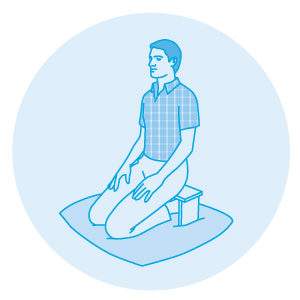
Sit comfortably.
Find a spot that gives you a stable, solid, comfortable seat.
Notice what your legs are doing.
If on a cushion, cross your legs comfortably in front of you. If on a chair, rest the bottoms of your feet on the floor.
Straighten your upper body
—but don’t stiffen. Your spine has natural curvature. Let it be there.
Notice what your arms are doing.
Situate your upper arms parallel to your upper body. Rest the palms of your hands on your legs wherever it feels most natural.
Soften your gaze.
Drop your chin a little and let your gaze fall gently downward. It’s not necessary to close your eyes. You can simply let what appears before your eyes be there without focusing on it.
Feel your breath.
Bring your attention to the physical sensation of breathing: the air moving through your nose or mouth, the rising and falling of your belly, or your chest.
Notice when your mind wanders from your breath.
Inevitably, your attention will leave the breath and wander to other places. Don’t worry. There’s no need to block or eliminate thinking. When you notice your mind wandering gently return your attention to the breath.
Be kind about your wandering mind.
You may find your mind wandering constantly
—
that’s normal, too. Instead of wrestling with your thoughts, practice observing them without reacting. Just sit and pay attention. As hard as it is to maintain, that’s all there is. Come back to your breath over and over again, without judgment or expectation.
When you’re ready, gently lift your gaze
(if your eyes are closed, open them). Take a moment and notice any sounds in the environment. Notice how your body feels right now. Notice your thoughts and emotions.
Follow this exact practice with a guided audio version. Just press play and begin.
Try the free session in the app
Mindful Practices for Every Day
As you spend time practicing mindfulness, you’ll probably find yourself feeling kinder, calmer, and
more patient
. These shifts in your experience are likely to generate changes in other parts of your life as well.
Mindfulness can help you become more playful, maximize your enjoyment of a long conversation with a friend over a cup of tea, then wind down for a relaxing night’s sleep. Try these 4 practices this week:
Meditation 101: Simple Guided Meditations
1. A Simple Breathing Meditation for Beginners
5-Minute Breathing Meditation
This practice can help reduce stress, anxiety, and negative emotions, cool yourself down when your temper flares, and sharpen your concentration skills.
2. A Body Scan to Cultivate Mindfulness
3-Minute Body Scan Meditation
A brief mindfulness meditation practice to relax your body and focus your mind.
3. A Simple Awareness of Breath Practice
An 11-Minute Awareness of Breath Meditation
One of the oldest meditation practices is also one of the simplest: Sit, and know you’re sitting.
4. A Compassion Meditation
Breathing Compassion In and Out
A loving-kindness meditation to reduce negative emotions like anxiety and depression and increase positive emotions like happiness and joy.
5. A Guided Meditation for Easing into Sleep
A Guided Meditation for Sleep
A 20-minute bedtime practice to help you stay settled and less caught up in your thoughts, as you fall asleep.
6. A Meditation Practice for Anxiety
A 20-Minute Meditation for Working with Anxiety
This meditation combines breath awareness, the body scan, and mindfulness of thoughts to explore sources of stress and anxiety.
7. A Loving-Kindness Meditation for Deep Connection
Loving-Kindness Heartscape Meditation
Jon Kabat-Zinn leads this heartscape meditation for deep healing of ourselves and others.
5 Common Mindfulness Meditation Questions
1. Is there a wrong way to meditate? A right way to meditate?
People think they’re messing up when they’re meditating because of how busy the mind is. But getting lost in thought, noticing it, and returning to your chosen meditation object— breath, sound, body sensation, or something else—is how it’s done. That’s about it. If you’re doing that, you’re doing it right!
2. Are there more formal ways to take up mindfulness practice?
Mindfulness can be practiced solo, anytime, or with like-minded friends. But there are others ways, and many resources, to tap into.
Mindfulness-Based Stress Reduction
,
Mindfulness-Based Cognitive Therapy
, and other mindfulness-based trainings are available across North America. We’ve organized a list of centers here.
Daily
guided meditations
are also available by smartphone app, or you can practice in person at a meditation center.
Read more about the types of programs currently available
.
3. Do I have to practice every day?
No, but being that it’s a beneficial practice, you may well find that the more you do it, the more you’ll find it beneficial to your life. Read Jack Kornfield’s guidelines for developing a daily practice
here
.
4. How do I find a meditation instructor?
If you want to make mindfulness a part of your life, you’ll probably want to consider working with a meditation teacher or instructor. You can even do that online using a video chat format of some kind, but even then the same principles apply. Here are 4 questions to consider when looking for a meditation teacher: 1) Do you have good chemistry with them? 2) Are they open and accessible? 3) Do they have a deep understanding of the practice? 4) Could they regard you like a friend?
5. How do yoga and mindfulness work together?
There are a number of yoga poses that will help you with your mindfulness meditation practice. Here are
10 simple yoga exercises
to reduce stress, improve well-being, and get you primed for a sitting meditation session—or anytime.
What are the benefits of meditation?
Of course, when we meditate it doesn’t help to fixate on the benefits, but rather just to do the practice. That being said, there are plenty of benefits. Here are five reasons to practice mindfulness.
Understand your pain
. Pain is a fact of life, but it doesn’t have to rule you. Mindfulness can help you reshape your relationship with mental and physical pain.
Connect better
.
Ever find yourself staring blankly at a friend, lover, child, and you’ve no idea what they’re saying? Mindfulness helps you give them your full attention.
Lower stress.
There’s lots of evidence these days that excess stress causes lots of illnesses and makes other illnesses worse. Mindfulness decreases stress.
Focus your mind
.
It can be frustrating to have our mind stray off what we’re doing and be pulled in six directions. Meditation hones our innate ability to focus.
Reduce brain chatter
.
The
nattering, chattering voice in our head seems never to leave us alone. Isn’t it time we gave it a little break?
No extra time needed. Practice mindfulness in 3–10 minutes with guided sessions you can do anywhere.
Open the free app
A Basic Meditation to Tame Your Inner Critic
An in-the-moment exercise for confronting the nagging voice in your head.
A 5-minute Gratitude Practice: Savor Through the Senses
A mindfulness practice for cultivating life’s small delights as you move through the senses.
A Mindfulness Practice for Preschoolers
A practice for teaching preschool children the basics of mindfulness by drawing on the elements of nature.
A Mindfulness Practice for Kids: Coming Back to the Positive
A simple practice to help kids take some time to notice what has gone well and see what happens next.
A Mindfulness Practice for Teens and Tweens
A simple meditation, appropriate for older kids, that uses counting breaths to cultivate mindful awareness, decrease mind wandering and negative thought loops, and improve mood.
Mindful movement can help you tap into that space beyond your busy mind where you are already calm and clear. By focusing on the breath while doing some simple movements you can synchronize your mind and body with breath and rhythm. What happens when you do that, even after just a few minutes, is you begin to pause and start to focus.
Why Practice Mindfulness?
Some of the most popular ideas about mindfulness are just plain wrong. When you begin to practice it, you may find the experience quite different than what you expected. There’s a good chance you’ll be pleasantly surprised.
Mindful’s founding editor, Barry Boyce sets the record straight regarding these
5 things people get wrong about mindfulness:
Mindfulness isn’t about “fixing” you
Mindfulness is not about stopping your thoughts
Mindfulness does not belong to a religion
Mindfulness is not an escape from reality
Mindfulness is not a panacea
Mindfulness Is About More than Just Stress Reduction
Stress reduction is often an effect of mindfulness practice, but the ultimate goal isn’t meant to be stress reduction. The goal of mindfulness is to wake up to the inner workings of our mental, emotional, and physical processes.
Mindfulness trains your body to thrive:
Athletes around the world use mindfulness to foster peak performance—from
university basketball players
practicing
acceptance of negative thoughts
before games, to
BMX champions learning to follow their breath
, and
big-wave surfers transforming their fears
. Seattle Seahawks Coach Pete Carroll, assisted by sports psychologist Michael Gervais, talks about coaching the “whole person.” As writer Hugh Delehanty illustrates, players learn a blend of mindfulness, which Gervais calls tactical breathing, and cognitive behavioral training to foster what he calls “full presence and conviction in the moment.”
Mindfulness boosts creativity:
Whether it’s writing, drawing, or coloring, they all have accompanying meditative practices. We can also
apply mindfulness to the creative process
.
Mindfulness strengthens neural connections:
By training our brains in mindfulness and related practices, we can build new neural pathways and networks in the brain, boosting concentration, flexibility, and awareness.
Well-being is a skill
that can be learned.
Try this basic meditation to strengthen neural connections.
Explore Mindful
Mindful has many resources to help you live a more mindful life and tap into the best of who you are:
How to Meditate
Guided Meditation
Meditation for Anxiety
Mindful Subscription
Special Edition Guides
Mindful Online Learning
Featured Mindful Products
Meditation Apps
3 Mindful Apps for Genuine Connection
These new apps have wellness and inclusion woven into their development and aim to help us connect with others and with ourselves without sacrificing our privacy or principles.
Read More
Mindful Staff
October 25, 2022 |
| Markdown | 
[Download the free Mindful App](https://app.mindful.org/?utm_source=morg-digital&utm_medium=banner&utm_campaign=mindful-app&utm_content=globalyellowbanner&utm_term=app-download)
- [App](https://app.mindful.org/)
- [Search](https://www.mindful.org/meditation/mindfulness-getting-started/)
- [Subscribe](https://shop.mindful.org/products/mindful-subscription?abtr=true)
[Download the free Mindful App](https://app.mindful.org/?utm_source=morg-digital&utm_medium=banner&utm_campaign=mindful-app&utm_content=globalyellowbanner&utm_term=app-download)
- [App](https://app.mindful.org/)
- [How to Meditate](https://www.mindful.org/how-to-meditate/)
- [Meditation](https://www.mindful.org/meditation/mindfulness-getting-started/)
- [Meditation Techniques](https://www.mindful.org/meditation/mindfulness-getting-started/)
- [Meditation for Beginners](https://www.mindful.org/what-is-mindfulness/)
- [Benefits of Meditation](https://www.mindful.org/the-science-of-mindfulness/)
- [Guided Meditation](https://www.mindful.org/category/meditation-practices/guided-meditations/)
- [FAQ About Meditation](https://www.mindful.org/category/magazine/faq/)
- [Guided Practices](https://www.mindful.org/meditation/mindfulness-getting-started/)
- [Mindfulness for Stress](https://www.mindful.org/how-to-manage-stress-with-mindfulness-and-meditation/)
- [Mindfulness for Kids](https://www.mindful.org/mindfulness-for-kids/)
- [Mindful Eating](https://www.mindful.org/the-basics-of-mindful-eating/)
- [Mindful Breathing](https://www.mindful.org/how-to-practice-mindful-breathing/)
- [Mindfulness at Work](https://www.mindful.org/mindful-working-the-best-practices-for-bringing-mindfulness-to-work/)
- [Mindful Compassion](https://www.mindful.org/how-to-be-more-compassionate-a-mindful-guide-to-compassion/)
- [Mindfulness for Sleep](https://www.mindful.org/the-ultimate-guide-to-mindfulness-for-sleep/)
- [Mindful Movement](https://www.mindful.org/getting-started-with-mindful-movement/)
- [12 Minute Meditation Podcast](https://www.mindful.org/category/learn/podcasts-audio/)
- [In-Depth Guides](https://www.mindful.org/meditation/mindfulness-getting-started/)
- [Guides & Courses](https://www.mindful.org/category/learn/10x-page/)
- [Mindful Challenges](https://www.mindful.org/join-the-mindful-affirmations-4-week-challenge/)
- [Shop](https://shop.mindful.org/)
- [Courses](https://shop.mindful.org/collections/online-courses)
- [Affirmation Cards](https://shop.mindful.org/collections/physical-products)
- [Apparel](https://shop.mindful.org/collections/mindful-supply)
- [Gifts](https://www.mindful.org/mindfuls-holiday-gift-guide/)
- [For Businesses](https://www.mindful.org/meditation/mindfulness-getting-started/)
- [Mindfulness in the Workplace](https://www.mindful.org/category/mindfulness-for/work-career/)
- [Advertise With Us](https://www.mindful.org/advertise/)
- [Magazine](https://www.mindful.org/meditation/mindfulness-getting-started/)
- [Latest Issue](https://www.mindful.org/issue/annual-2026/)
- [Past Issues](https://www.mindful.org/archives/)
[subscribe](https://shop.mindful.org/products/mindful-subscription?abtr=true)
- [App](https://app.mindful.org/)
- [How to Meditate](https://www.mindful.org/how-to-meditate/)
- [Meditation](https://www.mindful.org/meditation/mindfulness-getting-started/)
- [Meditation Techniques](https://www.mindful.org/meditation/mindfulness-getting-started/)
- [Meditation for Beginners](https://www.mindful.org/what-is-mindfulness/)
- [Benefits of Meditation](https://www.mindful.org/the-science-of-mindfulness/)
- [Guided Meditation](https://www.mindful.org/category/meditation-practices/guided-meditations/)
- [FAQ About Meditation](https://www.mindful.org/category/magazine/faq/)
- [Guided Practices](https://www.mindful.org/meditation/mindfulness-getting-started/)
- [Mindfulness for Stress](https://www.mindful.org/how-to-manage-stress-with-mindfulness-and-meditation/)
- [Mindfulness for Kids](https://www.mindful.org/mindfulness-for-kids/)
- [Mindful Eating](https://www.mindful.org/the-basics-of-mindful-eating/)
- [Mindful Breathing](https://www.mindful.org/how-to-practice-mindful-breathing/)
- [Mindfulness at Work](https://www.mindful.org/mindful-working-the-best-practices-for-bringing-mindfulness-to-work/)
- [Mindful Compassion](https://www.mindful.org/how-to-be-more-compassionate-a-mindful-guide-to-compassion/)
- [Mindfulness for Sleep](https://www.mindful.org/the-ultimate-guide-to-mindfulness-for-sleep/)
- [Mindful Movement](https://www.mindful.org/getting-started-with-mindful-movement/)
- [12 Minute Meditation Podcast](https://www.mindful.org/category/learn/podcasts-audio/)
- [In-Depth Guides](https://www.mindful.org/meditation/mindfulness-getting-started/)
- [Guides & Courses](https://www.mindful.org/category/learn/10x-page/)
- [Mindful Challenges](https://www.mindful.org/join-the-mindful-affirmations-4-week-challenge/)
- [Shop](https://shop.mindful.org/)
- [Courses](https://shop.mindful.org/collections/online-courses)
- [Affirmation Cards](https://shop.mindful.org/collections/physical-products)
- [Apparel](https://shop.mindful.org/collections/mindful-supply)
- [Gifts](https://www.mindful.org/mindfuls-holiday-gift-guide/)
- [For Businesses](https://www.mindful.org/meditation/mindfulness-getting-started/)
- [Mindfulness in the Workplace](https://www.mindful.org/category/mindfulness-for/work-career/)
- [Advertise With Us](https://www.mindful.org/advertise/)
- [Magazine](https://www.mindful.org/meditation/mindfulness-getting-started/)
- [Latest Issue](https://www.mindful.org/issue/annual-2026/)
- [Past Issues](https://www.mindful.org/archives/)
[App](https://app.mindful.org/)
[](https://www.mindful.org/newsletters/)
[](https://www.mindful.org/newsletters/)
# *Getting Started with Mindfulness*
#### You have questions about mindfulness and meditation. *Mindful* has the answers.
Prefer to learn by doing? Try a free 3-minute guided mindfulness practice in the Mindful app. **[Get the free app](https://shop.mindful.org/products/annual-subscription?abtr=true&view=subscribe)**
## Summary
**Mindfulness Defined:** Being fully present and aware of your experiences—senses, thoughts, and emotions—without being overly reactive or judgmental.
**Meditation Explained:** A form of mindful exploration where you observe your thoughts, sensations, and emotions with curiosity and kindness, using your breath as an anchor.
**Mindfulness in Practice:**
- Set aside time and a quiet space.
- Observe the present moment without trying to change it.
- Notice and gently let go of judgments or distractions.
- Regular practice can remodel your brain and improve focus.
**How to Meditate :**
- Sit comfortably with a relaxed posture.
- Focus on your breath or other sensory anchors.
- When your mind wanders, kindly bring it back to your focal point.
**Everyday Mindfulness** : Integrate mindfulness into daily routines—like pausing before answering the phone—to cultivate a calmer, more attentive state.
**Key Benefits of Mindfulness:** Enhances awareness, reduces stress, improves focus, deepens connections, boosts creativity, and strengthens neural connections for better overall well-being.
**Common Questions Addressed:** There’s no “wrong” way to practice; mindfulness is about returning to the present moment, whether you meditate alone, in a group, or through activities like yoga.
## What is mindfulness?
Mindfulness is the basic human ability to be fully present, aware of where we are and what we’re doing, and not overly reactive or overwhelmed by what’s going on around us.
While mindfulness is something we all naturally possess, it’s more readily available to us when we practice on a daily basis.
Whenever you bring awareness to what you’re directly experiencing via your senses, or to your state of mind via your thoughts and emotions, you’re being mindful. And there’s growing research showing that when you train your brain to be mindful, you’re actually remodeling the physical structure of your brain.
> The goal of mindfulness is to wake up to the inner workings of our mental, emotional, and physical processes.
**Watch this video to discover what mindfulness is all about**
## What is meditation?
Meditation is exploring. It’s not a fixed destination. Your head doesn’t become vacuumed free of thought, utterly undistracted. It’s a special place where each and every moment is momentous. When we meditate we venture into the workings of our minds: our sensations (air blowing on our skin or a harsh smell wafting into the room), our emotions (love this, hate that, crave this, loathe that) and thoughts (wouldn’t it be weird to see an elephant playing a trumpet).
Mindfulness meditation asks us to suspend judgment and unleash our natural curiosity about the workings of the mind, approaching our experience with warmth and kindness, to ourselves and others.
## How do I practice mindfulness and meditation?
Mindfulness is available to us in every moment, whether through meditations and body scans, or mindful moment practices like taking time to pause and breathe when the phone rings instead of rushing to answer it.
Jon Kabat-Zinn, creator of the research-backed stress-reduction program Mindfulness-Based Stress Reduction (MBSR), explains how mindfulness lights up parts of our brains that aren’t normally activated when we’re mindlessly running on autopilot.
“Mindfulness is awareness that arises through paying attention, on purpose, in the present moment, non-judgementally,” says Kabat-Zinn. “And then I sometimes add, in the service of self-understanding and wisdom.”
[](https://mailchi.mp/mindful/sfbcf98skw?_ga=2.263973065.496548942.1610919702-31860911.1604412855&_gac=1.27486798.1610745924.CjwKCAiAl4WABhAJEiwATUnEF6Q8sixS74t73nEbLXrIP3-_shjdFd3H4NV0SjS-xoaS0GrQbR-GTRoCX-AQAvD_BwE)
***
##### Read about Meditation & The Brain
No posts found
***
## The Basics of Mindfulness Practice
Mindfulness helps us put some space between ourselves and our reactions, breaking down our conditioned responses. [Here’s how to tune into mindfulness](https://www.mindful.org/how-to-practice-mindfulness/) throughout the day:
1. **Set aside some time.** You don’t need a meditation cushion or bench, or any sort of special equipment to access your mindfulness skills—but you do need to set aside some time and space.
2. **Observe the present moment as it is.** The aim of mindfulness is not quieting the mind, or attempting to achieve a state of eternal calm. The goal is simple: we’re aiming to pay attention to the present moment, without judgment. Easier said than done, we know.
3. **Let your judgments roll by.** When we notice judgments arise during our practice, we can make a mental note of them, and let them pass.
4. **Return to observing the present moment as it is.** Our minds often get carried away in thought. That’s why mindfulness is the practice of returning, again and again, to the present moment.
5. **Be kind to your wandering mind.** Don’t judge yourself for whatever thoughts crop up, just practice recognizing when your mind has wandered off, and gently bring it back.
That’s the practice. It’s often been said that it’s very simple, but it’s not necessarily easy. The work is to just keep doing it. Results will accrue.
Turn these moments into a daily practice with short guided sessions and gentle reminders. **[Get the free Mindful app](https://shop.mindful.org/products/annual-subscription?abtr=true&view=subscribe)**
***
## How to Meditate
This meditation focuses on the breath, not because there is anything special about it, but because the physical sensation of breathing is always there and you can use it as an anchor to the present moment. Throughout the practice you may find yourself caught up in thoughts, emotions, sounds—wherever your mind goes, simply come back again to the next breath. Even if you only come back once, that’s okay.
#### A Simple Meditation Practice
1. **Sit comfortably.** Find a spot that gives you a stable, solid, comfortable seat.
2. **Notice what your legs are doing.** If on a cushion, cross your legs comfortably in front of you. If on a chair, rest the bottoms of your feet on the floor.
3. **Straighten your upper body**—but don’t stiffen. Your spine has natural curvature. Let it be there.
4. **Notice what your arms are doing.** Situate your upper arms parallel to your upper body. Rest the palms of your hands on your legs wherever it feels most natural.
5. **Soften your gaze.** Drop your chin a little and let your gaze fall gently downward. It’s not necessary to close your eyes. You can simply let what appears before your eyes be there without focusing on it.
6. **Feel your breath.** Bring your attention to the physical sensation of breathing: the air moving through your nose or mouth, the rising and falling of your belly, or your chest.
7. **Notice when your mind wanders from your breath.** Inevitably, your attention will leave the breath and wander to other places. Don’t worry. There’s no need to block or eliminate thinking. When you notice your mind wandering gently return your attention to the breath.
8. **Be kind about your wandering mind.** You may find your mind wandering constantly**—**that’s normal, too. Instead of wrestling with your thoughts, practice observing them without reacting. Just sit and pay attention. As hard as it is to maintain, that’s all there is. Come back to your breath over and over again, without judgment or expectation.
9. **When you’re ready, gently lift your gaze** (if your eyes are closed, open them). Take a moment and notice any sounds in the environment. Notice how your body feels right now. Notice your thoughts and emotions.
Follow this exact practice with a guided audio version. Just press play and begin. **[Try the free session in the app](https://shop.mindful.org/products/annual-subscription?abtr=true&view=subscribe)**
***
## Mindful Practices for Every Day
As you spend time practicing mindfulness, you’ll probably find yourself feeling kinder, calmer, and [more patient](https://www.mindful.org/the-benefits-of-being-a-patient-person/). These shifts in your experience are likely to generate changes in other parts of your life as well.
Mindfulness can help you become more playful, maximize your enjoyment of a long conversation with a friend over a cup of tea, then wind down for a relaxing night’s sleep. Try these 4 practices this week:
[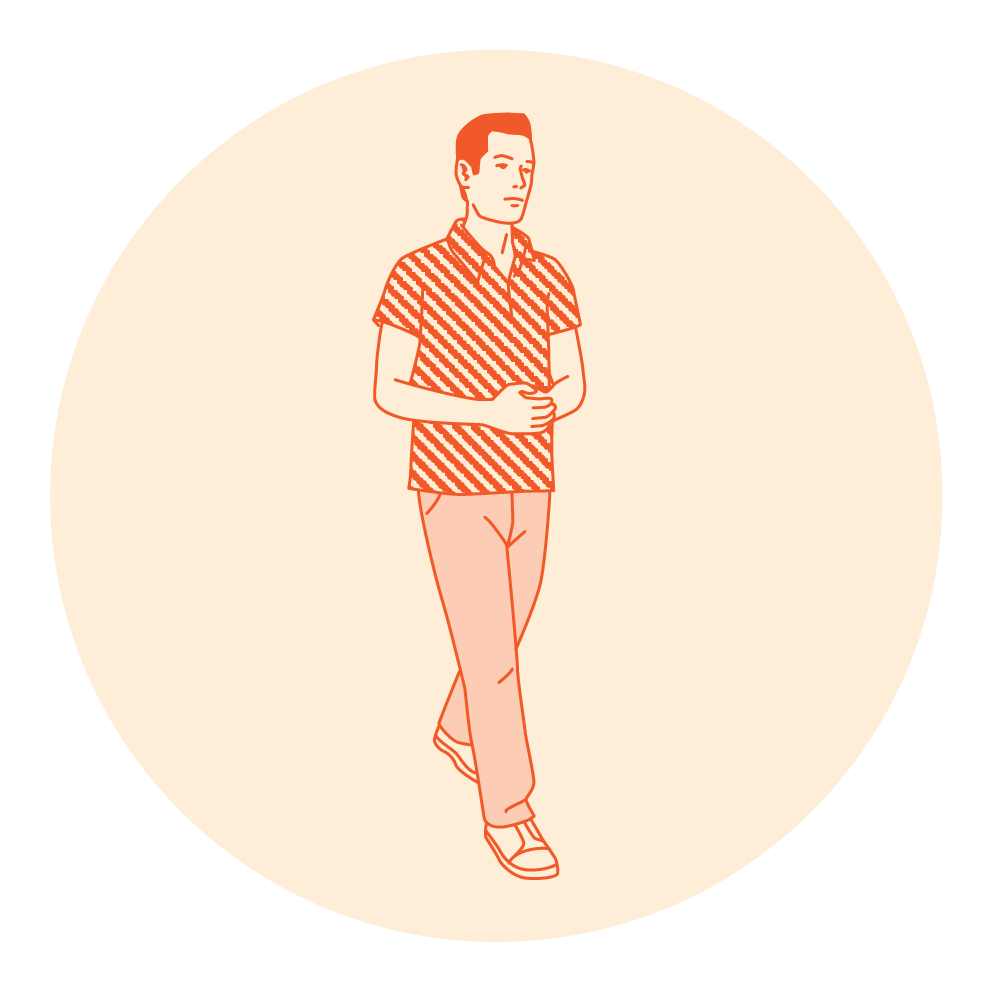](https://www.mindful.org/walk-this-way/)
[Try This Simple Walking Meditation](https://www.mindful.org/walk-this-way/)
[](https://www.mindful.org/tuning-in/)
[5 Steps to Mindful Listening](https://www.mindful.org/tuning-in/)
[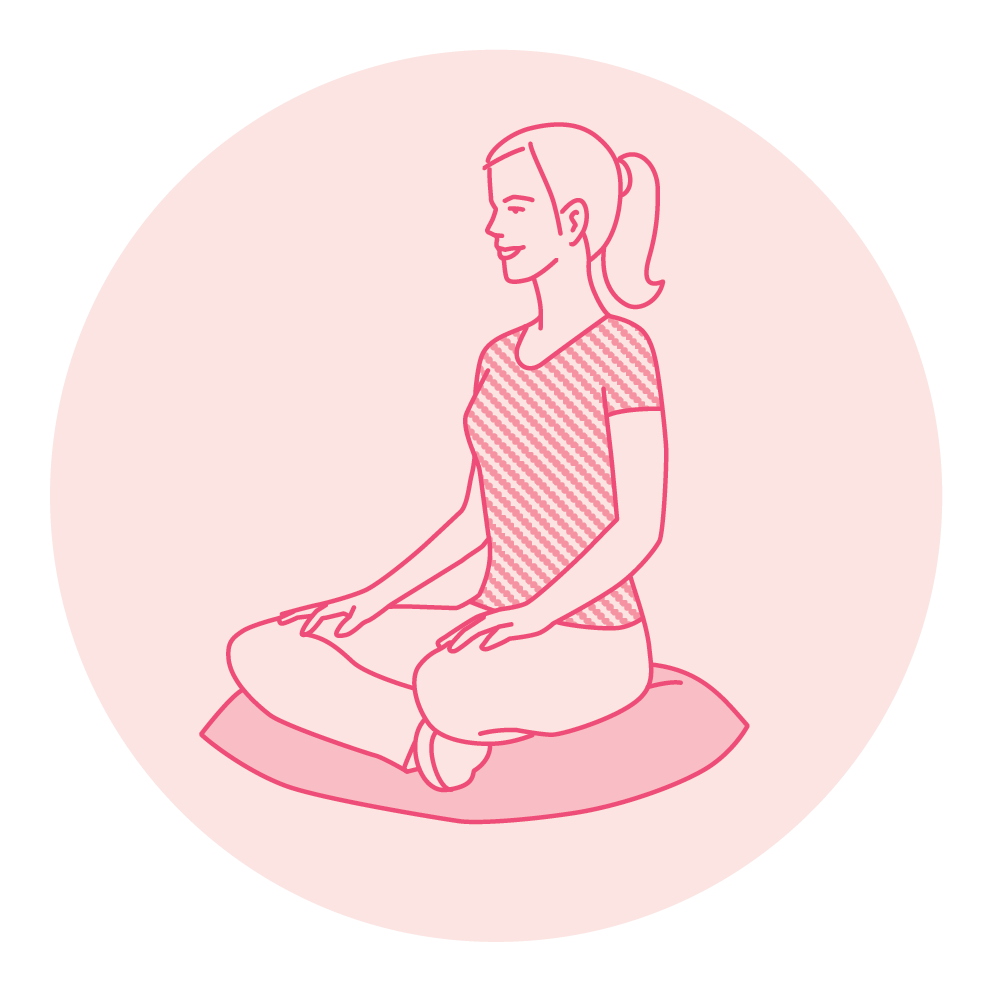](https://www.mindful.org/be-kind-to-yourself-right-now/)
[Loving-Kindness Practice for Every Day](https://www.mindful.org/be-kind-to-yourself-right-now/)
[](https://www.mindful.org/5-steps-to-wind-down-and-fall-asleep/)
[5 Steps to Wind Down and Fall Asleep](https://www.mindful.org/5-steps-to-wind-down-and-fall-asleep/)
***
## Meditation 101: Simple Guided Meditations
### 1\. A Simple Breathing Meditation for Beginners
### 5-Minute Breathing Meditation
- 5:00
This practice can help reduce stress, anxiety, and negative emotions, cool yourself down when your temper flares, and sharpen your concentration skills.
### 2\. A Body Scan to Cultivate Mindfulness
### 3-Minute Body Scan Meditation
- 3:00
A brief mindfulness meditation practice to relax your body and focus your mind.
### 3\. A Simple Awareness of Breath Practice
### An 11-Minute Awareness of Breath Meditation
- 11:00
One of the oldest meditation practices is also one of the simplest: Sit, and know you’re sitting.
### 4\. A Compassion Meditation
### Breathing Compassion In and Out
- 20:00
A loving-kindness meditation to reduce negative emotions like anxiety and depression and increase positive emotions like happiness and joy.
### 5\. A Guided Meditation for Easing into Sleep
### A Guided Meditation for Sleep
- 20:00
A 20-minute bedtime practice to help you stay settled and less caught up in your thoughts, as you fall asleep.
### 6\. A Meditation Practice for Anxiety
### A 20-Minute Meditation for Working with Anxiety
- 20:00
This meditation combines breath awareness, the body scan, and mindfulness of thoughts to explore sources of stress and anxiety.
### 7\. A Loving-Kindness Meditation for Deep Connection
### Loving-Kindness Heartscape Meditation
- 47:00
Jon Kabat-Zinn leads this heartscape meditation for deep healing of ourselves and others.
## 5 Common Mindfulness Meditation Questions
**1\. Is there a wrong way to meditate? A right way to meditate?**
People think they’re messing up when they’re meditating because of how busy the mind is. But getting lost in thought, noticing it, and returning to your chosen meditation object— breath, sound, body sensation, or something else—is how it’s done. That’s about it. If you’re doing that, you’re doing it right\!
**2\. Are there more formal ways to take up mindfulness practice?**
Mindfulness can be practiced solo, anytime, or with like-minded friends. But there are others ways, and many resources, to tap into. [Mindfulness-Based Stress Reduction](https://www.mindful.org/no-blueprint-just-love/), [Mindfulness-Based Cognitive Therapy](https://www.mindful.org/mindfulness-future-therapy/), and other mindfulness-based trainings are available across North America. We’ve organized a list of centers here.
Daily [guided meditations](https://www.mindful.org/category/mindful-skills/meditation/guided-meditation/) are also available by smartphone app, or you can practice in person at a meditation center. [Read more about the types of programs currently available](https://www.mindful.org/choosing-a-mindfulness-program/).
**3\. Do I have to practice every day?**
No, but being that it’s a beneficial practice, you may well find that the more you do it, the more you’ll find it beneficial to your life. Read Jack Kornfield’s guidelines for developing a daily practice [here](https://www.mindful.org/developing-a-daily-practice/).
**4\. How do I find a meditation instructor?**
If you want to make mindfulness a part of your life, you’ll probably want to consider working with a meditation teacher or instructor. You can even do that online using a video chat format of some kind, but even then the same principles apply. Here are 4 questions to consider when looking for a meditation teacher: 1) Do you have good chemistry with them? 2) Are they open and accessible? 3) Do they have a deep understanding of the practice? 4) Could they regard you like a friend?
**5\. How do yoga and mindfulness work together?**
There are a number of yoga poses that will help you with your mindfulness meditation practice. Here are [10 simple yoga exercises](https://www.mindful.org/yoga-poses-for-meditation/) to reduce stress, improve well-being, and get you primed for a sitting meditation session—or anytime.
## What are the benefits of meditation?
Of course, when we meditate it doesn’t help to fixate on the benefits, but rather just to do the practice. That being said, there are plenty of benefits. Here are five reasons to practice mindfulness.
- **[Understand your pain](https://www.mindful.org/point-of-view-when-vulnerability-and-trauma-collide/)**. Pain is a fact of life, but it doesn’t have to rule you. Mindfulness can help you reshape your relationship with mental and physical pain.
- **[**Connect better**](https://www.mindful.org/sharon-salzberg-connect-with-kindness/).** Ever find yourself staring blankly at a friend, lover, child, and you’ve no idea what they’re saying? Mindfulness helps you give them your full attention.
- [**Lower stress.**](https://www.mindful.org/10-seconds-to-less-stress/) There’s lots of evidence these days that excess stress causes lots of illnesses and makes other illnesses worse. Mindfulness decreases stress.
- [**Focus your mind**](https://www.mindful.org/manage-attention-not-time/)**.** It can be frustrating to have our mind stray off what we’re doing and be pulled in six directions. Meditation hones our innate ability to focus.
- [**Reduce brain chatter.**](https://www.mindful.org/remedies-for-your-anxious-mind/)
The
nattering, chattering voice in our head seems never to leave us alone. Isn’t it time we gave it a little break?
No extra time needed. Practice mindfulness in 3–10 minutes with guided sessions you can do anywhere. **[Open the free app](https://shop.mindful.org/products/annual-subscription?abtr=true&view=subscribe)**
##### Read about the Power of Your Breath
[](https://www.mindful.org/breath-brains-remote-control/)
Breathing Meditations
###### [Your Breath is Your Brain’s Remote Control](https://www.mindful.org/breath-brains-remote-control/)
A study has found evidence to show that there is actually a direct link between nasal breathing and our cognitive functions. [Read More ](https://www.mindful.org/breath-brains-remote-control/)
- Crystal Goh
- February 16, 2017
[](https://www.mindful.org/fight-stress-intentional-breathing/)
Breathing Meditations
###### [How to Fight Stress with Intentional Breathing](https://www.mindful.org/fight-stress-intentional-breathing/)
This simple yet effective form of deep breathing defuses the stress feedback loop and teaches your brain and body to relax. [Read More ](https://www.mindful.org/fight-stress-intentional-breathing/)
- B Grace Bullock PhD
- February 6, 2017
[](https://www.mindful.org/how-your-breath-controls-your-mood-and-attention/)
Breathing Meditations
###### [How Your Breath Controls Your Mood and Attention](https://www.mindful.org/how-your-breath-controls-your-mood-and-attention/)
New research explores the relationship between the pace and intentionality of your breathing, and the brain networks involved in mood, attention, and body awareness. [Read More ](https://www.mindful.org/how-your-breath-controls-your-mood-and-attention/)
- B Grace Bullock PhD
- September 5, 2019
##### More Audio Mindfulness practices
### A Basic Meditation to Tame Your Inner Critic
- 12:00
An in-the-moment exercise for confronting the nagging voice in your head.
### A 5-minute Gratitude Practice: Savor Through the Senses
- 5:00
A mindfulness practice for cultivating life’s small delights as you move through the senses.
### A Mindfulness Practice for Preschoolers
- 4:00
A practice for teaching preschool children the basics of mindfulness by drawing on the elements of nature.
### A Mindfulness Practice for Kids: Coming Back to the Positive
- 8:00
A simple practice to help kids take some time to notice what has gone well and see what happens next.
### A Mindfulness Practice for Teens and Tweens
- 8:00
A simple meditation, appropriate for older kids, that uses counting breaths to cultivate mindful awareness, decrease mind wandering and negative thought loops, and improve mood.
***
##### Video: mindful movement practice
Mindful movement can help you tap into that space beyond your busy mind where you are already calm and clear. By focusing on the breath while doing some simple movements you can synchronize your mind and body with breath and rhythm. What happens when you do that, even after just a few minutes, is you begin to pause and start to focus.
## Why Practice Mindfulness?
Some of the most popular ideas about mindfulness are just plain wrong. When you begin to practice it, you may find the experience quite different than what you expected. There’s a good chance you’ll be pleasantly surprised.
Mindful’s founding editor, Barry Boyce sets the record straight regarding these [5 things people get wrong about mindfulness:](https://www.mindful.org/5-things-people-get-wrong-about-mindfulness/)
1. Mindfulness isn’t about “fixing” you
2. Mindfulness is not about stopping your thoughts
3. Mindfulness does not belong to a religion
4. Mindfulness is not an escape from reality
5. Mindfulness is not a panacea
#### Mindfulness Is About More than Just Stress Reduction
Stress reduction is often an effect of mindfulness practice, but the ultimate goal isn’t meant to be stress reduction. The goal of mindfulness is to wake up to the inner workings of our mental, emotional, and physical processes.
**Mindfulness trains your body to thrive:** Athletes around the world use mindfulness to foster peak performance—from [university basketball players](http://psycnet.apa.org/journals/cns/1/4/339/) practicing [acceptance of negative thoughts](https://www.mindful.org/three-ways-acceptance-helps-work-difficult-emotions/) before games, to [BMX champions learning to follow their breath](http://journal.frontiersin.org/article/10.3389/fnbeh.2015.00229/full), and [big-wave surfers transforming their fears](https://www.mindful.org/using-fear-to-tap-into-your-superpowers/). Seattle Seahawks Coach Pete Carroll, assisted by sports psychologist Michael Gervais, talks about coaching the “whole person.” As writer Hugh Delehanty illustrates, players learn a blend of mindfulness, which Gervais calls tactical breathing, and cognitive behavioral training to foster what he calls “full presence and conviction in the moment.”
**Mindfulness boosts creativity:** Whether it’s writing, drawing, or coloring, they all have accompanying meditative practices. We can also [apply mindfulness to the creative process](https://www.mindful.org/apply-mindfulness-creative-process/).
**Mindfulness strengthens neural connections:** By training our brains in mindfulness and related practices, we can build new neural pathways and networks in the brain, boosting concentration, flexibility, and awareness. [Well-being is a skill](https://www.mindful.org/science-reveals-well-skill/) that can be learned. [Try this basic meditation to strengthen neural connections.](https://www.mindful.org/a-basic-mindfulness-practice-to-strengthen-neural-connections/)
***
#### Explore Mindful
Mindful has many resources to help you live a more mindful life and tap into the best of who you are:
- [How to Meditate](https://www.mindful.org/how-to-meditate/)
- [Guided Meditation](https://www.mindful.org/category/mindful-skills/meditation/guided-meditation/)
- [Meditation for Anxiety](https://www.mindful.org/mindfulness-meditation-anxiety/)
- [Mindful Subscription](https://shop.mindful.org/products/mindful-subscription)
- [Special Edition Guides](https://mindful-magazine.myshopify.com/collections/special-editions)
- [Mindful Online Learning](https://learning.mindful.org/)
### Featured Mindful Products
[Visit our Store](https://shop.mindful.org/)
[](https://shop.mindful.org/collections/featured-products/products/self-love-affirmations?utm_source=morg-digital&utm_medium=product&utm_id=productcarouseltest-oct2024&utm_content=article)
[](https://shop.mindful.org/collections/featured-products/products/foundation-of-act-course?utm_source=morg-digital&utm_medium=product&utm_id=productcarouseltest-oct2024&utm_content=article)
[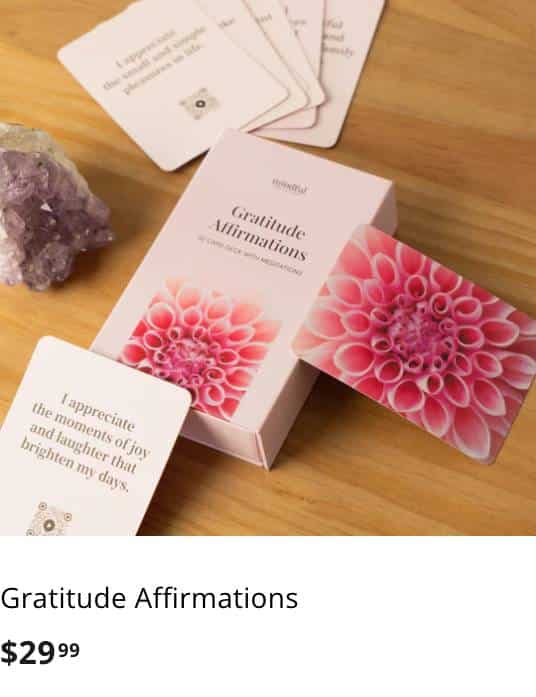](https://shop.mindful.org/collections/featured-products/products/gratitude-cards?utm_source=morg-digital&utm_medium=product&utm_id=productcarouseltest-oct2024&utm_content=article)
[](https://shop.mindful.org/collections/featured-products/products/yoga-nidra-deep-rest-and-renewal?utm_source=morg-digital&utm_medium=product&utm_id=productcarouseltest-oct2024&utm_content=article)
[](https://shop.mindful.org/collections/featured-products/products/mindful-living-journal?utm_source=morg-digital&utm_medium=product&utm_id=productcarouseltest-oct2024&utm_content=article)
#### Meditation Apps
[](https://www.mindful.org/free-mindfulness-apps-worthy-of-your-attention/)
Books & Reviews
###### [Free Meditation Apps Worthy of Your Attention](https://www.mindful.org/free-mindfulness-apps-worthy-of-your-attention/)
Mindfulness apps are trending in a big way. Here are five we’re happy we downloaded. [Read More ](https://www.mindful.org/free-mindfulness-apps-worthy-of-your-attention/)
- Kira M. Newman and Janet Ho
- November 15, 2023
[](https://www.mindful.org/how-do-mindfulness-apps-work/)
Books & Reviews
###### [How Do Mindfulness Apps Work?](https://www.mindful.org/how-do-mindfulness-apps-work/)
Research on mindfulness apps is limited, but here’s what we know so far. [Read More ](https://www.mindful.org/how-do-mindfulness-apps-work/)
- Kira M. Newman
- June 26, 2018
[](https://www.mindful.org/tech-yourself-dont-wreck-yourself-2/)
Books & Reviews
###### [3 Mindful Apps for Genuine Connection](https://www.mindful.org/tech-yourself-dont-wreck-yourself-2/)
These new apps have wellness and inclusion woven into their development and aim to help us connect with others and with ourselves without sacrificing our privacy or principles. [Read More ](https://www.mindful.org/tech-yourself-dont-wreck-yourself-2/)
- Mindful Staff
- October 25, 2022
[](https://www.mindful.org/free-or-almost-free-mindfulness-apps-that-offer-mental-health-support/)
Books & Reviews
###### [Free (Or Almost Free) Mindfulness Apps That Offer Mental Health Support](https://www.mindful.org/free-or-almost-free-mindfulness-apps-that-offer-mental-health-support/)
More people are turning to mindfulness apps to support their mental well-being—Here are a few that we think are worth trying. [Read More ](https://www.mindful.org/free-or-almost-free-mindfulness-apps-that-offer-mental-health-support/)
- Mindful Staff
- February 15, 2022
[](https://www.mindful.org/how-an-app-helped-me-deepen-my-mindfulness-practice/)
Books & Reviews
###### [How an App Helped Me Deepen My Mindfulness Practice](https://www.mindful.org/how-an-app-helped-me-deepen-my-mindfulness-practice/)
Misty Pratt debriefs how a free, science-based app is helping her take steps toward more self-acceptance and well-being. [Read More ](https://www.mindful.org/how-an-app-helped-me-deepen-my-mindfulness-practice/)
- Misty Pratt
- December 11, 2021
***
- [MINDFUL.ORG](https://www.mindful.org/)
- [About Mindful & Mindful.org](https://www.mindful.org/about-mindful/)
- [Advertise with us at Mindful.org](https://www.mindful.org/advertise/)
- [Privacy Policies](https://www.mindful.org/privacy/)
- [Sitemap](https://www.mindful.org/html-sitemap/)
- [AI Use Policy](https://www.mindful.org/ai-policy/)
- [Accessibility Statement](https://www.mindful.org/accessibility/)
- [Land Acknowledgement](https://www.mindful.org/land-acknowledgement/)
- [EU Online Dispute Resolution (ODR) Platform](https://ec.europa.eu/consumers/odr/main/index.cfm?event=main.home2.show&lng=EN)
- [CUSTOMER SERVICE](https://www.mindful.org/subscriber-services/)
- [Contact Us](https://www.mindful.org/contact/)
- [EXPLORE](https://shop.mindful.org/)
- [Mindful Courses](https://www.mindful.org/courses/)
- [MINDFUL APP]()
- [](https://apps.apple.com/au/app/mindful-magazine-courses/id6738400445)
- [](https://play.google.com/store/apps/details?id=org.mindful.android)
- Social Media
- [X](https://twitter.com/MindfulOnline)
- [Facebook](https://facebook.com/mindfulorg)
- [Instagram](https://instagram.com/mindfulmagazine)
- [TikTok](https://www.tiktok.com/@mindful.org)
- [YouTube](https://www.youtube.com/channel/UCXsjej0djMYxtGC3RMHBUvg)
- [Spotify](https://open.spotify.com/show/50yOGRLSNwrA5mDO2g5gt8)
- [Apple Podcasts](https://podcasts.apple.com/ca/podcast/12-minute-meditation/id1068281273)
- [Pinterest](https://www.pinterest.com/mindfulonline/)
- [LinkedIn](https://www.linkedin.com/company/mindful-org/)
© 2026 [Mindfulness United Pty Ltd](https://www.mindful.org/about-mindful/)
Notifications
 |
| Readable Markdown | 
#### You have questions about mindfulness and meditation. *Mindful* has the answers.
Prefer to learn by doing? Try a free 3-minute guided mindfulness practice in the Mindful app. **[Get the free app](https://shop.mindful.org/products/annual-subscription?abtr=true&view=subscribe)**
## Summary
**Mindfulness Defined:** Being fully present and aware of your experiences—senses, thoughts, and emotions—without being overly reactive or judgmental.
**Meditation Explained:** A form of mindful exploration where you observe your thoughts, sensations, and emotions with curiosity and kindness, using your breath as an anchor.
**Mindfulness in Practice:**
- Set aside time and a quiet space.
- Observe the present moment without trying to change it.
- Notice and gently let go of judgments or distractions.
- Regular practice can remodel your brain and improve focus.
**How to Meditate :**
- Sit comfortably with a relaxed posture.
- Focus on your breath or other sensory anchors.
- When your mind wanders, kindly bring it back to your focal point.
**Everyday Mindfulness** : Integrate mindfulness into daily routines—like pausing before answering the phone—to cultivate a calmer, more attentive state.
**Key Benefits of Mindfulness:** Enhances awareness, reduces stress, improves focus, deepens connections, boosts creativity, and strengthens neural connections for better overall well-being.
**Common Questions Addressed:** There’s no “wrong” way to practice; mindfulness is about returning to the present moment, whether you meditate alone, in a group, or through activities like yoga.
## What is mindfulness?
Mindfulness is the basic human ability to be fully present, aware of where we are and what we’re doing, and not overly reactive or overwhelmed by what’s going on around us.
While mindfulness is something we all naturally possess, it’s more readily available to us when we practice on a daily basis.
Whenever you bring awareness to what you’re directly experiencing via your senses, or to your state of mind via your thoughts and emotions, you’re being mindful. And there’s growing research showing that when you train your brain to be mindful, you’re actually remodeling the physical structure of your brain.
> The goal of mindfulness is to wake up to the inner workings of our mental, emotional, and physical processes.
**Watch this video to discover what mindfulness is all about**
## What is meditation?
Meditation is exploring. It’s not a fixed destination. Your head doesn’t become vacuumed free of thought, utterly undistracted. It’s a special place where each and every moment is momentous. When we meditate we venture into the workings of our minds: our sensations (air blowing on our skin or a harsh smell wafting into the room), our emotions (love this, hate that, crave this, loathe that) and thoughts (wouldn’t it be weird to see an elephant playing a trumpet).
Mindfulness meditation asks us to suspend judgment and unleash our natural curiosity about the workings of the mind, approaching our experience with warmth and kindness, to ourselves and others.
## How do I practice mindfulness and meditation?
Mindfulness is available to us in every moment, whether through meditations and body scans, or mindful moment practices like taking time to pause and breathe when the phone rings instead of rushing to answer it.
Jon Kabat-Zinn, creator of the research-backed stress-reduction program Mindfulness-Based Stress Reduction (MBSR), explains how mindfulness lights up parts of our brains that aren’t normally activated when we’re mindlessly running on autopilot.
“Mindfulness is awareness that arises through paying attention, on purpose, in the present moment, non-judgementally,” says Kabat-Zinn. “And then I sometimes add, in the service of self-understanding and wisdom.”
***
No posts found
***
## The Basics of Mindfulness Practice
Mindfulness helps us put some space between ourselves and our reactions, breaking down our conditioned responses. [Here’s how to tune into mindfulness](https://www.mindful.org/how-to-practice-mindfulness/) throughout the day:

1. **Set aside some time.** You don’t need a meditation cushion or bench, or any sort of special equipment to access your mindfulness skills—but you do need to set aside some time and space.
2. **Observe the present moment as it is.** The aim of mindfulness is not quieting the mind, or attempting to achieve a state of eternal calm. The goal is simple: we’re aiming to pay attention to the present moment, without judgment. Easier said than done, we know.
3. **Let your judgments roll by.** When we notice judgments arise during our practice, we can make a mental note of them, and let them pass.
4. **Return to observing the present moment as it is.** Our minds often get carried away in thought. That’s why mindfulness is the practice of returning, again and again, to the present moment.
5. **Be kind to your wandering mind.** Don’t judge yourself for whatever thoughts crop up, just practice recognizing when your mind has wandered off, and gently bring it back.
That’s the practice. It’s often been said that it’s very simple, but it’s not necessarily easy. The work is to just keep doing it. Results will accrue.
Turn these moments into a daily practice with short guided sessions and gentle reminders. **[Get the free Mindful app](https://shop.mindful.org/products/annual-subscription?abtr=true&view=subscribe)**
***
## How to Meditate
This meditation focuses on the breath, not because there is anything special about it, but because the physical sensation of breathing is always there and you can use it as an anchor to the present moment. Throughout the practice you may find yourself caught up in thoughts, emotions, sounds—wherever your mind goes, simply come back again to the next breath. Even if you only come back once, that’s okay.
#### A Simple Meditation Practice
1. **Sit comfortably.** Find a spot that gives you a stable, solid, comfortable seat.
2. **Notice what your legs are doing.** If on a cushion, cross your legs comfortably in front of you. If on a chair, rest the bottoms of your feet on the floor.
3. **Straighten your upper body**—but don’t stiffen. Your spine has natural curvature. Let it be there.
4. **Notice what your arms are doing.** Situate your upper arms parallel to your upper body. Rest the palms of your hands on your legs wherever it feels most natural.
5. **Soften your gaze.** Drop your chin a little and let your gaze fall gently downward. It’s not necessary to close your eyes. You can simply let what appears before your eyes be there without focusing on it.
6. **Feel your breath.** Bring your attention to the physical sensation of breathing: the air moving through your nose or mouth, the rising and falling of your belly, or your chest.
7. **Notice when your mind wanders from your breath.** Inevitably, your attention will leave the breath and wander to other places. Don’t worry. There’s no need to block or eliminate thinking. When you notice your mind wandering gently return your attention to the breath.
8. **Be kind about your wandering mind.** You may find your mind wandering constantly**—**that’s normal, too. Instead of wrestling with your thoughts, practice observing them without reacting. Just sit and pay attention. As hard as it is to maintain, that’s all there is. Come back to your breath over and over again, without judgment or expectation.
9. **When you’re ready, gently lift your gaze** (if your eyes are closed, open them). Take a moment and notice any sounds in the environment. Notice how your body feels right now. Notice your thoughts and emotions.
Follow this exact practice with a guided audio version. Just press play and begin. **[Try the free session in the app](https://shop.mindful.org/products/annual-subscription?abtr=true&view=subscribe)**
***
## Mindful Practices for Every Day
As you spend time practicing mindfulness, you’ll probably find yourself feeling kinder, calmer, and [more patient](https://www.mindful.org/the-benefits-of-being-a-patient-person/). These shifts in your experience are likely to generate changes in other parts of your life as well.
Mindfulness can help you become more playful, maximize your enjoyment of a long conversation with a friend over a cup of tea, then wind down for a relaxing night’s sleep. Try these 4 practices this week:
***
## Meditation 101: Simple Guided Meditations
### 1\. A Simple Breathing Meditation for Beginners
### 5-Minute Breathing Meditation
This practice can help reduce stress, anxiety, and negative emotions, cool yourself down when your temper flares, and sharpen your concentration skills.
### 2\. A Body Scan to Cultivate Mindfulness
### 3-Minute Body Scan Meditation
A brief mindfulness meditation practice to relax your body and focus your mind.
### 3\. A Simple Awareness of Breath Practice
### An 11-Minute Awareness of Breath Meditation
One of the oldest meditation practices is also one of the simplest: Sit, and know you’re sitting.
### 4\. A Compassion Meditation
### Breathing Compassion In and Out
A loving-kindness meditation to reduce negative emotions like anxiety and depression and increase positive emotions like happiness and joy.
### 5\. A Guided Meditation for Easing into Sleep
### A Guided Meditation for Sleep
A 20-minute bedtime practice to help you stay settled and less caught up in your thoughts, as you fall asleep.
### 6\. A Meditation Practice for Anxiety
### A 20-Minute Meditation for Working with Anxiety
This meditation combines breath awareness, the body scan, and mindfulness of thoughts to explore sources of stress and anxiety.
### 7\. A Loving-Kindness Meditation for Deep Connection
### Loving-Kindness Heartscape Meditation
Jon Kabat-Zinn leads this heartscape meditation for deep healing of ourselves and others.
## 5 Common Mindfulness Meditation Questions
**1\. Is there a wrong way to meditate? A right way to meditate?**
People think they’re messing up when they’re meditating because of how busy the mind is. But getting lost in thought, noticing it, and returning to your chosen meditation object— breath, sound, body sensation, or something else—is how it’s done. That’s about it. If you’re doing that, you’re doing it right\!
**2\. Are there more formal ways to take up mindfulness practice?**
Mindfulness can be practiced solo, anytime, or with like-minded friends. But there are others ways, and many resources, to tap into. [Mindfulness-Based Stress Reduction](https://www.mindful.org/no-blueprint-just-love/), [Mindfulness-Based Cognitive Therapy](https://www.mindful.org/mindfulness-future-therapy/), and other mindfulness-based trainings are available across North America. We’ve organized a list of centers here.
Daily [guided meditations](https://www.mindful.org/category/mindful-skills/meditation/guided-meditation/) are also available by smartphone app, or you can practice in person at a meditation center. [Read more about the types of programs currently available](https://www.mindful.org/choosing-a-mindfulness-program/).
**3\. Do I have to practice every day?**
No, but being that it’s a beneficial practice, you may well find that the more you do it, the more you’ll find it beneficial to your life. Read Jack Kornfield’s guidelines for developing a daily practice [here](https://www.mindful.org/developing-a-daily-practice/).
**4\. How do I find a meditation instructor?**
If you want to make mindfulness a part of your life, you’ll probably want to consider working with a meditation teacher or instructor. You can even do that online using a video chat format of some kind, but even then the same principles apply. Here are 4 questions to consider when looking for a meditation teacher: 1) Do you have good chemistry with them? 2) Are they open and accessible? 3) Do they have a deep understanding of the practice? 4) Could they regard you like a friend?
**5\. How do yoga and mindfulness work together?**
There are a number of yoga poses that will help you with your mindfulness meditation practice. Here are [10 simple yoga exercises](https://www.mindful.org/yoga-poses-for-meditation/) to reduce stress, improve well-being, and get you primed for a sitting meditation session—or anytime.
## What are the benefits of meditation?
Of course, when we meditate it doesn’t help to fixate on the benefits, but rather just to do the practice. That being said, there are plenty of benefits. Here are five reasons to practice mindfulness.
- **[Understand your pain](https://www.mindful.org/point-of-view-when-vulnerability-and-trauma-collide/)**. Pain is a fact of life, but it doesn’t have to rule you. Mindfulness can help you reshape your relationship with mental and physical pain.
- **[**Connect better**](https://www.mindful.org/sharon-salzberg-connect-with-kindness/).** Ever find yourself staring blankly at a friend, lover, child, and you’ve no idea what they’re saying? Mindfulness helps you give them your full attention.
- [**Lower stress.**](https://www.mindful.org/10-seconds-to-less-stress/) There’s lots of evidence these days that excess stress causes lots of illnesses and makes other illnesses worse. Mindfulness decreases stress.
- [**Focus your mind**](https://www.mindful.org/manage-attention-not-time/)**.** It can be frustrating to have our mind stray off what we’re doing and be pulled in six directions. Meditation hones our innate ability to focus.
- [**Reduce brain chatter.**](https://www.mindful.org/remedies-for-your-anxious-mind/)
The
nattering, chattering voice in our head seems never to leave us alone. Isn’t it time we gave it a little break?
No extra time needed. Practice mindfulness in 3–10 minutes with guided sessions you can do anywhere. **[Open the free app](https://shop.mindful.org/products/annual-subscription?abtr=true&view=subscribe)**
### A Basic Meditation to Tame Your Inner Critic
An in-the-moment exercise for confronting the nagging voice in your head.
### A 5-minute Gratitude Practice: Savor Through the Senses
A mindfulness practice for cultivating life’s small delights as you move through the senses.
### A Mindfulness Practice for Preschoolers
A practice for teaching preschool children the basics of mindfulness by drawing on the elements of nature.
### A Mindfulness Practice for Kids: Coming Back to the Positive
A simple practice to help kids take some time to notice what has gone well and see what happens next.
### A Mindfulness Practice for Teens and Tweens
A simple meditation, appropriate for older kids, that uses counting breaths to cultivate mindful awareness, decrease mind wandering and negative thought loops, and improve mood.
***
Mindful movement can help you tap into that space beyond your busy mind where you are already calm and clear. By focusing on the breath while doing some simple movements you can synchronize your mind and body with breath and rhythm. What happens when you do that, even after just a few minutes, is you begin to pause and start to focus.
## Why Practice Mindfulness?
Some of the most popular ideas about mindfulness are just plain wrong. When you begin to practice it, you may find the experience quite different than what you expected. There’s a good chance you’ll be pleasantly surprised.
Mindful’s founding editor, Barry Boyce sets the record straight regarding these [5 things people get wrong about mindfulness:](https://www.mindful.org/5-things-people-get-wrong-about-mindfulness/)
1. Mindfulness isn’t about “fixing” you
2. Mindfulness is not about stopping your thoughts
3. Mindfulness does not belong to a religion
4. Mindfulness is not an escape from reality
5. Mindfulness is not a panacea
#### Mindfulness Is About More than Just Stress Reduction
Stress reduction is often an effect of mindfulness practice, but the ultimate goal isn’t meant to be stress reduction. The goal of mindfulness is to wake up to the inner workings of our mental, emotional, and physical processes.
**Mindfulness trains your body to thrive:** Athletes around the world use mindfulness to foster peak performance—from [university basketball players](http://psycnet.apa.org/journals/cns/1/4/339/) practicing [acceptance of negative thoughts](https://www.mindful.org/three-ways-acceptance-helps-work-difficult-emotions/) before games, to [BMX champions learning to follow their breath](http://journal.frontiersin.org/article/10.3389/fnbeh.2015.00229/full), and [big-wave surfers transforming their fears](https://www.mindful.org/using-fear-to-tap-into-your-superpowers/). Seattle Seahawks Coach Pete Carroll, assisted by sports psychologist Michael Gervais, talks about coaching the “whole person.” As writer Hugh Delehanty illustrates, players learn a blend of mindfulness, which Gervais calls tactical breathing, and cognitive behavioral training to foster what he calls “full presence and conviction in the moment.”
**Mindfulness boosts creativity:** Whether it’s writing, drawing, or coloring, they all have accompanying meditative practices. We can also [apply mindfulness to the creative process](https://www.mindful.org/apply-mindfulness-creative-process/).
**Mindfulness strengthens neural connections:** By training our brains in mindfulness and related practices, we can build new neural pathways and networks in the brain, boosting concentration, flexibility, and awareness. [Well-being is a skill](https://www.mindful.org/science-reveals-well-skill/) that can be learned. [Try this basic meditation to strengthen neural connections.](https://www.mindful.org/a-basic-mindfulness-practice-to-strengthen-neural-connections/)
***
#### Explore Mindful
Mindful has many resources to help you live a more mindful life and tap into the best of who you are:
- [How to Meditate](https://www.mindful.org/how-to-meditate/)
- [Guided Meditation](https://www.mindful.org/category/mindful-skills/meditation/guided-meditation/)
- [Meditation for Anxiety](https://www.mindful.org/mindfulness-meditation-anxiety/)
- [Mindful Subscription](https://shop.mindful.org/products/mindful-subscription)
- [Special Edition Guides](https://mindful-magazine.myshopify.com/collections/special-editions)
- [Mindful Online Learning](https://learning.mindful.org/)
Featured Mindful Products
#### Meditation Apps
###### [3 Mindful Apps for Genuine Connection](https://www.mindful.org/tech-yourself-dont-wreck-yourself-2/)
These new apps have wellness and inclusion woven into their development and aim to help us connect with others and with ourselves without sacrificing our privacy or principles. [Read More ](https://www.mindful.org/tech-yourself-dont-wreck-yourself-2/)
- Mindful Staff
- October 25, 2022
*** |
| Shard | 198 (laksa) |
| Root Hash | 4845698286738353398 |
| Unparsed URL | org,mindful!www,/meditation/mindfulness-getting-started/ s443 |