ℹ️ Skipped - page is already crawled
| Filter | Status | Condition | Details |
|---|---|---|---|
| HTTP status | PASS | download_http_code = 200 | HTTP 200 |
| Age cutoff | PASS | download_stamp > now() - 6 MONTH | 0 months ago |
| History drop | PASS | isNull(history_drop_reason) | No drop reason |
| Spam/ban | PASS | fh_dont_index != 1 AND ml_spam_score = 0 | ml_spam_score=0 |
| Canonical | PASS | meta_canonical IS NULL OR = '' OR = src_unparsed | Not set |
| Property | Value | ||||||
|---|---|---|---|---|---|---|---|
| URL | https://www.medparkhospital.com/en-US/disease-and-treatment/pelvic-pain | ||||||
| Last Crawled | 2026-04-21 22:40:48 (18 hours ago) | ||||||
| First Indexed | 2024-12-15 00:16:21 (1 year ago) | ||||||
| HTTP Status Code | 200 | ||||||
| Content | |||||||
| Meta Title | Pelvic Pain: Which type is critical and should see a doctor | ||||||
| Meta Description | Pelvic pain is pain felt in the lower abdomen, from below the navel down to the pubis area. Pelvic pain can be caused by a variety of conditions, ranging from common conditions such as constipation | ||||||
| Meta Canonical | null | ||||||
| Boilerpipe Text | Choose the content to read
What causes pelvic pain?
What are the symptoms of pelvic pain?
How is pelvic pain diagnosed?
How is pelvic pain treated?
What is the prevention of pelvic pain?
What are the complications of pelvic pain?
Pelvic pain
is pain felt in the lower abdomen, from below the navel down to the pubis area. Pelvic pain can be caused by a variety of conditions, ranging from common conditions such as constipation, food poisoning, or cystitis to serious medical emergencies such as appendicitis, peritonitis, or abdominal bleeding. Pelvic pain can affect both women and men; it can be acute or chronic, with varying degrees of pain depending on the cause. Common pelvic pain in women, such as menstrual cramps or pregnancy, whereas common pelvic pain in men, such as prostatitis or enlarged prostate. Individuals experiencing severe, persistent pain in the lower abdomen should seek prompt medical attention for a thorough diagnosis and treatment.
What causes pelvic pain?
Pelvic pain can occur for a variety of reasons, primarily stemming from disorders or conditions in one of four key bodily systems: the reproductive system, digestive system, urinary system, and musculoskeletal system, which includes nerves and ligaments in the pelvic region. The origins of pelvic pain may be attributed to diseases or conditions affecting these diverse bodily systems, as follows:
Diseases affecting the female reproductive system
include
endometriosis
,
uterine fibroids, fallopian tube tumors, ovarian cysts, chocolate cysts, ovarian tumors, pelvic adhesions, pelvic inflammatory disease (PID), inflammation of the uterine endometrium, fallopian tube inflammation (Salpingitis), enlarged fallopian tubes due to endometriosis, vulvodynia, pelvic congestion syndrome (PCS),
ovarian cancer
, uterine cancer, and
cervical cancer
.
Common conditions in the female reproductive system
such as
menstrual cramps
, ovulation, PMS syndrome, pregnancy, ectopic pregnancy, or
miscarriage
.
Diseases of the urinary system
, including
cystitis
, pyelonephritis,
kidney stones
, urinary tract infections, kidney infections, sexually transmitted diseases (STDs), and bladder cancer.
Diseases related to the digestive system
, such as constipation, intestinal obstruction,
irritable bowel syndrome (IBS)
, appendicitis, enteritis, chronic inflammatory bowel disease, diverticulitis, hernia,
food poisoning
, dysentery, gastrointestinal infections, and colon cancer.
Diseases affecting muscles
, connective tissue, and ligaments, such as pelvic floor muscle dysfunction, pelvic floor muscle tension,
fibromyalgia
, pubic symphysis, and muscle stains.
Common conditions in the male reproductive system
, such as
prostatitis
,
enlarged prostate
, hernia, and testicular torsion.
What are the symptoms of pelvic pain?
The symptoms of pelvic pain vary depending on the underlying disease and the organ responsible for the pain. The nature of the pain can take on different qualities, such as dull, stabbing, pricking, sharp, or cramping sensations, and may manifest as either acute or chronic pain with varying intensities ranging from mild to moderate to severe. Pelvic pain may present as persistent, triggered by activities like urination or sexual intercourse, and is usually felt in the lower abdomen or pelvic region. The pain can radiate to the back, waist, hips, thighs, or groin and may be accompanied by other symptoms.
Mid pelvic pain: Location of urinary system, bladder, fallopian tube, and hernia
Cramping menstrual pain can be caused by uterine dysfunction, a
uterine tumor
, or uterine necrosis.
Pelvic pain with foul
vaginal discharge
and a high fever can be caused by endometritis or a pelvic infection.
Mid pelvic pain above the pubic area, burning pain while urinating, voiding of small urine volumes, cloudy urine, or bloody urine can all be symptoms of cystitis,
bladder stones
, or a urinary tract infection.
Intense flank pain that radiates to the back and sides, along with fever, can be caused by a kidney infection.
Chronic pelvic pain
, intermittent pelvic pain, or a sensation of lumps in the lower middle abdomen can be caused by endometritis or a uterine tumor.
Pelvic pain with a tingling sensation above the pubic area, genitals, anus, or urethra can be caused by pudendal nerve entrapment.
Intense pelvic pain, abdominal distension, and sharp pain when bending over or lifting heavy objects, associated with a painful lump, can be caused by
hernias
.
Left pelvic pain: Location of left fallopian tube, ureter, left ovary, and distal colon
Intermittent cramping pain in the left pelvic area radiating down the thigh can be caused by ureteral stones or
pyelonephritis
.
Intense left pelvic pain in women with foul-smelling vaginal discharge accompanied by a high fever and chills can be caused by left fallopian tube inflammation.
Left pelvic pain, squeezing pain, cramping, abdominal cramps, bloating, flatulence, and frequent bowel movements can be caused by ulcerative colitis.
Sharp pelvic pain that comes and goes and nausea accompanied by fever can be caused by acute-severe
ulcerative colitis
.
Left pelvic pain with bloody stool, mucus stool, chronic constipation, constipation alternating with
diarrhea
, fatigue, weight loss, and feeling a lump in the lower abdomen can be caused by a colon tumor (distal colon) that may soon progress into colon cancer.
Right pelvic pain: Location of right fallopian tube, ureter, right ovary, and appendix
Intermittent cramping pain in the right pelvic area radiating down the thigh can be caused by ureteral stones or pyelonephritis.
Abdominal discomfor
t, inability to pass stools, difficulty passing stools, abdominal distension, stomach fullness, and cramps can be caused by constipation.
Abdominal pain in the middle of the stomach around the navel that gradually shifts down the lower right abdomen with constant, squeezing, and severe localized pain when pressed can be caused by appendicitis.
Intense right pelvic pain in women with foul-smelling vaginal discharge accompanied by a high fever and chills can be caused by right fallopian tube inflammation.
Lower right pelvic pain, intense pain, bloating, stomach fullness, or feeling a lump in the lower right pelvis can be caused by ovarian abnormalities or appendicitis.
Lower right pelvic pain in women, sharpness, or pricing pain can be caused by premenstrual syndrome (PMS), ovulation, or sexually transmitted diseases (STDs).
How is pelvic pain diagnosed?
The doctor will diagnose pelvic pain by taking a history and determining the location of the pain, the characteristics of the pain, the frequency and duration of the pain, and any other associated symptoms. Consequently, the doctor will perform a physical examination, including assessing localized tenderness upon applying pressure, as well as other examinations such as blood tests, urine tests, and other specialized examinations as follows:
Lower abdominal ultrasound
uses high-frequency sound waves to target various organs within the lower abdomen, including the bladder, fallopian tubes, ovaries, ureters, distal colon, and appendix, and converts them into images to help doctors detect abnormalities within the lower abdomen in order to make a clear diagnosis, appropriate treatment plan, and precise treatment. In some cases, the doctor may consider an upper abdominal ultrasound as well.
Pelvic exam
and Transvaginal ultrasound
are tests to detect abnormalities in the female pelvic organs using high-frequency sound waves through the abdomen to provide images of female pelvic organs such as the ovaries, fallopian tubes, and cervix to detect lumps, ovarian masses, ovarian cysts, tumors, or cancer, as well as other abnormalities such as vaginal bleeding, pelvic pain during sexual intercourse, abnormal vaginal discharge, sexually transmitted diseases (STDs), or pregnancy.
Colonoscopy
is a procedure used to detect abnormalities in the colon and rectum. The doctor will insert a small, flexible tube attached to a high-magnification endoscope through the rectum along the length of the colon to look for polyps or a lump that could develop into cancer. If a suspected polyp or lump is identified, the doctor will remove it immediately. Colonoscopy is considered a very effective method, as it is both diagnostic and therapeutic at the same time.
In addition, the doctor may consider other specialized exams to help confirm the location of the internal organs causing the pain and help diagnose the disease as efficiently as possible, such as an MRI,
PET/CT scan
, or pregnancy test.
How is pelvic pain treated?
The doctor will treat pelvic pain based on the diagnosis and the internal organs contributing to the pain. To provide the best possible care, the doctor may consider collaborating with a team of specialists, such as a gastroenterologist, gynecologist, urologist, or musculoskeletal doctor, including physical therapists. Pelvic pain treatments include the following:
Medications
: The doctor may consider treating pelvic pain with medications, either injection or oral, including nonsteroidal anti-inflammatory drugs (NSAIDs) such as Ibuprofen or Naproxen, a group of hormonal contraceptives such as progestin-based pills, or a group of androgen drugs such as Danazol in those with endometriosis,
ovarian cysts
, or menstrual cramps, to relieve or eliminate pain. For those with pelvic inflammatory disease (PID) or those infected with sexually transmitted diseases (STDs), the doctor may consider antibiotics to treat symptoms.
Surgery
: Doctors will consider surgery for severe pelvic pain caused by uterine tumors, ovarian cysts, endometriosis, or pelvic organ prolapse. Surgery can be performed in 2 ways:
2.1 Open Abdominal Surgery
for those with large tumors pressing on nearby organs.
2.2 Endoscopic surgery
using a minimally invasive surgery (MIS) technique results in less pain, a shorter recovery period, less blood loss, and less post-operative pain.
Physical therapy
: Doctors may consider physical therapy for pelvic pain caused by musculoskeletal abnormalities in order to treat muscle spasms and strengthen the muscles from below the navel down to the pelvic area that supports internal organs including the pubic, bladder, uterus, fallopian tubes, or intestines.
What is the prevention of pelvic pain?
Some causes of pelvic pain can be prevented, such as eating freshly cooked food to avoid food poisoning or wearing a condom every time before having sex to prevent sexually transmitted infections. However, many causes of pelvic pain are unavoidable, and if abnormalities are discovered, it is critical to see a doctor right away to have symptoms thoroughly examined. The following are some recommendations to help reduce the risk of pelvic pain:
Avoid activities that require prolonged standing or walking.
Consume fiber-rich foods, particularly those beneficial for individuals with pelvic pain due to constipation or diverticulitis.
Exercise regularly to keep your joints and muscles in good condition.
Stretch and warm up your muscles before each exercise to help reduce the risk of abdominal cramps.
Annual health checkup
is recommended so that the doctor can assess the risk of disease or abnormalities with internal organs and provide timely treatment.
What are the complications of pelvic pain?
Pelvic inflammatory disease (PID)
can cause an
abscess
or pus accumulation in the female reproductive organs, which can harm the fallopian tubes, ovaries, uterus, or internal pelvic organs and, if left untreated, can lead to life-threatening infections.
Appendicitis
with severe pain in the right lower abdomen is a medical emergency that necessitates immediate surgery. If the appendix ruptures, it can spread throughout the abdominal cavity, posing a potentially fatal threat.
Peritonitis
occurs when bacteria or fungi infect and inflame the internal abdominal organs, leading to gastrointestinal perforation, perforation, salpingitis,
gallbladder inflammation
, bile duct inflammation, or
an ectopic pregnancy
, which requires immediate treatment as it may be life-threatening.
Acute or Persistent Pelvic pain, a Warning Sign that Should be Examined
Those who have frequent pelvic pain, persistent chronic pelvic pain that does not go away, or intense lower abdomen pain to the point of bending and are unable to stand upright. Those who pass bloody stool or urine, or those who have severe lower abdominal pain during pregnancy, should seek immediate medical attention for a thorough intra-abdominal diagnosis to determine the true cause of the pelvic pain. Early examination after abnormalities is founded will result in timely treatment, reduce the risk of complications, and assist in regaining a good health condition, ready to fully engage in various daily activities.
Article by
Dr Sarwinee Ratchanon
A Obstetrician-Gynecologist Specializing in Reproductive Endocrinology
Published: 12 Feb 2024 | ||||||
| Markdown | 
 [02-023-3333](<tel:+662 023 3333>)
- ###### Follow Us
[](https://www.medparkhospital.com/en-US/)
- Services
- [Centers & Clinics](https://www.medparkhospital.com/en-US/center-and-specialty)
- [Request an Appointment](https://www.medparkhospital.com/en-US/appointment)
- [Find Doctor](https://www.medparkhospital.com/en-US/doctors)
- [Rooms](https://www.medparkhospital.com/en-US/rooms)
- [Insurance](https://www.medparkhospital.com/en-US/insurance)
- [Evergreen Member Card](https://www.medparkhospital.com/en-US/evergreen-memberships)
- [Online Store](https://www.medparkhospital.com/en-US/online-store)
- [Disease & Treatment](https://www.medparkhospital.com/en-US/disease-and-treatment)
- [Disease & Treatment](https://www.medparkhospital.com/en-US/disease-and-treatment)
- [Lifestyles](https://www.medparkhospital.com/en-US/lifestyles)
- [MedPark Stories](https://www.medparkhospital.com/en-US/medpark-stories)
- [About Us](https://www.medparkhospital.com/en-US/about-us)
- [About Us](https://www.medparkhospital.com/en-US/about-us)
- [News & Events](https://www.medparkhospital.com/en-US/news)
- [Join Us](https://www.medparkhospital.com/en-US/join-us)
- [Awards & Accreditations](https://www.medparkhospital.com/en-US/awards-and-accreditations)
- [Contact Us](https://www.medparkhospital.com/en-US/contact-us)
- Sign in
- EN
EN
TH
JP
中文
EN
EN
TH
JP
中文
Account
Sign in
- Services
- [Centers & Clinics](https://www.medparkhospital.com/en-US/center-and-specialty)
- [Request an Appointment](https://www.medparkhospital.com/en-US/appointment)
- [Find Doctor](https://www.medparkhospital.com/en-US/doctors)
- [Rooms](https://www.medparkhospital.com/en-US/rooms)
- [Insurance](https://www.medparkhospital.com/en-US/insurance)
- [Evergreen Member Card](https://www.medparkhospital.com/en-US/evergreen-memberships)
- [Online Store](https://www.medparkhospital.com/en-US/online-store)
- [Disease & Treatment](https://www.medparkhospital.com/en-US/disease-and-treatment)
- [Disease & Treatment](https://www.medparkhospital.com/en-US/disease-and-treatment)
- [Lifestyles](https://www.medparkhospital.com/en-US/lifestyles)
- [MedPark Stories](https://www.medparkhospital.com/en-US/medpark-stories)
- [About Us](https://www.medparkhospital.com/en-US/about-us)
- [About Us](https://www.medparkhospital.com/en-US/about-us)
- [News & Events](https://www.medparkhospital.com/en-US/news)
- [Join Us](https://www.medparkhospital.com/en-US/join-us)
- [Awards & Accreditations](https://www.medparkhospital.com/en-US/awards-and-accreditations)
- [Contact Us](https://www.medparkhospital.com/en-US/contact-us)
- Languages
EN
EN
TH
JP
中文
1. [Home](https://www.medparkhospital.com/en-US/)
2. [Disease and Treatment](https://www.medparkhospital.com/en-US/disease-and-treatment)

# Pelvic Pain: Which type is critical and should see a doctor
Pelvic pain is pain felt in the lower abdomen, from below the navel down to the pubis area. Pelvic pain can be caused by a variety of conditions, ranging from common conditions such as constipation
Share
[](https://www.medparkhospital.com/#facebook) [](https://www.medparkhospital.com/#facebook_messenger) [](https://www.medparkhospital.com/#x) [](https://www.medparkhospital.com/#line) [](https://www.medparkhospital.com/#threads)
## Packages for You
[\-27% Gut Microbiome Analysis and Gut Health Assessment Program ฿ 20,000.00 ฿ 27,500.00](https://www.medparkhospital.com/en-US/online-store/gut-microbiome-testing-program)
[\-27% Gut Microbiome Analysis and Gut Health Assessment Program ฿ 20,000.00 ฿ 27,500.00 ](https://www.medparkhospital.com/en-US/online-store/gut-microbiome-testing-program)
[Genetic Testing for Cancer Risk Screening Package ฿ 25,490.00 ฿ 27,240.00](https://www.medparkhospital.com/en-US/online-store/gene-testing-for-cancer-risk-package)
[Genetic Testing for Cancer Risk Screening Package ฿ 25,490.00 ฿ 27,240.00 ](https://www.medparkhospital.com/en-US/online-store/gene-testing-for-cancer-risk-package)
[\-15% Gastroscopy and Colonoscopy for Gastrointestinal Cancer Screening Package Start ฿ 37,400.00 ฿ 42,840.00](https://www.medparkhospital.com/en-US/online-store/gastroscopy-colonoscopy-package)
[\-15% Gastroscopy and Colonoscopy for Gastrointestinal Cancer Screening Package Start ฿ 37,400.00 ฿ 42,840.00 ](https://www.medparkhospital.com/en-US/online-store/gastroscopy-colonoscopy-package)
[FibroScan® Liver Fat and Fibrosis Assessment Package ฿ 3,990.00 ฿ 5,200.00](https://www.medparkhospital.com/en-US/online-store/fibroscan)
[FibroScan® Liver Fat and Fibrosis Assessment Package ฿ 3,990.00 ฿ 5,200.00 ](https://www.medparkhospital.com/en-US/online-store/fibroscan)
**Choose the content to read**
- [What causes pelvic pain?](https://www.medparkhospital.com/en-US/disease-and-treatment/pelvic-pain#causes)
- [What are the symptoms of pelvic pain?](https://www.medparkhospital.com/en-US/disease-and-treatment/pelvic-pain#symptoms)
- [How is pelvic pain diagnosed?](https://www.medparkhospital.com/en-US/disease-and-treatment/pelvic-pain#diagnosis)
- [How is pelvic pain treated?](https://www.medparkhospital.com/en-US/disease-and-treatment/pelvic-pain#treatment)
- [What is the prevention of pelvic pain?](https://www.medparkhospital.com/en-US/disease-and-treatment/pelvic-pain#prevention)
- [What are the complications of pelvic pain?](https://www.medparkhospital.com/en-US/disease-and-treatment/pelvic-pain#complication)
***
## **Pelvic pain**
**Pelvic pain** is pain felt in the lower abdomen, from below the navel down to the pubis area. Pelvic pain can be caused by a variety of conditions, ranging from common conditions such as constipation, food poisoning, or cystitis to serious medical emergencies such as appendicitis, peritonitis, or abdominal bleeding. Pelvic pain can affect both women and men; it can be acute or chronic, with varying degrees of pain depending on the cause. Common pelvic pain in women, such as menstrual cramps or pregnancy, whereas common pelvic pain in men, such as prostatitis or enlarged prostate. Individuals experiencing severe, persistent pain in the lower abdomen should seek prompt medical attention for a thorough diagnosis and treatment.
## **What causes pelvic pain?**
Pelvic pain can occur for a variety of reasons, primarily stemming from disorders or conditions in one of four key bodily systems: the reproductive system, digestive system, urinary system, and musculoskeletal system, which includes nerves and ligaments in the pelvic region. The origins of pelvic pain may be attributed to diseases or conditions affecting these diverse bodily systems, as follows:
1. **Diseases affecting the female reproductive system** include [endometriosis](https://www.medparkhospital.com/en-US/disease-and-treatment/endometriosis), uterine fibroids, fallopian tube tumors, ovarian cysts, chocolate cysts, ovarian tumors, pelvic adhesions, pelvic inflammatory disease (PID), inflammation of the uterine endometrium, fallopian tube inflammation (Salpingitis), enlarged fallopian tubes due to endometriosis, vulvodynia, pelvic congestion syndrome (PCS), [ovarian cancer](https://www.medparkhospital.com/en-US/disease-and-treatment/ovarian-cancer-2), uterine cancer, and [cervical cancer](https://www.medparkhospital.com/en-US/disease-and-treatment/cervical-cancer).
- **Common conditions in the female reproductive system** such as [menstrual cramps](https://www.medparkhospital.com/en-US/lifestyles/menstrual-cramps), ovulation, PMS syndrome, pregnancy, ectopic pregnancy, or [miscarriage](https://www.medparkhospital.com/en-US/disease-and-treatment/miscarriage).
2. **Diseases of the urinary system**, including [cystitis](https://www.medparkhospital.com/en-US/disease-and-treatment/bladder-inflammation), pyelonephritis, [kidney stones](https://www.medparkhospital.com/en-US/disease-and-treatment/kidney-stones), urinary tract infections, kidney infections, sexually transmitted diseases (STDs), and bladder cancer.
3. **Diseases related to the digestive system**, such as constipation, intestinal obstruction, [irritable bowel syndrome (IBS)](https://www.medparkhospital.com/en-US/lifestyles/irritable-bowel-syndrome-in-working-age-people), appendicitis, enteritis, chronic inflammatory bowel disease, diverticulitis, hernia, [food poisoning](https://www.medparkhospital.com/en-US/disease-and-treatment/food-poisoning), dysentery, gastrointestinal infections, and colon cancer.
4. **Diseases affecting muscles**, connective tissue, and ligaments, such as pelvic floor muscle dysfunction, pelvic floor muscle tension, [fibromyalgia](https://www.medparkhospital.com/en-US/disease-and-treatment/chronic-pelvic-pain-in-women), pubic symphysis, and muscle stains.
- **Common conditions in the male reproductive system**, such as prostatitis, [enlarged prostate](https://www.medparkhospital.com/en-US/disease-and-treatment/benign-prostatic-hyperplasia-bph), hernia, and testicular torsion.

## **What are the symptoms of pelvic pain?**
The symptoms of pelvic pain vary depending on the underlying disease and the organ responsible for the pain. The nature of the pain can take on different qualities, such as dull, stabbing, pricking, sharp, or cramping sensations, and may manifest as either acute or chronic pain with varying intensities ranging from mild to moderate to severe. Pelvic pain may present as persistent, triggered by activities like urination or sexual intercourse, and is usually felt in the lower abdomen or pelvic region. The pain can radiate to the back, waist, hips, thighs, or groin and may be accompanied by other symptoms.
### **Mid pelvic pain: Location of urinary system, bladder, fallopian tube, and hernia**
- Cramping menstrual pain can be caused by uterine dysfunction, a [uterine tumor](https://www.medparkhospital.com/en-US/disease-and-treatment/uterine-fibroids), or uterine necrosis.
- Pelvic pain with foul [vaginal discharge](https://www.medparkhospital.com/en-US/lifestyles/abnormal-vaginal-discharge-from-yeast-infection) and a high fever can be caused by endometritis or a pelvic infection.
- Mid pelvic pain above the pubic area, burning pain while urinating, voiding of small urine volumes, cloudy urine, or bloody urine can all be symptoms of cystitis, [bladder stones](https://www.medparkhospital.com/en-US/disease-and-treatment/bladder-stones), or a urinary tract infection.
- Intense flank pain that radiates to the back and sides, along with fever, can be caused by a kidney infection.
- [Chronic pelvic pain](https://www.medparkhospital.com/en-US/disease-and-treatment/chronic-pelvic-pain-in-women), intermittent pelvic pain, or a sensation of lumps in the lower middle abdomen can be caused by endometritis or a uterine tumor.
- Pelvic pain with a tingling sensation above the pubic area, genitals, anus, or urethra can be caused by pudendal nerve entrapment.
- Intense pelvic pain, abdominal distension, and sharp pain when bending over or lifting heavy objects, associated with a painful lump, can be caused by [hernias](https://www.medparkhospital.com/en-US/disease-and-treatment/hernia).
### **Left pelvic pain: Location of left fallopian tube, ureter, left ovary, and distal colon**
- Intermittent cramping pain in the left pelvic area radiating down the thigh can be caused by ureteral stones or [pyelonephritis](https://www.medparkhospital.com/en-US/disease-and-treatment/kidney-infection).
- Intense left pelvic pain in women with foul-smelling vaginal discharge accompanied by a high fever and chills can be caused by left fallopian tube inflammation.
- Left pelvic pain, squeezing pain, cramping, abdominal cramps, bloating, flatulence, and frequent bowel movements can be caused by ulcerative colitis.
- Sharp pelvic pain that comes and goes and nausea accompanied by fever can be caused by acute-severe [ulcerative colitis](https://www.medparkhospital.com/en-US/disease-and-treatment/colitis).
- Left pelvic pain with bloody stool, mucus stool, chronic constipation, constipation alternating with [diarrhea](https://www.medparkhospital.com/en-US/disease-and-treatment/diarrhea), fatigue, weight loss, and feeling a lump in the lower abdomen can be caused by a colon tumor (distal colon) that may soon progress into colon cancer.
### **Right pelvic pain: Location of right fallopian tube, ureter, right ovary, and appendix**
- Intermittent cramping pain in the right pelvic area radiating down the thigh can be caused by ureteral stones or pyelonephritis.
- [Abdominal discomfor](https://www.medparkhospital.com/en-US/lifestyles/abdominal-discomfort)t, inability to pass stools, difficulty passing stools, abdominal distension, stomach fullness, and cramps can be caused by constipation.
- Abdominal pain in the middle of the stomach around the navel that gradually shifts down the lower right abdomen with constant, squeezing, and severe localized pain when pressed can be caused by appendicitis.
- Intense right pelvic pain in women with foul-smelling vaginal discharge accompanied by a high fever and chills can be caused by right fallopian tube inflammation.
- Lower right pelvic pain, intense pain, bloating, stomach fullness, or feeling a lump in the lower right pelvis can be caused by ovarian abnormalities or appendicitis.
- Lower right pelvic pain in women, sharpness, or pricing pain can be caused by premenstrual syndrome (PMS), ovulation, or sexually transmitted diseases (STDs).
## **How is pelvic pain diagnosed?**
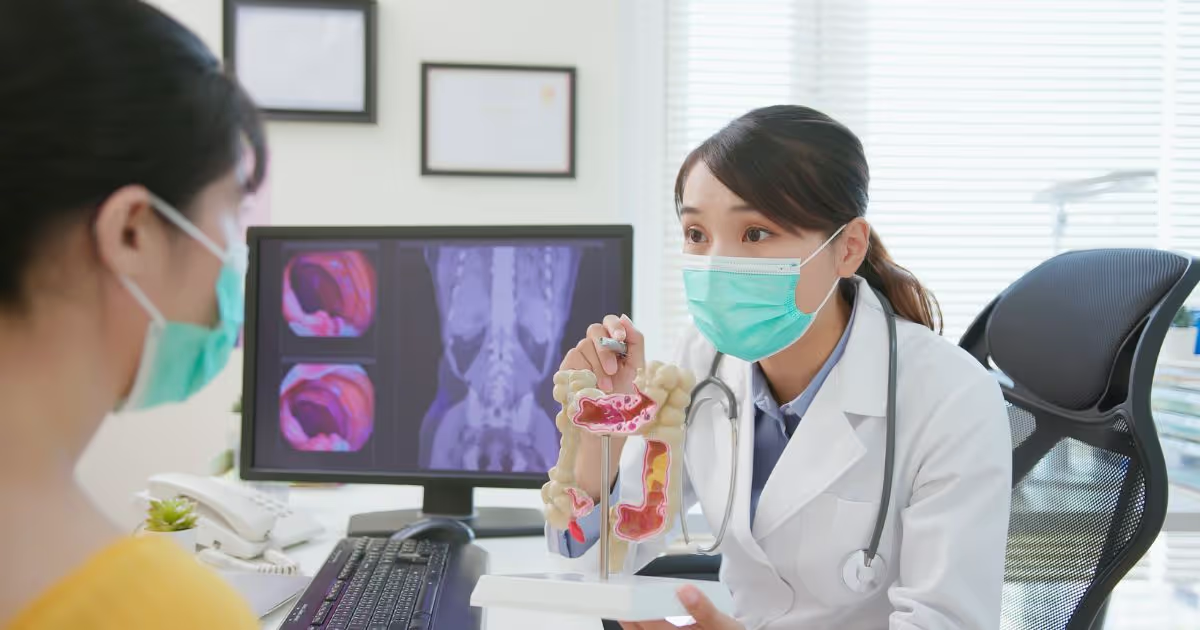
The doctor will diagnose pelvic pain by taking a history and determining the location of the pain, the characteristics of the pain, the frequency and duration of the pain, and any other associated symptoms. Consequently, the doctor will perform a physical examination, including assessing localized tenderness upon applying pressure, as well as other examinations such as blood tests, urine tests, and other specialized examinations as follows:
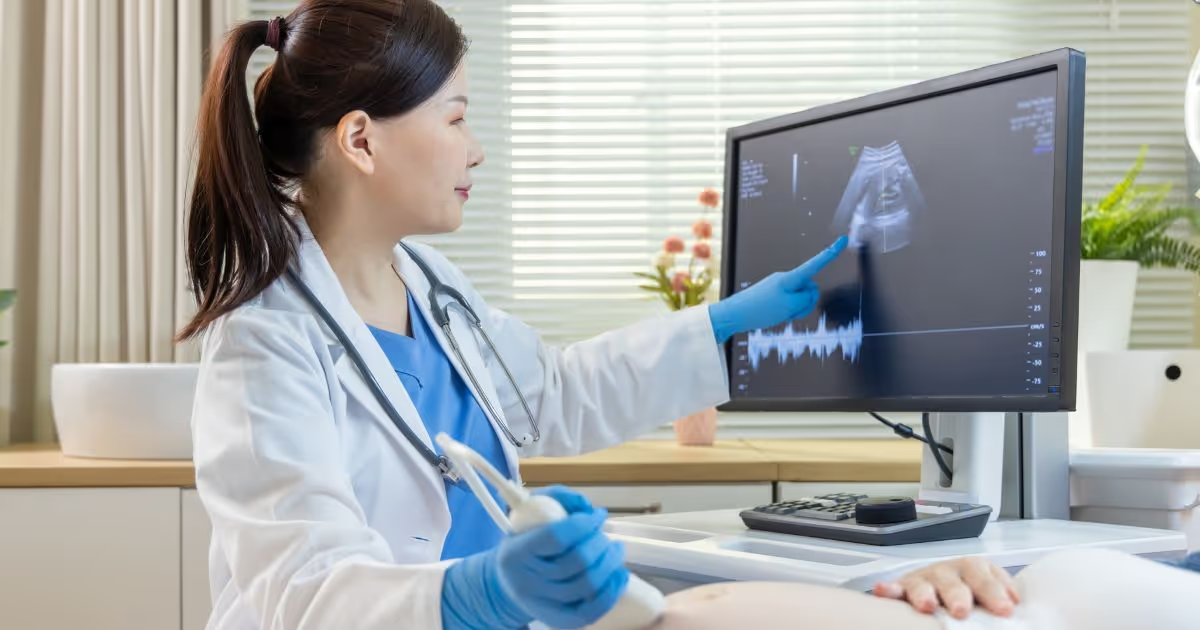
1. **Lower abdominal ultrasound** uses high-frequency sound waves to target various organs within the lower abdomen, including the bladder, fallopian tubes, ovaries, ureters, distal colon, and appendix, and converts them into images to help doctors detect abnormalities within the lower abdomen in order to make a clear diagnosis, appropriate treatment plan, and precise treatment. In some cases, the doctor may consider an upper abdominal ultrasound as well.
2. **[Pelvic exam](https://www.medparkhospital.com/en-US/disease-and-treatment/pelvic-exam) and Transvaginal ultrasound** are tests to detect abnormalities in the female pelvic organs using high-frequency sound waves through the abdomen to provide images of female pelvic organs such as the ovaries, fallopian tubes, and cervix to detect lumps, ovarian masses, ovarian cysts, tumors, or cancer, as well as other abnormalities such as vaginal bleeding, pelvic pain during sexual intercourse, abnormal vaginal discharge, sexually transmitted diseases (STDs), or pregnancy.
3. **Colonoscopy** is a procedure used to detect abnormalities in the colon and rectum. The doctor will insert a small, flexible tube attached to a high-magnification endoscope through the rectum along the length of the colon to look for polyps or a lump that could develop into cancer. If a suspected polyp or lump is identified, the doctor will remove it immediately. Colonoscopy is considered a very effective method, as it is both diagnostic and therapeutic at the same time.
In addition, the doctor may consider other specialized exams to help confirm the location of the internal organs causing the pain and help diagnose the disease as efficiently as possible, such as an MRI, [PET/CT scan](https://www.medparkhospital.com/en-US/disease-and-treatment/pet-ct-), or pregnancy test.
## **How is pelvic pain treated?**
The doctor will treat pelvic pain based on the diagnosis and the internal organs contributing to the pain. To provide the best possible care, the doctor may consider collaborating with a team of specialists, such as a gastroenterologist, gynecologist, urologist, or musculoskeletal doctor, including physical therapists. Pelvic pain treatments include the following:
1. **Medications**: The doctor may consider treating pelvic pain with medications, either injection or oral, including nonsteroidal anti-inflammatory drugs (NSAIDs) such as Ibuprofen or Naproxen, a group of hormonal contraceptives such as progestin-based pills, or a group of androgen drugs such as Danazol in those with endometriosis, [ovarian cysts](https://www.medparkhospital.com/en-US/disease-and-treatment/ovarian-cysts-and-ovarian-mass), or menstrual cramps, to relieve or eliminate pain. For those with pelvic inflammatory disease (PID) or those infected with sexually transmitted diseases (STDs), the doctor may consider antibiotics to treat symptoms.
2. **Surgery**: Doctors will consider surgery for severe pelvic pain caused by uterine tumors, ovarian cysts, endometriosis, or pelvic organ prolapse. Surgery can be performed in 2 ways:
- **2\.1 Open Abdominal Surgery** for those with large tumors pressing on nearby organs.
- **2\.2 Endoscopic surgery** using a minimally invasive surgery (MIS) technique results in less pain, a shorter recovery period, less blood loss, and less post-operative pain.
3. **Physical therapy**: Doctors may consider physical therapy for pelvic pain caused by musculoskeletal abnormalities in order to treat muscle spasms and strengthen the muscles from below the navel down to the pelvic area that supports internal organs including the pubic, bladder, uterus, fallopian tubes, or intestines.

## **What is the prevention of pelvic pain?**
Some causes of pelvic pain can be prevented, such as eating freshly cooked food to avoid food poisoning or wearing a condom every time before having sex to prevent sexually transmitted infections. However, many causes of pelvic pain are unavoidable, and if abnormalities are discovered, it is critical to see a doctor right away to have symptoms thoroughly examined. The following are some recommendations to help reduce the risk of pelvic pain:
- Avoid activities that require prolonged standing or walking.
- Consume fiber-rich foods, particularly those beneficial for individuals with pelvic pain due to constipation or diverticulitis.
- Exercise regularly to keep your joints and muscles in good condition.
- Stretch and warm up your muscles before each exercise to help reduce the risk of abdominal cramps.
- [Annual health checkup](https://www.medparkhospital.com/en-US/disease-and-treatment/getting-an-annual-health-checkup) is recommended so that the doctor can assess the risk of disease or abnormalities with internal organs and provide timely treatment.
## **What are the complications of pelvic pain?**
- **[Pelvic inflammatory disease (PID)](https://www.medparkhospital.com/en-US/disease-and-treatment/pelvic-inflammatory-disease)** can cause an [abscess](https://www.medparkhospital.com/en-US/disease-and-treatment/abscess) or pus accumulation in the female reproductive organs, which can harm the fallopian tubes, ovaries, uterus, or internal pelvic organs and, if left untreated, can lead to life-threatening infections.
- **[Appendicitis](https://www.medparkhospital.com/en-US/disease-and-treatment/appendicitis)** with severe pain in the right lower abdomen is a medical emergency that necessitates immediate surgery. If the appendix ruptures, it can spread throughout the abdominal cavity, posing a potentially fatal threat.
- **Peritonitis** occurs when bacteria or fungi infect and inflame the internal abdominal organs, leading to gastrointestinal perforation, perforation, salpingitis, [gallbladder inflammation](https://www.medparkhospital.com/en-US/disease-and-treatment/cholecystitis), bile duct inflammation, or [an ectopic pregnancy](https://www.medparkhospital.com/en-US/disease-and-treatment/ectopic-pregnancy), which requires immediate treatment as it may be life-threatening.
## **Acute or Persistent Pelvic pain, a Warning Sign that Should be Examined**
Those who have frequent pelvic pain, persistent chronic pelvic pain that does not go away, or intense lower abdomen pain to the point of bending and are unable to stand upright. Those who pass bloody stool or urine, or those who have severe lower abdominal pain during pregnancy, should seek immediate medical attention for a thorough intra-abdominal diagnosis to determine the true cause of the pelvic pain. Early examination after abnormalities is founded will result in timely treatment, reduce the risk of complications, and assist in regaining a good health condition, ready to fully engage in various daily activities.
## Article by
- 
Dr Sarwinee Ratchanon A Obstetrician-Gynecologist Specializing in Reproductive Endocrinology
[Profile](https://www.medparkhospital.com/en-US/doctors/dr-sarwinee-ratchanon) [Appointment](https://www.medparkhospital.com/en-US/appointment?doctor=dr-sarwinee-ratchanon)
Published: 12 Feb 2024
Share
[](https://www.medparkhospital.com/#facebook) [](https://www.medparkhospital.com/#facebook_messenger) [](https://www.medparkhospital.com/#x) [](https://www.medparkhospital.com/#line) [](https://www.medparkhospital.com/#threads)
## Medical Service
[Centers & Clinics](https://www.medparkhospital.com/en-US/center-and-specialty)
[Request an Appointment](https://www.medparkhospital.com/en-US/appointment)
[Find Doctor](https://www.medparkhospital.com/en-US/doctors)
[Rooms](https://www.medparkhospital.com/en-US/rooms)
[Insurance](https://www.medparkhospital.com/en-US/insurance)
[Evergreen Member Card](https://www.medparkhospital.com/en-US/evergreen-memberships)
## Disease & Treatment
[Disease & Treatment](https://www.medparkhospital.com/en-US/disease-and-treatment)
[Lifestyles](https://www.medparkhospital.com/en-US/lifestyles)
[MedPark Stories](https://www.medparkhospital.com/en-US/medpark-stories)
[MedPark Research Center](https://www.medparkhospital.com/en-US/page/medpark-research-center)
## About Us
[Visitor's Guide](https://www.medparkhospital.com/en-US/static/visitor-guide)
[About Us](https://www.medparkhospital.com/en-US/about-us)
[News & Events](https://www.medparkhospital.com/en-US/news)
[Join Us](https://www.medparkhospital.com/en-US/join-us)
[Contact Us](https://www.medparkhospital.com/en-US/contact-us)
[Awards & Accreditations](https://www.medparkhospital.com/en-US/awards-and-accreditations)
## Terms Of Use
[Term & Conditions](https://www.medparkhospital.com/en-US/page/terms-conditions)
[Privacy Policy](https://www.medparkhospital.com/en-US/page/privacy-policy)
[Privacy Notice](https://www.medparkhospital.com/en-US/page/privacy-notice)
[Cookie Policy](https://www.medparkhospital.com/en-US/page/cookie-policy)

3333 Rama IV Rd, Khlong Toei, Bangkok 10110
© 2026 MedPark Hospital.
All Rights Reserved.
2\.3.42 (build d92801c)

✓
Thanks for sharing\!
[AddToAny](https://www.addtoany.com/ "Share Buttons")
[More…](https://www.medparkhospital.com/en-US/disease-and-treatment/pelvic-pain#addtoany "Show all")

Cart (0 Item)

Your cart is empty
Explore our health packages and promotions now to enjoy the best offers\!
Explore packages
\*Total amount exceeds maximum limit (2,000,000 Baht). Please remove some items to checkout.
***
Total
Check out
### Add to Cart Unsuccessful
Ok | ||||||
| Readable Markdown | **Choose the content to read**
- [What causes pelvic pain?](https://www.medparkhospital.com/en-US/disease-and-treatment/pelvic-pain#causes)
- [What are the symptoms of pelvic pain?](https://www.medparkhospital.com/en-US/disease-and-treatment/pelvic-pain#symptoms)
- [How is pelvic pain diagnosed?](https://www.medparkhospital.com/en-US/disease-and-treatment/pelvic-pain#diagnosis)
- [How is pelvic pain treated?](https://www.medparkhospital.com/en-US/disease-and-treatment/pelvic-pain#treatment)
- [What is the prevention of pelvic pain?](https://www.medparkhospital.com/en-US/disease-and-treatment/pelvic-pain#prevention)
- [What are the complications of pelvic pain?](https://www.medparkhospital.com/en-US/disease-and-treatment/pelvic-pain#complication)
***
**Pelvic pain** is pain felt in the lower abdomen, from below the navel down to the pubis area. Pelvic pain can be caused by a variety of conditions, ranging from common conditions such as constipation, food poisoning, or cystitis to serious medical emergencies such as appendicitis, peritonitis, or abdominal bleeding. Pelvic pain can affect both women and men; it can be acute or chronic, with varying degrees of pain depending on the cause. Common pelvic pain in women, such as menstrual cramps or pregnancy, whereas common pelvic pain in men, such as prostatitis or enlarged prostate. Individuals experiencing severe, persistent pain in the lower abdomen should seek prompt medical attention for a thorough diagnosis and treatment.
## **What causes pelvic pain?**
Pelvic pain can occur for a variety of reasons, primarily stemming from disorders or conditions in one of four key bodily systems: the reproductive system, digestive system, urinary system, and musculoskeletal system, which includes nerves and ligaments in the pelvic region. The origins of pelvic pain may be attributed to diseases or conditions affecting these diverse bodily systems, as follows:
1. **Diseases affecting the female reproductive system** include [endometriosis](https://www.medparkhospital.com/en-US/disease-and-treatment/endometriosis), uterine fibroids, fallopian tube tumors, ovarian cysts, chocolate cysts, ovarian tumors, pelvic adhesions, pelvic inflammatory disease (PID), inflammation of the uterine endometrium, fallopian tube inflammation (Salpingitis), enlarged fallopian tubes due to endometriosis, vulvodynia, pelvic congestion syndrome (PCS), [ovarian cancer](https://www.medparkhospital.com/en-US/disease-and-treatment/ovarian-cancer-2), uterine cancer, and [cervical cancer](https://www.medparkhospital.com/en-US/disease-and-treatment/cervical-cancer).
- **Common conditions in the female reproductive system** such as [menstrual cramps](https://www.medparkhospital.com/en-US/lifestyles/menstrual-cramps), ovulation, PMS syndrome, pregnancy, ectopic pregnancy, or [miscarriage](https://www.medparkhospital.com/en-US/disease-and-treatment/miscarriage).
2. **Diseases of the urinary system**, including [cystitis](https://www.medparkhospital.com/en-US/disease-and-treatment/bladder-inflammation), pyelonephritis, [kidney stones](https://www.medparkhospital.com/en-US/disease-and-treatment/kidney-stones), urinary tract infections, kidney infections, sexually transmitted diseases (STDs), and bladder cancer.
3. **Diseases related to the digestive system**, such as constipation, intestinal obstruction, [irritable bowel syndrome (IBS)](https://www.medparkhospital.com/en-US/lifestyles/irritable-bowel-syndrome-in-working-age-people), appendicitis, enteritis, chronic inflammatory bowel disease, diverticulitis, hernia, [food poisoning](https://www.medparkhospital.com/en-US/disease-and-treatment/food-poisoning), dysentery, gastrointestinal infections, and colon cancer.
4. **Diseases affecting muscles**, connective tissue, and ligaments, such as pelvic floor muscle dysfunction, pelvic floor muscle tension, [fibromyalgia](https://www.medparkhospital.com/en-US/disease-and-treatment/chronic-pelvic-pain-in-women), pubic symphysis, and muscle stains.
- **Common conditions in the male reproductive system**, such as prostatitis, [enlarged prostate](https://www.medparkhospital.com/en-US/disease-and-treatment/benign-prostatic-hyperplasia-bph), hernia, and testicular torsion.

## **What are the symptoms of pelvic pain?**
The symptoms of pelvic pain vary depending on the underlying disease and the organ responsible for the pain. The nature of the pain can take on different qualities, such as dull, stabbing, pricking, sharp, or cramping sensations, and may manifest as either acute or chronic pain with varying intensities ranging from mild to moderate to severe. Pelvic pain may present as persistent, triggered by activities like urination or sexual intercourse, and is usually felt in the lower abdomen or pelvic region. The pain can radiate to the back, waist, hips, thighs, or groin and may be accompanied by other symptoms.
### **Mid pelvic pain: Location of urinary system, bladder, fallopian tube, and hernia**
- Cramping menstrual pain can be caused by uterine dysfunction, a [uterine tumor](https://www.medparkhospital.com/en-US/disease-and-treatment/uterine-fibroids), or uterine necrosis.
- Pelvic pain with foul [vaginal discharge](https://www.medparkhospital.com/en-US/lifestyles/abnormal-vaginal-discharge-from-yeast-infection) and a high fever can be caused by endometritis or a pelvic infection.
- Mid pelvic pain above the pubic area, burning pain while urinating, voiding of small urine volumes, cloudy urine, or bloody urine can all be symptoms of cystitis, [bladder stones](https://www.medparkhospital.com/en-US/disease-and-treatment/bladder-stones), or a urinary tract infection.
- Intense flank pain that radiates to the back and sides, along with fever, can be caused by a kidney infection.
- [Chronic pelvic pain](https://www.medparkhospital.com/en-US/disease-and-treatment/chronic-pelvic-pain-in-women), intermittent pelvic pain, or a sensation of lumps in the lower middle abdomen can be caused by endometritis or a uterine tumor.
- Pelvic pain with a tingling sensation above the pubic area, genitals, anus, or urethra can be caused by pudendal nerve entrapment.
- Intense pelvic pain, abdominal distension, and sharp pain when bending over or lifting heavy objects, associated with a painful lump, can be caused by [hernias](https://www.medparkhospital.com/en-US/disease-and-treatment/hernia).
### **Left pelvic pain: Location of left fallopian tube, ureter, left ovary, and distal colon**
- Intermittent cramping pain in the left pelvic area radiating down the thigh can be caused by ureteral stones or [pyelonephritis](https://www.medparkhospital.com/en-US/disease-and-treatment/kidney-infection).
- Intense left pelvic pain in women with foul-smelling vaginal discharge accompanied by a high fever and chills can be caused by left fallopian tube inflammation.
- Left pelvic pain, squeezing pain, cramping, abdominal cramps, bloating, flatulence, and frequent bowel movements can be caused by ulcerative colitis.
- Sharp pelvic pain that comes and goes and nausea accompanied by fever can be caused by acute-severe [ulcerative colitis](https://www.medparkhospital.com/en-US/disease-and-treatment/colitis).
- Left pelvic pain with bloody stool, mucus stool, chronic constipation, constipation alternating with [diarrhea](https://www.medparkhospital.com/en-US/disease-and-treatment/diarrhea), fatigue, weight loss, and feeling a lump in the lower abdomen can be caused by a colon tumor (distal colon) that may soon progress into colon cancer.
### **Right pelvic pain: Location of right fallopian tube, ureter, right ovary, and appendix**
- Intermittent cramping pain in the right pelvic area radiating down the thigh can be caused by ureteral stones or pyelonephritis.
- [Abdominal discomfor](https://www.medparkhospital.com/en-US/lifestyles/abdominal-discomfort)t, inability to pass stools, difficulty passing stools, abdominal distension, stomach fullness, and cramps can be caused by constipation.
- Abdominal pain in the middle of the stomach around the navel that gradually shifts down the lower right abdomen with constant, squeezing, and severe localized pain when pressed can be caused by appendicitis.
- Intense right pelvic pain in women with foul-smelling vaginal discharge accompanied by a high fever and chills can be caused by right fallopian tube inflammation.
- Lower right pelvic pain, intense pain, bloating, stomach fullness, or feeling a lump in the lower right pelvis can be caused by ovarian abnormalities or appendicitis.
- Lower right pelvic pain in women, sharpness, or pricing pain can be caused by premenstrual syndrome (PMS), ovulation, or sexually transmitted diseases (STDs).

## **How is pelvic pain diagnosed?**
The doctor will diagnose pelvic pain by taking a history and determining the location of the pain, the characteristics of the pain, the frequency and duration of the pain, and any other associated symptoms. Consequently, the doctor will perform a physical examination, including assessing localized tenderness upon applying pressure, as well as other examinations such as blood tests, urine tests, and other specialized examinations as follows:
1. **Lower abdominal ultrasound** uses high-frequency sound waves to target various organs within the lower abdomen, including the bladder, fallopian tubes, ovaries, ureters, distal colon, and appendix, and converts them into images to help doctors detect abnormalities within the lower abdomen in order to make a clear diagnosis, appropriate treatment plan, and precise treatment. In some cases, the doctor may consider an upper abdominal ultrasound as well.
2. **[Pelvic exam](https://www.medparkhospital.com/en-US/disease-and-treatment/pelvic-exam) and Transvaginal ultrasound** are tests to detect abnormalities in the female pelvic organs using high-frequency sound waves through the abdomen to provide images of female pelvic organs such as the ovaries, fallopian tubes, and cervix to detect lumps, ovarian masses, ovarian cysts, tumors, or cancer, as well as other abnormalities such as vaginal bleeding, pelvic pain during sexual intercourse, abnormal vaginal discharge, sexually transmitted diseases (STDs), or pregnancy.
3. **Colonoscopy** is a procedure used to detect abnormalities in the colon and rectum. The doctor will insert a small, flexible tube attached to a high-magnification endoscope through the rectum along the length of the colon to look for polyps or a lump that could develop into cancer. If a suspected polyp or lump is identified, the doctor will remove it immediately. Colonoscopy is considered a very effective method, as it is both diagnostic and therapeutic at the same time.
In addition, the doctor may consider other specialized exams to help confirm the location of the internal organs causing the pain and help diagnose the disease as efficiently as possible, such as an MRI, [PET/CT scan](https://www.medparkhospital.com/en-US/disease-and-treatment/pet-ct-), or pregnancy test.
## **How is pelvic pain treated?**
The doctor will treat pelvic pain based on the diagnosis and the internal organs contributing to the pain. To provide the best possible care, the doctor may consider collaborating with a team of specialists, such as a gastroenterologist, gynecologist, urologist, or musculoskeletal doctor, including physical therapists. Pelvic pain treatments include the following:
1. **Medications**: The doctor may consider treating pelvic pain with medications, either injection or oral, including nonsteroidal anti-inflammatory drugs (NSAIDs) such as Ibuprofen or Naproxen, a group of hormonal contraceptives such as progestin-based pills, or a group of androgen drugs such as Danazol in those with endometriosis, [ovarian cysts](https://www.medparkhospital.com/en-US/disease-and-treatment/ovarian-cysts-and-ovarian-mass), or menstrual cramps, to relieve or eliminate pain. For those with pelvic inflammatory disease (PID) or those infected with sexually transmitted diseases (STDs), the doctor may consider antibiotics to treat symptoms.
2. **Surgery**: Doctors will consider surgery for severe pelvic pain caused by uterine tumors, ovarian cysts, endometriosis, or pelvic organ prolapse. Surgery can be performed in 2 ways:
- **2\.1 Open Abdominal Surgery** for those with large tumors pressing on nearby organs.
- **2\.2 Endoscopic surgery** using a minimally invasive surgery (MIS) technique results in less pain, a shorter recovery period, less blood loss, and less post-operative pain.
3. **Physical therapy**: Doctors may consider physical therapy for pelvic pain caused by musculoskeletal abnormalities in order to treat muscle spasms and strengthen the muscles from below the navel down to the pelvic area that supports internal organs including the pubic, bladder, uterus, fallopian tubes, or intestines.

## **What is the prevention of pelvic pain?**
Some causes of pelvic pain can be prevented, such as eating freshly cooked food to avoid food poisoning or wearing a condom every time before having sex to prevent sexually transmitted infections. However, many causes of pelvic pain are unavoidable, and if abnormalities are discovered, it is critical to see a doctor right away to have symptoms thoroughly examined. The following are some recommendations to help reduce the risk of pelvic pain:
- Avoid activities that require prolonged standing or walking.
- Consume fiber-rich foods, particularly those beneficial for individuals with pelvic pain due to constipation or diverticulitis.
- Exercise regularly to keep your joints and muscles in good condition.
- Stretch and warm up your muscles before each exercise to help reduce the risk of abdominal cramps.
- [Annual health checkup](https://www.medparkhospital.com/en-US/disease-and-treatment/getting-an-annual-health-checkup) is recommended so that the doctor can assess the risk of disease or abnormalities with internal organs and provide timely treatment.
## **What are the complications of pelvic pain?**
- **[Pelvic inflammatory disease (PID)](https://www.medparkhospital.com/en-US/disease-and-treatment/pelvic-inflammatory-disease)** can cause an [abscess](https://www.medparkhospital.com/en-US/disease-and-treatment/abscess) or pus accumulation in the female reproductive organs, which can harm the fallopian tubes, ovaries, uterus, or internal pelvic organs and, if left untreated, can lead to life-threatening infections.
- **[Appendicitis](https://www.medparkhospital.com/en-US/disease-and-treatment/appendicitis)** with severe pain in the right lower abdomen is a medical emergency that necessitates immediate surgery. If the appendix ruptures, it can spread throughout the abdominal cavity, posing a potentially fatal threat.
- **Peritonitis** occurs when bacteria or fungi infect and inflame the internal abdominal organs, leading to gastrointestinal perforation, perforation, salpingitis, [gallbladder inflammation](https://www.medparkhospital.com/en-US/disease-and-treatment/cholecystitis), bile duct inflammation, or [an ectopic pregnancy](https://www.medparkhospital.com/en-US/disease-and-treatment/ectopic-pregnancy), which requires immediate treatment as it may be life-threatening.

## **Acute or Persistent Pelvic pain, a Warning Sign that Should be Examined**
Those who have frequent pelvic pain, persistent chronic pelvic pain that does not go away, or intense lower abdomen pain to the point of bending and are unable to stand upright. Those who pass bloody stool or urine, or those who have severe lower abdominal pain during pregnancy, should seek immediate medical attention for a thorough intra-abdominal diagnosis to determine the true cause of the pelvic pain. Early examination after abnormalities is founded will result in timely treatment, reduce the risk of complications, and assist in regaining a good health condition, ready to fully engage in various daily activities.
## Article by
- 
Dr Sarwinee Ratchanon A Obstetrician-Gynecologist Specializing in Reproductive Endocrinology
Published: 12 Feb 2024 | ||||||
| ML Classification | |||||||
| ML Categories |
Raw JSON{
"/Health": 999,
"/Health/Women's_Health": 549
} | ||||||
| ML Page Types |
Raw JSON{
"/Article": 999,
"/Article/Tutorial_or_Guide": 598
} | ||||||
| ML Intent Types |
Raw JSON{
"Informational": 999
} | ||||||
| Content Metadata | |||||||
| Language | en-us | ||||||
| Author | null | ||||||
| Publish Time | 2024-02-12 08:19:54 (2 years ago) | ||||||
| Original Publish Time | 2024-02-12 08:19:54 (2 years ago) | ||||||
| Republished | No | ||||||
| Word Count (Total) | 2,356 | ||||||
| Word Count (Content) | 1,958 | ||||||
| Links | |||||||
| External Links | 9 | ||||||
| Internal Links | 90 | ||||||
| Technical SEO | |||||||
| Meta Nofollow | No | ||||||
| Meta Noarchive | No | ||||||
| JS Rendered | Yes | ||||||
| Redirect Target | null | ||||||
| Performance | |||||||
| Download Time (ms) | 187 | ||||||
| TTFB (ms) | 187 | ||||||
| Download Size (bytes) | 20,621 | ||||||
| Shard | 82 (laksa) | ||||||
| Root Hash | 17995140150215241882 | ||||||
| Unparsed URL | com,medparkhospital!www,/en-US/disease-and-treatment/pelvic-pain s443 | ||||||