ℹ️ Skipped - page is already crawled
| Filter | Status | Condition | Details |
|---|---|---|---|
| HTTP status | PASS | download_http_code = 200 | HTTP 200 |
| Age cutoff | PASS | download_stamp > now() - 6 MONTH | 0.1 months ago |
| History drop | PASS | isNull(history_drop_reason) | No drop reason |
| Spam/ban | PASS | fh_dont_index != 1 AND ml_spam_score = 0 | ml_spam_score=0 |
| Canonical | PASS | meta_canonical IS NULL OR = '' OR = src_unparsed | Not set |
| Property | Value | |||||||||
|---|---|---|---|---|---|---|---|---|---|---|
| URL | https://www.medparkhospital.com/en-US/disease-and-treatment/depression-tests | |||||||||
| Last Crawled | 2026-04-25 22:47:46 (2 days ago) | |||||||||
| First Indexed | 2023-10-03 17:36:58 (2 years ago) | |||||||||
| HTTP Status Code | 200 | |||||||||
| Content | ||||||||||
| Meta Title | Depression Tests: Diagnostic Criteria, Treatment programs | |||||||||
| Meta Description | The psychiatric specialist will make an initial depression test by taking a detailed history, including symptoms, underlying diseases, family history, emotions, feelings, and behaviors | |||||||||
| Meta Canonical | null | |||||||||
| Boilerpipe Text | Depression Test
Sadness, depression, stress, anxiety, and distress are common emotions every human experiences. Those emotions frequently appear, persist, and disappear episodically, alternating with feelings of happiness, fulfillment, and joy. However, if the sadness, boredom, and distress last most time of the day for more than two weeks, and you are unable to brush it off, affecting daily life, work, and relationships with those around you until you or others can notice -- that person should have an evaluation for depression, and to receive systematically treatment, abate mental suffering, and aid in the recovery of mental well-being and physical health.
Are you experiencing depression?
Let's try an initial depression level assessment.
What is depression?
Depression
is a mental health disorder classified as a mood disorder caused by an imbalance in the secretion of certain neurotransmitters in the brain, which manifests as an unusually long period of intense sadness, anxiety, and boredom with one's surroundings, affecting mood, thinking, and behavior, as well as mental health, physical health, and social relations. Depression is a psychiatric disorder that is difficult to diagnose and distinguishes between normal feelings of sadness, sorrow, and gloom and the depressive, sad, and gloomy mood of depression, which can lead to self-harm and suicide attempts. Therefore, a Depression Test with a psychiatrist is needed to provide continuous treatment to heal or alleviate a mental scar.
What causes depression?
Depression
is due to a variety of factors, including the following:
Neurotransmitters
-- The imbalance of brain neurotransmitters, such as serotonin, dopamine, and norepinephrine, results in a clinical depressive disorder. These neurotransmitters oversee transmitting nerve signals between nerve cells and controlling body coordination. A neurotransmitter imbalance causes mood swings, depression, stress, anxiety, obsession, insomnia, etc.
Genetic
-- Those with a family history of depression, including parents, siblings, and relatives, are at a high 70% risk of depression. However, those without a family history of depression can have depression triggered by other factors.
Stressful life events
-- Mental illness caused by violent events, death, a sudden loss of a loved one, being cheated by a lover's betrayal, divorce, loneliness, and a lack of encouragement can all lead to depression.
Chronic medical conditions
, such as
cancer
,
diabetes
, chronic illnesses,
hyperthyroidism
,
heart disease
,
autoimmune disease (SLE)
, and infectious diseases such as
HIV
,
herpes zoster
,
herpes simplex
,
psoriasis
, and multiple sclerosis can all lead to depression.
Certain medications
-- anticonvulsants, antidepressants for
bipolar disorde
r
, levodopa for
Parkinson's disease
, benzodiazepines for
anxiety disorders
or insomnia, interferon alpha drugs for cancer treatment, and opioid analgesics for moderate to severe pain
Vitamin deficiencies
such as
vitamin B12
or vitamin D
Long-term
use of addictive substances such as alcohol, cigarettes, marijuana, opiates, or pain relievers
Hormones:
Hormonal imbalances, such as
postpartum depression
,
menopause
, endocrine diseases, etc.
What are the symptoms of depression?
Clinical depressive symptoms differ from normal sadness. Those suffering from depression will experience episodes of depression, stress, and anxiety for at least two weeks or longer. Depression causes decreased productivity, loss of concentration, and ignoring the things around you. Depression has the following signs and symptoms:
Sad, depressed, and discouraged.
Dissatisfaction with the surroundings, no enjoyment in previously pleasurable activities.
Short attention span, inability to concentrate and focus.
Feelings of overwhelming guilt, worthlessness, and low self-esteem
Slowing movement, restlessness, and agitation
Mood swings, easily annoyed.
A lack of hope for the future, hopelessness, feeling helpless
Feeling too exhausted
Burnout
: a lack of energy at work and in life
Suicidal ideation, death thoughts, and a lack of will to live.
Insomnia
, restlessness, fitful sleep
Loss of appetite or inability to stop eating.
Medically unexplained
headaches
Constipation,
bowel movement
Lack of libido
Menstrual irregularities
How is depression diagnosed?
A psychiatric specialist will make an initial diagnosis of depression by taking a detailed history, symptoms, underlying diseases, family history, emotions, feelings, and behaviors, duration of symptoms, and openly discussing what is on your mind, incidence, or traumatic events in life to assess your mental state. In addition, the psychiatrist may request psychological tests followed by physical examinations to rule out and confirm the disorder. Depression diagnosis conforms to the following criteria:
Psychiatric evaluation:
The physician will take a history based on The Diagnostic and Statistical Criteria for Mental Disorders (DSM-5) if the symptoms have been present for at least two weeks with unusual changes in various life aspects with distinct differences between the preceding and current periods and have at least 1 of the following symptoms: (1) Depressive symptoms (2) A feeling of boredom and unhappiness.
Sadness, gloominess, discouragement, depression, hopelessness, or crying almost every day for at least two weeks until it is noticeable by yourself or others.
Indifferent feelings, dissatisfaction with one's surroundings, and a loss of enjoyment in previously pleasurable activities.
Weight loss or rapid weight gain despite not dieting, having a poor appetite, or overeating.
Insomnia, fitful sleep, excessive sleep, restlessness
Lack of enthusiasm, indifference, tiredness, exhaustion, and a sense of powerlessness
Hopelessness, worthlessness, overwhelming guilt, and mostly negative thoughts and attitudes
Lack of concentration, inability to focus, slow decision-making, decreased ability to think and make decisions.
Self-harm thoughts, suicidal ideation
Blood test:
The psychiatrist will take a blood sample to check for an indication or abnormality in the body, including blood electrolytes and bodily acid-base balances, checking for vitamin or hormone deficiency. Examine liver and kidney function because deterioration of the liver and kidneys reduces the efficiency of the body's waste filtering, potentially leading to an accumulation of certain medications that can lead to depression.
CT scan (Computerized Tomography Scan)
is an imaging of the brain using a computerized tomography scan to detect diseases and distinguish depression from other brain disorders such as neurological diseases,
brain tumors
,
intracerebral hemorrhage
, cerebral hemorrhage, or
stroke
.
MRI (Magnetic Resonance Imaging)
is a 3D examination of the brain using electromagnetic waves to diagnose and distinguish depression from other brain disorders such as chronic headaches, brain tumors, brain cancer, ischemic stroke, dementia, palsy, or paralysis.
EEG (Electroencephalography)
measures brain waves to diagnose depression and distinguish it from epilepsy, insomnia, or obstructive sleep apnea.
EKG (Electrocardiogram)
checks the electrical heart and heart rhythm for abnormalities and distinguishes depression from cardiovascular diseases such as heart disease, arrhythmia, or valvular heart disease.
PET/CT
is a nuclear medicine examination that can detect organ abnormalities at the molecular level for cancers and neurological disorder diagnoses not detectable by other tests.
How is depression treated?
A psychiatrist will listen attentively, analyze symptoms, and assess the mental condition, including emotions and feelings, to alleviate depressive symptoms, open up discussion, and find the best possible solution to the issues. The psychiatrist will then develop a tailored treatment plan. The primary goal of depression treatment is to allow the patient to relieve depressive symptoms, understand the root cause of the issue, and cope with those issues appropriately, preventing self-harm thoughts or suicidal attempts. The psychiatrist may combine the following treatment methods:
Antidepressants
are medications prescribed to help balance the secretion of neurotransmitters in the brain as well as reduce symptoms of depression such as insomnia, restlessness, or poor appetite. Each type of antidepressant has a unique mechanism of action and side effects. The psychiatrist will determine the appropriate dosage for each individual and gradually adjust the medication every 1-2 weeks until arriving at a proper dosage.
Psychotherapy
is a treatment that consists of talking therapy with a psychiatrist and/or a psychologist to analyze the mental condition to find the root cause and primary source of the suffering, as well as developing skills to deal with all aspects of issues to overcome obstacles in life, appreciate life, and prevent suicidal thoughts.
Cognitive behavioral therapy (CBT)
is a psychotherapy performed by a psychiatrist to help adjust negative automatic thinking and behaviors that lead to depression, including promoting positive thinking methods to help improve physical and mental health and control overwhelming negative thoughts.
Psychotherapeutic group therapies
are group psychotherapy sessions in which people share their experiences living and struggling with depression. Emphasizing the importance of listening, supporting, and encouraging one another so that no one feels isolated or fights depression alone. The goal of the treatment is to overcome various obstacles in life with strength and encouragement.
Electroconvulsive therapy (ETC)
is a treatment that uses a low-voltage electrical current to stimulate the brain in those who do not respond to medication or are at high risk of self-harm or suicide attempts. The treatment is effective, painless, and safe.
Deep Transcranial Magnetic Stimulation (dTMS)
is a novel treatment for neurological diseases that stimulates the brain with gentle electromagnetic waves to restore the balance of neurotransmitters in the brain and nerve cells to normal function. The stimulation improves cell connections and can even cure depression without pain. The treatment has so far proven to be safe and effective as well.
What are the advantages of depression treatment?
Aside from talking and venting one's mind and thoughts, the advantage of depression treatment with a skilled psychiatrist is that one can receive appropriate and beneficial advice that suits each individual to implement in everyday life. There are numerous other advantages to treating depression, including:
Find out the root cause of depression and receive on-the-spot treatment.
Understand one's identity, thoughts, and behavior, including depression.
Prevent self-harm and suicidal thoughts.
Assist with mood adjustment, learn how to manage, and prevent recurrence of symptoms.
Learn how to deal with issues and be courageous to face and overcome life's challenges.
Enhance self-worth and self-esteem.
Reduce drug use.
Promote restful sleep.
Improve concentration, promote positive thinking, and inspire oneself to pursue life's goals.
Dare to speak up when faced with an issue and to bring it up to consult with others.
Reduce stress and anxiety.
Allows for the development of solutions and openness to various perspectives on various situations.
Build healthy relationships with others.
improves overall quality of life and well-being.
Depression Treatment at MedPark Hospital
MedPark Hospital provides psychiatric treatment with a team of skilled psychiatrists in collaboration with teams of neurologists and radiologists experienced in diagnosing and treating depression and other psychiatric disorders. Our psychiatrists identify the root cause and develop a treatment plan tailored to each individual, single and combination treatments with medication and a variety of psychotherapy with attentive care, curative intents, and without recurrence.
The Depression and Mental Disorders Psychiatric Program at MedPark Hospital is run by psychiatrists, psychologists, psychotherapists, nurses, and an experienced multidisciplinary team well versed in psychotherapy by participating the conversation and attentively listening to various life issues to identify the root cause of the problems, eliminate negative thinking, and restore mental strength while developing a positive way of thinking, finding solutions to various situations, and how to create motivation to live life happily.
Psychotherapy programs
Psychotherapy program, or "talking" therapy, at MedPark Hospital, entails speaking with a psychiatrist in a private, relaxed setting to listen, identify the cause of the problem, and work together to find a solution.
MedPark’s psychotherapy programs employ several techniques for dealing with depression, such as discussing the impact of depression on daily life, daring to communicate with others when depressed, and encouraging a change in thinking and overall behavior. To treat depression, you can choose either an all-talk therapy method or a combination therapy with medication.
Cognitive Behavioral Therapy Programs
Cognitive Behavioral Therapy Program at MedPark Hospital in Bangkok, Thailand, provides comprehensive treatment for mild, moderate, and severe depression, including prevention of recurrence. The Cognitive Behavioral Therapy program consists of two main components:
A cognitive component to change the way you think about and perceive situations that arise.
A behavioral component to help you systematically change your thoughts, emotions, and behaviors in response to various situations.
During therapy, individuals learn about their thoughts, feelings, and behaviors. A psychotherapist will demonstrate how to probe the nature of the patient's emotions, thoughts, and perceptions to manage depression symptoms.
Article by
Assoc.Prof.Dr Thitiporn Supasitthumrong
A psychiatrist specializing in geriatric psychiatry
Published: 03 Oct 2023
Related Doctors
Link to doctor
Dr Kritthee Bhumasvin
Specialty
Psychiatry
Treatments And Services
Psychiatry
Psychiatry
Click to see schedule
Link to doctor
Dr Thanavadee Prachason
Specialty
Psychiatry
Treatments And Services
Psychiatry
Psychiatry
Click to see schedule
Link to doctor
Assoc.Prof.Dr Thitiporn Supasitthumrong
Specialty
Psychiatry
Sub Specialty
Geriatric Psychiatry
Treatments And Services
Psychiatry, Geriatric Psychiatry
Psychiatry, Geriatric Psychiatry
Click to see schedule
Link to doctor
Dr Orarat Choukuljaratsiri
Specialty
Psychiatry
Sub Specialty
Child and Adolescent Psychiatry
Treatments And Services
Child and Adolescent Psychiatry, Psychiatry
Child and Adolescent Psychiatry, Psychiatry
Click to see schedule
Link to doctor
Dr Lanchasak Akkayagorn
Specialty
Psychiatry
Sub Specialty
Palliative Medicine
Treatments And Services
Psychiatry, Palliative Care Service
Psychiatry, Palliative Care Service
Click to see schedule
Link to doctor
Prof.Dr Ronnachai Kongsakon
Specialty
Psychiatry
Sub Specialty
Addiction Psychiatry
Treatments And Services
Psychiatry, Addiction Psychiatry
Psychiatry, Addiction Psychiatry
Click to see schedule | |||||||||
| Markdown | 
 [02-023-3333](<tel:+662 023 3333>)
- ###### Follow Us
[](https://www.medparkhospital.com/en-US/)
- Services
- [Centers & Clinics](https://www.medparkhospital.com/en-US/center-and-specialty)
- [Request an Appointment](https://www.medparkhospital.com/en-US/appointment)
- [Find Doctor](https://www.medparkhospital.com/en-US/doctors)
- [Rooms](https://www.medparkhospital.com/en-US/rooms)
- [Insurance](https://www.medparkhospital.com/en-US/insurance)
- [Evergreen Member Card](https://www.medparkhospital.com/en-US/evergreen-memberships)
- [Online Store](https://www.medparkhospital.com/en-US/online-store)
- [Disease & Treatment](https://www.medparkhospital.com/en-US/disease-and-treatment)
- [Disease & Treatment](https://www.medparkhospital.com/en-US/disease-and-treatment)
- [Lifestyles](https://www.medparkhospital.com/en-US/lifestyles)
- [MedPark Stories](https://www.medparkhospital.com/en-US/medpark-stories)
- [About Us](https://www.medparkhospital.com/en-US/about-us)
- [About Us](https://www.medparkhospital.com/en-US/about-us)
- [News & Events](https://www.medparkhospital.com/en-US/news)
- [Join Us](https://www.medparkhospital.com/en-US/join-us)
- [Awards & Accreditations](https://www.medparkhospital.com/en-US/awards-and-accreditations)
- [Contact Us](https://www.medparkhospital.com/en-US/contact-us)
- Sign in
- EN
EN
TH
JP
中文
EN
EN
TH
JP
中文
Account
Sign in
- Services
- [Centers & Clinics](https://www.medparkhospital.com/en-US/center-and-specialty)
- [Request an Appointment](https://www.medparkhospital.com/en-US/appointment)
- [Find Doctor](https://www.medparkhospital.com/en-US/doctors)
- [Rooms](https://www.medparkhospital.com/en-US/rooms)
- [Insurance](https://www.medparkhospital.com/en-US/insurance)
- [Evergreen Member Card](https://www.medparkhospital.com/en-US/evergreen-memberships)
- [Online Store](https://www.medparkhospital.com/en-US/online-store)
- [Disease & Treatment](https://www.medparkhospital.com/en-US/disease-and-treatment)
- [Disease & Treatment](https://www.medparkhospital.com/en-US/disease-and-treatment)
- [Lifestyles](https://www.medparkhospital.com/en-US/lifestyles)
- [MedPark Stories](https://www.medparkhospital.com/en-US/medpark-stories)
- [About Us](https://www.medparkhospital.com/en-US/about-us)
- [About Us](https://www.medparkhospital.com/en-US/about-us)
- [News & Events](https://www.medparkhospital.com/en-US/news)
- [Join Us](https://www.medparkhospital.com/en-US/join-us)
- [Awards & Accreditations](https://www.medparkhospital.com/en-US/awards-and-accreditations)
- [Contact Us](https://www.medparkhospital.com/en-US/contact-us)
- Languages
EN
EN
TH
JP
中文
1. [Home](https://www.medparkhospital.com/en-US/)
2. [Disease and Treatment](https://www.medparkhospital.com/en-US/disease-and-treatment)

# Depression Tests
The psychiatric specialist will make an initial depression test by taking a detailed history, including symptoms, underlying diseases, family history, emotions, feelings, and behaviors
Share
[](https://www.medparkhospital.com/#facebook) [](https://www.medparkhospital.com/#facebook_messenger) [](https://www.medparkhospital.com/#x) [](https://www.medparkhospital.com/#line) [](https://www.medparkhospital.com/#threads)
## **Depression Test**
Sadness, depression, stress, anxiety, and distress are common emotions every human experiences. Those emotions frequently appear, persist, and disappear episodically, alternating with feelings of happiness, fulfillment, and joy. However, if the sadness, boredom, and distress last most time of the day for more than two weeks, and you are unable to brush it off, affecting daily life, work, and relationships with those around you until you or others can notice -- that person should have an evaluation for depression, and to receive systematically treatment, abate mental suffering, and aid in the recovery of mental well-being and physical health.
***
## **Are you experiencing depression? Let's try an initial depression level assessment.**
***
## **What is depression?**
**Depression** is a mental health disorder classified as a mood disorder caused by an imbalance in the secretion of certain neurotransmitters in the brain, which manifests as an unusually long period of intense sadness, anxiety, and boredom with one's surroundings, affecting mood, thinking, and behavior, as well as mental health, physical health, and social relations. Depression is a psychiatric disorder that is difficult to diagnose and distinguishes between normal feelings of sadness, sorrow, and gloom and the depressive, sad, and gloomy mood of depression, which can lead to self-harm and suicide attempts. Therefore, a Depression Test with a psychiatrist is needed to provide continuous treatment to heal or alleviate a mental scar.

## **What causes depression?**
[Depression](https://www.medparkhospital.com/en-US/disease-and-treatment/depression) is due to a variety of factors, including the following:
- **Neurotransmitters** \-- The imbalance of brain neurotransmitters, such as serotonin, dopamine, and norepinephrine, results in a clinical depressive disorder. These neurotransmitters oversee transmitting nerve signals between nerve cells and controlling body coordination. A neurotransmitter imbalance causes mood swings, depression, stress, anxiety, obsession, insomnia, etc.
- **Genetic** -- Those with a family history of depression, including parents, siblings, and relatives, are at a high 70% risk of depression. However, those without a family history of depression can have depression triggered by other factors.
- **Stressful life events** -- Mental illness caused by violent events, death, a sudden loss of a loved one, being cheated by a lover's betrayal, divorce, loneliness, and a lack of encouragement can all lead to depression.
- **Chronic medical conditions**, such as [cancer](https://www.medparkhospital.com/en-US/disease-and-treatment/cancer), [diabetes](https://www.medparkhospital.com/en-US/disease-and-treatment/diabetes-mellitus), chronic illnesses, [hyperthyroidism](https://www.medparkhospital.com/en-US/disease-and-treatment/hyperthyroidism), [heart disease](https://www.medparkhospital.com/en-US/disease-and-treatment/heart-disease), [autoimmune disease (SLE)](https://www.medparkhospital.com/en-US/disease-and-treatment/lupus), and infectious diseases such as [HIV](https://www.medparkhospital.com/en-US/disease-and-treatment/hiv-aids), [herpes zoster](https://www.medparkhospital.com/en-US/disease-and-treatment/herpes-zoster-shingles), [herpes simplex](https://www.medparkhospital.com/en-US/disease-and-treatment/herpes-simplex), [psoriasis](https://www.medparkhospital.com/en-US/disease-and-treatment/psoriasis), and multiple sclerosis can all lead to depression.
- **Certain medications** -- anticonvulsants, antidepressants for [bipolar disorder](https://www.medparkhospital.com/en-US/disease-and-treatment/bipolar-disorder), levodopa for [Parkinson's disease](https://www.medparkhospital.com/en-US/disease-and-treatment/parkinsons-disease), benzodiazepines for [anxiety disorders](https://www.medparkhospital.com/en-US/disease-and-treatment/anxiety-disorder) or insomnia, interferon alpha drugs for cancer treatment, and opioid analgesics for moderate to severe pain
- **Vitamin deficiencies** such as [vitamin B12](https://www.medparkhospital.com/en-US/lifestyles/vitamin-b12) or vitamin D
- **Long-term** use of addictive substances such as alcohol, cigarettes, marijuana, opiates, or pain relievers
- **Hormones:** Hormonal imbalances, such as [postpartum depression](https://www.medparkhospital.com/en-US/disease-and-treatment/postpartum-depression), [menopause](https://www.medparkhospital.com/en-US/lifestyles/menopause), endocrine diseases, etc.

## **What are the symptoms of depression?**
Clinical depressive symptoms differ from normal sadness. Those suffering from depression will experience episodes of depression, stress, and anxiety for at least two weeks or longer. Depression causes decreased productivity, loss of concentration, and ignoring the things around you. Depression has the following signs and symptoms:
- Sad, depressed, and discouraged.
- Dissatisfaction with the surroundings, no enjoyment in previously pleasurable activities.
- Short attention span, inability to concentrate and focus.
- Feelings of overwhelming guilt, worthlessness, and low self-esteem
- Slowing movement, restlessness, and agitation
- Mood swings, easily annoyed.
- A lack of hope for the future, hopelessness, feeling helpless
- Feeling too exhausted
- [Burnout](https://www.medparkhospital.com/en-US/lifestyles/burnout-syndrome): a lack of energy at work and in life
- Suicidal ideation, death thoughts, and a lack of will to live.
- [Insomnia](https://www.medparkhospital.com/en-US/disease-and-treatment/insomnia), restlessness, fitful sleep
- Loss of appetite or inability to stop eating.
- Medically unexplained [headaches](https://www.medparkhospital.com/en-US/disease-and-treatment/chronic-headache)
- Constipation, [bowel movement](https://www.medparkhospital.com/en-US/lifestyles/irritable-bowel-syndrome-in-working-age-people)
- Lack of libido
- [Menstrual irregularities](https://www.medparkhospital.com/en-US/disease-and-treatment/amenorrhea)
## **How is depression diagnosed?**
A psychiatric specialist will make an initial diagnosis of depression by taking a detailed history, symptoms, underlying diseases, family history, emotions, feelings, and behaviors, duration of symptoms, and openly discussing what is on your mind, incidence, or traumatic events in life to assess your mental state. In addition, the psychiatrist may request psychological tests followed by physical examinations to rule out and confirm the disorder. Depression diagnosis conforms to the following criteria:
- **Psychiatric evaluation:** The physician will take a history based on The Diagnostic and Statistical Criteria for Mental Disorders (DSM-5) if the symptoms have been present for at least two weeks with unusual changes in various life aspects with distinct differences between the preceding and current periods and have at least 1 of the following symptoms: (1) Depressive symptoms (2) A feeling of boredom and unhappiness.
- Sadness, gloominess, discouragement, depression, hopelessness, or crying almost every day for at least two weeks until it is noticeable by yourself or others.
- Indifferent feelings, dissatisfaction with one's surroundings, and a loss of enjoyment in previously pleasurable activities.
- Weight loss or rapid weight gain despite not dieting, having a poor appetite, or overeating.
- Insomnia, fitful sleep, excessive sleep, restlessness
- Lack of enthusiasm, indifference, tiredness, exhaustion, and a sense of powerlessness
- Hopelessness, worthlessness, overwhelming guilt, and mostly negative thoughts and attitudes
- Lack of concentration, inability to focus, slow decision-making, decreased ability to think and make decisions.
- Self-harm thoughts, suicidal ideation
- **Blood test:** The psychiatrist will take a blood sample to check for an indication or abnormality in the body, including blood electrolytes and bodily acid-base balances, checking for vitamin or hormone deficiency. Examine liver and kidney function because deterioration of the liver and kidneys reduces the efficiency of the body's waste filtering, potentially leading to an accumulation of certain medications that can lead to depression.
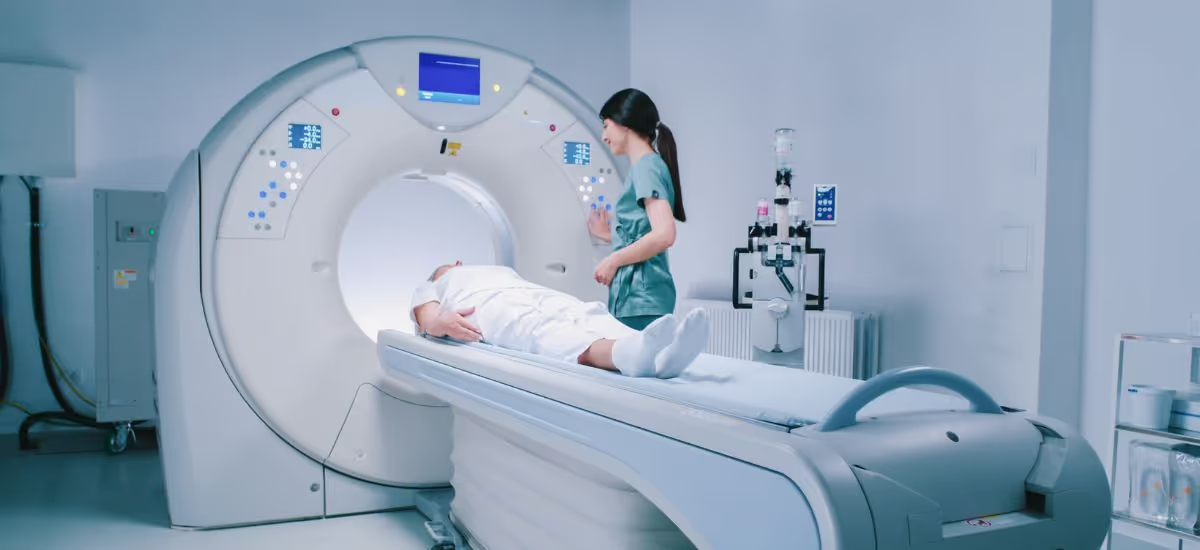
- **CT scan (Computerized Tomography Scan)** is an imaging of the brain using a computerized tomography scan to detect diseases and distinguish depression from other brain disorders such as neurological diseases, [brain tumors](https://www.medparkhospital.com/en-US/disease-and-treatment/brain-tumor), [intracerebral hemorrhage](https://www.medparkhospital.com/en-US/disease-and-treatment/intracerebral-hemorrhage), cerebral hemorrhage, or [stroke](https://www.medparkhospital.com/en-US/disease-and-treatment/stroke).
- **MRI (Magnetic Resonance Imaging)** is a 3D examination of the brain using electromagnetic waves to diagnose and distinguish depression from other brain disorders such as chronic headaches, brain tumors, brain cancer, ischemic stroke, dementia, palsy, or paralysis.
- **EEG (Electroencephalography)** measures brain waves to diagnose depression and distinguish it from epilepsy, insomnia, or obstructive sleep apnea.
- **EKG (Electrocardiogram)** checks the electrical heart and heart rhythm for abnormalities and distinguishes depression from cardiovascular diseases such as heart disease, arrhythmia, or valvular heart disease.
- **[PET/CT](https://www.medparkhospital.com/en-US/disease-and-treatment/pet-ct-scan)** is a nuclear medicine examination that can detect organ abnormalities at the molecular level for cancers and neurological disorder diagnoses not detectable by other tests.

## **How is depression treated?**
A psychiatrist will listen attentively, analyze symptoms, and assess the mental condition, including emotions and feelings, to alleviate depressive symptoms, open up discussion, and find the best possible solution to the issues. The psychiatrist will then develop a tailored treatment plan. The primary goal of depression treatment is to allow the patient to relieve depressive symptoms, understand the root cause of the issue, and cope with those issues appropriately, preventing self-harm thoughts or suicidal attempts. The psychiatrist may combine the following treatment methods:
- **Antidepressants** are medications prescribed to help balance the secretion of neurotransmitters in the brain as well as reduce symptoms of depression such as insomnia, restlessness, or poor appetite. Each type of antidepressant has a unique mechanism of action and side effects. The psychiatrist will determine the appropriate dosage for each individual and gradually adjust the medication every 1-2 weeks until arriving at a proper dosage.
- **Psychotherapy** is a treatment that consists of talking therapy with a psychiatrist and/or a psychologist to analyze the mental condition to find the root cause and primary source of the suffering, as well as developing skills to deal with all aspects of issues to overcome obstacles in life, appreciate life, and prevent suicidal thoughts.
- **Cognitive behavioral therapy (CBT)** is a psychotherapy performed by a psychiatrist to help adjust negative automatic thinking and behaviors that lead to depression, including promoting positive thinking methods to help improve physical and mental health and control overwhelming negative thoughts.
- **Psychotherapeutic group therapies** are group psychotherapy sessions in which people share their experiences living and struggling with depression. Emphasizing the importance of listening, supporting, and encouraging one another so that no one feels isolated or fights depression alone. The goal of the treatment is to overcome various obstacles in life with strength and encouragement.
- **Electroconvulsive therapy (ETC)** is a treatment that uses a low-voltage electrical current to stimulate the brain in those who do not respond to medication or are at high risk of self-harm or suicide attempts. The treatment is effective, painless, and safe.
- **Deep Transcranial Magnetic Stimulation (dTMS)** is a novel treatment for neurological diseases that stimulates the brain with gentle electromagnetic waves to restore the balance of neurotransmitters in the brain and nerve cells to normal function. The stimulation improves cell connections and can even cure depression without pain. The treatment has so far proven to be safe and effective as well.
## **What are the advantages of depression treatment?**
Aside from talking and venting one's mind and thoughts, the advantage of depression treatment with a skilled psychiatrist is that one can receive appropriate and beneficial advice that suits each individual to implement in everyday life. There are numerous other advantages to treating depression, including:
- Find out the root cause of depression and receive on-the-spot treatment.
- Understand one's identity, thoughts, and behavior, including depression.
- Prevent self-harm and suicidal thoughts.
- Assist with mood adjustment, learn how to manage, and prevent recurrence of symptoms.
- Learn how to deal with issues and be courageous to face and overcome life's challenges.
- Enhance self-worth and self-esteem.
- Reduce drug use.
- Promote restful sleep.
- Improve concentration, promote positive thinking, and inspire oneself to pursue life's goals.
- Dare to speak up when faced with an issue and to bring it up to consult with others.
- Reduce stress and anxiety.
- Allows for the development of solutions and openness to various perspectives on various situations.
- Build healthy relationships with others.
- improves overall quality of life and well-being.
## **Depression Treatment at MedPark Hospital**
MedPark Hospital provides psychiatric treatment with a team of skilled psychiatrists in collaboration with teams of neurologists and radiologists experienced in diagnosing and treating depression and other psychiatric disorders. Our psychiatrists identify the root cause and develop a treatment plan tailored to each individual, single and combination treatments with medication and a variety of psychotherapy with attentive care, curative intents, and without recurrence.
The Depression and Mental Disorders Psychiatric Program at MedPark Hospital is run by psychiatrists, psychologists, psychotherapists, nurses, and an experienced multidisciplinary team well versed in psychotherapy by participating the conversation and attentively listening to various life issues to identify the root cause of the problems, eliminate negative thinking, and restore mental strength while developing a positive way of thinking, finding solutions to various situations, and how to create motivation to live life happily.

## **Psychotherapy programs**
Psychotherapy program, or "talking" therapy, at MedPark Hospital, entails speaking with a psychiatrist in a private, relaxed setting to listen, identify the cause of the problem, and work together to find a solution.
MedPark’s psychotherapy programs employ several techniques for dealing with depression, such as discussing the impact of depression on daily life, daring to communicate with others when depressed, and encouraging a change in thinking and overall behavior. To treat depression, you can choose either an all-talk therapy method or a combination therapy with medication.

## **Cognitive Behavioral Therapy Programs**
Cognitive Behavioral Therapy Program at MedPark Hospital in Bangkok, Thailand, provides comprehensive treatment for mild, moderate, and severe depression, including prevention of recurrence. The Cognitive Behavioral Therapy program consists of two main components:
1. A cognitive component to change the way you think about and perceive situations that arise.
2. A behavioral component to help you systematically change your thoughts, emotions, and behaviors in response to various situations.
During therapy, individuals learn about their thoughts, feelings, and behaviors. A psychotherapist will demonstrate how to probe the nature of the patient's emotions, thoughts, and perceptions to manage depression symptoms.
## Article by
- 
Assoc.Prof.Dr Thitiporn Supasitthumrong A psychiatrist specializing in geriatric psychiatry
[Profile](https://www.medparkhospital.com/en-US/doctors/assoc-prof-dr-thitiporn-supasitthumrong) [Appointment](https://www.medparkhospital.com/en-US/appointment?doctor=assoc-prof-dr-thitiporn-supasitthumrong)
Published: 03 Oct 2023
Share
[](https://www.medparkhospital.com/#facebook) [](https://www.medparkhospital.com/#facebook_messenger) [](https://www.medparkhospital.com/#x) [](https://www.medparkhospital.com/#line) [](https://www.medparkhospital.com/#threads)
## Related Doctors
- [Link to doctor](https://www.medparkhospital.com/en-US/doctors/dr-kritthee-bhumasvin)

### Dr Kritthee Bhumasvin
#### Specialty
- Psychiatry
#### Sub Specialty
#### Treatments And Services
Psychiatry
Psychiatry
[Call](tel:+662-023-3333) [Request an Appointment](https://www.medparkhospital.com/en-US/appointment?doctor=dr-kritthee-bhumasvin)
Click to see schedule
29 Apr (Wed)14:00 - 18:00
06 May (Wed)15:30 - 19:00
13 May (Wed)14:00 - 19:00
20 May (Wed)15:00 - 19:00
27 May (Wed)14:00 - 19:00
03 Jun (Wed)14:00 - 19:00
10 Jun (Wed)14:00 - 19:00
- [Link to doctor](https://www.medparkhospital.com/en-US/doctors/dr-thanavadee-prachason)

### Dr Thanavadee Prachason
#### Specialty
- Psychiatry
#### Sub Specialty
#### Treatments And Services
Psychiatry
Psychiatry
[Call](tel:+662-023-3333) [Request an Appointment](https://www.medparkhospital.com/en-US/appointment?doctor=dr-thanavadee-prachason)
Click to see schedule
16 May (Sat)08:00 - 11:30
23 May (Sat)10:00 - 11:30
13 Jun (Sat)08:30 - 12:00
27 Jun (Sat)08:00 - 12:00
04 Jul (Sat)08:00 - 12:00
11 Jul (Sat)08:00 - 12:00
18 Jul (Sat)08:00 - 12:00
- [Link to doctor](https://www.medparkhospital.com/en-US/doctors/assoc-prof-dr-thitiporn-supasitthumrong)

### Assoc.Prof.Dr Thitiporn Supasitthumrong
#### Specialty
- Psychiatry
#### Sub Specialty
- Geriatric Psychiatry
#### Treatments And Services
Psychiatry, Geriatric Psychiatry
Psychiatry, Geriatric Psychiatry
[Call](tel:+662-023-3333) [Request an Appointment](https://www.medparkhospital.com/en-US/appointment?doctor=assoc-prof-dr-thitiporn-supasitthumrong)
Click to see schedule
26 May (Tue)17:30 - 19:00
09 Jun (Tue)17:30 - 19:00
16 Jun (Tue)18:30 - 19:00
23 Jun (Tue)17:00 - 19:00
30 Jun (Tue)17:00 - 19:00
07 Jul (Tue)17:00 - 19:00
14 Jul (Tue)16:30 - 19:00
- [Link to doctor](https://www.medparkhospital.com/en-US/doctors/dr-orarat-choukuljaratsiri)

### Dr Orarat Choukuljaratsiri
#### Specialty
- Psychiatry
#### Sub Specialty
- Child and Adolescent Psychiatry
#### Treatments And Services
Child and Adolescent Psychiatry, Psychiatry
Child and Adolescent Psychiatry, Psychiatry
[Call](tel:+662-023-3333) [Request an Appointment](https://www.medparkhospital.com/en-US/appointment?doctor=dr-orarat-choukuljaratsiri)
Click to see schedule
16 May (Sat)09:00 - 13:00
23 May (Sat)09:00 - 13:00
20 Jun (Sat)09:00 - 16:00
27 Jun (Sat)10:00 - 16:00
18 Jul (Sat)09:00 - 16:00
25 Jul (Sat)09:00 - 16:00
\-
- [Link to doctor](https://www.medparkhospital.com/en-US/doctors/dr-lanchasak-akkayagorn)

### Dr Lanchasak Akkayagorn
#### Specialty
- Psychiatry
#### Sub Specialty
- Palliative Medicine
#### Treatments And Services
Psychiatry, Palliative Care Service
Psychiatry, Palliative Care Service
[Call](tel:+662-023-3333) [Request an Appointment](https://www.medparkhospital.com/en-US/appointment?doctor=dr-lanchasak-akkayagorn)
Click to see schedule
28 Apr (Tue)09:30 - 10:00
05 May (Tue)08:00 - 12:00
12 May (Tue)09:00 - 11:00
19 May (Tue)08:00 - 09:00
26 May (Tue)08:00 - 11:30
02 Jun (Tue)08:00 - 12:00
09 Jun (Tue)08:30 - 12:00
- [Link to doctor](https://www.medparkhospital.com/en-US/doctors/dr-ronnachai-kongsakon)

### Prof.Dr Ronnachai Kongsakon
#### Specialty
- Psychiatry
#### Sub Specialty
- Addiction Psychiatry
#### Treatments And Services
Psychiatry, Addiction Psychiatry
Psychiatry, Addiction Psychiatry
[Call](tel:+662-023-3333) [Request an Appointment](https://www.medparkhospital.com/en-US/appointment?doctor=dr-ronnachai-kongsakon)
Click to see schedule
17 May (Sun)09:30 - 15:00
31 May (Sun)10:00 - 15:00
07 Jun (Sun)09:00 - 15:00
14 Jun (Sun)09:30 - 15:00
21 Jun (Sun)10:30 - 15:00
28 Jun (Sun)09:00 - 15:00
05 Jul (Sun)10:00 - 15:00
## Medical Service
[Centers & Clinics](https://www.medparkhospital.com/en-US/center-and-specialty)
[Request an Appointment](https://www.medparkhospital.com/en-US/appointment)
[Find Doctor](https://www.medparkhospital.com/en-US/doctors)
[Rooms](https://www.medparkhospital.com/en-US/rooms)
[Insurance](https://www.medparkhospital.com/en-US/insurance)
[Evergreen Member Card](https://www.medparkhospital.com/en-US/evergreen-memberships)
## Disease & Treatment
[Disease & Treatment](https://www.medparkhospital.com/en-US/disease-and-treatment)
[Lifestyles](https://www.medparkhospital.com/en-US/lifestyles)
[MedPark Stories](https://www.medparkhospital.com/en-US/medpark-stories)
[MedPark Research Center](https://www.medparkhospital.com/en-US/page/medpark-research-center)
## About Us
[Visitor's Guide](https://www.medparkhospital.com/en-US/static/visitor-guide)
[About Us](https://www.medparkhospital.com/en-US/about-us)
[News & Events](https://www.medparkhospital.com/en-US/news)
[Join Us](https://www.medparkhospital.com/en-US/join-us)
[Contact Us](https://www.medparkhospital.com/en-US/contact-us)
[Awards & Accreditations](https://www.medparkhospital.com/en-US/awards-and-accreditations)
## Terms Of Use
[Term & Conditions](https://www.medparkhospital.com/en-US/page/terms-conditions)
[Privacy Policy](https://www.medparkhospital.com/en-US/page/privacy-policy)
[Privacy Notice](https://www.medparkhospital.com/en-US/page/privacy-notice)
[Cookie Policy](https://www.medparkhospital.com/en-US/page/cookie-policy)

3333 Rama IV Rd, Khlong Toei, Bangkok 10110
© 2026 MedPark Hospital.
All Rights Reserved.
2\.3.42 (build d92801c)

✓
Thanks for sharing\!
[AddToAny](https://www.addtoany.com/ "Share Buttons")
[More…](https://www.medparkhospital.com/en-US/disease-and-treatment/depression-tests#addtoany "Show all")

Cart (0 Item)

Your cart is empty
Explore our health packages and promotions now to enjoy the best offers\!
Explore packages
\*Total amount exceeds maximum limit (2,000,000 Baht). Please remove some items to checkout.
***
Total
Check out
### Add to Cart Unsuccessful
Ok | |||||||||
| Readable Markdown | ## **Depression Test**
Sadness, depression, stress, anxiety, and distress are common emotions every human experiences. Those emotions frequently appear, persist, and disappear episodically, alternating with feelings of happiness, fulfillment, and joy. However, if the sadness, boredom, and distress last most time of the day for more than two weeks, and you are unable to brush it off, affecting daily life, work, and relationships with those around you until you or others can notice -- that person should have an evaluation for depression, and to receive systematically treatment, abate mental suffering, and aid in the recovery of mental well-being and physical health.
***
## **Are you experiencing depression? Let's try an initial depression level assessment.**
***
## **What is depression?**
**Depression** is a mental health disorder classified as a mood disorder caused by an imbalance in the secretion of certain neurotransmitters in the brain, which manifests as an unusually long period of intense sadness, anxiety, and boredom with one's surroundings, affecting mood, thinking, and behavior, as well as mental health, physical health, and social relations. Depression is a psychiatric disorder that is difficult to diagnose and distinguishes between normal feelings of sadness, sorrow, and gloom and the depressive, sad, and gloomy mood of depression, which can lead to self-harm and suicide attempts. Therefore, a Depression Test with a psychiatrist is needed to provide continuous treatment to heal or alleviate a mental scar.

## **What causes depression?**
[Depression](https://www.medparkhospital.com/en-US/disease-and-treatment/depression) is due to a variety of factors, including the following:
- **Neurotransmitters** \-- The imbalance of brain neurotransmitters, such as serotonin, dopamine, and norepinephrine, results in a clinical depressive disorder. These neurotransmitters oversee transmitting nerve signals between nerve cells and controlling body coordination. A neurotransmitter imbalance causes mood swings, depression, stress, anxiety, obsession, insomnia, etc.
- **Genetic** -- Those with a family history of depression, including parents, siblings, and relatives, are at a high 70% risk of depression. However, those without a family history of depression can have depression triggered by other factors.
- **Stressful life events** -- Mental illness caused by violent events, death, a sudden loss of a loved one, being cheated by a lover's betrayal, divorce, loneliness, and a lack of encouragement can all lead to depression.
- **Chronic medical conditions**, such as [cancer](https://www.medparkhospital.com/en-US/disease-and-treatment/cancer), [diabetes](https://www.medparkhospital.com/en-US/disease-and-treatment/diabetes-mellitus), chronic illnesses, [hyperthyroidism](https://www.medparkhospital.com/en-US/disease-and-treatment/hyperthyroidism), [heart disease](https://www.medparkhospital.com/en-US/disease-and-treatment/heart-disease), [autoimmune disease (SLE)](https://www.medparkhospital.com/en-US/disease-and-treatment/lupus), and infectious diseases such as [HIV](https://www.medparkhospital.com/en-US/disease-and-treatment/hiv-aids), [herpes zoster](https://www.medparkhospital.com/en-US/disease-and-treatment/herpes-zoster-shingles), [herpes simplex](https://www.medparkhospital.com/en-US/disease-and-treatment/herpes-simplex), [psoriasis](https://www.medparkhospital.com/en-US/disease-and-treatment/psoriasis), and multiple sclerosis can all lead to depression.
- **Certain medications** -- anticonvulsants, antidepressants for [bipolar disorder](https://www.medparkhospital.com/en-US/disease-and-treatment/bipolar-disorder), levodopa for [Parkinson's disease](https://www.medparkhospital.com/en-US/disease-and-treatment/parkinsons-disease), benzodiazepines for [anxiety disorders](https://www.medparkhospital.com/en-US/disease-and-treatment/anxiety-disorder) or insomnia, interferon alpha drugs for cancer treatment, and opioid analgesics for moderate to severe pain
- **Vitamin deficiencies** such as [vitamin B12](https://www.medparkhospital.com/en-US/lifestyles/vitamin-b12) or vitamin D
- **Long-term** use of addictive substances such as alcohol, cigarettes, marijuana, opiates, or pain relievers
- **Hormones:** Hormonal imbalances, such as [postpartum depression](https://www.medparkhospital.com/en-US/disease-and-treatment/postpartum-depression), [menopause](https://www.medparkhospital.com/en-US/lifestyles/menopause), endocrine diseases, etc.

## **What are the symptoms of depression?**
Clinical depressive symptoms differ from normal sadness. Those suffering from depression will experience episodes of depression, stress, and anxiety for at least two weeks or longer. Depression causes decreased productivity, loss of concentration, and ignoring the things around you. Depression has the following signs and symptoms:
- Sad, depressed, and discouraged.
- Dissatisfaction with the surroundings, no enjoyment in previously pleasurable activities.
- Short attention span, inability to concentrate and focus.
- Feelings of overwhelming guilt, worthlessness, and low self-esteem
- Slowing movement, restlessness, and agitation
- Mood swings, easily annoyed.
- A lack of hope for the future, hopelessness, feeling helpless
- Feeling too exhausted
- [Burnout](https://www.medparkhospital.com/en-US/lifestyles/burnout-syndrome): a lack of energy at work and in life
- Suicidal ideation, death thoughts, and a lack of will to live.
- [Insomnia](https://www.medparkhospital.com/en-US/disease-and-treatment/insomnia), restlessness, fitful sleep
- Loss of appetite or inability to stop eating.
- Medically unexplained [headaches](https://www.medparkhospital.com/en-US/disease-and-treatment/chronic-headache)
- Constipation, [bowel movement](https://www.medparkhospital.com/en-US/lifestyles/irritable-bowel-syndrome-in-working-age-people)
- Lack of libido
- [Menstrual irregularities](https://www.medparkhospital.com/en-US/disease-and-treatment/amenorrhea)

## **How is depression diagnosed?**
A psychiatric specialist will make an initial diagnosis of depression by taking a detailed history, symptoms, underlying diseases, family history, emotions, feelings, and behaviors, duration of symptoms, and openly discussing what is on your mind, incidence, or traumatic events in life to assess your mental state. In addition, the psychiatrist may request psychological tests followed by physical examinations to rule out and confirm the disorder. Depression diagnosis conforms to the following criteria:
- **Psychiatric evaluation:** The physician will take a history based on The Diagnostic and Statistical Criteria for Mental Disorders (DSM-5) if the symptoms have been present for at least two weeks with unusual changes in various life aspects with distinct differences between the preceding and current periods and have at least 1 of the following symptoms: (1) Depressive symptoms (2) A feeling of boredom and unhappiness.
- Sadness, gloominess, discouragement, depression, hopelessness, or crying almost every day for at least two weeks until it is noticeable by yourself or others.
- Indifferent feelings, dissatisfaction with one's surroundings, and a loss of enjoyment in previously pleasurable activities.
- Weight loss or rapid weight gain despite not dieting, having a poor appetite, or overeating.
- Insomnia, fitful sleep, excessive sleep, restlessness
- Lack of enthusiasm, indifference, tiredness, exhaustion, and a sense of powerlessness
- Hopelessness, worthlessness, overwhelming guilt, and mostly negative thoughts and attitudes
- Lack of concentration, inability to focus, slow decision-making, decreased ability to think and make decisions.
- Self-harm thoughts, suicidal ideation
- **Blood test:** The psychiatrist will take a blood sample to check for an indication or abnormality in the body, including blood electrolytes and bodily acid-base balances, checking for vitamin or hormone deficiency. Examine liver and kidney function because deterioration of the liver and kidneys reduces the efficiency of the body's waste filtering, potentially leading to an accumulation of certain medications that can lead to depression.
- **CT scan (Computerized Tomography Scan)** is an imaging of the brain using a computerized tomography scan to detect diseases and distinguish depression from other brain disorders such as neurological diseases, [brain tumors](https://www.medparkhospital.com/en-US/disease-and-treatment/brain-tumor), [intracerebral hemorrhage](https://www.medparkhospital.com/en-US/disease-and-treatment/intracerebral-hemorrhage), cerebral hemorrhage, or [stroke](https://www.medparkhospital.com/en-US/disease-and-treatment/stroke).
- **MRI (Magnetic Resonance Imaging)** is a 3D examination of the brain using electromagnetic waves to diagnose and distinguish depression from other brain disorders such as chronic headaches, brain tumors, brain cancer, ischemic stroke, dementia, palsy, or paralysis.
- **EEG (Electroencephalography)** measures brain waves to diagnose depression and distinguish it from epilepsy, insomnia, or obstructive sleep apnea.
- **EKG (Electrocardiogram)** checks the electrical heart and heart rhythm for abnormalities and distinguishes depression from cardiovascular diseases such as heart disease, arrhythmia, or valvular heart disease.
- **[PET/CT](https://www.medparkhospital.com/en-US/disease-and-treatment/pet-ct-scan)** is a nuclear medicine examination that can detect organ abnormalities at the molecular level for cancers and neurological disorder diagnoses not detectable by other tests.

## **How is depression treated?**
A psychiatrist will listen attentively, analyze symptoms, and assess the mental condition, including emotions and feelings, to alleviate depressive symptoms, open up discussion, and find the best possible solution to the issues. The psychiatrist will then develop a tailored treatment plan. The primary goal of depression treatment is to allow the patient to relieve depressive symptoms, understand the root cause of the issue, and cope with those issues appropriately, preventing self-harm thoughts or suicidal attempts. The psychiatrist may combine the following treatment methods:
- **Antidepressants** are medications prescribed to help balance the secretion of neurotransmitters in the brain as well as reduce symptoms of depression such as insomnia, restlessness, or poor appetite. Each type of antidepressant has a unique mechanism of action and side effects. The psychiatrist will determine the appropriate dosage for each individual and gradually adjust the medication every 1-2 weeks until arriving at a proper dosage.
- **Psychotherapy** is a treatment that consists of talking therapy with a psychiatrist and/or a psychologist to analyze the mental condition to find the root cause and primary source of the suffering, as well as developing skills to deal with all aspects of issues to overcome obstacles in life, appreciate life, and prevent suicidal thoughts.
- **Cognitive behavioral therapy (CBT)** is a psychotherapy performed by a psychiatrist to help adjust negative automatic thinking and behaviors that lead to depression, including promoting positive thinking methods to help improve physical and mental health and control overwhelming negative thoughts.
- **Psychotherapeutic group therapies** are group psychotherapy sessions in which people share their experiences living and struggling with depression. Emphasizing the importance of listening, supporting, and encouraging one another so that no one feels isolated or fights depression alone. The goal of the treatment is to overcome various obstacles in life with strength and encouragement.
- **Electroconvulsive therapy (ETC)** is a treatment that uses a low-voltage electrical current to stimulate the brain in those who do not respond to medication or are at high risk of self-harm or suicide attempts. The treatment is effective, painless, and safe.
- **Deep Transcranial Magnetic Stimulation (dTMS)** is a novel treatment for neurological diseases that stimulates the brain with gentle electromagnetic waves to restore the balance of neurotransmitters in the brain and nerve cells to normal function. The stimulation improves cell connections and can even cure depression without pain. The treatment has so far proven to be safe and effective as well.
## **What are the advantages of depression treatment?**
Aside from talking and venting one's mind and thoughts, the advantage of depression treatment with a skilled psychiatrist is that one can receive appropriate and beneficial advice that suits each individual to implement in everyday life. There are numerous other advantages to treating depression, including:
- Find out the root cause of depression and receive on-the-spot treatment.
- Understand one's identity, thoughts, and behavior, including depression.
- Prevent self-harm and suicidal thoughts.
- Assist with mood adjustment, learn how to manage, and prevent recurrence of symptoms.
- Learn how to deal with issues and be courageous to face and overcome life's challenges.
- Enhance self-worth and self-esteem.
- Reduce drug use.
- Promote restful sleep.
- Improve concentration, promote positive thinking, and inspire oneself to pursue life's goals.
- Dare to speak up when faced with an issue and to bring it up to consult with others.
- Reduce stress and anxiety.
- Allows for the development of solutions and openness to various perspectives on various situations.
- Build healthy relationships with others.
- improves overall quality of life and well-being.
## **Depression Treatment at MedPark Hospital**
MedPark Hospital provides psychiatric treatment with a team of skilled psychiatrists in collaboration with teams of neurologists and radiologists experienced in diagnosing and treating depression and other psychiatric disorders. Our psychiatrists identify the root cause and develop a treatment plan tailored to each individual, single and combination treatments with medication and a variety of psychotherapy with attentive care, curative intents, and without recurrence.
The Depression and Mental Disorders Psychiatric Program at MedPark Hospital is run by psychiatrists, psychologists, psychotherapists, nurses, and an experienced multidisciplinary team well versed in psychotherapy by participating the conversation and attentively listening to various life issues to identify the root cause of the problems, eliminate negative thinking, and restore mental strength while developing a positive way of thinking, finding solutions to various situations, and how to create motivation to live life happily.

## **Psychotherapy programs**
Psychotherapy program, or "talking" therapy, at MedPark Hospital, entails speaking with a psychiatrist in a private, relaxed setting to listen, identify the cause of the problem, and work together to find a solution.
MedPark’s psychotherapy programs employ several techniques for dealing with depression, such as discussing the impact of depression on daily life, daring to communicate with others when depressed, and encouraging a change in thinking and overall behavior. To treat depression, you can choose either an all-talk therapy method or a combination therapy with medication.

## **Cognitive Behavioral Therapy Programs**
Cognitive Behavioral Therapy Program at MedPark Hospital in Bangkok, Thailand, provides comprehensive treatment for mild, moderate, and severe depression, including prevention of recurrence. The Cognitive Behavioral Therapy program consists of two main components:
1. A cognitive component to change the way you think about and perceive situations that arise.
2. A behavioral component to help you systematically change your thoughts, emotions, and behaviors in response to various situations.
During therapy, individuals learn about their thoughts, feelings, and behaviors. A psychotherapist will demonstrate how to probe the nature of the patient's emotions, thoughts, and perceptions to manage depression symptoms.
## Article by
- 
Assoc.Prof.Dr Thitiporn Supasitthumrong A psychiatrist specializing in geriatric psychiatry
Published: 03 Oct 2023
## Related Doctors
- [Link to doctor](https://www.medparkhospital.com/en-US/doctors/dr-kritthee-bhumasvin)

Dr Kritthee Bhumasvin
#### Specialty
- Psychiatry
#### Treatments And Services
Psychiatry
Psychiatry
Click to see schedule
- [Link to doctor](https://www.medparkhospital.com/en-US/doctors/dr-thanavadee-prachason)

Dr Thanavadee Prachason
#### Specialty
- Psychiatry
#### Treatments And Services
Psychiatry
Psychiatry
Click to see schedule
- [Link to doctor](https://www.medparkhospital.com/en-US/doctors/assoc-prof-dr-thitiporn-supasitthumrong)

Assoc.Prof.Dr Thitiporn Supasitthumrong
#### Specialty
- Psychiatry
#### Sub Specialty
- Geriatric Psychiatry
#### Treatments And Services
Psychiatry, Geriatric Psychiatry
Psychiatry, Geriatric Psychiatry
Click to see schedule
- [Link to doctor](https://www.medparkhospital.com/en-US/doctors/dr-orarat-choukuljaratsiri)

Dr Orarat Choukuljaratsiri
#### Specialty
- Psychiatry
#### Sub Specialty
- Child and Adolescent Psychiatry
#### Treatments And Services
Child and Adolescent Psychiatry, Psychiatry
Child and Adolescent Psychiatry, Psychiatry
Click to see schedule
- [Link to doctor](https://www.medparkhospital.com/en-US/doctors/dr-lanchasak-akkayagorn)

Dr Lanchasak Akkayagorn
#### Specialty
- Psychiatry
#### Sub Specialty
- Palliative Medicine
#### Treatments And Services
Psychiatry, Palliative Care Service
Psychiatry, Palliative Care Service
Click to see schedule
- [Link to doctor](https://www.medparkhospital.com/en-US/doctors/dr-ronnachai-kongsakon)

Prof.Dr Ronnachai Kongsakon
#### Specialty
- Psychiatry
#### Sub Specialty
- Addiction Psychiatry
#### Treatments And Services
Psychiatry, Addiction Psychiatry
Psychiatry, Addiction Psychiatry
Click to see schedule | |||||||||
| ML Classification | ||||||||||
| ML Categories |
Raw JSON{
"/Health": 998,
"/Health/Mental_Health": 995,
"/Health/Mental_Health/Depression": 993
} | |||||||||
| ML Page Types |
Raw JSON{
"/Article": 853,
"/Article/Tutorial_or_Guide": 603
} | |||||||||
| ML Intent Types |
Raw JSON{
"Informational": 967,
"Commercial": 166,
"Transactional": 154
} | |||||||||
| Content Metadata | ||||||||||
| Language | en-us | |||||||||
| Author | null | |||||||||
| Publish Time | 2023-10-03 10:32:31 (2 years ago) | |||||||||
| Original Publish Time | 2023-10-03 10:32:31 (2 years ago) | |||||||||
| Republished | No | |||||||||
| Word Count (Total) | 2,682 | |||||||||
| Word Count (Content) | 2,138 | |||||||||
| Links | ||||||||||
| External Links | 11 | |||||||||
| Internal Links | 81 | |||||||||
| Technical SEO | ||||||||||
| Meta Nofollow | No | |||||||||
| Meta Noarchive | No | |||||||||
| JS Rendered | Yes | |||||||||
| Redirect Target | null | |||||||||
| Performance | ||||||||||
| Download Time (ms) | 451 | |||||||||
| TTFB (ms) | 451 | |||||||||
| Download Size (bytes) | 21,828 | |||||||||
| Shard | 82 (laksa) | |||||||||
| Root Hash | 17995140150215241882 | |||||||||
| Unparsed URL | com,medparkhospital!www,/en-US/disease-and-treatment/depression-tests s443 | |||||||||