ℹ️ Skipped - page is already crawled
| Filter | Status | Condition | Details |
|---|---|---|---|
| HTTP status | PASS | download_http_code = 200 | HTTP 200 |
| Age cutoff | PASS | download_stamp > now() - 6 MONTH | 0 months ago |
| History drop | PASS | isNull(history_drop_reason) | No drop reason |
| Spam/ban | PASS | fh_dont_index != 1 AND ml_spam_score = 0 | ml_spam_score=0 |
| Canonical | PASS | meta_canonical IS NULL OR = '' OR = src_unparsed | Not set |
| Property | Value |
|---|---|
| URL | https://www.hopkinsmedicine.org/health/conditions-and-diseases/insomnia |
| Last Crawled | 2026-04-20 22:00:37 (7 hours ago) |
| First Indexed | 2019-04-07 23:20:12 (7 years ago) |
| HTTP Status Code | 200 |
| Meta Title | Insomnia | Johns Hopkins Medicine |
| Meta Description | Insomnia is trouble falling to sleep or staying asleep. One in 3 adults has bouts of insomnia. |
| Meta Canonical | null |
| Boilerpipe Text | Sleep
Aging and Sleep
Sleep Conditions
What is insomnia?
You’ve likely had nights when you couldn’t fall asleep, no matter how desperately you tried.
When you can't sleep, the ticking of the clock only reminds you of your exhaustion and the endless hours until morning. And perhaps you finally drop off around dawn, only to be jarred awake by the alarm an hour later.
Insomnia means having trouble sleeping at night, staying asleep, or both. It's one of the most common sleep disorders. Episodes of insomnia that last a few days at a time are called short-term (acute) insomnia. Ongoing (chronic) insomnia is often diagnosed when you have ongoing problems with sleep. There are many different definitions for chronic insomnia. A commonly accepted one is insomnia that occurs more than 3 nights a week for at least 3 months or that lasts for a month or longer.
Insomnia affects people in different ways. If you suffer from it, you may not be able to go to sleep or you may not be able to stay asleep. You might constantly wake up earlier than you would like, perhaps in the wee hours of the morning, and find yourself unable to go back to sleep.
Women are more likely to have insomnia than men. Possible risk factors may include:
Shift workers, who don't have consistent sleep schedules
Changes in sleep patterns and health with older age
People who have a history of depression
People who don't get much physical activity
Seven Ways to Get a Healthier Night's Sleep
Around 18 million Americans fail to get a good night's sleep.If you or someone you love is among them, these research findings and expert insights could help you figure out what’s holding you back and what can help.
What causes insomnia?
Insomnia has many possible causes. They may include any or all of these:
Medicines that interfere with sleep
Dietary choices that interfere with sleep, such as having caffeine late in the day
Stressful thoughts
Depression
Recent upheavals in your life, such as moving, job loss, divorce, or death of a loved one
Hormone changes, such as those accompanying menstrual cycle, pregnancy, and menopause
Bedtime habits that don't lead to restful sleep
Sleep disorders, such as restless leg syndrome and sleep apnea
Chronic pain
Medical conditions, such as acid reflux, thyroid problems, stroke, or asthma
Substances like alcohol and nicotine
Travel, especially between time zones
What are the symptoms of insomnia?
These are common symptoms of insomnia:
Frustration and preoccupation with your lack of sleep
Physical aches and pains, such as headaches and stomachaches
Impaired performance at work
Daytime drowsiness or low energy
Trouble paying attention
Anxiety
Tension and irritability
Depression and mood swings
How is insomnia diagnosed?
You may need to see a sleep medicine specialist to find out what's causing your insomnia. It will be helpful to bring a record of your sleep patterns.
The process of making a diagnosis may include:
Your health history.
Your healthcare provider will consider any health conditions, medicines you're taking, and stressful life changes that could be causing insomnia.
Your sleep history.
Be prepared to describe your insomnia with details, such as how long it's been going on, what you think could be contributing to it, and what your sleep is like, such as whether you can barely get to sleep at all or if you wake up too early.
Physical exam.
The provider will look for any physical reasons that could be causing sleep problems.
Sleep study
.
You may need to sleep overnight in a sleep lab where researchers keep track of your sleep.
How is insomnia treated?
You have many choices for treatment:
Change in lifestyle choices that may interfere with sleep
Better-sleep bedtime habits, called sleep hygiene
Change in existing medicine if that's what's causing the problem
Counseling to help relieve stress and other issues bothering you
Medicines to help you get to sleep and stay asleep. These are used with caution, especially for older adults
The exact course will depend on what your healthcare provider identifies as the possible causes of your insomnia.
What are possible complications of insomnia?
Insomnia can have serious complications. Poor sleep quality is linked to:
Increased risk for
heart disease
Increased risk for
stroke
Increased risk for
diabetes
Excessive weight gain or
obesity
Depression
Increased risk for injury to yourself or others, such as a car accident caused by driving while drowsy
Key points about insomnia
Insomnia, the term for having trouble sleeping at night, is one of the most common sleep complaints. About 1 in 3 adults has bouts of insomnia that last a few days at a time. Women are more likely to have insomnia than men.
Insomnia has many possible causes. You may need to see a sleep medicine specialist to find out what's causing your insomnia.
Common symptoms of insomnia include impaired work performance, daytime drowsiness or low energy, difficulty paying attention, depression, and anxiety.
Diagnosis may include a sleep study in which a sleep specialist keeps track of your sleep.
Next steps
Tips to help you get the most from a visit to your provider:
Know the reason for your visit and what you want to happen.
Before your visit, write down questions you want answered.
Bring someone with you to help you ask questions and remember what your provider tells you.
At the visit, write down the name of a new diagnosis and any new medicines, treatments, or tests. Also write down any new instructions your provider gives you.
Know why a new medicine or treatment is prescribed, and how it will help you. Also know what the side effects are and when they should be reported.
Ask if your condition can be treated in other ways.
Know why a test or procedure is recommended and what the results could mean.
Know what to expect if you don't take the medicine or have the test or procedure.
If you have a follow-up appointment, write down the date, time, and purpose for that visit.
Know how you can contact your provider if you have questions, especially after office hours or on weekends. |
| Markdown | [Skip to Main Content](https://www.hopkinsmedicine.org/health/conditions-and-diseases/insomnia#skip)
[](https://www.hopkinsmedicine.org/)
Johns Hopkins Medicine Menu
- [Health](https://www.hopkinsmedicine.org/health)
- [School of Medicine](https://www.hopkinsmedicine.org/som)
- [Johns Hopkins Medicine Home](https://www.hopkinsmedicine.org/)
- [About](https://www.hopkinsmedicine.org/about)
- [Patient Care](https://www.hopkinsmedicine.org/patient-care)
- [Research](https://www.hopkinsmedicine.org/research)
- [MyChart](https://mychart.hopkinsmedicine.org/)
- [Schedule an Appointment](https://www.hopkinsmedicine.org/patient-care/johns-hopkins-medicine-request-appointment)
- [Find a Doctor](https://www.hopkinsmedicine.org/profiles)
- [Find a Clinical Trial](https://www.hopkinsmedicine.org/clinical-trials)
- [Pay Your Bill](https://www.hopkinsmedicine.org/patient-care/patients-visitors/billing-insurance/pay-bill)
- [Employment](https://www.hopkinsmedicine.org/employment)
Close
Search
Close
[MyChart Login MyChart](https://mychart.hopkinsmedicine.org/)
[Home](https://www.hopkinsmedicine.org/) [Health Home](https://www.hopkinsmedicine.org/health) [Conditions and Diseases](https://www.hopkinsmedicine.org/health/conditions-and-diseases)
# Insomnia
[Sleep](https://www.hopkinsmedicine.org/health/wellness-and-prevention/sleep) [Aging and Sleep](https://www.hopkinsmedicine.org/health/wellness-and-prevention/aging-and-sleep) [Sleep Conditions](https://www.hopkinsmedicine.org/health/wellness-and-prevention/sleep-conditions)
## What is insomnia?
You’ve likely had nights when you couldn’t fall asleep, no matter how desperately you tried.
When you can't sleep, the ticking of the clock only reminds you of your exhaustion and the endless hours until morning. And perhaps you finally drop off around dawn, only to be jarred awake by the alarm an hour later.
Insomnia means having trouble sleeping at night, staying asleep, or both. It's one of the most common sleep disorders. Episodes of insomnia that last a few days at a time are called short-term (acute) insomnia. Ongoing (chronic) insomnia is often diagnosed when you have ongoing problems with sleep. There are many different definitions for chronic insomnia. A commonly accepted one is insomnia that occurs more than 3 nights a week for at least 3 months or that lasts for a month or longer.
Insomnia affects people in different ways. If you suffer from it, you may not be able to go to sleep or you may not be able to stay asleep. You might constantly wake up earlier than you would like, perhaps in the wee hours of the morning, and find yourself unable to go back to sleep.
Women are more likely to have insomnia than men. Possible risk factors may include:
- Shift workers, who don't have consistent sleep schedules
- Changes in sleep patterns and health with older age
- People who have a history of depression
- People who don't get much physical activity
## Seven Ways to Get a Healthier Night's Sleep
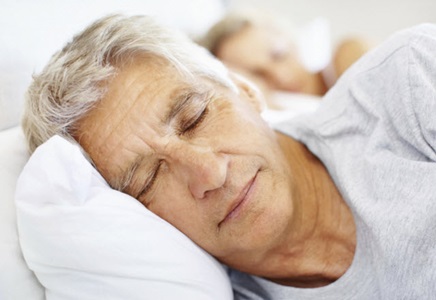
Around 18 million Americans fail to get a good night's sleep.If you or someone you love is among them, these research findings and expert insights could help you figure out what’s holding you back and what can help.
[Read more](https://hopkinsmedicine.org/health/healthy_aging/healthy_body/seven-ways-to-get-a-healthier-nights-sleep)
## What causes insomnia?
Insomnia has many possible causes. They may include any or all of these:
- Medicines that interfere with sleep
- Dietary choices that interfere with sleep, such as having caffeine late in the day
- Stressful thoughts
- Depression
- Recent upheavals in your life, such as moving, job loss, divorce, or death of a loved one
- Hormone changes, such as those accompanying menstrual cycle, pregnancy, and menopause
- Bedtime habits that don't lead to restful sleep
- Sleep disorders, such as restless leg syndrome and sleep apnea
- Chronic pain
- Medical conditions, such as acid reflux, thyroid problems, stroke, or asthma
- Substances like alcohol and nicotine
- Travel, especially between time zones
## What are the symptoms of insomnia?
These are common symptoms of insomnia:
- Frustration and preoccupation with your lack of sleep
- Physical aches and pains, such as headaches and stomachaches
- Impaired performance at work
- Daytime drowsiness or low energy
- Trouble paying attention
- Anxiety
- Tension and irritability
- Depression and mood swings
## How is insomnia diagnosed?
You may need to see a sleep medicine specialist to find out what's causing your insomnia. It will be helpful to bring a record of your sleep patterns.
The process of making a diagnosis may include:
- **Your health history.** Your healthcare provider will consider any health conditions, medicines you're taking, and stressful life changes that could be causing insomnia.
- **Your sleep history.** Be prepared to describe your insomnia with details, such as how long it's been going on, what you think could be contributing to it, and what your sleep is like, such as whether you can barely get to sleep at all or if you wake up too early.
- **Physical exam.** The provider will look for any physical reasons that could be causing sleep problems.
- **[Sleep study](https://www.hopkinsmedicine.org/health/treatment-tests-and-therapies/sleep-study).** You may need to sleep overnight in a sleep lab where researchers keep track of your sleep.
## How is insomnia treated?
You have many choices for treatment:
- Change in lifestyle choices that may interfere with sleep
- Better-sleep bedtime habits, called sleep hygiene
- Change in existing medicine if that's what's causing the problem
- Counseling to help relieve stress and other issues bothering you
- Medicines to help you get to sleep and stay asleep. These are used with caution, especially for older adults
The exact course will depend on what your healthcare provider identifies as the possible causes of your insomnia.
## What are possible complications of insomnia?
Insomnia can have serious complications. Poor sleep quality is linked to:
- Increased risk for [heart disease](https://www.hopkinsmedicine.org/health/conditions-and-diseases/coronary-heart-disease)
- Increased risk for [stroke](https://www.hopkinsmedicine.org/health/conditions-and-diseases/stroke)
- Increased risk for [diabetes](https://www.hopkinsmedicine.org/health/conditions-and-diseases/diabetes)
- Excessive weight gain or [obesity](https://www.hopkinsmedicine.org/health/conditions-and-diseases/obesity)
- Depression
- Increased risk for injury to yourself or others, such as a car accident caused by driving while drowsy
## Key points about insomnia
Insomnia, the term for having trouble sleeping at night, is one of the most common sleep complaints. About 1 in 3 adults has bouts of insomnia that last a few days at a time. Women are more likely to have insomnia than men.
- Insomnia has many possible causes. You may need to see a sleep medicine specialist to find out what's causing your insomnia.
- Common symptoms of insomnia include impaired work performance, daytime drowsiness or low energy, difficulty paying attention, depression, and anxiety.
- Diagnosis may include a sleep study in which a sleep specialist keeps track of your sleep.
## Next steps
Tips to help you get the most from a visit to your provider:
- Know the reason for your visit and what you want to happen.
- Before your visit, write down questions you want answered.
- Bring someone with you to help you ask questions and remember what your provider tells you.
- At the visit, write down the name of a new diagnosis and any new medicines, treatments, or tests. Also write down any new instructions your provider gives you.
- Know why a new medicine or treatment is prescribed, and how it will help you. Also know what the side effects are and when they should be reported.
- Ask if your condition can be treated in other ways.
- Know why a test or procedure is recommended and what the results could mean.
- Know what to expect if you don't take the medicine or have the test or procedure.
- If you have a follow-up appointment, write down the date, time, and purpose for that visit.
- Know how you can contact your provider if you have questions, especially after office hours or on weekends.
## Find a Doctor
Specializing In:
- [Snoring Disorders](https://profiles.hopkinsmedicine.org/search?unified="Snoring+Disorders"&sort=networks%2Crelevance%2Cavailability_density_best)
- [Sleep Disorders](https://profiles.hopkinsmedicine.org/search?unified="Sleep+Disorders"&sort=networks%2Crelevance%2Cavailability_density_best)
- [Circadian Rhythm Disorders](https://profiles.hopkinsmedicine.org/search?unified="Circadian+Rhythm+Disorders"&sort=networks%2Crelevance%2Cavailability_density_best)
## Find a Treatment Center
- [Center for Sleep and Wellness](https://www.hopkinsmedicine.org/howard_county_general_hospital/services/sleep-wellness-center.html)
- [Pediatric Sleep Center (Johns Hopkins Children's Center)](http://www.hopkinsmedicine.org/johns-hopkins-childrens-center/what-we-treat/specialties/sleep-center/)
- [Pediatric Sleep Center (Johns Hopkins All Children's Hospital)](https://www.hopkinsmedicine.org/all-childrens-hospital/services/sleep-studies)
See More
Find Additional Treatment Centers at:
- [Howard County Medical Center](https://www.hopkinsmedicine.org/johns-hopkins-howard-county)
- [Sibley Memorial Hospital](https://www.hopkinsmedicine.org/sibley-memorial-hospital)
- [Suburban Hospital](https://www.hopkinsmedicine.org/suburban-hospital)
## Related

- [Obstructive Sleep Apnea](https://www.hopkinsmedicine.org/health/conditions-and-diseases/obstructive-sleep-apnea)
- [Do Sleep Trackers Really Work?](https://www.hopkinsmedicine.org/health/wellness-and-prevention/do-sleep-trackers-really-work)
- [4 Signs You Might Have Sleep Apnea](https://www.hopkinsmedicine.org/health/wellness-and-prevention/4-signs-you-might-have-sleep-apnea)
- [Seven Ways to Get a Healthier Night's Sleep](https://www.hopkinsmedicine.org/health/wellness-and-prevention/seven-ways-to-get-a-healthier-nights-sleep)

## Request an Appointment
[Find a Doctor](https://www.hopkinsmedicine.org/profiles)
- [410-955-5000](tel:410-955-5000) Maryland
- [855-695-4872](tel:855-695-4872) Outside of Maryland
- [\+1-410-502-7683](tel:+1-410-502-7683) International
[Find a Doctor](https://www.hopkinsmedicine.org/profiles)
See More
## Find a Doctor
Specializing In:
- [Snoring Disorders](https://profiles.hopkinsmedicine.org/search?unified="Snoring+Disorders"&sort=networks%2Crelevance%2Cavailability_density_best)
- [Sleep Disorders](https://profiles.hopkinsmedicine.org/search?unified="Sleep+Disorders"&sort=networks%2Crelevance%2Cavailability_density_best)
- [Circadian Rhythm Disorders](https://profiles.hopkinsmedicine.org/search?unified="Circadian+Rhythm+Disorders"&sort=networks%2Crelevance%2Cavailability_density_best)
## Find a Treatment Center
- [Center for Sleep and Wellness](https://www.hopkinsmedicine.org/howard_county_general_hospital/services/sleep-wellness-center.html)
- [Pediatric Sleep Center (Johns Hopkins Children's Center)](http://www.hopkinsmedicine.org/johns-hopkins-childrens-center/what-we-treat/specialties/sleep-center/)
- [Pediatric Sleep Center (Johns Hopkins All Children's Hospital)](https://www.hopkinsmedicine.org/all-childrens-hospital/services/sleep-studies)
See More
Find Additional Treatment Centers at:
- [Howard County Medical Center](https://www.hopkinsmedicine.org/johns-hopkins-howard-county)
- [Sibley Memorial Hospital](https://www.hopkinsmedicine.org/sibley-memorial-hospital)
- [Suburban Hospital](https://www.hopkinsmedicine.org/suburban-hospital)
## Related
- [ Airway Obstruction Obstructive Sleep Apnea](https://www.hopkinsmedicine.org/health/conditions-and-diseases/obstructive-sleep-apnea)
- [ Sleep Better Do Sleep Trackers Really Work?](https://www.hopkinsmedicine.org/health/wellness-and-prevention/do-sleep-trackers-really-work)
- [ Sleep 4 Signs You Might Have Sleep Apnea](https://www.hopkinsmedicine.org/health/wellness-and-prevention/4-signs-you-might-have-sleep-apnea)
## Related Topics
- [Sleep](https://www.hopkinsmedicine.org/health/wellness-and-prevention/sleep)
- [Aging and Sleep](https://www.hopkinsmedicine.org/health/wellness-and-prevention/aging-and-sleep)
- [Sleep Conditions](https://www.hopkinsmedicine.org/health/wellness-and-prevention/sleep-conditions)
## [](https://www.hopkinsmedicine.org/)
Language Assistance Available:
- [Español](https://www.hopkinsmedicine.org/patient-care/patients-visitors/language-assistance-services#spanish)
- [አማርኛ](https://www.hopkinsmedicine.org/patient-care/patients-visitors/language-assistance-services#amharic)
- [繁體中文](https://www.hopkinsmedicine.org/patient-care/patients-visitors/language-assistance-services#chinese)
- [Français](https://www.hopkinsmedicine.org/patient-care/patients-visitors/language-assistance-services#french)
- [Tagalog](https://www.hopkinsmedicine.org/patient-care/patients-visitors/language-assistance-services#tagalog)
- [Русский](https://www.hopkinsmedicine.org/patient-care/patients-visitors/language-assistance-services#russian)
- [Português](https://www.hopkinsmedicine.org/patient-care/patients-visitors/language-assistance-services#portugese)
- [Italiano](https://www.hopkinsmedicine.org/patient-care/patients-visitors/language-assistance-services#italian)
- [Tiếng Việt](https://www.hopkinsmedicine.org/patient-care/patients-visitors/language-assistance-services#vietnamese)
- [Ɓàsɔ́ɔ̀-wùɖù-po-nyɔ̀](https://www.hopkinsmedicine.org/patient-care/patients-visitors/language-assistance-services#KruBassa)
- [Igbo asusu](https://www.hopkinsmedicine.org/patient-care/patients-visitors/language-assistance-services#ibo)
- [èdè Yorùbá](https://www.hopkinsmedicine.org/patient-care/patients-visitors/language-assistance-services#Yoruba)
- [বাংলা](https://www.hopkinsmedicine.org/patient-care/patients-visitors/language-assistance-services#Bengali)
- [日本語](https://www.hopkinsmedicine.org/patient-care/patients-visitors/language-assistance-services#japanese)
- [한국어](https://www.hopkinsmedicine.org/patient-care/patients-visitors/language-assistance-services#korean)
- [Kreyòl Ayisyen](https://www.hopkinsmedicine.org/patient-care/patients-visitors/language-assistance-services#Creole)
- [العربية](https://www.hopkinsmedicine.org/patient-care/patients-visitors/language-assistance-services#Arabic)
- [Deutsch](https://www.hopkinsmedicine.org/patient-care/patients-visitors/language-assistance-services#German)
- [Polski](https://www.hopkinsmedicine.org/patient-care/patients-visitors/language-assistance-services#Polish)
- [Ελληνικά](https://www.hopkinsmedicine.org/patient-care/patients-visitors/language-assistance-services#Greek)
- [ગુજરાતી](https://www.hopkinsmedicine.org/patient-care/patients-visitors/language-assistance-services#Gujarati)
- [ภาษาไทย](https://www.hopkinsmedicine.org/patient-care/patients-visitors/language-assistance-services#Thai)
- [اُردُو](https://www.hopkinsmedicine.org/patient-care/patients-visitors/language-assistance-services#Urdu)
- [فارسی](https://www.hopkinsmedicine.org/patient-care/patients-visitors/language-assistance-services#Persian)
- [हिंदी](https://www.hopkinsmedicine.org/patient-care/patients-visitors/language-assistance-services#Hindi)
- [Deitsch](https://www.hopkinsmedicine.org/patient-care/patients-visitors/language-assistance-services#PennDutch)
- [ខ្មែរ](https://www.hopkinsmedicine.org/patient-care/patients-visitors/language-assistance-services#Cambodian)
Contact & Privacy Information
[Contact Johns Hopkins Medicine](https://www.hopkinsmedicine.org/patient-care/patients-visitors/contact-us)
[Price Transparency](https://www.hopkinsmedicine.org/patient-care/patients-visitors/billing-insurance/pay-bill/charges-fees) \| [Patient Care Locations](https://www.hopkinsmedicine.org/patient-care/locations)
[Notice of Privacy Practices](https://www.hopkinsmedicine.org/patient-privacy-information) \| [Privacy Statement](https://it.johnshopkins.edu/policies/privacystatement)
[Terms & Conditions of Use](https://www.hopkinsmedicine.org/terms-and-conditions-of-use) \| [Non-Discrimination Notice](https://www.hopkinsmedicine.org/patient-care/patients-visitors/non-discrimination-notice)
[Manage Cookie Preferences]()
[Follow Johns Hopkins Medicine on Facebook](https://www.facebook.com/Johns.Hopkins.Medicine)
[Follow Johns Hopkins Medicine on X](https://x.com/HopkinsMedicine)
[Follow Johns Hopkins Medicine on Linkedin](https://www.linkedin.com/company/johns-hopkins-medicine)
[Follow Johns Hopkins Medicine on Instagram](https://www.instagram.com/HopkinsMedicine/)
[Follow Johns Hopkins Medicine on YouTube](https://www.youtube.com/user/JohnsHopkinsMedicine?sub_confirmation=1)
[Follow Johns Hopkins Medicine on Weibo](https://www.weibo.com/hopkinsmedicine)
Copyright © 2026 The Johns Hopkins University, The Johns Hopkins Hospital, and Johns Hopkins Health System. All rights reserved. |
| Readable Markdown | [Sleep](https://www.hopkinsmedicine.org/health/wellness-and-prevention/sleep) [Aging and Sleep](https://www.hopkinsmedicine.org/health/wellness-and-prevention/aging-and-sleep) [Sleep Conditions](https://www.hopkinsmedicine.org/health/wellness-and-prevention/sleep-conditions)
## What is insomnia?
You’ve likely had nights when you couldn’t fall asleep, no matter how desperately you tried.
When you can't sleep, the ticking of the clock only reminds you of your exhaustion and the endless hours until morning. And perhaps you finally drop off around dawn, only to be jarred awake by the alarm an hour later.
Insomnia means having trouble sleeping at night, staying asleep, or both. It's one of the most common sleep disorders. Episodes of insomnia that last a few days at a time are called short-term (acute) insomnia. Ongoing (chronic) insomnia is often diagnosed when you have ongoing problems with sleep. There are many different definitions for chronic insomnia. A commonly accepted one is insomnia that occurs more than 3 nights a week for at least 3 months or that lasts for a month or longer.
Insomnia affects people in different ways. If you suffer from it, you may not be able to go to sleep or you may not be able to stay asleep. You might constantly wake up earlier than you would like, perhaps in the wee hours of the morning, and find yourself unable to go back to sleep.
Women are more likely to have insomnia than men. Possible risk factors may include:
- Shift workers, who don't have consistent sleep schedules
- Changes in sleep patterns and health with older age
- People who have a history of depression
- People who don't get much physical activity
## Seven Ways to Get a Healthier Night's Sleep

Around 18 million Americans fail to get a good night's sleep.If you or someone you love is among them, these research findings and expert insights could help you figure out what’s holding you back and what can help.
## What causes insomnia?
Insomnia has many possible causes. They may include any or all of these:
- Medicines that interfere with sleep
- Dietary choices that interfere with sleep, such as having caffeine late in the day
- Stressful thoughts
- Depression
- Recent upheavals in your life, such as moving, job loss, divorce, or death of a loved one
- Hormone changes, such as those accompanying menstrual cycle, pregnancy, and menopause
- Bedtime habits that don't lead to restful sleep
- Sleep disorders, such as restless leg syndrome and sleep apnea
- Chronic pain
- Medical conditions, such as acid reflux, thyroid problems, stroke, or asthma
- Substances like alcohol and nicotine
- Travel, especially between time zones
## What are the symptoms of insomnia?
These are common symptoms of insomnia:
- Frustration and preoccupation with your lack of sleep
- Physical aches and pains, such as headaches and stomachaches
- Impaired performance at work
- Daytime drowsiness or low energy
- Trouble paying attention
- Anxiety
- Tension and irritability
- Depression and mood swings
## How is insomnia diagnosed?
You may need to see a sleep medicine specialist to find out what's causing your insomnia. It will be helpful to bring a record of your sleep patterns.
The process of making a diagnosis may include:
- **Your health history.** Your healthcare provider will consider any health conditions, medicines you're taking, and stressful life changes that could be causing insomnia.
- **Your sleep history.** Be prepared to describe your insomnia with details, such as how long it's been going on, what you think could be contributing to it, and what your sleep is like, such as whether you can barely get to sleep at all or if you wake up too early.
- **Physical exam.** The provider will look for any physical reasons that could be causing sleep problems.
- **[Sleep study](https://www.hopkinsmedicine.org/health/treatment-tests-and-therapies/sleep-study).** You may need to sleep overnight in a sleep lab where researchers keep track of your sleep.
## How is insomnia treated?
You have many choices for treatment:
- Change in lifestyle choices that may interfere with sleep
- Better-sleep bedtime habits, called sleep hygiene
- Change in existing medicine if that's what's causing the problem
- Counseling to help relieve stress and other issues bothering you
- Medicines to help you get to sleep and stay asleep. These are used with caution, especially for older adults
The exact course will depend on what your healthcare provider identifies as the possible causes of your insomnia.
## What are possible complications of insomnia?
Insomnia can have serious complications. Poor sleep quality is linked to:
- Increased risk for [heart disease](https://www.hopkinsmedicine.org/health/conditions-and-diseases/coronary-heart-disease)
- Increased risk for [stroke](https://www.hopkinsmedicine.org/health/conditions-and-diseases/stroke)
- Increased risk for [diabetes](https://www.hopkinsmedicine.org/health/conditions-and-diseases/diabetes)
- Excessive weight gain or [obesity](https://www.hopkinsmedicine.org/health/conditions-and-diseases/obesity)
- Depression
- Increased risk for injury to yourself or others, such as a car accident caused by driving while drowsy
## Key points about insomnia
Insomnia, the term for having trouble sleeping at night, is one of the most common sleep complaints. About 1 in 3 adults has bouts of insomnia that last a few days at a time. Women are more likely to have insomnia than men.
- Insomnia has many possible causes. You may need to see a sleep medicine specialist to find out what's causing your insomnia.
- Common symptoms of insomnia include impaired work performance, daytime drowsiness or low energy, difficulty paying attention, depression, and anxiety.
- Diagnosis may include a sleep study in which a sleep specialist keeps track of your sleep.
## Next steps
Tips to help you get the most from a visit to your provider:
- Know the reason for your visit and what you want to happen.
- Before your visit, write down questions you want answered.
- Bring someone with you to help you ask questions and remember what your provider tells you.
- At the visit, write down the name of a new diagnosis and any new medicines, treatments, or tests. Also write down any new instructions your provider gives you.
- Know why a new medicine or treatment is prescribed, and how it will help you. Also know what the side effects are and when they should be reported.
- Ask if your condition can be treated in other ways.
- Know why a test or procedure is recommended and what the results could mean.
- Know what to expect if you don't take the medicine or have the test or procedure.
- If you have a follow-up appointment, write down the date, time, and purpose for that visit.
- Know how you can contact your provider if you have questions, especially after office hours or on weekends. |
| Shard | 116 (laksa) |
| Root Hash | 4754538707639265316 |
| Unparsed URL | org,hopkinsmedicine!www,/health/conditions-and-diseases/insomnia s443 |