ℹ️ Skipped - page is already crawled
| Filter | Status | Condition | Details |
|---|---|---|---|
| HTTP status | PASS | download_http_code = 200 | HTTP 200 |
| Age cutoff | PASS | download_stamp > now() - 6 MONTH | 0 months ago |
| History drop | PASS | isNull(history_drop_reason) | No drop reason |
| Spam/ban | PASS | fh_dont_index != 1 AND ml_spam_score = 0 | ml_spam_score=0 |
| Canonical | PASS | meta_canonical IS NULL OR = '' OR = src_unparsed | Not set |
| Property | Value |
|---|---|
| URL | https://www.helpguide.org/mental-health/anxiety/anxiety-medication |
| Last Crawled | 2026-04-12 13:30:19 (3 hours ago) |
| First Indexed | 2024-07-08 18:27:59 (1 year ago) |
| HTTP Status Code | 200 |
| Meta Title | Anxiety Medication - HelpGuide.org |
| Meta Description | Are anti-anxiety medications right for you? Learn about common side effects, risks, guidelines for taking them, and effective non-drug alternatives. |
| Meta Canonical | null |
| Boilerpipe Text | The role of medication in anxiety treatment
When you’re overwhelmed by heart-pounding panic, paralyzed by fear, or exhausted from yet another sleepless night spent worrying, you’ll do just about anything to get relief. And there’s no question that when anxiety is disabling, medication may help. But are drugs always the best answer?
Many different types of medications are used in the treatment of
anxiety disorders
, including traditional anti-anxiety drugs, such as benzodiazepines (typically prescribed for short-term use), and newer options like selective serotonin reuptake inhibitors (SSRIs), which are
antidepressants
often recommended as a long-term anxiety solution. These drugs can provide temporary relief, but they also come with side effects and safety concerns—some significant.
They are also not a cure. In fact, there are many questions about their long-term effectiveness. According to the American Academy of Family Physicians, benzodiazepines lose their therapeutic anti-anxiety effect after 4 to 6 months of regular use. And a recent analysis reported in
JAMA Psychiatry
found that the effectiveness of SSRIs in treating anxiety has been overestimated, and in some cases is no better than a placebo.
What’s more, it can be very difficult to get off anxiety medications without difficult withdrawals, including rebound anxiety that can be worse than your original problem.
I need relief, and I need it now!
So, where does that leave you if you’re suffering? Even when anxiety relief comes with side effects and dangers, that can still sound like a fair trade when panic and fear are ruling your life.
The bottom line is that there’s a time and place for anxiety medication. If you have severe anxiety that’s interfering with your ability to function, medication may be helpful—especially as a short-term treatment. However, many people use anti-anxiety medication when therapy, exercise, or other self-help strategies would work just as well or better, minus the drawbacks.
Anxiety medications can ease symptoms, but they’re not right for everyone and they’re not the only answer. It’s up to you to evaluate your options and decide what’s best for you.
Get Your Anxiety Medication for Just $1
Don’t let high deductibles or a lack of insurance stand in the way of your mental health. With Sesame’s Everyday Rx, you can access 350+ common medications for just $1, plus free home delivery and same-day refills. Skip the pharmacy lines and save up to 60% by going doctor-direct.
Get Your $1 Refills
HelpGuide is user supported. We earn a commission if you sign up for Sesame’s services after clicking through from this site.
Learn more
What are the types of anti-anxiety medications?
The three main types of anti-anxiety medication prescribed are benzodiazepines, SSRIs, and serotonin–norepinephrine reuptake inhibitors (SNRIs). However, other medications, including buspirone, beta blockers, and bupropion, might also be used.
Benzodiazepines for anxiety
Benzodiazepines (also known as tranquilizers) are the most widely prescribed type of medication for anxiety. Drugs such as Xanax (alprazolam), Klonopin (clonazepam), Valium (diazepam), and Ativan (lorazepam) work quickly, typically bringing relief within 30 minutes to an hour. That makes them very effective when taken during a
panic attack
or another overwhelming anxiety episode. However, they are physically addictive. Due to a potential for abuse, they are not recommended for long-term treatment.
Benzodiazepines work by slowing down the nervous system, helping you relax both physically and mentally. But it can also lead to unwanted side effects. The higher the dose, the more intense these side effects typically are—although some people feel sleepy, foggy, and uncoordinated even on low doses. This can cause problems with work, school, or everyday activities such as driving. The medication hangover can last into the next day.
Common side effects of benzodiazepines include:
Drowsiness
Dizziness
Poor balance or coordination
Slurred speech
Trouble concentrating
Memory problems
Confusion
Stomach upset
Headache
Blurred vision
Benzodiazepines can make depression worse
According to the FDA, benzodiazepines can worsen cases of pre-existing
depression
, and more recent studies suggest that they may potentially lead to treatment-resistant depression. Furthermore, benzodiazepines can cause emotional blunting or numbness and increase suicidal thoughts and feelings.
Benzodiazepine safety concerns
Benzodiazepines are generally not recommended for long-term use since the safety concerns and risk of abuse increase as you build up a tolerance to the medication.
Drug dependence and withdrawal
When taken regularly, benzodiazepines lead to physical dependence and tolerance, with increasingly larger doses needed to get the same anxiety relief as before. This happens quickly—usually within a couple of months, but sometimes in as little as a few weeks.
If you abruptly stop taking your medication, you may experience severe withdrawal symptoms such as:
Increased anxiety
, restlessness, shaking.
Insomnia
, confusion, stomach pain.
Depression
, confusion, panic attacks.
Pounding heart
, sweating, and in severe cases, seizure.
Many people mistake withdrawal symptoms for a return of their original anxiety condition, making them think they need to restart the medication. Gradually tapering off the drug will help minimize the withdrawal reaction.
Drug interactions and overdose
While benzodiazepines are relatively safe when taken only occasionally and in small doses, they can be dangerous and even deadly when combined with other central nervous system depressants. Always talk to your doctor or pharmacist before combining medications.
Don’t drink on benzodiazepines.
When mixed with alcohol, benzodiazepines can lead to fatal overdose.
Don’t mix with painkillers or sleeping pills.
Taking benzodiazepines with prescription pain or sleeping pills can also lead to fatal overdose.
Antihistamines amplify their effects.
Antihistamines—found in many over-the-counter sleep, cold, and allergy medicines—are sedating on their own. Be cautious when mixing with benzodiazepines to avoid over-sedation.
Be cautious when combining with antidepressants.
SSRIs such as Prozac and Zoloft can heighten benzodiazepine toxicity. You may need to adjust your dose accordingly.
Paradoxical effects of benzodiazepines
The benzodiazepines work because they slow down the nervous system. But sometimes, for reasons that aren’t well understood, they have the opposite effect. Paradoxical reactions are most common in children, the elderly, and people with developmental disabilities. They include:
Increased anxiety
, irritability, agitation, aggression, and rage
Mania
, impulsive behavior, and hallucinations
Special benzodiazepine risk factors
Anyone who takes benzodiazepines can experience unpleasant or dangerous side effects. But certain individuals are at a higher risk:
People over 65.
Older adults are more sensitive to the sedating effects of benzodiazepines. Even small doses can cause confusion, amnesia, loss of balance, and cognitive impairment that looks like dementia. Benzodiazepine use in the elderly is associated with an increased risk of falls, broken hips and legs, and car accidents. Long-term benzodiazepine use also increases the risk of Alzheimer’s disease and dementia.
People with a history of substance abuse.
Because they’re physically addicting and on their own and dangerous when combined with alcohol and other drugs, anyone with a current or former substance abuse problem should use benzodiazepines only with extreme caution.
Pregnant and breastfeeding women.
Benzodiazepine use during pregnancy can lead to dependence in the developing baby, with withdrawal following birth. Benzodiazepines are also excreted in breast milk. Therefore, pregnant women need to have a thorough discussion about the risks and benefits of these medications with their prescribing doctor. If medication is necessary, the goal is the smallest effective dose.
The connection between benzodiazepines and accidents
Benzodiazepines cause drowsiness and poor coordination, which increases your risk for accidents at home, at work, and on the road. When on benzodiazepines, be very careful when driving, operating machinery, or doing anything else that requires physical coordination.
SSRI antidepressants for anxiety
Many medications originally approved for the treatment of depression are also prescribed for anxiety. In comparison to benzodiazepines, the risk for dependency and abuse is smaller. However, antidepressants take up to 4 to 6 weeks to begin relieving anxiety symptoms, so they can’t be taken “as needed.” Their use is limited to chronic anxiety problems that require ongoing treatment.
The
antidepressants
most widely prescribed for anxiety are SSRIs such as Prozac, Zoloft, Paxil, Lexapro, and Celexa. SSRIs have been used to treat generalized anxiety disorder (GAD), obsessive-compulsive disorder (OCD), panic disorder, social anxiety disorder, and post-traumatic stress disorder.
Common side effects of SSRIs include:
Fatigue
Nausea
Agitation
Drowsiness
Weight gain
Diarrhea
Insomnia
Sexual dysfunction
Nervousness
Headaches
Dry mouth
Increased sweating
SNRI antidepressants for anxiety
SNRIs are another type of antidepressant that might be prescribed for treating anxiety. SSRIs increase the availability of a brain chemical called serotonin. SNRIs, on the other hand, increase serotonin as well as another chemical: norepinephrine.
Both types of drugs seem to be equally effective, and both take several weeks to work. However, some people respond better to one type than the other. SNRIs may come with a higher risk of side effects.
Common side effects of SNRIs include:
Temporary increase in anxiety
Sexual side effects, such as sexual dysfunction
Restlessness
Headaches
Insomnia
Nausea
Elevated blood pressure
Common SNRIs include Cymbalta, Yentreve, and Effexor.
SNRI and SSRI withdrawal
Although physical dependence is not as quick to develop with antidepressants, withdrawal can still be an issue. If discontinued too quickly, antidepressant withdrawal can trigger symptoms such as extreme depression and fatigue, irritability, anxiety, flu-like symptoms, and insomnia.
Antidepressant medication and suicide risk
Antidepressants can make depression worse rather than better for some people, leading to an increased risk of suicide, hostility, and even homicidal behavior. While this is particularly true of children and young adults, anyone taking antidepressants should be closely watched. Monitoring is especially important if this is the person’s first time on depression medication or if the dose has recently been changed.
Signs that medication is making things worse include anxiety, panic attacks, insomnia, hostility, restlessness, and extreme agitation—particularly if the symptoms appear suddenly or rapidly deteriorate. If you spot the warning signs in yourself or a loved one, contact a doctor or therapist immediately.
If you are concerned that a friend or family member is contemplating suicide, see
Suicide Prevention
. The suicide risk is greatest during the first two months of antidepressant treatment.
Other types of medication for anxiety
Drugs such as buspirone, beta blockers, and bupropion may also be used in the treatment of anxiety.
Buspirone (BuSpar)
Buspirone, also known by the brand name BuSpar, is a newer anti-anxiety drug that acts as a mild tranquilizer. Buspirone relieves anxiety by increasing serotonin in the brain—as the SSRIs do—and decreasing dopamine. Compared to benzodiazepines, buspirone is slow acting—taking about two weeks to start working. However, it’s not as sedating, it doesn’t impair memory and coordination, and the withdrawal effects are minimal.
Since the risk of dependence is low and it has no serious drug interactions, buspirone is a better option for older individuals and people with a history of substance abuse. However, its effectiveness is limited. It works for generalized anxiety disorder (GAD), but doesn’t seem to help other types of anxiety disorders.
Common side effects of buspirone include:
Nausea
Headaches
Dizziness
Drowsiness
Weight gain
Upset stomach
Constipation
Nervousness
Diarrhea
Dry mouth
Beta blockers
Beta blockers—including drugs such as propranolol (Inderal) and atenolol (Tenormin)—are a type of medication used to treat high blood pressure and heart problems. However, they are also prescribed off-label for anxiety. Beta blockers work by blocking the effects of norepinephrine, a stress hormone involved in the fight-or-flight response. This helps control the physical symptoms of anxiety, such as rapid heart rate, a trembling voice, sweating, dizziness, and shaky hands.
Because beta blockers don’t affect the emotional symptoms of anxiety, such as worry, they’re most helpful for phobias, particularly
social phobia and performance anxiety
. If you’re anticipating a specific anxiety-producing situation (such as giving a speech), taking a beta blocker in advance can help reduce your “nerves.”
Common side effects of beta blockers include:
Dizziness
Sleepiness
Weakness
Fatigue
Nausea
Headache
Constipation
Diarrhea
Bupropion
Bupropion (known by the brand names Wellbutrin, Forfivo, and Zyban) is an antidepressant. However, there is some evidence that it may also be an effective treatment option for anxiety and panic disorders.
Depending on the dosage, in some people bupropion can actually worsen anxiety (as can other antidepressants). However, in others, it can help with generalized anxiety and anxiety symptoms that co-occur with depression. Some trials show that it may be as effective as SSRIs in treating depression with anxiety.
Some common side effects of bupropion include:
Dizziness
Nausea
Dry mouth
Drowsiness
Anxiety
Insomnia
Loss of appetite
Headache
Hydroxyzine
Hydroxyzine is an antihistamine often used to relieve allergic reactions. However, it can also be used to treat anxiety symptoms such as tension and nervousness. It works by altering the body’s levels of histamine and serotonin, leading to changes in mood. It’s typically prescribed as a short-term solution for acute anxiety, meaning you only use the medication when anxiety symptoms appear.
One 2020 study found that when it comes to treating generalized anxiety disorder, hydroxyzine might be similar in efficacy as benzodiazepines and buspirone.
Common side effects of hydroxyzine include:
Dry mouth
Dizziness and confusion
Headache
Constipation
Drowsiness
Additional treatment options for anxiety
Anxiety medication won’t solve your problems if you’re anxious because of mounting bills, a tendency to jump to “worst-case scenarios”, or an unhealthy relationship. That’s where self-help, therapy, and other lifestyle changes come in. These non-drug treatments can produce lasting changes and long-term relief.
Exercise
–
Exercise
is a powerful anxiety treatment. Studies show that regular workouts can ease symptoms just as effectively as medication.
Worry-busting strategies
– You can train your brain to
stop worrying
and look at life from a more calm and balanced perspective.
Therapy
– Cognitive behavioral therapy can teach you how to control your anxiety levels, stop worrisome thoughts, and conquer your fears. Explore our list of the
best online therapy platforms
to determine if one of these options suits your needs.
Yoga and tai chi
– Yoga and tai chi are
mind-body interventions
that engage you emotionally, psychologically, and spiritually. Data has shown their efficacy for many different medical conditions, including anxiety.
Mindfulness and meditation
–
Mindfulness
is a state of mind where you learn to observe your thoughts, feelings, and behaviors in a present, compassionate, and non-judgmental way. It often brings a sense of calm and relaxation.
Deciding if anxiety medication is right for you
If you’re trying to decide whether or not to treat your anxiety with medication, it’s important to weigh the pros and cons in conjunction with your doctor. It’s also important to learn about the common side effects of the anxiety medication you are considering. Side effects of anxiety medication range from mild nuisances such as dry mouth to more severe problems such as acute nausea or pronounced weight gain. For any anxiety medication, you will have to balance the side effects against the benefits. Many
online psychiatrists
can prescribe medication, but it’s important to do your research and prepare questions before your appointment.
Questions to ask yourself and a mental health professional
Is medication the best option for my anxiety problem?
Am I willing to put up with unpleasant side effects in return for anxiety relief?
What non-drug treatments for anxiety might help?
Do I have the time and am I willing to pursue non-drug treatments such as cognitive-behavioral therapy?
What self-help strategies might help me get my anxiety under control?
If I decide to take anxiety medication, should I pursue other therapy as well?
Is anxiety really my problem? Or is something else going on, such as an underlying health condition or pain, for example?
Questions to ask your doctor
How will the medication help my anxiety?
What are the drug’s common side effects?
Are there any food and drinks I will need to avoid?
How will this drug interact with my other prescriptions?
How long will I have to take the anxiety medication?
Will withdrawing from the medication be difficult?
Will my anxiety return when I stop taking the medication?
More Information
Longo, L. P., & Johnson, B. (2000). Addiction: Part I. Benzodiazepines-Side Effects, Abuse Risk and Alternatives. American Family Physician, 61(7), 2121.
Link
Rickels, K., Downing, R., Schweizer, E., & Hassman, H. (1993). Antidepressants for the Treatment of Generalized Anxiety Disorder: A Placebo-Controlled Comparison of Imipramine, Trazodone, and Diazepam. Archives of General Psychiatry, 50(11), 884–895.
Link
Roest, A. M., de Jonge, P., Williams, C. D., de Vries, Y. A., Schoevers, R. A., & Turner, E. H. (2015). Reporting Bias in Clinical Trials Investigating the Efficacy of Second-Generation Antidepressants in the Treatment of Anxiety Disorders: A Report of 2 Meta-analyses. JAMA Psychiatry, 72(5), 500.
Link
Davies, J., & Read, J. (2019). A systematic review into the incidence, severity and duration of antidepressant withdrawal effects: Are guidelines evidence-based? Addictive Behaviors, 97, 111–121.
Link
Aylett, E., Small, N., & Bower, P. (2018). Exercise in the treatment of clinical anxiety in general practice – a systematic review and meta-analysis. BMC Health Services Research, 18(1), 559.
Link
Locke, A. B., Kirst, N., & Shultz, C. G. (2015). Diagnosis and Management of Generalized Anxiety Disorder and Panic Disorder in Adults. American Family Physician, 91(9), 617–624.
Link
“Reporting Bias in Clinical Trials Investigating the Efficacy of Second-Generation Antidepressants in the Treatment of Anxiety Disorders: A Report of 2 Meta-Analyses | Anxiety Disorders | JAMA Psychiatry | JAMA Network,” November 12, 2020.
Link
Baldwin, D. S., Waldman, S., & Allgulander, C. (2011). Evidence-based pharmacological treatment of generalized anxiety disorder. International Journal of Neuropsychopharmacology, 14(5), 697–710.
Link
Anxiety Disorders. (2013) In
Diagnostic and Statistical Manual of Mental Disorders
. American Psychiatric Association.
Link
Bupropion: MedlinePlus Drug Information
. (n.d.). Retrieved August 28, 2022, from
Link
Bupropion (Wellbutrin) | NAMI: National Alliance on Mental Illness
. (n.d.). Retrieved August 28, 2022, from
Link
Hydroxyzine: MedlinePlus Drug Information
. (n.d.). Retrieved August 28, 2022, from
Link
Mental Health Medications | NAMI: National Alliance on Mental Illness
. (n.d.). Retrieved August 28, 2022, from
Link
Rudolph, M., & Liegl, S. (2020). In adults with generalized anxiety disorder, is hydroxyzine superior to placebo in reducing anxiety symptoms?
Evidence-Based Practice
, 23(8), 42–43.
Link
Serafini, G., Pompili, M., Fusar-Poli, P., Porfiri, G., Giordano, G., Ferracuti, S., Girardi, P., & Tatarelli, R. (2011). Bupropion and Panic Disorder: Case Report and Review of the Literature.
The Journal of Neuropsychiatry and Clinical Neurosciences
, 23(2), E47–E50.
Link
Fanelli, D., Weller, G., & Liu, H. (2021). New Serotonin-Norepinephrine Reuptake Inhibitors and Their Anesthetic and Analgesic Considerations.
Neurology International
,
13
(4), 497–509.
Link
Gosmann, N. P., Costa, M. de A., Jaeger, M. de B., Motta, L. S., Frozi, J., Spanemberg, L., Manfro, G. G., Cuijpers, P., Pine, D. S., & Salum, G. A. (2021). Selective serotonin reuptake inhibitors, and serotonin and norepinephrine reuptake inhibitors for anxiety, obsessive-compulsive, and stress disorders: A 3-level network meta-analysis.
PLoS Medicine
,
18
(6), e1003664.
Link
Overview—Antidepressants—NHS
. (n.d.).
Link
Santarsieri, D., & Schwartz, T. L. (2015). Antidepressant efficacy and side-effect burden: A quick guide for clinicians.
Drugs in Context
,
4
, 212290.
Link |
| Markdown | [](https://www.helpguide.org/)
- [Español](https://www.helpguide.org/es/ansiedad/medicamentos-para-la-ansiedad)
- [About Us](https://www.helpguide.org/about-us)
- [About Us](https://www.helpguide.org/about-us)
- [Meet Our Team](https://www.helpguide.org/about-us/meet-our-team)
- [Our Story](https://www.helpguide.org/about-us/our-story)
- [Jeanne Segal, Ph.D.](https://www.helpguide.org/about-us/jeanne-segal)
- [Advisory Council](https://www.helpguide.org/professional-advisory-council)
- [Contact Us](https://www.helpguide.org/contact-us)
- [Resources](https://www.helpguide.org/mental-health/anxiety/anxiety-medication)
- [Harvard Health Partnership](https://www.helpguide.org/harvard)
- [Audio Meditations](https://www.helpguide.org/mental-health/meditation)
- [Newsletter](https://www.helpguide.org/newsletter)
- [Helplines](https://www.helpguide.org/find-help)
[Donate](https://give.helpguide.org/give/581002/#!/donation/checkout)
[](https://www.helpguide.org/)
[Donate](https://give.helpguide.org/give/581002/#!/donation/checkout)
- [Antidepressants: Understanding Depression Medication](https://www.helpguide.org/mental-health/depression/antidepressant-medication)
- [Therapy for Anxiety Disorders](https://www.helpguide.org/mental-health/treatment/therapy-for-anxiety-disorders)
- [How to Stop Worrying and End Anxious Thoughts](https://www.helpguide.org/mental-health/anxiety/how-to-stop-worrying)
- [Can Anxiety Cause Chest Pains?](https://www.helpguide.org/mental-health/anxiety/anxiety-cause-chest-pain)
- [Anxiety Attack vs Panic Attack: What’s the Difference?](https://www.helpguide.org/mental-health/anxiety/anxiety-attack-vs-panic-attack)
- [High-Functioning Anxiety Signs and What You Can Do About It](https://www.helpguide.org/mental-health/anxiety/high-functioning-anxiety)
- [Cognitive Dissonance: What it is, Examples, How to Reduce It](https://www.helpguide.org/mental-health/anxiety/cognitive-dissonance)
- [Cognitive Distortions: Put an End to Negative Thinking](https://www.helpguide.org/mental-health/anxiety/cognitive-distortions-put-an-end-to-distorted-thinking)
- [Online Therapy: Is it Right for You?](https://www.helpguide.org/?p=130493)
- [Mental Health](https://www.helpguide.org/mental-health)
[Mental Health](https://www.helpguide.org/mental-health)
- [ADHD](https://www.helpguide.org/mental-health/adhd)
- [Addiction](https://www.helpguide.org/mental-health/addiction)
- [Anxiety](https://www.helpguide.org/mental-health/anxiety)
- [Bipolar Disorder](https://www.helpguide.org/mental-health/bipolar-disorder)
- [Depression](https://www.helpguide.org/mental-health/depression)
- [Eating Disorders](https://www.helpguide.org/mental-health/eating-disorders)
- [Grief & Loss](https://www.helpguide.org/mental-health/grief)
- [Personality Disorders](https://www.helpguide.org/mental-health/personality-disorders)
- [PTSD & Trauma](https://www.helpguide.org/mental-health/ptsd-trauma)
- [Schizophrenia](https://www.helpguide.org/mental-health/schizophrenia)
- [Stress](https://www.helpguide.org/mental-health/stress)
- [Suicide & Self-Harm](https://www.helpguide.org/mental-health/suicide-self-harm)
- [Treatment](https://www.helpguide.org/mental-health/treatment)
Featured
[Coping with Depression](https://www.helpguide.org/mental-health/depression/coping-with-depression)
Tips for overcoming depression one step at a time
[](https://www.helpguide.org/mental-health/depression/coping-with-depression)
[The Best Online Therapy Platforms](https://www.helpguide.org/mental-health/treatment/best-online-therapy)
HelpGuide’s reviews of the best services
[](https://www.helpguide.org/mental-health/treatment/best-online-therapy)
- [Health & Wellness](https://www.helpguide.org/wellness)
[Health & Wellness](https://www.helpguide.org/wellness)
- [Exercise & Fitness](https://www.helpguide.org/wellness/fitness)
- [Nutrition](https://www.helpguide.org/wellness/nutrition)
- [Sleep](https://www.helpguide.org/wellness/sleep)
- [Stress](https://www.helpguide.org/mental-health/stress)
- [Well-being & Happiness](https://www.helpguide.org/mental-health/wellbeing)
- [Pets](https://www.helpguide.org/wellness/pets)
- [Weight Management](https://www.helpguide.org/wellness/weight-loss)
- [Work & Career](https://www.helpguide.org/wellness/career)
- [Illness & Disability](https://www.helpguide.org/wellness/health-conditions)
- [Heart Health](https://www.helpguide.org/wellness/heart-health)
- [Cancer](https://www.helpguide.org/wellness/cancer)
- [Sexual Health](https://www.helpguide.org/relationships/sexual-health)
Featured
[Stress Management](https://www.helpguide.org/mental-health/stress/stress-management)
How to reduce, prevent, and relieve stress
[](https://www.helpguide.org/mental-health/stress/stress-management)
[Insomnia: What to Do When You Can't Sleep](https://www.helpguide.org/wellness/sleep/insomnia-causes-and-cures)
The causes of insomnia, and what to do when you can’t sleep
[](https://www.helpguide.org/wellness/sleep/insomnia-causes-and-cures)
- [Children & Family](https://www.helpguide.org/family)
[Children & Family](https://www.helpguide.org/family)
- [Autism](https://www.helpguide.org/mental-health/autism)
- [Learning Disabilities](https://www.helpguide.org/family/learning-disabilities)
- [Family Caregiving](https://www.helpguide.org/family/caregiving)
- [Parenting](https://www.helpguide.org/family/parenting)
- [Teen Issues](https://www.helpguide.org/family/young-adults)
Featured
[ADHD in Children](https://www.helpguide.org/mental-health/adhd/adhd-in-children)
What Attention Deficit Hyperactivity Disorder looks like in kids
[](https://www.helpguide.org/mental-health/adhd/adhd-in-children)
[Caregiver Stress and Caregiver Burnout](https://www.helpguide.org/family/caregiving/caregiver-stress-and-burnout)
Tips for regaining your energy, optimism, and hope
[](https://www.helpguide.org/family/caregiving/caregiver-stress-and-burnout)
- [Relationships](https://www.helpguide.org/relationships)
[Relationships](https://www.helpguide.org/relationships)
- [Communication](https://www.helpguide.org/relationships/communication)
- [Emotional Intelligence](https://www.helpguide.org/mental-health/emotional-intelligence)
- [Love & Friendship](https://www.helpguide.org/relationships/social-connection)
- [Domestic Abuse](https://www.helpguide.org/relationships/domestic-abuse)
- [Sexual Health](https://www.helpguide.org/relationships/sexual-health)
Featured
[Setting Healthy Boundaries in Relationships](https://www.helpguide.org/relationships/social-connection/setting-healthy-boundaries-in-relationships)
Strengthen your connections and improve your self-esteem
[](https://www.helpguide.org/relationships/social-connection/setting-healthy-boundaries-in-relationships)
[Improving Emotional Intelligence (EQ)](https://www.helpguide.org/mental-health/wellbeing/emotional-intelligence-eq)
Boost your EQ to help find happiness and success
[](https://www.helpguide.org/mental-health/wellbeing/emotional-intelligence-eq)
- [Aging Well](https://www.helpguide.org/aging)
[Aging Well](https://www.helpguide.org/aging)
- [Healthy Aging](https://www.helpguide.org/aging/healthy-aging)
- [Alzheimer’s Disease & Dementia](https://www.helpguide.org/aging/dementia)
- [Family Caregiving](https://www.helpguide.org/family/caregiving)
- [End of Life](https://www.helpguide.org/aging/end-of-life)
Featured
[Depression in Older Adults](https://www.helpguide.org/mental-health/depression/depression-in-older-adults)
Recognizing the signs and getting the right treatment
[](https://www.helpguide.org/mental-health/depression/depression-in-older-adults)
[Aging Well](https://www.helpguide.org/aging/healthy-aging/staying-healthy-as-you-age)
Tips to staying healthy as you get older
[](https://www.helpguide.org/aging/healthy-aging/staying-healthy-as-you-age)
- [Screeners](https://www.helpguide.org/screening-tests/depression-test)
- [Depression Test](https://www.helpguide.org/screening-tests/depression-test)
- [Mental Health](https://www.helpguide.org/mental-health)
- [Health & Wellness](https://www.helpguide.org/wellness)
- [Children & Family](https://www.helpguide.org/family)
- [Relationships](https://www.helpguide.org/relationships)
- [Aging Well](https://www.helpguide.org/aging)
- [Screeners](https://www.helpguide.org/screening-tests/depression-test)
- [About Us](https://www.helpguide.org/about-us)
- [Resources](https://www.helpguide.org/mental-health/anxiety/anxiety-medication)
- [Español](https://www.helpguide.org/es/ansiedad/medicamentos-para-la-ansiedad)
Return
[Mental Health](https://www.helpguide.org/mental-health)
- [ADHD](https://www.helpguide.org/mental-health/adhd)
- [Addiction](https://www.helpguide.org/mental-health/addiction)
- [Anxiety](https://www.helpguide.org/mental-health/anxiety)
- [Bipolar Disorder](https://www.helpguide.org/mental-health/bipolar-disorder)
- [Depression](https://www.helpguide.org/mental-health/depression)
- [Eating Disorders](https://www.helpguide.org/mental-health/eating-disorders)
- [Grief & Loss](https://www.helpguide.org/mental-health/grief)
- [Personality Disorders](https://www.helpguide.org/mental-health/personality-disorders)
- [PTSD & Trauma](https://www.helpguide.org/mental-health/ptsd-trauma)
- [Schizophrenia](https://www.helpguide.org/mental-health/schizophrenia)
- [Stress](https://www.helpguide.org/mental-health/stress)
- [Suicide & Self-Harm](https://www.helpguide.org/mental-health/suicide-self-harm)
- [Treatment](https://www.helpguide.org/mental-health/treatment)
Return
[Health & Wellness](https://www.helpguide.org/wellness)
- [Exercise & Fitness](https://www.helpguide.org/wellness/fitness)
- [Nutrition](https://www.helpguide.org/wellness/nutrition)
- [Sleep](https://www.helpguide.org/wellness/sleep)
- [Stress](https://www.helpguide.org/mental-health/stress)
- [Well-being & Happiness](https://www.helpguide.org/mental-health/wellbeing)
- [Pets](https://www.helpguide.org/wellness/pets)
- [Weight Management](https://www.helpguide.org/wellness/weight-loss)
- [Work & Career](https://www.helpguide.org/wellness/career)
- [Illness & Disability](https://www.helpguide.org/wellness/health-conditions)
- [Heart Health](https://www.helpguide.org/wellness/heart-health)
- [Cancer](https://www.helpguide.org/wellness/cancer)
- [Sexual Health](https://www.helpguide.org/relationships/sexual-health)
Return
[Children & Family](https://www.helpguide.org/family)
- [Autism](https://www.helpguide.org/mental-health/autism)
- [Learning Disabilities](https://www.helpguide.org/family/learning-disabilities)
- [Family Caregiving](https://www.helpguide.org/family/caregiving)
- [Parenting](https://www.helpguide.org/family/parenting)
- [Teen Issues](https://www.helpguide.org/family/young-adults)
Return
[Relationships](https://www.helpguide.org/relationships)
- [Communication](https://www.helpguide.org/relationships/communication)
- [Emotional Intelligence](https://www.helpguide.org/mental-health/emotional-intelligence)
- [Love & Friendship](https://www.helpguide.org/relationships/social-connection)
- [Domestic Abuse](https://www.helpguide.org/relationships/domestic-abuse)
- [Sexual Health](https://www.helpguide.org/relationships/sexual-health)
Return
[Aging Well](https://www.helpguide.org/aging)
- [Healthy Aging](https://www.helpguide.org/aging/healthy-aging)
- [Alzheimer’s Disease & Dementia](https://www.helpguide.org/aging/dementia)
- [Family Caregiving](https://www.helpguide.org/family/caregiving)
- [End of Life](https://www.helpguide.org/aging/end-of-life)
Return
[Screeners](https://www.helpguide.org/screening-tests/depression-test)
- [Depression Test](https://www.helpguide.org/screening-tests/depression-test)
Return
[About Us](https://www.helpguide.org/about-us)
- [About Us](https://www.helpguide.org/about-us)
- [Meet Our Team](https://www.helpguide.org/about-us/meet-our-team)
- [Our Story](https://www.helpguide.org/about-us/our-story)
Return
[Resources](https://www.helpguide.org/mental-health/anxiety/anxiety-medication)
- [Harvard Health Partnership](https://www.helpguide.org/harvard)
- [Audio Meditations](https://www.helpguide.org/mental-health/meditation)
- [Newsletter](https://www.helpguide.org/newsletter)
- [Helplines](https://www.helpguide.org/find-help)
The role of medication in anxiety treatment
- The role of medication in anxiety treatment
- What are the types of anti-anxiety medications?
- Benzodiazepines for anxiety
- Benzodiazepine safety concerns
- SSRI antidepressants for anxiety
- SNRI antidepressants for anxiety
- Other types of medication for anxiety
- Additional treatment options for anxiety
- Deciding if anxiety medication is right for you
[Home](https://www.helpguide.org/) [Choose a Therapist](https://www.helpguide.org/)
### Choose a Therapist
This therapist directory is offered in partnership with BetterHelp. If you sign up for therapy after clicking through from this site, HelpGuide will earn a commission. This helps us continue our nonprofit mission and continue to be there as a free mental health resource for everyone.
Need to talk to someone now? [Find a crisis helpline](https://www.helpguide.org/find-help)
If you're a BetterHelp therapist with questions about your directory listing, please contact [therapists@betterhelp.com](mailto:therapists@betterhelp.com)
Need to talk to someone now? [Find a crisis helpline](https://www.helpguide.org/find-help)
[Are You Feeling Suicidal? How to Cope with Thoughts of Suicide](https://www.helpguide.org/mental-health/suicide-self-harm/are-you-feeling-suicidal)
[ Coping with depression Tips for overcoming depression one step at a time](https://www.helpguide.org/mental-health/depression/coping-with-depression)
[ Generalized Anxiety Disorder Symptoms, treatment, and self-help for chronic anxiety](https://www.helpguide.org/mental-health/anxiety/generalized-anxiety-disorder-gad)
[Anxiety](https://www.helpguide.org/mental-health/anxiety)
# Anxiety Medication
Last updated on March 19, 2026
Are anti-anxiety drugs right for you? Learn about common side effects, risks, and how to take anxiety medications responsibly—including benzodiazepines such as Xanax, beta-blockers, hydroxyzine, and antidepressants.
By [Melinda Smith, M.A.](https://www.helpguide.org/bio/melinda-smith-ma), [Lawrence Robinson](https://www.helpguide.org/bio/lawrence-robinson) and [Jeanne Segal, Ph.D.](https://www.helpguide.org/bio/jeanne-segal-phd), Reviewed by [Anna Glezer, M.D.](https://www.helpguide.org/bio/anna-glezer-md)
- The role of medication in anxiety treatment
- What are the types of anti-anxiety medications?
- Benzodiazepines for anxiety
- Benzodiazepine safety concerns
- SSRI antidepressants for anxiety
- SNRI antidepressants for anxiety
- Other types of medication for anxiety
- Additional treatment options for anxiety
- Deciding if anxiety medication is right for you
## The role of medication in anxiety treatment
When you’re overwhelmed by heart-pounding panic, paralyzed by fear, or exhausted from yet another sleepless night spent worrying, you’ll do just about anything to get relief. And there’s no question that when anxiety is disabling, medication may help. But are drugs always the best answer?
Many different types of medications are used in the treatment of [anxiety disorders](https://www.helpguide.org/mental-health/anxiety/anxiety-disorders-and-anxiety-attacks), including traditional anti-anxiety drugs, such as benzodiazepines (typically prescribed for short-term use), and newer options like selective serotonin reuptake inhibitors (SSRIs), which are [antidepressants](https://www.helpguide.org/mental-health/depression/antidepressant-medication) often recommended as a long-term anxiety solution. These drugs can provide temporary relief, but they also come with side effects and safety concerns—some significant.
They are also not a cure. In fact, there are many questions about their long-term effectiveness. According to the American Academy of Family Physicians, benzodiazepines lose their therapeutic anti-anxiety effect after 4 to 6 months of regular use. And a recent analysis reported in *JAMA Psychiatry* found that the effectiveness of SSRIs in treating anxiety has been overestimated, and in some cases is no better than a placebo.
What’s more, it can be very difficult to get off anxiety medications without difficult withdrawals, including rebound anxiety that can be worse than your original problem.
### I need relief, and I need it now\!
So, where does that leave you if you’re suffering? Even when anxiety relief comes with side effects and dangers, that can still sound like a fair trade when panic and fear are ruling your life.
The bottom line is that there’s a time and place for anxiety medication. If you have severe anxiety that’s interfering with your ability to function, medication may be helpful—especially as a short-term treatment. However, many people use anti-anxiety medication when therapy, exercise, or other self-help strategies would work just as well or better, minus the drawbacks.
Anxiety medications can ease symptoms, but they’re not right for everyone and they’re not the only answer. It’s up to you to evaluate your options and decide what’s best for you.
#### Get Your Anxiety Medication for Just \$1
Don’t let high deductibles or a lack of insurance stand in the way of your mental health. With Sesame’s Everyday Rx, you can access 350+ common medications for just \$1, plus free home delivery and same-day refills. Skip the pharmacy lines and save up to 60% by going doctor-direct.
[Get Your \$1 Refills](https://sesame-care.pxf.io/KB027v)
HelpGuide is user supported. We earn a commission if you sign up for Sesame’s services after clicking through from this site. [Learn more](https://www.helpguide.org/affiliate-disclosure)
## What are the types of anti-anxiety medications?
The three main types of anti-anxiety medication prescribed are benzodiazepines, SSRIs, and serotonin–norepinephrine reuptake inhibitors (SNRIs). However, other medications, including buspirone, beta blockers, and bupropion, might also be used.
## Benzodiazepines for anxiety
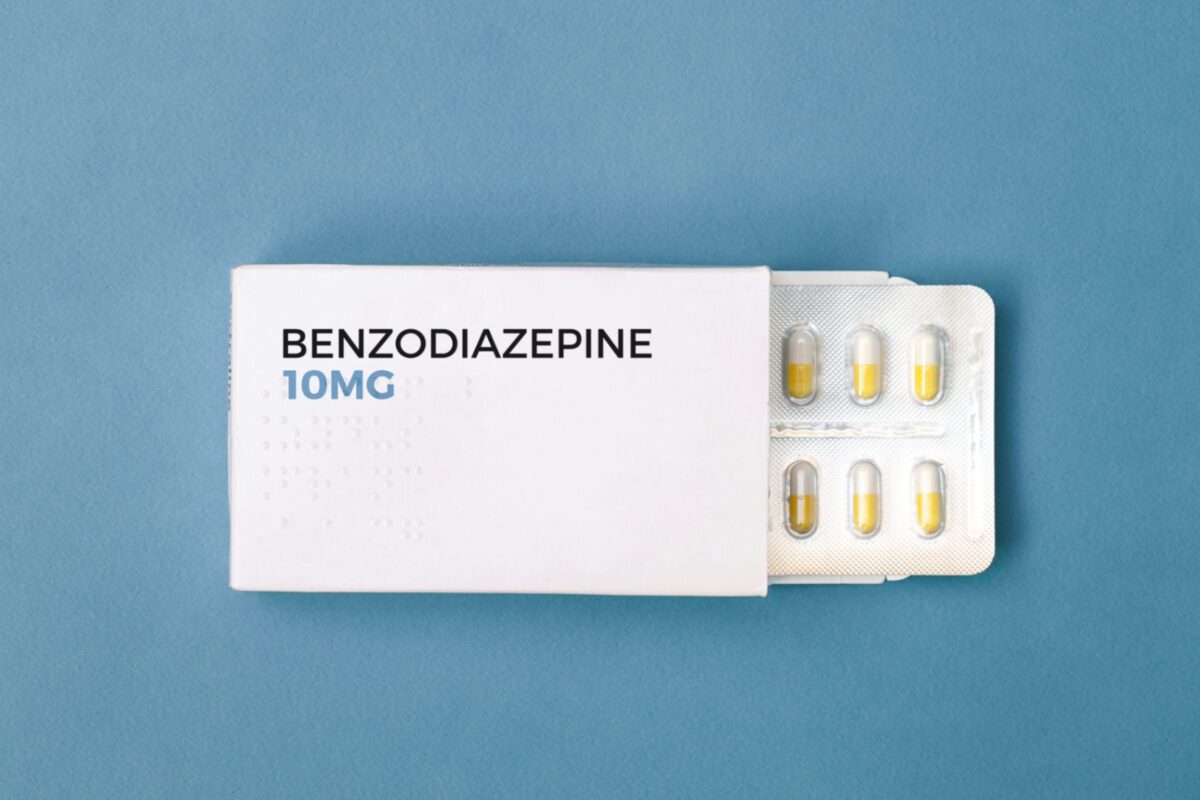
Benzodiazepines (also known as tranquilizers) are the most widely prescribed type of medication for anxiety. Drugs such as Xanax (alprazolam), Klonopin (clonazepam), Valium (diazepam), and Ativan (lorazepam) work quickly, typically bringing relief within 30 minutes to an hour. That makes them very effective when taken during a [panic attack](https://www.helpguide.org/mental-health/anxiety/panic-attacks-and-panic-disorders) or another overwhelming anxiety episode. However, they are physically addictive. Due to a potential for abuse, they are not recommended for long-term treatment.
Benzodiazepines work by slowing down the nervous system, helping you relax both physically and mentally. But it can also lead to unwanted side effects. The higher the dose, the more intense these side effects typically are—although some people feel sleepy, foggy, and uncoordinated even on low doses. This can cause problems with work, school, or everyday activities such as driving. The medication hangover can last into the next day.
Common side effects of benzodiazepines include:
- Drowsiness
- Dizziness
- Poor balance or coordination
- Slurred speech
- Trouble concentrating
- Memory problems
- Confusion
- Stomach upset
- Headache
- Blurred vision
### Benzodiazepines can make depression worse
According to the FDA, benzodiazepines can worsen cases of pre-existing [depression](https://www.helpguide.org/mental-health/depression/depression-symptoms-and-warning-signs), and more recent studies suggest that they may potentially lead to treatment-resistant depression. Furthermore, benzodiazepines can cause emotional blunting or numbness and increase suicidal thoughts and feelings.
## Benzodiazepine safety concerns
Benzodiazepines are generally not recommended for long-term use since the safety concerns and risk of abuse increase as you build up a tolerance to the medication.
### Drug dependence and withdrawal
When taken regularly, benzodiazepines lead to physical dependence and tolerance, with increasingly larger doses needed to get the same anxiety relief as before. This happens quickly—usually within a couple of months, but sometimes in as little as a few weeks.
If you abruptly stop taking your medication, you may experience severe withdrawal symptoms such as:
- **Increased anxiety**, restlessness, shaking.
- **Insomnia**, confusion, stomach pain.
- **Depression**, confusion, panic attacks.
- **Pounding heart**, sweating, and in severe cases, seizure.
Many people mistake withdrawal symptoms for a return of their original anxiety condition, making them think they need to restart the medication. Gradually tapering off the drug will help minimize the withdrawal reaction.
### Drug interactions and overdose
While benzodiazepines are relatively safe when taken only occasionally and in small doses, they can be dangerous and even deadly when combined with other central nervous system depressants. Always talk to your doctor or pharmacist before combining medications.
**Don’t drink on benzodiazepines.** When mixed with alcohol, benzodiazepines can lead to fatal overdose.
**Don’t mix with painkillers or sleeping pills.** Taking benzodiazepines with prescription pain or sleeping pills can also lead to fatal overdose.
**Antihistamines amplify their effects.** Antihistamines—found in many over-the-counter sleep, cold, and allergy medicines—are sedating on their own. Be cautious when mixing with benzodiazepines to avoid over-sedation.
**Be cautious when combining with antidepressants.** SSRIs such as Prozac and Zoloft can heighten benzodiazepine toxicity. You may need to adjust your dose accordingly.
### Paradoxical effects of benzodiazepines
The benzodiazepines work because they slow down the nervous system. But sometimes, for reasons that aren’t well understood, they have the opposite effect. Paradoxical reactions are most common in children, the elderly, and people with developmental disabilities. They include:
- **Increased anxiety**, irritability, agitation, aggression, and rage
- **Mania**, impulsive behavior, and hallucinations
### Special benzodiazepine risk factors
Anyone who takes benzodiazepines can experience unpleasant or dangerous side effects. But certain individuals are at a higher risk:
**People over 65.** Older adults are more sensitive to the sedating effects of benzodiazepines. Even small doses can cause confusion, amnesia, loss of balance, and cognitive impairment that looks like dementia. Benzodiazepine use in the elderly is associated with an increased risk of falls, broken hips and legs, and car accidents. Long-term benzodiazepine use also increases the risk of Alzheimer’s disease and dementia.
**People with a history of substance abuse.** Because they’re physically addicting and on their own and dangerous when combined with alcohol and other drugs, anyone with a current or former substance abuse problem should use benzodiazepines only with extreme caution.
**Pregnant and breastfeeding women.** Benzodiazepine use during pregnancy can lead to dependence in the developing baby, with withdrawal following birth. Benzodiazepines are also excreted in breast milk. Therefore, pregnant women need to have a thorough discussion about the risks and benefits of these medications with their prescribing doctor. If medication is necessary, the goal is the smallest effective dose.
### The connection between benzodiazepines and accidents
Benzodiazepines cause drowsiness and poor coordination, which increases your risk for accidents at home, at work, and on the road. When on benzodiazepines, be very careful when driving, operating machinery, or doing anything else that requires physical coordination.
## SSRI antidepressants for anxiety
Many medications originally approved for the treatment of depression are also prescribed for anxiety. In comparison to benzodiazepines, the risk for dependency and abuse is smaller. However, antidepressants take up to 4 to 6 weeks to begin relieving anxiety symptoms, so they can’t be taken “as needed.” Their use is limited to chronic anxiety problems that require ongoing treatment.
The [antidepressants](https://www.helpguide.org/mental-health/depression/antidepressant-medication) most widely prescribed for anxiety are SSRIs such as Prozac, Zoloft, Paxil, Lexapro, and Celexa. SSRIs have been used to treat generalized anxiety disorder (GAD), obsessive-compulsive disorder (OCD), panic disorder, social anxiety disorder, and post-traumatic stress disorder.
Common side effects of SSRIs include:
- Fatigue
- Nausea
- Agitation
- Drowsiness
- Weight gain
- Diarrhea
- Insomnia
- Sexual dysfunction
- Nervousness
- Headaches
- Dry mouth
- Increased sweating
## SNRI antidepressants for anxiety
SNRIs are another type of antidepressant that might be prescribed for treating anxiety. SSRIs increase the availability of a brain chemical called serotonin. SNRIs, on the other hand, increase serotonin as well as another chemical: norepinephrine.
Both types of drugs seem to be equally effective, and both take several weeks to work. However, some people respond better to one type than the other. SNRIs may come with a higher risk of side effects.
Common side effects of SNRIs include:
- Temporary increase in anxiety
- Sexual side effects, such as sexual dysfunction
- Restlessness
- Headaches
- Insomnia
- Nausea
- Elevated blood pressure
Common SNRIs include Cymbalta, Yentreve, and Effexor.
### SNRI and SSRI withdrawal
Although physical dependence is not as quick to develop with antidepressants, withdrawal can still be an issue. If discontinued too quickly, antidepressant withdrawal can trigger symptoms such as extreme depression and fatigue, irritability, anxiety, flu-like symptoms, and insomnia.
#### Antidepressant medication and suicide risk
Antidepressants can make depression worse rather than better for some people, leading to an increased risk of suicide, hostility, and even homicidal behavior. While this is particularly true of children and young adults, anyone taking antidepressants should be closely watched. Monitoring is especially important if this is the person’s first time on depression medication or if the dose has recently been changed.
Signs that medication is making things worse include anxiety, panic attacks, insomnia, hostility, restlessness, and extreme agitation—particularly if the symptoms appear suddenly or rapidly deteriorate. If you spot the warning signs in yourself or a loved one, contact a doctor or therapist immediately.
If you are concerned that a friend or family member is contemplating suicide, see [Suicide Prevention](https://www.helpguide.org/mental-health/suicide-self-harm/suicide-prevention-tips). The suicide risk is greatest during the first two months of antidepressant treatment.
## Other types of medication for anxiety
Drugs such as buspirone, beta blockers, and bupropion may also be used in the treatment of anxiety.
### Buspirone (BuSpar)
Buspirone, also known by the brand name BuSpar, is a newer anti-anxiety drug that acts as a mild tranquilizer. Buspirone relieves anxiety by increasing serotonin in the brain—as the SSRIs do—and decreasing dopamine. Compared to benzodiazepines, buspirone is slow acting—taking about two weeks to start working. However, it’s not as sedating, it doesn’t impair memory and coordination, and the withdrawal effects are minimal.
Since the risk of dependence is low and it has no serious drug interactions, buspirone is a better option for older individuals and people with a history of substance abuse. However, its effectiveness is limited. It works for generalized anxiety disorder (GAD), but doesn’t seem to help other types of anxiety disorders.
Common side effects of buspirone include:
- Nausea
- Headaches
- Dizziness
- Drowsiness
- Weight gain
- Upset stomach
- Constipation
- Nervousness
- Diarrhea
- Dry mouth
### Beta blockers
Beta blockers—including drugs such as propranolol (Inderal) and atenolol (Tenormin)—are a type of medication used to treat high blood pressure and heart problems. However, they are also prescribed off-label for anxiety. Beta blockers work by blocking the effects of norepinephrine, a stress hormone involved in the fight-or-flight response. This helps control the physical symptoms of anxiety, such as rapid heart rate, a trembling voice, sweating, dizziness, and shaky hands.
Because beta blockers don’t affect the emotional symptoms of anxiety, such as worry, they’re most helpful for phobias, particularly [social phobia and performance anxiety](https://www.helpguide.org/mental-health/anxiety/social-anxiety-disorder). If you’re anticipating a specific anxiety-producing situation (such as giving a speech), taking a beta blocker in advance can help reduce your “nerves.”
Common side effects of beta blockers include:
- Dizziness
- Sleepiness
- Weakness
- Fatigue
- Nausea
- Headache
- Constipation
- Diarrhea
### Bupropion
Bupropion (known by the brand names Wellbutrin, Forfivo, and Zyban) is an antidepressant. However, there is some evidence that it may also be an effective treatment option for anxiety and panic disorders.
Depending on the dosage, in some people bupropion can actually worsen anxiety (as can other antidepressants). However, in others, it can help with generalized anxiety and anxiety symptoms that co-occur with depression. Some trials show that it may be as effective as SSRIs in treating depression with anxiety.
Some common side effects of bupropion include:
- Dizziness
- Nausea
- Dry mouth
- Drowsiness
- Anxiety
- Insomnia
- Loss of appetite
- Headache
### Hydroxyzine
Hydroxyzine is an antihistamine often used to relieve allergic reactions. However, it can also be used to treat anxiety symptoms such as tension and nervousness. It works by altering the body’s levels of histamine and serotonin, leading to changes in mood. It’s typically prescribed as a short-term solution for acute anxiety, meaning you only use the medication when anxiety symptoms appear.
One 2020 study found that when it comes to treating generalized anxiety disorder, hydroxyzine might be similar in efficacy as benzodiazepines and buspirone.
Common side effects of hydroxyzine include:
- Dry mouth
- Dizziness and confusion
- Headache
- Constipation
- Drowsiness
## Additional treatment options for anxiety
Anxiety medication won’t solve your problems if you’re anxious because of mounting bills, a tendency to jump to “worst-case scenarios”, or an unhealthy relationship. That’s where self-help, therapy, and other lifestyle changes come in. These non-drug treatments can produce lasting changes and long-term relief.
**Exercise** – [Exercise](https://www.helpguide.org/wellness/fitness/the-mental-health-benefits-of-exercise) is a powerful anxiety treatment. Studies show that regular workouts can ease symptoms just as effectively as medication.
**Worry-busting strategies** – You can train your brain to [stop worrying](https://www.helpguide.org/mental-health/anxiety/how-to-stop-worrying) and look at life from a more calm and balanced perspective.
**Therapy** – Cognitive behavioral therapy can teach you how to control your anxiety levels, stop worrisome thoughts, and conquer your fears. Explore our list of the [best online therapy platforms](https://www.helpguide.org/mental-health/treatment/best-online-therapy) to determine if one of these options suits your needs.
**Yoga and tai chi** – Yoga and tai chi are [mind-body interventions](https://www.helpguide.org/mental-health/stress/relaxation-techniques-for-stress-relief#yoga-tai-chi) that engage you emotionally, psychologically, and spiritually. Data has shown their efficacy for many different medical conditions, including anxiety.
**Mindfulness and meditation** – [Mindfulness](https://www.helpguide.org/mental-health/stress/benefits-of-mindfulness) is a state of mind where you learn to observe your thoughts, feelings, and behaviors in a present, compassionate, and non-judgmental way. It often brings a sense of calm and relaxation.
## Deciding if anxiety medication is right for you
If you’re trying to decide whether or not to treat your anxiety with medication, it’s important to weigh the pros and cons in conjunction with your doctor. It’s also important to learn about the common side effects of the anxiety medication you are considering. Side effects of anxiety medication range from mild nuisances such as dry mouth to more severe problems such as acute nausea or pronounced weight gain. For any anxiety medication, you will have to balance the side effects against the benefits. Many [online psychiatrists](https://www.helpguide.org/mental-health/treatment/best-online-psychiatry) can prescribe medication, but it’s important to do your research and prepare questions before your appointment.
### Questions to ask yourself and a mental health professional
- Is medication the best option for my anxiety problem?
- Am I willing to put up with unpleasant side effects in return for anxiety relief?
- What non-drug treatments for anxiety might help?
- Do I have the time and am I willing to pursue non-drug treatments such as cognitive-behavioral therapy?
- What self-help strategies might help me get my anxiety under control?
- If I decide to take anxiety medication, should I pursue other therapy as well?
- Is anxiety really my problem? Or is something else going on, such as an underlying health condition or pain, for example?
### Questions to ask your doctor
- How will the medication help my anxiety?
- What are the drug’s common side effects?
- Are there any food and drinks I will need to avoid?
- How will this drug interact with my other prescriptions?
- How long will I have to take the anxiety medication?
- Will withdrawing from the medication be difficult?
- Will my anxiety return when I stop taking the medication?
## More Information
References
1. Longo, L. P., & Johnson, B. (2000). Addiction: Part I. Benzodiazepines-Side Effects, Abuse Risk and Alternatives. American Family Physician, 61(7), 2121.
[Link](https://www.aafp.org/afp/2000/0401/p2121.html)
2. Rickels, K., Downing, R., Schweizer, E., & Hassman, H. (1993). Antidepressants for the Treatment of Generalized Anxiety Disorder: A Placebo-Controlled Comparison of Imipramine, Trazodone, and Diazepam. Archives of General Psychiatry, 50(11), 884–895.
[Link](https://doi.org/10.1001/archpsyc.1993.01820230054005)
3. Roest, A. M., de Jonge, P., Williams, C. D., de Vries, Y. A., Schoevers, R. A., & Turner, E. H. (2015). Reporting Bias in Clinical Trials Investigating the Efficacy of Second-Generation Antidepressants in the Treatment of Anxiety Disorders: A Report of 2 Meta-analyses. JAMA Psychiatry, 72(5), 500.
[Link](https://doi.org/10.1001/jamapsychiatry.2015.15)
4. Davies, J., & Read, J. (2019). A systematic review into the incidence, severity and duration of antidepressant withdrawal effects: Are guidelines evidence-based? Addictive Behaviors, 97, 111–121.
[Link](https://doi.org/10.1016/j.addbeh.2018.08.027)
5. Aylett, E., Small, N., & Bower, P. (2018). Exercise in the treatment of clinical anxiety in general practice – a systematic review and meta-analysis. BMC Health Services Research, 18(1), 559.
[Link](https://doi.org/10.1186/s12913-018-3313-5)
6. Locke, A. B., Kirst, N., & Shultz, C. G. (2015). Diagnosis and Management of Generalized Anxiety Disorder and Panic Disorder in Adults. American Family Physician, 91(9), 617–624.
[Link](https://www.aafp.org/afp/2015/0501/p617.html)
7. “Reporting Bias in Clinical Trials Investigating the Efficacy of Second-Generation Antidepressants in the Treatment of Anxiety Disorders: A Report of 2 Meta-Analyses \| Anxiety Disorders \| JAMA Psychiatry \| JAMA Network,” November 12, 2020.
[Link](https://jamanetwork.com/journals/jamapsychiatry/fullarticle/2205839)
8. Baldwin, D. S., Waldman, S., & Allgulander, C. (2011). Evidence-based pharmacological treatment of generalized anxiety disorder. International Journal of Neuropsychopharmacology, 14(5), 697–710.
[Link](https://doi.org/10.1017/S1461145710001434)
9. Anxiety Disorders. (2013) In *Diagnostic and Statistical Manual of Mental Disorders*. American Psychiatric Association.
[Link](https://doi.org/10.1176/appi.books.9780890425787.x05_Anxiety_Disorders)
10. *Bupropion: MedlinePlus Drug Information*. (n.d.). Retrieved August 28, 2022, from
[Link](https://medlineplus.gov/druginfo/meds/a695033.html)
11. *Bupropion (Wellbutrin) \| NAMI: National Alliance on Mental Illness*. (n.d.). Retrieved August 28, 2022, from
[Link](https://www.nami.org/About-Mental-Illness/Treatments/Mental-Health-Medications/Types-of-Medication/Bupropion-\(Wellbutrin\))
12. *Hydroxyzine: MedlinePlus Drug Information*. (n.d.). Retrieved August 28, 2022, from
[Link](https://medlineplus.gov/druginfo/meds/a682866.html)
13. *Mental Health Medications \| NAMI: National Alliance on Mental Illness*. (n.d.). Retrieved August 28, 2022, from
[Link](https://www.nami.org/About-Mental-Illness/Treatments/Mental-Health-Medications/Types-of-Medication/Hydroxyzine-\(Vistaril-Atarax\))
14. Rudolph, M., & Liegl, S. (2020). In adults with generalized anxiety disorder, is hydroxyzine superior to placebo in reducing anxiety symptoms? *Evidence-Based Practice*, 23(8), 42–43.
[Link](https://doi.org/10.1097/EBP.0000000000000713)
15. Serafini, G., Pompili, M., Fusar-Poli, P., Porfiri, G., Giordano, G., Ferracuti, S., Girardi, P., & Tatarelli, R. (2011). Bupropion and Panic Disorder: Case Report and Review of the Literature. *The Journal of Neuropsychiatry and Clinical Neurosciences*, 23(2), E47–E50.
[Link](https://doi.org/10.1176/jnp.23.2.jnpe47)
16. Fanelli, D., Weller, G., & Liu, H. (2021). New Serotonin-Norepinephrine Reuptake Inhibitors and Their Anesthetic and Analgesic Considerations. *Neurology International*, *13*(4), 497–509.
[Link](https://doi.org/10.3390/neurolint13040049)
17. Gosmann, N. P., Costa, M. de A., Jaeger, M. de B., Motta, L. S., Frozi, J., Spanemberg, L., Manfro, G. G., Cuijpers, P., Pine, D. S., & Salum, G. A. (2021). Selective serotonin reuptake inhibitors, and serotonin and norepinephrine reuptake inhibitors for anxiety, obsessive-compulsive, and stress disorders: A 3-level network meta-analysis. *PLoS Medicine*, *18*(6), e1003664.
[Link](https://doi.org/10.1371/journal.pmed.1003664)
18. *Overview—Antidepressants—NHS*. (n.d.).
[Link](https://www.nhs.uk/mental-health/talking-therapies-medicine-treatments/medicines-and-psychiatry/antidepressants/overview/)
19. Santarsieri, D., & Schwartz, T. L. (2015). Antidepressant efficacy and side-effect burden: A quick guide for clinicians. *Drugs in Context*, *4*, 212290.
[Link](https://www.helpguide.org/mental-health/anxiety/%20https://doi.org/10.7573/dic.212290)
[Copy Link](https://www.helpguide.org/mental-health/anxiety/anxiety-medication)
Link copied\!
Share
Print
Download PDF
## More in Anxiety
[Depression](https://www.helpguide.org/mental-health/depression)
### [Antidepressants](https://www.helpguide.org/mental-health/depression/antidepressant-medication)
What you need to know about depression medication
[](https://www.helpguide.org/mental-health/depression/antidepressant-medication)
[Anxiety](https://www.helpguide.org/mental-health/anxiety)
### [Therapy for Anxiety Disorders](https://www.helpguide.org/mental-health/treatment/therapy-for-anxiety-disorders)
Cognitive behavioral therapy, exposure therapy, and other options
[](https://www.helpguide.org/mental-health/treatment/therapy-for-anxiety-disorders)
[Anxiety](https://www.helpguide.org/mental-health/anxiety)
### [How to Stop Worrying](https://www.helpguide.org/mental-health/anxiety/how-to-stop-worrying)
Self-help strategies for anxiety relief
[](https://www.helpguide.org/mental-health/anxiety/how-to-stop-worrying)
[Anxiety](https://www.helpguide.org/mental-health/anxiety)
### [Can anxiety cause chest pain](https://www.helpguide.org/mental-health/anxiety/anxiety-cause-chest-pain)
Wondering if your chest pain is due to anxiety? Learn how to identify anxiety-related chest discomfort and when to seek emergency help.
[Anxiety](https://www.helpguide.org/mental-health/anxiety)
### [Anxiety Attack vs Panic Attack](https://www.helpguide.org/mental-health/anxiety/anxiety-attack-vs-panic-attack)
While anxiety attacks and panic attacks can share some symptoms, there are key differences. Learn how to tell them apart and what to do if you’re experiencing anxiety or panic attacks.
[](https://www.helpguide.org/mental-health/anxiety/anxiety-attack-vs-panic-attack)
[Anxiety](https://www.helpguide.org/mental-health/anxiety)
### [High-Functioning Anxiety](https://www.helpguide.org/mental-health/anxiety/high-functioning-anxiety)
Signs and how to cope
[](https://www.helpguide.org/mental-health/anxiety/high-functioning-anxiety)
[Anxiety](https://www.helpguide.org/mental-health/anxiety)
### [Cognitive Dissonance](https://www.helpguide.org/mental-health/anxiety/cognitive-dissonance)
When your beliefs and actions conflict
[](https://www.helpguide.org/mental-health/anxiety/cognitive-dissonance)
[Anxiety](https://www.helpguide.org/mental-health/anxiety)
### [Cognitive Distortions](https://www.helpguide.org/mental-health/anxiety/cognitive-distortions-put-an-end-to-distorted-thinking)
Put an end to negative thinking
[](https://www.helpguide.org/mental-health/anxiety/cognitive-distortions-put-an-end-to-distorted-thinking)
Share
Download PDF
### More in Anxiety
[Depression](https://www.helpguide.org/mental-health/depression)
### [Antidepressants](https://www.helpguide.org/mental-health/depression/antidepressant-medication)
What you need to know about depression medication
[Anxiety](https://www.helpguide.org/mental-health/anxiety)
### [Therapy for Anxiety Disorders](https://www.helpguide.org/mental-health/treatment/therapy-for-anxiety-disorders)
Cognitive behavioral therapy, exposure therapy, and other options
[Anxiety](https://www.helpguide.org/mental-health/anxiety)
### [How to Stop Worrying](https://www.helpguide.org/mental-health/anxiety/how-to-stop-worrying)
Self-help strategies for anxiety relief

#### Get Your Anxiety Medication for Just \$1
Don’t let high deductibles or a lack of insurance stand in the way of your mental health. With Sesame’s Everyday Rx, you can access 350+ common medications for just \$1, plus free home delivery and same-day refills. Skip the pharmacy lines and save up to 60% by going doctor-direct.
[Get Your \$1 Refills](https://sesame-care.pxf.io/7XaLzV)
[HelpGuide is user supported. We may earn a commission from links you follow.](https://www.helpguide.org/affiliate-disclosure)
## Help us *help others*
Millions of readers rely on HelpGuide.org for free, evidence-based resources to understand and navigate mental health challenges. Please donate today to help us save, support, and change lives.
[Donate to HelpGuide.org today](https://give.helpguide.org/give/581002/#!/donation/checkout)
[](https://www.helpguide.org/)
- [About Us](https://www.helpguide.org/about-us)
- [Meet Our Team](https://www.helpguide.org/about-us/meet-our-team)
- [Our Story](https://www.helpguide.org/about-us/our-story)
- [Advisory Council](https://www.helpguide.org/professional-advisory-council)
- [Resources](https://www.helpguide.org/mental-health/anxiety/anxiety-medication)
- [Harvard Health](https://www.helpguide.org/harvard)
- [Meditation](https://www.helpguide.org/mental-health/meditation)
- [Newsletter](https://www.helpguide.org/newsletter)
- [Get In Touch](https://www.helpguide.org/contact-us)
- [Contact Us](https://www.helpguide.org/contact-us)
515 S Flower St Ste 1800
Los Angeles CA 90071
[](https://www.guidestar.org/profile/45-4510670) [](https://greatnonprofits.org/org/helpguide) [](https://www.helpguide.org/mental-health/anxiety/anxiety-medication)
##### Join Our Newsletter
Mental health and wellness tips, our latest guides, resources, and more.
##### Mental Health Helplines
Are you or someone you know in crisis? Find helplines and other resources around the world.
[Get Help](https://www.helpguide.org/find-help)
©1999-2026 HelpGuide.org
All rights reserved. HELPGUIDE.ORG INTERNATIONAL is a tax-exempt 501(c)3 organization (ID \#45-4510670). Our content does not constitute a medical or psychological consultation. See a certified medical or mental health professional for diagnosis. [Learn more](https://www.helpguide.org/terms-of-use).
- [Terms of Use](https://www.helpguide.org/terms-of-use)
- [Privacy Policy](https://www.helpguide.org/privacy-policy)
- [Cookies Policy](https://www.helpguide.org/cookie-policy)
- [Affiliate Policy](https://www.helpguide.org/affiliate-disclosure) |
| Readable Markdown | ## The role of medication in anxiety treatment
When you’re overwhelmed by heart-pounding panic, paralyzed by fear, or exhausted from yet another sleepless night spent worrying, you’ll do just about anything to get relief. And there’s no question that when anxiety is disabling, medication may help. But are drugs always the best answer?
Many different types of medications are used in the treatment of [anxiety disorders](https://www.helpguide.org/mental-health/anxiety/anxiety-disorders-and-anxiety-attacks), including traditional anti-anxiety drugs, such as benzodiazepines (typically prescribed for short-term use), and newer options like selective serotonin reuptake inhibitors (SSRIs), which are [antidepressants](https://www.helpguide.org/mental-health/depression/antidepressant-medication) often recommended as a long-term anxiety solution. These drugs can provide temporary relief, but they also come with side effects and safety concerns—some significant.
They are also not a cure. In fact, there are many questions about their long-term effectiveness. According to the American Academy of Family Physicians, benzodiazepines lose their therapeutic anti-anxiety effect after 4 to 6 months of regular use. And a recent analysis reported in *JAMA Psychiatry* found that the effectiveness of SSRIs in treating anxiety has been overestimated, and in some cases is no better than a placebo.
What’s more, it can be very difficult to get off anxiety medications without difficult withdrawals, including rebound anxiety that can be worse than your original problem.
### I need relief, and I need it now\!
So, where does that leave you if you’re suffering? Even when anxiety relief comes with side effects and dangers, that can still sound like a fair trade when panic and fear are ruling your life.
The bottom line is that there’s a time and place for anxiety medication. If you have severe anxiety that’s interfering with your ability to function, medication may be helpful—especially as a short-term treatment. However, many people use anti-anxiety medication when therapy, exercise, or other self-help strategies would work just as well or better, minus the drawbacks.
Anxiety medications can ease symptoms, but they’re not right for everyone and they’re not the only answer. It’s up to you to evaluate your options and decide what’s best for you.
#### Get Your Anxiety Medication for Just \$1
Don’t let high deductibles or a lack of insurance stand in the way of your mental health. With Sesame’s Everyday Rx, you can access 350+ common medications for just \$1, plus free home delivery and same-day refills. Skip the pharmacy lines and save up to 60% by going doctor-direct.
[Get Your \$1 Refills](https://sesame-care.pxf.io/KB027v) HelpGuide is user supported. We earn a commission if you sign up for Sesame’s services after clicking through from this site. [Learn more](https://www.helpguide.org/affiliate-disclosure)
## What are the types of anti-anxiety medications?
The three main types of anti-anxiety medication prescribed are benzodiazepines, SSRIs, and serotonin–norepinephrine reuptake inhibitors (SNRIs). However, other medications, including buspirone, beta blockers, and bupropion, might also be used.
## Benzodiazepines for anxiety
Benzodiazepines (also known as tranquilizers) are the most widely prescribed type of medication for anxiety. Drugs such as Xanax (alprazolam), Klonopin (clonazepam), Valium (diazepam), and Ativan (lorazepam) work quickly, typically bringing relief within 30 minutes to an hour. That makes them very effective when taken during a [panic attack](https://www.helpguide.org/mental-health/anxiety/panic-attacks-and-panic-disorders) or another overwhelming anxiety episode. However, they are physically addictive. Due to a potential for abuse, they are not recommended for long-term treatment.
Benzodiazepines work by slowing down the nervous system, helping you relax both physically and mentally. But it can also lead to unwanted side effects. The higher the dose, the more intense these side effects typically are—although some people feel sleepy, foggy, and uncoordinated even on low doses. This can cause problems with work, school, or everyday activities such as driving. The medication hangover can last into the next day.
Common side effects of benzodiazepines include:
- Drowsiness
- Dizziness
- Poor balance or coordination
- Slurred speech
- Trouble concentrating
- Memory problems
- Confusion
- Stomach upset
- Headache
- Blurred vision
### Benzodiazepines can make depression worse
According to the FDA, benzodiazepines can worsen cases of pre-existing [depression](https://www.helpguide.org/mental-health/depression/depression-symptoms-and-warning-signs), and more recent studies suggest that they may potentially lead to treatment-resistant depression. Furthermore, benzodiazepines can cause emotional blunting or numbness and increase suicidal thoughts and feelings.
## Benzodiazepine safety concerns
Benzodiazepines are generally not recommended for long-term use since the safety concerns and risk of abuse increase as you build up a tolerance to the medication.
### Drug dependence and withdrawal
When taken regularly, benzodiazepines lead to physical dependence and tolerance, with increasingly larger doses needed to get the same anxiety relief as before. This happens quickly—usually within a couple of months, but sometimes in as little as a few weeks.
If you abruptly stop taking your medication, you may experience severe withdrawal symptoms such as:
- **Increased anxiety**, restlessness, shaking.
- **Insomnia**, confusion, stomach pain.
- **Depression**, confusion, panic attacks.
- **Pounding heart**, sweating, and in severe cases, seizure.
Many people mistake withdrawal symptoms for a return of their original anxiety condition, making them think they need to restart the medication. Gradually tapering off the drug will help minimize the withdrawal reaction.
### Drug interactions and overdose
While benzodiazepines are relatively safe when taken only occasionally and in small doses, they can be dangerous and even deadly when combined with other central nervous system depressants. Always talk to your doctor or pharmacist before combining medications.
**Don’t drink on benzodiazepines.** When mixed with alcohol, benzodiazepines can lead to fatal overdose.
**Don’t mix with painkillers or sleeping pills.** Taking benzodiazepines with prescription pain or sleeping pills can also lead to fatal overdose.
**Antihistamines amplify their effects.** Antihistamines—found in many over-the-counter sleep, cold, and allergy medicines—are sedating on their own. Be cautious when mixing with benzodiazepines to avoid over-sedation.
**Be cautious when combining with antidepressants.** SSRIs such as Prozac and Zoloft can heighten benzodiazepine toxicity. You may need to adjust your dose accordingly.
### Paradoxical effects of benzodiazepines
The benzodiazepines work because they slow down the nervous system. But sometimes, for reasons that aren’t well understood, they have the opposite effect. Paradoxical reactions are most common in children, the elderly, and people with developmental disabilities. They include:
- **Increased anxiety**, irritability, agitation, aggression, and rage
- **Mania**, impulsive behavior, and hallucinations
### Special benzodiazepine risk factors
Anyone who takes benzodiazepines can experience unpleasant or dangerous side effects. But certain individuals are at a higher risk:
**People over 65.** Older adults are more sensitive to the sedating effects of benzodiazepines. Even small doses can cause confusion, amnesia, loss of balance, and cognitive impairment that looks like dementia. Benzodiazepine use in the elderly is associated with an increased risk of falls, broken hips and legs, and car accidents. Long-term benzodiazepine use also increases the risk of Alzheimer’s disease and dementia.
**People with a history of substance abuse.** Because they’re physically addicting and on their own and dangerous when combined with alcohol and other drugs, anyone with a current or former substance abuse problem should use benzodiazepines only with extreme caution.
**Pregnant and breastfeeding women.** Benzodiazepine use during pregnancy can lead to dependence in the developing baby, with withdrawal following birth. Benzodiazepines are also excreted in breast milk. Therefore, pregnant women need to have a thorough discussion about the risks and benefits of these medications with their prescribing doctor. If medication is necessary, the goal is the smallest effective dose.
### The connection between benzodiazepines and accidents
Benzodiazepines cause drowsiness and poor coordination, which increases your risk for accidents at home, at work, and on the road. When on benzodiazepines, be very careful when driving, operating machinery, or doing anything else that requires physical coordination.
## SSRI antidepressants for anxiety
Many medications originally approved for the treatment of depression are also prescribed for anxiety. In comparison to benzodiazepines, the risk for dependency and abuse is smaller. However, antidepressants take up to 4 to 6 weeks to begin relieving anxiety symptoms, so they can’t be taken “as needed.” Their use is limited to chronic anxiety problems that require ongoing treatment.
The [antidepressants](https://www.helpguide.org/mental-health/depression/antidepressant-medication) most widely prescribed for anxiety are SSRIs such as Prozac, Zoloft, Paxil, Lexapro, and Celexa. SSRIs have been used to treat generalized anxiety disorder (GAD), obsessive-compulsive disorder (OCD), panic disorder, social anxiety disorder, and post-traumatic stress disorder.
Common side effects of SSRIs include:
- Fatigue
- Nausea
- Agitation
- Drowsiness
- Weight gain
- Diarrhea
- Insomnia
- Sexual dysfunction
- Nervousness
- Headaches
- Dry mouth
- Increased sweating
## SNRI antidepressants for anxiety
SNRIs are another type of antidepressant that might be prescribed for treating anxiety. SSRIs increase the availability of a brain chemical called serotonin. SNRIs, on the other hand, increase serotonin as well as another chemical: norepinephrine.
Both types of drugs seem to be equally effective, and both take several weeks to work. However, some people respond better to one type than the other. SNRIs may come with a higher risk of side effects.
Common side effects of SNRIs include:
- Temporary increase in anxiety
- Sexual side effects, such as sexual dysfunction
- Restlessness
- Headaches
- Insomnia
- Nausea
- Elevated blood pressure
Common SNRIs include Cymbalta, Yentreve, and Effexor.
### SNRI and SSRI withdrawal
Although physical dependence is not as quick to develop with antidepressants, withdrawal can still be an issue. If discontinued too quickly, antidepressant withdrawal can trigger symptoms such as extreme depression and fatigue, irritability, anxiety, flu-like symptoms, and insomnia.
#### Antidepressant medication and suicide risk
Antidepressants can make depression worse rather than better for some people, leading to an increased risk of suicide, hostility, and even homicidal behavior. While this is particularly true of children and young adults, anyone taking antidepressants should be closely watched. Monitoring is especially important if this is the person’s first time on depression medication or if the dose has recently been changed.
Signs that medication is making things worse include anxiety, panic attacks, insomnia, hostility, restlessness, and extreme agitation—particularly if the symptoms appear suddenly or rapidly deteriorate. If you spot the warning signs in yourself or a loved one, contact a doctor or therapist immediately.
If you are concerned that a friend or family member is contemplating suicide, see [Suicide Prevention](https://www.helpguide.org/mental-health/suicide-self-harm/suicide-prevention-tips). The suicide risk is greatest during the first two months of antidepressant treatment.
## Other types of medication for anxiety
Drugs such as buspirone, beta blockers, and bupropion may also be used in the treatment of anxiety.
### Buspirone (BuSpar)
Buspirone, also known by the brand name BuSpar, is a newer anti-anxiety drug that acts as a mild tranquilizer. Buspirone relieves anxiety by increasing serotonin in the brain—as the SSRIs do—and decreasing dopamine. Compared to benzodiazepines, buspirone is slow acting—taking about two weeks to start working. However, it’s not as sedating, it doesn’t impair memory and coordination, and the withdrawal effects are minimal.
Since the risk of dependence is low and it has no serious drug interactions, buspirone is a better option for older individuals and people with a history of substance abuse. However, its effectiveness is limited. It works for generalized anxiety disorder (GAD), but doesn’t seem to help other types of anxiety disorders.
Common side effects of buspirone include:
- Nausea
- Headaches
- Dizziness
- Drowsiness
- Weight gain
- Upset stomach
- Constipation
- Nervousness
- Diarrhea
- Dry mouth
### Beta blockers
Beta blockers—including drugs such as propranolol (Inderal) and atenolol (Tenormin)—are a type of medication used to treat high blood pressure and heart problems. However, they are also prescribed off-label for anxiety. Beta blockers work by blocking the effects of norepinephrine, a stress hormone involved in the fight-or-flight response. This helps control the physical symptoms of anxiety, such as rapid heart rate, a trembling voice, sweating, dizziness, and shaky hands.
Because beta blockers don’t affect the emotional symptoms of anxiety, such as worry, they’re most helpful for phobias, particularly [social phobia and performance anxiety](https://www.helpguide.org/mental-health/anxiety/social-anxiety-disorder). If you’re anticipating a specific anxiety-producing situation (such as giving a speech), taking a beta blocker in advance can help reduce your “nerves.”
Common side effects of beta blockers include:
- Dizziness
- Sleepiness
- Weakness
- Fatigue
- Nausea
- Headache
- Constipation
- Diarrhea
### Bupropion
Bupropion (known by the brand names Wellbutrin, Forfivo, and Zyban) is an antidepressant. However, there is some evidence that it may also be an effective treatment option for anxiety and panic disorders.
Depending on the dosage, in some people bupropion can actually worsen anxiety (as can other antidepressants). However, in others, it can help with generalized anxiety and anxiety symptoms that co-occur with depression. Some trials show that it may be as effective as SSRIs in treating depression with anxiety.
Some common side effects of bupropion include:
- Dizziness
- Nausea
- Dry mouth
- Drowsiness
- Anxiety
- Insomnia
- Loss of appetite
- Headache
### Hydroxyzine
Hydroxyzine is an antihistamine often used to relieve allergic reactions. However, it can also be used to treat anxiety symptoms such as tension and nervousness. It works by altering the body’s levels of histamine and serotonin, leading to changes in mood. It’s typically prescribed as a short-term solution for acute anxiety, meaning you only use the medication when anxiety symptoms appear.
One 2020 study found that when it comes to treating generalized anxiety disorder, hydroxyzine might be similar in efficacy as benzodiazepines and buspirone.
Common side effects of hydroxyzine include:
- Dry mouth
- Dizziness and confusion
- Headache
- Constipation
- Drowsiness
## Additional treatment options for anxiety
Anxiety medication won’t solve your problems if you’re anxious because of mounting bills, a tendency to jump to “worst-case scenarios”, or an unhealthy relationship. That’s where self-help, therapy, and other lifestyle changes come in. These non-drug treatments can produce lasting changes and long-term relief.
**Exercise** – [Exercise](https://www.helpguide.org/wellness/fitness/the-mental-health-benefits-of-exercise) is a powerful anxiety treatment. Studies show that regular workouts can ease symptoms just as effectively as medication.
**Worry-busting strategies** – You can train your brain to [stop worrying](https://www.helpguide.org/mental-health/anxiety/how-to-stop-worrying) and look at life from a more calm and balanced perspective.
**Therapy** – Cognitive behavioral therapy can teach you how to control your anxiety levels, stop worrisome thoughts, and conquer your fears. Explore our list of the [best online therapy platforms](https://www.helpguide.org/mental-health/treatment/best-online-therapy) to determine if one of these options suits your needs.
**Yoga and tai chi** – Yoga and tai chi are [mind-body interventions](https://www.helpguide.org/mental-health/stress/relaxation-techniques-for-stress-relief#yoga-tai-chi) that engage you emotionally, psychologically, and spiritually. Data has shown their efficacy for many different medical conditions, including anxiety.
**Mindfulness and meditation** – [Mindfulness](https://www.helpguide.org/mental-health/stress/benefits-of-mindfulness) is a state of mind where you learn to observe your thoughts, feelings, and behaviors in a present, compassionate, and non-judgmental way. It often brings a sense of calm and relaxation.
## Deciding if anxiety medication is right for you
If you’re trying to decide whether or not to treat your anxiety with medication, it’s important to weigh the pros and cons in conjunction with your doctor. It’s also important to learn about the common side effects of the anxiety medication you are considering. Side effects of anxiety medication range from mild nuisances such as dry mouth to more severe problems such as acute nausea or pronounced weight gain. For any anxiety medication, you will have to balance the side effects against the benefits. Many [online psychiatrists](https://www.helpguide.org/mental-health/treatment/best-online-psychiatry) can prescribe medication, but it’s important to do your research and prepare questions before your appointment.
### Questions to ask yourself and a mental health professional
- Is medication the best option for my anxiety problem?
- Am I willing to put up with unpleasant side effects in return for anxiety relief?
- What non-drug treatments for anxiety might help?
- Do I have the time and am I willing to pursue non-drug treatments such as cognitive-behavioral therapy?
- What self-help strategies might help me get my anxiety under control?
- If I decide to take anxiety medication, should I pursue other therapy as well?
- Is anxiety really my problem? Or is something else going on, such as an underlying health condition or pain, for example?
### Questions to ask your doctor
- How will the medication help my anxiety?
- What are the drug’s common side effects?
- Are there any food and drinks I will need to avoid?
- How will this drug interact with my other prescriptions?
- How long will I have to take the anxiety medication?
- Will withdrawing from the medication be difficult?
- Will my anxiety return when I stop taking the medication?
## More Information
1. Longo, L. P., & Johnson, B. (2000). Addiction: Part I. Benzodiazepines-Side Effects, Abuse Risk and Alternatives. American Family Physician, 61(7), 2121.
[Link](https://www.aafp.org/afp/2000/0401/p2121.html)
2. Rickels, K., Downing, R., Schweizer, E., & Hassman, H. (1993). Antidepressants for the Treatment of Generalized Anxiety Disorder: A Placebo-Controlled Comparison of Imipramine, Trazodone, and Diazepam. Archives of General Psychiatry, 50(11), 884–895.
[Link](https://doi.org/10.1001/archpsyc.1993.01820230054005)
3. Roest, A. M., de Jonge, P., Williams, C. D., de Vries, Y. A., Schoevers, R. A., & Turner, E. H. (2015). Reporting Bias in Clinical Trials Investigating the Efficacy of Second-Generation Antidepressants in the Treatment of Anxiety Disorders: A Report of 2 Meta-analyses. JAMA Psychiatry, 72(5), 500.
[Link](https://doi.org/10.1001/jamapsychiatry.2015.15)
4. Davies, J., & Read, J. (2019). A systematic review into the incidence, severity and duration of antidepressant withdrawal effects: Are guidelines evidence-based? Addictive Behaviors, 97, 111–121.
[Link](https://doi.org/10.1016/j.addbeh.2018.08.027)
5. Aylett, E., Small, N., & Bower, P. (2018). Exercise in the treatment of clinical anxiety in general practice – a systematic review and meta-analysis. BMC Health Services Research, 18(1), 559.
[Link](https://doi.org/10.1186/s12913-018-3313-5)
6. Locke, A. B., Kirst, N., & Shultz, C. G. (2015). Diagnosis and Management of Generalized Anxiety Disorder and Panic Disorder in Adults. American Family Physician, 91(9), 617–624.
[Link](https://www.aafp.org/afp/2015/0501/p617.html)
7. “Reporting Bias in Clinical Trials Investigating the Efficacy of Second-Generation Antidepressants in the Treatment of Anxiety Disorders: A Report of 2 Meta-Analyses \| Anxiety Disorders \| JAMA Psychiatry \| JAMA Network,” November 12, 2020.
[Link](https://jamanetwork.com/journals/jamapsychiatry/fullarticle/2205839)
8. Baldwin, D. S., Waldman, S., & Allgulander, C. (2011). Evidence-based pharmacological treatment of generalized anxiety disorder. International Journal of Neuropsychopharmacology, 14(5), 697–710.
[Link](https://doi.org/10.1017/S1461145710001434)
9. Anxiety Disorders. (2013) In *Diagnostic and Statistical Manual of Mental Disorders*. American Psychiatric Association.
[Link](https://doi.org/10.1176/appi.books.9780890425787.x05_Anxiety_Disorders)
10. *Bupropion: MedlinePlus Drug Information*. (n.d.). Retrieved August 28, 2022, from
[Link](https://medlineplus.gov/druginfo/meds/a695033.html)
11. *Bupropion (Wellbutrin) \| NAMI: National Alliance on Mental Illness*. (n.d.). Retrieved August 28, 2022, from
[Link](https://www.nami.org/About-Mental-Illness/Treatments/Mental-Health-Medications/Types-of-Medication/Bupropion-\(Wellbutrin\))
12. *Hydroxyzine: MedlinePlus Drug Information*. (n.d.). Retrieved August 28, 2022, from
[Link](https://medlineplus.gov/druginfo/meds/a682866.html)
13. *Mental Health Medications \| NAMI: National Alliance on Mental Illness*. (n.d.). Retrieved August 28, 2022, from
[Link](https://www.nami.org/About-Mental-Illness/Treatments/Mental-Health-Medications/Types-of-Medication/Hydroxyzine-\(Vistaril-Atarax\))
14. Rudolph, M., & Liegl, S. (2020). In adults with generalized anxiety disorder, is hydroxyzine superior to placebo in reducing anxiety symptoms? *Evidence-Based Practice*, 23(8), 42–43.
[Link](https://doi.org/10.1097/EBP.0000000000000713)
15. Serafini, G., Pompili, M., Fusar-Poli, P., Porfiri, G., Giordano, G., Ferracuti, S., Girardi, P., & Tatarelli, R. (2011). Bupropion and Panic Disorder: Case Report and Review of the Literature. *The Journal of Neuropsychiatry and Clinical Neurosciences*, 23(2), E47–E50.
[Link](https://doi.org/10.1176/jnp.23.2.jnpe47)
16. Fanelli, D., Weller, G., & Liu, H. (2021). New Serotonin-Norepinephrine Reuptake Inhibitors and Their Anesthetic and Analgesic Considerations. *Neurology International*, *13*(4), 497–509.
[Link](https://doi.org/10.3390/neurolint13040049)
17. Gosmann, N. P., Costa, M. de A., Jaeger, M. de B., Motta, L. S., Frozi, J., Spanemberg, L., Manfro, G. G., Cuijpers, P., Pine, D. S., & Salum, G. A. (2021). Selective serotonin reuptake inhibitors, and serotonin and norepinephrine reuptake inhibitors for anxiety, obsessive-compulsive, and stress disorders: A 3-level network meta-analysis. *PLoS Medicine*, *18*(6), e1003664.
[Link](https://doi.org/10.1371/journal.pmed.1003664)
18. *Overview—Antidepressants—NHS*. (n.d.).
[Link](https://www.nhs.uk/mental-health/talking-therapies-medicine-treatments/medicines-and-psychiatry/antidepressants/overview/)
19. Santarsieri, D., & Schwartz, T. L. (2015). Antidepressant efficacy and side-effect burden: A quick guide for clinicians. *Drugs in Context*, *4*, 212290.
[Link](https://doi.org/10.7573/dic.212290) |
| Shard | 121 (laksa) |
| Root Hash | 10679577116146527521 |
| Unparsed URL | org,helpguide!www,/mental-health/anxiety/anxiety-medication s443 |