ℹ️ Skipped - page is already crawled
| Filter | Status | Condition | Details |
|---|---|---|---|
| HTTP status | PASS | download_http_code = 200 | HTTP 200 |
| Age cutoff | PASS | download_stamp > now() - 6 MONTH | 0.3 months ago |
| History drop | PASS | isNull(history_drop_reason) | No drop reason |
| Spam/ban | PASS | fh_dont_index != 1 AND ml_spam_score = 0 | ml_spam_score=0 |
| Canonical | PASS | meta_canonical IS NULL OR = '' OR = src_unparsed | Not set |
| Property | Value |
|---|---|
| URL | https://www.heart.org/en/news/2022/08/08/is-caffeine-a-friend-or-foe |
| Last Crawled | 2026-04-08 08:25:27 (9 days ago) |
| First Indexed | 2022-08-08 22:13:41 (3 years ago) |
| HTTP Status Code | 200 |
| Meta Title | Is caffeine a friend or foe? | American Heart Association |
| Meta Description | Caffeine can provide some health benefits, but too much can do harm, according to the research. |
| Meta Canonical | null |
| Boilerpipe Text | Published: August 8, 2022
By Laura Williamson, American Heart Association News
Please note: This article was published more than two years ago, so some information may be outdated. If you have questions about your health, always contact a health care professional.
(Svetlana Monyakova/iStock via Getty Images)
Lea en español
Caffeine jump-starts your day and puts a bounce in your step. It can help you focus, improve your mood and maybe even help you live longer.
But how much is too much?
Caffeine, a natural stimulant, can be found in a variety of foods, such as coffee beans, tea leaves, cacao beans, guarana berries and yerba maté leaves. It also can be synthetically created and added to beverages such as soda and energy drinks. Research shows that about 90% of U.S. adults consume some form of caffeine every day.
One of the most popular ways people consume it is through coffee. Because of that, most caffeine research centers around this drink, said Dr. Greg Marcus, associate chief of cardiology for research and a professor of medicine at the University of California, San Francisco.
"The literature on the whole shows that coffee consumption is generally not a detriment to health," he said. "But I am very reluctant to recommend anyone begin drinking coffee if they aren't otherwise doing so, or to increase consumption for any health benefit."
Studies have found caffeine can do both good and harm. People who regularly drink coffee may be less likely to develop chronic illnesses, such as cardiovascular disease, diabetes, Parkinson's disease and some cancers. A few studies suggest they are less likely to die from heart disease and other illnesses.
According to the
Food and Drug Administration
, as much as 400 milligrams of caffeine a day – equal to four or five cups of coffee – is considered safe for healthy adults. An 8-ounce cup of green or black tea has 30-50 mg of caffeine. Energy drinks may contain 40-250 mg for every 8 ounces, and a 12-ounce can of caffeinated soda contains 30-40 mg.
In moderate doses – up to two 8-ounce cups of coffee – caffeine can make people less tired and more alert. Some studies suggest it can reduce appetite and lower the risk for depression. But high doses – 12 cups or more – can make people feel anxious, raise blood pressure and lead to heart palpitations and trouble sleeping. For people who consume caffeine regularly, stopping consumption abruptly can lead to symptoms of withdrawal, such as headaches, fatigue and depressed mood.
Determining how much is too much can be tough. A moderate amount of caffeine for one person may feel like a high dose for someone else. That's because some people metabolize caffeine faster than others, Marcus said. Factors such as how much someone weighs and what medications they take also can play a role. The bottom line is, caffeine affects everyone differently.
"The compound is complex, and we need to recognize that not only might there be benefits and harms, but this may vary from one person to another," Marcus said.
He and his colleagues recently completed one of the few randomized studies on caffeine consumption, which he presented at the American Heart Association's Scientific Sessions last year. The researchers asked participants to drink – or refrain from drinking – coffee for no more than two consecutive days each for two weeks.
The
findings
, which are considered preliminary until the full results are published in a peer-reviewed journal, showed that people were more physically active and slept less on days they drank coffee than on days they went without. They also had more irregular heartbeats from the lower chambers of the heart but fewer episodes of abnormally rapid heartbeats from the upper chambers.
Marcus said one limitation of the study was that people were starting and stopping caffeine consumption, which could be causing an exaggerated reaction in people who were used to drinking it every day. "The effects of caffeine are attenuated when you drink it regularly," he said. "The body adapts to that caffeine level. And more regular consumption of caffeine can speed up the metabolism."
People who metabolized caffeine faster had fewer problems sleeping than those whose bodies broke it down more slowly, he said.
In his cardiology practice, Marcus tells patients who are having trouble sleeping or experiencing abnormal heart rhythms to see what role caffeine might be playing. "I generally advise that it is reasonable for patients bothered by trouble sleeping or with palpitations to experiment with their caffeine consumption. Take some time off of caffeine to see if it makes a difference." But he does not give a blanket recommendation to avoid caffeine.
Marcus doesn't distinguish between the caffeine that people get from coffee versus hot or iced tea. "There may be health differences between the two, but they haven't been studied yet," he said.
He is less flexible about the consumption of energy drinks, which typically have a higher concentration of caffeine, as well as added sweeteners or carbohydrates and no evidence they provide any health benefits.
Research
has found energy drinks can cause abnormal electrical activity in the heart and higher blood pressure that persists for several hours.
"In general, I would caution against the use of energy drinks," Marcus said.
There are other ways to stay alert.
"The best strategies and overall most healthy strategies to boost alertness are long-term healthy habits," such as getting a good night's sleep and exercising regularly, Marcus said. He recommends people who have trouble staying awake consult a physician to see if they have sleep apnea or another sleep disorder.
If you have questions or comments about this American Heart Association News story, please email
editor@heart.org
. |
| Markdown | [Skip to main content](https://www.heart.org/en/news/2022/08/08/is-caffeine-a-friend-or-foe#main-content)
- [Heart Attack and Stroke Symptoms](https://www.heart.org/en/about-us/heart-attack-and-stroke-symptoms)
- [Volunteer](https://www.heart.org/en/volunteer)
- [Learn CPR](https://cpr.heart.org/en/)
- [ShopHeart](https://www.shopheart.org/?utm_source=heart.org&utm_medium=Referral&utm_campaign=AHA-Parent-Site-Top-Nav-Desktop)
Menu
Close Menu
- Healthy Living
- [Healthy Living](https://www.heart.org/en/healthy-living)
- [Healthy Eating](https://www.heart.org/en/healthy-living/healthy-eating)
- [Add Color](https://www.heart.org/en/healthy-living/healthy-eating/add-color)
- [Cooking Skills](https://www.heart.org/en/healthy-living/healthy-eating/cooking-skills)
- [Eat Smart](https://www.heart.org/en/healthy-living/healthy-eating/eat-smart)
- [Healthy Food Facts](https://www.heart.org/en/healthy-living/healthy-eating/healthy-food-facts)
- [Heart-Check Foods](https://www.heart.org/en/healthy-living/healthy-eating/heart-check-foods)
- [Losing Weight](https://www.heart.org/en/healthy-living/healthy-eating/losing-weight)
- [Recipes](https://recipes.heart.org/en/)
- [Healthy Lifestyle](https://www.heart.org/en/healthy-living/healthy-lifestyle)
- [Healthy Habits](https://www.heart.org/en/healthy-living/healthy-lifestyle/habits)
- [Life's Essential 8™](https://www.heart.org/en/healthy-living/healthy-lifestyle/lifes-essential-8)
- [Mental Health and Well-being](https://www.heart.org/en/healthy-living/healthy-lifestyle/mental-health-and-wellbeing)
- [Nutrition Education Lessons](https://www.heart.org/en/healthy-living/healthy-lifestyle/nutrition-education-lessons)
- [Quit Smoking/Tobacco/Vaping](https://www.heart.org/en/healthy-living/healthy-lifestyle/quit-smoking-tobacco)
- [Sleep](https://www.heart.org/en/healthy-living/healthy-lifestyle/sleep)
- [Stress Management](https://www.heart.org/en/healthy-living/healthy-lifestyle/stress-management)
- [Fitness](https://www.heart.org/en/healthy-living/fitness)
- [Fitness Basics](https://www.heart.org/en/healthy-living/fitness/fitness-basics)
- [Getting Active](https://www.heart.org/en/healthy-living/fitness/getting-active)
- [Staying Motivated](https://www.heart.org/en/healthy-living/fitness/staying-motivated)
- [Walking](https://www.heart.org/en/healthy-living/fitness/walking)
- [Pets and Your Health](https://www.heart.org/en/healthy-living/healthy-bond-for-life-pets)
- [Healthy Living BEYOND Weight™ Study](https://www.heart.org/en/healthy-living/healthy-living-beyond-weight-study)
- [Company Collaboration](https://www.heart.org/en/healthy-living/company-collaboration)
- [Food System Strategy](https://www.heart.org/en/healthy-living/company-collaboration/food-system-strategy)
- [Heart-Check Certification](https://www.heart.org/en/healthy-living/company-collaboration/heart-check-certification)
- [Workforce Well-being](https://wellbeingworksbetter.org/en/)
- Health Topics
- [Health Topics](https://www.heart.org/en/health-topics)
- [Aortic Aneurysm](https://www.heart.org/en/health-topics/aortic-aneurysm)
- [Arrhythmia](https://www.heart.org/en/health-topics/arrhythmia)
- [Atrial Fibrillation](https://www.heart.org/en/health-topics/atrial-fibrillation)
- [Cardiac Arrest](https://www.heart.org/en/health-topics/cardiac-arrest)
- [Cardiac Rehab](https://www.heart.org/en/health-topics/cardiac-rehab)
- [Cardiomyopathy](https://www.heart.org/en/health-topics/cardiomyopathy)
- [Cardiovascular-Kidney-Metabolic](https://www.heart.org/en/health-topics/cardiovascular-kidney-metabolic-syndrome)
- [Cholesterol](https://www.heart.org/en/health-topics/cholesterol)
- [Congenital Heart Disease](https://www.heart.org/en/health-topics/congenital-heart-defects)
- [Diabetes](https://www.heart.org/en/health-topics/diabetes)
- [Flu Prevention](https://www.heart.org/en/health-topics/flu-prevention)
- [Heart Attack](https://www.heart.org/en/health-topics/heart-attack)
- [Heart Failure](https://www.heart.org/en/health-topics/heart-failure)
- [Heart Murmurs](https://www.heart.org/en/health-topics/heart-murmurs)
- [Heart Valve Disease](https://www.heart.org/en/health-topics/heart-valve-problems-and-disease)
- [High Blood Pressure](https://www.heart.org/en/health-topics/high-blood-pressure)
- [Infective Endocarditis](https://www.heart.org/en/health-topics/infective-endocarditis)
- [Kawasaki Disease](https://www.heart.org/en/health-topics/kawasaki-disease)
- [Metabolic Syndrome](https://www.heart.org/en/health-topics/metabolic-syndrome)
- [Myocarditis](https://www.heart.org/en/health-topics/myocarditis)
- [Oral Health](https://www.heart.org/en/health-topics/oral-health)
- [Pericarditis](https://www.heart.org/en/health-topics/pericarditis)
- [Peripheral Artery Disease](https://www.heart.org/en/health-topics/peripheral-artery-disease)
- [Pulmonary Embolism](https://www.heart.org/en/health-topics/pulmonary-embolism)
- [Sleep Disorders](https://www.heart.org/en/health-topics/sleep-disorders)
- [Stroke](https://www.stroke.org/en/)
- [Venous Thromboembolism](https://www.heart.org/en/health-topics/venous-thromboembolism)
- [Weight and Obesity](https://www.heart.org/en/health-topics/weight-and-obesity)
- [Patient and Caregiver Support](https://www.heart.org/en/health-topics/consumer-healthcare)
- [Support Network Community](https://supportnetwork.heart.org/)
- [Telehealth Resources](https://www.heart.org/en/professional/telehealth/telehealth-patient-resources)
- Professionals
- [Professional Resources](https://www.heart.org/en/professional)
- [Professional Heart Daily](https://professional.heart.org/en/)
- [Communities]()
- [Education](https://professional.heart.org/en/education)
- [Guidelines & Statements](https://professional.heart.org/en/guidelines-and-statements)
- [Journals](https://professional.heart.org/en/journals)
- [Meetings](https://professional.heart.org/en/meetings)
- [Professional Membership](https://professional.heart.org/en/professional-membership/become-a-member)
- [Research](https://professional.heart.org/en/research-programs)
- [Science News](https://professional.heart.org/en/science-news)
- [Quality Improvement](https://www.heart.org/en/professional/quality-improvement)
- [Get With The Guidelines®](https://www.heart.org/en/professional/quality-improvement/get-with-the-guidelines)
- [Healthcare Certification](https://www.heart.org/en/professional/quality-improvement/healthcare-certification)
- [Hemorrhagic Stroke Initiative](https://www.heart.org/en/professional/quality-improvement/hemorrhagic-stroke)
- [International Quality Care](https://international.heart.org/en/international-healthcare-quality)
- [Mission: Lifeline®](https://www.heart.org/en/professional/quality-improvement/mission-lifeline)
- [Mitral Valve Reference Center Award](https://www.heart.org/en/professional/quality-improvement/mitral-valve-foundation)
- [Outpatient Quality Improvement](https://www.heart.org/en/professional/quality-improvement/outpatient)
- [Research and Publications](https://www.heart.org/en/professional/quality-improvement/quality-research-and-publications)
- [Rural Health Care Outcomes Accelerator](https://www.heart.org/en/professional/quality-improvement/rural-healthcare-outcomes-accelerator)
- [Target: Aortic Stenosis™](https://www.heart.org/en/professional/quality-improvement/target-aortic-stenosis "Target: Aortic Stenosis® ")
- [Target: Heart Failure℠](https://www.heart.org/en/professional/quality-improvement/target-heart-failure)
- [Target: Stroke℠](https://www.heart.org/en/professional/quality-improvement/target-stroke)
- [Educators](https://www.heart.org/en/professional/educator)
- [Kids Health Initiatives](https://www.heart.org/en/professional/educator/kids-health-initiatives "Kids Health Initiatives ")
- [NFL PLAY 60](https://www.heart.org/en/professional/educator/nfl-play-60)
- [School Programs](https://www.heart.org/en/professional/educator/school-programs)
- [Teaching Gardens](https://www.heart.org/en/professional/educator/teaching-gardens)
- [Data Science](https://www.heart.org/en/professional/datascience)
- [Health Care by Food™](https://healthcarexfood.org/)
- [Million Hearts Collaboration®](https://www.heart.org/en/professional/million-hearts)
- Get Involved
- [Get Involved](https://www.heart.org/en/get-involved)
- [Volunteer](https://www.heart.org/en/volunteer)
- [Volunteer Opportunities](https://www.heart.org/en/volunteer/opportunities)
- [Heart Club](https://www.heart.org/en/volunteer/high-school-and-college-students/start-a-club)
- [Corporate Volunteer Opportunities](https://www.heart.org/en/volunteer/corporate-volunteer-opportunities)
- [Find an Event Near You](https://www.heart.org/en/get-involved/find-an-event-near-you)
- [CycleNation](https://www2.heart.org/site/SPageServer/?pagename=cn_home)
- [Heart Walk](https://www2.heart.org/site/SPageNavigator/HeartWalk_Landing_Page.html)
- [Advocate](https://www.heart.org/en/get-involved/advocate)
- [Become an Advocate](https://heartpowered.org/)
- [Federal Priorities](https://www.heart.org/en/get-involved/advocate/federal-priorities)
- [Media Advocacy](https://www.heart.org/en/get-involved/advocate/media-advocacy)
- [Policy Research](https://www.heart.org/en/get-involved/advocate/policy-research)
- [State Issues](https://www.heart.org/en/get-involved/advocate/state-issues)
- [In Your Community](https://www.heart.org/en/about-us/find-your-regional-office)
- [For Companies](https://www.heart.org/en/get-involved/ways-to-give/for-companies)
- [Go Red for Women](https://www.goredforwomen.org/en/)
- Ways to Give
- [Ways to Give](https://www.heart.org/en/get-involved/ways-to-give)
- [American Heart Challenge](https://www2.heart.org/site/SPageNavigator/ahc_resources_search.html)
- [Cor Vitae Society](https://www.heart.org/en/get-involved/ways-to-give/cor-vitae-society)
- [Create a Tribute Page](https://ahatribute.funraise.org/)
- [Donor Advised Fund](https://www.heart.org/en/get-involved/ways-to-give/planned-giving/ways-to-give-now/donor-advised-fund)
- [Fundraising Events](https://www.heart.org/en/get-involved/ways-to-give/for-companies/fundraising-events)
- [Gifts of Stock and Mutual Funds](https://www.heart.org/en/get-involved/ways-to-give/planned-giving/ways-to-give-now/stock-gifts-and-mutual-funds)
- [Heritage Brick Walk](https://www.heart.org/en/get-involved/ways-to-give/heritage-brick-walk)
- [Honor a Loved One](https://mygiving.heart.org/-/XCBTSYZR "Honor a Loved One")
- [Kids Heart Challenge](https://www2.heart.org/site/SPageNavigator/khc_resources_search.html)
- [Make a Crypto Gift](https://www.heart.org/en/get-involved/ways-to-give/cryptocurrency)
- [Make a Memorial Gift](https://mygiving.heart.org/-/XTPMHHQM "Memorial Gifts")
- [Monthly Giving As Seen On TV](https://www.heart.org/en/get-involved/ways-to-give/monthly-giving-saves-lives "Monthly Giving Saves Lives")
- [Paul Dudley White Legacy Circle](https://www.heart.org/en/get-involved/ways-to-give/planned-giving/paul-dudley-white-legacy-circle)
- [Planned Giving](https://www.heart.org/en/get-involved/ways-to-give/planned-giving)
- [Raise Your Way](https://raiseyourwayforaha.funraise.org/)
- [Retail Supporters](https://www.heart.org/en/get-involved/ways-to-give/life-is-why)
- [Social Impact Funds](https://www.heart.org/en/get-involved/ways-to-give/social-impact-fund)
- [Wills and Trusts](https://www.heart.org/en/get-involved/ways-to-give/planned-giving/ways-to-leave-a-legacy/wills-and-trusts)
- [Donate Once](https://mygiving.heart.org/-/XMNFTTTW)
- [Donate Monthly](https://pages.heart.org/drtv_helpheart?s_subsrc=site_nav)
- About Us
- [About Us](https://www.heart.org/en/about-us)
- [2028 Impact Goal](https://www.heart.org/en/about-us/2028-impact-goal)
- [CEO Roundtable](https://ceoroundtable.heart.org/)
- [Family of Entities](https://www.heart.org/en/about-us/the-heart-enterprise)
- [Financial Information](https://www.heart.org/en/about-us/aha-financial-information)
- [Our First Century](https://www.heart.org/en/bold-hearts-the-centennial)
- [Our Lifesaving History](https://www.heart.org/en/about-us/history-of-the-american-heart-association)
- [Our Impact](https://www.heart.org/en/impact-map)
- [Scientific Research](https://www.heart.org/en/about-us/scientific-research)
- [Health System Transformation](https://www.heart.org/en/health-system-transformation "Health System Transformation")
- [News and Stories](https://www.heart.org/en/news)
- [Noticias en español](https://www.heart.org/es/news)
- [Content Editorial Guidelines](https://www.heart.org/en/about-us/editorial-guidelines)
- [International Programs](https://www.heart.org/en/about-us/international-programs)
- [CPR Lifesavers in India](https://www.heart.org/en/about-us/international-programs/aiims)
- [International Gold Standard Confidence](https://www.heart.org/en/about-us/international-programs/international-gold-standard-confidence "International Gold Standard Conference")
- [Bernard J. Tyson Office of Health](https://www.heart.org/en/about-us/bernard-j-tyson-office-of-health)
- [Advancing Health for Everyone](https://www.heart.org/en/about-us/advancing-health-for-everyone)
- [EmPOWERED to Serve](https://www.empoweredtoserve.org/en/)
- [Well-Being Works Better](https://wellbeingworksbetter.org/en/)
- [Policy Research](https://www.heart.org/en/get-involved/advocate/policy-research)
- [Advocacy Fact Sheets](https://www.heart.org/en/get-involved/advocate/policy-research/advocacy-fact-sheets)
- [Policy Positions](https://www.heart.org/en/get-involved/advocate/policy-research/our-policy-positions)
- [American Heart Association Ventures™](https://www.heart.org/en/aha-ventures)
- [Annual Report](https://www.heart.org/en/about-us/2024-2025-annual-report)
- [Career Opportunities](https://heart.jobs/?utm_campaign=heart.org-TopNav&vs=2896&utm_medium=Other&utm_source=heart.org-TopNav)
- [Contact Us](https://www.heart.org/en/about-us/contact-us)
- [Media Newsroom](https://newsroom.heart.org/)
- [Podcast Network](https://www.heart.org/en/podcast-network "Podcast Network")
- Learn CPR
- [CPR and First Aid](https://cpr.heart.org/en/)
- [Course Card Information](https://cpr.heart.org/en/resources/course-card-information)
- [CPR Purchase Options](https://cpr.heart.org/en/course-catalog-search/purchase-options)
- [Find A Course](https://cpr.heart.org/en/course-catalog-search)
- [Find A Training Center](https://atlas.heart.org/)
- - [](https://www.facebook.com/AmericanHeart "American Heart Association Facebook")
- [](https://www.instagram.com/american_heart/ "American Heart Association Instagram")
- [](https://www.tiktok.com/@americanheartassociation?lang=en "TikTok")
- [](https://x.com/American_Heart "X formerly known as Twitter")
- [](https://www.youtube.com/user/americanheartassoc "American Heart Association YouTube")
- [](https://www.linkedin.com/company/american-heart-association "American Heart Association Linked In")
- [](https://www.pinterest.com/americanheart/ "American Heart Association Pinterest")
[ ](https://www.heart.org/en/)
- [Donate Once](https://mygiving.heart.org/-/XXRCJWZY)
- [Donate Monthly](https://mygiving.heart.org/-/XELREEAX?s_subsrc=global_nav)
- [Donate](https://mygiving.heart.org/-/XQTJEBWY)
-  Search
#####
Close Menu
## Trending Search
- [find my cpr card](https://www.heart.org/en/search#q=find%20my%20cpr%20card)
- [ecard](https://www.heart.org/en/search#q=ecard)
- [bls](https://www.heart.org/en/search#q=bls)
- [acls](https://www.heart.org/en/search#q=acls)
- [find my certificate](https://www.heart.org/en/search#q=find%20my%20certificate)
- Healthy Living
[Healthy Living](https://www.heart.org/en/healthy-living)
- Health Topics
[Health Topics](https://www.heart.org/en/health-topics)
- - [Aortic Aneurysm](https://www.heart.org/en/health-topics/aortic-aneurysm)
- [Arrhythmia](https://www.heart.org/en/health-topics/arrhythmia)
- [Atrial Fibrillation](https://www.heart.org/en/health-topics/atrial-fibrillation)
- [Cardiac Arrest](https://www.heart.org/en/health-topics/cardiac-arrest)
- [Cardiac Rehab](https://www.heart.org/en/health-topics/cardiac-rehab)
- [Cardiomyopathy](https://www.heart.org/en/health-topics/cardiomyopathy)
- [Cardiovascular-Kidney-Metabolic](https://www.heart.org/en/health-topics/cardiovascular-kidney-metabolic-syndrome)
- [Cholesterol](https://www.heart.org/en/health-topics/cholesterol)
- [Congenital Heart Disease](https://www.heart.org/en/health-topics/congenital-heart-defects)
- [Diabetes](https://www.heart.org/en/health-topics/diabetes)
- [Flu Prevention](https://www.heart.org/en/health-topics/flu-prevention)
- [Heart Attack](https://www.heart.org/en/health-topics/heart-attack)
- [Heart Failure](https://www.heart.org/en/health-topics/heart-failure)
- [Heart Murmurs](https://www.heart.org/en/health-topics/heart-murmurs)
- [Heart Valve Disease](https://www.heart.org/en/health-topics/heart-valve-problems-and-disease)
- [High Blood Pressure](https://www.heart.org/en/health-topics/high-blood-pressure)
- [Infective Endocarditis](https://www.heart.org/en/health-topics/infective-endocarditis)
- [Kawasaki Disease](https://www.heart.org/en/health-topics/kawasaki-disease)
- [Metabolic Syndrome](https://www.heart.org/en/health-topics/metabolic-syndrome)
- [Myocarditis](https://www.heart.org/en/health-topics/myocarditis)
- [Oral Health](https://www.heart.org/en/health-topics/oral-health)
- [Pericarditis](https://www.heart.org/en/health-topics/pericarditis)
- [Peripheral Artery Disease](https://www.heart.org/en/health-topics/peripheral-artery-disease)
- [Pulmonary Embolism](https://www.heart.org/en/health-topics/pulmonary-embolism)
- [Sleep Disorders](https://www.heart.org/en/health-topics/sleep-disorders)
- [Stroke](https://www.stroke.org/en/)
- [Venous Thromboembolism](https://www.heart.org/en/health-topics/venous-thromboembolism)
- [Weight and Obesity](https://www.heart.org/en/health-topics/weight-and-obesity)
- - [Patient and Caregiver Support](https://www.heart.org/en/health-topics/consumer-healthcare)
- [Support Network Community](https://supportnetwork.heart.org/)
- [Telehealth Resources](https://www.heart.org/en/professional/telehealth/telehealth-patient-resources)
- Professionals
[Professional Resources](https://www.heart.org/en/professional)
- Get Involved
[Get Involved](https://www.heart.org/en/get-involved)
- Ways to Give
[Ways to Give](https://www.heart.org/en/get-involved/ways-to-give)
- - [American Heart Challenge](https://www2.heart.org/site/SPageNavigator/ahc_resources_search.html)
- [Cor Vitae Society](https://www.heart.org/en/get-involved/ways-to-give/cor-vitae-society)
- [Create a Tribute Page](https://ahatribute.funraise.org/)
- [Donor Advised Fund](https://www.heart.org/en/get-involved/ways-to-give/planned-giving/ways-to-give-now/donor-advised-fund)
- [Fundraising Events](https://www.heart.org/en/get-involved/ways-to-give/for-companies/fundraising-events)
- [Gifts of Stock and Mutual Funds](https://www.heart.org/en/get-involved/ways-to-give/planned-giving/ways-to-give-now/stock-gifts-and-mutual-funds)
- [Heritage Brick Walk](https://www.heart.org/en/get-involved/ways-to-give/heritage-brick-walk)
- [Honor a Loved One](https://mygiving.heart.org/-/XCBTSYZR "Honor a Loved One")
- [Kids Heart Challenge](https://www2.heart.org/site/SPageNavigator/khc_resources_search.html)
- [Make a Crypto Gift](https://www.heart.org/en/get-involved/ways-to-give/cryptocurrency)
- [Make a Memorial Gift](https://mygiving.heart.org/-/XTPMHHQM "Memorial Gifts")
- [Monthly Giving As Seen On TV](https://www.heart.org/en/get-involved/ways-to-give/monthly-giving-saves-lives "Monthly Giving Saves Lives")
- [Paul Dudley White Legacy Circle](https://www.heart.org/en/get-involved/ways-to-give/planned-giving/paul-dudley-white-legacy-circle)
- [Planned Giving](https://www.heart.org/en/get-involved/ways-to-give/planned-giving)
- [Raise Your Way](https://raiseyourwayforaha.funraise.org/)
- [Retail Supporters](https://www.heart.org/en/get-involved/ways-to-give/life-is-why)
- [Social Impact Funds](https://www.heart.org/en/get-involved/ways-to-give/social-impact-fund)
- [Wills and Trusts](https://www.heart.org/en/get-involved/ways-to-give/planned-giving/ways-to-leave-a-legacy/wills-and-trusts)
- - [Donate Once](https://mygiving.heart.org/-/XMNFTTTW)
- [Donate Monthly](https://pages.heart.org/drtv_helpheart?s_subsrc=site_nav)
- About Us
- Learn CPR
[CPR and First Aid](https://cpr.heart.org/en/)
- In Your Community
- [Heart Attack and Stroke Symptoms](https://www.heart.org/en/about-us/heart-attack-and-stroke-symptoms)
- [Learn CPR](https://cpr.heart.org/en/)
- [Volunteer](https://www.heart.org/en/volunteer)
- [ShopHeart](https://www.shopheart.org/?utm_source=heart.org&utm_medium=Referral&utm_campaign=AHA-Parent-Site-Top-Nav-Mobile)
1. [Home](https://www.heart.org/en/)
2. [News](https://www.heart.org/en/news)
3. [Is caffeine a friend or foe?](https://www.heart.org/en/news/2022/08/08/is-caffeine-a-friend-or-foe)
Published: August 8, 2022
***
# Is caffeine a friend or foe?
By Laura Williamson, American Heart Association News
**Please note: This article was published more than two years ago, so some information may be outdated. If you have questions about your health, always contact a health care professional.**
***
[](https://x.com/intent/post?url=https://www.heart.org/en/news/2022/08/08/is-caffeine-a-friend-or-foe) [](https://www.facebook.com/sharer/sharer.php?u=https://www.heart.org/en/news/2022/08/08/is-caffeine-a-friend-or-foe) [](https://www.linkedin.com/shareArticle?url=https://www.heart.org/en/news/2022/08/08/is-caffeine-a-friend-or-foe) [](mailto:?subject=Is%20caffeine%20a%20friend%20or%20foe%3F&body=https://www.heart.org/en/news/2022/08/08/is-caffeine-a-friend-or-foe)

[](https://www.heart.org/en/news/2022/08/08/is-caffeine-a-friend-or-foe)
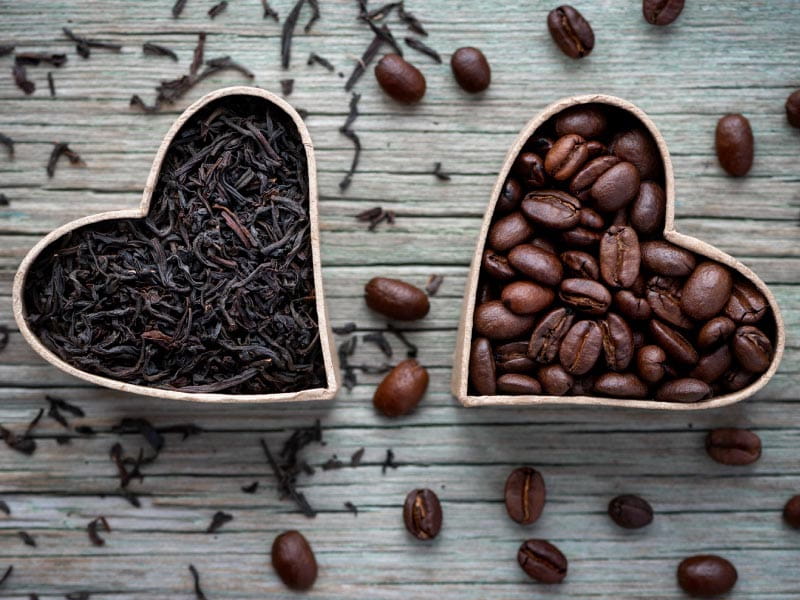
*(Svetlana Monyakova/iStock via Getty Images)*
*[Lea en español](https://www.heart.org/en/news/2022/08/08/la-cafeina-es-amiga-o-enemiga "Se abre en la ventana actual.")*
Caffeine jump-starts your day and puts a bounce in your step. It can help you focus, improve your mood and maybe even help you live longer.
But how much is too much?
Caffeine, a natural stimulant, can be found in a variety of foods, such as coffee beans, tea leaves, cacao beans, guarana berries and yerba maté leaves. It also can be synthetically created and added to beverages such as soda and energy drinks. Research shows that about 90% of U.S. adults consume some form of caffeine every day.
One of the most popular ways people consume it is through coffee. Because of that, most caffeine research centers around this drink, said Dr. Greg Marcus, associate chief of cardiology for research and a professor of medicine at the University of California, San Francisco.
"The literature on the whole shows that coffee consumption is generally not a detriment to health," he said. "But I am very reluctant to recommend anyone begin drinking coffee if they aren't otherwise doing so, or to increase consumption for any health benefit."
Studies have found caffeine can do both good and harm. People who regularly drink coffee may be less likely to develop chronic illnesses, such as cardiovascular disease, diabetes, Parkinson's disease and some cancers. A few studies suggest they are less likely to die from heart disease and other illnesses.
According to the [Food and Drug Administration](https://www.fda.gov/consumers/consumer-updates/spilling-beans-how-much-caffeine-too-much "Open in current window."), as much as 400 milligrams of caffeine a day – equal to four or five cups of coffee – is considered safe for healthy adults. An 8-ounce cup of green or black tea has 30-50 mg of caffeine. Energy drinks may contain 40-250 mg for every 8 ounces, and a 12-ounce can of caffeinated soda contains 30-40 mg.
In moderate doses – up to two 8-ounce cups of coffee – caffeine can make people less tired and more alert. Some studies suggest it can reduce appetite and lower the risk for depression. But high doses – 12 cups or more – can make people feel anxious, raise blood pressure and lead to heart palpitations and trouble sleeping. For people who consume caffeine regularly, stopping consumption abruptly can lead to symptoms of withdrawal, such as headaches, fatigue and depressed mood.
Determining how much is too much can be tough. A moderate amount of caffeine for one person may feel like a high dose for someone else. That's because some people metabolize caffeine faster than others, Marcus said. Factors such as how much someone weighs and what medications they take also can play a role. The bottom line is, caffeine affects everyone differently.
"The compound is complex, and we need to recognize that not only might there be benefits and harms, but this may vary from one person to another," Marcus said.
He and his colleagues recently completed one of the few randomized studies on caffeine consumption, which he presented at the American Heart Association's Scientific Sessions last year. The researchers asked participants to drink – or refrain from drinking – coffee for no more than two consecutive days each for two weeks.
The [findings](https://www.abstractsonline.com/pp8/#!/9349/presentation/18156 "Open in current window."), which are considered preliminary until the full results are published in a peer-reviewed journal, showed that people were more physically active and slept less on days they drank coffee than on days they went without. They also had more irregular heartbeats from the lower chambers of the heart but fewer episodes of abnormally rapid heartbeats from the upper chambers.
Marcus said one limitation of the study was that people were starting and stopping caffeine consumption, which could be causing an exaggerated reaction in people who were used to drinking it every day. "The effects of caffeine are attenuated when you drink it regularly," he said. "The body adapts to that caffeine level. And more regular consumption of caffeine can speed up the metabolism."
People who metabolized caffeine faster had fewer problems sleeping than those whose bodies broke it down more slowly, he said.
In his cardiology practice, Marcus tells patients who are having trouble sleeping or experiencing abnormal heart rhythms to see what role caffeine might be playing. "I generally advise that it is reasonable for patients bothered by trouble sleeping or with palpitations to experiment with their caffeine consumption. Take some time off of caffeine to see if it makes a difference." But he does not give a blanket recommendation to avoid caffeine.
Marcus doesn't distinguish between the caffeine that people get from coffee versus hot or iced tea. "There may be health differences between the two, but they haven't been studied yet," he said.
He is less flexible about the consumption of energy drinks, which typically have a higher concentration of caffeine, as well as added sweeteners or carbohydrates and no evidence they provide any health benefits. [Research](https://www.heart.org/en/news/2019/05/29/energy-drinks-may-provide-jolt-to-heart-function-blood-pressure "Open in current window.") has found energy drinks can cause abnormal electrical activity in the heart and higher blood pressure that persists for several hours.
"In general, I would caution against the use of energy drinks," Marcus said.
There are other ways to stay alert.
"The best strategies and overall most healthy strategies to boost alertness are long-term healthy habits," such as getting a good night's sleep and exercising regularly, Marcus said. He recommends people who have trouble staying awake consult a physician to see if they have sleep apnea or another sleep disorder.
*If you have questions or comments about this American Heart Association News story, please email [editor@heart.org](mailto:editor@heart.org).*
***
## *American Heart Association News Stories*
*American Heart Association News covers heart disease, stroke and related health issues. Not all views expressed in American Heart Association News stories reflect the official position of the American Heart Association. Statements, conclusions, accuracy and reliability of studies published in American Heart Association scientific journals or presented at American Heart Association scientific meetings are solely those of the study authors and do not necessarily reflect the American Heart Association’s official guidance, policies or positions.*
*Copyright is owned or held by the American Heart Association, Inc., and all rights are reserved. [Permission](https://www.heart.org/en/about-us/editorial-guidelines/news-staff/using-news-content "Open in current window.") is granted, at no cost and without need for further request, for individuals, media outlets, and non-commercial education and awareness efforts to link to, quote, excerpt from or reprint these stories in any medium as long as no text is altered and proper attribution is made to American Heart Association News.*
*Other uses, including educational products or services sold for profit, must comply with the American Heart Association’s Copyright Permission Guidelines. [See full terms of use](https://www.heart.org/en/about-us/statements-and-policies/copyright-permission-guidelines "Open in current window."). These stories may not be used to promote or endorse a commercial product or service.*
*HEALTH CARE DISCLAIMER: This site and its services do not constitute the practice of medical advice, diagnosis or treatment. Always talk to your health care provider for diagnosis and treatment, including your specific medical needs. If you have or suspect that you have a medical problem or condition, please contact a qualified health care professional immediately. If you are in the United States and experiencing a medical emergency, call 911 or call for emergency medical help immediately.*
Related Articles
[ Teatime can be good for your health](https://www.heart.org/en/news/2020/12/14/teatime-can-be-good-for-your-health)
[ Customized drinks have gone viral – and may be a recipe for disaster](https://www.heart.org/en/news/2021/08/13/customized-drinks-have-gone-viral-and-may-be-a-recipe-for-disaster)
[ Coffee boosts physical activity, cuts sleep, affects heartbeat, study suggests](https://www.heart.org/en/news/2021/11/15/coffee-boosts-physical-activity-cuts-sleep-affects-heartbeat-study-suggests)
Donate today to help end heart disease and stroke for everyone.
[Donate Now](https://mygiving.heart.org/-/XNPQFTPG "Donate Now")
\*All health/medical information on this website has been reviewed and approved by the American Heart Association, based on scientific research and American Heart Association guidelines. [Find more information on our content editorial process](https://www.heart.org/en/about-us/editorial-guidelines).
## Contact Us
**National Center**
7272 Greenville Ave.
Dallas, TX 75231
**Customer Service**
1-800-242-8721
[Contact Us](https://www.heart.org/en/about-us/contact-us)
**Hours**
Monday - Friday: 7 a.m. – 7 p.m. CT
Saturday: 9 a.m. - 5 p.m. CT
Closed on Sundays
**Tax Identification Number** 13-5613797
## About Us
About Us
- [About the American Heart Association](https://www.heart.org/en/about-us "About the American Heart Association")
- [Our Impact](https://www.heart.org/en/impact-map "Our Impact")
- [Annual Report](https://www.heart.org/en/about-us/2024-2025-annual-report "Annual Report")
- [Financial Information](https://www.heart.org/en/about-us/aha-financial-information "Financial Information")
- [International Programs](https://www.heart.org/en/about-us/international-programs "International Programs")
- [Latest Heart and Stroke News](https://www.heart.org/en/news "Latest Heart and Stroke News")
- [Media Newsroom](https://newsroom.heart.org/ "Media Newsroom")
- [Careers](https://heart.jobs/?utm_campaign=heart.org-Footer&vs=2896&utm_medium=Other&utm_source=heart.org-Footer "Careers")
## Get Involved
Get Involved
- [Donate Now](https://mygiving.heart.org/-/XEDQWRZF "Donate Now")
- [Make a Memorial Gift](https://mygiving.heart.org/-/XWUBJXQE "Make a Memorial Gift")
- [Ways to Give](https://www.heart.org/en/get-involved/ways-to-give "Ways to Give")
- [Advocate](https://www.heart.org/en/get-involved/advocate "Advocate")
- [Volunteer](https://www.heart.org/en/volunteer "Volunteer")
- [Go Red For Women](https://www.goredforwomen.org/en/ "Go Red For Women")
- [ShopHeart](https://www.shopheart.org/?a=aha-heart.org-bottom-navigation&utm_source=heart.org&utm_medium=referral&utm_campaign=aha-heart.org-bottom-navigation "ShopHeart")
- [ShopCPR](https://shopcpr.heart.org/ "ShopCPR")
## Our Sites
Our Sites
- [American Heart Association](https://www.heart.org/en/ "American Heart Association")
- [American Stroke Association](https://www.stroke.org/en/ "American Stroke Association")
- [CPR & ECC](https://cpr.heart.org/en/ "CPR & ECC")
- [Professional Heart Daily](https://professional.heart.org/en/ "Professional Heart Daily")
- [More Sites](https://www.heart.org/en/about-us/american-heart-association-website-directory "More Sites")
- [](https://www.facebook.com/AmericanHeart "American Heart Association Facebook")
- [](https://www.instagram.com/american_heart/ "American Heart Association Instagram")
- [](https://x.com/American_Heart "X formerly known as Twitter")
- [](https://www.tiktok.com/@americanheartassociation?lang=en "TikTok")
- [](https://www.youtube.com/user/americanheartassoc "American Heart Association YouTube")
- [](https://www.linkedin.com/company/american-heart-association "American Heart Association Linked In")
- [](https://www.pinterest.com/americanheart/ "American Heart Association Pinterest")
- [](https://nationalhealthcouncil.org/standards-of-excellence/ "National Health Council Standards of Excellence Certification Program")
- [](https://www.give.org/charity-reviews/national/health/american-heart-association-in-dallas-tx-173 "Better Business Bureau Accredited Charity")
- [](https://www.charitynavigator.org/ein/135613797 "Charity Navigator")
- [](https://www.sectigo.com/ssl-certificates-tls "Secured by Sectigo")
- [Careers](https://heart.jobs/?utm_campaign=heart.org-Footer&vs=2896&utm_medium=Other&utm_source=heart.org-Footer "Careers")
- [Privacy Policy](https://www.heart.org/en/about-us/statements-and-policies/privacy-statement "Privacy Policy")
- [Medical Advice Disclaimer](https://www.heart.org/en/about-us/statements-and-policies/medical-advice "Medical Advice Disclaimer")
- [Accessibility Statement](https://www.heart.org/en/about-us/statements-and-policies/accessibility-statement "Accessibility Statement")
- [Copyright Policy](https://www.heart.org/en/about-us/statements-and-policies/copyright "Copyright Policy")
- [Ethics Policy](https://www.heart.org/en/about-us/statements-and-policies/ethics-policy "Ethics Policy")
- [Conflict of Interest Policy](https://www.heart.org/en/about-us/statements-and-policies/conflict-of-interest-policy "Conflict of Interest Policy")
- [Linking Policy](https://www.heart.org/en/about-us/statements-and-policies/linking-policy "Linking Policy")
- [Whistleblower Policy](https://www.heart.org/en/about-us/statements-and-policies/whistleblower-policy "Whistleblower Policy")
- [Content Editorial Guidelines](https://www.heart.org/en/about-us/editorial-guidelines "Content Editorial Guidelines")
- [Suppliers & Providers](https://www.heart.org/en/procurement-services-department "Suppliers & Providers")
- [State Fundraising Notices](https://www.heart.org/en/about-us/statements-and-policies/state-fundraising-notices "State Fundraising Notices")
Cookie Settings
©2026 American Heart Association, Inc. All rights reserved. Unauthorized use prohibited.
The American Heart Association is a qualified 501(c)(3) tax-exempt organization.
\*Red Dress ™ DHHS, Go Red ™ AHA ; National Wear Red Day® is a registered trademark.
## Speed Bump
×
This link is provided for convenience only and is not an endorsement of either the linked-to entity or any product or service.
[Proceed]() |
| Readable Markdown | Published: August 8, 2022
***
By Laura Williamson, American Heart Association News
**Please note: This article was published more than two years ago, so some information may be outdated. If you have questions about your health, always contact a health care professional.**
***

*(Svetlana Monyakova/iStock via Getty Images)*
*[Lea en español](https://www.heart.org/en/news/2022/08/08/la-cafeina-es-amiga-o-enemiga "Se abre en la ventana actual.")*
Caffeine jump-starts your day and puts a bounce in your step. It can help you focus, improve your mood and maybe even help you live longer.
But how much is too much?
Caffeine, a natural stimulant, can be found in a variety of foods, such as coffee beans, tea leaves, cacao beans, guarana berries and yerba maté leaves. It also can be synthetically created and added to beverages such as soda and energy drinks. Research shows that about 90% of U.S. adults consume some form of caffeine every day.
One of the most popular ways people consume it is through coffee. Because of that, most caffeine research centers around this drink, said Dr. Greg Marcus, associate chief of cardiology for research and a professor of medicine at the University of California, San Francisco.
"The literature on the whole shows that coffee consumption is generally not a detriment to health," he said. "But I am very reluctant to recommend anyone begin drinking coffee if they aren't otherwise doing so, or to increase consumption for any health benefit."
Studies have found caffeine can do both good and harm. People who regularly drink coffee may be less likely to develop chronic illnesses, such as cardiovascular disease, diabetes, Parkinson's disease and some cancers. A few studies suggest they are less likely to die from heart disease and other illnesses.
According to the [Food and Drug Administration](https://www.fda.gov/consumers/consumer-updates/spilling-beans-how-much-caffeine-too-much "Open in current window."), as much as 400 milligrams of caffeine a day – equal to four or five cups of coffee – is considered safe for healthy adults. An 8-ounce cup of green or black tea has 30-50 mg of caffeine. Energy drinks may contain 40-250 mg for every 8 ounces, and a 12-ounce can of caffeinated soda contains 30-40 mg.
In moderate doses – up to two 8-ounce cups of coffee – caffeine can make people less tired and more alert. Some studies suggest it can reduce appetite and lower the risk for depression. But high doses – 12 cups or more – can make people feel anxious, raise blood pressure and lead to heart palpitations and trouble sleeping. For people who consume caffeine regularly, stopping consumption abruptly can lead to symptoms of withdrawal, such as headaches, fatigue and depressed mood.
Determining how much is too much can be tough. A moderate amount of caffeine for one person may feel like a high dose for someone else. That's because some people metabolize caffeine faster than others, Marcus said. Factors such as how much someone weighs and what medications they take also can play a role. The bottom line is, caffeine affects everyone differently.
"The compound is complex, and we need to recognize that not only might there be benefits and harms, but this may vary from one person to another," Marcus said.
He and his colleagues recently completed one of the few randomized studies on caffeine consumption, which he presented at the American Heart Association's Scientific Sessions last year. The researchers asked participants to drink – or refrain from drinking – coffee for no more than two consecutive days each for two weeks.
The [findings](https://www.abstractsonline.com/pp8/#!/9349/presentation/18156 "Open in current window."), which are considered preliminary until the full results are published in a peer-reviewed journal, showed that people were more physically active and slept less on days they drank coffee than on days they went without. They also had more irregular heartbeats from the lower chambers of the heart but fewer episodes of abnormally rapid heartbeats from the upper chambers.
Marcus said one limitation of the study was that people were starting and stopping caffeine consumption, which could be causing an exaggerated reaction in people who were used to drinking it every day. "The effects of caffeine are attenuated when you drink it regularly," he said. "The body adapts to that caffeine level. And more regular consumption of caffeine can speed up the metabolism."
People who metabolized caffeine faster had fewer problems sleeping than those whose bodies broke it down more slowly, he said.
In his cardiology practice, Marcus tells patients who are having trouble sleeping or experiencing abnormal heart rhythms to see what role caffeine might be playing. "I generally advise that it is reasonable for patients bothered by trouble sleeping or with palpitations to experiment with their caffeine consumption. Take some time off of caffeine to see if it makes a difference." But he does not give a blanket recommendation to avoid caffeine.
Marcus doesn't distinguish between the caffeine that people get from coffee versus hot or iced tea. "There may be health differences between the two, but they haven't been studied yet," he said.
He is less flexible about the consumption of energy drinks, which typically have a higher concentration of caffeine, as well as added sweeteners or carbohydrates and no evidence they provide any health benefits. [Research](https://www.heart.org/en/news/2019/05/29/energy-drinks-may-provide-jolt-to-heart-function-blood-pressure "Open in current window.") has found energy drinks can cause abnormal electrical activity in the heart and higher blood pressure that persists for several hours.
"In general, I would caution against the use of energy drinks," Marcus said.
There are other ways to stay alert.
"The best strategies and overall most healthy strategies to boost alertness are long-term healthy habits," such as getting a good night's sleep and exercising regularly, Marcus said. He recommends people who have trouble staying awake consult a physician to see if they have sleep apnea or another sleep disorder.
*If you have questions or comments about this American Heart Association News story, please email [editor@heart.org](mailto:editor@heart.org).* |
| Shard | 11 (laksa) |
| Root Hash | 6217059405564628611 |
| Unparsed URL | org,heart!www,/en/news/2022/08/08/is-caffeine-a-friend-or-foe s443 |