ℹ️ Skipped - page is already crawled
| Filter | Status | Condition | Details |
|---|---|---|---|
| HTTP status | PASS | download_http_code = 200 | HTTP 200 |
| Age cutoff | PASS | download_stamp > now() - 6 MONTH | 0.1 months ago |
| History drop | PASS | isNull(history_drop_reason) | No drop reason |
| Spam/ban | PASS | fh_dont_index != 1 AND ml_spam_score = 0 | ml_spam_score=0 |
| Canonical | PASS | meta_canonical IS NULL OR = '' OR = src_unparsed | Not set |
| Property | Value | |||||||||
|---|---|---|---|---|---|---|---|---|---|---|
| URL | https://www.healthyplace.com/depression/antidepressants/antidepressant-medications-for-depression | |||||||||
| Last Crawled | 2026-04-24 13:15:38 (3 days ago) | |||||||||
| First Indexed | 2017-04-08 15:36:27 (9 years ago) | |||||||||
| HTTP Status Code | 200 | |||||||||
| Content | ||||||||||
| Meta Title | Antidepressant Medications for Depression: What They Are, How They Work | HealthyPlace | |||||||||
| Meta Description | In-depth look at antidepressants, medications for depression. How antidepressant drugs work, types of antidepressants, interactions, more. | |||||||||
| Meta Canonical | null | |||||||||
| Boilerpipe Text | Antidepressants are medications used to treat depression and several other disorders. With proper treatment, often including antidepressants, 70% - 80% of people with
major depressive disorder (MDD)
can achieve a significant reduction in symptoms.
1
Antidepressant drugs are not happy pills, and they are not a panacea. They are prescription drugs that come with risks as well as benefits and should only be taken under a doctor's supervision. They are, however, one
depression treatment option
. Taking medications for depression is not a sign of personal weakness –it is the treatment of a disease.
Whether an antidepressant medication is the
best depression treatment
option depends on the severity of depression, history of the illness, the patient's age and their personal preferences. Most people do best with a combination of antidepressants and
depression therapy
.
How Antidepressants Work
Most antidepressants are believed to work by slowing the removal of certain chemicals from the brain. These chemicals are called neurotransmitters (such as serotonin and norepinephrine). Neurotransmitters are needed for normal brain function and are involved in the control of mood and in other functions, such as eating, sleep, pain and thinking.
Antidepressants work by making these natural chemicals more available to the brain.
Types of Antidepressants
There are several types of antidepressants, including:
Selective serotonin reuptake inhibitors (SSRI antidepressants)
Serotonin norepinephrine reuptake inhibitors (SNRI antidepressants)
Tricyclic antidepressants (tricyclics)
Monoamine oxidase inhibitors (MAOIs)
Others
Each type of antidepressant works on brain chemicals in slightly different ways. You can find a complete
list of antidepressants
under each category here, along with links to information about each individual antidepressant medication.
SSRI Type of Antidepressants
SSRIs are a group of depression medications that include drugs such as:
Escitalopram (Lexapro)
Citalopram (Celexa)
Fluoxetine (Prozac)
Paroxetine (Paxil)
SSRI antidepressants act only on the neurotransmitter serotonin.
SSRIs have fewer side effects than tricyclic antidepressants and MAOIs, perhaps because they act only on one body chemical, serotonin. Typical side effects of SSRI antidepressants include:
Dry mouth
Nausea
Nervousness
Insomnia
Headache
Sexual problems
Tricyclic Type of Antidepressants
Tricyclic antidepressants drugs have been used to treat depression since the 1950s. This type of depression medication acts on neurotransmitters like serotonin and other chemicals as well.
Tricyclics include drugs like:
Amitriptyline (Elavil, Levate)
Amoxapine (Asendin)
Clomipramine (Anafranil)
Desipramine (Norpramin)
Doxepin (Silenor)
Imipramine (Tofranil, Tofranil-PM)
Nortriptyline (Pamelor, Aventyl)
Protriptyline (Vivactil)
Trimipramine(Surmontil, Trimip, Tripramine)
Tricyclic antidepressants tend to have more side effects than SSRIs. Common side effects include:
Dry mouth
Blurred vision
Constipation
Difficulty urinating
Worsening of glaucoma
Impaired thinking
Tiredness
Changes in blood pressure and heart rate
Other Types of Antidepressants
Other types of antidepressants work on different brain chemicals or work in ways different than tricyclics or SSRIs. Commonly used medications are:
Bupropion (Welbutrin)
Desvenlafaxine (Pristiq)
Duloxetine (Cymbalta)
Mirtazapine (Remeron)
Venlafaxine (Effexor)
The newer antidepressants in this class tend to have fewer side effects than tricyclic antidepressants and vary by medication.
Important Warning When Taking Depression Medication
In 2004, the U.S. Food and Drug Administration (FDA) ordered makers of all antidepressant medications to include a "black box warning" (the most serious warning) on their products' labeling to include warnings about increased risks of suicidal thinking and behavior, known as suicidality, in children, adolescents and young adults (ages 18 to 24) during initial treatment (generally the first one to two months).
Antidepressants increased the risk compared to placebo of suicidal thinking and behavior (suicidality) in children, adolescents, and young adults in short-term studies of Major Depressive Disorder (MDD) and other psychiatric disorders. Anyone considering the use of [drug name] or any other
antidepressant in a child
, adolescent, or young adult must balance this risk with the clinical need.
Short-term studies did not show an increase in the risk of suicidality with antidepressants compared to placebo in adults beyond age 24; there was a reduction in risk with antidepressants compared to placebo in adults aged 65 and older.
Depression and certain other psychiatric disorders are themselves associated with increases in the risk of suicide. Patients of all ages who are started on antidepressant therapy should be monitored appropriately and observed closely for clinical worsening, suicidality, or unusual changes in behavior. Families and caregivers should be advised of the need for close observation and communication with the prescriber.
Interactions of Antidepressants with Other Mediations
All types of antidepressants can have an effect on many other medicines. Whether prescription or over-the-counter, you should tell your doctor about all medications, supplements, herbal products or anything else being taken.
MAOI antidepressants carry significant risk of interaction and any medication should only be taken under a doctor's supervision. Additionally, taking any medication which increases serotonin increases the risk of a potentially dangerous condition known as serotonin syndrome. Illegal drugs are particularly dangerous.
Which Antidepressant Drug Is Best For Me?
All antidepressant drugs are considered to be equally effective, but certain types of antidepressants work best for people with certain
depression symptoms
. For example, people who are depressed and agitated do best when they take an antidepressant drug that also calms them down. People who are depressed and withdrawn may benefit more from an antidepressant drug that has a stimulating effect. A doctor can match a person's symptoms with the antidepressant that is right for them.
Antidepressants Are Not a Magic Bullet
While antidepressant drugs can treat depression, they cannot solve problems in people's lives. Some mental health professionals worry people who could benefit from psychotherapy turn to antidepressant drugs for a "quick fix." The best approach is generally a combination of counseling and depression medications, but the correct treatment for a specific patient depends on many factors. However, it's important to remember that with medical treatment, most people will experience significant recovery from depression.
article references
APA Reference
Tracy, N.
(2022, January 4). Antidepressant Medications for Depression: What They Are, How They Work, HealthyPlace. Retrieved
on 2026, April 24 from https://www.healthyplace.com/depression/antidepressants/antidepressant-medications-for-depression | |||||||||
| Markdown | [Skip to main content](https://www.healthyplace.com/depression/antidepressants/antidepressant-medications-for-depression#main-content)
- [Conditions](https://www.healthyplace.com/)
- [Addiction](https://www.healthyplace.com/addictions)
- [Abuse](https://www.healthyplace.com/abuse)
- [ADD-ADHD](https://www.healthyplace.com/adhd)
- [Alzheimer's](https://www.healthyplace.com/alzheimers)
- [Anxiety-Panic](https://www.healthyplace.com/anxiety-panic)
- [Bipolar Disorder](https://www.healthyplace.com/bipolar-disorder)
- [Depression](https://www.healthyplace.com/depression)
- [Diabetes](https://www.healthyplace.com/diabetes)
- [Dissociative Disorder](https://www.healthyplace.com/abuse/dissociative-identity-disorder/types-symptoms-causes-treatments)
- [Eating Disorders](https://www.healthyplace.com/eating-disorders)
- [Gender-GLBT](https://www.healthyplace.com/gender)
- [OCD Related Disorders](https://www.healthyplace.com/ocd-related-disorders)
- [Neurodevelopmental Disorders](https://www.healthyplace.com/conditions/neurodevelopmental-disorders)
- [Parenting](https://www.healthyplace.com/parenting)
- [Parkinson's Disease](https://www.healthyplace.com/parkinsons-disease/information/parkinsons-disease-information-articles)
- [Personality Disorders](https://www.healthyplace.com/personality-disorders)
- [PTSD and Stress Disorders](https://www.healthyplace.com/ptsd-and-stress-disorders)
- [Relationships](https://www.healthyplace.com/relationships)
- [Schizoaffective Disorder](https://www.healthyplace.com/thought-disorders/schizoaffective-disorder-information/what-is-schizoaffective-disorder-dsm-5-criteria)
- [Schizophrenia](https://www.healthyplace.com/thought-disorders)
- [Self-Help](https://www.healthyplace.com/self-help)
- [Self-Injury](https://www.healthyplace.com/abuse/self-injury/self-injury-homepage)
- [Sex-Sexuality](https://www.healthyplace.com/sex)
- [Resources - Info](https://www.healthyplace.com/other-info/psychiatric-disorder-definitions/adult-symptoms-of-mental-health-disorders)
- [Disorders Definitions](https://www.healthyplace.com/other-info/psychiatric-disorder-definitions/adult-symptoms-of-mental-health-disorders)
- [Psychiatric Medications](https://www.healthyplace.com/other-info/psychiatric-medications/psychiatric-medications-pharmacology)
- [Mental Health Information](https://www.healthyplace.com/other-info/mental-illness-overview/mental-health-information-toc)
- [Prescription Assistance Programs](https://www.healthyplace.com/other-info/prescription-assistance-programs/free-or-low-cost-prescription-medication-assistance)
- [Resources-Hotlines](https://www.healthyplace.com/other-info/resources/mental-health-hotline-numbers-and-referral-resources)
- [Traumatic Events](https://www.healthyplace.com/other-info/traumatic-events/traumatic-events-and-how-to-cope)
- [Suicide](https://www.healthyplace.com/other-info/suicide/suicide-suicidal-thoughts-and-behaviors-toc)
- [Sleep Disorders](https://www.healthyplace.com/other-info/sleep-disorders/sleep-disorders-and-sleep-problems-symptoms-to-treatments)
- [HealthyPlace Newsletter](https://www.healthyplace.com/other-info/mental-health-newsletter/index)
- [Transcripts](https://www.healthyplace.com/other-info/transcripts/mental-health-conference-transcripts-toc)
- [Clinical Trials](https://www.healthyplace.com/other-info/clinical-trials/mental-health-clinical-trials)
- [Insight](https://www.healthyplace.com/)
- [Bookstore](https://www.healthyplace.com/insight/bookstore/mental-health-books)
- [Mental Health Videos](https://www.healthyplace.com/mental-health-videos)
- [Mental Health Quotes](https://www.healthyplace.com/insight/quotes/mental-health-quotes-and-sayings)
- [Stand Up Campaign](https://www.healthyplace.com/stigma/stand-up-for-mental-health/stand-up-for-mental-health-campaign)
- [Mood Journal](https://www.healthyplace.com/mood-journal)
- [Blogs](https://www.healthyplace.com/blogs)
- [Psychological Tests](https://www.healthyplace.com/psychological-tests)
- [About](https://www.healthyplace.com/)
- [About Us](https://www.healthyplace.com/about-healthyplace/about-us/about-healthyplace)
- [How to Contact Us](https://www.healthyplace.com/about-healthyplace/about-us/contact-us)
- [HealthyPlace Sitemap](https://www.healthyplace.com/about-healthyplace/about-us/healthyplacecom-sitemap)
- [Tools](https://www.healthyplace.com/about-healthyplace/about-us/internet-tools)
- [Awards](https://www.healthyplace.com/about-healthyplace/awards/healthyplace-mental-health-website-awards)
- [Information for Advertisers](https://www.healthyplace.com/about-healthyplace/information-for-advertisers/sponsoring-the-healthyplacecom-website)
- [Advertising Policy](https://www.healthyplace.com/about-healthyplace/about-us/advertising-and-promotions-policy)
- [Disclaimer](https://www.healthyplace.com/about-healthyplace/about-us/copyright-and-disclaimer-notices)
- [Privacy Policy](https://www.healthyplace.com/about-healthyplace/about-us/privacy-policy)
- [Terms of Use](https://www.healthyplace.com/about-healthyplace/about-us/terms-and-conditions-of-use)
[Login](https://www.healthyplace.com/user)
advertisement
## In Depression
## In Depression\+\-
- [Depression Homepage](https://www.healthyplace.com/depression)
- [All Depression Articles](https://www.healthyplace.com/depression/depression-information/depression-information-articles "List of All Depression Information Articles on HealthyPlace")
- [What is Depression?](https://www.healthyplace.com/depression/depression-information/what-is-depression-depression-definition-and-checklist "What Is Depression? Depression Definition")
- [Types of Depression](https://www.healthyplace.com/depression/depression-information/types-of-depression-different-types-of-depression "Types of Depression")
- [Depression Symptoms](https://www.healthyplace.com/depression/symptoms/depression-symptoms-what-are-the-symptoms-of-depression "What Are the Symptoms of Depression?")
- [Depression Test](https://www.healthyplace.com/psychological-tests/goldberg-depression-questionnaire "Take a Depression Test")
- [Depression Causes](https://www.healthyplace.com/depression/causes/causes-of-depression-what-causes-depression "What Causes Depression?")
- [Depression Treatment](https://www.healthyplace.com/depression/depression-treatment/depression-treatment-options "Depression Treatment Options")
- [List of Antidepressants](https://www.healthyplace.com/depression/antidepressants/list-of-antidepressants-list-of-medications-for-depression "List of Antidepressants – List of Medications for Depression")
- [Depression Self-Help](https://www.healthyplace.com/self-help/depression/self-help-for-depression-what-helps "Self-Help for Depression: What Helps?")
- [Effects of Depression](https://www.healthyplace.com/depression/effects/effects-of-depression-physical-social-effects-of-depression "Effects of Depression: Physical, Social Effects of Depression")
- [Depression in Men](https://www.healthyplace.com/depression/men/depression-in-men-understanding-male-depression "Depression in Men: Understanding Male Depression")
- [Depression in Children](https://www.healthyplace.com/depression/children/depression-in-children-causes-treatment-of-child-depression "Depression in Children: Causes, Treatment of Child Depression")
- [Depression & Relationships](https://www.healthyplace.com/depression/relationships/how-depression-affects-relationships-the-good-and-the-bad "How Depression Affects Relationships: The Good and the Bad")
- [Foods for Depression](https://www.healthyplace.com/depression/food-and-depression/list-of-best-foods-for-fighting-depression "List of Best Foods for Fighting Depression")
- [Depression Support](https://www.healthyplace.com/depression/support/depression-support-why-you-need-it-where-to-find-it "Depression Support: Why You Need It, Where to Find It")
- [Mood Journal](https://www.healthyplace.com/mood-journal)
- [Depression Videos](https://www.healthyplace.com/mental-health-videos/depression-videos "Watch Depression Videos on All Aspects of Depression")
- [Depression Quotes](https://www.healthyplace.com/insight/quotes/depression-quotes-and-sayings-about-depression "Depression Quotes and Sayings About Depression")
- [Depression Memes](https://www.healthyplace.com/depression/effects/15-funny-depression-memes-people-with-depression-can-relate-to "15 Funny Depression Memes People with Depression Can Relate To")
- [Depression Books](https://www.healthyplace.com/depression/books/books-on-depression-and-manic-depression "Helpful Depression Books")
- Types of Depression
- [Atypical Depression](https://www.healthyplace.com/depression/atypical-depression/what-is-atypical-depression-symptoms-causes-treatment)
- [Dysthymia](https://www.healthyplace.com/depression/dysthymia/dysthymia-chronic-depression-signs-symptoms-treatment)
- [Major Depression](https://www.healthyplace.com/depression/major-depression/what-is-clinical-depression-symptoms-causes-treatment)
- [Postpartum Depression](https://www.healthyplace.com/depression/postpartum-depression/what-is-postpartum-depression-ppd-postnatal-depression)
- [PMDD](https://www.healthyplace.com/depression/pmdd/pmdd-premenstrual-dysphoric-disorder-symptoms-treatment)
- [Seasonal Affective Disorder](https://www.healthyplace.com/depression/seasonal-affective-disorder/what-is-seasonal-affective-disorder-seasonal-depression)
- Information
- [Mental Health Hotlines](https://www.healthyplace.com/other-info/resources/mental-health-hotline-numbers-and-referral-resources "Mental Health Hotline Numbers and Referral Resources")
- [Suicide Information](https://www.healthyplace.com/other-info/suicide/suicide-suicidal-thoughts-and-behaviors-toc "Suicide Information, Resources & Support")
- [Psychological Tests](https://www.healthyplace.com/psychological-tests "Take a Psychological Test")
advertisement
# Antidepressant Medications for Depression: What They Are, How They Work
[Natasha Tracy](https://www.healthyplace.com/about-healthyplace/authors/natasha-tracy-biography)
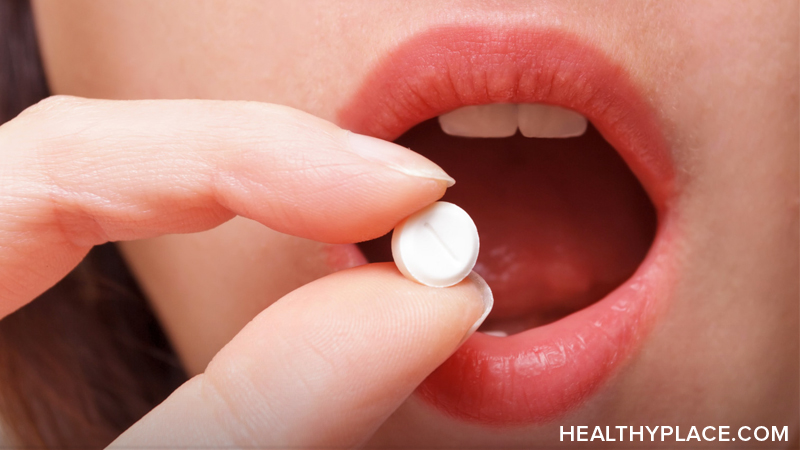
Antidepressants are medications used to treat depression and several other disorders. With proper treatment, often including antidepressants, 70% - 80% of people with [major depressive disorder (MDD)](https://www.healthyplace.com/depression/major-depression/major-depression-major-depressive-disorder-symptoms-causes-treatments "What is Major Depression") can achieve a significant reduction in symptoms.[1](https://www.healthyplace.com/depression/antidepressants/antidepressant-medications-for-depression#ref)
Antidepressant drugs are not happy pills, and they are not a panacea. They are prescription drugs that come with risks as well as benefits and should only be taken under a doctor's supervision. They are, however, one [depression treatment option](https://www.healthyplace.com/depression/depression-treatment/depression-treatment-options "Depression Treatment Options"). Taking medications for depression is not a sign of personal weakness –it is the treatment of a disease.
Whether an antidepressant medication is the [best depression treatment](https://www.healthyplace.com/depression/depression-treatment/best-depression-treatment "What is the best depression treatment?") option depends on the severity of depression, history of the illness, the patient's age and their personal preferences. Most people do best with a combination of antidepressants and [depression therapy](https://www.healthyplace.com/depression/depression-treatment/depression-therapy-how-psychotherapy-for-depression-works "Therapy for Depression").
## How Antidepressants Work
Most antidepressants are believed to work by slowing the removal of certain chemicals from the brain. These chemicals are called neurotransmitters (such as serotonin and norepinephrine). Neurotransmitters are needed for normal brain function and are involved in the control of mood and in other functions, such as eating, sleep, pain and thinking.
Antidepressants work by making these natural chemicals more available to the brain.
## Types of Antidepressants
There are several types of antidepressants, including:
- [Selective serotonin reuptake inhibitors (SSRI antidepressants)](https://www.healthyplace.com/depression/antidepressants/ssri-antidepressants-about-ssris-side-effects-withdrawal "SSRI Antidepressants")
- [Serotonin norepinephrine reuptake inhibitors (SNRI antidepressants)](https://www.healthyplace.com/depression/antidepressants/snri-serotonin-norepinephrine-reuptake-inhibitor "SNRI Antidepressants")
- [Tricyclic antidepressants (tricyclics)](https://www.healthyplace.com/depression/antidepressants/tricyclic-antidepressants-how-tricyclics-work-side-effects "Tricyclic Antidepressants")
- [Monoamine oxidase inhibitors (MAOIs)](https://www.healthyplace.com/depression/antidepressants/maoi-antidepressants-what-are-mao-inhibitors "MAOI Antidepressants")
- Others
Each type of antidepressant works on brain chemicals in slightly different ways. You can find a complete [list of antidepressants](https://www.healthyplace.com/depression/antidepressants/list-of-antidepressants-list-of-medications-for-depression "List of Antidepressants") under each category here, along with links to information about each individual antidepressant medication.
## SSRI Type of Antidepressants
SSRIs are a group of depression medications that include drugs such as:
- [Escitalopram (Lexapro)](https://www.healthyplace.com/other-info/psychiatric-medications/lexapro-escitalopram-oxalate-patient-information "Lexapro (Escitalopram Oxalate) Usage, Dosage, Side-Effects")
- [Citalopram (Celexa)](https://www.healthyplace.com/other-info/psychiatric-medications/celexa-citalopram-hydrobromide-patient-information "Celexa (Citalopram Hydrobromide) Usage, Dosage, Side-Effects")
- [Fluoxetine (Prozac)](https://www.healthyplace.com/other-info/psychiatric-medications/prozac-fluoxetine-patient-information "Prozac, Serafem (Fluoxetine) Usage, Dosage, Side-Effects")
- [Paroxetine (Paxil)](https://www.healthyplace.com/other-info/psychiatric-medications/paxil-paroxetine-patient-information "Paxil (Paroxetine) Usage, Dosage, Side-Effects")
SSRI antidepressants act only on the neurotransmitter serotonin.
SSRIs have fewer side effects than tricyclic antidepressants and MAOIs, perhaps because they act only on one body chemical, serotonin. Typical side effects of SSRI antidepressants include:
- Dry mouth
- Nausea
- Nervousness
- Insomnia
- Headache
- Sexual problems
## Tricyclic Type of Antidepressants
Tricyclic antidepressants drugs have been used to treat depression since the 1950s. This type of depression medication acts on neurotransmitters like serotonin and other chemicals as well.
Tricyclics include drugs like:
- [Amitriptyline (Elavil, Levate)](https://www.healthyplace.com/other-info/psychiatric-medications/amitriptyline-patient-information "Elavil (Amitriptyline) Usage, Dosage, Side-Effects")
- [Amoxapine (Asendin)](https://www.healthyplace.com/other-info/psychiatric-medications/amoxapine-patient-information "Asendin (Amoxapine) Usage, Dosage, Side-Effects")
- [Clomipramine (Anafranil)](https://www.healthyplace.com/other-info/psychiatric-medications/anafranil-clomipramine-patient-information "Anafranil (Clomipramine) Usage, Dosage, Side-Effects")
- [Desipramine (Norpramin)](https://www.healthyplace.com/other-info/psychiatric-medications/norpramin-desipramine-patient-information "Norpramin (Desipramine) Usage, Dosage, Side-Effects")
- [Doxepin (Silenor)](https://www.healthyplace.com/other-info/psychiatric-medications/sinequan-doxepin-adapin-patient-information "Silenor (Doxepin) Usage, Dosage, Side-Effects")
- [Imipramine (Tofranil, Tofranil-PM)](https://www.healthyplace.com/other-info/psychiatric-medications/tofranil-imipramine-patient-information "Tofranil (Imipramine) Usage, Dosage, Side-Effects")
- [Nortriptyline (Pamelor, Aventyl)](https://www.healthyplace.com/other-info/psychiatric-medications/patient-information-pamelor-nortriptyline "Aventyl, Pamelor (Nortriptyline) Usage, Dosage, Side-Effects")
- [Protriptyline (Vivactil)](https://www.healthyplace.com/other-info/psychiatric-medications/vivactil-protriptyline-patient-information-sheet "Vivactil (Protriptyline hydrochloride) Usage, Dosage, Side-Effects")
- [Trimipramine(Surmontil, Trimip, Tripramine)](https://www.healthyplace.com/other-info/psychiatric-medications/surmontil-trimipramine-patient-information-sheet "Surmontil (Trimipramine) Usage, Dosage, Side-Effects")
Tricyclic antidepressants tend to have more side effects than SSRIs. Common side effects include:
- Dry mouth
- Blurred vision
- Constipation
- Difficulty urinating
- Worsening of glaucoma
- Impaired thinking
- Tiredness
- Changes in blood pressure and heart rate
## Other Types of Antidepressants
Other types of antidepressants work on different brain chemicals or work in ways different than tricyclics or SSRIs. Commonly used medications are:
- [Bupropion (Welbutrin)](https://www.healthyplace.com/other-info/psychiatric-medications/wellbutrin-xl-patient-information "Wellbutrin XL (Bupropion) Usage, Dosage, Side-Effects")
- [Desvenlafaxine (Pristiq)](https://www.healthyplace.com/other-info/psychiatric-medications/pristiq-patient-information "Pristiq (Desvenlafaxine) Usage, Dosage, Side-Effects")
- [Duloxetine (Cymbalta)](https://www.healthyplace.com/other-info/psychiatric-medications/cymbalta-duloxetine-medication-guide "Cymbalta (Duloxetine HCI) Usage, Dosage, Side-Effects")
- Mirtazapine (Remeron)
- [Venlafaxine (Effexor)](https://www.healthyplace.com/other-info/psychiatric-medications/effexor-xr-venlafaxine-patient-information "Effexor XR (Venlafaxine) Usage, Dosage, Side-Effects")
The newer antidepressants in this class tend to have fewer side effects than tricyclic antidepressants and vary by medication.
## Important Warning When Taking Depression Medication
In 2004, the U.S. Food and Drug Administration (FDA) ordered makers of all antidepressant medications to include a "black box warning" (the most serious warning) on their products' labeling to include warnings about increased risks of suicidal thinking and behavior, known as suicidality, in children, adolescents and young adults (ages 18 to 24) during initial treatment (generally the first one to two months).
Antidepressants increased the risk compared to placebo of suicidal thinking and behavior (suicidality) in children, adolescents, and young adults in short-term studies of Major Depressive Disorder (MDD) and other psychiatric disorders. Anyone considering the use of \[drug name\] or any other [antidepressant in a child](https://www.healthyplace.com/depression/children/antidepressants-for-children-important-information-for-parents "Important Information for Parents about Children Taking Antidepressants"), adolescent, or young adult must balance this risk with the clinical need.
Short-term studies did not show an increase in the risk of suicidality with antidepressants compared to placebo in adults beyond age 24; there was a reduction in risk with antidepressants compared to placebo in adults aged 65 and older.
Depression and certain other psychiatric disorders are themselves associated with increases in the risk of suicide. Patients of all ages who are started on antidepressant therapy should be monitored appropriately and observed closely for clinical worsening, suicidality, or unusual changes in behavior. Families and caregivers should be advised of the need for close observation and communication with the prescriber.
## Interactions of Antidepressants with Other Mediations
All types of antidepressants can have an effect on many other medicines. Whether prescription or over-the-counter, you should tell your doctor about all medications, supplements, herbal products or anything else being taken.
MAOI antidepressants carry significant risk of interaction and any medication should only be taken under a doctor's supervision. Additionally, taking any medication which increases serotonin increases the risk of a potentially dangerous condition known as serotonin syndrome. Illegal drugs are particularly dangerous.
## Which Antidepressant Drug Is Best For Me?
All antidepressant drugs are considered to be equally effective, but certain types of antidepressants work best for people with certain [depression symptoms](https://www.healthyplace.com/depression/symptoms/depression-symptoms-what-are-the-symptoms-of-depression "What are the Symptoms of Depression"). For example, people who are depressed and agitated do best when they take an antidepressant drug that also calms them down. People who are depressed and withdrawn may benefit more from an antidepressant drug that has a stimulating effect. A doctor can match a person's symptoms with the antidepressant that is right for them.
## Antidepressants Are Not a Magic Bullet
While antidepressant drugs can treat depression, they cannot solve problems in people's lives. Some mental health professionals worry people who could benefit from psychotherapy turn to antidepressant drugs for a "quick fix." The best approach is generally a combination of counseling and depression medications, but the correct treatment for a specific patient depends on many factors. However, it's important to remember that with medical treatment, most people will experience significant recovery from depression.
[article references](https://www.healthyplace.com/depression/depression-information/depression-references)
**APA Reference**
Tracy, N. (2022, January 4). Antidepressant Medications for Depression: What They Are, How They Work, HealthyPlace. Retrieved on 2026, April 24 from https://www.healthyplace.com/depression/antidepressants/antidepressant-medications-for-depression
Last Updated: January 11, 2022
Medically reviewed by [Harry Croft, MD](https://www.healthyplace.com/about-healthyplace/about-us/biography-dr-harry-croft)
## Related Articles
[](https://www.healthyplace.com/depression/antidepressants/what-is-serotonin-syndrome-symptoms-causes-treatment)
[What is Serotonin Syndrome? Symptoms, Causes, Treatment](https://www.healthyplace.com/depression/antidepressants/what-is-serotonin-syndrome-symptoms-causes-treatment)
[Medicine Record Form](https://www.healthyplace.com/depression/antidepressants/medicine-record-form)
[](https://www.healthyplace.com/depression/antidepressants/getting-off-antidepressants)
[Getting Off Antidepressants: Antidepressant Discontinuation](https://www.healthyplace.com/depression/antidepressants/getting-off-antidepressants)
[](https://www.healthyplace.com/depression/antidepressants/suddenly-stopping-antidepressant-treatment-can-lead-to-some-nasty-side-effects)
[Suddenly Stopping Antidepressant Treatment Can Lead to Some Nasty Side Effects](https://www.healthyplace.com/depression/antidepressants/suddenly-stopping-antidepressant-treatment-can-lead-to-some-nasty-side-effects)
## More Info
#### [What is Vagus Nerve Stimulation?](https://www.healthyplace.com/depression/depression-treatment/what-is-vagus-nerve-stimulation-gsd)
#### [What Is Clinical Depression? Symptoms, Causes, Treatment](https://www.healthyplace.com/depression/major-depression/what-is-clinical-depression-symptoms-causes-treatment)
#### [Overcoming Depression and Finding Happiness](https://www.healthyplace.com/depression/articles/overcoming-depression-and-finding-happiness)
#### [The Purpose of the Mental Health Recovery Website](https://www.healthyplace.com/depression/articles/purpose-of-mental-health-recovery-website)
#### [Personal ECT Story: ECT Saved My Life](https://www.healthyplace.com/depression/ect/personal-ect-story-ect-saved-my-life)
#### [High-Suicide Families Eyed By Genetic Scientists](https://www.healthyplace.com/depression/articles/high-suicide-families-eyed-by-genetic-scientists)
#### [How to Help a Depressed Husband or Wife When They Don’t Want It](https://www.healthyplace.com/depression/relationships/how-to-help-a-depressed-husband-or-wife-when-they-dont-want-it)
## Follow Us
advertisement
## Popular Articles
[Women's Top 10 Sexual Fantasies](https://www.healthyplace.com/sex/psychology-of-sex/womens-top-ten-sexual-fantasies)
sexual fantasies
Every woman on earth has fantasized about some explicit sexual fantasy that she may or may not have been too ashamed to talk about. Whether it's your girlfriend or your wife, this top ten…
[Rape Victim Stories: Real Stories of Being Raped](https://www.healthyplace.com/abuse/rape/rape-victim-stories-real-stories-of-being-raped)
Rape victim stories can be very difficult to read, frightening and emotionally draining for some but stories of rape show other victims that they are not alone in their struggles. Rape stories…
[Is My Husband Gay? Signs of a Gay Husband](https://www.healthyplace.com/gender/gay/is-my-husband-gay-signs-of-a-gay-husband)
Sometimes a woman may have been in a heterosexual relationship for years and yet feel something is somehow "off;" and she may find herself asking, "Is my husband gay?" Many women find this question…
[Mild, Moderate, Severe Intellectual Disability Differences](https://www.healthyplace.com/neurodevelopmental-disorders/intellectual-disability/mild-moderate-severe-intellectual-disability-differences)
Experts divide the types of cognitive impairment into four categories: mild intellectual disability, moderate intellectual disability, severe intellectual disability, and profound intellectual…
[Learning Disabilities Vs. Intellectual Disabilities](https://www.healthyplace.com/parenting/learning-disabilities/learning-disabilities-vs-intellectual-disabilities)
Considering the terms learning disabilities vs intellectual disabilities can be confusing at first. After all, isn’t learning an intellectual function? And can’t learning enhance intelligence?…
[Complete List of Opioids - Brand Name, Street Name, Strength](https://www.healthyplace.com/addictions/opioid-addiction/complete-list-of-opioids-brand-name-street-name-strength)
An opioids list can be an important reference to have. Knowing which drugs are opioids is a way to be informed regarding your own healthcare. It’s important, too, to know how they rank from…
## Mental Health Newsletter

advertisement
Back To Top
## Conditions
## Conditions\+\-
- [Abuse](https://www.healthyplace.com/abuse)
- [ADD-ADHD](https://www.healthyplace.com/adhd)
- [Addictions](https://www.healthyplace.com/addictions)
- [Alzheimer's](https://www.healthyplace.com/alzheimers)
- [Anxiety - Panic](https://www.healthyplace.com/anxiety-panic)
- [Bipolar Disorder](https://www.healthyplace.com/bipolar-disorder)
- [Depression](https://www.healthyplace.com/depression)
- [Diabetes](https://www.healthyplace.com/diabetes)
- [Dissociative Disorder](https://www.healthyplace.com/abuse/dissociative-identity-disorder/types-symptoms-causes-treatments)
- [Eating Disorders](https://www.healthyplace.com/eating-disorders)
- [Gender-GLBT](https://www.healthyplace.com/gender)
- [Neurodevelopmental Disorders](https://www.healthyplace.com/neurodevelopmental-disorders)
- [OCD Related Disorders](https://www.healthyplace.com/ocd-related-disorders)
- [Parkinson's Disease](https://www.healthyplace.com/parkinsons-disease/information/parkinsons-disease-information-articles "Parkinson's Disease Information Articles")
- [Personality Disorders](https://www.healthyplace.com/personality-disorders)
- [PTSD and Stress Disorders](https://www.healthyplace.com/ptsd-and-stress-disorders)
- [Relationships](https://www.healthyplace.com/relationships)
- [Schizophrenia](https://www.healthyplace.com/thought-disorders)
- [Self-Help](https://www.healthyplace.com/self-help)
- [Self-Injury](https://www.healthyplace.com/abuse/self-injury/self-injury-homepage)
- [Sex-Sexuality](https://www.healthyplace.com/sex)
- [Schizoaffective Disorder](https://www.healthyplace.com/thought-disorders/schizoaffective-disorder-information/what-is-schizoaffective-disorder-dsm-5-criteria)
## Resources and Information
## Resources and Information\+\-
- [Disorders Definitions](https://www.healthyplace.com/other-info/psychiatric-disorder-definitions/adult-symptoms-of-mental-health-disorders)
- [Psychiatric Medications](https://www.healthyplace.com/other-info/psychiatric-medications/psychiatric-medications-pharmacology)
- [Mental Health Information](https://www.healthyplace.com/other-info/mental-illness-overview/mental-health-information-toc)
- [Resources-Hotlines](https://www.healthyplace.com/other-info/resources/mental-health-hotline-numbers-and-referral-resources)
- [Suicide Information](https://www.healthyplace.com/other-info/suicide/suicide-suicidal-thoughts-and-behaviors-toc)
- [Psychological Tests](https://www.healthyplace.com/psychological-tests)
- [Mood Journal](https://www.healthyplace.com/mood-journal)
#### Health On the Net Foundation
[](https://www.healthonnet.org/HONcode/Conduct.html?HONConduct153327)
This site complies with the [HONcode standard for trustworthy health](http://www.healthonnet.org/HONcode/Conduct.html) information: [verify here](https://www.healthonnet.org/HONcode/Conduct.html?HONConduct153327).
#### Mental Health Awards


## Footer
## Footer\+\-
- [Site Map](https://www.healthyplace.com/about-healthyplace/about-us/healthyplacecom-sitemap)
- [About Us](https://www.healthyplace.com/about-healthyplace/about-us/about-healthyplace)
- [Contact Us](https://www.healthyplace.com/about-healthyplace/about-us/contact-us)
- [Advertise](https://www.healthyplace.com/about-healthyplace/information-for-advertisers/sponsoring-the-healthyplacecom-website)
- [Terms of Use](https://www.healthyplace.com/about-healthyplace/about-us/terms-and-conditions-of-use)
- [Privacy Policy](https://www.healthyplace.com/about-healthyplace/about-us/privacy-policy)
- [Disclaimer](https://www.healthyplace.com/about-healthyplace/about-us/copyright-and-disclaimer-notices)
- [Advertising Policy](https://www.healthyplace.com/about-healthyplace/about-us/advertising-and-promotions-policy)
2026 [HealthyPlace Inc.](https://www.healthyplace.com/) All Rights Reserved. Site last updated April 24, 2026 | |||||||||
| Readable Markdown | 
Antidepressants are medications used to treat depression and several other disorders. With proper treatment, often including antidepressants, 70% - 80% of people with [major depressive disorder (MDD)](https://www.healthyplace.com/depression/major-depression/major-depression-major-depressive-disorder-symptoms-causes-treatments "What is Major Depression") can achieve a significant reduction in symptoms.[1](https://www.healthyplace.com/depression/antidepressants/antidepressant-medications-for-depression#ref)
Antidepressant drugs are not happy pills, and they are not a panacea. They are prescription drugs that come with risks as well as benefits and should only be taken under a doctor's supervision. They are, however, one [depression treatment option](https://www.healthyplace.com/depression/depression-treatment/depression-treatment-options "Depression Treatment Options"). Taking medications for depression is not a sign of personal weakness –it is the treatment of a disease.
Whether an antidepressant medication is the [best depression treatment](https://www.healthyplace.com/depression/depression-treatment/best-depression-treatment "What is the best depression treatment?") option depends on the severity of depression, history of the illness, the patient's age and their personal preferences. Most people do best with a combination of antidepressants and [depression therapy](https://www.healthyplace.com/depression/depression-treatment/depression-therapy-how-psychotherapy-for-depression-works "Therapy for Depression").
## How Antidepressants Work
Most antidepressants are believed to work by slowing the removal of certain chemicals from the brain. These chemicals are called neurotransmitters (such as serotonin and norepinephrine). Neurotransmitters are needed for normal brain function and are involved in the control of mood and in other functions, such as eating, sleep, pain and thinking.
Antidepressants work by making these natural chemicals more available to the brain.
## Types of Antidepressants
There are several types of antidepressants, including:
- [Selective serotonin reuptake inhibitors (SSRI antidepressants)](https://www.healthyplace.com/depression/antidepressants/ssri-antidepressants-about-ssris-side-effects-withdrawal "SSRI Antidepressants")
- [Serotonin norepinephrine reuptake inhibitors (SNRI antidepressants)](https://www.healthyplace.com/depression/antidepressants/snri-serotonin-norepinephrine-reuptake-inhibitor "SNRI Antidepressants")
- [Tricyclic antidepressants (tricyclics)](https://www.healthyplace.com/depression/antidepressants/tricyclic-antidepressants-how-tricyclics-work-side-effects "Tricyclic Antidepressants")
- [Monoamine oxidase inhibitors (MAOIs)](https://www.healthyplace.com/depression/antidepressants/maoi-antidepressants-what-are-mao-inhibitors "MAOI Antidepressants")
- Others
Each type of antidepressant works on brain chemicals in slightly different ways. You can find a complete [list of antidepressants](https://www.healthyplace.com/depression/antidepressants/list-of-antidepressants-list-of-medications-for-depression "List of Antidepressants") under each category here, along with links to information about each individual antidepressant medication.
## SSRI Type of Antidepressants
SSRIs are a group of depression medications that include drugs such as:
- [Escitalopram (Lexapro)](https://www.healthyplace.com/other-info/psychiatric-medications/lexapro-escitalopram-oxalate-patient-information "Lexapro (Escitalopram Oxalate) Usage, Dosage, Side-Effects")
- [Citalopram (Celexa)](https://www.healthyplace.com/other-info/psychiatric-medications/celexa-citalopram-hydrobromide-patient-information "Celexa (Citalopram Hydrobromide) Usage, Dosage, Side-Effects")
- [Fluoxetine (Prozac)](https://www.healthyplace.com/other-info/psychiatric-medications/prozac-fluoxetine-patient-information "Prozac, Serafem (Fluoxetine) Usage, Dosage, Side-Effects")
- [Paroxetine (Paxil)](https://www.healthyplace.com/other-info/psychiatric-medications/paxil-paroxetine-patient-information "Paxil (Paroxetine) Usage, Dosage, Side-Effects")
SSRI antidepressants act only on the neurotransmitter serotonin.
SSRIs have fewer side effects than tricyclic antidepressants and MAOIs, perhaps because they act only on one body chemical, serotonin. Typical side effects of SSRI antidepressants include:
- Dry mouth
- Nausea
- Nervousness
- Insomnia
- Headache
- Sexual problems
## Tricyclic Type of Antidepressants
Tricyclic antidepressants drugs have been used to treat depression since the 1950s. This type of depression medication acts on neurotransmitters like serotonin and other chemicals as well.
Tricyclics include drugs like:
- [Amitriptyline (Elavil, Levate)](https://www.healthyplace.com/other-info/psychiatric-medications/amitriptyline-patient-information "Elavil (Amitriptyline) Usage, Dosage, Side-Effects")
- [Amoxapine (Asendin)](https://www.healthyplace.com/other-info/psychiatric-medications/amoxapine-patient-information "Asendin (Amoxapine) Usage, Dosage, Side-Effects")
- [Clomipramine (Anafranil)](https://www.healthyplace.com/other-info/psychiatric-medications/anafranil-clomipramine-patient-information "Anafranil (Clomipramine) Usage, Dosage, Side-Effects")
- [Desipramine (Norpramin)](https://www.healthyplace.com/other-info/psychiatric-medications/norpramin-desipramine-patient-information "Norpramin (Desipramine) Usage, Dosage, Side-Effects")
- [Doxepin (Silenor)](https://www.healthyplace.com/other-info/psychiatric-medications/sinequan-doxepin-adapin-patient-information "Silenor (Doxepin) Usage, Dosage, Side-Effects")
- [Imipramine (Tofranil, Tofranil-PM)](https://www.healthyplace.com/other-info/psychiatric-medications/tofranil-imipramine-patient-information "Tofranil (Imipramine) Usage, Dosage, Side-Effects")
- [Nortriptyline (Pamelor, Aventyl)](https://www.healthyplace.com/other-info/psychiatric-medications/patient-information-pamelor-nortriptyline "Aventyl, Pamelor (Nortriptyline) Usage, Dosage, Side-Effects")
- [Protriptyline (Vivactil)](https://www.healthyplace.com/other-info/psychiatric-medications/vivactil-protriptyline-patient-information-sheet "Vivactil (Protriptyline hydrochloride) Usage, Dosage, Side-Effects")
- [Trimipramine(Surmontil, Trimip, Tripramine)](https://www.healthyplace.com/other-info/psychiatric-medications/surmontil-trimipramine-patient-information-sheet "Surmontil (Trimipramine) Usage, Dosage, Side-Effects")
Tricyclic antidepressants tend to have more side effects than SSRIs. Common side effects include:
- Dry mouth
- Blurred vision
- Constipation
- Difficulty urinating
- Worsening of glaucoma
- Impaired thinking
- Tiredness
- Changes in blood pressure and heart rate
## Other Types of Antidepressants
Other types of antidepressants work on different brain chemicals or work in ways different than tricyclics or SSRIs. Commonly used medications are:
- [Bupropion (Welbutrin)](https://www.healthyplace.com/other-info/psychiatric-medications/wellbutrin-xl-patient-information "Wellbutrin XL (Bupropion) Usage, Dosage, Side-Effects")
- [Desvenlafaxine (Pristiq)](https://www.healthyplace.com/other-info/psychiatric-medications/pristiq-patient-information "Pristiq (Desvenlafaxine) Usage, Dosage, Side-Effects")
- [Duloxetine (Cymbalta)](https://www.healthyplace.com/other-info/psychiatric-medications/cymbalta-duloxetine-medication-guide "Cymbalta (Duloxetine HCI) Usage, Dosage, Side-Effects")
- Mirtazapine (Remeron)
- [Venlafaxine (Effexor)](https://www.healthyplace.com/other-info/psychiatric-medications/effexor-xr-venlafaxine-patient-information "Effexor XR (Venlafaxine) Usage, Dosage, Side-Effects")
The newer antidepressants in this class tend to have fewer side effects than tricyclic antidepressants and vary by medication.
## Important Warning When Taking Depression Medication
In 2004, the U.S. Food and Drug Administration (FDA) ordered makers of all antidepressant medications to include a "black box warning" (the most serious warning) on their products' labeling to include warnings about increased risks of suicidal thinking and behavior, known as suicidality, in children, adolescents and young adults (ages 18 to 24) during initial treatment (generally the first one to two months).
Antidepressants increased the risk compared to placebo of suicidal thinking and behavior (suicidality) in children, adolescents, and young adults in short-term studies of Major Depressive Disorder (MDD) and other psychiatric disorders. Anyone considering the use of \[drug name\] or any other [antidepressant in a child](https://www.healthyplace.com/depression/children/antidepressants-for-children-important-information-for-parents "Important Information for Parents about Children Taking Antidepressants"), adolescent, or young adult must balance this risk with the clinical need.
Short-term studies did not show an increase in the risk of suicidality with antidepressants compared to placebo in adults beyond age 24; there was a reduction in risk with antidepressants compared to placebo in adults aged 65 and older.
Depression and certain other psychiatric disorders are themselves associated with increases in the risk of suicide. Patients of all ages who are started on antidepressant therapy should be monitored appropriately and observed closely for clinical worsening, suicidality, or unusual changes in behavior. Families and caregivers should be advised of the need for close observation and communication with the prescriber.
## Interactions of Antidepressants with Other Mediations
All types of antidepressants can have an effect on many other medicines. Whether prescription or over-the-counter, you should tell your doctor about all medications, supplements, herbal products or anything else being taken.
MAOI antidepressants carry significant risk of interaction and any medication should only be taken under a doctor's supervision. Additionally, taking any medication which increases serotonin increases the risk of a potentially dangerous condition known as serotonin syndrome. Illegal drugs are particularly dangerous.
## Which Antidepressant Drug Is Best For Me?
All antidepressant drugs are considered to be equally effective, but certain types of antidepressants work best for people with certain [depression symptoms](https://www.healthyplace.com/depression/symptoms/depression-symptoms-what-are-the-symptoms-of-depression "What are the Symptoms of Depression"). For example, people who are depressed and agitated do best when they take an antidepressant drug that also calms them down. People who are depressed and withdrawn may benefit more from an antidepressant drug that has a stimulating effect. A doctor can match a person's symptoms with the antidepressant that is right for them.
## Antidepressants Are Not a Magic Bullet
While antidepressant drugs can treat depression, they cannot solve problems in people's lives. Some mental health professionals worry people who could benefit from psychotherapy turn to antidepressant drugs for a "quick fix." The best approach is generally a combination of counseling and depression medications, but the correct treatment for a specific patient depends on many factors. However, it's important to remember that with medical treatment, most people will experience significant recovery from depression.
[article references](https://www.healthyplace.com/depression/depression-information/depression-references)
**APA Reference**
Tracy, N. (2022, January 4). Antidepressant Medications for Depression: What They Are, How They Work, HealthyPlace. Retrieved on 2026, April 24 from https://www.healthyplace.com/depression/antidepressants/antidepressant-medications-for-depression | |||||||||
| ML Classification | ||||||||||
| ML Categories |
Raw JSON{
"/Health": 998,
"/Health/Mental_Health": 903,
"/Health/Mental_Health/Depression": 902
} | |||||||||
| ML Page Types |
Raw JSON{
"/Article": 999,
"/Article/Tutorial_or_Guide": 662
} | |||||||||
| ML Intent Types |
Raw JSON{
"Informational": 999
} | |||||||||
| Content Metadata | ||||||||||
| Language | en | |||||||||
| Author | null | |||||||||
| Publish Time | not set | |||||||||
| Original Publish Time | 2017-04-08 15:36:27 (9 years ago) | |||||||||
| Republished | No | |||||||||
| Word Count (Total) | 1,648 | |||||||||
| Word Count (Content) | 973 | |||||||||
| Links | ||||||||||
| External Links | 10 | |||||||||
| Internal Links | 125 | |||||||||
| Technical SEO | ||||||||||
| Meta Nofollow | No | |||||||||
| Meta Noarchive | No | |||||||||
| JS Rendered | Yes | |||||||||
| Redirect Target | null | |||||||||
| Performance | ||||||||||
| Download Time (ms) | 4,187 | |||||||||
| TTFB (ms) | 4,186 | |||||||||
| Download Size (bytes) | 22,714 | |||||||||
| Shard | 152 (laksa) | |||||||||
| Root Hash | 1693421618345312952 | |||||||||
| Unparsed URL | com,healthyplace!www,/depression/antidepressants/antidepressant-medications-for-depression s443 | |||||||||