ℹ️ Skipped - page is already crawled
| Filter | Status | Condition | Details |
|---|---|---|---|
| HTTP status | PASS | download_http_code = 200 | HTTP 200 |
| Age cutoff | PASS | download_stamp > now() - 6 MONTH | 0.7 months ago |
| History drop | PASS | isNull(history_drop_reason) | No drop reason |
| Spam/ban | PASS | fh_dont_index != 1 AND ml_spam_score = 0 | ml_spam_score=0 |
| Canonical | PASS | meta_canonical IS NULL OR = '' OR = src_unparsed | Not set |
| Property | Value |
|---|---|
| URL | https://www.healthline.com/health/natural-ways-to-reduce-anxiety |
| Last Crawled | 2026-04-01 05:06:59 (20 days ago) |
| First Indexed | 2017-10-04 18:39:31 (8 years ago) |
| HTTP Status Code | 200 |
| Meta Title | Natural Strategies to Relieve Anxiety |
| Meta Description | These 10 natural remedies can help you manage anxiety symptoms and find relief. |
| Meta Canonical | null |
| Boilerpipe Text | Staying active
A 2021 study found that people with physically active lifestyles have about a
60% lower chance
of developing anxiety symptoms. This percentage was compared to matched individuals in a general population of about 400,000 people followed over 21 years.
Exercise often diverts your attention from thoughts that may increase your anxiety. Getting your heart rate up also generates changes in the brain chemistry, including in anti-anxiety brain messengers (neurotransmitters), like:
serotonin
gamma-aminobutyric acid (GABA)
brain-derived neurotrophic factor (BDNF)
endocannabinoids
Limiting alcohol intake
Drinking high amounts of alcohol may interfere with brain messengers (neurotransmitters) involved in regulating your mood. This interference may cause an imbalance that could manifest as symptoms of anxiety.
A
2022 study
conducted across 36 years showed that alcohol disrupts your body’s natural ability to sleep and may further diminish sleep quality over time. Sleep deprivation may increase your risk of developing chronic sleep problems. A good night’s sleep is incredibly helpful when managing anxiety.
If you’re used to regular alcohol intake, anxiety symptoms may temporarily increase at first when you stop drinking. However, these often improve in the long run.
Stopping tobacco use
A
2020 review
gathered evidence that smoking cigarettes and anxiety symptoms often coexist. Consistent findings showed that people with anxiety are more likely to use tobacco. Additionally, a
2023 study
found that stopping smoking significantly improved anxiety symptoms.
A
2020 study
also suggests that nicotine and other chemicals in cigarette smoke alter pathways in the brain linked to anxiety and panic disorder symptoms.
You can also take up habits that may distract you to create an environment that works for your smoke-free life. Additionally, you can make a plan with a support system that can provide everything from encouragement to distractions.
Limiting caffeine intake
Caffeine may cause or worsen anxiety disorders. A
2022 review
of 10 studies reported that caffeine may increase both anxiety and panic attacks in people living with and without panic disorder. In some people, eliminating caffeine significantly improved symptoms.
The Diagnostic and Statistical Manual of Mental Disorders, 5th edition, text revision (DSM-5-TR), officially recognizes
caffeine-induced anxiety disorder
. The DSM-5-TR, published by the American Psychiatric Association, is the reference handbook most U.S. mental health professionals use.
Caffeine-induced anxiety disorder involves caffeine interfering with daily functioning. A diagnosis requires that a person experiences anxiety symptoms related to caffeine consumption.
A
2021 review
indicated that caffeine increases alertness by blocking the brain chemical adenosine (which is what makes you feel tired), while at the same time triggering the release of
adrenaline
, known as the fight-or-flight hormone.
With all this being said,
a moderate intake of caffeine
is safe for most people.
However, if you’re looking to cut back or completely cut out caffeine, you’ll want to start by slowly reducing the amount of caffeine you drink daily.
Gradually reducing your caffeine over the course of a few weeks can help adjust the habit without the body going through withdrawal.
Prioritizing getting a good night’s rest
Even though a 2018 survey of 400,000 people showed that nearly
a third of adults
get less than 6 hours of sleep a night, the CDC recommends
7 or more hours
every day.
You can improve your sleep hygiene by:
sleeping when you’re tired
avoiding television or reading in bed
limiting phone, tablet, or computer use in bed
getting up instead of tossing and turning in your bed
going to another room (even if it’s the bathroom) if you can’t sleep
skipping caffeine, large meals, and nicotine before bedtime
keeping your room dark and at a comfortable temperature
writing down your thoughts before going to bed
going to sleep around the same time each day
Meditating and practicing mindfulness
A central goal of meditation is gaining full awareness of the
present moment
, which includes identifying thoughts in a nonjudgmental way. This can lead to a sense of calm and contentment by increasing your ability to mindfully tolerate all thoughts and feelings.
Eating a nutrient-dense diet
Low blood sugar levels, dehydration, or chemicals in processed foods may affect your mood. A high-sugar diet may also impact how you feel.
If your anxiety worsens after eating, consider checking your eating habits. Staying hydrated, eliminating processed foods, and eating a
balanced diet
rich in complex carbohydrates, fruits and vegetables, and lean proteins may help with your symptoms.
Practicing deep breathing
Shallow, fast breathing is common with anxiety. It may lead to a fast heart rate, dizziness or lightheadedness, or even a panic attack.
Deep breathing exercises
— the deliberate process of taking slow, even deep breaths — can help restore regular breathing patterns and reduce anxiety symptoms in the moment.
Trying aromatherapy
Aromatherapy is a holistic healing treatment that has been used by humans for thousands of years. The practice uses natural plant extracts and essential oils to promote the health and well-being of the mind, body, and spirit.
The
essential oils
created by the natural plant extracts may be inhaled directly or added to a warm bath or diffuser.
Aromatherapy may:
boost relaxation
help with optimal sleep
elevate mood
reduce heart rate
balance blood pressure
Some essential oils believed to relieve anxiety are:
bergamot
lavender
clary sage
grapefruit
ylang ylang
While research suggests there are health benefits, the FDA doesn’t monitor or regulate the purity or quality of essential oils. It’s important to talk with a healthcare professional before you begin using essential oils and be sure to research the
quality
of a brand’s products. Always do a
patch test
before trying a new essential oil.
Drinking chamomile tea
A
2016 randomized clinical trial
involving people with a GAD diagnosis showed that chamomile may be a powerful ally against the disorder. The study found that chamomile was safe long term and that it significantly reduced anxiety symptoms, although it did not decrease reoccurrence.
Researchers in a
2021 study
suggest that chamomile’s anti-anxiety properties may stem from the activity of a flavonoid called
apigenin
. This flavonoid engages GABA receptors at the same binding sites targeted by anti-anxiety drugs like
Xanax
.
Optum Perks is owned by RVO Health. By clicking on this link, we may receive a commission.
Learn more.
Mental health professionals often prefer CBT for anxiety management. This talk therapy may be done in person or with an
online therapy platform
.
Medications, like
antidepressants and sedatives
, are another option for severe anxiety symptoms. They help to balance brain chemistry and reduce episodes of anxiety.
A combination of talk therapy, medications, and self-care can help you decrease the chance of severe anxiety episodes.
Natural strategies like regular physical activity, aromatherapy, deep breathing, mindfulness, and chamomile tea may help you reduce anxiety symptoms.
If you feel your anxiety is getting worse, consider
professional help
. Talk therapy, prescription medication, or both, may help with severe or persistent anxiety. |
| Markdown | - Health Conditions
Health Conditions
[All](https://www.healthline.com/directory/topics)
- [Breast Cancer](https://www.healthline.com/breast-cancer)
- [Cancer Care](https://www.healthline.com/cancer-care)
- [Caregiving for Alzheimer's Disease](https://www.healthline.com/alzheimers-disease)
- [Chronic Kidney Disease](https://www.healthline.com/ckd)
- [Chronic Obstructive Pulmonary Disease (COPD)](https://www.healthline.com/copd)
- [Digestive Health](https://www.healthline.com/digestive-health)
- [Eye Health](https://www.healthline.com/eye-health)
- [Heart Health](https://www.healthline.com/heart-health)
- [Menopause](https://www.healthline.com/menopause)
- [Mental Health](https://www.healthline.com/mental-health)
- [Migraine](https://www.healthline.com/migraine)
- [Multiple Sclerosis (MS)](https://www.healthline.com/multiple-sclerosis)
- [Parkinson’s Disease](https://www.healthline.com/parkinsons-disease)
- [Psoriasis](https://www.healthline.com/psoriasis)
- [Rheumatoid Arthritis (RA)](https://www.healthline.com/rheumatoid-arthritis)
- [Sleep Health](https://www.healthline.com/sleep)
- [Type 2 Diabetes](https://www.healthline.com/type-2-diabetes)
- [Weight Management](https://www.healthline.com/weight-management)
Condition Spotlight
[All](https://www.healthline.com/sponsored-topics)
- [ Controlling Ulcerative Colitis](https://www.healthline.com/program/controlling-uc)
- [ Navigating Life with Bipolar Disorder](https://www.healthline.com/program/navigating-life-with-bipolar-disorder)
- [ Mastering Geographic Atrophy](https://www.healthline.com/program/mastering-your-geographic-atrophy-care)
- [ Managing Type 2 Diabetes](https://www.healthline.com/program/managing-type-2-diabetes-with-food-and-fitness)
- Wellness
Wellness Topics
[All](https://www.healthline.com/wellness)
- [CBD](https://www.healthline.com/cbd)
- [Fitness](https://www.healthline.com/fitness)
- [Healthy Aging](https://www.healthline.com/healthy-aging)
- [Hearing](https://www.healthline.com/hearing-health)
- [Mental Well-Being](https://www.healthline.com/mental-health)
- [Nutrition](https://www.healthline.com/nutrition)
- [Parenthood](https://www.healthline.com/parenthood)
- [Recipes](https://www.healthline.com/recipes)
- [Sexual Health](https://www.healthline.com/sexual-health)
- [Skin Care](https://www.healthline.com/skincare)
- [Sleep Health](https://www.healthline.com/sleep)
- [Vitamins and Supplements](https://www.healthline.com/vitamins-supplements)
- [Women's Wellness](https://www.healthline.com/program/womens-wellness)
Product Reviews
[All](https://www.healthline.com/reviews)
- [At-Home Testing](https://www.healthline.com/reviews/at-home-tests)
- [Men's Health](https://www.healthline.com/reviews/mens-health-products)
- [Mental Health](https://www.healthline.com/reviews/mental-health-services-and-products)
- [Nutrition](https://www.healthline.com/reviews/nutrition-products)
- [Sleep](https://www.healthline.com/reviews/sleep-products)
- [Vitamins and Supplements](https://www.healthline.com/reviews/vitamin-and-supplement-products)
- [Women's Health](https://www.healthline.com/reviews/womens-health-products)
Featured Programs
[All](https://www.healthline.com/sponsored-topics)
- [ Your Guide to Glucose Health](https://www.healthline.com/program/your-guide-to-glucose-health)
- [ Inflammation and Aging](https://www.healthline.com/program/understanding-inflammation-and-aging)
- [ Cold & Flu Season Survival Guide](https://www.healthline.com/program/cold-flu-survival-guide)
- [ She’s Good for Real](https://www.healthline.com/program/shes-good-for-real)
- Tools
Featured
- [Video Series](https://www.healthline.com/video)
- [Pill Identifier](https://www.healthline.com/pill-identifier)
- [FindCare](https://care.healthline.com/find-care)
- [Drugs A-Z](https://www.healthline.com/drugs)
- [Medicare Plans by State](https://www.healthline.com/about/health-medicare-state-coverage)
Lessons
[All](https://learn.healthline.com/)
- [Crohn’s and Ulcerative Colitis Essentials](https://www.healthline.com/app/inflammatory-bowel-disease?utm_source=lessonshome)
- [Diabetes Nutrition](https://www.healthline.com/app/type-2-diabetes?utm_source=lessonshome)
- [High Cholesterol](https://www.healthline.com/app/high-cholesterol?utm_source=lessonshome)
- [Taming Inflammation in Psoriasis](https://www.healthline.com/app/pso-inflammation?utm_source=lessonshome)
- [Taming Inflammation in Psoriatic Arthritis](https://www.healthline.com/app/psa-inflammation?utm_source=lessonshome)
Newsletters
[All](https://www.healthline.com/newsletter-signup)
- [Anxiety and Depression](https://www.healthline.com/newsletter-signup/anxiety-and-depression)
- [Digestive Health](https://www.healthline.com/newsletter-signup/ibd)
- [Heart Health](https://www.healthline.com/newsletter-signup/heart-health)
- [Migraine](https://www.healthline.com/newsletter-signup/migraine)
- [Nutrition Edition](https://www.healthline.com/newsletter-signup/nutrition)
- [Type 2 Diabetes](https://www.healthline.com/newsletter-signup/type-2-diabetes)
- [Wellness Wire](https://www.healthline.com/newsletter-signup/wellness-wire)
Lifestyle Quizzes
- [Find a Diet](https://activation.healthline.com/assessment/assessment/diets/prompt/1?v=1&tc=120226&subid=hl_dietfinder_1_)
- [Find Healthy Snacks](https://activation.healthline.com/assessment/assessment/pregnancy-snacks/prompt/1?v=1)
- [Weight Management](https://www.healthline.com/nutrition/weight-management-quiz)
- [How Well Do You Sleep?](https://www.healthline.com/health/healthy-sleep/quiz-how-well-do-you-sleep#1)
- [Are You a Workaholic?](https://www.healthline.com/health/mental-health/quiz-are-you-a-workaholic#quiz-are-you-a-workaholic)
- Featured
Health News
[All](https://www.healthline.com/health-news)
- [Medicare 2026 Changes](https://www.healthline.com/health-news/medicare-open-enrollment-2026-key-changes)
- [Can 6-6-6 Walking Workout Help You Lose Weight?](https://www.healthline.com/health-news/666-walking-trend-weight-loss)
- [This Couple Lost 118 Pounds Together Without Medication](https://www.healthline.com/health-news/married-couple-loses-119-pounds-together-without-meds)
- [5 Science-Backed Ways to Live a Longer Life](https://www.healthline.com/health-news/healthy-ways-to-improve-longevity)
- [Morning Coffee May Help You Live Longer](https://www.healthline.com/health-news/morning-coffee-heart-health-benefits)
This Just In
- [5 Tips for a Healthy Lifestyle](https://www.healthline.com/health/fitness-nutrition/healthy-lifestyle-benefits)
- [How to Disinfect Your House After the Flu](https://www.healthline.com/health/flu/how-to-disinfect-house-after-flu)
- [Best Vegan and Plant-Based Meal Delivery for 2025](https://www.healthline.com/nutrition/plant-based-meal-delivery)
- [Does Medicare Cover Pneumonia Shots?](https://www.healthline.com/health/medicare/does-medicare-cover-pneumonia-shots)
- [Chromosomes, Genetics, and Your Health](https://www.healthline.com/health/chromosomes-and-genetics)
Top Reads
- [Best Multivitamins for Women](https://www.healthline.com/nutrition/multivitamins-womens-health)
- [Best Multivitamins for Men](https://www.healthline.com/nutrition/best-multivitamins-for-men)
- [Best Online Therapy Services](https://www.healthline.com/health/our-top-10-online-therapy-picks)
- [Online Therapy That Takes Insurance](https://www.healthline.com/health/mental-health/online-therapy-that-takes-insurance)
- [Buy Ozempic Online](https://www.healthline.com/nutrition/buy-ozempic-online)
- [Mounjaro Overview](https://www.healthline.com/health/drugs/mounjaro)
Video Series
- [Youth in Focus](https://www.healthline.com/health/video/youth-in-focus)
- [Healthy Harvest](https://www.healthline.com/health/nutrition/video/healthy-harvest#1)
- [Through an Artist's Eye](https://www.healthline.com/health/breast-cancer/metastatic-breast-cancer-artist-eye)
- [Future of Health](https://www.healthline.com/health/video/future-of-health)
- Connect
Find Your Bezzy Community
Bezzy communities provide meaningful connections with others living with chronic conditions. Join Bezzy on the web or mobile app.
[All](https://www.bezzy.com/?utm_source=healthline&utm_medium=nav-bar-connections)
- [ Inflammatory Bowel Disease](https://www.bezzyibd.com/?utm_source=healthline&utm_medium=hl-nav-bar-connections)
- [ Multiple Sclerosis](https://www.bezzyms.com/?utm_source=healthline&utm_medium=hl-nav-bar-connections)
- [ Depression](https://www.bezzydepression.com/?utm_source=healthline&utm_medium=hl-nav-bar-connections)
- [ Migraine](https://www.bezzymigraine.com/?utm_source=healthline&utm_medium=hl-nav-bar-connections)
- [ Type 2 Diabetes](https://www.bezzyt2d.com/?utm_source=healthline&utm_medium=hl-nav-bar-connections)
- [ Psoriasis](https://www.bezzypsoriasis.com/?utm_source=healthline&utm_medium=hl-nav-bar-connections)
Follow us on social media
Can't get enough? Connect with us for all things health.
Subscribe
[Anxiety and Depression](https://www.healthline.com/anxiety-and-depression)
- [Anxiety Treatment](https://www.healthline.com/anxiety-and-depression/anxiety-treatment)
- [Depression Treatment](https://www.healthline.com/anxiety-and-depression/depression-treatment)
- [Crisis Support](https://www.healthline.com/anxiety-and-depression/crisis-support)
- [Navigating Therapy](https://www.healthline.com/anxiety-and-depression/therapy)
- [Symptoms](https://www.healthline.com/anxiety-and-depression/symptom-management)
- [Better Sleep](https://www.healthline.com/anxiety-and-depression/sleep-resources)
- [Nutrition & Supplements](https://www.healthline.com/anxiety-and-depression/nutrition-supplements)
- [Relationships](https://www.healthline.com/anxiety-and-depression/relationships)
- [Emotional Well-Being](https://www.healthline.com/anxiety-and-depression/emotional-well-being)
- [Physical Activity & Exercises](https://www.healthline.com/anxiety-and-depression/physical-activity-exercises)
- [Resources for Doctors' Visits](https://www.healthline.com/anxiety-and-depression/doctor-guide)
- [Comorbidities](https://www.healthline.com/anxiety-and-depression/comorbidities)
Explore more in
- Causes & Risk Factors
- Complications
- Diagnosis
- Diet
- Home Remedies
- Management
- Prognosis
- Related Conditions
- Symptoms
- Treatment
- Types
Anxiety
#### Related Hubs
[Mental Well-Being A holistic guide to care](https://www.healthline.com/mental-health)
[Anxiety Treatment and Management A guide to therapy, medications, and techniques for managing anxiety](https://www.healthline.com/mental-health/anxiety)
#### Related Topics
- ### Causes & Risk Factors
Causes & Risk Factors
#### Related Articles
- [Causes & Risk Factors](https://www.healthline.com/health/anxiety-causes)
- [Anemia](https://www.healthline.com/health/anxiety/anemia-and-anxiety)
- [Common Triggers](https://www.healthline.com/health/anxiety/anxiety-triggers)
- [Caffeine](https://www.healthline.com/health/caffeine-and-anxiety)
- [Genetics](https://www.healthline.com/health/mental-health/is-anxiety-genetic)
- [Perimenopause](https://www.healthline.com/health/perimenopause-anxiety)
- [Dehydration](https://www.healthline.com/health/anxiety/dehydration-and-anxiety)
- [Long COVID](https://www.healthline.com/health/anxiety/long-covid-and-anxiety)
- [Alcohol](https://www.healthline.com/health/alcohol-and-anxiety)
- [After Eating](https://www.healthline.com/health/anxiety-after-eating)
- [Trauma](https://www.healthline.com/health/anxiety/whats-the-relationship-between-trauma-and-anxiety)
- ### Complications
Complications
#### Related Articles
- [Diarrhea](https://www.healthline.com/health/anxiety-diarrhea)
- [Erectile Dysfunction](https://www.healthline.com/health/erectile-dysfunction-anxiety-stress)
- [Memory Loss](https://www.healthline.com/health/mental-health/anxiety-and-memory-loss)
- [Waking Up with a Panic Attack](https://www.healthline.com/health/mental-health/waking-up-with-panic-attack)
- [Rebound Anxiety](https://www.healthline.com/health/anxiety/rebound-anxiety)
- ### Diagnosis
Diagnosis
#### Related Articles
- [Diagnosis](https://www.healthline.com/health/anxiety-diagnosis)
- ### Diet
Diet
#### Related Hub
[Nutrition & Supplements Nutrition tips and tools for supporting mental well-being](https://www.healthline.com/mental-health/nutrition-supplements)
#### Related Articles
- [Diet](https://www.healthline.com/nutrition/6-foods-that-reduce-anxiety)
- ### Home Remedies
Home Remedies
#### Related Articles
- [Home Remedies](https://www.healthline.com/health/anxiety-alternative-treatments)
- [333 Rule](https://www.healthline.com/health/333-rule-anxiety)
- [Breathing into a Paper Bag](https://www.healthline.com/health/anxiety/breathing-into-a-paper-bag)
- [Cold Shower](https://www.healthline.com/health/anxiety/cold-shower-for-anxiety)
- [Best Essential Oils](https://www.healthline.com/health/anxiety/essential-oils-for-anxiety)
- [Melatonin](https://www.healthline.com/health/anxiety/melatonin-for-anxiety)
- [Best CBD for Anxiety](https://www.healthline.com/health/best-cbd-oil-for-anxiety)
- [Anxiety Relief Products](https://www.healthline.com/health/best-products-to-fight-stress-and-anxiety)
- [Calming Tips](https://www.healthline.com/health/how-to-calm-anxiety)
- [Natural Products](https://www.healthline.com/health/natural-anti-anxiety)
- [Pressure Points](https://www.healthline.com/health/pressure-points-for-anxiety)
- [Jacobson's Relaxation Technique](https://www.healthline.com/health/what-is-jacobson-relaxation-technique)
- [Weighted Blankets](https://www.healthline.com/health/anxiety/do-weighted-blankets-work)
- [Psilocybin Mushrooms](https://www.healthline.com/health/anxiety/mushrooms-for-anxiety)
- [Best Fidget Toys](https://www.healthline.com/health/fidget-toys-for-anxiety)
- ### Management
Management
#### Related Articles
- [Management](https://www.healthline.com/health/mental-health/how-to-cope-with-anxiety)
- [Bowel Movements](https://www.healthline.com/health/mental-health/is-anxiety-making-you-poop-heres-how-to-soothe)
- [Tips for Social Anxiety](https://www.healthline.com/health/anxiety/how-to-get-over-social-anxiety)
- [Yoga Poses](https://www.healthline.com/health/anxiety/yoga-for-anxiety)
- [Breating Exercises](https://www.healthline.com/health/breathing-exercises-for-anxiety)
- [Lifestyle Tips](https://www.healthline.com/health/natural-ways-to-reduce-anxiety)
- [Books](https://www.healthline.com/health/anxiety/best-anxiety-books)
- [Podcasts](https://www.healthline.com/health/anxiety/podcasts-for-anxiety)
- [Mobile Apps](https://www.healthline.com/health/anxiety/top-iphone-android-apps)
- [Grounding Techniques](https://www.healthline.com/health/grounding-techniques)
- [Stop a Panic Attack](https://www.healthline.com/health/how-to-stop-a-panic-attack)
- [Overthinking](https://www.healthline.com/health/how-to-stop-overthinking)
- [Marijuana](https://www.healthline.com/health/marijuana-and-anxiety)
- [Pre-Menstruation](https://www.healthline.com/health/anxiety-before-period)
- [Tips to Stop Worrying](https://www.healthline.com/health/anxiety/catastrophizing)
- [Acupuncture](https://www.healthline.com/health/acupuncture-for-anxiety)
- [Anxiety at Night](https://www.healthline.com/health/anxiety/anxiety-at-night)
- [Separation from Partner](https://www.healthline.com/health/anxiety/separation-anxiety-from-boyfriend)
- [Post-Breakup](https://www.healthline.com/health/mental-health/anxiety-after-breakup)
- ### Prognosis
Prognosis
#### Related Articles
- [Outlook](https://www.healthline.com/health/anxiety/does-anxiety-ever-go-away)
- ### Related Conditions
Related Conditions
#### Related Articles
- [Nervous Breakdown](https://www.healthline.com/health/mental-health/nervous-breakdown)
- [ADHD](https://www.healthline.com/health/adhd-and-anxiety)
- [Insomnia](https://www.healthline.com/health/anxiety-insomnia)
- [Social Anxiety and Introversion](https://www.healthline.com/health/anxiety/introvert-vs-social-anxiety)
- [Social Anxiety and Autism](https://www.healthline.com/health/autism/social-anxiety-vs-autism)
- [GERD](https://www.healthline.com/health/gerd-and-anxiety)
- [Depression](https://www.healthline.com/health/mental-health/depression-and-anxiety)
- [Stress](https://www.healthline.com/health/stress-and-anxiety)
- [Vs. Paranoia](https://www.healthline.com/health/paranoia-vs-anxiety)
- [Panic Attack vs. Anxiety Attack](https://www.healthline.com/health/panic-attack-vs-anxiety-attack)
- ### Symptoms
Symptoms
#### Related Articles
- [Symptoms](https://www.healthline.com/health/anxiety-disorder-symptoms)
- [Numb and Tingly](https://www.healthline.com/health/anxiety-numbness)
- [Sore Throat](https://www.healthline.com/health/anxiety-sore-throat)
- [Itching](https://www.healthline.com/health/anxiety/anxiety-and-itching)
- [Sweating](https://www.healthline.com/health/diagnosing-hyperhidrosis/depression-and-anxiety)
- [Dry Mouth](https://www.healthline.com/health/dry-mouth-anxiety)
- [Loss of Appetite](https://www.healthline.com/health/mental-health/anxiety-lose-appetite)
- [Headaches](https://www.healthline.com/health/headache/anxiety-headaches)
- [Shaking](https://www.healthline.com/health/anxiety-shaking)
- [Chest Pain](https://www.healthline.com/health/anxiety/anxiety-chest-pain)
- [Nausea](https://www.healthline.com/health/anxiety/anxiety-nausea)
- [Heart Palpitations](https://www.healthline.com/health/anxiety/can-anxiety-cause-heart-palpitations)
- [Tiredness](https://www.healthline.com/health/anxiety/can-having-anxiety-make-you-feel-tired)
- [Effects on the Body](https://www.healthline.com/health/anxiety/effects-on-body)
- [Brain Fog](https://www.healthline.com/health/brain-fog-anxiety)
- [Depersonalization](https://www.healthline.com/health/mental-health/coping-with-depersonalization)
- [Physical Symptoms](https://www.healthline.com/health/physical-symptoms-of-anxiety)
- ### Treatment
Treatment
#### Related Hub
[Therapy Resources for finding and receiving therapy](https://www.healthline.com/mental-health/treatment)
#### Related Articles
- [Types of Doctors](https://www.healthline.com/health/anxiety-doctors)
- [Medications](https://www.healthline.com/health/anxiety-drugs)
- [Benadryl](https://www.healthline.com/health/anxiety/benadryl-for-anxiety)
- [Ketamine Therapy](https://www.healthline.com/health/anxiety/ketamine-for-anxiety)
- [Promethazine](https://www.healthline.com/health/anxiety/promethazine-for-anxiety)
- [Prozac](https://www.healthline.com/health/anxiety/prozac-for-anxiety)
- [Cognitive Behavioral Therapy (CBT)](https://www.healthline.com/health/anxiety/social-anxiety-disorder-cognitive-behavioral-therapy)
- [Social Anxiety Treatment](https://www.healthline.com/health/anxiety/social-anxiety-treatment)
- [Beta-Blockers](https://www.healthline.com/health/beta-blockers-for-anxiety)
- [Trazodone](https://www.healthline.com/health/mental-health/trazodone-for-anxiety)
- [How to Find a Therapist](https://www.healthline.com/health/how-to-find-a-therapist)
- [How to Find Mental Health Services](https://www.healthline.com/health/mental-health/mental-health-services)
- [Online Psychiatrist Platforms](https://www.healthline.com/health/mental-health/online-psychiatrist)
- [Low Cost and Free Online Therapy](https://www.healthline.com/health/mental-health/online-therapist-for-free)
- [Online Therapy with Insurance](https://www.healthline.com/health/mental-health/online-therapy-that-takes-insurance)
- [Talk Therapy](https://www.healthline.com/health/mental-health/talk-therapy)
- [Online Therapy Services](https://www.healthline.com/health/our-top-10-online-therapy-picks)
- [Affordable Online Therapy](https://www.healthline.com/health/therapy-for-every-budget)
- ### Types
Types
#### Related Articles
- [Generalized Anxiety](https://www.healthline.com/health/anxiety/generalized-anxiety-disorder)
- [Social Anxiety](https://www.healthline.com/health/anxiety/social-phobia)
- [Anticipatory Anxiety](https://www.healthline.com/health/anticipatory-anxiety)
- [Money Anxiety](https://www.healthline.com/health/anxiety/money-anxiety)
- [Subconscious Anxiety](https://www.healthline.com/health/anxiety/subconscious-anxiety)
- [Travel Anxiety](https://www.healthline.com/health/anxiety/travel-anxiety)
- [Workplace Anxiety](https://www.healthline.com/health/anxiety/workplace-anxiety)
- [Food Anxiety](https://www.healthline.com/health/eating-disorders/anxiety-about-food)
- [Gym Anxiety](https://www.healthline.com/health/fitness/gym-anxiety)
- [Hypochondria](https://www.healthline.com/health/health-anxiety)
- [Time Anxiety](https://www.healthline.com/health/mental-health/time-anxiety)
- [In the Morning](https://www.healthline.com/health/morning-anxiety)
- [School Anxiety](https://www.healthline.com/health/school-anxiety)
- [Separation Anxiety in Adults](https://www.healthline.com/health/separation-anxiety-in-adults)
- [Sports Anxiety](https://www.healthline.com/health/sports-performance-anxiety)
# 10 Natural Ways to Reduce Anxiety

[Medically reviewed]() by [Nicole Washington, DO, MPH]() — Written by Annette McDermott and [Karen Lamoreux]() — [Updated on March 13, 2024]()
- [What anxiety is](https://www.healthline.com/health/natural-ways-to-reduce-anxiety#what-anxiety-is)
- [Natural strategies](https://www.healthline.com/health/natural-ways-to-reduce-anxiety#natural-strategies)
- [Anxiety treatment](https://www.healthline.com/health/natural-ways-to-reduce-anxiety#anxiety-treatment)
- [Takeaway](https://www.healthline.com/health/natural-ways-to-reduce-anxiety#takeaway)
### Key takeaways
- Engaging in regular physical activity may reduce anxiety symptoms, as it influences brain chemistry and promotes relaxation.
- Making dietary changes, like reducing alcohol, tobacco, and caffeine, along with eating a nutrient-rich diet, may help stabilize mood and reduce anxiety.
- Practicing mindfulness techniques such as meditation, deep breathing, and consuming chamomile tea may foster calm and reduce anxiety symptoms.
[Share on Pinterest](https://www.pinterest.com/pin/create/button/?url=https%3A%2F%2Fwww.healthline.com%2Fhealth%2Fnatural-ways-to-reduce-anxiety&media=https%3A%2F%2Fmedia.post.rvohealth.io%2Fwp-content%2Fuploads%2F2024%2F01%2Fmale-meditating-on-sofa-1296-728-header.jpg&description=Natural%20Strategies%20to%20Relieve%20Anxiety%20 "Share on Pinterest")
Amber N Ford/Getty Images
Anxiety is related to the stress response, which can be beneficial and useful. It makes you aware of danger, motivates you to stay organized and prepared, and helps you calculate risks.
Still, when stress becomes persistent and recurrent, it may snowball into an anxiety disorder or other mental health conditions. Natural remedies may help.
## [What is anxiety?]()
[Anxiety](https://www.healthline.com/health/anxiety) is your body’s natural response to stress. It’s a feeling of fear or worry that results from a combination of factors that researchers believe may range from genetics to environment to brain chemistry.
Common [symptoms of anxiety](https://www.healthline.com/health/anxiety-symptoms#symptoms) may include:
- increased heart rate
- rapid breathing
- restlessness
- trouble concentrating
Anxiety may present differently for different people. While you may experience a butterfly feeling in your stomach, someone else may experience:
- [urges to poop](https://www.healthline.com/health/mental-health/is-anxiety-making-you-poop-heres-how-to-soothe)
- [itching](https://www.healthline.com/health/anxiety/anxiety-and-itching)
- [panic attacks](https://www.healthline.com/health/how-to-help-someone-having-a-panic-attack)
- [cough](https://psychcentral.com/anxiety/anxiety-cough)
- [sweating](https://www.healthline.com/health/diagnosing-hyperhidrosis/depression-and-anxiety)
- [nightmares](https://www.healthline.com/health/anxiety-dreams)
- [painful thoughts](https://www.healthline.com/health/anxiety/catastrophizing)
Persistent anxiety about different events that have or haven’t happened, may indicate an anxiety disorder or a related condition.
Anxiety is a key factor in conditions like:
- [panic disorder](https://www.healthline.com/health/panic-disorder)
- [post-traumatic stress disorder (PTSD)](https://www.healthline.com/health/post-traumatic-stress-disorder)
- [obsessive-compulsive disorder (OCD)](https://www.healthline.com/health/ocd/social-signs)
- [separation anxiety](https://www.healthline.com/health/anxiety/separation-anxiety)
- [illness anxiety](https://www.healthline.com/health/health-anxiety)
- [phobias](https://www.healthline.com/health/phobia-simple-specific)
- [generalized anxiety disorder (GAD)](https://www.healthline.com/health/anxiety/generalized-anxiety-disorder)
- [social anxiety disorder](https://www.healthline.com/health/anxiety/social-phobia)
## [10 natural strategies for anxiety management]()
### Staying active
A 2021 study found that people with physically active lifestyles have about a [60% lower chance](https://www.frontiersin.org/articles/10.3389/fpsyt.2021.714014/full) of developing anxiety symptoms. This percentage was compared to matched individuals in a general population of about 400,000 people followed over 21 years.
Exercise often diverts your attention from thoughts that may increase your anxiety. Getting your heart rate up also generates changes in the brain chemistry, including in anti-anxiety brain messengers (neurotransmitters), like:
- [serotonin](https://www.healthline.com/health/mental-health/serotonin)
- [gamma-aminobutyric acid (GABA)](https://www.healthline.com/health/gamma-aminobutyric-acid#What-is-GABA?)
- brain-derived neurotrophic factor (BDNF)
- [endocannabinoids](https://www.healthline.com/health/endocannabinoid-system)
According to the [American Psychological Association (APA](https://www.apa.org/topics/exercise-fitness/stress)), regular exercise enhances concentration and willpower, which may improve certain anxiety symptoms.
If you’re looking to really get your heart rate up, something like a [HIIT class (high-intensity interval training)](https://greatist.com/fitness/hiit-workouts-should-be-done-how-often) or running is your best bet. But if you’re looking to start off with soothing low impact movements, workouts like [Pilates](https://www.healthline.com/health/fitness/pilates-for-beginners) and [yoga](https://www.healthline.com/health/fitness-exercise/definitive-guide-to-yoga) may work great.
### Limiting alcohol intake
Drinking high amounts of alcohol may interfere with brain messengers (neurotransmitters) involved in regulating your mood. This interference may cause an imbalance that could manifest as symptoms of anxiety.
A [2019 study](https://www.ncbi.nlm.nih.gov/pmc/articles/PMC6927748/) indicated that there’s a [link between anxiety and alcohol](https://www.healthline.com/health/alcohol-and-anxiety) consumption, with anxiety disorders and [alcohol use disorder (AUD)](https://www.healthline.com/health/alcohol-use-and-abuse) often occurring hand-in-hand.
A [2016 review](https://pubmed.ncbi.nlm.nih.gov/27353220/) that looked at 63 different studies showed that decreasing alcohol intake may improve both anxiety and depression symptoms.
A [2022 study](https://www.ncbi.nlm.nih.gov/pmc/articles/PMC10104364/) conducted across 36 years showed that alcohol disrupts your body’s natural ability to sleep and may further diminish sleep quality over time. Sleep deprivation may increase your risk of developing chronic sleep problems. A good night’s sleep is incredibly helpful when managing anxiety.
If you’re used to regular alcohol intake, anxiety symptoms may temporarily increase at first when you stop drinking. However, these often improve in the long run.
### Stopping tobacco use
A [2020 review](https://link.springer.com/article/10.1007/s11920-020-01160-5) gathered evidence that smoking cigarettes and anxiety symptoms often coexist. Consistent findings showed that people with anxiety are more likely to use tobacco. Additionally, a [2023 study](https://jamanetwork.com/journals/jamanetworkopen/fullarticle/2805442) found that stopping smoking significantly improved anxiety symptoms.
A [2020 study](https://academic.oup.com/scan/article/15/8/849/5878977) also suggests that nicotine and other chemicals in cigarette smoke alter pathways in the brain linked to anxiety and panic disorder symptoms.
The [Centers for Disease Control and Prevention (CDC)](https://www.cdc.gov/tobacco/campaign/tips/quit-smoking/quit-smoking-medications/tips-for-quitting/index.html) recommends finding a substitute for cigarettes, like toothpicks or gum.
You can also take up habits that may distract you to create an environment that works for your smoke-free life. Additionally, you can make a plan with a support system that can provide everything from encouragement to distractions.
### Limiting caffeine intake
Caffeine may cause or worsen anxiety disorders. A [2022 review](https://www.sciencedirect.com/science/article/pii/S0163834321001614) of 10 studies reported that caffeine may increase both anxiety and panic attacks in people living with and without panic disorder. In some people, eliminating caffeine significantly improved symptoms.
The Diagnostic and Statistical Manual of Mental Disorders, 5th edition, text revision (DSM-5-TR), officially recognizes [caffeine-induced anxiety disorder](https://www.ncbi.nlm.nih.gov/pmc/articles/PMC5445139/). The DSM-5-TR, published by the American Psychiatric Association, is the reference handbook most U.S. mental health professionals use.
Caffeine-induced anxiety disorder involves caffeine interfering with daily functioning. A diagnosis requires that a person experiences anxiety symptoms related to caffeine consumption.
A [2021 review](https://www.ncbi.nlm.nih.gov/pmc/articles/PMC8467199/) indicated that caffeine increases alertness by blocking the brain chemical adenosine (which is what makes you feel tired), while at the same time triggering the release of [adrenaline](https://www.healthline.com/health/adrenaline-rush), known as the fight-or-flight hormone.
With all this being said, [a moderate intake of caffeine](https://www.healthline.com/health/caffeine-and-anxiety) is safe for most people.
However, if you’re looking to cut back or completely cut out caffeine, you’ll want to start by slowly reducing the amount of caffeine you drink daily.
Gradually reducing your caffeine over the course of a few weeks can help adjust the habit without the body going through withdrawal.
### Prioritizing getting a good night’s rest
Even though a 2018 survey of 400,000 people showed that nearly [a third of adults](https://academic.oup.com/sleep/article/42/2/zsy221/5185637) get less than 6 hours of sleep a night, the CDC recommends [7 or more hours](https://www.cdc.gov/sleep/about_sleep/how_much_sleep.html) every day.
You can improve your sleep hygiene by:
- sleeping when you’re tired
- avoiding television or reading in bed
- limiting phone, tablet, or computer use in bed
- getting up instead of tossing and turning in your bed
- going to another room (even if it’s the bathroom) if you can’t sleep
- skipping caffeine, large meals, and nicotine before bedtime
- keeping your room dark and at a comfortable temperature
- writing down your thoughts before going to bed
- going to sleep around the same time each day
### Meditating and practicing mindfulness
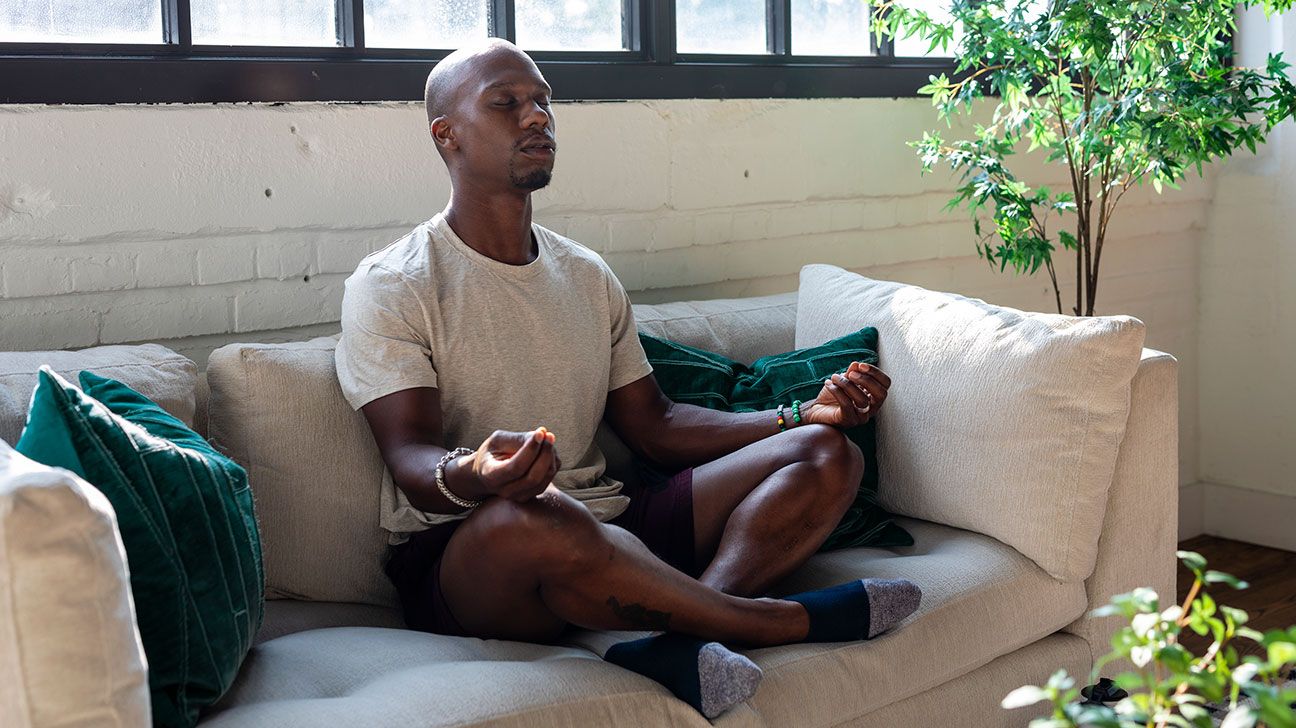
A central goal of meditation is gaining full awareness of the [present moment](https://psychcentral.com/blog/how-to-do-present-moment-awareness-meditation), which includes identifying thoughts in a nonjudgmental way. This can lead to a sense of calm and contentment by increasing your ability to mindfully tolerate all thoughts and feelings.
Meditation relieves stress and anxiety. [Mindfulness-based cognitive therapy (MBCT)](https://psychcentral.com/anxiety/using-mindfulness-to-treat-anxiety-disorders), a type of talk therapy that combines meditation and mindfulness strategies with [cognitive behavioral therapy (CBT)](https://www.healthline.com/health/cbt-techniques) techniques, may help.
A [randomized clinical trial](https://pubmed.ncbi.nlm.nih.gov/36350591/) reported in 2023 that an 8-week program of [mindfulness-based stress reduction (MBSR)](https://psychcentral.com/lib/using-mindfulness-to-approach-chronic-pain) meditation helped relieve anxiety symptoms as much as the frequently prescribed [antidepressant Lexapro](https://perks.optum.com/blog/how-long-does-it-take-for-lexapro-to-work).
### Eating a nutrient-dense diet
Low blood sugar levels, dehydration, or chemicals in processed foods may affect your mood. A high-sugar diet may also impact how you feel.
If your anxiety worsens after eating, consider checking your eating habits. Staying hydrated, eliminating processed foods, and eating a [balanced diet](https://www.healthline.com/health/balanced-diet) rich in complex carbohydrates, fruits and vegetables, and lean proteins may help with your symptoms.
### Practicing deep breathing
Shallow, fast breathing is common with anxiety. It may lead to a fast heart rate, dizziness or lightheadedness, or even a panic attack.
[Deep breathing exercises](https://www.healthline.com/health/breathing-exercise#deep-breathing) — the deliberate process of taking slow, even deep breaths — can help restore regular breathing patterns and reduce anxiety symptoms in the moment.
### Trying aromatherapy
Aromatherapy is a holistic healing treatment that has been used by humans for thousands of years. The practice uses natural plant extracts and essential oils to promote the health and well-being of the mind, body, and spirit.
The [essential oils](https://www.healthline.com/nutrition/what-are-essential-oils) created by the natural plant extracts may be inhaled directly or added to a warm bath or diffuser.
Aromatherapy may:
- boost relaxation
- help with optimal sleep
- elevate mood
- reduce heart rate
- balance blood pressure
Some essential oils believed to relieve anxiety are:
- bergamot
- lavender
- clary sage
- grapefruit
- ylang ylang
*While research suggests there are health benefits, the FDA doesn’t monitor or regulate the purity or quality of essential oils. It’s important to talk with a healthcare professional before you begin using essential oils and be sure to research the* [*quality*](https://greatist.com/health/best-essential-oils-how-to-buy-essential-oils) *of a brand’s products. Always do a* [*patch test*](https://greatist.com/health/patch-test) *before trying a new essential oil.*
### Drinking chamomile tea
A [2016 randomized clinical trial](https://www.sciencedirect.com/science/article/abs/pii/S094471131630188X) involving people with a GAD diagnosis showed that chamomile may be a powerful ally against the disorder. The study found that chamomile was safe long term and that it significantly reduced anxiety symptoms, although it did not decrease reoccurrence.
Researchers in a [2021 study](https://www.mdpi.com/2072-6643/13/2/530) suggest that chamomile’s anti-anxiety properties may stem from the activity of a flavonoid called [apigenin](https://www.healthline.com/nutrition/5-benefits-of-chamomile-tea). This flavonoid engages GABA receptors at the same binding sites targeted by anti-anxiety drugs like [Xanax](https://www.healthline.com/health/what-does-xanax-feel-like).
### Interested in other resources for mental health?
We’re here to help. Explore our [evidence-driven reviews](https://www.healthline.com/reviews/mental-health-services-and-products) of top providers, products, and more to support your physical and emotional well-being.
Optum Perks is owned by RVO Health. By clicking on this link, we may receive a commission. [Learn more.](https://www.healthline.com/about/brand-and-product-vetting)
## [How is anxiety treated?]()
Mental health professionals often prefer CBT for anxiety management. This talk therapy may be done in person or with an [online therapy platform](https://www.healthline.com/health/our-top-10-online-therapy-picks).
Medications, like [antidepressants and sedatives](https://www.healthline.com/health/anxiety-drugs), are another option for severe anxiety symptoms. They help to balance brain chemistry and reduce episodes of anxiety.
A combination of talk therapy, medications, and self-care can help you decrease the chance of severe anxiety episodes.
**»MORE:**[9 Best Online Therapy Services, Tested and Reviewed](https://www.healthline.com/health/our-top-10-online-therapy-picks)
## [Takeaway]()
Natural strategies like regular physical activity, aromatherapy, deep breathing, mindfulness, and chamomile tea may help you reduce anxiety symptoms.
If you feel your anxiety is getting worse, consider [professional help](https://www.healthline.com/health/anxiety-doctors). Talk therapy, prescription medication, or both, may help with severe or persistent anxiety.
[Read this article in Spanish](https://www.healthline.com/health/es/formas-naturales-para-reducir-la-ansiedad).
Sources
History
Healthline has strict sourcing guidelines and relies on peer-reviewed studies, academic research institutions, and medical journals and associations. We only use quality, credible sources to ensure content accuracy and integrity. You can learn more about how we ensure our content is accurate and current by reading our [editorial policy](https://www.healthline.com/about/process).
- Alcohol interferes with body's ability to regulate sleep. (2014).
<https://www.sciencedaily.com/releases/2014/12/141210162326.htm>
- Anderson E, et al. (2013). Effects of exercise and physical activity on anxiety.
<https://www.ncbi.nlm.nih.gov/pmc/articles/PMC3632802/>
- Charlet K, et al. (2016). Harm reduction— A systematic review on effects of alcohol reduction on physical and mental symptoms.
<https://onlinelibrary.wiley.com/doi/10.1111/adb.12414>
- Exercise for stress and anxiety. (2021).
<https://www.adaa.org/living-with-anxiety/managing-anxiety/exercise-stress-and-anxiety>
- Ford ES, et al. (2015). Trends in self-reported sleep duration among US adults from 1985 to 2012.
<https://academic.oup.com/sleep/article/38/5/829/2417009>
- How much sleep do I need? (2017).
<https://www.cdc.gov/sleep/about_sleep/how_much_sleep.html>
- Insomnia. (2020).
<https://familydoctor.org/condition/insomnia/>
- Marksbury K. (2012). Take a deep breath.
<https://www.stress.org/take-a-deep-breath/>
- Mao JJ, et al. (2014). Long-term chamomile therapy of generalized anxiety disorder: A study protocol for a randomized, double-blind, placebo- controlled trial.
<https://www.ncbi.nlm.nih.gov/pmc/articles/PMC5650245/>
- Meditation for anxiety and depression? (n.d.).
<http://www.hopkinsmedicine.org/news/media/releases/meditation_for_anxiety_and_depression>
- Moylan S, et al. (2013). How cigarette smoking may increase the risk of anxiety symptoms and anxiety disorders: A critical review of biological pathways.
<https://www.ncbi.nlm.nih.gov/pmc/articles/PMC3683289/>
- Peterson D. (2017). Depression and anxiety: Can essential oils help?
<http://info.achs.edu/blog/depression-and-anxiety-can-essential-oils-help>
- Shinomiya K, et al. (2005). Hypnotic activities of chamomile and passiflora extracts in sleep-disturbed rats.
<https://www.jstage.jst.go.jp/article/bpb/28/5/28_5_808/_article>
- Smith JP. (2012). Anxiety and alcohol use disorders: Comorbidity and treatment considerations.
<https://www.ncbi.nlm.nih.gov/pmc/articles/PMC3860396/>
- Tips for quitting. (2020).
<https://www.cdc.gov/tobacco/campaign/tips/quit-smoking/quit-smoking-medications/tips-for-quitting/index.html>
- Winston AP, et al. (2018). Neuropsychiatric effects on caffeine.
<http://apt.rcpsych.org/content/11/6/432>
- Working out boosts brain health. (2020).
<https://www.apa.org/topics/exercise-fitness/stress>
Share this article

[Medically reviewed]() by [Nicole Washington, DO, MPH]() — Written by Annette McDermott and [Karen Lamoreux]() — [Updated on March 13, 2024]()
© 2026 Healthline Media LLC. All rights reserved. Healthline Media is an RVO Health Company. Our website services, content, and products are for informational purposes only. Healthline Media does not provide medical advice, diagnosis, or treatment. [See additional information](https://www.healthline.com/additional-information).
- [About Us](https://www.healthline.com/about)
- [Contact Us](https://www.healthline.com/about/contact-us)
- [Privacy Policy](https://www.healthline.com/privacy-policy)
- Privacy Settings
- [Advertising Policy](https://www.healthline.com/advertising-policy)
- [Health Topics](https://www.healthline.com/directory/topics)
- [Sitemap](https://www.healthline.com/sitemap)
- [Medical Affairs](https://www.healthline.com/medical-team)
- [Content Integrity](https://www.healthline.com/about/content-integrity)
- [Newsletters](https://www.healthline.com/newsletter-signup)
- © 2026 Healthline Media LLC. All rights reserved. Healthline Media is an RVO Health Company. Our website services, content, and products are for informational purposes only. Healthline Media does not provide medical advice, diagnosis, or treatment. [See additional information](https://www.healthline.com/additional-information).
© 2026 Healthline Media LLC. All rights reserved. Healthline Media is an RVO Health Company. Our website services, content, and products are for informational purposes only. Healthline Media does not provide medical advice, diagnosis, or treatment. [See additional information](https://www.healthline.com/additional-information).
[About](https://www.healthlinemedia.com/?utm_source=healthline.com&utm_medium=site&utm_campaign=footer&utm_content=about)[Careers](https://rvohealth.com/careers)[Advertise with us](https://www.healthlinemedia.com/advertise?utm_source=healthline.com&utm_medium=site&utm_campaign=footer&utm_content=advertise)
OUR BRANDS
[Healthline](https://www.healthline.com/)[Medical News Today](https://www.medicalnewstoday.com/)[Greatist](https://greatist.com/)[Psych Central](https://psychcentral.com/)[Bezzy](https://bezzy.com/)
 |
| Readable Markdown | Staying active
A 2021 study found that people with physically active lifestyles have about a [60% lower chance](https://www.frontiersin.org/articles/10.3389/fpsyt.2021.714014/full) of developing anxiety symptoms. This percentage was compared to matched individuals in a general population of about 400,000 people followed over 21 years.
Exercise often diverts your attention from thoughts that may increase your anxiety. Getting your heart rate up also generates changes in the brain chemistry, including in anti-anxiety brain messengers (neurotransmitters), like:
- [serotonin](https://www.healthline.com/health/mental-health/serotonin)
- [gamma-aminobutyric acid (GABA)](https://www.healthline.com/health/gamma-aminobutyric-acid#What-is-GABA?)
- brain-derived neurotrophic factor (BDNF)
- [endocannabinoids](https://www.healthline.com/health/endocannabinoid-system)
Limiting alcohol intake
Drinking high amounts of alcohol may interfere with brain messengers (neurotransmitters) involved in regulating your mood. This interference may cause an imbalance that could manifest as symptoms of anxiety.
A [2022 study](https://www.ncbi.nlm.nih.gov/pmc/articles/PMC10104364/) conducted across 36 years showed that alcohol disrupts your body’s natural ability to sleep and may further diminish sleep quality over time. Sleep deprivation may increase your risk of developing chronic sleep problems. A good night’s sleep is incredibly helpful when managing anxiety.
If you’re used to regular alcohol intake, anxiety symptoms may temporarily increase at first when you stop drinking. However, these often improve in the long run.
Stopping tobacco use
A [2020 review](https://link.springer.com/article/10.1007/s11920-020-01160-5) gathered evidence that smoking cigarettes and anxiety symptoms often coexist. Consistent findings showed that people with anxiety are more likely to use tobacco. Additionally, a [2023 study](https://jamanetwork.com/journals/jamanetworkopen/fullarticle/2805442) found that stopping smoking significantly improved anxiety symptoms.
A [2020 study](https://academic.oup.com/scan/article/15/8/849/5878977) also suggests that nicotine and other chemicals in cigarette smoke alter pathways in the brain linked to anxiety and panic disorder symptoms.
You can also take up habits that may distract you to create an environment that works for your smoke-free life. Additionally, you can make a plan with a support system that can provide everything from encouragement to distractions.
Limiting caffeine intake
Caffeine may cause or worsen anxiety disorders. A [2022 review](https://www.sciencedirect.com/science/article/pii/S0163834321001614) of 10 studies reported that caffeine may increase both anxiety and panic attacks in people living with and without panic disorder. In some people, eliminating caffeine significantly improved symptoms.
The Diagnostic and Statistical Manual of Mental Disorders, 5th edition, text revision (DSM-5-TR), officially recognizes [caffeine-induced anxiety disorder](https://www.ncbi.nlm.nih.gov/pmc/articles/PMC5445139/). The DSM-5-TR, published by the American Psychiatric Association, is the reference handbook most U.S. mental health professionals use.
Caffeine-induced anxiety disorder involves caffeine interfering with daily functioning. A diagnosis requires that a person experiences anxiety symptoms related to caffeine consumption.
A
[2021 review](https://www.ncbi.nlm.nih.gov/pmc/articles/PMC8467199/)
indicated that caffeine increases alertness by blocking the brain chemical adenosine (which is what makes you feel tired), while at the same time triggering the release of [adrenaline](https://www.healthline.com/health/adrenaline-rush), known as the fight-or-flight hormone.
With all this being said, [a moderate intake of caffeine](https://www.healthline.com/health/caffeine-and-anxiety) is safe for most people.
However, if you’re looking to cut back or completely cut out caffeine, you’ll want to start by slowly reducing the amount of caffeine you drink daily.
Gradually reducing your caffeine over the course of a few weeks can help adjust the habit without the body going through withdrawal.
Prioritizing getting a good night’s rest
Even though a 2018 survey of 400,000 people showed that nearly [a third of adults](https://academic.oup.com/sleep/article/42/2/zsy221/5185637) get less than 6 hours of sleep a night, the CDC recommends [7 or more hours](https://www.cdc.gov/sleep/about_sleep/how_much_sleep.html) every day.
You can improve your sleep hygiene by:
- sleeping when you’re tired
- avoiding television or reading in bed
- limiting phone, tablet, or computer use in bed
- getting up instead of tossing and turning in your bed
- going to another room (even if it’s the bathroom) if you can’t sleep
- skipping caffeine, large meals, and nicotine before bedtime
- keeping your room dark and at a comfortable temperature
- writing down your thoughts before going to bed
- going to sleep around the same time each day
Meditating and practicing mindfulness
A central goal of meditation is gaining full awareness of the [present moment](https://psychcentral.com/blog/how-to-do-present-moment-awareness-meditation), which includes identifying thoughts in a nonjudgmental way. This can lead to a sense of calm and contentment by increasing your ability to mindfully tolerate all thoughts and feelings.
Eating a nutrient-dense diet
Low blood sugar levels, dehydration, or chemicals in processed foods may affect your mood. A high-sugar diet may also impact how you feel.
If your anxiety worsens after eating, consider checking your eating habits. Staying hydrated, eliminating processed foods, and eating a [balanced diet](https://www.healthline.com/health/balanced-diet) rich in complex carbohydrates, fruits and vegetables, and lean proteins may help with your symptoms.
Practicing deep breathing
Shallow, fast breathing is common with anxiety. It may lead to a fast heart rate, dizziness or lightheadedness, or even a panic attack.
[Deep breathing exercises](https://www.healthline.com/health/breathing-exercise#deep-breathing) — the deliberate process of taking slow, even deep breaths — can help restore regular breathing patterns and reduce anxiety symptoms in the moment.
Trying aromatherapy
Aromatherapy is a holistic healing treatment that has been used by humans for thousands of years. The practice uses natural plant extracts and essential oils to promote the health and well-being of the mind, body, and spirit.
The [essential oils](https://www.healthline.com/nutrition/what-are-essential-oils) created by the natural plant extracts may be inhaled directly or added to a warm bath or diffuser.
Aromatherapy may:
- boost relaxation
- help with optimal sleep
- elevate mood
- reduce heart rate
- balance blood pressure
Some essential oils believed to relieve anxiety are:
- bergamot
- lavender
- clary sage
- grapefruit
- ylang ylang
*While research suggests there are health benefits, the FDA doesn’t monitor or regulate the purity or quality of essential oils. It’s important to talk with a healthcare professional before you begin using essential oils and be sure to research the* [*quality*](https://greatist.com/health/best-essential-oils-how-to-buy-essential-oils) *of a brand’s products. Always do a* [*patch test*](https://greatist.com/health/patch-test) *before trying a new essential oil.*
Drinking chamomile tea
A [2016 randomized clinical trial](https://www.sciencedirect.com/science/article/abs/pii/S094471131630188X) involving people with a GAD diagnosis showed that chamomile may be a powerful ally against the disorder. The study found that chamomile was safe long term and that it significantly reduced anxiety symptoms, although it did not decrease reoccurrence.
Researchers in a [2021 study](https://www.mdpi.com/2072-6643/13/2/530) suggest that chamomile’s anti-anxiety properties may stem from the activity of a flavonoid called [apigenin](https://www.healthline.com/nutrition/5-benefits-of-chamomile-tea). This flavonoid engages GABA receptors at the same binding sites targeted by anti-anxiety drugs like [Xanax](https://www.healthline.com/health/what-does-xanax-feel-like).
Optum Perks is owned by RVO Health. By clicking on this link, we may receive a commission. [Learn more.](https://www.healthline.com/about/brand-and-product-vetting)
Mental health professionals often prefer CBT for anxiety management. This talk therapy may be done in person or with an [online therapy platform](https://www.healthline.com/health/our-top-10-online-therapy-picks).
Medications, like [antidepressants and sedatives](https://www.healthline.com/health/anxiety-drugs), are another option for severe anxiety symptoms. They help to balance brain chemistry and reduce episodes of anxiety.
A combination of talk therapy, medications, and self-care can help you decrease the chance of severe anxiety episodes.
Natural strategies like regular physical activity, aromatherapy, deep breathing, mindfulness, and chamomile tea may help you reduce anxiety symptoms.
If you feel your anxiety is getting worse, consider [professional help](https://www.healthline.com/health/anxiety-doctors). Talk therapy, prescription medication, or both, may help with severe or persistent anxiety. |
| Shard | 98 (laksa) |
| Root Hash | 11478817528691466898 |
| Unparsed URL | com,healthline!www,/health/natural-ways-to-reduce-anxiety s443 |