ℹ️ Skipped - page is already crawled
| Filter | Status | Condition | Details |
|---|---|---|---|
| HTTP status | PASS | download_http_code = 200 | HTTP 200 |
| Age cutoff | PASS | download_stamp > now() - 6 MONTH | 2.5 months ago |
| History drop | PASS | isNull(history_drop_reason) | No drop reason |
| Spam/ban | PASS | fh_dont_index != 1 AND ml_spam_score = 0 | ml_spam_score=0 |
| Canonical | PASS | meta_canonical IS NULL OR = '' OR = src_unparsed | Not set |
| Property | Value |
|---|---|
| URL | https://www.health.harvard.edu/staying-healthy/moderate-amounts-of-coffee-are-the-best |
| Last Crawled | 2026-02-01 05:23:19 (2 months ago) |
| First Indexed | 2020-10-24 09:40:07 (5 years ago) |
| HTTP Status Code | 200 |
| Meta Title | Moderate amounts of coffee are the best - Harvard Health |
| Meta Description | Drinking no more than four or five 8-ounce cups of coffee per day—equal to about 400 milligrams of caffeine—helps people get the drink's health benefits with a lower risk of caffeine side effects like anxiety and nervousness. |
| Meta Canonical | null |
| Boilerpipe Text | Coffee has had a hot-and-cold reputation when it comes to health benefits. Drinking two to five daily cups of coffee may protect against heart disease, diabetes, and some cancers, but too much can cause problems like anxiety, nervousness, and insomnia. Now, a review of existing research suggests that a moderate approach to coffee is the best medicine. The results were published July 23, 2020, in
The New England Journal of Medicine
.
Based on their review of 95 studies, the authors suggest limiting total caffeine consumption from all beverages, including coffee, to 400 milligrams per day. That's equal to about four to five 8-ounce cups of most regular coffees. This amount helps people get much of the benefit of coffee but with a lower risk of caffeine's side effects, according to the researchers.
Scientists can't say for sure why coffee is healthy. Given that the benefits are more strongly related to coffee compared with other caffeinated drinks, they likely result from ingredients in coffee other than caffeine. Coffee also contains a combination of phytochemicals, magnesium, potassium, and vitamin B, all of which have shown to lower oxidative stress and improve metabolism.
The experts pointed out that some people metabolize caffeine faster than others, and thus can consume higher amounts of coffee with no problems. In any case, keeping tabs on your daily cups of joe can ensure your health gets a jolt without overdoing it.
Image: © mediaphotos/Getty Images |
| Markdown | 
[Harvard Health Publishing ](https://www.health.harvard.edu/)
[Harvard Health Publishing](https://www.health.harvard.edu/)
[HarvardHealthOnline+](https://www.health.harvard.edu/hho-plus?utm_source=site&utm_medium=web&utm_campaign=top_button)
Search
[Customer Service](https://www.health.harvard.edu/customer-service) [Content Licensing](https://www.health.harvard.edu/licensing) [About Us](https://www.health.harvard.edu/about-us)
[Log In](https://www.health.harvard.edu/login)
Open mobile menu
[Free HealthBeat Signup](https://www.health.harvard.edu/healthbeat)
Shop
[Subscriptions](https://www.health.harvard.edu/subscribe) [Special Health Reports](https://www.health.harvard.edu/special-health-reports) [Online Courses](https://www.harvardhealthonlinelearning.com/catalog)
[Pay Subscription Bill](https://www.health.harvard.edu/pay-bill)
[Common Conditions](https://www.health.harvard.edu/category/common-conditions) [Staying Healthy](https://www.health.harvard.edu/category/staying-healthy) [Resources](https://www.health.harvard.edu/resources) [Blog](https://www.health.harvard.edu/blog) [COVID-19 Updates](https://www.health.harvard.edu/diseases-and-conditions/coronavirus-resource-center)
Close menu
[HarvardHealthOnline+](https://www.health.harvard.edu/hho-plus?utm_source=site&utm_medium=web&utm_campaign=mobile_button)
## Main Content
- [Common Conditions](https://www.health.harvard.edu/category/common-conditions)
- [Staying Healthy](https://www.health.harvard.edu/category/staying-healthy)
- [Resources](https://www.health.harvard.edu/resources)
- [Blog](https://www.health.harvard.edu/blog)
## Helpful Links
- [Customer Service](https://www.health.harvard.edu/customer-service)
- [About Us](https://www.health.harvard.edu/about-us)
- [Content Licensing](https://www.health.harvard.edu/licensing)
- [Free Healthbeat Signup](https://www.health.harvard.edu/healthbeat)
- [Subscriptions](https://www.health.harvard.edu/subscribe)
- [Special Health Reports](https://www.health.harvard.edu/special-health-reports)
- [Online Courses](https://www.harvardhealthonlinelearning.com/)
- [Pay Subscription Bill](https://www.health.harvard.edu/pay-bill)
Close
Recent Articles
[ Trying to lose weight? Be careful not to lose muscle](https://www.health.harvard.edu/staying-healthy/trying-to-lose-weight-be-careful-not-to-lose-muscle)
[ Is your skin problem actually an autoimmune condition?](https://www.health.harvard.edu/diseases-and-conditions/is-your-skin-problem-actually-an-autoimmune-condition)
[ People with diabetes face higher risk of hearing loss](https://www.health.harvard.edu/diseases-and-conditions/people-with-diabetes-face-higher-risk-of-hearing-loss)
[ Antibiotic-free fixes for recurrent UTIs](https://www.health.harvard.edu/womens-health/antibiotic-free-fixes-for-recurrent-utis)
[ Musculoskeletal syndrome of menopause: When menopause makes you ache all over](https://www.health.harvard.edu/womens-health/musculoskeletal-syndrome-of-menopause-when-menopause-makes-you-ache-all-over)
[ When can older women stop getting mammograms?](https://www.health.harvard.edu/womens-health/when-can-older-women-stop-getting-mammograms)
[ To lose weight, especially harmful belly fat, combine diet and exercise](https://www.health.harvard.edu/staying-healthy/to-lose-weight-especially-harmful-belly-fat-combine-diet-and-exercise)
[ Can men hold off on treating recurring prostate cancer?](https://www.health.harvard.edu/blog/can-men-hold-off-on-treating-recurring-prostate-cancer-202512193108)
[ The 7 types of rest and why we need them all](https://www.health.harvard.edu/mind-and-mood/the-7-types-of-rest-and-why-we-need-them-all)
[ What are the early warning signs of cervical cancer?](https://www.health.harvard.edu/cancer/what-are-the-early-warning-signs-of-cervical-cancer)
/
[Staying Healthy](https://www.health.harvard.edu/topics/staying-healthy)
# Moderate amounts of coffee are the best
## In the journals
November 1, 2020
Share
[Share this page to Facebook](https://www.facebook.com/sharer/sharer.php?u=https%3A%2F%2Fwww.health.harvard.edu%2Fstaying-healthy%2Fmoderate-amounts-of-coffee-are-the-best&display=popup)
[Share this page to X](https://twitter.com/intent/tweet?original_referer=https%3A%2F%2Fwww.health.harvard.edu%2Fstaying-healthy%2Fmoderate-amounts-of-coffee-are-the-best&text=Moderate%20amounts%20of%20coffee%20are%20the%20best%20-%20Harvard%20Health&tw_p=tweetbutton&url=https%3A%2F%2Fwww.health.harvard.edu%2Fstaying-healthy%2Fmoderate-amounts-of-coffee-are-the-best)
[Share this page via Email](<mailto:?subject=Great health news for you from the experts at Harvard&body=Check out this link from Harvard Health: Moderate amounts of coffee are the best - https://www.health.harvard.edu/staying-healthy/moderate-amounts-of-coffee-are-the-best>)
Copy this page to clipboard
Print This Page
Click to Print
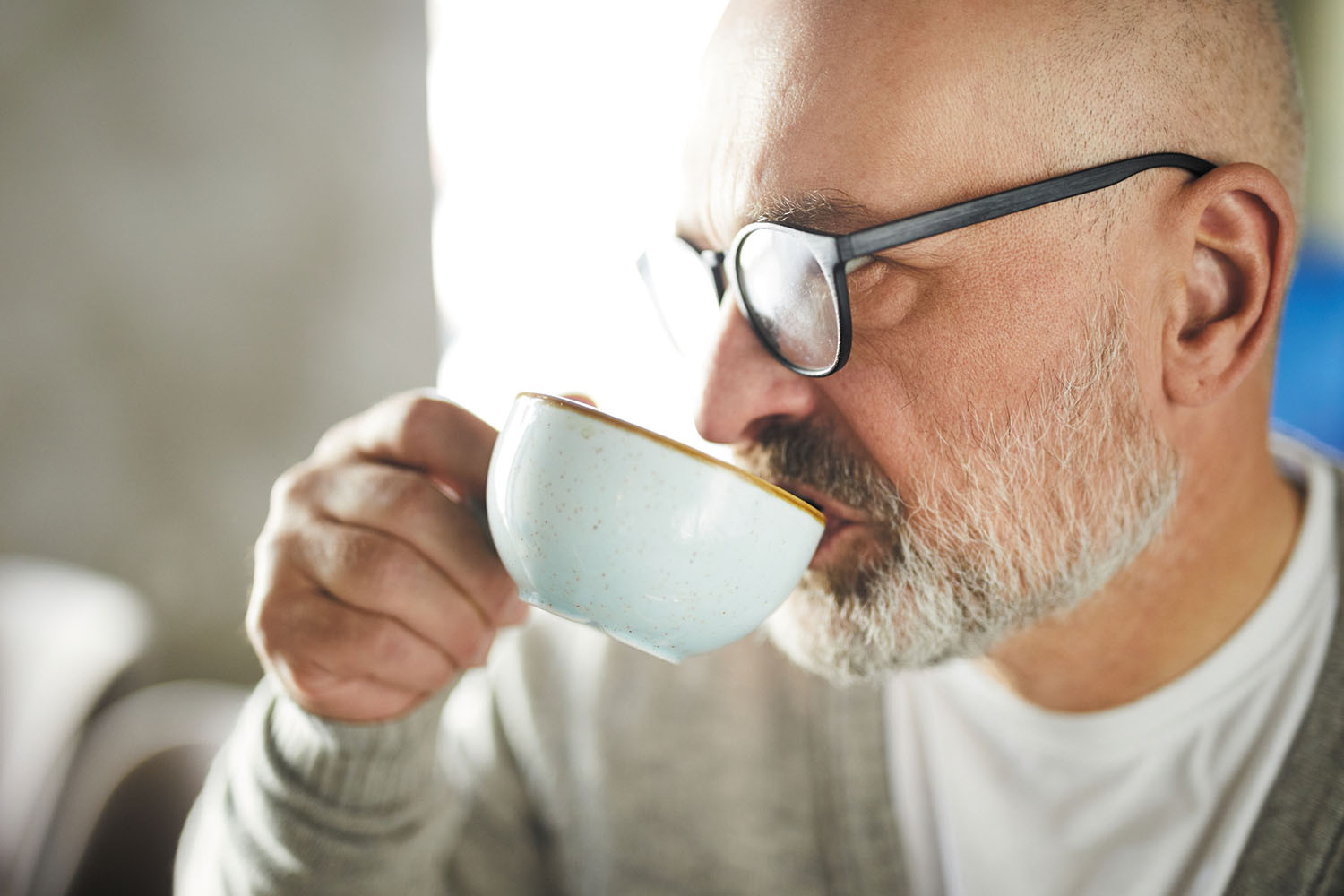
Coffee has had a hot-and-cold reputation when it comes to health benefits. Drinking two to five daily cups of coffee may protect against heart disease, diabetes, and some cancers, but too much can cause problems like anxiety, nervousness, and insomnia. Now, a review of existing research suggests that a moderate approach to coffee is the best medicine. The results were published July 23, 2020, in *The New England Journal of Medicine*.
Based on their review of 95 studies, the authors suggest limiting total caffeine consumption from all beverages, including coffee, to 400 milligrams per day. That's equal to about four to five 8-ounce cups of most regular coffees. This amount helps people get much of the benefit of coffee but with a lower risk of caffeine's side effects, according to the researchers.
Scientists can't say for sure why coffee is healthy. Given that the benefits are more strongly related to coffee compared with other caffeinated drinks, they likely result from ingredients in coffee other than caffeine. Coffee also contains a combination of phytochemicals, magnesium, potassium, and vitamin B, all of which have shown to lower oxidative stress and improve metabolism.
The experts pointed out that some people metabolize caffeine faster than others, and thus can consume higher amounts of coffee with no problems. In any case, keeping tabs on your daily cups of joe can ensure your health gets a jolt without overdoing it.
**Image: © mediaphotos/Getty Images**
Share
[Share this page to Facebook](https://www.facebook.com/sharer/sharer.php?u=https%3A%2F%2Fwww.health.harvard.edu%2Fstaying-healthy%2Fmoderate-amounts-of-coffee-are-the-best&display=popup)
[Share this page to X](https://twitter.com/intent/tweet?original_referer=https%3A%2F%2Fwww.health.harvard.edu%2Fstaying-healthy%2Fmoderate-amounts-of-coffee-are-the-best&text=Moderate%20amounts%20of%20coffee%20are%20the%20best%20-%20Harvard%20Health&tw_p=tweetbutton&url=https%3A%2F%2Fwww.health.harvard.edu%2Fstaying-healthy%2Fmoderate-amounts-of-coffee-are-the-best)
[Share this page via Email](<mailto:?subject=Great health news for you from the experts at Harvard&body=Check out this link from Harvard Health: Moderate amounts of coffee are the best - https://www.health.harvard.edu/staying-healthy/moderate-amounts-of-coffee-are-the-best>)
Copy this page to clipboard
Print This Page
Click to Print
## Disclaimer:
As a service to our readers, Harvard Health Publishing provides access to our library of archived content. Please note the date of last review or update on all articles.
No content on this site, regardless of date, should ever be used as a substitute for direct medical advice from your doctor or other qualified clinician.
Recent Articles
[ Trying to lose weight? Be careful not to lose muscle](https://www.health.harvard.edu/staying-healthy/trying-to-lose-weight-be-careful-not-to-lose-muscle)
[ Is your skin problem actually an autoimmune condition?](https://www.health.harvard.edu/diseases-and-conditions/is-your-skin-problem-actually-an-autoimmune-condition)
[ People with diabetes face higher risk of hearing loss](https://www.health.harvard.edu/diseases-and-conditions/people-with-diabetes-face-higher-risk-of-hearing-loss)
[ Antibiotic-free fixes for recurrent UTIs](https://www.health.harvard.edu/womens-health/antibiotic-free-fixes-for-recurrent-utis)
[ Musculoskeletal syndrome of menopause: When menopause makes you ache all over](https://www.health.harvard.edu/womens-health/musculoskeletal-syndrome-of-menopause-when-menopause-makes-you-ache-all-over)
[ When can older women stop getting mammograms?](https://www.health.harvard.edu/womens-health/when-can-older-women-stop-getting-mammograms)
[ To lose weight, especially harmful belly fat, combine diet and exercise](https://www.health.harvard.edu/staying-healthy/to-lose-weight-especially-harmful-belly-fat-combine-diet-and-exercise)
[ Can men hold off on treating recurring prostate cancer?](https://www.health.harvard.edu/blog/can-men-hold-off-on-treating-recurring-prostate-cancer-202512193108)
[ The 7 types of rest and why we need them all](https://www.health.harvard.edu/mind-and-mood/the-7-types-of-rest-and-why-we-need-them-all)
[ What are the early warning signs of cervical cancer?](https://www.health.harvard.edu/cancer/what-are-the-early-warning-signs-of-cervical-cancer)
/
## Related Topics
[ Cancer How many servings of cruciferous vegetables should you eat to fight colon cancer?](https://www.health.harvard.edu/cancer/how-many-servings-of-cruciferous-vegetables-should-you-eat-to-fight-colon-cancer)
[ Women's Health What raises your risk for gynecologic cancer?](https://www.health.harvard.edu/womens-health/what-raises-your-risk-for-gynecologic-cancer)
[ Cancer DASH diet tied to lower colorectal cancer risk](https://www.health.harvard.edu/cancer/dash-diet-tied-to-lower-colorectal-cancer-risk)
[Cancer](https://www.health.harvard.edu/topics/cancer) [Diabetes](https://www.health.harvard.edu/topics/diabetes) [Heart Disease](https://www.health.harvard.edu/topics/heart-disease) [Nutrition](https://www.health.harvard.edu/topics/nutrition) [Vitamins & Supplements](https://www.health.harvard.edu/topics/vitamins-and-supplements)
## Free Healthbeat Signup
Get the latest in health news delivered to your inbox\!
[Sign Up](https://www.health.harvard.edu/healthbeat)
## Footer
[Harvard Health Publishing ](https://www.health.harvard.edu/)
[Facebook](https://www.facebook.com/HarvardHealthPublications)
[X (formerly known as Twitter)](https://x.com/harvardhealth)
[Linkedin](https://www.linkedin.com/company/harvard-health-publications/)
[YouTube](https://www.youtube.com/channel/UC-jj29vMMB1ulz_uEU5kUrA)
### My Account
- [Customer Service](https://www.health.harvard.edu/customer-service)
- [Log in](https://www.health.harvard.edu/login)
### Order Now
- [Online Learning Courses](https://www.harvardhealthonlinelearning.com/)
- [Digital Subscriptions](https://www.health.harvard.edu/subscribe)
- [Special Health Reports](https://www.health.harvard.edu/special-health-reports)
- [Print Subscriptions](https://www.health.harvard.edu/newsletters)
### More
- [About Us](https://www.health.harvard.edu/about-us)
- [Permissions](https://www.health.harvard.edu/permissions)
- [Content Licensing](https://www.health.harvard.edu/licensing)
- [Topics](https://www.health.harvard.edu/topics)
- [Trademark Notice](https://trademark.harvard.edu/pages/trademark-notice)
© 2026 [Harvard Health Publishing®](https://trademark.harvard.edu/pages/trademark-notice) of The President and Fellows of Harvard College
[Do not sell my personal information](https://www.health.harvard.edu/privacy-policy#california-residents) \| [Privacy Policy and Terms of Use](https://www.health.harvard.edu/privacy-policy)
[Scroll To Top](https://www.health.harvard.edu/staying-healthy/moderate-amounts-of-coffee-are-the-best#app)
Close

Thanks for visiting. Don't miss your FREE gift.
**25 Gut Health Hacks is yours absolutely FREE when you sign up to receive health information from Harvard Medical School.**
Sign up to get tips for living a healthy lifestyle, with ways to lessen **digestion** problems…keep **inflammation** under control…learn simple exercises to improve your **balance**…understand your options for **cataract** treatment…all delivered to your email box FREE.
Close

Health Alerts from Harvard Medical School
**And a FREE copy of the new report 25 Gut Health Hacks\!**
Sign up to receive HealthBeat emails from Harvard Health Publishing and get helpful tips and guidance for ways to lessen digestion problems… keep inflammation under control… learn simple exercises to improve your balance… understand your options for cataract treatment… all delivered to your email inbox FREE. PLUS, you'll get the latest news on medical advances and breakthroughs from Harvard Medical School experts, and special offers on content from Harvard Health Publishing.
Close

Stay on top of latest health news from Harvard Medical School.
Plus, get a FREE copy of **25 Gut Health Hacks**.
Close

Stay on top of latest health news from Harvard Medical School.
Plus, get a FREE copy of **25 Gut Health Hacks**.
 |
| Readable Markdown | 
Coffee has had a hot-and-cold reputation when it comes to health benefits. Drinking two to five daily cups of coffee may protect against heart disease, diabetes, and some cancers, but too much can cause problems like anxiety, nervousness, and insomnia. Now, a review of existing research suggests that a moderate approach to coffee is the best medicine. The results were published July 23, 2020, in *The New England Journal of Medicine*.
Based on their review of 95 studies, the authors suggest limiting total caffeine consumption from all beverages, including coffee, to 400 milligrams per day. That's equal to about four to five 8-ounce cups of most regular coffees. This amount helps people get much of the benefit of coffee but with a lower risk of caffeine's side effects, according to the researchers.
Scientists can't say for sure why coffee is healthy. Given that the benefits are more strongly related to coffee compared with other caffeinated drinks, they likely result from ingredients in coffee other than caffeine. Coffee also contains a combination of phytochemicals, magnesium, potassium, and vitamin B, all of which have shown to lower oxidative stress and improve metabolism.
The experts pointed out that some people metabolize caffeine faster than others, and thus can consume higher amounts of coffee with no problems. In any case, keeping tabs on your daily cups of joe can ensure your health gets a jolt without overdoing it.
**Image: © mediaphotos/Getty Images** |
| Shard | 102 (laksa) |
| Root Hash | 2971912334127662702 |
| Unparsed URL | edu,harvard!health,www,/staying-healthy/moderate-amounts-of-coffee-are-the-best s443 |