ℹ️ Skipped - page is already crawled
| Filter | Status | Condition | Details |
|---|---|---|---|
| HTTP status | PASS | download_http_code = 200 | HTTP 200 |
| Age cutoff | PASS | download_stamp > now() - 6 MONTH | 2.2 months ago |
| History drop | PASS | isNull(history_drop_reason) | No drop reason |
| Spam/ban | PASS | fh_dont_index != 1 AND ml_spam_score = 0 | ml_spam_score=0 |
| Canonical | PASS | meta_canonical IS NULL OR = '' OR = src_unparsed | Not set |
| Property | Value | |||||||||
|---|---|---|---|---|---|---|---|---|---|---|
| URL | https://www.health.harvard.edu/abnormal-rhythms-of-the-atria | |||||||||
| Last Crawled | 2026-02-17 06:47:15 (2 months ago) | |||||||||
| First Indexed | not set | |||||||||
| HTTP Status Code | 200 | |||||||||
| Content | ||||||||||
| Meta Title | Abnormal rhythms of the atria - Harvard Health | |||||||||
| Meta Description | Atrial fibrillation is a common heart condition in which the heart's upper chambers quiver instead of contracting forcefully, causing the heart to pump blood less efficiently. | |||||||||
| Meta Canonical | null | |||||||||
| Boilerpipe Text | Several kinds of abnormal heart rhythm (arrhythmia) occur in the heart's upper chambers (the atria). These include atrial fibrillation, atrial flutter, atrial tachycardia, and paroxysmal atrial tachycardia or paroxysmal supraventricular tachycardia.
Atrial fibrillation
is a common heart rhythm disturbance. More than 2.5 million Americans have it. Instead of forcefully contracting in a coordinated manner, the walls of the left and right atria quiver and do not effectively pump blood into the ventricles.
Sometimes atrial fibrillation comes and goes, and sometimes it stays constant. As with many heart rhythm abnormalities, atrial fibrillation is often caused by coronary artery disease.
It can occur in people who have otherwise healthy hearts, but it is more common in those who have a heart valve disorder, an overactive thyroid gland, lung disease, a blood clot lodged in a lung, and inflammation of the heart's lining.
You may be interested in...
An alarming one in three American adults has high blood pressure. Known medically as hypertension, many people don't even know they have it, because high blood pressure has no symptoms or warning signs. But when elevated blood pressure is accompanied by abnormal cholesterol and blood sugar levels, the damage to your arteries, kidneys, and heart accelerates exponentially. Fortunately, high blood pressure is easy to detect and treat. In the Special Health Report, Controlling Your Blood Pressure, find out how to keep blood pressure in a healthy range simply by making lifestyle changes, such as losing weight, increasing activity, and eating more healthfully.
LEARN MORE
Atrial fibrillation is important for three reasons:
It can signal the presence of another disorder.
The heart pumps blood less efficiently, making it work harder.
Blood can pool in the atria and form clots. Such clots can travel from the heart and lodge in an artery in another part of the body. If one of these clots blocks a vessel in the brain, it can cause a stroke. Atrial fibrillation causes about 15% of all strokes.
Atrial flutter
is similar to atrial fibrillation, but the contractions of the atria are more regular. They are still not as efficient as they should be at moving blood from the atria into the ventricles. In atrial flutter, the heart can be forced to beat at a dangerously fast rate. Although they are two different rhythm abnormalities, atrial fibrillation can develop and coexist in people who have atrial flutter.
Tachycardia means that the heart beats faster than it should.
Atrial tachycardia
occurs when electrical impulses are generated from somewhere in the atria other than the sinoatrial (SA) node—the heart's natural pacemaker. The result is a faster-than-usual but very regular heartbeat.
When this condition comes on suddenly and lasts between a few seconds to several hours, it is called
paroxysmal atrial tachycardia
or
paroxysmal supraventricular tachycardia
. These are often the result of a disruption in the heart's triggering signal as it travels through the atrioventricular node. The condition can occur in people who have no underlying heart disease, often during emotional stress. It is aggravating, but is usually not a serious problem. It also can occur if you are born with unusual electrical pathways in your heart, in which case it can be a more serious problem.
Wandering atrial pacemaker
and
multifocal atrial tachycardia
are examples of atrial rhythm disturbances in which frequent, unpredictable beats arise from different areas of the atria. These disturbances are usually an indication of lung or heart disease, serious metabolic disturbances, or toxicity of certain medicines.
Symptoms
Abnormal rhythms of the atria may cause no symptoms at all. Some people feel palpitations—the sensation that your heart is racing at a fast pace, fluttering, or "flip-flopping."
It is very common for people to feel palpitations. Palpitations alone are no cause for alarm. However, if the abnormal rhythm is making the heart pump less efficiently, these symptoms may appear:
fatigue
breathlessness
dizziness
chest pressure or tightness.
If you have these symptoms along with palpitations, call your doctor.
Diagnosis
The main way to detect an abnormal heart rhythm is with an electrocardiogram. This test uses a series of pads placed on the body to analyze the heartbeat.
If the rhythm comes and goes, you may need to wear a Holter monitor, which records every heartbeat for 24 hours. Some people need to use an event monitor for days or weeks. Newer versions can be implanted in the chest.
Treatment
Wandering atrial pacemaker and multifocal atrial tachycardia usually do not cause serious symptoms or require treatment.
Attacks of atrial tachycardia or paroxysmal atrial tachycardia can often be stopped by various maneuvers you can perform yourself (see Home Remedies for Paroxysmal Atrial Tachycardia). If these don't work, drugs such as beta blockers or calcium channel blockers can prevent or abort an attack.
Atrial fibrillation or atrial flutter require immediate treatment if you are having chest pain or heart failure or your heartbeat is very fast. The ideal treatment for atrial fibrillation is to reestablish a normal heart rhythm and then maintain it with the use of medicines.
There are several ways to reestablish a normal rhythm. One of the most effective is cardioversion. This is a carefully administered electrical shock to the heart that interrupts the abnormal heart rhythm and "reboots" the pacemaker, allowing for a normal rhythm.
Sometimes a beta blockers or medication called amiodarone can bring the heart rate back to normal. When the abnormal rhythms are caused by abnormal electrical pathways in the heart and cannot be successfully treated with drugs, your doctor may recommend a treatment called radiofrequency ablation.
In this procedure, a small wire called a catheter is threaded into the heart. Radio waves from the tip of the catheter destroy the abnormal pathways.
An implantable device can be used to detect recurring atrial fibrillation and deliver a small shock to the heart to make the rhythm regular again. This is similar to an implantable defibrillator used to correct abnormal rhythms of the ventricles.
If your heart won't stay in a normal rhythm, there are two main treatment options:
The first choice is usually
rate control
. Medications such as beta blockers, digitalis, and calcium channel blockers can keep your heart rate from going too fast. Your symptoms should disappear once the drugs begin to control your heart rate.
Another option is
rhythm control
. Various medications can bring the heart rhythm under control. However, these can be risky due to serious side effects and the necessity for heart monitoring when starting some of them.
In addition, most people with atrial fibrillation need to take warfarin or other blood-thinning medications to prevent formation of potentially stroke-causing blood clots in the atria. | |||||||||
| Markdown | 
[Harvard Health Publishing ](https://www.health.harvard.edu/)
[Harvard Health Publishing](https://www.health.harvard.edu/)
[HarvardHealthOnline+](https://www.health.harvard.edu/hho-plus?utm_source=site&utm_medium=web&utm_campaign=top_button)
Search
[Customer Service](https://www.health.harvard.edu/customer-service) [Content Licensing](https://www.health.harvard.edu/licensing) [About Us](https://www.health.harvard.edu/about-us)
[Log In](https://www.health.harvard.edu/login)
Open mobile menu
[Free HealthBeat Signup](https://www.health.harvard.edu/healthbeat)
Shop
[Subscriptions](https://www.health.harvard.edu/subscribe) [Special Health Reports](https://www.health.harvard.edu/special-health-reports) [Online Courses](https://www.harvardhealthonlinelearning.com/catalog)
[Pay Subscription Bill](https://www.health.harvard.edu/pay-bill)
[Common Conditions](https://www.health.harvard.edu/category/common-conditions) [Staying Healthy](https://www.health.harvard.edu/category/staying-healthy) [Resources](https://www.health.harvard.edu/resources) [Blog](https://www.health.harvard.edu/blog) [COVID-19 Updates](https://www.health.harvard.edu/diseases-and-conditions/coronavirus-resource-center)
Close menu
[HarvardHealthOnline+](https://www.health.harvard.edu/hho-plus?utm_source=site&utm_medium=web&utm_campaign=mobile_button)
## Main Content
- [Common Conditions](https://www.health.harvard.edu/category/common-conditions)
- [Staying Healthy](https://www.health.harvard.edu/category/staying-healthy)
- [Resources](https://www.health.harvard.edu/resources)
- [Blog](https://www.health.harvard.edu/blog)
## Helpful Links
- [Customer Service](https://www.health.harvard.edu/customer-service)
- [About Us](https://www.health.harvard.edu/about-us)
- [Content Licensing](https://www.health.harvard.edu/licensing)
- [Free Healthbeat Signup](https://www.health.harvard.edu/healthbeat)
- [Subscriptions](https://www.health.harvard.edu/subscribe)
- [Special Health Reports](https://www.health.harvard.edu/special-health-reports)
- [Online Courses](https://www.harvardhealthonlinelearning.com/)
- [Pay Subscription Bill](https://www.health.harvard.edu/pay-bill)
Close
Recent Articles
[ Driving with arthritis pain: Stay comfortable — and safe — behind the wheel](https://www.health.harvard.edu/diseases-and-conditions/driving-with-arthritis-pain-stay-comfortable-and-safe-behind-the-wheel)
[ Daily cup of coffee may prevent afib recurrence](https://www.health.harvard.edu/heart-health/daily-cup-of-coffee-may-prevent-afib-recurrence)
[ Gene-editing therapy lowers harmful blood fats in early study](https://www.health.harvard.edu/mens-health/gene-editing-therapy-lowers-harmful-blood-fats-in-early-study)
[ What is EMDR therapy, and who can it help?](https://www.health.harvard.edu/mind-and-mood/what-is-emdr-therapy-and-who-can-it-help)
[ GLP-1 drugs versus bariatric surgery for treating obesity](https://www.health.harvard.edu/staying-healthy/glp-1-drugs-versus-bariatric-surgery-for-treating-obesity)
[ Two dumbbells, three exercises, and 10 minutes](https://www.health.harvard.edu/exercise-and-fitness/two-dumbbells-three-exercises-and-10-minutes)
[ Easing the emotional burden of IBS](https://www.health.harvard.edu/diseases-and-conditions/easing-the-emotional-burden-of-ibs)
[ Modify your push-ups to meet your fitness level](https://www.health.harvard.edu/exercise-and-fitness/modify-your-push-ups-to-meet-your-fitness-level)
[ What is long QT syndrome?](https://www.health.harvard.edu/heart-health/what-is-long-qt-syndrome-VFU42UXF)
[ Stroke survivors may benefit from very low LDL levels](https://www.health.harvard.edu/heart-health/stroke-survivors-may-benefit-from-very-low-ldl-levels)
1 / 10
# Abnormal rhythms of the atria
Several kinds of abnormal heart rhythm (arrhythmia) occur in the heart's upper chambers (the atria). These include atrial fibrillation, atrial flutter, atrial tachycardia, and paroxysmal atrial tachycardia or paroxysmal supraventricular tachycardia.
**Atrial fibrillation** is a common heart rhythm disturbance. More than 2.5 million Americans have it. Instead of forcefully contracting in a coordinated manner, the walls of the left and right atria quiver and do not effectively pump blood into the ventricles.
Sometimes atrial fibrillation comes and goes, and sometimes it stays constant. As with many heart rhythm abnormalities, atrial fibrillation is often caused by coronary artery disease.
It can occur in people who have otherwise healthy hearts, but it is more common in those who have a heart valve disorder, an overactive thyroid gland, lung disease, a blood clot lodged in a lung, and inflammation of the heart's lining.
You may be interested in...
## Controlling Your Blood Pressure
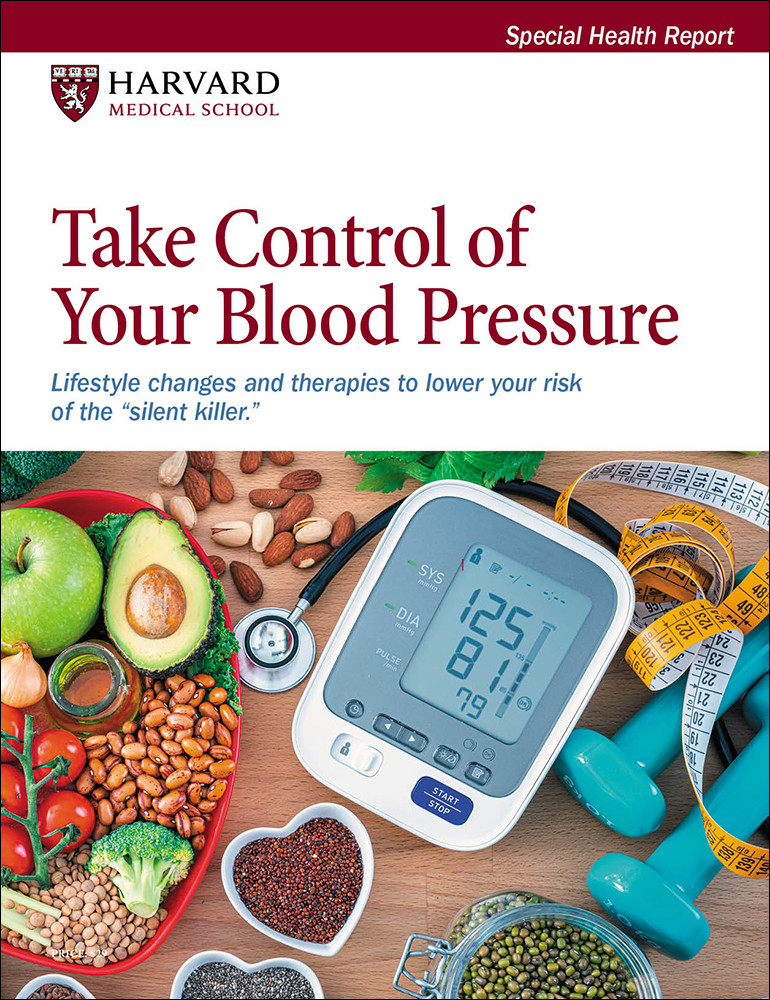
An alarming one in three American adults has high blood pressure. Known medically as hypertension, many people don't even know they have it, because high blood pressure has no symptoms or warning signs. But when elevated blood pressure is accompanied by abnormal cholesterol and blood sugar levels, the damage to your arteries, kidneys, and heart accelerates exponentially. Fortunately, high blood pressure is easy to detect and treat. In the Special Health Report, Controlling Your Blood Pressure, find out how to keep blood pressure in a healthy range simply by making lifestyle changes, such as losing weight, increasing activity, and eating more healthfully.
[LEARN MORE](https://servedbyadbutler.com/redirect.spark?MID=186626&plid=2650436&setID=812675&channelID=0&CID=862911&banID=522717423&PID=0&textadID=0&tc=1&rnd=5954697942&scheduleID=2694941&adSize=0x0&matches=%5B%22heart%22%5D&mt=1771310836789788&spr=1&referrer=https%3A%2F%2Fwww.health.harvard.edu%2Fabnormal-rhythms-of-the-atria&request_uuid=1acfa64a-2bbe-4ae0-9b2a-52a4ce282a8f&hc=0de9c31fbfc6bf1667e44e20c42edbb170f7f393&location=)
Atrial fibrillation is important for three reasons:
- It can signal the presence of another disorder.
- The heart pumps blood less efficiently, making it work harder.
- Blood can pool in the atria and form clots. Such clots can travel from the heart and lodge in an artery in another part of the body. If one of these clots blocks a vessel in the brain, it can cause a stroke. Atrial fibrillation causes about 15% of all strokes.
**Atrial flutter** is similar to atrial fibrillation, but the contractions of the atria are more regular. They are still not as efficient as they should be at moving blood from the atria into the ventricles. In atrial flutter, the heart can be forced to beat at a dangerously fast rate. Although they are two different rhythm abnormalities, atrial fibrillation can develop and coexist in people who have atrial flutter.
Tachycardia means that the heart beats faster than it should. **Atrial tachycardia** occurs when electrical impulses are generated from somewhere in the atria other than the sinoatrial (SA) node—the heart's natural pacemaker. The result is a faster-than-usual but very regular heartbeat.
When this condition comes on suddenly and lasts between a few seconds to several hours, it is called **paroxysmal atrial tachycardia** or **paroxysmal supraventricular tachycardia**. These are often the result of a disruption in the heart's triggering signal as it travels through the atrioventricular node. The condition can occur in people who have no underlying heart disease, often during emotional stress. It is aggravating, but is usually not a serious problem. It also can occur if you are born with unusual electrical pathways in your heart, in which case it can be a more serious problem.
**Wandering atrial pacemaker** and **multifocal atrial tachycardia** are examples of atrial rhythm disturbances in which frequent, unpredictable beats arise from different areas of the atria. These disturbances are usually an indication of lung or heart disease, serious metabolic disturbances, or toxicity of certain medicines.
## Symptoms
Abnormal rhythms of the atria may cause no symptoms at all. Some people feel palpitations—the sensation that your heart is racing at a fast pace, fluttering, or "flip-flopping."
It is very common for people to feel palpitations. Palpitations alone are no cause for alarm. However, if the abnormal rhythm is making the heart pump less efficiently, these symptoms may appear:
- fatigue
- breathlessness
- dizziness
- chest pressure or tightness.
If you have these symptoms along with palpitations, call your doctor.
## Diagnosis
The main way to detect an abnormal heart rhythm is with an electrocardiogram. This test uses a series of pads placed on the body to analyze the heartbeat.
If the rhythm comes and goes, you may need to wear a Holter monitor, which records every heartbeat for 24 hours. Some people need to use an event monitor for days or weeks. Newer versions can be implanted in the chest.
## Treatment
Wandering atrial pacemaker and multifocal atrial tachycardia usually do not cause serious symptoms or require treatment.
Attacks of atrial tachycardia or paroxysmal atrial tachycardia can often be stopped by various maneuvers you can perform yourself (see Home Remedies for Paroxysmal Atrial Tachycardia). If these don't work, drugs such as beta blockers or calcium channel blockers can prevent or abort an attack.
Atrial fibrillation or atrial flutter require immediate treatment if you are having chest pain or heart failure or your heartbeat is very fast. The ideal treatment for atrial fibrillation is to reestablish a normal heart rhythm and then maintain it with the use of medicines.
There are several ways to reestablish a normal rhythm. One of the most effective is cardioversion. This is a carefully administered electrical shock to the heart that interrupts the abnormal heart rhythm and "reboots" the pacemaker, allowing for a normal rhythm.
Sometimes a beta blockers or medication called amiodarone can bring the heart rate back to normal. When the abnormal rhythms are caused by abnormal electrical pathways in the heart and cannot be successfully treated with drugs, your doctor may recommend a treatment called radiofrequency ablation.
In this procedure, a small wire called a catheter is threaded into the heart. Radio waves from the tip of the catheter destroy the abnormal pathways.
An implantable device can be used to detect recurring atrial fibrillation and deliver a small shock to the heart to make the rhythm regular again. This is similar to an implantable defibrillator used to correct abnormal rhythms of the ventricles.
If your heart won't stay in a normal rhythm, there are two main treatment options:
The first choice is usually **rate control**. Medications such as beta blockers, digitalis, and calcium channel blockers can keep your heart rate from going too fast. Your symptoms should disappear once the drugs begin to control your heart rate.
Another option is **rhythm control**. Various medications can bring the heart rhythm under control. However, these can be risky due to serious side effects and the necessity for heart monitoring when starting some of them.
In addition, most people with atrial fibrillation need to take warfarin or other blood-thinning medications to prevent formation of potentially stroke-causing blood clots in the atria.
Share
[Share this page to Facebook](https://www.facebook.com/sharer/sharer.php?u=https%3A%2F%2Fwww.health.harvard.edu%2Fabnormal-rhythms-of-the-atria&display=popup)
[Share this page to X](https://twitter.com/intent/tweet?original_referer=https%3A%2F%2Fwww.health.harvard.edu%2Fabnormal-rhythms-of-the-atria&text=Abnormal%20rhythms%20of%20the%20atria%20-%20Harvard%20Health&tw_p=tweetbutton&url=https%3A%2F%2Fwww.health.harvard.edu%2Fabnormal-rhythms-of-the-atria)
[Share this page via Email](<mailto:?subject=Great health news for you from the experts at Harvard&body=Check out this link from Harvard Health: Abnormal rhythms of the atria - https://www.health.harvard.edu/abnormal-rhythms-of-the-atria>)
Copy this page to clipboard
Print This Page
Click to Print
## Disclaimer:
As a service to our readers, Harvard Health Publishing provides access to our library of archived content. Please note the date of last review or update on all articles.
No content on this site, regardless of date, should ever be used as a substitute for direct medical advice from your doctor or other qualified clinician.
Recent Articles
[ Driving with arthritis pain: Stay comfortable — and safe — behind the wheel](https://www.health.harvard.edu/diseases-and-conditions/driving-with-arthritis-pain-stay-comfortable-and-safe-behind-the-wheel)
[ Daily cup of coffee may prevent afib recurrence](https://www.health.harvard.edu/heart-health/daily-cup-of-coffee-may-prevent-afib-recurrence)
[ Gene-editing therapy lowers harmful blood fats in early study](https://www.health.harvard.edu/mens-health/gene-editing-therapy-lowers-harmful-blood-fats-in-early-study)
[ What is EMDR therapy, and who can it help?](https://www.health.harvard.edu/mind-and-mood/what-is-emdr-therapy-and-who-can-it-help)
[ GLP-1 drugs versus bariatric surgery for treating obesity](https://www.health.harvard.edu/staying-healthy/glp-1-drugs-versus-bariatric-surgery-for-treating-obesity)
[ Two dumbbells, three exercises, and 10 minutes](https://www.health.harvard.edu/exercise-and-fitness/two-dumbbells-three-exercises-and-10-minutes)
[ Easing the emotional burden of IBS](https://www.health.harvard.edu/diseases-and-conditions/easing-the-emotional-burden-of-ibs)
[ Modify your push-ups to meet your fitness level](https://www.health.harvard.edu/exercise-and-fitness/modify-your-push-ups-to-meet-your-fitness-level)
[ What is long QT syndrome?](https://www.health.harvard.edu/heart-health/what-is-long-qt-syndrome-VFU42UXF)
[ Stroke survivors may benefit from very low LDL levels](https://www.health.harvard.edu/heart-health/stroke-survivors-may-benefit-from-very-low-ldl-levels)
1 / 10
## Related Topics
[ Heart Health A Heart-Healthy Lifestyle for Atrial fibrillation](https://www.health.harvard.edu/heart-health/a-heart-healthy-lifestyle-for-atrial-fibrillation)
[ Heart Health Safe and effective high-intensity interval training](https://www.health.harvard.edu/heart-health/safe-and-effective-high-intensity-interval-training)
[ Heart Health New thinking on beta blocker use](https://www.health.harvard.edu/heart-health/new-thinking-on-beta-blocker-use)
[Heart Health](https://www.health.harvard.edu/topics/heart-health)
## Free Healthbeat Signup
Get the latest in health news delivered to your inbox\!
[Sign Up](https://www.health.harvard.edu/healthbeat)
## Footer
[Harvard Health Publishing ](https://www.health.harvard.edu/)
[Facebook](https://www.facebook.com/HarvardHealthPublications)
[X (formerly known as Twitter)](https://x.com/harvardhealth)
[Linkedin](https://www.linkedin.com/company/harvard-health-publications/)
[YouTube](https://www.youtube.com/channel/UC-jj29vMMB1ulz_uEU5kUrA)
### My Account
- [Customer Service](https://www.health.harvard.edu/customer-service)
- [Log in](https://www.health.harvard.edu/login)
### Order Now
- [Online Learning Courses](https://www.harvardhealthonlinelearning.com/)
- [Digital Subscriptions](https://www.health.harvard.edu/subscribe)
- [Special Health Reports](https://www.health.harvard.edu/special-health-reports)
- [Print Subscriptions](https://www.health.harvard.edu/newsletters)
### More
- [About Us](https://www.health.harvard.edu/about-us)
- [Permissions](https://www.health.harvard.edu/permissions)
- [Content Licensing](https://www.health.harvard.edu/licensing)
- [Topics](https://www.health.harvard.edu/topics)
- [Trademark Notice](https://trademark.harvard.edu/pages/trademark-notice)
© 2026 [Harvard Health Publishing®](https://trademark.harvard.edu/pages/trademark-notice) of The President and Fellows of Harvard College
[Do not sell my personal information](https://www.health.harvard.edu/privacy-policy#california-residents) \| [Privacy Policy and Terms of Use](https://www.health.harvard.edu/privacy-policy)
[Scroll To Top](https://www.health.harvard.edu/abnormal-rhythms-of-the-atria#app)
Close

Thanks for visiting. Don't miss your FREE gift.
**25 Gut Health Hacks is yours absolutely FREE when you sign up to receive health information from Harvard Medical School.**
Sign up to get tips for living a healthy lifestyle, with ways to lessen **digestion** problems…keep **inflammation** under control…learn simple exercises to improve your **balance**…understand your options for **cataract** treatment…all delivered to your email box FREE.
Close

Health Alerts from Harvard Medical School
**And a FREE copy of the new report 25 Gut Health Hacks\!**

Sign up to receive HealthBeat emails from Harvard Health Publishing and get helpful tips and guidance for ways to lessen digestion problems… keep inflammation under control… learn simple exercises to improve your balance… understand your options for cataract treatment… all delivered to your email inbox FREE. PLUS, you'll get the latest news on medical advances and breakthroughs from Harvard Medical School experts, and special offers on content from Harvard Health Publishing.
Close

Stay on top of latest health news from Harvard Medical School.
Plus, get a FREE copy of **25 Gut Health Hacks**.
Close

Stay on top of latest health news from Harvard Medical School.
Plus, get a FREE copy of **25 Gut Health Hacks**.
 | |||||||||
| Readable Markdown | Several kinds of abnormal heart rhythm (arrhythmia) occur in the heart's upper chambers (the atria). These include atrial fibrillation, atrial flutter, atrial tachycardia, and paroxysmal atrial tachycardia or paroxysmal supraventricular tachycardia.
**Atrial fibrillation** is a common heart rhythm disturbance. More than 2.5 million Americans have it. Instead of forcefully contracting in a coordinated manner, the walls of the left and right atria quiver and do not effectively pump blood into the ventricles.
Sometimes atrial fibrillation comes and goes, and sometimes it stays constant. As with many heart rhythm abnormalities, atrial fibrillation is often caused by coronary artery disease.
It can occur in people who have otherwise healthy hearts, but it is more common in those who have a heart valve disorder, an overactive thyroid gland, lung disease, a blood clot lodged in a lung, and inflammation of the heart's lining.
You may be interested in...

An alarming one in three American adults has high blood pressure. Known medically as hypertension, many people don't even know they have it, because high blood pressure has no symptoms or warning signs. But when elevated blood pressure is accompanied by abnormal cholesterol and blood sugar levels, the damage to your arteries, kidneys, and heart accelerates exponentially. Fortunately, high blood pressure is easy to detect and treat. In the Special Health Report, Controlling Your Blood Pressure, find out how to keep blood pressure in a healthy range simply by making lifestyle changes, such as losing weight, increasing activity, and eating more healthfully.
[LEARN MORE](https://servedbyadbutler.com/redirect.spark?MID=186626&plid=2650436&setID=812675&channelID=0&CID=862911&banID=522717423&PID=0&textadID=0&tc=1&rnd=5954697942&scheduleID=2694941&adSize=0x0&matches=%5B%22heart%22%5D&mt=1771310836789788&spr=1&referrer=https%3A%2F%2Fwww.health.harvard.edu%2Fabnormal-rhythms-of-the-atria&request_uuid=1acfa64a-2bbe-4ae0-9b2a-52a4ce282a8f&hc=0de9c31fbfc6bf1667e44e20c42edbb170f7f393&location=)
Atrial fibrillation is important for three reasons:
- It can signal the presence of another disorder.
- The heart pumps blood less efficiently, making it work harder.
- Blood can pool in the atria and form clots. Such clots can travel from the heart and lodge in an artery in another part of the body. If one of these clots blocks a vessel in the brain, it can cause a stroke. Atrial fibrillation causes about 15% of all strokes.
**Atrial flutter** is similar to atrial fibrillation, but the contractions of the atria are more regular. They are still not as efficient as they should be at moving blood from the atria into the ventricles. In atrial flutter, the heart can be forced to beat at a dangerously fast rate. Although they are two different rhythm abnormalities, atrial fibrillation can develop and coexist in people who have atrial flutter.
Tachycardia means that the heart beats faster than it should. **Atrial tachycardia** occurs when electrical impulses are generated from somewhere in the atria other than the sinoatrial (SA) node—the heart's natural pacemaker. The result is a faster-than-usual but very regular heartbeat.
When this condition comes on suddenly and lasts between a few seconds to several hours, it is called **paroxysmal atrial tachycardia** or **paroxysmal supraventricular tachycardia**. These are often the result of a disruption in the heart's triggering signal as it travels through the atrioventricular node. The condition can occur in people who have no underlying heart disease, often during emotional stress. It is aggravating, but is usually not a serious problem. It also can occur if you are born with unusual electrical pathways in your heart, in which case it can be a more serious problem.
**Wandering atrial pacemaker** and **multifocal atrial tachycardia** are examples of atrial rhythm disturbances in which frequent, unpredictable beats arise from different areas of the atria. These disturbances are usually an indication of lung or heart disease, serious metabolic disturbances, or toxicity of certain medicines.
## Symptoms
Abnormal rhythms of the atria may cause no symptoms at all. Some people feel palpitations—the sensation that your heart is racing at a fast pace, fluttering, or "flip-flopping."
It is very common for people to feel palpitations. Palpitations alone are no cause for alarm. However, if the abnormal rhythm is making the heart pump less efficiently, these symptoms may appear:
- fatigue
- breathlessness
- dizziness
- chest pressure or tightness.
If you have these symptoms along with palpitations, call your doctor.
## Diagnosis
The main way to detect an abnormal heart rhythm is with an electrocardiogram. This test uses a series of pads placed on the body to analyze the heartbeat.
If the rhythm comes and goes, you may need to wear a Holter monitor, which records every heartbeat for 24 hours. Some people need to use an event monitor for days or weeks. Newer versions can be implanted in the chest.
## Treatment
Wandering atrial pacemaker and multifocal atrial tachycardia usually do not cause serious symptoms or require treatment.
Attacks of atrial tachycardia or paroxysmal atrial tachycardia can often be stopped by various maneuvers you can perform yourself (see Home Remedies for Paroxysmal Atrial Tachycardia). If these don't work, drugs such as beta blockers or calcium channel blockers can prevent or abort an attack.
Atrial fibrillation or atrial flutter require immediate treatment if you are having chest pain or heart failure or your heartbeat is very fast. The ideal treatment for atrial fibrillation is to reestablish a normal heart rhythm and then maintain it with the use of medicines.
There are several ways to reestablish a normal rhythm. One of the most effective is cardioversion. This is a carefully administered electrical shock to the heart that interrupts the abnormal heart rhythm and "reboots" the pacemaker, allowing for a normal rhythm.
Sometimes a beta blockers or medication called amiodarone can bring the heart rate back to normal. When the abnormal rhythms are caused by abnormal electrical pathways in the heart and cannot be successfully treated with drugs, your doctor may recommend a treatment called radiofrequency ablation.
In this procedure, a small wire called a catheter is threaded into the heart. Radio waves from the tip of the catheter destroy the abnormal pathways.
An implantable device can be used to detect recurring atrial fibrillation and deliver a small shock to the heart to make the rhythm regular again. This is similar to an implantable defibrillator used to correct abnormal rhythms of the ventricles.
If your heart won't stay in a normal rhythm, there are two main treatment options:
The first choice is usually **rate control**. Medications such as beta blockers, digitalis, and calcium channel blockers can keep your heart rate from going too fast. Your symptoms should disappear once the drugs begin to control your heart rate.
Another option is **rhythm control**. Various medications can bring the heart rhythm under control. However, these can be risky due to serious side effects and the necessity for heart monitoring when starting some of them.
In addition, most people with atrial fibrillation need to take warfarin or other blood-thinning medications to prevent formation of potentially stroke-causing blood clots in the atria. | |||||||||
| ML Classification | ||||||||||
| ML Categories |
Raw JSON{
"/Health": 996,
"/Health/Health_Conditions": 981,
"/Health/Health_Conditions/Heart_and_Hypertension": 980
} | |||||||||
| ML Page Types |
Raw JSON{
"/Article": 997,
"/Article/Definitions": 599
} | |||||||||
| ML Intent Types |
Raw JSON{
"Informational": 999
} | |||||||||
| Content Metadata | ||||||||||
| Language | en | |||||||||
| Author | null | |||||||||
| Publish Time | 2014-12-10 05:00:00 (11 years ago) | |||||||||
| Original Publish Time | not set | |||||||||
| Republished | Yes | |||||||||
| Word Count (Total) | 1,826 | |||||||||
| Word Count (Content) | 1,101 | |||||||||
| Links | ||||||||||
| External Links | 10 | |||||||||
| Internal Links | 35 | |||||||||
| Technical SEO | ||||||||||
| Meta Nofollow | No | |||||||||
| Meta Noarchive | No | |||||||||
| JS Rendered | Yes | |||||||||
| Redirect Target | null | |||||||||
| Performance | ||||||||||
| Download Time (ms) | 292 | |||||||||
| TTFB (ms) | 275 | |||||||||
| Download Size (bytes) | 54,008 | |||||||||
| Shard | 102 (laksa) | |||||||||
| Root Hash | 2971912334127662702 | |||||||||
| Unparsed URL | edu,harvard!health,www,/abnormal-rhythms-of-the-atria s443 | |||||||||