ℹ️ Skipped - page is already crawled
| Filter | Status | Condition | Details |
|---|---|---|---|
| HTTP status | PASS | download_http_code = 200 | HTTP 200 |
| Age cutoff | PASS | download_stamp > now() - 6 MONTH | 0.2 months ago |
| History drop | PASS | isNull(history_drop_reason) | No drop reason |
| Spam/ban | PASS | fh_dont_index != 1 AND ml_spam_score = 0 | ml_spam_score=0 |
| Canonical | PASS | meta_canonical IS NULL OR = '' OR = src_unparsed | Not set |
| Property | Value |
|---|---|
| URL | https://www.goodrx.com/conditions/depression/treatment-resistant-depression |
| Last Crawled | 2026-04-05 03:51:25 (6 days ago) |
| First Indexed | not set |
| HTTP Status Code | 200 |
| Meta Title | Treatment-Resistant Depression: Treatment Options to Know - GoodRx |
| Meta Description | An antidepressant isn’t always enough to ease the symptoms of depression. If you have treatment-resistant depression, there are many treatment options out there. |
| Meta Canonical | null |
| Boilerpipe Text | Key takeaways:
If you still feel depressed after trying antidepressants, you may have something called treatment-resistant depression.
Though the name may sound discouraging, treatment-resistant depression is treatable.
There are many therapies that can help with treatment-resistant depression. These include medications and nonmedication options.
Have you been told that you have treatment-resistant depression? This is a term used by some healthcare professionals that can be confusing and disheartening. You may think it means that you have depression that won’t get any better. But that’s not the case at all. It just means it’s time to try something else. And you actually have many different treatment options that can help this kind of depression.
Treatment-resistant depression refers to symptoms of depression that are ongoing even with treatment. These treatments are usually antidepressant medications.
But the term “treatment-resistant depression” isn’t very useful for people with depression or even for healthcare professionals. That’s because experts don’t agree on the exact
definition
. Some say it’s depression that persists after a period of taking just one medication. Others say it should be diagnosed after two or three failed medication trials.
Also, people can feel like the term means that their depression will never get better. They may start to lose hope after trying medications that weren’t too helpful for them. In reality,
many people
don’t feel much better after their first or second antidepressant.
Depression can be hard to treat, for many reasons:
Everyone has a unique brain that doesn’t react the same way to medication. Certain medications can be really helpful for one person and not for another, and no one knows why.
Medication can cause side effects that can make a person feel bad, like
weight gain
or
sexual side effects
. These can happen even if the medication is helping the original depression. So this can make it hard to know if the medication is helping.
There are many factors in life that affect people’s moods. Medication doesn’t address social problems or lifestyle factors that can worsen depression.
But treatment-resistant depression can improve with ongoing treatment. Theresa Toledo, MD, is a psychiatrist in southeast Michigan who works with mood disorders including depression. She said that “treatment-resistant does not imply that depression cannot get better.”
You and your healthcare team may want to look at different options for treatment. This can start with a change in medications.
Nearly every day
More than half the days
Several days
Not at all
In the past 2 weeks, have you felt down, depressed, or hopeless:
Nearly every day
More than half the days
Several days
Not at all
In the past 2 weeks, have you had trouble falling asleep, staying asleep, or sleeping too much:
Nearly every day
More than half the days
Several days
Not at all
In the past 2 weeks, have you felt tired or had little energy:
Nearly every day
More than half the days
Several days
Not at all
In the past 2 weeks, have you had a poor appetite or overeaten:
Nearly every day
More than half the days
Several days
Not at all
In the past 2 weeks, have you felt bad about yourself — or that you’re a failure, or have let yourself or your family down:
Nearly every day
More than half the days
Several days
Not at all
In the past 2 weeks, have you had trouble concentrating on things, like reading or watching television:
Nearly every day
More than half the days
Several days
Not at all
In the past 2 weeks, have you either been so slowed down or so restless that other people could have noticed:
Nearly every day
More than half the days
Several days
Not at all
In the past 2 weeks, have you had thoughts about hurting yourself in some way, or that you would be better off dead:
Nearly every day
More than half the days
Several days
Not at all
Several kinds of medications can be useful for treatment-resistant depression. Switching to a different antidepressant can be helpful. And other types of medications can enhance the effects of an antidepressant. It’s common to use a combination of medications for treatment-resistant depression.
The most common medications used for depression are
selective serotonin reuptake inhibitors
(SSRIs). And even though they are called antidepressants, SSRIs are also prescribed for anxiety. There are several different SSRIs, and one of them may work better for you than another.
Common SSRIs include:
Compare prices and information on the most popular Depression medications.
Serotonin and norepinephrine reuptake inhibitors
(SNRIs) are another kind of antidepressant. Like SSRIs, SNRIs affect
serotonin
in the brain, which helps to regulate mood. But they also affect
norepinephrine
. Because of this, SNRIs can be helpful for chronic pain and anxiety, too.
Common SNRIs include:
There are other kinds of antidepressants that work on slightly different brain chemicals:
Vortioxetine
(Trintellix) and
vilazodone
(Viibryd) are similar to SSRIs. But they also affect different serotonin brain receptors.
Mirtazapine
(Remeron) is an antidepressant that also affects histamine. This can be helpful for sleep.
Bupropion
(Wellbutrin SR, Wellbutrin XL) affects norepinephrine and dopamine. It can sometimes double as a
treatment for ADHD
(attention-deficit hyperactivity disorder).
Auvelity
is a newer antidepressant that’s a combination of two medications — dextromethorphan and bupropion. Dextromethorphan affects a specific receptor in the brain called the NMDA receptor.
Adding
antipsychotic medications
to antidepressants can also be helpful for treatment-resistant depression. These are usually used to treat conditions such as
bipolar disorder
and
schizophrenia
. But
lower doses
of these medications can be helpful in depression.
The FDA has approved these antipsychotics as medications for depression:
Aripiprazole
(Abilify)
Brexpiprazole
(Rexulti)
Cariprazine
(Vraylar)
Olanzapine
(Zyprexa)
Quetiapine
(Seroquel)
Symbyax
(Olanzapine/fluoxetine)
There are other
kinds of medications
— beyond antidepressants and antipsychotics — that have also been shown to be helpful for treatment-resistant depression.
Spravato
(esketamine) is a newer medication that’s FDA approved for treatment-resistant depression. It’s a form of ketamine, which is an IV medication that’s sometimes used as a
type of anesthesia
. The IV form of ketamine is also used for
off-label treatment
for treatment-resistant depression. But Spravato is a nasal spray that you can receive in a healthcare office. This is so your healthcare team can watch for potential side effects for a couple of hours after each dose.
There are other medications that are sometimes used in addition to more common depression treatments. But it’s important to note that they aren’t officially FDA approved for depression. Because of this, they are only used in specific circumstances and with the guidance of an experienced healthcare professional:
Lithium
is usually used for stabilizing mood in bipolar disorder. It can improve mood in treatment-resistant depression, too. But blood levels need to be checked during treatment to prevent possible
lithium toxicity
.
Thyroid hormone
(
levothyroxine
) can also be added to antidepressants. Your prescriber will want to track your thyroid function while you’re taking this hormone.
Llisdexamfetamine (
Vyvanse
) is a stimulant medication usually used for ADHD. It has also been shown to be helpful as an add-on for depression.
Buspirone
(Buspar) is a medication that can sometimes be used to treat anxiety.
Treatments other than medications have proved helpful for treatment-resistant depression.
Studies show that
psychotherapy
is helpful for treatment-resistant depression. The most helpful kinds of therapy for treatment-resistant depression are:
Cognitive behavioral therapy (CBT):
This well-known therapy helps you understand how you think, behave, and feel.
CBT
helps you recognize and make changes to thinking patterns that contribute to depression.
Interpersonal therapy:
This kind of therapy focuses on making relationships better.
Mindfulness-based cognitive therapy:
Learning how to be present in the moment is a helpful way to understand and ease symptoms of depression and anxiety.
Talking to a therapist is often an important part of treating depression. Therapy can help you change your mindset and the ways you go about your life. It can help you think about things differently. You may have tried therapy and felt it was not helpful. But try not to get discouraged. It may just mean you need to keep looking until you
find a therapist
who is the right fit for you.
Electroconvulsive therapy
(ECT) is a depression treatment that uses controlled seizures. This may sound scary, but it can actually be quite effective. In fact, ECT has been named the “gold standard” for treating treatment-resistant depression.
First, the person receives anesthetic medication so that they are relaxed and not aware of the seizure. Then a healthcare professional uses an electrical charge to the scalp to start a brief seizure. Since the person is asleep, this isn’t painful. The treatment is repeated over a period of several weeks or months. It’s an outpatient procedure and considered to be safer than surgery.
Transcranial magnetic stimulation
(TMS) is another procedure that can help treatment-resistant depression. A magnetic coil is placed on the scalp in a medical office. An electrical current is passed through a part of the brain. Like ECT, this is not painful. This procedure is also repeated over the course of several weeks.
Vagal nerve stimulation (VNS) uses an electrical stimulator in the body to activate the vagus nerve. The vagus nerve is a large nerve in the body that’s important in the parasympathetic nervous system. This is the part of the nervous system that helps the body rest and relax.
This treatment requires a small procedure. A surgeon implants the stimulator in the neck, where the nerve is located. It treats both treatment-resistant depression and epilepsy.
Depression has a way of making people neglect themselves. When you take time to do things you used to enjoy, even if you don’t want to at the moment, it can help your mood. Also, taking care of yourself is part of the bigger picture in your depression treatment.
“I always emphasize there are three important things we do for mental health treatment,” Toledo said. Those are:
Medication
Psychotherapy
Overall health and habits, including sleep, diet, and exercise
Studies show that
exercise
can be helpful for treatment-resistant depression. Many people with depression have a
hard time getting motivated to exercise
. But research shows that exercise helps people with depression who are already taking an antidepressant. And every little bit helps. This can be as simple as moving and stretching your body more in your daily routines.
Depression can feel worse when you feel physically down, too. Changing your diet and drinking enough water may help you feel better. Foods with fiber, protein, and complex carbohydrates will help to maintain your metabolism.
Research on the
gut-brain connection
is becoming more common. This term describes how the nerves of the stomach and intestines are related to the brain. Keeping the gut healthy could help your mental health.
People with depression are more likely to isolate themselves from others and experience loneliness. But research shows that increased
social interaction
can help with mood and loneliness. It may be difficult to be social, but spending time with loved ones — or even people you don’t know very well — can help lift you up.
Look at your relationships to see if you are stuck in an unhealthy rut. Sometimes, people don’t realize how much their relationships affect their mood. These unhealthy relationships can be with partners, family, friends, or colleagues. Therapy is a good setting to work through your feelings about relationships.
Don’t neglect your physical health when focused on treating your depression. Toledo also noted that it’s important to get a checkup with your primary care provider. “Maintaining overall health is important,” she said. “Your primary care provider can rule out conditions that can make depression worse. Examples are anemia, diabetes, and thyroid disease.”
The bottom line
Treatment-resistant depression doesn’t mean that your depression is untreatable. Trying different medications or combinations is an option. Depression can improve with therapy, exercise, and other lifestyle strategies. If you’ve heard the term “treatment resistant” describe your depression, don’t give up hope on feeling better. Many times, it’s just a matter of finding the right treatment formula that works best for you.
Katherine Krive, DO, is a freelance medical writer and editor. She is also a psychiatrist who has practiced in hospital, academic, and community settings.
Katie E. Golden, MD, is a board-certified emergency medicine physician and a medical editor at GoodRx.
Joshua Murdock, PharmD, BCBBS, is a licensed pharmacist in Arizona, Colorado, and Rhode Island. He has worked in the pharmacy industry for more than 10 years and currently serves as a pharmacy editor for GoodRx.
GoodRx Health has strict sourcing policies and relies on primary sources such as medical organizations, governmental agencies, academic institutions, and peer-reviewed scientific journals. Learn more about how we ensure our content is accurate, thorough, and unbiased by reading our
editorial guidelines
. |
| Markdown | [Skip to main content](https://www.goodrx.com/conditions/depression/treatment-resistant-depression#skip-to-content)
Are you a healthcare professional? [Join GoodRx for HCPs](https://www.goodrx.com/hcp/join?redirectTo=%2Fconditions%2Fdepression%2Ftreatment-resistant-depression)
- [Prescription savingsSavings](https://www.goodrx.com/)
Prescription savings
Stop paying too much for your prescriptions. Compare prices, get pharmacy coupons, and save up to 80%.
[Get prescription savings](https://www.goodrx.com/)
Ways to save
- [Search for pharmacy coupons](https://www.goodrx.com/search)
- [Get a prescription savings card](https://www.goodrx.com/discount-card)
- [Join GoodRx Gold](https://www.goodrx.com/gold)
- [Save on brand-name medications](https://www.goodrx.com/brand)
- [Earn GoodRx Rewards](https://www.goodrx.com/go/rewards)
- [Explore ED subscriptions](https://www.goodrx.com/care/services/erectile-dysfunction)
Popular medications
- [Sildenafil](https://www.goodrx.com/sildenafil "Sildenafil coupons")
- [Ozempic](https://www.goodrx.com/ozempic "Ozempic coupons")
- [Wegovy](https://www.goodrx.com/wegovy "Wegovy coupons")
- [Zepbound](https://www.goodrx.com/zepbound "Zepbound coupons")
- [Humira](https://www.goodrx.com/humira "Humira coupons")
Resources
- [Pharmacies near you](https://www.goodrx.com/pharmacy-near-me)
- [Find a Gold pharmacy](https://www.goodrx.com/gold/pharmacy)
- [GoodRx for pets](https://www.goodrx.com/pets)
About GoodRx
- [About us](https://www.goodrx.com/about)
- [How GoodRx works](https://www.goodrx.com/how-goodrx-works)
- [How we help](https://www.goodrx.com/about/how-we-help)
- [What we believe](https://www.goodrx.com/about/what-we-believe)
- [Our impact](https://www.goodrx.com/about/our-impact)
Browse medications
Research prescriptions and over-the-counter [medications from A to Z](https://www.goodrx.com/drugs), compare drug prices, and start saving.
[a](https://www.goodrx.com/drugs/a)[b](https://www.goodrx.com/drugs/b)[c](https://www.goodrx.com/drugs/c)[d](https://www.goodrx.com/drugs/d)[e](https://www.goodrx.com/drugs/e)[f](https://www.goodrx.com/drugs/f)[g](https://www.goodrx.com/drugs/g)[h](https://www.goodrx.com/drugs/h)[i](https://www.goodrx.com/drugs/i)[j](https://www.goodrx.com/drugs/j)[k](https://www.goodrx.com/drugs/k)[l](https://www.goodrx.com/drugs/l)[m](https://www.goodrx.com/drugs/m)[n](https://www.goodrx.com/drugs/n)[o](https://www.goodrx.com/drugs/o)[p](https://www.goodrx.com/drugs/p)[q](https://www.goodrx.com/drugs/q)[r](https://www.goodrx.com/drugs/r)[s](https://www.goodrx.com/drugs/s)[t](https://www.goodrx.com/drugs/t)[u](https://www.goodrx.com/drugs/u)[v](https://www.goodrx.com/drugs/v)[w](https://www.goodrx.com/drugs/w)[x](https://www.goodrx.com/drugs/x)[y](https://www.goodrx.com/drugs/y)[z](https://www.goodrx.com/drugs/z)
- [Online careOnline care](https://www.goodrx.com/care)
Online care
Get professional, affordable online care from licensed healthcare professionals. Choose a one-time visit or a subscription.
ED treatment
- [Tadalafil (generic Cialis)](https://www.goodrx.com/care/services/erectile-dysfunction/tadalafil-online)
- [Sildenafil (generic Viagra)](https://www.goodrx.com/care/services/erectile-dysfunction/sildenafil-online)
- [Explore ED subscriptions](https://www.goodrx.com/care/services/erectile-dysfunction)
Men's hair loss treatment
- [Finasteride (generic Propecia)](https://www.goodrx.com/care/services/hair-loss/finasteride-online)
- [Oral minoxidil](https://www.goodrx.com/care/services/hair-loss/minoxidil-online)
- [Explore hair loss subscriptions](https://www.goodrx.com/care/services/hair-loss)
Weight loss treatment
- [Wegovy pill](https://www.goodrx.com/care/services/glp-1-weight-loss/wegovy-tablets-online)
- [Wegovy pen](https://www.goodrx.com/care/services/glp-1-weight-loss/wegovy-online)
- [Zepbound pen](https://www.goodrx.com/care/services/glp-1-weight-loss/zepbound-pen-online)
- [Zepbound vial](https://www.goodrx.com/care/services/glp-1-weight-loss/zepbound-vial-online)
- [Explore weight loss subscriptions](https://www.goodrx.com/care/services/glp-1-weight-loss)
Other treatment
- [UTI (Urinary Tract Infection)](https://www.goodrx.com/care/services/uti)
- [General cough, cold, and sinus](https://www.goodrx.com/care/services/cold)
- [Birth control](https://www.goodrx.com/care/services/birth-control)
- [Acne treatment & prevention](https://www.goodrx.com/care/services/acne)
- [See all services](https://www.goodrx.com/care)
- [Health infoHealth info](https://www.goodrx.com/health)
Find expert answers to your health questions so you can make the best decisions for yourself and your family.
[Explore GoodRx Health](https://www.goodrx.com/health)
Health conditions
- [Diabetes](https://www.goodrx.com/conditions/diabetes-type-2)
- [Hypertension](https://www.goodrx.com/conditions/hypertension)
- [Allergies](https://www.goodrx.com/conditions/allergies)
- [Autoimmune](https://www.goodrx.com/health-topic/autoimmune)
- [Show all topics](https://www.goodrx.com/health/directory)
Medications & treatment
- [Medications](https://www.goodrx.com/drugs)
- [Classes of medications](https://www.goodrx.com/classes)
- [Medication comparisons](https://www.goodrx.com/compare)
- [GLP-1 medications](https://www.goodrx.com/classes/glp-1-agonists)
- [Dosage guide](https://www.goodrx.com/dosage "Medication dosage guide")
Access & affordability
- [Insurance](https://www.goodrx.com/insurance/health-insurance)
- [Medicare](https://www.goodrx.com/insurance/medicare)
- [Telehealth](https://www.goodrx.com/healthcare-access/telehealth)
- [Show all topics](https://www.goodrx.com/healthcare-access)
Well-being
- [Sleep](https://www.goodrx.com/well-being/sleep)
- [Diet & nutrition](https://www.goodrx.com/well-being/diet-nutrition)
- [Weight loss](https://www.goodrx.com/conditions/weight-loss)
- [Show all topics](https://www.goodrx.com/well-being)
More
- [About GoodRx Health](https://www.goodrx.com/about/health)
- [Our editorial guidelines](https://www.goodrx.com/about/editorial-guidelines)
- [Newsletters](https://www.goodrx.com/newsletters)
- [Videos](https://www.goodrx.com/video)
- [Research](https://www.goodrx.com/healthcare-access/research)
- [Pet health](https://www.goodrx.com/pet-health)
- [Gold membershipGold](https://www.goodrx.com/gold)
Our monthly healthcare membership can help you save thousands on your prescription costs.
[Explore GoodRx Gold](https://www.goodrx.com/gold)
Resources
- [Find a Gold pharmacy](https://www.goodrx.com/gold/pharmacy)
- [Gold FAQs](https://support.goodrx.com/hc/en-us/articles/115004825626-What-is-GoodRx-Gold-How-does-it-work)
[ Enjoy more savings & benefits with Gold Up to \$2,862/yr in savings when you fill 2+ prescriptions a month Free home delivery on eligible medications Discounted virtual care visits for \$19](https://www.goodrx.com/gold)
- [Get weight loss treatmentWeight loss treatment](https://www.goodrx.com/care/services/glp-1-weight-loss)
Search a medication or health topicSearch
Log in
Navigation sidebar menu for GoodRx
Navigation sidebar menu
1. [Home](https://www.goodrx.com/health)
2. [Health Conditions](https://www.goodrx.com/conditions)
3. [Depression](https://www.goodrx.com/conditions/depression)
Depression
# What Are Your Options If You Have Treatment-Resistant Depression?
[](https://www.goodrx.com/about/bio/katherine-krive)[](https://www.goodrx.com/about/bio/katie-golden)
Written by [Katherine Krive, DO](https://www.goodrx.com/about/bio/katherine-krive) \| Reviewed by [Katie E. Golden, MD](https://www.goodrx.com/about/bio/katie-golden), [Joshua Murdock, PharmD, BCBBS](https://www.goodrx.com/about/bio/joshua-murdock)
Updated on April 1, 2025

AnnaStills/iStock via Getty Images Plus
[Definition](https://www.goodrx.com/conditions/depression/treatment-resistant-depression#definition)[Quiz](https://www.goodrx.com/conditions/depression/treatment-resistant-depression#quiz)[Medication](https://www.goodrx.com/conditions/depression/treatment-resistant-depression#medication)[Other treatments](https://www.goodrx.com/conditions/depression/treatment-resistant-depression#other-treatments)[Self-care tips](https://www.goodrx.com/conditions/depression/treatment-resistant-depression#self-care-tips)[Bottom line](https://www.goodrx.com/conditions/depression/treatment-resistant-depression#bottom-line)[References](https://www.goodrx.com/conditions/depression/treatment-resistant-depression#references)
## Key takeaways:
- If you still feel depressed after trying antidepressants, you may have something called treatment-resistant depression.
- Though the name may sound discouraging, treatment-resistant depression is treatable.
- There are many therapies that can help with treatment-resistant depression. These include medications and nonmedication options.
Have you been told that you have treatment-resistant depression? This is a term used by some healthcare professionals that can be confusing and disheartening. You may think it means that you have depression that won’t get any better. But that’s not the case at all. It just means it’s time to try something else. And you actually have many different treatment options that can help this kind of depression.
## What is treatment-resistant depression?
Treatment-resistant depression refers to symptoms of depression that are ongoing even with treatment. These treatments are usually antidepressant medications.
But the term “treatment-resistant depression” isn’t very useful for people with depression or even for healthcare professionals. That’s because experts don’t agree on the exact [definition](https://pubmed.ncbi.nlm.nih.gov/31638723/). Some say it’s depression that persists after a period of taking just one medication. Others say it should be diagnosed after two or three failed medication trials.
Also, people can feel like the term means that their depression will never get better. They may start to lose hope after trying medications that weren’t too helpful for them. In reality, [many people](https://www.ncbi.nlm.nih.gov/pmc/articles/PMC4761633/) don’t feel much better after their first or second antidepressant.
Depression can be hard to treat, for many reasons:
- Everyone has a unique brain that doesn’t react the same way to medication. Certain medications can be really helpful for one person and not for another, and no one knows why.
- Medication can cause side effects that can make a person feel bad, like [weight gain](https://www.goodrx.com/conditions/depression/antidepressants-weight-gain) or [sexual side effects](https://www.goodrx.com/drugs/side-effects/these-drugs-may-be-affecting-your-sex-life#antidepressants). These can happen even if the medication is helping the original depression. So this can make it hard to know if the medication is helping.
- There are many factors in life that affect people’s moods. Medication doesn’t address social problems or lifestyle factors that can worsen depression.
But treatment-resistant depression can improve with ongoing treatment. Theresa Toledo, MD, is a psychiatrist in southeast Michigan who works with mood disorders including depression. She said that “treatment-resistant does not imply that depression cannot get better.”
You and your healthcare team may want to look at different options for treatment. This can start with a change in medications.
## Quiz: Is your antidepressant working?
In the past 2 weeks, have you had little interest or pleasure in doing things:
- Nearly every day
- More than half the days
- Several days
- Not at all
### In the past 2 weeks, have you felt down, depressed, or hopeless:
- Nearly every day
- More than half the days
- Several days
- Not at all
### In the past 2 weeks, have you had trouble falling asleep, staying asleep, or sleeping too much:
- Nearly every day
- More than half the days
- Several days
- Not at all
### In the past 2 weeks, have you felt tired or had little energy:
- Nearly every day
- More than half the days
- Several days
- Not at all
### In the past 2 weeks, have you had a poor appetite or overeaten:
- Nearly every day
- More than half the days
- Several days
- Not at all
### In the past 2 weeks, have you felt bad about yourself — or that you’re a failure, or have let yourself or your family down:
- Nearly every day
- More than half the days
- Several days
- Not at all
### In the past 2 weeks, have you had trouble concentrating on things, like reading or watching television:
- Nearly every day
- More than half the days
- Several days
- Not at all
### In the past 2 weeks, have you either been so slowed down or so restless that other people could have noticed:
- Nearly every day
- More than half the days
- Several days
- Not at all
### In the past 2 weeks, have you had thoughts about hurting yourself in some way, or that you would be better off dead:
- Nearly every day
- More than half the days
- Several days
- Not at all
## What medications can help treatment-resistant depression?
Several kinds of medications can be useful for treatment-resistant depression. Switching to a different antidepressant can be helpful. And other types of medications can enhance the effects of an antidepressant. It’s common to use a combination of medications for treatment-resistant depression.

EXPERT PICKS: WHAT TO READ NEXT
- **Treating depression with psilocybin:** Psychedelic substances like magic mushrooms are emerging as a new treatment for depression. Learn more about [how it works](https://www.goodrx.com/conditions/depression/psilocybin-and-depression).
- **Does magnesium help with anxiety?** There’s some research to suggest [magnesium supplements](https://www.goodrx.com/well-being/supplements-herbs/magnesium-for-anxiety) can help with anxiety, depression, and trouble sleeping.
- **IV ketamine vs. Spravato:** If you have hard-to-treat depression, ketamine may help. But it’s important to understand the [main differences in these two forms](https://www.goodrx.com/conditions/depression/iv-ketamine-vs-spravato).
### Antidepressants
The most common medications used for depression are [selective serotonin reuptake inhibitors](https://www.goodrx.com/classes/ssris/ssri-list) (SSRIs). And even though they are called antidepressants, SSRIs are also prescribed for anxiety. There are several different SSRIs, and one of them may work better for you than another.
Common SSRIs include:
- [Citalopram](https://www.goodrx.com/citalopram/what-is) (Celexa)
- [Escitalopram](https://www.goodrx.com/lexapro/what-is) (Lexapro)
- [Fluoxetine](https://www.goodrx.com/prozac/what-is) (Prozac)
- [Paroxetine](https://www.goodrx.com/paroxetine/what-is) (Paxil)
- [Sertraline](https://www.goodrx.com/zoloft/what-is) (Zoloft)
Promotion disclosure
Depression medicationsCompare prices and information on the most popular Depression medications.
- Lexapro
Escitalopram
\$11.47Lowest price
[Save now](https://www.goodrx.com/lexapro)
- Prozac
Fluoxetine
\$9.00Lowest price
[Save now](https://www.goodrx.com/prozac)
- Zoloft
Sertraline
\$12.01Lowest price
[Save now](https://www.goodrx.com/zoloft)
[Compare all medications](https://www.goodrx.com/conditions/depression/drugs)
[Serotonin and norepinephrine reuptake inhibitors](https://www.goodrx.com/classes/snris/snri-drugs-list) (SNRIs) are another kind of antidepressant. Like SSRIs, SNRIs affect [serotonin](https://www.goodrx.com/health-topic/hormones/serotonin) in the brain, which helps to regulate mood. But they also affect [norepinephrine](https://www.goodrx.com/classes/snris/snri-side-effects). Because of this, SNRIs can be helpful for chronic pain and anxiety, too.
Common SNRIs include:
- [Desvenlafaxine](https://www.goodrx.com/desvenlafaxine-succinate-er/what-is) (Pristiq)
- [Duloxetine](https://www.goodrx.com/cymbalta/what-is) (Cymbalta)
- [Levomilnacipran](https://www.goodrx.com/fetzima/what-is) (Fetzima)
- [Venlafaxine](https://www.goodrx.com/venlafaxine/what-is) (Effexor XR)
There are other kinds of antidepressants that work on slightly different brain chemicals:
- [Vortioxetine](https://www.goodrx.com/trintellix/what-is) (Trintellix) and [vilazodone](https://www.goodrx.com/viibryd/what-is) (Viibryd) are similar to SSRIs. But they also affect different serotonin brain receptors.
- [Mirtazapine](https://www.goodrx.com/mirtazapine/what-is) (Remeron) is an antidepressant that also affects histamine. This can be helpful for sleep.
- [Bupropion](https://www.goodrx.com/bupropion/what-is) (Wellbutrin SR, Wellbutrin XL) affects norepinephrine and dopamine. It can sometimes double as a [treatment for ADHD](https://www.goodrx.com/wellbutrin/how-it-works) (attention-deficit hyperactivity disorder).
- [Auvelity](https://www.goodrx.com/auvelity/what-is) is a newer antidepressant that’s a combination of two medications — dextromethorphan and bupropion. Dextromethorphan affects a specific receptor in the brain called the NMDA receptor.
### Antipsychotics
Adding [antipsychotic medications](https://www.goodrx.com/health-topic/mental-health/typical-vs-atypical-antipsychotics) to antidepressants can also be helpful for treatment-resistant depression. These are usually used to treat conditions such as [bipolar disorder](https://www.goodrx.com/conditions/bipolar-disorder) and [schizophrenia](https://www.goodrx.com/conditions/schizophrenia). But [lower doses](https://psychiatryonline.org/pb/assets/raw/sitewide/practice_guidelines/guidelines/mdd-1410197717630.pdf) of these medications can be helpful in depression.
The FDA has approved these antipsychotics as medications for depression:
- [Aripiprazole](https://www.goodrx.com/aripiprazole/what-is) (Abilify)
- [Brexpiprazole](https://www.goodrx.com/rexulti/what-is) (Rexulti)
- [Cariprazine](https://www.goodrx.com/vraylar/what-is) (Vraylar)
- [Olanzapine](https://www.goodrx.com/olanzapine/what-is) (Zyprexa)
- [Quetiapine](https://www.goodrx.com/quetiapine/what-is) (Seroquel)
- [Symbyax](https://www.goodrx.com/symbyax/what-is) (Olanzapine/fluoxetine)
### Other medications for treatment-resistant depression
There are other [kinds of medications](https://www.sciencedirect.com/science/article/abs/pii/S0165032721014518?via%3Dihub) — beyond antidepressants and antipsychotics — that have also been shown to be helpful for treatment-resistant depression.
[Spravato](https://www.goodrx.com/spravato/what-is) (esketamine) is a newer medication that’s FDA approved for treatment-resistant depression. It’s a form of ketamine, which is an IV medication that’s sometimes used as a [type of anesthesia](https://www.goodrx.com/conditions/anesthesia/types-of-anesthesia). The IV form of ketamine is also used for [off-label treatment](https://www.sciencedirect.com/science/article/pii/S0165178124001501) for treatment-resistant depression. But Spravato is a nasal spray that you can receive in a healthcare office. This is so your healthcare team can watch for potential side effects for a couple of hours after each dose.
There are other medications that are sometimes used in addition to more common depression treatments. But it’s important to note that they aren’t officially FDA approved for depression. Because of this, they are only used in specific circumstances and with the guidance of an experienced healthcare professional:
- [Lithium](https://www.goodrx.com/lithium/what-is) is usually used for stabilizing mood in bipolar disorder. It can improve mood in treatment-resistant depression, too. But blood levels need to be checked during treatment to prevent possible [lithium toxicity](https://www.goodrx.com/lithium/what-lithium-side-effects-should-you-expect#lithium-toxicity).
- [Thyroid hormone](https://www.goodrx.com/synthroid/what-is) ([levothyroxine](https://www.goodrx.com/synthroid/what-is)) can also be added to antidepressants. Your prescriber will want to track your thyroid function while you’re taking this hormone.
- Llisdexamfetamine ([Vyvanse](https://www.goodrx.com/vyvanse/what-is)) is a stimulant medication usually used for ADHD. It has also been shown to be helpful as an add-on for depression.
- [Buspirone](https://www.goodrx.com/buspirone/what-is) (Buspar) is a medication that can sometimes be used to treat anxiety.
## What are other treatment options for treatment-resistant depression?
Treatments other than medications have proved helpful for treatment-resistant depression.
### Psychotherapy
Studies show that [psychotherapy](https://www.ncbi.nlm.nih.gov/pmc/articles/PMC6982454/) is helpful for treatment-resistant depression. The most helpful kinds of therapy for treatment-resistant depression are:
- **Cognitive behavioral therapy (CBT):** This well-known therapy helps you understand how you think, behave, and feel. [CBT](https://www.goodrx.com/health-topic/mental-health/cognitive-behavioral-therapy) helps you recognize and make changes to thinking patterns that contribute to depression.
- **Interpersonal therapy:** This kind of therapy focuses on making relationships better.
- **Mindfulness-based cognitive therapy:** Learning how to be present in the moment is a helpful way to understand and ease symptoms of depression and anxiety.
Talking to a therapist is often an important part of treating depression. Therapy can help you change your mindset and the ways you go about your life. It can help you think about things differently. You may have tried therapy and felt it was not helpful. But try not to get discouraged. It may just mean you need to keep looking until you [find a therapist](https://www.goodrx.com/health-topic/mental-health/psychiatrist-vs-psychologist) who is the right fit for you.
### ECT
[Electroconvulsive therapy](https://www.goodrx.com/conditions/depression/depression-ect) (ECT) is a depression treatment that uses controlled seizures. This may sound scary, but it can actually be quite effective. In fact, ECT has been named the “gold standard” for treating treatment-resistant depression.
First, the person receives anesthetic medication so that they are relaxed and not aware of the seizure. Then a healthcare professional uses an electrical charge to the scalp to start a brief seizure. Since the person is asleep, this isn’t painful. The treatment is repeated over a period of several weeks or months. It’s an outpatient procedure and considered to be safer than surgery.
### TMS
[Transcranial magnetic stimulation](https://www.psychologytoday.com/us/basics/transcranial-magnetic-stimulation-therapy) (TMS) is another procedure that can help treatment-resistant depression. A magnetic coil is placed on the scalp in a medical office. An electrical current is passed through a part of the brain. Like ECT, this is not painful. This procedure is also repeated over the course of several weeks.
### VNS
Vagal nerve stimulation (VNS) uses an electrical stimulator in the body to activate the vagus nerve. The vagus nerve is a large nerve in the body that’s important in the parasympathetic nervous system. This is the part of the nervous system that helps the body rest and relax.
This treatment requires a small procedure. A surgeon implants the stimulator in the neck, where the nerve is located. It treats both treatment-resistant depression and epilepsy.
## Self-care tips for treatment-resistant depression
Depression has a way of making people neglect themselves. When you take time to do things you used to enjoy, even if you don’t want to at the moment, it can help your mood. Also, taking care of yourself is part of the bigger picture in your depression treatment.
“I always emphasize there are three important things we do for mental health treatment,” Toledo said. Those are:
- Medication
- Psychotherapy
- Overall health and habits, including sleep, diet, and exercise
### Exercise
Studies show that [exercise](https://www.cambridge.org/core/journals/cns-spectrums/article/abs/exercise-as-an-addon-strategy-for-the-treatment-of-major-depressive-disorder-a-systematic-review/879856D988F804EE03393226324BA176) can be helpful for treatment-resistant depression. Many people with depression have a [hard time getting motivated to exercise](https://www.goodrx.com/well-being/movement-exercise/working-out-tired). But research shows that exercise helps people with depression who are already taking an antidepressant. And every little bit helps. This can be as simple as moving and stretching your body more in your daily routines.
### Eating well
Depression can feel worse when you feel physically down, too. Changing your diet and drinking enough water may help you feel better. Foods with fiber, protein, and complex carbohydrates will help to maintain your metabolism.
Research on the [gut-brain connection](https://www.goodrx.com/health-topic/mental-health/brain-gut-connection) is becoming more common. This term describes how the nerves of the stomach and intestines are related to the brain. Keeping the gut healthy could help your mental health.
### Socializing
People with depression are more likely to isolate themselves from others and experience loneliness. But research shows that increased [social interaction](https://journals.sagepub.com/doi/full/10.1177/02654075211045717) can help with mood and loneliness. It may be difficult to be social, but spending time with loved ones — or even people you don’t know very well — can help lift you up.
### Relationships
Look at your relationships to see if you are stuck in an unhealthy rut. Sometimes, people don’t realize how much their relationships affect their mood. These unhealthy relationships can be with partners, family, friends, or colleagues. Therapy is a good setting to work through your feelings about relationships.
### Regular healthcare visits
Don’t neglect your physical health when focused on treating your depression. Toledo also noted that it’s important to get a checkup with your primary care provider. “Maintaining overall health is important,” she said. “Your primary care provider can rule out conditions that can make depression worse. Examples are anemia, diabetes, and thyroid disease.”
## The bottom line
Treatment-resistant depression doesn’t mean that your depression is untreatable. Trying different medications or combinations is an option. Depression can improve with therapy, exercise, and other lifestyle strategies. If you’ve heard the term “treatment resistant” describe your depression, don’t give up hope on feeling better. Many times, it’s just a matter of finding the right treatment formula that works best for you.

## Why trust our experts?


Written by:
[Katherine Krive, DO](https://www.goodrx.com/about/bio/katherine-krive)
Katherine Krive, DO, is a freelance medical writer and editor. She is also a psychiatrist who has practiced in hospital, academic, and community settings.


Edited by:
[Katie E. Golden, MD](https://www.goodrx.com/about/bio/katie-golden)
Katie E. Golden, MD, is a board-certified emergency medicine physician and a medical editor at GoodRx.


Reviewed by:
[Joshua Murdock, PharmD, BCBBS](https://www.goodrx.com/about/bio/joshua-murdock)
Joshua Murdock, PharmD, BCBBS, is a licensed pharmacist in Arizona, Colorado, and Rhode Island. He has worked in the pharmacy industry for more than 10 years and currently serves as a pharmacy editor for GoodRx.
[Our editorial standards](https://www.goodrx.com/about/editorial-guidelines)
[Meet our experts](https://www.goodrx.com/about/health#meet-our-healthcare-experts)
## References
de Sousa, R. T., et al. (2015). [Challenging treatment-resistant major depressive disorder: A roadmap for improved therapeutics](https://www.ncbi.nlm.nih.gov/pmc/articles/PMC4761633/). *Current Neuropharmacology*.
Gaynes, B. N., et al. (2020). [Defining treatment-resistant depression](https://pubmed.ncbi.nlm.nih.gov/31638723/). *Depression and Anxiety*.
### View All References (7)
Gelenberg, A. J., et al. (2010). [Practice guidelines for the treatment of patients with major depressive disorder](https://psychiatryonline.org/pb/assets/raw/sitewide/practice_guidelines/guidelines/mdd-1410197717630.pdf). American Psychiatric Association.
Gutierrez, G., et al. (2024). [IV low dose ketamine infusions for treatment resistant depression: Results from a five-year study at a free public clinic in an academic hospital](https://www.sciencedirect.com/science/article/pii/S0165178124001501). *Psychiatry Research*.
Kuczynski, A. M., et al. (2021). [The effect of social interaction quantity and quality on depressed mood and loneliness: A daily diary study](https://journals.sagepub.com/doi/full/10.1177/02654075211045717). *Journal of Social and Personal Relationships*.
Mura, G., et al. (2014). [Exercise as an add-on strategy for the treatment of major depressive disorder: A systematic review](https://www.cambridge.org/core/journals/cns-spectrums/article/abs/exercise-as-an-addon-strategy-for-the-treatment-of-major-depressive-disorder-a-systematic-review/879856D988F804EE03393226324BA176). *CNS Spectrums*.
Nuñez, N. A., et al. (2022). [Augmentation strategies for treatment resistant major depression: A systematic review and network meta-analysis](https://www.sciencedirect.com/science/article/abs/pii/S0165032721014518?via%3Dihub). *Journal of Affective Disorders*.
Psychology Today. (n.d.). [Transcranial magnetic stimulation therapy](https://www.psychologytoday.com/us/basics/transcranial-magnetic-stimulation-therapy).
Voineskos, D., et al. (2020). [Management of treatment-resistant depression: Challenges and strategies](https://www.ncbi.nlm.nih.gov/pmc/articles/PMC6982454/). *Neuropsychiatric Disease and Treatment*.
GoodRx Health has strict sourcing policies and relies on primary sources such as medical organizations, governmental agencies, academic institutions, and peer-reviewed scientific journals. Learn more about how we ensure our content is accurate, thorough, and unbiased by reading our [editorial guidelines](https://www.goodrx.com/about/editorial-guidelines).
de Sousa, R. T., et al. (2015). [Challenging treatment-resistant major depressive disorder: A roadmap for improved therapeutics](https://www.ncbi.nlm.nih.gov/pmc/articles/PMC4761633/). *Current Neuropharmacology*.
Gaynes, B. N., et al. (2020). [Defining treatment-resistant depression](https://pubmed.ncbi.nlm.nih.gov/31638723/). *Depression and Anxiety*.
Gelenberg, A. J., et al. (2010). [Practice guidelines for the treatment of patients with major depressive disorder](https://psychiatryonline.org/pb/assets/raw/sitewide/practice_guidelines/guidelines/mdd-1410197717630.pdf). American Psychiatric Association.
Gutierrez, G., et al. (2024). [IV low dose ketamine infusions for treatment resistant depression: Results from a five-year study at a free public clinic in an academic hospital](https://www.sciencedirect.com/science/article/pii/S0165178124001501). *Psychiatry Research*.
Kuczynski, A. M., et al. (2021). [The effect of social interaction quantity and quality on depressed mood and loneliness: A daily diary study](https://journals.sagepub.com/doi/full/10.1177/02654075211045717). *Journal of Social and Personal Relationships*.
Mura, G., et al. (2014). [Exercise as an add-on strategy for the treatment of major depressive disorder: A systematic review](https://www.cambridge.org/core/journals/cns-spectrums/article/abs/exercise-as-an-addon-strategy-for-the-treatment-of-major-depressive-disorder-a-systematic-review/879856D988F804EE03393226324BA176). *CNS Spectrums*.
Nuñez, N. A., et al. (2022). [Augmentation strategies for treatment resistant major depression: A systematic review and network meta-analysis](https://www.sciencedirect.com/science/article/abs/pii/S0165032721014518?via%3Dihub). *Journal of Affective Disorders*.
Psychology Today. (n.d.). [Transcranial magnetic stimulation therapy](https://www.psychologytoday.com/us/basics/transcranial-magnetic-stimulation-therapy).
Voineskos, D., et al. (2020). [Management of treatment-resistant depression: Challenges and strategies](https://www.ncbi.nlm.nih.gov/pmc/articles/PMC6982454/). *Neuropsychiatric Disease and Treatment*.
##### *For additional resources or to connect with mental health services in your area, call SAMHSA’s National Helpline at* [*1-800-662-4357*](tel:1-800-662-4357)*. For immediate assistance, call the* [*National Suicide Prevention Lifeline*](https://988lifeline.org/) *at* [*988*](tel:988)*, or text HOME to* [*741-741*](<sms: 741-741>) *to reach the* [*Crisis Text Line*](https://www.crisistextline.org/)*.*
#### Subscribe and save
Get prescription saving tips and more from GoodRx Health. Enter your email to sign up
### Latest articles
[ SSRIs What Is Serotonin Syndrome? What You Need to Know If You Take SSRIs Written by Sameer Hassamal, MDUpdated on Feb 26, 2026 by Sameer Hassamal, MD • Feb 26, 2026](https://www.goodrx.com/classes/ssris/what-is-serotonin-syndrome)
[ Psychedelics Psychedelics Legalization Pipeline: 4 Psychedelic Drugs Seeking FDA Approval Written by Stacia Woodcock, PharmDPublished on Feb 25, 2026 by Stacia Woodcock, PharmD • Feb 25, 2026](https://www.goodrx.com/health-topic/psychedelics/psychedelics-legalization)
[ Menopause The Links Between Menopause and Depression Written by Christina Palmer, MDUpdated on Feb 13, 2026 by Christina Palmer, MD • Feb 13, 2026](https://www.goodrx.com/conditions/menopause/menopause-and-depression)
[  Depression Signs Your Antidepressant Is Working: Wellbutrin, Effexor, Prozac, and More 2:35 2:35](https://www.goodrx.com/conditions/depression/signs-your-antidepressant-is-working)
[ Caplyta How Long Does It Take for Caplyta to Work? 5 Answers to Caplyta FAQs Written by Sarah Morin, RPhUpdated on Feb 11, 2026 by Sarah Morin, RPh • Feb 11, 2026](https://www.goodrx.com/caplyta/caplyta-faqs)
[ Men's Health Drugs for Men: A GoodRx Savings Guide to 7 Notable Men’s Health Medications Written by Joshua Murdock, PharmD, BCBBSUpdated on Feb 2, 2026 by Joshua Murdock, PharmD, BCBBS • Feb 2, 2026](https://www.goodrx.com/health-topic/mens-health/common-medications-for-men)
[ Ozempic Can Ozempic Cause Depression or Suicidal Thoughts? Written by Frank Schwalbe, MDUpdated on Jan 27, 2026 by Frank Schwalbe, MD • Jan 27, 2026](https://www.goodrx.com/ozempic/depression-suicidal-side-effects)
[ Spravato What To Do Before And After Spravato Treatment: 8 Tips for Using Spravato Safely Written by Jill Barat, PharmDUpdated on Dec 18, 2025 by Jill Barat, PharmD • Dec 18, 2025](https://www.goodrx.com/spravato/how-to-get-the-most-from-spravato)
[ Depression The 8 Best Supplements for Depression Written by Nicole Andonian, MDPublished on Dec 10, 2025 by Nicole Andonian, MD • Dec 10, 2025](https://www.goodrx.com/conditions/depression/natural-remedies-for-depression)
[ Postpartum Depression Which Medications Work Best to Treat Postpartum Depression? Written by Sarah Gupta, MDUpdated on Nov 20, 2025 by Sarah Gupta, MD • Nov 20, 2025](https://www.goodrx.com/conditions/postpartum-depression/best-postpartum-depression-meds)
[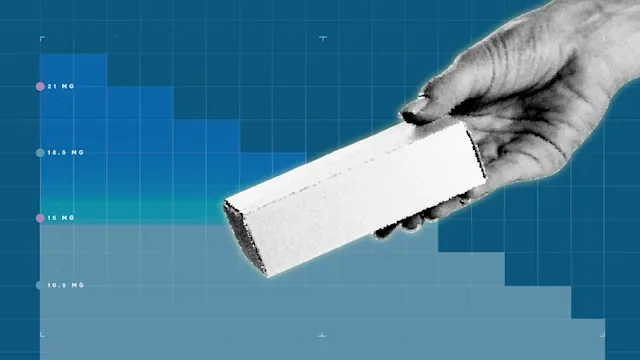 Caplyta Caplyta Dosages for Adults: Your GoodRx Guide Written by Sarah Morin, RPhUpdated on Nov 10, 2025 by Sarah Morin, RPh • Nov 10, 2025](https://www.goodrx.com/caplyta/dosage)
[ Bupropion Want to Stop Taking Wellbutrin? Reading This First Will Help Written by Cherilyn Davis, MDPublished on Nov 5, 2025 by Cherilyn Davis, MD • Nov 5, 2025](https://www.goodrx.com/bupropion/how-to-stop-taking-wellbutrin)
View more
##### Subscribe and save
Get prescription saving tips and more from GoodRx Health. Enter your email to sign up
#### Prices & Discounts
Prices & Discounts
- [Insurance](https://www.goodrx.com/insurance/health-insurance)
- [Mobile apps](https://www.goodrx.com/mobile)
- [GoodRx prescription savings card](https://www.goodrx.com/discount-card)
- [Medications A-Z](https://www.goodrx.com/drugs)
- [Medications by health conditions](https://www.goodrx.com/conditions)
- [Classes of medications](https://www.goodrx.com/classes)
- [Out-of-pocket costs](https://www.goodrx.com/out-of-pocket-costs)
- [Brand-name medications](https://www.goodrx.com/brand)
- [GoodRx for pets](https://www.goodrx.com/pets)
- [GoodRx Gold](https://www.goodrx.com/gold)
- [GoodRx Care](https://www.goodrx.com/care)
#### Tools & Info
Tools & Info
- [How GoodRx works](https://www.goodrx.com/how-goodrx-works)
- [Pharmacies near you](https://www.goodrx.com/pharmacy-near-me)
- [GoodRx for healthcare professionals](https://www.goodrx.com/healthcare-professionals)
#### Health
Health
- [Latest health news](https://www.goodrx.com/health)
- [Video](https://www.goodrx.com/video)
- [Newsletters](https://www.goodrx.com/newsletters)
- [Allergies](https://www.goodrx.com/conditions/allergies)
- [UTI](https://www.goodrx.com/conditions/urinary-tract-infection)
- [Covid-19](https://www.goodrx.com/conditions/covid-19)
- [Seasonal flu](https://www.goodrx.com/conditions/flu)
- [Health questions and answers](https://www.goodrx.com/answers)
#### Support
Support
- [Help & FAQs](https://support.goodrx.com/hc)
- [Accessibility](https://support.goodrx.com/hc/en-us/articles/360032961692-GoodRx-Digital-Accessibility-Statement)
#### Company
Company
- [About GoodRx](https://www.goodrx.com/about)
- [Press](https://www.goodrx.com/press)
- [Research](https://www.goodrx.com/healthcare-access/research)
- [The GoodRx Effect](https://www.goodrx.com/about/our-impact "The GoodRx Effect")
- [GoodRx Helps](https://www.goodrxhelps.org/)
- [Jobs](https://www.goodrx.com/jobs)
- [Investors](https://investors.goodrx.com/)
- [Corporate news](https://www.goodrx.com/corporate)
#### Legal
Legal
- [Privacy Policy](https://www.goodrx.com/about/privacy-policy)
- [Privacy Center](https://www.goodrx.com/about/privacy)
- [Terms of Use](https://support.goodrx.com/hc/en-us/articles/115005225563-Terms-of-Use)
- [Site Disclaimer](https://www.goodrx.com/go/landing-pages-footer-disclaimer-page)
- [Collection Notice](https://support.goodrx.com/hc/en-us/articles/4411678336539)
- [Cookie Preferences](https://www.goodrx.com/conditions/depression/treatment-resistant-depression)
- [Consumer Health Data Privacy Notice](https://support.goodrx.com/hc/en-us/articles/23203071323291-Consumer-Health-Data-Privacy-Notice)
- [Your Privacy Choices](https://www.goodrx.com/about/privacy/yourprivacychoices)
### Good news for your inbox
Sign up for our newsletter for tips and discounts.
### Download the GoodRx app
[Download the iOS GoodRx app on the App Store, opens in a new window](https://gx9e.app.link/czKZC1PPD4)
[Download the Android GoodRx app on Google Play, opens in a new window](https://gx9e.app.link/ujVxtmXPD4)
### Follow GoodRx
[Instagram, opens in a new window](https://www.instagram.com/goodrx/)
[Twitter, opens in a new window](https://twitter.com/goodrx)
[Facebook, opens in a new window](https://www.facebook.com/goodrx)
[Linkedin, opens in a new window](https://www.linkedin.com/company/goodrx/)
[Threads, opens in a new window](https://www.threads.net/@goodrx)
[Youtube, opens in a new window](https://www.youtube.com/GoodRx/)
[Tiktok, opens in a new window](https://www.tiktok.com/@goodrx)

GoodRx works to make its website accessible to all, including those with disabilities. If you are having difficulty accessing this website, please call or email us at [1-855-268-2822](<tel: +18552682822>) or [ada@goodrx.com](<mailto: ada@goodrx.com>) so that we can provide you with the services you require through alternative means.
Copyright ©2011–2026 GoodRx, Inc.
[](https://www.legitscript.com/websites/?checker_keywords=goodrx.com)[](https://safe.pharmacy/buy-safely/)[](https://www.bbb.org/us/ca/santa-monica/profile/online-pharmacy/goodrx-1216-351397#bbbseal)


 |
| Readable Markdown | ## Key takeaways:
- If you still feel depressed after trying antidepressants, you may have something called treatment-resistant depression.
- Though the name may sound discouraging, treatment-resistant depression is treatable.
- There are many therapies that can help with treatment-resistant depression. These include medications and nonmedication options.
Have you been told that you have treatment-resistant depression? This is a term used by some healthcare professionals that can be confusing and disheartening. You may think it means that you have depression that won’t get any better. But that’s not the case at all. It just means it’s time to try something else. And you actually have many different treatment options that can help this kind of depression.
Treatment-resistant depression refers to symptoms of depression that are ongoing even with treatment. These treatments are usually antidepressant medications.
But the term “treatment-resistant depression” isn’t very useful for people with depression or even for healthcare professionals. That’s because experts don’t agree on the exact [definition](https://pubmed.ncbi.nlm.nih.gov/31638723/). Some say it’s depression that persists after a period of taking just one medication. Others say it should be diagnosed after two or three failed medication trials.
Also, people can feel like the term means that their depression will never get better. They may start to lose hope after trying medications that weren’t too helpful for them. In reality, [many people](https://www.ncbi.nlm.nih.gov/pmc/articles/PMC4761633/) don’t feel much better after their first or second antidepressant.
Depression can be hard to treat, for many reasons:
- Everyone has a unique brain that doesn’t react the same way to medication. Certain medications can be really helpful for one person and not for another, and no one knows why.
- Medication can cause side effects that can make a person feel bad, like [weight gain](https://www.goodrx.com/conditions/depression/antidepressants-weight-gain) or [sexual side effects](https://www.goodrx.com/drugs/side-effects/these-drugs-may-be-affecting-your-sex-life#antidepressants). These can happen even if the medication is helping the original depression. So this can make it hard to know if the medication is helping.
- There are many factors in life that affect people’s moods. Medication doesn’t address social problems or lifestyle factors that can worsen depression.
But treatment-resistant depression can improve with ongoing treatment. Theresa Toledo, MD, is a psychiatrist in southeast Michigan who works with mood disorders including depression. She said that “treatment-resistant does not imply that depression cannot get better.”
You and your healthcare team may want to look at different options for treatment. This can start with a change in medications.
- Nearly every day
- More than half the days
- Several days
- Not at all
### In the past 2 weeks, have you felt down, depressed, or hopeless:
- Nearly every day
- More than half the days
- Several days
- Not at all
### In the past 2 weeks, have you had trouble falling asleep, staying asleep, or sleeping too much:
- Nearly every day
- More than half the days
- Several days
- Not at all
### In the past 2 weeks, have you felt tired or had little energy:
- Nearly every day
- More than half the days
- Several days
- Not at all
### In the past 2 weeks, have you had a poor appetite or overeaten:
- Nearly every day
- More than half the days
- Several days
- Not at all
### In the past 2 weeks, have you felt bad about yourself — or that you’re a failure, or have let yourself or your family down:
- Nearly every day
- More than half the days
- Several days
- Not at all
### In the past 2 weeks, have you had trouble concentrating on things, like reading or watching television:
- Nearly every day
- More than half the days
- Several days
- Not at all
### In the past 2 weeks, have you either been so slowed down or so restless that other people could have noticed:
- Nearly every day
- More than half the days
- Several days
- Not at all
### In the past 2 weeks, have you had thoughts about hurting yourself in some way, or that you would be better off dead:
- Nearly every day
- More than half the days
- Several days
- Not at all
Several kinds of medications can be useful for treatment-resistant depression. Switching to a different antidepressant can be helpful. And other types of medications can enhance the effects of an antidepressant. It’s common to use a combination of medications for treatment-resistant depression.
The most common medications used for depression are [selective serotonin reuptake inhibitors](https://www.goodrx.com/classes/ssris/ssri-list) (SSRIs). And even though they are called antidepressants, SSRIs are also prescribed for anxiety. There are several different SSRIs, and one of them may work better for you than another.
Common SSRIs include:
Compare prices and information on the most popular Depression medications.
[Serotonin and norepinephrine reuptake inhibitors](https://www.goodrx.com/classes/snris/snri-drugs-list) (SNRIs) are another kind of antidepressant. Like SSRIs, SNRIs affect [serotonin](https://www.goodrx.com/health-topic/hormones/serotonin) in the brain, which helps to regulate mood. But they also affect [norepinephrine](https://www.goodrx.com/classes/snris/snri-side-effects). Because of this, SNRIs can be helpful for chronic pain and anxiety, too.
Common SNRIs include:
There are other kinds of antidepressants that work on slightly different brain chemicals:
- [Vortioxetine](https://www.goodrx.com/trintellix/what-is) (Trintellix) and [vilazodone](https://www.goodrx.com/viibryd/what-is) (Viibryd) are similar to SSRIs. But they also affect different serotonin brain receptors.
- [Mirtazapine](https://www.goodrx.com/mirtazapine/what-is) (Remeron) is an antidepressant that also affects histamine. This can be helpful for sleep.
- [Bupropion](https://www.goodrx.com/bupropion/what-is) (Wellbutrin SR, Wellbutrin XL) affects norepinephrine and dopamine. It can sometimes double as a [treatment for ADHD](https://www.goodrx.com/wellbutrin/how-it-works) (attention-deficit hyperactivity disorder).
- [Auvelity](https://www.goodrx.com/auvelity/what-is) is a newer antidepressant that’s a combination of two medications — dextromethorphan and bupropion. Dextromethorphan affects a specific receptor in the brain called the NMDA receptor.
Adding [antipsychotic medications](https://www.goodrx.com/health-topic/mental-health/typical-vs-atypical-antipsychotics) to antidepressants can also be helpful for treatment-resistant depression. These are usually used to treat conditions such as [bipolar disorder](https://www.goodrx.com/conditions/bipolar-disorder) and [schizophrenia](https://www.goodrx.com/conditions/schizophrenia). But [lower doses](https://psychiatryonline.org/pb/assets/raw/sitewide/practice_guidelines/guidelines/mdd-1410197717630.pdf) of these medications can be helpful in depression.
The FDA has approved these antipsychotics as medications for depression:
- [Aripiprazole](https://www.goodrx.com/aripiprazole/what-is) (Abilify)
- [Brexpiprazole](https://www.goodrx.com/rexulti/what-is) (Rexulti)
- [Cariprazine](https://www.goodrx.com/vraylar/what-is) (Vraylar)
- [Olanzapine](https://www.goodrx.com/olanzapine/what-is) (Zyprexa)
- [Quetiapine](https://www.goodrx.com/quetiapine/what-is) (Seroquel)
- [Symbyax](https://www.goodrx.com/symbyax/what-is) (Olanzapine/fluoxetine)
There are other [kinds of medications](https://www.sciencedirect.com/science/article/abs/pii/S0165032721014518?via%3Dihub) — beyond antidepressants and antipsychotics — that have also been shown to be helpful for treatment-resistant depression.
[Spravato](https://www.goodrx.com/spravato/what-is) (esketamine) is a newer medication that’s FDA approved for treatment-resistant depression. It’s a form of ketamine, which is an IV medication that’s sometimes used as a [type of anesthesia](https://www.goodrx.com/conditions/anesthesia/types-of-anesthesia). The IV form of ketamine is also used for [off-label treatment](https://www.sciencedirect.com/science/article/pii/S0165178124001501) for treatment-resistant depression. But Spravato is a nasal spray that you can receive in a healthcare office. This is so your healthcare team can watch for potential side effects for a couple of hours after each dose.
There are other medications that are sometimes used in addition to more common depression treatments. But it’s important to note that they aren’t officially FDA approved for depression. Because of this, they are only used in specific circumstances and with the guidance of an experienced healthcare professional:
- [Lithium](https://www.goodrx.com/lithium/what-is) is usually used for stabilizing mood in bipolar disorder. It can improve mood in treatment-resistant depression, too. But blood levels need to be checked during treatment to prevent possible [lithium toxicity](https://www.goodrx.com/lithium/what-lithium-side-effects-should-you-expect#lithium-toxicity).
- [Thyroid hormone](https://www.goodrx.com/synthroid/what-is) ([levothyroxine](https://www.goodrx.com/synthroid/what-is)) can also be added to antidepressants. Your prescriber will want to track your thyroid function while you’re taking this hormone.
- Llisdexamfetamine ([Vyvanse](https://www.goodrx.com/vyvanse/what-is)) is a stimulant medication usually used for ADHD. It has also been shown to be helpful as an add-on for depression.
- [Buspirone](https://www.goodrx.com/buspirone/what-is) (Buspar) is a medication that can sometimes be used to treat anxiety.
Treatments other than medications have proved helpful for treatment-resistant depression.
Studies show that [psychotherapy](https://www.ncbi.nlm.nih.gov/pmc/articles/PMC6982454/) is helpful for treatment-resistant depression. The most helpful kinds of therapy for treatment-resistant depression are:
- **Cognitive behavioral therapy (CBT):** This well-known therapy helps you understand how you think, behave, and feel. [CBT](https://www.goodrx.com/health-topic/mental-health/cognitive-behavioral-therapy) helps you recognize and make changes to thinking patterns that contribute to depression.
- **Interpersonal therapy:** This kind of therapy focuses on making relationships better.
- **Mindfulness-based cognitive therapy:** Learning how to be present in the moment is a helpful way to understand and ease symptoms of depression and anxiety.
Talking to a therapist is often an important part of treating depression. Therapy can help you change your mindset and the ways you go about your life. It can help you think about things differently. You may have tried therapy and felt it was not helpful. But try not to get discouraged. It may just mean you need to keep looking until you [find a therapist](https://www.goodrx.com/health-topic/mental-health/psychiatrist-vs-psychologist) who is the right fit for you.
[Electroconvulsive therapy](https://www.goodrx.com/conditions/depression/depression-ect) (ECT) is a depression treatment that uses controlled seizures. This may sound scary, but it can actually be quite effective. In fact, ECT has been named the “gold standard” for treating treatment-resistant depression.
First, the person receives anesthetic medication so that they are relaxed and not aware of the seizure. Then a healthcare professional uses an electrical charge to the scalp to start a brief seizure. Since the person is asleep, this isn’t painful. The treatment is repeated over a period of several weeks or months. It’s an outpatient procedure and considered to be safer than surgery.
[Transcranial magnetic stimulation](https://www.psychologytoday.com/us/basics/transcranial-magnetic-stimulation-therapy) (TMS) is another procedure that can help treatment-resistant depression. A magnetic coil is placed on the scalp in a medical office. An electrical current is passed through a part of the brain. Like ECT, this is not painful. This procedure is also repeated over the course of several weeks.
Vagal nerve stimulation (VNS) uses an electrical stimulator in the body to activate the vagus nerve. The vagus nerve is a large nerve in the body that’s important in the parasympathetic nervous system. This is the part of the nervous system that helps the body rest and relax.
This treatment requires a small procedure. A surgeon implants the stimulator in the neck, where the nerve is located. It treats both treatment-resistant depression and epilepsy.
Depression has a way of making people neglect themselves. When you take time to do things you used to enjoy, even if you don’t want to at the moment, it can help your mood. Also, taking care of yourself is part of the bigger picture in your depression treatment.
“I always emphasize there are three important things we do for mental health treatment,” Toledo said. Those are:
- Medication
- Psychotherapy
- Overall health and habits, including sleep, diet, and exercise
Studies show that [exercise](https://www.cambridge.org/core/journals/cns-spectrums/article/abs/exercise-as-an-addon-strategy-for-the-treatment-of-major-depressive-disorder-a-systematic-review/879856D988F804EE03393226324BA176) can be helpful for treatment-resistant depression. Many people with depression have a [hard time getting motivated to exercise](https://www.goodrx.com/well-being/movement-exercise/working-out-tired). But research shows that exercise helps people with depression who are already taking an antidepressant. And every little bit helps. This can be as simple as moving and stretching your body more in your daily routines.
Depression can feel worse when you feel physically down, too. Changing your diet and drinking enough water may help you feel better. Foods with fiber, protein, and complex carbohydrates will help to maintain your metabolism.
Research on the [gut-brain connection](https://www.goodrx.com/health-topic/mental-health/brain-gut-connection) is becoming more common. This term describes how the nerves of the stomach and intestines are related to the brain. Keeping the gut healthy could help your mental health.
People with depression are more likely to isolate themselves from others and experience loneliness. But research shows that increased [social interaction](https://journals.sagepub.com/doi/full/10.1177/02654075211045717) can help with mood and loneliness. It may be difficult to be social, but spending time with loved ones — or even people you don’t know very well — can help lift you up.
Look at your relationships to see if you are stuck in an unhealthy rut. Sometimes, people don’t realize how much their relationships affect their mood. These unhealthy relationships can be with partners, family, friends, or colleagues. Therapy is a good setting to work through your feelings about relationships.
Don’t neglect your physical health when focused on treating your depression. Toledo also noted that it’s important to get a checkup with your primary care provider. “Maintaining overall health is important,” she said. “Your primary care provider can rule out conditions that can make depression worse. Examples are anemia, diabetes, and thyroid disease.”
## The bottom line
Treatment-resistant depression doesn’t mean that your depression is untreatable. Trying different medications or combinations is an option. Depression can improve with therapy, exercise, and other lifestyle strategies. If you’ve heard the term “treatment resistant” describe your depression, don’t give up hope on feeling better. Many times, it’s just a matter of finding the right treatment formula that works best for you.



Katherine Krive, DO, is a freelance medical writer and editor. She is also a psychiatrist who has practiced in hospital, academic, and community settings.


Katie E. Golden, MD, is a board-certified emergency medicine physician and a medical editor at GoodRx.


Joshua Murdock, PharmD, BCBBS, is a licensed pharmacist in Arizona, Colorado, and Rhode Island. He has worked in the pharmacy industry for more than 10 years and currently serves as a pharmacy editor for GoodRx.
GoodRx Health has strict sourcing policies and relies on primary sources such as medical organizations, governmental agencies, academic institutions, and peer-reviewed scientific journals. Learn more about how we ensure our content is accurate, thorough, and unbiased by reading our [editorial guidelines](https://www.goodrx.com/about/editorial-guidelines). |
| Shard | 61 (laksa) |
| Root Hash | 16240351626176129661 |
| Unparsed URL | com,goodrx!www,/conditions/depression/treatment-resistant-depression s443 |