ℹ️ Skipped - page is already crawled
| Filter | Status | Condition | Details |
|---|---|---|---|
| HTTP status | PASS | download_http_code = 200 | HTTP 200 |
| Age cutoff | PASS | download_stamp > now() - 6 MONTH | 0.1 months ago |
| History drop | PASS | isNull(history_drop_reason) | No drop reason |
| Spam/ban | PASS | fh_dont_index != 1 AND ml_spam_score = 0 | ml_spam_score=0 |
| Canonical | PASS | meta_canonical IS NULL OR = '' OR = src_unparsed | Not set |
| Property | Value |
|---|---|
| URL | https://www.gardeningknowhow.com/garden-how-to/watering/watering-new-plants.htm |
| Last Crawled | 2026-04-19 02:59:43 (1 day ago) |
| First Indexed | 2018-12-09 06:29:13 (7 years ago) |
| HTTP Status Code | 200 |
| Meta Title | Watering Tips For New Plants - How To Water New Garden Plants | Gardening Know How |
| Meta Description | "Be sure to water it well when planting it." I say this phrase several times a day to my garden center customers. But what does it mean to water well when planting? Click this article to learn how to water new garden plants. |
| Meta Canonical | null |
| Boilerpipe Text | “Be sure to water it well when planting it.” I say this phrase several times a day to my garden center customers. What does it mean to water well when planting? Many plants don’t get a chance to develop the deep vigorous roots they’ll need because of insufficient watering. Continue reading to learn how to water new garden plants.
Before planting, it is a good idea to observe the drainage of the planting site or do a soil drainage test. Ideally, you want your planting site’s soil to drain at a rate of about 1 to 6 inches (2.5-15 cm.) per hour. If the area drains too quickly, you’ll need to amend the soil with organic materials or plant only
drought tolerant plants
. If the area drains too slowly, or water stays pooled up, you’ll need to amend the soil with organic materials or use
plants that tolerate wet soil
only. Watering depends on several key factors like:
What kind of plant you are planting
What type of soil you have
Weather conditions
Drought tolerant plants, like
succulents
, require less water to establish and grow; overwatering these plants can lead to root and crown rot. If your soil is too
sandy
or is mostly
clay
, you will have to adjust your soil or watering habits to give the plants the water they need. If you are planting in a rainy season, you will need to water less. Likewise, if you are planting during the dry season, you will need to water more. With all these factors in mind, you will generally need to water all new plants (even drought tolerant plants) deeply every time you water. Wetting the soil 6 to 12 inches (15-31 cm.) deep encourages roots to grow deeply. Allowing the soil and roots to slightly dry out between waterings encourages the roots to reach out, seeking water on their own. Plants that are watered deeply but infrequently will have vigorous, strong roots while plants that are watered lightly often have shallow, weak roots.
Article continues below
Latest Videos From Gardening Know How
Watering Tips for New Plants
It is best to water new plants right at the plant base. This can be done for a group of new plants with a soaker hose laid out, so it runs by the base of all the new plants. If you have just added one or two new plants to the garden, it's best to just water those few new plants individually with a regular hose, so that the already established plants in the garden will not receive too much water. Water a plant immediately when you plant it. Whether you’re watering a group of plants with a soaker hose or just one plant with the end of a regular hose, water with a slow, steady trickle for 15 to 20 minutes. Never blast water on the base of the plant, as this causes erosion of the soil and just wastes all the water that the plant doesn't get the chance to soak up.
For the first week, continue to water plants with regular watering needs every day with a slow steady trickle for 15 to 20 minutes. For succulents, water the same way, only every other day. If there is more than one inch (2.5 cm.) of rainfall in your area, you do not need to water that day.
In the second week, you can wean the plant by watering every other day with a slow steady trickle for about 15 to 20 minutes. With succulents, by the second week, you can water them only about two or three times.
In the third week you can wean your plants even more by watering them only two to three times a week with a slow, steady trickle for 15 to 20 minutes. At this point, succulents can be weaned to one watering a week.
After the third week, continue watering new plants two to three times a week for the rest of their first growing season. Adjust watering for the weather; if you’re getting a lot of rain, water less. If it is hot and dry, water more.
Container plants will need to be watered every day or every other day throughout the growing season, as they dry out faster. When in doubt, simply stick your fingers in the soil. If it is dry, water it; if it is wet, give it time to absorb the water in the soil. If watered properly during the first growing season, your plants should be well established the following growing season. Their roots should be deep and tough enough to seek out water on their own. You will only have to water these established plants on hot, dry days or if they are showing signs of distress.
Sign up for the Gardening Know How newsletter today and receive a free copy of our e-book "How to Grow Delicious Tomatoes". |
| Markdown | 
[ Gardening Know How](https://www.gardeningknowhow.com/)
×
- [Flowers & Foliage](https://www.gardeningknowhow.com/ornamental) Flowers & Foliage
- - Flowers & Foliage
Flowers & Foliage
- [View all Flowers & Foliage](https://www.gardeningknowhow.com/ornamental)
- [Flowers](https://www.gardeningknowhow.com/ornamental/flowers)
- [Foliage](https://www.gardeningknowhow.com/ornamental/foliage)
- [Trees](https://www.gardeningknowhow.com/ornamental/trees)
- [Shrubs](https://www.gardeningknowhow.com/ornamental/shrubs)
- [Bulbs](https://www.gardeningknowhow.com/ornamental/bulbs)
- [Cacti & Succulents](https://www.gardeningknowhow.com/ornamental/cacti-succulents)
- [Groundcover](https://www.gardeningknowhow.com/ornamental/groundcover)
- [Fungus](https://www.gardeningknowhow.com/ornamental/fungus-lichen)
- [Vines](https://www.gardeningknowhow.com/ornamental/vines)
- [Water plants](https://www.gardeningknowhow.com/ornamental/water-plants)
- [Fruit & Vegetables](https://www.gardeningknowhow.com/edible) Fruit & Vegetables
- - Fruit & Vegetables
Fruit & Vegetables
- [View all Fruit & Vegetables](https://www.gardeningknowhow.com/edible)
- [Vegetables](https://www.gardeningknowhow.com/edible/vegetables)
- [Fruits](https://www.gardeningknowhow.com/edible/fruits)
- [Grains](https://www.gardeningknowhow.com/edible/grains)
- [Herbs](https://www.gardeningknowhow.com/edible/herbs)
- [Nut trees](https://www.gardeningknowhow.com/edible/nut-trees)
- [Houseplants](https://www.gardeningknowhow.com/houseplants)
- [Problems](https://www.gardeningknowhow.com/plant-problems) Problems
- - Problems
Problems
- [View all Problems](https://www.gardeningknowhow.com/plant-problems)
- [Disease](https://www.gardeningknowhow.com/plant-problems/disease)
- [Pests](https://www.gardeningknowhow.com/plant-problems/pests)
- [Weeds](https://www.gardeningknowhow.com/plant-problems/weeds)
- [Environmental](https://www.gardeningknowhow.com/plant-problems/environmental)
- [Regional Gardening](https://www.gardeningknowhow.com/garden-how-to/garden-by-region) Regional Gardening
- - Regional Gardening
Regional Gardening
- [View all Regional Gardening](https://www.gardeningknowhow.com/garden-how-to/garden-by-region)
- [Garden by Region](https://www.gardeningknowhow.com/garden-how-to/garden-by-region)
- [Garden by USDA Zone](https://www.gardeningknowhow.com/garden-how-to/gardening-by-zone)
- [Planting Zones](https://www.gardeningknowhow.com/garden-how-to/planting-zones)
- More
- [Sustainable Gardening](https://www.gardeningknowhow.com/garden-how-to/beneficial) Sustainable Gardening
- - Sustainable Gardening
Sustainable Gardening
- [View all Sustainable Gardening](https://www.gardeningknowhow.com/garden-how-to/beneficial)
- [Organic Gardens](https://www.gardeningknowhow.com/special/organic)
- [Water-Wise Gardening](https://www.gardeningknowhow.com/special/xeriscape)
- [How To](https://www.gardeningknowhow.com/garden-how-to) How To
- - How To
How To
- [View all How To](https://www.gardeningknowhow.com/garden-how-to)
- [Specialty Gardens](https://www.gardeningknowhow.com/special)
- [Gardening Tips](https://www.gardeningknowhow.com/garden-how-to/info)
- [Garden Design](https://www.gardeningknowhow.com/garden-how-to/design)
- [Projects](https://www.gardeningknowhow.com/garden-how-to/projects)
- [Lawn Care](https://www.gardeningknowhow.com/lawn-care)
- [Composting](https://www.gardeningknowhow.com/composting)
- [Mulch](https://www.gardeningknowhow.com/garden-how-to/mulch)
- [Propagation](https://www.gardeningknowhow.com/garden-how-to/propagation)
- [Soil & Fertilizers](https://www.gardeningknowhow.com/garden-how-to/soil-fertilizers)
- [Tools](https://www.gardeningknowhow.com/garden-how-to/tools)
- [Shopping](https://www.gardeningknowhow.com/tag/shopping)
- [Gardening Videos](https://www.gardeningknowhow.com/tag/gardening-videos)
- [Learning Channel](http://learn.gardeningknowhow.com/)
- [eBook and Short Courses](https://learn.gardeningknowhow.com/collections/ebooks)
- [Ideas & Inspiration](https://www.gardeningknowhow.com/ideas-inspiration)
- [About Us](https://www.gardeningknowhow.com/about-us)
- [Advertise](https://www.gardeningknowhow.com/advertising-on-gkh)
- [Subscribe](https://www.gardeningknowhow.com/newsletter)
- [Garden For Good](https://www.gardeningknowhow.com/tag/community-garden)
- [Ask an Expert](https://questions.gardeningknowhow.com/)
- [Just for Fun](https://www.gardeningknowhow.com/specialty)
[Sign up to our newsletter Newsletter](https://www.gardeningknowhow.com/newsletter)
Don't miss these
[ Potatoes Are You Watering Your Potatoes All Wrong? Here's How to Keep Spuds Properly Hydrated for Bigger, Healthier Harvests](https://www.gardeningknowhow.com/edible/potato/watering-potatoes "Are You Watering Your Potatoes All Wrong? Here's How to Keep Spuds Properly Hydrated for Bigger, Healthier Harvests")
[ Orchids Growing Orchids in Water – the Easy Solution for Healthy, Well-Hydrated Plants](https://www.gardeningknowhow.com/ornamental/flowers/orchids/growing-orchids-in-water.htm "Growing Orchids in Water – the Easy Solution for Healthy, Well-Hydrated Plants")
[ Spider Plants Complete Spider Plant Care Guide: Everything Beginners (and Pros) Need to Know for Thriving Houseplants](https://www.gardeningknowhow.com/houseplants/spider-plant/spider-plant-care-gardening-tips-for-spider-plants.htm "Complete Spider Plant Care Guide: Everything Beginners (and Pros) Need to Know for Thriving Houseplants")
[ Soil, Fixes & Fertilizers These 6 Plants Urgently Need a Nutrient Boost in April – Plus, 3 Plant Groups to Fertilize Now for Bigger Blooms and Better Harvests](https://www.gardeningknowhow.com/garden-how-to/soil-fertilizers/fertilizing-plants-in-spring-key-plants-to-feed "These 6 Plants Urgently Need a Nutrient Boost in April – Plus, 3 Plant Groups to Fertilize Now for Bigger Blooms and Better Harvests")
[ Houseplants There's a Right (and Wrong) Time to Repot Houseplants – Here’s How to Know When to Do It](https://www.gardeningknowhow.com/houseplants/the-best-and-worst-times-to-repot-houseplants "There's a Right (and Wrong) Time to Repot Houseplants – Here’s How to Know When to Do It")
[ Vines How to Fertilize Bougainvillea for Bigger Blooms by Summer](https://www.gardeningknowhow.com/ornamental/vines/how-to-fertilize-bougainvillea "How to Fertilize Bougainvillea for Bigger Blooms by Summer")
[ Trees Arborvitae Fertilizer Will Give Your Shrubs the Best Chance at Lush New Growth Year After Year](https://www.gardeningknowhow.com/ornamental/trees/arborvitae/fertilizing-arborvitae-trees.htm "Arborvitae Fertilizer Will Give Your Shrubs the Best Chance at Lush New Growth Year After Year")
[ Lavender Moving Your Lavender Plant – How to Relocate for Health, Vitality and Lasting Fragrance](https://www.gardeningknowhow.com/edible/herbs/lavender/moving-a-lavender-plant.htm "Moving Your Lavender Plant – How to Relocate for Health, Vitality and Lasting Fragrance")
[ Blueberries How and When to Transplant Blueberries to Help Rejuvenate Shrubs and Encourage Better Fruiting](https://www.gardeningknowhow.com/edible/fruits/blueberries/transplanting-blueberry-bushes.htm "How and When to Transplant Blueberries to Help Rejuvenate Shrubs and Encourage Better Fruiting")
[ Potatoes How to Use Potato Fertilizer to Get the Maximum Yield of Delicious Spuds – What to Use and When to Use It](https://www.gardeningknowhow.com/edible/potato/potato-fertilizer "How to Use Potato Fertilizer to Get the Maximum Yield of Delicious Spuds – What to Use and When to Use It")
[ Fig Trees Fertilizing Fig Trees – How to Feed Figs the Right Way for Honey-Sweet Harvests](https://www.gardeningknowhow.com/edible/fruits/figs/fertilizing-fig-trees.htm "Fertilizing Fig Trees – How to Feed Figs the Right Way for Honey-Sweet Harvests")
[ Vegetables Guide to Vegetable Garden Layout, Plans, and Spacing – Plan the Perfect Veggie Plot](https://www.gardeningknowhow.com/edible/vegetables/vgen/plant-spacing-chart.htm "Guide to Vegetable Garden Layout, Plans, and Spacing – Plan the Perfect Veggie Plot")
[ Spider Plants April Is a Make-or-Break Month for Spider Plants – Here Are the 3 Keys to Happy, Bushy Plants](https://www.gardeningknowhow.com/houseplants/spider-plant/spider-plant-care-in-april "April Is a Make-or-Break Month for Spider Plants – Here Are the 3 Keys to Happy, Bushy Plants")
[ Gardening Projects How to Make a Plastic Bottle Plant Waterer: A DIY Irrigation Guide](https://www.gardeningknowhow.com/garden-how-to/projects/making-plastic-bottle-irrigator.htm "How to Make a Plastic Bottle Plant Waterer: A DIY Irrigation Guide")
[ Tomatoes How To Grow Tomatoes Like A Pro](https://www.gardeningknowhow.com/edible/vegetables/tomato/tips-for-growing-tomatoes.htm "How To Grow Tomatoes Like A Pro")
Trending
- [Your April Garden Guide 🌱](https://www.gardeningknowhow.com/garden-how-to/the-april-edition)
- [Avoid Peony Pitfalls](https://www.gardeningknowhow.com/ornamental/peony/peony-pitfalls-to-avoid-in-april-to-care-for-peonies-in-spring)
- [Plant & Forget Pots](https://www.gardeningknowhow.com/special/containers/easy-plant-combination-ideas-for-container-gardens-plant-and-forget)
- [Say Hello to Your Birth Month Bird ▶️](https://youtu.be/UAiTuwidHPc)
1. [Home](https://www.gardeningknowhow.com/)
2. [Gardening How To](https://www.gardeningknowhow.com/garden-how-to)
3. [Watering](https://www.gardeningknowhow.com/garden-how-to/watering)
# Watering New Plants: What Does It Mean To Water Well When Planting

By [Darcy Larum](https://www.gardeningknowhow.com/author/darcy-larum)
last updated
February 7, 2023
in [How-to](https://www.gardeningknowhow.com/how-to)
When you purchase through links on our site, we may earn an affiliate commission. [Here’s how it works](https://futureplc.com/terms-conditions/).

well watered
(Image credit: Smitt)
Share
- Copy link
- [Facebook](https://www.facebook.com/sharer/sharer.php?u=https%3A%2F%2Fwww.gardeningknowhow.com%2Fgarden-how-to%2Fwatering%2Fwatering-new-plants.htm)
- [Whatsapp](whatsapp://send?text=Watering+New+Plants%3A+What+Does+It+Mean+To+Water+Well+When+Planting+https%3A%2F%2Fwww.gardeningknowhow.com%2Fgarden-how-to%2Fwatering%2Fwatering-new-plants.htm?fwa)
- [Pinterest](https://pinterest.com/pin/create/button/?url=https%3A%2F%2Fwww.gardeningknowhow.com%2Fgarden-how-to%2Fwatering%2Fwatering-new-plants.htm&media=https%3A%2F%2Fcdn.mos.cms.futurecdn.net%2FE6bBpA7AGzn4igoAi8g4ZL.jpg)
Share this article
Join the conversation
[Follow us](https://google.com/preferences/source?q=gardeningknowhow.com)
Add us as a preferred source on Google
Newsletter
Gardening tips, videos, info and more delivered right to your inbox\!
Sign up for the Gardening Know How newsletter today and receive a free copy of our e-book "How to Grow Delicious Tomatoes".
***
By signing up, you agree to our [Terms of services](https:\/\/futureplc.com\/terms-conditions\/) and acknowledge that you have read our [Privacy Notice](https:\/\/futureplc.com\/privacy-policy\/). You also agree to receive marketing emails from us that may include promotions from our trusted partners and sponsors, which you can unsubscribe from at any time.
You are now subscribed
Your newsletter sign-up was successful
***
An account already exists for this email address, please log in.
Subscribe to our newsletter
“Be sure to water it well when planting it.” I say this phrase several times a day to my garden center customers. What does it mean to water well when planting? Many plants don’t get a chance to develop the deep vigorous roots they’ll need because of insufficient watering. Continue reading to learn how to water new garden plants.
## What Does it Mean to Water Well When Planting?
Before planting, it is a good idea to observe the drainage of the planting site or do a soil drainage test. Ideally, you want your planting site’s soil to drain at a rate of about 1 to 6 inches (2.5-15 cm.) per hour. If the area drains too quickly, you’ll need to amend the soil with organic materials or plant only [drought tolerant plants](https://www.gardeningknowhow.com/special/xeriscape/drought-tolerant-plants-for-nearly-any-landscape.htm). If the area drains too slowly, or water stays pooled up, you’ll need to amend the soil with organic materials or use [plants that tolerate wet soil](https://www.gardeningknowhow.com/ornamental/water-plants/wgen/water-tolerant-plants.htm) only. Watering depends on several key factors like:
- What kind of plant you are planting
- What type of soil you have
- Weather conditions
Drought tolerant plants, like [succulents](https://www.gardeningknowhow.com/ornamental/cacti-succulents/scgen/succulent-plant-info.htm), require less water to establish and grow; overwatering these plants can lead to root and crown rot. If your soil is too [sandy](https://www.gardeningknowhow.com/garden-how-to/soil-fertilizers/amending-sandy-soil.htm) or is mostly [clay](https://www.gardeningknowhow.com/special/organic/how-to-easily-improve-your-clay-soil.htm), you will have to adjust your soil or watering habits to give the plants the water they need. If you are planting in a rainy season, you will need to water less. Likewise, if you are planting during the dry season, you will need to water more. With all these factors in mind, you will generally need to water all new plants (even drought tolerant plants) deeply every time you water. Wetting the soil 6 to 12 inches (15-31 cm.) deep encourages roots to grow deeply. Allowing the soil and roots to slightly dry out between waterings encourages the roots to reach out, seeking water on their own. Plants that are watered deeply but infrequently will have vigorous, strong roots while plants that are watered lightly often have shallow, weak roots.
Article continues below
Latest Videos From Gardening Know How
You may like
- [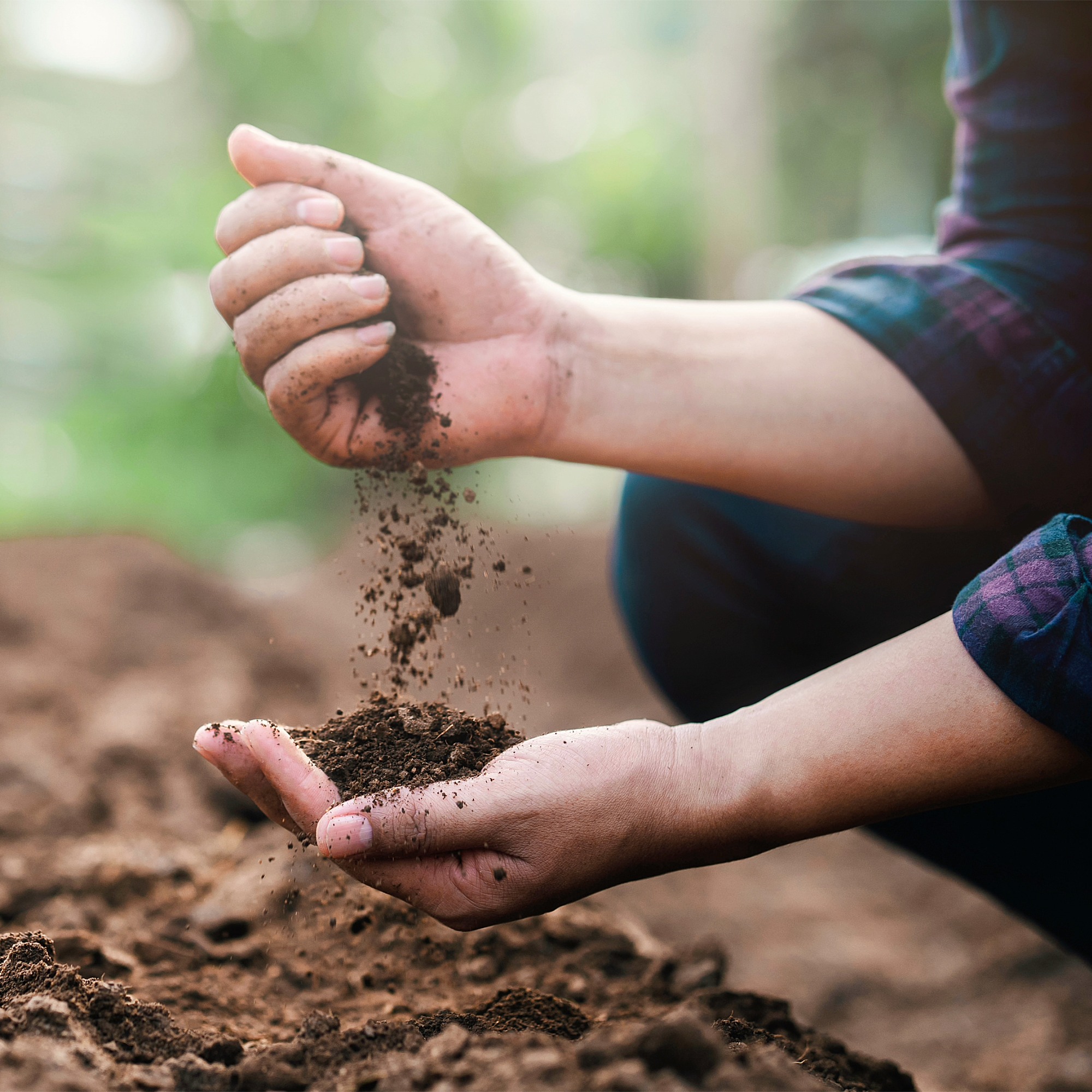 What Is Well-Drained Soil and Why Does It Matter for Your Garden? The Key to Healthy Plants Starts Below Ground](https://www.gardeningknowhow.com/garden-how-to/soil-fertilizers/what-is-well-drained-garden-soil.htm)
- [ Are You Watering Your Potatoes All Wrong? Here's How to Keep Spuds Properly Hydrated for Bigger, Healthier Harvests](https://www.gardeningknowhow.com/edible/potato/watering-potatoes)
- [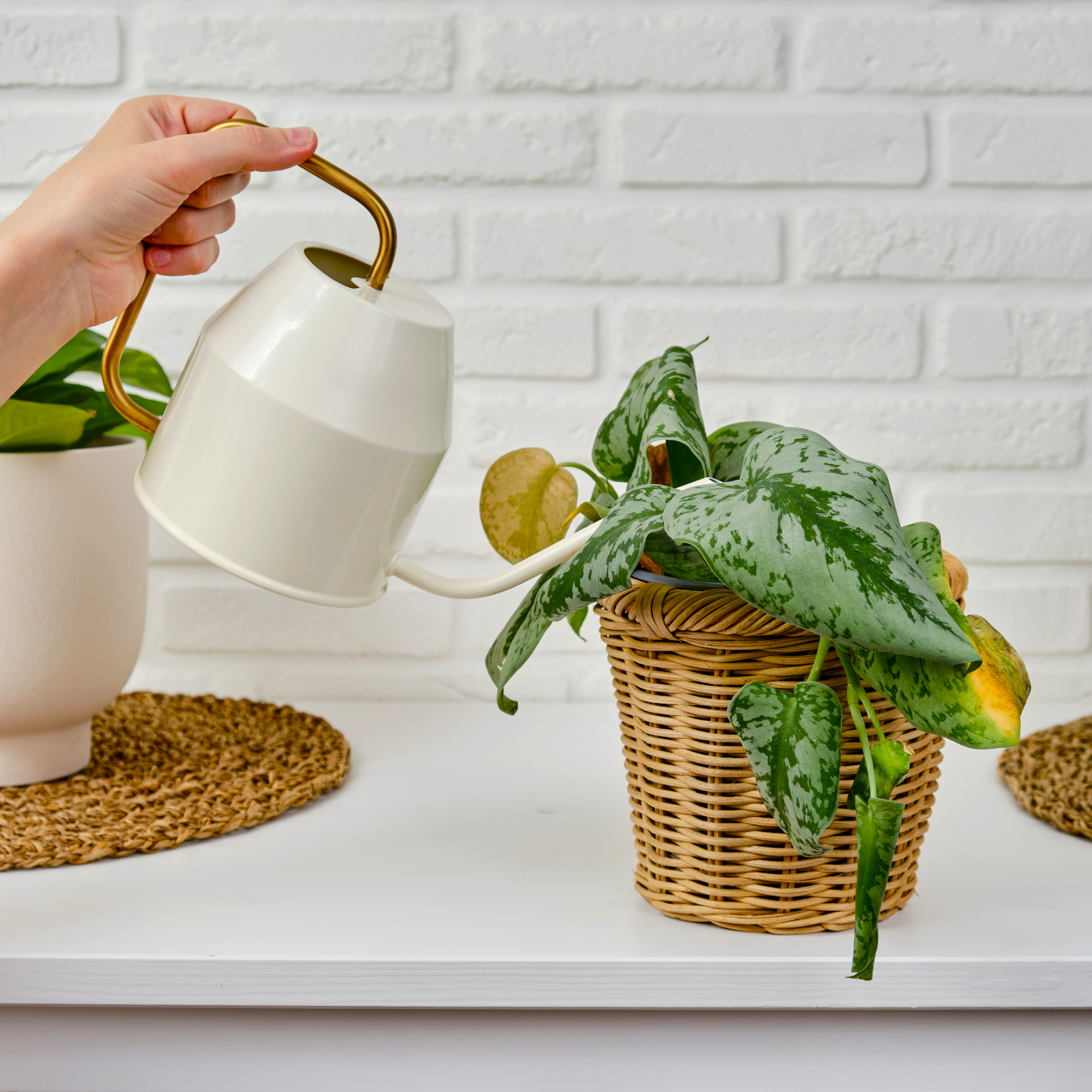 Does Your Plant Have a Drinking Problem? Common Signs Of Overwatering Plants and How to Treat Them](https://www.gardeningknowhow.com/plant-problems/environmental/signs-of-plants-affected-by-too-much-water.htm)
## Watering Tips for New Plants
It is best to water new plants right at the plant base. This can be done for a group of new plants with a soaker hose laid out, so it runs by the base of all the new plants. If you have just added one or two new plants to the garden, it's best to just water those few new plants individually with a regular hose, so that the already established plants in the garden will not receive too much water. Water a plant immediately when you plant it. Whether you’re watering a group of plants with a soaker hose or just one plant with the end of a regular hose, water with a slow, steady trickle for 15 to 20 minutes. Never blast water on the base of the plant, as this causes erosion of the soil and just wastes all the water that the plant doesn't get the chance to soak up.
- For the first week, continue to water plants with regular watering needs every day with a slow steady trickle for 15 to 20 minutes. For succulents, water the same way, only every other day. If there is more than one inch (2.5 cm.) of rainfall in your area, you do not need to water that day.
- In the second week, you can wean the plant by watering every other day with a slow steady trickle for about 15 to 20 minutes. With succulents, by the second week, you can water them only about two or three times.
- In the third week you can wean your plants even more by watering them only two to three times a week with a slow, steady trickle for 15 to 20 minutes. At this point, succulents can be weaned to one watering a week.
- After the third week, continue watering new plants two to three times a week for the rest of their first growing season. Adjust watering for the weather; if you’re getting a lot of rain, water less. If it is hot and dry, water more.
Container plants will need to be watered every day or every other day throughout the growing season, as they dry out faster. When in doubt, simply stick your fingers in the soil. If it is dry, water it; if it is wet, give it time to absorb the water in the soil. If watered properly during the first growing season, your plants should be well established the following growing season. Their roots should be deep and tough enough to seek out water on their own. You will only have to water these established plants on hot, dry days or if they are showing signs of distress.
Gardening tips, videos, info and more delivered right to your inbox\!
Sign up for the Gardening Know How newsletter today and receive a free copy of our e-book "How to Grow Delicious Tomatoes".
By signing up, you agree to our [Terms of services](https:\/\/futureplc.com\/terms-conditions\/) and acknowledge that you have read our [Privacy Notice](https:\/\/futureplc.com\/privacy-policy\/). You also agree to receive marketing emails from us that may include promotions from our trusted partners and sponsors, which you can unsubscribe from at any time.

[Darcy Larum](https://www.gardeningknowhow.com/author/darcy-larum)
Contributing Writer
Darcy is a former contributor to Gardening Know How. She is a professional landscape designer and gardening writer with experience in plant sales. An avid gardener, Darcy has a passion for sharing practical tips to help others grow.
Read more
[ Soil, Fixes & Fertilizers What Is Well-Drained Soil and Why Does It Matter for Your Garden? The Key to Healthy Plants Starts Below Ground](https://www.gardeningknowhow.com/garden-how-to/soil-fertilizers/what-is-well-drained-garden-soil.htm "What Is Well-Drained Soil and Why Does It Matter for Your Garden? The Key to Healthy Plants Starts Below Ground")
[ Potatoes Are You Watering Your Potatoes All Wrong? Here's How to Keep Spuds Properly Hydrated for Bigger, Healthier Harvests](https://www.gardeningknowhow.com/edible/potato/watering-potatoes "Are You Watering Your Potatoes All Wrong? Here's How to Keep Spuds Properly Hydrated for Bigger, Healthier Harvests")
[ Environmental Problems Does Your Plant Have a Drinking Problem? Common Signs Of Overwatering Plants and How to Treat Them](https://www.gardeningknowhow.com/plant-problems/environmental/signs-of-plants-affected-by-too-much-water.htm "Does Your Plant Have a Drinking Problem? Common Signs Of Overwatering Plants and How to Treat Them")
[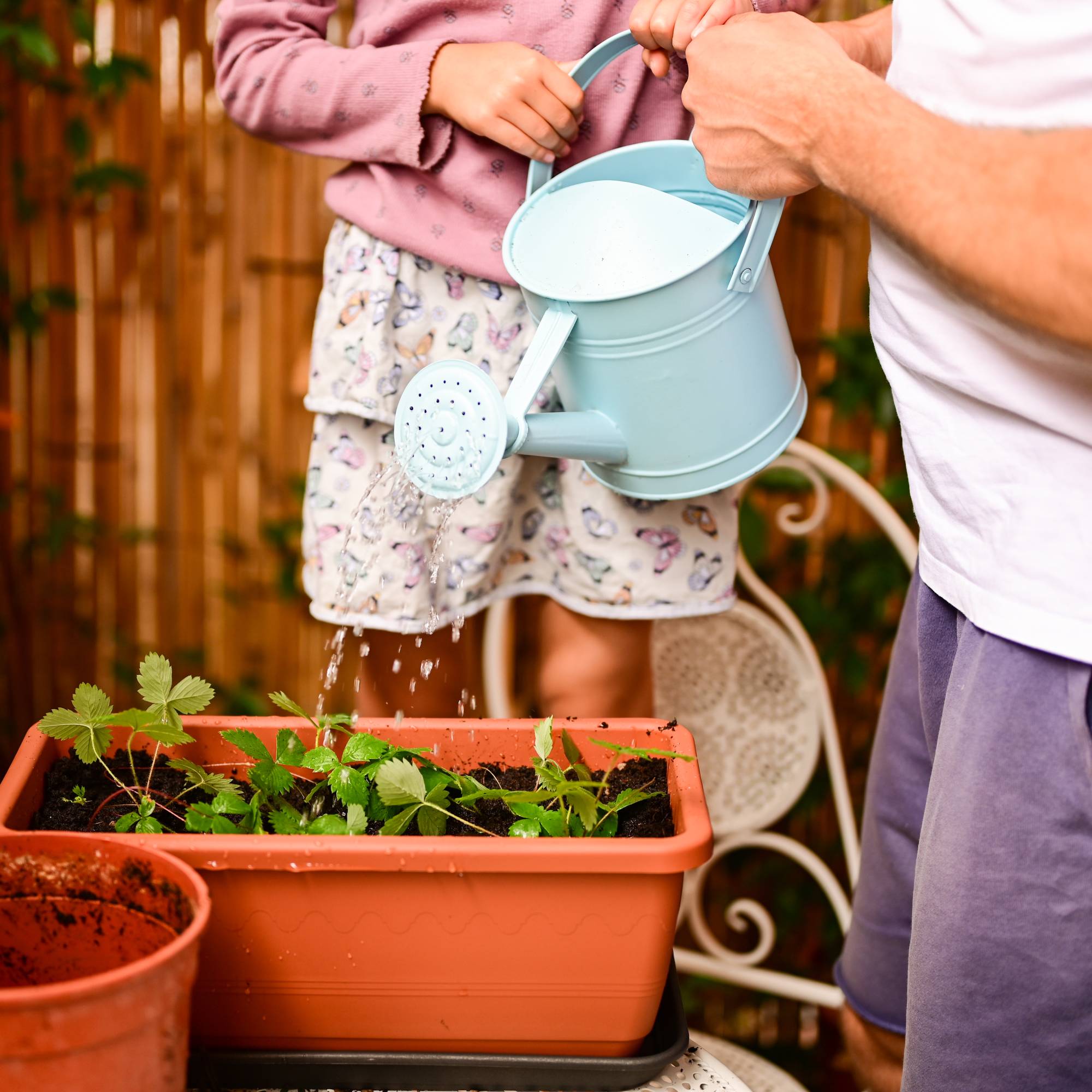 Watering Stop Drowning Your Seeds! These 3 Methods Are the Secret to Healthy Seedlings, Plus the Right Tools for the Job](https://www.gardeningknowhow.com/garden-how-to/watering/seed-watering-methods-and-tools "Stop Drowning Your Seeds! These 3 Methods Are the Secret to Healthy Seedlings, Plus the Right Tools for the Job")
Latest in Watering
[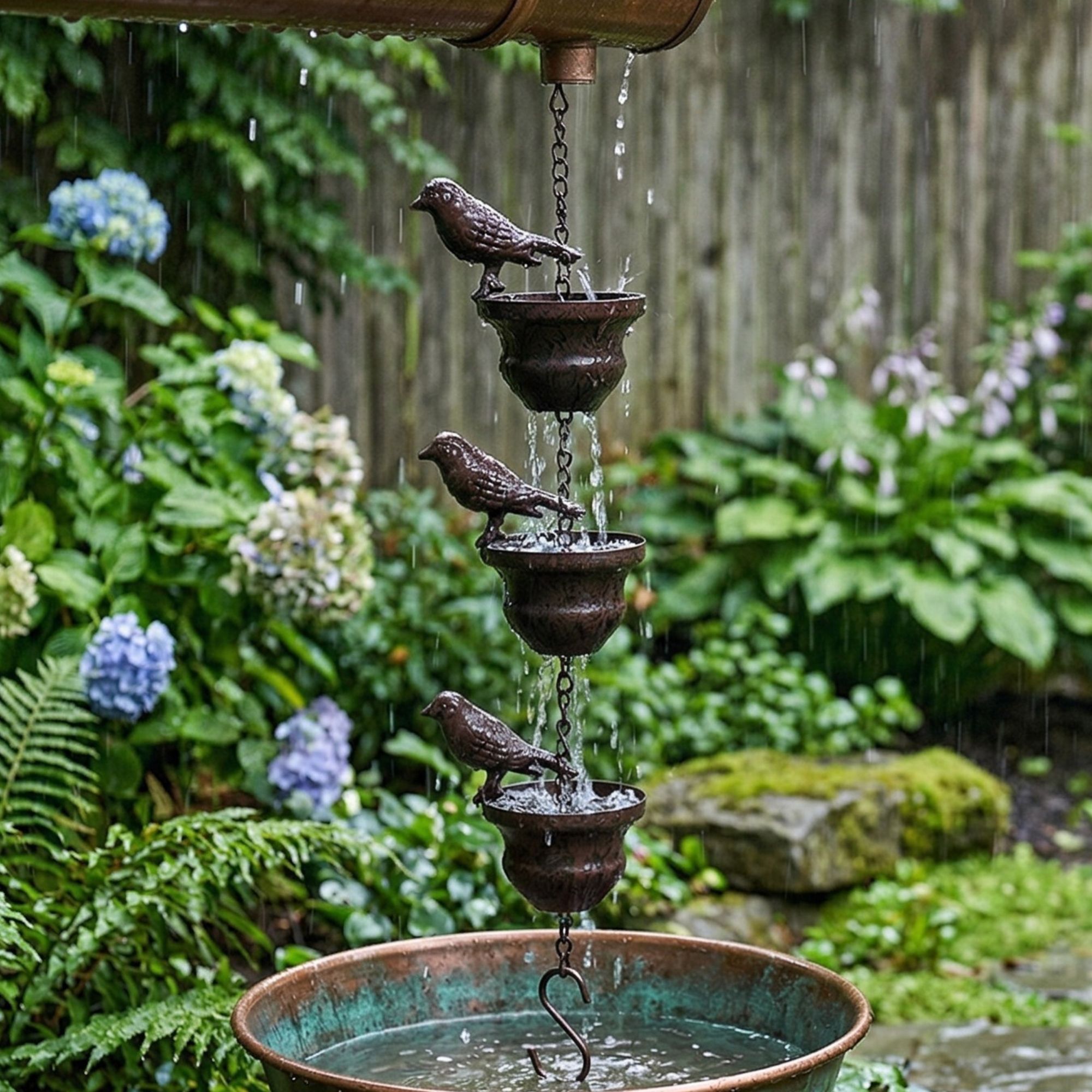 Watering This \$20 Walmart Rain Chain Has Rave Reviews – And It’s a Genius Way to Upgrade Your Downspout](https://www.gardeningknowhow.com/garden-how-to/watering/walmart-rain-chain "This $20 Walmart Rain Chain Has Rave Reviews – And It’s a Genius Way to Upgrade Your Downspout")
[ Watering Stop Drowning Your Seeds! These 3 Methods Are the Secret to Healthy Seedlings, Plus the Right Tools for the Job](https://www.gardeningknowhow.com/garden-how-to/watering/seed-watering-methods-and-tools "Stop Drowning Your Seeds! These 3 Methods Are the Secret to Healthy Seedlings, Plus the Right Tools for the Job")
[ Watering This Easy DIY Rainwater Hack Might Sound Controversial, But It Could Be The Making Of Your Spring Garden](https://www.gardeningknowhow.com/garden-how-to/watering/controversial-diy-rainwater-hack "This Easy DIY Rainwater Hack Might Sound Controversial, But It Could Be The Making Of Your Spring Garden")
[ Watering People Are Pouring Pasta Water on Their Plants, But Experts Say There's a Better Option](https://www.gardeningknowhow.com/garden-how-to/watering/pasta-water-on-plants "People Are Pouring Pasta Water on Their Plants, But Experts Say There's a Better Option")
Latest in How to
[ Gardening Lifestyle This Food Garland Will Have Birds Flocking To Your Yard – It's So Simple To Make](https://www.gardeningknowhow.com/garden-how-to/lifestyle/bird-feed-garland "This Food Garland Will Have Birds Flocking To Your Yard – It's So Simple To Make")
[ Gardening Lifestyle Flower Hammering Is the Latest Nature Craft That Turns Garden Blooms Into Beautiful Prints – and It’s So Easy to Try](https://www.gardeningknowhow.com/garden-how-to/lifestyle/flower-hammering-craft "Flower Hammering Is the Latest Nature Craft That Turns Garden Blooms Into Beautiful Prints – and It’s So Easy to Try")
[ Gardening Lifestyle Moss Was the Star of Paris Fashion Week – No, Not That Moss – and Garden Designers Are Paying Attention](https://www.gardeningknowhow.com/garden-how-to/lifestyle/moss-paris-fashion-week "Moss Was the Star of Paris Fashion Week – No, Not That Moss – and Garden Designers Are Paying Attention")
[ Gardening Tools Customize Your Garden Tool Handles With This Simple Fix to Prevent Gardener’s Thumb](https://www.gardeningknowhow.com/garden-how-to/tools/customize-tool-handles-to-prevent-gardeners-thumb "Customize Your Garden Tool Handles With This Simple Fix to Prevent Gardener’s Thumb")
Useful links
stay in touch
- [About us](https://www.gardeningknowhow.com/about-us)
- [Contact us](https://www.gardeningknowhow.com/contact-us)
- [Job Opportunities](https://www.gardeningknowhow.com/job-opportunities)
related
- [Advertise](https://www.gardeningknowhow.com/advertising-on-gkh)
- [Press](https://www.gardeningknowhow.com/press)
Subscribe
- [Newsletter](https://www.gardeningknowhow.com/gardening-know-how-newsletter)
- [About Us](https://www.gardeningknowhow.com/about-us)
- [Contact Future's experts](https://futureplc.com/contact/)
- [Terms and Conditions](https://www.futureplc.com/terms-conditions/)
- [Privacy Policy](https://www.futureplc.com/privacy-policy/)
- [Cookie Policy](https://www.futureplc.com/cookies-policy/)
- [Do not sell or share my personal information](https://www.gardeningknowhow.com/privacy-portal)
[ Add as a preferred source on Google](https://google.com/preferences/source?q=gardeningknowhow.com)
Gardening Know How is part of Future US Inc, an international media group and leading digital publisher. [Visit our corporate site](https://futureplc.com/).
© Future US, Inc. Full 7th Floor, 130 West 42nd Street, New York, NY 10036. |
| Readable Markdown | “Be sure to water it well when planting it.” I say this phrase several times a day to my garden center customers. What does it mean to water well when planting? Many plants don’t get a chance to develop the deep vigorous roots they’ll need because of insufficient watering. Continue reading to learn how to water new garden plants.
Before planting, it is a good idea to observe the drainage of the planting site or do a soil drainage test. Ideally, you want your planting site’s soil to drain at a rate of about 1 to 6 inches (2.5-15 cm.) per hour. If the area drains too quickly, you’ll need to amend the soil with organic materials or plant only [drought tolerant plants](https://www.gardeningknowhow.com/special/xeriscape/drought-tolerant-plants-for-nearly-any-landscape.htm). If the area drains too slowly, or water stays pooled up, you’ll need to amend the soil with organic materials or use [plants that tolerate wet soil](https://www.gardeningknowhow.com/ornamental/water-plants/wgen/water-tolerant-plants.htm) only. Watering depends on several key factors like:
- What kind of plant you are planting
- What type of soil you have
- Weather conditions
Drought tolerant plants, like [succulents](https://www.gardeningknowhow.com/ornamental/cacti-succulents/scgen/succulent-plant-info.htm), require less water to establish and grow; overwatering these plants can lead to root and crown rot. If your soil is too [sandy](https://www.gardeningknowhow.com/garden-how-to/soil-fertilizers/amending-sandy-soil.htm) or is mostly [clay](https://www.gardeningknowhow.com/special/organic/how-to-easily-improve-your-clay-soil.htm), you will have to adjust your soil or watering habits to give the plants the water they need. If you are planting in a rainy season, you will need to water less. Likewise, if you are planting during the dry season, you will need to water more. With all these factors in mind, you will generally need to water all new plants (even drought tolerant plants) deeply every time you water. Wetting the soil 6 to 12 inches (15-31 cm.) deep encourages roots to grow deeply. Allowing the soil and roots to slightly dry out between waterings encourages the roots to reach out, seeking water on their own. Plants that are watered deeply but infrequently will have vigorous, strong roots while plants that are watered lightly often have shallow, weak roots.
Article continues below
Latest Videos From Gardening Know How
## Watering Tips for New Plants
It is best to water new plants right at the plant base. This can be done for a group of new plants with a soaker hose laid out, so it runs by the base of all the new plants. If you have just added one or two new plants to the garden, it's best to just water those few new plants individually with a regular hose, so that the already established plants in the garden will not receive too much water. Water a plant immediately when you plant it. Whether you’re watering a group of plants with a soaker hose or just one plant with the end of a regular hose, water with a slow, steady trickle for 15 to 20 minutes. Never blast water on the base of the plant, as this causes erosion of the soil and just wastes all the water that the plant doesn't get the chance to soak up.
- For the first week, continue to water plants with regular watering needs every day with a slow steady trickle for 15 to 20 minutes. For succulents, water the same way, only every other day. If there is more than one inch (2.5 cm.) of rainfall in your area, you do not need to water that day.
- In the second week, you can wean the plant by watering every other day with a slow steady trickle for about 15 to 20 minutes. With succulents, by the second week, you can water them only about two or three times.
- In the third week you can wean your plants even more by watering them only two to three times a week with a slow, steady trickle for 15 to 20 minutes. At this point, succulents can be weaned to one watering a week.
- After the third week, continue watering new plants two to three times a week for the rest of their first growing season. Adjust watering for the weather; if you’re getting a lot of rain, water less. If it is hot and dry, water more.
Container plants will need to be watered every day or every other day throughout the growing season, as they dry out faster. When in doubt, simply stick your fingers in the soil. If it is dry, water it; if it is wet, give it time to absorb the water in the soil. If watered properly during the first growing season, your plants should be well established the following growing season. Their roots should be deep and tough enough to seek out water on their own. You will only have to water these established plants on hot, dry days or if they are showing signs of distress.
Sign up for the Gardening Know How newsletter today and receive a free copy of our e-book "How to Grow Delicious Tomatoes". |
| Shard | 177 (laksa) |
| Root Hash | 8605050252361532977 |
| Unparsed URL | com,gardeningknowhow!www,/garden-how-to/watering/watering-new-plants.htm s443 |