ℹ️ Skipped - page is already crawled
| Filter | Status | Condition | Details |
|---|---|---|---|
| HTTP status | PASS | download_http_code = 200 | HTTP 200 |
| Age cutoff | PASS | download_stamp > now() - 6 MONTH | 0.2 months ago |
| History drop | PASS | isNull(history_drop_reason) | No drop reason |
| Spam/ban | PASS | fh_dont_index != 1 AND ml_spam_score = 0 | ml_spam_score=0 |
| Canonical | PASS | meta_canonical IS NULL OR = '' OR = src_unparsed | Not set |
| Property | Value |
|---|---|
| URL | https://www.fraserhealth.ca/health-topics-a-to-z/fever |
| Last Crawled | 2026-04-12 11:14:07 (6 days ago) |
| First Indexed | 2020-11-10 03:04:40 (5 years ago) |
| HTTP Status Code | 200 |
| Meta Title | Fever - Fraser Health |
| Meta Description | Find information about fever in children including how to measure body temperature and how to care for a child with a fever., Find information about fever in children including how to measure body temperature and how to care for a child with a fever. |
| Meta Canonical | null |
| Boilerpipe Text | Find information about fever in children including how to measure body temperature and how to care for a child with a fever.
Fever is a rise in body temperature. It is a normal and healthy reaction to an infection. Fever helps the body fight infection.
What is normal body temperature?
Normal body temperature is around 37°C (98.6°F). Our body temperature usually rises during the day to around 37.6°C (99.6°F) and falls at night to around 36.3°C (97.4°F).
Measuring body temperature
Children often feel warm to the touch when they have a fever. To confirm your child has a fever, use a thermometer to measure your child’s body temperature.
The most common ways are in the armpit and under the tongue.
When to use the armpit method:
For children who are six years old or younger.
For children who cannot hold a thermometer under their tongue.
When to use the under the tongue method:
For children who are over six years old.
For children who can breathe easily through their nose.
Using a digital thermometer
Armpit method
Turn the thermometer on.
Sit your child on your lap.
Undress the arm furthest from you.
Place the tip of the thermometer in the centre of the armpit.
Hold the arm against your child’s body.
Remove the thermometer when you hear the beep – usually about one minute.
Read the temperature.
Clean the thermometer with cool, soapy water. Rinse well.
Under the tongue method
Turn the thermometer on.
Place the tip of the thermometer under the tongue, to the back of the mouth, just to one side of centre.
Ask your child to close his or her lips around the thermometer.
Remove the thermometer when you hear the beep – usually about one minute.
Read the temperature.
Clean the thermometer with cool, soapy water. Rinse well.
Never use a glass (mercury) thermometer.
How to care for a child with a fever
Keep your child cool but not cold.
Dress your child in light clothing. Remove heavy sweaters and blankets.
Keep the room temperature below 21°C (70°F).
Use a fan in the summer to cool the room. Do not blow the cold air directly onto the child.
Place a cool cloth on your child’s forehead.
If your child starts to shiver, cover your child. Shivering increases body temperature.
Keep your child hydrated.
Encourage your child to drink clear fluids such as water, apple or cranberry juice, or ginger ale.
If your child is breastfeeding, continue to breastfeed as well.
Older children can also have clear gelatine desserts and popsicles.
Giving medicine for fever
Only use medicines labelled specifically for infants and children.
Give your child either acetaminophen (Tylenol, Tempra, drugstore and other brands), or ibuprofen (Advil, Motrin, drug store and other brands).
Never give a child Aspirin
(acetylsalicylic acid or ASA) or anything with ASA in it.
If your child is
three months old or younger
and the body temperature is 38°C (100°F) or higher:
Call your family doctor right away.
Do not give any medicine until your doctor says it is okay.
If you cannot contact your doctor, go to the nearest Emergency Department.
If your child is
more than three months old
and the body temperature is 38.5°C (101.3°F) or higher, you can go ahead and give either ibuprofen or acetaminophen.
Go to the nearest Emergency Department if:
The fever lasts for more than 48 hours.
The fever goes to 40°C (104°F) or higher.
Your child is having trouble breathing.
Your child has a seizure.
Your child complains of a stiff, sore neck.
Resources |
| Markdown | - [Current outbreaks](https://www.fraserhealth.ca/patients-and-visitors/current-outbreaks#Outbreaks "Current outbreaks of influenza or GI illness in Fraser Health.")
- [News](https://www.fraserhealth.ca/news#News "News, blogs and media releases from Fraser Health")
- [Careers](https://careers.fraserhealth.ca/ "Employment opportunities with Fraser Health")
- [Medical staff](http://medicalstaff.fraserhealth.ca/ "Information and career opportunities for medical staff")
- [Employees](https://www.fraserhealth.ca/employees#Employees "Information for Fraser Health Employees")
- [Research](https://www.fraserhealth.ca/employees/research-and-evaluation#Research)
- [Capital projects](https://www.fraserhealth.ca/capital-projects "Capital projects")
- [Ask Fraser](https://askfraser.fraserhealth.ca/ "Ask Fraser")
[](https://www.fraserhealth.ca/ "Fraser Health")
[Menu](https://www.fraserhealth.ca/health-topics-a-to-z/fever "Menu")
[Search](https://www.fraserhealth.ca/health-topics-a-to-z/fever#Search "Search")
- [Health topics](https://www.fraserhealth.ca/health-topics-a-to-z "Health topics A to Z")
- [Patients and visitors](https://www.fraserhealth.ca/patients-and-visitors "Patients and visitors")
- [Locations and services](https://www.fraserhealth.ca/Service-Directory "Service Directory")
- [Care in your community](https://www.fraserhealth.ca/your-community "Your community")
Search
1. [Home](https://www.fraserhealth.ca/ "Home")
\>
2. [Health topics](https://www.fraserhealth.ca/health-topics-a-to-z "Health topics A to Z")
\>
3. [Fever](https://www.fraserhealth.ca/health-topics-a-to-z/fever "Fever")
\>
# [Fever](https://www.fraserhealth.ca/health-topics-a-to-z/fever "Fever")
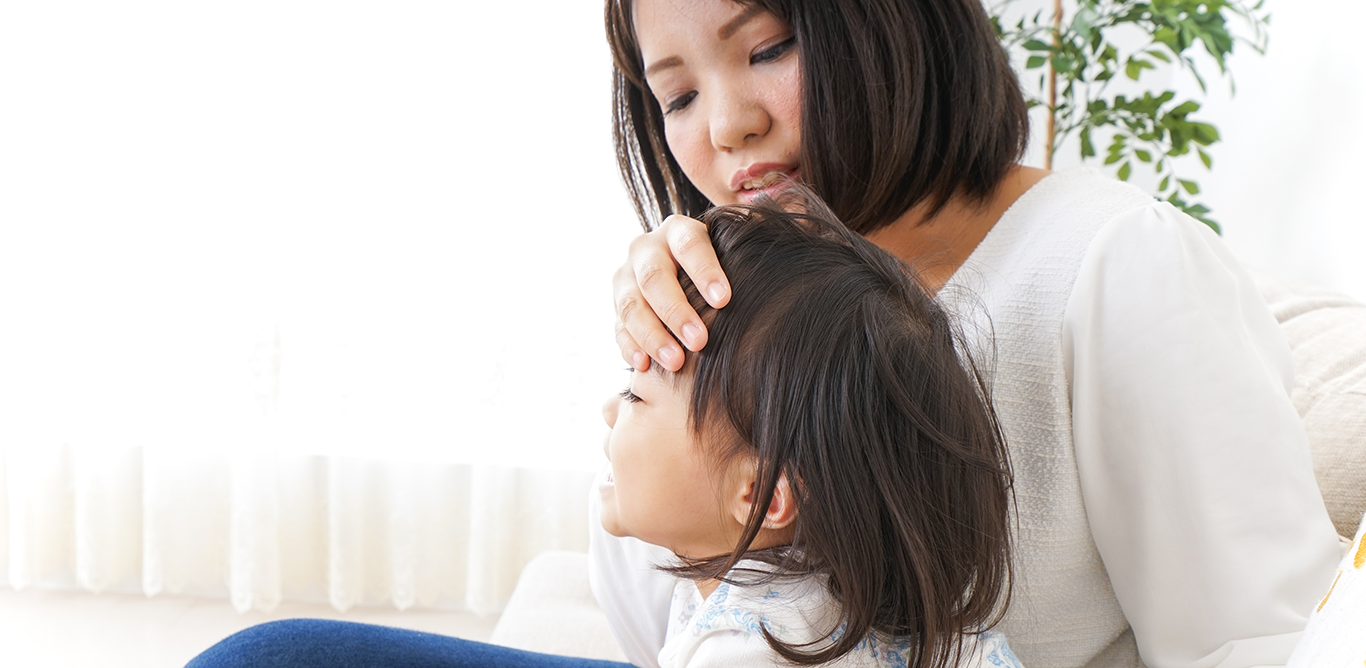
### Find information about fever in children including how to measure body temperature and how to care for a child with a fever.
Fever is a rise in body temperature. It is a normal and healthy reaction to an infection. Fever helps the body fight infection.
## What is normal body temperature?
Normal body temperature is around 37°C (98.6°F). Our body temperature usually rises during the day to around 37.6°C (99.6°F) and falls at night to around 36.3°C (97.4°F).
## Measuring body temperature
Children often feel warm to the touch when they have a fever. To confirm your child has a fever, use a thermometer to measure your child’s body temperature.
The most common ways are in the armpit and under the tongue.
**When to use the armpit method:**
- For children who are six years old or younger.
- For children who cannot hold a thermometer under their tongue.
**When to use the under the tongue method:**
- For children who are over six years old.
- For children who can breathe easily through their nose.
## Using a digital thermometer
**Armpit method**
- Turn the thermometer on.
- Sit your child on your lap.
- Undress the arm furthest from you.
- Place the tip of the thermometer in the centre of the armpit.
- Hold the arm against your child’s body.
- Remove the thermometer when you hear the beep – usually about one minute.
- Read the temperature.
- Clean the thermometer with cool, soapy water. Rinse well.
**Under the tongue method**
- Turn the thermometer on.
- Place the tip of the thermometer under the tongue, to the back of the mouth, just to one side of centre.
- Ask your child to close his or her lips around the thermometer.
- Remove the thermometer when you hear the beep – usually about one minute.
- Read the temperature.
- Clean the thermometer with cool, soapy water. Rinse well.
**Never use a glass (mercury) thermometer.**
## How to care for a child with a fever
**Keep your child cool but not cold.**
- Dress your child in light clothing. Remove heavy sweaters and blankets.
- Keep the room temperature below 21°C (70°F).
- Use a fan in the summer to cool the room. Do not blow the cold air directly onto the child.
- Place a cool cloth on your child’s forehead.
- If your child starts to shiver, cover your child. Shivering increases body temperature.
**Keep your child hydrated.**
- Encourage your child to drink clear fluids such as water, apple or cranberry juice, or ginger ale.
- If your child is breastfeeding, continue to breastfeed as well.
- Older children can also have clear gelatine desserts and popsicles.
## Giving medicine for fever
Only use medicines labelled specifically for infants and children.
Give your child either acetaminophen (Tylenol, Tempra, drugstore and other brands), or ibuprofen (Advil, Motrin, drug store and other brands).
**Never give a child Aspirin** (acetylsalicylic acid or ASA) or anything with ASA in it.
If your child is **three months old or younger** and the body temperature is 38°C (100°F) or higher:
- Call your family doctor right away.
- Do not give any medicine until your doctor says it is okay.
If you cannot contact your doctor, go to the nearest Emergency Department.
If your child is **more than three months old** and the body temperature is 38.5°C (101.3°F) or higher, you can go ahead and give either ibuprofen or acetaminophen.
## Go to the nearest Emergency Department if:
- The fever lasts for more than 48 hours.
- The fever goes to 40°C (104°F) or higher.
- Your child is having trouble breathing.
- Your child has a seizure.
- Your child complains of a stiff, sore neck.
## Resources
- [About Kids Health: Fever](https://www.aboutkidshealth.ca/fever)
Text Size
A
A
#### In this section
- [Assisted living and long-term care](https://www.fraserhealth.ca/health-topics-a-to-z/assisted-living-and-long-term-care "Assisted living and long-term care")
- [Equity, Diversity and Inclusion (EDI)](https://www.fraserhealth.ca/health-topics-a-to-z/EDI "EDI")
- [Alcohol and my health](https://www.fraserhealth.ca/health-topics-a-to-z/alcohol-and-my-health "Alcohol and my health")
- [Advance care planning](https://www.fraserhealth.ca/health-topics-a-to-z/advance-care-planning "Advance care planning")
- [COVID-19](https://www.fraserhealth.ca/health-topics-a-to-z/coronavirus "Coronavirus")
- [Health Career Access Program](https://www.fraserhealth.ca/health-topics-a-to-z/hcap "Health Career Access Program")
- [Indigenous Health](https://www.fraserhealth.ca/health-topics-a-to-z/indigenous-health "Indigenous Health")
- [Intensive care unit (ICU)](https://www.fraserhealth.ca/health-topics-a-to-z/Intensive-care-unit "Intensive care unit (ICU)")
- [Resources for Assisted Living providers](https://www.fraserhealth.ca/health-topics-a-to-z/resources-for-assisted-living-providers "Resources for Assisted Living Providers")
- [The climate, the environment and your health](https://www.fraserhealth.ca/health-topics-a-to-z/the-weather-and-your-health "The weather and your health")
- [Urinary tract infection (UTI)](https://www.fraserhealth.ca/health-topics-a-to-z/Urinary-tract-infection-UTI "Urinary tract infection (UTI)")
- [Winter Health](https://www.fraserhealth.ca/health-topics-a-to-z/winter-health "Redirect: Winter Health")
- [Workplace health](https://www.fraserhealth.ca/health-topics-a-to-z/workplace-health "Workplace health")
[Back to top](https://www.fraserhealth.ca/health-topics-a-to-z/fever#top "Back to top")
The  of health care
[](http://www.twitter.com/fraserhealth)
[](http://www.facebook.com/fraserhealthauthority)
[](https://www.youtube.com/user/Fraserhealth/)
[](https://www.linkedin.com/company/fraser-health-authority/)
[](https://www.instagram.com/fraserhealth/)
[](https://bsky.app/profile/fraserhealth.ca "BlueSky")
We recognize that Fraser Health provides care on the traditional, ancestral and unceded lands of the Coast Salish and Nlaka’pamux Nations and is home to 32 First Nations within the Fraser Salish region.
Fraser Health is dedicated to serving all Indigenous people, and honours the unique cultures of the First Nations, Métis and Inuit living within the Fraser Salish region.
[Ask Fraser](https://askfraser.fraserhealth.ca/ "Ask Fraser")
#### About us
- [About Fraser Health](https://www.fraserhealth.ca/about-us/about-fraser-health)
- [Capital projects](https://www.fraserhealth.ca/capital-projects "Capital projects")
- [Leadership](https://www.fraserhealth.ca/about-us/leadership "Leadership")
- [News](https://www.fraserhealth.ca/news)
- [Accountability](https://www.fraserhealth.ca/about-us/accountability "Accountability")
- [Awards and Recognition](https://www.fraserhealth.ca/about-us/awards-and-recognition "Awards and Recognition")
- [Events](https://www.fraserhealth.ca/events "Events")
- [Patient care quality office](https://www.fraserhealth.ca/about-us/contact-us/Feedback-about-patient-care-quality "Patient care quality office")
- [Compliments and complaints](https://www.fraserhealth.ca/about-us/compliments-and-complaints "Compliments and complaints")
- [Heart to heart](https://www.fraserhealth.ca/heart-to-heart)
- [Contact us](https://www.fraserhealth.ca/about-us/contact-us)
#### Information for
- [Contractors and consultants](https://www.fraserhealth.ca/about-us/business-opportunities "Business opportunities")
- [Daycare operators](https://www.fraserhealth.ca/health-topics-a-to-z/child-care "Child Care")
- [Indigenous people](https://www.fraserhealth.ca/health-topics-a-to-z/indigenous-health)
- [Job seekers](http://careers.fraserhealth.ca/ "Job seekers")
- [Licensed care facilities and assisted living providers](https://www.fraserhealth.ca/health-topics-a-to-z/licensed-care-facilities-and-assisted-living-providers)
- [Restaurant operators](https://www.fraserhealth.ca/health-topics-a-to-z/food-safety/requirements-for-food-businesses "Requirements for Food Businesses")
- [Students](https://careers.fraserhealth.ca/student-practice-education/ "Student practice education")
- [Teachers and principals](https://www.fraserhealth.ca/health-topics-a-to-z/school-health/resources-for-teachers-and-administrators "Student practice education")
- [Volunteer opportunities](https://www.fraserhealth.ca/about-us/volunteer-opportunities "Volunteer opportunities")
#### For staff
- [Computer and employment resources](https://www.fraserhealth.ca/employees/employee-resources "Computer and employment resources")
- [Clinical resources](https://www.fraserhealth.ca/employees/clinical-resources)
- [Employee newsletter](http://thebeat.fraserhealth.ca/ "Employee newsletter")
- [Payroll information](https://www.fraserhealth.ca/employees/employee-resources/myfhinfo "Payroll information")
- [Webmail access](https://www.fraserhealth.ca/employees/employee-resources/email-access "Computer and employment resources")
#### Hospitals
- [Abbotsford Regional Hospital and Cancer Centre](https://www.fraserhealth.ca/Service-Directory/Locations/Abbotsford/abbotsford-regional-hospital-and-cancer-centre)
- [Burnaby Hospital](https://www.fraserhealth.ca/Service-Directory/Locations/Burnaby/burnaby-hospital)
- [Chilliwack General Hospital](https://www.fraserhealth.ca/Service-Directory/Locations/Chilliwack/chilliwack-general-hospital)
- [Delta Hospital](https://www.fraserhealth.ca/Service-Directory/Locations/Delta/delta-hospital)
- [Eagle Ridge Hospital](https://www.fraserhealth.ca/Service-Directory/Locations/Port-Moody/eagle-ridge-hospital)
- [Fraser Canyon Hospital](https://www.fraserhealth.ca/Service-Directory/Locations/Hope/fraser-canyon-hospital)
- [Jim Pattison Outpatient Care and Surgery Centre](https://www.fraserhealth.ca/Service-Directory/Locations/Surrey/jim-pattison-outpatient-care-and-surgery-centre)
- [Langley Memorial Hospital](https://www.fraserhealth.ca/Service-Directory/Locations/Langley/langley-memorial-hospital)
- [Mission Memorial Hospital](https://www.fraserhealth.ca/Service-Directory/Locations/Mission/mission-memorial-hospital)
- [Ridge Meadows Hospital](https://www.fraserhealth.ca/Service-Directory/Locations/Maple-Ridge---Pitt-Meadows/ridge-meadows-hospital)
- [Peace Arch Hospital](https://www.fraserhealth.ca/Service-Directory/Locations/White-Rock/peace-arch-hospital)
- [Royal Columbian Hospital](https://www.fraserhealth.ca/Service-Directory/Locations/New-Westminster/royal-columbian-hospital)
- [Surrey Memorial Hospital](https://www.fraserhealth.ca/Service-Directory/Locations/Surrey/surrey-memorial-hospital)
©2025 Fraser Health Authority
- [Privacy statement](https://www.fraserhealth.ca/about-us/privacy-statement "Privacy statement")
- [Warranty disclaimer](https://www.fraserhealth.ca/about-us/warranty-disclaimer "Warranty disclaimer")
- [Browsers](https://www.fraserhealth.ca/about-us/browsers#Browsers "Browser compatibility")
[](http://www.gov.bc.ca/health/ "British Columbia Health")
[X]()
Cookies help us improve your website experience.
By using our website, you agree to our use of cookies.
[Confirm]()
[X]()
Cookies help us improve your website experience.
By using our website, you agree to our use of cookies.
[Confirm]() |
| Readable Markdown | Find information about fever in children including how to measure body temperature and how to care for a child with a fever.
Fever is a rise in body temperature. It is a normal and healthy reaction to an infection. Fever helps the body fight infection.
What is normal body temperature?
Normal body temperature is around 37°C (98.6°F). Our body temperature usually rises during the day to around 37.6°C (99.6°F) and falls at night to around 36.3°C (97.4°F).
Measuring body temperature
Children often feel warm to the touch when they have a fever. To confirm your child has a fever, use a thermometer to measure your child’s body temperature.
The most common ways are in the armpit and under the tongue.
**When to use the armpit method:**
- For children who are six years old or younger.
- For children who cannot hold a thermometer under their tongue.
**When to use the under the tongue method:**
- For children who are over six years old.
- For children who can breathe easily through their nose.
Using a digital thermometer
**Armpit method**
- Turn the thermometer on.
- Sit your child on your lap.
- Undress the arm furthest from you.
- Place the tip of the thermometer in the centre of the armpit.
- Hold the arm against your child’s body.
- Remove the thermometer when you hear the beep – usually about one minute.
- Read the temperature.
- Clean the thermometer with cool, soapy water. Rinse well.
**Under the tongue method**
- Turn the thermometer on.
- Place the tip of the thermometer under the tongue, to the back of the mouth, just to one side of centre.
- Ask your child to close his or her lips around the thermometer.
- Remove the thermometer when you hear the beep – usually about one minute.
- Read the temperature.
- Clean the thermometer with cool, soapy water. Rinse well.
**Never use a glass (mercury) thermometer.**
How to care for a child with a fever
**Keep your child cool but not cold.**
- Dress your child in light clothing. Remove heavy sweaters and blankets.
- Keep the room temperature below 21°C (70°F).
- Use a fan in the summer to cool the room. Do not blow the cold air directly onto the child.
- Place a cool cloth on your child’s forehead.
- If your child starts to shiver, cover your child. Shivering increases body temperature.
**Keep your child hydrated.**
- Encourage your child to drink clear fluids such as water, apple or cranberry juice, or ginger ale.
- If your child is breastfeeding, continue to breastfeed as well.
- Older children can also have clear gelatine desserts and popsicles.
Giving medicine for fever
Only use medicines labelled specifically for infants and children.
Give your child either acetaminophen (Tylenol, Tempra, drugstore and other brands), or ibuprofen (Advil, Motrin, drug store and other brands).
**Never give a child Aspirin** (acetylsalicylic acid or ASA) or anything with ASA in it.
If your child is **three months old or younger** and the body temperature is 38°C (100°F) or higher:
- Call your family doctor right away.
- Do not give any medicine until your doctor says it is okay.
If you cannot contact your doctor, go to the nearest Emergency Department.
If your child is **more than three months old** and the body temperature is 38.5°C (101.3°F) or higher, you can go ahead and give either ibuprofen or acetaminophen.
Go to the nearest Emergency Department if:
- The fever lasts for more than 48 hours.
- The fever goes to 40°C (104°F) or higher.
- Your child is having trouble breathing.
- Your child has a seizure.
- Your child complains of a stiff, sore neck.
Resources |
| Shard | 51 (laksa) |
| Root Hash | 410563093261004251 |
| Unparsed URL | ca,fraserhealth!www,/health-topics-a-to-z/fever s443 |