ℹ️ Skipped - page is already crawled
| Filter | Status | Condition | Details |
|---|---|---|---|
| HTTP status | PASS | download_http_code = 200 | HTTP 200 |
| Age cutoff | PASS | download_stamp > now() - 6 MONTH | 0.1 months ago |
| History drop | PASS | isNull(history_drop_reason) | No drop reason |
| Spam/ban | PASS | fh_dont_index != 1 AND ml_spam_score = 0 | ml_spam_score=0 |
| Canonical | PASS | meta_canonical IS NULL OR = '' OR = src_unparsed | Not set |
| Property | Value |
|---|---|
| URL | https://www.forhers.com/blog/how-to-get-antidepressants |
| Last Crawled | 2026-04-12 04:53:08 (1 day ago) |
| First Indexed | 2021-05-14 18:15:13 (4 years ago) |
| HTTP Status Code | 200 |
| Meta Title | How To Get Antidepressants | Take Care by Hers |
| Meta Description | Feeling overwhelmed by depression? Learn how to get prescribed antidepressants by talking to a provider or navigating telemedicine platforms. |
| Meta Canonical | null |
| Boilerpipe Text | When you’re depressed, seemingly small tasks or activities like brushing your teeth or grabbing after-work drinks can feel like an enormous hurdle. And mustering the strength — and vulnerability — to ask for help can feel nearly impossible.
Whether you’ve new to these feelings or have been struggling with severe
depression
for years, you are not alone. Worldwide, nearly
300 million
adults suffer from this mental health disorder.
Fortunately, there are coping strategies and treatment plans that can help make living with depression less debilitating. Along with mental health resources like
talk therapy
, antidepressant medication is one of the most
effective
treatments healthcare providers recommend.
So if you’re wondering how to get depression medication, how exactly these medications work, or which kind of antidepressant could be right for you, keep reading.
©
Olga Moreira / Stocksy United. Model portrayal.
While not as quick as adding a pair of shoes to your online shopping cart,
getting prescribed antidepressants
isn’t as difficult as it may seem. You will need to get a prescription from a healthcare provider, though.
If you’re wondering where to get antidepressants, here are a few things you can do:
Talk to your primary care provider.
Based on your symptoms (and any coexisting medical conditions you might have), a primary care provider (PCP) can direct you to the right kind of medication. In addition to medication, your PCP may also recommend other forms of treatment, like
group therapy
or psychotherapy.
Get a referral from a therapist.
A
therapist
cannot prescribe
depression medication
in most states, but a psychiatrist or a nurse practitioner can. Making an appointment with a therapist is a good starting point because they can provide coping strategies based on your symptoms of depression and connect you with a professional who can write you a prescription.
Utilize online telehealth platforms.
If you don’t feel like making the trip to the doctor’s office, you can also
get antidepressants online
.
Lastly,
over-the-counter
alternatives
might
offer some benefits while you figure out if prescription medication is the right approach for you. A handful of the most popular ones include:
St. John’s wort
Omega-3 fatty acids
5-HTP
(5-hydroxytryptophan)
SAMe (S-adenosyl-L-methionine)
While some research supports the effectiveness of the above
supplements
, it’s important to note that there is still uncertainty about how effective they are as well as factors like dosage and drug interactions.
If you decide to dip your feet into the over-the-counter antidepressant pond, keep in mind: OTC antidepressants aren’t technically antidepressants, and they’re not a replacement for seeking professional help. Also, active ingredients in OTC supplements vary by brand and individual batches, delivering unpredictable results.
When in doubt, always talk to a healthcare provider.
It’s totally normal to feel down sometimes, especially when you’re going through a rough patch, like a breakup or a job loss. But when those feelings become more intense and prolonged, you might start to wonder
if you need antidepressants
.
Antidepressants are most
commonly
prescribed for people who have
major depressive disorder
(MDD). MDD is described as an inability to experience pleasure or feeling depressed, moody, or
sad
every day for at least two weeks accompanied by other symptoms such as low motivation and energy. They can also be used to treat
anxiety
disorders and chronic pain, in some cases.
For many, the first step in talking about mental health struggles begins with a primary care provider. While you might associate your PCP as that person who gives you your annual physical or writes you a prescription when you get a sinus infection, they can actually be a great first stop on the train toward treatment.
To make a
diagnosis
, a healthcare professional may ask if you’re experiencing symptoms of MDD,
such as
:
Sleep disruption
Weight gain or
weight loss
Trouble making decisions
Feelings of worthlessness
Suicidal thoughts or frequent thoughts about death
Decreased energy,
fatigue
, or feeling “slowed down”
Depression enters some people’s lives in waves, depending on life circumstances. For others, the mental health condition might feel more like a
permanent
fixture — like a bad roommate who just won’t move out.
Your healthcare provider will likely want to know how long you’ve been experiencing symptoms, their severity, and how your symptoms are presented before making an official diagnosis.
Not sure how to start the conversation with your healthcare provider? Our guide on
how to ask your doctor for antidepressants
has some pointers to help you feel more confident in talking about your symptoms.
Depression Medication
Depression got you down?
When people talk about antidepressants, it may seem like they’re referring to one kind of pill that magically works for everyone. The reality is there’s no one-size-fits-all treatment.
There are multiple types of antidepressants, and each person responds to them differently.
How long a person takes an antidepressant also varies. Some people may need antidepressants for a relatively short period (like while
grieving
the loss of a loved one), while those with chronic depression might need to stay on medication long-term.
These
are the
most common antidepressants
prescribed to patients:
Selective serotonin reuptake inhibitors (
SSRIs
)
Serotonin and norepinephrine reuptake inhibitors (SNRIs)
Tricyclic antidepressants
(TCAs)
Bupropion (NDRI)
Let’s get to know each one better.
SSRIs
Selective serotonin reuptake inhibitors target your serotonin levels. Many healthcare professionals
consider
them a first line of treatment for major depressive disorder as well as anxiety disorders.
The most commonly prescribed SSRIs
include
:
Escitalopram
(Lexapro
®
)
Fluoxetine
(Prozac
®
)
Sertraline
(Zoloft
®
)
Paroxetine
(Paxil
®
)
Citalopram
(Celexa
®
)
Rx Available
Feeling better is possible
SNRIs
Serotonin-norepinephrine reuptake inhibitors can also optimize serotonin activity, but they also target another neurotransmitter called norepinephrine.
Norepinephrine, among other things,
helps
regulate the sleep-wake cycle, stimulates the cardiovascular system, and is involved in the body’s fight-or-flight response.
Low levels of norepinephrine are linked to symptoms like lethargy and poor concentration. By targeting both serotonin and norepinephrine, SNRI medication can be effective in treating anxiety
and
depression.
The most commonly prescribed SNRIs are:
Venlafaxine
(Effexor XR
®
)
Desvenlafaxine (Pristiq
®
)
Duloxetine
(Cymbalta
®
)
Milnacipran (Savella
®
)
Levomilnacipran (Fetzima
®
)
Tricyclic Antidepressants (TCAs)
Tricyclic antidepressants (TCAs) are a type of antidepressant developed in the 20th century. They’re among
some of the first
prescription medications to be approved by the FDA.
Lots of people still use TCAs, though generally for issues unrelated to depression, because they’ve largely been replaced with other medications, like SSRIs and SNRIs. However, if you’re experiencing depression and those aforementioned meds aren’t cutting it, your healthcare provider might recommend TCAs as an alternative.
Bupropion
Bupropion is
another
antidepressant used for the treatment of depression as well as
seasonal affective disorder
(SAD).
It’s an atypical antidepressant and belongs to a group of medications known as aminoketones. It impacts the way your body uses neurotransmitters like dopamine and norepinephrine to help regulate your moods. People with depression may have lower dopamine and norepinephrine levels, and bupropion works by increasing them.
Bupropion is sold under the brand names:
Wellbutrin
®
Wellbutrin SR
®
Wellbutrin XL
®
Aplenzin
®
Forfivo
®
XL (for major depressive disorder)
You might be surprised to learn that bupropion is also commonly used as a smoking cessation medication (sold under the brand name Zyban
®
).
Research shows
it can help reduce tobacco cravings and withdrawal symptoms in ex-smokers. So, if you hear someone say they’re taking Wellbutrin
®
to kick their smoking habit, this is probably what they’re referring to.
Unlike other antidepressants, bupropion is known to cause fewer and less severe
adverse
symptoms, like drowsiness, weight gain, and sexual dysfunction.
It’s worth noting that these antidepressants don’t work instantly, and it may take some time for your body to adjust. Our
full antidepressant list
goes over additional medication options, as well as more in-depth explanations on how they work.
Everyone’s mental health journey looks different. Your personal road to recovery may include antidepressants, and that’s perfectly normal.
Here are a few key things to remember about depression medication:
A healthcare provider can help.
In order to get antidepressants, you first need a prescription. A healthcare professional can ask you about your symptoms and determine
which antidepressant is right for you
.
There are many different types of antidepressants.
There’s no one-size-fits-all option when it comes to medication. What works for someone else may not work for you, and vice versa. Some common options include SSRIs, SNRIs, atypical antidepressants, and bupropion.
You have other support.
Support can include leaning on loved ones, connecting with friends, or spending time with a pet. It can also include
psychiatry services
or trying psychotherapy, like cognitive behavioral therapy (
CBT
). The important thing is finding a system that works for you.
Seeking help for your depression can be overwhelming, but you’ve already taken the first step towards feeling better.
Ready for the next step? You can use our
online psychiatry
platform to connect with a licensed psychiatrist who can talk to you about your symptoms and even get you a prescription for antidepressants if you’re a fit.
Related Drug Comparisons
Adderall vs. Lexapro
Cymbalta vs. Prozac
Buspirone vs. Xanax
Cymbalta vs. Zoloft
Cymbalta vs. Lexapro
Lexapro vs. Prozac
Lexapro vs. Wellbutrin
Lexapro vs. Zoloft
Prozac vs. Zoloft
Sertraline vs. Zoloft
12 Sources
Chu AN, et al. (2023). Selective Serotonin Reuptake Inhibitors.
https://www.ncbi.nlm.nih.gov/books/NBK554406/
Faquih AM, et al. (2019). A Review of Novel Antidepressants: A Guide for Clinicians.
https://www.ncbi.nlm.nih.gov/pmc/articles/PMC6504013/
Gelenberg AL, et al. (2006). The state of knowledge of chronic depression.
https://www.ncbi.nlm.nih.gov/pmc/articles/PMC1470657/
Huecker MA, et al. (2023). Bupropion.
https://www.ncbi.nlm.nih.gov/books/NBK470212/
Hussain LA, et al. (2023). Physiology, Noradrenergic Synapse.
https://www.ncbi.nlm.nih.gov/books/NBK540977/
Informed Health. (2023). Depression: learn more – how effective are antidepressants?.
https://www.ncbi.nlm.nih.gov/books/NBK361016/
JO Moraczewski, et al. (2023). Tricyclic Antidepressants.
https://www.ncbi.nlm.nih.gov/books/NBK557791/
National Alliance on Mental Illness. (2024). Bupropion (Wellbutrin).
https://www.nami.org/about-mental-illness/treatments/mental-health-medications/types-of-medication/bupropion-wellbutrin/
National Institute of Mental Health. (2024). Depression.
https://www.nimh.nih.gov/health/topics/depression
National Institute of Mental Health. (2023). Major Depression.
https://www.nimh.nih.gov/health/statistics/major-depression
Sheffler ZA, et al. (2023). Antidepressants.
https://www.ncbi.nlm.nih.gov/books/NBK538182/
U.S. Food & Drug Administration. (2014). Selective Serotonin Reuptake Inhibitors (SSRIs) Information.
https://www.fda.gov/drugs/information-drug-class/selective-serotonin-reuptake-inhibitors-ssris-information
Editorial Standards
Hims & Hers has
strict sourcing guidelines
to ensure our content is accurate and current. We rely on peer-reviewed studies, academic research institutions, and medical associations. We strive to use primary sources and refrain from using tertiary references. See a mistake? Let us know at
blog@forhims.com
! |
| Markdown | - [All](https://www.forhers.com/blog)
- [Weight Loss](https://www.forhers.com/blog/weight-loss)
- [Menopause](https://www.forhers.com/blog/menopause)
- [Mental Health](https://www.forhers.com/blog/mental-health)
- [Hair](https://www.forhers.com/blog/hair)
- [Skin](https://www.forhers.com/blog/skin)
- [News](https://www.forhers.com/blog/news)
Content
1. [How to Get Prescribed Antidepressants](https://www.forhers.com/blog/how-to-get-antidepressants#how-to-get-prescribed-antidepressants)
2. [How to Ask a Doctor for Antidepressants](https://www.forhers.com/blog/how-to-get-antidepressants#how-to-ask-a-doctor-for-antidepressants)
3. [Common Types of Antidepressants](https://www.forhers.com/blog/how-to-get-antidepressants#common-types-of-antidepressants)
4. [Getting Antidepressants for Your Mental Health: Final Thoughts](https://www.forhers.com/blog/how-to-get-antidepressants#getting-antidepressants-for-your-mental-health-final-thoughts)
**Free** Mental Health Assessment
[Start here](https://www.forhers.com/c/mh)
1. [Home](https://www.forhers.com/blog)
2. [Mental Health](https://www.forhers.com/blog/mental-health)
3. How To Get Antidepressants
# How To Get Antidepressants

Reviewed by [Daniel Z. Lieberman, MD](https://www.forhers.com/medical-experts/daniel-lieberman-dr)
Written by [Hadley Mendelsohn](https://www.forhers.com/authors/hadley-mendelsohn)
Published 05/12/2021
Updated 10/15/2024
When you’re depressed, seemingly small tasks or activities like brushing your teeth or grabbing after-work drinks can feel like an enormous hurdle. And mustering the strength — and vulnerability — to ask for help can feel nearly impossible.
Whether you’ve new to these feelings or have been struggling with severe [depression](https://www.forhers.com/conditions/depression) for years, you are not alone. Worldwide, nearly [300 million](https://www.ncbi.nlm.nih.gov/pmc/articles/PMC6504013/) adults suffer from this mental health disorder.
Fortunately, there are coping strategies and treatment plans that can help make living with depression less debilitating. Along with mental health resources like [talk therapy](https://www.forhers.com/blog/what-is-talk-therapy), antidepressant medication is one of the most [effective](https://www.ncbi.nlm.nih.gov/books/NBK361016/) treatments healthcare providers recommend.
So if you’re wondering how to get depression medication, how exactly these medications work, or which kind of antidepressant could be right for you, keep reading.

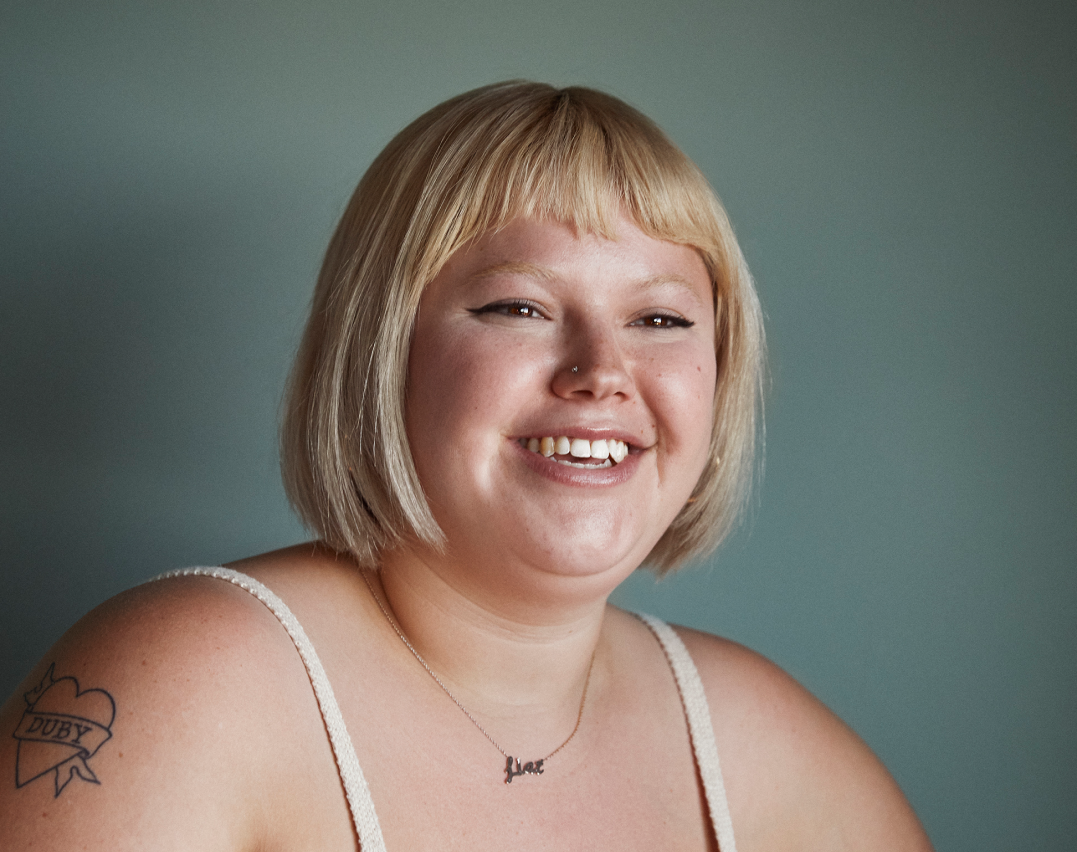
© Olga Moreira / Stocksy United. Model portrayal.
Content
1. [How to Get Prescribed Antidepressants](https://www.forhers.com/blog/how-to-get-antidepressants#how-to-get-prescribed-antidepressants)
2. [How to Ask a Doctor for Antidepressants](https://www.forhers.com/blog/how-to-get-antidepressants#how-to-ask-a-doctor-for-antidepressants)
3. [Common Types of Antidepressants](https://www.forhers.com/blog/how-to-get-antidepressants#common-types-of-antidepressants)
4. [Getting Antidepressants for Your Mental Health: Final Thoughts](https://www.forhers.com/blog/how-to-get-antidepressants#getting-antidepressants-for-your-mental-health-final-thoughts)

[How to Get Prescribed Antidepressants](https://www.forhers.com/blog/how-to-get-antidepressants#how-to-get-prescribed-antidepressants)
Copy Link
While not as quick as adding a pair of shoes to your online shopping cart, [getting prescribed antidepressants](https://www.forhers.com/blog/who-can-prescribe-antidepressants) isn’t as difficult as it may seem. You will need to get a prescription from a healthcare provider, though.
If you’re wondering where to get antidepressants, here are a few things you can do:
- **Talk to your primary care provider.** Based on your symptoms (and any coexisting medical conditions you might have), a primary care provider (PCP) can direct you to the right kind of medication. In addition to medication, your PCP may also recommend other forms of treatment, like [group therapy](https://www.forhers.com/blog/types-of-group-therapy) or psychotherapy.
- **Get a referral from a therapist.** A [therapist](https://www.forhers.com/blog/finding-a-therapist) cannot prescribe [depression medication](https://www.forhers.com/blog/depression-medications) in most states, but a psychiatrist or a nurse practitioner can. Making an appointment with a therapist is a good starting point because they can provide coping strategies based on your symptoms of depression and connect you with a professional who can write you a prescription.
- **Utilize online telehealth platforms.** If you don’t feel like making the trip to the doctor’s office, you can also [get antidepressants online](https://www.forhers.com/psychiatry).
Lastly, [over-the-counter](https://www.forhers.com/blog/over-the-counter-antidepressants) alternatives *might* offer some benefits while you figure out if prescription medication is the right approach for you. A handful of the most popular ones include:
- [St. John’s wort](https://www.forhers.com/blog/st-johns-wort-for-anxiety)
- Omega-3 fatty acids
- [5-HTP](https://www.forhers.com/blog/5-htp) (5-hydroxytryptophan)
- SAMe (S-adenosyl-L-methionine)
While some research supports the effectiveness of the above [supplements](https://www.forhers.com/blog/best-mood-boosting-supplements), it’s important to note that there is still uncertainty about how effective they are as well as factors like dosage and drug interactions.
If you decide to dip your feet into the over-the-counter antidepressant pond, keep in mind: OTC antidepressants aren’t technically antidepressants, and they’re not a replacement for seeking professional help. Also, active ingredients in OTC supplements vary by brand and individual batches, delivering unpredictable results.
When in doubt, always talk to a healthcare provider.
[How to Ask a Doctor for Antidepressants](https://www.forhers.com/blog/how-to-get-antidepressants#how-to-ask-a-doctor-for-antidepressants)
Copy Link
It’s totally normal to feel down sometimes, especially when you’re going through a rough patch, like a breakup or a job loss. But when those feelings become more intense and prolonged, you might start to wonder [if you need antidepressants](https://www.forhers.com/blog/do-i-need-antidepressants).
Antidepressants are most [commonly](https://www.nimh.nih.gov/health/statistics/major-depression) prescribed for people who have [major depressive disorder](https://www.forhers.com/blog/types-of-depression) (MDD). MDD is described as an inability to experience pleasure or feeling depressed, moody, or [sad](https://www.forhers.com/blog/why-do-i-get-sad-for-no-reason) every day for at least two weeks accompanied by other symptoms such as low motivation and energy. They can also be used to treat [anxiety](https://www.forhers.com/conditions/anxiety) disorders and chronic pain, in some cases.
For many, the first step in talking about mental health struggles begins with a primary care provider. While you might associate your PCP as that person who gives you your annual physical or writes you a prescription when you get a sinus infection, they can actually be a great first stop on the train toward treatment.
To make a [diagnosis](https://www.forhers.com/blog/can-you-self-diagnose-depression), a healthcare professional may ask if you’re experiencing symptoms of MDD, [such as](https://www.nimh.nih.gov/health/topics/depression):
- Sleep disruption
- Weight gain or [weight loss](https://www.forhers.com/blog/depression-weight-loss)
- Trouble making decisions
- Feelings of worthlessness
- Suicidal thoughts or frequent thoughts about death
- Decreased energy, [fatigue](https://www.forhers.com/blog/mentally-exhaustion), or feeling “slowed down”
Depression enters some people’s lives in waves, depending on life circumstances. For others, the mental health condition might feel more like a [permanent](https://www.ncbi.nlm.nih.gov/pmc/articles/PMC1470657/) fixture — like a bad roommate who just won’t move out.
Your healthcare provider will likely want to know how long you’ve been experiencing symptoms, their severity, and how your symptoms are presented before making an official diagnosis.
Not sure how to start the conversation with your healthcare provider? Our guide on [how to ask your doctor for antidepressants](https://www.forhers.com/blog/how-to-ask-your-doctor-for-anxiety-medication) has some pointers to help you feel more confident in talking about your symptoms.
[Depression Medication](https://www.forhers.com/psychiatry)
#### Depression got you down?
Get treatment
Learn more

[Common Types of Antidepressants](https://www.forhers.com/blog/how-to-get-antidepressants#common-types-of-antidepressants)
Copy Link
When people talk about antidepressants, it may seem like they’re referring to one kind of pill that magically works for everyone. The reality is there’s no one-size-fits-all treatment.
There are multiple types of antidepressants, and each person responds to them differently.
How long a person takes an antidepressant also varies. Some people may need antidepressants for a relatively short period (like while [grieving](https://www.forhers.com/blog/types-of-grief) the loss of a loved one), while those with chronic depression might need to stay on medication long-term.
[These](https://www.ncbi.nlm.nih.gov/books/NBK538182/) are the [most common antidepressants](https://www.forhers.com/blog/common-antidepressants) prescribed to patients:
- Selective serotonin reuptake inhibitors ([SSRIs](https://www.forhers.com/blog/ssri-drugs-overview-types))
- Serotonin and norepinephrine reuptake inhibitors (SNRIs)
- [Tricyclic antidepressants](https://www.forhers.com/blog/tricyclic-antidepressants-guide) (TCAs)
- Bupropion (NDRI)
Let’s get to know each one better.
### SSRIs
Selective serotonin reuptake inhibitors target your serotonin levels. Many healthcare professionals [consider](https://www.ncbi.nlm.nih.gov/books/NBK554406/#:~:text=Selective%20serotonin%20reuptake%20inhibitors%20\(SSRIs,safety%2C%20efficacy%2C%20and%20tolerability.) them a first line of treatment for major depressive disorder as well as anxiety disorders.
The most commonly prescribed SSRIs [include](https://www.fda.gov/drugs/information-drug-class/selective-serotonin-reuptake-inhibitors-ssris-information):
- [Escitalopram](https://www.forhers.com/psychiatry/escitalopram) (Lexapro®)
- [Fluoxetine](https://www.forhers.com/psychiatry/fluoxetine) (Prozac®)
- [Sertraline](https://www.forhers.com/psychiatry/sertraline) (Zoloft®)
- [Paroxetine](https://www.forhers.com/psychiatry/paroxetine) (Paxil®)
- [Citalopram](https://www.forhers.com/psychiatry/citalopram) (Celexa®)
[Rx Available](https://www.forhers.com/psychiatry)
#### Feeling better is possible
Start now
Learn more
### SNRIs
Serotonin-norepinephrine reuptake inhibitors can also optimize serotonin activity, but they also target another neurotransmitter called norepinephrine.
Norepinephrine, among other things, [helps](https://www.ncbi.nlm.nih.gov/books/NBK540977/) regulate the sleep-wake cycle, stimulates the cardiovascular system, and is involved in the body’s fight-or-flight response.
Low levels of norepinephrine are linked to symptoms like lethargy and poor concentration. By targeting both serotonin and norepinephrine, SNRI medication can be effective in treating anxiety *and* depression.
The most commonly prescribed SNRIs are:
- [Venlafaxine](https://www.hims.com/psychiatry/venlafaxine) (Effexor XR®)
- Desvenlafaxine (Pristiq®)
- [Duloxetine](https://www.hims.com/psychiatry/duloxetine) (Cymbalta®)
- Milnacipran (Savella®)
- Levomilnacipran (Fetzima®)
### **Tricyclic Antidepressants (TCAs)**
Tricyclic antidepressants (TCAs) are a type of antidepressant developed in the 20th century. They’re among [some of the first](https://www.ncbi.nlm.nih.gov/books/NBK557791/) prescription medications to be approved by the FDA.
Lots of people still use TCAs, though generally for issues unrelated to depression, because they’ve largely been replaced with other medications, like SSRIs and SNRIs. However, if you’re experiencing depression and those aforementioned meds aren’t cutting it, your healthcare provider might recommend TCAs as an alternative.
### Bupropion
Bupropion is [another](https://www.nami.org/About-Mental-Illness/Treatments/Mental-Health-Medications/Types-of-Medication/Bupropion-\(Wellbutrin\)) antidepressant used for the treatment of depression as well as [seasonal affective disorder](https://www.forhers.com/blog/seasonal-depression-symptoms) (SAD).
It’s an atypical antidepressant and belongs to a group of medications known as aminoketones. It impacts the way your body uses neurotransmitters like dopamine and norepinephrine to help regulate your moods. People with depression may have lower dopamine and norepinephrine levels, and bupropion works by increasing them.
Bupropion is sold under the brand names:
- Wellbutrin®
- Wellbutrin SR®
- [Wellbutrin XL®](https://www.forhers.com/psychiatry/bupropion)
- Aplenzin®
- Forfivo® XL (for major depressive disorder)
You might be surprised to learn that bupropion is also commonly used as a smoking cessation medication (sold under the brand name Zyban®). [Research shows](https://www.ncbi.nlm.nih.gov/books/NBK470212/#:~:text=Bupropion%20is%20an%20antidepressant%20medication,affective%20disorder%2C%20and%20smoking%20cessation.) it can help reduce tobacco cravings and withdrawal symptoms in ex-smokers. So, if you hear someone say they’re taking Wellbutrin® to kick their smoking habit, this is probably what they’re referring to.
Unlike other antidepressants, bupropion is known to cause fewer and less severe [adverse](https://www.forhers.com/blog/bupropion-side-effects) symptoms, like drowsiness, weight gain, and sexual dysfunction.
It’s worth noting that these antidepressants don’t work instantly, and it may take some time for your body to adjust. Our [full antidepressant list](https://www.forhers.com/blog/full-list-antidepressants-ssri-snri) goes over additional medication options, as well as more in-depth explanations on how they work.
[Depression Medication](https://www.forhers.com/psychiatry)
#### More for your mind
Start now
Learn more
[Getting Antidepressants for Your Mental Health: Final Thoughts](https://www.forhers.com/blog/how-to-get-antidepressants#getting-antidepressants-for-your-mental-health-final-thoughts)
Copy Link
Everyone’s mental health journey looks different. Your personal road to recovery may include antidepressants, and that’s perfectly normal.
Here are a few key things to remember about depression medication:
- **A healthcare provider can help.** In order to get antidepressants, you first need a prescription. A healthcare professional can ask you about your symptoms and determine [which antidepressant is right for you](https://www.forhers.com/blog/which-antidepressant-is-best-for-me).
- **There are many different types of antidepressants.** There’s no one-size-fits-all option when it comes to medication. What works for someone else may not work for you, and vice versa. Some common options include SSRIs, SNRIs, atypical antidepressants, and bupropion.
- **You have other support.** Support can include leaning on loved ones, connecting with friends, or spending time with a pet. It can also include [psychiatry services](https://www.forhers.com/mental-health) or trying psychotherapy, like cognitive behavioral therapy ([CBT](https://www.forhers.com/blog/what-is-cognitive-behavioral-therapy)). The important thing is finding a system that works for you.
Seeking help for your depression can be overwhelming, but you’ve already taken the first step towards feeling better.
Ready for the next step? You can use our [online psychiatry](https://www.forhers.com/psychiatry) platform to connect with a licensed psychiatrist who can talk to you about your symptoms and even get you a prescription for antidepressants if you’re a fit.
### Related Drug Comparisons
| | |
|---|---|
| [Adderall vs. Lexapro](https://www.forhers.com/drugs/compare/adderall-vs-lexapro) | [Cymbalta vs. Prozac](https://www.forhers.com/drugs/compare/cymbalta-vs-prozac) |
| [Buspirone vs. Xanax](https://www.forhers.com/drugs/compare/buspirone-vs-xanax) | [Cymbalta vs. Zoloft](https://www.forhers.com/drugs/compare/cymbalta-vs-zoloft) |
| [Cymbalta vs. Lexapro](https://www.forhers.com/drugs/compare/cymbalta-vs-lexapro) | [Lexapro vs. Prozac](https://www.forhers.com/drugs/compare/lexapro-vs-prozac) |
| [Lexapro vs. Wellbutrin](https://www.forhers.com/drugs/compare/lexapro-vs-wellbutrin) | [Lexapro vs. Zoloft](https://www.forhers.com/drugs/compare/lexapro-vs-zoloft) |
| [Prozac vs. Zoloft](https://www.forhers.com/drugs/compare/prozac-vs-zoloft) | [Sertraline vs. Zoloft](https://www.forhers.com/drugs/compare/sertraline-vs-zoloft) |
### 12 Sources
1. Chu AN, et al. (2023). Selective Serotonin Reuptake Inhibitors. https://www.ncbi.nlm.nih.gov/books/NBK554406/
2. Faquih AM, et al. (2019). A Review of Novel Antidepressants: A Guide for Clinicians. https://www.ncbi.nlm.nih.gov/pmc/articles/PMC6504013/
3. Gelenberg AL, et al. (2006). The state of knowledge of chronic depression. https://www.ncbi.nlm.nih.gov/pmc/articles/PMC1470657/
4. Huecker MA, et al. (2023). Bupropion. https://www.ncbi.nlm.nih.gov/books/NBK470212/
5. Hussain LA, et al. (2023). Physiology, Noradrenergic Synapse. https://www.ncbi.nlm.nih.gov/books/NBK540977/
6. Informed Health. (2023). Depression: learn more – how effective are antidepressants?. https://www.ncbi.nlm.nih.gov/books/NBK361016/
7. JO Moraczewski, et al. (2023). Tricyclic Antidepressants. https://www.ncbi.nlm.nih.gov/books/NBK557791/
8. National Alliance on Mental Illness. (2024). Bupropion (Wellbutrin). https://www.nami.org/about-mental-illness/treatments/mental-health-medications/types-of-medication/bupropion-wellbutrin/
9. National Institute of Mental Health. (2024). Depression. https://www.nimh.nih.gov/health/topics/depression
10. National Institute of Mental Health. (2023). Major Depression. https://www.nimh.nih.gov/health/statistics/major-depression
11. Sheffler ZA, et al. (2023). Antidepressants. https://www.ncbi.nlm.nih.gov/books/NBK538182/
12. U.S. Food & Drug Administration. (2014). Selective Serotonin Reuptake Inhibitors (SSRIs) Information. https://www.fda.gov/drugs/information-drug-class/selective-serotonin-reuptake-inhibitors-ssris-information
###### Editorial Standards
Hims & Hers has [strict sourcing guidelines](https://www.forhers.com/editorial-standards) to ensure our content is accurate and current. We rely on peer-reviewed studies, academic research institutions, and medical associations. We strive to use primary sources and refrain from using tertiary references. See a mistake? Let us know at [blog@forhims.com](mailto:blog@forhims.com)\!
This article is for informational purposes only and does not constitute medical advice. The information contained herein is not a substitute for and should never be relied upon for professional medical advice. Always talk to your doctor about the risks and benefits of any treatment. Learn more about our editorial standards [here](https://www.forhers.com/editorial-standards).
[](https://www.forhers.com/medical-experts/daniel-lieberman-dr)
[Daniel Z. Lieberman, MD](https://www.forhers.com/medical-experts/daniel-lieberman-dr)
## Education
- Doctor of Medicine - [New York University Grossman School of Medicine](https://med.nyu.edu/), 1992
- Bachelor of Arts - [St. John’s College](https://www.sjc.edu/), 1985
## Training
- Internship & Residency - [New York University Grossman School of Medicine](https://med.nyu.edu/), 1996
## Medical Licenses
- District of Columbia, 1996
- Maryland, 2022
- Virginia, 2022
## Board Certifications
- [American Board of Psychiatry and Neurology](https://abpn.org/), Psychiatry, 1997
- [American Board of Psychiatry and Neurology](https://abpn.org/), Addiction Psychiatry, 1998
## Other Certificates & Certifications
- [Stanford Online, AI in Healthcare Specialization Certificate](https://www.coursera.org/account/accomplishments/specialization/NZTXVOQOOPWX), 2025
- [Stanford Online, Machine Learning Specialization Certificate](https://www.coursera.org/account/accomplishments/specialization/7F3HDP76SDK3), 2024
## Affiliations & Memberships
- [American Psychiatric Association](https://www.psychiatry.org/)
## Specialties & Areas of Focus
- Mental Health
## Years of Experience
- 33
## Previous Work Experience
- Professor and Vice Chair - Department of Psychiatry and Behavioral Sciences, [George Washington University](https://www.gwu.edu/), 1996–2022
## Publications & Research
- Title: A neurotransmitter approach to the trolley problem
- Published in: OBM Neurobiology
- Date: 2019
- URL: <https://www.lidsen.com/journals/neurobiology/neurobiology-03-02-030>
- Title: An automated internet application to help patients with bipolar disorder track social rhythm stabilization
- Published in: Psychiatric Services
- Date: 2011
- URL: <https://psychiatryonline.org/doi/10.1176/ps.62.11.pss6211_1267>
- Title: Enhancing adherence to mood charting with an online version of the NIMH Life Chart
- Published in: Annals of General Psychiatry
- Date: 2010
- URL: <https://annals-general-psychiatry.biomedcentral.com/articles/10.1186/1744-859X-9-S1-S11>
- Title: The role of gender in single versus married patients with bipolar disorder
- Published in: Comprehensive Psychiatry
- Date: 2010
- URL: <https://www.sciencedirect.com/science/article/abs/pii/S0010440X0900128X>
- Title: Evaluation of the stability and validity of participant samples recruited over the Internet
- Published in: CyberPsychology and Behavior
- Date: 2008
- URL: <https://www.liebertpub.com/doi/10.1089/cpb.2007.0254>
- Title: Pathways to change: The effect of a Web application on treatment interest
- Published in: The American Journal on Addictions
- Date: 2008
- URL: <https://onlinelibrary.wiley.com/doi/10.1080/10550490802138525>
## Media Mentions & Features
- Washington Post, [Why do passengers freak out on airplanes? Science might have the answer.](https://www.washingtonpost.com/video/national/why-do-passengers-freak-out-on-airplanes-science-might-have-the-answer/2018/05/11/00592b2e-5531-11e8-a6d4-ca1d035642ce_video.html)
- CNN, [The dangers of self-radicalization](https://www.cnn.com/videos/us/2013/05/03/lead-danger-of-self-radicalization-gwu-dan-lieberman.cnn)
- Associated Press, [MillerCoors Tapping Into Millenials](http://youtu.be/Jvv6VNjrgN0)
- Time, [Hook Me Up: Are IV Clinics for You?](https://healthland.time.com/2013/01/15/hook-me-up-are-iv-clinics-for-you/)
- The Washington Post, [Holiday drinking can be hard on your health, but you can take precautions](https://www.washingtonpost.com/national/health-science/holiday-drinking-can-be-hard-on-your-health-but-you-can-take-precautions/2012/12/14/e3543bae-42d0-11e2-8e70-e1993528222d_story.html)
- Le Figaro (France), [Daniel Z. Lieberman: «La dopamine nous pousse à acheter en nous promettant le bonheur» (Daniel Z. Lieberman: “Dopamine drives us to buy by promising us happiness”)](https://www.lefigaro.fr/sciences/daniel-z-lieberman-la-dopamine-nous-pousse-a-acheter-en-nous-promettant-le-bonheur-20220211)
- Men’s Health (Spain), [Cómo la dopamina influye en nuestro cerebro y determina nuestra vida (How dopamine influences our brain and determines our lives).](https://www.menshealth.com/es/salud-bienestar/a38087703/dopamina-determina-nuestra-vida/)
- El Mundo (Spain), [Dopamina, la sustancia que domina tu vida: a quién votas, con quién te acuestas y cuánto dinero ganas (Dopamine, the substance that dominates your life: who you vote for, who you sleep with and how much money you make)](https://www.elmundo.es/papel/historias/2021/10/20/6170319121efa04a3c8b4591.html)
- Vice, [No One Owes You an Explanation About Their Vaccine](https://www.vice.com/en/article/4ad9gw/dont-ask-people-why-theyre-eligible-for-the-covid-vaccine)
- CNBC, [The psychological reason it’s so hard to work today after the riot — and how to cope](https://www.cnbc.com/2021/01/07/how-to-cope-with-emotions-like-fear-and-anxiety-after-us-capitol-riot.html)
- Today, [Are we ever going to shake hands again?](https://www.today.com/health/when-will-it-be-ok-shake-hands-how-should-you-t177562)
- Business Insider, [The reason why we self-sabotage is because our brains are wired to resist the things we want most in life](https://www.businessinsider.com/brain-resist-what-you-want-most-how-to-change-2019-10)
- Forbes, [The Must-Read Brain Books Of 2018](https://www.forbes.com/sites/daviddisalvo/2018/12/30/the-must-read-brain-books-of-2018/)
- Daily Mail, [Why a day in the office wears you out: Sitting for hours using only our brains 'creates a chemical imbalance' - but these tips may help you feel more energized.](http://www.dailymail.co.uk/health/article-6140683/Office-jobs-using-brains-tire-creating-chemical-imbalance-expert-explains.html)
- U.S. News & World Report, [How Your Secrets Can Damage and Maybe Even Kill You](http://health.usnews.com/wellness/mind/articles/2017-06-26/how-your-secrets-can-damage-and-maybe-even-kill-you)
## Why I Practice Medicine
- I practice medicine because I believe that mental health is the foundation of a meaningful life. When people suffer psychologically, it touches every part of their existence—from relationships to work to the simple ability to feel joy. Because it can be so difficult for people who are suffering to find good mental health care, my mission has been to expand access through technology, so that no one is left behind.
## Hobbies & Interests
- I like to write in my spare time. I’ve written two nonfiction titles, [Spellbound: Modern Science, Ancient Magic, and the Hidden Potential of the Unconscious Mind](https://www.amazon.com/Spellbound-Science-Ancient-Potential-Unconscious/dp/1637741324) and the international bestseller, [The Molecule of More: How a Single Chemical in Your Brain Drives Love, Sex, and Creativity--and Will Determine the Fate of the Human Race](https://www.amazon.com/Molecule-More-Chemical-Creativity_and-Determine/dp/1948836580)
## Professional Website or Profile
- danielzlieberman.com
## LinkedIn
- <https://www.linkedin.com/in/danielzlieberman/>
[Read more](https://www.forhers.com/medical-experts/daniel-lieberman-dr)
#### Related Articles
[Switching Antidepressants: What to Expect Written by Geoffrey C. Whittaker Published November 16, 2023](https://www.forhers.com/blog/switching-antidepressants-what-to-expect)
[How to Get Antidepressants Without Insurance Written by Rachel Sacks Published April 30, 2025](https://www.forhers.com/blog/how-to-get-antidepressants-without-insurance)
### Related Conditions
[](https://www.forhers.com/conditions/anxiety) [Anxiety](https://www.forhers.com/conditions/anxiety)
Anxiety is common, but what is anxiety, really? It’s a feeling of worry, fear, or mental tension. If you have an anxiety disorder, this feeling can be overwhelming and may get worse over time. There are many different types of anxiety disorders and, luckily, many different treatments.
[](https://www.forhers.com/conditions/depression) [Depression](https://www.forhers.com/conditions/depression)
Depression is a common but serious mental health disorder that can cause persistent feelings of sadness, worthlessness, or hopelessness. Its effects can be devastating. Depression can interfere with your ability to fulfill day-to-day responsibilities at home, at work, or in school.
[](https://www.forhers.com/conditions/obsessive-compulsive-disorder-ocd) [OCD](https://www.forhers.com/conditions/obsessive-compulsive-disorder-ocd)
Obsessive-compulsive disorder (OCD) is a mental health condition marked by recurring obsessive thoughts and difficult-to-control, compulsive behaviors.
[](https://www.forhers.com/conditions/post-traumatic-stress-disorder-ptsd) [PTSD](https://www.forhers.com/conditions/post-traumatic-stress-disorder-ptsd)
Bipolar disorder is a mental health condition characterized by unusually large shifts in an individual’s mood, concentration, energy and activity level.
[](https://www.forhers.com/conditions/bipolar-disorder) [Bipolar Disorder](https://www.forhers.com/conditions/bipolar-disorder)
Bipolar disorder is a mental health condition characterized by unusually large shifts in an individual’s mood, concentration, energy and activity level.
[](https://www.forhers.com/conditions/pmdd-premenstrual-dysphoric-disorder) [Premenstrual Dysphoric Disorder](https://www.forhers.com/conditions/pmdd-premenstrual-dysphoric-disorder)
Obsessive-compulsive disorder (OCD) is a mental health condition marked by recurring obsessive thoughts and difficult-to-control, compulsive behaviors.
###### Find relief for your symptoms
Learn about your symptom score through clinically-backed assessments
[Get started](https://www.forhers.com/c/mh)[Learn more](https://www.forhers.com/mental-health)
##### Explore
[Mental Health](https://www.forhers.com/mental-health "Mental Health Treatments")
[Psychiatry](https://www.forhers.com/psychiatry "Anxiety and Depression Medication")
[Mental Health Content](https://www.forhers.com/blog/mental-health "Mental Health Content")
[BMI Calculator](https://www.forhers.com/tools/bmi-calculator "BMI Calculator")
[TDEE Calculator](https://www.forhers.com/tools/tdee-calculator "TDEE Calculator")
[Calorie Deficit Calculator](https://www.forhers.com/tools/calorie-deficit-calculator "Calorie Deficit Calculator")
[Protein Calculator](https://www.forhers.com/tools/protein-calculator "Protein Calculator")
[Water Intake Calculator](https://www.forhers.com/tools/water-intake-calculator "Water Intake Calculator")
[Drug Comparisons](https://www.forhers.com/drugs/compare "Drug Comparisons")
[Quiz: Why Can't I Lose Weight?](https://www.forhers.com/tools/why-cant-i-lose-weight "Quiz: Why Can't I Lose Weight?")
[Drugs & Medications](https://www.forhers.com/drugs/info "Drugs & Medications")
##### Condition Guides
[Depression](https://www.forhers.com/conditions/depression "Depression")
[Anxiety](https://www.forhers.com/conditions/anxiety "Anxiety")
[See All Conditions](https://www.forhers.com/conditions "See All Conditions")
##### Popular
[Generic for Wellbutrin XL®Rx](https://www.forhers.com/psychiatry/bupropion "Bupropion XL Tablets")
[Generic for Lexapro®Rx](https://www.forhers.com/psychiatry/escitalopram "Escitalopram Tablets")
[PropranololRx](https://www.forhers.com/well-being/propranolol "Propranolol Tablets")
[Generic for Prozac®Rx](https://www.forhers.com/psychiatry/fluoxetine "Fluoxetine Tablets")
[Generic for Zoloft®Rx](https://www.forhers.com/psychiatry/sertraline "Sertraline Tablets")
[Explore All Treatments](https://www.forhers.com/mental-health "Mental Health Treatments")
##### Top blog resources
[Who Can Prescribe Antidepressants?](https://www.forhers.com/blog/who-can-prescribe-antidepressants "Who Can Prescribe Antidepressants?")
[Venlafaxine: Uses, Doses, and Potential Side Effects](https://www.forhers.com/blog/venlafaxine "Venlafaxine: Uses, Doses, and Potential Side Effects")
[Sertraline Side Effects: Common, Severe & Long-Term](https://www.forhers.com/blog/a-complete-guide-to-sertraline-side-effects "Sertraline Side Effects: Common, Severe & Long-Term")
Download the free Hers app
## Total care.
## Totally different.
Download the app
For iOS and Android
### Learn
[Labs](https://www.forhers.com/labs)
[Weight Loss](https://www.forhers.com/weight-loss)
[Menopause](https://www.forhers.com/learn/menopause)
[Hair Loss](https://www.forhers.com/blog/hair)
[Mental Health](https://www.forhers.com/blog/mental-health%20)
[Skincare](https://www.forhers.com/blog/skin)
[Drug Comparisons](https://www.forhers.com/drugs/compare)
[Drugs & Medications](https://www.forhers.com/drugs/info)
[Resource Hub](https://www.forhers.com/resources)
### Tools
[BMI Calculator](https://www.forhers.com/tools/bmi-calculator)
[TDEE Calculator](https://www.forhers.com/tools/tdee-calculator)
[Calorie Deficit Calculator](https://www.forhers.com/tools/calorie-deficit-calculator)
[Protein Calculator](https://www.forhers.com/tools/protein-calculator)
[Quiz: Why Can't I Lose Weight?](https://www.forhers.com/tools/why-cant-i-lose-weight)
[Daily Water Intake Calculator](https://www.forhers.com/tools/water-intake-calculator)
### Popular
[Wegovy®](https://www.forhers.com/weight-loss/wegovy)
[Birth Control](https://www.forhers.com/birth-control)
[Latisse](https://www.forhers.com/hair-loss/latisse)
[Propranolol](https://www.forhers.com/well-being/propranolol)
[Oral Minoxidil](https://www.forhers.com/hair-loss/oral-minoxidil)
[Minoxidil + Biotin Chew](https://www.forhers.com/hair-loss/minoxidil-biotin-chew)
[Valacyclovir](https://www.forhers.com/drug/valacyclovir-herpes)
[Bupropion](https://www.forhers.com/psychiatry/bupropion)
[EscitalopramGeneric for Lexapro®](https://www.forhers.com/psychiatry/escitalopram)
[Anti-Aging Rx Cream](https://www.forhers.com/skin-care/anti-aging)
### Hers
[About Us](https://www.forhers.com/about)
[Take Care(It's our blog)](https://www.forhers.com/blog)
[How It Works](https://www.forhers.com/about/how-it-works)
[Editorial Standards](https://www.forhers.com/editorial-standards)
[FAQs](https://support.hims.com/hc/en-us)
[Investors](https://investors.forhims.com/)
### Careers
[Professionals](https://www.forhers.com/careers-professionals)
[Providers](https://www.forhers.com/careers-providers)
### Connect
[Customer Help Center](https://support.forhims.com/hc/en-us)
[Press Center](https://news.hims.com/)
[visit hims.com](https://www.hims.com/) |
| Readable Markdown | When you’re depressed, seemingly small tasks or activities like brushing your teeth or grabbing after-work drinks can feel like an enormous hurdle. And mustering the strength — and vulnerability — to ask for help can feel nearly impossible.
Whether you’ve new to these feelings or have been struggling with severe [depression](https://www.forhers.com/conditions/depression) for years, you are not alone. Worldwide, nearly [300 million](https://www.ncbi.nlm.nih.gov/pmc/articles/PMC6504013/) adults suffer from this mental health disorder.
Fortunately, there are coping strategies and treatment plans that can help make living with depression less debilitating. Along with mental health resources like [talk therapy](https://www.forhers.com/blog/what-is-talk-therapy), antidepressant medication is one of the most [effective](https://www.ncbi.nlm.nih.gov/books/NBK361016/) treatments healthcare providers recommend.
So if you’re wondering how to get depression medication, how exactly these medications work, or which kind of antidepressant could be right for you, keep reading.
 © Olga Moreira / Stocksy United. Model portrayal.

While not as quick as adding a pair of shoes to your online shopping cart, [getting prescribed antidepressants](https://www.forhers.com/blog/who-can-prescribe-antidepressants) isn’t as difficult as it may seem. You will need to get a prescription from a healthcare provider, though.
If you’re wondering where to get antidepressants, here are a few things you can do:
- **Talk to your primary care provider.** Based on your symptoms (and any coexisting medical conditions you might have), a primary care provider (PCP) can direct you to the right kind of medication. In addition to medication, your PCP may also recommend other forms of treatment, like [group therapy](https://www.forhers.com/blog/types-of-group-therapy) or psychotherapy.
- **Get a referral from a therapist.** A [therapist](https://www.forhers.com/blog/finding-a-therapist) cannot prescribe [depression medication](https://www.forhers.com/blog/depression-medications) in most states, but a psychiatrist or a nurse practitioner can. Making an appointment with a therapist is a good starting point because they can provide coping strategies based on your symptoms of depression and connect you with a professional who can write you a prescription.
- **Utilize online telehealth platforms.** If you don’t feel like making the trip to the doctor’s office, you can also [get antidepressants online](https://www.forhers.com/psychiatry).
Lastly, [over-the-counter](https://www.forhers.com/blog/over-the-counter-antidepressants) alternatives *might* offer some benefits while you figure out if prescription medication is the right approach for you. A handful of the most popular ones include:
- [St. John’s wort](https://www.forhers.com/blog/st-johns-wort-for-anxiety)
- Omega-3 fatty acids
- [5-HTP](https://www.forhers.com/blog/5-htp) (5-hydroxytryptophan)
- SAMe (S-adenosyl-L-methionine)
While some research supports the effectiveness of the above [supplements](https://www.forhers.com/blog/best-mood-boosting-supplements), it’s important to note that there is still uncertainty about how effective they are as well as factors like dosage and drug interactions.
If you decide to dip your feet into the over-the-counter antidepressant pond, keep in mind: OTC antidepressants aren’t technically antidepressants, and they’re not a replacement for seeking professional help. Also, active ingredients in OTC supplements vary by brand and individual batches, delivering unpredictable results.
When in doubt, always talk to a healthcare provider.
It’s totally normal to feel down sometimes, especially when you’re going through a rough patch, like a breakup or a job loss. But when those feelings become more intense and prolonged, you might start to wonder [if you need antidepressants](https://www.forhers.com/blog/do-i-need-antidepressants).
Antidepressants are most [commonly](https://www.nimh.nih.gov/health/statistics/major-depression) prescribed for people who have [major depressive disorder](https://www.forhers.com/blog/types-of-depression) (MDD). MDD is described as an inability to experience pleasure or feeling depressed, moody, or [sad](https://www.forhers.com/blog/why-do-i-get-sad-for-no-reason) every day for at least two weeks accompanied by other symptoms such as low motivation and energy. They can also be used to treat [anxiety](https://www.forhers.com/conditions/anxiety) disorders and chronic pain, in some cases.
For many, the first step in talking about mental health struggles begins with a primary care provider. While you might associate your PCP as that person who gives you your annual physical or writes you a prescription when you get a sinus infection, they can actually be a great first stop on the train toward treatment.
To make a [diagnosis](https://www.forhers.com/blog/can-you-self-diagnose-depression), a healthcare professional may ask if you’re experiencing symptoms of MDD, [such as](https://www.nimh.nih.gov/health/topics/depression):
- Sleep disruption
- Weight gain or [weight loss](https://www.forhers.com/blog/depression-weight-loss)
- Trouble making decisions
- Feelings of worthlessness
- Suicidal thoughts or frequent thoughts about death
- Decreased energy, [fatigue](https://www.forhers.com/blog/mentally-exhaustion), or feeling “slowed down”
Depression enters some people’s lives in waves, depending on life circumstances. For others, the mental health condition might feel more like a [permanent](https://www.ncbi.nlm.nih.gov/pmc/articles/PMC1470657/) fixture — like a bad roommate who just won’t move out.
Your healthcare provider will likely want to know how long you’ve been experiencing symptoms, their severity, and how your symptoms are presented before making an official diagnosis.
Not sure how to start the conversation with your healthcare provider? Our guide on [how to ask your doctor for antidepressants](https://www.forhers.com/blog/how-to-ask-your-doctor-for-anxiety-medication) has some pointers to help you feel more confident in talking about your symptoms.
[Depression Medication](https://www.forhers.com/psychiatry)
#### Depression got you down?

When people talk about antidepressants, it may seem like they’re referring to one kind of pill that magically works for everyone. The reality is there’s no one-size-fits-all treatment.
There are multiple types of antidepressants, and each person responds to them differently.
How long a person takes an antidepressant also varies. Some people may need antidepressants for a relatively short period (like while [grieving](https://www.forhers.com/blog/types-of-grief) the loss of a loved one), while those with chronic depression might need to stay on medication long-term.
[These](https://www.ncbi.nlm.nih.gov/books/NBK538182/) are the [most common antidepressants](https://www.forhers.com/blog/common-antidepressants) prescribed to patients:
- Selective serotonin reuptake inhibitors ([SSRIs](https://www.forhers.com/blog/ssri-drugs-overview-types))
- Serotonin and norepinephrine reuptake inhibitors (SNRIs)
- [Tricyclic antidepressants](https://www.forhers.com/blog/tricyclic-antidepressants-guide) (TCAs)
- Bupropion (NDRI)
Let’s get to know each one better.
### SSRIs
Selective serotonin reuptake inhibitors target your serotonin levels. Many healthcare professionals [consider](https://www.ncbi.nlm.nih.gov/books/NBK554406/#:~:text=Selective%20serotonin%20reuptake%20inhibitors%20\(SSRIs,safety%2C%20efficacy%2C%20and%20tolerability.) them a first line of treatment for major depressive disorder as well as anxiety disorders.
The most commonly prescribed SSRIs [include](https://www.fda.gov/drugs/information-drug-class/selective-serotonin-reuptake-inhibitors-ssris-information):
- [Escitalopram](https://www.forhers.com/psychiatry/escitalopram) (Lexapro®)
- [Fluoxetine](https://www.forhers.com/psychiatry/fluoxetine) (Prozac®)
- [Sertraline](https://www.forhers.com/psychiatry/sertraline) (Zoloft®)
- [Paroxetine](https://www.forhers.com/psychiatry/paroxetine) (Paxil®)
- [Citalopram](https://www.forhers.com/psychiatry/citalopram) (Celexa®)
[Rx Available](https://www.forhers.com/psychiatry)
#### Feeling better is possible

### SNRIs
Serotonin-norepinephrine reuptake inhibitors can also optimize serotonin activity, but they also target another neurotransmitter called norepinephrine.
Norepinephrine, among other things, [helps](https://www.ncbi.nlm.nih.gov/books/NBK540977/) regulate the sleep-wake cycle, stimulates the cardiovascular system, and is involved in the body’s fight-or-flight response.
Low levels of norepinephrine are linked to symptoms like lethargy and poor concentration. By targeting both serotonin and norepinephrine, SNRI medication can be effective in treating anxiety *and* depression.
The most commonly prescribed SNRIs are:
- [Venlafaxine](https://www.hims.com/psychiatry/venlafaxine) (Effexor XR®)
- Desvenlafaxine (Pristiq®)
- [Duloxetine](https://www.hims.com/psychiatry/duloxetine) (Cymbalta®)
- Milnacipran (Savella®)
- Levomilnacipran (Fetzima®)
### **Tricyclic Antidepressants (TCAs)**
Tricyclic antidepressants (TCAs) are a type of antidepressant developed in the 20th century. They’re among [some of the first](https://www.ncbi.nlm.nih.gov/books/NBK557791/) prescription medications to be approved by the FDA.
Lots of people still use TCAs, though generally for issues unrelated to depression, because they’ve largely been replaced with other medications, like SSRIs and SNRIs. However, if you’re experiencing depression and those aforementioned meds aren’t cutting it, your healthcare provider might recommend TCAs as an alternative.
### Bupropion
Bupropion is [another](https://www.nami.org/About-Mental-Illness/Treatments/Mental-Health-Medications/Types-of-Medication/Bupropion-\(Wellbutrin\)) antidepressant used for the treatment of depression as well as [seasonal affective disorder](https://www.forhers.com/blog/seasonal-depression-symptoms) (SAD).
It’s an atypical antidepressant and belongs to a group of medications known as aminoketones. It impacts the way your body uses neurotransmitters like dopamine and norepinephrine to help regulate your moods. People with depression may have lower dopamine and norepinephrine levels, and bupropion works by increasing them.
Bupropion is sold under the brand names:
- Wellbutrin®
- Wellbutrin SR®
- [Wellbutrin XL®](https://www.forhers.com/psychiatry/bupropion)
- Aplenzin®
- Forfivo® XL (for major depressive disorder)
You might be surprised to learn that bupropion is also commonly used as a smoking cessation medication (sold under the brand name Zyban®). [Research shows](https://www.ncbi.nlm.nih.gov/books/NBK470212/#:~:text=Bupropion%20is%20an%20antidepressant%20medication,affective%20disorder%2C%20and%20smoking%20cessation.) it can help reduce tobacco cravings and withdrawal symptoms in ex-smokers. So, if you hear someone say they’re taking Wellbutrin® to kick their smoking habit, this is probably what they’re referring to.
Unlike other antidepressants, bupropion is known to cause fewer and less severe [adverse](https://www.forhers.com/blog/bupropion-side-effects) symptoms, like drowsiness, weight gain, and sexual dysfunction.
It’s worth noting that these antidepressants don’t work instantly, and it may take some time for your body to adjust. Our [full antidepressant list](https://www.forhers.com/blog/full-list-antidepressants-ssri-snri) goes over additional medication options, as well as more in-depth explanations on how they work.

Everyone’s mental health journey looks different. Your personal road to recovery may include antidepressants, and that’s perfectly normal.
Here are a few key things to remember about depression medication:
- **A healthcare provider can help.** In order to get antidepressants, you first need a prescription. A healthcare professional can ask you about your symptoms and determine [which antidepressant is right for you](https://www.forhers.com/blog/which-antidepressant-is-best-for-me).
- **There are many different types of antidepressants.** There’s no one-size-fits-all option when it comes to medication. What works for someone else may not work for you, and vice versa. Some common options include SSRIs, SNRIs, atypical antidepressants, and bupropion.
- **You have other support.** Support can include leaning on loved ones, connecting with friends, or spending time with a pet. It can also include [psychiatry services](https://www.forhers.com/mental-health) or trying psychotherapy, like cognitive behavioral therapy ([CBT](https://www.forhers.com/blog/what-is-cognitive-behavioral-therapy)). The important thing is finding a system that works for you.
Seeking help for your depression can be overwhelming, but you’ve already taken the first step towards feeling better.
Ready for the next step? You can use our [online psychiatry](https://www.forhers.com/psychiatry) platform to connect with a licensed psychiatrist who can talk to you about your symptoms and even get you a prescription for antidepressants if you’re a fit.
### Related Drug Comparisons
| | |
|---|---|
| [Adderall vs. Lexapro](https://www.forhers.com/drugs/compare/adderall-vs-lexapro) | [Cymbalta vs. Prozac](https://www.forhers.com/drugs/compare/cymbalta-vs-prozac) |
| [Buspirone vs. Xanax](https://www.forhers.com/drugs/compare/buspirone-vs-xanax) | [Cymbalta vs. Zoloft](https://www.forhers.com/drugs/compare/cymbalta-vs-zoloft) |
| [Cymbalta vs. Lexapro](https://www.forhers.com/drugs/compare/cymbalta-vs-lexapro) | [Lexapro vs. Prozac](https://www.forhers.com/drugs/compare/lexapro-vs-prozac) |
| [Lexapro vs. Wellbutrin](https://www.forhers.com/drugs/compare/lexapro-vs-wellbutrin) | [Lexapro vs. Zoloft](https://www.forhers.com/drugs/compare/lexapro-vs-zoloft) |
| [Prozac vs. Zoloft](https://www.forhers.com/drugs/compare/prozac-vs-zoloft) | [Sertraline vs. Zoloft](https://www.forhers.com/drugs/compare/sertraline-vs-zoloft) |
12 Sources
1. Chu AN, et al. (2023). Selective Serotonin Reuptake Inhibitors. https://www.ncbi.nlm.nih.gov/books/NBK554406/
2. Faquih AM, et al. (2019). A Review of Novel Antidepressants: A Guide for Clinicians. https://www.ncbi.nlm.nih.gov/pmc/articles/PMC6504013/
3. Gelenberg AL, et al. (2006). The state of knowledge of chronic depression. https://www.ncbi.nlm.nih.gov/pmc/articles/PMC1470657/
4. Huecker MA, et al. (2023). Bupropion. https://www.ncbi.nlm.nih.gov/books/NBK470212/
5. Hussain LA, et al. (2023). Physiology, Noradrenergic Synapse. https://www.ncbi.nlm.nih.gov/books/NBK540977/
6. Informed Health. (2023). Depression: learn more – how effective are antidepressants?. https://www.ncbi.nlm.nih.gov/books/NBK361016/
7. JO Moraczewski, et al. (2023). Tricyclic Antidepressants. https://www.ncbi.nlm.nih.gov/books/NBK557791/
8. National Alliance on Mental Illness. (2024). Bupropion (Wellbutrin). https://www.nami.org/about-mental-illness/treatments/mental-health-medications/types-of-medication/bupropion-wellbutrin/
9. National Institute of Mental Health. (2024). Depression. https://www.nimh.nih.gov/health/topics/depression
10. National Institute of Mental Health. (2023). Major Depression. https://www.nimh.nih.gov/health/statistics/major-depression
11. Sheffler ZA, et al. (2023). Antidepressants. https://www.ncbi.nlm.nih.gov/books/NBK538182/
12. U.S. Food & Drug Administration. (2014). Selective Serotonin Reuptake Inhibitors (SSRIs) Information. https://www.fda.gov/drugs/information-drug-class/selective-serotonin-reuptake-inhibitors-ssris-information
###### Editorial Standards
Hims & Hers has [strict sourcing guidelines](https://www.forhers.com/editorial-standards) to ensure our content is accurate and current. We rely on peer-reviewed studies, academic research institutions, and medical associations. We strive to use primary sources and refrain from using tertiary references. See a mistake? Let us know at [blog@forhims.com](mailto:blog@forhims.com)\! |
| Shard | 79 (laksa) |
| Root Hash | 14475777380408463279 |
| Unparsed URL | com,forhers!www,/blog/how-to-get-antidepressants s443 |