ℹ️ Skipped - page is already crawled
| Filter | Status | Condition | Details |
|---|---|---|---|
| HTTP status | PASS | download_http_code = 200 | HTTP 200 |
| Age cutoff | PASS | download_stamp > now() - 6 MONTH | 1.3 months ago |
| History drop | PASS | isNull(history_drop_reason) | No drop reason |
| Spam/ban | PASS | fh_dont_index != 1 AND ml_spam_score = 0 | ml_spam_score=0 |
| Canonical | PASS | meta_canonical IS NULL OR = '' OR = src_unparsed | Not set |
| Property | Value |
|---|---|
| URL | https://www.fepblue.org/news/2021/02/23/07/03/Normal-Body-Temperature-Range |
| Last Crawled | 2026-03-10 00:06:39 (1 month ago) |
| First Indexed | 2021-03-07 19:02:31 (5 years ago) |
| HTTP Status Code | 200 |
| Meta Title | What Is Normal Body Temperature Range? - Blue Cross and Blue Shield's Federal Employee Program |
| Meta Description | null |
| Meta Canonical | null |
| Boilerpipe Text | Your body is a well-oiled machine. In order to run properly, it needs to put out heat at all times. This heat is produced by your body doing all the work and performing all the functions that keep you alive. When it’s putting out too much or too little heat, that can signal a problem. Here are the ranges you should pay attention to.
Normal range
There isn’t one perfect temperature for everyone. You might be a degree different from the person next to you. A study in
JAMA: the
Journal of American Medical Association
, says that the baseline for most people is 98.2 degrees Fahrenheit.
A typical adult’s body temperature is anywhere from 97°F - 99°F.
Babies and children are 97.9°F - 100.4°F.
Your temperature will vary throughout the day as well as your lifetime. Things like physical activity, time of day, age and diet can all affect your temperature.
High range
A temperature higher than the norm of 100.4
°F is considered a fever. You might not feel your best, but a fever is a sign that your body is doing what it should when germs are on the scene. It’s trying to fight them off. When your temperature hits 103°F or higher or if you’ve had a fever for several days, you should call your doctor. Associated symptoms like headache, chest pain or vomiting are also signs that you need to speak to a healthcare provider.
Low range
When your body loses too much heat, it’s serious business. Hypothermia is technically when your body temp drops below 95°F. It can happen indoors as well as outdoors. Some things that can make you more likely to get hypothermia are:
Alcohol or drug use
Underactive thyroid
Anorexia
Stroke
Sepsis
Malnutrition
Some medicines (antidepressants or sedatives)
Nerve damage
Babies and older adults can struggle with regulating their temperature. Babies can lose heat quickly, so it’s important to keep them at a temp above 97°F. The same goes for the elderly.
If your body temperature starts to fall outside normal range, you can use
telehealth services
to speak with a doctor.
Source:
https://www.webmd.com/first-aid/normal-body-temperature#1
Source:
https://jamanetwork.com/journals/jama/article-abstract/400116
(abstract is available, full study is behind paywall)
Published on: March 04, 2021 |
| Markdown |
[Skip to main content](https://www.fepblue.org/news/2021/02/23/07/03/Normal-Body-Temperature-Range#main-content)
[Log In to MyBlue®](https://www.fepblue.org/pilot/login) [What is MyBlue®](https://www.fepblue.org/health-management-tools/benefits-myblue)
[](https://www.fepblue.org/)
- Explore Our Plans
## FEHB Health Plans
- [FEHB Plan Overviews](https://www.fepblue.org/our-plans/benefits-plan-overview)
- [Compare Our FEHB Plans](https://www.fepblue.org/our-plans/compare-plans)
- [FEP Blue Focus®](https://www.fepblue.org/our-plans/blue-focus-at-glance)
- [FEP Blue Basic®](https://www.fepblue.org/our-plans/basic-at-glance)
- [FEP Blue Standard®](https://www.fepblue.org/our-plans/standard-at-glance)
- [Prescription Drug Coverage](https://www.fepblue.org/pharmacy/prescriptions)
## PSHB Health Plans
- [PSHB Plan Overviews](https://www.fepblue.org/our-plans/usps)
- [Compare Our PSHB Plans](https://www.fepblue.org/our-plans/usps/compare)
- [FEP Blue Focus®](https://www.fepblue.org/our-plans/usps/blue-focus)
- [FEP Blue Basic®](https://www.fepblue.org/our-plans/usps/basic)
- [FEP Blue Standard®](https://www.fepblue.org/our-plans/usps/standard)
- [Prescription Drug Coverage](https://www.fepblue.org/our-plans/usps/active/prescriptions)
## FEP & Medicare
- [Preparing for Medicare](https://www.fepblue.org/our-plans/medicare)
- [Combining FEP & Medicare](https://www.fepblue.org/our-plans/medicare/fep-and-medicare)
- [Using Your Benefits](https://www.fepblue.org/our-plans/medicare/using-your-benefits)
- [FEP Medicare Prescription Drug Program (MPDP)](https://www.fepblue.org/medicarerx)
## Brochures & Resources
- [Claim Forms](https://www.fepblue.org/claim-forms)
- [Dental & Vision Plans](https://www.fepblue.org/our-plans/dental-vision)
- [Plan Brochures](https://www.fepblue.org/plan-brochures)
- [Plan Summaries](https://www.fepblue.org/plan-summaries)
- [How to Enroll](https://www.fepblue.org/our-plans/how-to-enroll)
- [Plan Finder Tools]()
- Find Coverage & Care
## Find Care
- [Find a Doctor](https://www.fepblue.org/find-doctor)
- [Ways to Get Care](https://www.fepblue.org/find-doctor/ways-to-get-care)
- [Telehealth](https://www.fepblue.org/find-doctor/telehealth-services)
- [Overseas](https://www.fepblue.org/overseas-coverage)
## Health Care Costs
- [Prescription Drug Cost Tool](https://www.fepblue.org/pilot/rx-cost-tool/search?defaultUY=true)
- [Treatments & Procedures Cost Estimates](https://sso.fepblue.org/idp/startSSO.ping?PartnerSpId=sp_bcbs&TARGET=https://provider.fepblue.org/app%2F%23%2Fone%2Fauth%3Fcategory%3DENCOUNTER)
- [Manage Claims & Records](https://www.fepblue.org/manage-your-health/manage-claims-records/how-to-submit-claim)
- [Incentives & Discounts](https://www.fepblue.org/manage-your-health/incentives-discounts/incentives-discounts)
- [No Surprises Act](https://www.fepblue.org/nsa)
## FEP & Medicare
- [Preparing for Medicare](https://www.fepblue.org/our-plans/medicare)
- [Combining FEP & Medicare](https://www.fepblue.org/our-plans/medicare/fep-and-medicare)
- [Using Your Benefits](https://www.fepblue.org/our-plans/medicare/using-your-benefits)
- [MPDP](https://www.fepblue.org/medicarerx)
- [Medication Therapy Management](https://www.fepblue.org/medicarerx/medication-therapy)
- [Medicare Prescription Payment Plan](https://www.fepblue.org/medicarerx/prescription-payment-plan)
## Pharmacy Coverage
- [FEHB Prescription Drug Coverage](https://www.fepblue.org/pharmacy/prescriptions)
- [PSHB Prescription Drug Coverage](https://www.fepblue.org/our-plans/usps/active/prescriptions)
- Stay Healthy
## Manage Your Health
- [Manage Claims & Records](https://www.fepblue.org/manage-your-health/manage-claims-records/how-to-submit-claim)
- [Blue Health Assessment](https://www.fepblue.org/health-management-tools/blue-health-assessment)
- [Daily Habits](https://www.fepblue.org/daily-habits)
- [Preventive Care](https://www.fepblue.org/manage-your-health/preventive-care/preventive-care)
- [Family Planning](https://www.fepblue.org/manage-your-health/managing-specific-conditions/family-planning)
- [Weight Management](https://www.fepblue.org/manage-your-health/managing-specific-conditions/weight)
- [No Surprises Act](https://www.fepblue.org/nsa)
## Health Tips & Articles
- [BlueNews Blog](https://www.fepblue.org/news)
- [Health of America Reports](https://www.fepblue.org/manage-your-health/health-tips-articles/health-reports-america)
- [WebMD Interactive Resources](https://www.fepblue.org/manage-your-health/health-tips-articles/webmd-interactive-resources)
- [Healthy Families](https://www.fepblue.org/manage-your-health/health-tips-articles/healthy-families)
- [Coronavirus Resource Center](https://www.fepblue.org/coronavirus-updates/coronavirus-updates)
## Manage Specific Conditions
- [Pregnancy](https://www.fepblue.org/manage-your-health/managing-specific-conditions/pregnancy/maternity)
- [Hypertension](https://www.fepblue.org/manage-your-health/managing-specific-conditions/hypertension-management)
- [Diabetes](https://www.fepblue.org/manage-your-health/managing-specific-conditions/diabetes/diabetes-management)
- [Mental Health](https://www.fepblue.org/manage-your-health/managing-specific-conditions/behavioral-health)
- [Tobacco Cessation](https://www.fepblue.org/manage-your-health/managing-specific-conditions/tobacco-cessation/quit-with-blue)
- [Asthma](https://www.fepblue.org/manage-your-health/managing-specific-conditions/asthma-management-resources)
- [Chronic Conditions](https://www.fepblue.org/manage-your-health/managing-specific-conditions/care-management)
- [Chronic Pain](https://www.fepblue.org/manage-your-health/managing-specific-conditions/pain-management)
## Incentives & Discounts
- [Wellness Incentive Program](https://www.fepblue.org/manage-your-health/incentives-discounts/wellness-incentive-program)
- [Routine Annual Physical](https://www.fepblue.org/manage-your-health/preventive-care/routine-physical-program)
- [Pregnancy Care](https://www.fepblue.org/manage-your-health/managing-specific-conditions/pregnancy/pregnancy-incentive-program)
- [Hypertension Management](https://www.fepblue.org/manage-your-health/managing-specific-conditions/hypertension-management-program)
- [Generic Incentive Program](https://www.fepblue.org/pharmacy/prescriptions)
- [Tobacco Cessation](https://www.fepblue.org/manage-your-health/managing-specific-conditions/tobacco-cessation/tobacco-cessation-incentive-program)
- Get Support & Resources
## About FEP
- [Service & Support](https://www.fepblue.org/contact-us)
- [About Us](https://www.fepblue.org/about-us)
- [Public Service Recognition](https://www.fepblue.org/public-service-recognition)
- [Find an Event](https://www.fepblue.org/events)
## FAQs
- [Customer Service](https://www.fepblue.org/faqs/faq-customer-service)
- [Enrollment & Benefits](https://www.fepblue.org/faqs/faq-enrollment)
- [Medicare](https://www.fepblue.org/faqs/faq-medicare)
- [Mobile App](https://www.fepblue.org/faqs/faq-mobile-app)
- [MyBlue Account](https://www.fepblue.org/faqs/faq-myblue-account)
- [Pharmacy](https://www.fepblue.org/faqs/faq-pharmacy)
- [Overseas](https://www.fepblue.org/faqs/faq-overseas)
- [MPDP](https://www.fepblue.org/medicarerx/faqs)
## Brochures & Resources
- [Plan Brochures](https://www.fepblue.org/plan-brochures)
- [Plan Summaries](https://www.fepblue.org/plan-summaries)
- [Quick Reference Guides](https://www.fepblue.org/quick-reference-guides)
- [Videos](https://www.fepblue.org/videos)
- [Claim Forms](https://www.fepblue.org/claim-forms)
- [Tools Overview](https://www.fepblue.org/tools)
## For FEP Members
- [MyBlue Member Portal](https://www.fepblue.org/health-management-tools/benefits-myblue)
- [fepblue App](https://www.fepblue.org/health-management-tools/fep-blue-app)
- [Your Member ID Card](https://www.fepblue.org/health-management-tools/new-member-id-card)
[Log In to MyBlue®](https://www.fepblue.org/pilot/login) [What is MyBlue®](https://www.fepblue.org/health-management-tools/benefits-myblue)
[Back to BlueNews](https://www.fepblue.org/news)
## What Is Normal Body Temperature Range?
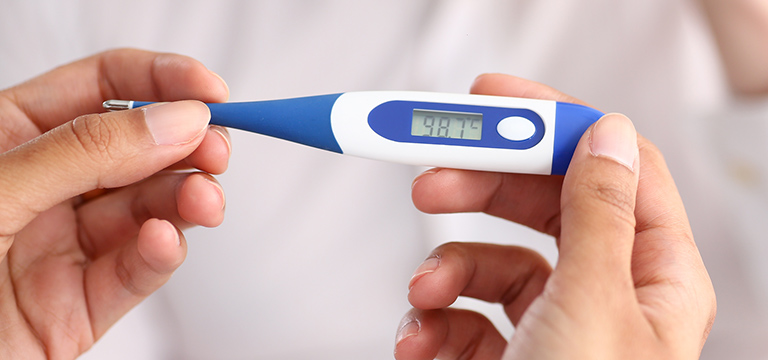
Your body is a well-oiled machine. In order to run properly, it needs to put out heat at all times. This heat is produced by your body doing all the work and performing all the functions that keep you alive. When it’s putting out too much or too little heat, that can signal a problem. Here are the ranges you should pay attention to.
**Normal range**
There isn’t one perfect temperature for everyone. You might be a degree different from the person next to you. A study in *JAMA: the* *Journal of American Medical Association*, says that the baseline for most people is 98.2 degrees Fahrenheit.
A typical adult’s body temperature is anywhere from 97°F - 99°F.
Babies and children are 97.9°F - 100.4°F.
Your temperature will vary throughout the day as well as your lifetime. Things like physical activity, time of day, age and diet can all affect your temperature.
**High range**
A temperature higher than the norm of 100.4°F is considered a fever. You might not feel your best, but a fever is a sign that your body is doing what it should when germs are on the scene. It’s trying to fight them off. When your temperature hits 103°F or higher or if you’ve had a fever for several days, you should call your doctor. Associated symptoms like headache, chest pain or vomiting are also signs that you need to speak to a healthcare provider.
**Low range**
When your body loses too much heat, it’s serious business. Hypothermia is technically when your body temp drops below 95°F. It can happen indoors as well as outdoors. Some things that can make you more likely to get hypothermia are:
- Alcohol or drug use
- Underactive thyroid
- Anorexia
- Stroke
- Sepsis
- Malnutrition
- Some medicines (antidepressants or sedatives)
- Nerve damage
Babies and older adults can struggle with regulating their temperature. Babies can lose heat quickly, so it’s important to keep them at a temp above 97°F. The same goes for the elderly.
If your body temperature starts to fall outside normal range, you can use [telehealth services](https://www.fepblue.org/find-doctor/telehealth-services) to speak with a doctor.
Source: <https://www.webmd.com/first-aid/normal-body-temperature#1>
Source: <https://jamanetwork.com/journals/jama/article-abstract/400116> (abstract is available, full study is behind paywall)
Published on: March 04, 2021
## You might also like:
[ High Blood Pressure and What the Numbers Mean for You Read Article](https://www.fepblue.org/news/2020/10/30/02/36/High-Blood-Pressure)
[ Get Your Heart Rate on Target Read Article](https://www.fepblue.org/news/2016/02/04/04/43/get-your-heart-rate-target)
[ Is Your Body Aging Faster Than Normal? Read Article](https://www.fepblue.org/news/2020/07/24/14/48/Is-your-body-aging-faster-than-normal)
[](https://www.fepblue.org/)
- [](https://www.facebook.com/fepblue)
- [](https://www.youtube.com/user/fepblue)
- [](https://www.instagram.com/fepblue/)
- [](https://www.linkedin.com/company/fepblue)
[Contact Us](https://www.fepblue.org/contact-us)
National Information Center[1 (800) 411-BLUE](tel:18004112583)
- [Download the fepblue App](https://www.fepblue.org/health-management-tools/fep-blue-app)
- [Tax Information](https://www.fepblue.org/news/2023/12/26/18/10/Tax-Information-Request-Form-1095-B)
- [OPM](http://www.opm.gov/)
- [Terms & Privacy](https://www.fepblue.org/legal/terms-privacy)
- [Rights & Responsibilities](https://www.fepblue.org/legal/rights-responsibilities)
- [Policies & Guidelines](https://www.fepblue.org/legal/policies-guidelines)
- [Machine Readable Files](https://www.fepblue.org/tcr-machine-readable-files)
- [Partnerships](https://www.fepblue.org/about-us)
- [Español](https://www.fepblue.org/other-language-resources#group1)
- [繁體中文](https://www.fepblue.org/other-language-resources#group1)
- [Tiếng Việt](https://www.fepblue.org/other-language-resources#group1)
- [한국어](https://www.fepblue.org/other-language-resources#group2)
- [Tagalog](https://www.fepblue.org/other-language-resources#group2)
- [Русский](https://www.fepblue.org/other-language-resources#group2)
- [العربية](https://www.fepblue.org/other-language-resources#group3)
- [Kreyòl](https://www.fepblue.org/other-language-resources#group3)
- [Français](https://www.fepblue.org/other-language-resources#group3)
- [Português](https://www.fepblue.org/other-language-resources#group4)
- [Polski](https://www.fepblue.org/other-language-resources#group4)
- [日本語](https://www.fepblue.org/other-language-resources#group4)
- [Italiano](https://www.fepblue.org/other-language-resources#group5)
- [Deutsch](https://www.fepblue.org/other-language-resources#group5)
- [فارسی](https://www.fepblue.org/other-language-resources#group5)
 ©2026 Blue Cross Blue Shield Association. All rights reserved.
## You are leaving fepblue.org
You will be going to a new website, operated on behalf of the Blue Cross and Blue Shield Service Benefit Plan by a third party. The protection of your privacy will be governed by the privacy policy of that site. Please review the terms of use and privacy policies of the new site you will be visiting.
Continue
We use cookies on this website to give you the best experience and measure website usage. By continuing to use this website, you consent to these cookies. For more information, view our [privacy policy](https://www.fepblue.org/legal/privacy-policy). |
| Readable Markdown | 
Your body is a well-oiled machine. In order to run properly, it needs to put out heat at all times. This heat is produced by your body doing all the work and performing all the functions that keep you alive. When it’s putting out too much or too little heat, that can signal a problem. Here are the ranges you should pay attention to.
**Normal range**
There isn’t one perfect temperature for everyone. You might be a degree different from the person next to you. A study in *JAMA: the* *Journal of American Medical Association*, says that the baseline for most people is 98.2 degrees Fahrenheit.
A typical adult’s body temperature is anywhere from 97°F - 99°F.
Babies and children are 97.9°F - 100.4°F.
Your temperature will vary throughout the day as well as your lifetime. Things like physical activity, time of day, age and diet can all affect your temperature.
**High range**
A temperature higher than the norm of 100.4°F is considered a fever. You might not feel your best, but a fever is a sign that your body is doing what it should when germs are on the scene. It’s trying to fight them off. When your temperature hits 103°F or higher or if you’ve had a fever for several days, you should call your doctor. Associated symptoms like headache, chest pain or vomiting are also signs that you need to speak to a healthcare provider.
**Low range**
When your body loses too much heat, it’s serious business. Hypothermia is technically when your body temp drops below 95°F. It can happen indoors as well as outdoors. Some things that can make you more likely to get hypothermia are:
- Alcohol or drug use
- Underactive thyroid
- Anorexia
- Stroke
- Sepsis
- Malnutrition
- Some medicines (antidepressants or sedatives)
- Nerve damage
Babies and older adults can struggle with regulating their temperature. Babies can lose heat quickly, so it’s important to keep them at a temp above 97°F. The same goes for the elderly.
If your body temperature starts to fall outside normal range, you can use [telehealth services](https://www.fepblue.org/find-doctor/telehealth-services) to speak with a doctor.
Source: <https://www.webmd.com/first-aid/normal-body-temperature#1>
Source: <https://jamanetwork.com/journals/jama/article-abstract/400116> (abstract is available, full study is behind paywall)
Published on: March 04, 2021 |
| Shard | 6 (laksa) |
| Root Hash | 16225189796591557406 |
| Unparsed URL | org,fepblue!www,/news/2021/02/23/07/03/Normal-Body-Temperature-Range s443 |