ℹ️ Skipped - page is already crawled
| Filter | Status | Condition | Details |
|---|---|---|---|
| HTTP status | PASS | download_http_code = 200 | HTTP 200 |
| Age cutoff | PASS | download_stamp > now() - 6 MONTH | 0.1 months ago |
| History drop | PASS | isNull(history_drop_reason) | No drop reason |
| Spam/ban | PASS | fh_dont_index != 1 AND ml_spam_score = 0 | ml_spam_score=0 |
| Canonical | PASS | meta_canonical IS NULL OR = '' OR = src_unparsed | Not set |
| Property | Value |
|---|---|
| URL | https://www.explore.com/1224443/heres-what-happens-if-you-get-sick-on-a-cruise/ |
| Last Crawled | 2026-04-17 09:37:07 (2 days ago) |
| First Indexed | 2023-03-11 02:36:59 (3 years ago) |
| HTTP Status Code | 200 |
| Meta Title | Here's What Happens If You Get Sick On A Cruise |
| Meta Description | The promise of worry-free travel is part of a carefree itinerary. Cruising is not complicated. Icebergs and scurvy just aren't the threats they used to be. |
| Meta Canonical | null |
| Boilerpipe Text | Lisa-S/Shutterstock
Taking a cruise is a pretty worry-free experience — and that's the point. You wake up, eat, drink, lounge poolside, enjoy onboard activities, explore ports of call, and repeat. All part of a carefree itinerary, cruising is not complicated. Icebergs and scurvy just aren't the threats they used to be.
However, we all saw worrisome images, read harrowing stories, and binged Netflix documentaries regarding life on cruise ships during the pandemic. The threat of COVID-19 still lingers, but the cruise industry has largely bounced back. Even so, some would-be travelers may still feel a bit anxious to sail, ruminating on one question: What happens if I get sick on a cruise?
To be fair, it's an excellent question. Even in the "before times" of the pandemic, there seemed to be fascination/fear of getting sick on a cruise ship. Whenever a norovirus outbreak occurred on a cruise, the story seemed to always make headlines. However, according to the Centers for Disease Control and Prevention, you're much more likely to contract norovirus on land than at sea. But statistics seldom calm nerves. So, what happens if you get sick on a cruise? We'll prescribe a little information to settle those nerves.
If I get sick, are there any doctors on board?
Thomas Northcut/Getty Images
Of course! For major cruise lines, guest safety is top priority. Most cruise ships employ one or two doctors, paramedics, certified nurses, and support staff. The medical staff is typically trained to treat both minor ailments and stabilize more serious conditions. While the medical team doesn't necessarily need medical credentials from the U.S., depending on the ship, the medical staff will meet certain training requirements.
Comparable to urgent care facilities on land, onboard medical facilities are adequately equipped to comfortably and effectively treat passengers. The facility may include heart monitors and other equipment to track vitals, EKG machines, defibrillators, equipment to take lab tests, stretchers, and wheelchairs. Many cruise ships also now feature X-ray machines.
Although each cruise ship is different, you'll find the onboard medical team and medical facility comparable to what you'd find at a neighborhood urgent care — if not even better equipped.
What if I get seasick?
Michael Alan Brooks/Shutterstock
This is a common worry for
first-time cruise passengers
. First of all, seasickness isn't fun, so let's not minimize the concern. If you've ever felt queasy on a small boat, you know that you rarely just "get over" seasickness. Your land-loving equilibrium can stay out of whack the entire trip, causing fatigue, nausea, vomiting, dizziness, cold sweats, and headaches.
Fortunately, modern cruise ships utilize very effective stabilizing technology, which prevents the cruise ship from pitching (moving up and down) and rolling (rocking back and forth). Even if you're prone to seasickness, you're much less likely to get seasick on a cruise ship than on a smaller vessel.
However, if you do get sick, cruise ships typically sell over-the-counter Dramamine or Bonine pills, and if it's serious enough, the cruise ship's doctor may prescribe anti-nausea medications. And, of course, getting fresh air and staring at the horizon are age-old remedies. While getting seasick is a possibility, the cruise ship is well-equipped to help.
What if something more serious happens?
Ihor Koptilin/Shutterstock
If something more serious, or even life-threatening like a heart attack, does occur, cruise ships also have protocols in place to assist passengers. As stated previously, onboard medical facilities are equipped to stabilize passengers in case of an emergency.
Depending on the situation, medical staff may keep the passenger under observation until reaching the next port. Since cruise ships typically follow the same routes, medical teams usually have relationships with port agents and medical facilities near the port.
If medically required, you may be checked into a medical facility upon arrival. After seeing a specialist, you may then have time to re-board before the ship disembarks. In rare cases, cruise ships also have the option to medevac passengers while at sea.
And regardless of the news, norovirus outbreaks on cruise ships are rare. According to the CDC, cruise passengers run a 1 in 5,500 risk of contracting norovirus on a cruise ship. In contrast, you have a 1 in 15 chance of contracting norovirus on land. But in the event an outbreak does occur, you may be asked to quarantine in your room until symptoms pass.
Will the cruise ship accept my insurance?
Andrey_Popov/Shutterstock
In short, no. The expense of any medical care you receive onboard will be charged to your cabin. This is true whether you have medical insurance at home or if covered by travel insurance. Similarly, if you receive treatment at a port of call, you'll usually need to pay the cost for treatment at the facility before you're discharged.
However, this doesn't mean you'll need to pay the entire amount for medical care. After you pay the cruise line, you can send your receipt and other necessary documents to your health insurance provider for reimbursement. If your health insurance covers emergency out-of-network expenses, then you should be okay.
When traveling, it's always a good idea to double-check with your insurance provider to review the fine print regarding travel-related coverage. If you purchase
travel insurance
, most quality policies will reimburse any emergency medical costs incurred overseas (or at sea).
Stick to your worry-free itinerary
eldar nurkovic/Shutterstock
While cruise ships are well-equipped to assist sick or injured passengers, there are preventative measures you can take to avoid getting sick in the first place. For one, regularly wash your hands or use hand sanitizer with at least 60% alcohol. Typically, cruise ships provide hand sanitizer stations at restaurants, and by using it, you can protect yourself and others by minimizing the spread of stowaway germs.
Also, be cautious when dining at ports of call. As a general rule, stick to bottled water. While some places serve safe tap water, it's probably not worth the risk. And try not to be too adventurous when eating. Trying new cuisines is one of the best parts of travel, but if you're already a queasy sailor, you may want to pass on the street meat.
Cruise ships are kept immaculately clean, adhering to high food and health standards, but we've all succumbed to sickness while traveling. Fortunately, if you do become ill at sea, the ships can and will assist you. Overall, we'd suggest just sticking to the assigned, worry-free itinerary of health, happiness, and horizons. Leave "getting sick" with other landlocked worries. |
| Markdown | [](https://www.explore.com/)
- [Destinations](https://www.explore.com/category/destinations/)
- [United States](https://www.explore.com/category/united-states/)
- [Canada](https://www.explore.com/category/canada/)
- [Caribbean](https://www.explore.com/category/caribbean/)
- [Mexico](https://www.explore.com/category/mexico/)
- [Central & South America](https://www.explore.com/category/central-and-south-america/)
- [Europe](https://www.explore.com/category/europe/)
- [Asia](https://www.explore.com/category/asia/)
- [India](https://www.explore.com/category/india/)
- [Australia & New Zealand](https://www.explore.com/category/australia-and-new-zealand/)
- [Middle East](https://www.explore.com/category/middle-east/)
- [Africa](https://www.explore.com/category/africa/)
- [Travel Guides](https://www.explore.com/category/travel-guides/)
- [Weekend Getaways](https://www.explore.com/category/weekend-getaways/)
- [International](https://www.explore.com/category/international/)
- [Safety](https://www.explore.com/category/travel-safety-guides/)
- [Outdoor Adventures](https://www.explore.com/category/outdoor-adventures/)
- [Family Friendly](https://www.explore.com/category/family-friendly/)
- [Couples](https://www.explore.com/category/couples/)
- [Solo Travel](https://www.explore.com/category/solo-travel/)
- [Beach Vacations](https://www.explore.com/category/beach-vacations/)
- [Road Trips](https://www.explore.com/category/road-trips/)
- [Cruises](https://www.explore.com/category/cruises/)
- [Culinary Vacations](https://www.explore.com/category/culinary-vacations/)
- [Planning](https://www.explore.com/category/planning/)
- [Booking](https://www.explore.com/category/booking/)
- [Planes, Trains & Automobiles](https://www.explore.com/category/planes-trains-and-automobiles/)
- [All-Inclusive Resorts](https://www.explore.com/category/all-inclusive-resorts/)
- [Hotels](https://www.explore.com/category/hotels/)
- [Airbnb & Rentals](https://www.explore.com/category/airbnb-rentals/)
- [Timeshares](https://www.explore.com/category/timeshares/)
- [Car Rentals](https://www.explore.com/category/car-rentals/)
- [Packing](https://www.explore.com/category/packing/)
- [Tips & Hacks](https://www.explore.com/category/tips-and-hacks/)
- [Shopping](https://www.explore.com/category/shopping-packing/)
- [Travel Style](https://www.explore.com/category/travel-style/)
- [Luggage](https://www.explore.com/category/luggage/)
- [News](https://www.explore.com/category/news/)
- [Features](https://www.explore.com/category/features/)
- [Newsletter](https://subscribe.explore.com/newsletter?utm_source=explore&utm_medium=side-nav "Newsletter")
- [About](https://www.explore.com/about/)
- [Editorial Policies](https://www.explore.com/policies/)
- [Our Experts](https://www.explore.com/our-experts/)
- [Privacy Policy](https://www.explore.com/privacy-policy/)
- [Terms of Use](https://www.static.com/terms)
© 2026 [Static Media](https://www.static.com/). All Rights Reserved
[](https://www.explore.com/)
[](https://www.explore.com/)
Here's What Happens If You Get Sick On A Cruise
[Destinations](https://www.explore.com/category/destinations/) [Travel Guides](https://www.explore.com/category/travel-guides/) [Planning](https://www.explore.com/category/planning/) [Packing](https://www.explore.com/category/packing/) [News](https://www.explore.com/category/news/) [Features](https://www.explore.com/category/features/)
- [Newsletter](https://subscribe.explore.com/newsletter?utm_source=explore&utm_medium=top-nav "Newsletter")
- [Travel Guides](https://www.explore.com/category/travel-guides/)
- [Cruises](https://www.explore.com/category/cruises/)
# Here's What Happens If You Get Sick On A Cruise
By [Matt Berry](https://www.explore.com/author/mattberry/)
March 10, 2023 3:52 pm EST
Lisa-S/Shutterstock
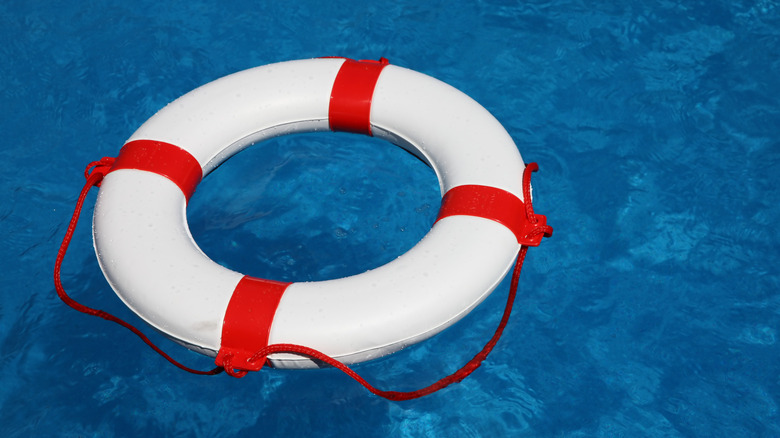
Taking a cruise is a pretty worry-free experience — and that's the point. You wake up, eat, drink, lounge poolside, enjoy onboard activities, explore ports of call, and repeat. All part of a carefree itinerary, cruising is not complicated. Icebergs and scurvy just aren't the threats they used to be.
However, we all saw worrisome images, read harrowing stories, and binged Netflix documentaries regarding life on cruise ships during the pandemic. The threat of COVID-19 still lingers, but the cruise industry has largely bounced back. Even so, some would-be travelers may still feel a bit anxious to sail, ruminating on one question: What happens if I get sick on a cruise?
To be fair, it's an excellent question. Even in the "before times" of the pandemic, there seemed to be fascination/fear of getting sick on a cruise ship. Whenever a norovirus outbreak occurred on a cruise, the story seemed to always make headlines. However, according to the Centers for Disease Control and Prevention, you're much more likely to contract norovirus on land than at sea. But statistics seldom calm nerves. So, what happens if you get sick on a cruise? We'll prescribe a little information to settle those nerves.
## If I get sick, are there any doctors on board?

Thomas Northcut/Getty Images
Of course! For major cruise lines, guest safety is top priority. Most cruise ships employ one or two doctors, paramedics, certified nurses, and support staff. The medical staff is typically trained to treat both minor ailments and stabilize more serious conditions. While the medical team doesn't necessarily need medical credentials from the U.S., depending on the ship, the medical staff will meet certain training requirements.
Comparable to urgent care facilities on land, onboard medical facilities are adequately equipped to comfortably and effectively treat passengers. The facility may include heart monitors and other equipment to track vitals, EKG machines, defibrillators, equipment to take lab tests, stretchers, and wheelchairs. Many cruise ships also now feature X-ray machines.
Although each cruise ship is different, you'll find the onboard medical team and medical facility comparable to what you'd find at a neighborhood urgent care — if not even better equipped.
## What if I get seasick?
Michael Alan Brooks/Shutterstock
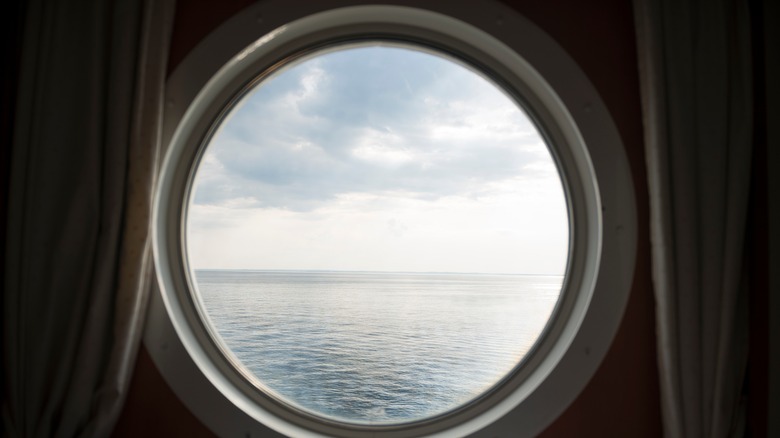
This is a common worry for [first-time cruise passengers](https://www.explore.com/1210206/vacation-inspiration-royal-caribbeans-nearly-year-long-world-cruise/). First of all, seasickness isn't fun, so let's not minimize the concern. If you've ever felt queasy on a small boat, you know that you rarely just "get over" seasickness. Your land-loving equilibrium can stay out of whack the entire trip, causing fatigue, nausea, vomiting, dizziness, cold sweats, and headaches.
Fortunately, modern cruise ships utilize very effective stabilizing technology, which prevents the cruise ship from pitching (moving up and down) and rolling (rocking back and forth). Even if you're prone to seasickness, you're much less likely to get seasick on a cruise ship than on a smaller vessel.
However, if you do get sick, cruise ships typically sell over-the-counter Dramamine or Bonine pills, and if it's serious enough, the cruise ship's doctor may prescribe anti-nausea medications. And, of course, getting fresh air and staring at the horizon are age-old remedies. While getting seasick is a possibility, the cruise ship is well-equipped to help.
## What if something more serious happens?
Ihor Koptilin/Shutterstock
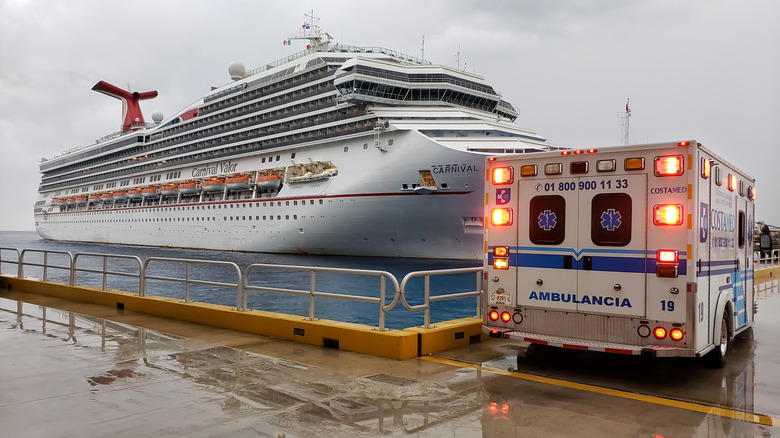
If something more serious, or even life-threatening like a heart attack, does occur, cruise ships also have protocols in place to assist passengers. As stated previously, onboard medical facilities are equipped to stabilize passengers in case of an emergency.
Depending on the situation, medical staff may keep the passenger under observation until reaching the next port. Since cruise ships typically follow the same routes, medical teams usually have relationships with port agents and medical facilities near the port.
If medically required, you may be checked into a medical facility upon arrival. After seeing a specialist, you may then have time to re-board before the ship disembarks. In rare cases, cruise ships also have the option to medevac passengers while at sea.
And regardless of the news, norovirus outbreaks on cruise ships are rare. According to the CDC, cruise passengers run a 1 in 5,500 risk of contracting norovirus on a cruise ship. In contrast, you have a 1 in 15 chance of contracting norovirus on land. But in the event an outbreak does occur, you may be asked to quarantine in your room until symptoms pass.
## Will the cruise ship accept my insurance?

Andrey\_Popov/Shutterstock
In short, no. The expense of any medical care you receive onboard will be charged to your cabin. This is true whether you have medical insurance at home or if covered by travel insurance. Similarly, if you receive treatment at a port of call, you'll usually need to pay the cost for treatment at the facility before you're discharged.
However, this doesn't mean you'll need to pay the entire amount for medical care. After you pay the cruise line, you can send your receipt and other necessary documents to your health insurance provider for reimbursement. If your health insurance covers emergency out-of-network expenses, then you should be okay.
When traveling, it's always a good idea to double-check with your insurance provider to review the fine print regarding travel-related coverage. If you purchase [travel insurance](https://www.explore.com/1103011/this-is-when-its-actually-worth-it-to-buy-travel-insurance/), most quality policies will reimburse any emergency medical costs incurred overseas (or at sea).
## Stick to your worry-free itinerary
eldar nurkovic/Shutterstock
While cruise ships are well-equipped to assist sick or injured passengers, there are preventative measures you can take to avoid getting sick in the first place. For one, regularly wash your hands or use hand sanitizer with at least 60% alcohol. Typically, cruise ships provide hand sanitizer stations at restaurants, and by using it, you can protect yourself and others by minimizing the spread of stowaway germs.
Also, be cautious when dining at ports of call. As a general rule, stick to bottled water. While some places serve safe tap water, it's probably not worth the risk. And try not to be too adventurous when eating. Trying new cuisines is one of the best parts of travel, but if you're already a queasy sailor, you may want to pass on the street meat.
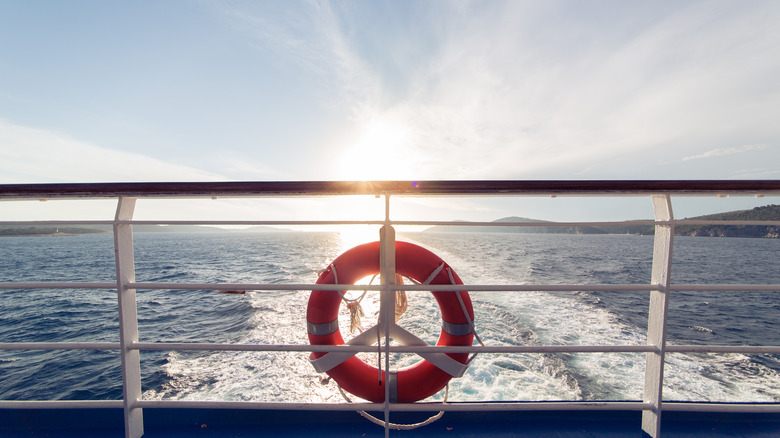
Cruise ships are kept immaculately clean, adhering to high food and health standards, but we've all succumbed to sickness while traveling. Fortunately, if you do become ill at sea, the ships can and will assist you. Overall, we'd suggest just sticking to the assigned, worry-free itinerary of health, happiness, and horizons. Leave "getting sick" with other landlocked worries. |
| Readable Markdown | 
Lisa-S/Shutterstock
Taking a cruise is a pretty worry-free experience — and that's the point. You wake up, eat, drink, lounge poolside, enjoy onboard activities, explore ports of call, and repeat. All part of a carefree itinerary, cruising is not complicated. Icebergs and scurvy just aren't the threats they used to be.
However, we all saw worrisome images, read harrowing stories, and binged Netflix documentaries regarding life on cruise ships during the pandemic. The threat of COVID-19 still lingers, but the cruise industry has largely bounced back. Even so, some would-be travelers may still feel a bit anxious to sail, ruminating on one question: What happens if I get sick on a cruise?
To be fair, it's an excellent question. Even in the "before times" of the pandemic, there seemed to be fascination/fear of getting sick on a cruise ship. Whenever a norovirus outbreak occurred on a cruise, the story seemed to always make headlines. However, according to the Centers for Disease Control and Prevention, you're much more likely to contract norovirus on land than at sea. But statistics seldom calm nerves. So, what happens if you get sick on a cruise? We'll prescribe a little information to settle those nerves.
## If I get sick, are there any doctors on board?

Thomas Northcut/Getty Images
Of course! For major cruise lines, guest safety is top priority. Most cruise ships employ one or two doctors, paramedics, certified nurses, and support staff. The medical staff is typically trained to treat both minor ailments and stabilize more serious conditions. While the medical team doesn't necessarily need medical credentials from the U.S., depending on the ship, the medical staff will meet certain training requirements.
Comparable to urgent care facilities on land, onboard medical facilities are adequately equipped to comfortably and effectively treat passengers. The facility may include heart monitors and other equipment to track vitals, EKG machines, defibrillators, equipment to take lab tests, stretchers, and wheelchairs. Many cruise ships also now feature X-ray machines.
Although each cruise ship is different, you'll find the onboard medical team and medical facility comparable to what you'd find at a neighborhood urgent care — if not even better equipped.
## What if I get seasick?

Michael Alan Brooks/Shutterstock
This is a common worry for [first-time cruise passengers](https://www.explore.com/1210206/vacation-inspiration-royal-caribbeans-nearly-year-long-world-cruise/). First of all, seasickness isn't fun, so let's not minimize the concern. If you've ever felt queasy on a small boat, you know that you rarely just "get over" seasickness. Your land-loving equilibrium can stay out of whack the entire trip, causing fatigue, nausea, vomiting, dizziness, cold sweats, and headaches.
Fortunately, modern cruise ships utilize very effective stabilizing technology, which prevents the cruise ship from pitching (moving up and down) and rolling (rocking back and forth). Even if you're prone to seasickness, you're much less likely to get seasick on a cruise ship than on a smaller vessel.
However, if you do get sick, cruise ships typically sell over-the-counter Dramamine or Bonine pills, and if it's serious enough, the cruise ship's doctor may prescribe anti-nausea medications. And, of course, getting fresh air and staring at the horizon are age-old remedies. While getting seasick is a possibility, the cruise ship is well-equipped to help.
## What if something more serious happens?

Ihor Koptilin/Shutterstock
If something more serious, or even life-threatening like a heart attack, does occur, cruise ships also have protocols in place to assist passengers. As stated previously, onboard medical facilities are equipped to stabilize passengers in case of an emergency.
Depending on the situation, medical staff may keep the passenger under observation until reaching the next port. Since cruise ships typically follow the same routes, medical teams usually have relationships with port agents and medical facilities near the port.
If medically required, you may be checked into a medical facility upon arrival. After seeing a specialist, you may then have time to re-board before the ship disembarks. In rare cases, cruise ships also have the option to medevac passengers while at sea.
And regardless of the news, norovirus outbreaks on cruise ships are rare. According to the CDC, cruise passengers run a 1 in 5,500 risk of contracting norovirus on a cruise ship. In contrast, you have a 1 in 15 chance of contracting norovirus on land. But in the event an outbreak does occur, you may be asked to quarantine in your room until symptoms pass.
## Will the cruise ship accept my insurance?

Andrey\_Popov/Shutterstock
In short, no. The expense of any medical care you receive onboard will be charged to your cabin. This is true whether you have medical insurance at home or if covered by travel insurance. Similarly, if you receive treatment at a port of call, you'll usually need to pay the cost for treatment at the facility before you're discharged.
However, this doesn't mean you'll need to pay the entire amount for medical care. After you pay the cruise line, you can send your receipt and other necessary documents to your health insurance provider for reimbursement. If your health insurance covers emergency out-of-network expenses, then you should be okay.
When traveling, it's always a good idea to double-check with your insurance provider to review the fine print regarding travel-related coverage. If you purchase [travel insurance](https://www.explore.com/1103011/this-is-when-its-actually-worth-it-to-buy-travel-insurance/), most quality policies will reimburse any emergency medical costs incurred overseas (or at sea).
## Stick to your worry-free itinerary

eldar nurkovic/Shutterstock
While cruise ships are well-equipped to assist sick or injured passengers, there are preventative measures you can take to avoid getting sick in the first place. For one, regularly wash your hands or use hand sanitizer with at least 60% alcohol. Typically, cruise ships provide hand sanitizer stations at restaurants, and by using it, you can protect yourself and others by minimizing the spread of stowaway germs.
Also, be cautious when dining at ports of call. As a general rule, stick to bottled water. While some places serve safe tap water, it's probably not worth the risk. And try not to be too adventurous when eating. Trying new cuisines is one of the best parts of travel, but if you're already a queasy sailor, you may want to pass on the street meat.
Cruise ships are kept immaculately clean, adhering to high food and health standards, but we've all succumbed to sickness while traveling. Fortunately, if you do become ill at sea, the ships can and will assist you. Overall, we'd suggest just sticking to the assigned, worry-free itinerary of health, happiness, and horizons. Leave "getting sick" with other landlocked worries. |
| Shard | 179 (laksa) |
| Root Hash | 9484857556649774179 |
| Unparsed URL | com,explore!www,/1224443/heres-what-happens-if-you-get-sick-on-a-cruise/ s443 |