ℹ️ Skipped - page is already crawled
| Filter | Status | Condition | Details |
|---|---|---|---|
| HTTP status | PASS | download_http_code = 200 | HTTP 200 |
| Age cutoff | PASS | download_stamp > now() - 6 MONTH | 0.2 months ago |
| History drop | PASS | isNull(history_drop_reason) | No drop reason |
| Spam/ban | PASS | fh_dont_index != 1 AND ml_spam_score = 0 | ml_spam_score=0 |
| Canonical | PASS | meta_canonical IS NULL OR = '' OR = src_unparsed | Not set |
| Property | Value |
|---|---|
| URL | https://www.epicgardening.com/plants-that-grow-on-trees/ |
| Last Crawled | 2026-04-04 05:06:50 (5 days ago) |
| First Indexed | 2023-10-06 17:18:43 (2 years ago) |
| HTTP Status Code | 200 |
| Meta Title | 11 Types of Epiphytic Plants That Can Grow on Trees |
| Meta Description | Did you know that there are a number of different epiphytic plants that can grow on trees? Find out which types of plants grow on trees! |
| Meta Canonical | null |
| Boilerpipe Text | Contents
There is a wide selection of
plants that grow on trees
, ranging from darkly hued ferns to brightly colored flowers. Plants that rely on trees and other plants as physical support but live in symbioses without depleting their host plant of any nutrients or water are called epiphytes.
Epiphytes
can be grown in their native climates, but are also becoming more popular as indoor houseplants, since most of them are fairly small. They also require less maintenance than some of the more popular indoor and outdoor garden plants.
In this article, we’ll look at several epiphytes that add physical appeal by developing alongside the trees on which they grow. Most of these plants that grow on trees have impressive florals but are from a variety of plant types. Common epiphytes that will be covered in this article are
bromeliads
,
cacti
,
ferns, and orchids
. Let’s jump in!
Bird’s Nest Fern
The Bird’s Nest Fern should grow in an area that’s light enough, but with shading from direct sunlight.
Scientific Name:
Asplenium nidus
Plant Type: Perennial
Geographic Origin: Hawaii, Australia, East Africa, and Southeast Asia
Plant Size: 3-5 ft.
Sun Exposure: indirect sunlight to partial shade
Plant Zone: 11-12
There are many varieties of epiphytic ferns, but Bird’s Nest ferns are one of the most visually striking. They tend to grow between the trunk and branches of trees or near the tree base, and their tufted growth pattern resembles giant bird’s nests.
They can reach heights of up to five feet in their natural habitat, although they tend to grow smaller when grown as houseplants. Their leaves are broad, flat, and vibrant green, with a single black line radiating up the middle of each frond.
Christmas Cactus
In nature, Christmas Cactus grows in the tropical rainforests of Central and South America.
Scientific Name:
Schlumbergera x buckleyi
Plant Type: Perennial
Geographic Origin: South America
Plant Size: 6-12 inches
Sun Exposure: bright, indirect light to partial shade
Plant Zone: 10-12
This Schlumbergera variety is most
commonly referred to as a ‘Christmas cactus,’
but very similar varieties of this plant are all considered to be ‘holiday cacti.’ This is because while all of the cacti are roughly the same, they are designated different holidays depending on when they bloom. For example, the
Christmas, Thanksgiving, and Easter cacti
bloom in different months, closest to those holidays.
Growing as epiphytes in their natural habitats, Christmas cacti do best with partial shade or at the very least filtered or indirect light that mimics the canopy of the trees they grow on when grown as a houseplant. Watch for faded flowers and cactus leaves, as they may indicate that your cactus is getting too much bright light.
Unlike many other epiphytic plants, Christmas cacti can easily be planted in cactus soil and grow well indoors.
Christmas cacti are small and cheerful-looking, and when they bloom, they offer bunches of petite, brightly colored flowers. While Christmas cacti are most commonly seen with bright red foliage, other holiday cacti showcase pink, purple, and white florals.
Crispum Orchid
In nature, Crispum Orchids are found in the mountainous regions of South and Central America with a tropical and subtropical climates.
Scientific Name:
Odontoglossum crispum
Plant Type: Perennial
Geographic Origin: South America
Plant Size: 16 inches tall
Sun Exposure: Full sun to partial shade
Plant Zone: 11
Like
most orchids
, the Crispum orchid is very difficult to grow outdoors unless you live in precisely the right geographical area, and this orchid is even more specialized than some. However, what it lacks in widespread availability, it more than makes up for in appearance, as these orchids are some of the most visually striking of all epiphytes.
There is some diversity in their physical appearance, but typically Crispum orchids are a very pale pink or white with darker brown spots and star-like, pointed petals. They are truly a sight to behold when growing in their natural epiphytic habitats, but don’t despair if you find yourself unable to cultivate these beauties outdoors.
Crispum orchids can be grown indoors using orchid potting soil and can tolerate either bright, indirect sunlight or partial shade.
Fireball Bromeliad
Most Fireball Bromeliads are epiphytes that live on trees rather than in the soil.
Scientific Name:
Neoregelia ‘Fireball’
Plant Type: Perennial
Geographic Origin: North America, South America
Plant Size: 6 inches
Sun Exposure: bright direct or indirect sunlight
Plant Zone: 8-11
As its name might suggest, the fireball
bromeliad
is a striking shock of red that adds an impressive display to any tree on which it grows. Its growth pattern is very distinct, as it grows in small six-inch tufts along stolons and wraps itself prolifically around trees.
When looking up into a tree in which a fireball bromeliad is growing, it can almost look as though entire sections of the tree’s trunk are red.
In addition to its striking color, this bromeliad is unique in its ability to handle intense, direct sunlight. It thrives with the sun, and while it can handle partial shade, it tends to do much better when it has access at least to bright, indirect light for much of the day.
So long as you meet its light requirements, the fireball bromeliad is a relatively low-maintenance houseplant and offers much aesthetic appeal.
Flaming Sword
Flaming Sword is an epiphytic or terrestrial plant native to the forests of Eastern Brazil.
Scientific Name:
Vriesea splendens
Plant Type: Perennial
Geographic Origin: Central America, South America
Plant Size: 2 feet, on average
Sun Exposure: indirect sunlight to partial shade
Plant Zone: 10-12
The flaming sword is one of the most visually striking plants on this list, and like many bromeliads, they have a
brightly colored bloom
radiating from the center of the plant. These epiphytes attach to trees and have zebra-like stripes on their leaves with a central flame-like spade.
In its natural habitat, this bromeliad will collect rainwater; when kept as a houseplant, pour water into the plant center. In the wild, bromeliad pools are often home to more diminutive plants, and small animals such as frogs and salamanders make these plants their homes.
Flamingo Flower
Many Anthuriums are native to the tropical rainforests of central and South America.
Scientific Name:
Anthurium spp.
Plant Type: Perennial
Geographic Origin: Caribbean; Central and South America
Plant Size: 1-3 ft.
Sun Exposure: Bright, indirect light
Plant Zone: 11-12
The flamingo flower, also commonly called the painter’s palette, is a beautiful epiphytic flower belonging to the Anthurium family. Native to tropical regions of Central and South America, the flamingo flower is known for its dark green, waxy leaves, and bright, uniquely shaped red “flowers,” called spathes.
Somewhat of a misnomer, the flamingo flower has large, red flower-like spathes that look like actual flowers from a distance. But when you get closer to the plant, you notice that the arrowhead-shaped spathes are unlike typical flowers in that they are broad and waxy, with a conical spadix protruding from the center of the spathe, much like a calla lily.
These beauties typically grow under the canopy of trees in tropical rainforests and, in their native habitat, get ample filtered sunlight but avoid the harsh rays of direct light. Because of their epiphytic nature, flamingo flowers are very low-maintenance, making them popular houseplants.
When grown indoors, these plants do best when potted in well-draining soil to keep their roots moist but not wet; they like ample humidity because of their tropical roots. If you find your flamingo flower beginning to lean, consider getting a stake or trellis to lean against to emulate its natural epiphytic growth preferences.
Mistletoe
Mistletoe is a semi-parasitic evergreen plant from the subfamily Viscaceae.
Scientific Name:
Phoradendron spp.
(North America),
Viscum spp.
(Europe),
Arceuthobium spp.
Plant Type: Perennial
Geographic Origin: Asia, North America, and Europe
Plant Size: 1.5-2 feet tall
Sun Exposure: Part sun to full sun
Plant Zone: 5-9
Mistletoe is one of the more interesting plants that grow on trees because, unlike all the other epiphytic plants, mistletoe is actually a parasitic plant. This means that, unlike the other plants that live in symbiosis with the trees they grow on, mistletoe steals the necessary water and nutrients from trees. Mistletoe can actually kill the host tree that it grows upon over time, depending on its growth.
There are many different varieties of mistletoe that all have strikingly different appearances, but some mistletoe has striking floral colors and can actually benefit the ecosystem by
attracting pollinators
.
Orchid Cactus
Orchid Cactus blooms in May or June with large attractive flowers, the color of which depends on the variety.
Scientific Name:
Disocactus ackermannii
Plant Type: Perennial
Geographic Origin: Central America, South America
Plant Size: 2-10 feet tall
Sun Exposure: indirect sunlight, partial shade
Plant Zone: 10-11
The name ‘Orchid Cactus’ may leave you wondering whether this plant is an orchid or a cactus, but this beauty is indeed a cactus. This plant is called orchid cactus because of its striking flower, and the cactus leaves themselves grow impressively long and droop downwards.
The leaves of the orchid cactus are devoid of spikes and are slender and scalloped, much resembling the leaves of the more
commonly grown fishbone cactus
.
However, in addition to their leaves, these cactuses grow striking flowers that come in various colors (commonly red and white) that also grow downwards. When grown at home, they are perfect for hanging planters, allowing the cactus to hang naturally.
Pink Quill
Pink Quill flowers are diverse – their flowering can last several months, or it can end in a few days.
Scientific Name:
Tillandsia cyanea
Plant Type: Perennial
Geographic Origin: South America
Plant Size: 10-20 inches
Sun Exposure: partial shade
Plant Zone: 11-13
The entire category of epiphytes is often referred to as air plants, but when we hear the phrase “air plant,” we often think of the small, spindly decorative houseplants. The pink quill, also commonly called the blue-flowered torch, resembles more of a traditional air plant than many other plants on this list.
It has long, green leaves, and when grown under the right conditions, it produces impressive purplish bracts with attached purple flowers. Your pink quill can produce more than one bract in its lifetime and, although epiphytic, can actually be grown in soil as a houseplant.
Staghorn Fern
Staghorn Fern needs high humidity and prefers partial shade.
Scientific Name:
Platycerium bifurcatum
Plant Type: Perennial
Geographic Origin: Australia; Asia
Plant Size: 2-3 feet tall
Sun Exposure: partial to complete shade
Plant Zone: 9-12
The staghorn fern is one of the most recognizable ferns and is commonly grown as a houseplant or outdoor hanging plant. These ferns are true epiphytes and, when grown in homes, are often seen mounted on wooden planks, with their root system surrounded by sphagnum moss.
In their natural habitat, staghorn ferns love to latch onto healthy host trees and boast impressive, broad, green leaves that truly resemble antlers. Their antler fronds can grow upwards of three feet in the wild, and they also grow shield fronds near the root system designed to absorb water and nutrients into their root system.
Because of their sub-tropical origin, staghorn ferns are somewhat fussy only in the sense that they require a higher level of humidity than some other common houseplants, making them
great bathroom companions
. If you have a mounted staghorn fern at home, consider gently misting its root ball every few days to keep your plant happy and healthy.
Vanda Orchid
Vanda Orchid blooms with variegated, brightly colored flowers of various sizes.
Scientific Name:
Vanda spp.
Plant Type: Perennial
Geographic Origin: Asia; New Guinea
Plant Size: 1-3 feet
Sun Exposure: depends on the variety, but they typically like bright filtered sunlight
Plant Zone: 10-11
Many people are unaware that it’s common for orchids to grow with trees and other large plants in their natural habitat.
Vanda orchids
are known both for their striking flowers that all grow from a single stem and their extensive root systems.
While many orchid varieties make excellent houseplants, Vandas are almost exclusively grown as epiphytes because their root system is so large and demanding that they are difficult to contain in pots and planters.
Because of their epiphytic nature, Vanda orchids do well with bright, filtered sunlight but can be sensitive to direct sunlight, which may scorch their delicate leaves and petals. Conversely, their striking color may be less impressive and their growth much slower without adequate sunlight.
Final Thoughts
The above 11 epiphytes (with the exception of mistletoe, which is a parasite) are beautiful plants that you may see
growing on trees in their natural habitats
but are often grown indoors as houseplants as well.
Epiphytes are a normal and healthy part of many ecosystems, and you should not be immediately alarmed if you see smaller plants growing on trees, as much of the time, these plants are growing in harmony. You may even want to adopt one as a houseplant! |
| Markdown | - [Join The Greenhouse](https://shop.epicgardening.com/pages/the-greenhouse-membership)
- [Find a store](https://shop.epicgardening.com/pages/store-finder)
- [Quiz](https://shop.epicgardening.com/pages/garden-setup-quiz)
- [Support](https://epicgardening.customerdesk.io/)
- Learn
- [Shop](https://shop.epicgardening.com/)
- [Membership](https://shop.epicgardening.com/pages/the-greenhouse-membership)
- [Edible Gardening](https://www.epicgardening.com/gardening/edible/)
- [Companion Planting](https://www.epicgardening.com/basics/companion-planting/)
- [Fruits](https://www.epicgardening.com/gardening/edible/fruits/)
- [Grains](https://www.epicgardening.com/gardening/edible/grains/)
- [Harvesting](https://www.epicgardening.com/basics/harvesting/)
- [Microgreens](https://www.epicgardening.com/gardening/edible/microgreens/)
- [Nut Trees](https://www.epicgardening.com/gardening/edible/nut-trees/)
- [Vegetables](https://www.epicgardening.com/gardening/edible/vegetables/)
- [Ornamental Gardening](https://www.epicgardening.com/gardening/ornamental/)
- [Bulbs](https://www.epicgardening.com/gardening/ornamental/bulbs/)
- [Cacti & Succulents](https://www.epicgardening.com/gardening/ornamental/cacti-succulents/)
- [Flowers](https://www.epicgardening.com/gardening/ornamental/flowers/)
- [Foliage](https://www.epicgardening.com/gardening/ornamental/foliage/)
- [Ground Cover](https://www.epicgardening.com/gardening/ornamental/ground-cover/)
- [Houseplants](https://www.epicgardening.com/houseplants/)
- [Shrubs](https://www.epicgardening.com/gardening/ornamental/shrubs/)
- [Trees](https://www.epicgardening.com/gardening/ornamental/trees/)
- [Vines](https://www.epicgardening.com/gardening/ornamental/vines/)
- [Soil & Compost](https://www.epicgardening.com/soil-building/)
- [Mulching](https://www.epicgardening.com/soil-building/mulch/)
- [Fertilizers](https://www.epicgardening.com/soil-building/fertilizer/)
- [Soil Improvement](https://www.epicgardening.com/soil-building/soil-improvement/)
- [Basics](https://www.epicgardening.com/basics/)
- [Accessible Gardens](https://www.epicgardening.com/basics/accessible-gardens/)
- [Gardening Tips](https://www.epicgardening.com/basics/gardening-tips/)
- [Gardening Inspiration](https://www.epicgardening.com/basics/gardening-inspiration/)
- [Homesteading](https://www.epicgardening.com/homesteading/)
- [Hydroponics](https://www.epicgardening.com/basics/hydroponics/)
- [Raised Bed Gardening](https://www.epicgardening.com/basics/raised-bed-gardening/)
- [Projects](https://www.epicgardening.com/basics/projects/)
- [Propagation](https://www.epicgardening.com/basics/propagation/)
- [Seeds](https://www.epicgardening.com/basics/seeds/)
- [Plant Problems](https://www.epicgardening.com/plant-problems/)
- [Garden Pests](https://www.epicgardening.com/plant-problems/garden-pests/)
- [Organic Treatments](https://www.epicgardening.com/plant-problems/organic-pest-control/)
- [Plant Diseases](https://www.epicgardening.com/plant-problems/plant-diseases/)
- [Weeds](https://www.epicgardening.com/plant-problems/weeds/)
- [Products](https://shop.epicgardening.com/)
- [Bundles](https://shop.epicgardening.com/collections/shop-bundles)
- [Garden Beds](https://shop.epicgardening.com/collections/garden-beds-planters)
- [Live Plants](https://shop.epicgardening.com/collections/plants)
- [Seeds](https://shop.epicgardening.com/collections/seeds)
- [Soil](https://shop.epicgardening.com/collections/soil-amendments-fertilizers)
- [Edible Gardening](https://www.epicgardening.com/gardening/edible/)
- [Companion Planting](https://www.epicgardening.com/basics/companion-planting/)
- [Fruits](https://www.epicgardening.com/gardening/edible/fruits/)
- [Grains](https://www.epicgardening.com/gardening/edible/grains/)
- [Harvesting](https://www.epicgardening.com/basics/harvesting/)
- [Microgreens](https://www.epicgardening.com/gardening/edible/microgreens/)
- [Nut Trees](https://www.epicgardening.com/gardening/edible/nut-trees/)
- [Vegetables](https://www.epicgardening.com/gardening/edible/vegetables/)
- [Ornamental Gardening](https://www.epicgardening.com/gardening/ornamental/)
- [Bulbs](https://www.epicgardening.com/gardening/ornamental/bulbs/)
- [Cacti & Succulents](https://www.epicgardening.com/gardening/ornamental/cacti-succulents/)
- [Flowers](https://www.epicgardening.com/gardening/ornamental/flowers/)
- [Foliage](https://www.epicgardening.com/gardening/ornamental/foliage/)
- [Ground Cover](https://www.epicgardening.com/gardening/ornamental/ground-cover/)
- [Houseplants](https://www.epicgardening.com/houseplants/)
- [Shrubs](https://www.epicgardening.com/gardening/ornamental/shrubs/)
- [Trees](https://www.epicgardening.com/gardening/ornamental/trees/)
- [Vines](https://www.epicgardening.com/gardening/ornamental/vines/)
- [Soil & Compost](https://www.epicgardening.com/soil-building/)
- [Mulching](https://www.epicgardening.com/soil-building/mulch/)
- [Fertilizers](https://www.epicgardening.com/soil-building/fertilizer/)
- [Soil Improvement](https://www.epicgardening.com/soil-building/soil-improvement/)
- [Basics](https://www.epicgardening.com/basics/)
- [Accessible Gardens](https://www.epicgardening.com/basics/accessible-gardens/)
- [Gardening Tips](https://www.epicgardening.com/basics/gardening-tips/)
- [Gardening Inspiration](https://www.epicgardening.com/basics/gardening-inspiration/)
- [Homesteading](https://www.epicgardening.com/homesteading/)
- [Hydroponics](https://www.epicgardening.com/basics/hydroponics/)
- [Raised Bed Gardening](https://www.epicgardening.com/basics/raised-bed-gardening/)
- [Projects](https://www.epicgardening.com/basics/projects/)
- [Propagation](https://www.epicgardening.com/basics/propagation/)
- [Seeds](https://www.epicgardening.com/basics/seeds/)
- [Plant Problems](https://www.epicgardening.com/plant-problems/)
- [Garden Pests](https://www.epicgardening.com/plant-problems/garden-pests/)
- [Organic Treatments](https://www.epicgardening.com/plant-problems/organic-pest-control/)
- [Plant Diseases](https://www.epicgardening.com/plant-problems/plant-diseases/)
- [Weeds](https://www.epicgardening.com/plant-problems/weeds/)
- [Products](https://shop.epicgardening.com/)
- [Bundles](https://shop.epicgardening.com/collections/shop-bundles)
- [Garden Beds](https://shop.epicgardening.com/collections/garden-beds-planters)
- [Live Plants](https://shop.epicgardening.com/collections/plants)
- [Seeds](https://shop.epicgardening.com/collections/seeds)
- [Soil](https://shop.epicgardening.com/collections/soil-amendments-fertilizers)
- [Join The Greenhouse](https://shop.epicgardening.com/pages/the-greenhouse-membership)
- [Find a store](https://shop.epicgardening.com/pages/store-finder)
- [Quiz](https://shop.epicgardening.com/pages/garden-setup-quiz)
- [Support](https://epicgardening.customerdesk.io/)
[Ornamental Gardens](https://www.epicgardening.com/gardening/ornamental/)
# 11 Different Types of Epiphytic Plants That Can Grow on Trees
Did you know that there are a number of different plants that can actually grow on trees? These plants are called Epiphytes and derive most of their nutrients from a host tree. In this article, we take a deeper look at some of our favorite epiphytic plants that grow on trees, and what environments they thrive in\!

Written by [Jason Wilson](https://www.epicgardening.com/author/jason-wilson/ "Posts by Jason Wilson") Last updated: October 10, 2023 \| 8 min read

Contents
There is a wide selection of **plants that grow on trees**, ranging from darkly hued ferns to brightly colored flowers. Plants that rely on trees and other plants as physical support but live in symbioses without depleting their host plant of any nutrients or water are called epiphytes.
[Epiphytes](https://www.epicgardening.com/epiphytes/) can be grown in their native climates, but are also becoming more popular as indoor houseplants, since most of them are fairly small. They also require less maintenance than some of the more popular indoor and outdoor garden plants.
In this article, we’ll look at several epiphytes that add physical appeal by developing alongside the trees on which they grow. Most of these plants that grow on trees have impressive florals but are from a variety of plant types. Common epiphytes that will be covered in this article are **bromeliads**, **cacti**, **ferns, and orchids**. Let’s jump in\!
## Bird’s Nest Fern

The Bird’s Nest Fern should grow in an area that’s light enough, but with shading from direct sunlight.
##### Scientific Name: *Asplenium nidus*
- **Plant Type: Perennial**
- **Geographic Origin: Hawaii, Australia, East Africa, and Southeast Asia**
- **Plant Size: 3-5 ft.**
- **Sun Exposure: indirect sunlight to partial shade**
- **Plant Zone: 11-12**
There are many varieties of epiphytic ferns, but Bird’s Nest ferns are one of the most visually striking. They tend to grow between the trunk and branches of trees or near the tree base, and their tufted growth pattern resembles giant bird’s nests.
They can reach heights of up to five feet in their natural habitat, although they tend to grow smaller when grown as houseplants. Their leaves are broad, flat, and vibrant green, with a single black line radiating up the middle of each frond.
## Christmas Cactus

In nature, Christmas Cactus grows in the tropical rainforests of Central and South America.
##### Scientific Name: *Schlumbergera x buckleyi*
- **Plant Type: Perennial**
- **Geographic Origin: South America**
- **Plant Size: 6-12 inches**
- **Sun Exposure: bright, indirect light to partial shade**
- **Plant Zone: 10-12**
This Schlumbergera variety is most [commonly referred to as a ‘Christmas cactus,’](https://www.epicgardening.com/christmas-cactus/) but very similar varieties of this plant are all considered to be ‘holiday cacti.’ This is because while all of the cacti are roughly the same, they are designated different holidays depending on when they bloom. For example, the [Christmas, Thanksgiving, and Easter cacti](https://www.epicgardening.com/christmas-thanksgiving-easter-cactus/) bloom in different months, closest to those holidays.
Growing as epiphytes in their natural habitats, Christmas cacti do best with partial shade or at the very least filtered or indirect light that mimics the canopy of the trees they grow on when grown as a houseplant. Watch for faded flowers and cactus leaves, as they may indicate that your cactus is getting too much bright light.
Unlike many other epiphytic plants, Christmas cacti can easily be planted in cactus soil and grow well indoors.
Christmas cacti are small and cheerful-looking, and when they bloom, they offer bunches of petite, brightly colored flowers. While Christmas cacti are most commonly seen with bright red foliage, other holiday cacti showcase pink, purple, and white florals.
## Crispum Orchid

In nature, Crispum Orchids are found in the mountainous regions of South and Central America with a tropical and subtropical climates.
##### Scientific Name: *Odontoglossum crispum*
- **Plant Type: Perennial**
- **Geographic Origin: South America**
- **Plant Size: 16 inches tall**
- **Sun Exposure: Full sun to partial shade**
- **Plant Zone: 11**
Like [most orchids](https://www.epicgardening.com/types-of-orchids/), the Crispum orchid is very difficult to grow outdoors unless you live in precisely the right geographical area, and this orchid is even more specialized than some. However, what it lacks in widespread availability, it more than makes up for in appearance, as these orchids are some of the most visually striking of all epiphytes.
There is some diversity in their physical appearance, but typically Crispum orchids are a very pale pink or white with darker brown spots and star-like, pointed petals. They are truly a sight to behold when growing in their natural epiphytic habitats, but don’t despair if you find yourself unable to cultivate these beauties outdoors.
Crispum orchids can be grown indoors using orchid potting soil and can tolerate either bright, indirect sunlight or partial shade.
## Fireball Bromeliad

Most Fireball Bromeliads are epiphytes that live on trees rather than in the soil.
##### Scientific Name: *Neoregelia ‘Fireball’*
- **Plant Type: Perennial**
- **Geographic Origin: North America, South America**
- **Plant Size: 6 inches**
- **Sun Exposure: bright direct or indirect sunlight**
- **Plant Zone: 8-11**
As its name might suggest, the fireball [bromeliad](https://www.epicgardening.com/bromeliads/) is a striking shock of red that adds an impressive display to any tree on which it grows. Its growth pattern is very distinct, as it grows in small six-inch tufts along stolons and wraps itself prolifically around trees.
When looking up into a tree in which a fireball bromeliad is growing, it can almost look as though entire sections of the tree’s trunk are red.
In addition to its striking color, this bromeliad is unique in its ability to handle intense, direct sunlight. It thrives with the sun, and while it can handle partial shade, it tends to do much better when it has access at least to bright, indirect light for much of the day.
So long as you meet its light requirements, the fireball bromeliad is a relatively low-maintenance houseplant and offers much aesthetic appeal.
## Flaming Sword

Flaming Sword is an epiphytic or terrestrial plant native to the forests of Eastern Brazil.
##### Scientific Name: *Vriesea splendens*
- **Plant Type: Perennial**
- **Geographic Origin: Central America, South America**
- **Plant Size: 2 feet, on average**
- **Sun Exposure: indirect sunlight to partial shade**
- **Plant Zone: 10-12**
The flaming sword is one of the most visually striking plants on this list, and like many bromeliads, they have a [brightly colored bloom](https://plants.ces.ncsu.edu/plants/vriesea/) radiating from the center of the plant. These epiphytes attach to trees and have zebra-like stripes on their leaves with a central flame-like spade.
In its natural habitat, this bromeliad will collect rainwater; when kept as a houseplant, pour water into the plant center. In the wild, bromeliad pools are often home to more diminutive plants, and small animals such as frogs and salamanders make these plants their homes.
## Flamingo Flower

Many Anthuriums are native to the tropical rainforests of central and South America.
##### Scientific Name: *Anthurium spp.*
- **Plant Type: Perennial**
- **Geographic Origin: Caribbean; Central and South America**
- **Plant Size: 1-3 ft.**
- **Sun Exposure: Bright, indirect light**
- **Plant Zone: 11-12**
The flamingo flower, also commonly called the painter’s palette, is a beautiful epiphytic flower belonging to the Anthurium family. Native to tropical regions of Central and South America, the flamingo flower is known for its dark green, waxy leaves, and bright, uniquely shaped red “flowers,” called spathes.
Somewhat of a misnomer, the flamingo flower has large, red flower-like spathes that look like actual flowers from a distance. But when you get closer to the plant, you notice that the arrowhead-shaped spathes are unlike typical flowers in that they are broad and waxy, with a conical spadix protruding from the center of the spathe, much like a calla lily.
These beauties typically grow under the canopy of trees in tropical rainforests and, in their native habitat, get ample filtered sunlight but avoid the harsh rays of direct light. Because of their epiphytic nature, flamingo flowers are very low-maintenance, making them popular houseplants.
When grown indoors, these plants do best when potted in well-draining soil to keep their roots moist but not wet; they like ample humidity because of their tropical roots. If you find your flamingo flower beginning to lean, consider getting a stake or trellis to lean against to emulate its natural epiphytic growth preferences.
## Mistletoe

Mistletoe is a semi-parasitic evergreen plant from the subfamily Viscaceae.
##### Scientific Name: *Phoradendron spp.* (North America), *Viscum spp.* (Europe), *Arceuthobium spp.*
- **Plant Type: Perennial**
- **Geographic Origin: Asia, North America, and Europe**
- **Plant Size: 1.5-2 feet tall**
- **Sun Exposure: Part sun to full sun**
- **Plant Zone: 5-9**
Mistletoe is one of the more interesting plants that grow on trees because, unlike all the other epiphytic plants, mistletoe is actually a parasitic plant. This means that, unlike the other plants that live in symbiosis with the trees they grow on, mistletoe steals the necessary water and nutrients from trees. Mistletoe can actually kill the host tree that it grows upon over time, depending on its growth.
There are many different varieties of mistletoe that all have strikingly different appearances, but some mistletoe has striking floral colors and can actually benefit the ecosystem by [attracting pollinators](https://asknature.org/strategy/flowers-of-the-red-mistletoe-attract-specific-pollinators/).
## Orchid Cactus

Orchid Cactus blooms in May or June with large attractive flowers, the color of which depends on the variety.
##### Scientific Name: *Disocactus ackermannii*
- **Plant Type: Perennial**
- **Geographic Origin: Central America, South America**
- **Plant Size: 2-10 feet tall**
- **Sun Exposure: indirect sunlight, partial shade**
- **Plant Zone: 10-11**
The name ‘Orchid Cactus’ may leave you wondering whether this plant is an orchid or a cactus, but this beauty is indeed a cactus. This plant is called orchid cactus because of its striking flower, and the cactus leaves themselves grow impressively long and droop downwards.
The leaves of the orchid cactus are devoid of spikes and are slender and scalloped, much resembling the leaves of the more [commonly grown fishbone cactus](https://www.epicgardening.com/fishbone-cactus/).
However, in addition to their leaves, these cactuses grow striking flowers that come in various colors (commonly red and white) that also grow downwards. When grown at home, they are perfect for hanging planters, allowing the cactus to hang naturally.
## Pink Quill

Pink Quill flowers are diverse – their flowering can last several months, or it can end in a few days.
##### Scientific Name: *Tillandsia cyanea*
- **Plant Type: Perennial**
- **Geographic Origin: South America**
- **Plant Size: 10-20 inches**
- **Sun Exposure: partial shade**
- **Plant Zone: 11-13**
The entire category of epiphytes is often referred to as air plants, but when we hear the phrase “air plant,” we often think of the small, spindly decorative houseplants. The pink quill, also commonly called the blue-flowered torch, resembles more of a traditional air plant than many other plants on this list.
It has long, green leaves, and when grown under the right conditions, it produces impressive purplish bracts with attached purple flowers. Your pink quill can produce more than one bract in its lifetime and, although epiphytic, can actually be grown in soil as a houseplant.
## Staghorn Fern

Staghorn Fern needs high humidity and prefers partial shade.
##### Scientific Name: *Platycerium bifurcatum*
- **Plant Type: Perennial**
- **Geographic Origin: Australia; Asia**
- **Plant Size: 2-3 feet tall**
- **Sun Exposure: partial to complete shade**
- **Plant Zone: 9-12**
The staghorn fern is one of the most recognizable ferns and is commonly grown as a houseplant or outdoor hanging plant. These ferns are true epiphytes and, when grown in homes, are often seen mounted on wooden planks, with their root system surrounded by sphagnum moss.
In their natural habitat, staghorn ferns love to latch onto healthy host trees and boast impressive, broad, green leaves that truly resemble antlers. Their antler fronds can grow upwards of three feet in the wild, and they also grow shield fronds near the root system designed to absorb water and nutrients into their root system.
Because of their sub-tropical origin, staghorn ferns are somewhat fussy only in the sense that they require a higher level of humidity than some other common houseplants, making them [great bathroom companions](https://www.epicgardening.com/bathroom-plants/). If you have a mounted staghorn fern at home, consider gently misting its root ball every few days to keep your plant happy and healthy.
## Vanda Orchid

Vanda Orchid blooms with variegated, brightly colored flowers of various sizes.
##### Scientific Name: *Vanda spp.*
- **Plant Type: Perennial**
- **Geographic Origin: Asia; New Guinea**
- **Plant Size: 1-3 feet**
- **Sun Exposure: depends on the variety, but they typically like bright filtered sunlight**
- **Plant Zone: 10-11**
Many people are unaware that it’s common for orchids to grow with trees and other large plants in their natural habitat. [Vanda orchids](https://www.epicgardening.com/vanda-orchids/) are known both for their striking flowers that all grow from a single stem and their extensive root systems.
While many orchid varieties make excellent houseplants, Vandas are almost exclusively grown as epiphytes because their root system is so large and demanding that they are difficult to contain in pots and planters.
Because of their epiphytic nature, Vanda orchids do well with bright, filtered sunlight but can be sensitive to direct sunlight, which may scorch their delicate leaves and petals. Conversely, their striking color may be less impressive and their growth much slower without adequate sunlight.
## Final Thoughts
The above 11 epiphytes (with the exception of mistletoe, which is a parasite) are beautiful plants that you may see **growing on trees in their natural habitats** but are often grown indoors as houseplants as well.
Epiphytes are a normal and healthy part of many ecosystems, and you should not be immediately alarmed if you see smaller plants growing on trees, as much of the time, these plants are growing in harmony. You may even want to adopt one as a houseplant\!
###### Share This Post
[](https://shop.epicgardening.com/pages/the-greenhouse-membership?utm_source=blog&utm_medium=sidebar-banner&utm_campaign=blog-garden-planner&utm_id=blog-sidebar)
## Related Posts
[](https://www.epicgardening.com/cottage-garden-plants/)
### [34 Plants For Your Cottage Garden](https://www.epicgardening.com/cottage-garden-plants/)
[](https://www.epicgardening.com/perennials-divide-fall/)
### [31 Perennials to Divide in Fall](https://www.epicgardening.com/perennials-divide-fall/)
[](https://www.epicgardening.com/beautiful-fall-flowers/)
### [37 Fall Flowers for A Beautiful Autumn Garden](https://www.epicgardening.com/beautiful-fall-flowers/)
[](https://www.epicgardening.com/hardy-perennials-for-difficult-climates/)
### [37 Hardy Perennials For Difficult Climates](https://www.epicgardening.com/hardy-perennials-for-difficult-climates/)
[](https://www.epicgardening.com/native-perennials-to-direct-sow-in-fall/)
### [11 Native Perennials to Direct Sow this Fall](https://www.epicgardening.com/native-perennials-to-direct-sow-in-fall/)

[Trees](https://www.epicgardening.com/gardening/ornamental/trees/)
## [49 Plants That Will Grow Underneath Almost Any Tree](https://www.epicgardening.com/plants-under-trees/)
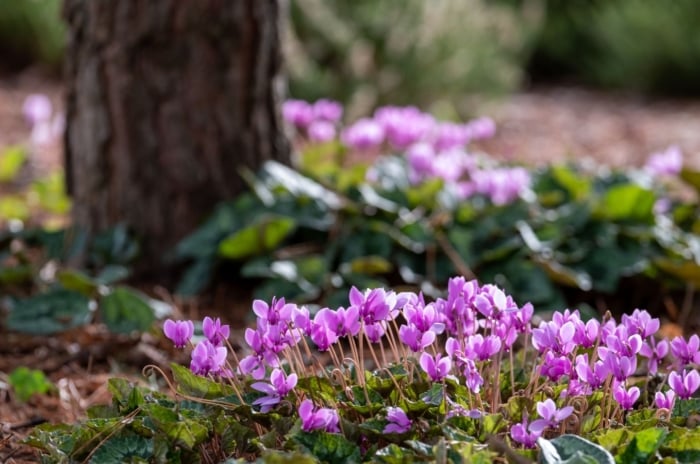
Are you trying to find the perfect plants to grow under the trees in your yard or garden? It can be difficult to choose the right species that can tolerate a little shade and not compete with your trees for nutrients. In this article, we look at our favorite plants that can grow quite well under just about any type of tree in your yard or garden\!
[](https://www.epicgardening.com/plants-under-trees/)

## Learn to grow.
Join our community for future updates.
[](https://www.epicgardening.com/cottage-garden-plants/)
[Flowers](https://www.epicgardening.com/gardening/ornamental/flowers/)
### [34 Plants For Your Cottage Garden](https://www.epicgardening.com/cottage-garden-plants/)
Are you hunting for the perfect plants to use in your cottage garden? Here are 34 plants that will work beautifully with this charming gardening style.
[](https://www.epicgardening.com/perennials-divide-fall/)
[Ornamental Gardens](https://www.epicgardening.com/gardening/ornamental/)
### [31 Perennials to Divide in Fall](https://www.epicgardening.com/perennials-divide-fall/)
The cooler temperatures of fall provide the ideal time for lifting and dividing your favorite garden perennials. Gardening expert Madison Moulton lists 31 perennials you can divide this fall and how to get it right.
[](https://www.epicgardening.com/beautiful-fall-flowers/)
[Flowers](https://www.epicgardening.com/gardening/ornamental/flowers/)
### [37 Fall Flowers for A Beautiful Autumn Garden](https://www.epicgardening.com/beautiful-fall-flowers/)
Did you know that autumn can be one of the most colorful seasons in your garden? Beautiful flowers aren’t just for spring and summer. Plenty of fall-blooming annuals and perennials will liven up your landscape. In this article, gardening expert Liessa Bowen introduces 37 fabulous flowers you can grow in your autumn garden.
[](https://www.epicgardening.com/hardy-perennials-for-difficult-climates/)
[Ornamental Gardens](https://www.epicgardening.com/gardening/ornamental/)
### [37 Hardy Perennials For Difficult Climates](https://www.epicgardening.com/hardy-perennials-for-difficult-climates/)
Are you searching for plants that can handle drought, heat, or cold? Depending on your climate, you can choose from quite a few plants. In this article, gardening expert Jill Drago gives insight and ideas on 37 hardy perennials that thrive in challenging climates.
[](https://www.epicgardening.com/native-perennials-to-direct-sow-in-fall/)
[Flowers](https://www.epicgardening.com/gardening/ornamental/flowers/)
### [11 Native Perennials to Direct Sow this Fall](https://www.epicgardening.com/native-perennials-to-direct-sow-in-fall/)
Are you looking for some native perennial wildflowers to grow in your garden? Direct seeding in fall gives you a head start on beautiful spring blooms! Starting new perennials from seed is both economical and enjoyable. In this article, gardening expert Liessa Bowen introduces 11 native perennial wildflowers you can sow this fall.
[](https://www.epicgardening.com/perennials-that-need-space/)
[Flowers](https://www.epicgardening.com/gardening/ornamental/flowers/)
### [10 Flowering Perennials You Should Avoid in Small Spaces](https://www.epicgardening.com/perennials-that-need-space/)
Large, rapidly spreading or invasive perennials can become more trouble than they’re worth in small spaces. Gardening expert Madison Moulton lists 10 perennials best avoided in small gardens and what you can plant instead.
## Learn to grow.
Join our community for future updates.
### Shop
- [Best Sellers](https://shop.epicgardening.com/collections/best-sellers)
- [New Arrivals](https://shop.epicgardening.com/collections/new-arrivals)
- [Seeds](https://shop.epicgardening.com/collections/seeds)
- [Container Gardening](https://shop.epicgardening.com/collections/container-gardening)
- [Seed Starting Supplies](https://shop.epicgardening.com/collections/seed-starting-propagation)
- [Gardening Supplies](https://shop.epicgardening.com/collections/tools-3)
- [Sale](https://shop.epicgardening.com/collections/sale)
### About
- [About Us](https://shop.epicgardening.com/pages/about-us)
- [Careers](https://www.epicgardening.com/careers/)
- [Editorial Team](https://www.epicgardening.com/about/)
- [Community Program](https://shop.epicgardening.com/pages/community)
- [Ambassador Program](https://shop.epicgardening.com/pages/creator-community-program)
- [Customer Gardens](https://shop.epicgardening.com/pages/customer-gardens)
- [Wholesale Inquiries](https://shop.epicgardening.com/pages/wholesale)
- [Shipping Policy](https://shop.epicgardening.com/pages/shipping-and-delivery)
- [Return & Refund Policy](https://shop.epicgardening.com/pages/return-and-refund-policy)
- [Privacy Policy](https://shop.epicgardening.com/pages/privacy-policy)
- [Terms and Conditions](https://shop.epicgardening.com/pages/terms-and-conditions)
- [Accessibility Statement](https://shop.epicgardening.com/pages/accessibility-statement)
### Community
- [Blog](https://www.epicgardening.com/)
- [YouTube](https://www.youtube.com/c/EpicGardening)
- [Podcast](https://www.epicgardening.com/podcast/)
- [Instagram](https://www.instagram.com/epicgardening/)
- [TikTok](https://www.tiktok.com/@epicgardening)
- [Facebook](https://www.facebook.com/epicgardening)
- [Discord](https://discord.com/invite/epicgardening)
- [Text With Us](https://shop.epicgardening.com/pages/sms-newsletter-subscribe-page)
### Customer Service
[Track Your Order](https://shop.epicgardening.com/pages/tracking "Track Your Order") [Ask a Question](https://epicgardening.customerdesk.io/ "https://epicgardening.customerdesk.io/") [FAQs](https://epicgardening.customerdesk.io/ "https://epicgardening.customerdesk.io/")
[Returns](https://epic-gardening.loopreturns.com/#/ "https://epic-gardening.loopreturns.com/#/")
Customer Service Hours
Mon-Fri 7-4 PST
[Contact Us](https://epicgardening.customerdesk.io/ "https://epicgardening.customerdesk.io/")
Reach Us By Phone-
619-759-5631
© 2026, Epic Gardening
 |
| Readable Markdown | Contents
There is a wide selection of **plants that grow on trees**, ranging from darkly hued ferns to brightly colored flowers. Plants that rely on trees and other plants as physical support but live in symbioses without depleting their host plant of any nutrients or water are called epiphytes.
[Epiphytes](https://www.epicgardening.com/epiphytes/) can be grown in their native climates, but are also becoming more popular as indoor houseplants, since most of them are fairly small. They also require less maintenance than some of the more popular indoor and outdoor garden plants.
In this article, we’ll look at several epiphytes that add physical appeal by developing alongside the trees on which they grow. Most of these plants that grow on trees have impressive florals but are from a variety of plant types. Common epiphytes that will be covered in this article are **bromeliads**, **cacti**, **ferns, and orchids**. Let’s jump in\!
## Bird’s Nest Fern

The Bird’s Nest Fern should grow in an area that’s light enough, but with shading from direct sunlight.
##### Scientific Name: *Asplenium nidus*
- **Plant Type: Perennial**
- **Geographic Origin: Hawaii, Australia, East Africa, and Southeast Asia**
- **Plant Size: 3-5 ft.**
- **Sun Exposure: indirect sunlight to partial shade**
- **Plant Zone: 11-12**
There are many varieties of epiphytic ferns, but Bird’s Nest ferns are one of the most visually striking. They tend to grow between the trunk and branches of trees or near the tree base, and their tufted growth pattern resembles giant bird’s nests.
They can reach heights of up to five feet in their natural habitat, although they tend to grow smaller when grown as houseplants. Their leaves are broad, flat, and vibrant green, with a single black line radiating up the middle of each frond.
## Christmas Cactus

In nature, Christmas Cactus grows in the tropical rainforests of Central and South America.
##### Scientific Name: *Schlumbergera x buckleyi*
- **Plant Type: Perennial**
- **Geographic Origin: South America**
- **Plant Size: 6-12 inches**
- **Sun Exposure: bright, indirect light to partial shade**
- **Plant Zone: 10-12**
This Schlumbergera variety is most [commonly referred to as a ‘Christmas cactus,’](https://www.epicgardening.com/christmas-cactus/) but very similar varieties of this plant are all considered to be ‘holiday cacti.’ This is because while all of the cacti are roughly the same, they are designated different holidays depending on when they bloom. For example, the [Christmas, Thanksgiving, and Easter cacti](https://www.epicgardening.com/christmas-thanksgiving-easter-cactus/) bloom in different months, closest to those holidays.
Growing as epiphytes in their natural habitats, Christmas cacti do best with partial shade or at the very least filtered or indirect light that mimics the canopy of the trees they grow on when grown as a houseplant. Watch for faded flowers and cactus leaves, as they may indicate that your cactus is getting too much bright light.
Unlike many other epiphytic plants, Christmas cacti can easily be planted in cactus soil and grow well indoors.
Christmas cacti are small and cheerful-looking, and when they bloom, they offer bunches of petite, brightly colored flowers. While Christmas cacti are most commonly seen with bright red foliage, other holiday cacti showcase pink, purple, and white florals.
## Crispum Orchid

In nature, Crispum Orchids are found in the mountainous regions of South and Central America with a tropical and subtropical climates.
##### Scientific Name: *Odontoglossum crispum*
- **Plant Type: Perennial**
- **Geographic Origin: South America**
- **Plant Size: 16 inches tall**
- **Sun Exposure: Full sun to partial shade**
- **Plant Zone: 11**
Like [most orchids](https://www.epicgardening.com/types-of-orchids/), the Crispum orchid is very difficult to grow outdoors unless you live in precisely the right geographical area, and this orchid is even more specialized than some. However, what it lacks in widespread availability, it more than makes up for in appearance, as these orchids are some of the most visually striking of all epiphytes.
There is some diversity in their physical appearance, but typically Crispum orchids are a very pale pink or white with darker brown spots and star-like, pointed petals. They are truly a sight to behold when growing in their natural epiphytic habitats, but don’t despair if you find yourself unable to cultivate these beauties outdoors.
Crispum orchids can be grown indoors using orchid potting soil and can tolerate either bright, indirect sunlight or partial shade.
## Fireball Bromeliad

Most Fireball Bromeliads are epiphytes that live on trees rather than in the soil.
##### Scientific Name: *Neoregelia ‘Fireball’*
- **Plant Type: Perennial**
- **Geographic Origin: North America, South America**
- **Plant Size: 6 inches**
- **Sun Exposure: bright direct or indirect sunlight**
- **Plant Zone: 8-11**
As its name might suggest, the fireball [bromeliad](https://www.epicgardening.com/bromeliads/) is a striking shock of red that adds an impressive display to any tree on which it grows. Its growth pattern is very distinct, as it grows in small six-inch tufts along stolons and wraps itself prolifically around trees.
When looking up into a tree in which a fireball bromeliad is growing, it can almost look as though entire sections of the tree’s trunk are red.
In addition to its striking color, this bromeliad is unique in its ability to handle intense, direct sunlight. It thrives with the sun, and while it can handle partial shade, it tends to do much better when it has access at least to bright, indirect light for much of the day.
So long as you meet its light requirements, the fireball bromeliad is a relatively low-maintenance houseplant and offers much aesthetic appeal.
## Flaming Sword

Flaming Sword is an epiphytic or terrestrial plant native to the forests of Eastern Brazil.
##### Scientific Name: *Vriesea splendens*
- **Plant Type: Perennial**
- **Geographic Origin: Central America, South America**
- **Plant Size: 2 feet, on average**
- **Sun Exposure: indirect sunlight to partial shade**
- **Plant Zone: 10-12**
The flaming sword is one of the most visually striking plants on this list, and like many bromeliads, they have a [brightly colored bloom](https://plants.ces.ncsu.edu/plants/vriesea/) radiating from the center of the plant. These epiphytes attach to trees and have zebra-like stripes on their leaves with a central flame-like spade.
In its natural habitat, this bromeliad will collect rainwater; when kept as a houseplant, pour water into the plant center. In the wild, bromeliad pools are often home to more diminutive plants, and small animals such as frogs and salamanders make these plants their homes.
## Flamingo Flower

Many Anthuriums are native to the tropical rainforests of central and South America.
##### Scientific Name: *Anthurium spp.*
- **Plant Type: Perennial**
- **Geographic Origin: Caribbean; Central and South America**
- **Plant Size: 1-3 ft.**
- **Sun Exposure: Bright, indirect light**
- **Plant Zone: 11-12**
The flamingo flower, also commonly called the painter’s palette, is a beautiful epiphytic flower belonging to the Anthurium family. Native to tropical regions of Central and South America, the flamingo flower is known for its dark green, waxy leaves, and bright, uniquely shaped red “flowers,” called spathes.
Somewhat of a misnomer, the flamingo flower has large, red flower-like spathes that look like actual flowers from a distance. But when you get closer to the plant, you notice that the arrowhead-shaped spathes are unlike typical flowers in that they are broad and waxy, with a conical spadix protruding from the center of the spathe, much like a calla lily.
These beauties typically grow under the canopy of trees in tropical rainforests and, in their native habitat, get ample filtered sunlight but avoid the harsh rays of direct light. Because of their epiphytic nature, flamingo flowers are very low-maintenance, making them popular houseplants.
When grown indoors, these plants do best when potted in well-draining soil to keep their roots moist but not wet; they like ample humidity because of their tropical roots. If you find your flamingo flower beginning to lean, consider getting a stake or trellis to lean against to emulate its natural epiphytic growth preferences.
## Mistletoe

Mistletoe is a semi-parasitic evergreen plant from the subfamily Viscaceae.
##### Scientific Name: *Phoradendron spp.* (North America), *Viscum spp.* (Europe), *Arceuthobium spp.*
- **Plant Type: Perennial**
- **Geographic Origin: Asia, North America, and Europe**
- **Plant Size: 1.5-2 feet tall**
- **Sun Exposure: Part sun to full sun**
- **Plant Zone: 5-9**
Mistletoe is one of the more interesting plants that grow on trees because, unlike all the other epiphytic plants, mistletoe is actually a parasitic plant. This means that, unlike the other plants that live in symbiosis with the trees they grow on, mistletoe steals the necessary water and nutrients from trees. Mistletoe can actually kill the host tree that it grows upon over time, depending on its growth.
There are many different varieties of mistletoe that all have strikingly different appearances, but some mistletoe has striking floral colors and can actually benefit the ecosystem by [attracting pollinators](https://asknature.org/strategy/flowers-of-the-red-mistletoe-attract-specific-pollinators/).
## Orchid Cactus

Orchid Cactus blooms in May or June with large attractive flowers, the color of which depends on the variety.
##### Scientific Name: *Disocactus ackermannii*
- **Plant Type: Perennial**
- **Geographic Origin: Central America, South America**
- **Plant Size: 2-10 feet tall**
- **Sun Exposure: indirect sunlight, partial shade**
- **Plant Zone: 10-11**
The name ‘Orchid Cactus’ may leave you wondering whether this plant is an orchid or a cactus, but this beauty is indeed a cactus. This plant is called orchid cactus because of its striking flower, and the cactus leaves themselves grow impressively long and droop downwards.
The leaves of the orchid cactus are devoid of spikes and are slender and scalloped, much resembling the leaves of the more [commonly grown fishbone cactus](https://www.epicgardening.com/fishbone-cactus/).
However, in addition to their leaves, these cactuses grow striking flowers that come in various colors (commonly red and white) that also grow downwards. When grown at home, they are perfect for hanging planters, allowing the cactus to hang naturally.
## Pink Quill

Pink Quill flowers are diverse – their flowering can last several months, or it can end in a few days.
##### Scientific Name: *Tillandsia cyanea*
- **Plant Type: Perennial**
- **Geographic Origin: South America**
- **Plant Size: 10-20 inches**
- **Sun Exposure: partial shade**
- **Plant Zone: 11-13**
The entire category of epiphytes is often referred to as air plants, but when we hear the phrase “air plant,” we often think of the small, spindly decorative houseplants. The pink quill, also commonly called the blue-flowered torch, resembles more of a traditional air plant than many other plants on this list.
It has long, green leaves, and when grown under the right conditions, it produces impressive purplish bracts with attached purple flowers. Your pink quill can produce more than one bract in its lifetime and, although epiphytic, can actually be grown in soil as a houseplant.
## Staghorn Fern

Staghorn Fern needs high humidity and prefers partial shade.
##### Scientific Name: *Platycerium bifurcatum*
- **Plant Type: Perennial**
- **Geographic Origin: Australia; Asia**
- **Plant Size: 2-3 feet tall**
- **Sun Exposure: partial to complete shade**
- **Plant Zone: 9-12**
The staghorn fern is one of the most recognizable ferns and is commonly grown as a houseplant or outdoor hanging plant. These ferns are true epiphytes and, when grown in homes, are often seen mounted on wooden planks, with their root system surrounded by sphagnum moss.
In their natural habitat, staghorn ferns love to latch onto healthy host trees and boast impressive, broad, green leaves that truly resemble antlers. Their antler fronds can grow upwards of three feet in the wild, and they also grow shield fronds near the root system designed to absorb water and nutrients into their root system.
Because of their sub-tropical origin, staghorn ferns are somewhat fussy only in the sense that they require a higher level of humidity than some other common houseplants, making them [great bathroom companions](https://www.epicgardening.com/bathroom-plants/). If you have a mounted staghorn fern at home, consider gently misting its root ball every few days to keep your plant happy and healthy.
## Vanda Orchid

Vanda Orchid blooms with variegated, brightly colored flowers of various sizes.
##### Scientific Name: *Vanda spp.*
- **Plant Type: Perennial**
- **Geographic Origin: Asia; New Guinea**
- **Plant Size: 1-3 feet**
- **Sun Exposure: depends on the variety, but they typically like bright filtered sunlight**
- **Plant Zone: 10-11**
Many people are unaware that it’s common for orchids to grow with trees and other large plants in their natural habitat. [Vanda orchids](https://www.epicgardening.com/vanda-orchids/) are known both for their striking flowers that all grow from a single stem and their extensive root systems.
While many orchid varieties make excellent houseplants, Vandas are almost exclusively grown as epiphytes because their root system is so large and demanding that they are difficult to contain in pots and planters.
Because of their epiphytic nature, Vanda orchids do well with bright, filtered sunlight but can be sensitive to direct sunlight, which may scorch their delicate leaves and petals. Conversely, their striking color may be less impressive and their growth much slower without adequate sunlight.
## Final Thoughts
The above 11 epiphytes (with the exception of mistletoe, which is a parasite) are beautiful plants that you may see **growing on trees in their natural habitats** but are often grown indoors as houseplants as well.
Epiphytes are a normal and healthy part of many ecosystems, and you should not be immediately alarmed if you see smaller plants growing on trees, as much of the time, these plants are growing in harmony. You may even want to adopt one as a houseplant\! |
| Shard | 83 (laksa) |
| Root Hash | 11592001808388059083 |
| Unparsed URL | com,epicgardening!www,/plants-that-grow-on-trees/ s443 |