ℹ️ Skipped - page is already crawled
| Filter | Status | Condition | Details |
|---|---|---|---|
| HTTP status | PASS | download_http_code = 200 | HTTP 200 |
| Age cutoff | PASS | download_stamp > now() - 6 MONTH | 0 months ago |
| History drop | PASS | isNull(history_drop_reason) | No drop reason |
| Spam/ban | PASS | fh_dont_index != 1 AND ml_spam_score = 0 | ml_spam_score=0 |
| Canonical | PASS | meta_canonical IS NULL OR = '' OR = src_unparsed | Not set |
| Property | Value |
|---|---|
| URL | https://www.drugwatch.com/ssri/ |
| Last Crawled | 2026-04-08 15:54:25 (1 day ago) |
| First Indexed | 2013-08-09 11:23:12 (12 years ago) |
| HTTP Status Code | 200 |
| Meta Title | SSRI Antidepressants: FDA Warnings, Lawsuits & Safety Concerns |
| Meta Description | Learn about SSRI antidepressants, FDA black box warnings, lawsuits over side effects and key safety risks patients should know. |
| Meta Canonical | null |
| Boilerpipe Text | What Are SSRIs and Why Are They Controversial?
Selective serotonin reuptake inhibitors, or SSRIs, are widely prescribed to treat depression and anxiety. But they’ve also been at the center of controversy. Government-mandated label warnings, lawsuits and safety concerns have raised questions about risks.
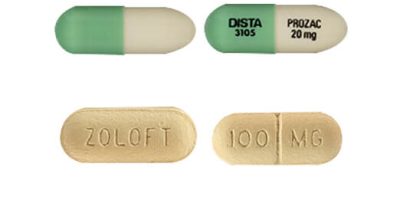
Commonly Prescribed SSRIs in the United States
Celexa (citalopram)
Lexapro
(escitalopram)
Paxil
(paroxetine)
Prozac
(fluoxetine)
Zoloft
(sertraline)
SSRIs work by increasing the amount of serotonin in your brain, which can improve mood and overall well-being. As a result, the U.S. Food and Drug Administration (FDA) has approved them to treat several mental health conditions.
On-label Conditions SSRIs Treat
Bipolar depression
Bulimia nervosa
Generalized anxiety disorder
Major depressive disorder
Obsessive-compulsive disorder
Panic disorder
Post-traumatic stress disorder
Premenstrual dysphoric disorder
Social anxiety disorder
Treatment-resistant depression
Common side effects of SSRIs include sleep disturbances, gastrointestinal issues, sexual dysfunction, weight changes and increased anxiety, among others. These issues are often temporary. However, they can also cause rare but severe side effects.
Severe Side Effects of SSRIs
Serotonin Syndrome
This serious condition happens when serotonin levels increase too much. It most often affects those who take SSRIs along with other medications that affect serotonin levels. It can also occur when you begin a new SSRI or increase the dosage. Common signs of serotonin syndrome include nervousness, gastrointestinal problems, muscle twitches or rigidity, sweating, dilated pupils and eyes moving side-to-side. Severe symptoms may include rapid heart rate, fever, seizures, delirium, high blood pressure, confusion or loss of consciousness.
Antidepressant Discontinuation Syndrome (Withdrawals)
If you suddenly stop taking SSRIs or other antidepressants, you could experience uncomfortable withdrawal symptoms. This condition is called antidepressant discontinuation syndrome (ADS). Symptoms may include mood changes, irritability, dizziness, unusual sensations like tingling or feeling like you’re getting mild electric shocks, and flu-like symptoms.
Youth Suicidality Risks
Studies found that young people, especially those under 18, face a higher risk of suicidal thoughts and actions when taking antidepressants. These effects prompted strict SSRI warning labels from the FDA.
FDA Warnings and Responses for SSRIs
The FDA has issued multiple warnings, investigated reported risks and faced legal pressure related to the safety of antidepressants. These concerns have included
increased suicide risk
in young people, issues with pregnancy, birth defects, heart complications and persistent sexual side effects.
Black Box Warning of Suicide Risk in Youth
In 2004, the FDA started requiring a
black box warning
— the agency’s most stringent type of warning — regarding suicidality in young people taking antidepressants, including (but not limited to) SSRIs.
The FDA added the warning after reviewing 372 studies with nearly 100,000 participants. They found that about 4% of those taking antidepressants had thoughts of suicide or acted on them, compared to only 2% of those taking a placebo. This raised important safety concerns about SSRIs and other antidepressants.
FDA Antidepressant Labeling Requirements
Antidepressants may increase suicidal thoughts and behaviors in young people.
Patients and care providers should balance this risk with the need for treatment when prescribing.
Young patients require close monitoring for worsening symptoms and unusual behaviors after starting medication.
Families and caregivers must stay alert and communicate any changes to their doctor.
Confirm if the specific antidepressant is approved for use in children and teens and the conditions being treated.
While subsequent studies highlighted heightened suicide risk in children under the age of 18, there was no increased risk for adults over 24 years old. In fact, those over 65 were more protected from suicidal thoughts once on antidepressants.
Persistent Pulmonary Hypertension of the Newborn
The FDA rejected adding a warning about persistent pulmonary hypertension of the newborn (PPHN) to SSRI labels in 2011. When a baby is born and takes their first breath, their lungs need to adjust to getting air and oxygen. PPHN happens when the blood vessels in the lungs don’t open properly. This limits the oxygen that reaches the baby’s brain and vital organs. PPHN is a serious issue that requires immediate medical attention.
The FDA said that some studies have indicated a possible link between SSRI use during pregnancy and PPHN, while others have found no apparent connection. Due to these mixed findings, the FDA concluded that the evidence isn’t strong enough to warrant changes to how SSRIs are prescribed.
Celexa Heart Warnings for Adults
In 2011 and 2012, the FDA made important updates to the warning label for Celexa (citalopram hydrobromide). They discovered that taking more than 40 mg a day could lead to serious heart problems, particularly affecting the heart’s rhythm or number of beats per minute. Patients over the age of 60 have a lower maximum recommended dosage, which is detailed on the drug’s label.
Further, a warning was issued stating that any person with specific health conditions is at an increased risk of their heart taking more time to contract and relax than it should (QT prolongation). However, the FDA concedes that the need for citalopram may outweigh the risk for patients with certain health issues, regardless of dosage.
No other SSRI labels required the changes.
Request for Warning About Lasting Sexual Side Effects Denied
In 2024, Antonei Csoka, a scientist at Howard University, took legal action against the FDA, claiming that the agency had failed to act on a petition he helped write back in 2018. This petition called for new warning labels on two popular types of antidepressants, SSRIs and SNRIs, stating that sexual side effects might continue even after they stop taking the medication.
Sexual Side Effects Named in the Petition
Decreased capacity to experience sexual pleasure
Decreased vaginal lubrication
Delayed or absent orgasm
Erectile dysfunction
Flaccid glans penis during erection
Genital anesthesia
Loss of libido
Persistent genital arousal disorder (PGAD)
Pleasureless or weak orgasm
Reduced nipple sensitivity
Reduced response to sexual stimuli
Current labels warn of sexual side effects while taking the drugs but say nothing about the side effects lasting after people discontinue their use. While the FDA did give a temporary response in 2018, it hasn’t made any further moves since then.
However, the U.S. District Court for the District of Columbia ruled that Csoka’s complaint was a grievance about government operations in general and that he did not experience an informational or physical injury as a result of the lack of follow-up. As a result, the court dismissed the case on March 31, 2025.
SSRI Lawsuits
Many SSRI lawsuits centered on heightened suicide risks for adolescents, pregnancy and birth defect side effects, and withdrawal or discontinuation syndromes. Typically, these lawsuits followed new warnings from the FDA or studies that suggested an increased risk of serious side effects.
Currently, Drugwatch knows of no attorneys taking on cases related to SSRIs.
SSRI Lawsuits Combined Into Multidistrict Litigation
Popular antidepressants like Prozac, Paxil and Zoloft have been involved in
SSRI lawsuits
claiming serious side effects. Similar lawsuits were grouped in multidistrict litigations (MDLs) to handle these cases more efficiently. This process helps expedite the legal proceedings through the courts.
There were five different SSRI MDLs beginning with Prozac in the 1990s. A federal judge closed the last SSRI MDL in 2020. Individual lawsuits have also played out in courts around the country.
SSRIs Named in Lawsuits
MEDICATION
MANUFACTURER
LEGAL CONCERNS
Zoloft
Pfizer
Birth Defects
Paxil
GSK
Misrepresentation of benefits; minimizing or failing to warn of serious side effects, including withdrawal syndrome, addiction and suicidality
Prozac
Eli Lilly
Suicidality
Lexapro
Forest, AbbVie
Suicidality; improperly promoting Celexa and Lexapro for use by children and teens
Celexa
Forest, AbbVie
Suicidality; improperly promoting Celexa and Lexapro for use by children and teens
SSRI Lawsuits Settled Privately
Eli Lilly reportedly paid $20 million to settle claims that Prozac led a man to carry out a mass shooting at his former workplace in 1989. The company fought in court for more than 20 years to keep the settlement secret.
An investigative report by the Indianapolis Star found that many SSRI lawsuits were resolved through private settlements, meaning they didn’t go to court. There was only one lawsuit that went to trial. That case occurred in 2001 and involved the company GlaxoSmithKline (GSK), resulting in a settlement of $6.5 million. But that, too, was settled after GSK appealed the verdict.
It’s important to note that while SSRIs have been blamed for suicidality and aggression, studies on the subject tend to discuss that the situation isn’t black and white. Researchers generally state that the majority of people taking SSRIs will not commit violent crimes and that the indications for SSRI use, gender, history of violence and other factors may affect these risks. You and your doctor should discuss the risks and benefits of the medications and ensure appropriate monitoring.
What to Do If You’ve Been Harmed by an SSRI
If you believe you’re experiencing negative side effects from an SSRI, contact your prescriber immediately. Never stop taking your SSRI or change your dose without first talking to your healthcare provider. Abruptly discontinuing SSRIs could trigger issues like ADS, which may include anxiety, agitation, dizziness, flu-like symptoms, insomnia, nausea and sensory disturbances.
It’s important to be alert to the signs and symptoms of SSRI harm. The possible serious complications of SSRI use include:
Suicidal thoughts or behavior
Serotonin syndrome
Antidepressant Discontinuation Syndrome (ADS)
You should schedule regular appointments with your healthcare provider to monitor the effectiveness and mild side effects of your SSRI.
Severe Serotonin Syndrome Symptoms
Abnormal heartbeat
Confusion
Delirium
Disorientation
High blood pressure
High body temperature — 101.3°F or higher
Passing out or fainting
Rapid heart rate
Seizures
Serotonin syndrome is more likely to occur when SSRIs are combined with certain other medications, illicit drugs or supplements like St. John’s wort.
Ensure that all your healthcare providers are aware of any medications and supplements you are currently taking.
Summary Table: What to Do If You’re Harmed by SSRIs
SITUATION
ACTION
Mild side effects
Talk to your health care provider for advice.
Severe or rapidly worsening symptoms, including serotonin syndrome and suicidal thoughts
Seek immediate medical attention by calling 911 or going to the emergency room. You can call 988 if you have suicidal thoughts.
Considering stopping or changing your medication
Consult with your doctor before stopping any medication. They can help you work out a plan to step you off the drug slowly.
Concern about drug interactions
Inform all your health care providers of all medications and supplements you are taking. |
| Markdown | [Skip to main content](https://www.drugwatch.com/ssri/#main-content)
[Drugwatch.com](https://www.drugwatch.com/)
- Active Lawsuits
- Latest Legal News
- High-Risk Drugs & Devices
- Who We Are
SPEAK WITH AN EXPERT
[*Call Now* (888) 645-1617](tel:8886451617) [Who Am I Calling?](https://www.drugwatch.com/ssri/#phone-modal "Who Am I Calling?")
[(888) 645-1617*Call Now*](tel:8886451617)
[click to open search box](https://www.drugwatch.com/ssri/)
Menu
Brought To You By The Wilson Firm LLP
[Home](https://www.drugwatch.com/) Antidepressants & SSRIs
# SSRI Antidepressants: Legal and Safety Concerns
SSRIs treat depression and anxiety, but lawsuits and FDA warnings link them to serious risks like suicidality in young people, birth defects and withdrawal symptoms. Legal and safety concerns continue to shape how they're regulated.

- Written by
[Terry Turner](https://www.drugwatch.com/authors/tturner/)
- Legally reviewed by [Cassandra L. Sundblad, Esquire](https://www.drugwatch.com/contributors/cassandra-l-sundblad-esquire/)
- **Last update:** May 27, 2025
- Est. Read Time: 6 min read
Table of Contents [Table of Contents \[ShowHide\]](https://www.drugwatch.com/ssri/#toc-slide-list)
- [SSRIs and Controversies](https://www.drugwatch.com/ssri/#ssris-and-controversies)
- [FDA Warnings](https://www.drugwatch.com/ssri/#fda-warnings)
- [SSRI Lawsuits](https://www.drugwatch.com/ssri/#ssri-lawsuits)
- [If You’ve Been Harmed by an SSRI](https://www.drugwatch.com/ssri/#if-youave-been-harmed-by-an-ssri)
[Fact Checked](https://www.drugwatch.com/ssri/#fact-check-modal)
**Expert Verified**
Our content is developed and backed by respected legal, medical and scientific experts. More than 30 contributors, including product liability attorneys and board-certified physicians, have reviewed our website to ensure it’s medically sound and legally accurate.
[Why Trust Drugwatch?](https://www.drugwatch.com/ssri/#why-trust-modal)
**Drugwatch is trusted legal help when you need it most.**
Drugwatch has provided people injured by harmful drugs and devices with reliable answers and experienced legal help since 2009. Brought to you by The Wilson Firm LLP, we've pursued justice for more than 20,000 families and secured \$324 million in settlements and verdicts against negligent manufacturers.
More than 30 contributors, including mass tort attorneys and board-certified doctors, have reviewed our website and added their unique perspectives to ensure you get the most updated and highest quality information.
Drugwatch.com is AACI-certified as a trusted medical content website and is produced by lawyers, a patient advocate and award-winning journalists whose affiliations include the American Bar Association and the American Medical Writers Association.
## About Drugwatch.com
- 15+ Years of Advocacy
- \$324 Million Recovered for Clients
- 20,000 Families Helped
- A+ BBB Rating
- 4\.9 Stars from Google Reviews
[Learn More About Us](https://www.drugwatch.com/about/)
## Testimonials
> I found Drugwatch to be very helpful with finding the right lawyers. We had the opportunity to share our story as well, so that more people can be aware of NEC. We are forever grateful for them.
>
> **Chasity P.** Legal Client
- 
- 
**Recommended Reading**
- [Suicide and Antidepressants](https://www.drugwatch.com/ssri/suicide/)
- [SSRIs and Birth Defects](https://www.drugwatch.com/ssri/birth-defects/)
- [Lexapro & Celexa Criminal Charges & Government Penalties](https://www.drugwatch.com/ssri/government-action/)
- [SSRI Antidepressant Lawsuit](https://www.drugwatch.com/ssri/lawsuits/)

- Written by
[Terry Turner](https://www.drugwatch.com/authors/tturner/)
- Legally reviewed by [Cassandra L. Sundblad, Esquire](https://www.drugwatch.com/contributors/cassandra-l-sundblad-esquire/)
- **Last update:** May 27, 2025
- Est. Read Time: 6 min read
Table of Contents [Table of Contents \[ShowHide\]](https://www.drugwatch.com/ssri/#toc-slide-list)
- [SSRIs and Controversies](https://www.drugwatch.com/ssri/#ssris-and-controversies)
- [FDA Warnings](https://www.drugwatch.com/ssri/#fda-warnings)
- [SSRI Lawsuits](https://www.drugwatch.com/ssri/#ssri-lawsuits)
- [If You’ve Been Harmed by an SSRI](https://www.drugwatch.com/ssri/#if-youave-been-harmed-by-an-ssri)
## What Are SSRIs and Why Are They Controversial?
Selective serotonin reuptake inhibitors, or SSRIs, are widely prescribed to treat depression and anxiety. But they’ve also been at the center of controversy. Government-mandated label warnings, lawsuits and safety concerns have raised questions about risks.
**Commonly Prescribed SSRIs in the United States**
- Celexa (citalopram)
- [Lexapro](https://www.drugwatch.com/ssri/#:~:text=Suicidality-,Lexapro,-Forest%2C%20AbbVie) (escitalopram)
- [Paxil](https://www.drugwatch.com/ssri/#:~:text=Birth%20Defects-,Paxil,-GSK) (paroxetine)
- [Prozac](https://www.drugwatch.com/ssri/#:~:text=addiction%20and%20suicidality-,Prozac,-Eli%20Lilly) (fluoxetine)
- [Zoloft](https://www.drugwatch.com/ssri/#:~:text=LEGAL%20CONCERNS-,Zoloft,-Pfizer) (sertraline)
Source: [National Library of Medicine](https://medlineplus.gov/ency/article/007272.htm)
SSRIs work by increasing the amount of serotonin in your brain, which can improve mood and overall well-being. As a result, the U.S. Food and Drug Administration (FDA) has approved them to treat several mental health conditions.
**On-label Conditions SSRIs Treat**
- Bipolar depression
- Bulimia nervosa
- Generalized anxiety disorder
- Major depressive disorder
- Obsessive-compulsive disorder
- Panic disorder
- Post-traumatic stress disorder
- Premenstrual dysphoric disorder
- Social anxiety disorder
- Treatment-resistant depression
Source: [National Library of Medicine](https://www.ncbi.nlm.nih.gov/books/NBK554406/)
Common side effects of SSRIs include sleep disturbances, gastrointestinal issues, sexual dysfunction, weight changes and increased anxiety, among others. These issues are often temporary. However, they can also cause rare but severe side effects.
**Severe Side Effects of SSRIs**
Serotonin Syndrome
This serious condition happens when serotonin levels increase too much. It most often affects those who take SSRIs along with other medications that affect serotonin levels. It can also occur when you begin a new SSRI or increase the dosage. Common signs of serotonin syndrome include nervousness, gastrointestinal problems, muscle twitches or rigidity, sweating, dilated pupils and eyes moving side-to-side. Severe symptoms may include rapid heart rate, fever, seizures, delirium, high blood pressure, confusion or loss of consciousness.
Antidepressant Discontinuation Syndrome (Withdrawals)
If you suddenly stop taking SSRIs or other antidepressants, you could experience uncomfortable withdrawal symptoms. This condition is called antidepressant discontinuation syndrome (ADS). Symptoms may include mood changes, irritability, dizziness, unusual sensations like tingling or feeling like you’re getting mild electric shocks, and flu-like symptoms.
Youth Suicidality Risks
Studies found that young people, especially those under 18, face a higher risk of suicidal thoughts and actions when taking antidepressants. These effects prompted strict SSRI warning labels from the FDA.
## FDA Warnings and Responses for SSRIs
The FDA has issued multiple warnings, investigated reported risks and faced legal pressure related to the safety of antidepressants. These concerns have included [increased suicide risk](https://www.drugwatch.com/ssri/suicide/) in young people, issues with pregnancy, birth defects, heart complications and persistent sexual side effects.
### Black Box Warning of Suicide Risk in Youth
In 2004, the FDA started requiring a [black box warning](https://www.drugwatch.com/fda/black-box-warnings/) — the agency’s most stringent type of warning — regarding suicidality in young people taking antidepressants, including (but not limited to) SSRIs.
The FDA added the warning after reviewing 372 studies with nearly 100,000 participants. They found that about 4% of those taking antidepressants had thoughts of suicide or acted on them, compared to only 2% of those taking a placebo. This raised important safety concerns about SSRIs and other antidepressants.
**FDA Antidepressant Labeling Requirements**
- Antidepressants may increase suicidal thoughts and behaviors in young people.
- Patients and care providers should balance this risk with the need for treatment when prescribing.
- Young patients require close monitoring for worsening symptoms and unusual behaviors after starting medication.
- Families and caregivers must stay alert and communicate any changes to their doctor.
- Confirm if the specific antidepressant is approved for use in children and teens and the conditions being treated.
While subsequent studies highlighted heightened suicide risk in children under the age of 18, there was no increased risk for adults over 24 years old. In fact, those over 65 were more protected from suicidal thoughts once on antidepressants.
### Persistent Pulmonary Hypertension of the Newborn
The FDA rejected adding a warning about persistent pulmonary hypertension of the newborn (PPHN) to SSRI labels in 2011. When a baby is born and takes their first breath, their lungs need to adjust to getting air and oxygen. PPHN happens when the blood vessels in the lungs don’t open properly. This limits the oxygen that reaches the baby’s brain and vital organs. PPHN is a serious issue that requires immediate medical attention.
The FDA said that some studies have indicated a possible link between SSRI use during pregnancy and PPHN, while others have found no apparent connection. Due to these mixed findings, the FDA concluded that the evidence isn’t strong enough to warrant changes to how SSRIs are prescribed.
### Celexa Heart Warnings for Adults
In 2011 and 2012, the FDA made important updates to the warning label for Celexa (citalopram hydrobromide). They discovered that taking more than 40 mg a day could lead to serious heart problems, particularly affecting the heart’s rhythm or number of beats per minute. Patients over the age of 60 have a lower maximum recommended dosage, which is detailed on the drug’s label.
Further, a warning was issued stating that any person with specific health conditions is at an increased risk of their heart taking more time to contract and relax than it should (QT prolongation). However, the FDA concedes that the need for citalopram may outweigh the risk for patients with certain health issues, regardless of dosage.
No other SSRI labels required the changes.
### Request for Warning About Lasting Sexual Side Effects Denied
In 2024, Antonei Csoka, a scientist at Howard University, took legal action against the FDA, claiming that the agency had failed to act on a petition he helped write back in 2018. This petition called for new warning labels on two popular types of antidepressants, SSRIs and SNRIs, stating that sexual side effects might continue even after they stop taking the medication.
**Sexual Side Effects Named in the Petition**
- Decreased capacity to experience sexual pleasure
- Decreased vaginal lubrication
- Delayed or absent orgasm
- Erectile dysfunction
- Flaccid glans penis during erection
- Genital anesthesia
- Loss of libido
- Persistent genital arousal disorder (PGAD)
- Pleasureless or weak orgasm
- Reduced nipple sensitivity
- Reduced response to sexual stimuli
Source: [International Journal of Risk & Safety in Medicine](https://pmc.ncbi.nlm.nih.gov/articles/PMC6004927/)
Current labels warn of sexual side effects while taking the drugs but say nothing about the side effects lasting after people discontinue their use. While the FDA did give a temporary response in 2018, it hasn’t made any further moves since then.
However, the U.S. District Court for the District of Columbia ruled that Csoka’s complaint was a grievance about government operations in general and that he did not experience an informational or physical injury as a result of the lack of follow-up. As a result, the court dismissed the case on March 31, 2025.
## SSRI Lawsuits
Many SSRI lawsuits centered on heightened suicide risks for adolescents, pregnancy and birth defect side effects, and withdrawal or discontinuation syndromes. Typically, these lawsuits followed new warnings from the FDA or studies that suggested an increased risk of serious side effects.
Currently, Drugwatch knows of no attorneys taking on cases related to SSRIs.
### SSRI Lawsuits Combined Into Multidistrict Litigation
Popular antidepressants like Prozac, Paxil and Zoloft have been involved in [SSRI lawsuits](https://www.drugwatch.com/ssri/lawsuits/) claiming serious side effects. Similar lawsuits were grouped in multidistrict litigations (MDLs) to handle these cases more efficiently. This process helps expedite the legal proceedings through the courts.
There were five different SSRI MDLs beginning with Prozac in the 1990s. A federal judge closed the last SSRI MDL in 2020. Individual lawsuits have also played out in courts around the country.
**SSRIs Named in Lawsuits**
| MEDICATION | MANUFACTURER | LEGAL CONCERNS |
|---|---|---|
| Zoloft | Pfizer | Birth Defects |
| Paxil | GSK | Misrepresentation of benefits; minimizing or failing to warn of serious side effects, including withdrawal syndrome, addiction and suicidality |
| Prozac | Eli Lilly | Suicidality |
| Lexapro | Forest, AbbVie | Suicidality; improperly promoting Celexa and Lexapro for use by children and teens |
| Celexa | Forest, AbbVie | Suicidality; improperly promoting Celexa and Lexapro for use by children and teens |
### SSRI Lawsuits Settled Privately
Eli Lilly reportedly paid \$20 million to settle claims that Prozac led a man to carry out a mass shooting at his former workplace in 1989. The company fought in court for more than 20 years to keep the settlement secret.
An investigative report by the Indianapolis Star found that many SSRI lawsuits were resolved through private settlements, meaning they didn’t go to court. There was only one lawsuit that went to trial. That case occurred in 2001 and involved the company GlaxoSmithKline (GSK), resulting in a settlement of \$6.5 million. But that, too, was settled after GSK appealed the verdict.
It’s important to note that while SSRIs have been blamed for suicidality and aggression, studies on the subject tend to discuss that the situation isn’t black and white. Researchers generally state that the majority of people taking SSRIs will not commit violent crimes and that the indications for SSRI use, gender, history of violence and other factors may affect these risks. You and your doctor should discuss the risks and benefits of the medications and ensure appropriate monitoring.
## What to Do If You’ve Been Harmed by an SSRI
If you believe you’re experiencing negative side effects from an SSRI, contact your prescriber immediately. Never stop taking your SSRI or change your dose without first talking to your healthcare provider. Abruptly discontinuing SSRIs could trigger issues like ADS, which may include anxiety, agitation, dizziness, flu-like symptoms, insomnia, nausea and sensory disturbances.
It’s important to be alert to the signs and symptoms of SSRI harm. The possible serious complications of SSRI use include:
- Suicidal thoughts or behavior
- Serotonin syndrome
- Antidepressant Discontinuation Syndrome (ADS)
You should schedule regular appointments with your healthcare provider to monitor the effectiveness and mild side effects of your SSRI.
**Severe Serotonin Syndrome Symptoms**
- Abnormal heartbeat
- Confusion
- Delirium
- Disorientation
- High blood pressure
- High body temperature — 101.3°F or higher
- Passing out or fainting
- Rapid heart rate
- Seizures
Source: [The Cleveland Clinic](https://my.clevelandclinic.org/health/diseases/17687-serotonin-syndrome)
Serotonin syndrome is more likely to occur when SSRIs are combined with certain other medications, illicit drugs or supplements like St. John’s wort.
Ensure that all your healthcare providers are aware of any medications and supplements you are currently taking.
**Summary Table: What to Do If You’re Harmed by SSRIs**
| SITUATION | ACTION |
|---|---|
| Mild side effects | Talk to your health care provider for advice. |
| Severe or rapidly worsening symptoms, including serotonin syndrome and suicidal thoughts | Seek immediate medical attention by calling 911 or going to the emergency room. You can call 988 if you have suicidal thoughts. |
| Considering stopping or changing your medication | Consult with your doctor before stopping any medication. They can help you work out a plan to step you off the drug slowly. |
| Concern about drug interactions | Inform all your health care providers of all medications and supplements you are taking. |
[ **SSRI Facts**](https://www.drugwatch.com/ssri/#c-knowledge-box)
Please seek the advice of a medical professional before making health care decisions. Thoughts and opinions expressed in personal stories are strictly anecdotal and should not be taken as medical information or advice.
**Share This Page:**
- [*Share this page on Twitter*](https://twitter.com/intent/tweet?original_referer=https://www.drugwatch.com/ssri/&text=SSRI%20Antidepressants%3A%20Legal%20and%20Safety%20Concerns&url=https://www.drugwatch.com/ssri/ "Share this page on Twitter")
- [*Share this page on Facebook*](https://www.facebook.com/sharer/sharer.php?app_id=309437425817038&sdk=joey&u=https://www.drugwatch.com/ssri/&display=popup&ref=plugin "Share this page on Facebook")
- *Copy Link*
Share This Page:
https://www.drugwatch.com/ssri/
Copy Link
TELL US WHAT YOU THINK
### Did You Find Drugwatch Helpful?
[Yes](https://www.drugwatch.com/ssri/) [No](https://www.drugwatch.com/ssri/)
### Thank you for your feedback. Do you have any thoughts you'd like to share about Drugwatch.com?
[This article changed my life\!](https://www.drugwatch.com/ssri/)
[This article was informative](https://www.drugwatch.com/ssri/)
[I have a question](https://www.drugwatch.com/ssri/)
### How can we improve this page?
[This article contains incorrect information](https://www.drugwatch.com/ssri/)
[This article doesn't have the information I'm looking for](https://www.drugwatch.com/ssri/)
[I have a question](https://www.drugwatch.com/ssri/)
### How can we improve this page?
### Thank You for Your Feedback
We appreciate your feedback. One of our content team members will be in touch with you soon.
We appreciate your feedback. One of our content team members will be in touch with you soon.

- Written by
[Terry Turner](https://www.drugwatch.com/authors/tturner/)
- Legally reviewed by [Cassandra L. Sundblad, Esquire](https://www.drugwatch.com/contributors/cassandra-l-sundblad-esquire/)
- **Last update:** May 27, 2025
- Est. Read Time: 6 min read
Table of Contents [Table of Contents \[ShowHide\]](https://www.drugwatch.com/ssri/#toc-slide-list)
- [SSRIs and Controversies](https://www.drugwatch.com/ssri/#ssris-and-controversies)
- [FDA Warnings](https://www.drugwatch.com/ssri/#fda-warnings)
- [SSRI Lawsuits](https://www.drugwatch.com/ssri/#ssri-lawsuits)
- [If You’ve Been Harmed by an SSRI](https://www.drugwatch.com/ssri/#if-youave-been-harmed-by-an-ssri)
[Fact Checked](https://www.drugwatch.com/ssri/#fact-check-modal)
**Expert Verified**
Our content is developed and backed by respected legal, medical and scientific experts. More than 30 contributors, including product liability attorneys and board-certified physicians, have reviewed our website to ensure it’s medically sound and legally accurate.
[Why Trust Drugwatch?](https://www.drugwatch.com/ssri/#why-trust-modal)
**Drugwatch is trusted legal help when you need it most.**
Drugwatch has provided people injured by harmful drugs and devices with reliable answers and experienced legal help since 2009. Brought to you by The Wilson Firm LLP, we've pursued justice for more than 20,000 families and secured \$324 million in settlements and verdicts against negligent manufacturers.
More than 30 contributors, including mass tort attorneys and board-certified doctors, have reviewed our website and added their unique perspectives to ensure you get the most updated and highest quality information.
Drugwatch.com is AACI-certified as a trusted medical content website and is produced by lawyers, a patient advocate and award-winning journalists whose affiliations include the American Bar Association and the American Medical Writers Association.
## About Drugwatch.com
- 15+ Years of Advocacy
- \$324 Million Recovered for Clients
- 20,000 Families Helped
- A+ BBB Rating
- 4\.9 Stars from Google Reviews
[Learn More About Us](https://www.drugwatch.com/about/)
## Testimonials
> I found Drugwatch to be very helpful with finding the right lawyers. We had the opportunity to share our story as well, so that more people can be aware of NEC. We are forever grateful for them.
>
> **Chasity P.** Legal Client
- 
- 

**Recommended Reading**
- [Suicide and Antidepressants](https://www.drugwatch.com/ssri/suicide/)
- [SSRIs and Birth Defects](https://www.drugwatch.com/ssri/birth-defects/)
- [Lexapro & Celexa Criminal Charges & Government Penalties](https://www.drugwatch.com/ssri/government-action/)
- [SSRI Antidepressant Lawsuit](https://www.drugwatch.com/ssri/lawsuits/)

Written By [Terry Turner](https://www.drugwatch.com/authors/tturner/) Senior Writer
- [Email](mailto:tturner@drugwatch.com)
Terry Turner has been writing articles and producing news broadcasts for more than 25 years. He covers FDA policy, proton pump inhibitors, and medical devices such as hernia mesh, IVC filters, and hip and knee implants. An Emmy-winning journalist, he has reported on health and medical policy issues before Congress, the FDA and other federal agencies. Some of his qualifications include:
- American Medical Writers Association (AMWA) and The Alliance of Professional Health Advocates member
- Centers for Disease Control and Prevention Health Literacy certificates
- Original works published or cited in Washington Examiner, MedPage Today and The New York Times
- Appeared as an expert panelist on hernia mesh lawsuits on the BBC
Edited By

[Renée Deveney](https://www.drugwatch.com/authors/renee-deveney/) Senior Content Editor
- [Email](mailto:rdeveney@drugwatch.com)
Legally Reviewed By

[Cassandra L. Sundblad, Esquire](https://www.drugwatch.com/contributors/cassandra-l-sundblad-esquire/) General Law Attorney
### 22 Cited Research Articles
Drugwatch.com writers follow rigorous sourcing guidelines and cite only trustworthy sources of information, including peer-reviewed journals, court records, academic organizations, highly regarded nonprofit organizations, government reports and interviews with qualified experts. Review our [editorial policy](https://www.drugwatch.com/about/editorial-policy/) to learn more about our process for producing accurate, current and balanced content.
View Sources
1. U.S. District Court for the District of Columbia. (2025, March 31). Csoka v. Food and Drug Administration; Memorandum Opinion. Retrieved from <https://ecf.dcd.uscourts.gov/cgi-bin/show_temp.pl?file=9452934-0--55912.pdf&type=application/pdf>
2. U.S. District Court for the District of Columbia. (2024, May 20). Csoka v. Food and Drug Administration; Complaint For Declaratory and Injunctive Relief. Retrieved from [https://fingfx.thomsonreuters.com/gfx/legaldocs/myvmamrkqvr/Csoka%20v%20FDA%20complaint%205-20.pdf](https://fingfx.thomsonreuters.com/gfx/legaldocs/myvmamrkqvr/Csoka%20v%20FDA%20complaint%205-20.pdf)
3. National Library of Medicine. (2024, April 3). Serotonin Syndrome. Retrieved from <https://medlineplus.gov/ency/article/007272.htm>
4. U.S. Judicial Panel on Multidistrict Litigation. (2023, September 30). Multidistrict Litigations Terminated Through September 30, 2023. Retrieved from <https://www.jpml.uscourts.gov/sites/jpml/files/JPML_Fiscal_Year_2023_Terminated_Litigations_Report_0.pdf>
5. Cleveland Clinic. (2023, August 30). Antidepressant Discontinuation Syndrome. Retrieved from <https://my.clevelandclinic.org/health/diseases/25218-antidepressant-discontinuation-syndrome>
6. Cleveland Clinic. (2025, May 15). Persistent Pulmonary Hypertension in the Neonate (PPHN). Retrieved from <https://my.clevelandclinic.org/health/diseases/16020-persistent-pulmonary-hypertension-in-the-neonate-pphn>
7. Chu, A. and Wadhwa, R. (2023, May 1). Selective Serotonin Reuptake Inhibitors. Retrieved from <https://www.ncbi.nlm.nih.gov/books/NBK554406/>
8. Cleveland Clinic. (2023, March 5). SSRIs (Selective Serotonin Reuptake Inhibitors). Retrieved from <https://my.clevelandclinic.org/health/treatments/24795-ssri>
9. Cleveland Clinic. (2022, March 24). Serotonin Syndrome. Retrieved from <https://my.clevelandclinic.org/health/diseases/17687-serotonin-syndrome>
10. O’Donnell, C., et. al. (2022, January - March). Selective Serotonin Reuptake Inhibitors (SSRIs) and Their Effect on Patient Aggression in Adult Patients in a State Psychiatric Facility: A Retrospective Analysis. Retrieved from <https://pmc.ncbi.nlm.nih.gov/articles/PMC8970236/>
11. Lagerberg, T., et. al. (2020, July). Retrieved from <https://www.sciencedirect.com/science/article/pii/S0924977X20301048>
12. Wolfson, A. (2019, September 12). Prozac Maker Paid Millions to Secure Favorable Verdict in Mass Shooting Lawsuit, Victims Say. Retrieved from <https://www.usatoday.com/story/news/nation/2019/09/12/prozac-makers-secret-payment-mass-shooting-lawsuit-revealed/2302888001/>
13. U.S. Food and Drug Administration. (2018, February 13). FDA Drug Safety Communication: Selective Serotonin Reuptake Inhibitor (SSRI) Antidepressant Use During Pregnancy and Reports of a Rare Heart and Lung Condition in Newborn Babies. Retrieved from <https://www.fda.gov/drugs/drug-safety-and-availability/fda-drug-safety-communication-selective-serotonin-reuptake-inhibitor-ssri-antidepressant-use-during>
14. U.S. Food and Drug Administration. (2018, February 5). Suicidality in Children and Adolescents Being Treated With Antidepressant Medications. Retrieved from <https://www.fda.gov/drugs/postmarket-drug-safety-information-patients-and-providers/suicidality-children-and-adolescents-being-treated-antidepressant-medications>
15. U.S. Food and Drug Administration. (2017, December 15). FDA Drug Safety Communication: Revised Recommendations for Celexa (Citalopram Hydrobromide) Related to a Potential Risk of Abnormal Heart Rhythms With High Doses. Retrieved from <https://www.fda.gov/drugs/drug-safety-and-availability/fda-drug-safety-communication-revised-recommendations-celexa-citalopram-hydrobromide-related>
16. Friedman, R.A. (2014, October 30). Antidepressants' Black-Box Warning — 10 Years Later. Retrieved from <https://www.nejm.org/doi/full/10.1056/NEJMp1408480>
17. Swiatek, J. (2014, August 24). 'Black Box' Warning on Antidepressants Vastly Reduced Lawsuits Against Eli Lilly, Others. Retrieved from <https://www.indystar.com/story/money/2014/08/24/black-box-warning-antidepressants-vastly-reduced-lawsuits-eli-lilly-others/14516339/>
18. U.S. Judicial Panel on Multidistrict Litigation. (2012, April 17). In re: Zoloft (Sertraline Hydrochloride) Products Liability Litigation MDL No. 2342 Transfer Order. Retrieved from <https://ecf.jpml.uscourts.gov/cgi-bin/show_temp.pl?file=275714-0--38408.pdf&type=application/pdf>
19. U.S. Judicial Panel on Multidistrict Litigation. (2009, August 19). In re: Celexa and Lexapro Marketing and Sales Practices Litigation; MDL No. 2067; Transfer Order. Retrieved from <https://ecf.jpml.uscourts.gov/cgi-bin/show_temp.pl?file=99915-0--115810.pdf&type=application/pdf>
20. U.S. Judicial Panel on Multidistrict Litigation. (2006, February 16). In re: Celexa and Lexapro Products Liability Litigation; MDL No.1736; Transfer Order. Retrieved from <https://ecf.jpml.uscourts.gov/cgi-bin/show_temp.pl?file=114320-0--13308.pdf&type=application/pdf>
21. U.S. District Court for the Northern District of West Virginia. (2005, January 19). Asbury v. GlaxoSmithKline, Inc. Memorandum Opinion and Order Denying Plaintiff’s Motion to Remand. Retrieved from <https://case-law.vlex.com/vid/asbury-castro-v-glaxosmithkline-893602407>
22. U.S. District Court for the Southern District of Indiana. (1992, April 17). In Re Eli Lilly & Co., Prozac Prod. Liability Lit., 789 F. Supp. 1448 (S.D. Ind. 1992). Retrieved from <https://law.justia.com/cases/federal/district-courts/FSupp/789/1448/1641186/>
**On This Page**
- [SSRIs and Controversies](https://www.drugwatch.com/ssri/#ssris-and-controversies)
- [FDA Warnings](https://www.drugwatch.com/ssri/#fda-warnings)
- [SSRI Lawsuits](https://www.drugwatch.com/ssri/#ssri-lawsuits)
- [If You’ve Been Harmed by an SSRI](https://www.drugwatch.com/ssri/#if-youave-been-harmed-by-an-ssri)
Close
**Who Am I Calling?**
Calling this number connects you with a Drugwatch.com representative. We will direct you to one of our trusted legal partners for a free case review.
Drugwatch.com's trusted legal partners support the organization's mission to keep people safe from dangerous drugs and medical devices. For more information, visit [our partners page](https://www.drugwatch.com/about/trusted-legal-partners/).
[(888) 645-1617](tel:8886451617)
Get A Free Case Review
Injured by a drug, medical device or product? You may be entitled to compensation. Speak with an experienced attorney at no cost or obligation.
[See If You Qualify*See If You Qualify*](https://www.drugwatch.com/case-review/)
**Navigate**
- [Lawsuits](https://www.drugwatch.com/legal/)
- [FDA](https://www.drugwatch.com/fda/)
- [News](https://www.drugwatch.com/news/)
- [Drugs](https://www.drugwatch.com/drugs/)
- [About Us](https://www.drugwatch.com/about/)
- [Health Info](https://www.drugwatch.com/health/)
- [Devices](https://www.drugwatch.com/devices/)
- [Drugwatch Podcast](https://www.drugwatch.com/podcast/)
- [Side Effects](https://www.drugwatch.com/side-effects/)
- [Beyond Side Effects](https://www.drugwatch.com/beyond-side-effects/)
[Drugwatch.com](https://www.drugwatch.com/)
Help for people injured by defective drugs and medical devices
[More About Us](https://www.drugwatch.com/about/)
- [(888) 645-1617](tel:8886451617) [Who Am I Calling?](https://www.drugwatch.com/ssri/#phone-modal "Who Am I Calling?")
- [*Connect with Drugwatch on Facebook*](https://www.facebook.com/DrugSideEffects)
- [*Connect with Drugwatch on Twitter*](https://twitter.com/Drug_watch)
- [*Connect with Drugwatch on Youtube*](https://www.youtube.com/channel/UCQtHAQ0Z6qJdoWr5j8hKmXQ)
- [*Contact Drugwatch by Email*](mailto:information@drugwatch.com)
- [](https://www.bbb.org/us/fl/orlando/profile/health/drugwatchcom-llc-0733-90412913)
- [](https://www.amwa.org/)
- [](https://www.aphadvocates.org/%20)
- [](https://aacihealthcare.com/certificates/c209-2023-trust-usa/)
Drugwatch is located at:
**1 South Orange Ave, Suite 201, Orlando, FL 32801**
The information on this website is proprietary and protected. It is not a substitute for advice, diagnosis, treatment and other oversight responsibilities for disease processes by a credentialed physician. Any unauthorized or illegal use, copying or dissemination will be prosecuted. Please read our [disclaimer](https://www.drugwatch.com/disclaimer/) for more information about our website.
Drugwatch.com partners with law firms. This website and its content may qualify as attorney advertising. Prior results do not predict a similar outcome. For more information, visit [our partners page](https://www.drugwatch.com/about/trusted-legal-partners/).
© 2026 Drugwatch.com [Privacy Policy](https://www.drugwatch.com/privacy-policy/) / Do Not Sell My Info
**California Consumer Privacy Act (CCPA) Inquiries**
Drugwatch.com doesn’t believe in selling customer information. However, as required by the new California Consumer Privacy Act (CCPA), you may record your preference to view or remove your personal information by completing the form below.
Your web browser is no longer supported by Microsoft. [Update your browser](https://www.microsoft.com/en-us/edge) for more security, speed and compatibility.
If you would like to speak with a Drugwatch representative, please call **[888-645-1617](tel:8886451617)** |
| Readable Markdown | ## What Are SSRIs and Why Are They Controversial?
Selective serotonin reuptake inhibitors, or SSRIs, are widely prescribed to treat depression and anxiety. But they’ve also been at the center of controversy. Government-mandated label warnings, lawsuits and safety concerns have raised questions about risks.
**Commonly Prescribed SSRIs in the United States**
- Celexa (citalopram)
- [Lexapro](https://www.drugwatch.com/ssri/#:~:text=Suicidality-,Lexapro,-Forest%2C%20AbbVie) (escitalopram)
- [Paxil](https://www.drugwatch.com/ssri/#:~:text=Birth%20Defects-,Paxil,-GSK) (paroxetine)
- [Prozac](https://www.drugwatch.com/ssri/#:~:text=addiction%20and%20suicidality-,Prozac,-Eli%20Lilly) (fluoxetine)
- [Zoloft](https://www.drugwatch.com/ssri/#:~:text=LEGAL%20CONCERNS-,Zoloft,-Pfizer) (sertraline)
SSRIs work by increasing the amount of serotonin in your brain, which can improve mood and overall well-being. As a result, the U.S. Food and Drug Administration (FDA) has approved them to treat several mental health conditions.
**On-label Conditions SSRIs Treat**
- Bipolar depression
- Bulimia nervosa
- Generalized anxiety disorder
- Major depressive disorder
- Obsessive-compulsive disorder
- Panic disorder
- Post-traumatic stress disorder
- Premenstrual dysphoric disorder
- Social anxiety disorder
- Treatment-resistant depression
Common side effects of SSRIs include sleep disturbances, gastrointestinal issues, sexual dysfunction, weight changes and increased anxiety, among others. These issues are often temporary. However, they can also cause rare but severe side effects.
**Severe Side Effects of SSRIs**
Serotonin SyndromeThis serious condition happens when serotonin levels increase too much. It most often affects those who take SSRIs along with other medications that affect serotonin levels. It can also occur when you begin a new SSRI or increase the dosage. Common signs of serotonin syndrome include nervousness, gastrointestinal problems, muscle twitches or rigidity, sweating, dilated pupils and eyes moving side-to-side. Severe symptoms may include rapid heart rate, fever, seizures, delirium, high blood pressure, confusion or loss of consciousness.
Antidepressant Discontinuation Syndrome (Withdrawals)If you suddenly stop taking SSRIs or other antidepressants, you could experience uncomfortable withdrawal symptoms. This condition is called antidepressant discontinuation syndrome (ADS). Symptoms may include mood changes, irritability, dizziness, unusual sensations like tingling or feeling like you’re getting mild electric shocks, and flu-like symptoms.
Youth Suicidality RisksStudies found that young people, especially those under 18, face a higher risk of suicidal thoughts and actions when taking antidepressants. These effects prompted strict SSRI warning labels from the FDA.
## FDA Warnings and Responses for SSRIs
The FDA has issued multiple warnings, investigated reported risks and faced legal pressure related to the safety of antidepressants. These concerns have included [increased suicide risk](https://www.drugwatch.com/ssri/suicide/) in young people, issues with pregnancy, birth defects, heart complications and persistent sexual side effects.
### Black Box Warning of Suicide Risk in Youth
In 2004, the FDA started requiring a [black box warning](https://www.drugwatch.com/fda/black-box-warnings/) — the agency’s most stringent type of warning — regarding suicidality in young people taking antidepressants, including (but not limited to) SSRIs.
The FDA added the warning after reviewing 372 studies with nearly 100,000 participants. They found that about 4% of those taking antidepressants had thoughts of suicide or acted on them, compared to only 2% of those taking a placebo. This raised important safety concerns about SSRIs and other antidepressants.
**FDA Antidepressant Labeling Requirements**
- Antidepressants may increase suicidal thoughts and behaviors in young people.
- Patients and care providers should balance this risk with the need for treatment when prescribing.
- Young patients require close monitoring for worsening symptoms and unusual behaviors after starting medication.
- Families and caregivers must stay alert and communicate any changes to their doctor.
- Confirm if the specific antidepressant is approved for use in children and teens and the conditions being treated.
While subsequent studies highlighted heightened suicide risk in children under the age of 18, there was no increased risk for adults over 24 years old. In fact, those over 65 were more protected from suicidal thoughts once on antidepressants.
### Persistent Pulmonary Hypertension of the Newborn
The FDA rejected adding a warning about persistent pulmonary hypertension of the newborn (PPHN) to SSRI labels in 2011. When a baby is born and takes their first breath, their lungs need to adjust to getting air and oxygen. PPHN happens when the blood vessels in the lungs don’t open properly. This limits the oxygen that reaches the baby’s brain and vital organs. PPHN is a serious issue that requires immediate medical attention.
The FDA said that some studies have indicated a possible link between SSRI use during pregnancy and PPHN, while others have found no apparent connection. Due to these mixed findings, the FDA concluded that the evidence isn’t strong enough to warrant changes to how SSRIs are prescribed.
### Celexa Heart Warnings for Adults
In 2011 and 2012, the FDA made important updates to the warning label for Celexa (citalopram hydrobromide). They discovered that taking more than 40 mg a day could lead to serious heart problems, particularly affecting the heart’s rhythm or number of beats per minute. Patients over the age of 60 have a lower maximum recommended dosage, which is detailed on the drug’s label.
Further, a warning was issued stating that any person with specific health conditions is at an increased risk of their heart taking more time to contract and relax than it should (QT prolongation). However, the FDA concedes that the need for citalopram may outweigh the risk for patients with certain health issues, regardless of dosage.
No other SSRI labels required the changes.
### Request for Warning About Lasting Sexual Side Effects Denied
In 2024, Antonei Csoka, a scientist at Howard University, took legal action against the FDA, claiming that the agency had failed to act on a petition he helped write back in 2018. This petition called for new warning labels on two popular types of antidepressants, SSRIs and SNRIs, stating that sexual side effects might continue even after they stop taking the medication.
**Sexual Side Effects Named in the Petition**
- Decreased capacity to experience sexual pleasure
- Decreased vaginal lubrication
- Delayed or absent orgasm
- Erectile dysfunction
- Flaccid glans penis during erection
- Genital anesthesia
- Loss of libido
- Persistent genital arousal disorder (PGAD)
- Pleasureless or weak orgasm
- Reduced nipple sensitivity
- Reduced response to sexual stimuli
Current labels warn of sexual side effects while taking the drugs but say nothing about the side effects lasting after people discontinue their use. While the FDA did give a temporary response in 2018, it hasn’t made any further moves since then.
However, the U.S. District Court for the District of Columbia ruled that Csoka’s complaint was a grievance about government operations in general and that he did not experience an informational or physical injury as a result of the lack of follow-up. As a result, the court dismissed the case on March 31, 2025.
## SSRI Lawsuits
Many SSRI lawsuits centered on heightened suicide risks for adolescents, pregnancy and birth defect side effects, and withdrawal or discontinuation syndromes. Typically, these lawsuits followed new warnings from the FDA or studies that suggested an increased risk of serious side effects.
Currently, Drugwatch knows of no attorneys taking on cases related to SSRIs.
### SSRI Lawsuits Combined Into Multidistrict Litigation
Popular antidepressants like Prozac, Paxil and Zoloft have been involved in [SSRI lawsuits](https://www.drugwatch.com/ssri/lawsuits/) claiming serious side effects. Similar lawsuits were grouped in multidistrict litigations (MDLs) to handle these cases more efficiently. This process helps expedite the legal proceedings through the courts.
There were five different SSRI MDLs beginning with Prozac in the 1990s. A federal judge closed the last SSRI MDL in 2020. Individual lawsuits have also played out in courts around the country.
**SSRIs Named in Lawsuits**
| MEDICATION | MANUFACTURER | LEGAL CONCERNS |
|---|---|---|
| Zoloft | Pfizer | Birth Defects |
| Paxil | GSK | Misrepresentation of benefits; minimizing or failing to warn of serious side effects, including withdrawal syndrome, addiction and suicidality |
| Prozac | Eli Lilly | Suicidality |
| Lexapro | Forest, AbbVie | Suicidality; improperly promoting Celexa and Lexapro for use by children and teens |
| Celexa | Forest, AbbVie | Suicidality; improperly promoting Celexa and Lexapro for use by children and teens |
### SSRI Lawsuits Settled Privately
Eli Lilly reportedly paid \$20 million to settle claims that Prozac led a man to carry out a mass shooting at his former workplace in 1989. The company fought in court for more than 20 years to keep the settlement secret.
An investigative report by the Indianapolis Star found that many SSRI lawsuits were resolved through private settlements, meaning they didn’t go to court. There was only one lawsuit that went to trial. That case occurred in 2001 and involved the company GlaxoSmithKline (GSK), resulting in a settlement of \$6.5 million. But that, too, was settled after GSK appealed the verdict.
It’s important to note that while SSRIs have been blamed for suicidality and aggression, studies on the subject tend to discuss that the situation isn’t black and white. Researchers generally state that the majority of people taking SSRIs will not commit violent crimes and that the indications for SSRI use, gender, history of violence and other factors may affect these risks. You and your doctor should discuss the risks and benefits of the medications and ensure appropriate monitoring.
## What to Do If You’ve Been Harmed by an SSRI
If you believe you’re experiencing negative side effects from an SSRI, contact your prescriber immediately. Never stop taking your SSRI or change your dose without first talking to your healthcare provider. Abruptly discontinuing SSRIs could trigger issues like ADS, which may include anxiety, agitation, dizziness, flu-like symptoms, insomnia, nausea and sensory disturbances.
It’s important to be alert to the signs and symptoms of SSRI harm. The possible serious complications of SSRI use include:
- Suicidal thoughts or behavior
- Serotonin syndrome
- Antidepressant Discontinuation Syndrome (ADS)
You should schedule regular appointments with your healthcare provider to monitor the effectiveness and mild side effects of your SSRI.
**Severe Serotonin Syndrome Symptoms**
- Abnormal heartbeat
- Confusion
- Delirium
- Disorientation
- High blood pressure
- High body temperature — 101.3°F or higher
- Passing out or fainting
- Rapid heart rate
- Seizures
Serotonin syndrome is more likely to occur when SSRIs are combined with certain other medications, illicit drugs or supplements like St. John’s wort.
Ensure that all your healthcare providers are aware of any medications and supplements you are currently taking.
**Summary Table: What to Do If You’re Harmed by SSRIs**
| SITUATION | ACTION |
|---|---|
| Mild side effects | Talk to your health care provider for advice. |
| Severe or rapidly worsening symptoms, including serotonin syndrome and suicidal thoughts | Seek immediate medical attention by calling 911 or going to the emergency room. You can call 988 if you have suicidal thoughts. |
| Considering stopping or changing your medication | Consult with your doctor before stopping any medication. They can help you work out a plan to step you off the drug slowly. |
| Concern about drug interactions | Inform all your health care providers of all medications and supplements you are taking. | |
| Shard | 50 (laksa) |
| Root Hash | 10463195625760978250 |
| Unparsed URL | com,drugwatch!www,/ssri/ s443 |