ℹ️ Skipped - page is already crawled
| Filter | Status | Condition | Details |
|---|---|---|---|
| HTTP status | PASS | download_http_code = 200 | HTTP 200 |
| Age cutoff | PASS | download_stamp > now() - 6 MONTH | 1.6 months ago |
| History drop | PASS | isNull(history_drop_reason) | No drop reason |
| Spam/ban | PASS | fh_dont_index != 1 AND ml_spam_score = 0 | ml_spam_score=0 |
| Canonical | PASS | meta_canonical IS NULL OR = '' OR = src_unparsed | Not set |
| Property | Value |
|---|---|
| URL | https://www.cidrap.umn.edu/antimicrobial-stewardship/how-avoid-inappropriate-dental-antibiotics |
| Last Crawled | 2026-02-28 03:59:20 (1 month ago) |
| First Indexed | not set |
| HTTP Status Code | 200 |
| Meta Title | How to avoid inappropriate dental antibiotics | CIDRAP |
| Meta Description | null |
| Meta Canonical | null |
| Boilerpipe Text | Antibiotic Aftershocks
This is part 3 in a three-part series on potential harms from taking antibiotics for dental procedures.
Part 1
was published February 24 and
Part 2
yesterday. All three are available
here
.
If you’ve ever had a wisdom tooth removed, you probably received an antibiotic from your dentist.
Dentists wrote 27.3 million antibiotic prescriptions last year, according to data provided exclusively to CIDRAP News by the IQVIA Institute for Human Data Science, an organization based in Parsippany, New Jersey, that provides research and analysis on health care data. Many of these antibiotics are unnecessary.
In a three-part series this week, CIDRAP News is investigating the overuse of antibiotics in dentistry, including changes that dentists and consumers can make to reduce the risk of harm.
Although 10% to 15% of dental antibiotics prescriptions are written for people with current infections, t
he rest are prescribed to people before or after a dental procedure
“just in case” an infection develops,
said Katie J. Suda, PharmD, a professor of medicine at the University of Pittsburgh. Research by Suda and her colleagues
found that 80%
of such preventive dental ant
ibiotics are inappropriate.
Patients aren’t helped by taking unneeded medications, Suda said. Furthermore, any antibiotic can cause serious harm, including allergic reactions; infections with a superbug called
Clostridioides difficile,
or
C difficile
; and antimicrobial resistance, in which pathogens
become impervious
to even powerful medications.
“
The more we use an antibiotic, the less effective it becomes,”
said Debra Goff, PharmD, a professor of pharmacy practice at The Ohio State University College of Pharmacy and an infectious disease specialist at Ohio State’s Wexner Medical Center.
People can take a number of steps to avoid being exposed to inappropriate antibiotics, experts say.
Keep your mouth healthy
Maintaining good oral health helps to prevent dental infections. If you develop pain or swelling in your mouth, call a dentist right away. With early treatment, many patients don’t need antibiotics, said Erinne Kennedy, DDS, MPH, a board member of the Association for Dental Safety.
Don’t pressure your health care provider for antibiotics
Research shows that most people
who undergo dental
procedures or who experience pain and swelling don’t need antibiotics, said Kennedy, who is also assistant dean for curriculum and learning at Kansas City College of Dental Medicine in Missouri. That evidence has led medical and dental societies to recommend them only for people with very specific health conditions or who have compromised immune systems.
AXIO-IMAGES / iStock
The American Dental Association (ADA)
recommends antibiotics
for people with tooth pain who also have a fever, chills, or other signs of a systemic infection (those affecting multiple organ systems). Although the best way to cure a dental infection is to immediately treat the tooth—such as by performing a root canal or extraction—ADA guidelines state that antibiotics may be appropriate for patients who can’t have definitive treatment right away, in order to prevent a localized infection from spreading, Kennedy said.
The American Heart Association (AHA)
used to recommend preventive antibiotics
before invasive dental procedures for people with a variety of heart conditions. Cardiologists were concerned about the very small risk that oral bacteria might travel to the heart and cause infective endocarditis, an inflammation of the lining of the heart or valves, in people undergoing such procedures, said Walter Wilson, MD, an infectious disease specialist at the Mayo Clinic in Rochester, Minnesota.
Today, Wilson said, the AHA
recommends preventive antibiotics
only for specific patients:
People who have received an artificial heart valve or valve repair with artificial material
Those who previously had infective endocarditis
Patients with cyanotic congenital heart disease, a condition in which one or more structural problems with the heart's chambers, valves, or blood vessels are present at birth
People who have had a heart transplant with valve disease
Those four specific conditions put dental patients at the highest risk of death or severe illness from infective endocarditis. In its 2021 guidelines, the AHA singled out clindamycin as an antibiotic to avoid.
Ask if antibiotics are truly needed
If your dentist suggests clindamycin, which
has a high risk of causing
C
difficile
infections
, ask for a different antibiotic, said Amesh Adalja, MD, an infectious disease physician, critical care expert, and senior scholar at the Johns Hopkins Center for Health Security.
C difficile
infections, which cause severe diarrhea, can be life-threatening.
But other antibiotics should be questioned as well.
“Any time a dentist wants to give you an antibiotic, ask, ‘Do I really need this?’” Adalja said.
Ask about side effects and warning signs
If a dentist suggests an antibiotic, ask about its typical side effects, said Kevin C. Lee, MD, DDS, assistant professor of oral and maxillofacial surgery at the University of Washington Harborview Medical Center. While all drugs have side effects, if you are concerned about a particular antibiotic’s side effects, your dentist may be able to prescribe an alternative.
Additional questions to ask include: Which side effects are normal? Which side effects might signal a serious complication? Under which circumstances should I call you? How can I reach you after hours? When should I contact a medical doctor or go to the emergency department?
Our underwriters
Grant support for ASP provided by
Unrestricted financial support provided by |
| Markdown | [Skip to main content](https://www.cidrap.umn.edu/antimicrobial-stewardship/how-avoid-inappropriate-dental-antibiotics#main-content)
[Main navigation](https://www.cidrap.umn.edu/antimicrobial-stewardship/how-avoid-inappropriate-dental-antibiotics#main-nav)
**University of Minnesota**
http://twin-cities.umn.edu/
612-625-5000
[Go to the U of M home page](http://twin-cities.umn.edu/)
[](https://www.cidrap.umn.edu/ "Home")
## Main navigation
- [News](https://www.cidrap.umn.edu/)
- - [Antimicrobial Resistance](https://www.cidrap.umn.edu/antimicrobial-stewardship)
- [COVID-19](https://www.cidrap.umn.edu/covid-19)
- [Chronic Wasting Disease](https://www.cidrap.umn.edu/chronic-wasting-disease)
- [Influenza](https://www.cidrap.umn.edu/influenza-general)
- [Public Health Alerts](https://www.cidrap.umn.edu/public-health-alerts)
- [All Topics A-Z](https://www.cidrap.umn.edu/infectious-disease-topics)
- [Coronavirus Vaccines Roadmap](https://www.cidrap.umn.edu/coronavirus-vaccines-roadmap)
- [Influenza Vaccines Roadmap](https://ivr.cidrap.umn.edu/)
- [Roadmaps for Priority Pathogens](https://www.cidrap.umn.edu/roadmap-development)
- [Vaccine Integrity Project](https://vaxintegrity.cidrap.umn.edu/)
- [CIDRAP Leadership Forum](https://www.cidrap.umn.edu/forum "CIDRAP Leadership Forum")
- .
- .
Topics & Projects
- - [Antimicrobial Stewardship](https://www.cidrap.umn.edu/antimicrobial-stewardship/superbugs-you)
- [Chronic Wasting Disease](https://www.cidrap.umn.edu/chronic-wasting-disease/cwd-pod)
- [Osterholm Update](https://www.cidrap.umn.edu/osterholm-update)
Podcasts
- [Newsletters](https://www.cidrap.umn.edu/newsletter)
- - [About CIDRAP](https://www.cidrap.umn.edu/about-cidrap)
- [CIDRAP in the News](https://www.cidrap.umn.edu/cidrap-news)
- [Our Staff](https://www.cidrap.umn.edu/about-us/cidrap-staff)
- [Our Director](https://www.cidrap.umn.edu/michael-t-osterholdm-phd-mph)
- [Osterholm in the Press](https://www.cidrap.umn.edu/osterholm-quotes)
- [Shop Merchandise](https://www.mnalumnimarket.com/collections/cidrap?utm_source=website&utm_medium=website&utm_campaign=CIDRAPdonate&utm_content=CIDRAP)
- [Contact Us](https://www.cidrap.umn.edu/contact-us)
About
Search
##
CLOSE
- [Support](https://www.cidrap.umn.edu/support)
[Menu](https://www.cidrap.umn.edu/antimicrobial-stewardship/how-avoid-inappropriate-dental-antibiotics#off-canvas "Menu")
# How to avoid inappropriate dental antibiotics
[Liz Szabo, MA](https://www.cidrap.umn.edu/liz-szabo-ma)
[Antimicrobial Stewardship](https://www.cidrap.umn.edu/antimicrobial-stewardship)
[Clostridium difficile](https://www.cidrap.umn.edu/clostridium-difficile)

> Peopleimages / iStock
Share
[Copied to clipboard](https://www.cidrap.umn.edu/antimicrobial-stewardship/how-avoid-inappropriate-dental-antibiotics "Copy link")

##### Antibiotic Aftershocks
*This is part 3 in a three-part series on potential harms from taking antibiotics for dental procedures.* [*Part 1*](https://www.cidrap.umn.edu/antimicrobial-stewardship/dentists-still-write-millions-prescriptions-year-antibiotic-life) *was published February 24 and* [*Part 2*](https://www.cidrap.umn.edu/antimicrobial-stewardship/curbing-overuse-dental-antibiotics-proves-daunting) *yesterday. All three are available* [*here*](https://www.cidrap.umn.edu/antibiotic-aftershocks)*.*
If you’ve ever had a wisdom tooth removed, you probably received an antibiotic from your dentist.
Dentists wrote 27.3 million antibiotic prescriptions last year, according to data provided exclusively to CIDRAP News by the IQVIA Institute for Human Data Science, an organization based in Parsippany, New Jersey, that provides research and analysis on health care data. Many of these antibiotics are unnecessary.
In a three-part series this week, CIDRAP News is investigating the overuse of antibiotics in dentistry, including changes that dentists and consumers can make to reduce the risk of harm.
Although 10% to 15% of dental antibiotics prescriptions are written for people with current infections, the rest are prescribed to people before or after a dental procedure “just in case” an infection develops, said Katie J. Suda, PharmD, a professor of medicine at the University of Pittsburgh. Research by Suda and her colleagues [found that 80%](https://jamanetwork.com/journals/jamanetworkopen/fullarticle/2734798) of such preventive dental antibiotics are inappropriate.
Patients aren’t helped by taking unneeded medications, Suda said. Furthermore, any antibiotic can cause serious harm, including allergic reactions; infections with a superbug called *Clostridioides difficile,* or *C difficile*; and antimicrobial resistance, in which pathogens [become impervious](https://www.who.int/news-room/fact-sheets/detail/antimicrobial-resistance) to even powerful medications.
“The more we use an antibiotic, the less effective it becomes,” said Debra Goff, PharmD, a professor of pharmacy practice at The Ohio State University College of Pharmacy and an infectious disease specialist at Ohio State’s Wexner Medical Center.
People can take a number of steps to avoid being exposed to inappropriate antibiotics, experts say.
### Keep your mouth healthy
Maintaining good oral health helps to prevent dental infections. If you develop pain or swelling in your mouth, call a dentist right away. With early treatment, many patients don’t need antibiotics, said Erinne Kennedy, DDS, MPH, a board member of the Association for Dental Safety.
### Don’t pressure your health care provider for antibiotics
Research shows that most people [who undergo dental](https://link.springer.com/article/10.1007/s11908-023-00802-y) procedures or who experience pain and swelling don’t need antibiotics, said Kennedy, who is also assistant dean for curriculum and learning at Kansas City College of Dental Medicine in Missouri. That evidence has led medical and dental societies to recommend them only for people with very specific health conditions or who have compromised immune systems.
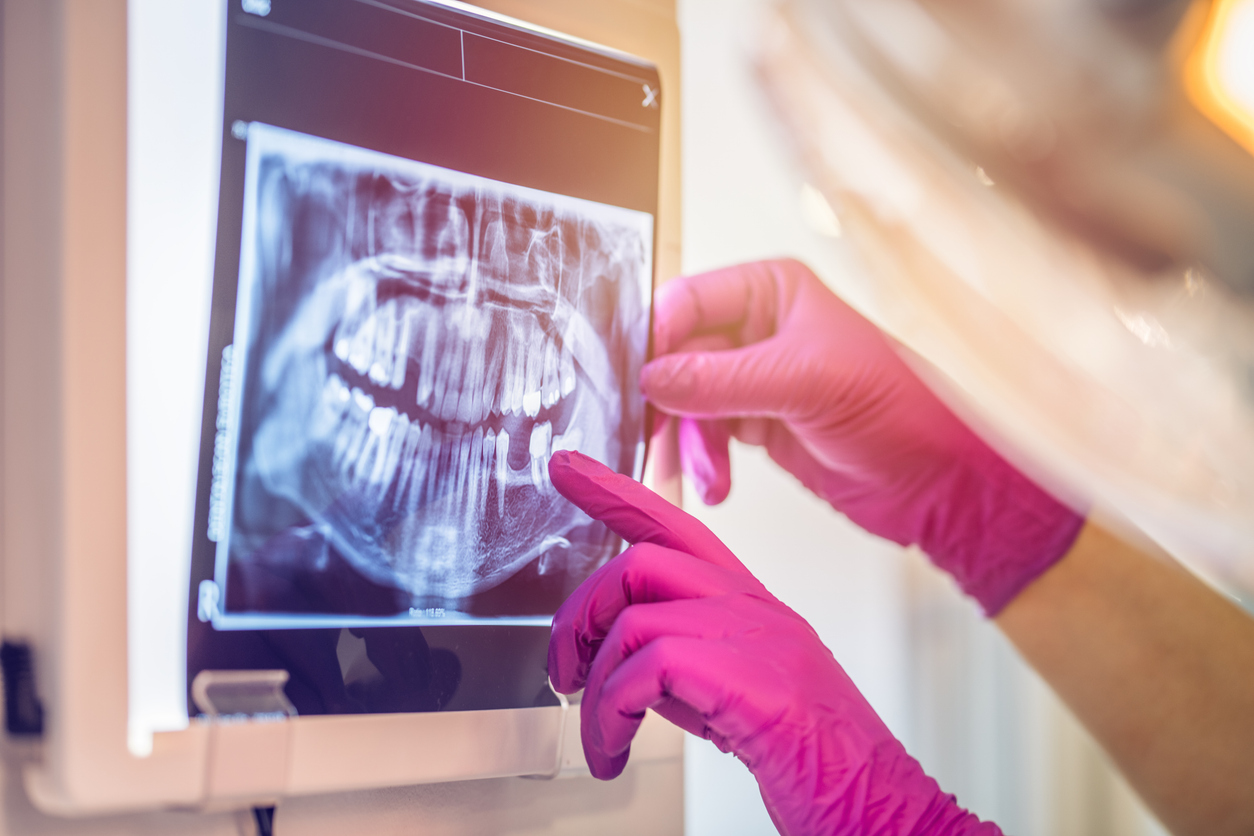
AXIO-IMAGES / iStock
The American Dental Association (ADA) [recommends antibiotics](https://jada.ada.org/article/S0002-8177\(19\)30617-8/fulltext?_gl=1*1scojnw*_ga*MTUyOTc3MTc0MC4xNzY4MzUwODA4*_ga_X8X57NRJ4D*czE3NjgzNTA4MDckbzEkZzAkdDE3NjgzNTA4MDckajYwJGwwJGgw*_ga_NVSBFQCBYE*czE3NjgzNTA4MDckbzEkZzAkdDE3NjgzNTA4MDckajYwJGwwJGgw*_ga_JDE0LTHGWL*czE3NjgzNTA4MDckbzEkZzAkdDE3NjgzNTA4MDckajYwJGwwJGgw*_gcl_au*MjAxMjY1MjQyMi4xNzY4MzUwODA4) for people with tooth pain who also have a fever, chills, or other signs of a systemic infection (those affecting multiple organ systems). Although the best way to cure a dental infection is to immediately treat the tooth—such as by performing a root canal or extraction—ADA guidelines state that antibiotics may be appropriate for patients who can’t have definitive treatment right away, in order to prevent a localized infection from spreading, Kennedy said.
The American Heart Association (AHA) [used to recommend preventive antibiotics](https://www.ahajournals.org/doi/10.1161/01.cir.96.1.358) before invasive dental procedures for people with a variety of heart conditions. Cardiologists were concerned about the very small risk that oral bacteria might travel to the heart and cause infective endocarditis, an inflammation of the lining of the heart or valves, in people undergoing such procedures, said Walter Wilson, MD, an infectious disease specialist at the Mayo Clinic in Rochester, Minnesota.
Today, Wilson said, the AHA [recommends preventive antibiotics](https://www.ahajournals.org/doi/pdf/10.1161/CIR.0000000000000969) only for specific patients:
- People who have received an artificial heart valve or valve repair with artificial material
- Those who previously had infective endocarditis
- Patients with cyanotic congenital heart disease, a condition in which one or more structural problems with the heart's chambers, valves, or blood vessels are present at birth
- People who have had a heart transplant with valve disease
Those four specific conditions put dental patients at the highest risk of death or severe illness from infective endocarditis. In its 2021 guidelines, the AHA singled out clindamycin as an antibiotic to avoid.
### Ask if antibiotics are truly needed
If your dentist suggests clindamycin, which [has a high risk of causing *C* *difficile* infections](https://www.cdc.gov/antibiotic-use/media/pdfs/dental-fact-sheet-508.pdf), ask for a different antibiotic, said Amesh Adalja, MD, an infectious disease physician, critical care expert, and senior scholar at the Johns Hopkins Center for Health Security. *C difficile* infections, which cause severe diarrhea, can be life-threatening.
But other antibiotics should be questioned as well.
“Any time a dentist wants to give you an antibiotic, ask, ‘Do I really need this?’” Adalja said.
### Ask about side effects and warning signs
If a dentist suggests an antibiotic, ask about its typical side effects, said Kevin C. Lee, MD, DDS, assistant professor of oral and maxillofacial surgery at the University of Washington Harborview Medical Center. While all drugs have side effects, if you are concerned about a particular antibiotic’s side effects, your dentist may be able to prescribe an alternative.
Additional questions to ask include: Which side effects are normal? Which side effects might signal a serious complication? Under which circumstances should I call you? How can I reach you after hours? When should I contact a medical doctor or go to the emergency department?
Any time a dentist wants to give you an antibiotic, ask, ‘Do I really need this?’
Amesh Adalja, MD
Many people taking antibiotics experience mild diarrhea and stomach upset. But stomach pain, cramps, and three or more episodes of watery diarrhea a day [can be early symptoms](https://www.mayoclinic.org/diseases-conditions/c-difficile/symptoms-causes/syc-20351691) of a *C difficile* infection. Contact your dentist or doctor right away if you have these symptoms, Lee said.
### Share your medical history with your dentist
Tell your dentist if you previously had a *C difficile* infection or severe diarrhea after taking an antibiotic, Kennedy said. People who have had *C difficile* infections before are more likely to get them again. Doctors and dentists often use incompatible electronic health record systems, so your dentist may not have access to your medical history.
### Ask about taking a shorter course
In the past, dentists often prescribed antibiotics for seven to 10 days. “But we now know that every day of antibiotics increases a person’s risk of side effects or serious complications like *C. difficile* infection,” said Emily McDonald, MD, MPH, a medical officer in the office of antibiotic stewardship at the Centers for Disease Prevention and Control (CDC).
Recent research shows that shorter courses of antibiotics can often be just as effective, McDonald said. In many cases, patients with dental infections [can safely stop taking antibiotics](https://www.cdc.gov/antibiotic-use/media/pdfs/dental-fact-sheet-508.pdf) 24 hours after their symptoms are completely gone.
### Ask about delaying the antibiotic
When dentists prescribe antibiotics before or after a dental procedure, it’s often because they want to prevent an infection, rather than treat an existing one. Ask your dentist if you can delay filling the prescription, and take the medication only if you experience signs of an infection, such as a fever or chills, Lee said.
### Discuss allergies
It’s important to talk to your dentist about any antibiotic allergies.
Most people who think they’re allergic to penicillin are not, said Ryan Maves, MD, an infectious disease specialist and professor of medicine and anesthesiology at Wake Forest University School of Medicine.
Although 10% of people [report an allergy to penicillin](https://www.cdc.gov/antibiotic-use/hcp/clinical-signs/index.html#:~:text=Key%20points,26), the true rate of penicillin allergies is less than 1%, according to the CDC. That’s partly because eight out of 10 people with true penicillin allergies [grow out of them within 10 years](https://keystonehealth.org/blog/penicillin-allergy-explained-facts-myths-and-what-to-do/).

microgen / iStock
If people can’t take penicillin, they may be prescribed second-choice antibiotics, such as clindamycin, that are less effective and more toxic, Maves said. A study published in 2019 found that people with reported penicillin allergies [were 14% more likely to die](https://pmc.ncbi.nlm.nih.gov/articles/PMC6712108/) for any reason than people without penicillin allergies.
People with possible penicillin allergies can get a definitive answer by seeing an allergist, said Kennedy. If the allergy test is negative, people should talk to their doctor and dentist about updating their medical record to remove penicillin from their list of allergies.
Many people assume they’re allergic to an antibiotic because they developed nausea or diarrhea in the past, Adalja said. While these are unpleasant side effects, they’re not allergic reactions.
More information about the safe use of antibiotics in dentistry is available from the [Association for Dental Safety](https://www.myads.org/antibiotic-stewardship-for-patients) and [the CDC](https://www.cdc.gov/antibiotic-use/media/pdfs/AU-Dental-Trifold-Brochure-P.pdf).
## Related news
Previous
Next
[Curbing overuse of dental antibiotics proves daunting Liz Szabo ](https://www.cidrap.umn.edu/antimicrobial-stewardship/curbing-overuse-dental-antibiotics-proves-daunting)
[Curbing overuse of dental antibiotics proves daunting Liz Szabo ](https://www.cidrap.umn.edu/antimicrobial-stewardship/curbing-overuse-dental-antibiotics-proves-daunting)
[Dentists still write millions of prescriptions a year for an antibiotic with life-threatening risks Liz Szabo ](https://www.cidrap.umn.edu/antimicrobial-stewardship/dentists-still-write-millions-prescriptions-year-antibiotic-life)
[Dentists still write millions of prescriptions a year for an antibiotic with life-threatening risks Liz Szabo ](https://www.cidrap.umn.edu/antimicrobial-stewardship/dentists-still-write-millions-prescriptions-year-antibiotic-life)
[Study: Antibiotic resistance threatens 30-year decline in deaths from lower respiratory infections Chris Dall ](https://www.cidrap.umn.edu/antimicrobial-stewardship/study-antibiotic-resistance-threatens-30-year-decline-deaths-lower)
[FDA issues new guidance on antibiotic use in food-producing animals Chris Dall ](https://www.cidrap.umn.edu/antimicrobial-stewardship/fda-issues-new-guidance-antibiotic-use-food-producing-animals)
[Updated PASTEUR Act reintroduced in Congress to boost antibiotic development Chris Dall ](https://www.cidrap.umn.edu/antimicrobial-stewardship/updated-pasteur-act-reintroduced-congress-boost-antibiotic-development)
[CDC study highlights growing threat of invasive E coli Chris Dall ](https://www.cidrap.umn.edu/antimicrobial-stewardship/cdc-study-highlights-growing-threat-invasive-e-coli)
## This week's top reads
1. [Senior CDC official resigns abruptly Second-in-command Ralph Abraham, MD, abruptly resigned his role as principal deputy director at the CDC today, becoming the second senior official to exit the agency this month. Liz Szabo ](https://www.cidrap.umn.edu/public-health/senior-cdc-official-resigns-abruptly)
2. [Dentists still write millions of prescriptions a year for an antibiotic with life-threatening risks Dentists wrote more than 27 million antibiotic prescriptions last year, many of them unnecessary. Part 1 of a 3-part series on potential harms from taking antibiotics for dental procedures. Liz Szabo ](https://www.cidrap.umn.edu/antimicrobial-stewardship/dentists-still-write-millions-prescriptions-year-antibiotic-life)
3. [2026 US measles total nears 1,000 as South Carolina confirms 11 new cases South Carolina has been by far the hardest-hit state this year, with 632 CDC-confirmed cases, followed by Utah (117), Florida (64), and Arizona (36). Jim Wappes ](https://www.cidrap.umn.edu/measles/2026-us-measles-total-nears-1000-south-carolina-confirms-11-new-cases)
4. [Flu claims 5 more US children’s lives as virus continues circulating at moderate to very high levels So far this season, the CDC estimates that there have been at least 24 million flu-related illnesses, 310,000 hospitalizations, and 20,000 deaths. Mary Van Beusekom ](https://www.cidrap.umn.edu/influenza-general/flu-claims-5-more-us-children-s-lives-virus-continues-circulating-moderate-very)
5. [The State of US Vaccine Policy — Feb 19, 2026 Between federal lawsuits, sweeping schedule changes, and states mobilizing their own legal challenges, the last few weeks have been a whirlwind. Let's dive right in. Jess Steier, DrPH, Izzy Brandstetter Figueroa, MPH ](https://www.cidrap.umn.edu/childhood-vaccines/state-us-vaccine-policy-feb-19-2026)
6. [In 2023-24, RSV vaccines were 79% effective against virus-related blood clots in older adults, CDC estimates Estimates didn’t differ substantially between immune-compromised and not–immune-compromised adults. Mary Van Beusekom ](https://www.cidrap.umn.edu/respiratory-syncytial-virus-rsv/2023-24-rsv-vaccines-were-79-effective-against-virus-related-blood)
7. [Moderna’s 2-in-1 flu and COVID vaccine shows encouraging results in small trial A single dose of mRNA-1073 elicited durable immune responses through 6 months against all vaccine-matched influenza and SARS-CoV-2 strains. Stephanie Soucheray](https://www.cidrap.umn.edu/influenza-vaccines/moderna-s-2-1-flu-and-covid-vaccine-shows-encouraging-results-small-trial)
8. [Double-reverse: FDA now says it will review Moderna’s mRNA flu vaccine The FDA had refused to review the original application because it said Moderna’s phase 3 study was not "adequate and well-controlled." Stephanie Soucheray ](https://www.cidrap.umn.edu/influenza-vaccines/double-reverse-fda-now-says-it-will-review-moderna-s-mrna-flu-vaccine)
9. [Public Health Alerts: Multistate infant botulism outbreak associated with powdered infant formula The report details a clear link between illness in dozens of infants and exposure to ByHeart powdered infant formula. Jim Wappes ](https://www.cidrap.umn.edu/public-health-alerts/public-health-alerts-multistate-infant-botulism-outbreak-associated-powdered)
10. [Utah’s measles outbreak reaches 300 cases Of the 300 measles cases, 58 have been identified in the past 3 weeks. Stephanie Soucheray](https://www.cidrap.umn.edu/measles/utah-s-measles-outbreak-reaches-300-cases)
## Our underwriters
### Grant support for ASP provided by
[](https://wellcome.org/)
[](https://www.biomerieux.com/?utm_source=CIDRAP)
[](https://www.bd.com/en-us)
### Unrestricted financial support provided by
[ Principal Underwriter](https://bentsonfoundation.org/)
[ Leading Underwriter](https://www.unorthodoxphilanthropy.org/)
[ Major Underwriter](https://www.3m.com/)
[ Supporting Underwriter](https://www.gilead.com/)

Supporting Underwriter
[Become an Underwriter](https://www.cidrap.umn.edu/support-cidrap)

## Help make CIDRAP's vital work possible
[Support Us](https://www.cidrap.umn.edu/support)
- [Home](https://www.cidrap.umn.edu/)
- [Editorial policy](https://www.cidrap.umn.edu/editorial-policy)
- [Search news](https://www.cidrap.umn.edu/search)
[](https://www.cidrap.umn.edu/cidrap-facebook)
[](https://www.cidrap.umn.edu/cidrap-twitter)
[](https://www.cidrap.umn.edu/cidrap-bluesky)
[](https://www.cidrap.umn.edu/cidrap-youtube)
[](https://www.linkedin.com/company/center-for-infectious-disease-research-and-policy-cidrap-?original_referer=https%3A%2F%2Fwww.google.com%2F)
[](https://www.cidrap.umn.edu/rss-feeds)
## Contact Us
CIDRAP - Center for Infectious Disease Research & Policy
Research and Innovation Office, University of Minnesota, Minneapolis, MN
[Email us](https://www.cidrap.umn.edu/contact-us "Contact Us")
© 2026 Regents of the University of Minnesota. All rights Reserved.
The University of Minnesota is an equal opportunity educator and employer
[Research and Innovation Office](https://research.umn.edu/ "Research and Innovation Office") \| [Contact U of M](http://www.umn.edu/twincities/contact/ "Contact U of M") \| [Privacy Policy](https://www.cidrap.umn.edu/privacy-policy "Privacy Policy")
[Newsletter subscribe](https://www.cidrap.umn.edu/newsletter)
Get CIDRAP updates
- [News](https://www.cidrap.umn.edu/)
- Topics & Projects
- [Antimicrobial Resistance](https://www.cidrap.umn.edu/antimicrobial-stewardship)
- [COVID-19](https://www.cidrap.umn.edu/covid-19)
- [Chronic Wasting Disease](https://www.cidrap.umn.edu/chronic-wasting-disease)
- [Influenza](https://www.cidrap.umn.edu/influenza-general)
- [Public Health Alerts](https://www.cidrap.umn.edu/public-health-alerts)
- [All Topics A-Z](https://www.cidrap.umn.edu/infectious-disease-topics)
- [Coronavirus Vaccines Roadmap](https://www.cidrap.umn.edu/coronavirus-vaccines-roadmap)
- [Influenza Vaccines Roadmap](https://ivr.cidrap.umn.edu/)
- [Roadmaps for Priority Pathogens](https://www.cidrap.umn.edu/roadmap-development)
- [Vaccine Integrity Project](https://vaxintegrity.cidrap.umn.edu/)
- [CIDRAP Leadership Forum](https://www.cidrap.umn.edu/forum "CIDRAP Leadership Forum")
- .
- .
- Podcasts
- [Antimicrobial Stewardship](https://www.cidrap.umn.edu/antimicrobial-stewardship/superbugs-you)
- [Chronic Wasting Disease](https://www.cidrap.umn.edu/chronic-wasting-disease/cwd-pod)
- [Osterholm Update](https://www.cidrap.umn.edu/osterholm-update)
- [Newsletters](https://www.cidrap.umn.edu/newsletter)
- About
- [About CIDRAP](https://www.cidrap.umn.edu/about-cidrap)
- [CIDRAP in the News](https://www.cidrap.umn.edu/cidrap-news)
- [Our Staff](https://www.cidrap.umn.edu/about-us/cidrap-staff)
- [Our Director](https://www.cidrap.umn.edu/michael-t-osterholdm-phd-mph)
- [Osterholm in the Press](https://www.cidrap.umn.edu/osterholm-quotes)
- [Shop Merchandise](https://www.mnalumnimarket.com/collections/cidrap?utm_source=website&utm_medium=website&utm_campaign=CIDRAPdonate&utm_content=CIDRAP)
- [Contact Us](https://www.cidrap.umn.edu/contact-us)
- [Donate](https://www.cidrap.umn.edu/support) |
| Readable Markdown | 
##### Antibiotic Aftershocks
*This is part 3 in a three-part series on potential harms from taking antibiotics for dental procedures.* [*Part 1*](https://www.cidrap.umn.edu/antimicrobial-stewardship/dentists-still-write-millions-prescriptions-year-antibiotic-life) *was published February 24 and* [*Part 2*](https://www.cidrap.umn.edu/antimicrobial-stewardship/curbing-overuse-dental-antibiotics-proves-daunting) *yesterday. All three are available* [*here*](https://www.cidrap.umn.edu/antibiotic-aftershocks)*.*
If you’ve ever had a wisdom tooth removed, you probably received an antibiotic from your dentist.
Dentists wrote 27.3 million antibiotic prescriptions last year, according to data provided exclusively to CIDRAP News by the IQVIA Institute for Human Data Science, an organization based in Parsippany, New Jersey, that provides research and analysis on health care data. Many of these antibiotics are unnecessary.
In a three-part series this week, CIDRAP News is investigating the overuse of antibiotics in dentistry, including changes that dentists and consumers can make to reduce the risk of harm.
Although 10% to 15% of dental antibiotics prescriptions are written for people with current infections, the rest are prescribed to people before or after a dental procedure “just in case” an infection develops, said Katie J. Suda, PharmD, a professor of medicine at the University of Pittsburgh. Research by Suda and her colleagues [found that 80%](https://jamanetwork.com/journals/jamanetworkopen/fullarticle/2734798) of such preventive dental antibiotics are inappropriate.
Patients aren’t helped by taking unneeded medications, Suda said. Furthermore, any antibiotic can cause serious harm, including allergic reactions; infections with a superbug called *Clostridioides difficile,* or *C difficile*; and antimicrobial resistance, in which pathogens [become impervious](https://www.who.int/news-room/fact-sheets/detail/antimicrobial-resistance) to even powerful medications.
“The more we use an antibiotic, the less effective it becomes,” said Debra Goff, PharmD, a professor of pharmacy practice at The Ohio State University College of Pharmacy and an infectious disease specialist at Ohio State’s Wexner Medical Center.
People can take a number of steps to avoid being exposed to inappropriate antibiotics, experts say.
### Keep your mouth healthy
Maintaining good oral health helps to prevent dental infections. If you develop pain or swelling in your mouth, call a dentist right away. With early treatment, many patients don’t need antibiotics, said Erinne Kennedy, DDS, MPH, a board member of the Association for Dental Safety.
### Don’t pressure your health care provider for antibiotics
Research shows that most people [who undergo dental](https://link.springer.com/article/10.1007/s11908-023-00802-y) procedures or who experience pain and swelling don’t need antibiotics, said Kennedy, who is also assistant dean for curriculum and learning at Kansas City College of Dental Medicine in Missouri. That evidence has led medical and dental societies to recommend them only for people with very specific health conditions or who have compromised immune systems.

AXIO-IMAGES / iStock
The American Dental Association (ADA) [recommends antibiotics](https://jada.ada.org/article/S0002-8177\(19\)30617-8/fulltext?_gl=1*1scojnw*_ga*MTUyOTc3MTc0MC4xNzY4MzUwODA4*_ga_X8X57NRJ4D*czE3NjgzNTA4MDckbzEkZzAkdDE3NjgzNTA4MDckajYwJGwwJGgw*_ga_NVSBFQCBYE*czE3NjgzNTA4MDckbzEkZzAkdDE3NjgzNTA4MDckajYwJGwwJGgw*_ga_JDE0LTHGWL*czE3NjgzNTA4MDckbzEkZzAkdDE3NjgzNTA4MDckajYwJGwwJGgw*_gcl_au*MjAxMjY1MjQyMi4xNzY4MzUwODA4) for people with tooth pain who also have a fever, chills, or other signs of a systemic infection (those affecting multiple organ systems). Although the best way to cure a dental infection is to immediately treat the tooth—such as by performing a root canal or extraction—ADA guidelines state that antibiotics may be appropriate for patients who can’t have definitive treatment right away, in order to prevent a localized infection from spreading, Kennedy said.
The American Heart Association (AHA) [used to recommend preventive antibiotics](https://www.ahajournals.org/doi/10.1161/01.cir.96.1.358) before invasive dental procedures for people with a variety of heart conditions. Cardiologists were concerned about the very small risk that oral bacteria might travel to the heart and cause infective endocarditis, an inflammation of the lining of the heart or valves, in people undergoing such procedures, said Walter Wilson, MD, an infectious disease specialist at the Mayo Clinic in Rochester, Minnesota.
Today, Wilson said, the AHA [recommends preventive antibiotics](https://www.ahajournals.org/doi/pdf/10.1161/CIR.0000000000000969) only for specific patients:
- People who have received an artificial heart valve or valve repair with artificial material
- Those who previously had infective endocarditis
- Patients with cyanotic congenital heart disease, a condition in which one or more structural problems with the heart's chambers, valves, or blood vessels are present at birth
- People who have had a heart transplant with valve disease
Those four specific conditions put dental patients at the highest risk of death or severe illness from infective endocarditis. In its 2021 guidelines, the AHA singled out clindamycin as an antibiotic to avoid.
### Ask if antibiotics are truly needed
If your dentist suggests clindamycin, which [has a high risk of causing *C* *difficile* infections](https://www.cdc.gov/antibiotic-use/media/pdfs/dental-fact-sheet-508.pdf), ask for a different antibiotic, said Amesh Adalja, MD, an infectious disease physician, critical care expert, and senior scholar at the Johns Hopkins Center for Health Security. *C difficile* infections, which cause severe diarrhea, can be life-threatening.
But other antibiotics should be questioned as well.
“Any time a dentist wants to give you an antibiotic, ask, ‘Do I really need this?’” Adalja said.
### Ask about side effects and warning signs
If a dentist suggests an antibiotic, ask about its typical side effects, said Kevin C. Lee, MD, DDS, assistant professor of oral and maxillofacial surgery at the University of Washington Harborview Medical Center. While all drugs have side effects, if you are concerned about a particular antibiotic’s side effects, your dentist may be able to prescribe an alternative.
Additional questions to ask include: Which side effects are normal? Which side effects might signal a serious complication? Under which circumstances should I call you? How can I reach you after hours? When should I contact a medical doctor or go to the emergency department?
## Our underwriters
Grant support for ASP provided by
Unrestricted financial support provided by |
| Shard | 45 (laksa) |
| Root Hash | 1624480930799954845 |
| Unparsed URL | edu,umn!cidrap,www,/antimicrobial-stewardship/how-avoid-inappropriate-dental-antibiotics s443 |