ℹ️ Skipped - page is already crawled
| Filter | Status | Condition | Details |
|---|---|---|---|
| HTTP status | PASS | download_http_code = 200 | HTTP 200 |
| Age cutoff | PASS | download_stamp > now() - 6 MONTH | 0 months ago |
| History drop | PASS | isNull(history_drop_reason) | No drop reason |
| Spam/ban | PASS | fh_dont_index != 1 AND ml_spam_score = 0 | ml_spam_score=0 |
| Canonical | PASS | meta_canonical IS NULL OR = '' OR = src_unparsed | Not set |
| Property | Value |
|---|---|
| URL | https://www.chowhound.com/2110063/where-did-culvers-originate/ |
| Last Crawled | 2026-04-14 06:31:16 (1 day ago) |
| First Indexed | 2026-03-02 16:44:22 (1 month ago) |
| HTTP Status Code | 200 |
| Meta Title | Where Did Culver's Originate? |
| Meta Description | It’s no surprise Culver’s began in Wisconsin, where cheese and butter reign. Today, the chain is a Midwest favorite for burgers and custard. |
| Meta Canonical | null |
| Boilerpipe Text | James Andrews1/Shutterstock
Culver's is known for serving one of
the best fast food burgers
, delicious cheese curds, and creamy frozen custard. With over 900 restaurants in 26 U.S. states, Culver's has become a popular food destination. Given the nature of such a large and successful business, you might wonder where Culver's originated.
The first Culver's restaurant opened in Sauk City, Wisconsin, on July 18, 1984. Craig and Lea Culver, along with Craig's parents George and Ruth, teamed up to open Culver's after the family's long history in the restaurant business. The Culver family had previously owned an A&W restaurant in 1961, sold it in 1968, and bought it back in 1984. After being disenfranchised from A&W, the family used the property for the original Culver's.
This location is where
Culver's came up with the idea for the iconic ButterBurger
. The burger paired well with frozen custard, which wasn't as well-known in the area as it was in Milwaukee — which some people consider the unofficial custard capital of the world. Eventually, Culver's Frozen Custard became a hit. Though Culver's first year was tough, and it took a couple of years for the restaurant to become profitable, the business expanded. The family sold its first successful Culver's franchise in 1990, and the restaurant chain has continued to blossom ever since.
The history between Culver's and U.S. farms
James Andrews1/Shutterstock
The Culver family has a history of working with local farmers who provide quality ingredients for Culver's Frozen Custard and other menu items. The founder's mother grew up on a Wisconsin dairy farm, while his dad was a field representative for Wisconsin Dairies before going into the restaurant business. The family history in local agriculture, combined with Culver's continued commitment to farming, helped shape the brand's focus on fresh ingredients and close partnerships with regional suppliers.
The region where Culver's first opened is considered a Wisconsin food hub, with a rich history of agriculture, supper clubs, breweries, and award-winning cheese producers. Culver's has supported local farmers by using Wisconsin dairy in its custard, with
each Culver's restaurant location featuring a different custard flavor of the day
. The rotating flavors have been highlighted on in-store signage since the brand's earliest days. A majority of the franchise's dairy comes from Wisconsin creameries, including butter, cheese, and cheese curds, while
Culver's gets its beef from the Midwest
. Proving that even though Culver's has become a huge national brand, it still has roots in the region where the restaurant began. |
| Markdown | [](https://www.chowhound.com/)
- [Recipes](https://www.chowhound.com/category/recipes/)
- [Course](https://www.chowhound.com/category/course/)
- [Dish Type](https://www.chowhound.com/category/dish-type/)
- [Main Ingredients](https://www.chowhound.com/category/main-ingredients/)
- [Drink Recipes](https://www.chowhound.com/category/drink-recipes/)
- [Dietary Considerations](https://www.chowhound.com/category/dietary-considerations/)
- [Preparation](https://www.chowhound.com/category/preparation/)
- [Cuisine](https://www.chowhound.com/category/cuisine/)
- [Cooking](https://www.chowhound.com/category/cooking-guides/)
- [Baking](https://www.chowhound.com/category/baking/)
- [Grilling & Smoking](https://www.chowhound.com/category/grilling-and-smoking/)
- [Drinks](https://www.chowhound.com/category/drink-guides/)
- [Coffee & Tea](https://www.chowhound.com/category/coffee-and-tea/)
- [Cocktails & Spirits](https://www.chowhound.com/category/cocktails-and-spirits/)
- [Beer & Wine](https://www.chowhound.com/category/beer-and-wine/)
- [Mixology & Techniques](https://www.chowhound.com/category/mixology-and-techniques/)
- [Kitchen](https://www.chowhound.com/category/kitchen-tips/)
- [Tips](https://www.chowhound.com/category/tips/)
- [How-To](https://www.chowhound.com/category/how-to/)
- [Kitchen Tools](https://www.chowhound.com/category/kitchen-tools/)
- [Storage & Preservation](https://www.chowhound.com/category/storage-and-preservation/)
- [Cleaning](https://www.chowhound.com/category/cleaning/)
- [Design & Decor](https://www.chowhound.com/category/design-and-decor/)
- [Shopping](https://www.chowhound.com/category/shopping-guides/)
- [Shopping Tips](https://www.chowhound.com/category/shopping-tips/)
- [Stores & Chains](https://www.chowhound.com/category/stores-and-chains/)
- [Facts](https://www.chowhound.com/category/food-facts/)
- [Food Science](https://www.chowhound.com/category/food-science/)
- [Food History](https://www.chowhound.com/category/food-history/)
- [Restaurants](https://www.chowhound.com/category/restaurant-guides/)
- [Fast Food](https://www.chowhound.com/category/fast-food/)
- [Pizzerias](https://www.chowhound.com/category/pizzerias/)
- [Coffee Shops](https://www.chowhound.com/category/coffee-shops/)
- [Eat Like A Local](https://www.chowhound.com/category/eat-like-a-local/)
- [Atlanta, Georgia](https://www.chowhound.com/category/atlanta-georgia/)
- [Chicago, Illinois](https://www.chowhound.com/category/chicago-illinois/)
- [Denver, Colorado](https://www.chowhound.com/category/denver-colorado/)
- [Las Vegas, Nevada](https://www.chowhound.com/category/las-vegas-nevada/)
- [Los Angeles, California](https://www.chowhound.com/category/los-angeles-california/)
- [Miami, Florida](https://www.chowhound.com/category/miami-florida/)
- [New Orleans, Louisiana](https://www.chowhound.com/category/new-orleans-louisiana/)
- [New York City, New York](https://www.chowhound.com/category/new-york-city-new-york/)
- [San Francisco, California](https://www.chowhound.com/category/san-francisco-california/)
- [Gardening](https://www.chowhound.com/category/gardening/)
- [Features](https://www.chowhound.com/category/features/)
- [Newsletter](https://subscribe.chowhound.com/newsletter?utm_source=chowhound&utm_medium=side-nav "Newsletter")
- [About](https://www.chowhound.com/about/)
- [Editorial Policies](https://www.chowhound.com/policies/)
- [Our Experts](https://www.chowhound.com/our-experts/)
- [Privacy Policy](https://www.chowhound.com/privacy-policy/)
- [Terms of Use](https://www.static.com/terms)
© 2026 [Static Media](https://www.static.com/). All Rights Reserved
[](https://www.chowhound.com/)
[](https://www.chowhound.com/)
Where Did Culver's Originate?
[Recipes](https://www.chowhound.com/category/recipes/) [Cooking](https://www.chowhound.com/category/cooking-guides/) [Drinks](https://www.chowhound.com/category/drink-guides/) [Kitchen](https://www.chowhound.com/category/kitchen-tips/) [Shopping](https://www.chowhound.com/category/shopping-guides/) [Facts](https://www.chowhound.com/category/food-facts/) [Restaurants](https://www.chowhound.com/category/restaurant-guides/) [Eat Like A Local](https://www.chowhound.com/category/eat-like-a-local/) [Gardening](https://www.chowhound.com/category/gardening/) [Features](https://www.chowhound.com/category/features/)
- [Newsletter](https://subscribe.chowhound.com/newsletter?utm_source=chowhound&utm_medium=top-nav "Newsletter")
- [Restaurants](https://www.chowhound.com/category/restaurant-guides/)
- [Fast Food](https://www.chowhound.com/category/fast-food/)
# Where Did Culver's Originate?
By [Craig Mattson](https://www.chowhound.com/author/craigmattson/)
Updated: March 2, 2026 9:16 am EST
James Andrews1/Shutterstock
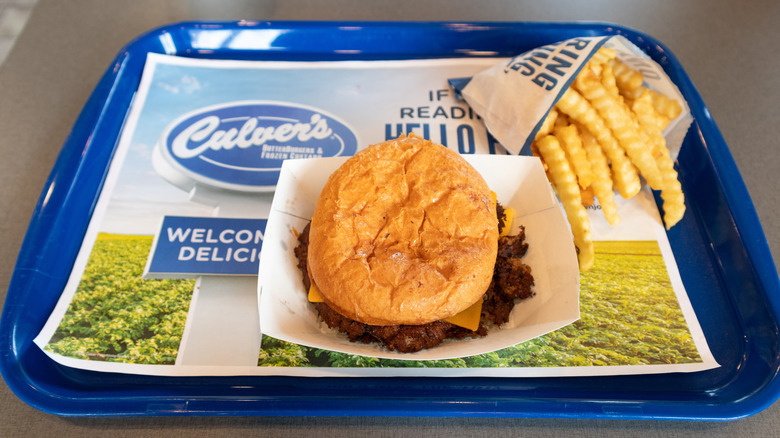
Culver's is known for serving one of [the best fast food burgers](https://www.chowhound.com/1903642/best-fast-food-burger/), delicious cheese curds, and creamy frozen custard. With over 900 restaurants in 26 U.S. states, Culver's has become a popular food destination. Given the nature of such a large and successful business, you might wonder where Culver's originated.
The first Culver's restaurant opened in Sauk City, Wisconsin, on July 18, 1984. Craig and Lea Culver, along with Craig's parents George and Ruth, teamed up to open Culver's after the family's long history in the restaurant business. The Culver family had previously owned an A\&W restaurant in 1961, sold it in 1968, and bought it back in 1984. After being disenfranchised from A\&W, the family used the property for the original Culver's.
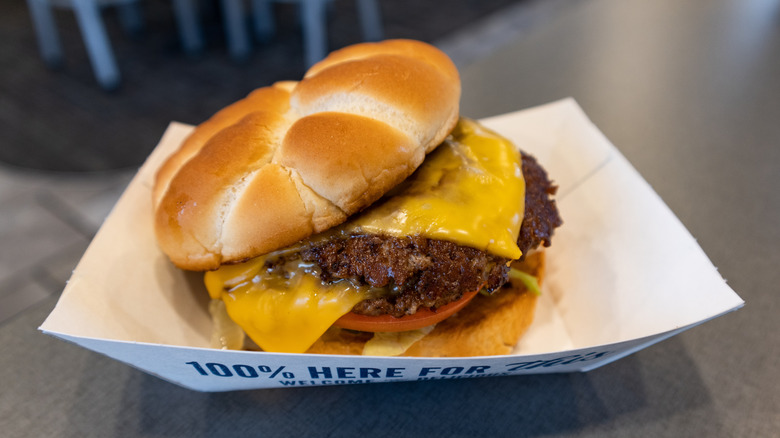
This location is where [Culver's came up with the idea for the iconic ButterBurger](https://www.chowhound.com/1877897/how-culvers-came-up-with-butterburger/). The burger paired well with frozen custard, which wasn't as well-known in the area as it was in Milwaukee — which some people consider the unofficial custard capital of the world. Eventually, Culver's Frozen Custard became a hit. Though Culver's first year was tough, and it took a couple of years for the restaurant to become profitable, the business expanded. The family sold its first successful Culver's franchise in 1990, and the restaurant chain has continued to blossom ever since.
## The history between Culver's and U.S. farms
James Andrews1/Shutterstock
The Culver family has a history of working with local farmers who provide quality ingredients for Culver's Frozen Custard and other menu items. The founder's mother grew up on a Wisconsin dairy farm, while his dad was a field representative for Wisconsin Dairies before going into the restaurant business. The family history in local agriculture, combined with Culver's continued commitment to farming, helped shape the brand's focus on fresh ingredients and close partnerships with regional suppliers.
The region where Culver's first opened is considered a Wisconsin food hub, with a rich history of agriculture, supper clubs, breweries, and award-winning cheese producers. Culver's has supported local farmers by using Wisconsin dairy in its custard, with [each Culver's restaurant location featuring a different custard flavor of the day](https://www.chowhound.com/1925272/culvers-custard-flavor-different-every-location/). The rotating flavors have been highlighted on in-store signage since the brand's earliest days. A majority of the franchise's dairy comes from Wisconsin creameries, including butter, cheese, and cheese curds, while [Culver's gets its beef from the Midwest](https://www.chowhound.com/1815621/where-does-culvers-get-its-beef/). Proving that even though Culver's has become a huge national brand, it still has roots in the region where the restaurant began.
## Recommended |
| Readable Markdown | 
James Andrews1/Shutterstock
Culver's is known for serving one of [the best fast food burgers](https://www.chowhound.com/1903642/best-fast-food-burger/), delicious cheese curds, and creamy frozen custard. With over 900 restaurants in 26 U.S. states, Culver's has become a popular food destination. Given the nature of such a large and successful business, you might wonder where Culver's originated.
The first Culver's restaurant opened in Sauk City, Wisconsin, on July 18, 1984. Craig and Lea Culver, along with Craig's parents George and Ruth, teamed up to open Culver's after the family's long history in the restaurant business. The Culver family had previously owned an A\&W restaurant in 1961, sold it in 1968, and bought it back in 1984. After being disenfranchised from A\&W, the family used the property for the original Culver's.
This location is where [Culver's came up with the idea for the iconic ButterBurger](https://www.chowhound.com/1877897/how-culvers-came-up-with-butterburger/). The burger paired well with frozen custard, which wasn't as well-known in the area as it was in Milwaukee — which some people consider the unofficial custard capital of the world. Eventually, Culver's Frozen Custard became a hit. Though Culver's first year was tough, and it took a couple of years for the restaurant to become profitable, the business expanded. The family sold its first successful Culver's franchise in 1990, and the restaurant chain has continued to blossom ever since.
## The history between Culver's and U.S. farms

James Andrews1/Shutterstock
The Culver family has a history of working with local farmers who provide quality ingredients for Culver's Frozen Custard and other menu items. The founder's mother grew up on a Wisconsin dairy farm, while his dad was a field representative for Wisconsin Dairies before going into the restaurant business. The family history in local agriculture, combined with Culver's continued commitment to farming, helped shape the brand's focus on fresh ingredients and close partnerships with regional suppliers.
The region where Culver's first opened is considered a Wisconsin food hub, with a rich history of agriculture, supper clubs, breweries, and award-winning cheese producers. Culver's has supported local farmers by using Wisconsin dairy in its custard, with [each Culver's restaurant location featuring a different custard flavor of the day](https://www.chowhound.com/1925272/culvers-custard-flavor-different-every-location/). The rotating flavors have been highlighted on in-store signage since the brand's earliest days. A majority of the franchise's dairy comes from Wisconsin creameries, including butter, cheese, and cheese curds, while [Culver's gets its beef from the Midwest](https://www.chowhound.com/1815621/where-does-culvers-get-its-beef/). Proving that even though Culver's has become a huge national brand, it still has roots in the region where the restaurant began. |
| Shard | 61 (laksa) |
| Root Hash | 12527326346489960461 |
| Unparsed URL | com,chowhound!www,/2110063/where-did-culvers-originate/ s443 |