ℹ️ Skipped - page is already crawled
| Filter | Status | Condition | Details |
|---|---|---|---|
| HTTP status | PASS | download_http_code = 200 | HTTP 200 |
| Age cutoff | PASS | download_stamp > now() - 6 MONTH | 0.3 months ago |
| History drop | PASS | isNull(history_drop_reason) | No drop reason |
| Spam/ban | PASS | fh_dont_index != 1 AND ml_spam_score = 0 | ml_spam_score=0 |
| Canonical | PASS | meta_canonical IS NULL OR = '' OR = src_unparsed | Not set |
| Property | Value |
|---|---|
| URL | https://www.antarcticacruises.com/guide/ships |
| Last Crawled | 2026-04-04 05:42:41 (8 days ago) |
| First Indexed | 2023-06-24 16:49:51 (2 years ago) |
| HTTP Status Code | 200 |
| Meta Title | Antarctica Cruise Ships: Which Expedition Vessel Is Best? |
| Meta Description | There are now over 70 Antarctica cruise ships sailing across the Southern Ocean to the wondrous White Continent, a number that has been steadily increasing |
| Meta Canonical | null |
| Boilerpipe Text | There are now over 70 Antarctica cruise ships sailing across the Southern Ocean to the wondrous White Continent, a number that has been steadily increasing each year due to the gaining popularity of expedition cruising. With so many options to choose from, selecting the best expedition vessel for you can be a daunting prospect.
Ships can range anywhere in size from tiny sailing yachts with fewer than 25 guests to traditional ocean liners with over 1000 guests, but crucially those Antarctic ships with more than 500 guests onboard are not permitted to make landings with guests unable to set foot on Antarctica itself, merely allowing them to see the continent and wildlife from afar.
Here at Antarctica Cruises we exclusively offer true expedition vessels, small Antarctica cruise ships for 50–500 guests, large enough to safely and comfortably cope with the icy and adverse sailing conditions prevalent at higher latitudes, yet small and nimble enough to navigate icebergs and access Antarctica’s remotest reaches, facilitating extraordinary, close-up wildlife encounters and providing passengers with a privileged view of the most breathtaking wilderness on the planet.
Antarctica Cruise Ships: Then & Now
But before we look at the latest fleet of expedition vessels, it’s important to understand their evolution. Until 1892—when the Fram was constructed explicitly for polar exploration—all ships had been built for some other purpose, namely naval (Terror & Erebus), sealing (Nimrod, Aurora & Belgica), or whaling (Terra Nova) purposes, and were only used in the polar regions as a consequence of their stronger than usual design features making them suitable for icy seas. Cook’s Resolution—the first vessel to cross the Antarctic Circle back in 1773—was another prime example, formerly being a sturdy North Sea merchant collier named the Marquis of Granby.
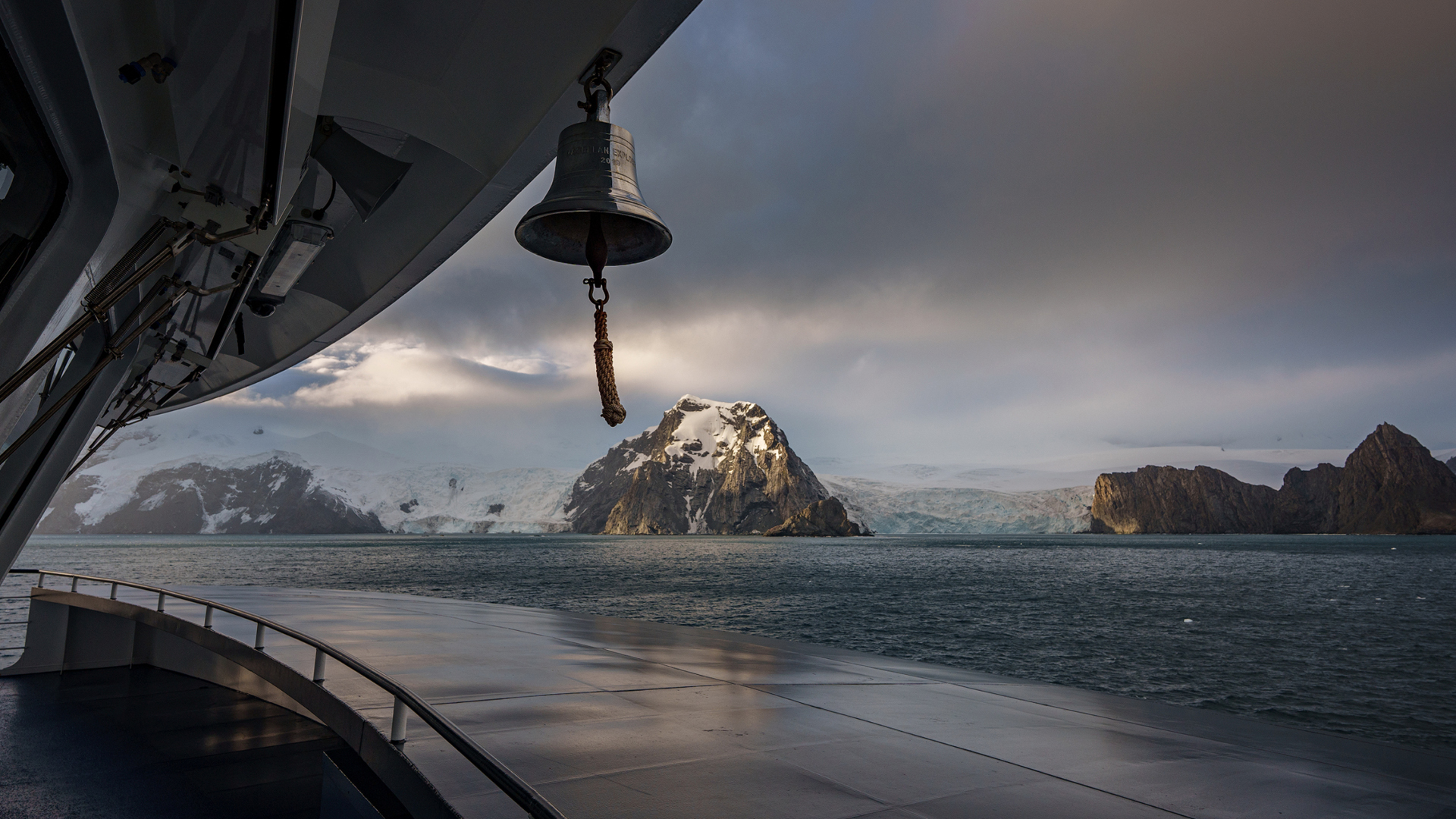
From humble beginnings to state-of-the-art expedition vessels like the one pictured, Antarctica cruise ships have evolved to offer unparalleled access and comfort. Imagine the stories this bell could tell from voyages past and present, exploring the White Continent’s breathtaking beauty!
Often enhancements were made though, their original wooden hulls often reinforced for polar conditions, ice anchors added for mooring on the ice, as well as installing specialized equipment for navigation and conducting scientific research. This pattern of repurposing and revamping vessels has continued into the modern expedition era. Even the first tourist Antarctica cruise ship, the Lapataia, which sailed to the Antarctic Peninsula in 1966, was an Argentinean Navy supply ship chartered by Lars-Eric Lindblad, and many of the more authentic expedition vessels still in use today are tough-built government or scientific ships, often old ex-Soviet polar research vessels, designed with navigating icy areas but not necessarily comfort in mind.
However, with tourist expectations evolving, the latest fleet of expedition vessels are a new breed of boat entirely, not only purpose-built for polar voyages, but also catering to the discerning traveler. The poles were previously the sole province of explorers and scientists, and as such their ships were more utilitarian in nature, foregoing comfort for functionality, but these days Antarctica is a mecca for intrepid travelers and modern-day ships are designed explicitly for adventure travel with ample amenities and creature comforts befitting their new clientele.
Rowboats have been replaced by rigid inflatable boats (RIBs), glowing candles by glittering chandeliers, ice anchors by GPS-driven dynamic positional systems. Barrels of porter and potent primus stove-cooked grog concoctions have become tended bars with a choice of cocktails, rations replaced by refined epicurean dishes, snow melt baths substituted for saunas and steam rooms, the graph paper and gramophones long gone, their place taken by powerpoint presentations and lecture theaters. Crews have also evolved, from seamen and scientists, to seamen and scientists turning their hand to hospitality, and now professionals with responsibilities solely aligned to their specialisms, including dedicated customer service staff.
Propulsion-wise, wooden sailing boats, subservient to the Southern Ocean’s winds, ice and currents—and often prone to being iced in—were slowly replaced by more powerful steam-powered ships with screw propellers, capable of entering, maneuvering (reversing) in, and gradually ramming through pack ice. Such slow progress was very heavy on coal, so for many years Antarctic vessels were hybrids of wind and steam power, the former used whenever possible to conserve coal stocks for when the going got tougher.
Later, the advent of steel hulls for extra strength and more powerful engines—typically run on Diesel, Marine Gas Oil (MGO) or Marine Diesel Oil (MDO)—meant ships went from weighing less than 400 tons to 20,000 tonnes or more, and having engine power of just 20hp to over 20,000hp in less than a century. The most modern vessels are now being run on a cleaner combination of liquified natural gas and electricity.
What Makes A Good Expedition Vessel?
The ideal characteristics (and, in many cases, requirements) for historical Antarctic expedition ships were primarily related to their hull, needing a strong, rounded hull—to both minimize ice damage and help the ship slide upwards rather than being crushed by pincering pack ice—complete with a reinforced, skewed bow to not only withstand head-on ice impact, but also ride up and over it, causing it to break under its own weight.
A truly exceptional expedition vessel is designed to conquer the challenging Antarctic ice, much like this icebreaker demonstrates. From its robust hull to advanced navigation systems, every detail ensures a safe and comfortable journey through the White Continent’s pristine, icy waters.
Given historic vessels often over-wintered in Antarctica, they additionally needed to be well insulated to retain heat and have plentiful stowage space for both scientific equipment and food, typically with provisions for at least a year longer than the intended voyage in case the ship became iced in. Entertainment to pass the long, dark winter months was essential for crew contentment, and a powerful engine, economical with scant coal reserves, a priority for working in the heavy ice conditions of winter, not to mention a selection of ice saws and some dynamite to help break a passage to open water come spring.
Whilst modern expedition ships only visit Antarctica in the austral summer, hull design and fuel economy are still high on the agenda, with today’s technological advances leading many of the newer Antarctica cruise ships to now use an ‘inverted’ X-Bow design to improve handling in rough seas and reduce hydrodynamic drag to lower fuel consumption. In contrast, these days the scientific equipment on board very much forms part of the entertainment for latter-day explorers, their explosive ecological revelations thankfully replacing any TNT.
Let’s take a closer look at what else constitutes the perfect polar expedition cruise vessel for exploring the White Continent.
Small Size
Expedition vessels are considerably smaller than your typical ocean liner or river cruise ship, for several reasons. Firstly, they allow access to areas larger ships simply cannot go, their sleek design, slighter tonnage, and shallower drafts (the amount of ship below the water level) making them more agile to respond to opportune whale or dolphin sightings, and better able to maneuver into those shallow harbors and remote coves and bays along Antarctica’s coastline where these the most pristine landscapes, penguin rookeries, and seal colonies often prevail.
Not only are Antarctic expedition cruise ships small in size, but they also host fewer passengers, engendering a genuine feeling of camaraderie and promoting a convivial atmosphere on board with your fellow passengers and crew alike. Indeed on many of the smaller ships guests even assemble as a single group for communal meals. What’s more, expedition ships often have much higher crew-to-guest ratios than their ocean-going counterparts, leading to a higher level of customer service.
Antarctic expedition ship capacities range from just 13 to a maximum 500 guests, with an average of a little more than 100. Ships can be technically classified according to their capacity, with ‘Category 2’ ships those hosting between 201-500 passengers aboard, and ‘Category 1’ ships host just 13-200 passengers. (There is a third ‘Cruise Only’ classification for ships catering to 501+ passengers, but it is important to realize that these vessels are not permitted to make any shore landings in Antarctica so these are not expedition cruises at all, and are very much considered sight-seeing cruises from a distance.)
The closeness to nature (and your few fellow explorers) from a smaller expedition vessel makes for a much more intimate and rewarding expedition experience, affording prolific and personal wildlife encounters, and enhancing the sense of wilderness and solitude in the vast polar landscape. When you combine this close proximity with the fact that shore landing logistics are significantly swifter and easier with smaller groups, this helps to maximize your time ashore—particularly pertinent in Antarctica where only 100 people are permitted to land at any one time—and grants a greater chance of participating in any optional adventure activities, in depth, for longer.
But perhaps most important of all, small Antarctica cruise ship size is crucial in minimizing the impact on the delicate ecosystems you are visiting by reducing carbon footprints and footfall ashore.
Stability
Whilst around 10% of the overall population are more susceptible to sea sickness than others, everyone has the potential to experience it—especially if you are crossing the Drake Passage! Caused by a conflict between what you see and what your body feels (specifically your inner ear, where the human balance mechanism resides) this can be mitigated, or eliminated altogether, by being aboard a more stable boat.
So which ships are the most steadfast, resolute and unwavering in the face of the unfathomable waves and implacable winds of the Southern Ocean? Whilst smaller ships may be more agile, generally speaking it’s the larger Antarctica cruise ships that will provide greater stability. However, it is also worth noting that many smaller expedition vessels may be equally equable if equipped with stabilizers.
There are several types of stabilizer, each with varying degrees of effectiveness, correlated to the degree of lateral roll (the disorienting side-to-side motion common in rough sea conditions) experienced by the ship. Traditional ship stabilizers, also known as bilge keels, are long strips of metal attached to the outer hull of the ship just below the water line. These add physical resistance in turbulent waters to counter any rolling pressure.
Fixed stabilizers akin to fins situated on both sides of the ship at both the bow and stern are slightly more effective, protruding further than bilge keels and providing more resistance to rolling. However there are several downsides to such fin-style stabilizers, as they prove ineffective when at anchor (they rely on the forward speed of the ship to generate the roll stabilizing moment), reduce maneuverability, and require greater clearance when docking.
In contrast, the latest, state-of-the-art gyroscopic stabilizers found on modern expedition vessels use a sensor detecting system to automatically adjust fin stabilizers to exert the appropriate pressure to counteract movement according to prevailing sea and wind conditions, and can even fully retract them into the hull of the ship to enable precision docking. These can effectively reduce lateral roll by up to 90%, even when at anchor. Music to the (inner) ears of those concerned about sea sickness!
When choosing your Antarctica cruise, stability is paramount for a comfortable journey through the Southern Ocean’s unpredictable waters. Modern expedition vessels like the MS Fridtjof Nansen, seen here navigating ice, are engineered with advanced stabilization systems to ensure a smooth and enjoyable experience, even amidst the ice.
Be warned that whilst such stabilizers greatly reduce ships rolling, they won’t assist with pitching (the front to back movement of a ship). For this reason, many of the more modern polar expedition cruise ships, especially those that cross rugged sections of ocean, have a longer and narrower bow to cut through the waves.
Whilst the stability of the vessel itself is a major consideration for those susceptible to sea sickness, there’s also the question of the stability of the smaller boats used for shore excursions and wildlife spotting cruises around the iceberg-strewn shorelines. The majority of operators use military-style Zodiac boats (rigid-hulled inflatable boats similar to those famously used by Jacques Cousteau), but a few have begun using Norwegian-made Polarcirkel boats instead—named so after the Norwegian for ‘Arctic Circle’—which some argue are better for less sure-footed seniors as they are easier to get on and off of and supposedly provide a smoother ride experience.
Observation Decks and Facilities
Incredibly, wildlife watching was even an important consideration in early expedition vessel design. Cook’s Resolution, for example, was originally modified to incorporate a heightened waist, additional upper deck, and raised poop deck for better viewing at the request of naturalist Joseph Banks who was supposed to be part of his expedition team, but unfortunately in sea trials the ship was found to be too top-heavy so these had to be removed and Banks subsequently didn’t join.
The closest contemporary comparison to this are the vast, wrap-around observation decks found on nearly all present-day polar ships, allowing passengers unrestricted views of the stunning ice-laden land- and sea-scapes and their fascinating faunal entourage. Even when below deck, either inside panoramic lounges with floor-to-ceiling windows, or even from the comforts of your cabin or balcony, many vessels these days afford privileged viewing opportunities from every conceivable vantage point. Some of the latest vessels even have hydraulic viewing platforms that extend out and over the sea and ice during navigation, and better yet, some have helicopters for astonishing bird’s-eye views.
Thanks to recent technological advances, wildlife observation for tourists isn’t just restricted to above the water line any more. For those seeking subaqueous observational opportunities, some ships come with underwater video cameras, remotely operated vehicles, or indeed their very own small submersibles that will take you deep into the icy Antarctic waters to see an underwater world that so few have seen that they say more men have gone to the Moon!
A truly exceptional expedition vessel offers not just a journey, but an immersive experience. Look for ships with expansive observation decks and inviting facilities like this lounge, where you can relax in comfort while still enjoying breathtaking panoramic views of Antarctica’s majestic scenery and wildlife.
Ice-Strengthened
Ice-related ship damage in the polar regions poses a real threat, the dangers of being holed and sunk, or nipped (trapped in a vice-like grip) and forced to drift for hundreds or thousands of miles over many months a distinct possibility—as the 1915 sinking of Shackleton’s ill-fated Endurance is testament to after it was beset in pack ice for 10 months before being crushed between enormous ice floes, as is the Brazilian Research Vessel Mar Sem Fim—better known as the Antarctic Ghost Ship—which suffered a similar fate as recently as 2012.
As such, the ability to safely navigate through potentially hazardous, ice-infested polar waters has always been, and remains to be, a critical design consideration of all Antarctica cruise ships. To thwart such possible piercings and pressures, polar expedition vessels are ‘‘ice-strengthened’, their hulls made hardier to withstand such sudden or significant loads. (Should a ship’s heft and power be sufficient to push their way through the most solid continuous ice as well, they are additionally given the moniker of “Icebreaker”.)
The level of ice-strengthening a ship has undergone dictates its Ice Class. Ice classes have been around for the best part of a century, first evolving in response to Baltic, and later Arctic, sea conditions, before being more widely adopted in Antarctica. Various governments and classification societies have created their own ice class rules over the years—the Swedish-Finnish Ice Class Rules, DNV GL, American Bureau and Lloyd’s Register of Shipping to name a few—each with their own unique approach, requirements, and class notation.
To truly explore the White Continent, an expedition vessel must be ice-strengthened, allowing it to navigate safely through these mesmerizing ice fields. Such robust design ensures you can get up close to towering icebergs and untouched landscapes, even in challenging conditions.
To the considerable confusion of travelers, this means that depending on a ship’s registering authority, they may use a completely different classification system to other ships sailing the very same route, making it difficult to assess their differences. Whilst many have tried to ascertain the equivalencies of these various ice classes, it wasn’t until
Unified Requirements for Polar Class Ships
(structural and mechanical stipulations)—better known as the Polar Class rules—were published in 2007 by the International Association of Classification Societies (IACS) that a consolidated universal approach and notation was defined, ranging from PC 1 (highest) to PC 7 (lowest), with each level corresponding to operational capability and strength of the vessel. However, you may still see some ships using legacy alphabetical ice class notations such as 1AS, 1A-1D as the Polar Class rules are only applicable to vessels constructed after 1 July 2007, with 1AS (i.e. 1A Super, ~ PC 6) being the highest, followed by 1A (~ PC 7), and so on.
Specific to Antarctica expedition ships, numerous ships have been built to the two lowest polar classes PC 6 (summer/autumn operation in medium first-year ice which may include old ice inclusions) and PC 7 (summer/autumn operation in thin first-year ice which may include old ice inclusions), but only a small number of ships such as
National Geographic Endurance
have been assigned polar class PC 5 (year-round operation in medium first-year ice which may include old ice inclusions). Uniquely, the icebreaker
Le Commandant Charcot
has been awarded a PC 2 ice rating—a true outlier—allowing it to operate year-round in moderate multi-year ice conditions.
Responsible & Safe
When venturing to such a wild and remote realm as Antarctica, where ice conditions impose extreme loads on ship hulls and propulsion systems, and rescue (and clean up) operations face significant obstacles and costs, it’s paramount to travel with polar operators with requisite experience that adhere to stringent safety regulations and who operate in a sustainable and responsible manner, not just for your own safety but also that of the wildlife and the delicate ecosystems of this pristine continent. Here at Antarctica Cruises we only work with vessels that are Polar Ship Certified by the International Maritime Organization (IMO) and whose operators are members of the International Association of Antarctica Tour Operators (IAATO).
Since 2017, the IMO’s International Code for Ships Operating in Polar Waters—better known as the
Polar Code
—has been mandatory for all ships operating in the Arctic and Antarctica. This Code addresses the unique risks present in polar waters, going above and beyond the IMO’s existing international conventions for the Safety of Life at Sea (SOLAS) and for the Prevention of Pollution from Ships (MARPOL) that apply to all ocean-going vessels. Its comprehensive measures require ships to be assessed and polar ship certified, and covers everything from design and construction specifications, to equipment and training requirements, search and rescue procedures, and pollution prevention.
Formed in 1991, IAATO is a voluntary organization of private-sector companies that advocate for safe and environmentally responsible travel to Antarctica. Operating within the framework and under the authority of the Antarctic Treaty System, including both the Antarctic Treaty itself and Antarctic Environmental Protocol, its members put their competitive differences aside to engage their respective governments, collaborate, and establish substantive operational procedures and guidelines for all to follow.
Members vow to follow strict protocols to visit Antarctica safely and responsibly, with minimal impact on the natural environment, demonstrating a commitment to approach and keep a safe distance from wildlife, dispose of waste materials properly, and have adequate insurance, experience, and contingency plans in place to anticipate and respond to any potential emergency situations.
A paramount feature of any top-tier Antarctica cruise ship is its commitment to responsible and safe travel. These vessels are equipped with advanced navigation and safety systems, ensuring that your unforgettable journey through breathtaking channels, like this one, respects the pristine environment and provides peace of mind.
Experienced Captain & Expert Crew
As part of these protocols, IAATO members also subscribe to adhering to proper levels of staffing, not just in terms of sufficient numbers—a minimum expedition passenger-to-guide ratio of 20:1 ashore applies—but also requisite qualifications and relevant experience. For example, all field staff must pass an IAATO online assessment module, and 80% must have previous relevant experience, with 50% specifically in Antarctica.
These strict staffing stipulations are particularly pertinent up on the bridge. Expedition vessels sailing south of 60°S latitude must have a Captain (or appointed Ice Pilot) and Bridge Officers with ample Antarctic experience who know how to safely navigate ice-choked channels, big ocean crossings, and precarious shore landings, putting the safety of the ship and passengers above all else, at all times.
Despite all cruise ships to Antarctica satisfying such requirements, bear in mind that the caliber and size of the expedition team can still vary significantly between ships, with some offering much lower passenger-to-guide ratios for landings (anywhere from 20:1 to 6:1) and passenger-to-crew ratios aboard (anywhere from 5.5:1 to 1.2:1) than others. Whilst a vessel and its amenities are undoubtedly a large factor in assessing whether an Antarctica boat is better than another, its crew play arguably an even more pivotal role in the polar expedition experience you desire.
Behind the scenes, even before you embark your cruise, their polar prowess is crucial in carefully coordinating and skillfully crafting your itinerary in advance. And when you are cruising, they’ll be dictating service levels and atmosphere aboard with their professionalism and personality, and enriching your voyage with their expertise and knowledge during entertaining lectures and on excursion.
Does It Really Matter Which Antarctic Ship I Go On?
Regardless of their age, size, design, capacity or cost, all our Antarctic expedition vessels abide by the Polar Code, are IAATO members, and have one thing in common: they represent the spirit of adventure and exploration that has driven humans for centuries to brave the elemental forces of the Southern Ocean in search of the natural riches of this mysterious
Terra Australis Incognita
—the scientific heritage and passion for natural history of the great early explorers still very much alive and visible in the on board educational programs at the heart of all expeditions.
But that doesn’t infer you’ll have the same expedition experience aboard any Antarctica cruise ship by any means. Indeed, your choice of Antarctica expedition ship can have a big impact on your overall travel experience. Each ship offers its own advantages, from unique amenities and adventure activity options, to different on board atmospheres and dining experiences, not to mention the contrasting personalities, experience and specializations of their respective crews. Some may have more Zodiacs—and more importantly, loading bays—than others, making for faster disembarkation to get you out on excursion that much swifter.
Despite the allure of the adventures that await you off-ship, it’s worth remembering that a significant portion of your cruise will be spent on board your chosen expedition vessel. This means that choosing the right Antarctica cruise ship and getting the right experience that suits you personally will be one of the most important decisions you make.
The Best Antarctica Cruise Ship … For You?
We know how crucial finding the right ship is, but with so much choice it can be bewildering to any prospective polar explorer. Our first hand knowledge of Antarctic cruise ships is unparalleled and we can help you ascertain the critical criteria that matter most to you, curate a shortlist of suitable ships, or recommend the ideal vessel.
A great first step is asking yourself what your key decision-making criteria are. Are you a fitness fanatic, glutton for gastronomy, or adventure aficionado? A sybarite seeking extravagance, or sociable sort in search of a convivial atmosphere? Perhaps you’re prone to seasickness and need something more stable, or partial to some privacy and simply must have your own balcony? What if you’re traveling with family or friends and want a larger suite or interconnected cabins? Answering these kinds of questions will help you whittle down your ship shortlist in no time.
If you’re in search of more active exploration, camping out on the ice and kayaking are offered on most vessels as optional extras but much sought after and availability can be limited. Should you want to try something even more adventurous like diving, snorkeling, paddle-boarding, snowshoeing, mountaineering or more, your ship selection soon narrows as seldom few offer these.
Smaller ships of fewer than 100 passengers have considerable benefits, not least ease of logistics for shore excursions with everybody being able to land at once, and a more intimate overall experience. However these can be counterbalanced, or sometimes outweighed, by the wider range of amenities, cabin types and greater stability afforded by larger vessels.
Antarctica Cruise Ship Categories
Whether you want a smaller ship for a more intimate and authentic expedition, a budget-conscious boat option, or a larger, luxurious ship with unsurpassed levels of comfort, Antarctica Cruises is proud to offer a wide portfolio of polar class vessels to quench every type of traveler’s thirst for adventure, no matter their budget.
Whilst undoubtedly each of these Antarctica ships have their own unique atmosphere, amenities and advantages, to help make the choice a little easier we’ve organized them into three main categories: Authentic — small, simple and safe ships for the pure polar experience; Mid-Range — slightly larger ships with upscale accommodations and upgraded amenities; Luxury — larger, more modern ships with world-class amenities, ambiance and service.
Authentic Expedition Ships
Whilst some ships show off their often superfluous amenities and services—from massage therapists and hot tubs, to boutiques and beauty salons—others offer a more simplistic, no frills approach with a focus on the experience off-ship over style on it, which helps to keep costs down and is ideal for the more budget-conscious explorer content with being in, and beholding the beauty of, their spectacular surrounds with like-minded travelers.
A number of ships in this category are former working ships or ex-research vessels, purposefully designed for, and well-versed in, polar navigation, steeped in maritime heritage and expeditionary heart, and providing a safe and functional foundation for exploration. What they may lack in panache versus more premium options, they gain in a sense of adventure and authenticity, representing for many the true spirit of a traditional expedition voyage with their comfortable but modest bunk cabins, porthole windows, and convivial refectory meals.
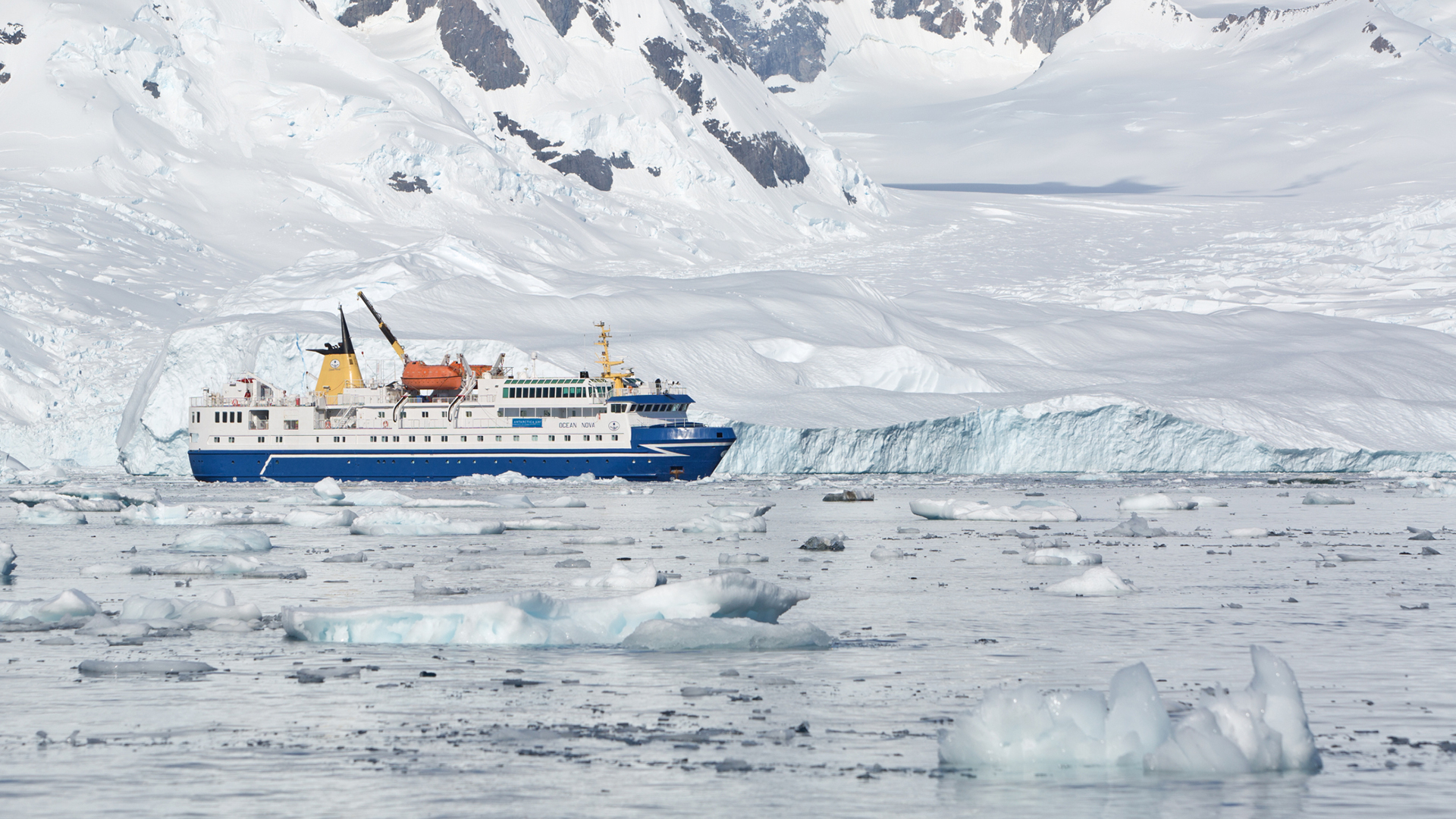
Despite their more economical price point, many people believe they give you a better Antarctica experience as they tend to have more deck space for greater viewing opportunities, and are generally smaller in size and capacity (just 50–175 passengers), offering not only greater access to the region’s remotest reaches, but also a more intimate atmosphere both on board and on excursion, giving you more opportunities to participate in landings and adventure activities, and increasing the chances of close, unforgettable wildlife encounters.
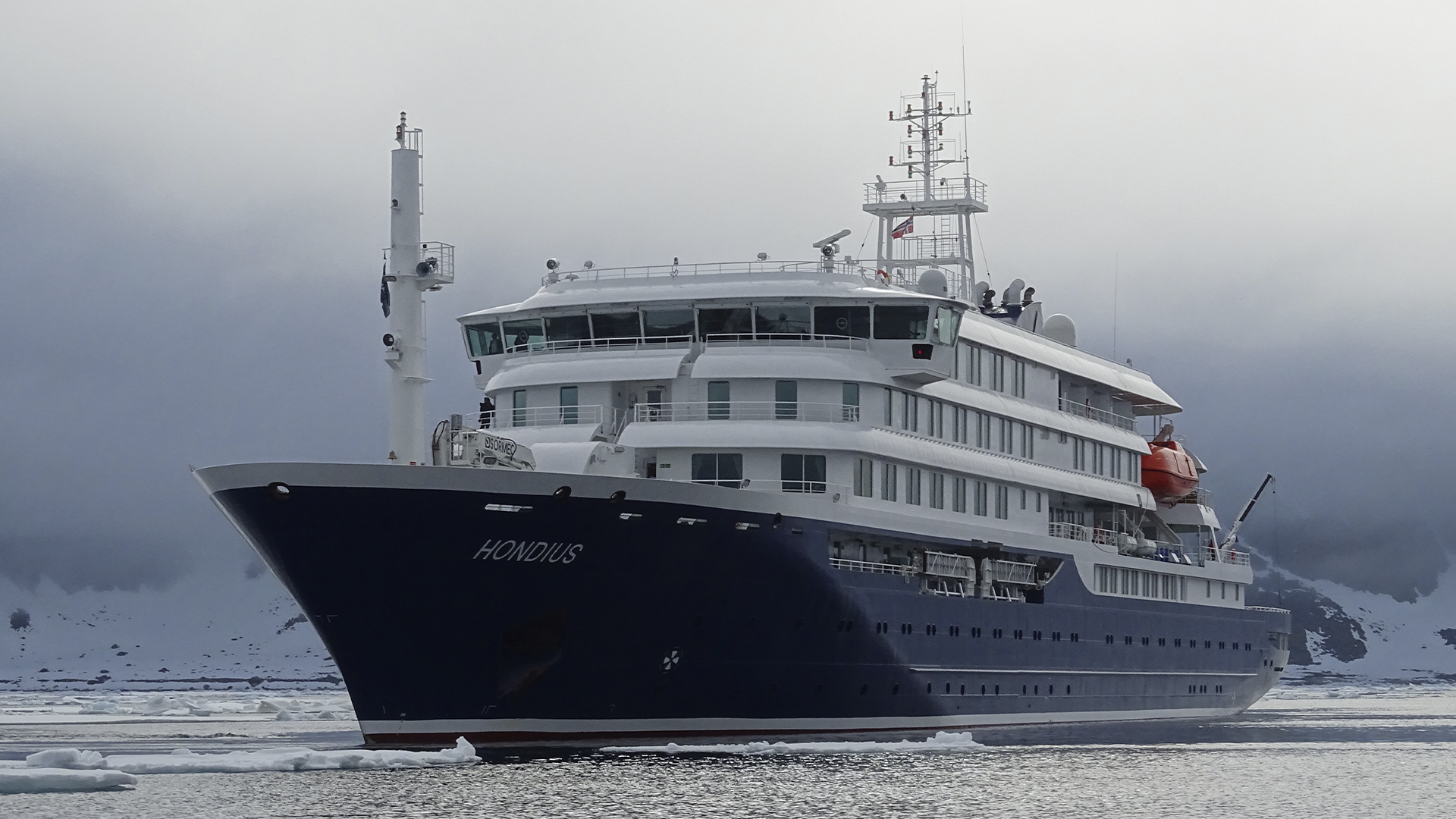
Hondius
(174 Passengers)
Ocean Nova
(75 Passengers)
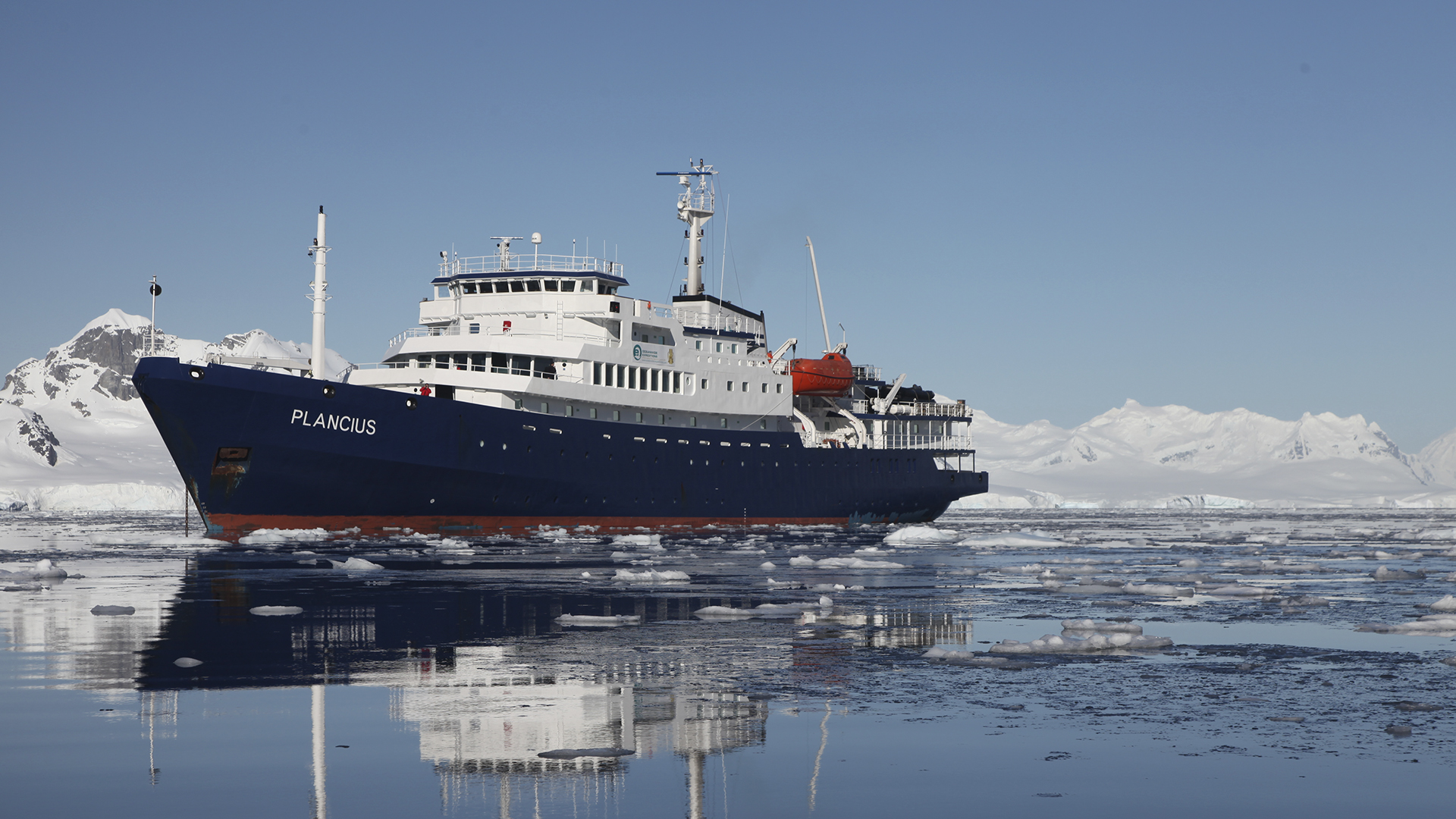
Plancius
(108 Passengers)
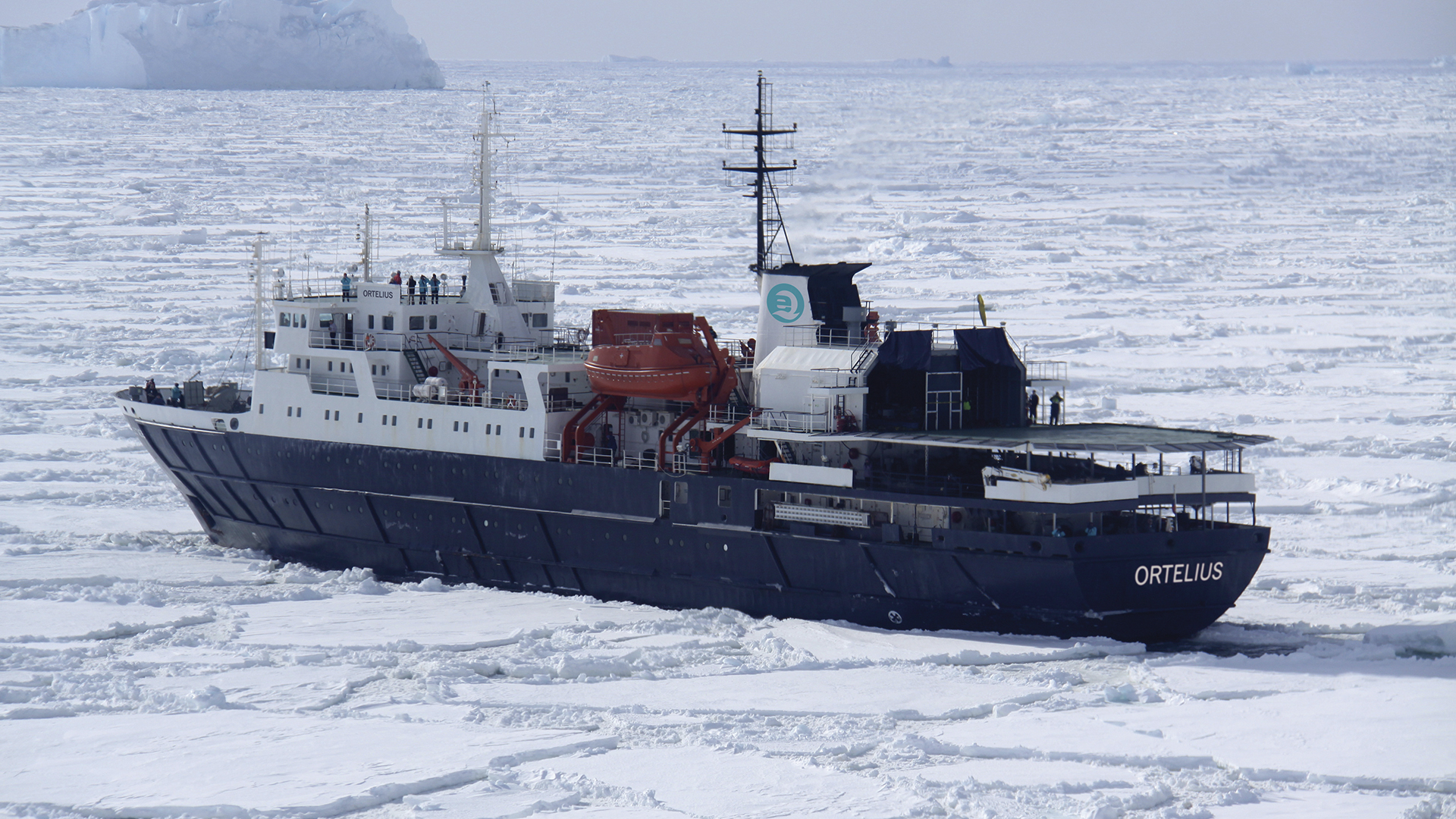
Ortelius
(108 Passengers)
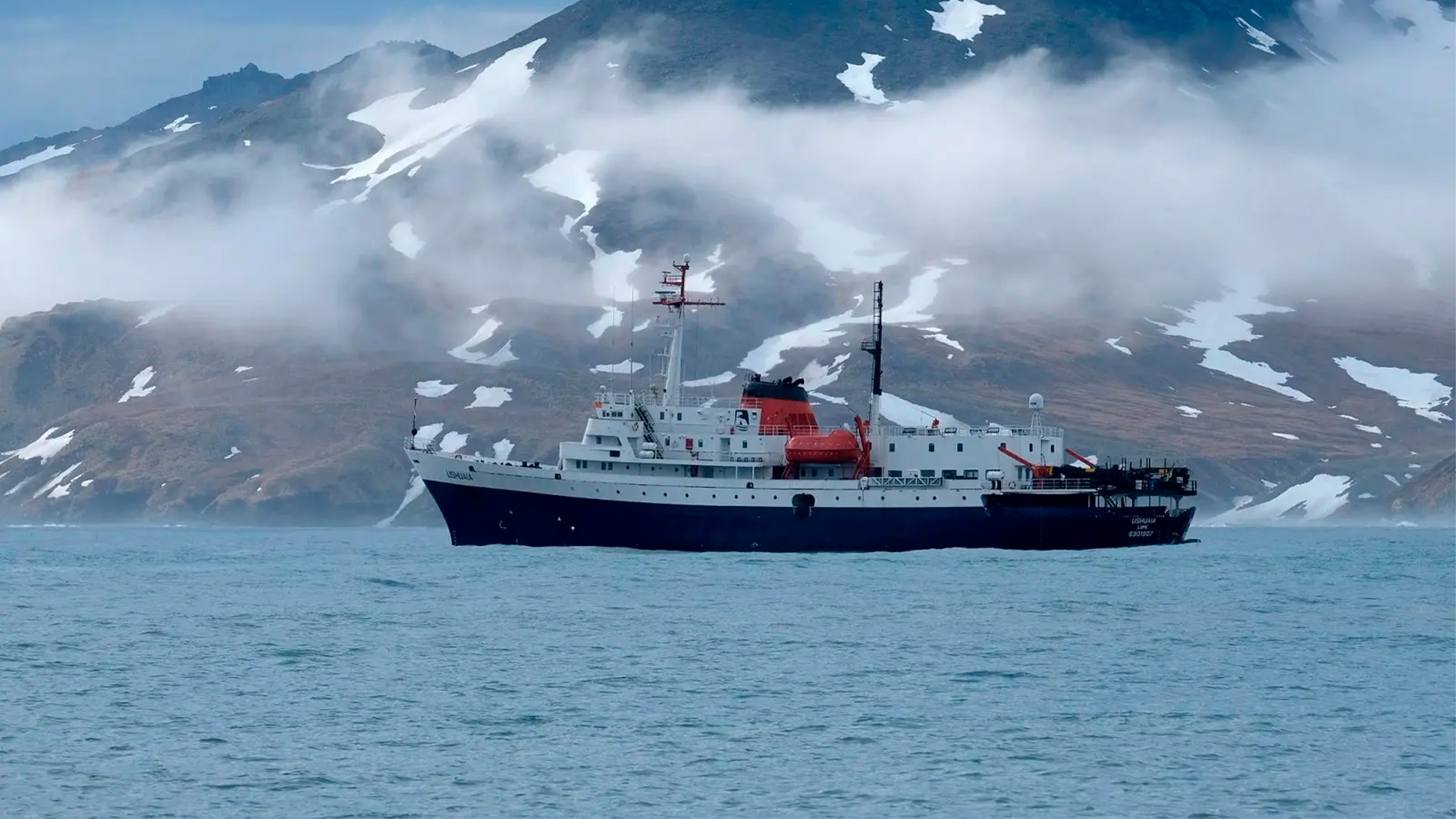
Ushuaia
(90 Passengers)
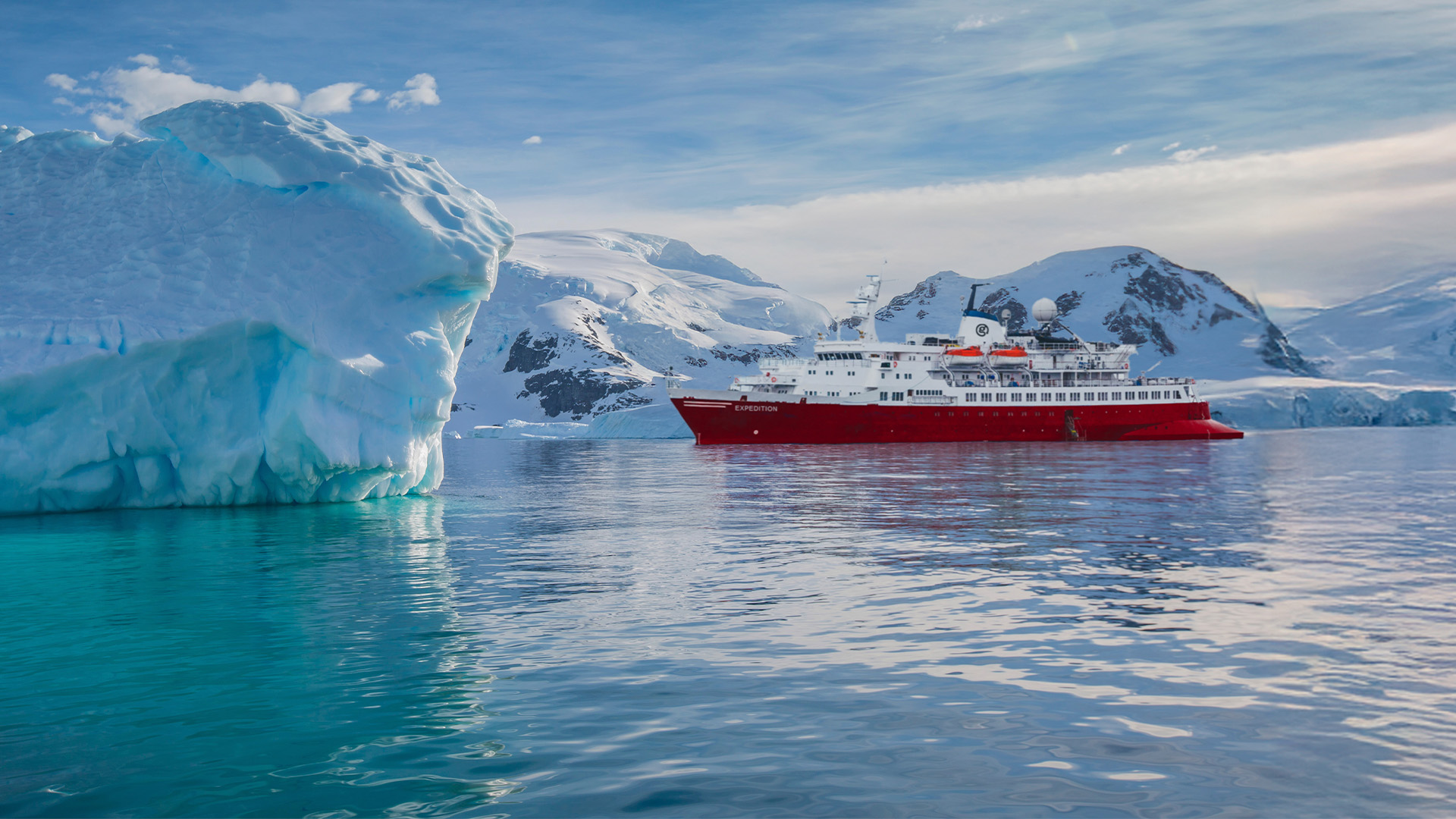
Expedition
(134 Passengers)
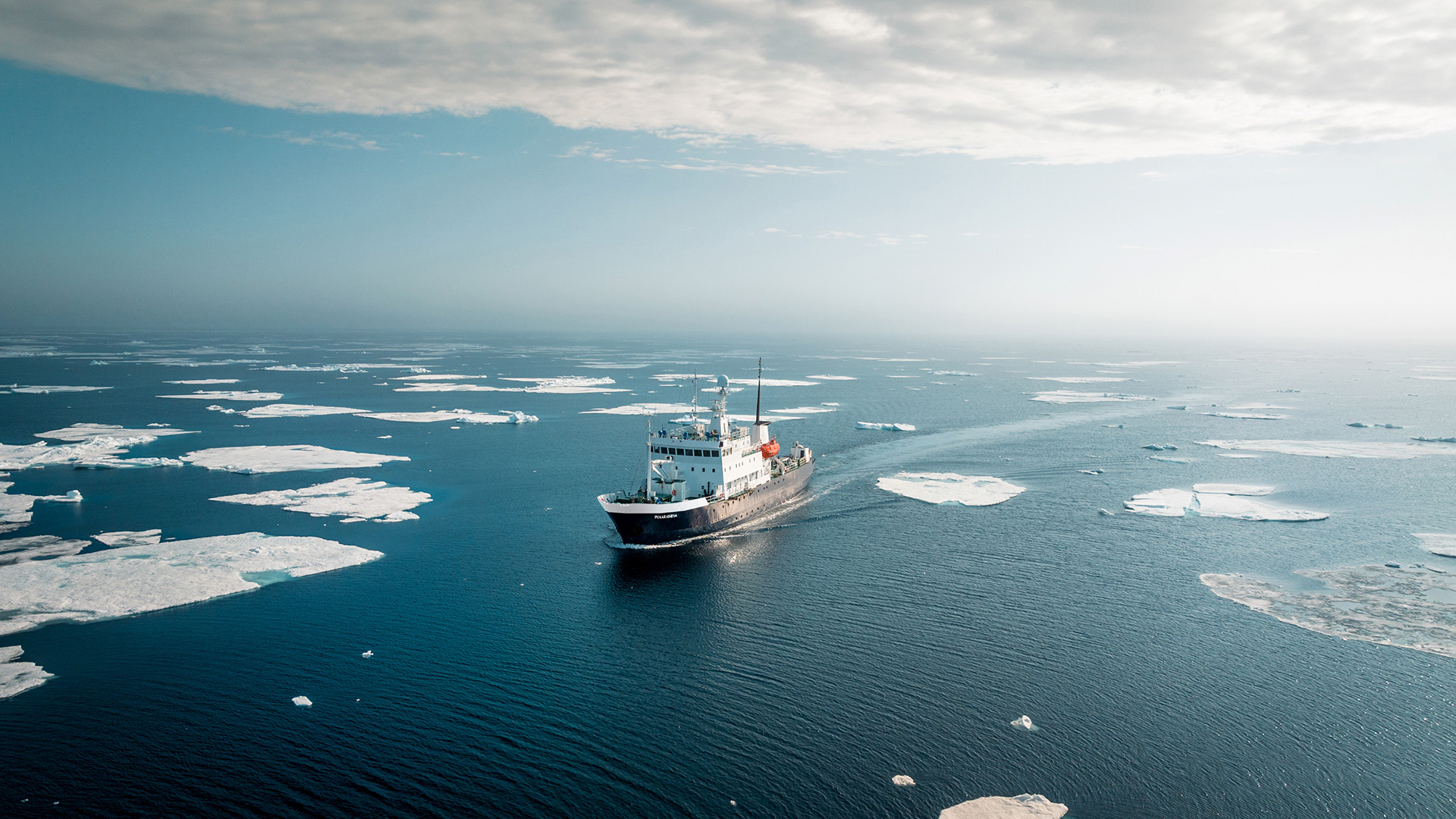
Polar Athena
(44 Passengers)
Spirit of Enderby
(50 Passengers)
Janssonius
(174 Passengers)
Shokalskiy
(50 Passengers)
For those seeking a truly immersive adventure, authentic expedition ships like the MS Hondius are purpose-built for the polar regions. These vessels prioritize a deep connection with Antarctica, offering intimate experiences and access to remote areas, making every moment onboard a part of the expedition.
Mid-Range Expedition Ships
Often prospective Antarctica cruise-goers fall in love with the romance of intrepid exploration like that of the Heroic Age, but secretly yearn for soothing spa treatments and indulgent fine dining—no surprise then, that the multitude of modern, medium-sized (75–200 passengers) expedition ships available in this category entice many with their allure of comfortable adventure.
Superior to authentic expedition ships with their upgraded facilities and suite-style cabins, these mid-range vessels are more floating four-star hotels than cruise ships. Although not as luxurious or well-appointed as those in the luxury category, they still pack a punch when it comes to perks, often providing full media lecture rooms and wellness centers, fully stocked libraries and bars, generous deck space and public areas, as well as a wider array of activity options such as kayaking and camping to partake in.
Whilst none of these expedition ships can be truly called luxurious, many consider them the perfect compromise between the smaller authentic ships and larger luxury vessels—still small enough for optimal landing logistics and an amiable ambiance, but with the added benefits of bigger accommodations and better amenities—and the Antarctic experiences they offer are prestigious in their own right thanks to the enriching knowledge and geniality of their high caliber and highly experienced expedition teams, some of whom have been working in Antarctica for a quarter of a century.
Ocean Explorer
(140 Passengers)
Ocean Victory
(189 Passengers)
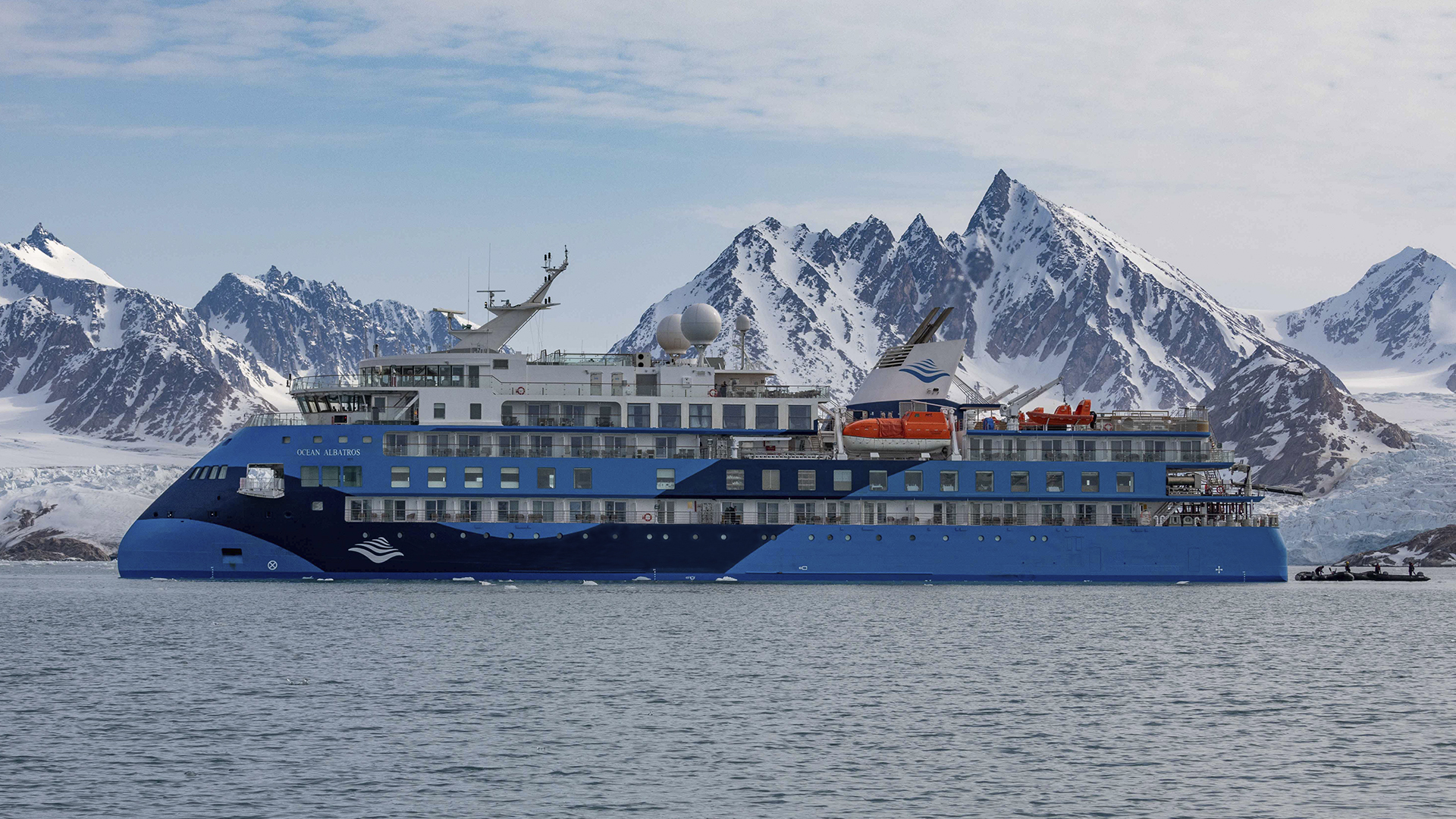
Ocean Albatros
(175 Passengers)
Greg Mortimer
(120 Passengers)
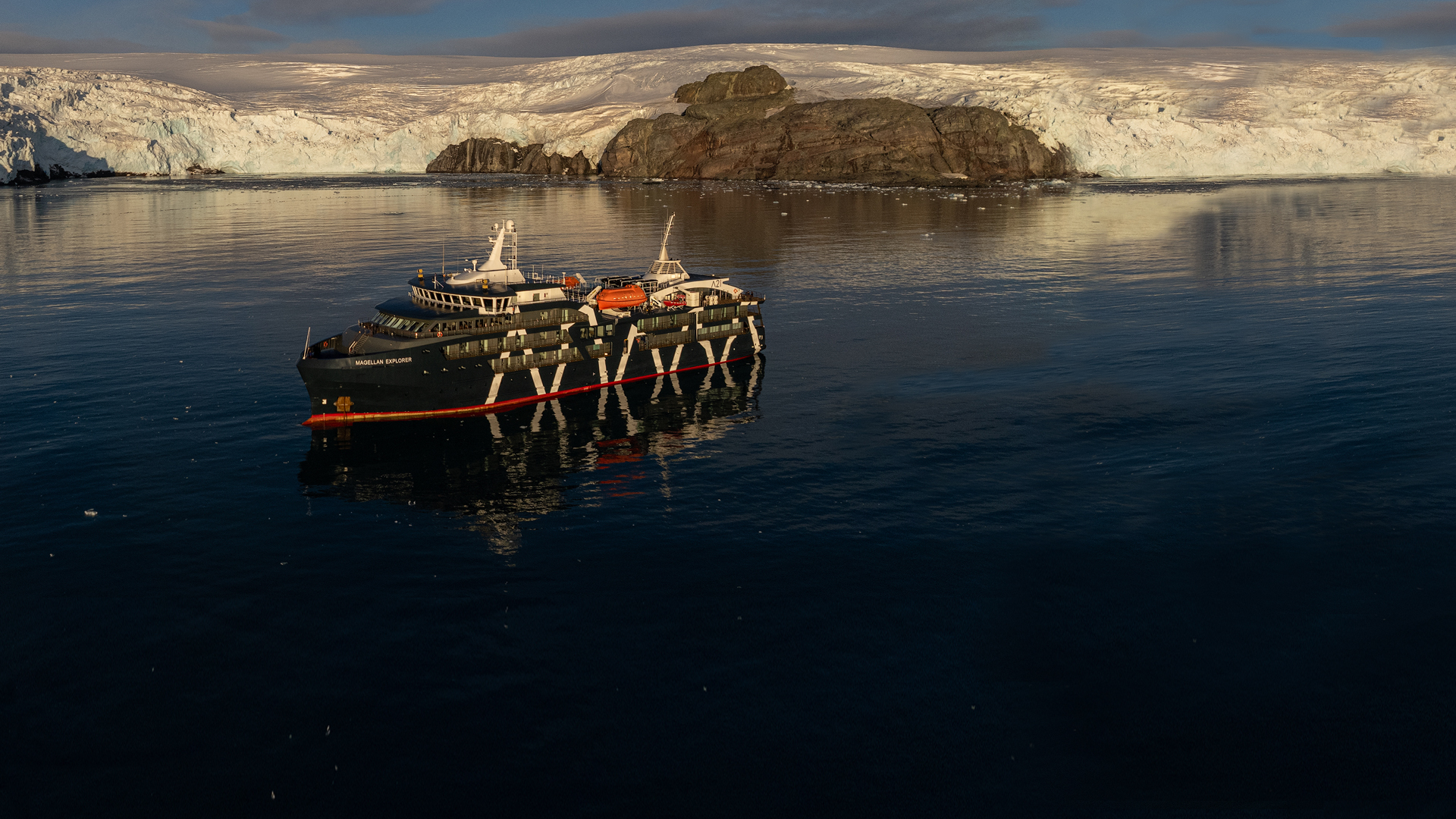
Magellan Explorer
(73 Passengers)
Heritage Adventurer
(140 Passengers)
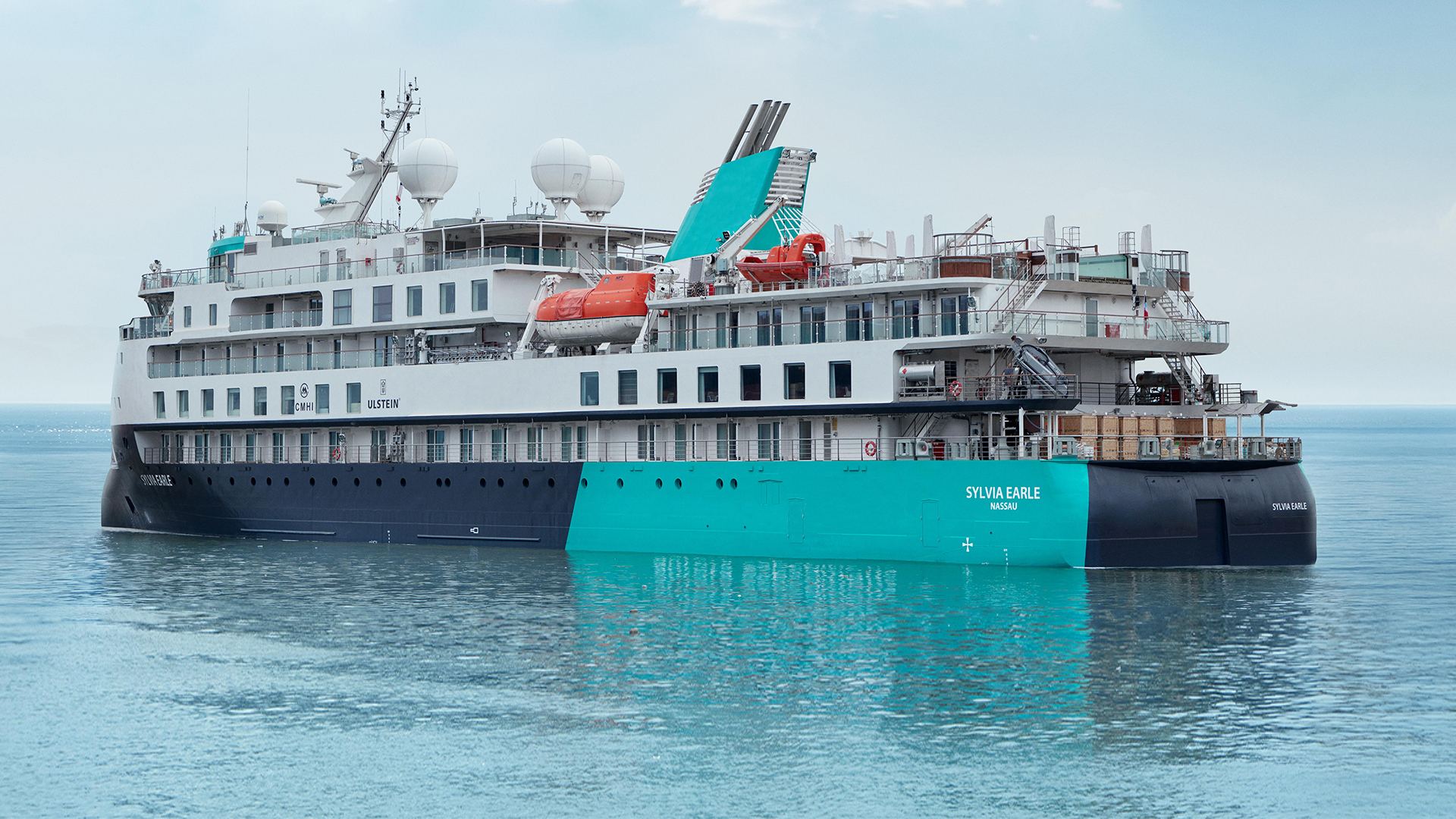
Sylvia Earle
(120 Passengers)
Douglas Mawson
(154 Passengers)
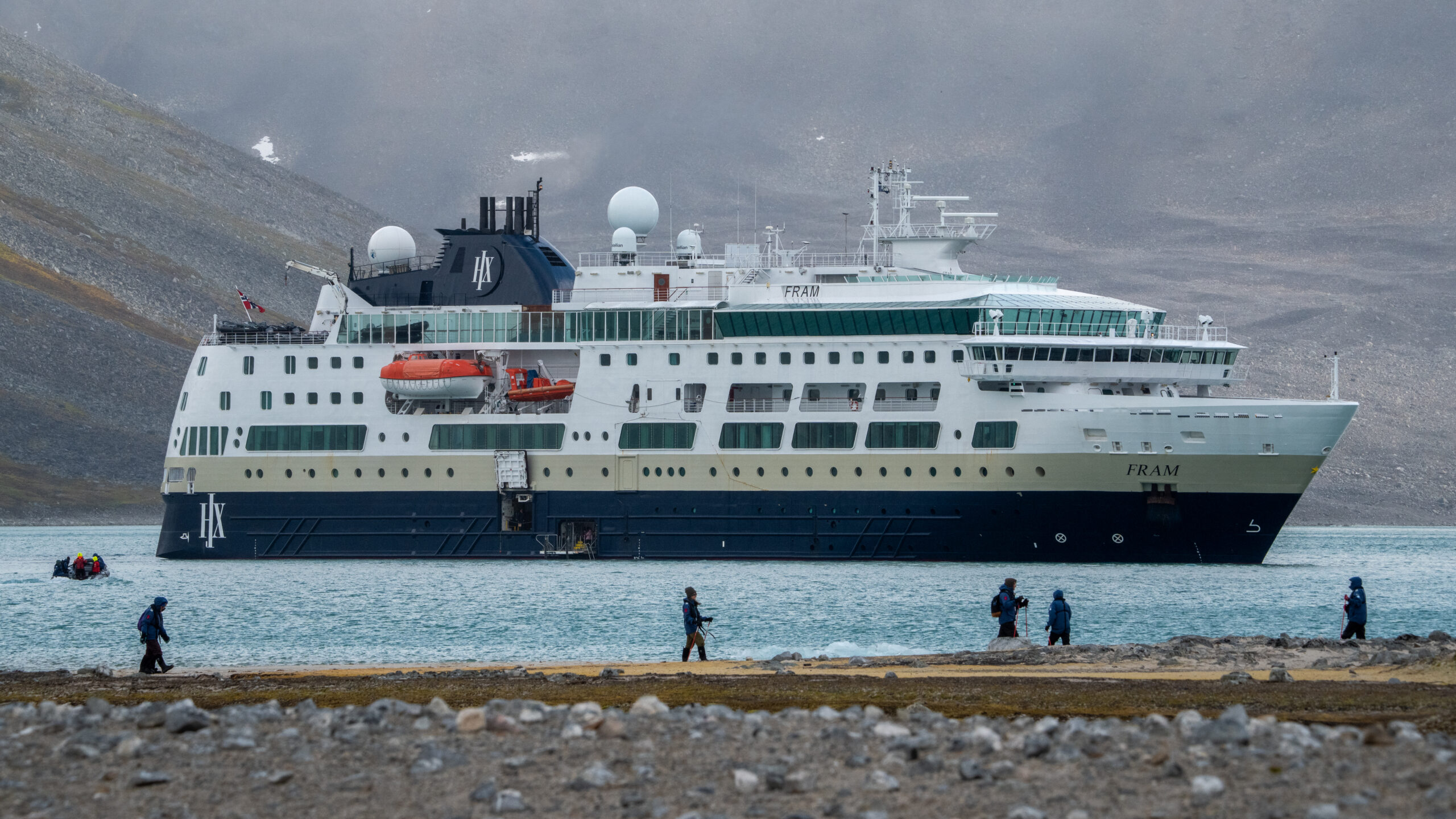
Fram
(200 Passengers)
Sea Spirit
(100 Passengers)
Seaventure
(139 Passengers)
St Helena
(98 Passengers)
National Geographic Endurance
(138 Passengers)
National Geographic Explorer
(148 Passengers)
National Geographic Orion
(102 Passengers)
World Explorer
(176 Passengers)
Mid-range expedition ships like the Ocean Endeavour strike a perfect balance, offering comfortable amenities and engaging activities while still providing an intimate connection with Antarctica’s incredible landscapes and wildlife. It’s the ideal choice for those seeking both adventure and relaxation.
Luxury Expedition Ships
For those keen to live the high latitude high life, seeking to immerse themselves in the expedition experience as well as receive the white glove treatment on the White Continent, these premier polar vessels provide a level of opulence and delights that are best described as world class. Akin to super yachts with their magnificent staterooms, outstanding amenities, ambiance and service, not to mention epicurean cuisine, elegant décor and luxuriant and spacious social areas, these truly are a breed of boat apart.
These are the newest cruise ships to sail to Antarctica, a new wave of larger (140–500 passengers), purpose-built vessels boasting unparalleled comfort and all the latest in technological advances, from state-of-the-art recreational toys and scientific gadgets, to much more fuel efficient and eco-friendly propulsion than their older counterparts, so the premium price you pay for this privilege not only brings you extra benefits but also means the Antarctic environment pays less.
You can expect all the grandeur of a luxury hotel in terms of facilities, with five-star amenities from fitness centers, spas and Jacuzzis, to a choice of restaurant options and oversized sun-decks. There will be more people on board though and you will need to take into account that only 100 people can be ashore at one time, so be wary you may be limited to just one excursion each day. Luxury Antarctica ships undoubtedly offer an extraordinary means of exploration, but they are the most expensive as a result.
Ultramarine
(200 Passengers)
Fridtjof Nansen
(500 Passengers)
Roald Amundsen
(500 Passengers)
World Voyager
(168 Passengers)
Silver Explorer
(144 Passengers)
Silver Cloud
(240 Passengers)
Silver Wind
(240 Passengers)
Le Lyrial
(244 Passengers)
Le Boréal
(264 Passengers)
L’Austral
(264 Passengers)
Le Soléal
(264 Passengers)
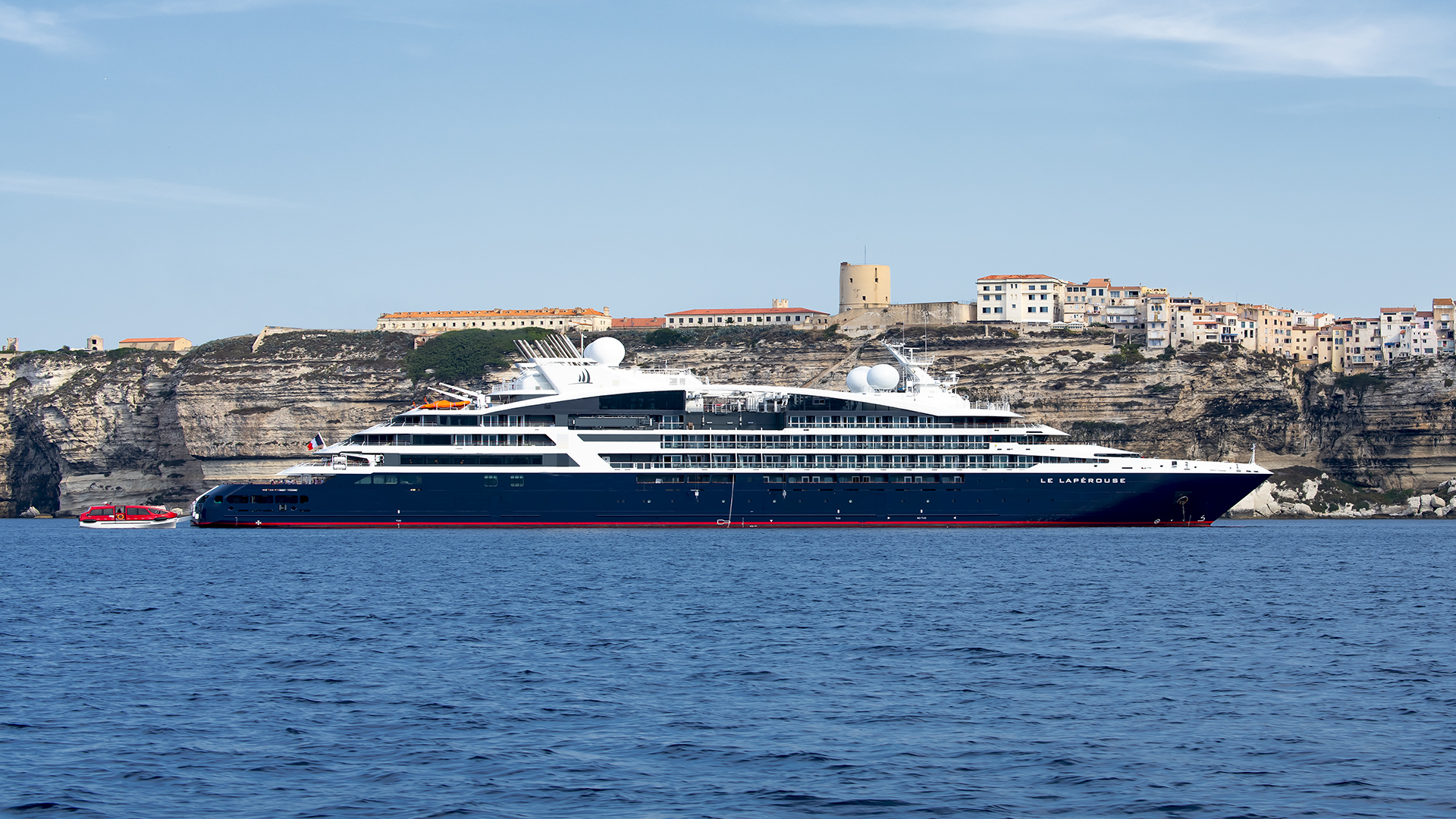
Le Lapérouse
(184 Passengers)
Le Commandant Charcot
(245 Passengers)
National Geographic Resolution
(138 Passengers)
For the ultimate Antarctic indulgence, luxury expedition ships like the World Explorer redefine polar travel. Offering unparalleled comfort, exquisite dining, and personalized service alongside thrilling excursions, they prove that exploring the ends of the earth can be an exceptionally refined experience.
The Best Expedition Vessels
Still not sure which ship to select? Antarctica Cruises have compiled a list of the best expedition vessels for you to choose from, each and every one providing an immersive, inspiring and profoundly rewarding adventure of prodigious proportions, a voyage to an otherworldly and pristine far-off frontier through unbridled nature and time itself, following in the very wake of the world’s most renowned Antarctic explorers.
Disclaimer
Our travel guides are for informational purposes only. While we aim to provide accurate and up-to-date information, Antarctica Cruises makes no representations as to the accuracy or completeness of any information in our guides or found by following any link on this site.
Antarctica Cruises cannot and will not accept responsibility for any omissions or inaccuracies, or for any consequences arising therefrom, including any losses, injuries, or damages resulting from the display or use of this information. |
| Markdown | 
[Cruises]()
[Ships]()
[Guide]()
[Deals](https://www.antarcticacruises.com/deals)
[Agents](https://www.antarcticacruises.com/b2b-travel-agency)
[About](https://www.antarcticacruises.com/about)
[Contact](https://www.antarcticacruises.com/contact)
[\+1.888.585.4780](tel:+18885854780)
[English USD]()
Cruises
Antarctica
Arctic
Patagonia
[Back]()
Routes
[ Antarctic Peninsula Cruise](https://www.antarcticacruises.com/antarctic-peninsula-cruise)
[ Antarctic Circle Cruise](https://www.antarcticacruises.com/antarctic-circle-cruise)
[ Antarctica, Falklands & South Georgia Cruise](https://www.antarcticacruises.com/antarctica-falklands-south-georgia-cruise)
[ Antarctica Fly-Cruise](https://www.antarcticacruises.com/antarctica-fly-cruise)
[ Ross Sea & East Antarctica Cruises](https://www.antarcticacruises.com/ross-sea-and-east-antarctica-cruises)
[ Drake Passage Cruise](https://www.antarcticacruises.com/drake-passage-cruise)
[ Weddell Sea Cruise](https://www.antarcticacruises.com/weddell-sea-cruise)
[ Patagonia & Antarctica Cruise](https://www.antarcticacruises.com/patagonia-and-antarctica-cruise)
[ Arctic Circle Cruises & Tours](https://www.antarcticacruises.com/arctic/arctic-circle-cruise)
[ Canadian Arctic Cruises & Tours](https://www.antarcticacruises.com/arctic/canadian-arctic-cruise)
[ North Pole Cruises](https://www.antarcticacruises.com/arctic/north-pole-cruise)
[ Svalbard Cruises](https://www.antarcticacruises.com/arctic/svalbard-cruise)
[ Greenland Cruises](https://www.antarcticacruises.com/arctic/greenland-cruise)
[ Northwest Passage Cruises](https://www.antarcticacruises.com/arctic/northwest-passage-cruise)
[ Iceland & Greenland Cruises](https://www.antarcticacruises.com/arctic/iceland-and-greenland-cruise)
[ Iceland Cruises](https://www.antarcticacruises.com/arctic/iceland-cruise)
[ Pole to Pole Cruises](https://www.antarcticacruises.com/arctic/pole-to-pole-cruise)
[ Chilean Fjords Cruises](https://www.antarcticacruises.com/patagonia/chilean-fjords)
[ Beagle Channel Cruises](https://www.antarcticacruises.com/patagonia/beagle-channel)
[ Cape Horn Cruises](https://www.antarcticacruises.com/patagonia/cape-horn)
[ Strait of Magellan Cruises](https://www.antarcticacruises.com/patagonia/magellan-strait)
[ Tierra Del Fuego Cruises](https://www.antarcticacruises.com/patagonia/tierra-del-fuego)
Themes
[ Luxury Antarctica Cruises, Trips & Tours](https://www.antarcticacruises.com/luxury)
[ Antarctica Wildlife Tours & Cruises](https://www.antarcticacruises.com/wildlife)
[ Antarctica Emperor Penguin Tours, Trips & Cruises](https://www.antarcticacruises.com/emperor-penguin)
[ Antartica Heritage Cruises & Tours](https://www.antarcticacruises.com/heritage)
[ Antarctica Solo Trips & Cruises](https://www.antarcticacruises.com/solo)
[ Antarctica Adventure Trips, Tours & Cruises](https://www.antarcticacruises.com/adventure)
[ Antarctica Family Trips & Cruises](https://www.antarcticacruises.com/family)
[ Antarctica Christmas Cruise](https://www.antarcticacruises.com/christmas)
[ Antarctica Small Group Tours & Travel](https://www.antarcticacruises.com/group)
[ Antarctica Photography Tours, Cruises & Expeditions](https://www.antarcticacruises.com/photography)
[ Arctic Adventure Tours & Cruises](https://www.antarcticacruises.com/arctic/adventure)
[ Luxury Arctic Cruises](https://www.antarcticacruises.com/arctic/luxury)
[ Cheap Arctic Cruises](https://www.antarcticacruises.com/arctic/cheap)
[ Arctic Photography Tours & Expeditions](https://www.antarcticacruises.com/arctic/photography)
[ Midnight Sun Cruises & Tours](https://www.antarcticacruises.com/arctic/midnight-sun)
[ Polar Bear Tours & Trips](https://www.antarcticacruises.com/arctic/polar-bear)
[ Beluga Whale Tours](https://www.antarcticacruises.com/arctic/beluga-whale)
[ Arctic Wildlife Cruises & Tours](https://www.antarcticacruises.com/arctic/wildlife)
[ Northern Lights Cruises](https://www.antarcticacruises.com/arctic/northern-lights)
[ Arctic Icebreaker Cruises & Expeditions](https://www.antarcticacruises.com/arctic/icebreaker)
[ Arctic Solo Cruises & Expeditions](https://www.antarcticacruises.com/arctic/solo)
[ Arctic Solar Eclipse Cruises](https://www.antarcticacruises.com/arctic/eclipse)
[ Luxury Patagonia Cruises](https://www.antarcticacruises.com/patagonia/luxury)
[ Patagonia Solo Cruises & Expeditions](https://www.antarcticacruises.com/patagonia/solo)
[ Patagonia Clacier Cruises](https://www.antarcticacruises.com/patagonia/glacier)
Ships
Antarctica
Arctic
Patagonia
[Back]()
Authentic
[ Ocean Nova](https://www.antarcticacruises.com/ships/ocean-nova)
[ Hondius](https://www.antarcticacruises.com/ships/hondius?region=2742)
[ Hondius](https://www.antarcticacruises.com/ships/hondius)
[ Plancius](https://www.antarcticacruises.com/ships/plancius?region=2742)
[ Plancius](https://www.antarcticacruises.com/ships/plancius)
[ MV Polar Athena](https://www.antarcticacruises.com/ships/polar-athena)
[ MV Polar Athena](https://www.antarcticacruises.com/ships/polar-athena?region=2742)
[ Ortelius](https://www.antarcticacruises.com/ships/ortelius)
[ MV Ushuaia](https://www.antarcticacruises.com/ships/ushuaia)
[ Skorpios III](https://www.antarcticacruises.com/ships/skorpios-iii?region=11708)
[ Rembrandt van Rijn](https://www.antarcticacruises.com/ships/rembrandt-van-rijn?region=2742)
[ MV Freya](https://www.antarcticacruises.com/ships/freya?region=2742)
[ MS Expedition](https://www.antarcticacruises.com/ships/expedition)
[ MS Expedition](https://www.antarcticacruises.com/ships/expedition?region=2742)
Mid-Range
[ Greg Mortimer](https://www.antarcticacruises.com/ships/greg-mortimer?region=2742)
[ Greg Mortimer](https://www.antarcticacruises.com/ships/greg-mortimer)
[ Ocean Explorer](https://www.antarcticacruises.com/ships/ocean-explorer)
[ Ocean Explorer](https://www.antarcticacruises.com/ships/ocean-explorer?region=2742)
[ Sylvia Earle](https://www.antarcticacruises.com/ships/sylvia-earle?region=2742)
[ Sylvia Earle](https://www.antarcticacruises.com/ships/sylvia-earle)
[ Sylvia Earle](https://www.antarcticacruises.com/ships/sylvia-earle?region=11708)
[ Ocean Victory](https://www.antarcticacruises.com/ships/ocean-victory)
[ Ocean Victory](https://www.antarcticacruises.com/ships/ocean-victory?region=2742)
[ Seaventure](https://www.antarcticacruises.com/ships/seaventure?region=2742)
[ Seaventure](https://www.antarcticacruises.com/ships/seaventure)
[ Ocean Albatros](https://www.antarcticacruises.com/ships/ocean-albatros?region=2742)
[ Ocean Albatros](https://www.antarcticacruises.com/ships/ocean-albatros)
[ MS Fram](https://www.antarcticacruises.com/ships/fram?region=2742)
[ MS Fram](https://www.antarcticacruises.com/ships/fram)
[ Magellan Explorer](https://www.antarcticacruises.com/ships/magellan-explorer)
[ Magellan Explorer](https://www.antarcticacruises.com/ships/magellan-explorer?region=11708)
[ Heritage Adventurer](https://www.antarcticacruises.com/ships/heritage-adventurer)
[ Sea Spirit](https://www.antarcticacruises.com/ships/sea-spirit?region=2742)
[ Sea Spirit](https://www.antarcticacruises.com/ships/sea-spirit)
[ Douglas Mawson](https://www.antarcticacruises.com/ships/douglas-mawson?region=2742)
[ Douglas Mawson](https://www.antarcticacruises.com/ships/douglas-mawson)
[ National Geographic Endurance](https://www.antarcticacruises.com/ships/national-geographic-endurance?region=2742)
[ National Geographic Endurance](https://www.antarcticacruises.com/ships/national-geographic-endurance)
[ National Geographic Explorer](https://www.antarcticacruises.com/ships/national-geographic-explorer)
[ National Geographic Explorer](https://www.antarcticacruises.com/ships/national-geographic-explorer?region=2742)
[ National Geographic Explorer](https://www.antarcticacruises.com/ships/national-geographic-explorer?region=11708)
[ National Geographic Orion](https://www.antarcticacruises.com/ships/national-geographic-orion)
[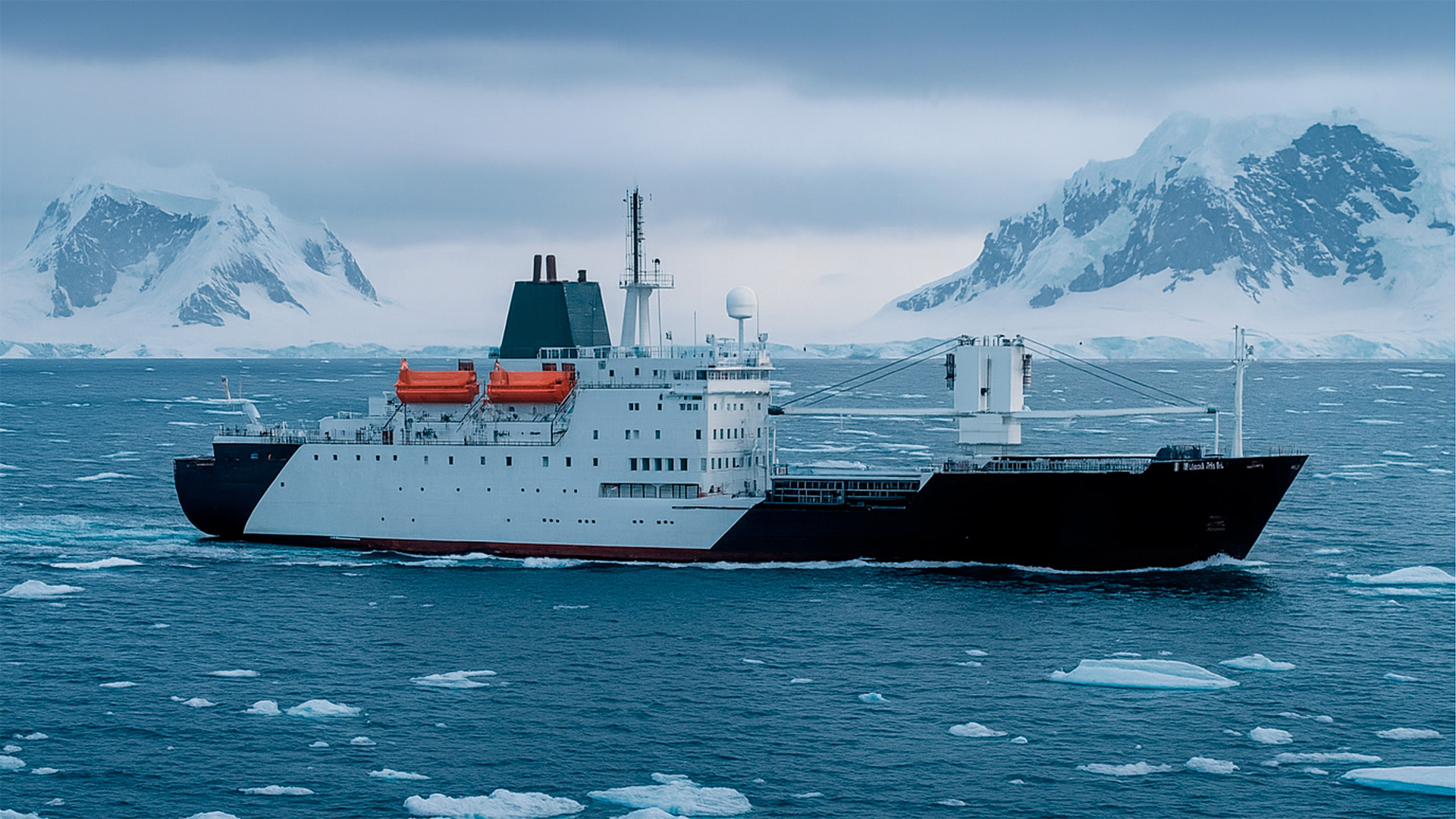 St. Helena](https://www.antarcticacruises.com/ships/st-helena)
[ Stella Australis](https://www.antarcticacruises.com/ships/stella-australis?region=11708)
[ Ventus Australis](https://www.antarcticacruises.com/ships/ventus-australis?region=11708)
[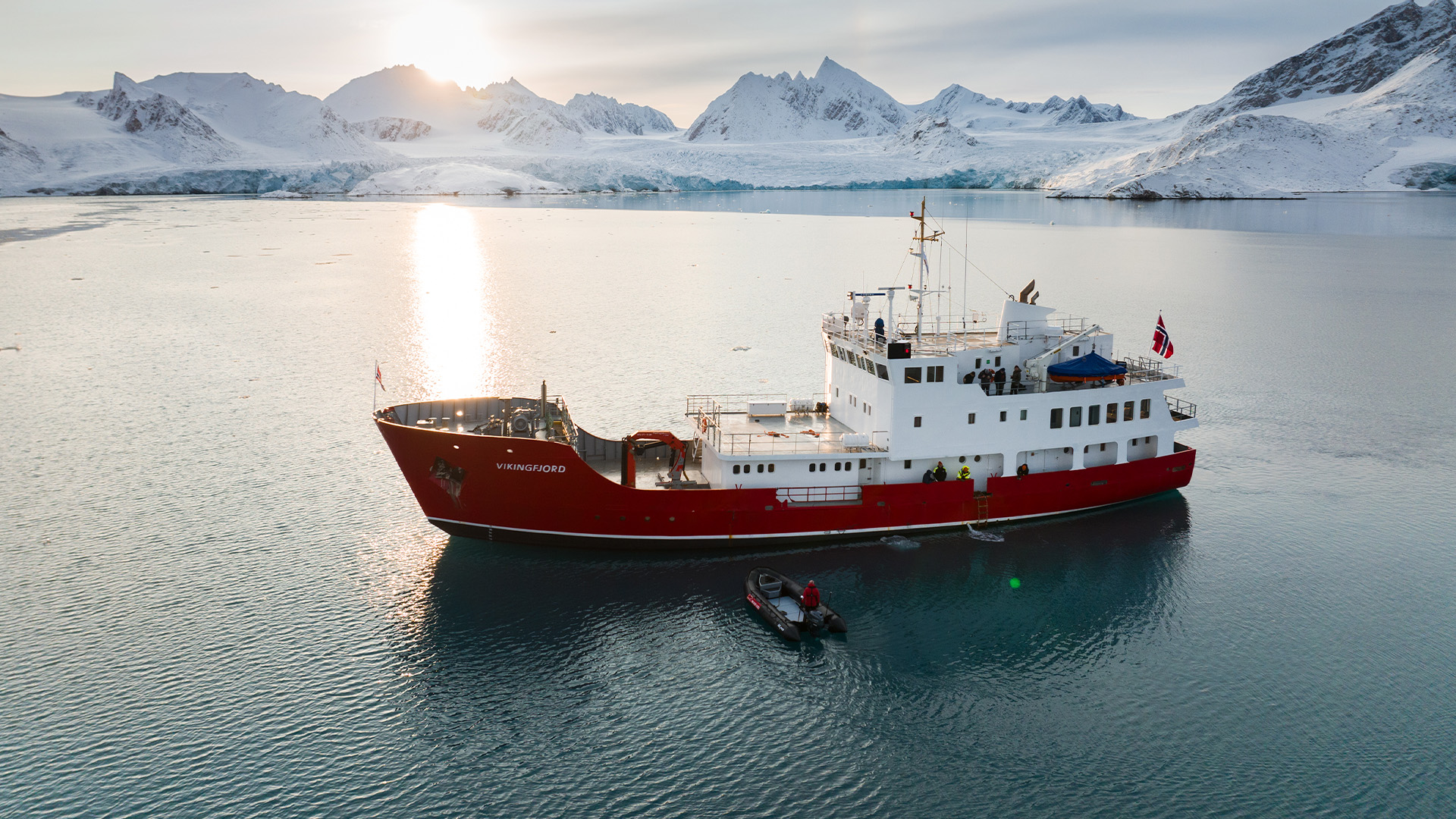 Vikingfjord](https://www.antarcticacruises.com/ships/vikingfjord?region=2742)
Luxury
[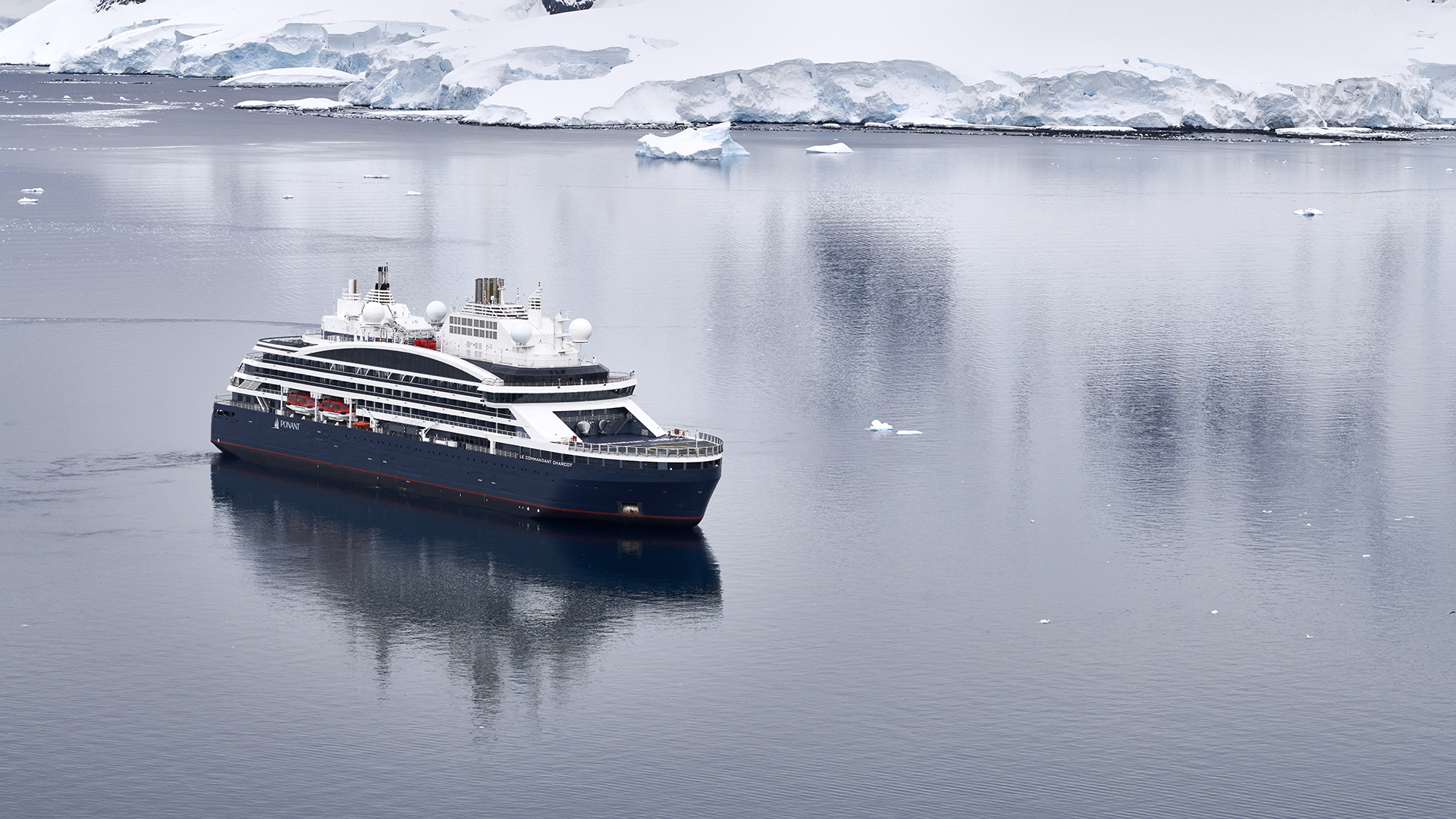 Le Commandant Charcot](https://www.antarcticacruises.com/ships/le-commandant-charcot?region=2742)
[ Le Commandant Charcot](https://www.antarcticacruises.com/ships/le-commandant-charcot)
[ Aqua Lares](https://www.antarcticacruises.com/ships/aqua-lares?region=2742)
[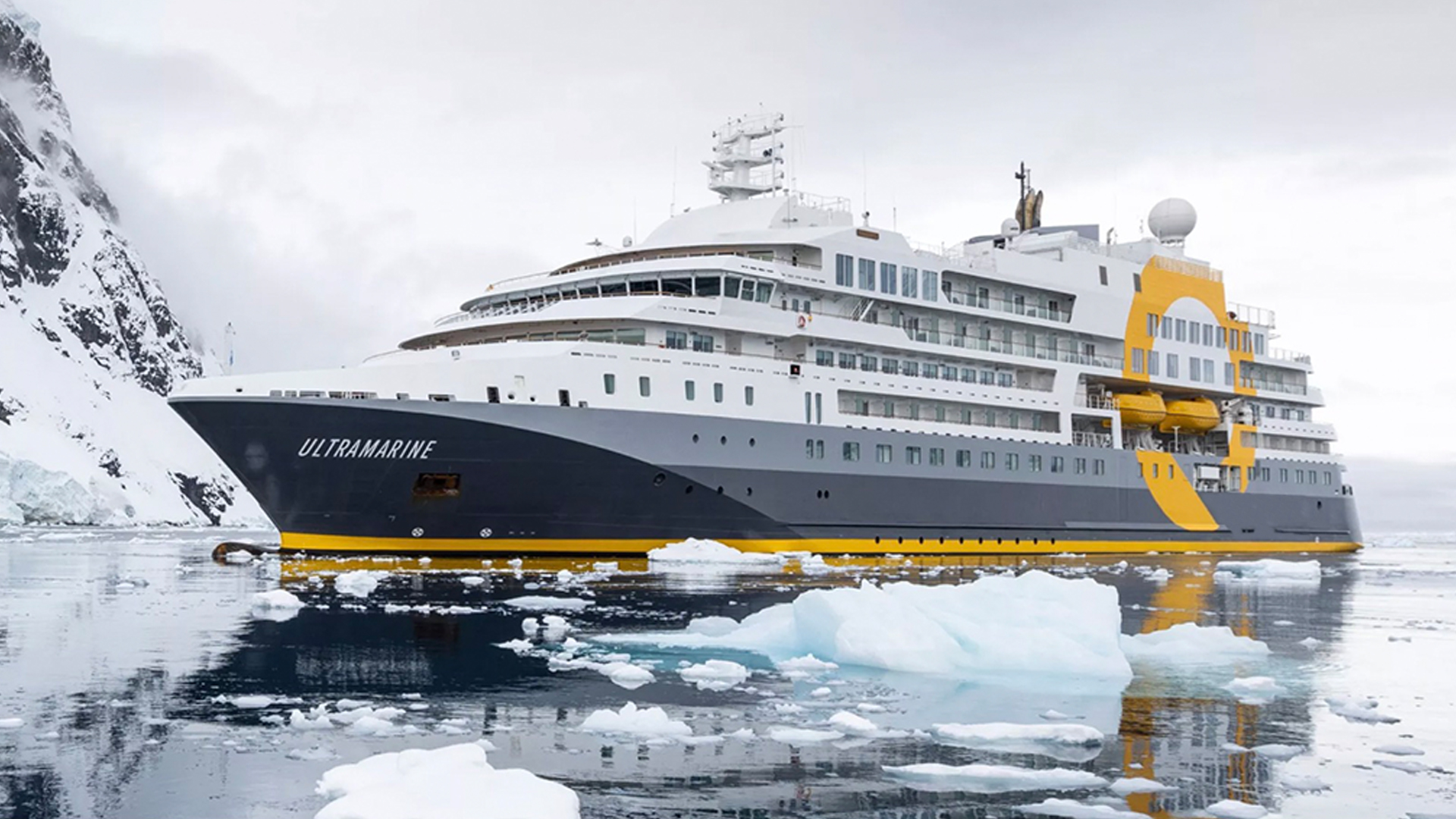 Ultramarine](https://www.antarcticacruises.com/ships/ultramarine?region=2742)
[ Ultramarine](https://www.antarcticacruises.com/ships/ultramarine)
[ Ultramarine](https://www.antarcticacruises.com/ships/ultramarine?region=11708)
[ National Geographic Resolution](https://www.antarcticacruises.com/ships/national-geographic-resolution?region=2742)
[ National Geographic Resolution](https://www.antarcticacruises.com/ships/national-geographic-resolution)
[ National Geographic Resolution](https://www.antarcticacruises.com/ships/national-geographic-resolution?region=11708)
[ World Voyager](https://www.antarcticacruises.com/ships/world-voyager)
[ MS Fridtjof Nansen](https://www.antarcticacruises.com/ships/fridtjof-nansen)
[ MS Fridtjof Nansen](https://www.antarcticacruises.com/ships/fridtjof-nansen?region=11708)
[ MS Roald Amundsen](https://www.antarcticacruises.com/ships/roald-amundsen)
[ Le Soléal](https://www.antarcticacruises.com/ships/le-soleal)
[ L’Austral](https://www.antarcticacruises.com/ships/l-austral)
[ Le Boréal](https://www.antarcticacruises.com/ships/le-boreal)
[ Le Lyrial](https://www.antarcticacruises.com/ships/le-lyrial)
[ Le Lyrial](https://www.antarcticacruises.com/ships/le-lyrial?region=2742)
[View All Ships](https://www.antarcticacruises.com/trips?viewType=search-ships)
[View All Ships](https://www.antarcticacruises.com/arctic/trips?viewType=search-ships)
[View All Ships](https://www.antarcticacruises.com/patagonia/trips?viewType=search-ships)
Guide
Antarctica
Arctic
Patagonia
[Back]()
FAQs
[ Can You Go To Antarctica?](https://www.antarcticacruises.com/guide/can-you-go-to-antarctica-yes-heres-how-to-visit)
[ Which Type Of Itinerary Is Best For You?](https://www.antarcticacruises.com/guide/routes)
[ How Much Does It Cost To Go To Antarctica?](https://www.antarcticacruises.com/guide/how-much-does-it-cost-to-go-to-antarctica)
[ Which Expedition Vessel Is Best?](https://www.antarcticacruises.com/guide/ships)
[ Do Polar Bears Live In Antarctica?](https://www.antarcticacruises.com/guide/do-polar-bears-live-in-antarctica)
[ Is Antarctica Safe?](https://www.antarcticacruises.com/guide/antarctica-dangers)
[ Should I Fly Or Cruise The Drake Passage?](https://www.antarcticacruises.com/guide/how-dangerous-is-the-drake-passage-should-i-fly-or-cruise)
[ Should I Go To Antarctica With Kids?](https://www.antarcticacruises.com/guide/antarctica-with-kids)
[ Can You Go To The Arctic & North Pole?](https://www.antarcticacruises.com/guide/can-you-go-to-the-arctic-and-north-pole)
[ When Is The Best Time To Visit The Arctic?](https://www.antarcticacruises.com/guide/best-time-to-visit-the-arctic)
[ What Can I Expect On An Arctic Cruise?](https://www.antarcticacruises.com/guide/what-to-expect-on-an-arctic-expedition-cruise)
[ Are There Penguins In The Arctic?](https://www.antarcticacruises.com/guide/do-penguins-live-in-the-arctic)
[ How Cold Is The Arctic Really?](https://www.antarcticacruises.com/guide/arctic-climate-and-weather-how-cold)
[ How Safe Is An Arctic Cruise?](https://www.antarcticacruises.com/guide/arctic-dangers-and-expedition-cruise-safety)
[ When Is The Best Time To See Polar Bears?](https://www.antarcticacruises.com/guide/best-time-to-see-polar-bears)
[ What & Where Is The Northwest Passage?](https://www.antarcticacruises.com/guide/northwest-passage-definition-and-location)
[ Which Patagonia Cruise Route Is Best?](https://www.antarcticacruises.com/guide/patagonia-cruise-routes)
[ What Are The Best Places To Visit In Chilean Patagonia?](https://www.antarcticacruises.com/guide/best-places-to-visit-chilean-patagonia)
[ What Are The Best Things To Do In Chilean Patagonia?](https://www.antarcticacruises.com/guide/best-things-to-do-chilean-patagonia)
[ When Is The Best Time To Go To Chilean Patagonia?](https://www.antarcticacruises.com/guide/best-time-to-visit-chilean-patagonia)
[ Patagonia Cruise Or Lodge-Based Land Tour: Which is Best?](https://www.antarcticacruises.com/guide/patagonia-cruise-vs-land-tour)
[ Patagonia Cruise: An Antarctica Alternative Or Ideal Add-On?](https://www.antarcticacruises.com/guide/patagonia-vs-antarctica-cruise)
[ An Expert's Guide To Planning A Trip To Chilean Patagonia](https://www.antarcticacruises.com/guide/chilean-patagonia-trip-planning-guide)
Resources
[ Optional Adventure Activities](https://www.antarcticacruises.com/guide/optional-adventure-activites)
[ Top 15 Things To Do In Antarctica](https://www.antarcticacruises.com/guide/best-things-to-do-in-antarctica)
[ 8 Best Places To Visit In Antarctica](https://www.antarcticacruises.com/guide/best-places-to-visit-in-antarctica)
[ What to Expect On An Antarctic Cruise](https://www.antarcticacruises.com/guide/a-day-in-antarctica-what-to-expect-on-an-antarctic-cruise)
[ Best Time To Visit Antarctica](https://www.antarcticacruises.com/guide/best-time-to-visit-antarctica)
[ Antarctica Cruise Packing List](https://www.antarcticacruises.com/guide/antarctica-packing-list-what-and-what-not-to-bring)
[ Antarctica Wildlife Guide](https://www.antarcticacruises.com/guide/animals-in-antarctica)
[ The Role Of IAATO & Responsible Travel](https://www.antarcticacruises.com/guide/antarctica-tourism-iaato-and-responsible-travel)
[ The History Of Arctic Exploration](https://www.antarcticacruises.com/guide/arctic-exploration-history)
[ The Best Expedition Cruise Activities](https://www.antarcticacruises.com/guide/arctic-activities)
[ Arctic Wildlife Guide](https://www.antarcticacruises.com/guide/arctic-animals)
[ The Best Places To Visit In The Arctic](https://www.antarcticacruises.com/guide/best-places-to-visit-in-the-arctic)
[ Fascinating Polar Bear Facts](https://www.antarcticacruises.com/guide/polar-bear-facts)
[ A Guide To Arctic Whales](https://www.antarcticacruises.com/guide/arctic-whales)
[ The Indigenous Peoples of the Arctic](https://www.antarcticacruises.com/guide/arctic-peoples)
[ A Guide To Arctic Birds](https://www.antarcticacruises.com/guide/arctic-birds)
[ 2-Week Patagonian Itinerary Inspiration](https://www.antarcticacruises.com/guide/2-weeks-chilean-patagonia-itinerary)
[ The Indigenous Peoples of Patagonia](https://www.antarcticacruises.com/guide/indigenous-peoples-patagonia)
[ Guide To Chilean Patagonia's Trekking Routes](https://www.antarcticacruises.com/guide/chilean-patagonia-trekking-routes)
[ A History Of The Beagle Channel](https://www.antarcticacruises.com/guide/beagle-channel-history)
[ Conquering Cape Horn](https://www.antarcticacruises.com/guide/cape-horn-history)
[ A History Of The Strait of Magellan](https://www.antarcticacruises.com/guide/strait-of-magellan-history)
[ The Best Patagonia Lodges To Combine With A Cruise](https://www.antarcticacruises.com/guide/patagonia-lodges-to-combine-with-antarctica-cruise)
[View The Guide](https://www.antarcticacruises.com/guide)
[View The Guide](https://www.antarcticacruises.com/arctic/guide)
[View The Guide](https://www.antarcticacruises.com/patagonia/guide)
[ ](https://www.antarcticacruises.com/)
Explore
Dates
Explore
Explore
Dates
Trending Searches
Antarctica Cruises, Tours & Trips 2026
Last Minute Antarctica Cruises & Cruise Deals
Last Minute Arctic Cruises & Cruise Deals
Antarctica Fly Cruise Deals
Trending Ships

Le Commandant Charcot
Luxury, 245 Guests
Le Lapérouse
Luxury, 184 Guests

Aqua Lares
Luxury, 30 Guests
Trending Itineraries
Classic Antarctica Air-Cruise
8-Day Itinerary
Antarctic Explorer: Discovering The 7th Continent
11-Day Itinerary

In-Depth Antarctica, Falklands & South Georgia Expedition
23-Day Itinerary
Choose your region:
Antarctica
Arctic
Patagonia
Select season:
2025-2026 Season
2026-2027 Season
2027-2028 Season
2026 Season
2027 Season
2025-2026 Season
2026-2027 Season
2027-2028 Season
When would you like to go?
March
2026
October
2026
November
2026
December
2026
January
2027
February
2027
March
2027
October
2027
November
2027
December
2027
January
2028
February
2028
March
2028
April
2026
May
2026
June
2026
July
2026
August
2026
September
2026
October
2026
April
2027
May
2027
June
2027
July
2027
August
2027
September
2027
October
2027
March
2026
April
2026
September
2026
October
2026
November
2026
December
2026
January
2027
February
2027
March
2027
April
2027
September
2027
October
2027
November
2027
December
2027
January
2028
February
2028
March
2028
April
2028
Search Antarctica Dates
Search Arctic Dates
Search Patagonia Dates
- Cruises
- Ships
- Guide
- [Deals](https://www.antarcticacruises.com/deals)
- [Agents](https://www.antarcticacruises.com/b2b-travel-agency)
Antarctica
Arctic
Patagonia
Routes
[ Antarctic Peninsula](https://www.antarcticacruises.com/antarctic-peninsula-cruise)
[ Antarctic Circle](https://www.antarcticacruises.com/antarctic-circle-cruise)
[ Antarctica, Falklands & South Georgia](https://www.antarcticacruises.com/antarctica-falklands-south-georgia-cruise)
[ Fly-Cruise](https://www.antarcticacruises.com/antarctica-fly-cruise)
[ Ross Sea & East Antarctica](https://www.antarcticacruises.com/ross-sea-and-east-antarctica-cruises)
[ Drake Passage](https://www.antarcticacruises.com/drake-passage-cruise)
[ Weddell Sea](https://www.antarcticacruises.com/weddell-sea-cruise)
[ Patagonia & Antarctica Cruise](https://www.antarcticacruises.com/patagonia-and-antarctica-cruise)
[ Arctic Circle](https://www.antarcticacruises.com/arctic/arctic-circle-cruise)
[ Canadian Arctic](https://www.antarcticacruises.com/arctic/canadian-arctic-cruise)
[ North Pole](https://www.antarcticacruises.com/arctic/north-pole-cruise)
[ Svalbard](https://www.antarcticacruises.com/arctic/svalbard-cruise)
[ Greenland](https://www.antarcticacruises.com/arctic/greenland-cruise)
[ Northwest Passage](https://www.antarcticacruises.com/arctic/northwest-passage-cruise)
[ Iceland & Greenland](https://www.antarcticacruises.com/arctic/iceland-and-greenland-cruise)
[ Iceland](https://www.antarcticacruises.com/arctic/iceland-cruise)
[ Pole-to-Pole](https://www.antarcticacruises.com/arctic/pole-to-pole-cruise)
[ Chilean Fjords Cruises](https://www.antarcticacruises.com/patagonia/chilean-fjords)
[ Beagle Channel Cruises](https://www.antarcticacruises.com/patagonia/beagle-channel)
[ Cape Horn Cruises](https://www.antarcticacruises.com/patagonia/cape-horn)
[ Magellan Strait Cruises](https://www.antarcticacruises.com/patagonia/magellan-strait)
[ Tierra Del Fuego Cruises](https://www.antarcticacruises.com/patagonia/tierra-del-fuego)
Themes
[ Luxury](https://www.antarcticacruises.com/luxury)
[ Wildlife](https://www.antarcticacruises.com/wildlife)
[ Emperor Penguin](https://www.antarcticacruises.com/emperor-penguin)
[ Antarctic Heritage](https://www.antarcticacruises.com/heritage)
[ Solo Traveler](https://www.antarcticacruises.com/solo)
[ Adventure](https://www.antarcticacruises.com/adventure)
[ Family](https://www.antarcticacruises.com/family)
[ Christmas](https://www.antarcticacruises.com/christmas)
[ Group](https://www.antarcticacruises.com/group)
[ Photography](https://www.antarcticacruises.com/photography)
[ Adventure](https://www.antarcticacruises.com/arctic/adventure)
[ Luxury](https://www.antarcticacruises.com/arctic/luxury)
[ Cheap](https://www.antarcticacruises.com/arctic/cheap)
[ Photography](https://www.antarcticacruises.com/arctic/photography)
[ Midnight Sun](https://www.antarcticacruises.com/arctic/midnight-sun)
[ Polar Bear](https://www.antarcticacruises.com/arctic/polar-bear)
[ Beluga Whale](https://www.antarcticacruises.com/arctic/beluga-whale)
[ Wildlife](https://www.antarcticacruises.com/arctic/wildlife)
[ Northern Lights](https://www.antarcticacruises.com/arctic/northern-lights)
[ Icebreaker](https://www.antarcticacruises.com/arctic/icebreaker)
[ Solo Traveler](https://www.antarcticacruises.com/arctic/solo)
[ Solar Eclipse](https://www.antarcticacruises.com/arctic/eclipse)
[ Luxury](https://www.antarcticacruises.com/patagonia/luxury)
[ Solo Traveler](https://www.antarcticacruises.com/patagonia/solo)
[ Glacier](https://www.antarcticacruises.com/patagonia/glacier)
[View All Cruises](https://www.antarcticacruises.com/trips?viewType=search-itineraries)
[View All Cruises](https://www.antarcticacruises.com/arctic/trips?viewType=search-itineraries)
[View All Cruises](https://www.antarcticacruises.com/patagonia/trips?viewType=search-itineraries)
Antarctica
Arctic
Patagonia
Authentic
[ Ocean Nova 7 Itineraries, 9-24 Days 80 Guests](https://www.antarcticacruises.com/ships/ocean-nova)
[ Hondius 4 Itineraries, 8-14 Days 170 Guests](https://www.antarcticacruises.com/ships/hondius?region=2742)
[ Hondius 6 Itineraries, 10-19 Days 170 Guests](https://www.antarcticacruises.com/ships/hondius)
[ Plancius 4 Itineraries, 8-14 Days 108 Guests](https://www.antarcticacruises.com/ships/plancius?region=2742)
[ Plancius 7 Itineraries, 10-24 Days 108 Guests](https://www.antarcticacruises.com/ships/plancius)
[ MV Polar Athena 11 Itineraries, 9-16 Days 42 Guests](https://www.antarcticacruises.com/ships/polar-athena)
[ MV Polar Athena 1 Itineraries, 14 Days 42 Guests](https://www.antarcticacruises.com/ships/polar-athena?region=2742)
[ Ortelius 9 Itineraries, 10-19 Days 108 Guests](https://www.antarcticacruises.com/ships/ortelius)
[ MV Ushuaia 5 Itineraries, 10-22 Days 90 Guests](https://www.antarcticacruises.com/ships/ushuaia)
[ Skorpios III 2 Itineraries, 5-8 Days 90 Guests](https://www.antarcticacruises.com/ships/skorpios-iii?region=11708)
[ Rembrandt van Rijn 3 Itineraries, 7-10 Days 33 Guests](https://www.antarcticacruises.com/ships/rembrandt-van-rijn?region=2742)
[ MV Freya 8 Itineraries, 8-14 Days 12 Guests](https://www.antarcticacruises.com/ships/freya?region=2742)
[ MS Expedition 5 Itineraries, 11-22 Days 128 Guests](https://www.antarcticacruises.com/ships/expedition)
[ MS Expedition 3 Itineraries, 15 Days 128 Guests](https://www.antarcticacruises.com/ships/expedition?region=2742)
Mid-Range
[ Greg Mortimer 6 Itineraries, 8-29 Days 132 Guests](https://www.antarcticacruises.com/ships/greg-mortimer?region=2742)
[ Greg Mortimer 6 Itineraries, 12-23 Days 132 Guests](https://www.antarcticacruises.com/ships/greg-mortimer)
[ Ocean Explorer 8 Itineraries, 8-20 Days 138 Guests](https://www.antarcticacruises.com/ships/ocean-explorer)
[ Ocean Explorer 2 Itineraries, 11-15 Days 138 Guests](https://www.antarcticacruises.com/ships/ocean-explorer?region=2742)
[ Sylvia Earle 5 Itineraries, 8-18 Days 132 Guests](https://www.antarcticacruises.com/ships/sylvia-earle?region=2742)
[ Sylvia Earle 12 Itineraries, 10-23 Days 132 Guests](https://www.antarcticacruises.com/ships/sylvia-earle)
[ Sylvia Earle 1 Itineraries, 15 Days 132 Guests](https://www.antarcticacruises.com/ships/sylvia-earle?region=11708)
[ Ocean Victory 6 Itineraries, 10-20 Days 189 Guests](https://www.antarcticacruises.com/ships/ocean-victory)
[ Ocean Victory 1 Itineraries, 12 Days 189 Guests](https://www.antarcticacruises.com/ships/ocean-victory?region=2742)
[ Seaventure 3 Itineraries, 10-13 Days 150 Guests](https://www.antarcticacruises.com/ships/seaventure?region=2742)
[ Seaventure 3 Itineraries, 11-17 Days 150 Guests](https://www.antarcticacruises.com/ships/seaventure)
[ Ocean Albatros 3 Itineraries, 8-13 Days 175 Guests](https://www.antarcticacruises.com/ships/ocean-albatros?region=2742)
[ Ocean Albatros 7 Itineraries, 11-23 Days 175 Guests](https://www.antarcticacruises.com/ships/ocean-albatros)
[ MS Fram 4 Itineraries, 11-15 Days 318 Guests](https://www.antarcticacruises.com/ships/fram?region=2742)
[ MS Fram 3 Itineraries, 23-24 Days 318 Guests](https://www.antarcticacruises.com/ships/fram)
[ Magellan Explorer 8 Itineraries, 6-20 Days 96 Guests](https://www.antarcticacruises.com/ships/magellan-explorer)
[ Magellan Explorer 1 Itineraries, 9 Days 96 Guests](https://www.antarcticacruises.com/ships/magellan-explorer?region=11708)
[ Heritage Adventurer 5 Itineraries, 8-28 Days 184 Guests](https://www.antarcticacruises.com/ships/heritage-adventurer)
[ Sea Spirit 5 Itineraries, 11-14 Days 114 Guests](https://www.antarcticacruises.com/ships/sea-spirit?region=2742)
[ Sea Spirit 4 Itineraries, 12-21 Days 114 Guests](https://www.antarcticacruises.com/ships/sea-spirit)
[ Douglas Mawson 2 Itineraries, 8-18 Days 154 Guests](https://www.antarcticacruises.com/ships/douglas-mawson?region=2742)
[ Douglas Mawson 13 Itineraries, 9-23 Days 154 Guests](https://www.antarcticacruises.com/ships/douglas-mawson)
[ National Geographic Endurance 4 Itineraries, 10-12 Days 138 Guests](https://www.antarcticacruises.com/ships/national-geographic-endurance?region=2742)
[ National Geographic Endurance 3 Itineraries, 12-22 Days 138 Guests](https://www.antarcticacruises.com/ships/national-geographic-endurance)
[ National Geographic Explorer 4 Itineraries, 8-22 Days 148 Guests](https://www.antarcticacruises.com/ships/national-geographic-explorer)
[ National Geographic Explorer 4 Itineraries, 8-15 Days 148 Guests](https://www.antarcticacruises.com/ships/national-geographic-explorer?region=2742)
[ National Geographic Explorer 0 Itineraries, N/A Days 148 Guests](https://www.antarcticacruises.com/ships/national-geographic-explorer?region=11708)
[ National Geographic Orion 2 Itineraries, 9-10 Days 102 Guests](https://www.antarcticacruises.com/ships/national-geographic-orion)
[ St. Helena 3 Itineraries, 11-13 Days 98 Guests](https://www.antarcticacruises.com/ships/st-helena)
[ Stella Australis 4 Itineraries, 5-8 Days 200 Guests](https://www.antarcticacruises.com/ships/stella-australis?region=11708)
[ Ventus Australis 4 Itineraries, 5-8 Days 200 Guests](https://www.antarcticacruises.com/ships/ventus-australis?region=11708)
[ Vikingfjord 7 Itineraries, 8-14 Days 12 Guests](https://www.antarcticacruises.com/ships/vikingfjord?region=2742)
Luxury
[ Le Commandant Charcot 5 Itineraries, 13-18 Days 245 Guests](https://www.antarcticacruises.com/ships/le-commandant-charcot?region=2742)
[ Le Commandant Charcot 3 Itineraries, 14-31 Days 245 Guests](https://www.antarcticacruises.com/ships/le-commandant-charcot)
[ Aqua Lares 1 Itineraries, 6 Days 30 Guests](https://www.antarcticacruises.com/ships/aqua-lares?region=2742)
[ Ultramarine 4 Itineraries, 11-15 Days 199 Guests](https://www.antarcticacruises.com/ships/ultramarine?region=2742)
[ Ultramarine 6 Itineraries, 11-23 Days 199 Guests](https://www.antarcticacruises.com/ships/ultramarine)
[ Ultramarine 1 Itineraries, 15 Days 199 Guests](https://www.antarcticacruises.com/ships/ultramarine?region=11708)
[ National Geographic Resolution 7 Itineraries, 10-70 Days 138 Guests](https://www.antarcticacruises.com/ships/national-geographic-resolution?region=2742)
[ National Geographic Resolution 4 Itineraries, 12-25 Days 138 Guests](https://www.antarcticacruises.com/ships/national-geographic-resolution)
[ National Geographic Resolution 0 Itineraries, N/A Days 138 Guests](https://www.antarcticacruises.com/ships/national-geographic-resolution?region=11708)
[ World Voyager 8 Itineraries, 8-18 Days 168 Guests](https://www.antarcticacruises.com/ships/world-voyager)
[ MS Fridtjof Nansen 4 Itineraries, 12-18 Days 530 Guests](https://www.antarcticacruises.com/ships/fridtjof-nansen)
[ MS Fridtjof Nansen 0 Itineraries, N/A Days 530 Guests](https://www.antarcticacruises.com/ships/fridtjof-nansen?region=11708)
[ MS Roald Amundsen 4 Itineraries, 12-18 Days 530 Guests](https://www.antarcticacruises.com/ships/roald-amundsen)
[ Le Soléal 2 Itineraries, 15-22 Days 264 Guests](https://www.antarcticacruises.com/ships/le-soleal)
[ L’Austral 3 Itineraries, 11-19 Days 264 Guests](https://www.antarcticacruises.com/ships/l-austral)
[ Le Boréal 3 Itineraries, 11-19 Days 264 Guests](https://www.antarcticacruises.com/ships/le-boreal)
[ Le Lyrial 5 Itineraries, 11-20 Days 244 Guests](https://www.antarcticacruises.com/ships/le-lyrial)
[ Le Lyrial 1 Itineraries, 14 Days 244 Guests](https://www.antarcticacruises.com/ships/le-lyrial?region=2742)
[View All Ships](https://www.antarcticacruises.com/trips?viewType=search-ships)
[View All Ships](https://www.antarcticacruises.com/arctic/trips?viewType=search-ships)
[View All Ships](https://www.antarcticacruises.com/patagonia/trips?viewType=search-ships)
Antarctica
Arctic
Patagonia
FAQs
[ Can You Go To Antarctica?](https://www.antarcticacruises.com/guide/can-you-go-to-antarctica-yes-heres-how-to-visit)
[ Which Type Of Itinerary Is Best For You?](https://www.antarcticacruises.com/guide/routes)
[ How Much Does It Cost To Go To Antarctica?](https://www.antarcticacruises.com/guide/how-much-does-it-cost-to-go-to-antarctica)
[ Which Expedition Vessel Is Best?](https://www.antarcticacruises.com/guide/ships)
[ Do Polar Bears Live In Antarctica?](https://www.antarcticacruises.com/guide/do-polar-bears-live-in-antarctica)
[ Is Antarctica Safe?](https://www.antarcticacruises.com/guide/antarctica-dangers)
[ Should I Fly Or Cruise The Drake Passage?](https://www.antarcticacruises.com/guide/how-dangerous-is-the-drake-passage-should-i-fly-or-cruise)
[ Should I Go To Antarctica With Kids?](https://www.antarcticacruises.com/guide/antarctica-with-kids)
[ Can You Go To The Arctic & North Pole?](https://www.antarcticacruises.com/guide/can-you-go-to-the-arctic-and-north-pole)
[ When Is The Best Time To Visit The Arctic?](https://www.antarcticacruises.com/guide/best-time-to-visit-the-arctic)
[ What Can I Expect On An Arctic Cruise?](https://www.antarcticacruises.com/guide/what-to-expect-on-an-arctic-expedition-cruise)
[ Are There Penguins In The Arctic?](https://www.antarcticacruises.com/guide/do-penguins-live-in-the-arctic)
[ How Cold Is The Arctic Really?](https://www.antarcticacruises.com/guide/arctic-climate-and-weather-how-cold)
[ How Safe Is An Arctic Cruise?](https://www.antarcticacruises.com/guide/arctic-dangers-and-expedition-cruise-safety)
[ When Is The Best Time To See Polar Bears?](https://www.antarcticacruises.com/guide/best-time-to-see-polar-bears)
[ What & Where Is The Northwest Passage?](https://www.antarcticacruises.com/guide/northwest-passage-definition-and-location)
[ Which Patagonia Cruise Route Is Best?](https://www.antarcticacruises.com/guide/patagonia-cruise-routes)
[ What Are The Best Places To Visit In Chilean Patagonia?](https://www.antarcticacruises.com/guide/best-places-to-visit-chilean-patagonia)
[ What Are The Best Things To Do In Chilean Patagonia?](https://www.antarcticacruises.com/guide/best-things-to-do-chilean-patagonia)
[ When Is The Best Time To Go To Chilean Patagonia?](https://www.antarcticacruises.com/guide/best-time-to-visit-chilean-patagonia)
[ Patagonia Cruise Or Lodge-Based Land Tour: Which is Best?](https://www.antarcticacruises.com/guide/patagonia-cruise-vs-land-tour)
[ Patagonia Cruise: An Antarctica Alternative Or Ideal Add-On?](https://www.antarcticacruises.com/guide/patagonia-vs-antarctica-cruise)
[ An Expert's Guide To Planning A Trip To Chilean Patagonia](https://www.antarcticacruises.com/guide/chilean-patagonia-trip-planning-guide)
Resources
[ Optional Adventure Activities](https://www.antarcticacruises.com/guide/optional-adventure-activites)
[ Top 15 Things To Do In Antarctica](https://www.antarcticacruises.com/guide/best-things-to-do-in-antarctica)
[ 8 Best Places To Visit In Antarctica](https://www.antarcticacruises.com/guide/best-places-to-visit-in-antarctica)
[ What to Expect On An Antarctic Cruise](https://www.antarcticacruises.com/guide/a-day-in-antarctica-what-to-expect-on-an-antarctic-cruise)
[ Best Time To Visit Antarctica](https://www.antarcticacruises.com/guide/best-time-to-visit-antarctica)
[ Antarctica Cruise Packing List](https://www.antarcticacruises.com/guide/antarctica-packing-list-what-and-what-not-to-bring)
[ Antarctica Wildlife Guide](https://www.antarcticacruises.com/guide/animals-in-antarctica)
[ The Role Of IAATO & Responsible Travel](https://www.antarcticacruises.com/guide/antarctica-tourism-iaato-and-responsible-travel)
[ The History Of Arctic Exploration](https://www.antarcticacruises.com/guide/arctic-exploration-history)
[ The Best Expedition Cruise Activities](https://www.antarcticacruises.com/guide/arctic-activities)
[ Arctic Wildlife Guide](https://www.antarcticacruises.com/guide/arctic-animals)
[ The Best Places To Visit In The Arctic](https://www.antarcticacruises.com/guide/best-places-to-visit-in-the-arctic)
[ Fascinating Polar Bear Facts](https://www.antarcticacruises.com/guide/polar-bear-facts)
[ A Guide To Arctic Whales](https://www.antarcticacruises.com/guide/arctic-whales)
[ The Indigenous Peoples of the Arctic](https://www.antarcticacruises.com/guide/arctic-peoples)
[ A Guide To Arctic Birds](https://www.antarcticacruises.com/guide/arctic-birds)
[ 2-Week Patagonian Itinerary Inspiration](https://www.antarcticacruises.com/guide/2-weeks-chilean-patagonia-itinerary)
[ The Indigenous Peoples of Patagonia](https://www.antarcticacruises.com/guide/indigenous-peoples-patagonia)
[ Guide To Chilean Patagonia's Trekking Routes](https://www.antarcticacruises.com/guide/chilean-patagonia-trekking-routes)
[ A History Of The Beagle Channel](https://www.antarcticacruises.com/guide/beagle-channel-history)
[ Conquering Cape Horn](https://www.antarcticacruises.com/guide/cape-horn-history)
[ A History Of The Strait of Magellan](https://www.antarcticacruises.com/guide/strait-of-magellan-history)
[ The Best Patagonia Lodges To Combine With A Cruise](https://www.antarcticacruises.com/guide/patagonia-lodges-to-combine-with-antarctica-cruise)
[View The Guide](https://www.antarcticacruises.com/guide)
[View The Guide](https://www.antarcticacruises.com/arctic/guide)
[View The Guide](https://www.antarcticacruises.com/patagonia/guide)
Give Us a Call
Mon - Fri, 9am - 7pm
[\+1.888.585.4780](tel:+18885854780)
USD
Choose Language
[English](https://www.antarcticacruises.com/guide/ships) [Spanish](https://www.antarcticacruises.com/es/guia/barcos/)
Explore
Dates
Close
Trending Searches
Antarctica Cruises, Tours & Trips 2026
Last Minute Antarctica Cruises & Cruise Deals
Last Minute Arctic Cruises & Cruise Deals
Antarctica Fly Cruise Deals
Trending Ships

Le Commandant Charcot
Luxury, 245 Guests

Le Lapérouse
Luxury, 184 Guests

Aqua Lares
Luxury, 30 Guests
Trending Itineraries

Classic Antarctica Air-Cruise
8-Day Itinerary

Antarctic Explorer: Discovering The 7th Continent
11-Day Itinerary

In-Depth Antarctica, Falklands & South Georgia Expedition
23-Day Itinerary
- [Travel Guide](https://www.antarcticacruises.com/guide)
- Tips
# Antarctica Cruise Ships: Which Expedition Vessel Is Best?
January 26th, 2026
•
23 min read

Jump to Section
- [Antarctica Cruise Ships: Then & Now](https://www.antarcticacruises.com/guide/ships#antarctica-cruise-ships-then-and-now)
- [What Makes A Good Expedition Vessel?](https://www.antarcticacruises.com/guide/ships#what-makes-a-good-expedition-vessel-)
- [Small Size](https://www.antarcticacruises.com/guide/ships#small-size)
- [Stability](https://www.antarcticacruises.com/guide/ships#stability)
- [Observation Decks and Facilities](https://www.antarcticacruises.com/guide/ships#observation-decks-and-facilities)
- [Ice-Strengthened](https://www.antarcticacruises.com/guide/ships#ice-strengthened)
- [Responsible & Safe](https://www.antarcticacruises.com/guide/ships#responsible-and-safe)
- [Experienced Captain & Expert Crew](https://www.antarcticacruises.com/guide/ships#experienced-captain-and-expert-crew)
- [Does It Really Matter Which Antarctic Ship I Go On?](https://www.antarcticacruises.com/guide/ships#does-it-really-matter-which-antarctic-ship-i-go-on-)
- [The Best Antarctica Cruise Ship … For You?](https://www.antarcticacruises.com/guide/ships#the-best-antarctica-cruise-ship---for-you-)
- [Antarctica Cruise Ship Categories](https://www.antarcticacruises.com/guide/ships#antarctica-cruise-ship-categories)
- [Authentic Expedition Ships](https://www.antarcticacruises.com/guide/ships#authentic-expedition-ships)
- [Mid-Range Expedition Ships](https://www.antarcticacruises.com/guide/ships#mid-range-expedition-ships)
- [Luxury Expedition Ships](https://www.antarcticacruises.com/guide/ships#luxury-expedition-ships)
- [The Best Expedition Vessels](https://www.antarcticacruises.com/guide/ships#the-best-expedition-vessels)
Sections
- [Antarctica Cruise Ships: Then & Now](https://www.antarcticacruises.com/guide/ships#antarctica-cruise-ships-then-and-now)
- [What Makes A Good Expedition Vessel?](https://www.antarcticacruises.com/guide/ships#what-makes-a-good-expedition-vessel-)
- [Small Size](https://www.antarcticacruises.com/guide/ships#small-size)
- [Stability](https://www.antarcticacruises.com/guide/ships#stability)
- [Observation Decks and Facilities](https://www.antarcticacruises.com/guide/ships#observation-decks-and-facilities)
- [Ice-Strengthened](https://www.antarcticacruises.com/guide/ships#ice-strengthened)
- [Responsible & Safe](https://www.antarcticacruises.com/guide/ships#responsible-and-safe)
- [Experienced Captain & Expert Crew](https://www.antarcticacruises.com/guide/ships#experienced-captain-and-expert-crew)
- [Does It Really Matter Which Antarctic Ship I Go On?](https://www.antarcticacruises.com/guide/ships#does-it-really-matter-which-antarctic-ship-i-go-on-)
- [The Best Antarctica Cruise Ship … For You?](https://www.antarcticacruises.com/guide/ships#the-best-antarctica-cruise-ship---for-you-)
- [Antarctica Cruise Ship Categories](https://www.antarcticacruises.com/guide/ships#antarctica-cruise-ship-categories)
- [Authentic Expedition Ships](https://www.antarcticacruises.com/guide/ships#authentic-expedition-ships)
- [Mid-Range Expedition Ships](https://www.antarcticacruises.com/guide/ships#mid-range-expedition-ships)
- [Luxury Expedition Ships](https://www.antarcticacruises.com/guide/ships#luxury-expedition-ships)
- [The Best Expedition Vessels](https://www.antarcticacruises.com/guide/ships#the-best-expedition-vessels)
There are now over 70 Antarctica cruise ships sailing across the Southern Ocean to the wondrous White Continent, a number that has been steadily increasing each year due to the gaining popularity of expedition cruising. With so many options to choose from, selecting the best expedition vessel for you can be a daunting prospect.
Ships can range anywhere in size from tiny sailing yachts with fewer than 25 guests to traditional ocean liners with over 1000 guests, but crucially those Antarctic ships with more than 500 guests onboard are not permitted to make landings with guests unable to set foot on Antarctica itself, merely allowing them to see the continent and wildlife from afar.
Here at Antarctica Cruises we exclusively offer true expedition vessels, small Antarctica cruise ships for 50–500 guests, large enough to safely and comfortably cope with the icy and adverse sailing conditions prevalent at higher latitudes, yet small and nimble enough to navigate icebergs and access Antarctica’s remotest reaches, facilitating extraordinary, close-up wildlife encounters and providing passengers with a privileged view of the most breathtaking wilderness on the planet.
## Antarctica Cruise Ships: Then & Now
But before we look at the latest fleet of expedition vessels, it’s important to understand their evolution. Until 1892—when the Fram was constructed explicitly for polar exploration—all ships had been built for some other purpose, namely naval (Terror & Erebus), sealing (Nimrod, Aurora & Belgica), or whaling (Terra Nova) purposes, and were only used in the polar regions as a consequence of their stronger than usual design features making them suitable for icy seas. Cook’s Resolution—the first vessel to cross the Antarctic Circle back in 1773—was another prime example, formerly being a sturdy North Sea merchant collier named the Marquis of Granby.

From humble beginnings to state-of-the-art expedition vessels like the one pictured, Antarctica cruise ships have evolved to offer unparalleled access and comfort. Imagine the stories this bell could tell from voyages past and present, exploring the White Continent’s breathtaking beauty\!
Often enhancements were made though, their original wooden hulls often reinforced for polar conditions, ice anchors added for mooring on the ice, as well as installing specialized equipment for navigation and conducting scientific research. This pattern of repurposing and revamping vessels has continued into the modern expedition era. Even the first tourist Antarctica cruise ship, the Lapataia, which sailed to the Antarctic Peninsula in 1966, was an Argentinean Navy supply ship chartered by Lars-Eric Lindblad, and many of the more authentic expedition vessels still in use today are tough-built government or scientific ships, often old ex-Soviet polar research vessels, designed with navigating icy areas but not necessarily comfort in mind.
However, with tourist expectations evolving, the latest fleet of expedition vessels are a new breed of boat entirely, not only purpose-built for polar voyages, but also catering to the discerning traveler. The poles were previously the sole province of explorers and scientists, and as such their ships were more utilitarian in nature, foregoing comfort for functionality, but these days Antarctica is a mecca for intrepid travelers and modern-day ships are designed explicitly for adventure travel with ample amenities and creature comforts befitting their new clientele.
Rowboats have been replaced by rigid inflatable boats (RIBs), glowing candles by glittering chandeliers, ice anchors by GPS-driven dynamic positional systems. Barrels of porter and potent primus stove-cooked grog concoctions have become tended bars with a choice of cocktails, rations replaced by refined epicurean dishes, snow melt baths substituted for saunas and steam rooms, the graph paper and gramophones long gone, their place taken by powerpoint presentations and lecture theaters. Crews have also evolved, from seamen and scientists, to seamen and scientists turning their hand to hospitality, and now professionals with responsibilities solely aligned to their specialisms, including dedicated customer service staff.
Propulsion-wise, wooden sailing boats, subservient to the Southern Ocean’s winds, ice and currents—and often prone to being iced in—were slowly replaced by more powerful steam-powered ships with screw propellers, capable of entering, maneuvering (reversing) in, and gradually ramming through pack ice. Such slow progress was very heavy on coal, so for many years Antarctic vessels were hybrids of wind and steam power, the former used whenever possible to conserve coal stocks for when the going got tougher.
Later, the advent of steel hulls for extra strength and more powerful engines—typically run on Diesel, Marine Gas Oil (MGO) or Marine Diesel Oil (MDO)—meant ships went from weighing less than 400 tons to 20,000 tonnes or more, and having engine power of just 20hp to over 20,000hp in less than a century. The most modern vessels are now being run on a cleaner combination of liquified natural gas and electricity.
## What Makes A Good Expedition Vessel?
The ideal characteristics (and, in many cases, requirements) for historical Antarctic expedition ships were primarily related to their hull, needing a strong, rounded hull—to both minimize ice damage and help the ship slide upwards rather than being crushed by pincering pack ice—complete with a reinforced, skewed bow to not only withstand head-on ice impact, but also ride up and over it, causing it to break under its own weight.

A truly exceptional expedition vessel is designed to conquer the challenging Antarctic ice, much like this icebreaker demonstrates. From its robust hull to advanced navigation systems, every detail ensures a safe and comfortable journey through the White Continent’s pristine, icy waters.
Given historic vessels often over-wintered in Antarctica, they additionally needed to be well insulated to retain heat and have plentiful stowage space for both scientific equipment and food, typically with provisions for at least a year longer than the intended voyage in case the ship became iced in. Entertainment to pass the long, dark winter months was essential for crew contentment, and a powerful engine, economical with scant coal reserves, a priority for working in the heavy ice conditions of winter, not to mention a selection of ice saws and some dynamite to help break a passage to open water come spring.
Whilst modern expedition ships only visit Antarctica in the austral summer, hull design and fuel economy are still high on the agenda, with today’s technological advances leading many of the newer Antarctica cruise ships to now use an ‘inverted’ X-Bow design to improve handling in rough seas and reduce hydrodynamic drag to lower fuel consumption. In contrast, these days the scientific equipment on board very much forms part of the entertainment for latter-day explorers, their explosive ecological revelations thankfully replacing any TNT.
Let’s take a closer look at what else constitutes the perfect polar expedition cruise vessel for exploring the White Continent.
### Small Size
Expedition vessels are considerably smaller than your typical ocean liner or river cruise ship, for several reasons. Firstly, they allow access to areas larger ships simply cannot go, their sleek design, slighter tonnage, and shallower drafts (the amount of ship below the water level) making them more agile to respond to opportune whale or dolphin sightings, and better able to maneuver into those shallow harbors and remote coves and bays along Antarctica’s coastline where these the most pristine landscapes, penguin rookeries, and seal colonies often prevail.
Not only are Antarctic expedition cruise ships small in size, but they also host fewer passengers, engendering a genuine feeling of camaraderie and promoting a convivial atmosphere on board with your fellow passengers and crew alike. Indeed on many of the smaller ships guests even assemble as a single group for communal meals. What’s more, expedition ships often have much higher crew-to-guest ratios than their ocean-going counterparts, leading to a higher level of customer service.
Antarctic expedition ship capacities range from just 13 to a maximum 500 guests, with an average of a little more than 100. Ships can be technically classified according to their capacity, with ‘Category 2’ ships those hosting between 201-500 passengers aboard, and ‘Category 1’ ships host just 13-200 passengers. (There is a third ‘Cruise Only’ classification for ships catering to 501+ passengers, but it is important to realize that these vessels are not permitted to make any shore landings in Antarctica so these are not expedition cruises at all, and are very much considered sight-seeing cruises from a distance.)
The closeness to nature (and your few fellow explorers) from a smaller expedition vessel makes for a much more intimate and rewarding expedition experience, affording prolific and personal wildlife encounters, and enhancing the sense of wilderness and solitude in the vast polar landscape. When you combine this close proximity with the fact that shore landing logistics are significantly swifter and easier with smaller groups, this helps to maximize your time ashore—particularly pertinent in Antarctica where only 100 people are permitted to land at any one time—and grants a greater chance of participating in any optional adventure activities, in depth, for longer.
But perhaps most important of all, small Antarctica cruise ship size is crucial in minimizing the impact on the delicate ecosystems you are visiting by reducing carbon footprints and footfall ashore.
### Stability
Whilst around 10% of the overall population are more susceptible to sea sickness than others, everyone has the potential to experience it—especially if you are crossing the Drake Passage! Caused by a conflict between what you see and what your body feels (specifically your inner ear, where the human balance mechanism resides) this can be mitigated, or eliminated altogether, by being aboard a more stable boat.
So which ships are the most steadfast, resolute and unwavering in the face of the unfathomable waves and implacable winds of the Southern Ocean? Whilst smaller ships may be more agile, generally speaking it’s the larger Antarctica cruise ships that will provide greater stability. However, it is also worth noting that many smaller expedition vessels may be equally equable if equipped with stabilizers.
There are several types of stabilizer, each with varying degrees of effectiveness, correlated to the degree of lateral roll (the disorienting side-to-side motion common in rough sea conditions) experienced by the ship. Traditional ship stabilizers, also known as bilge keels, are long strips of metal attached to the outer hull of the ship just below the water line. These add physical resistance in turbulent waters to counter any rolling pressure.
Fixed stabilizers akin to fins situated on both sides of the ship at both the bow and stern are slightly more effective, protruding further than bilge keels and providing more resistance to rolling. However there are several downsides to such fin-style stabilizers, as they prove ineffective when at anchor (they rely on the forward speed of the ship to generate the roll stabilizing moment), reduce maneuverability, and require greater clearance when docking.
In contrast, the latest, state-of-the-art gyroscopic stabilizers found on modern expedition vessels use a sensor detecting system to automatically adjust fin stabilizers to exert the appropriate pressure to counteract movement according to prevailing sea and wind conditions, and can even fully retract them into the hull of the ship to enable precision docking. These can effectively reduce lateral roll by up to 90%, even when at anchor. Music to the (inner) ears of those concerned about sea sickness\!

When choosing your Antarctica cruise, stability is paramount for a comfortable journey through the Southern Ocean’s unpredictable waters. Modern expedition vessels like the MS Fridtjof Nansen, seen here navigating ice, are engineered with advanced stabilization systems to ensure a smooth and enjoyable experience, even amidst the ice.
Be warned that whilst such stabilizers greatly reduce ships rolling, they won’t assist with pitching (the front to back movement of a ship). For this reason, many of the more modern polar expedition cruise ships, especially those that cross rugged sections of ocean, have a longer and narrower bow to cut through the waves.
Whilst the stability of the vessel itself is a major consideration for those susceptible to sea sickness, there’s also the question of the stability of the smaller boats used for shore excursions and wildlife spotting cruises around the iceberg-strewn shorelines. The majority of operators use military-style Zodiac boats (rigid-hulled inflatable boats similar to those famously used by Jacques Cousteau), but a few have begun using Norwegian-made Polarcirkel boats instead—named so after the Norwegian for ‘Arctic Circle’—which some argue are better for less sure-footed seniors as they are easier to get on and off of and supposedly provide a smoother ride experience.
### Observation Decks and Facilities
Incredibly, wildlife watching was even an important consideration in early expedition vessel design. Cook’s Resolution, for example, was originally modified to incorporate a heightened waist, additional upper deck, and raised poop deck for better viewing at the request of naturalist Joseph Banks who was supposed to be part of his expedition team, but unfortunately in sea trials the ship was found to be too top-heavy so these had to be removed and Banks subsequently didn’t join.
The closest contemporary comparison to this are the vast, wrap-around observation decks found on nearly all present-day polar ships, allowing passengers unrestricted views of the stunning ice-laden land- and sea-scapes and their fascinating faunal entourage. Even when below deck, either inside panoramic lounges with floor-to-ceiling windows, or even from the comforts of your cabin or balcony, many vessels these days afford privileged viewing opportunities from every conceivable vantage point. Some of the latest vessels even have hydraulic viewing platforms that extend out and over the sea and ice during navigation, and better yet, some have helicopters for astonishing bird’s-eye views.
Thanks to recent technological advances, wildlife observation for tourists isn’t just restricted to above the water line any more. For those seeking subaqueous observational opportunities, some ships come with underwater video cameras, remotely operated vehicles, or indeed their very own small submersibles that will take you deep into the icy Antarctic waters to see an underwater world that so few have seen that they say more men have gone to the Moon\!

A truly exceptional expedition vessel offers not just a journey, but an immersive experience. Look for ships with expansive observation decks and inviting facilities like this lounge, where you can relax in comfort while still enjoying breathtaking panoramic views of Antarctica’s majestic scenery and wildlife.
### Ice-Strengthened
Ice-related ship damage in the polar regions poses a real threat, the dangers of being holed and sunk, or nipped (trapped in a vice-like grip) and forced to drift for hundreds or thousands of miles over many months a distinct possibility—as the 1915 sinking of Shackleton’s ill-fated Endurance is testament to after it was beset in pack ice for 10 months before being crushed between enormous ice floes, as is the Brazilian Research Vessel Mar Sem Fim—better known as the Antarctic Ghost Ship—which suffered a similar fate as recently as 2012.
As such, the ability to safely navigate through potentially hazardous, ice-infested polar waters has always been, and remains to be, a critical design consideration of all Antarctica cruise ships. To thwart such possible piercings and pressures, polar expedition vessels are ‘‘ice-strengthened’, their hulls made hardier to withstand such sudden or significant loads. (Should a ship’s heft and power be sufficient to push their way through the most solid continuous ice as well, they are additionally given the moniker of “Icebreaker”.)
The level of ice-strengthening a ship has undergone dictates its Ice Class. Ice classes have been around for the best part of a century, first evolving in response to Baltic, and later Arctic, sea conditions, before being more widely adopted in Antarctica. Various governments and classification societies have created their own ice class rules over the years—the Swedish-Finnish Ice Class Rules, DNV GL, American Bureau and Lloyd’s Register of Shipping to name a few—each with their own unique approach, requirements, and class notation.

To truly explore the White Continent, an expedition vessel must be ice-strengthened, allowing it to navigate safely through these mesmerizing ice fields. Such robust design ensures you can get up close to towering icebergs and untouched landscapes, even in challenging conditions.
To the considerable confusion of travelers, this means that depending on a ship’s registering authority, they may use a completely different classification system to other ships sailing the very same route, making it difficult to assess their differences. Whilst many have tried to ascertain the equivalencies of these various ice classes, it wasn’t until [Unified Requirements for Polar Class Ships](https://iacs.org.uk/resolutions/unified-requirements/ur-i) (structural and mechanical stipulations)—better known as the Polar Class rules—were published in 2007 by the International Association of Classification Societies (IACS) that a consolidated universal approach and notation was defined, ranging from PC 1 (highest) to PC 7 (lowest), with each level corresponding to operational capability and strength of the vessel. However, you may still see some ships using legacy alphabetical ice class notations such as 1AS, 1A-1D as the Polar Class rules are only applicable to vessels constructed after 1 July 2007, with 1AS (i.e. 1A Super, ~ PC 6) being the highest, followed by 1A (~ PC 7), and so on.
Specific to Antarctica expedition ships, numerous ships have been built to the two lowest polar classes PC 6 (summer/autumn operation in medium first-year ice which may include old ice inclusions) and PC 7 (summer/autumn operation in thin first-year ice which may include old ice inclusions), but only a small number of ships such as [National Geographic Endurance](https://www.antarcticacruises.com/ships/national-geographic-endurance) have been assigned polar class PC 5 (year-round operation in medium first-year ice which may include old ice inclusions). Uniquely, the icebreaker [Le Commandant Charcot](https://www.antarcticacruises.com/ships/le-commandant-charcot) has been awarded a PC 2 ice rating—a true outlier—allowing it to operate year-round in moderate multi-year ice conditions.
### Responsible & Safe
When venturing to such a wild and remote realm as Antarctica, where ice conditions impose extreme loads on ship hulls and propulsion systems, and rescue (and clean up) operations face significant obstacles and costs, it’s paramount to travel with polar operators with requisite experience that adhere to stringent safety regulations and who operate in a sustainable and responsible manner, not just for your own safety but also that of the wildlife and the delicate ecosystems of this pristine continent. Here at Antarctica Cruises we only work with vessels that are Polar Ship Certified by the International Maritime Organization (IMO) and whose operators are members of the International Association of Antarctica Tour Operators (IAATO).
Since 2017, the IMO’s International Code for Ships Operating in Polar Waters—better known as the [Polar Code](https://www.imo.org/en/ourwork/safety/pages/polar-code.aspx)—has been mandatory for all ships operating in the Arctic and Antarctica. This Code addresses the unique risks present in polar waters, going above and beyond the IMO’s existing international conventions for the Safety of Life at Sea (SOLAS) and for the Prevention of Pollution from Ships (MARPOL) that apply to all ocean-going vessels. Its comprehensive measures require ships to be assessed and polar ship certified, and covers everything from design and construction specifications, to equipment and training requirements, search and rescue procedures, and pollution prevention.
Formed in 1991, IAATO is a voluntary organization of private-sector companies that advocate for safe and environmentally responsible travel to Antarctica. Operating within the framework and under the authority of the Antarctic Treaty System, including both the Antarctic Treaty itself and Antarctic Environmental Protocol, its members put their competitive differences aside to engage their respective governments, collaborate, and establish substantive operational procedures and guidelines for all to follow.
Members vow to follow strict protocols to visit Antarctica safely and responsibly, with minimal impact on the natural environment, demonstrating a commitment to approach and keep a safe distance from wildlife, dispose of waste materials properly, and have adequate insurance, experience, and contingency plans in place to anticipate and respond to any potential emergency situations.

A paramount feature of any top-tier Antarctica cruise ship is its commitment to responsible and safe travel. These vessels are equipped with advanced navigation and safety systems, ensuring that your unforgettable journey through breathtaking channels, like this one, respects the pristine environment and provides peace of mind.
### Experienced Captain & Expert Crew
As part of these protocols, IAATO members also subscribe to adhering to proper levels of staffing, not just in terms of sufficient numbers—a minimum expedition passenger-to-guide ratio of 20:1 ashore applies—but also requisite qualifications and relevant experience. For example, all field staff must pass an IAATO online assessment module, and 80% must have previous relevant experience, with 50% specifically in Antarctica.
These strict staffing stipulations are particularly pertinent up on the bridge. Expedition vessels sailing south of 60°S latitude must have a Captain (or appointed Ice Pilot) and Bridge Officers with ample Antarctic experience who know how to safely navigate ice-choked channels, big ocean crossings, and precarious shore landings, putting the safety of the ship and passengers above all else, at all times.
Despite all cruise ships to Antarctica satisfying such requirements, bear in mind that the caliber and size of the expedition team can still vary significantly between ships, with some offering much lower passenger-to-guide ratios for landings (anywhere from 20:1 to 6:1) and passenger-to-crew ratios aboard (anywhere from 5.5:1 to 1.2:1) than others. Whilst a vessel and its amenities are undoubtedly a large factor in assessing whether an Antarctica boat is better than another, its crew play arguably an even more pivotal role in the polar expedition experience you desire.
Behind the scenes, even before you embark your cruise, their polar prowess is crucial in carefully coordinating and skillfully crafting your itinerary in advance. And when you are cruising, they’ll be dictating service levels and atmosphere aboard with their professionalism and personality, and enriching your voyage with their expertise and knowledge during entertaining lectures and on excursion.
## Does It Really Matter Which Antarctic Ship I Go On?
Regardless of their age, size, design, capacity or cost, all our Antarctic expedition vessels abide by the Polar Code, are IAATO members, and have one thing in common: they represent the spirit of adventure and exploration that has driven humans for centuries to brave the elemental forces of the Southern Ocean in search of the natural riches of this mysterious *Terra Australis Incognita*—the scientific heritage and passion for natural history of the great early explorers still very much alive and visible in the on board educational programs at the heart of all expeditions.
But that doesn’t infer you’ll have the same expedition experience aboard any Antarctica cruise ship by any means. Indeed, your choice of Antarctica expedition ship can have a big impact on your overall travel experience. Each ship offers its own advantages, from unique amenities and adventure activity options, to different on board atmospheres and dining experiences, not to mention the contrasting personalities, experience and specializations of their respective crews. Some may have more Zodiacs—and more importantly, loading bays—than others, making for faster disembarkation to get you out on excursion that much swifter.
Despite the allure of the adventures that await you off-ship, it’s worth remembering that a significant portion of your cruise will be spent on board your chosen expedition vessel. This means that choosing the right Antarctica cruise ship and getting the right experience that suits you personally will be one of the most important decisions you make.
## The Best Antarctica Cruise Ship … For You?
We know how crucial finding the right ship is, but with so much choice it can be bewildering to any prospective polar explorer. Our first hand knowledge of Antarctic cruise ships is unparalleled and we can help you ascertain the critical criteria that matter most to you, curate a shortlist of suitable ships, or recommend the ideal vessel.
A great first step is asking yourself what your key decision-making criteria are. Are you a fitness fanatic, glutton for gastronomy, or adventure aficionado? A sybarite seeking extravagance, or sociable sort in search of a convivial atmosphere? Perhaps you’re prone to seasickness and need something more stable, or partial to some privacy and simply must have your own balcony? What if you’re traveling with family or friends and want a larger suite or interconnected cabins? Answering these kinds of questions will help you whittle down your ship shortlist in no time.
If you’re in search of more active exploration, camping out on the ice and kayaking are offered on most vessels as optional extras but much sought after and availability can be limited. Should you want to try something even more adventurous like diving, snorkeling, paddle-boarding, snowshoeing, mountaineering or more, your ship selection soon narrows as seldom few offer these.
Smaller ships of fewer than 100 passengers have considerable benefits, not least ease of logistics for shore excursions with everybody being able to land at once, and a more intimate overall experience. However these can be counterbalanced, or sometimes outweighed, by the wider range of amenities, cabin types and greater stability afforded by larger vessels.
## Antarctica Cruise Ship Categories
Whether you want a smaller ship for a more intimate and authentic expedition, a budget-conscious boat option, or a larger, luxurious ship with unsurpassed levels of comfort, Antarctica Cruises is proud to offer a wide portfolio of polar class vessels to quench every type of traveler’s thirst for adventure, no matter their budget.
Whilst undoubtedly each of these Antarctica ships have their own unique atmosphere, amenities and advantages, to help make the choice a little easier we’ve organized them into three main categories: Authentic — small, simple and safe ships for the pure polar experience; Mid-Range — slightly larger ships with upscale accommodations and upgraded amenities; Luxury — larger, more modern ships with world-class amenities, ambiance and service.
### Authentic Expedition Ships
Whilst some ships show off their often superfluous amenities and services—from massage therapists and hot tubs, to boutiques and beauty salons—others offer a more simplistic, no frills approach with a focus on the experience off-ship over style on it, which helps to keep costs down and is ideal for the more budget-conscious explorer content with being in, and beholding the beauty of, their spectacular surrounds with like-minded travelers.
A number of ships in this category are former working ships or ex-research vessels, purposefully designed for, and well-versed in, polar navigation, steeped in maritime heritage and expeditionary heart, and providing a safe and functional foundation for exploration. What they may lack in panache versus more premium options, they gain in a sense of adventure and authenticity, representing for many the true spirit of a traditional expedition voyage with their comfortable but modest bunk cabins, porthole windows, and convivial refectory meals.
Despite their more economical price point, many people believe they give you a better Antarctica experience as they tend to have more deck space for greater viewing opportunities, and are generally smaller in size and capacity (just 50–175 passengers), offering not only greater access to the region’s remotest reaches, but also a more intimate atmosphere both on board and on excursion, giving you more opportunities to participate in landings and adventure activities, and increasing the chances of close, unforgettable wildlife encounters.
[Hondius](https://www.antarcticacruises.com/ships/hondius) *(174 Passengers)*
[Ocean Nova](https://www.antarcticacruises.com/ships/ocean-nova) *(75 Passengers)*
[Plancius](https://www.antarcticacruises.com/ships/plancius) *(108 Passengers)*
[Ortelius](https://www.antarcticacruises.com/ships/ortelius) *(108 Passengers)*
[Ushuaia](https://antarcticacruises.com/ships/ushuaia) *(90 Passengers)* [Expedition](https://www.antarcticacruises.com/ships/expedition) *(134 Passengers)* [Polar Athena](https://www.antarcticacruises.com/ships/polar-athena) *(44 Passengers)*
Spirit of Enderby *(50 Passengers)*
Janssonius *(174 Passengers)*
Shokalskiy *(50 Passengers)*

For those seeking a truly immersive adventure, authentic expedition ships like the MS Hondius are purpose-built for the polar regions. These vessels prioritize a deep connection with Antarctica, offering intimate experiences and access to remote areas, making every moment onboard a part of the expedition.
### Mid-Range Expedition Ships
Often prospective Antarctica cruise-goers fall in love with the romance of intrepid exploration like that of the Heroic Age, but secretly yearn for soothing spa treatments and indulgent fine dining—no surprise then, that the multitude of modern, medium-sized (75–200 passengers) expedition ships available in this category entice many with their allure of comfortable adventure.
Superior to authentic expedition ships with their upgraded facilities and suite-style cabins, these mid-range vessels are more floating four-star hotels than cruise ships. Although not as luxurious or well-appointed as those in the luxury category, they still pack a punch when it comes to perks, often providing full media lecture rooms and wellness centers, fully stocked libraries and bars, generous deck space and public areas, as well as a wider array of activity options such as kayaking and camping to partake in.
Whilst none of these expedition ships can be truly called luxurious, many consider them the perfect compromise between the smaller authentic ships and larger luxury vessels—still small enough for optimal landing logistics and an amiable ambiance, but with the added benefits of bigger accommodations and better amenities—and the Antarctic experiences they offer are prestigious in their own right thanks to the enriching knowledge and geniality of their high caliber and highly experienced expedition teams, some of whom have been working in Antarctica for a quarter of a century.
[Ocean Explorer](https://www.antarcticacruises.com/ships/ocean-explorer) *(140 Passengers)*
[Ocean Victory](https://www.antarcticacruises.com/ships/ocean-victory) *(189 Passengers)*
[Ocean Albatros](https://www.antarcticacruises.com/ships/ocean-albatros) *(175 Passengers)*
[Greg Mortimer](https://www.antarcticacruises.com/ships/greg-mortimer) *(120 Passengers)* [Magellan Explorer](https://www.antarcticacruises.com/ships/magellan-explorer) *(73 Passengers)*
[Heritage Adventurer](https://www.antarcticacruises.com/ships/heritage-adventurer) *(140 Passengers)*
[Sylvia Earle](https://www.antarcticacruises.com/ships/sylvia-earle) *(120 Passengers)* [Douglas Mawson](https://www.antarcticacruises.com/ships/douglas-mawson) *(154 Passengers)* [Fram](https://www.antarcticacruises.com/ships/fram) *(200 Passengers)*[Sea Spirit](https://www.antarcticacruises.com/ships/sea-spirit) *(100 Passengers)*
[Seaventure](https://www.antarcticacruises.com/ships/seaventure) *(139 Passengers)* [St Helena](https://www.antarcticacruises.com/ships/st-helena) *(98 Passengers)*
[National Geographic Endurance](https://www.antarcticacruises.com/ships/national-geographic-endurance) *(138 Passengers)*
[National Geographic Explorer](https://www.antarcticacruises.com/ships/national-geographic-explorer) *(148 Passengers)*[National Geographic Orion](https://www.antarcticacruises.com/ships/national-geographic-orion) *(102 Passengers)* [World Explorer](https://www.antarcticacruises.com/ships/world-explorer) *(176 Passengers)*

Mid-range expedition ships like the Ocean Endeavour strike a perfect balance, offering comfortable amenities and engaging activities while still providing an intimate connection with Antarctica’s incredible landscapes and wildlife. It’s the ideal choice for those seeking both adventure and relaxation.
### Luxury Expedition Ships
For those keen to live the high latitude high life, seeking to immerse themselves in the expedition experience as well as receive the white glove treatment on the White Continent, these premier polar vessels provide a level of opulence and delights that are best described as world class. Akin to super yachts with their magnificent staterooms, outstanding amenities, ambiance and service, not to mention epicurean cuisine, elegant décor and luxuriant and spacious social areas, these truly are a breed of boat apart.
These are the newest cruise ships to sail to Antarctica, a new wave of larger (140–500 passengers), purpose-built vessels boasting unparalleled comfort and all the latest in technological advances, from state-of-the-art recreational toys and scientific gadgets, to much more fuel efficient and eco-friendly propulsion than their older counterparts, so the premium price you pay for this privilege not only brings you extra benefits but also means the Antarctic environment pays less.
You can expect all the grandeur of a luxury hotel in terms of facilities, with five-star amenities from fitness centers, spas and Jacuzzis, to a choice of restaurant options and oversized sun-decks. There will be more people on board though and you will need to take into account that only 100 people can be ashore at one time, so be wary you may be limited to just one excursion each day. Luxury Antarctica ships undoubtedly offer an extraordinary means of exploration, but they are the most expensive as a result.
[Ultramarine](https://www.antarcticacruises.com/ships/ultramarine) *(200 Passengers)*
[Fridtjof Nansen](https://www.antarcticacruises.com/ships/fridtjof-nansen) *(500 Passengers)*
[Roald Amundsen](https://www.antarcticacruises.com/ships/roald-amundsen) *(500 Passengers)* [World Voyager](https://www.antarcticacruises.com/ships/world-voyager) *(168 Passengers)*
Silver Explorer *(144 Passengers)*
Silver Cloud *(240 Passengers)*
Silver Wind *(240 Passengers)*
[Le Lyrial](https://www.antarcticacruises.com/ships/le-lyrial) *(244 Passengers)* [Le Boréal](https://www.antarcticacruises.com/ships/le-boreal) *(264 Passengers)*
[L’Austral](https://www.antarcticacruises.com/ships/l-austral) *(264 Passengers)*
[Le Soléal](https://www.antarcticacruises.com/ships/le-soleal) *(264 Passengers)*
[Le Lapérouse](https://www.antarcticacruises.com/ships/le-laperouse) *(184 Passengers)*
[Le Commandant Charcot](https://www.antarcticacruises.com/ships/le-commandant-charcot) *(245 Passengers)* [National Geographic Resolution](https://www.antarcticacruises.com/ships/national-geographic-resolution) *(138 Passengers)*

For the ultimate Antarctic indulgence, luxury expedition ships like the World Explorer redefine polar travel. Offering unparalleled comfort, exquisite dining, and personalized service alongside thrilling excursions, they prove that exploring the ends of the earth can be an exceptionally refined experience.
## The Best Expedition Vessels
Still not sure which ship to select? Antarctica Cruises have compiled a list of the best expedition vessels for you to choose from, each and every one providing an immersive, inspiring and profoundly rewarding adventure of prodigious proportions, a voyage to an otherworldly and pristine far-off frontier through unbridled nature and time itself, following in the very wake of the world’s most renowned Antarctic explorers.
##
[](https://www.antarcticacruises.com/ships/le-commandant-charcot)
### [Le Commandant Charcot](https://www.antarcticacruises.com/ships/le-commandant-charcot)
14-31 Days, 3 Itineraries
245 Guests, Luxury
USD\$ 29,180 - USD\$ 171,970
Per Person
[](https://www.antarcticacruises.com/ships/le-soleal)
### [Le Soléal](https://www.antarcticacruises.com/ships/le-soleal)
15-22 Days, 2 Itineraries
264 Guests, Luxury
USD\$ 17,060 - USD\$ 81,940
Per Person
Up to 20% savings
[](https://www.antarcticacruises.com/ships/ultramarine)
### [Ultramarine](https://www.antarcticacruises.com/ships/ultramarine)
11-23 Days, 6 Itineraries
199 Guests, Luxury
USD\$ 12,721 - USD\$ 86,521
Per Person
[](https://www.antarcticacruises.com/ships/magellan-explorer)
### [Magellan Explorer](https://www.antarcticacruises.com/ships/magellan-explorer)
6-20 Days, 8 Itineraries
96 Guests, Luxury
USD\$ 5,795 - USD\$ 38,995
Per Person
[](https://www.antarcticacruises.com/ships/fridtjof-nansen)
### [MS Fridtjof Nansen](https://www.antarcticacruises.com/ships/fridtjof-nansen)
12-18 Days, 4 Itineraries
530 Guests, Luxury
USD\$ 10,003 - USD\$ 34,266
Per Person
[](https://www.antarcticacruises.com/ships/roald-amundsen)
### [MS Roald Amundsen](https://www.antarcticacruises.com/ships/roald-amundsen)
12-18 Days, 4 Itineraries
530 Guests, Luxury
USD\$ 10,848 - USD\$ 19,236
Per Person
Up to 15% savings
[](https://www.antarcticacruises.com/ships/ocean-albatros)
### [Ocean Albatros](https://www.antarcticacruises.com/ships/ocean-albatros)
11-23 Days, 7 Itineraries
175 Guests, Luxury
USD\$ 9,856 - USD\$ 331,956
Per Person
[](https://www.antarcticacruises.com/ships/greg-mortimer)
### [Greg Mortimer](https://www.antarcticacruises.com/ships/greg-mortimer)
12-23 Days, 6 Itineraries
132 Guests, Luxury
USD\$ 15,466 - USD\$ 57,116
Per Person
[](https://www.antarcticacruises.com/ships/sylvia-earle)
### [Sylvia Earle](https://www.antarcticacruises.com/ships/sylvia-earle)
10-23 Days, 12 Itineraries
132 Guests, Luxury
USD\$ 12,146 - USD\$ 60,686
Per Person
[](https://www.antarcticacruises.com/ships/fram)
### [MS Fram](https://www.antarcticacruises.com/ships/fram)
23-24 Days, 3 Itineraries
318 Guests, Luxury
USD\$ 16,331 - USD\$ 44,192
Per Person
[](https://www.antarcticacruises.com/?post_type=rfc_cruises&p=4198)
### [Ocean Endeavour](https://www.antarcticacruises.com/?post_type=rfc_cruises&p=4198)
12 Days, 1 Itineraries
200 Guests, Luxury
Sold Out
[](https://www.antarcticacruises.com/ships/expedition)
### [MS Expedition](https://www.antarcticacruises.com/ships/expedition)
11-22 Days, 5 Itineraries
128 Guests, Luxury
USD\$ 9,599 - USD\$ 36,399
Per Person
Up to 15% savings
[](https://www.antarcticacruises.com/ships/ocean-victory)
### [Ocean Victory](https://www.antarcticacruises.com/ships/ocean-victory)
10-20 Days, 6 Itineraries
189 Guests, Luxury
USD\$ 9,095 - USD\$ 53,595
Per Person
Up to 20% savings
[](https://www.antarcticacruises.com/ships/ocean-nova)
### [Ocean Nova](https://www.antarcticacruises.com/ships/ocean-nova)
9-24 Days, 7 Itineraries
80 Guests, Luxury
USD\$ 8,060 - USD\$ 41,708
Per Person
Up to 11% savings
[](https://www.antarcticacruises.com/ships/hondius)
### [Hondius](https://www.antarcticacruises.com/ships/hondius)
10-19 Days, 6 Itineraries
170 Guests, Luxury
USD\$ 7,800 - USD\$ 33,050
Per Person
Up to 11% savings
[](https://www.antarcticacruises.com/ships/ortelius)
### [Ortelius](https://www.antarcticacruises.com/ships/ortelius)
10-19 Days, 9 Itineraries
108 Guests, Luxury
USD\$ 7,800 - USD\$ 27,100
Per Person
[](https://www.antarcticacruises.com/ships/plancius)
### [Plancius](https://www.antarcticacruises.com/ships/plancius)
10-24 Days, 7 Itineraries
108 Guests, Luxury
USD\$ 7,050 - USD\$ 23,450
Per Person
[](https://www.antarcticacruises.com/ships/ushuaia)
### [MV Ushuaia](https://www.antarcticacruises.com/ships/ushuaia)
10-22 Days, 5 Itineraries
90 Guests, Luxury
USD\$ 6,390 - USD\$ 20,390
Per Person
## You May Also Be Interested In
[](https://www.antarcticacruises.com/guide/chilean-patagonia-trekking-routes)
### [An Expert’s Guide To Chilean Patagonia’s Trekking Routes](https://www.antarcticacruises.com/guide/chilean-patagonia-trekking-routes)
With its access to the tail end of the Andes Mountains, it’s no wonder that Chilean Patagonia has become a paradise for trekkers. Landscapes are wild and enthralling, with the contrast between \[…\]
[](https://www.antarcticacruises.com/guide/patagonia-vs-antarctica-cruise)
### [Patagonia Cruise: An Antarctica Alternative Or Ideal Add-On?](https://www.antarcticacruises.com/guide/patagonia-vs-antarctica-cruise)
Antarctica still holds a singular place in the traveller’s imagination. It’s the last true frontier, a continent defined by scale, silence, and the humbling sense of reaching the untamed edge of the \[…\]
[](https://www.antarcticacruises.com/guide/patagonia-cruise-vs-land-tour)
### [Patagonia Cruise Or Lodge-Based Land Tour: Which is Best?](https://www.antarcticacruises.com/guide/patagonia-cruise-vs-land-tour)
In Patagonia, there’s no predicting what the day might bring. One morning, you might wake to the thunder of a glacier calving outside your window, your expedition ship surrounded by the milky \[…\]
[](https://www.antarcticacruises.com/guide/patagonia-lodges-to-combine-with-antarctica-cruise)
### [9 Best Patagonia Lodges To Combine With An Antarctica Cruise](https://www.antarcticacruises.com/guide/patagonia-lodges-to-combine-with-antarctica-cruise)
Patagonia has long been a place of pilgrimage for adventurous travellers, drawn by its raw geography: icefields and fjords, wind-scoured steppe, granite spires, and subpolar forests. For those pairing the region with \[…\]
[](https://www.antarcticacruises.com/guide/best-time-to-visit-chilean-patagonia)
### [The Best Time To Go To Chilean Patagonia](https://www.antarcticacruises.com/guide/best-time-to-visit-chilean-patagonia)
Chilean Patagonia’s superlative scenery, combined with its world-renowned hiking trails, abundant wildlife, and opportunities for immersive nature experiences, has made it one of the globe’s most attractive destinations. However, planning when to \[…\]
[](https://www.antarcticacruises.com/guide/best-things-to-do-chilean-patagonia)
### [12 Best Things To Do In Chilean Patagonia](https://www.antarcticacruises.com/guide/best-things-to-do-chilean-patagonia)
Patagonia is one of the most spectacular places on the planet. Its iconic scenery has enthralled many of the greatest travelers, whose works – such as Charles Darwin’s Voyage of the Beagle \[…\]
[](https://www.antarcticacruises.com/guide/2-weeks-chilean-patagonia-itinerary)
### [2 Weeks In Chilean Patagonia – Itinerary Inspiration](https://www.antarcticacruises.com/guide/2-weeks-chilean-patagonia-itinerary)
Patagonia is one of the planet’s last great wildernesses – a place long sought out by travelers seeking true remoteness. Its immense, sculpted landscapes are a major part of the draw: hiking \[…\]
[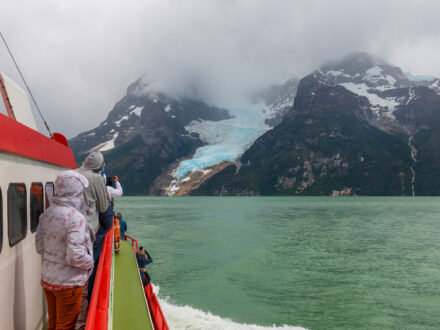](https://www.antarcticacruises.com/guide/patagonia-cruise-routes)
### [Ultimate Patagonia Cruise Guide: Routes & Recommendations](https://www.antarcticacruises.com/guide/patagonia-cruise-routes)
Patagonia is a place of superlative beauty. Most are drawn to this region for its hiking trails, with Torres del Paine National Park symbolising the stark majesty of this region. However, a \[…\]
[](https://www.antarcticacruises.com/guide/chilean-patagonia-trip-planning-guide)
### [An Expert’s Guide To Planning A Trip To Chilean Patagonia](https://www.antarcticacruises.com/guide/chilean-patagonia-trip-planning-guide)
Since Ferdinand Magellan voyaged through the Strait of Magellan in 1520 and Bruce Chatwin’s seminal work, In Patagonia, was published four centuries later, the region of Patagonia has acquired near mythical status. \[…\]
##### Disclaimer
Our travel guides are for informational purposes only. While we aim to provide accurate and up-to-date information, Antarctica Cruises makes no representations as to the accuracy or completeness of any information in our guides or found by following any link on this site.
Antarctica Cruises cannot and will not accept responsibility for any omissions or inaccuracies, or for any consequences arising therefrom, including any losses, injuries, or damages resulting from the display or use of this information.
## Ready for the adventure of a lifetime?
Get in touch with us via phone or form today and you’ll be assigned a dedicated polar specialist who’ll be with you every step of the way to help you choose, book and plan the right Arctic or Antarctica cruise for you. Here’s how it works:
### Listen & Match
We’ll carefully listen to your aspirations and curate an impartial shortlist of personalized polar cruise recommendations—and pre- and post-cruise extensions—to match your desired experience.
### Reserve & Relax
Next we’ll place a free, no obligation, 24-hour cabin hold on your preferred cruise option whilst we discuss the final details. Book and relax safe in the knowledge you’ll be paying the lowest price guaranteed.
### Prepare & Travel
Then we’ll provide you with our expert packing advice, insider travel tips, and more to ensure you are fully prepared for—and maximize your enjoyment of—your once-in-a-lifetime polar expedition cruise.
[Start Your Adventure Today](https://www.antarcticacruises.com/contact)
[](https://www.antarcticacruises.com/)
Join Our Newsletter
Sales & Reservations
[\+1.888.585.4780](tel:+18885854780)
Email: [\[email protected\]](https://www.antarcticacruises.com/cdn-cgi/l/email-protection#0f6a777f63607d6a4f6e617b6e7d6c7b666c6e6c7d7a667c6a7c216c6062)
Antarctica Cruises
1680 Michigan Avenue, Suite 700
Miami Beach, FL 33139
Licensed Florida Seller Of Travel \#ST38603
IATAN Accredited Agency \#10716451
- [Antarctica Cruises](https://www.antarcticacruises.com/antarctica)
- [Arctic Cruises](https://www.antarcticacruises.com/arctic)
- [Patagonia Cruises](https://www.antarcticacruises.com/patagonia)
- [Contact Us](https://www.antarcticacruises.com/contact)
- [About Us](https://www.antarcticacruises.com/about)
- [Reviews](https://www.antarcticacruises.com/reviews)
© 2026 Antarctica Cruises
[Terms](https://www.antarcticacruises.com/guide/1712)
[Privacy](https://www.antarcticacruises.com/privacy-policy)

English USD
Change Locale Settings
Close
Choose Language
[English](https://www.antarcticacruises.com/guide/ships) [Spanish](https://www.antarcticacruises.com/es/guia/barcos/)
Close
Join Our Newsletter
Please fill in the form beneath and you’ll be added to our newsletter. |
| Readable Markdown | There are now over 70 Antarctica cruise ships sailing across the Southern Ocean to the wondrous White Continent, a number that has been steadily increasing each year due to the gaining popularity of expedition cruising. With so many options to choose from, selecting the best expedition vessel for you can be a daunting prospect.
Ships can range anywhere in size from tiny sailing yachts with fewer than 25 guests to traditional ocean liners with over 1000 guests, but crucially those Antarctic ships with more than 500 guests onboard are not permitted to make landings with guests unable to set foot on Antarctica itself, merely allowing them to see the continent and wildlife from afar.
Here at Antarctica Cruises we exclusively offer true expedition vessels, small Antarctica cruise ships for 50–500 guests, large enough to safely and comfortably cope with the icy and adverse sailing conditions prevalent at higher latitudes, yet small and nimble enough to navigate icebergs and access Antarctica’s remotest reaches, facilitating extraordinary, close-up wildlife encounters and providing passengers with a privileged view of the most breathtaking wilderness on the planet.
## Antarctica Cruise Ships: Then & Now
But before we look at the latest fleet of expedition vessels, it’s important to understand their evolution. Until 1892—when the Fram was constructed explicitly for polar exploration—all ships had been built for some other purpose, namely naval (Terror & Erebus), sealing (Nimrod, Aurora & Belgica), or whaling (Terra Nova) purposes, and were only used in the polar regions as a consequence of their stronger than usual design features making them suitable for icy seas. Cook’s Resolution—the first vessel to cross the Antarctic Circle back in 1773—was another prime example, formerly being a sturdy North Sea merchant collier named the Marquis of Granby.

From humble beginnings to state-of-the-art expedition vessels like the one pictured, Antarctica cruise ships have evolved to offer unparalleled access and comfort. Imagine the stories this bell could tell from voyages past and present, exploring the White Continent’s breathtaking beauty\!
Often enhancements were made though, their original wooden hulls often reinforced for polar conditions, ice anchors added for mooring on the ice, as well as installing specialized equipment for navigation and conducting scientific research. This pattern of repurposing and revamping vessels has continued into the modern expedition era. Even the first tourist Antarctica cruise ship, the Lapataia, which sailed to the Antarctic Peninsula in 1966, was an Argentinean Navy supply ship chartered by Lars-Eric Lindblad, and many of the more authentic expedition vessels still in use today are tough-built government or scientific ships, often old ex-Soviet polar research vessels, designed with navigating icy areas but not necessarily comfort in mind.
However, with tourist expectations evolving, the latest fleet of expedition vessels are a new breed of boat entirely, not only purpose-built for polar voyages, but also catering to the discerning traveler. The poles were previously the sole province of explorers and scientists, and as such their ships were more utilitarian in nature, foregoing comfort for functionality, but these days Antarctica is a mecca for intrepid travelers and modern-day ships are designed explicitly for adventure travel with ample amenities and creature comforts befitting their new clientele.
Rowboats have been replaced by rigid inflatable boats (RIBs), glowing candles by glittering chandeliers, ice anchors by GPS-driven dynamic positional systems. Barrels of porter and potent primus stove-cooked grog concoctions have become tended bars with a choice of cocktails, rations replaced by refined epicurean dishes, snow melt baths substituted for saunas and steam rooms, the graph paper and gramophones long gone, their place taken by powerpoint presentations and lecture theaters. Crews have also evolved, from seamen and scientists, to seamen and scientists turning their hand to hospitality, and now professionals with responsibilities solely aligned to their specialisms, including dedicated customer service staff.
Propulsion-wise, wooden sailing boats, subservient to the Southern Ocean’s winds, ice and currents—and often prone to being iced in—were slowly replaced by more powerful steam-powered ships with screw propellers, capable of entering, maneuvering (reversing) in, and gradually ramming through pack ice. Such slow progress was very heavy on coal, so for many years Antarctic vessels were hybrids of wind and steam power, the former used whenever possible to conserve coal stocks for when the going got tougher.
Later, the advent of steel hulls for extra strength and more powerful engines—typically run on Diesel, Marine Gas Oil (MGO) or Marine Diesel Oil (MDO)—meant ships went from weighing less than 400 tons to 20,000 tonnes or more, and having engine power of just 20hp to over 20,000hp in less than a century. The most modern vessels are now being run on a cleaner combination of liquified natural gas and electricity.
## What Makes A Good Expedition Vessel?
The ideal characteristics (and, in many cases, requirements) for historical Antarctic expedition ships were primarily related to their hull, needing a strong, rounded hull—to both minimize ice damage and help the ship slide upwards rather than being crushed by pincering pack ice—complete with a reinforced, skewed bow to not only withstand head-on ice impact, but also ride up and over it, causing it to break under its own weight.

A truly exceptional expedition vessel is designed to conquer the challenging Antarctic ice, much like this icebreaker demonstrates. From its robust hull to advanced navigation systems, every detail ensures a safe and comfortable journey through the White Continent’s pristine, icy waters.
Given historic vessels often over-wintered in Antarctica, they additionally needed to be well insulated to retain heat and have plentiful stowage space for both scientific equipment and food, typically with provisions for at least a year longer than the intended voyage in case the ship became iced in. Entertainment to pass the long, dark winter months was essential for crew contentment, and a powerful engine, economical with scant coal reserves, a priority for working in the heavy ice conditions of winter, not to mention a selection of ice saws and some dynamite to help break a passage to open water come spring.
Whilst modern expedition ships only visit Antarctica in the austral summer, hull design and fuel economy are still high on the agenda, with today’s technological advances leading many of the newer Antarctica cruise ships to now use an ‘inverted’ X-Bow design to improve handling in rough seas and reduce hydrodynamic drag to lower fuel consumption. In contrast, these days the scientific equipment on board very much forms part of the entertainment for latter-day explorers, their explosive ecological revelations thankfully replacing any TNT.
Let’s take a closer look at what else constitutes the perfect polar expedition cruise vessel for exploring the White Continent.
### Small Size
Expedition vessels are considerably smaller than your typical ocean liner or river cruise ship, for several reasons. Firstly, they allow access to areas larger ships simply cannot go, their sleek design, slighter tonnage, and shallower drafts (the amount of ship below the water level) making them more agile to respond to opportune whale or dolphin sightings, and better able to maneuver into those shallow harbors and remote coves and bays along Antarctica’s coastline where these the most pristine landscapes, penguin rookeries, and seal colonies often prevail.
Not only are Antarctic expedition cruise ships small in size, but they also host fewer passengers, engendering a genuine feeling of camaraderie and promoting a convivial atmosphere on board with your fellow passengers and crew alike. Indeed on many of the smaller ships guests even assemble as a single group for communal meals. What’s more, expedition ships often have much higher crew-to-guest ratios than their ocean-going counterparts, leading to a higher level of customer service.
Antarctic expedition ship capacities range from just 13 to a maximum 500 guests, with an average of a little more than 100. Ships can be technically classified according to their capacity, with ‘Category 2’ ships those hosting between 201-500 passengers aboard, and ‘Category 1’ ships host just 13-200 passengers. (There is a third ‘Cruise Only’ classification for ships catering to 501+ passengers, but it is important to realize that these vessels are not permitted to make any shore landings in Antarctica so these are not expedition cruises at all, and are very much considered sight-seeing cruises from a distance.)
The closeness to nature (and your few fellow explorers) from a smaller expedition vessel makes for a much more intimate and rewarding expedition experience, affording prolific and personal wildlife encounters, and enhancing the sense of wilderness and solitude in the vast polar landscape. When you combine this close proximity with the fact that shore landing logistics are significantly swifter and easier with smaller groups, this helps to maximize your time ashore—particularly pertinent in Antarctica where only 100 people are permitted to land at any one time—and grants a greater chance of participating in any optional adventure activities, in depth, for longer.
But perhaps most important of all, small Antarctica cruise ship size is crucial in minimizing the impact on the delicate ecosystems you are visiting by reducing carbon footprints and footfall ashore.
### Stability
Whilst around 10% of the overall population are more susceptible to sea sickness than others, everyone has the potential to experience it—especially if you are crossing the Drake Passage! Caused by a conflict between what you see and what your body feels (specifically your inner ear, where the human balance mechanism resides) this can be mitigated, or eliminated altogether, by being aboard a more stable boat.
So which ships are the most steadfast, resolute and unwavering in the face of the unfathomable waves and implacable winds of the Southern Ocean? Whilst smaller ships may be more agile, generally speaking it’s the larger Antarctica cruise ships that will provide greater stability. However, it is also worth noting that many smaller expedition vessels may be equally equable if equipped with stabilizers.
There are several types of stabilizer, each with varying degrees of effectiveness, correlated to the degree of lateral roll (the disorienting side-to-side motion common in rough sea conditions) experienced by the ship. Traditional ship stabilizers, also known as bilge keels, are long strips of metal attached to the outer hull of the ship just below the water line. These add physical resistance in turbulent waters to counter any rolling pressure.
Fixed stabilizers akin to fins situated on both sides of the ship at both the bow and stern are slightly more effective, protruding further than bilge keels and providing more resistance to rolling. However there are several downsides to such fin-style stabilizers, as they prove ineffective when at anchor (they rely on the forward speed of the ship to generate the roll stabilizing moment), reduce maneuverability, and require greater clearance when docking.
In contrast, the latest, state-of-the-art gyroscopic stabilizers found on modern expedition vessels use a sensor detecting system to automatically adjust fin stabilizers to exert the appropriate pressure to counteract movement according to prevailing sea and wind conditions, and can even fully retract them into the hull of the ship to enable precision docking. These can effectively reduce lateral roll by up to 90%, even when at anchor. Music to the (inner) ears of those concerned about sea sickness\!

When choosing your Antarctica cruise, stability is paramount for a comfortable journey through the Southern Ocean’s unpredictable waters. Modern expedition vessels like the MS Fridtjof Nansen, seen here navigating ice, are engineered with advanced stabilization systems to ensure a smooth and enjoyable experience, even amidst the ice.
Be warned that whilst such stabilizers greatly reduce ships rolling, they won’t assist with pitching (the front to back movement of a ship). For this reason, many of the more modern polar expedition cruise ships, especially those that cross rugged sections of ocean, have a longer and narrower bow to cut through the waves.
Whilst the stability of the vessel itself is a major consideration for those susceptible to sea sickness, there’s also the question of the stability of the smaller boats used for shore excursions and wildlife spotting cruises around the iceberg-strewn shorelines. The majority of operators use military-style Zodiac boats (rigid-hulled inflatable boats similar to those famously used by Jacques Cousteau), but a few have begun using Norwegian-made Polarcirkel boats instead—named so after the Norwegian for ‘Arctic Circle’—which some argue are better for less sure-footed seniors as they are easier to get on and off of and supposedly provide a smoother ride experience.
### Observation Decks and Facilities
Incredibly, wildlife watching was even an important consideration in early expedition vessel design. Cook’s Resolution, for example, was originally modified to incorporate a heightened waist, additional upper deck, and raised poop deck for better viewing at the request of naturalist Joseph Banks who was supposed to be part of his expedition team, but unfortunately in sea trials the ship was found to be too top-heavy so these had to be removed and Banks subsequently didn’t join.
The closest contemporary comparison to this are the vast, wrap-around observation decks found on nearly all present-day polar ships, allowing passengers unrestricted views of the stunning ice-laden land- and sea-scapes and their fascinating faunal entourage. Even when below deck, either inside panoramic lounges with floor-to-ceiling windows, or even from the comforts of your cabin or balcony, many vessels these days afford privileged viewing opportunities from every conceivable vantage point. Some of the latest vessels even have hydraulic viewing platforms that extend out and over the sea and ice during navigation, and better yet, some have helicopters for astonishing bird’s-eye views.
Thanks to recent technological advances, wildlife observation for tourists isn’t just restricted to above the water line any more. For those seeking subaqueous observational opportunities, some ships come with underwater video cameras, remotely operated vehicles, or indeed their very own small submersibles that will take you deep into the icy Antarctic waters to see an underwater world that so few have seen that they say more men have gone to the Moon\!

A truly exceptional expedition vessel offers not just a journey, but an immersive experience. Look for ships with expansive observation decks and inviting facilities like this lounge, where you can relax in comfort while still enjoying breathtaking panoramic views of Antarctica’s majestic scenery and wildlife.
### Ice-Strengthened
Ice-related ship damage in the polar regions poses a real threat, the dangers of being holed and sunk, or nipped (trapped in a vice-like grip) and forced to drift for hundreds or thousands of miles over many months a distinct possibility—as the 1915 sinking of Shackleton’s ill-fated Endurance is testament to after it was beset in pack ice for 10 months before being crushed between enormous ice floes, as is the Brazilian Research Vessel Mar Sem Fim—better known as the Antarctic Ghost Ship—which suffered a similar fate as recently as 2012.
As such, the ability to safely navigate through potentially hazardous, ice-infested polar waters has always been, and remains to be, a critical design consideration of all Antarctica cruise ships. To thwart such possible piercings and pressures, polar expedition vessels are ‘‘ice-strengthened’, their hulls made hardier to withstand such sudden or significant loads. (Should a ship’s heft and power be sufficient to push their way through the most solid continuous ice as well, they are additionally given the moniker of “Icebreaker”.)
The level of ice-strengthening a ship has undergone dictates its Ice Class. Ice classes have been around for the best part of a century, first evolving in response to Baltic, and later Arctic, sea conditions, before being more widely adopted in Antarctica. Various governments and classification societies have created their own ice class rules over the years—the Swedish-Finnish Ice Class Rules, DNV GL, American Bureau and Lloyd’s Register of Shipping to name a few—each with their own unique approach, requirements, and class notation.

To truly explore the White Continent, an expedition vessel must be ice-strengthened, allowing it to navigate safely through these mesmerizing ice fields. Such robust design ensures you can get up close to towering icebergs and untouched landscapes, even in challenging conditions.
To the considerable confusion of travelers, this means that depending on a ship’s registering authority, they may use a completely different classification system to other ships sailing the very same route, making it difficult to assess their differences. Whilst many have tried to ascertain the equivalencies of these various ice classes, it wasn’t until [Unified Requirements for Polar Class Ships](https://iacs.org.uk/resolutions/unified-requirements/ur-i) (structural and mechanical stipulations)—better known as the Polar Class rules—were published in 2007 by the International Association of Classification Societies (IACS) that a consolidated universal approach and notation was defined, ranging from PC 1 (highest) to PC 7 (lowest), with each level corresponding to operational capability and strength of the vessel. However, you may still see some ships using legacy alphabetical ice class notations such as 1AS, 1A-1D as the Polar Class rules are only applicable to vessels constructed after 1 July 2007, with 1AS (i.e. 1A Super, ~ PC 6) being the highest, followed by 1A (~ PC 7), and so on.
Specific to Antarctica expedition ships, numerous ships have been built to the two lowest polar classes PC 6 (summer/autumn operation in medium first-year ice which may include old ice inclusions) and PC 7 (summer/autumn operation in thin first-year ice which may include old ice inclusions), but only a small number of ships such as [National Geographic Endurance](https://www.antarcticacruises.com/ships/national-geographic-endurance) have been assigned polar class PC 5 (year-round operation in medium first-year ice which may include old ice inclusions). Uniquely, the icebreaker [Le Commandant Charcot](https://www.antarcticacruises.com/ships/le-commandant-charcot) has been awarded a PC 2 ice rating—a true outlier—allowing it to operate year-round in moderate multi-year ice conditions.
### Responsible & Safe
When venturing to such a wild and remote realm as Antarctica, where ice conditions impose extreme loads on ship hulls and propulsion systems, and rescue (and clean up) operations face significant obstacles and costs, it’s paramount to travel with polar operators with requisite experience that adhere to stringent safety regulations and who operate in a sustainable and responsible manner, not just for your own safety but also that of the wildlife and the delicate ecosystems of this pristine continent. Here at Antarctica Cruises we only work with vessels that are Polar Ship Certified by the International Maritime Organization (IMO) and whose operators are members of the International Association of Antarctica Tour Operators (IAATO).
Since 2017, the IMO’s International Code for Ships Operating in Polar Waters—better known as the [Polar Code](https://www.imo.org/en/ourwork/safety/pages/polar-code.aspx)—has been mandatory for all ships operating in the Arctic and Antarctica. This Code addresses the unique risks present in polar waters, going above and beyond the IMO’s existing international conventions for the Safety of Life at Sea (SOLAS) and for the Prevention of Pollution from Ships (MARPOL) that apply to all ocean-going vessels. Its comprehensive measures require ships to be assessed and polar ship certified, and covers everything from design and construction specifications, to equipment and training requirements, search and rescue procedures, and pollution prevention.
Formed in 1991, IAATO is a voluntary organization of private-sector companies that advocate for safe and environmentally responsible travel to Antarctica. Operating within the framework and under the authority of the Antarctic Treaty System, including both the Antarctic Treaty itself and Antarctic Environmental Protocol, its members put their competitive differences aside to engage their respective governments, collaborate, and establish substantive operational procedures and guidelines for all to follow.
Members vow to follow strict protocols to visit Antarctica safely and responsibly, with minimal impact on the natural environment, demonstrating a commitment to approach and keep a safe distance from wildlife, dispose of waste materials properly, and have adequate insurance, experience, and contingency plans in place to anticipate and respond to any potential emergency situations.

A paramount feature of any top-tier Antarctica cruise ship is its commitment to responsible and safe travel. These vessels are equipped with advanced navigation and safety systems, ensuring that your unforgettable journey through breathtaking channels, like this one, respects the pristine environment and provides peace of mind.
### Experienced Captain & Expert Crew
As part of these protocols, IAATO members also subscribe to adhering to proper levels of staffing, not just in terms of sufficient numbers—a minimum expedition passenger-to-guide ratio of 20:1 ashore applies—but also requisite qualifications and relevant experience. For example, all field staff must pass an IAATO online assessment module, and 80% must have previous relevant experience, with 50% specifically in Antarctica.
These strict staffing stipulations are particularly pertinent up on the bridge. Expedition vessels sailing south of 60°S latitude must have a Captain (or appointed Ice Pilot) and Bridge Officers with ample Antarctic experience who know how to safely navigate ice-choked channels, big ocean crossings, and precarious shore landings, putting the safety of the ship and passengers above all else, at all times.
Despite all cruise ships to Antarctica satisfying such requirements, bear in mind that the caliber and size of the expedition team can still vary significantly between ships, with some offering much lower passenger-to-guide ratios for landings (anywhere from 20:1 to 6:1) and passenger-to-crew ratios aboard (anywhere from 5.5:1 to 1.2:1) than others. Whilst a vessel and its amenities are undoubtedly a large factor in assessing whether an Antarctica boat is better than another, its crew play arguably an even more pivotal role in the polar expedition experience you desire.
Behind the scenes, even before you embark your cruise, their polar prowess is crucial in carefully coordinating and skillfully crafting your itinerary in advance. And when you are cruising, they’ll be dictating service levels and atmosphere aboard with their professionalism and personality, and enriching your voyage with their expertise and knowledge during entertaining lectures and on excursion.
## Does It Really Matter Which Antarctic Ship I Go On?
Regardless of their age, size, design, capacity or cost, all our Antarctic expedition vessels abide by the Polar Code, are IAATO members, and have one thing in common: they represent the spirit of adventure and exploration that has driven humans for centuries to brave the elemental forces of the Southern Ocean in search of the natural riches of this mysterious *Terra Australis Incognita*—the scientific heritage and passion for natural history of the great early explorers still very much alive and visible in the on board educational programs at the heart of all expeditions.
But that doesn’t infer you’ll have the same expedition experience aboard any Antarctica cruise ship by any means. Indeed, your choice of Antarctica expedition ship can have a big impact on your overall travel experience. Each ship offers its own advantages, from unique amenities and adventure activity options, to different on board atmospheres and dining experiences, not to mention the contrasting personalities, experience and specializations of their respective crews. Some may have more Zodiacs—and more importantly, loading bays—than others, making for faster disembarkation to get you out on excursion that much swifter.
Despite the allure of the adventures that await you off-ship, it’s worth remembering that a significant portion of your cruise will be spent on board your chosen expedition vessel. This means that choosing the right Antarctica cruise ship and getting the right experience that suits you personally will be one of the most important decisions you make.
## The Best Antarctica Cruise Ship … For You?
We know how crucial finding the right ship is, but with so much choice it can be bewildering to any prospective polar explorer. Our first hand knowledge of Antarctic cruise ships is unparalleled and we can help you ascertain the critical criteria that matter most to you, curate a shortlist of suitable ships, or recommend the ideal vessel.
A great first step is asking yourself what your key decision-making criteria are. Are you a fitness fanatic, glutton for gastronomy, or adventure aficionado? A sybarite seeking extravagance, or sociable sort in search of a convivial atmosphere? Perhaps you’re prone to seasickness and need something more stable, or partial to some privacy and simply must have your own balcony? What if you’re traveling with family or friends and want a larger suite or interconnected cabins? Answering these kinds of questions will help you whittle down your ship shortlist in no time.
If you’re in search of more active exploration, camping out on the ice and kayaking are offered on most vessels as optional extras but much sought after and availability can be limited. Should you want to try something even more adventurous like diving, snorkeling, paddle-boarding, snowshoeing, mountaineering or more, your ship selection soon narrows as seldom few offer these.
Smaller ships of fewer than 100 passengers have considerable benefits, not least ease of logistics for shore excursions with everybody being able to land at once, and a more intimate overall experience. However these can be counterbalanced, or sometimes outweighed, by the wider range of amenities, cabin types and greater stability afforded by larger vessels.
## Antarctica Cruise Ship Categories
Whether you want a smaller ship for a more intimate and authentic expedition, a budget-conscious boat option, or a larger, luxurious ship with unsurpassed levels of comfort, Antarctica Cruises is proud to offer a wide portfolio of polar class vessels to quench every type of traveler’s thirst for adventure, no matter their budget.
Whilst undoubtedly each of these Antarctica ships have their own unique atmosphere, amenities and advantages, to help make the choice a little easier we’ve organized them into three main categories: Authentic — small, simple and safe ships for the pure polar experience; Mid-Range — slightly larger ships with upscale accommodations and upgraded amenities; Luxury — larger, more modern ships with world-class amenities, ambiance and service.
### Authentic Expedition Ships
Whilst some ships show off their often superfluous amenities and services—from massage therapists and hot tubs, to boutiques and beauty salons—others offer a more simplistic, no frills approach with a focus on the experience off-ship over style on it, which helps to keep costs down and is ideal for the more budget-conscious explorer content with being in, and beholding the beauty of, their spectacular surrounds with like-minded travelers.
A number of ships in this category are former working ships or ex-research vessels, purposefully designed for, and well-versed in, polar navigation, steeped in maritime heritage and expeditionary heart, and providing a safe and functional foundation for exploration. What they may lack in panache versus more premium options, they gain in a sense of adventure and authenticity, representing for many the true spirit of a traditional expedition voyage with their comfortable but modest bunk cabins, porthole windows, and convivial refectory meals.
Despite their more economical price point, many people believe they give you a better Antarctica experience as they tend to have more deck space for greater viewing opportunities, and are generally smaller in size and capacity (just 50–175 passengers), offering not only greater access to the region’s remotest reaches, but also a more intimate atmosphere both on board and on excursion, giving you more opportunities to participate in landings and adventure activities, and increasing the chances of close, unforgettable wildlife encounters.
[Hondius](https://www.antarcticacruises.com/ships/hondius) *(174 Passengers)*
[Ocean Nova](https://www.antarcticacruises.com/ships/ocean-nova) *(75 Passengers)*
[Plancius](https://www.antarcticacruises.com/ships/plancius) *(108 Passengers)*
[Ortelius](https://www.antarcticacruises.com/ships/ortelius) *(108 Passengers)*
[Ushuaia](https://antarcticacruises.com/ships/ushuaia) *(90 Passengers)* [Expedition](https://www.antarcticacruises.com/ships/expedition) *(134 Passengers)* [Polar Athena](https://www.antarcticacruises.com/ships/polar-athena) *(44 Passengers)*
Spirit of Enderby *(50 Passengers)*
Janssonius *(174 Passengers)*
Shokalskiy *(50 Passengers)*

For those seeking a truly immersive adventure, authentic expedition ships like the MS Hondius are purpose-built for the polar regions. These vessels prioritize a deep connection with Antarctica, offering intimate experiences and access to remote areas, making every moment onboard a part of the expedition.
### Mid-Range Expedition Ships
Often prospective Antarctica cruise-goers fall in love with the romance of intrepid exploration like that of the Heroic Age, but secretly yearn for soothing spa treatments and indulgent fine dining—no surprise then, that the multitude of modern, medium-sized (75–200 passengers) expedition ships available in this category entice many with their allure of comfortable adventure.
Superior to authentic expedition ships with their upgraded facilities and suite-style cabins, these mid-range vessels are more floating four-star hotels than cruise ships. Although not as luxurious or well-appointed as those in the luxury category, they still pack a punch when it comes to perks, often providing full media lecture rooms and wellness centers, fully stocked libraries and bars, generous deck space and public areas, as well as a wider array of activity options such as kayaking and camping to partake in.
Whilst none of these expedition ships can be truly called luxurious, many consider them the perfect compromise between the smaller authentic ships and larger luxury vessels—still small enough for optimal landing logistics and an amiable ambiance, but with the added benefits of bigger accommodations and better amenities—and the Antarctic experiences they offer are prestigious in their own right thanks to the enriching knowledge and geniality of their high caliber and highly experienced expedition teams, some of whom have been working in Antarctica for a quarter of a century.
[Ocean Explorer](https://www.antarcticacruises.com/ships/ocean-explorer) *(140 Passengers)*
[Ocean Victory](https://www.antarcticacruises.com/ships/ocean-victory) *(189 Passengers)*
[Ocean Albatros](https://www.antarcticacruises.com/ships/ocean-albatros) *(175 Passengers)*
[Greg Mortimer](https://www.antarcticacruises.com/ships/greg-mortimer) *(120 Passengers)* [Magellan Explorer](https://www.antarcticacruises.com/ships/magellan-explorer) *(73 Passengers)*
[Heritage Adventurer](https://www.antarcticacruises.com/ships/heritage-adventurer) *(140 Passengers)*
[Sylvia Earle](https://www.antarcticacruises.com/ships/sylvia-earle) *(120 Passengers)* [Douglas Mawson](https://www.antarcticacruises.com/ships/douglas-mawson) *(154 Passengers)* [Fram](https://www.antarcticacruises.com/ships/fram) *(200 Passengers)*[Sea Spirit](https://www.antarcticacruises.com/ships/sea-spirit) *(100 Passengers)*
[Seaventure](https://www.antarcticacruises.com/ships/seaventure) *(139 Passengers)* [St Helena](https://www.antarcticacruises.com/ships/st-helena) *(98 Passengers)*
[National Geographic Endurance](https://www.antarcticacruises.com/ships/national-geographic-endurance) *(138 Passengers)*
[National Geographic Explorer](https://www.antarcticacruises.com/ships/national-geographic-explorer) *(148 Passengers)*[National Geographic Orion](https://www.antarcticacruises.com/ships/national-geographic-orion) *(102 Passengers)* [World Explorer](https://www.antarcticacruises.com/ships/world-explorer) *(176 Passengers)*

Mid-range expedition ships like the Ocean Endeavour strike a perfect balance, offering comfortable amenities and engaging activities while still providing an intimate connection with Antarctica’s incredible landscapes and wildlife. It’s the ideal choice for those seeking both adventure and relaxation.
### Luxury Expedition Ships
For those keen to live the high latitude high life, seeking to immerse themselves in the expedition experience as well as receive the white glove treatment on the White Continent, these premier polar vessels provide a level of opulence and delights that are best described as world class. Akin to super yachts with their magnificent staterooms, outstanding amenities, ambiance and service, not to mention epicurean cuisine, elegant décor and luxuriant and spacious social areas, these truly are a breed of boat apart.
These are the newest cruise ships to sail to Antarctica, a new wave of larger (140–500 passengers), purpose-built vessels boasting unparalleled comfort and all the latest in technological advances, from state-of-the-art recreational toys and scientific gadgets, to much more fuel efficient and eco-friendly propulsion than their older counterparts, so the premium price you pay for this privilege not only brings you extra benefits but also means the Antarctic environment pays less.
You can expect all the grandeur of a luxury hotel in terms of facilities, with five-star amenities from fitness centers, spas and Jacuzzis, to a choice of restaurant options and oversized sun-decks. There will be more people on board though and you will need to take into account that only 100 people can be ashore at one time, so be wary you may be limited to just one excursion each day. Luxury Antarctica ships undoubtedly offer an extraordinary means of exploration, but they are the most expensive as a result.
[Ultramarine](https://www.antarcticacruises.com/ships/ultramarine) *(200 Passengers)*
[Fridtjof Nansen](https://www.antarcticacruises.com/ships/fridtjof-nansen) *(500 Passengers)*
[Roald Amundsen](https://www.antarcticacruises.com/ships/roald-amundsen) *(500 Passengers)* [World Voyager](https://www.antarcticacruises.com/ships/world-voyager) *(168 Passengers)*
Silver Explorer *(144 Passengers)*
Silver Cloud *(240 Passengers)*
Silver Wind *(240 Passengers)*
[Le Lyrial](https://www.antarcticacruises.com/ships/le-lyrial) *(244 Passengers)* [Le Boréal](https://www.antarcticacruises.com/ships/le-boreal) *(264 Passengers)*
[L’Austral](https://www.antarcticacruises.com/ships/l-austral) *(264 Passengers)*
[Le Soléal](https://www.antarcticacruises.com/ships/le-soleal) *(264 Passengers)*
[Le Lapérouse](https://www.antarcticacruises.com/ships/le-laperouse) *(184 Passengers)*
[Le Commandant Charcot](https://www.antarcticacruises.com/ships/le-commandant-charcot) *(245 Passengers)* [National Geographic Resolution](https://www.antarcticacruises.com/ships/national-geographic-resolution) *(138 Passengers)*

For the ultimate Antarctic indulgence, luxury expedition ships like the World Explorer redefine polar travel. Offering unparalleled comfort, exquisite dining, and personalized service alongside thrilling excursions, they prove that exploring the ends of the earth can be an exceptionally refined experience.
## The Best Expedition Vessels
Still not sure which ship to select? Antarctica Cruises have compiled a list of the best expedition vessels for you to choose from, each and every one providing an immersive, inspiring and profoundly rewarding adventure of prodigious proportions, a voyage to an otherworldly and pristine far-off frontier through unbridled nature and time itself, following in the very wake of the world’s most renowned Antarctic explorers.
##### Disclaimer
Our travel guides are for informational purposes only. While we aim to provide accurate and up-to-date information, Antarctica Cruises makes no representations as to the accuracy or completeness of any information in our guides or found by following any link on this site.
Antarctica Cruises cannot and will not accept responsibility for any omissions or inaccuracies, or for any consequences arising therefrom, including any losses, injuries, or damages resulting from the display or use of this information. |
| Shard | 187 (laksa) |
| Root Hash | 13674925838225626587 |
| Unparsed URL | com,antarcticacruises!www,/guide/ships s443 |