ℹ️ Skipped - page is already crawled
| Filter | Status | Condition | Details |
|---|---|---|---|
| HTTP status | PASS | download_http_code = 200 | HTTP 200 |
| Age cutoff | PASS | download_stamp > now() - 6 MONTH | 0.2 months ago |
| History drop | PASS | isNull(history_drop_reason) | No drop reason |
| Spam/ban | PASS | fh_dont_index != 1 AND ml_spam_score = 0 | ml_spam_score=0 |
| Canonical | PASS | meta_canonical IS NULL OR = '' OR = src_unparsed | Not set |
| Property | Value |
|---|---|
| URL | https://www.androidauthority.com/did-you-know-xiaomi-phones-sold-us-carrier-one-day-3545737/ |
| Last Crawled | 2026-04-15 13:14:40 (5 days ago) |
| First Indexed | 2025-05-06 13:00:16 (11 months ago) |
| HTTP Status Code | 200 |
| Meta Title | Did you know: Xiaomi phones were sold in the US for one day - Android Authority |
| Meta Description | Most people assume Xiaomi phones have never been available from a US carrier, but there was an extremely brief exception. |
| Meta Canonical | null |
| Boilerpipe Text | For one short-lived moment in 2016,
Xiaomi
smartphones were available to buy from a US carrier. Not through some sketchy importer or Amazon listing — we’re talking about a real wireless provider, with things like plans and warranties.
US Mobile
, a small MVNO that runs on T-Mobile’s network, briefly added Xiaomi and Meizu phones to its online storefront and declared itself the first legitimate US carrier to sell them.
That lasted about a day, followed by some awkward press statements and hasty backpedaling. With both Xiaomi and T-Mobile making dissenting noises, US Mobile was quickly forced to reverse its bold move and yank them offline almost immediately.
Wondering how it happened? Here’s a simple rundown of how the grand plan quickly went off the rails.
Would you like to see Xiaomi phones officially sold in the US?
217 votes
Why Xiaomi phones are hard to find in the US
Robert Triggs / Android Authority
Xiaomi is a household name and a major smartphone player in regions like Europe, India, and China. It’s built a reputation for selling feature-packed phones at strikingly low prices — think flagship-tier specs for mid-range money. In 2025, that winning formula has helped the brand soar to a
consistent third place in quarterly smartphone sales
, behind only Apple and Samsung.
But in the US, it’s a different story. Xiaomi has never officially launched a smartphone here, and if you’ve walked into a carrier store, you’re not going to find one next to the latest iPhone or Galaxy device. Part of the reason comes down to the way phones are sold in the US. The carrier model dominates, with phones typically sold via financing deals, trade-in offers, and sometimes a bit of carrier bloatware baked in. For a manufacturer like Xiaomi, which thrives on tight margins, that level of customization and partnership agreements may not be worth the effort.
Many US tech fans see Xiaomi phones as offering excellent value.
Then there’s the issue of compatibility. Many Xiaomi phones don’t support all the 4G and 5G bands used by US networks, especially T-Mobile and Verizon. That can lead to patchy service or limited speeds. Combine that with Xiaomi’s
MIUI software
, which puts a heavy skin over Android and isn’t to everyone’s taste, and it’s easy to see why US carriers might not be eager to jump in. And while Xiaomi hasn’t been targeted quite like HUAWEI, the political climate hasn’t exactly made things easier for Chinese tech brands trying to expand in the US.
Still, that hasn’t stopped US buyers from taking an interest. Many US tech fans see Xiaomi phones as offering excellent value, and some have been willing to import them, despite the limited network support and lack of warranty. You’ll find plenty of global models listed on Amazon in the States. In that context, US Mobile’s brief stunt in 2016 wasn’t just bold — it tapped into a real, unmet demand.
The one-day sale that wasn’t
On January 12, 2016, US Mobile launched its new online store, which included several Xiaomi and Meizu phones. It marked the first time a US carrier was offering Xiaomi and Meizu phones to customers, with US Mobile promising support for setting them up on its prepaid plans.
Technically, US Mobile wasn’t selling the phones directly. Its online marketplace was a platform that allowed third-party vendors to offer devices compatible with US Mobile’s network. The company framed this as a way to give customers more choice, even if the phones weren’t officially approved by US Mobile or the brands themselves.
T-Mobile reportedly asked the MVNO to pull the phones.
That nuance wasn’t enough to avoid trouble. Within a day, Xiaomi
publicly distanced itself from the move
, saying in a statement that US Mobile was “not authorized to sell Xiaomi products in the US.” The company expressed confusion about how the phones were sourced and made it clear it had no partnership with the carrier.
To complicate matters further, T-Mobile, whose network US Mobile relies on, reportedly asked the MVNO to pull the phones while they were being tested for network compatibility. US Mobile complied, taking down the listings almost immediately and posting a
short blog update
that vaguely explained the phones had been removed. It stated, “We will continue to work with our enabling carriers to try to certify these phones on their network.”
That was the end of it. There was no relaunch, no official partnership, and no Xiaomi comeback. US Mobile’s experiment was over almost as soon as it started, leaving only a handful of archived news stories and confused tech fans in its wake. Xiaomi still sells plenty of gadgets in the US, but nearly a decade later, you still won’t find its phones on any US carrier shelves.
Follow
Thank you for being part of our community. Read our
Comment Policy
before posting. |
| Markdown | ### Search results for
[All search results](https://www.androidauthority.com/search/?q=)
[Best daily deals](https://www.androidauthority.com/deals/)
Login
**0**
[💵 Save up to \$300 - MAMMOTION LUBA 3 AWD](https://andauth.co/MAMMOTIONLuba3GardenDay)
Affiliate links on Android Authority may earn us a commission. [Learn more.](https://www.androidauthority.com/external-links/)
[Mobile](https://www.androidauthority.com/mobile/)
# Did you know: Xiaomi phones were (kinda) sold in the US for one day
US Mobile once tried to make it happen, but the plan quickly unraveled.
By
Matt Horne
•
May 6, 2025
•
2
•
- Facebook
0 Shares
- X
0 Shares
- Email
0 Shares
- LinkedIn
0 Shares
- Reddit
0 Shares
- Link
0 Shares
- 0 Shares
•
[Add AndroidAuthority on Google](https://andauth.co/AAGooglePrefSource)
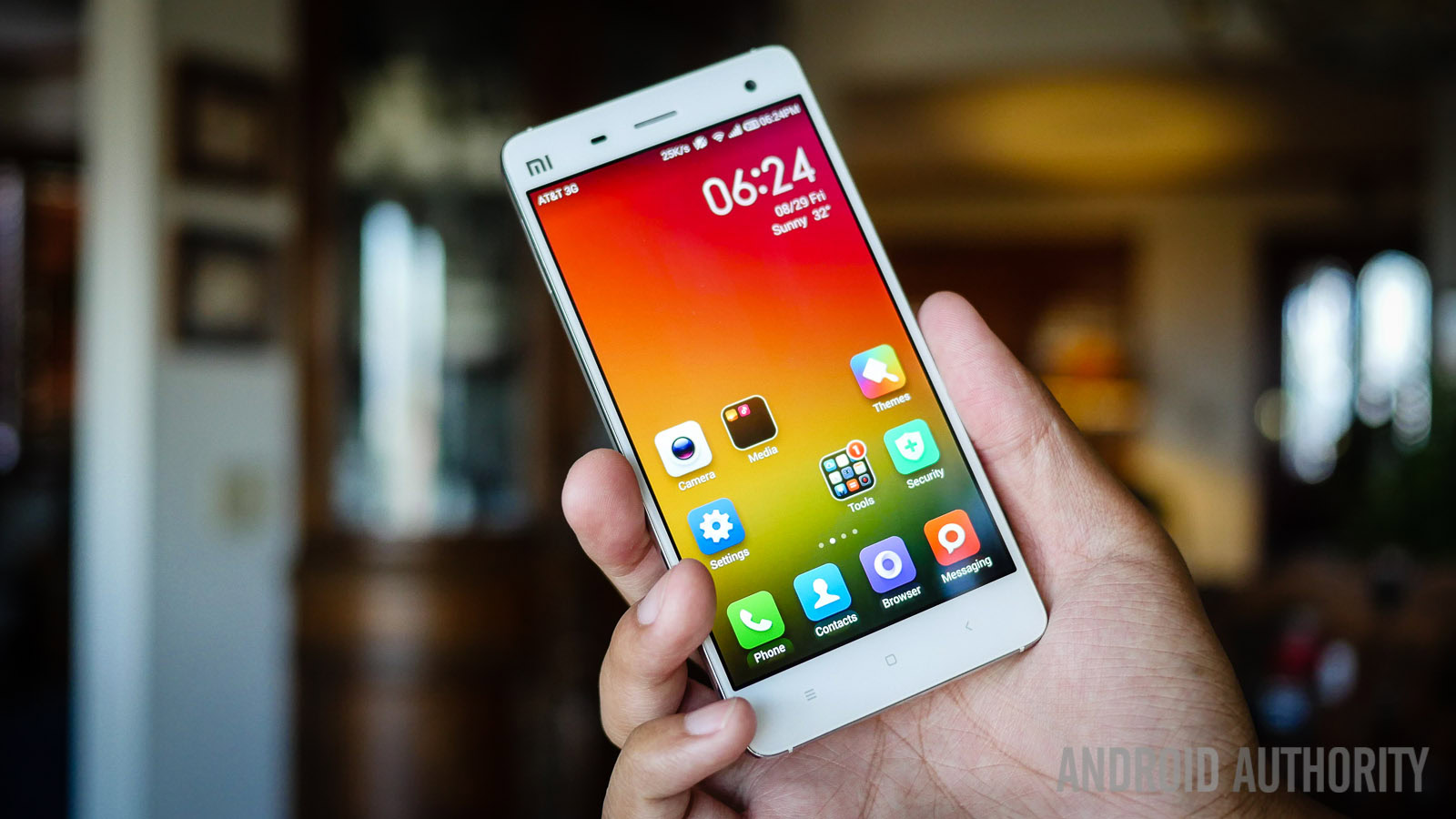
For one short-lived moment in 2016, [Xiaomi](https://www.androidauthority.com/xiaomi-15-review-3520250/) smartphones were available to buy from a US carrier. Not through some sketchy importer or Amazon listing — we’re talking about a real wireless provider, with things like plans and warranties. [US Mobile](https://www.androidauthority.com/t-mobile-vs-us-mobile-3483654/), a small MVNO that runs on T-Mobile’s network, briefly added Xiaomi and Meizu phones to its online storefront and declared itself the first legitimate US carrier to sell them.
That lasted about a day, followed by some awkward press statements and hasty backpedaling. With both Xiaomi and T-Mobile making dissenting noises, US Mobile was quickly forced to reverse its bold move and yank them offline almost immediately.
Wondering how it happened? Here’s a simple rundown of how the grand plan quickly went off the rails.
### Would you like to see Xiaomi phones officially sold in the US?
217 votes
Yes, absolutely
83%
Maybe, depends on the pricing
9%
No, there's more than enough choice already
5%
I don’t know much about Xiaomi
4%
## Why Xiaomi phones are hard to find in the US
Robert Triggs / Android Authority
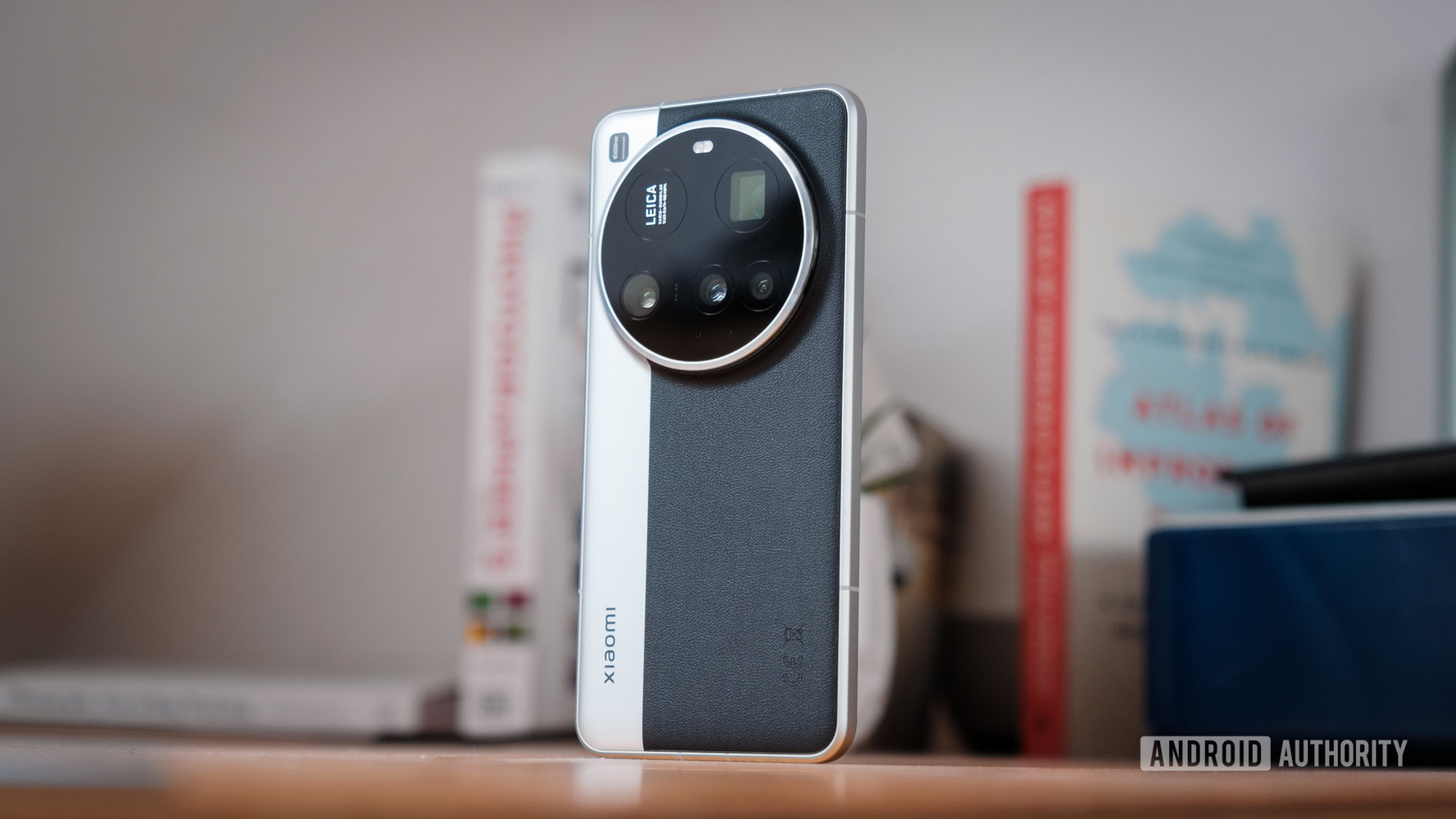
Xiaomi is a household name and a major smartphone player in regions like Europe, India, and China. It’s built a reputation for selling feature-packed phones at strikingly low prices — think flagship-tier specs for mid-range money. In 2025, that winning formula has helped the brand soar to a [consistent third place in quarterly smartphone sales](https://www.counterpointresearch.com/insights/global-smartphone-share/), behind only Apple and Samsung.
But in the US, it’s a different story. Xiaomi has never officially launched a smartphone here, and if you’ve walked into a carrier store, you’re not going to find one next to the latest iPhone or Galaxy device. Part of the reason comes down to the way phones are sold in the US. The carrier model dominates, with phones typically sold via financing deals, trade-in offers, and sometimes a bit of carrier bloatware baked in. For a manufacturer like Xiaomi, which thrives on tight margins, that level of customization and partnership agreements may not be worth the effort.
"Many US tech fans see Xiaomi phones as offering excellent value."
Then there’s the issue of compatibility. Many Xiaomi phones don’t support all the 4G and 5G bands used by US networks, especially T-Mobile and Verizon. That can lead to patchy service or limited speeds. Combine that with Xiaomi’s [MIUI software](https://www.androidauthority.com/remove-ads-xiaomi-miui-1019139/), which puts a heavy skin over Android and isn’t to everyone’s taste, and it’s easy to see why US carriers might not be eager to jump in. And while Xiaomi hasn’t been targeted quite like HUAWEI, the political climate hasn’t exactly made things easier for Chinese tech brands trying to expand in the US.
Still, that hasn’t stopped US buyers from taking an interest. Many US tech fans see Xiaomi phones as offering excellent value, and some have been willing to import them, despite the limited network support and lack of warranty. You’ll find plenty of global models listed on Amazon in the States. In that context, US Mobile’s brief stunt in 2016 wasn’t just bold — it tapped into a real, unmet demand.
## The one-day sale that wasn’t
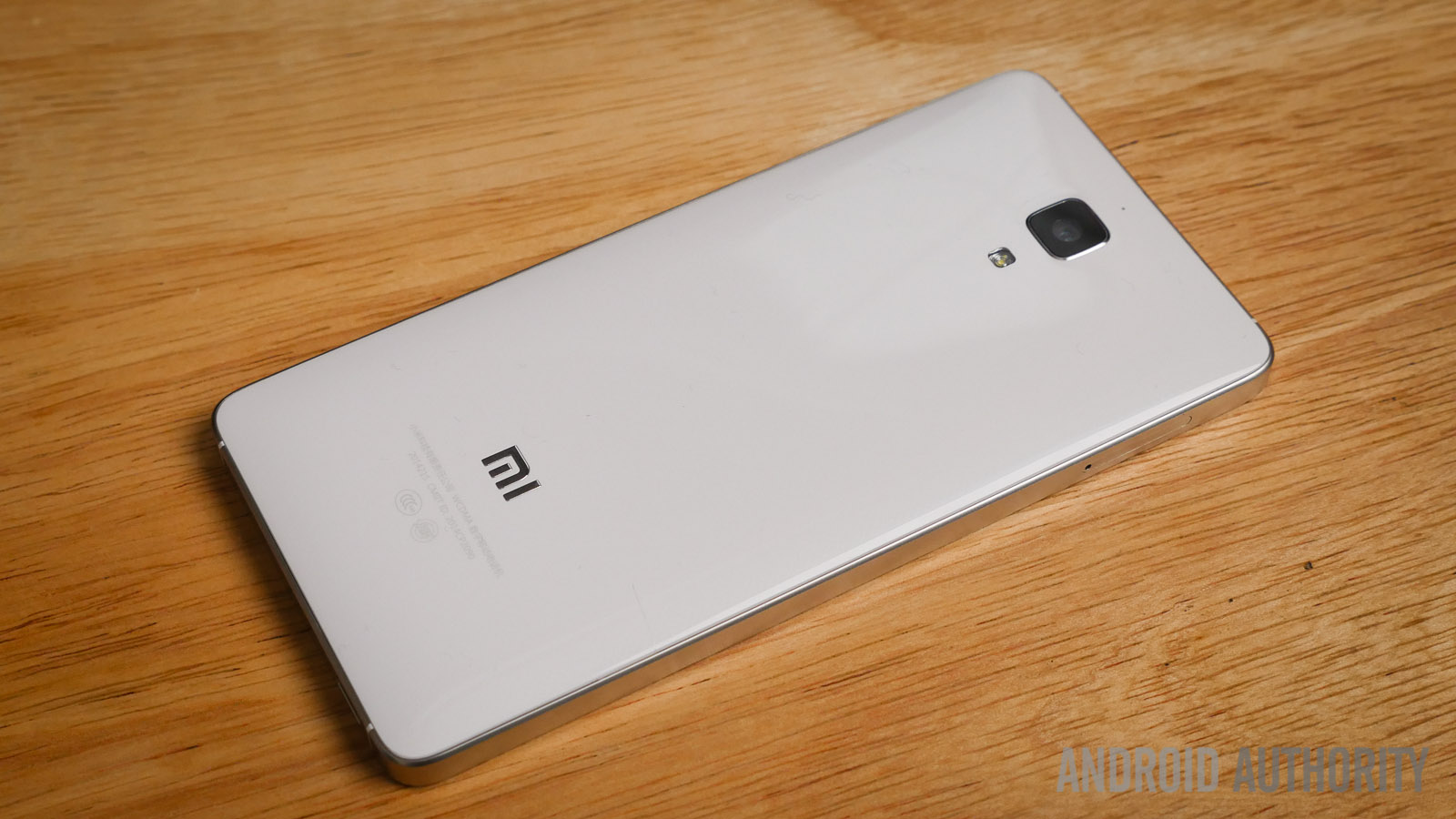
On January 12, 2016, US Mobile launched its new online store, which included several Xiaomi and Meizu phones. It marked the first time a US carrier was offering Xiaomi and Meizu phones to customers, with US Mobile promising support for setting them up on its prepaid plans.
Technically, US Mobile wasn’t selling the phones directly. Its online marketplace was a platform that allowed third-party vendors to offer devices compatible with US Mobile’s network. The company framed this as a way to give customers more choice, even if the phones weren’t officially approved by US Mobile or the brands themselves.
"T-Mobile reportedly asked the MVNO to pull the phones."
That nuance wasn’t enough to avoid trouble. Within a day, Xiaomi [publicly distanced itself from the move](https://www.pcmag.com/news/xiaomi-t-mobile-smack-down-us-mobile), saying in a statement that US Mobile was “not authorized to sell Xiaomi products in the US.” The company expressed confusion about how the phones were sourced and made it clear it had no partnership with the carrier.
To complicate matters further, T-Mobile, whose network US Mobile relies on, reportedly asked the MVNO to pull the phones while they were being tested for network compatibility. US Mobile complied, taking down the listings almost immediately and posting a [short blog update](https://www.usmobile.com/blog/us-mobile-and-its-marketplace/) that vaguely explained the phones had been removed. It stated, “We will continue to work with our enabling carriers to try to certify these phones on their network.”
That was the end of it. There was no relaunch, no official partnership, and no Xiaomi comeback. US Mobile’s experiment was over almost as soon as it started, leaving only a handful of archived news stories and confused tech fans in its wake. Xiaomi still sells plenty of gadgets in the US, but nearly a decade later, you still won’t find its phones on any US carrier shelves.
[Features](https://www.androidauthority.com/features/)
[US Mobile](https://www.androidauthority.com/tag/us-mobile/)[Xiaomi](https://www.androidauthority.com/tag/xiaomi/)
Follow
followFollow "Matt Horne" to receive notifications about new pages on "Matt Horne".
Matt Horne\+
followFollow "Android phones" to receive notifications about new pages on "Android phones".
Android phones\+
followFollow "Mobile" to receive notifications about new pages on "Mobile".
Mobile\+
followFollow "Features" to receive notifications about new pages on "Features".
Features\+
Thank you for being part of our community. Read our [Comment Policy](https://www.androidauthority.com/android-authority-comment-policy/) before posting.
Load more comments
## Conversation
Follow this conversation to be notified when new comments are postedfollow
Log in
\|
Sign up

All Comments2
NEWEST
**0**
### All Comments
1. #### Comment by Mohamed Abdallah Cherif.
MA
Mohamed Abdallah Cherif
May 7, 2025
As long as US major carriers will keep their excessive commercial monopoly American consumers will remain trapped in the Apple-Samsung-Google Pixel bubble with no other alternatives.edited
reply
0
0
share
report
0
0 older replies
show older replies
2. #### Comment by Mihir Shetye.
MS
Mihir Shetye
May 7, 2025
Interesting read,Xiaomi can easily compete with what Motorola or Samsung have to offer in the budget segment,but it's heavily customised UI would be a deal breaker for many potential customers.
reply
0
0
share
report
0
0 older replies
show older replies
Powered by
Advertisement
[About](https://www.androidauthority.com/about/)[Contact](https://www.androidauthority.com/contact/)[Careers](https://www.androidauthority.com/jobs-2/)[Terms of Use](https://www.androidauthority.com/terms-conditions/)[Privacy Policy](https://www.androidauthority.com/privacy-policy/)[Cookie Policy](https://www.androidauthority.com/cookie-policy/)
[Advertise with us](https://www.authoritymedia.com/partnerships)
© 2026 Authority Media. All rights reserved. |
| Readable Markdown | 
For one short-lived moment in 2016, [Xiaomi](https://www.androidauthority.com/xiaomi-15-review-3520250/) smartphones were available to buy from a US carrier. Not through some sketchy importer or Amazon listing — we’re talking about a real wireless provider, with things like plans and warranties. [US Mobile](https://www.androidauthority.com/t-mobile-vs-us-mobile-3483654/), a small MVNO that runs on T-Mobile’s network, briefly added Xiaomi and Meizu phones to its online storefront and declared itself the first legitimate US carrier to sell them.
That lasted about a day, followed by some awkward press statements and hasty backpedaling. With both Xiaomi and T-Mobile making dissenting noises, US Mobile was quickly forced to reverse its bold move and yank them offline almost immediately.
Wondering how it happened? Here’s a simple rundown of how the grand plan quickly went off the rails.
### Would you like to see Xiaomi phones officially sold in the US?
217 votes
Why Xiaomi phones are hard to find in the US

Robert Triggs / Android Authority
Xiaomi is a household name and a major smartphone player in regions like Europe, India, and China. It’s built a reputation for selling feature-packed phones at strikingly low prices — think flagship-tier specs for mid-range money. In 2025, that winning formula has helped the brand soar to a [consistent third place in quarterly smartphone sales](https://www.counterpointresearch.com/insights/global-smartphone-share/), behind only Apple and Samsung.
But in the US, it’s a different story. Xiaomi has never officially launched a smartphone here, and if you’ve walked into a carrier store, you’re not going to find one next to the latest iPhone or Galaxy device. Part of the reason comes down to the way phones are sold in the US. The carrier model dominates, with phones typically sold via financing deals, trade-in offers, and sometimes a bit of carrier bloatware baked in. For a manufacturer like Xiaomi, which thrives on tight margins, that level of customization and partnership agreements may not be worth the effort.
"Many US tech fans see Xiaomi phones as offering excellent value."
Then there’s the issue of compatibility. Many Xiaomi phones don’t support all the 4G and 5G bands used by US networks, especially T-Mobile and Verizon. That can lead to patchy service or limited speeds. Combine that with Xiaomi’s [MIUI software](https://www.androidauthority.com/remove-ads-xiaomi-miui-1019139/), which puts a heavy skin over Android and isn’t to everyone’s taste, and it’s easy to see why US carriers might not be eager to jump in. And while Xiaomi hasn’t been targeted quite like HUAWEI, the political climate hasn’t exactly made things easier for Chinese tech brands trying to expand in the US.
Still, that hasn’t stopped US buyers from taking an interest. Many US tech fans see Xiaomi phones as offering excellent value, and some have been willing to import them, despite the limited network support and lack of warranty. You’ll find plenty of global models listed on Amazon in the States. In that context, US Mobile’s brief stunt in 2016 wasn’t just bold — it tapped into a real, unmet demand.
The one-day sale that wasn’t

On January 12, 2016, US Mobile launched its new online store, which included several Xiaomi and Meizu phones. It marked the first time a US carrier was offering Xiaomi and Meizu phones to customers, with US Mobile promising support for setting them up on its prepaid plans.
Technically, US Mobile wasn’t selling the phones directly. Its online marketplace was a platform that allowed third-party vendors to offer devices compatible with US Mobile’s network. The company framed this as a way to give customers more choice, even if the phones weren’t officially approved by US Mobile or the brands themselves.
"T-Mobile reportedly asked the MVNO to pull the phones."
That nuance wasn’t enough to avoid trouble. Within a day, Xiaomi [publicly distanced itself from the move](https://www.pcmag.com/news/xiaomi-t-mobile-smack-down-us-mobile), saying in a statement that US Mobile was “not authorized to sell Xiaomi products in the US.” The company expressed confusion about how the phones were sourced and made it clear it had no partnership with the carrier.
To complicate matters further, T-Mobile, whose network US Mobile relies on, reportedly asked the MVNO to pull the phones while they were being tested for network compatibility. US Mobile complied, taking down the listings almost immediately and posting a [short blog update](https://www.usmobile.com/blog/us-mobile-and-its-marketplace/) that vaguely explained the phones had been removed. It stated, “We will continue to work with our enabling carriers to try to certify these phones on their network.”
That was the end of it. There was no relaunch, no official partnership, and no Xiaomi comeback. US Mobile’s experiment was over almost as soon as it started, leaving only a handful of archived news stories and confused tech fans in its wake. Xiaomi still sells plenty of gadgets in the US, but nearly a decade later, you still won’t find its phones on any US carrier shelves.
Follow
Thank you for being part of our community. Read our [Comment Policy](https://www.androidauthority.com/android-authority-comment-policy/) before posting. |
| Shard | 69 (laksa) |
| Root Hash | 8083595469281939469 |
| Unparsed URL | com,androidauthority!www,/did-you-know-xiaomi-phones-sold-us-carrier-one-day-3545737/ s443 |