ℹ️ Skipped - page is already crawled
| Filter | Status | Condition | Details |
|---|---|---|---|
| HTTP status | PASS | download_http_code = 200 | HTTP 200 |
| Age cutoff | PASS | download_stamp > now() - 6 MONTH | 0 months ago |
| History drop | PASS | isNull(history_drop_reason) | No drop reason |
| Spam/ban | PASS | fh_dont_index != 1 AND ml_spam_score = 0 | ml_spam_score=0 |
| Canonical | PASS | meta_canonical IS NULL OR = '' OR = src_unparsed | Not set |
| Property | Value |
|---|---|
| URL | https://vispdocs.com/sudden-lower-back-pain/ |
| Last Crawled | 2026-04-19 14:49:54 (1 day ago) |
| First Indexed | 2022-10-22 09:06:45 (3 years ago) |
| HTTP Status Code | 200 |
| Meta Title | 7 Reasons for Sudden Lower Back Pain (& What to Do) |
| Meta Description | Discover the seven common triggers of sudden back pain and how to identify the root cause for faster relief. |
| Meta Canonical | null |
| Boilerpipe Text | Key Takeaways
Sudden lower back pain stems from causes ranging from simple muscle strains to compression fractures.
Gentle movement circulates fluids and speeds recovery faster than bed rest.
Heat therapy relaxes tight muscles more effectively than ice after 48 hours.
Loss of bladder control or severe leg weakness requires emergency care.
Pain persisting after 72 hours of home care warrants specialist consultation.
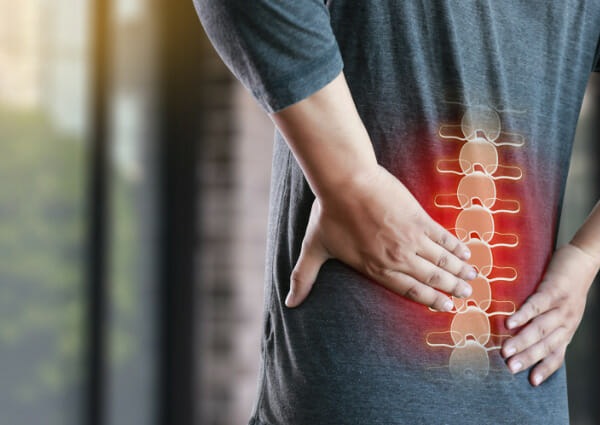
Sudden back pain often hits without warning during everyday activities. You might feel this sharp discomfort after bending to tie your shoe or twisting to grab a garden tool. Doctors call this sudden pain
acute low back pain
. It usually lasts a few days to a few weeks.
Most cases come from
mechanical issues
. This means there’s a problem with how your spine, muscles, and nerves move together. Your lower back carries most of your body’s weight, so awkward movements or heavy loads can easily cause injury.
For active retirees in Prescott,
age-related changes
like weaker bones or worn joints make these injuries more likely. While mechanical pain is common, doctors also check for other causes. In this guide, we talk about the 7 most common ones.
Finding the exact source of your pain helps doctors create the best treatment plan. There are
seven main causes
behind most sudden back problems in seniors.
1. Muscle Strains and Ligament Sprains
The most common cause of sudden back pain is when soft tissues get stretched too far.
Muscle strains
happen when muscle fibers tear from too much tension. Sprains affect the ligaments that connect your bones. A sudden sneeze, a heavy lift, or an awkward twist on the golf course can trigger this kind of pain right away.
You’ll likely feel soreness in one spot,
stiffness
, and muscle spasms that make it hard to move. The pain might be bad enough to affect your walking, but it usually doesn’t travel down your leg. The good news? Most sudden back pain goes away within days to weeks with simple home care.
2. Vertebral Compression Fractures
At VISP, we pay close attention to this condition because it’s common in people with osteoporosis. A
vertebral compression fracture
happens when a weak bone in your spine collapses. This can happen with such little force that stepping off a curb too hard or even coughing hard can cause it.
You’ll feel sharp, severe pain that gets worse when you stand or walk. Lying down makes it feel much better. Unlike a muscle strain, this pain doesn’t go away because it’s tied to actual bone damage. We treat this with a simple procedure called
kyphoplasty
. It fixes the bone and restores height without major surgery.
3. Herniated or Slipped Discs
Your spine has bones called vertebrae, cushioned by soft, gel-filled discs. A
herniated disc
happens when the soft inside pushes through a tear in the tougher outer layer. This bulge can
press on nearby nerves
and cause real discomfort.
The pain from a herniated disc is often
sharp and sudden
. When the disc pushes on a nerve, you may get
radiculopathy
. That’s pain that shoots down into your buttock or leg. This traveling pain is what sets a disc problem apart from a simple strain.
4. Spinal Stenosis
Spinal stenosis
means the space inside your spinal canal gets narrower over time. This narrowing
squeezes
the nerves inside. The condition builds slowly, but
symptoms can seem sudden
when a certain activity sets off swelling.
A telltale sign is the “shopping cart sign.” You feel better when you lean forward while walking—like pushing a shopping cart. Leaning forward
opens up the spinal canal
a bit and takes pressure off the nerves. If you often need to sit or bend forward to ease your back and leg pain, stenosis might be the reason.
5. Sciatica and Nerve Impingement
Sciatica
refers to symptoms caused by pressure on the sciatic nerve. This
large nerve
runs from your lower back, through your hips and buttocks, and down each leg. Sudden pressure on the nerve root can send pain shooting down one leg.
You might feel burning, tingling, or numbness along with back pain. These strange feelings mean the problem is
with a nerve, not a muscle
. Getting the right diagnosis matters because treating sciatica is different from treating a muscle strain.
6. Facet Joint Arthritis
Facet joints connect the bones in your spine and let it bend and twist. Like other joints, they can develop
osteoarthritis
. When the cushioning cartilage wears away, bones rub together and cause swelling.
People with facet joint problems often feel stiff in the morning. The pain gets better after moving around for an hour or so. But it may come back after sitting still for a while. This “loosening up” pattern is a classic sign of joint arthritis.
7. Vascular Issues
We always think about blood vessel health when someone has back pain, even though many doctors overlook it. An
abdominal aortic aneurysm
(AAA) is a weak spot in the main blood vessel that supplies your body. As it grows bigger, it can cause a throbbing pain in the lower back that actually comes from the belly.
In women, we also look for
pelvic congestion syndrome
. This involves varicose veins in the pelvis that cause heaviness and
pain spreading to the lower back
. These conditions need special treatment from a vascular specialist. Checking for blood flow problems is a key part of how we make sure you’re safe.
How Do You Relieve Lower Back Pain at Home?
Dealing with sudden back pain often starts at home. We suggest a balanced approach that keeps you moving gently instead of staying completely still.
The Myth of Bed Rest
Doctors used to tell people to stay in bed, but
lying still for too long actually makes stiffness worse
. It can also cause your muscles to weaken. Your spine needs movement to circulate fluids and nutrients. Try
gentle activities
like short walks to the mailbox or around the kitchen. This keeps blood flowing and helps you heal faster.
Temperature Therapy
For the first 48 hours, use ice packs to reduce swelling and numb sharp pain.
Keep ice on for 20 minutes at a time, with a cloth between the ice and your skin.
After 48 hours, switch to heat.
A heating pad or warm bath relaxes tight muscles and brings healing blood flow to the area.
Over-the-Counter Management
Pain medicine can help break the pain cycle and let you move more easily. NSAIDs like ibuprofen bring down swelling. Acetaminophen blocks pain signals. If you take blood thinners or blood pressure medicine, talk to your doctor before starting any new medication.
How Doctors Diagnose the Real Cause
Good diagnosis starts with a conversation. How you describe your pain gives us the best clues. We ask what movements trigger your symptoms and what positions give you relief.
Then we check your range of motion, reflexes, and muscle strength. This hands-on approach helps us tell the difference between nerve compression, muscle strain, and joint problems.
Advanced Imaging
When the physical exam points to a bone or blood vessel issue, we use imaging technology to look deeper. X-rays let us quickly spot spinal fractures. For a closer look at soft tissues, discs, and nerves, we may order an
MRI
or CT scan.
We also use vascular ultrasound to check for blood flow problems like aneurysms or
blood clots
if your symptoms suggest that possibility.
How to Know if It’s Serious
Most back pain isn’t dangerous, but some symptoms need emergency care right away. You should know the warning signs of a serious problem.
Cauda equina syndrome
is a rare but serious condition. It affects a bundle of nerve roots at the bottom of your spinal cord. Without treatment, it can cause permanent paralysis. Get emergency care right away if you notice:
Sudden loss of bladder or bowel control
Severe weakness in your legs
Numbness in your groin area
Also seek urgent help if your back pain follows a bad fall or accident. The same goes if you have back pain along with fever and weight loss you can’t explain. These could mean a fracture or infection.
Minimally Invasive Treatments
Many patients worry that seeing a specialist means having major surgery. We’re all for mobility, so we focus on
treatments
that get you moving again without the risks of open surgery.
Kyphoplasty for Fractures
For patients with compression fractures from osteoporosis,
kyphoplasty
can be life-changing.
We insert a small balloon into the collapsed bone to create space. Then we fill it with medical-grade bone cement to stabilize the fracture right away.
Most patients feel much better almost instantly and can get back to their daily routines quickly.
Nerve Blocks and Ablation
If your pain comes from inflamed nerves or arthritic joints, we can target the source directly.
Nerve blocks
involve injecting numbing medicine and a steroid near the specific nerve causing pain.
For longer-lasting relief, we may use
radiofrequency ablation
. This technique uses heat to safely “turn off” pain signals from a problem nerve.
How to Prevent Future Back Pain
Once your sharp pain fades, focus shifts to prevention. Building your body’s natural support systems is the best way to avoid another episode.
Strengthening the Core
Your stomach and back muscles work like a natural brace for your spine. A weak core forces your spine to carry more weight than it should. We suggest low-impact activities like swimming or using a stationary bike. These build strength without putting too much stress on your joints.
Ergonomics for Retirees
How you move during everyday life matters just as much as exercise. We teach proper lifting techniques—bend at the knees and keep objects close to your chest when picking up groceries or grandchildren. Paying attention to your posture while sitting and
sleeping
can also cut down on strain to your lower back over time.
When Should You Call a Doctor?
While home care fixes many problems, you shouldn’t suffer for too long. We suggest following the 72-hour rule:
If your pain doesn’t improve after three days of rest, ice, and gentle movement
, it’s time to get professional help.
If sudden pain keeps coming back and limits your life
, you need a thorough checkup.
Restore Your Mobility Now
Sudden back pain doesn’t have to end your active lifestyle in Prescott.
If you have a worrying symptom or a diagnosis that feels overwhelming, let’s talk. Modern medicine, especially Interventional Radiology, offers precise solutions that treat the problem without disrupting your active life.
Contact VISP
at (928) 771-8477 or request an appointment online today. Let us help you rule out serious risks and get you back doing the activities you love.
Frequently Asked Questions
What is the most common cause of sudden lower back pain?
The most common cause is a muscle strain or ligament sprain. This usually happens when soft tissues get stretched too far during activities like lifting or twisting. These injuries cause soreness and stiffness in one area, but they usually get better within a few days to weeks with simple home care.
How can I tell if I have a muscle strain or a herniated disc?
Muscle strains cause soreness and stiffness in one spot. A herniated disc often causes sharp pain that shoots down into your buttock or leg. Doctors call this radiculopathy. If your pain travels rather than staying in one place, it’s likely a disc problem, not a simple strain.
Is bed rest the best way to treat sudden back pain?
No. Lying still for too long can actually make stiffness worse and weaken your muscles. It’s better to do gentle movement, like short walks, to help your spine circulate fluids and nutrients that speed healing.
Should I use ice or heat for my back injury?
Use ice packs for the first 48 hours to reduce swelling and numb sharp pain. After that, switch to heat therapy like a heating pad or warm bath. Heat relaxes tight muscles and brings healing blood flow to the area.
What are the signs that my back pain is a medical emergency?
Get emergency care right away if you have sudden loss of bladder or bowel control, severe weakness in your legs, or numbness in your groin area. These are signs of cauda equina syndrome, a serious condition that can cause permanent paralysis without quick treatment.
What is kyphoplasty and how does it help?
Kyphoplasty is a simple procedure used to treat spinal compression fractures, often caused by osteoporosis. A specialist inserts a small balloon into the collapsed bone to create space, then fills it with bone cement. This stabilizes the bone and usually provides pain relief right away.
How does spinal stenosis affect walking?
Spinal stenosis often shows up as the “shopping cart sign.” You feel better when you lean forward while walking. This position opens the spinal canal and takes pressure off the nerves. If you often need to sit or lean forward to ease leg and back pain, stenosis may be the cause.
When should I see a doctor for my back pain?
Follow the 72-hour rule. If your pain doesn’t get better after three days of rest, ice, and gentle movement, see a professional. Also get checked if sudden pain keeps coming back and limits what you can do. |
| Markdown | COVID-19 - Keeping you safe with telemedicine consultations. Contact us now to learn more.[Call Now](tel:9287718477)
[](https://vispdocs.com/ "Vascular & Interventional Specialists of Prescott")
### Menu
- [Home](https://vispdocs.com/)
- [Our Doctors](https://vispdocs.com/our-doctors/)
- [About Us](https://vispdocs.com/about-us/)
- [Our Facility](https://vispdocs.com/vascular-clinic-with-catheterization-laboratory/)
- [Defining Interventional Radiology](https://vispdocs.com/interventional-radiology/)
- [Patient’s Story](https://vispdocs.com/sudden-lower-back-pain/)
- [Vertebroplasty](https://vispdocs.com/nonsurgical-back-decompression-one-patients-story/)
- [Aortic Stent Graft](https://vispdocs.com/aortic-stent-graft/)
- [Procedures]()
- [Back](https://vispdocs.com/back-pain-procedures/)
- [Arterial](https://vispdocs.com/arterial/)
- [Vein](https://vispdocs.com/vein/)
- [Cancer](https://vispdocs.com/cancer/)
- [Epidurals](https://vispdocs.com/epidural/)
- [Nerve Blocks](https://vispdocs.com/nerve-blocks/)
- [Other](https://vispdocs.com/vein-center/)
- [Conditions We Treat]()
- [Arm and Leg Pain](https://vispdocs.com/arm-and-leg-pain/)
- [Arterial Blockages](https://vispdocs.com/arterial-blockages/)
- [Back Pain](https://vispdocs.com/back-pain/)
- [DVT](https://vispdocs.com/dvt-deep-vein-thrombosis/)
- [Neck Pain](https://vispdocs.com/neck-pain/)
- [Pinched Nerves](https://vispdocs.com/pinched-nerves/)
- [Tumors](https://vispdocs.com/tumors/)
- [Varicose Veins in Prescott AZ: Symptoms, Causes & Treatment](https://vispdocs.com/varicose-veins/)
- [News](https://vispdocs.com/news/)
- [Contact](https://vispdocs.com/contact/)
[](https://vispdocs.com/ "Vascular & Interventional Specialists of Prescott")
- [Home](https://vispdocs.com/)
- [Our Doctors](https://vispdocs.com/our-doctors/)
- [About Us](https://vispdocs.com/about-us/)
- [Our Facility](https://vispdocs.com/vascular-clinic-with-catheterization-laboratory/)
- [Defining Interventional Radiology](https://vispdocs.com/interventional-radiology/)
- [Patient’s Story](https://vispdocs.com/sudden-lower-back-pain/)
- [Vertebroplasty](https://vispdocs.com/nonsurgical-back-decompression-one-patients-story/)
- [Aortic Stent Graft](https://vispdocs.com/aortic-stent-graft/)
- [Procedures]()
- [Back](https://vispdocs.com/back-pain-procedures/)
- [Arterial](https://vispdocs.com/arterial/)
- [Vein](https://vispdocs.com/vein/)
- [Cancer](https://vispdocs.com/cancer/)
- [Epidurals](https://vispdocs.com/epidural/)
- [Nerve Blocks](https://vispdocs.com/nerve-blocks/)
- [Other](https://vispdocs.com/vein-center/)
- [Conditions We Treat]()
- [Arm and Leg Pain](https://vispdocs.com/arm-and-leg-pain/)
- [Arterial Blockages](https://vispdocs.com/arterial-blockages/)
- [Back Pain](https://vispdocs.com/back-pain/)
- [DVT](https://vispdocs.com/dvt-deep-vein-thrombosis/)
- [Neck Pain](https://vispdocs.com/neck-pain/)
- [Pinched Nerves](https://vispdocs.com/pinched-nerves/)
- [Tumors](https://vispdocs.com/tumors/)
- [Varicose Veins in Prescott AZ: Symptoms, Causes & Treatment](https://vispdocs.com/varicose-veins/)
- [News](https://vispdocs.com/news/)
- [Contact](https://vispdocs.com/contact/)
**Key Takeaways**
- Sudden lower back pain stems from causes ranging from simple muscle strains to compression fractures.
- Gentle movement circulates fluids and speeds recovery faster than bed rest.
- Heat therapy relaxes tight muscles more effectively than ice after 48 hours.
- Loss of bladder control or severe leg weakness requires emergency care.
- Pain persisting after 72 hours of home care warrants specialist consultation.
Sudden back pain often hits without warning during everyday activities. You might feel this sharp discomfort after bending to tie your shoe or twisting to grab a garden tool. Doctors call this sudden pain [acute low back pain](https://vispdocs.com/sudden-lower-back-pain/). It usually lasts a few days to a few weeks.
Most cases come from [mechanical issues](https://www.ncbi.nlm.nih.gov/books/NBK542314/). This means there’s a problem with how your spine, muscles, and nerves move together. Your lower back carries most of your body’s weight, so awkward movements or heavy loads can easily cause injury.
For active retirees in Prescott, [age-related changes](https://pmc.ncbi.nlm.nih.gov/articles/PMC2920876/) like weaker bones or worn joints make these injuries more likely. While mechanical pain is common, doctors also check for other causes. In this guide, we talk about the 7 most common ones.
## **7 Reasons for Sudden Lower Back Pain**

Finding the exact source of your pain helps doctors create the best treatment plan. There are [seven main causes](https://www.ncbi.nlm.nih.gov/sites/books/NBK542314/) behind most sudden back problems in seniors.
### **1\. Muscle Strains and Ligament Sprains**
The most common cause of sudden back pain is when soft tissues get stretched too far. [*Muscle strains*](https://www.mayoclinic.org/diseases-conditions/muscle-strains/symptoms-causes/syc-20450507)happen when muscle fibers tear from too much tension. Sprains affect the ligaments that connect your bones. A sudden sneeze, a heavy lift, or an awkward twist on the golf course can trigger this kind of pain right away.
You’ll likely feel soreness in one spot, [stiffness](https://vispdocs.com/how-can-stiff-and-tight-muscles-result-in-back-pain/), and muscle spasms that make it hard to move. The pain might be bad enough to affect your walking, but it usually doesn’t travel down your leg. The good news? Most sudden back pain goes away within days to weeks with simple home care.
### **2\. Vertebral Compression Fractures**
At VISP, we pay close attention to this condition because it’s common in people with osteoporosis. A [*vertebral compression fracture*](https://www.cedars-sinai.org/health-library/diseases-and-conditions/c/compression-fracture.html) happens when a weak bone in your spine collapses. This can happen with such little force that stepping off a curb too hard or even coughing hard can cause it.
You’ll feel sharp, severe pain that gets worse when you stand or walk. Lying down makes it feel much better. Unlike a muscle strain, this pain doesn’t go away because it’s tied to actual bone damage. We treat this with a simple procedure called *kyphoplasty*. It fixes the bone and restores height without major surgery.
### **3\. Herniated or Slipped Discs**
Your spine has bones called vertebrae, cushioned by soft, gel-filled discs. A [*herniated disc*](https://www.mayoclinic.org/diseases-conditions/herniated-disk/symptoms-causes/syc-20354095) happens when the soft inside pushes through a tear in the tougher outer layer. This bulge can [press on nearby nerves](https://www.mayoclinic.org/diseases-conditions/sciatica/symptoms-causes/syc-20377435) and cause real discomfort.
The pain from a herniated disc is often [sharp and sudden](https://www.ninds.nih.gov/sites/default/files/migrate-documents/low_back_pain_20-ns-5161_march_2020_508c.pdf). When the disc pushes on a nerve, you may get *radiculopathy*. That’s pain that shoots down into your buttock or leg. This traveling pain is what sets a disc problem apart from a simple strain.
### **4\. Spinal Stenosis**
[*Spinal stenosis*](https://www.mayoclinic.org/diseases-conditions/spinal-stenosis/symptoms-causes/syc-20352961) means the space inside your spinal canal gets narrower over time. This narrowing [squeezes](https://www.mayoclinic.org/diseases-conditions/spinal-stenosis/symptoms-causes/syc-20352961) the nerves inside. The condition builds slowly, but [symptoms can seem sudden](https://www.mayoclinic.org/diseases-conditions/spinal-stenosis/symptoms-causes/syc-20352961) when a certain activity sets off swelling.
A telltale sign is the “shopping cart sign.” You feel better when you lean forward while walking—like pushing a shopping cart. Leaning forward [opens up the spinal canal](https://www.mayoclinic.org/medical-professionals/physical-medicine-rehabilitation/news/nonsurgical-treatment-options-for-lumbar-spinal-stenosis/mac-20533117) a bit and takes pressure off the nerves. If you often need to sit or bend forward to ease your back and leg pain, stenosis might be the reason.
### **5\. Sciatica and Nerve Impingement**
*Sciatica* refers to symptoms caused by pressure on the sciatic nerve. This [large nerve](https://my.clevelandclinic.org/health/body/21618-sciatic-nerve) runs from your lower back, through your hips and buttocks, and down each leg. Sudden pressure on the nerve root can send pain shooting down one leg.
You might feel burning, tingling, or numbness along with back pain. These strange feelings mean the problem is [with a nerve, not a muscle](https://vispdocs.com/pinched-nerve-vs-pulled-muscle/). Getting the right diagnosis matters because treating sciatica is different from treating a muscle strain.
### **6\. Facet Joint Arthritis**
Facet joints connect the bones in your spine and let it bend and twist. Like other joints, they can develop *osteoarthritis*. When the cushioning cartilage wears away, bones rub together and cause swelling.
People with facet joint problems often feel stiff in the morning. The pain gets better after moving around for an hour or so. But it may come back after sitting still for a while. This “loosening up” pattern is a classic sign of joint arthritis.
### **7\. Vascular Issues**
We always think about blood vessel health when someone has back pain, even though many doctors overlook it. An *abdominal aortic aneurysm* (AAA) is a weak spot in the main blood vessel that supplies your body. As it grows bigger, it can cause a throbbing pain in the lower back that actually comes from the belly.
In women, we also look for *pelvic congestion syndrome*. This involves varicose veins in the pelvis that cause heaviness and [pain spreading to the lower back](https://vispdocs.com/lower-back-pain-females/). These conditions need special treatment from a vascular specialist. Checking for blood flow problems is a key part of how we make sure you’re safe.
## **How Do You Relieve Lower Back Pain at Home?**

Dealing with sudden back pain often starts at home. We suggest a balanced approach that keeps you moving gently instead of staying completely still.
### **The Myth of Bed Rest**
Doctors used to tell people to stay in bed, but [lying still for too long actually makes stiffness worse](https://www.niams.nih.gov/health-topics/back-pain). It can also cause your muscles to weaken. Your spine needs movement to circulate fluids and nutrients. Try [gentle activities](https://vispdocs.com/stretches-lower-back-pain/) like short walks to the mailbox or around the kitchen. This keeps blood flowing and helps you heal faster.
### **Temperature Therapy**
- **For the first 48 hours, use ice packs to reduce swelling and numb sharp pain.** Keep ice on for 20 minutes at a time, with a cloth between the ice and your skin.
- **After 48 hours, switch to heat.** A heating pad or warm bath relaxes tight muscles and brings healing blood flow to the area.
### **Over-the-Counter Management**
Pain medicine can help break the pain cycle and let you move more easily. NSAIDs like ibuprofen bring down swelling. Acetaminophen blocks pain signals. If you take blood thinners or blood pressure medicine, talk to your doctor before starting any new medication.
## **How Doctors Diagnose the Real Cause**
Good diagnosis starts with a conversation. How you describe your pain gives us the best clues. We ask what movements trigger your symptoms and what positions give you relief.
Then we check your range of motion, reflexes, and muscle strength. This hands-on approach helps us tell the difference between nerve compression, muscle strain, and joint problems.
### **Advanced Imaging**
When the physical exam points to a bone or blood vessel issue, we use imaging technology to look deeper. X-rays let us quickly spot spinal fractures. For a closer look at soft tissues, discs, and nerves, we may order an [MRI](https://vispdocs.com/mri-for-back-pain/) or CT scan.
We also use vascular ultrasound to check for blood flow problems like aneurysms or [blood clots](https://vispdocs.com/dvt-deep-vein-thrombosis/) if your symptoms suggest that possibility.
## **How to Know if It’s Serious**

Most back pain isn’t dangerous, but some symptoms need emergency care right away. You should know the warning signs of a serious problem.
[*Cauda equina syndrome*](https://my.clevelandclinic.org/health/diseases/22132-cauda-equina-syndrome) is a rare but serious condition. It affects a bundle of nerve roots at the bottom of your spinal cord. Without treatment, it can cause permanent paralysis. Get emergency care right away if you notice:
- Sudden loss of bladder or bowel control
- Severe weakness in your legs
- Numbness in your groin area
Also seek urgent help if your back pain follows a bad fall or accident. The same goes if you have back pain along with fever and weight loss you can’t explain. These could mean a fracture or infection.
## **Minimally Invasive Treatments**
Many patients worry that seeing a specialist means having major surgery. We’re all for mobility, so we focus on [treatments](https://vispdocs.com/back-pain-procedures/) that get you moving again without the risks of open surgery.
### **Kyphoplasty for Fractures**
For patients with compression fractures from osteoporosis, *kyphoplasty* can be life-changing.
We insert a small balloon into the collapsed bone to create space. Then we fill it with medical-grade bone cement to stabilize the fracture right away.
Most patients feel much better almost instantly and can get back to their daily routines quickly.
### **Nerve Blocks and Ablation**
If your pain comes from inflamed nerves or arthritic joints, we can target the source directly.
[Nerve blocks](https://vispdocs.com/nerve-blocks/) involve injecting numbing medicine and a steroid near the specific nerve causing pain.
For longer-lasting relief, we may use [*radiofrequency ablation*](https://vispdocs.com/what-is-radiofrequency-ablation-procedure/). This technique uses heat to safely “turn off” pain signals from a problem nerve.
[Learn more](https://vispdocs.com/back-pain-procedures/)
## **How to Prevent Future Back Pain**


Once your sharp pain fades, focus shifts to prevention. Building your body’s natural support systems is the best way to avoid another episode.
### **Strengthening the Core**
Your stomach and back muscles work like a natural brace for your spine. A weak core forces your spine to carry more weight than it should. We suggest low-impact activities like swimming or using a stationary bike. These build strength without putting too much stress on your joints.
### **Ergonomics for Retirees**
How you move during everyday life matters just as much as exercise. We teach proper lifting techniques—bend at the knees and keep objects close to your chest when picking up groceries or grandchildren. Paying attention to your posture while sitting and [sleeping](https://vispdocs.com/how-to-sleep-on-your-back/) can also cut down on strain to your lower back over time.
## **When Should You Call a Doctor?**
While home care fixes many problems, you shouldn’t suffer for too long. We suggest following the 72-hour rule:
- **If your pain doesn’t improve after three days of rest, ice, and gentle movement**, it’s time to get professional help.
- **If sudden pain keeps coming back and limits your life**, you need a thorough checkup.
## **Restore Your Mobility Now**
Sudden back pain doesn’t have to end your active lifestyle in Prescott.
If you have a worrying symptom or a diagnosis that feels overwhelming, let’s talk. Modern medicine, especially Interventional Radiology, offers precise solutions that treat the problem without disrupting your active life.
[Contact VISP](https://vispdocs.com/contact/) at (928) 771-8477 or request an appointment online today. Let us help you rule out serious risks and get you back doing the activities you love.
[Contact Us](https://vispdocs.com/contact/)
## Frequently Asked Questions
### **What is the most common cause of sudden lower back pain?**
The most common cause is a muscle strain or ligament sprain. This usually happens when soft tissues get stretched too far during activities like lifting or twisting. These injuries cause soreness and stiffness in one area, but they usually get better within a few days to weeks with simple home care.
### **How can I tell if I have a muscle strain or a herniated disc?**
Muscle strains cause soreness and stiffness in one spot. A herniated disc often causes sharp pain that shoots down into your buttock or leg. Doctors call this radiculopathy. If your pain travels rather than staying in one place, it’s likely a disc problem, not a simple strain.
### **Is bed rest the best way to treat sudden back pain?**
No. Lying still for too long can actually make stiffness worse and weaken your muscles. It’s better to do gentle movement, like short walks, to help your spine circulate fluids and nutrients that speed healing.
### **Should I use ice or heat for my back injury?**
Use ice packs for the first 48 hours to reduce swelling and numb sharp pain. After that, switch to heat therapy like a heating pad or warm bath. Heat relaxes tight muscles and brings healing blood flow to the area.
### **What are the signs that my back pain is a medical emergency?**
Get emergency care right away if you have sudden loss of bladder or bowel control, severe weakness in your legs, or numbness in your groin area. These are signs of cauda equina syndrome, a serious condition that can cause permanent paralysis without quick treatment.
### **What is kyphoplasty and how does it help?**
Kyphoplasty is a simple procedure used to treat spinal compression fractures, often caused by osteoporosis. A specialist inserts a small balloon into the collapsed bone to create space, then fills it with bone cement. This stabilizes the bone and usually provides pain relief right away.
### **How does spinal stenosis affect walking?**
Spinal stenosis often shows up as the “shopping cart sign.” You feel better when you lean forward while walking. This position opens the spinal canal and takes pressure off the nerves. If you often need to sit or lean forward to ease leg and back pain, stenosis may be the cause.
### **When should I see a doctor for my back pain?**
Follow the 72-hour rule. If your pain doesn’t get better after three days of rest, ice, and gentle movement, see a professional. Also get checked if sudden pain keeps coming back and limits what you can do.


## About Vascular \& Interventional Specialists of Prescott
Vascular & Interventional Specialists of Prescott was formed in 2010 by a group of subspecialty radiologists that perform numerous minimally-invasive, low-risk procedures using the tools of our trade for guidance—x-ray, ultrasound, CT scan, and MRI. The team’s goal is to educate patients and medical communities, while also providing safe and compassionate health care, with rapid recovery times and low risk of complications.
[View all posts by Vascular & Interventional Specialists of Prescott →](https://vispdocs.com/author/visp/)
### Contact Us
810 Whipple St.
Prescott, AZ 86301
P: (928) 771-8477
F: (833) 206-5889
### VISP – Vascular & Interventional Specialists of Prescott
Your vascular health is our top priority. We have excellent vascular specialists and interventional radiologists specializing in many treatment options for patients.
### Follow Us
- [Facebook](https://www.facebook.com/vispdocs/)
- [Youtube](https://www.youtube.com/channel/UCgkLEfB3SbDqXjvrlsgkgQQ/)
- [Home](https://vispdocs.com/)
- [FAQ](https://vispdocs.com/faq/)
- [Legal](https://vispdocs.com/legal/)
- [Contact](https://vispdocs.com/contact/)
© Copyright Vascular & Interventional Specialists of Prescott. All rights reserved.
- [  Facebook](https://www.facebook.com/vispdocs/)
- [  Youtube](https://www.youtube.com/channel/UCgkLEfB3SbDqXjvrlsgkgQQ/) |
| Readable Markdown | 
**Key Takeaways**
- Sudden lower back pain stems from causes ranging from simple muscle strains to compression fractures.
- Gentle movement circulates fluids and speeds recovery faster than bed rest.
- Heat therapy relaxes tight muscles more effectively than ice after 48 hours.
- Loss of bladder control or severe leg weakness requires emergency care.
- Pain persisting after 72 hours of home care warrants specialist consultation.
Sudden back pain often hits without warning during everyday activities. You might feel this sharp discomfort after bending to tie your shoe or twisting to grab a garden tool. Doctors call this sudden pain [acute low back pain](https://vispdocs.com/sudden-lower-back-pain/). It usually lasts a few days to a few weeks.
Most cases come from [mechanical issues](https://www.ncbi.nlm.nih.gov/books/NBK542314/). This means there’s a problem with how your spine, muscles, and nerves move together. Your lower back carries most of your body’s weight, so awkward movements or heavy loads can easily cause injury.
For active retirees in Prescott, [age-related changes](https://pmc.ncbi.nlm.nih.gov/articles/PMC2920876/) like weaker bones or worn joints make these injuries more likely. While mechanical pain is common, doctors also check for other causes. In this guide, we talk about the 7 most common ones.

Finding the exact source of your pain helps doctors create the best treatment plan. There are [seven main causes](https://www.ncbi.nlm.nih.gov/sites/books/NBK542314/) behind most sudden back problems in seniors.
### **1\. Muscle Strains and Ligament Sprains**
The most common cause of sudden back pain is when soft tissues get stretched too far. [*Muscle strains*](https://www.mayoclinic.org/diseases-conditions/muscle-strains/symptoms-causes/syc-20450507)happen when muscle fibers tear from too much tension. Sprains affect the ligaments that connect your bones. A sudden sneeze, a heavy lift, or an awkward twist on the golf course can trigger this kind of pain right away.
You’ll likely feel soreness in one spot, [stiffness](https://vispdocs.com/how-can-stiff-and-tight-muscles-result-in-back-pain/), and muscle spasms that make it hard to move. The pain might be bad enough to affect your walking, but it usually doesn’t travel down your leg. The good news? Most sudden back pain goes away within days to weeks with simple home care.
### **2\. Vertebral Compression Fractures**
At VISP, we pay close attention to this condition because it’s common in people with osteoporosis. A [*vertebral compression fracture*](https://www.cedars-sinai.org/health-library/diseases-and-conditions/c/compression-fracture.html) happens when a weak bone in your spine collapses. This can happen with such little force that stepping off a curb too hard or even coughing hard can cause it.
You’ll feel sharp, severe pain that gets worse when you stand or walk. Lying down makes it feel much better. Unlike a muscle strain, this pain doesn’t go away because it’s tied to actual bone damage. We treat this with a simple procedure called *kyphoplasty*. It fixes the bone and restores height without major surgery.
### **3\. Herniated or Slipped Discs**
Your spine has bones called vertebrae, cushioned by soft, gel-filled discs. A [*herniated disc*](https://www.mayoclinic.org/diseases-conditions/herniated-disk/symptoms-causes/syc-20354095) happens when the soft inside pushes through a tear in the tougher outer layer. This bulge can [press on nearby nerves](https://www.mayoclinic.org/diseases-conditions/sciatica/symptoms-causes/syc-20377435) and cause real discomfort.
The pain from a herniated disc is often [sharp and sudden](https://www.ninds.nih.gov/sites/default/files/migrate-documents/low_back_pain_20-ns-5161_march_2020_508c.pdf). When the disc pushes on a nerve, you may get *radiculopathy*. That’s pain that shoots down into your buttock or leg. This traveling pain is what sets a disc problem apart from a simple strain.
### **4\. Spinal Stenosis**
[*Spinal stenosis*](https://www.mayoclinic.org/diseases-conditions/spinal-stenosis/symptoms-causes/syc-20352961) means the space inside your spinal canal gets narrower over time. This narrowing [squeezes](https://www.mayoclinic.org/diseases-conditions/spinal-stenosis/symptoms-causes/syc-20352961) the nerves inside. The condition builds slowly, but [symptoms can seem sudden](https://www.mayoclinic.org/diseases-conditions/spinal-stenosis/symptoms-causes/syc-20352961) when a certain activity sets off swelling.
A telltale sign is the “shopping cart sign.” You feel better when you lean forward while walking—like pushing a shopping cart. Leaning forward [opens up the spinal canal](https://www.mayoclinic.org/medical-professionals/physical-medicine-rehabilitation/news/nonsurgical-treatment-options-for-lumbar-spinal-stenosis/mac-20533117) a bit and takes pressure off the nerves. If you often need to sit or bend forward to ease your back and leg pain, stenosis might be the reason.
### **5\. Sciatica and Nerve Impingement**
*Sciatica* refers to symptoms caused by pressure on the sciatic nerve. This [large nerve](https://my.clevelandclinic.org/health/body/21618-sciatic-nerve) runs from your lower back, through your hips and buttocks, and down each leg. Sudden pressure on the nerve root can send pain shooting down one leg.
You might feel burning, tingling, or numbness along with back pain. These strange feelings mean the problem is [with a nerve, not a muscle](https://vispdocs.com/pinched-nerve-vs-pulled-muscle/). Getting the right diagnosis matters because treating sciatica is different from treating a muscle strain.
### **6\. Facet Joint Arthritis**
Facet joints connect the bones in your spine and let it bend and twist. Like other joints, they can develop *osteoarthritis*. When the cushioning cartilage wears away, bones rub together and cause swelling.
People with facet joint problems often feel stiff in the morning. The pain gets better after moving around for an hour or so. But it may come back after sitting still for a while. This “loosening up” pattern is a classic sign of joint arthritis.
### **7\. Vascular Issues**
We always think about blood vessel health when someone has back pain, even though many doctors overlook it. An *abdominal aortic aneurysm* (AAA) is a weak spot in the main blood vessel that supplies your body. As it grows bigger, it can cause a throbbing pain in the lower back that actually comes from the belly.
In women, we also look for *pelvic congestion syndrome*. This involves varicose veins in the pelvis that cause heaviness and [pain spreading to the lower back](https://vispdocs.com/lower-back-pain-females/). These conditions need special treatment from a vascular specialist. Checking for blood flow problems is a key part of how we make sure you’re safe.
## **How Do You Relieve Lower Back Pain at Home?**

Dealing with sudden back pain often starts at home. We suggest a balanced approach that keeps you moving gently instead of staying completely still.
### **The Myth of Bed Rest**
Doctors used to tell people to stay in bed, but [lying still for too long actually makes stiffness worse](https://www.niams.nih.gov/health-topics/back-pain). It can also cause your muscles to weaken. Your spine needs movement to circulate fluids and nutrients. Try [gentle activities](https://vispdocs.com/stretches-lower-back-pain/) like short walks to the mailbox or around the kitchen. This keeps blood flowing and helps you heal faster.
### **Temperature Therapy**
- **For the first 48 hours, use ice packs to reduce swelling and numb sharp pain.** Keep ice on for 20 minutes at a time, with a cloth between the ice and your skin.
- **After 48 hours, switch to heat.** A heating pad or warm bath relaxes tight muscles and brings healing blood flow to the area.
### **Over-the-Counter Management**
Pain medicine can help break the pain cycle and let you move more easily. NSAIDs like ibuprofen bring down swelling. Acetaminophen blocks pain signals. If you take blood thinners or blood pressure medicine, talk to your doctor before starting any new medication.
## **How Doctors Diagnose the Real Cause**
Good diagnosis starts with a conversation. How you describe your pain gives us the best clues. We ask what movements trigger your symptoms and what positions give you relief.
Then we check your range of motion, reflexes, and muscle strength. This hands-on approach helps us tell the difference between nerve compression, muscle strain, and joint problems.
### **Advanced Imaging**
When the physical exam points to a bone or blood vessel issue, we use imaging technology to look deeper. X-rays let us quickly spot spinal fractures. For a closer look at soft tissues, discs, and nerves, we may order an [MRI](https://vispdocs.com/mri-for-back-pain/) or CT scan.
We also use vascular ultrasound to check for blood flow problems like aneurysms or [blood clots](https://vispdocs.com/dvt-deep-vein-thrombosis/) if your symptoms suggest that possibility.
## **How to Know if It’s Serious**

Most back pain isn’t dangerous, but some symptoms need emergency care right away. You should know the warning signs of a serious problem.
[*Cauda equina syndrome*](https://my.clevelandclinic.org/health/diseases/22132-cauda-equina-syndrome) is a rare but serious condition. It affects a bundle of nerve roots at the bottom of your spinal cord. Without treatment, it can cause permanent paralysis. Get emergency care right away if you notice:
- Sudden loss of bladder or bowel control
- Severe weakness in your legs
- Numbness in your groin area
Also seek urgent help if your back pain follows a bad fall or accident. The same goes if you have back pain along with fever and weight loss you can’t explain. These could mean a fracture or infection.
## **Minimally Invasive Treatments**
Many patients worry that seeing a specialist means having major surgery. We’re all for mobility, so we focus on [treatments](https://vispdocs.com/back-pain-procedures/) that get you moving again without the risks of open surgery.
### **Kyphoplasty for Fractures**
For patients with compression fractures from osteoporosis, *kyphoplasty* can be life-changing.
We insert a small balloon into the collapsed bone to create space. Then we fill it with medical-grade bone cement to stabilize the fracture right away.
Most patients feel much better almost instantly and can get back to their daily routines quickly.
### **Nerve Blocks and Ablation**
If your pain comes from inflamed nerves or arthritic joints, we can target the source directly.
[Nerve blocks](https://vispdocs.com/nerve-blocks/) involve injecting numbing medicine and a steroid near the specific nerve causing pain.
For longer-lasting relief, we may use [*radiofrequency ablation*](https://vispdocs.com/what-is-radiofrequency-ablation-procedure/). This technique uses heat to safely “turn off” pain signals from a problem nerve.
## **How to Prevent Future Back Pain**

Once your sharp pain fades, focus shifts to prevention. Building your body’s natural support systems is the best way to avoid another episode.
### **Strengthening the Core**
Your stomach and back muscles work like a natural brace for your spine. A weak core forces your spine to carry more weight than it should. We suggest low-impact activities like swimming or using a stationary bike. These build strength without putting too much stress on your joints.
### **Ergonomics for Retirees**
How you move during everyday life matters just as much as exercise. We teach proper lifting techniques—bend at the knees and keep objects close to your chest when picking up groceries or grandchildren. Paying attention to your posture while sitting and [sleeping](https://vispdocs.com/how-to-sleep-on-your-back/) can also cut down on strain to your lower back over time.
## **When Should You Call a Doctor?**
While home care fixes many problems, you shouldn’t suffer for too long. We suggest following the 72-hour rule:
- **If your pain doesn’t improve after three days of rest, ice, and gentle movement**, it’s time to get professional help.
- **If sudden pain keeps coming back and limits your life**, you need a thorough checkup.
## **Restore Your Mobility Now**
Sudden back pain doesn’t have to end your active lifestyle in Prescott.
If you have a worrying symptom or a diagnosis that feels overwhelming, let’s talk. Modern medicine, especially Interventional Radiology, offers precise solutions that treat the problem without disrupting your active life.
[Contact VISP](https://vispdocs.com/contact/) at (928) 771-8477 or request an appointment online today. Let us help you rule out serious risks and get you back doing the activities you love.
## Frequently Asked Questions
### **What is the most common cause of sudden lower back pain?**
The most common cause is a muscle strain or ligament sprain. This usually happens when soft tissues get stretched too far during activities like lifting or twisting. These injuries cause soreness and stiffness in one area, but they usually get better within a few days to weeks with simple home care.
### **How can I tell if I have a muscle strain or a herniated disc?**
Muscle strains cause soreness and stiffness in one spot. A herniated disc often causes sharp pain that shoots down into your buttock or leg. Doctors call this radiculopathy. If your pain travels rather than staying in one place, it’s likely a disc problem, not a simple strain.
### **Is bed rest the best way to treat sudden back pain?**
No. Lying still for too long can actually make stiffness worse and weaken your muscles. It’s better to do gentle movement, like short walks, to help your spine circulate fluids and nutrients that speed healing.
### **Should I use ice or heat for my back injury?**
Use ice packs for the first 48 hours to reduce swelling and numb sharp pain. After that, switch to heat therapy like a heating pad or warm bath. Heat relaxes tight muscles and brings healing blood flow to the area.
### **What are the signs that my back pain is a medical emergency?**
Get emergency care right away if you have sudden loss of bladder or bowel control, severe weakness in your legs, or numbness in your groin area. These are signs of cauda equina syndrome, a serious condition that can cause permanent paralysis without quick treatment.
### **What is kyphoplasty and how does it help?**
Kyphoplasty is a simple procedure used to treat spinal compression fractures, often caused by osteoporosis. A specialist inserts a small balloon into the collapsed bone to create space, then fills it with bone cement. This stabilizes the bone and usually provides pain relief right away.
### **How does spinal stenosis affect walking?**
Spinal stenosis often shows up as the “shopping cart sign.” You feel better when you lean forward while walking. This position opens the spinal canal and takes pressure off the nerves. If you often need to sit or lean forward to ease leg and back pain, stenosis may be the cause.
### **When should I see a doctor for my back pain?**
Follow the 72-hour rule. If your pain doesn’t get better after three days of rest, ice, and gentle movement, see a professional. Also get checked if sudden pain keeps coming back and limits what you can do. |
| Shard | 110 (laksa) |
| Root Hash | 5733438601701880710 |
| Unparsed URL | com,vispdocs!/sudden-lower-back-pain/ s443 |