ℹ️ Skipped - page is already crawled
| Filter | Status | Condition | Details |
|---|---|---|---|
| HTTP status | PASS | download_http_code = 200 | HTTP 200 |
| Age cutoff | PASS | download_stamp > now() - 6 MONTH | 0.4 months ago |
| History drop | PASS | isNull(history_drop_reason) | No drop reason |
| Spam/ban | PASS | fh_dont_index != 1 AND ml_spam_score = 0 | ml_spam_score=0 |
| Canonical | PASS | meta_canonical IS NULL OR = '' OR = src_unparsed | Not set |
| Property | Value | |||||||||||||||||||||||||||||||||
|---|---|---|---|---|---|---|---|---|---|---|---|---|---|---|---|---|---|---|---|---|---|---|---|---|---|---|---|---|---|---|---|---|---|---|
| URL | https://thediplomat.com/2020/05/why-would-the-us-have-funded-the-controversial-wuhan-lab/ | |||||||||||||||||||||||||||||||||
| Last Crawled | 2026-04-13 07:34:26 (11 days ago) | |||||||||||||||||||||||||||||||||
| First Indexed | 2020-05-13 13:04:41 (5 years ago) | |||||||||||||||||||||||||||||||||
| HTTP Status Code | 200 | |||||||||||||||||||||||||||||||||
| Content | ||||||||||||||||||||||||||||||||||
| Meta Title | Why Would the US Have Funded the Controversial Wuhan Lab? – The Diplomat | |||||||||||||||||||||||||||||||||
| Meta Description | Reports about the connection between the U.S. National Institutes of Health and the Wuhan Institute of Virology risk feeding conspiracy theories about the origins of COVID-19. | |||||||||||||||||||||||||||||||||
| Meta Canonical | null | |||||||||||||||||||||||||||||||||
| Boilerpipe Text | The Debate
|
Opinion
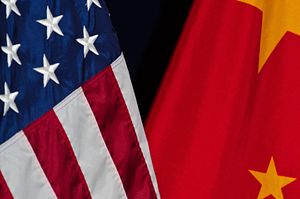
Reports about the connection between the U.S. National Institutes of Health and the Wuhan Institute of Virology risk feeding conspiracy theories about the origins of COVID-19.
Credit:
USDA photo by Lance Cheung
Newsweek
recently put out some surprising
reports
that the U.S. National Institutes of Health (NIH) had
funded
the controversial Wuhan Institute of Virology (WIV). The WIV is the level four research facility
suspected
by some of being a possible source for the coronavirus that causes COVID-19. U.S. Secretary of State Mike Pompeo has already been on
record
confirming and defending this funding, saying it was “to protect American people from labs that aren’t up to standard.”
According to
Newsweek
,
funding
for the WIV occurred in two phases. The first took place from 2014 to 2019, through a $3.7 million project for collecting and studying bat coronaviruses. This work was largely led by
Dr. Zhengli Shi
, known to many as “batwoman” for her years investigating caves in search of new bat viruses. The second phase began shortly after, with another $3.7 million. Unlike the first, this project appears to have included work on “gain-of-function”: research that investigates how a virus can gain the ability to infect a new type of animal.
Anyone with a vague sense of current events would, understandably, be concerned that COVID-19 might have been produced through this research. The connections to the NIH would also be unsettling, offering the possibility that the U.S. government may be complicit, having unnecessarily “
outsourced
” dangerous research. Although strong
denials
by both Chinese and American officials and several pieces of scientific
research
have concluded COVID-19 is not man-made, the connection between the NIH and WIV still behooves critical examination. Why would the NIH want to fund the WIV to begin with?
The first, and perhaps most important reason, may be just as Pompeo said: to help bring Chinese labs up to higher safety standards. As a professor of cell biology at Dongseo University in South Korea and an ex-director of the Tan School of Genetics at Fudan University in China, I have had the opportunity to visit many science facilities across Asia. I can say with some authority that safety standards can, in many cases, fall short of what you would expect in the United States. Whether these shortcomings would necessarily apply to highly-sensitive environments like the WIV I cannot say, as my experiences are limited to academic contexts. Nevertheless, I must concede it is possible, especially in 2014, when the NIH funding began, that the WIV may have needed some help in establishing better safety protocols.
The need for outside help is by no means abnormal, as many countries in the process of establishing new science programs often need to invite outside experts to help build them. The department I am associated with at Dongseo University, for example, drew heavily on the expertise of German professors from the Technische Universität Berlin for building both curricula and research projects. No doubt the WIV would have needed similar assistance, especially early on in its development. A common method is to invite one’s old mentors and colleagues to help advise and monitor progress. With most Chinese scientists, including Dr. Shi, having received their degrees abroad, such invitations would, most likely, have focused on foreign experts, perhaps providing links to people associated with the NIH.
Another reason the NIH may have decided to provide funding is to help foster international cooperation and better communication. In modern times, science funding is not merely a means for buying equipment and hiring workers; it is also a tool for diplomacy. Providing funding often obligates the recipient lab to disclose its findings and allow visits and inspections. In many respects, this access and increased transparency is much preferred to having a lab operate in secret, especially when the subject is potentially dangerous. Scientists working at WIV would, no doubt, also have preferred having experienced foreigners coming in periodically to evaluate the facility, confirming its safety.
A third reason could be the fact that the United States has long held a fierce
debate
about the ethics and risks of gain-of-function (GOF) research. Critics, such as Harvard epidemiologist Marc Lipsitch, have argued that such work “entails a unique risk that a laboratory accident could spark a pandemic, killing millions.” These objections motivated the Obama administration to
halt
all domestic GOF research in 2011, a restriction that was later lifted in 2017, following the implementation of new safety protocols. Although we do not know exactly what went into the decision to fund the WIV during this moratorium, it is likely that domestic restrictions may have played a role, forcing the proponents of such work to seek opportunities abroad. These proponents are of the
opinion
that GOF research is worth the risk, being the best way to understand, prevent, and treat pandemics, an argument that is not without merit.
Unfortunately, from the public’s perspective, reports about the connection between the NIH and WIV are at risk of feeding conspiracy theory fires. With some Chinese officials already
blaming the United States
for the pandemic and the Trump administration appearing intent on blaming China in return
without
divulging any decisive evidence, it is quite difficult, even for experts, to develop a fully-informed opinion about what exactly happened. And therein lies a dangerous problem: unanswered questions can only deepen peoples’ suspicions about science.
In the United States, for example, there have already been widespread reports of citizens across the country rejecting or doubting the legitimacy of the pandemic. Some have labelled COVID-19 a liberal media
hoax
, while others have taken the extraordinary measure of lining up in front of hospitals to
accost
medical staff and accuse them of being “actors.” Although these
opinions
seem to be restricted to a small minority, it is difficult to imagine how such opinions can be held without some level of suspicion or doubt about science. Both I and others have reported about the important
relationship
between scientific literacy and belief in the pandemic, with a decrease in the former likely fueling a decrease in the latter, sometimes
adversely
affecting compliance with virus containment efforts.
Put simply, the circumstantial evidence surrounding the WIV and its connections to the NIH are a bad look for science. Even if the virus didn’t come from the facility, as Dr. Shi claimed in
interviews
with
Scientific American
, I think there is a burden of proof that must be undertaken to convince the public. If there is absolute certainty, please show us the evidence. It is our duty as scientists to be transparent. No doubt there will be some who will never be convinced, but there is also likely a sizable audience that would be receptive to new information, making the effort worthwhile.
As the pandemic rages on, the worst possible thing is for the rumor mill to latch onto uncertainties and convince more people that the voice of science is not to be trusted. COVID-19 may have begun in a lab, or not. Either way, the only thing that remains certain is that science will be the brightest light guiding us out of the pandemic. Since there will be plenty of time to divvy blame later, I implore that we stay focused on the monumental task at hand without getting bogged down in the politicization of science.
Justin Fendos is a professor at Dongseo University in South Korea. | |||||||||||||||||||||||||||||||||
| Markdown | All Sections
Search
[ Read The Diplomat, Know The Asia-Pacific](https://thediplomat.com/)
| | | | | | | | | | | | | | | | |
|---|---|---|---|---|---|---|---|---|---|---|---|---|---|---|---|
| [Central Asia](https://thediplomat.com/regions/central-asia/) | [East Asia](https://thediplomat.com/regions/east-asia/) | [Oceania](https://thediplomat.com/regions/oceania-region/) | [South Asia](https://thediplomat.com/regions/south-asia/) | [Southeast Asia](https://thediplomat.com/regions/southeast-asia/) | \| | [Security](https://thediplomat.com/topics/security/) | [Politics](https://thediplomat.com/topics/politics/) | [Diplomacy](https://thediplomat.com/topics/diplomacy/) | [Economy](https://thediplomat.com/topics/economy/) | [Society](https://thediplomat.com/topics/society/) | [Environment](https://thediplomat.com/topics/environment/) | [Opinion](https://thediplomat.com/topics/opinion/) | [Features](https://thediplomat.com/category/features/) | \| | All |
Regions
- [Central Asia](https://thediplomat.com/regions/central-asia/)
- [East Asia](https://thediplomat.com/regions/east-asia/)
- [Oceania](https://thediplomat.com/regions/oceania-region/)
- [South Asia](https://thediplomat.com/regions/south-asia/)
- [Southeast Asia](https://thediplomat.com/regions/southeast-asia/)
Topics
- [Diplomacy](https://thediplomat.com/topics/diplomacy/)
- [Economy](https://thediplomat.com/topics/economy/)
- [Environment](https://thediplomat.com/topics/environment/)
- [Opinion](https://thediplomat.com/topics/opinion/)
- [Politics](https://thediplomat.com/topics/politics/)
- [Security](https://thediplomat.com/topics/security/)
- [Society](https://thediplomat.com/topics/society/)
Blogs
- [ASEAN Beat](https://thediplomat.com/category/asean-beat/)
- [Asia Defense](https://thediplomat.com/category/asia-defense/)
- [China Power](https://thediplomat.com/category/china-power/)
- [Crossroads Asia](https://thediplomat.com/category/crossroads-asia/)
- [Flashpoints](https://thediplomat.com/category/flashpoints/)
- [Oceania](https://thediplomat.com/category/oceania/)
- [Pacific Money](https://thediplomat.com/category/pacific-money/)
- [The Debate](https://thediplomat.com/category/the-debate/)
- [The Koreas](https://thediplomat.com/category/the-koreas/)
- [The Pulse](https://thediplomat.com/category/the-pulse/)
- [Tokyo Report](https://thediplomat.com/category/tokyo-report/)
- [Trans-Pacific View](https://thediplomat.com/category/trans-pacific-view/)
More
- [Features](https://thediplomat.com/category/features/)
- [Interviews](https://thediplomat.com/category/interviews/)
- [Photo Essays](https://thediplomat.com/category/photo-essays/)
- [Podcasts](https://thediplomat.com/category/podcasts/)
- [Videos](https://thediplomat.com/category/videos/)
Newsletter
[**Diplomat Brief** Weekly Newsletter](https://thediplomat.com/newsletter/)
The Diplomat
- [Home Page](https://thediplomat.com/)
- [About Us](https://thediplomat.com/the-diplomat/)
- [Contact Us](https://thediplomat.com/contact-us/)
- [Write for Us](https://thediplomat.com/write-for-us/)
- [Advertise](https://thediplomat.com/about-us/advertise/)
- [Syndicate](https://thediplomat.com/syndication/)
- [Privacy](https://thediplomat.com/privacy-policy/)
- [Newsletter](https://thediplomat.com/newsletter/)
- [Subscriptions](https://thediplomat.com/subscriptions/)
##### The Debate
#### Why Would the US Have Funded the Controversial Wuhan Lab?
### Recent Features
[EconomySoutheast Asia’s AI Dilemma](https://thediplomat.com/2026/04/southeast-asias-ai-dilemma/)
[EnvironmentIndia’s Worrying Plans for Dams on Transboundary Rivers Shared with Bangladesh](https://thediplomat.com/2026/04/indias-worrying-plans-for-dams-on-transboundary-rivers-shared-with-bangladesh/)
[PoliticsCan Uchral Hold On? Beyond Mongolia’s Leadership Shake-Up](https://thediplomat.com/2026/04/can-uchral-hold-on-beyond-mongolias-leadership-shake-up/)
[EconomyWelcome to Cryptostan: Kyrgyzstan and the Emerging Crypto Corridor](https://thediplomat.com/2026/04/welcome-to-cryptostan-kyrgyzstan-and-the-emerging-crypto-corridor/)
[EnvironmentTaiwan and the Formosa Disaster in Vietnam: The Sound of Silence](https://thediplomat.com/2026/04/taiwan-and-the-formosa-disaster-in-vietnam-the-sound-of-silence/)
[VideosRemembering Vietnam’s Worst Environmental Disaster – and the Ongoing Cover-up](https://thediplomat.com/2026/04/remembering-vietnams-worst-environmental-disaster-and-the-ongoing-cover-up/)
[DiplomacyRevisiting Donald Trump and Kim Jong Un’s Last Meeting](https://thediplomat.com/2026/04/revisiting-donald-trump-and-kim-jong-uns-last-meeting/)
[SocietyForgotten Faces in the Contested South China Sea](https://thediplomat.com/2026/04/forgotten-faces-in-the-contested-south-china-sea/)
[DiplomacyWhen Trump Goes to China: It’s the Strategy That Matters](https://thediplomat.com/2026/04/when-trump-goes-to-china-its-the-strategy-that-matters/)
[SecurityChina, the Philippines, and the Real Lesson of Second Thomas Shoal](https://thediplomat.com/2026/04/china-the-philippines-and-the-real-lesson-of-second-thomas-shoal/)
[SocietyThe Rise of Chinese Organized Crime in Chile](https://thediplomat.com/2026/03/the-rise-of-chinese-organized-crime-in-chile/)
[VideosIs South Korea About to Finally Get Full Control of Its Own Military?](https://thediplomat.com/2026/03/is-south-korea-about-to-finally-get-full-control-of-its-own-military/)
### [The Debate](https://thediplomat.com/category/the-debate/) \| [Opinion](https://thediplomat.com/topics/opinion/)
# Why Would the US Have Funded the Controversial Wuhan Lab?
Reports about the connection between the U.S. National Institutes of Health and the Wuhan Institute of Virology risk feeding conspiracy theories about the origins of COVID-19.
By **Justin Fendos**
May 13, 2020
Credit: [USDA photo by Lance Cheung](https://www.flickr.com/photos/usdagov/8293232288/in/photolist-dCQZ2A-8vuqZn-7pJxBu-8vxuds-8vujZV-56AVTT-8vxkDy-8vthyF-8vwNRd-GvSq3r-8vsUSp-nd5iVx-8vugpH-8vupkr-8vtmM2-8vti9t-8vtsqD-8vtCwB-8vwgeL-8vvoaR-8vttiV-8vuFTD-8vta3M-8vwjX9-8vwrj9-4sYUPr-8vtcyp-8vvSvG-8vtpXa-8vsLQa-8vvLSu-8vsQDc-8vvGTL-8vyoRj-8vydqG-8vv83p-8vtDb4-8vvREC-8vtw32-8vtpci-8vyodS-8vwDNC-8vxKwm-8vuJWV-8vuHwB-8vvj8t-8vwE57-8vum6e-8vwgv3-8vyhQU)
*Newsweek* recently put out some surprising [reports](https://www.newsweek.com/controversial-wuhan-lab-experiments-that-may-have-started-coronavirus-pandemic-1500503) that the U.S. National Institutes of Health (NIH) had [funded](https://www.newsweek.com/dr-fauci-backed-controversial-wuhan-lab-millions-us-dollars-risky-coronavirus-research-1500741) the controversial Wuhan Institute of Virology (WIV). The WIV is the level four research facility [suspected](https://www.wsj.com/articles/the-wuhan-lab-theory-11588806940) by some of being a possible source for the coronavirus that causes COVID-19. U.S. Secretary of State Mike Pompeo has already been on [record](https://nationalinterest.org/blog/coronavirus/mike-pompeo-defends-us-funding-wuhan-virology-lab-149436) confirming and defending this funding, saying it was “to protect American people from labs that aren’t up to standard.”
According to *Newsweek*, [funding](https://www.newsweek.com/dr-fauci-backed-controversial-wuhan-lab-millions-us-dollars-risky-coronavirus-research-1500741) for the WIV occurred in two phases. The first took place from 2014 to 2019, through a \$3.7 million project for collecting and studying bat coronaviruses. This work was largely led by [Dr. Zhengli Shi](https://www.scientificamerican.com/article/how-chinas-bat-woman-hunted-down-viruses-from-sars-to-the-new-coronavirus1/), known to many as “batwoman” for her years investigating caves in search of new bat viruses. The second phase began shortly after, with another \$3.7 million. Unlike the first, this project appears to have included work on “gain-of-function”: research that investigates how a virus can gain the ability to infect a new type of animal.
Anyone with a vague sense of current events would, understandably, be concerned that COVID-19 might have been produced through this research. The connections to the NIH would also be unsettling, offering the possibility that the U.S. government may be complicit, having unnecessarily “[outsourced](https://asiatimes.com/2020/04/why-us-outsourced-bat-virus-research-to-wuhan/)” dangerous research. Although strong [denials](https://www.businessinsider.com/fauci-throws-cold-water-conspiracy-theory-coronavirus-escaped-chinese-lab-2020-4) by both Chinese and American officials and several pieces of scientific [research](https://www.sciencealert.com/here-s-what-scientists-think-of-the-coronavirus-was-made-in-a-lab-rumour) have concluded COVID-19 is not man-made, the connection between the NIH and WIV still behooves critical examination. Why would the NIH want to fund the WIV to begin with?
The first, and perhaps most important reason, may be just as Pompeo said: to help bring Chinese labs up to higher safety standards. As a professor of cell biology at Dongseo University in South Korea and an ex-director of the Tan School of Genetics at Fudan University in China, I have had the opportunity to visit many science facilities across Asia. I can say with some authority that safety standards can, in many cases, fall short of what you would expect in the United States. Whether these shortcomings would necessarily apply to highly-sensitive environments like the WIV I cannot say, as my experiences are limited to academic contexts. Nevertheless, I must concede it is possible, especially in 2014, when the NIH funding began, that the WIV may have needed some help in establishing better safety protocols.
The need for outside help is by no means abnormal, as many countries in the process of establishing new science programs often need to invite outside experts to help build them. The department I am associated with at Dongseo University, for example, drew heavily on the expertise of German professors from the Technische Universität Berlin for building both curricula and research projects. No doubt the WIV would have needed similar assistance, especially early on in its development. A common method is to invite one’s old mentors and colleagues to help advise and monitor progress. With most Chinese scientists, including Dr. Shi, having received their degrees abroad, such invitations would, most likely, have focused on foreign experts, perhaps providing links to people associated with the NIH.
Another reason the NIH may have decided to provide funding is to help foster international cooperation and better communication. In modern times, science funding is not merely a means for buying equipment and hiring workers; it is also a tool for diplomacy. Providing funding often obligates the recipient lab to disclose its findings and allow visits and inspections. In many respects, this access and increased transparency is much preferred to having a lab operate in secret, especially when the subject is potentially dangerous. Scientists working at WIV would, no doubt, also have preferred having experienced foreigners coming in periodically to evaluate the facility, confirming its safety.
A third reason could be the fact that the United States has long held a fierce [debate](https://www.nature.com/articles/nrmicro3405?WT.feed_name=subjects_policy-and-public-health-in-microbiolo) about the ethics and risks of gain-of-function (GOF) research. Critics, such as Harvard epidemiologist Marc Lipsitch, have argued that such work “entails a unique risk that a laboratory accident could spark a pandemic, killing millions.” These objections motivated the Obama administration to [halt](https://www.newsweek.com/controversial-wuhan-lab-experiments-that-may-have-started-coronavirus-pandemic-1500503) all domestic GOF research in 2011, a restriction that was later lifted in 2017, following the implementation of new safety protocols. Although we do not know exactly what went into the decision to fund the WIV during this moratorium, it is likely that domestic restrictions may have played a role, forcing the proponents of such work to seek opportunities abroad. These proponents are of the [opinion](https://www.thelancet.com/journals/laninf/article/PIIS1473-3099\(18\)30006-9/fulltext) that GOF research is worth the risk, being the best way to understand, prevent, and treat pandemics, an argument that is not without merit.
Unfortunately, from the public’s perspective, reports about the connection between the NIH and WIV are at risk of feeding conspiracy theory fires. With some Chinese officials already [blaming the United States](https://edition.cnn.com/2020/05/08/asia/us-china-relations-nationalism-intl-hnk/index.html) for the pandemic and the Trump administration appearing intent on blaming China in return [without](https://www.wsj.com/articles/the-wuhan-lab-theory-11588806940) divulging any decisive evidence, it is quite difficult, even for experts, to develop a fully-informed opinion about what exactly happened. And therein lies a dangerous problem: unanswered questions can only deepen peoples’ suspicions about science.
In the United States, for example, there have already been widespread reports of citizens across the country rejecting or doubting the legitimacy of the pandemic. Some have labelled COVID-19 a liberal media [hoax](https://www.medicalnewstoday.com/articles/covid-19-study-highlights-sources-of-misinformation), while others have taken the extraordinary measure of lining up in front of hospitals to [accost](https://www.msn.com/en-au/news/world/nurse-who-stood-up-to-armed-lockdown-protesters-in-arizona-says-they-thought-she-was-a-paid-actor-in-costume-as-her-colleague-warns-demonstrators-she-could-be-the-last-person-they-see-when-they-catch-covid/ar-BB13OxEQ) medical staff and accuse them of being “actors.” Although these [opinions](https://fivethirtyeight.com/features/americans-are-largely-unimpressed-with-trumps-handling-of-the-coronavirus-pandemic/) seem to be restricted to a small minority, it is difficult to imagine how such opinions can be held without some level of suspicion or doubt about science. Both I and others have reported about the important [relationship](https://www.rgj.com/story/opinion/voices/2020/05/09/pandemic-shows-need-science-literacy-sinclair-parker-dunkelberger/3103490001/) between scientific literacy and belief in the pandemic, with a decrease in the former likely fueling a decrease in the latter, sometimes [adversely](https://thediplomat.com/2020/03/lessons-from-south-koreas-covid-19-outbreak-the-good-bad-and-ugly/) affecting compliance with virus containment efforts.
Put simply, the circumstantial evidence surrounding the WIV and its connections to the NIH are a bad look for science. Even if the virus didn’t come from the facility, as Dr. Shi claimed in [interviews](https://www.scientificamerican.com/article/how-chinas-bat-woman-hunted-down-viruses-from-sars-to-the-new-coronavirus1/) with *Scientific American*, I think there is a burden of proof that must be undertaken to convince the public. If there is absolute certainty, please show us the evidence. It is our duty as scientists to be transparent. No doubt there will be some who will never be convinced, but there is also likely a sizable audience that would be receptive to new information, making the effort worthwhile.
As the pandemic rages on, the worst possible thing is for the rumor mill to latch onto uncertainties and convince more people that the voice of science is not to be trusted. COVID-19 may have begun in a lab, or not. Either way, the only thing that remains certain is that science will be the brightest light guiding us out of the pandemic. Since there will be plenty of time to divvy blame later, I implore that we stay focused on the monumental task at hand without getting bogged down in the politicization of science.
*Justin Fendos is a professor at Dongseo University in South Korea.*
Tags
- [The Debate](https://thediplomat.com/category/the-debate/)
- [Opinion](https://thediplomat.com/topics/opinion/)
- [China](https://thediplomat.com/countries/china/)
- [United States](https://thediplomat.com/countries/usa/)
- [2020 Coronavirus](https://thediplomat.com/tag/2020-coronavirus/)
- [COVID-19](https://thediplomat.com/tag/covid-19/)
- [COVID-19 origins](https://thediplomat.com/tag/covid-19-origins/)
- [National Institutes of Health](https://thediplomat.com/tag/national-institutes-of-health/)
- [U.S.-China science cooperation](https://thediplomat.com/tag/u-s-china-science-cooperation/)
- [Wuhan Institute of Virology](https://thediplomat.com/tag/wuhan-institute-of-virology/)
### [Latest Stories](https://thediplomat.com/category/blogs/)
[Three Indian Nationals Killed in Myanmar Civil War](https://thediplomat.com/2026/04/three-indian-nationals-killed-in-myanmar-civil-war/)
[Uncertainty Looms as US Sanctions Waiver for India Expires](https://thediplomat.com/2026/04/uncertainty-looms-as-us-sanctions-waiver-for-india-expires/)
[Indonesia’s Disinformation Bill and the Politics of ‘Foreign Propaganda’](https://thediplomat.com/2026/04/indonesias-disinformation-bill-and-the-politics-of-foreign-propaganda/)
[Australian PM to Travel to Brunei and Malaysia to Secure Energy, Fertilizer Supplies](https://thediplomat.com/2026/04/australian-pm-to-travel-to-brunei-and-malaysia-to-secure-energy-fertilizer-supplies/)
### Diplomat Brief
#### Weekly Newsletter
Get briefed on the story of the week, and developing stories to watch across the Asia-Pacific.
[Get the Newsletter](https://thediplomat.com/newsletter/)
### Related
[The COVID-19 ‘Lab-Leak Origin’ Theory: Fact or Fiction?By Florence DébarreThe U.S. government is increasingly supporting the “lab leak” theory. But with no new evidence released, it’s impossible to evaluate the accuracy of that conclusion.](https://thediplomat.com/2025/03/the-covid-19-lab-leak-origin-theory-fact-or-fiction/)
[Returning to Multilateralism to Ensure Equitable COVID-19 Vaccine AccessBy Chee Leong LeeBoth China and the United States can and should do more to ensure equitable access to vaccines around the world.](https://thediplomat.com/2021/07/returning-to-multilateralism-to-ensure-equitable-covid-19-vaccine-access/)
[Biden Asks US Intel Officials to Investigate COVID-19 OriginBy Zeke Miller and Aamer MadhaniBiden in a statement said the majority of the intelligence community had "coalesced" around two possible scenarios.](https://thediplomat.com/2021/05/biden-asks-us-intel-officials-to-investigate-covid-19-origin/)
[An Open Letter to the People of the United States From 100 Chinese Scholars“Facing the most dangerous infectious disease in a century, politicized criticisms help neither China, the U.S., nor the world to curb the spread of the virus.”](https://thediplomat.com/2020/04/an-open-letter-to-the-people-of-the-united-states-from-100-chinese-scholars/)
### Most Read
[Is South Korea About to Finally Get Full Control of Its Own Military?OPCON transition would have major implications not just for the Korean Peninsula, but for the broader geopolitical struggle in the Indo-Pacific.](https://thediplomat.com/2026/03/is-south-korea-about-to-finally-get-full-control-of-its-own-military/)
[Has the Iran War Revealed a Shift in India’s Grand Strategy?By Sandeep BhardwajWhatever happened to India’s promotion of a multipolar world?](https://thediplomat.com/2026/03/has-the-iran-war-revealed-a-shift-in-indias-grand-strategy/)
[How an Indonesian Pulp Giant Built a Carbon Project to Save a Forest From ItselfBy Adi RenaldiA months-long investigation into APRIL Group’s flagship Riau Ecosytem Restoration reveals how its carbon project was built on a hypothetical deforestation threat that is unlikely to materialize.](https://thediplomat.com/2026/03/how-an-indonesian-pulp-giant-built-a-carbon-project-to-save-a-forest-from-itself/)
[Indian Government Cracks Down on Video Reels Lampooning PM ModiBy Kavita ChowdhuryAuthorities took down a video that mocked Prime Minister Narendra Modi’s undignified behavior while meeting foreign leaders.](https://thediplomat.com/2026/03/indian-government-cracks-down-on-video-reels-lampooning-pm-modi/)
### [Features](https://thediplomat.com/category/features/)
[Southeast Asia’s AI DilemmaBy Govand Khalid AzeezThe region faces the modern iteration of a question that has plagued every industrial revolution: who owns the machine, who works it, who extracts the surplus, and who bears the cost?](https://thediplomat.com/2026/04/southeast-asias-ai-dilemma/)
[India’s Worrying Plans for Dams on Transboundary Rivers Shared with BangladeshBy Snigdhendu BhattacharyaAt least seven hydroelectric projects on two transboundary river systems are in the pipeline in the northeast Indian state of Meghalaya.](https://thediplomat.com/2026/04/indias-worrying-plans-for-dams-on-transboundary-rivers-shared-with-bangladesh/)
[Can Uchral Hold On? Beyond Mongolia’s Leadership Shake-UpBy Sumiya ChuluunbaatarThe young leader's sudden rise raises questions about the future of Mongolia's democracy and its balanced approach to foreign policy.](https://thediplomat.com/2026/04/can-uchral-hold-on-beyond-mongolias-leadership-shake-up/)
[Welcome to Cryptostan: Kyrgyzstan and the Emerging Crypto CorridorBy Aigerim TurgunbaevaKyrgyzstan has become a de facto “crypto corridor” linking sanctioned Russian flows with trade in Central Asia and supply chains from China.](https://thediplomat.com/2026/04/welcome-to-cryptostan-kyrgyzstan-and-the-emerging-crypto-corridor/)
### [Latest Stories](https://thediplomat.com/category/blogs/)
[Three Indian Nationals Killed in Myanmar Civil WarBy Rajeev BhattacharyyaThe three men were captured by the rebel People’s Defense Army but subsequently tortured and killed by a rival outfit.](https://thediplomat.com/2026/04/three-indian-nationals-killed-in-myanmar-civil-war/)
[Uncertainty Looms as US Sanctions Waiver for India ExpiresBy Elizabeth RocheThe geopolitical uncertainties in the Gulf have created new opportunities for India and Russia to strengthen ties.](https://thediplomat.com/2026/04/uncertainty-looms-as-us-sanctions-waiver-for-india-expires/)
[Indonesia’s Disinformation Bill and the Politics of ‘Foreign Propaganda’By Kamilatul FarikhahIn its bid to clamp down on fake news, President Prabowo's administration is arming itself with some concerning powers.](https://thediplomat.com/2026/04/indonesias-disinformation-bill-and-the-politics-of-foreign-propaganda/)
[Australian PM to Travel to Brunei and Malaysia to Secure Energy, Fertilizer SuppliesBy Sebastian StrangioThe trip comes days after the Australian leader brokered a deal with Singapore to ensure a continued flow of fuel and gas between the two nations.](https://thediplomat.com/2026/04/australian-pm-to-travel-to-brunei-and-malaysia-to-secure-energy-fertilizer-supplies/)
Regions
- [Central Asia](https://thediplomat.com/regions/central-asia/)
- [East Asia](https://thediplomat.com/regions/east-asia/)
- [Oceania](https://thediplomat.com/regions/oceania-region/)
- [South Asia](https://thediplomat.com/regions/south-asia/)
- [Southeast Asia](https://thediplomat.com/regions/southeast-asia/)
Topics
- [Diplomacy](https://thediplomat.com/topics/diplomacy/)
- [Economy](https://thediplomat.com/topics/economy/)
- [Environment](https://thediplomat.com/topics/environment/)
- [Opinion](https://thediplomat.com/topics/opinion/)
- [Politics](https://thediplomat.com/topics/politics/)
- [Security](https://thediplomat.com/topics/security/)
- [Society](https://thediplomat.com/topics/society/)
Blogs
- [ASEAN Beat](https://thediplomat.com/category/asean-beat/)
- [Asia Defense](https://thediplomat.com/category/asia-defense/)
- [China Power](https://thediplomat.com/category/china-power/)
- [Crossroads Asia](https://thediplomat.com/category/crossroads-asia/)
- [Flashpoints](https://thediplomat.com/category/flashpoints/)
- [Oceania](https://thediplomat.com/category/oceania/)
- [Pacific Money](https://thediplomat.com/category/pacific-money/)
- [The Debate](https://thediplomat.com/category/the-debate/)
- [The Koreas](https://thediplomat.com/category/the-koreas/)
- [The Pulse](https://thediplomat.com/category/the-pulse/)
- [Tokyo Report](https://thediplomat.com/category/tokyo-report/)
- [Trans-Pacific View](https://thediplomat.com/category/trans-pacific-view/)
More
- [Features](https://thediplomat.com/category/features/)
- [Interviews](https://thediplomat.com/category/interviews/)
- [Photo Essays](https://thediplomat.com/category/photo-essays/)
- [Podcasts](https://thediplomat.com/category/podcasts/)
- [Videos](https://thediplomat.com/category/videos/)
Archives
- [Magazine](https://magazine.thediplomat.com/)
- [A New Japan](https://thediplomat.com/category/a-new-japan/)
- [By Other Means](https://thediplomat.com/category/by-other-means/)
- [APAC Insider](https://thediplomat.com/category/apac-insider/)
- [Asia Life](https://thediplomat.com/category/asia-life/)
- [Asia Scope](https://thediplomat.com/category/asia-scope/)
- [China, What's Next?](https://thediplomat.com/category/whats-next-china/)
- [Indian Decade](https://thediplomat.com/category/indian-decade/)
- [James Holmes](https://thediplomat.com/category/james-holmes/)
- [New Emissary](https://thediplomat.com/category/new-emissary/)
- [New Leaders Forum](https://thediplomat.com/category/new-leaders-forum/)
- [Sport & Culture](https://thediplomat.com/category/sport-culture/)
- [Tech Biz](https://thediplomat.com/category/tech-biz/)
- [Tokyo Notes](https://thediplomat.com/category/tokyo-notes/)
- [Zachary Keck](https://thediplomat.com/category/zachary-keck/)
The Diplomat
- [About Us](https://thediplomat.com/the-diplomat/)
- [Contact Us](https://thediplomat.com/contact-us/)
- [Write for Us](https://thediplomat.com/write-for-us/)
- [Advertise](https://thediplomat.com/about-us/advertise/)
- [Syndicate](https://thediplomat.com/syndication/)
- [Terms of Use](https://thediplomat.com/terms-of-use/)
- [Privacy Policy](https://thediplomat.com/privacy-policy/)
- [Newsletters](https://thediplomat.com/newsletter/)
- [Subscriptions](https://thediplomat.com/subscriptions/)
Newsletter
[**Diplomat Brief** Weekly Newsletter](https://thediplomat.com/newsletter/)
© 2026 Diplomat Media Inc. All Rights Reserved. | |||||||||||||||||||||||||||||||||
| Readable Markdown | ### [The Debate](https://thediplomat.com/category/the-debate/) \| [Opinion](https://thediplomat.com/topics/opinion/)
Reports about the connection between the U.S. National Institutes of Health and the Wuhan Institute of Virology risk feeding conspiracy theories about the origins of COVID-19.

Credit: [USDA photo by Lance Cheung](https://www.flickr.com/photos/usdagov/8293232288/in/photolist-dCQZ2A-8vuqZn-7pJxBu-8vxuds-8vujZV-56AVTT-8vxkDy-8vthyF-8vwNRd-GvSq3r-8vsUSp-nd5iVx-8vugpH-8vupkr-8vtmM2-8vti9t-8vtsqD-8vtCwB-8vwgeL-8vvoaR-8vttiV-8vuFTD-8vta3M-8vwjX9-8vwrj9-4sYUPr-8vtcyp-8vvSvG-8vtpXa-8vsLQa-8vvLSu-8vsQDc-8vvGTL-8vyoRj-8vydqG-8vv83p-8vtDb4-8vvREC-8vtw32-8vtpci-8vyodS-8vwDNC-8vxKwm-8vuJWV-8vuHwB-8vvj8t-8vwE57-8vum6e-8vwgv3-8vyhQU)
*Newsweek* recently put out some surprising [reports](https://www.newsweek.com/controversial-wuhan-lab-experiments-that-may-have-started-coronavirus-pandemic-1500503) that the U.S. National Institutes of Health (NIH) had [funded](https://www.newsweek.com/dr-fauci-backed-controversial-wuhan-lab-millions-us-dollars-risky-coronavirus-research-1500741) the controversial Wuhan Institute of Virology (WIV). The WIV is the level four research facility [suspected](https://www.wsj.com/articles/the-wuhan-lab-theory-11588806940) by some of being a possible source for the coronavirus that causes COVID-19. U.S. Secretary of State Mike Pompeo has already been on [record](https://nationalinterest.org/blog/coronavirus/mike-pompeo-defends-us-funding-wuhan-virology-lab-149436) confirming and defending this funding, saying it was “to protect American people from labs that aren’t up to standard.”
According to *Newsweek*, [funding](https://www.newsweek.com/dr-fauci-backed-controversial-wuhan-lab-millions-us-dollars-risky-coronavirus-research-1500741) for the WIV occurred in two phases. The first took place from 2014 to 2019, through a \$3.7 million project for collecting and studying bat coronaviruses. This work was largely led by [Dr. Zhengli Shi](https://www.scientificamerican.com/article/how-chinas-bat-woman-hunted-down-viruses-from-sars-to-the-new-coronavirus1/), known to many as “batwoman” for her years investigating caves in search of new bat viruses. The second phase began shortly after, with another \$3.7 million. Unlike the first, this project appears to have included work on “gain-of-function”: research that investigates how a virus can gain the ability to infect a new type of animal.
Anyone with a vague sense of current events would, understandably, be concerned that COVID-19 might have been produced through this research. The connections to the NIH would also be unsettling, offering the possibility that the U.S. government may be complicit, having unnecessarily “[outsourced](https://asiatimes.com/2020/04/why-us-outsourced-bat-virus-research-to-wuhan/)” dangerous research. Although strong [denials](https://www.businessinsider.com/fauci-throws-cold-water-conspiracy-theory-coronavirus-escaped-chinese-lab-2020-4) by both Chinese and American officials and several pieces of scientific [research](https://www.sciencealert.com/here-s-what-scientists-think-of-the-coronavirus-was-made-in-a-lab-rumour) have concluded COVID-19 is not man-made, the connection between the NIH and WIV still behooves critical examination. Why would the NIH want to fund the WIV to begin with?
The first, and perhaps most important reason, may be just as Pompeo said: to help bring Chinese labs up to higher safety standards. As a professor of cell biology at Dongseo University in South Korea and an ex-director of the Tan School of Genetics at Fudan University in China, I have had the opportunity to visit many science facilities across Asia. I can say with some authority that safety standards can, in many cases, fall short of what you would expect in the United States. Whether these shortcomings would necessarily apply to highly-sensitive environments like the WIV I cannot say, as my experiences are limited to academic contexts. Nevertheless, I must concede it is possible, especially in 2014, when the NIH funding began, that the WIV may have needed some help in establishing better safety protocols.
The need for outside help is by no means abnormal, as many countries in the process of establishing new science programs often need to invite outside experts to help build them. The department I am associated with at Dongseo University, for example, drew heavily on the expertise of German professors from the Technische Universität Berlin for building both curricula and research projects. No doubt the WIV would have needed similar assistance, especially early on in its development. A common method is to invite one’s old mentors and colleagues to help advise and monitor progress. With most Chinese scientists, including Dr. Shi, having received their degrees abroad, such invitations would, most likely, have focused on foreign experts, perhaps providing links to people associated with the NIH.
Another reason the NIH may have decided to provide funding is to help foster international cooperation and better communication. In modern times, science funding is not merely a means for buying equipment and hiring workers; it is also a tool for diplomacy. Providing funding often obligates the recipient lab to disclose its findings and allow visits and inspections. In many respects, this access and increased transparency is much preferred to having a lab operate in secret, especially when the subject is potentially dangerous. Scientists working at WIV would, no doubt, also have preferred having experienced foreigners coming in periodically to evaluate the facility, confirming its safety.
A third reason could be the fact that the United States has long held a fierce [debate](https://www.nature.com/articles/nrmicro3405?WT.feed_name=subjects_policy-and-public-health-in-microbiolo) about the ethics and risks of gain-of-function (GOF) research. Critics, such as Harvard epidemiologist Marc Lipsitch, have argued that such work “entails a unique risk that a laboratory accident could spark a pandemic, killing millions.” These objections motivated the Obama administration to [halt](https://www.newsweek.com/controversial-wuhan-lab-experiments-that-may-have-started-coronavirus-pandemic-1500503) all domestic GOF research in 2011, a restriction that was later lifted in 2017, following the implementation of new safety protocols. Although we do not know exactly what went into the decision to fund the WIV during this moratorium, it is likely that domestic restrictions may have played a role, forcing the proponents of such work to seek opportunities abroad. These proponents are of the [opinion](https://www.thelancet.com/journals/laninf/article/PIIS1473-3099\(18\)30006-9/fulltext) that GOF research is worth the risk, being the best way to understand, prevent, and treat pandemics, an argument that is not without merit.
Unfortunately, from the public’s perspective, reports about the connection between the NIH and WIV are at risk of feeding conspiracy theory fires. With some Chinese officials already [blaming the United States](https://edition.cnn.com/2020/05/08/asia/us-china-relations-nationalism-intl-hnk/index.html) for the pandemic and the Trump administration appearing intent on blaming China in return [without](https://www.wsj.com/articles/the-wuhan-lab-theory-11588806940) divulging any decisive evidence, it is quite difficult, even for experts, to develop a fully-informed opinion about what exactly happened. And therein lies a dangerous problem: unanswered questions can only deepen peoples’ suspicions about science.
In the United States, for example, there have already been widespread reports of citizens across the country rejecting or doubting the legitimacy of the pandemic. Some have labelled COVID-19 a liberal media [hoax](https://www.medicalnewstoday.com/articles/covid-19-study-highlights-sources-of-misinformation), while others have taken the extraordinary measure of lining up in front of hospitals to [accost](https://www.msn.com/en-au/news/world/nurse-who-stood-up-to-armed-lockdown-protesters-in-arizona-says-they-thought-she-was-a-paid-actor-in-costume-as-her-colleague-warns-demonstrators-she-could-be-the-last-person-they-see-when-they-catch-covid/ar-BB13OxEQ) medical staff and accuse them of being “actors.” Although these [opinions](https://fivethirtyeight.com/features/americans-are-largely-unimpressed-with-trumps-handling-of-the-coronavirus-pandemic/) seem to be restricted to a small minority, it is difficult to imagine how such opinions can be held without some level of suspicion or doubt about science. Both I and others have reported about the important [relationship](https://www.rgj.com/story/opinion/voices/2020/05/09/pandemic-shows-need-science-literacy-sinclair-parker-dunkelberger/3103490001/) between scientific literacy and belief in the pandemic, with a decrease in the former likely fueling a decrease in the latter, sometimes [adversely](https://thediplomat.com/2020/03/lessons-from-south-koreas-covid-19-outbreak-the-good-bad-and-ugly/) affecting compliance with virus containment efforts.
Put simply, the circumstantial evidence surrounding the WIV and its connections to the NIH are a bad look for science. Even if the virus didn’t come from the facility, as Dr. Shi claimed in [interviews](https://www.scientificamerican.com/article/how-chinas-bat-woman-hunted-down-viruses-from-sars-to-the-new-coronavirus1/) with *Scientific American*, I think there is a burden of proof that must be undertaken to convince the public. If there is absolute certainty, please show us the evidence. It is our duty as scientists to be transparent. No doubt there will be some who will never be convinced, but there is also likely a sizable audience that would be receptive to new information, making the effort worthwhile.
As the pandemic rages on, the worst possible thing is for the rumor mill to latch onto uncertainties and convince more people that the voice of science is not to be trusted. COVID-19 may have begun in a lab, or not. Either way, the only thing that remains certain is that science will be the brightest light guiding us out of the pandemic. Since there will be plenty of time to divvy blame later, I implore that we stay focused on the monumental task at hand without getting bogged down in the politicization of science.
*Justin Fendos is a professor at Dongseo University in South Korea.* | |||||||||||||||||||||||||||||||||
| ML Classification | ||||||||||||||||||||||||||||||||||
| ML Categories |
Raw JSON{
"/Science": 449,
"/Law_and_Government": 431,
"/News": 340,
"/Science/Biological_Sciences": 302,
"/Law_and_Government/Government": 251,
"/Health": 229,
"/Health/Public_Health": 194,
"/News/Health_News": 192,
"/Health/Public_Health/Health_Policy": 189,
"/Science/Biological_Sciences/Other": 179,
"/Law_and_Government/Government/Public_Policy": 145
} | |||||||||||||||||||||||||||||||||
| ML Page Types |
Raw JSON{
"/Article": 998,
"/Article/Opinion_Piece": 738
} | |||||||||||||||||||||||||||||||||
| ML Intent Types |
Raw JSON{
"Informational": 999
} | |||||||||||||||||||||||||||||||||
| Content Metadata | ||||||||||||||||||||||||||||||||||
| Language | en-us | |||||||||||||||||||||||||||||||||
| Author | Justin Fendos | |||||||||||||||||||||||||||||||||
| Publish Time | not set | |||||||||||||||||||||||||||||||||
| Original Publish Time | 2020-05-01 00:00:00 (5 years ago) | |||||||||||||||||||||||||||||||||
| Republished | No | |||||||||||||||||||||||||||||||||
| Word Count (Total) | 2,253 | |||||||||||||||||||||||||||||||||
| Word Count (Content) | 1,235 | |||||||||||||||||||||||||||||||||
| Links | ||||||||||||||||||||||||||||||||||
| External Links | 36 | |||||||||||||||||||||||||||||||||
| Internal Links | 90 | |||||||||||||||||||||||||||||||||
| Technical SEO | ||||||||||||||||||||||||||||||||||
| Meta Nofollow | No | |||||||||||||||||||||||||||||||||
| Meta Noarchive | No | |||||||||||||||||||||||||||||||||
| JS Rendered | No | |||||||||||||||||||||||||||||||||
| Redirect Target | null | |||||||||||||||||||||||||||||||||
| Performance | ||||||||||||||||||||||||||||||||||
| Download Time (ms) | 390 | |||||||||||||||||||||||||||||||||
| TTFB (ms) | 387 | |||||||||||||||||||||||||||||||||
| Download Size (bytes) | 25,385 | |||||||||||||||||||||||||||||||||
| Shard | 76 (laksa) | |||||||||||||||||||||||||||||||||
| Root Hash | 7372117259343613076 | |||||||||||||||||||||||||||||||||
| Unparsed URL | com,thediplomat!/2020/05/why-would-the-us-have-funded-the-controversial-wuhan-lab/ s443 | |||||||||||||||||||||||||||||||||