ℹ️ Skipped - page is already crawled
| Filter | Status | Condition | Details |
|---|---|---|---|
| HTTP status | PASS | download_http_code = 200 | HTTP 200 |
| Age cutoff | PASS | download_stamp > now() - 6 MONTH | 0 months ago |
| History drop | PASS | isNull(history_drop_reason) | No drop reason |
| Spam/ban | PASS | fh_dont_index != 1 AND ml_spam_score = 0 | ml_spam_score=0 |
| Canonical | PASS | meta_canonical IS NULL OR = '' OR = src_unparsed | Not set |
| Property | Value |
|---|---|
| URL | https://onetreeplanted.org/pages/types-of-trees-species |
| Last Crawled | 2026-04-12 11:51:36 (5 hours ago) |
| First Indexed | 2021-12-10 20:48:47 (4 years ago) |
| HTTP Status Code | 200 |
| Meta Title | Tree Species | One Tree Planted |
| Meta Description | Discover the different types of tree species that are commonly used in our planting projects around the world! |
| Meta Canonical | null |
| Boilerpipe Text | Did you know that the world is home to over 60,000 different
tree species
? Trees provide inumerous benefits such as
clean air, water, biodiversity, social impact, health
and help to
regulate climate
.
Read on to find out the main types of trees, where each tree species is located, common tree planting regions and some fun tree facts!
A
B
C
D
E
F
G
I
J
L
M
N
O
P
Q
R
S
T
U
W
Y
A
African Juniper
Native to mountainous areas in Africa and the Arabian Peninsula, The African Juniper Tree is an important timber tree used for building houses, for poles, for furniture; bark used for beehives.
Fun Fact
It is the only juniper to occur south of the equator.
Planting Regions
AMERICAN ARBORVITAE
Meaning "tree of life", this medium-sized forest tree grows to a height of 40-60 ft. Was useful in early canoes and medicines and became the first North American tree to be introduced to Europe.
Fun Fact
The specific name, "Occidentalis", means "west," the direction from Sweden where this tree was discovered.
Planting Regions
AMERICAN BEECH
One of the most well-known trees in the state, given its wide distribution across forests. It is excellent as fuelwood. The disease on the bark of beech trees is currently threatening the species across its entire range.
Fun Fact
Beechnut was used as food for the cattle. Many forest mammals and birds consume beechnuts as a regular part of their diet.
Planting Regions
AMERICAN CHESTNUT
The American chestnut tree was once a dominant forest species, but due to a blight disease, is now rare. Before the blight, trees grew close to 115 ft tall, now surviving trees are smaller than 32 ft.
Fun Fact
Chestnuts can be consumed raw, baked, boiled or roasted. It also can be dried and milled into flour.
Planting Regions
AMERICAN HORNBEAM
The tree is slow-growing and is rarely found larger than 10 inches in diameter. It makes excellent fuelwood when seasoned.
Fun Fact
Name "hornbeam" originates from old English words "horn", which was used to describe strong wood and "beam", that was used as a synonym for tree.
Planting Regions
AMERICAN LARCH
A forest tree of the swamps. The wood is very heavy, and strong, it is used for fence posts, telegraph poles, and railroad ties.
Fun Fact
Some species of Larch can survive up to thousand years, most live around 250 years in the wild.
Planting Regions
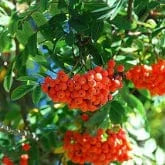
AMERICAN MOUNTAINASH
A relatively small tree, reaching only 40 ft in height. The American mountain-ash attains its largest specimens on the northern shores of Lake Huron and Lake Superior.
Fun Fact
American Mountain Ash Trees make their own food from sunlight, carbon dioxide, water, and nutrients from the soil.
Planting Regions
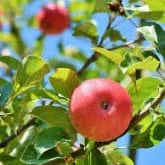
APPLE TREE
There are over 7500 varieties of apples that can be found worldwide. They are part of human diet for thousands of years. This fruit is a symbol of temptation and immorality in Christianity.
Fun Fact
The average apple tree produces 88 to 440 pounds of apples each year.
Planting Regions
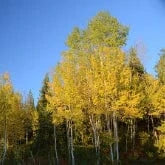
ASPEN TREE
A poplar tree that belongs to the willow family. here are six species of aspen that can be found in the temperate areas of the northern hemisphere. Aspen grows in sunny areas, on moist, well-drained soil.
Fun Fact
The heat-resistant wood of aspen trees have application in the manufacture of interior parts of sauna and roofing.
Planting Regions
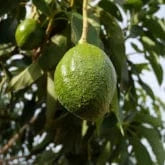
AVOCADO TREE
The avocado tree needs a warm climate, little wind, and well aerated soil to thrive. The trees are partially self pollinating, but are more effectively grown through grafting or its fruit’s seed.
Fun Fact
An avocado fruit is a type of berry.
Planting Regions
Back to Top
B
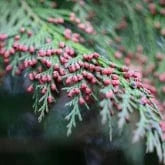
BALSAM FIR
A medium-sized forest tree generally distributed in deep, cold swamps. It is cut for pulpwood, and is used as a Christmas tree. Balsam pillows are made from the needles.
Fun Fact
In aromatherapy uses, Fir as an essential oil, is beneficial for coughs, colds, flu, arthritis,and rheumatism.
Planting Regions
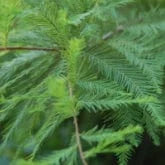
BALD CYPRESS
It is native to the southeastern United States. This cypress tree adapts to a wide range of soil types, whether wet, dry, or swampy.
Fun Fact
The tree gets the name “bald” cypress because they drop their leaves so early in the season.
Planting Regions
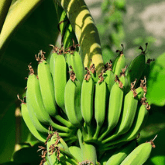
BANANA TREE
The banana plant grows to be tall like a tree, but has no trunk: it is simply a cluster of large leaf stalks. This technically classifies it as an herb.
Fun Fact
Banana fruits are mildlyradioactive.
Planting Regions
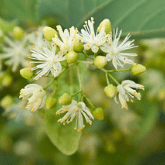
BASSWOOD
It has rapidity of growth and a wide range of uses for its lumber. It does best in the deep, moist soils. The wood is soft, used for boxes, crates, and cheap furniture.
Fun Fact
Trees must be about 15 years old before they bear fruit.
Planting Regions
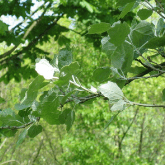
BIGTOOTH ASPEN
A short-lived tree that develops best on deep moist soils, but is more common on dry, upland, sandy or stony sites, where it rapidly covers slashes and burns.
Fun Fact
Native Americans used leaves of aspen in treatment of burned skin, swollen joints and headache.
Planting Regions
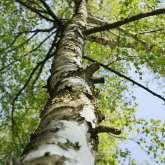
BIRCH TREE
Birch trees are characterized by their thin, papery barks. There are about 50 species native to Europe and Asia, and 15 to North America.
Fun Fact
Birch bark was used by Native Americans to build canoes, wigwams, and bowls.
Planting Regions
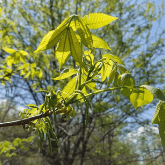
BITTERNUT HICKORY
It produces bitter inedible nuts. It grows best on low, rich soil in higher ground. It grows well even in shade, so is usually found in groups of other trees.
Fun Fact
Hickory nuts are excellent source of dietary fibers, mono-unsaturated fatty acids, vitamins and minerals.
Planting Regions
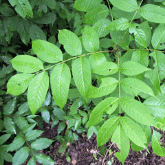
BLACK ASH
Most commonly found in deep swamps. Occasionally, though, it's found mixed with other hardwoods in moist, cold forests.
Fun Fact
During the 19th century, ash trees were used in the production of carriages.
Planting Regions
BLACK BIRCH
A medium-sized, slow-growing forest tree, common in northeastern Canada. It is used for fence posts and small poles.
Fun Fact
Birch sap is used to manufacture wine and beer in Northern Europe, Russia and China.
Planting Regions
BLACK CHERRY
The largest and most valuable of the cherry trees. It prefers rich bottomlands and moist hillsides, but is found also in drier situations. It is a valuable fast-growing timber and wildlife food tree.
Fun Fact
The berries are used in the manufacture of liqueurs and as flavoring agents of sodas, ice-creams, and whiskeys.
Planting Regions
BLACK LOCUST
A medium-sized tree, growing up to 80 ft tall, with long compound leaves. In the spring the trees produce large, drooping clusters of fragrant, white flowers.
Fun Fact
This Locust Tree has nitrogen-fixing bacteria in its roots enabling the tree to grow vigorously in poor soil.
Planting Regions
BLACK WALNUT
It can reach a large size and produces highly prized wood and large edible nuts. It is largely used in cabinetmaking, interior trim, and for gunstocks.
Fun Fact
Black walnut trees secrete 'juglone', which kills many herbaceous plants around the root system of the tree.
Planting Regions
BLACK WILLOW
The largest and most widely distributed of the native Willow Trees. It is of little importance as a timber tree as it often divides into several crooked, medium-sized trunks.
Fun Fact
Because the tree blooms so early, they provide important nectar for bees emerging from their hives after winter.
Planting Regions
BONSAI TREE
A Bonsai Tree is not intended for production of food or for medicine. Instead, Bonsai practice focuses on long-term cultivation and shaping of one or more small trees growing in a container.
Fun Fact
Its name stems from the Japanese word, "盆栽", meaning 'tray planting'. It is an Asian art form of cultivation techniques to replicate large scale trees, on a smaller scale in a container.
Planting Regions
BUTTERNUT TREE
It produces attractive wood and edible nuts. It is common in moist soils, especially along fences and roads. Many butternut trees are infected with a canker disease.
Fun Fact
The Butternut tree (or white walnut) is the only walnut tree that is native to Canada.
Planting Regions
Back to Top
C
CACAO TREE
The cacao tree is a tropical evergreen that can grow to be up to 25 ft tall. It’s flowers are pink and white flowers, which rely on flies for pollination.
Fun Fact
The tree’s seeds are used to make chocolate.
Planting Regions
CALIFORNIA REDWOOD
The California Redwood is native to California and Oregon. It belongs to the sequoia family, and can grow to be 379 feet tall.
Fun Fact
A log of sycamore wood is priced at around 200 US dollars.
Planting Regions
CALIFORNIA SYCAMORE
The California sycamore is large, tall tree with a fast growth rate. The tree's potentially enormous size makes it best suited for large-scale landscapes. It is used for butchers' blocks, novelties, and occasionally for furniture.
Fun Fact
Sycamore tree seeds are known as "helicopters" because of their wings that rotate similar to helicopter's propeller on a wind.
Planting Regions
CANADIAN HEMLOCK
The Canadian hemlock grows to a height of 40–70' and a spread of 25–35' at maturity. This hemlock provides excellent cover for deer and songbirds. Nesting site for several warblers. Seeds are eaten by juncos, chickadees, and siskins.
Fun Fact
Very long lived, with the oldest recorded specimen, found in Tionesta, Pennsylvania, being at least 554 years old.
Planting Regions
CAPE CHESTNUT
The tree can reach 20 metres high in a forest, but in cultivation it is more likely to reach 10 metres, with a spreading canopy. The large pink flowers are produced in terminal panicles and cover the tree canopy in the early summer.
Fun Fact
Cape chestnut oil, obtained from the seeds, is a popular oil in African skin care.
Planting Regions
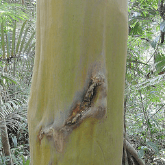
CAPIRONA
This tree is native to the Amazon, and can grow to be 100 ft tall. Its white flowers produce seed which are spread by wind and water.
Fun Fact
This tree sheds its bark to prevent the growth of lichen or fungi.
Planting Regions
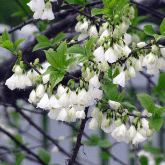
CAROLINA SILVERBELL
The Carolina silverbell is native to the southeastern United States. It is characterized by bell-shaped white flowers which appear in spring before the leaves.
Fun Fact
The flowers turn into little green fruits.
Planting Regions
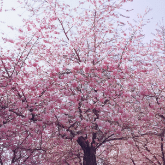
CHERRY BLOSSOM TREE
Known as "sakura" in Japanese, these pale blooms stand for renewal and hope. An average Japanese Cherry Tree is around 25 feet tall, while some can grow to 50 feet tall with a 40-foot wide canopy.
Fun Fact
Typically, they only last about 16-20 years. Certain species can live much longer. Black Cherry Trees can live up to 250 years.
Planting Regions
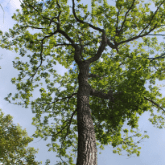
CHESTNUT OAK
This tree gets its name from its chestnut-like leaves. It is found principally on dry, rocky ridges and hillsides. The wood is similar to white oak and is used generally for ties, posts, and rough construction.
Fun Fact
In Shakespeare's Macbeth, one of the Wayward Sisters threatens to kill a woman's husband over a chestnut.
Planting Regions
COLORADO BLUE SPRUCE
The blue spruce has blue-green coloured needles and is a coniferous tree. This tree is often sold as a Christmas Tree, which includes the trees entire root ball so it can be planted after the holidays.
Fun Fact
In traditional medicine, an infusion of the needles is used to treat colds and settle the stomach.
Planting Regions
COOJONG
Native to Australia, Coojung grows as a small, dense, spreading tree with a short trunk and a weeping habit. It grows up to eight metres tall.
Fun Fact
The seeds contain as much as 25% more protein than common cereals.
Planting Regions
COTTONWOOD TREE
A deciduous tree that belongs to the poplar tree family. Cottonwood grows in marshes, floodplains and near the lakes and rivers. Cultivated for ornamental purposes, such as a windbreak, shade tree, source of food for animals and as a firewood.
Fun Fact
Fragrant oils obtained from the eastern cottonwood are used in the cosmetic industry for the manufacture of lip balms and massage oils.
Planting Regions
CROTON MEGABCARPAS
A fast-growing tree, croton grows up to 36 meters high and reaches maturity after five to seven years. It is a drought-resistant tree that can survive in harsh climatic conditions and is not browsed by animals.
Fun Fact
Croton nut oil, has been promoted for its perceived benefits in combating climate change, greenhouse gas emissions and dependence on fossil fuels.
Planting Regions
Back to Top
D
DEODAR CEDAR
It is a large evergreen coniferous tree reaching 131–164 ft tall, with a trunk up to 10 ft in diameter. It is widely grown as an ornamental tree, often planted in parks and large gardens for its drooping foliage.
Fun Fact
As insects avoid this tree, the essential oil is used as insect repellent on the feet of horses, cattle and camels.
Planting Regions
DOUGLAS FIR
This tall fir tree of the North American West is only surpassed in height by the redwood. It can grow on both moist and dry sites and covers coastal and mountain slopes from 0 to 11,000'. This tree is often used as a Christmas Tree.
Fun Fact
The thick bark of mature Douglas Fir trees, helps this tree survive forest fires with the only damage being blackened bark.
Planting Regions
Back to Top
E
EASTERN COTTONWOOD
A rapid-growing, moisture-loving species that is found locally along streams and lakes. The cottonwood has been extensively planted as an ornamental tree along streets.
Fun Fact
It is not easy to destroy, for, once cut down, the stump continues to sprout vigorously.
Planting Regions
EASTERN HEMLOCK
A valuable forest tree, particularly common on northern exposures, steep mountain slopes, and borders of deep swamps. It is largely manufactured into construction lumber.
Fun Fact
During the 19th century, this tree was prized for its tannin-rich bark, which was harvested for use in the leather tanning industry.
Planting Regions
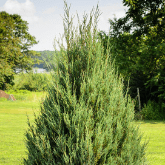
EASTERN RED CEDAR
As a native evergreen, the Eastern Red Cedar is a popular Christmas Tree in Southern U.S, where it is a native speices. This species is useful for windbreaks and hedges on dry soils where little else grows.
Fun Fact
Migratory seed-eating birds are thought to be responsible for the scattered pockets of eastern redcedar near many lakes.
Planting Regions
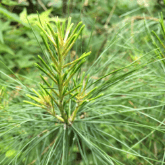
EASTERN WHITE PINE
It grows naturally in a wide range of sites, from steep mountainsides, to hillsides and valley swamps. The tree has a wide range of uses, including interior trim, doors, boxes, and even as a Christmas Tree.
Fun Fact
No other wood in the United States has such a wide range of uses.
Planting Regions
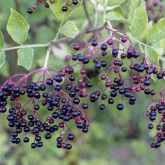
ELDERBERRY
The Elderberry is found mostly in the northern hemisphere, but can be found in some southern areas as well. It bears large clusters of small white flowers in the late spring, which are followed by clusters of small black, blue-black, or red berries.
Fun Fact
Uncooked elderberries are poisonous to humans.
Planting Regions
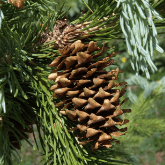
ENGELMANN SPRUCE
Engelmann spruce commonly occurs with subalpine fir in areas with long, cold winters and short, cool summers. It grows best on deep, rich soils with adequate moisture.
Fun Fact
Specialty items such as violins, pianos, and aircraft parts are produced from Engelmann spruce.
Planting Regions
EUCALYPTUS MELLIODORA
This fast growing Eucalyptus Tree species is sold commercially and is well suited to heavy soils. It is resistant to frost and drought, will tolerate water logging and smog.
Fun Fact
It’s floriferous nature makes it useful for beekeepers and honey production
Planting Regions
Back to Top
F
FIG TREE
There are over 750 known Ficus Tree species in the world, native all across the globe. Fig trees produce fruit year round that are important food sources for thousands of animal species.
Fun Fact
Nearly every species of fig tree is pollinated by its own distinct species of fig wasp.
Planting Regions
FLOWERING DOGWOOD
One of the most common understory hardwoods you will see in both hardwood and coniferous forests in eastern North America. This dogwood tree will grow from sea level to nearly 5,000'.
Fun Fact
The dogwood is the state tree of two US States - Virginia and Missouri.
Planting Regions
Back to Top
G
GIANT SEQUOIA
Giant sequoias are among the largest trees in the world. They grow to an average height of 164–279 ft with trunk diameters ranging 20–26 ft. Record trees have been measured at 311 ft tall.
Fun Fact
The oldest known giant sequoia is 3 500 years old.
Planting Regions
GIANT YELLOW MULBERRY
Also known as, “Monkey Fruit”, is a tree averaging 20 m high shrub or tree with stilt roots, short bole, and spreading branches. It is a source of food and medicine in tropical Africa.
Fun Fact
Orange, red, purple, black, and blue pigments isolated from the fruit of mulberry trees are used as coloring agents in the industry of food and fabrics.
Planting Regions
GOLDEN JUBILEE PEACH
This tree grows at a fast rate, with height increases of more than 24" per year. Produces oblong, freestone fruit with soft, yellow skin blushed with red.
Fun Fact
This peach tree has chill hour requirements of 800-850 hours (below 45°F (7°C)) in the winter for their buds to open in the spring.
Planting Regions
GRAY BIRCH
Colonizes disturbed and harsh sites and is particularly abundant on dry, gravelly soils of burned-over areas and abandoned farms. The tree is short-lived and is rarely as much as 8 inches in diameter.
Fun Fact
Native Americans used barkextracts of Gray Birch on swollen or infected cuts.
Planting Regions
GRAY DOGWOOD
There are between 30 and 60 species of dogwood. Most of them have opposing leaves, while some have alternating. All have flowers which form in clusters of varying density.
Fun Fact
All dogwoods produce fruit, varying from flavourless to sweet.
Planting Regions
Back to Top
I
INCENSE CEDAR
The California incense cedar can grow up to 200 ft tall and is often used in landscaping. The Taiwan and Chinese varieties can reach about 100 ft, and are rarely cultivated.
Fun Fact
California’s Native Americans used this wood to make bows.
Planting Regions
Back to Top
J
JAPANESE MAPLE TREE
With over 1,000 varieties and cultivars including hybrids, the iconic Japanese Maple Tree is among the most versatile small trees for use in the landscape.
Fun Fact
Japanese maples typically grow one foot per year for the first 50 years.
Planting Regions
JEFFREY PINE
It is predominantly located in California, but can also be found in Nevada, Oregon, and Mexico. It has grey-green needles, which grow in groups of three.
Fun Fact
It is named after botanist John Jeffrey.
Planting Regions
Back to Top
L
LAUREL
It is native to the Mediterranean Region and is used as bay leaf for seasoning in cooking. The Laurel is a small evergreen tree or shrub, varying in size and sometimes reaching 23–59 ft tall.
Fun Fact
In herbal medicine, aqueous extracts of bay laurel have been used as an astringent and salve for open wounds
Planting Regions
LEMON TREE
This tree's yellow fruit is used for culinary and non-culinary purposes throughout the world, primarily for its juice, which has both culinary and cleaning uses. The pulp and rind (zest) are also used in cooking and baking.
Fun Fact
Lemons contain flavonoids, which are composites that contain antioxidant and cancer fighting properties.
Planting Regions
LODGEPOLE PINE
The Lodgepole Pine is prevalent in the Rocky Mountains, Colorado to Yukon and Saskatchewan; aspen parkland and boreal forests. It is a fire-dependent species, requiring wildfires to maintain healthy populations of diverse ages.
Fun Fact
Lodgepole pine is named for its common use as structural poles for the Native American tipi shelter.
Planting Regions
LONGLEAF PINE
The longleaf pine reaches a height of 98–115 ft and a diameter of 28 in. The tree is a cultural symbol of the Southern United States, being the official state tree of Alabama and the unofficial state tree of North Carolina.
Fun Fact
In the past, before extensive logging, they reportedly grew to 154 ft with a diameter of 47 in.
Planting Regions
Back to Top
M
MAGNOLIA TREE
There are close to 210 species of magnolia that differ in size, shape, color of the flower and type of habitat. Magnolia trees originate from Asia and North America.
Fun Fact
Magnolias do not produce pollen enriched with proteins, which bees use as food.
Planting Regions
MANGO TREE
Hundreds of cultivated varieties have been introduced to other warm regions of the world. It is a large fruit-tree, capable of growing to a height of about 100 ft.
Fun Fact
Some Mango trees bear fruits even at the age of 300 years and more!
Planting Regions
MARKHAMIA
Endemic tree in Kenya found in seasonally dry, open woodlands. Sometimes planted for landscape value. Generally distributed through Sub-Saharan Africa.
Fun Fact
The roots are used in traditional medicine to treat backache.
Planting Regions
MEDANG
A native of Singapore. A common and fast growing tree, it is fairly easy to identify from the bark which is covered in small lenticles giving it a unique "bubbly" texture.
Fun Fact
The first indication of flowering is the appearance of yellow fluffy flowers on the forest floor.
Planting Regions
MANGROVES
Mangroves are wonderful trees that are tolerant to salt (halophytes) and can be found where the coast meets land in both tropical and subtropical climates.
Fun Fact
Mangroves have twisted roots that keep them safe from high-impact waves. Their thick waxy leaves also act as a filter that repels salt from the water.
Planting Regions
Back to Top
N
NOBLE FIR
The Noble fir grows best in full sun and deep, moist, well drained soil, but will grow on thin, rocky soils if moisture is not limited. It is intolerant of alkaline soils, windy conditions, and shade.
Fun Fact
The seeds are food for the chickadees, jays, nuthatches and many other bird species.
Planting Regions
NORTHERN RED OAK
The fastest growing and largest of all the oaks native to New York State. It’s adaptable to a wide variety of soil conditions. The wood is heavy and is used for furniture, ships, and general construction.
Fun Fact
Native Americans used the acorns to make flour.
Planting Regions
Back to Top
O
OAK TREE
Oak belongs to the genus Quercus comprising over 600 different trees species. Most Oak trees are deciduous with only couple of evergreen forms. Oak trees can survive in various forests, including those in temperate climates, Mediterranean and tropical areas.
Fun Fact
Oaks produce more than 2000 acorns every year, but only one in 10 000 acorns will manage to develop into oak tree.
Planting Regions
OLIVE TREE
The olive is an evergreen tree, with leathery, elongated, sharp-pointed leaves. The olive tree has small, creamy-white flowers arranged in clusters called panicles. The first commercial crop is usually harvested after 4 years.
Fun Fact
Unlike wine, olive oil doesn’t improve with age. A good quality olive oil should keep up to two years.
Planting Regions
Back to Top
P
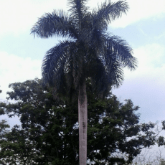
PALM TREE
Palm trees are characterized by their long trunk topped with a crown of fronds. There are approximately 2600 known species of palm trees.
Fun Fact
Considered a symbol for victory, peace, and fertility.
Planting Regions
PAPER BIRCH
This shade-intolerant tree grows on a wide range of soils; it thrives along lakes, streams, and swamps, and maintains itself on the higher slopes of our mountains.
Fun Fact
The paper birch gets its name from another common use of its bark: as a medium on which to write.
Planting Regions
PATULA PINE
This tree usually grows to be 100 feet tall. Most commonly found in warm regions 6000 - 9000 ft above sea level. It has a rough, grey-brown bark with long crevices.
Fun Fact
Oil of turpentine, obtained from the oleo-resin of all pine trees, is beneficial to the respiratory system.
Planting Regions
PIGNUT HICKORY
Pignut hickory is a large tree that has a tall, but relatively narrow crown. The bark is tight rather than shaggy and fall color is golden. The nuts produced are bitter tasting.
Fun Fact
Hickory can survive few hundred years in the wild. Pecan tree bears fruit even at the age of 300 years.
Planting Regions
PIN CHERRY
Not a timber-producing species, its main value lies in its ability to cover wasteland and to protect the soil until larger trees can establish themselves and crowd it out.
Fun Fact
Because the berries are a favorite of many birds, it is often difficult to find ripe fruit on the trees.
Planting Regions
PINABETE TREE
An evergreen tree native to Central America, it is a moisture-loving tree of the tropical mountain coniferous. Due to logging and loss of habitat, the tree is considered threatened and is protected by CITES.
Fun Fact
The typical habitat for this tree is on volcanic soils between 1800 and 3700 meters elevation.
Planting Regions
PINE TREE
The Pine, is a family of resinous woody trees with needlelike, usually evergreen leaves. The family is the largest and most important of the conifers, providing naval stores, paper pulp, and more lumber by far than any other family.
Fun Fact
The oldest known specimen of Pine Tree lived until the age of 4800 years.
Planting Regions
PITCH PINE
The wood is coarse-grained and brownish red in color. The tree seldom reaches a large size and the lumber is generally knotty. Its uses are for rough framing lumber, ties, mine props, and crates.
Fun Fact
Pines produce resin that flows from the injured bark. This resin is highly flammable and it facilitates spreading of the forest fire.
Planting Regions
PLUM TREE
Plum trees can grow up to 30 ft high, but are often trimmed to remain at about half that height. These trees blossom at varying times around the world, featuring flowers which vary in color.
Fun Fact
Plums are among the first fruits cultivated by humans.
Planting Regions
PONDEROSA PINE
A large-crowned tree with a straight trunk, usually about 25 to 30 metres tall, but sometimes reaching a height of 50 metres and a diameter of 2 metres.
Fun Fact
The bark has a distinctive scent of vanilla or butterscotch.
Planting Regions
Back to Top
Q
QUAKING ASPEN
The most widely distributed tree in North America. It is a short-lived tree, but has value as a cover tree in slashes, burns, and in old fields where it quickly establishes itself.
Fun Fact
The quaking aspen reproduces through suckering, growing new clones from its roots. The roots tend to make their way into sewers, sidewalks and other areas where they can cause trouble.
Planting Regions
Back to Top
R
RED MAPLE TREE
Abundant on moist slopes and increasingly common in partially cut woodlots. It is an extremely rapid-growing tree, furnishing a fairly strong, close-grained wood, extensively used for cheap furniture.
Fun Fact
Maple trees must reach at least 40 years of age before you can tap them for sap.
Planting Regions
RED PINE
Fast-growing timber tree, it is found commonly on the sandy soils. Because of its rapid growth and relative freedom from insects and diseases, it has been commonly planted on thousands of acres of idle land.
Fun Fact
The Civilian Conservation Corps planted millions of red pines during the Great Depression of the 1930s.
Planting Regions
RED SPRUCE
The wood is light, close-grained, soft, and is in great demand for chemical wood pulp. A peculiar resonant quality that makes it valuable for the sounding boards of musical instruments. It is used also for framing.
Fun Fact
This spruce tree was used medicinally by several North American Indian tribes as a remedy for sicknesses.
Planting Regions
RIVER BIRCH
While its native habitat is wet ground, it will grow on higher land, and its bark is quite distinctive, making it a favored ornamental tree for landscape use.
Fun Fact
Native Americans used the boiled sap as a sweetener similar to maple syrup, and the inner bark as a survival food.
Planting Regions
ROWAN TREE
Rowan can be found in the highlands (on the altitude of up to 6.500 feet), steep hillsides and cliffs. It requires slightly acidic, peaty, well-drained soil and partial shade for the successful growth. People cultivate rowan as a source of wood and in decorative purpose.
Fun Fact
Fruit can be used as a substitute for coffee and as a flavoring agent for liqueurs and cordials.
Planting Regions
Back to Top
S
SASSAFRAS
A small to medium-sized, shade-intolerant tree, best known, perhaps, for its bark and root which have long been used for making sassafras tea. Its wood is weak, coarse-grained, aromatic, and very durable in contact with the soil.
Fun Fact
The rich flavor from sassafras roots have also been put in soups and stews for an unusual extra flavor.
Planting Regions
SCARLET OAK
This tree gets its name from the brilliant coloring of its autumn foliage, it is most commonly found on poor soils. The wood is heavy and coarse in texture.
Fun Fact
Oak is used in the manufacture of barrels for storing of vine, whiskey, brandy and other liquors.
Planting Regions
SHADBUSH TREE
It is common throughout the central and southern highlands. Its wood is heavy, harder than white oak, and dark brown in color often tinged with red. It is occasionally used for tool handles and is highest of all native woods in heat value.
Fun Fact
“Shadbush” comes from the bloom time of this shrub being the same time that native shad fish swim up the Hudson River to spawn.
Planting Regions
SHAGBARK HICKORY
In the forest it is a tall straight-branched tree but in open fields and along hedgerows where it often grows it usually forks near the ground into stout ascending limbs. The fruit of the Shagbark Hickory is important for wildlife.
Fun Fact
Hickory wood is sometimes used to barbecue, as it is loved for the smoked flavor it imparts to meat.
Planting Regions
SILKY OAK
Known also as the silky oak, this evergreen is fast growing and can reach up to 100 ft tall. The flowers are long and spindly, and usually orange in colour.
Fun Fact
Young trees can be kept as houseplants.
Planting Regions
SILVER MAPLE
Frequently planted as a shade tree on account of its rapid growth, but with its weak wood it shouldn't be planted near homes or cars.
Fun Fact
Maple is considered a tonewood, carrying sound waves well, and is thus used in numerous musical instruments.
Planting Regions
SLIPPERY ELM
A medium-sized forest tree of stream banks and low fertile slopes and is common south of the Adirondacks. The wood is hard, heavy, strong, coarse-grained, and fairly durable in contact with the soil. This tree is used for fence posts, ties, barrel staves and hoops.
Fun Fact
The mucilage found in its bark is ideal for soothing the digestive tract and eliminating inflammation.
Planting Regions
SOUTH AFRICAN WILD PEAR
A small deciduous tree, found in Southern Africa and northwards to central and eastern Tropical Africa. It is drought and frost tolerant. It produces a good timber with a greyish-blue heartwood and suitable for woodworking.
Fun Fact
It is popular with beekeepers due to its high nectar production that attracts a multitude of bees and butterflies.
Planting Regions
SUGAR MAPLE
Besides providing beautiful borders to many miles of highway, and hundreds of thousands of gallons of maple syrup from the many thousands of sugar bushes in all parts of the state, it yields a wood of high grade.
Fun Fact
It takes 40-50 gallons of tree sap for the production of one gallon of syrup.
Planting Regions
SWEETGUM
Sweetgum is one of the most aggressive pioneer tree species and quickly takes over abandoned fields and unmanaged cut-over forests. It will comfortably grow on many sites including wetlands, dry uplands and hill country up to 2,600'.
Fun Fact
It is considered a hardwood species with wood weighing 52 pounds per cubic foot and is used in furniture and plywood.
Planting Regions
SYDNEY BLUE GUM
This tree can live between 100-200 years and grow to be 100-210 ft tall. The base of the trunk has a rough brown bark, which becomes smooth an grey or white a few feet up.
Fun Fact
Koala’s eat the leaves of this tree.
Planting Regions
Back to Top
T
TULIP TREE
Its large tulip-like, greenish yellow flowers have given rise to the name "tulip tree." Veneer of yellow-poplar is highly prized in airplane construction.
Fun Fact
The Tulip Tree is the tallest of North American hardwoods and can range from 100-150 feet high.
Planting Regions
Back to Top
U
UGANDAN GREENHEART
A species of evergreen tree native to Africa. The wood is resistant to insect attack and very strong. Its timber is good for construction and furniture making.
Fun Fact
Early Indian immigrants to Kenya, used the leaves to flavour their curries before the chilli plant was commonly introduced.
Planting Regions
Back to Top
W
WALNUT TREE
Walnut trees can grow to be between 33 and 130 ft tall. They fare well in droughts, but need lots of light and wind protection to thrive.
Fun Fact
Nuts from all species of walnut tree are edible, but those from the Juglans regia are the most commonly sold variety.
Planting Regions
WESTERN LARCH
This large, tree can grow to 80 metres tall and 850 years of age. Like all larches, it loses its needles in the autumn. The wood of western larch is one of the strongest in Canada. It is often used in heavy construction and for railway ties and pilings.
Fun Fact
Native people used to collect sap and inner bark from this tree because it contained a natural sugar gelatin.
Planting Regions
WHITE ASH
It is common throughout New York and is found up to an altitude of 2000 feet in the Adirondacks. It prefers to grow in rich moist woods, and is common on abandoned agricultural lands.
Fun Fact
The wood is strong and elastic at the same time, making it perfect for the production of baseball bats, hockey sticks, and tennis rackets.
Planting Regions
WHITE FIR
This tree is native to the mountains of western North America. They can live for over 300 years and naturally occur at an elevation between 2 950–11 200 ft.
Fun Fact
The tallest recorded White Fir reached 246 ft tall.
Planting Regions
WHITE OAK
Growing to large size and producing lumber of high grade and value. It is found in moist as well as in dry locations. White oak acorns are an important food for wildlife.
Fun Fact
Oaks can absorb up to 50 gallons of water each day.
Planting Regions
WHITE SPRUCE
The wood is in great demand for chemical pulp. While native to Northeastern U.S and Canada, this tree is prized for its thick branches making it ideal as a Christmas Tree.
Fun Fact
Tips of spruce needles are used to manufacture spruce tip syrup.
Planting Regions
Back to Top
Y
YELLOW BIRCH
Common on rich, moist uplands but is found also in swamps and along waterways. The close-grained, light brown wood is largely used for furniture, airplanes, and agricultural implements.
Fun Fact
Its seeds often sprout and grow from the tops of rotten stumps and logs.
Planting Regions
Back to Top |
| Markdown | [Support reforestation this Earth Month to **help nature thrive**.](https://onetreeplanted.org/products/plant-trees "Plant Trees for Impact")
Menu
- [Donate](https://onetreeplanted.org/products/plant-trees)
- [Corporate Sustainability](https://onetreeplanted.org/products/corporate-sustainability)
- [Why Trees?](https://onetreeplanted.org/pages/why-trees)
- [Who We Are](https://onetreeplanted.org/pages/about-us)
- [About Us](https://onetreeplanted.org/pages/about-us)
- [Board of Directors](https://onetreeplanted.org/pages/meet-the-board)
- [Our Impact](https://onetreeplanted.org/pages/impact-report)
- [Careers](https://onetreeplanted.org/pages/now-hiring)
- [FAQ](https://onetreeplanted.org/pages/faq)
- [Where We Work](https://onetreeplanted.org/pages/projects)
- [Africa](https://onetreeplanted.org/products/africa)
- [Asia](https://onetreeplanted.org/products/asia)
- [Canada](https://onetreeplanted.org/products/canada)
- [Europe](https://onetreeplanted.org/products/europe)
- [Latin America & The Caribbean](https://onetreeplanted.org/products/latin-america)
- [Oceania](https://onetreeplanted.org/products/oceania)
- [United States](https://onetreeplanted.org/products/united-states)
- [What You Can Do](https://onetreeplanted.org/pages/individuals)
- [Corporate Partnerships](https://onetreeplanted.org/products/corporate-sustainability)
- [Philanthropic Giving](https://onetreeplanted.org/pages/philanthropic-giving)
- [Donate Monthly](https://onetreeplanted.org/pages/the-grove)
- [Support An Impact](https://onetreeplanted.org/pages/types-of-trees-species)
- [Urban Forestry Action Fund](https://onetreeplanted.org/products/urban-forestry)
- [Wildfire Fund](https://onetreeplanted.org/products/wildfire-fund)
- [Women's Empowerment Fund](https://onetreeplanted.org/products/womens-empowerment)
- [Gifting](https://onetreeplanted.org/pages/types-of-trees-species)
- [Gift Trees](https://onetreeplanted.org/products/gift-trees)
- [Gift Trees In Memory](https://onetreeplanted.org/products/gift-trees-in-memory)
- [Our Initiatives](https://onetreeplanted.org/pages/types-of-trees-species)
- [Ambassadors](https://onetreeplanted.org/pages/individuals)
- [Teachers & Students](https://onetreeplanted.org/pages/school)
- [More Ways to Give](https://onetreeplanted.org/pages/types-of-trees-species)
- [Start a Fundraiser](https://forest-fundraiser.raisely.com/)
- [Plan Your Legacy](https://onetreeplanted.org/pages/planned-giving)
- [Give Through Your DAF](https://onetreeplanted.org/pages/donor-advised-funds)
- [Gift Trees](https://onetreeplanted.org/products/gift-trees)
- [Blog](https://onetreeplanted.org/blogs/stories)
- [Nature Stories](https://onetreeplanted.org/blogs/stories)
- [Business Partner Stories](https://onetreeplanted.org/blogs/partner-stories)
- [Newsroom](https://onetreeplanted.org/blogs/newsroom)
- [Contact Us](https://onetreeplanted.org/pages/contact-us)
- [Subscribe](https://onetreeplanted.org/pages/newsletter-sign-up)
- [Sign In](https://onetreeplanted.org/account/login)
[](https://onetreeplanted.org/ "One Tree Planted")
[0](https://onetreeplanted.org/cart "Cart")
[Support reforestation this Earth Month to **help nature thrive**.](https://onetreeplanted.org/products/plant-trees "Plant Trees for Impact")
- [Contact Us](https://onetreeplanted.org/pages/contact-us)
- [Subscribe](https://onetreeplanted.org/pages/newsletter-sign-up)
[](https://onetreeplanted.org/ "One Tree Planted")
[Donate](https://onetreeplanted.org/products/plant-trees) [Corporate Sustainability](https://onetreeplanted.org/products/corporate-sustainability)
Donate
[Individual](https://onetreeplanted.org/products/plant-trees) [Corporate](https://onetreeplanted.org/products/corporate-sustainability)
- [Sign In](https://onetreeplanted.org/account "My Account ")
- [0](https://onetreeplanted.org/cart "Cart")
[](https://onetreeplanted.org/ "One Tree Planted")
- [Why Trees?](https://onetreeplanted.org/pages/why-trees)
- Who We Are
- [About Us](https://onetreeplanted.org/pages/about-us)
- [Board of Directors](https://onetreeplanted.org/pages/meet-the-board)
- [Our Impact](https://onetreeplanted.org/pages/impact-report)
- [Careers](https://onetreeplanted.org/pages/now-hiring)
- [FAQ](https://onetreeplanted.org/pages/faq)
- Where We Work
- [Africa](https://onetreeplanted.org/products/africa)
- [Asia](https://onetreeplanted.org/products/asia)
- [Canada](https://onetreeplanted.org/products/canada)
- [Europe](https://onetreeplanted.org/products/europe)
- [Latin America & The Caribbean](https://onetreeplanted.org/products/latin-america)
- [Oceania](https://onetreeplanted.org/products/oceania)
- [United States](https://onetreeplanted.org/products/united-states)
- What You Can Do
- [Corporate Partnerships](https://onetreeplanted.org/products/corporate-sustainability)
- [Philanthropic Giving](https://onetreeplanted.org/pages/philanthropic-giving)
- [Donate Monthly](https://onetreeplanted.org/pages/the-grove)
- Support An Impact
- [Urban Forestry Action Fund](https://onetreeplanted.org/products/urban-forestry)
- [Wildfire Fund](https://onetreeplanted.org/products/wildfire-fund)
- [Women's Empowerment Fund](https://onetreeplanted.org/products/womens-empowerment)
- Gifting
- [Gift Trees](https://onetreeplanted.org/products/gift-trees)
- [Gift Trees In Memory](https://onetreeplanted.org/products/gift-trees-in-memory)
- Our Initiatives
- [Ambassadors](https://onetreeplanted.org/pages/individuals)
- [Teachers & Students](https://onetreeplanted.org/pages/school)
- More Ways to Give
- [Start a Fundraiser](https://forest-fundraiser.raisely.com/)
- [Plan Your Legacy](https://onetreeplanted.org/pages/planned-giving)
- [Give Through Your DAF](https://onetreeplanted.org/pages/donor-advised-funds)
- [Gift Trees](https://onetreeplanted.org/products/gift-trees)
- Blog
- [Nature Stories](https://onetreeplanted.org/blogs/stories)
- [Business Partner Stories](https://onetreeplanted.org/blogs/partner-stories)
- [Newsroom](https://onetreeplanted.org/blogs/newsroom)
Donate
[Individual](https://onetreeplanted.org/products/plant-trees) [Corporate](https://onetreeplanted.org/products/corporate-sustainability)
# Tree Species
Learn about the different types of tree species
[Donate](https://onetreeplanted.org/products/plant-trees)
Did you know that the world is home to over 60,000 different **tree species**? Trees provide inumerous benefits such as **clean air, water, biodiversity, social impact, health** and help to **regulate climate**.
Read on to find out the main types of trees, where each tree species is located, common tree planting regions and some fun tree facts\!
- [A](https://onetreeplanted.org/pages/types-of-trees-species#A)
- [B](https://onetreeplanted.org/pages/types-of-trees-species#B)
- [C](https://onetreeplanted.org/pages/types-of-trees-species#C)
- [D](https://onetreeplanted.org/pages/types-of-trees-species#D)
- [E](https://onetreeplanted.org/pages/types-of-trees-species#E)
- [F](https://onetreeplanted.org/pages/types-of-trees-species#F)
- [G](https://onetreeplanted.org/pages/types-of-trees-species#G)
- [I](https://onetreeplanted.org/pages/types-of-trees-species#I)
- [J](https://onetreeplanted.org/pages/types-of-trees-species#J)
- [L](https://onetreeplanted.org/pages/types-of-trees-species#L)
- [M](https://onetreeplanted.org/pages/types-of-trees-species#M)
- [N](https://onetreeplanted.org/pages/types-of-trees-species#N)
- [O](https://onetreeplanted.org/pages/types-of-trees-species#O)
- [P](https://onetreeplanted.org/pages/types-of-trees-species#P)
- [Q](https://onetreeplanted.org/pages/types-of-trees-species#Q)
- [R](https://onetreeplanted.org/pages/types-of-trees-species#R)
- [S](https://onetreeplanted.org/pages/types-of-trees-species#S)
- [T](https://onetreeplanted.org/pages/types-of-trees-species#T)
- [U](https://onetreeplanted.org/pages/types-of-trees-species#U)
- [W](https://onetreeplanted.org/pages/types-of-trees-species#W)
- [Y](https://onetreeplanted.org/pages/types-of-trees-species#Y)
A
African Juniper
Native to mountainous areas in Africa and the Arabian Peninsula, The African Juniper Tree is an important timber tree used for building houses, for poles, for furniture; bark used for beehives.
Fun Fact
It is the only juniper to occur south of the equator.
Planting Regions
[Africa](https://onetreeplanted.org/collections/africa "Africa")
AMERICAN ARBORVITAE
Meaning "tree of life", this medium-sized forest tree grows to a height of 40-60 ft. Was useful in early canoes and medicines and became the first North American tree to be introduced to Europe.
Fun Fact
The specific name, "Occidentalis", means "west," the direction from Sweden where this tree was discovered.
Planting Regions
[North America](https://onetreeplanted.org/collections/north-america "North America")
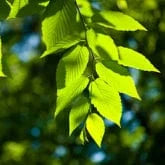
AMERICAN BEECH
One of the most well-known trees in the state, given its wide distribution across forests. It is excellent as fuelwood. The disease on the bark of beech trees is currently threatening the species across its entire range.
Fun Fact
Beechnut was used as food for the cattle. Many forest mammals and birds consume beechnuts as a regular part of their diet.
Planting Regions
[North America](https://onetreeplanted.org/collections/north-america "North America")
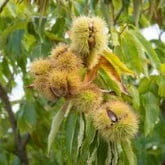
AMERICAN CHESTNUT
The American chestnut tree was once a dominant forest species, but due to a blight disease, is now rare. Before the blight, trees grew close to 115 ft tall, now surviving trees are smaller than 32 ft.
Fun Fact
Chestnuts can be consumed raw, baked, boiled or roasted. It also can be dried and milled into flour.
Planting Regions
[North America](https://onetreeplanted.org/collections/north-america "North America")
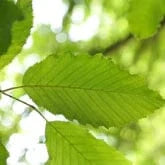
AMERICAN HORNBEAM
The tree is slow-growing and is rarely found larger than 10 inches in diameter. It makes excellent fuelwood when seasoned.
Fun Fact
Name "hornbeam" originates from old English words "horn", which was used to describe strong wood and "beam", that was used as a synonym for tree.
Planting Regions
[North America](https://onetreeplanted.org/collections/north-america "North America")
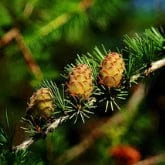
AMERICAN LARCH
A forest tree of the swamps. The wood is very heavy, and strong, it is used for fence posts, telegraph poles, and railroad ties.
Fun Fact
Some species of Larch can survive up to thousand years, most live around 250 years in the wild.
Planting Regions
[North America](https://onetreeplanted.org/collections/north-america "North America")
AMERICAN MOUNTAINASH
A relatively small tree, reaching only 40 ft in height. The American mountain-ash attains its largest specimens on the northern shores of Lake Huron and Lake Superior.
Fun Fact
American Mountain Ash Trees make their own food from sunlight, carbon dioxide, water, and nutrients from the soil.
Planting Regions
[North America](https://onetreeplanted.org/collections/north-america "North America")
APPLE TREE
There are over 7500 varieties of apples that can be found worldwide. They are part of human diet for thousands of years. This fruit is a symbol of temptation and immorality in Christianity.
Fun Fact
The average apple tree produces 88 to 440 pounds of apples each year.
Planting Regions
[North America](https://onetreeplanted.org/collections/north-america "North America")
ASPEN TREE
A poplar tree that belongs to the willow family. here are six species of aspen that can be found in the temperate areas of the northern hemisphere. Aspen grows in sunny areas, on moist, well-drained soil.
Fun Fact
The heat-resistant wood of aspen trees have application in the manufacture of interior parts of sauna and roofing.
Planting Regions
[North America,](https://onetreeplanted.org/collections/north-america) [Latin America,](https://onetreeplanted.org/collections/latin-america) [Africa](https://onetreeplanted.org/collections/africa)
AVOCADO TREE
The avocado tree needs a warm climate, little wind, and well aerated soil to thrive. The trees are partially self pollinating, but are more effectively grown through grafting or its fruit’s seed.
Fun Fact
An avocado fruit is a type of berry.
Planting Regions
[North America](https://onetreeplanted.org/collections/north-america), [Latin America](https://onetreeplanted.org/collections/latin-america), [Africa](https://onetreeplanted.org/collections/africa)
[Back to Top](https://onetreeplanted.org/pages/types-of-trees-species#top)
B
BALSAM FIR
A medium-sized forest tree generally distributed in deep, cold swamps. It is cut for pulpwood, and is used as a Christmas tree. Balsam pillows are made from the needles.
Fun Fact
In aromatherapy uses, Fir as an essential oil, is beneficial for coughs, colds, flu, arthritis,and rheumatism.
Planting Regions
[North America](https://onetreeplanted.org/collections/north-america)
BALD CYPRESS
It is native to the southeastern United States. This cypress tree adapts to a wide range of soil types, whether wet, dry, or swampy.
Fun Fact
The tree gets the name “bald” cypress because they drop their leaves so early in the season.
Planting Regions
[North America](https://onetreeplanted.org/collections/north-america)
BANANA TREE
The banana plant grows to be tall like a tree, but has no trunk: it is simply a cluster of large leaf stalks. This technically classifies it as an herb.
Fun Fact
Banana fruits are mildlyradioactive.
Planting Regions
[North America](https://onetreeplanted.org/collections/north-america), [Latin America](https://onetreeplanted.org/collections/latin-america), [Africa](https://onetreeplanted.org/collections/africa)
BASSWOOD
It has rapidity of growth and a wide range of uses for its lumber. It does best in the deep, moist soils. The wood is soft, used for boxes, crates, and cheap furniture.
Fun Fact
Trees must be about 15 years old before they bear fruit.
Planting Regions
[North America](https://onetreeplanted.org/collections/north-america)
BIGTOOTH ASPEN
A short-lived tree that develops best on deep moist soils, but is more common on dry, upland, sandy or stony sites, where it rapidly covers slashes and burns.
Fun Fact
Native Americans used leaves of aspen in treatment of burned skin, swollen joints and headache.
Planting Regions
[North America](https://onetreeplanted.org/collections/north-america)
BIRCH TREE
Birch trees are characterized by their thin, papery barks. There are about 50 species native to Europe and Asia, and 15 to North America.
Fun Fact
Birch bark was used by Native Americans to build canoes, wigwams, and bowls.
Planting Regions
[North America](https://onetreeplanted.org/collections/north-america)
BITTERNUT HICKORY
It produces bitter inedible nuts. It grows best on low, rich soil in higher ground. It grows well even in shade, so is usually found in groups of other trees.
Fun Fact
Hickory nuts are excellent source of dietary fibers, mono-unsaturated fatty acids, vitamins and minerals.
Planting Regions
[North America](https://onetreeplanted.org/collections/north-america)
BLACK ASH
Most commonly found in deep swamps. Occasionally, though, it's found mixed with other hardwoods in moist, cold forests.
Fun Fact
During the 19th century, ash trees were used in the production of carriages.
Planting Regions
[North America](https://onetreeplanted.org/collections/north-america)
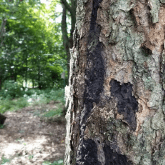
BLACK BIRCH
A medium-sized, slow-growing forest tree, common in northeastern Canada. It is used for fence posts and small poles.
Fun Fact
Birch sap is used to manufacture wine and beer in Northern Europe, Russia and China.
Planting Regions
[North America](https://onetreeplanted.org/collections/north-america)
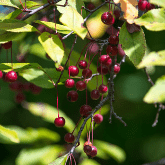
BLACK CHERRY
The largest and most valuable of the cherry trees. It prefers rich bottomlands and moist hillsides, but is found also in drier situations. It is a valuable fast-growing timber and wildlife food tree.
Fun Fact
The berries are used in the manufacture of liqueurs and as flavoring agents of sodas, ice-creams, and whiskeys.
Planting Regions
[North America](https://onetreeplanted.org/collections/north-america)
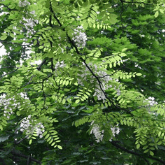
BLACK LOCUST
A medium-sized tree, growing up to 80 ft tall, with long compound leaves. In the spring the trees produce large, drooping clusters of fragrant, white flowers.
Fun Fact
This Locust Tree has nitrogen-fixing bacteria in its roots enabling the tree to grow vigorously in poor soil.
Planting Regions
[North America](https://onetreeplanted.org/collections/north-america)
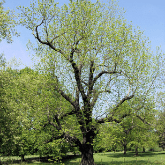
BLACK WALNUT
It can reach a large size and produces highly prized wood and large edible nuts. It is largely used in cabinetmaking, interior trim, and for gunstocks.
Fun Fact
Black walnut trees secrete 'juglone', which kills many herbaceous plants around the root system of the tree.
Planting Regions
[North America](https://onetreeplanted.org/collections/north-america)
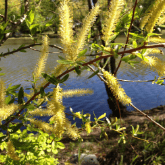
BLACK WILLOW
The largest and most widely distributed of the native Willow Trees. It is of little importance as a timber tree as it often divides into several crooked, medium-sized trunks.
Fun Fact
Because the tree blooms so early, they provide important nectar for bees emerging from their hives after winter.
Planting Regions
[North America](https://onetreeplanted.org/collections/north-america)
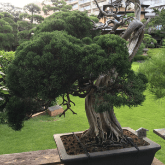
BONSAI TREE
A Bonsai Tree is not intended for production of food or for medicine. Instead, Bonsai practice focuses on long-term cultivation and shaping of one or more small trees growing in a container.
Fun Fact
Its name stems from the Japanese word, "盆栽", meaning 'tray planting'. It is an Asian art form of cultivation techniques to replicate large scale trees, on a smaller scale in a container.
Planting Regions
[North America](https://onetreeplanted.org/collections/north-america), [Asia](https://onetreeplanted.org/collections/asia), [Latin America](https://onetreeplanted.org/collections/latin-america), [Africa](https://onetreeplanted.org/collections/africa)
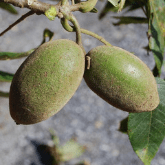
BUTTERNUT TREE
It produces attractive wood and edible nuts. It is common in moist soils, especially along fences and roads. Many butternut trees are infected with a canker disease.
Fun Fact
The Butternut tree (or white walnut) is the only walnut tree that is native to Canada.
Planting Regions
[North America](https://onetreeplanted.org/collections/north-america)
[Back to Top](https://onetreeplanted.org/pages/types-of-trees-species#top)
C
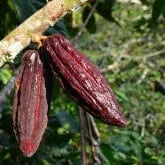
CACAO TREE
The cacao tree is a tropical evergreen that can grow to be up to 25 ft tall. It’s flowers are pink and white flowers, which rely on flies for pollination.
Fun Fact
The tree’s seeds are used to make chocolate.
Planting Regions
[Africa](https://onetreeplanted.org/collections/africa)
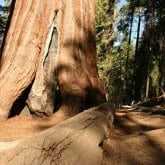
CALIFORNIA REDWOOD
The California Redwood is native to California and Oregon. It belongs to the sequoia family, and can grow to be 379 feet tall.
Fun Fact
A log of sycamore wood is priced at around 200 US dollars.
Planting Regions
[North America](https://onetreeplanted.org/collections/north-america)
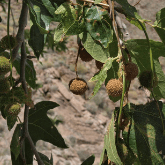
CALIFORNIA SYCAMORE
The California sycamore is large, tall tree with a fast growth rate. The tree's potentially enormous size makes it best suited for large-scale landscapes. It is used for butchers' blocks, novelties, and occasionally for furniture.
Fun Fact
Sycamore tree seeds are known as "helicopters" because of their wings that rotate similar to helicopter's propeller on a wind.
Planting Regions
[North America](https://onetreeplanted.org/collections/north-america)
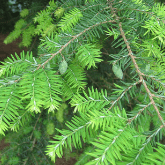
CANADIAN HEMLOCK
The Canadian hemlock grows to a height of 40–70' and a spread of 25–35' at maturity. This hemlock provides excellent cover for deer and songbirds. Nesting site for several warblers. Seeds are eaten by juncos, chickadees, and siskins.
Fun Fact
Very long lived, with the oldest recorded specimen, found in Tionesta, Pennsylvania, being at least 554 years old.
Planting Regions
[North America](https://onetreeplanted.org/collections/north-america)
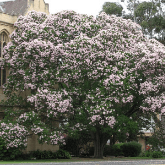
CAPE CHESTNUT
The tree can reach 20 metres high in a forest, but in cultivation it is more likely to reach 10 metres, with a spreading canopy. The large pink flowers are produced in terminal panicles and cover the tree canopy in the early summer.
Fun Fact
Cape chestnut oil, obtained from the seeds, is a popular oil in African skin care.
Planting Regions
[North America](https://onetreeplanted.org/collections/north-america)
CAPIRONA
This tree is native to the Amazon, and can grow to be 100 ft tall. Its white flowers produce seed which are spread by wind and water.
Fun Fact
This tree sheds its bark to prevent the growth of lichen or fungi.
Planting Regions
[Latin America](https://onetreeplanted.org/collections/latin-america)
CAROLINA SILVERBELL
The Carolina silverbell is native to the southeastern United States. It is characterized by bell-shaped white flowers which appear in spring before the leaves.
Fun Fact
The flowers turn into little green fruits.
Planting Regions
[North America](https://onetreeplanted.org/collections/north-america)
CHERRY BLOSSOM TREE
Known as "sakura" in Japanese, these pale blooms stand for renewal and hope. An average Japanese Cherry Tree is around 25 feet tall, while some can grow to 50 feet tall with a 40-foot wide canopy.
Fun Fact
Typically, they only last about 16-20 years. Certain species can live much longer. Black Cherry Trees can live up to 250 years.
Planting Regions
[North America](https://onetreeplanted.org/collections/north-america), [Asia](https://onetreeplanted.org/collections/asia)
CHESTNUT OAK
This tree gets its name from its chestnut-like leaves. It is found principally on dry, rocky ridges and hillsides. The wood is similar to white oak and is used generally for ties, posts, and rough construction.
Fun Fact
In Shakespeare's Macbeth, one of the Wayward Sisters threatens to kill a woman's husband over a chestnut.
Planting Regions
[North America](https://onetreeplanted.org/collections/north-america)
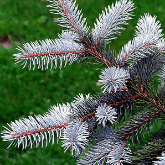
COLORADO BLUE SPRUCE
The blue spruce has blue-green coloured needles and is a coniferous tree. This tree is often sold as a Christmas Tree, which includes the trees entire root ball so it can be planted after the holidays.
Fun Fact
In traditional medicine, an infusion of the needles is used to treat colds and settle the stomach.
Planting Regions
[North America](https://onetreeplanted.org/collections/north-america)
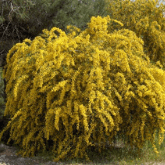
COOJONG
Native to Australia, Coojung grows as a small, dense, spreading tree with a short trunk and a weeping habit. It grows up to eight metres tall.
Fun Fact
The seeds contain as much as 25% more protein than common cereals.
Planting Regions
[Asia](https://onetreeplanted.org/collections/asia)
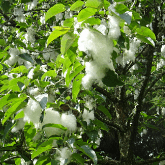
COTTONWOOD TREE
A deciduous tree that belongs to the poplar tree family. Cottonwood grows in marshes, floodplains and near the lakes and rivers. Cultivated for ornamental purposes, such as a windbreak, shade tree, source of food for animals and as a firewood.
Fun Fact
Fragrant oils obtained from the eastern cottonwood are used in the cosmetic industry for the manufacture of lip balms and massage oils.
Planting Regions
[North America](https://onetreeplanted.org/collections/north-america)
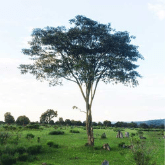
CROTON MEGABCARPAS
A fast-growing tree, croton grows up to 36 meters high and reaches maturity after five to seven years. It is a drought-resistant tree that can survive in harsh climatic conditions and is not browsed by animals.
Fun Fact
Croton nut oil, has been promoted for its perceived benefits in combating climate change, greenhouse gas emissions and dependence on fossil fuels.
Planting Regions
[Africa](https://onetreeplanted.org/collections/africa)
[Back to Top](https://onetreeplanted.org/pages/types-of-trees-species#top)
D
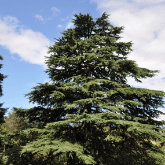
DEODAR CEDAR
It is a large evergreen coniferous tree reaching 131–164 ft tall, with a trunk up to 10 ft in diameter. It is widely grown as an ornamental tree, often planted in parks and large gardens for its drooping foliage.
Fun Fact
As insects avoid this tree, the essential oil is used as insect repellent on the feet of horses, cattle and camels.
Planting Regions
[North America](https://onetreeplanted.org/collections/north-america)
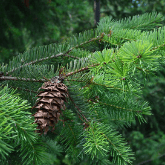
DOUGLAS FIR
This tall fir tree of the North American West is only surpassed in height by the redwood. It can grow on both moist and dry sites and covers coastal and mountain slopes from 0 to 11,000'. This tree is often used as a Christmas Tree.
Fun Fact
The thick bark of mature Douglas Fir trees, helps this tree survive forest fires with the only damage being blackened bark.
Planting Regions
[North America](https://onetreeplanted.org/collections/north-america)
[Back to Top](https://onetreeplanted.org/pages/types-of-trees-species#top)
E
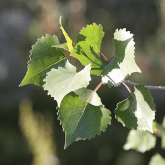
EASTERN COTTONWOOD
A rapid-growing, moisture-loving species that is found locally along streams and lakes. The cottonwood has been extensively planted as an ornamental tree along streets.
Fun Fact
It is not easy to destroy, for, once cut down, the stump continues to sprout vigorously.
Planting Regions
[North America](https://onetreeplanted.org/collections/north-america)
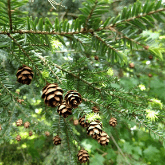
EASTERN HEMLOCK
A valuable forest tree, particularly common on northern exposures, steep mountain slopes, and borders of deep swamps. It is largely manufactured into construction lumber.
Fun Fact
During the 19th century, this tree was prized for its tannin-rich bark, which was harvested for use in the leather tanning industry.
Planting Regions
[North America](https://onetreeplanted.org/collections/north-america)
EASTERN RED CEDAR
As a native evergreen, the Eastern Red Cedar is a popular Christmas Tree in Southern U.S, where it is a native speices. This species is useful for windbreaks and hedges on dry soils where little else grows.
Fun Fact
Migratory seed-eating birds are thought to be responsible for the scattered pockets of eastern redcedar near many lakes.
Planting Regions
[North America](https://onetreeplanted.org/collections/north-america)
EASTERN WHITE PINE
It grows naturally in a wide range of sites, from steep mountainsides, to hillsides and valley swamps. The tree has a wide range of uses, including interior trim, doors, boxes, and even as a Christmas Tree.
Fun Fact
No other wood in the United States has such a wide range of uses.
Planting Regions
[North America](https://onetreeplanted.org/collections/north-america)
ELDERBERRY
The Elderberry is found mostly in the northern hemisphere, but can be found in some southern areas as well. It bears large clusters of small white flowers in the late spring, which are followed by clusters of small black, blue-black, or red berries.
Fun Fact
Uncooked elderberries are poisonous to humans.
Planting Regions
[North America](https://onetreeplanted.org/collections/north-america)
ENGELMANN SPRUCE
Engelmann spruce commonly occurs with subalpine fir in areas with long, cold winters and short, cool summers. It grows best on deep, rich soils with adequate moisture.
Fun Fact
Specialty items such as violins, pianos, and aircraft parts are produced from Engelmann spruce.
Planting Regions
[North America](https://onetreeplanted.org/collections/north-america)
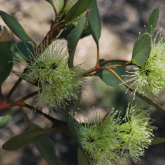
EUCALYPTUS MELLIODORA
This fast growing Eucalyptus Tree species is sold commercially and is well suited to heavy soils. It is resistant to frost and drought, will tolerate water logging and smog.
Fun Fact
It’s floriferous nature makes it useful for beekeepers and honey production
Planting Regions
[Australia](https://onetreeplanted.org/products/australia)
[Back to Top](https://onetreeplanted.org/pages/types-of-trees-species#top)
F
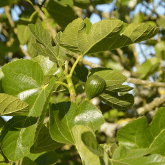
FIG TREE
There are over 750 known Ficus Tree species in the world, native all across the globe. Fig trees produce fruit year round that are important food sources for thousands of animal species.
Fun Fact
Nearly every species of fig tree is pollinated by its own distinct species of fig wasp.
Planting Regions
[North America](https://onetreeplanted.org/collections/north-america)
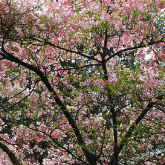
FLOWERING DOGWOOD
One of the most common understory hardwoods you will see in both hardwood and coniferous forests in eastern North America. This dogwood tree will grow from sea level to nearly 5,000'.
Fun Fact
The dogwood is the state tree of two US States - Virginia and Missouri.
Planting Regions
[North America](https://onetreeplanted.org/collections/north-america)
[Back to Top](https://onetreeplanted.org/pages/types-of-trees-species#top)
G
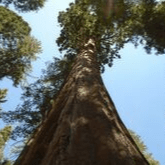
GIANT SEQUOIA
Giant sequoias are among the largest trees in the world. They grow to an average height of 164–279 ft with trunk diameters ranging 20–26 ft. Record trees have been measured at 311 ft tall.
Fun Fact
The oldest known giant sequoia is 3 500 years old.
Planting Regions
[North America](https://onetreeplanted.org/collections/north-america)
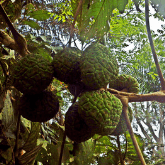
GIANT YELLOW MULBERRY
Also known as, “Monkey Fruit”, is a tree averaging 20 m high shrub or tree with stilt roots, short bole, and spreading branches. It is a source of food and medicine in tropical Africa.
Fun Fact
Orange, red, purple, black, and blue pigments isolated from the fruit of mulberry trees are used as coloring agents in the industry of food and fabrics.
Planting Regions
[Africa](https://onetreeplanted.org/collections/africa)
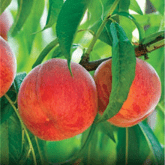
GOLDEN JUBILEE PEACH
This tree grows at a fast rate, with height increases of more than 24" per year. Produces oblong, freestone fruit with soft, yellow skin blushed with red.
Fun Fact
This peach tree has chill hour requirements of 800-850 hours (below 45°F (7°C)) in the winter for their buds to open in the spring.
Planting Regions
[North America](https://onetreeplanted.org/collections/north-america)
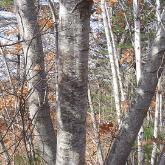
GRAY BIRCH
Colonizes disturbed and harsh sites and is particularly abundant on dry, gravelly soils of burned-over areas and abandoned farms. The tree is short-lived and is rarely as much as 8 inches in diameter.
Fun Fact
Native Americans used barkextracts of Gray Birch on swollen or infected cuts.
Planting Regions
[North America](https://onetreeplanted.org/collections/north-america)
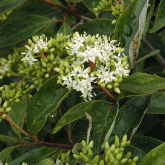
GRAY DOGWOOD
There are between 30 and 60 species of dogwood. Most of them have opposing leaves, while some have alternating. All have flowers which form in clusters of varying density.
Fun Fact
All dogwoods produce fruit, varying from flavourless to sweet.
Planting Regions
[North America](https://onetreeplanted.org/collections/north-america)
[Back to Top](https://onetreeplanted.org/pages/types-of-trees-species#top)
I
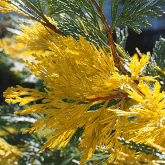
INCENSE CEDAR
The California incense cedar can grow up to 200 ft tall and is often used in landscaping. The Taiwan and Chinese varieties can reach about 100 ft, and are rarely cultivated.
Fun Fact
California’s Native Americans used this wood to make bows.
Planting Regions
[North America](https://onetreeplanted.org/collections/north-america)
[Back to Top](https://onetreeplanted.org/pages/types-of-trees-species#top)
J
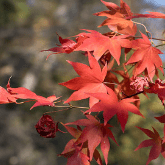
JAPANESE MAPLE TREE
With over 1,000 varieties and cultivars including hybrids, the iconic Japanese Maple Tree is among the most versatile small trees for use in the landscape.
Fun Fact
Japanese maples typically grow one foot per year for the first 50 years.
Planting Regions
[North America](https://onetreeplanted.org/collections/north-america), [Asia](https://onetreeplanted.org/collections/asia)
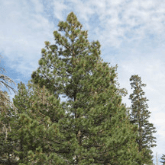
JEFFREY PINE
It is predominantly located in California, but can also be found in Nevada, Oregon, and Mexico. It has grey-green needles, which grow in groups of three.
Fun Fact
It is named after botanist John Jeffrey.
Planting Regions
[North America](https://onetreeplanted.org/collections/north-america)
[Back to Top](https://onetreeplanted.org/pages/types-of-trees-species#top)
L
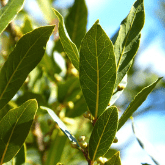
LAUREL
It is native to the Mediterranean Region and is used as bay leaf for seasoning in cooking. The Laurel is a small evergreen tree or shrub, varying in size and sometimes reaching 23–59 ft tall.
Fun Fact
In herbal medicine, aqueous extracts of bay laurel have been used as an astringent and salve for open wounds
Planting Regions
[North America](https://onetreeplanted.org/collections/north-america), [Europe](https://onetreeplanted.org/collections/where-we-plant)
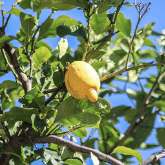
LEMON TREE
This tree's yellow fruit is used for culinary and non-culinary purposes throughout the world, primarily for its juice, which has both culinary and cleaning uses. The pulp and rind (zest) are also used in cooking and baking.
Fun Fact
Lemons contain flavonoids, which are composites that contain antioxidant and cancer fighting properties.
Planting Regions
[North America](https://onetreeplanted.org/collections/north-america), [Asia](https://onetreeplanted.org/collections/asia), [Africa](https://onetreeplanted.org/collections/africa)
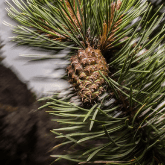
LODGEPOLE PINE
The Lodgepole Pine is prevalent in the Rocky Mountains, Colorado to Yukon and Saskatchewan; aspen parkland and boreal forests. It is a fire-dependent species, requiring wildfires to maintain healthy populations of diverse ages.
Fun Fact
Lodgepole pine is named for its common use as structural poles for the Native American tipi shelter.
Planting Regions
[North America](https://onetreeplanted.org/collections/north-america)
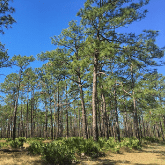
LONGLEAF PINE
The longleaf pine reaches a height of 98–115 ft and a diameter of 28 in. The tree is a cultural symbol of the Southern United States, being the official state tree of Alabama and the unofficial state tree of North Carolina.
Fun Fact
In the past, before extensive logging, they reportedly grew to 154 ft with a diameter of 47 in.
Planting Regions
[North America](https://onetreeplanted.org/collections/north-america)
[Back to Top](https://onetreeplanted.org/pages/types-of-trees-species#top)
M
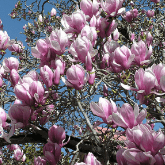
MAGNOLIA TREE
There are close to 210 species of magnolia that differ in size, shape, color of the flower and type of habitat. Magnolia trees originate from Asia and North America.
Fun Fact
Magnolias do not produce pollen enriched with proteins, which bees use as food.
Planting Regions
[North America](https://onetreeplanted.org/collections/north-america), [Asia](https://onetreeplanted.org/collections/asia)
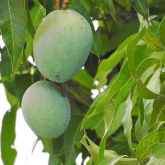
MANGO TREE
Hundreds of cultivated varieties have been introduced to other warm regions of the world. It is a large fruit-tree, capable of growing to a height of about 100 ft.
Fun Fact
Some Mango trees bear fruits even at the age of 300 years and more\!
Planting Regions
[North America](https://onetreeplanted.org/collections/north-america), [Africa](https://onetreeplanted.org/collections/africa), [Latin America](https://onetreeplanted.org/collections/latin-america)
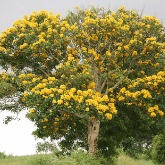
MARKHAMIA
Endemic tree in Kenya found in seasonally dry, open woodlands. Sometimes planted for landscape value. Generally distributed through Sub-Saharan Africa.
Fun Fact
The roots are used in traditional medicine to treat backache.
Planting Regions
[Africa](https://onetreeplanted.org/collections/africa)
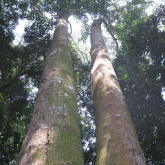
MEDANG
A native of Singapore. A common and fast growing tree, it is fairly easy to identify from the bark which is covered in small lenticles giving it a unique "bubbly" texture.
Fun Fact
The first indication of flowering is the appearance of yellow fluffy flowers on the forest floor.
Planting Regions
[Asia](https://onetreeplanted.org/collections/asia)
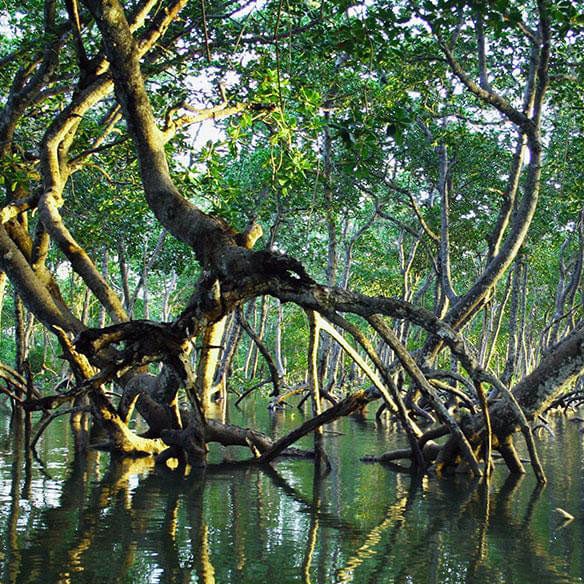
MANGROVES
Mangroves are wonderful trees that are tolerant to salt (halophytes) and can be found where the coast meets land in both tropical and subtropical climates.
Fun Fact
Mangroves have twisted roots that keep them safe from high-impact waves. Their thick waxy leaves also act as a filter that repels salt from the water.
Planting Regions
[Asia](https://onetreeplanted.org/collections/asia), [Latin America](https://onetreeplanted.org/collections/latin-america)
[Back to Top](https://onetreeplanted.org/pages/types-of-trees-species#top)
N
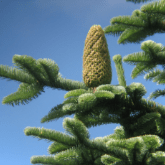
NOBLE FIR
The Noble fir grows best in full sun and deep, moist, well drained soil, but will grow on thin, rocky soils if moisture is not limited. It is intolerant of alkaline soils, windy conditions, and shade.
Fun Fact
The seeds are food for the chickadees, jays, nuthatches and many other bird species.
Planting Regions
[North America](https://onetreeplanted.org/collections/north-america)
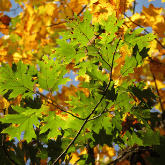
NORTHERN RED OAK
The fastest growing and largest of all the oaks native to New York State. It’s adaptable to a wide variety of soil conditions. The wood is heavy and is used for furniture, ships, and general construction.
Fun Fact
Native Americans used the acorns to make flour.
Planting Regions
[North America](https://onetreeplanted.org/collections/north-america)
[Back to Top](https://onetreeplanted.org/pages/types-of-trees-species#top)
O
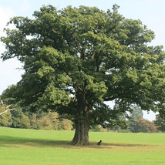
OAK TREE
Oak belongs to the genus Quercus comprising over 600 different trees species. Most Oak trees are deciduous with only couple of evergreen forms. Oak trees can survive in various forests, including those in temperate climates, Mediterranean and tropical areas.
Fun Fact
Oaks produce more than 2000 acorns every year, but only one in 10 000 acorns will manage to develop into oak tree.
Planting Regions
[North America](https://onetreeplanted.org/collections/north-america)
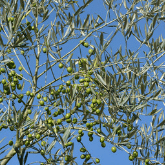
OLIVE TREE
The olive is an evergreen tree, with leathery, elongated, sharp-pointed leaves. The olive tree has small, creamy-white flowers arranged in clusters called panicles. The first commercial crop is usually harvested after 4 years.
Fun Fact
Unlike wine, olive oil doesn’t improve with age. A good quality olive oil should keep up to two years.
Planting Regions
[North America](https://onetreeplanted.org/collections/north-america), [Asia](https://onetreeplanted.org/collections/asia), [Africa](https://onetreeplanted.org/collections/africa)
[Back to Top](https://onetreeplanted.org/pages/types-of-trees-species#top)
P
PALM TREE
Palm trees are characterized by their long trunk topped with a crown of fronds. There are approximately 2600 known species of palm trees.
Fun Fact
Considered a symbol for victory, peace, and fertility.
Planting Regions
[North America](https://onetreeplanted.org/collections/north-america), [Latin America](https://onetreeplanted.org/collections/latin-america), [Africa](https://onetreeplanted.org/collections/africa)
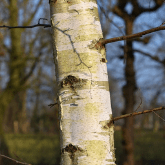
PAPER BIRCH
This shade-intolerant tree grows on a wide range of soils; it thrives along lakes, streams, and swamps, and maintains itself on the higher slopes of our mountains.
Fun Fact
The paper birch gets its name from another common use of its bark: as a medium on which to write.
Planting Regions
[North America](https://onetreeplanted.org/collections/north-america)
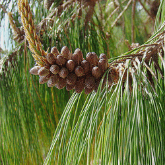
PATULA PINE
This tree usually grows to be 100 feet tall. Most commonly found in warm regions 6000 - 9000 ft above sea level. It has a rough, grey-brown bark with long crevices.
Fun Fact
Oil of turpentine, obtained from the oleo-resin of all pine trees, is beneficial to the respiratory system.
Planting Regions
[North America](https://onetreeplanted.org/collections/north-america)
PIGNUT HICKORY
Pignut hickory is a large tree that has a tall, but relatively narrow crown. The bark is tight rather than shaggy and fall color is golden. The nuts produced are bitter tasting.
Fun Fact
Hickory can survive few hundred years in the wild. Pecan tree bears fruit even at the age of 300 years.
Planting Regions
[North America](https://onetreeplanted.org/collections/north-america)
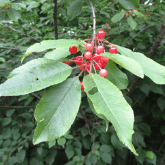
PIN CHERRY
Not a timber-producing species, its main value lies in its ability to cover wasteland and to protect the soil until larger trees can establish themselves and crowd it out.
Fun Fact
Because the berries are a favorite of many birds, it is often difficult to find ripe fruit on the trees.
Planting Regions
[North America](https://onetreeplanted.org/collections/north-america)
PINABETE TREE
An evergreen tree native to Central America, it is a moisture-loving tree of the tropical mountain coniferous. Due to logging and loss of habitat, the tree is considered threatened and is protected by CITES.
Fun Fact
The typical habitat for this tree is on volcanic soils between 1800 and 3700 meters elevation.
Planting Regions
[North America](https://onetreeplanted.org/collections/north-america)
PINE TREE
The Pine, is a family of resinous woody trees with needlelike, usually evergreen leaves. The family is the largest and most important of the conifers, providing naval stores, paper pulp, and more lumber by far than any other family.
Fun Fact
The oldest known specimen of Pine Tree lived until the age of 4800 years.
Planting Regions
[North America](https://onetreeplanted.org/collections/north-america)
PITCH PINE
The wood is coarse-grained and brownish red in color. The tree seldom reaches a large size and the lumber is generally knotty. Its uses are for rough framing lumber, ties, mine props, and crates.
Fun Fact
Pines produce resin that flows from the injured bark. This resin is highly flammable and it facilitates spreading of the forest fire.
Planting Regions
[North America](https://onetreeplanted.org/collections/north-america)
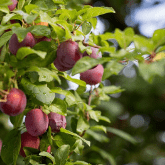
PLUM TREE
Plum trees can grow up to 30 ft high, but are often trimmed to remain at about half that height. These trees blossom at varying times around the world, featuring flowers which vary in color.
Fun Fact
Plums are among the first fruits cultivated by humans.
Planting Regions
[North America](https://onetreeplanted.org/collections/north-america), [Latin America](https://onetreeplanted.org/collections/latin-america), [Asia](https://onetreeplanted.org/collections/asia)
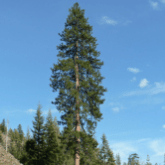
PONDEROSA PINE
A large-crowned tree with a straight trunk, usually about 25 to 30 metres tall, but sometimes reaching a height of 50 metres and a diameter of 2 metres.
Fun Fact
The bark has a distinctive scent of vanilla or butterscotch.
Planting Regions
[North America](https://onetreeplanted.org/collections/north-america)
[Back to Top](https://onetreeplanted.org/pages/types-of-trees-species#top)
Q
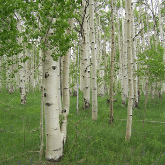
QUAKING ASPEN
The most widely distributed tree in North America. It is a short-lived tree, but has value as a cover tree in slashes, burns, and in old fields where it quickly establishes itself.
Fun Fact
The quaking aspen reproduces through suckering, growing new clones from its roots. The roots tend to make their way into sewers, sidewalks and other areas where they can cause trouble.
Planting Regions
[North America](https://onetreeplanted.org/collections/north-america)
[Back to Top](https://onetreeplanted.org/pages/types-of-trees-species#top)
R
RED MAPLE TREE
Abundant on moist slopes and increasingly common in partially cut woodlots. It is an extremely rapid-growing tree, furnishing a fairly strong, close-grained wood, extensively used for cheap furniture.
Fun Fact
Maple trees must reach at least 40 years of age before you can tap them for sap.
Planting Regions
[North America](https://onetreeplanted.org/collections/north-america)
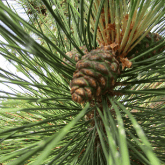
RED PINE
Fast-growing timber tree, it is found commonly on the sandy soils. Because of its rapid growth and relative freedom from insects and diseases, it has been commonly planted on thousands of acres of idle land.
Fun Fact
The Civilian Conservation Corps planted millions of red pines during the Great Depression of the 1930s.
Planting Regions
[North America](https://onetreeplanted.org/collections/north-america)
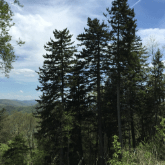
RED SPRUCE
The wood is light, close-grained, soft, and is in great demand for chemical wood pulp. A peculiar resonant quality that makes it valuable for the sounding boards of musical instruments. It is used also for framing.
Fun Fact
This spruce tree was used medicinally by several North American Indian tribes as a remedy for sicknesses.
Planting Regions
[North America](https://onetreeplanted.org/collections/north-america)
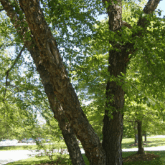
RIVER BIRCH
While its native habitat is wet ground, it will grow on higher land, and its bark is quite distinctive, making it a favored ornamental tree for landscape use.
Fun Fact
Native Americans used the boiled sap as a sweetener similar to maple syrup, and the inner bark as a survival food.
Planting Regions
[North America](https://onetreeplanted.org/collections/north-america)
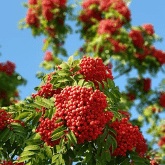
ROWAN TREE
Rowan can be found in the highlands (on the altitude of up to 6.500 feet), steep hillsides and cliffs. It requires slightly acidic, peaty, well-drained soil and partial shade for the successful growth. People cultivate rowan as a source of wood and in decorative purpose.
Fun Fact
Fruit can be used as a substitute for coffee and as a flavoring agent for liqueurs and cordials.
Planting Regions
[North America](https://onetreeplanted.org/collections/north-america), [Asia](https://onetreeplanted.org/collections/asia)
[Back to Top](https://onetreeplanted.org/pages/types-of-trees-species#top)
S
SASSAFRAS
A small to medium-sized, shade-intolerant tree, best known, perhaps, for its bark and root which have long been used for making sassafras tea. Its wood is weak, coarse-grained, aromatic, and very durable in contact with the soil.
Fun Fact
The rich flavor from sassafras roots have also been put in soups and stews for an unusual extra flavor.
Planting Regions
[North America](https://onetreeplanted.org/collections/north-america)
SCARLET OAK
This tree gets its name from the brilliant coloring of its autumn foliage, it is most commonly found on poor soils. The wood is heavy and coarse in texture.
Fun Fact
Oak is used in the manufacture of barrels for storing of vine, whiskey, brandy and other liquors.
Planting Regions
[North America](https://onetreeplanted.org/collections/north-america)
SHADBUSH TREE
It is common throughout the central and southern highlands. Its wood is heavy, harder than white oak, and dark brown in color often tinged with red. It is occasionally used for tool handles and is highest of all native woods in heat value.
Fun Fact
“Shadbush” comes from the bloom time of this shrub being the same time that native shad fish swim up the Hudson River to spawn.
Planting Regions
[North America](https://onetreeplanted.org/collections/north-america)
SHAGBARK HICKORY
In the forest it is a tall straight-branched tree but in open fields and along hedgerows where it often grows it usually forks near the ground into stout ascending limbs. The fruit of the Shagbark Hickory is important for wildlife.
Fun Fact
Hickory wood is sometimes used to barbecue, as it is loved for the smoked flavor it imparts to meat.
Planting Regions
[North America](https://onetreeplanted.org/collections/north-america)
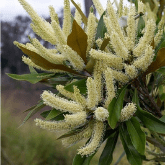
SILKY OAK
Known also as the silky oak, this evergreen is fast growing and can reach up to 100 ft tall. The flowers are long and spindly, and usually orange in colour.
Fun Fact
Young trees can be kept as houseplants.
Planting Regions
[North America](https://onetreeplanted.org/collections/north-america)
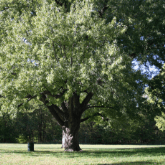
SILVER MAPLE
Frequently planted as a shade tree on account of its rapid growth, but with its weak wood it shouldn't be planted near homes or cars.
Fun Fact
Maple is considered a tonewood, carrying sound waves well, and is thus used in numerous musical instruments.
Planting Regions
[North America](https://onetreeplanted.org/collections/north-america)
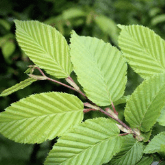
SLIPPERY ELM
A medium-sized forest tree of stream banks and low fertile slopes and is common south of the Adirondacks. The wood is hard, heavy, strong, coarse-grained, and fairly durable in contact with the soil. This tree is used for fence posts, ties, barrel staves and hoops.
Fun Fact
The mucilage found in its bark is ideal for soothing the digestive tract and eliminating inflammation.
Planting Regions
[North America](https://onetreeplanted.org/collections/north-america)
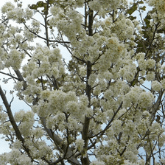
SOUTH AFRICAN WILD PEAR
A small deciduous tree, found in Southern Africa and northwards to central and eastern Tropical Africa. It is drought and frost tolerant. It produces a good timber with a greyish-blue heartwood and suitable for woodworking.
Fun Fact
It is popular with beekeepers due to its high nectar production that attracts a multitude of bees and butterflies.
Planting Regions
[Africa](https://onetreeplanted.org/collections/africa)
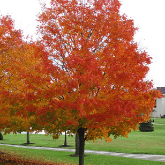
SUGAR MAPLE
Besides providing beautiful borders to many miles of highway, and hundreds of thousands of gallons of maple syrup from the many thousands of sugar bushes in all parts of the state, it yields a wood of high grade.
Fun Fact
It takes 40-50 gallons of tree sap for the production of one gallon of syrup.
Planting Regions
[North America](https://onetreeplanted.org/collections/north-america)
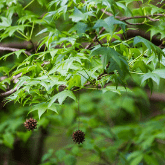
SWEETGUM
Sweetgum is one of the most aggressive pioneer tree species and quickly takes over abandoned fields and unmanaged cut-over forests. It will comfortably grow on many sites including wetlands, dry uplands and hill country up to 2,600'.
Fun Fact
It is considered a hardwood species with wood weighing 52 pounds per cubic foot and is used in furniture and plywood.
Planting Regions
[North America](https://onetreeplanted.org/collections/north-america)
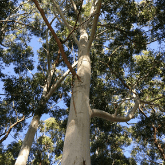
SYDNEY BLUE GUM
This tree can live between 100-200 years and grow to be 100-210 ft tall. The base of the trunk has a rough brown bark, which becomes smooth an grey or white a few feet up.
Fun Fact
Koala’s eat the leaves of this tree.
Planting Regions
[Asia](https://onetreeplanted.org/collections/asia)
[Back to Top](https://onetreeplanted.org/pages/types-of-trees-species#top)
T
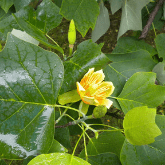
TULIP TREE
Its large tulip-like, greenish yellow flowers have given rise to the name "tulip tree." Veneer of yellow-poplar is highly prized in airplane construction.
Fun Fact
The Tulip Tree is the tallest of North American hardwoods and can range from 100-150 feet high.
Planting Regions
[North America](https://onetreeplanted.org/collections/north-america)
[Back to Top](https://onetreeplanted.org/pages/types-of-trees-species#top)
U
UGANDAN GREENHEART
A species of evergreen tree native to Africa. The wood is resistant to insect attack and very strong. Its timber is good for construction and furniture making.
Fun Fact
Early Indian immigrants to Kenya, used the leaves to flavour their curries before the chilli plant was commonly introduced.
Planting Regions
[Africa](https://onetreeplanted.org/collections/africa)
[Back to Top](https://onetreeplanted.org/pages/types-of-trees-species#top)
W
WALNUT TREE
Walnut trees can grow to be between 33 and 130 ft tall. They fare well in droughts, but need lots of light and wind protection to thrive.
Fun Fact
Nuts from all species of walnut tree are edible, but those from the Juglans regia are the most commonly sold variety.
Planting Regions
[North America](https://onetreeplanted.org/collections/north-america)
WESTERN LARCH
This large, tree can grow to 80 metres tall and 850 years of age. Like all larches, it loses its needles in the autumn. The wood of western larch is one of the strongest in Canada. It is often used in heavy construction and for railway ties and pilings.
Fun Fact
Native people used to collect sap and inner bark from this tree because it contained a natural sugar gelatin.
Planting Regions
[North America](https://onetreeplanted.org/collections/north-america)
WHITE ASH
It is common throughout New York and is found up to an altitude of 2000 feet in the Adirondacks. It prefers to grow in rich moist woods, and is common on abandoned agricultural lands.
Fun Fact
The wood is strong and elastic at the same time, making it perfect for the production of baseball bats, hockey sticks, and tennis rackets.
Planting Regions
[North America](https://onetreeplanted.org/collections/north-america)
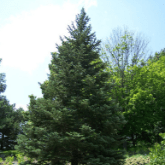
WHITE FIR
This tree is native to the mountains of western North America. They can live for over 300 years and naturally occur at an elevation between 2 950–11 200 ft.
Fun Fact
The tallest recorded White Fir reached 246 ft tall.
Planting Regions
[North America](https://onetreeplanted.org/collections/north-america)
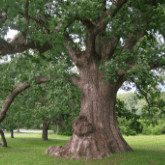
WHITE OAK
Growing to large size and producing lumber of high grade and value. It is found in moist as well as in dry locations. White oak acorns are an important food for wildlife.
Fun Fact
Oaks can absorb up to 50 gallons of water each day.
Planting Regions
[North America](https://onetreeplanted.org/collections/north-america)
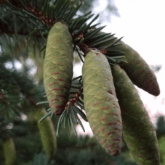
WHITE SPRUCE
The wood is in great demand for chemical pulp. While native to Northeastern U.S and Canada, this tree is prized for its thick branches making it ideal as a Christmas Tree.
Fun Fact
Tips of spruce needles are used to manufacture spruce tip syrup.
Planting Regions
[North America](https://onetreeplanted.org/collections/north-america)
[Back to Top](https://onetreeplanted.org/pages/types-of-trees-species#top)
Y
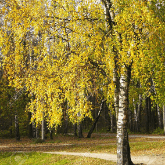
YELLOW BIRCH
Common on rich, moist uplands but is found also in swamps and along waterways. The close-grained, light brown wood is largely used for furniture, airplanes, and agricultural implements.
Fun Fact
Its seeds often sprout and grow from the tops of rotten stumps and logs.
Planting Regions
[North America](https://onetreeplanted.org/collections/north-america)
[Back to Top](https://onetreeplanted.org/pages/types-of-trees-species#top)
[![]()](https://onetreeplanted.org/ "One Tree Planted")
***
###### Tax ID \#46-4664562
One Tree Planted is a 501(c)3 tax-exempt organization and your donation is tax-deductible within the guidelines of U.S. law. [Click here to learn more](https://onetreeplanted.org/pages/about-us "About Us | One Tree Planted")
###### Quick Links
- [Privacy Policy](https://onetreeplanted.org/policies/privacy-policy)
- [Terms of Service](https://onetreeplanted.org/policies/terms-of-service)
- [Return & Refund Policy](https://onetreeplanted.org/policies/refund-policy)
- [Careers](https://onetreeplanted.org/pages/careers)
- [Shop](https://onetreeplanted.org/collections/shop)
- [Fundraising Disclosures](https://onetreeplanted.org/pages/types-of-trees-species)
###### FORM 990:
[2024](https://cdn.shopify.com/s/files/1/0326/7189/files/One-Tree-Planted-Inc-Form-990-2024.pdf?v=1773077317 "https://cdn.shopify.com/s/files/1/0326/7189/files/One-Tree-Planted-Inc-Form-990-2024.pdf?v=1773077317") [2023](https://cdn.shopify.com/s/files/1/0326/7189/files/One-Tree-Planted-Inc-Form-990-2023.pdf?v=1732735949 "2023 Form 990") [2022](https://cdn.shopify.com/s/files/1/0326/7189/files/One-Tree-Planted-Inc-Form-990-2022.pdf?v=1700258576 "2022 Form 990") [2021](https://cdn.shopify.com/s/files/1/0326/7189/files/One-Tree-Planted-Inc-Form-990-2021.pdf?v=1671231421 "2021 Form 990") [2020](https://cdn.shopify.com/s/files/1/0326/7189/files/One-Tree-Planted-Inc-Form-990-2020.pdf?v=1671231422 "2020 Form 990") [2019](https://cdn.shopify.com/s/files/1/0326/7189/files/One-Tree-Planted-Inc-form-990-2019.pdf?v=1671231422 "2019 Form 990")
###### Connect
Online: [Contact us](https://onetreeplanted.org/pages/contact-us "Contact Us | One Tree Planted")
Call: **1\.800.408.7850**
*145 Pine Haven Shores Rd \#1000D Shelburne, Vermont, 05482, US*
###### Subscribe to Our Newsletter
***
[![Charity Navigator Four Star Rating]()](https://www.charitynavigator.org/ein/464664562) [![2025 Anthem Awards - Gold Winner]()](https://www.anthemawards.com/winners/list/entry/#!sustainability-environment-climate/documentary-or-film/guardians-of-mau-forest/1985/-1/620825) [![2024 Candid Platinum Seal of Transparency on GuideStar]()](https://www.guidestar.org/profile/46-4664562) [![1% For The Planet - 2019 Nonprofit Changemaker Award Winner - One Tree Planted]()](https://onetreeplanted.org/blogs/stories/nonprofit-changemaker-award) ![Charitable Sponsorship through The Movements Trust - UK Charity 1194447]() [![Official partner of the United Nations Decade on Ecosystem Restoration - 2021-2030]()](https://www.decadeonrestoration.org/)
###### Language
© 2026 One Tree Planted. [This store is PCI Compliant](https://www.shopify.com/pci-compliant?utm_campaign=poweredby&utm_medium=shopify&utm_source=onlinestore)
***
×
## Fundraising Disclosures
- \ 
- \ 
One or more of the items in your cart is a deferred, subscription, or recurring purchase. By continuing, I agree to the cancellation policy and authorize you to charge my payment method at the prices, frequency and dates listed on this page until my order is fulfilled or I cancel, if permitted. |
| Readable Markdown | Did you know that the world is home to over 60,000 different **tree species**? Trees provide inumerous benefits such as **clean air, water, biodiversity, social impact, health** and help to **regulate climate**.
Read on to find out the main types of trees, where each tree species is located, common tree planting regions and some fun tree facts\!
- [A](https://onetreeplanted.org/pages/types-of-trees-species#A)
- [B](https://onetreeplanted.org/pages/types-of-trees-species#B)
- [C](https://onetreeplanted.org/pages/types-of-trees-species#C)
- [D](https://onetreeplanted.org/pages/types-of-trees-species#D)
- [E](https://onetreeplanted.org/pages/types-of-trees-species#E)
- [F](https://onetreeplanted.org/pages/types-of-trees-species#F)
- [G](https://onetreeplanted.org/pages/types-of-trees-species#G)
- [I](https://onetreeplanted.org/pages/types-of-trees-species#I)
- [J](https://onetreeplanted.org/pages/types-of-trees-species#J)
- [L](https://onetreeplanted.org/pages/types-of-trees-species#L)
- [M](https://onetreeplanted.org/pages/types-of-trees-species#M)
- [N](https://onetreeplanted.org/pages/types-of-trees-species#N)
- [O](https://onetreeplanted.org/pages/types-of-trees-species#O)
- [P](https://onetreeplanted.org/pages/types-of-trees-species#P)
- [Q](https://onetreeplanted.org/pages/types-of-trees-species#Q)
- [R](https://onetreeplanted.org/pages/types-of-trees-species#R)
- [S](https://onetreeplanted.org/pages/types-of-trees-species#S)
- [T](https://onetreeplanted.org/pages/types-of-trees-species#T)
- [U](https://onetreeplanted.org/pages/types-of-trees-species#U)
- [W](https://onetreeplanted.org/pages/types-of-trees-species#W)
- [Y](https://onetreeplanted.org/pages/types-of-trees-species#Y)
A

African Juniper
Native to mountainous areas in Africa and the Arabian Peninsula, The African Juniper Tree is an important timber tree used for building houses, for poles, for furniture; bark used for beehives.
Fun Fact
It is the only juniper to occur south of the equator.
Planting Regions

AMERICAN ARBORVITAE
Meaning "tree of life", this medium-sized forest tree grows to a height of 40-60 ft. Was useful in early canoes and medicines and became the first North American tree to be introduced to Europe.
Fun Fact
The specific name, "Occidentalis", means "west," the direction from Sweden where this tree was discovered.
Planting Regions

AMERICAN BEECH
One of the most well-known trees in the state, given its wide distribution across forests. It is excellent as fuelwood. The disease on the bark of beech trees is currently threatening the species across its entire range.
Fun Fact
Beechnut was used as food for the cattle. Many forest mammals and birds consume beechnuts as a regular part of their diet.
Planting Regions

AMERICAN CHESTNUT
The American chestnut tree was once a dominant forest species, but due to a blight disease, is now rare. Before the blight, trees grew close to 115 ft tall, now surviving trees are smaller than 32 ft.
Fun Fact
Chestnuts can be consumed raw, baked, boiled or roasted. It also can be dried and milled into flour.
Planting Regions

AMERICAN HORNBEAM
The tree is slow-growing and is rarely found larger than 10 inches in diameter. It makes excellent fuelwood when seasoned.
Fun Fact
Name "hornbeam" originates from old English words "horn", which was used to describe strong wood and "beam", that was used as a synonym for tree.
Planting Regions

AMERICAN LARCH
A forest tree of the swamps. The wood is very heavy, and strong, it is used for fence posts, telegraph poles, and railroad ties.
Fun Fact
Some species of Larch can survive up to thousand years, most live around 250 years in the wild.
Planting Regions

AMERICAN MOUNTAINASH
A relatively small tree, reaching only 40 ft in height. The American mountain-ash attains its largest specimens on the northern shores of Lake Huron and Lake Superior.
Fun Fact
American Mountain Ash Trees make their own food from sunlight, carbon dioxide, water, and nutrients from the soil.
Planting Regions

APPLE TREE
There are over 7500 varieties of apples that can be found worldwide. They are part of human diet for thousands of years. This fruit is a symbol of temptation and immorality in Christianity.
Fun Fact
The average apple tree produces 88 to 440 pounds of apples each year.
Planting Regions

ASPEN TREE
A poplar tree that belongs to the willow family. here are six species of aspen that can be found in the temperate areas of the northern hemisphere. Aspen grows in sunny areas, on moist, well-drained soil.
Fun Fact
The heat-resistant wood of aspen trees have application in the manufacture of interior parts of sauna and roofing.
Planting Regions

AVOCADO TREE
The avocado tree needs a warm climate, little wind, and well aerated soil to thrive. The trees are partially self pollinating, but are more effectively grown through grafting or its fruit’s seed.
Fun Fact
An avocado fruit is a type of berry.
Planting Regions
[Back to Top](https://onetreeplanted.org/pages/types-of-trees-species#top)
B

BALSAM FIR
A medium-sized forest tree generally distributed in deep, cold swamps. It is cut for pulpwood, and is used as a Christmas tree. Balsam pillows are made from the needles.
Fun Fact
In aromatherapy uses, Fir as an essential oil, is beneficial for coughs, colds, flu, arthritis,and rheumatism.
Planting Regions

BALD CYPRESS
It is native to the southeastern United States. This cypress tree adapts to a wide range of soil types, whether wet, dry, or swampy.
Fun Fact
The tree gets the name “bald” cypress because they drop their leaves so early in the season.
Planting Regions

BANANA TREE
The banana plant grows to be tall like a tree, but has no trunk: it is simply a cluster of large leaf stalks. This technically classifies it as an herb.
Fun Fact
Banana fruits are mildlyradioactive.
Planting Regions

BASSWOOD
It has rapidity of growth and a wide range of uses for its lumber. It does best in the deep, moist soils. The wood is soft, used for boxes, crates, and cheap furniture.
Fun Fact
Trees must be about 15 years old before they bear fruit.
Planting Regions

BIGTOOTH ASPEN
A short-lived tree that develops best on deep moist soils, but is more common on dry, upland, sandy or stony sites, where it rapidly covers slashes and burns.
Fun Fact
Native Americans used leaves of aspen in treatment of burned skin, swollen joints and headache.
Planting Regions

BIRCH TREE
Birch trees are characterized by their thin, papery barks. There are about 50 species native to Europe and Asia, and 15 to North America.
Fun Fact
Birch bark was used by Native Americans to build canoes, wigwams, and bowls.
Planting Regions

BITTERNUT HICKORY
It produces bitter inedible nuts. It grows best on low, rich soil in higher ground. It grows well even in shade, so is usually found in groups of other trees.
Fun Fact
Hickory nuts are excellent source of dietary fibers, mono-unsaturated fatty acids, vitamins and minerals.
Planting Regions

BLACK ASH
Most commonly found in deep swamps. Occasionally, though, it's found mixed with other hardwoods in moist, cold forests.
Fun Fact
During the 19th century, ash trees were used in the production of carriages.
Planting Regions

BLACK BIRCH
A medium-sized, slow-growing forest tree, common in northeastern Canada. It is used for fence posts and small poles.
Fun Fact
Birch sap is used to manufacture wine and beer in Northern Europe, Russia and China.
Planting Regions

BLACK CHERRY
The largest and most valuable of the cherry trees. It prefers rich bottomlands and moist hillsides, but is found also in drier situations. It is a valuable fast-growing timber and wildlife food tree.
Fun Fact
The berries are used in the manufacture of liqueurs and as flavoring agents of sodas, ice-creams, and whiskeys.
Planting Regions

BLACK LOCUST
A medium-sized tree, growing up to 80 ft tall, with long compound leaves. In the spring the trees produce large, drooping clusters of fragrant, white flowers.
Fun Fact
This Locust Tree has nitrogen-fixing bacteria in its roots enabling the tree to grow vigorously in poor soil.
Planting Regions

BLACK WALNUT
It can reach a large size and produces highly prized wood and large edible nuts. It is largely used in cabinetmaking, interior trim, and for gunstocks.
Fun Fact
Black walnut trees secrete 'juglone', which kills many herbaceous plants around the root system of the tree.
Planting Regions

BLACK WILLOW
The largest and most widely distributed of the native Willow Trees. It is of little importance as a timber tree as it often divides into several crooked, medium-sized trunks.
Fun Fact
Because the tree blooms so early, they provide important nectar for bees emerging from their hives after winter.
Planting Regions

BONSAI TREE
A Bonsai Tree is not intended for production of food or for medicine. Instead, Bonsai practice focuses on long-term cultivation and shaping of one or more small trees growing in a container.
Fun Fact
Its name stems from the Japanese word, "盆栽", meaning 'tray planting'. It is an Asian art form of cultivation techniques to replicate large scale trees, on a smaller scale in a container.
Planting Regions

BUTTERNUT TREE
It produces attractive wood and edible nuts. It is common in moist soils, especially along fences and roads. Many butternut trees are infected with a canker disease.
Fun Fact
The Butternut tree (or white walnut) is the only walnut tree that is native to Canada.
Planting Regions
[Back to Top](https://onetreeplanted.org/pages/types-of-trees-species#top)
C

CACAO TREE
The cacao tree is a tropical evergreen that can grow to be up to 25 ft tall. It’s flowers are pink and white flowers, which rely on flies for pollination.
Fun Fact
The tree’s seeds are used to make chocolate.
Planting Regions

CALIFORNIA REDWOOD
The California Redwood is native to California and Oregon. It belongs to the sequoia family, and can grow to be 379 feet tall.
Fun Fact
A log of sycamore wood is priced at around 200 US dollars.
Planting Regions

CALIFORNIA SYCAMORE
The California sycamore is large, tall tree with a fast growth rate. The tree's potentially enormous size makes it best suited for large-scale landscapes. It is used for butchers' blocks, novelties, and occasionally for furniture.
Fun Fact
Sycamore tree seeds are known as "helicopters" because of their wings that rotate similar to helicopter's propeller on a wind.
Planting Regions

CANADIAN HEMLOCK
The Canadian hemlock grows to a height of 40–70' and a spread of 25–35' at maturity. This hemlock provides excellent cover for deer and songbirds. Nesting site for several warblers. Seeds are eaten by juncos, chickadees, and siskins.
Fun Fact
Very long lived, with the oldest recorded specimen, found in Tionesta, Pennsylvania, being at least 554 years old.
Planting Regions

CAPE CHESTNUT
The tree can reach 20 metres high in a forest, but in cultivation it is more likely to reach 10 metres, with a spreading canopy. The large pink flowers are produced in terminal panicles and cover the tree canopy in the early summer.
Fun Fact
Cape chestnut oil, obtained from the seeds, is a popular oil in African skin care.
Planting Regions

CAPIRONA
This tree is native to the Amazon, and can grow to be 100 ft tall. Its white flowers produce seed which are spread by wind and water.
Fun Fact
This tree sheds its bark to prevent the growth of lichen or fungi.
Planting Regions

CAROLINA SILVERBELL
The Carolina silverbell is native to the southeastern United States. It is characterized by bell-shaped white flowers which appear in spring before the leaves.
Fun Fact
The flowers turn into little green fruits.
Planting Regions

CHERRY BLOSSOM TREE
Known as "sakura" in Japanese, these pale blooms stand for renewal and hope. An average Japanese Cherry Tree is around 25 feet tall, while some can grow to 50 feet tall with a 40-foot wide canopy.
Fun Fact
Typically, they only last about 16-20 years. Certain species can live much longer. Black Cherry Trees can live up to 250 years.
Planting Regions

CHESTNUT OAK
This tree gets its name from its chestnut-like leaves. It is found principally on dry, rocky ridges and hillsides. The wood is similar to white oak and is used generally for ties, posts, and rough construction.
Fun Fact
In Shakespeare's Macbeth, one of the Wayward Sisters threatens to kill a woman's husband over a chestnut.
Planting Regions

COLORADO BLUE SPRUCE
The blue spruce has blue-green coloured needles and is a coniferous tree. This tree is often sold as a Christmas Tree, which includes the trees entire root ball so it can be planted after the holidays.
Fun Fact
In traditional medicine, an infusion of the needles is used to treat colds and settle the stomach.
Planting Regions

COOJONG
Native to Australia, Coojung grows as a small, dense, spreading tree with a short trunk and a weeping habit. It grows up to eight metres tall.
Fun Fact
The seeds contain as much as 25% more protein than common cereals.
Planting Regions

COTTONWOOD TREE
A deciduous tree that belongs to the poplar tree family. Cottonwood grows in marshes, floodplains and near the lakes and rivers. Cultivated for ornamental purposes, such as a windbreak, shade tree, source of food for animals and as a firewood.
Fun Fact
Fragrant oils obtained from the eastern cottonwood are used in the cosmetic industry for the manufacture of lip balms and massage oils.
Planting Regions

CROTON MEGABCARPAS
A fast-growing tree, croton grows up to 36 meters high and reaches maturity after five to seven years. It is a drought-resistant tree that can survive in harsh climatic conditions and is not browsed by animals.
Fun Fact
Croton nut oil, has been promoted for its perceived benefits in combating climate change, greenhouse gas emissions and dependence on fossil fuels.
Planting Regions
[Back to Top](https://onetreeplanted.org/pages/types-of-trees-species#top)
D

DEODAR CEDAR
It is a large evergreen coniferous tree reaching 131–164 ft tall, with a trunk up to 10 ft in diameter. It is widely grown as an ornamental tree, often planted in parks and large gardens for its drooping foliage.
Fun Fact
As insects avoid this tree, the essential oil is used as insect repellent on the feet of horses, cattle and camels.
Planting Regions

DOUGLAS FIR
This tall fir tree of the North American West is only surpassed in height by the redwood. It can grow on both moist and dry sites and covers coastal and mountain slopes from 0 to 11,000'. This tree is often used as a Christmas Tree.
Fun Fact
The thick bark of mature Douglas Fir trees, helps this tree survive forest fires with the only damage being blackened bark.
Planting Regions
[Back to Top](https://onetreeplanted.org/pages/types-of-trees-species#top)
E

EASTERN COTTONWOOD
A rapid-growing, moisture-loving species that is found locally along streams and lakes. The cottonwood has been extensively planted as an ornamental tree along streets.
Fun Fact
It is not easy to destroy, for, once cut down, the stump continues to sprout vigorously.
Planting Regions

EASTERN HEMLOCK
A valuable forest tree, particularly common on northern exposures, steep mountain slopes, and borders of deep swamps. It is largely manufactured into construction lumber.
Fun Fact
During the 19th century, this tree was prized for its tannin-rich bark, which was harvested for use in the leather tanning industry.
Planting Regions

EASTERN RED CEDAR
As a native evergreen, the Eastern Red Cedar is a popular Christmas Tree in Southern U.S, where it is a native speices. This species is useful for windbreaks and hedges on dry soils where little else grows.
Fun Fact
Migratory seed-eating birds are thought to be responsible for the scattered pockets of eastern redcedar near many lakes.
Planting Regions

EASTERN WHITE PINE
It grows naturally in a wide range of sites, from steep mountainsides, to hillsides and valley swamps. The tree has a wide range of uses, including interior trim, doors, boxes, and even as a Christmas Tree.
Fun Fact
No other wood in the United States has such a wide range of uses.
Planting Regions

ELDERBERRY
The Elderberry is found mostly in the northern hemisphere, but can be found in some southern areas as well. It bears large clusters of small white flowers in the late spring, which are followed by clusters of small black, blue-black, or red berries.
Fun Fact
Uncooked elderberries are poisonous to humans.
Planting Regions

ENGELMANN SPRUCE
Engelmann spruce commonly occurs with subalpine fir in areas with long, cold winters and short, cool summers. It grows best on deep, rich soils with adequate moisture.
Fun Fact
Specialty items such as violins, pianos, and aircraft parts are produced from Engelmann spruce.
Planting Regions

EUCALYPTUS MELLIODORA
This fast growing Eucalyptus Tree species is sold commercially and is well suited to heavy soils. It is resistant to frost and drought, will tolerate water logging and smog.
Fun Fact
It’s floriferous nature makes it useful for beekeepers and honey production
Planting Regions
[Back to Top](https://onetreeplanted.org/pages/types-of-trees-species#top)
F

FIG TREE
There are over 750 known Ficus Tree species in the world, native all across the globe. Fig trees produce fruit year round that are important food sources for thousands of animal species.
Fun Fact
Nearly every species of fig tree is pollinated by its own distinct species of fig wasp.
Planting Regions

FLOWERING DOGWOOD
One of the most common understory hardwoods you will see in both hardwood and coniferous forests in eastern North America. This dogwood tree will grow from sea level to nearly 5,000'.
Fun Fact
The dogwood is the state tree of two US States - Virginia and Missouri.
Planting Regions
[Back to Top](https://onetreeplanted.org/pages/types-of-trees-species#top)
G

GIANT SEQUOIA
Giant sequoias are among the largest trees in the world. They grow to an average height of 164–279 ft with trunk diameters ranging 20–26 ft. Record trees have been measured at 311 ft tall.
Fun Fact
The oldest known giant sequoia is 3 500 years old.
Planting Regions

GIANT YELLOW MULBERRY
Also known as, “Monkey Fruit”, is a tree averaging 20 m high shrub or tree with stilt roots, short bole, and spreading branches. It is a source of food and medicine in tropical Africa.
Fun Fact
Orange, red, purple, black, and blue pigments isolated from the fruit of mulberry trees are used as coloring agents in the industry of food and fabrics.
Planting Regions

GOLDEN JUBILEE PEACH
This tree grows at a fast rate, with height increases of more than 24" per year. Produces oblong, freestone fruit with soft, yellow skin blushed with red.
Fun Fact
This peach tree has chill hour requirements of 800-850 hours (below 45°F (7°C)) in the winter for their buds to open in the spring.
Planting Regions

GRAY BIRCH
Colonizes disturbed and harsh sites and is particularly abundant on dry, gravelly soils of burned-over areas and abandoned farms. The tree is short-lived and is rarely as much as 8 inches in diameter.
Fun Fact
Native Americans used barkextracts of Gray Birch on swollen or infected cuts.
Planting Regions

GRAY DOGWOOD
There are between 30 and 60 species of dogwood. Most of them have opposing leaves, while some have alternating. All have flowers which form in clusters of varying density.
Fun Fact
All dogwoods produce fruit, varying from flavourless to sweet.
Planting Regions
[Back to Top](https://onetreeplanted.org/pages/types-of-trees-species#top)
I

INCENSE CEDAR
The California incense cedar can grow up to 200 ft tall and is often used in landscaping. The Taiwan and Chinese varieties can reach about 100 ft, and are rarely cultivated.
Fun Fact
California’s Native Americans used this wood to make bows.
Planting Regions
[Back to Top](https://onetreeplanted.org/pages/types-of-trees-species#top)
J

JAPANESE MAPLE TREE
With over 1,000 varieties and cultivars including hybrids, the iconic Japanese Maple Tree is among the most versatile small trees for use in the landscape.
Fun Fact
Japanese maples typically grow one foot per year for the first 50 years.
Planting Regions

JEFFREY PINE
It is predominantly located in California, but can also be found in Nevada, Oregon, and Mexico. It has grey-green needles, which grow in groups of three.
Fun Fact
It is named after botanist John Jeffrey.
Planting Regions
[Back to Top](https://onetreeplanted.org/pages/types-of-trees-species#top)
L

LAUREL
It is native to the Mediterranean Region and is used as bay leaf for seasoning in cooking. The Laurel is a small evergreen tree or shrub, varying in size and sometimes reaching 23–59 ft tall.
Fun Fact
In herbal medicine, aqueous extracts of bay laurel have been used as an astringent and salve for open wounds
Planting Regions

LEMON TREE
This tree's yellow fruit is used for culinary and non-culinary purposes throughout the world, primarily for its juice, which has both culinary and cleaning uses. The pulp and rind (zest) are also used in cooking and baking.
Fun Fact
Lemons contain flavonoids, which are composites that contain antioxidant and cancer fighting properties.
Planting Regions

LODGEPOLE PINE
The Lodgepole Pine is prevalent in the Rocky Mountains, Colorado to Yukon and Saskatchewan; aspen parkland and boreal forests. It is a fire-dependent species, requiring wildfires to maintain healthy populations of diverse ages.
Fun Fact
Lodgepole pine is named for its common use as structural poles for the Native American tipi shelter.
Planting Regions

LONGLEAF PINE
The longleaf pine reaches a height of 98–115 ft and a diameter of 28 in. The tree is a cultural symbol of the Southern United States, being the official state tree of Alabama and the unofficial state tree of North Carolina.
Fun Fact
In the past, before extensive logging, they reportedly grew to 154 ft with a diameter of 47 in.
Planting Regions
[Back to Top](https://onetreeplanted.org/pages/types-of-trees-species#top)
M

MAGNOLIA TREE
There are close to 210 species of magnolia that differ in size, shape, color of the flower and type of habitat. Magnolia trees originate from Asia and North America.
Fun Fact
Magnolias do not produce pollen enriched with proteins, which bees use as food.
Planting Regions

MANGO TREE
Hundreds of cultivated varieties have been introduced to other warm regions of the world. It is a large fruit-tree, capable of growing to a height of about 100 ft.
Fun Fact
Some Mango trees bear fruits even at the age of 300 years and more\!
Planting Regions

MARKHAMIA
Endemic tree in Kenya found in seasonally dry, open woodlands. Sometimes planted for landscape value. Generally distributed through Sub-Saharan Africa.
Fun Fact
The roots are used in traditional medicine to treat backache.
Planting Regions

MEDANG
A native of Singapore. A common and fast growing tree, it is fairly easy to identify from the bark which is covered in small lenticles giving it a unique "bubbly" texture.
Fun Fact
The first indication of flowering is the appearance of yellow fluffy flowers on the forest floor.
Planting Regions

MANGROVES
Mangroves are wonderful trees that are tolerant to salt (halophytes) and can be found where the coast meets land in both tropical and subtropical climates.
Fun Fact
Mangroves have twisted roots that keep them safe from high-impact waves. Their thick waxy leaves also act as a filter that repels salt from the water.
Planting Regions
[Back to Top](https://onetreeplanted.org/pages/types-of-trees-species#top)
N

NOBLE FIR
The Noble fir grows best in full sun and deep, moist, well drained soil, but will grow on thin, rocky soils if moisture is not limited. It is intolerant of alkaline soils, windy conditions, and shade.
Fun Fact
The seeds are food for the chickadees, jays, nuthatches and many other bird species.
Planting Regions

NORTHERN RED OAK
The fastest growing and largest of all the oaks native to New York State. It’s adaptable to a wide variety of soil conditions. The wood is heavy and is used for furniture, ships, and general construction.
Fun Fact
Native Americans used the acorns to make flour.
Planting Regions
[Back to Top](https://onetreeplanted.org/pages/types-of-trees-species#top)
O

OAK TREE
Oak belongs to the genus Quercus comprising over 600 different trees species. Most Oak trees are deciduous with only couple of evergreen forms. Oak trees can survive in various forests, including those in temperate climates, Mediterranean and tropical areas.
Fun Fact
Oaks produce more than 2000 acorns every year, but only one in 10 000 acorns will manage to develop into oak tree.
Planting Regions

OLIVE TREE
The olive is an evergreen tree, with leathery, elongated, sharp-pointed leaves. The olive tree has small, creamy-white flowers arranged in clusters called panicles. The first commercial crop is usually harvested after 4 years.
Fun Fact
Unlike wine, olive oil doesn’t improve with age. A good quality olive oil should keep up to two years.
Planting Regions
[Back to Top](https://onetreeplanted.org/pages/types-of-trees-species#top)
P

PALM TREE
Palm trees are characterized by their long trunk topped with a crown of fronds. There are approximately 2600 known species of palm trees.
Fun Fact
Considered a symbol for victory, peace, and fertility.
Planting Regions

PAPER BIRCH
This shade-intolerant tree grows on a wide range of soils; it thrives along lakes, streams, and swamps, and maintains itself on the higher slopes of our mountains.
Fun Fact
The paper birch gets its name from another common use of its bark: as a medium on which to write.
Planting Regions

PATULA PINE
This tree usually grows to be 100 feet tall. Most commonly found in warm regions 6000 - 9000 ft above sea level. It has a rough, grey-brown bark with long crevices.
Fun Fact
Oil of turpentine, obtained from the oleo-resin of all pine trees, is beneficial to the respiratory system.
Planting Regions

PIGNUT HICKORY
Pignut hickory is a large tree that has a tall, but relatively narrow crown. The bark is tight rather than shaggy and fall color is golden. The nuts produced are bitter tasting.
Fun Fact
Hickory can survive few hundred years in the wild. Pecan tree bears fruit even at the age of 300 years.
Planting Regions

PIN CHERRY
Not a timber-producing species, its main value lies in its ability to cover wasteland and to protect the soil until larger trees can establish themselves and crowd it out.
Fun Fact
Because the berries are a favorite of many birds, it is often difficult to find ripe fruit on the trees.
Planting Regions

PINABETE TREE
An evergreen tree native to Central America, it is a moisture-loving tree of the tropical mountain coniferous. Due to logging and loss of habitat, the tree is considered threatened and is protected by CITES.
Fun Fact
The typical habitat for this tree is on volcanic soils between 1800 and 3700 meters elevation.
Planting Regions

PINE TREE
The Pine, is a family of resinous woody trees with needlelike, usually evergreen leaves. The family is the largest and most important of the conifers, providing naval stores, paper pulp, and more lumber by far than any other family.
Fun Fact
The oldest known specimen of Pine Tree lived until the age of 4800 years.
Planting Regions

PITCH PINE
The wood is coarse-grained and brownish red in color. The tree seldom reaches a large size and the lumber is generally knotty. Its uses are for rough framing lumber, ties, mine props, and crates.
Fun Fact
Pines produce resin that flows from the injured bark. This resin is highly flammable and it facilitates spreading of the forest fire.
Planting Regions

PLUM TREE
Plum trees can grow up to 30 ft high, but are often trimmed to remain at about half that height. These trees blossom at varying times around the world, featuring flowers which vary in color.
Fun Fact
Plums are among the first fruits cultivated by humans.
Planting Regions

PONDEROSA PINE
A large-crowned tree with a straight trunk, usually about 25 to 30 metres tall, but sometimes reaching a height of 50 metres and a diameter of 2 metres.
Fun Fact
The bark has a distinctive scent of vanilla or butterscotch.
Planting Regions
[Back to Top](https://onetreeplanted.org/pages/types-of-trees-species#top)
Q

QUAKING ASPEN
The most widely distributed tree in North America. It is a short-lived tree, but has value as a cover tree in slashes, burns, and in old fields where it quickly establishes itself.
Fun Fact
The quaking aspen reproduces through suckering, growing new clones from its roots. The roots tend to make their way into sewers, sidewalks and other areas where they can cause trouble.
Planting Regions
[Back to Top](https://onetreeplanted.org/pages/types-of-trees-species#top)
R

RED MAPLE TREE
Abundant on moist slopes and increasingly common in partially cut woodlots. It is an extremely rapid-growing tree, furnishing a fairly strong, close-grained wood, extensively used for cheap furniture.
Fun Fact
Maple trees must reach at least 40 years of age before you can tap them for sap.
Planting Regions

RED PINE
Fast-growing timber tree, it is found commonly on the sandy soils. Because of its rapid growth and relative freedom from insects and diseases, it has been commonly planted on thousands of acres of idle land.
Fun Fact
The Civilian Conservation Corps planted millions of red pines during the Great Depression of the 1930s.
Planting Regions

RED SPRUCE
The wood is light, close-grained, soft, and is in great demand for chemical wood pulp. A peculiar resonant quality that makes it valuable for the sounding boards of musical instruments. It is used also for framing.
Fun Fact
This spruce tree was used medicinally by several North American Indian tribes as a remedy for sicknesses.
Planting Regions

RIVER BIRCH
While its native habitat is wet ground, it will grow on higher land, and its bark is quite distinctive, making it a favored ornamental tree for landscape use.
Fun Fact
Native Americans used the boiled sap as a sweetener similar to maple syrup, and the inner bark as a survival food.
Planting Regions

ROWAN TREE
Rowan can be found in the highlands (on the altitude of up to 6.500 feet), steep hillsides and cliffs. It requires slightly acidic, peaty, well-drained soil and partial shade for the successful growth. People cultivate rowan as a source of wood and in decorative purpose.
Fun Fact
Fruit can be used as a substitute for coffee and as a flavoring agent for liqueurs and cordials.
Planting Regions
[Back to Top](https://onetreeplanted.org/pages/types-of-trees-species#top)
S

SASSAFRAS
A small to medium-sized, shade-intolerant tree, best known, perhaps, for its bark and root which have long been used for making sassafras tea. Its wood is weak, coarse-grained, aromatic, and very durable in contact with the soil.
Fun Fact
The rich flavor from sassafras roots have also been put in soups and stews for an unusual extra flavor.
Planting Regions

SCARLET OAK
This tree gets its name from the brilliant coloring of its autumn foliage, it is most commonly found on poor soils. The wood is heavy and coarse in texture.
Fun Fact
Oak is used in the manufacture of barrels for storing of vine, whiskey, brandy and other liquors.
Planting Regions

SHADBUSH TREE
It is common throughout the central and southern highlands. Its wood is heavy, harder than white oak, and dark brown in color often tinged with red. It is occasionally used for tool handles and is highest of all native woods in heat value.
Fun Fact
“Shadbush” comes from the bloom time of this shrub being the same time that native shad fish swim up the Hudson River to spawn.
Planting Regions

SHAGBARK HICKORY
In the forest it is a tall straight-branched tree but in open fields and along hedgerows where it often grows it usually forks near the ground into stout ascending limbs. The fruit of the Shagbark Hickory is important for wildlife.
Fun Fact
Hickory wood is sometimes used to barbecue, as it is loved for the smoked flavor it imparts to meat.
Planting Regions

SILKY OAK
Known also as the silky oak, this evergreen is fast growing and can reach up to 100 ft tall. The flowers are long and spindly, and usually orange in colour.
Fun Fact
Young trees can be kept as houseplants.
Planting Regions

SILVER MAPLE
Frequently planted as a shade tree on account of its rapid growth, but with its weak wood it shouldn't be planted near homes or cars.
Fun Fact
Maple is considered a tonewood, carrying sound waves well, and is thus used in numerous musical instruments.
Planting Regions

SLIPPERY ELM
A medium-sized forest tree of stream banks and low fertile slopes and is common south of the Adirondacks. The wood is hard, heavy, strong, coarse-grained, and fairly durable in contact with the soil. This tree is used for fence posts, ties, barrel staves and hoops.
Fun Fact
The mucilage found in its bark is ideal for soothing the digestive tract and eliminating inflammation.
Planting Regions

SOUTH AFRICAN WILD PEAR
A small deciduous tree, found in Southern Africa and northwards to central and eastern Tropical Africa. It is drought and frost tolerant. It produces a good timber with a greyish-blue heartwood and suitable for woodworking.
Fun Fact
It is popular with beekeepers due to its high nectar production that attracts a multitude of bees and butterflies.
Planting Regions

SUGAR MAPLE
Besides providing beautiful borders to many miles of highway, and hundreds of thousands of gallons of maple syrup from the many thousands of sugar bushes in all parts of the state, it yields a wood of high grade.
Fun Fact
It takes 40-50 gallons of tree sap for the production of one gallon of syrup.
Planting Regions

SWEETGUM
Sweetgum is one of the most aggressive pioneer tree species and quickly takes over abandoned fields and unmanaged cut-over forests. It will comfortably grow on many sites including wetlands, dry uplands and hill country up to 2,600'.
Fun Fact
It is considered a hardwood species with wood weighing 52 pounds per cubic foot and is used in furniture and plywood.
Planting Regions

SYDNEY BLUE GUM
This tree can live between 100-200 years and grow to be 100-210 ft tall. The base of the trunk has a rough brown bark, which becomes smooth an grey or white a few feet up.
Fun Fact
Koala’s eat the leaves of this tree.
Planting Regions
[Back to Top](https://onetreeplanted.org/pages/types-of-trees-species#top)
T

TULIP TREE
Its large tulip-like, greenish yellow flowers have given rise to the name "tulip tree." Veneer of yellow-poplar is highly prized in airplane construction.
Fun Fact
The Tulip Tree is the tallest of North American hardwoods and can range from 100-150 feet high.
Planting Regions
[Back to Top](https://onetreeplanted.org/pages/types-of-trees-species#top)
U

UGANDAN GREENHEART
A species of evergreen tree native to Africa. The wood is resistant to insect attack and very strong. Its timber is good for construction and furniture making.
Fun Fact
Early Indian immigrants to Kenya, used the leaves to flavour their curries before the chilli plant was commonly introduced.
Planting Regions
[Back to Top](https://onetreeplanted.org/pages/types-of-trees-species#top)
W

WALNUT TREE
Walnut trees can grow to be between 33 and 130 ft tall. They fare well in droughts, but need lots of light and wind protection to thrive.
Fun Fact
Nuts from all species of walnut tree are edible, but those from the Juglans regia are the most commonly sold variety.
Planting Regions

WESTERN LARCH
This large, tree can grow to 80 metres tall and 850 years of age. Like all larches, it loses its needles in the autumn. The wood of western larch is one of the strongest in Canada. It is often used in heavy construction and for railway ties and pilings.
Fun Fact
Native people used to collect sap and inner bark from this tree because it contained a natural sugar gelatin.
Planting Regions

WHITE ASH
It is common throughout New York and is found up to an altitude of 2000 feet in the Adirondacks. It prefers to grow in rich moist woods, and is common on abandoned agricultural lands.
Fun Fact
The wood is strong and elastic at the same time, making it perfect for the production of baseball bats, hockey sticks, and tennis rackets.
Planting Regions

WHITE FIR
This tree is native to the mountains of western North America. They can live for over 300 years and naturally occur at an elevation between 2 950–11 200 ft.
Fun Fact
The tallest recorded White Fir reached 246 ft tall.
Planting Regions

WHITE OAK
Growing to large size and producing lumber of high grade and value. It is found in moist as well as in dry locations. White oak acorns are an important food for wildlife.
Fun Fact
Oaks can absorb up to 50 gallons of water each day.
Planting Regions

WHITE SPRUCE
The wood is in great demand for chemical pulp. While native to Northeastern U.S and Canada, this tree is prized for its thick branches making it ideal as a Christmas Tree.
Fun Fact
Tips of spruce needles are used to manufacture spruce tip syrup.
Planting Regions
[Back to Top](https://onetreeplanted.org/pages/types-of-trees-species#top)
Y

YELLOW BIRCH
Common on rich, moist uplands but is found also in swamps and along waterways. The close-grained, light brown wood is largely used for furniture, airplanes, and agricultural implements.
Fun Fact
Its seeds often sprout and grow from the tops of rotten stumps and logs.
Planting Regions
[Back to Top](https://onetreeplanted.org/pages/types-of-trees-species#top) |
| Shard | 167 (laksa) |
| Root Hash | 11207247996285465967 |
| Unparsed URL | org,onetreeplanted!/pages/types-of-trees-species s443 |