ℹ️ Skipped - page is already crawled
| Filter | Status | Condition | Details |
|---|---|---|---|
| HTTP status | PASS | download_http_code = 200 | HTTP 200 |
| Age cutoff | PASS | download_stamp > now() - 6 MONTH | 1.8 months ago |
| History drop | PASS | isNull(history_drop_reason) | No drop reason |
| Spam/ban | PASS | fh_dont_index != 1 AND ml_spam_score = 0 | ml_spam_score=0 |
| Canonical | PASS | meta_canonical IS NULL OR = '' OR = src_unparsed | Not set |
| Property | Value |
|---|---|
| URL | https://newsinhealth.nih.gov/2011/05/recognizing-schizophrenia |
| Last Crawled | 2026-02-14 01:49:08 (1 month ago) |
| First Indexed | not set |
| HTTP Status Code | 200 |
| Meta Title | Recognizing Schizophrenia | NIH News in Health |
| Meta Description | Unfortunately, most people with schizophrenia don’t see their symptoms as warning signs of a mental disorder. Their lives may be unraveling, yet they may believe that their experiences are normal. Or they may feel that they’re blessed or cursed with special insights others can’t see. |
| Meta Canonical | null |
| Boilerpipe Text | Seeking Clues to a Difficult Disorder
What would it be like to hear voices or see people or things that aren’t really there? How would you feel if people seemed out to harm you, and you weren’t sure who to trust? Would you recognize that something was wrong?
Unfortunately, most people with schizophrenia are unaware that their symptoms are warning signs of a mental disorder. Their lives may be unraveling, yet they may believe that their experiences are normal. Or they may feel that they’re blessed or cursed with special insights that others can’t see.
Schizophrenia is a brain disorder that affects about 1 in 100 people. It affects men and women equally in all ethnic groups. Symptoms often start between ages 16 and 30 but most often between 18 and 22. It’s unusual to develop schizophrenia after age 45.
A few decades ago, researchers thought that schizophrenia was caused by inappropriate parenting. Now scientists recognize that a combination of
Stretches of DNA, a substance you inherit from your parents, that define characteristics such as how likely you are to get certain diseases.
genes
and the environment are to blame.
“We know from studies of identical twins that when one twin has schizophrenia, the other twin has a 50% chance of having the disease, indicating that genes may account for half of the mechanisms involved in schizophrenia,” says Dr. José A. Apud, clinical director of the schizophrenia research program at NIH.
But since these twins are genetically the same, other factors must also contribute to schizophrenia. Some scientists have identified environmental factors that may play a role. But researchers don’t yet fully agree on whether or how these factors trigger the disease.
Several genes have been linked to schizophrenia. But each seems to have only a small effect on the chances of getting the disorder. “If we could understand the genes and mechanisms, we might be able to develop drugs that better target the disease,” says Apud.
Although schizophrenia has no cure, 2 main types of treatment can help. “The first line of treatment is always medication, especially
Drugs that prevent some symptoms of schizophrenia, including hallucinations and delusions.
antipsychotics
,” says Apud. “Second, we use supportive types of psychotherapy and psychosocial treatments.” These can help with everyday living skills and possibly finding an appropriate job.
Patients often try different medications to see which work best. Some types of antipsychotics can cause weight gain, which can lead to diabetes or high cholesterol. Other types can cause a disorder where a person cannot control muscle movements. Despite these drawbacks, antipsychotics greatly improve the lives of most patients.
Problems arise when patients stop taking their medications, which is common. One NIH-funded study found that most patients stop taking antipsychotics within the first 18 months of treatment. “Because of problems with judgment and insight, they may not feel that they need treatment,” Apud says. “Side effects also play a major role in patients’ poor compliance with medications.”
People with schizophrenia often must rely on family or friends to get them into treatment. Caring for and supporting a family member with schizophrenia can be challenging. It may help to find a support group. Talking to others who care for people with schizophrenia may help your whole family. |
| Markdown | [Skip to main content](https://newsinhealth.nih.gov/2011/05/recognizing-schizophrenia#main-content)
[](https://newsinhealth.nih.gov/ "NIH News in Health")
A monthly newsletter from the National Institutes of Health, part of the U.S. Department of Health and Human Services
Search
Menu
Search
Menu
## Site Menu
- [Home](https://newsinhealth.nih.gov/)
- [Past Issues](https://newsinhealth.nih.gov/past-issues/all)
- [Special Collections](https://newsinhealth.nih.gov/special-collections)
- [En Español](https://salud.nih.gov/recursos-de-salud/nih-noticias-de-salud)
- [Subscribe](https://newsinhealth.nih.gov/subscribe)
[May 2011](https://newsinhealth.nih.gov/2011/05)
[Print this issue](https://newsinhealth.nih.gov/sites/newsinhealth/files/2011/May/NIHNiHMay2011.pdf)
# Recognizing Schizophrenia
Seeking Clues to a Difficult Disorder
[Send us your comments (link sends e-mail)](mailto:nihnewsinhealth@od.nih.gov)
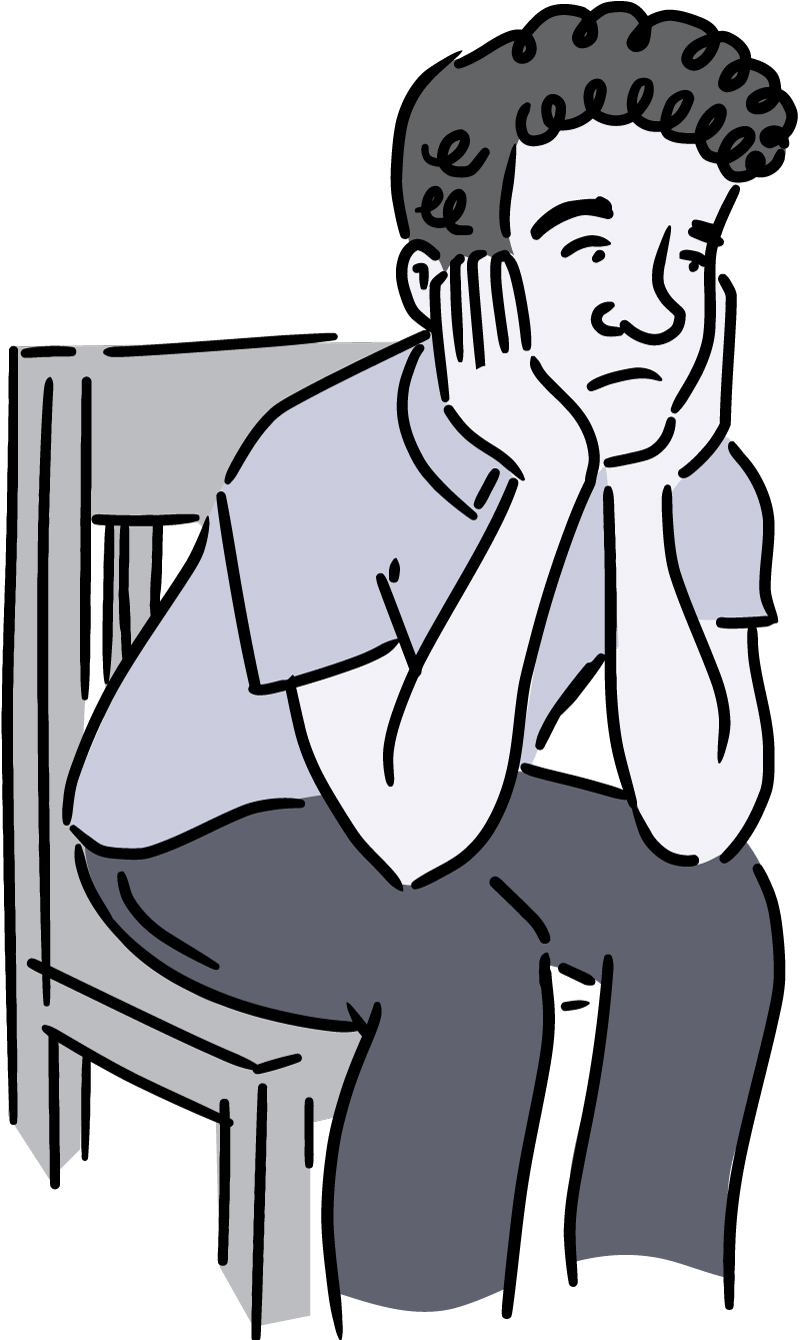
What would it be like to hear voices or see people or things that aren’t really there? How would you feel if people seemed out to harm you, and you weren’t sure who to trust? Would you recognize that something was wrong?
Unfortunately, most people with schizophrenia are unaware that their symptoms are warning signs of a mental disorder. Their lives may be unraveling, yet they may believe that their experiences are normal. Or they may feel that they’re blessed or cursed with special insights that others can’t see.
Schizophrenia is a brain disorder that affects about 1 in 100 people. It affects men and women equally in all ethnic groups. Symptoms often start between ages 16 and 30 but most often between 18 and 22. It’s unusual to develop schizophrenia after age 45.
A few decades ago, researchers thought that schizophrenia was caused by inappropriate parenting. Now scientists recognize that a combination of Stretches of DNA, a substance you inherit from your parents, that define characteristics such as how likely you are to get certain diseases. genes and the environment are to blame.
“We know from studies of identical twins that when one twin has schizophrenia, the other twin has a 50% chance of having the disease, indicating that genes may account for half of the mechanisms involved in schizophrenia,” says Dr. José A. Apud, clinical director of the schizophrenia research program at NIH.
But since these twins are genetically the same, other factors must also contribute to schizophrenia. Some scientists have identified environmental factors that may play a role. But researchers don’t yet fully agree on whether or how these factors trigger the disease.
Several genes have been linked to schizophrenia. But each seems to have only a small effect on the chances of getting the disorder. “If we could understand the genes and mechanisms, we might be able to develop drugs that better target the disease,” says Apud.
Although schizophrenia has no cure, 2 main types of treatment can help. “The first line of treatment is always medication, especially Drugs that prevent some symptoms of schizophrenia, including hallucinations and delusions. antipsychotics,” says Apud. “Second, we use supportive types of psychotherapy and psychosocial treatments.” These can help with everyday living skills and possibly finding an appropriate job.
Patients often try different medications to see which work best. Some types of antipsychotics can cause weight gain, which can lead to diabetes or high cholesterol. Other types can cause a disorder where a person cannot control muscle movements. Despite these drawbacks, antipsychotics greatly improve the lives of most patients.
Problems arise when patients stop taking their medications, which is common. One NIH-funded study found that most patients stop taking antipsychotics within the first 18 months of treatment. “Because of problems with judgment and insight, they may not feel that they need treatment,” Apud says. “Side effects also play a major role in patients’ poor compliance with medications.”
People with schizophrenia often must rely on family or friends to get them into treatment. Caring for and supporting a family member with schizophrenia can be challenging. It may help to find a support group. Talking to others who care for people with schizophrenia may help your whole family.
### Wise Choices
#### Signs of Schizophrenia
- Hallucinations (seeing, hearing or feeling things that no one else can)
- Delusions (believing things that aren’t true)
- Thinking-related problems that make it hard to have a job or take care of yourself
- Lack of facial expression
- Talking very little or in a dull voice
- Inability to follow through with planned activities
- Trouble focusing or paying attention
### Find More Information
- [Schizophrenia](http://www.nimh.nih.gov/health/topics/schizophrenia/index.shtml)
- [NIH Schizophrenia Fact Sheet](http://report.nih.gov/NIHfactsheets/ViewFactSheet.aspx?csid=67&key=S#S)
- [Clues for Schizophrenia in Rare Gene Glitch](https://www.nih.gov/news-events/nih-research-matters/clues-schizophrenia-rare-gene-glitch)
### Featured Stories

[Is It Flu, COVID-19, Allergies, or a Cold?](https://newsinhealth.nih.gov/2022/01/it-flu-covid-19-allergies-or-cold)
[Stopping Middle-Age Spread](https://newsinhealth.nih.gov/2024/10/stopping-middle-age-spread)

[Tired, Achy Eyes?](https://newsinhealth.nih.gov/2024/09/tired-achy-eyes)

[Buffering Childhood Stress](https://newsinhealth.nih.gov/2024/07/buffering-childhood-stress)
[NIH Office of Communications and Public Liaison](https://www.nih.gov/institutes-nih/nih-office-director/office-communications-public-liaison)
Health and Science Publications Branch
Building 31, Room 5B52
Bethesda, MD 20892-2094
**Contact Us:**
[nihnewsinhealth@od.nih.gov](mailto:nihnewsinhealth@od.nih.gov)
Phone: 301-451-8224
**Share Our Materials:** Reprint our articles and illustrations in your own publication. Our material is not copyrighted. Please acknowledge *NIH News in Health* as the source and send us a copy.
For more consumer health news and information, visit [health.nih.gov](https://health.nih.gov/).
For wellness toolkits, visit [www.nih.gov/wellnesstoolkits](https://www.nih.gov/health-information/your-healthiest-self-wellness-toolkits).
## Footer
- [Subscribe](https://newsinhealth.nih.gov/subscribe)
- [RSS](https://newsinhealth.nih.gov/rss)
- [Home](https://newsinhealth.nih.gov/)
- [Past Issues](https://newsinhealth.nih.gov/past-issues)
- [About Us](https://newsinhealth.nih.gov/about-us)
- [Privacy Policy](https://newsinhealth.nih.gov/privacy)
- [Disclaimers](https://newsinhealth.nih.gov/disclaimers)
- [Accessibility](https://newsinhealth.nih.gov/accessibility)
- [Freedom of Information Act](https://www.nih.gov/institutes-nih/nih-office-director/office-communications-public-liaison/freedom-information-act-office)
- [No Fear Act](https://eeo.nih.gov/no-fear-act)
- [HHS Vulnerability Disclosure](https://www.hhs.gov/vulnerability-disclosure-policy/index.html)
- [Office of Inspector General](https://oig.hhs.gov/)
- [USA.gov – Government Made Easy](https://www.usa.gov/)
NIH…Turning Discovery Into Health®
[National Institutes of Health](https://www.nih.gov/)
9000 Rockville Pike, Bethesda, Maryland 20892
[U.S. Department of Health and Human Services](https://www.hhs.gov/)
[Back to Top](https://newsinhealth.nih.gov/2011/05/recognizing-schizophrenia) |
| Readable Markdown | Seeking Clues to a Difficult Disorder
What would it be like to hear voices or see people or things that aren’t really there? How would you feel if people seemed out to harm you, and you weren’t sure who to trust? Would you recognize that something was wrong?
Unfortunately, most people with schizophrenia are unaware that their symptoms are warning signs of a mental disorder. Their lives may be unraveling, yet they may believe that their experiences are normal. Or they may feel that they’re blessed or cursed with special insights that others can’t see.
Schizophrenia is a brain disorder that affects about 1 in 100 people. It affects men and women equally in all ethnic groups. Symptoms often start between ages 16 and 30 but most often between 18 and 22. It’s unusual to develop schizophrenia after age 45.
A few decades ago, researchers thought that schizophrenia was caused by inappropriate parenting. Now scientists recognize that a combination of Stretches of DNA, a substance you inherit from your parents, that define characteristics such as how likely you are to get certain diseases. genes and the environment are to blame.
“We know from studies of identical twins that when one twin has schizophrenia, the other twin has a 50% chance of having the disease, indicating that genes may account for half of the mechanisms involved in schizophrenia,” says Dr. José A. Apud, clinical director of the schizophrenia research program at NIH.
But since these twins are genetically the same, other factors must also contribute to schizophrenia. Some scientists have identified environmental factors that may play a role. But researchers don’t yet fully agree on whether or how these factors trigger the disease.
Several genes have been linked to schizophrenia. But each seems to have only a small effect on the chances of getting the disorder. “If we could understand the genes and mechanisms, we might be able to develop drugs that better target the disease,” says Apud.
Although schizophrenia has no cure, 2 main types of treatment can help. “The first line of treatment is always medication, especially Drugs that prevent some symptoms of schizophrenia, including hallucinations and delusions. antipsychotics,” says Apud. “Second, we use supportive types of psychotherapy and psychosocial treatments.” These can help with everyday living skills and possibly finding an appropriate job.
Patients often try different medications to see which work best. Some types of antipsychotics can cause weight gain, which can lead to diabetes or high cholesterol. Other types can cause a disorder where a person cannot control muscle movements. Despite these drawbacks, antipsychotics greatly improve the lives of most patients.
Problems arise when patients stop taking their medications, which is common. One NIH-funded study found that most patients stop taking antipsychotics within the first 18 months of treatment. “Because of problems with judgment and insight, they may not feel that they need treatment,” Apud says. “Side effects also play a major role in patients’ poor compliance with medications.”
People with schizophrenia often must rely on family or friends to get them into treatment. Caring for and supporting a family member with schizophrenia can be challenging. It may help to find a support group. Talking to others who care for people with schizophrenia may help your whole family. |
| Shard | 129 (laksa) |
| Root Hash | 7295144728021232729 |
| Unparsed URL | gov,nih!newsinhealth,/2011/05/recognizing-schizophrenia s443 |