ℹ️ Skipped - page is already crawled
| Filter | Status | Condition | Details |
|---|---|---|---|
| HTTP status | PASS | download_http_code = 200 | HTTP 200 |
| Age cutoff | FAIL | download_stamp > now() - 6 MONTH | 9.1 months ago |
| History drop | PASS | isNull(history_drop_reason) | No drop reason |
| Spam/ban | PASS | fh_dont_index != 1 AND ml_spam_score = 0 | ml_spam_score=0 |
| Canonical | PASS | meta_canonical IS NULL OR = '' OR = src_unparsed | Not set |
| Property | Value |
|---|---|
| URL | https://mytour.vn/en/blog/kinh-nghiem-hay/how-to-survive-a-shipwreck-mytour.html |
| Last Crawled | 2025-07-25 10:40:24 (9 months ago) |
| First Indexed | not set |
| HTTP Status Code | 200 |
| Content | |
| Meta Title | How to Survive a Shipwreck: 14 Essential Steps (with Images) – Mytour |
| Meta Description | Surviving a shipwreck. While most people have never experienced a shipwreck, those who travel by sea are still at risk of encountering such a situation. Beyond the life-threatening dangers of a sinking ship, there are numerous other hazards to consider... |
| Meta Canonical | null |
| Boilerpipe Text | While most people have never experienced a shipwreck, those who travel by sea may still face the possibility of such an event. Aside from the life-threatening danger of a sinking ship, there are numerous other risks you could face if you are lucky enough to survive the wreck. These dangers include prolonged exposure to water, encounters with sharks, and other hazards. However, by acting wisely, cooperating with others, and following some basic steps to signal for help, your chances of surviving after a shipwreck increase significantly. With determination and a bit of luck, you can make it through this harrowing ordeal. Steps Proper Action Stay Calm. Perhaps the most important factor in surviving a shipwreck is staying calm. This becomes even more critical during the initial panic moments after the accident occurs. If you don’t maintain composure, you’ll put yourself in even greater danger.
If you feel terrified, remind yourself to relax and take deep breaths. Think carefully before acting. Don’t rush straight to the lifeboats or jump into the water at the first sign of danger. Consider all possible options. Find a Floating Object. Since your ship is sinking, your immediate goal is to find something that will float. Without a floating object, it may be impossible to survive in the water for long. Potential flotation devices include:
Life vests Sturdy life jackets Rafts Jump Off the Ship if You Are in Danger. If you need to jump off the ship, make sure to wear shoes. Look below before jumping to ensure you don’t collide with anyone or any objects. Place one hand on your stomach, then grip the opposite elbow. Use your free hand to pinch your nose. Finally, try to jump as far as possible. When you fall, cross your legs and aim to hit the water with your feet first. Stay Away from Large Ships. Large ships create strong whirlpools that suck everything down when they sink. Therefore, the bigger the ship, the farther away you need to be as it submerges. This is critical because large ships can pull you underwater, even if you’re wearing a life vest.
Use the breaststroke to swim away from the ship. Kick your legs as hard as you can. If you’re not a good swimmer, stay calm, float, and slowly move away from the sinking ship. Find Something to Help You Float. If you don’t have a life vest, raft, or anything else to keep you afloat, look around the wreckage for debris that you can grab onto. Here are some items you can use:
A door. Floating pieces of the ship wreckage. Unused lifeboats or life vests. Check for Injuries. Once you’re at a safe distance from the ship, quickly assess your body for any injuries. This is important because you may need first aid. Pay attention to the following:
Are you bleeding? If you’re bleeding and the wound is serious, you’ll need a way to stop the bleeding. This is vital because blood loss can cause your heart rate to spike and lead to hypothermia. Broken limbs. Broken arms or legs can severely affect your ability to swim. If you’ve broken a limb, immediately seek help from someone nearby. Collaborate with Others Help Others. Once you’ve checked yourself for injuries and found a way to stay afloat, see if you can assist other survivors. They may be in serious danger and need immediate help.
Support those who are in shock . Talk to them, reassure them that everything will be okay, and let them know you’re there to help. Care for those with brain injuries . Assign Tasks Within the Group. Once things are stable, you should communicate with the group and delegate tasks. Your fellow survivors might have knowledge, skills, or plans that could increase your chances of survival and rescue.
Stay together. The chances of survival and rescue are higher if your group is well-organized and stays united. Search for Supplies. After you and the other survivors have figured out how to stay afloat, it’s time to divide up tasks and search for essential supplies. Ultimately, the more supplies you gather and make good use of, the longer you can survive until help arrives. Focus on finding:
Clean water. Store and distribute it as evenly as possible. Food Signaling devices or anything that could help send distress signals. Surviving in Water Avoid Hypothermia. Along with drowning, hypothermia is the greatest threat to your survival after a shipwreck. Cold water exposure can rapidly lower your body temperature. If your body temperature drops too much, your body will lose function, and you will die.
If you are in the water with a flotation device, but not a raft, pull your knees close to your chest. This will help conserve body heat. If you are with others in the water or on a raft, try to huddle together for warmth. Keep your clothes on. Even when wet, clothing will help maintain your body temperature. Watch Out for Sharks. Along with hypothermia and drowning, one of the biggest dangers at sea is sharks. They are particularly dangerous near shipwrecks as they are attracted to the blood of the injured and the schools of fish surrounding floating objects.
Avoid splashing. This will reduce attention on you and your group. If anyone has an open wound, do your best to stop the bleeding. Blood can attract sharks, even from a distance. Look for Land. Once you are relatively safe and stable in the water, your next priority is to search for land. Without finding land, your chances of survival will diminish each day as supplies run out. There are several ways to locate land:
Estimate your position based on known landmarks. You can do this using charts, maps, or stars. Look for signs of land such as birds, driftwood, or debris. If you spot birds, observe the direction they are flying toward or away from. Try to visualize the position of land on the horizon. Depending on your distance, this may be difficult but still worth attempting. Create Drinking Water. If you’re feeling thirsty and have some basic supplies, you can create drinking water. Take a tarp and spread it over a raft or flotation device. Use it to collect rainwater. If there is no rain, you can gather the condensation that forms in the morning.
Signal for Help. Whether you’re on a ship, in the water, or on land, try to signal for help as often as possible. Without signals, rescuers will not know your location or that of other survivors after the shipwreck. Some signaling methods include:
Firing flares. Depending on how many flares you have, you will need to conserve them and use them when you spot a ship or plane nearby. Mirrors. Use a mirror to reflect light toward the rescue vessel. Fire. If you’re on land, build a fire to attract the attention of rescue teams. Create signs or other symbols on the beach. For example, arrange coconuts or driftwood to spell out “SOS”. Advice If you haven't learned to swim before boarding a ship, it's best to start learning immediately. Large ships, like cruise liners, can sink within hours or days. To ensure a quick rescue, it’s advisable to remain on the ship unless the crew instructs otherwise. Always put on a life jacket at the first sign of a shipwreck, and wear long sleeves and pants to help retain body heat. Warnings If water starts flooding the ship quickly, do not inflate your life vest until you are outside. Otherwise, you may float to the surface and get trapped. |
| Markdown | [](https://mytour.vn/en/blog)
[Flight](https://mytour.vn/ve-may-bay?utm_source=blog&utm_medium=banner&utm_campaign=thang-2)
[Hotel](https://mytour.vn/khach-san?utm_source=blog&utm_medium=banner&utm_campaign=thang-2)
[Villas, Homestayplus](https://mytour.vn/homestay?utm_source=blog&utm_medium=banner&utm_campaign=thang-2)
[Top Brandmall](https://mytour.vn/mall/thuong-hieu-khach-san-hang-dau?utm_source=blog&utm_medium=banner&utm_campaign=thang-2)
[Tour & Event](https://event.mytour.vn/tour?utm_source=blog&utm_medium=banner&utm_campaign=thang-2)
[Mytour Gift Card](https://giftcard.mytour.vn/?utm_source=blog&utm_medium=banner&utm_campaign=thang-2)

[](https://mytour.vn/en/blog)
[Newest](https://mytour.vn/en/blog)
[Travel](https://mytour.vn/en/blog/du-lich)
[Food and Drink](https://mytour.vn/en/blog/am-thuc)
[Newest](https://mytour.vn/en/blog)
[Travel](https://mytour.vn/en/blog/du-lich)
[Food and Drink](https://mytour.vn/en/blog/am-thuc)
1. [Home](https://mytour.vn/en/blog)
2. /
3. [Travel](https://mytour.vn/en/blog/du-lich)
4. /
5. How to Survive a Shipwreck
# How to Survive a Shipwreck
**Buzz**
[](https://news.google.com/publications/CAAqBwgKMIO8qgwwkLy3BA)
[](https://news.google.com/publications/CAAqBwgKMIO8qgwwkLy3BA)
Content
Steps
Proper Action
Collaborate with Others
Surviving in Water
Advice
Warnings
View more
View more
While most people have never experienced a shipwreck, those who travel by sea may still face the possibility of such an event. Aside from the life-threatening danger of a sinking ship, there are numerous other risks you could face if you are lucky enough to survive the wreck. These dangers include prolonged exposure to water, encounters with sharks, and other hazards. However, by acting wisely, cooperating with others, and following some basic steps to signal for help, your chances of surviving after a shipwreck increase significantly. With determination and a bit of luck, you can make it through this harrowing ordeal.
## Steps
### Proper Action
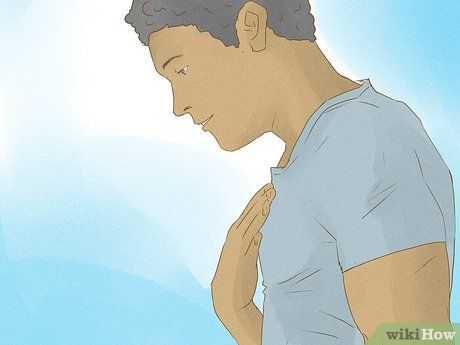
**Stay Calm.** Perhaps the most important factor in surviving a shipwreck is staying calm. This becomes even more critical during the initial panic moments after the accident occurs. If you don’t maintain composure, you’ll put yourself in even greater danger.
- If you feel terrified, remind yourself to relax and take deep breaths.
- Think carefully before acting. Don’t rush straight to the lifeboats or jump into the water at the first sign of danger. Consider all possible options.
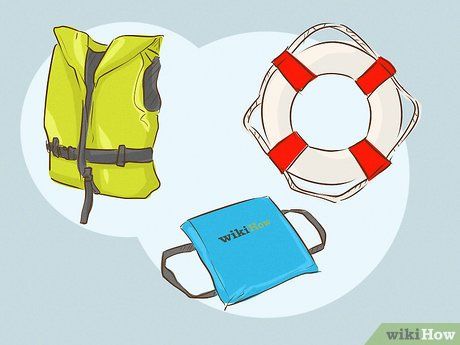
**Find a Floating Object.** Since your ship is sinking, your immediate goal is to find something that will float. Without a floating object, it may be impossible to survive in the water for long. Potential flotation devices include:
- Life vests
- Sturdy life jackets
- Rafts
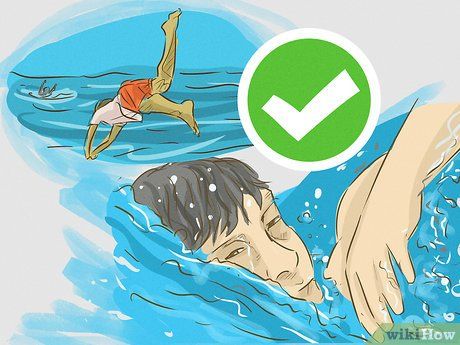
**Jump Off the Ship if You Are in Danger.** If you need to jump off the ship, make sure to wear shoes. Look below before jumping to ensure you don’t collide with anyone or any objects. Place one hand on your stomach, then grip the opposite elbow. Use your free hand to pinch your nose. Finally, try to jump as far as possible. When you fall, cross your legs and aim to hit the water with your feet first.
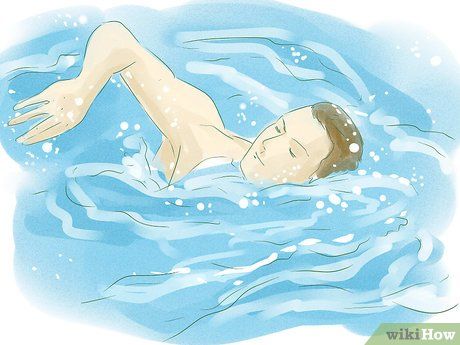
**Stay Away from Large Ships.** Large ships create strong whirlpools that suck everything down when they sink. Therefore, the bigger the ship, the farther away you need to be as it submerges. This is critical because large ships can pull you underwater, even if you’re wearing a life vest.
- Use the breaststroke to [swim](https://mytour.vn/T%E1%BA%ADp-B%C6%A1i) away from the ship.
- Kick your legs as hard as you can.
- If you’re not a good swimmer, stay calm, float, and slowly move away from the sinking ship.
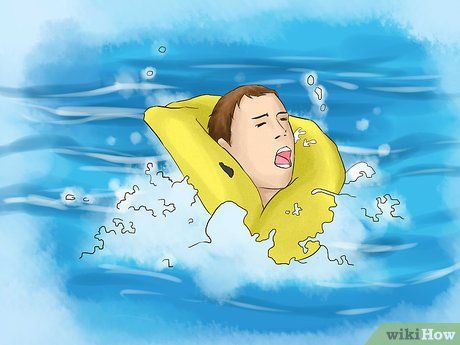
**Find Something to Help You Float.** If you don’t have a life vest, raft, or anything else to keep you afloat, look around the wreckage for debris that you can grab onto. Here are some items you can use:
- A door.
- Floating pieces of the ship wreckage.
- Unused lifeboats or life vests.
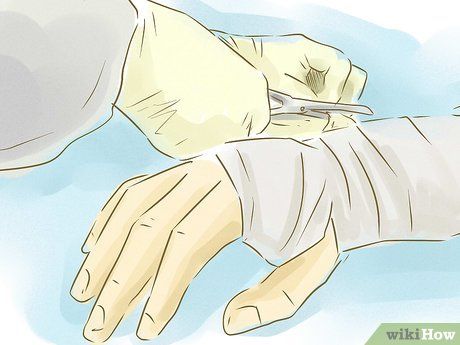
**Check for Injuries.** Once you’re at a safe distance from the ship, quickly assess your body for any injuries. This is important because you may need first aid. Pay attention to the following:
- Are you bleeding? If you’re bleeding and the wound is serious, you’ll need a way to stop the bleeding. This is vital because blood loss can cause your heart rate to spike and lead to hypothermia.
- Broken limbs. Broken arms or legs can severely affect your ability to swim. If you’ve broken a limb, immediately seek help from someone nearby.
### Collaborate with Others
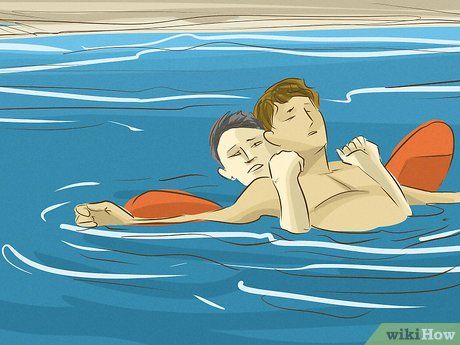
**Help Others.** Once you’ve checked yourself for injuries and found a way to stay afloat, see if you can assist other survivors. They may be in serious danger and need immediate help.
- Support those who are [in shock](https://mytour.vn/X%E1%BB%AD-l%C3%BD-tr%C6%B0%E1%BB%9Dng-h%E1%BB%A3p-s%E1%BB%91c). Talk to them, reassure them that everything will be okay, and let them know you’re there to help.
- Care for those with [brain injuries](https://mytour.vn/%C4%90i%E1%BB%81u-tr%E1%BB%8B-ch%E1%BA%A5n-%C4%91%E1%BB%99ng-n%C3%A3o).
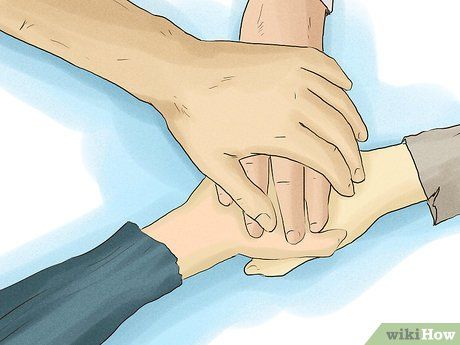
**Assign Tasks Within the Group.** Once things are stable, you should communicate with the group and delegate tasks. Your fellow survivors might have knowledge, skills, or plans that could increase your chances of survival and rescue.
- Stay together. The chances of survival and rescue are higher if your group is well-organized and stays united.
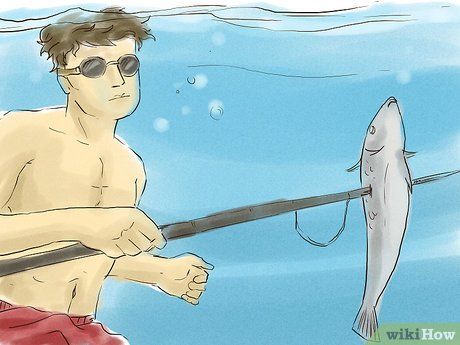
**Search for Supplies.** After you and the other survivors have figured out how to stay afloat, it’s time to divide up tasks and search for essential supplies. Ultimately, the more supplies you gather and make good use of, the longer you can survive until help arrives. Focus on finding:
- Clean water. Store and distribute it as evenly as possible.
- Food
- Signaling devices or anything that could help send distress signals.
### Surviving in Water
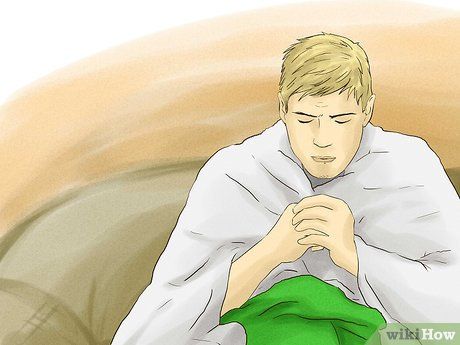
**Avoid Hypothermia.** Along with drowning, hypothermia is the greatest threat to your survival after a shipwreck. Cold water exposure can rapidly lower your body temperature. If your body temperature drops too much, your body will lose function, and you will die.
- If you are in the water with a flotation device, but not a raft, pull your knees close to your chest. This will help conserve body heat.
- If you are with others in the water or on a raft, try to huddle together for warmth.
- Keep your clothes on. Even when wet, clothing will help maintain your body temperature.
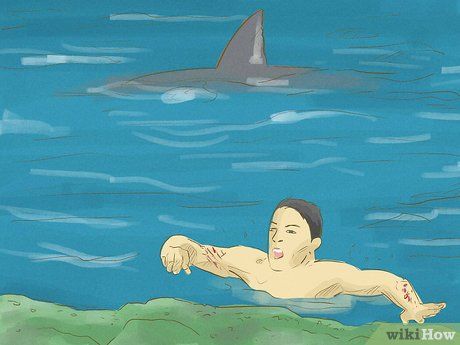
**Watch Out for Sharks.** Along with hypothermia and drowning, one of the biggest dangers at sea is sharks. They are particularly dangerous near shipwrecks as they are attracted to the blood of the injured and the schools of fish surrounding floating objects.
- Avoid splashing. This will reduce attention on you and your group.
- If anyone has an open wound, do your best to stop the bleeding. Blood can attract sharks, even from a distance.
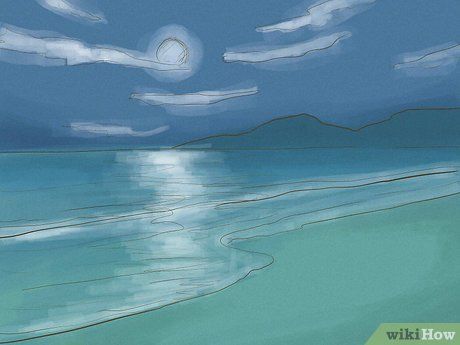
**Look for Land.** Once you are relatively safe and stable in the water, your next priority is to search for land. Without finding land, your chances of survival will diminish each day as supplies run out. There are several ways to locate land:
- Estimate your position based on known landmarks. You can do this using charts, maps, or stars.
- Look for signs of land such as birds, driftwood, or debris. If you spot birds, observe the direction they are flying toward or away from.
- Try to visualize the position of land on the horizon. Depending on your distance, this may be difficult but still worth attempting.
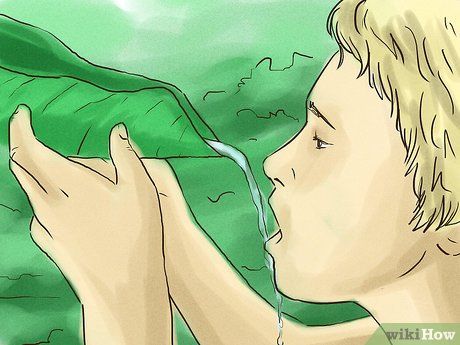
**Create Drinking Water.** If you’re feeling thirsty and have some basic supplies, you can create drinking water. Take a tarp and spread it over a raft or flotation device. Use it to collect rainwater. If there is no rain, you can gather the condensation that forms in the morning.
- Do not drink seawater. Seawater will dehydrate you. Instead, [convert seawater into drinkable water](https://mytour.vn/L%C3%A0m-n%C6%B0%E1%BB%9Bc-nhi%E1%BB%85m-m%E1%BA%B7n-th%C3%A0nh-n%C6%B0%E1%BB%9Bc-u%E1%BB%91ng).
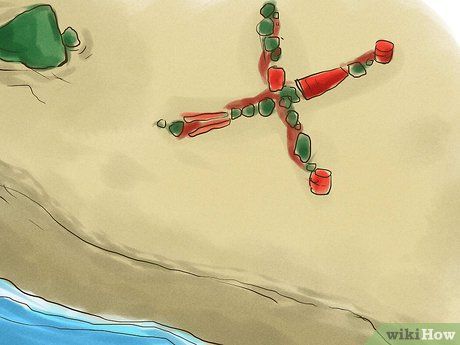
**Signal for Help.** Whether you’re on a ship, in the water, or on land, try to signal for help as often as possible. Without signals, rescuers will not know your location or that of other survivors after the shipwreck. Some signaling methods include:
- Firing flares. Depending on how many flares you have, you will need to conserve them and use them when you spot a ship or plane nearby.
- Mirrors. Use a mirror to reflect light toward the rescue vessel.
- Fire. If you’re on land, build a fire to attract the attention of rescue teams.
- Create signs or other symbols on the beach. For example, arrange coconuts or driftwood to spell out “SOS”.
## Advice
- If you haven't learned to swim before boarding a ship, it's best to start learning immediately.
- Large ships, like cruise liners, can sink within hours or days. To ensure a quick rescue, it’s advisable to remain on the ship unless the crew instructs otherwise.
- Always put on a life jacket at the first sign of a shipwreck, and wear long sleeves and pants to help retain body heat.
## Warnings
- If water starts flooding the ship quickly, do not inflate your life vest until you are outside. Otherwise, you may float to the surface and get trapped.

3


Mytour's content is for customer care and travel encouragement only, and we are not responsible.
For errors or inappropriate content, please contact us at: [\[email protected\]](https://mytour.vn/cdn-cgi/l/email-protection)

Internal information website
VNTRAVEL VIET NAM TOURISM JOINT STOCK COMPANYAddress: 20th Floor, Tower A, HUD Tower, 37 Le Van Luong Street, Thanh Xuan District, Hanoi, VietnamResponsible for content management: 0965271393 - Email: [\[email protected\]](https://mytour.vn/cdn-cgi/l/email-protection)
[](http://online.gov.vn/Home/WebDetails/75906)[](http://online.gov.vn/Home/WebDetails/76269)[](https://gcs.tripi.vn/tripi-assets/flight_services/IATA%20certificate.pdf)
Customers and partners[Login HMS](https://hms.mytour.vn/)[Recruitment](https://careers.vntravelgroup.vn/)
Mytour is a member of VNTravel Group - One of Southeast Asia's leading corporations in online travel and related services.Copyright © 2020 - VNTRAVEL VIET NAM TOURISM JOINT STOCK COMPANY - Company registration number 0108886908 - First issued: 04/09/2019. Grant: By the Department of Planning and Investment of Hanoi City |
| Readable Markdown | null |
| ML Classification | |
| ML Categories | null |
| ML Page Types | null |
| ML Intent Types | null |
| Content Metadata | |
| Language | en |
| Author | null |
| Publish Time | not set |
| Original Publish Time | 2025-07-24 18:30:44 (9 months ago) |
| Republished | No |
| Word Count (Total) | 1,465 |
| Word Count (Content) | 1,265 |
| Links | |
| External Links | 7 |
| Internal Links | 15 |
| Technical SEO | |
| Meta Nofollow | No |
| Meta Noarchive | No |
| JS Rendered | No |
| Redirect Target | null |
| Performance | |
| Download Time (ms) | 414 |
| TTFB (ms) | 405 |
| Download Size (bytes) | 19,208 |
| Shard | 193 (laksa) |
| Root Hash | 11107541285390952593 |
| Unparsed URL | vn,mytour!/en/blog/kinh-nghiem-hay/how-to-survive-a-shipwreck-mytour.html s443 |