ℹ️ Skipped - page is already crawled
| Filter | Status | Condition | Details |
|---|---|---|---|
| HTTP status | PASS | download_http_code = 200 | HTTP 200 |
| Age cutoff | PASS | download_stamp > now() - 6 MONTH | 0.9 months ago |
| History drop | PASS | isNull(history_drop_reason) | No drop reason |
| Spam/ban | PASS | fh_dont_index != 1 AND ml_spam_score = 0 | ml_spam_score=0 |
| Canonical | PASS | meta_canonical IS NULL OR = '' OR = src_unparsed | Not set |
| Property | Value | |||||||||
|---|---|---|---|---|---|---|---|---|---|---|
| URL | https://med.uth.edu/neurosciences/conditions-and-treatments/sleep-disorders/insomnia/ | |||||||||
| Last Crawled | 2026-03-28 14:03:47 (26 days ago) | |||||||||
| First Indexed | 2020-12-03 10:13:00 (5 years ago) | |||||||||
| HTTP Status Code | 200 | |||||||||
| Content | ||||||||||
| Meta Title | Insomnia | McGovern Medical School | |||||||||
| Meta Description | Insomnia, the most common sleeping problem in the United States, is defined as a difficulty falling asleep, staying asleep, or returning to sleep. It can... | |||||||||
| Meta Canonical | null | |||||||||
| Boilerpipe Text | What is Insomnia?
Insomnia, the most common sleeping problem in the United States,
is defined as a difficulty falling asleep, staying asleep, or returning to
sleep. It can be triggered by physical, mental, or lifestyle problems. Medical conditions
that may contribute to insomnia include allergies, reflux, and pain disorders. Insomnia
can also be caused by anxiety or depression.
Insomnia can be short term or chronic, meaning it happens at least
three nights a week for three months or longer. Chronic insomnia is less common
and is often the side effect of another problem, according to the National
Institutes of Health.
While insomnia may be extremely disruptive to your life, it is also highly treatable and your team at UTHealth Neurosciences will work diligently to create a personalized plan to help get you sleeping well again.
Causes of Insomnia
Stress, life events, or lifestyle habits
that interfere with sleep can cause insomnia. A recent trauma, such as divorce
or the death of a loved one, can make sleeping difficult. Anxiety and other mental
health issues, including depression, contribute to sleeping problems. A travel
or work schedule that disrupts your body’s internal clock can also lead to
insomnia.
Illnesses and medications can also
cause insomnia. High blood pressure medicine and birth control are among a long
list of prescriptions that can lead to trouble sleeping. Be sure to alert your
doctor of any medications you are taking.
The hormonal changes that accompany
menstruation, pregnancy, and menopause put women at a higher risk of insomnia.
Aging can also contribute to insomnia, as sleep cycles change and older adults
become more susceptible to sleep interruptions.
Signs of Insomnia
Roughly 40 million Americans experience insomnia each year. The most common symptoms are difficulty falling asleep at night, waking up during the night, waking up too early, and not feeling rested in the morning. People with insomnia will likely be tired during the day, and may also be irritable, depressed, or anxious. They might have trouble concentrating and be more accident prone.
Diagnosis
You should see a doctor if sleep difficulties are disrupting your well-being. While there is no definitive test to diagnose insomnia, your physician will work to determine the underlying cause by conducting a medical history and physical examination.
You might be asked to keep a sleep journal and to complete a sleepiness scale questionnaire to assess how likely you are to fall asleep during different activities. A nocturnal polysomnogram, or sleep study, may be conducted overnight to record brain activity, breathing, and movement.
Treatment
Treatment
options include behavioral therapy, lifestyle changes, and medications. Good
sleep habits, including a consistent routine, are critical to quality sleep. To
promote sound sleep, patients are also encouraged to stay active, avoid naps,
limit caffeine, and create soothing bedtime rituals. Relaxation techniques,
such as a warm bath, yoga and meditation, might be helpful. Limiting TV and
other electronics before bedtime can also help. Experts encourage patients to
get out of bed if they are unable to fall asleep after more than 20 minutes.
Cognitive
behavioral therapies designed for people with insomnia may also be considered.
This would help patients talk through their situation in hopes of confronting
any thoughts, feelings, or behaviors keeping them awake.
Sleeping
medications, antidepressants, antihistamines, melatonin and ramelteon also might
be discussed as part of your treatment plan.
What You Can Expect at UTHealth Neurosciences
At UTHealth Neurosciences, a team of sleep disorder specialists works together to determine the care each patient needs, discussing treatment options as a group. The goal of this approach is to save our patients time and money and to allow our specialists to share each other’s insights, leading to better treatment decision-making and outcomes.
Sleep Disorders
Insomnia
Narcolepsy
Obstructive Sleep Apnea
Restless Legs Syndrome
Contact Us
At UTHealth Neurosciences, we offer patients access to specialized neurological care at clinics across the greater Houston area. To ask us a question, schedule an appointment, or learn more about us, please click below to send us a message. In the event of an emergency, call 911 or go to the nearest Emergency Room. | |||||||||
| Markdown | [Skip to main content](https://med.uth.edu/neurosciences/conditions-and-treatments/sleep-disorders/insomnia/#maincontent)
### Select a Location
- [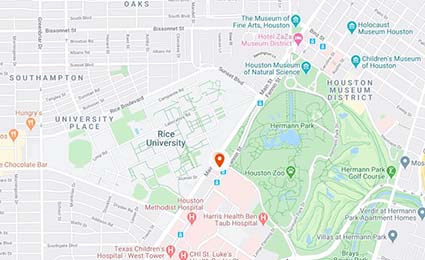 UTHealth Houston Neurosciences Texas Medical Center](https://med.uth.edu/neuroscience/locations/uthealth-neurosciences-texas-medical-center/)
- [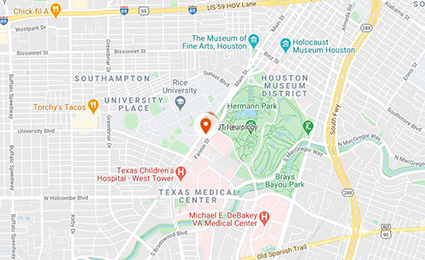 UTHealth Houston Neurosciences Neurology-TMC](https://med.uth.edu/neuroscience/locations/uthealth-neurosciences-neurology/)
- [ Spine Center](https://med.uth.edu/neuroscience/locations/uthealth-neurosciences-spine-center/)
- [ Headache and Pain Center](https://med.uth.edu/neuroscience/locations/uthealth-neurosciences-headache-and-pain-center/)
- [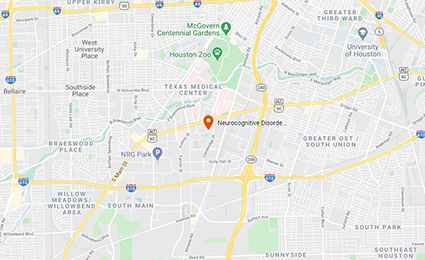 Neurocognitive Disorders Center](https://med.uth.edu/neuroscience/locations/uthealth-neurosciences-neurocognitive-disorders-center/)
- [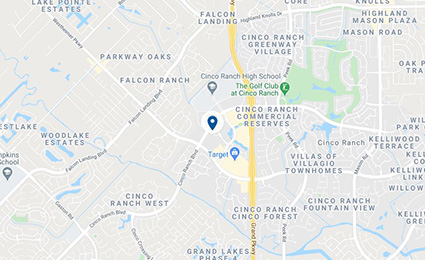 Cinco Ranch](https://med.uth.edu/neuroscience/locations/uthealth-neurosciences-cinco-ranch/)
- [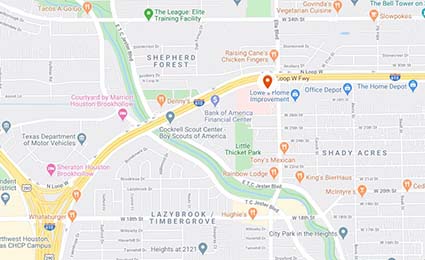 Greater Heights](https://med.uth.edu/neuroscience/locations/uthealth-neurosciences-greater-heights/)
- [ Katy](https://med.uth.edu/neuroscience/locations/uthealth-neurosciences-katy/)
- [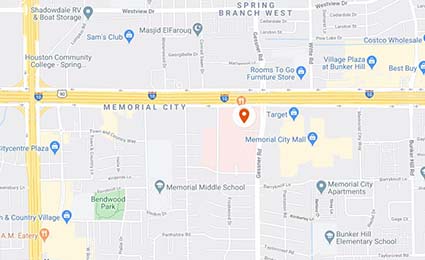 Memorial City](https://med.uth.edu/neuroscience/locations/uthealth-neurosciences-memorial-city/)
- [ Northeast](https://med.uth.edu/neuroscience/locations/uthealth-neurosciences-northeast/)
- [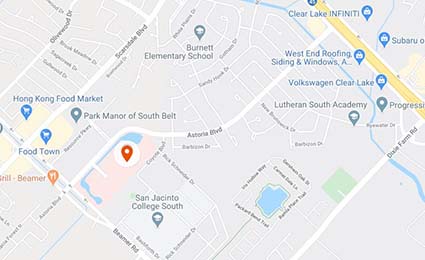 Southeast](https://med.uth.edu/neuroscience/locations/uthealth-neurosciences-southeast/)
- [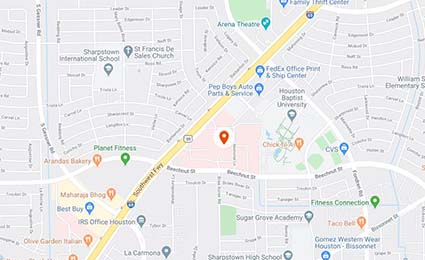 Southwest](https://med.uth.edu/neuroscience/locations/uthealth-neurosciences-southwest/)
- [ Sienna Village](https://med.uth.edu/neuroscience/locations/uthealth-neurosciences-sienna-village/)
- [ Sugar Land](https://med.uth.edu/neuroscience/locations/uthealth-neurosciences-sugar-land/)
- [ Pediatrics Children’s Neuroscience Center](https://med.uth.edu/neurosciences/childrens-neurology-and-neurosurgery/)
[Close](https://med.uth.edu/neurosciences/conditions-and-treatments/sleep-disorders/insomnia/#DrawerOne)
### SEARCH THIS SITE
[Close](https://med.uth.edu/neurosciences/conditions-and-treatments/sleep-disorders/insomnia/#searchDrawer)
[](https://med.uth.edu/neurosciences)
[OUR PHYSICIANS](https://med.uth.edu/neurosciences/houston-neurologists-neurosurgeons/) [PATIENT PORTAL](https://med.uth.edu/neurosciences/patient-portal/) [CONTACT US](https://go.uth.edu/uthn-contact) [DrawerOne](https://med.uth.edu/neurosciences/conditions-and-treatments/sleep-disorders/insomnia/#DrawerOne) [Search](https://med.uth.edu/neurosciences/conditions-and-treatments/sleep-disorders/insomnia/#searchDrawer)
[Main Menu](https://med.uth.edu/neurosciences/conditions-and-treatments/sleep-disorders/insomnia/#mainmenuDrawer)
[Close](https://med.uth.edu/neurosciences/conditions-and-treatments/sleep-disorders/insomnia/#mainmenuDrawer)
### Main Navigation
- [Contact Us](https://go.uth.edu/uthn-contact "Contact Us")
- [Refer a Patient](https://go.uth.edu/uthn-refer "Refer a Patient")
- [Neurologists and Neurosurgeons](https://med.uth.edu/neurosciences/houston-neurologists-neurosurgeons/ "						")
- [Conditions and Treatments](https://med.uth.edu/neurosciences/conditions-and-treatments/ "						")
- [Locations](https://med.uth.edu/neurosciences/locations/ "						")
- [Patient Education](https://med.uth.edu/neurosciences/patient-education/ "						")
- [Patient Portal](https://med.uth.edu/neurosciences/patient-portal/ "Patient Portal")
- [Pay My Bill](https://www.myuthealth.org/MyChart//Billing/GuestPay/PayasGuest "Pay My Bill")
- [About Us](https://med.uth.edu/neurosciences/about-us/ "						")
Slider label
*Enable Dark Mode*
- [Conditions / Treatment Options](https://med.uth.edu/neurosciences/conditions-and-treatments/sleep-disorders/insomnia/ "Conditions / Treatment Options")
- [All Conditions & Treatments](https://med.uth.edu/neurosciences/conditions-and-treatments/ "All Conditions & Treatments")
- [Brain Tumor Center](https://med.uth.edu/neurosciences/conditions-and-treatments/brain-tumor/ "Brain Tumor Center")
- [Cerebrovascular Diseases](https://med.uth.edu/neurosciences/conditions-and-treatments/cerebrovascular-diseases/ "Cerebrovascular Diseases")
- [Epilepsy](https://med.uth.edu/neurosciences/conditions-and-treatments/epilepsy/ "Epilepsy")
- [Face Pain & Headaches](https://med.uth.edu/neurosciences/conditions-and-treatments/face-pain-and-headache-clinic/ "Face Pain & Headaches")
- [Memory Disorders](https://med.uth.edu/neurosciences/conditions-and-treatments/memory-disorders/ "Memory Disorders")
- [Movement Disorders](https://med.uth.edu/neurosciences/conditions-and-treatments/movement-disorders/ "Movement Disorders")
- [Multiple Sclerosis (MS)](https://med.uth.edu/neurosciences/conditions-and-treatments/multiple-sclerosis-ms/ "Multiple Sclerosis (MS)")
- [Neuro-Oncology](https://med.uth.edu/neurosciences/conditions-and-treatments/neuro-oncology/ "Neuro-Oncology")
- [Neurocritical Care](https://med.uth.edu/neurosciences/conditions-and-treatments/neurotrauma-and-critical-care/ "Neurocritical Care")
- [Neuromuscular Disorders](https://med.uth.edu/neurosciences/conditions-and-treatments/neuromuscular-disorders/ "Neuromuscular Disorders")
- [Pediatric Neurosciences](https://med.uth.edu/neurosciences/childrens-neurology-and-neurosurgery/ "Pediatric Neurosciences")
- [Radiation Oncology](https://med.uth.edu/neurosciences/conditions-and-treatments/radiation-oncology/ "Radiation Oncology")
- [Sleep Disorders](https://med.uth.edu/neurosciences/conditions-and-treatments/sleep-disorders/ "Sleep Disorders")
- [Spine Disorders and Back Pain](https://med.uth.edu/neurosciences/conditions-and-treatments/spine-disorders-and-back-pain/ "Spine Disorders and Back Pain")
- [Neurologists & Neurosurgeons](https://med.uth.edu/neurosciences/houston-neurologists-neurosurgeons/ "Neurologists & Neurosurgeons")
- [Our Locations](https://med.uth.edu/neurosciences/locations/ "Our Locations")
# Insomnia
## What is Insomnia?
Insomnia, the most common sleeping problem in the United States, is defined as a difficulty falling asleep, staying asleep, or returning to sleep. It can be triggered by physical, mental, or lifestyle problems. Medical conditions that may contribute to insomnia include allergies, reflux, and pain disorders. Insomnia can also be caused by anxiety or depression.
Insomnia can be short term or chronic, meaning it happens at least three nights a week for three months or longer. Chronic insomnia is less common and is often the side effect of another problem, according to the National Institutes of Health.
While insomnia may be extremely disruptive to your life, it is also highly treatable and your team at UTHealth Neurosciences will work diligently to create a personalized plan to help get you sleeping well again.
### Causes of Insomnia
Stress, life events, or lifestyle habits that interfere with sleep can cause insomnia. A recent trauma, such as divorce or the death of a loved one, can make sleeping difficult. Anxiety and other mental health issues, including depression, contribute to sleeping problems. A travel or work schedule that disrupts your body’s internal clock can also lead to insomnia.
Illnesses and medications can also cause insomnia. High blood pressure medicine and birth control are among a long list of prescriptions that can lead to trouble sleeping. Be sure to alert your doctor of any medications you are taking.
The hormonal changes that accompany menstruation, pregnancy, and menopause put women at a higher risk of insomnia. Aging can also contribute to insomnia, as sleep cycles change and older adults become more susceptible to sleep interruptions.
### Signs of Insomnia
Roughly 40 million Americans experience insomnia each year. The most common symptoms are difficulty falling asleep at night, waking up during the night, waking up too early, and not feeling rested in the morning. People with insomnia will likely be tired during the day, and may also be irritable, depressed, or anxious. They might have trouble concentrating and be more accident prone.
### Diagnosis
You should see a doctor if sleep difficulties are disrupting your well-being. While there is no definitive test to diagnose insomnia, your physician will work to determine the underlying cause by conducting a medical history and physical examination.
You might be asked to keep a sleep journal and to complete a sleepiness scale questionnaire to assess how likely you are to fall asleep during different activities. A nocturnal polysomnogram, or sleep study, may be conducted overnight to record brain activity, breathing, and movement.
### Treatment
Treatment options include behavioral therapy, lifestyle changes, and medications. Good sleep habits, including a consistent routine, are critical to quality sleep. To promote sound sleep, patients are also encouraged to stay active, avoid naps, limit caffeine, and create soothing bedtime rituals. Relaxation techniques, such as a warm bath, yoga and meditation, might be helpful. Limiting TV and other electronics before bedtime can also help. Experts encourage patients to get out of bed if they are unable to fall asleep after more than 20 minutes.
Cognitive behavioral therapies designed for people with insomnia may also be considered. This would help patients talk through their situation in hopes of confronting any thoughts, feelings, or behaviors keeping them awake.
Sleeping medications, antidepressants, antihistamines, melatonin and ramelteon also might be discussed as part of your treatment plan.
### What You Can Expect at UTHealth Neurosciences
At UTHealth Neurosciences, a team of sleep disorder specialists works together to determine the care each patient needs, discussing treatment options as a group. The goal of this approach is to save our patients time and money and to allow our specialists to share each other’s insights, leading to better treatment decision-making and outcomes.
### [Sleep Disorders](https://med.uth.edu/neuroscience/conditions-and-treatments/sleep-disorders/)
- [Insomnia](https://med.uth.edu/neuroscience/conditions-and-treatments/sleep-disorders/insomnia/)
- [Narcolepsy](https://med.uth.edu/neuroscience/conditions-and-treatments/sleep-disorders/narcolepsy/)
- [Obstructive Sleep Apnea](https://med.uth.edu/neuroscience/conditions-and-treatments/sleep-disorders/obstructive-sleep-apnea/)
- [Restless Legs Syndrome](https://med.uth.edu/neuroscience/conditions-and-treatments/sleep-disorders/restless-legs-syndrome/)
***
### Contact Us
At UTHealth Neurosciences, we offer patients access to specialized neurological care at clinics across the greater Houston area. To ask us a question, schedule an appointment, or learn more about us, please click below to send us a message. In the event of an emergency, call 911 or go to the nearest Emergency Room.
[Contact Us »](https://go.uth.edu/uthn-contact)
[Contact Us »](https://go.uth.edu/uthn-contact)
[Request Appointment »](https://go.uth.edu/uthn-appointment)
[ Neurology, Neurosurgery, Spine Care \| UTHealth Neurosciences](https://med.uth.edu/neurosciences "Go to Neurology, Neurosurgery, Spine Care | UTHealth Neurosciences home")
at McGovern Medical School
**Schedule an Appointment for a Patient (713) 486-8000**
**[Contact Us online »](https://go.uth.edu/uthn-contact "Contact Us by filling out this form") [Request appointment online »](https://go.uth.edu/uthn-appointment "Request your appointment via this link") [Refer a Patient »](https://go.uth.edu/uthn-refer "Refer a Patient form for clinicians")**
[Pay My Bill Online »](https://www.myuthealth.org/MyChart//Billing/GuestPay/PayasGuest)
[Your Rights and Protections Against Surprise Medical Bills »](https://med.uth.edu/neurosciences/rights-and-protections-against-surprise-medical-bills/)
[Robert Cizik Eye Clinic »](https://www.cizikeyedoctors.org/)
- [Like us on Facebook](https://www.facebook.com/UTHealthNeurosciences)
- [Like us on Twitter](https://twitter.com/UTHNeuro)
- [Like us on Instagram](https://www.instagram.com/uthealthneurociences/)
- [McGovern Medical School Facebook Page](https://www.facebook.com/mcgovernmed/ "Visit the McGovern Medical School Facebook Page")
- [McGovern Medical School X Page](https://twitter.com/McGovernMed "Visit the McGovern Medical School X Page")
- [McGovern Medical School Instagram Page](https://www.instagram.com/mcgovernmed/ "Visit the McGovern Medical School Instagram Page")
- [McGovern Medical School YouTube Page](https://www.youtube.com/user/utmedicalschool#grid/user/DDBA88ACF6124877 "Visit the McGovern Medical School YouTube Page")
- [McGovern Medical School LinkedIn Page](https://www.linkedin.com/school/mcgovern/ "Visit the McGovern Medical School LinkedIn Page")
- [Contact Us](https://med.uth.edu/contact-us/ "Visit our Contact Us page")
- [University Web Services](https://inside.uth.edu/web/ "Visit the University Web Services website")
- [Medical School IT (MSIT)](https://med.uth.edu/msit/ "Visit the MSIT website")
- [Campus Carry](https://www.uth.edu/campus-carry/ "Learn about Campus Carry policies")
- [Careers](https://careers.uth.tmc.edu/us/en)
- [Emergency Info](https://www.uthealthhoustonemergency.org/ "Learn about Emergency Info")
- [How to report sexual misconduct](https://www.uth.edu/titleix/ "Visit the UTHealth Title IX website")
- [University Website Policies](https://www.uth.edu/index/policies.htm "Learn about University Website Policies")
© Copyright 2008-Present \| [The University of Texas Health Science Center at Houston (UTHealth Houston)](https://www.uth.edu/ "The University of Texas Health Science Center at Houston (UTHealth)") | |||||||||
| Readable Markdown | ## What is Insomnia?
Insomnia, the most common sleeping problem in the United States, is defined as a difficulty falling asleep, staying asleep, or returning to sleep. It can be triggered by physical, mental, or lifestyle problems. Medical conditions that may contribute to insomnia include allergies, reflux, and pain disorders. Insomnia can also be caused by anxiety or depression.
Insomnia can be short term or chronic, meaning it happens at least three nights a week for three months or longer. Chronic insomnia is less common and is often the side effect of another problem, according to the National Institutes of Health.
While insomnia may be extremely disruptive to your life, it is also highly treatable and your team at UTHealth Neurosciences will work diligently to create a personalized plan to help get you sleeping well again.
### Causes of Insomnia
Stress, life events, or lifestyle habits that interfere with sleep can cause insomnia. A recent trauma, such as divorce or the death of a loved one, can make sleeping difficult. Anxiety and other mental health issues, including depression, contribute to sleeping problems. A travel or work schedule that disrupts your body’s internal clock can also lead to insomnia.
Illnesses and medications can also cause insomnia. High blood pressure medicine and birth control are among a long list of prescriptions that can lead to trouble sleeping. Be sure to alert your doctor of any medications you are taking.
The hormonal changes that accompany menstruation, pregnancy, and menopause put women at a higher risk of insomnia. Aging can also contribute to insomnia, as sleep cycles change and older adults become more susceptible to sleep interruptions.
### Signs of Insomnia
Roughly 40 million Americans experience insomnia each year. The most common symptoms are difficulty falling asleep at night, waking up during the night, waking up too early, and not feeling rested in the morning. People with insomnia will likely be tired during the day, and may also be irritable, depressed, or anxious. They might have trouble concentrating and be more accident prone.
### Diagnosis
You should see a doctor if sleep difficulties are disrupting your well-being. While there is no definitive test to diagnose insomnia, your physician will work to determine the underlying cause by conducting a medical history and physical examination.
You might be asked to keep a sleep journal and to complete a sleepiness scale questionnaire to assess how likely you are to fall asleep during different activities. A nocturnal polysomnogram, or sleep study, may be conducted overnight to record brain activity, breathing, and movement.
### Treatment
Treatment options include behavioral therapy, lifestyle changes, and medications. Good sleep habits, including a consistent routine, are critical to quality sleep. To promote sound sleep, patients are also encouraged to stay active, avoid naps, limit caffeine, and create soothing bedtime rituals. Relaxation techniques, such as a warm bath, yoga and meditation, might be helpful. Limiting TV and other electronics before bedtime can also help. Experts encourage patients to get out of bed if they are unable to fall asleep after more than 20 minutes.
Cognitive behavioral therapies designed for people with insomnia may also be considered. This would help patients talk through their situation in hopes of confronting any thoughts, feelings, or behaviors keeping them awake.
Sleeping medications, antidepressants, antihistamines, melatonin and ramelteon also might be discussed as part of your treatment plan.
### What You Can Expect at UTHealth Neurosciences
At UTHealth Neurosciences, a team of sleep disorder specialists works together to determine the care each patient needs, discussing treatment options as a group. The goal of this approach is to save our patients time and money and to allow our specialists to share each other’s insights, leading to better treatment decision-making and outcomes.
### [Sleep Disorders](https://med.uth.edu/neuroscience/conditions-and-treatments/sleep-disorders/)
- [Insomnia](https://med.uth.edu/neuroscience/conditions-and-treatments/sleep-disorders/insomnia/)
- [Narcolepsy](https://med.uth.edu/neuroscience/conditions-and-treatments/sleep-disorders/narcolepsy/)
- [Obstructive Sleep Apnea](https://med.uth.edu/neuroscience/conditions-and-treatments/sleep-disorders/obstructive-sleep-apnea/)
- [Restless Legs Syndrome](https://med.uth.edu/neuroscience/conditions-and-treatments/sleep-disorders/restless-legs-syndrome/)
***
### Contact Us
At UTHealth Neurosciences, we offer patients access to specialized neurological care at clinics across the greater Houston area. To ask us a question, schedule an appointment, or learn more about us, please click below to send us a message. In the event of an emergency, call 911 or go to the nearest Emergency Room. | |||||||||
| ML Classification | ||||||||||
| ML Categories |
Raw JSON{
"/Health": 999,
"/Health/Mental_Health": 482,
"/Health/Mental_Health/Anxiety_and_Stress": 253
} | |||||||||
| ML Page Types |
Raw JSON{
"/Article": 807,
"/Article/Definitions": 544
} | |||||||||
| ML Intent Types |
Raw JSON{
"Informational": 951,
"Commercial": 319,
"Transactional": 119
} | |||||||||
| Content Metadata | ||||||||||
| Language | en | |||||||||
| Author | McGovern Medical School | |||||||||
| Publish Time | 2024-10-11 00:55:17 (1 year ago) | |||||||||
| Original Publish Time | 2020-12-03 10:13:00 (5 years ago) | |||||||||
| Republished | Yes | |||||||||
| Word Count (Total) | 975 | |||||||||
| Word Count (Content) | 681 | |||||||||
| Links | ||||||||||
| External Links | 13 | |||||||||
| Internal Links | 76 | |||||||||
| Technical SEO | ||||||||||
| Meta Nofollow | No | |||||||||
| Meta Noarchive | No | |||||||||
| JS Rendered | Yes | |||||||||
| Redirect Target | null | |||||||||
| Performance | ||||||||||
| Download Time (ms) | 257 | |||||||||
| TTFB (ms) | 208 | |||||||||
| Download Size (bytes) | 23,136 | |||||||||
| Shard | 23 (laksa) | |||||||||
| Root Hash | 2623658317709538623 | |||||||||
| Unparsed URL | edu,uth!med,/neurosciences/conditions-and-treatments/sleep-disorders/insomnia/ s443 | |||||||||