ℹ️ Skipped - page is already crawled
| Filter | Status | Condition | Details |
|---|---|---|---|
| HTTP status | PASS | download_http_code = 200 | HTTP 200 |
| Age cutoff | PASS | download_stamp > now() - 6 MONTH | 0.7 months ago |
| History drop | PASS | isNull(history_drop_reason) | No drop reason |
| Spam/ban | PASS | fh_dont_index != 1 AND ml_spam_score = 0 | ml_spam_score=0 |
| Canonical | PASS | meta_canonical IS NULL OR = '' OR = src_unparsed | Not set |
| Property | Value |
|---|---|
| URL | https://lifemd.com/learn/symptoms-of-insomnia-signs-you-should-know-about |
| Last Crawled | 2026-03-26 19:51:38 (19 days ago) |
| First Indexed | 2023-07-20 05:44:48 (2 years ago) |
| HTTP Status Code | 200 |
| Meta Title | Symptoms of Insomnia: Signs You Should Know About | LifeMD |
| Meta Description | Can’t sleep? You may be experiencing insomnia, a common sleep disorder. Learn about the symptoms of insomnia and how it might impact your mental and physical health. |
| Meta Canonical | null |
| Boilerpipe Text | HOME
/
LEARN
/
INSOMNIA
5 mins
Published:
Jul 19, 2023
Updated:
Feb 18, 2026
If you consistently have trouble falling and staying asleep, it’s possible that you have a health condition called
insomnia
.
Insomnia is a sleep disorder that affects about
one in every three
adults, according to the American Psychiatric Association (APA).
Sleep is vital to our physical and mental health and our ability to function normally. Poor sleep can lead to
numerous health problems
, such as heart disease, obesity, diabetes, stroke, and
high blood pressure
.
To avoid the onset of these health issues, it is crucial to have insomnia treated by a healthcare professional.
Tired of restless nights?
Don’t let insomnia hold you back. Take the first step towards better sleep with LifeMD.
What is Insomnia?
Insomnia occurs when you are unable to get the restful and restorative sleep that you need to feel refreshed and for your body to function optimally.
People with insomnia typically find it difficult to fall asleep and stay asleep.
They may also experience fatigue despite sleeping for several hours or have trouble functioning during the day.
What are the different types of insomnia?
The two main types of insomnia are acute and chronic insomnia.
Acute insomnia
This type of insomnia causes sleep difficulties that last for several days or weeks but it doesn’t last for more than three months.
Also known as
short-term insomnia
or
primary insomnia
, this sleep disorder is often caused by circumstantial factors.
These can be stressors like major life changes, the death of a loved one, or illness.
Chronic insomnia
If acute insomnia persists for more than three months, it is then referred to as
chronic insomnia
or
secondary insomnia
.
This is when an individual experiences sleep problems
and
daytime symptoms like fatigue and lack of concentration.
Secondary insomnia is usually the result of a side effect or symptom of a health condition, medication, or substance abuse.
A person would need to experience insomnia for at least three days per week for it to be classified as chronic.
What are the risk factors for insomnia?
According to the American Academy of Sleep Medicine (AASM), there is
no single cause
of insomnia. However, certain individuals have an increased risk of developing sleep disorders, including:
Women
Older adults
Individuals with chronic illnesses such as diabetes
People with
sleep apnea
Those who have mood disorders like depression and anxiety
People with a relative who has insomnia
Individuals who suffer from chronic pain
How is insomnia diagnosed?
Only a healthcare provider can diagnose insomnia. Their diagnosis will consider:
Any medical conditions you have, including mental health disorders
Your sleep history
Details about your sleep habits which may mean you need to record your sleep patterns using a diary
A sleep study where your sleep is monitored over a period of time
A physical exam
How much sleep should I get?
To ensure your body gets enough quality sleep, these are the guidelines for rest set by the
Centers for Disease Control and Prevention
(CDC):
Teenagers between 13 and 18 years:
eight to 10 hours per night.
Adults between 18 and 60 years:
seven or more hours per night.
Adults older than 60 years:
seven to nine hours per night.
What are the Symptoms of Insomnia?
Now that you know more about insomnia, let’s unpack the most common symptoms associated with this sleep disorder.
It’s worth noting that these symptoms can be caused by other health conditions, which is why it’s important to consult a medical professional.
Difficulty falling asleep
Despite having the right sleep environment and enough time for proper rest, people with insomnia will have trouble falling asleep.
Although they might be very tired and feel ready to doze off, individuals who experience insomnia may find themselves tossing, turning, and lying awake for many hours.
Inability to stay asleep or frequently waking
Those who experience insomnia may be able to fall asleep, but they will typically wake up frequently during the night. This can make it difficult to get a good night’s rest.
Staying asleep throughout the night is important for getting enough restorative rest for the body to function properly.
People with insomnia might also find it hard to fall asleep again after they have woken up during the night.
Waking up early
If you have insomnia, you may find yourself waking up very
early in the morning
, even if you have only slept a few hours.
It might be impossible to fall asleep again once you have woken up early.
Waking up earlier than necessary can leave you feeling groggy and less refreshed than if you’d had a full night’s rest.
Nonrestorative sleep (NRS)
Having insomnia may mean that when you wake up in the morning, you don’t feel refreshed or restored despite having slept.
Nonrestorative sleep can make it difficult to function normally during the day and may result in some of the symptoms discussed below.
Daytime sleepiness and fatigue
People with insomnia may struggle with persistent and excessive sleepiness throughout the day.
Being fatigued during waking hours
causes problems
with:
Cognitive functioning:
Your ability to concentrate, process information, and respond to situations.
Productivity:
You may be unable to focus on and complete tasks throughout the day.
Poor concentration and memory
Another aspect of cognitive functioning is your ability to remember or recall information, which may also affect your
attention span
. Memory and focus are significantly affected by lack of sleep.
This may make it difficult to go about the most basic daily activities and may
affect your performance at school or work
.
Mood disturbances
People who get insufficient sleep may experience mood disturbances that include depression and anxiety.
Research has found that people who are sleep deprived have an
increased negative mood
, which includes irritability, sadness, frustration, and even anger.
There is also a
reciprocal relationship
between mental disorders and insomnia.
For example, people with mental health conditions will often suffer from insomnia, which may, in turn, cause
mental health problems
.
Increased stress levels
Another symptom people with insomnia may experience is increased stress and anxiety.
Those who struggle to sleep may become hyper-focused on their inability to sleep, which can be psychologically stressful.
As mentioned above,
stress can cause insomnia
. So being worried about not sleeping might result in a further lack of sleep.
Impaired physical performance
Insomnia doesn’t only affect your cognitive abilities, it can also affect your physical performance.
Sleep deprivation can lead to
poor hand-eye coordination
and can result in
serious accidents
and injuries.
The Long-Term Health Effects of Insomnia
Aside from the unpleasant symptoms described above, people who don’t get enough sleep may experience serious long-term health effects.
Hypertension
Sleep assists our bodies in
stress regulation
. So, lack of sleep can worsen the effects of stress on the body.
This can lead to increased blood pressure and inflammation in the body.
Heart attack and stroke
It is believed that because sleep deprivation disrupts the part of the brain that is responsible for the circulatory system, it
may lead to the development of blood clots
.
This may result in an increased risk of heart attacks or strokes.
Weight gain and obesity
There are two hormones in the body that are affected by lack of sleep:
Cortisol:
Also known as the ‘stress hormone’, too much cortisol in the body can
cause weight gain
.
Ghrelin:
Produced in the stomach, an excess of ghrelin can lead to
increased feelings of hunger
that can cause overeating and weight gain.
It has also been found that sleep deprivation can
affect people’s eating habits
, including eating more calorie-dense foods like carbohydrates and sugar.
Treating Insomnia
You will need to see a healthcare provider to treat insomnia if you suspect you have the condition.
Insomnia treatment may include:
Lifestyle adjustments:
Short-term or acute insomnia can often be resolved by adapting to
good sleep hygiene and habits
like avoiding caffeine, alcohol, and nicotine before bedtime.
Cognitive behavioral therapy (CBT):
This is a type of counseling that can help relieve the anxiety and frustration surrounding chronic insomnia. It may also help individuals deal with mental health conditions that cause insomnia.
Medication:
A doctor may prescribe medicine to help you establish a healthy sleep schedule.
How to Prevent Sleep Disorders Like Insomnia
As mentioned above, some types of insomnia can be treated and even prevented with certain sleep habits. These include:
Sticking to a sleep schedule:
This means going to bed and waking up at the same time each day.
Eliminating stimulants:
Caffeine, for example, can affect your sleep as it is a stimulant that can keep you awake. Reducing caffeine intake at least four hours before bedtime may relieve insomnia.
Limiting daytime naps:
Establishing a healthy sleeping pattern includes avoiding napping during the daytime so that you can sleep at night.
Regular exercise: Moderate exercise can improve the duration of your sleep. But it’s important to avoid exercising close to bedtime.
Stress reduction:
Practicing relaxation techniques or attending cognitive behavioral therapy sessions may help reduce stressors that cause insomnia.
It’s worth noting that short-term insomnia can typically be treated with the lifestyle changes outlined above. Chronic insomnia may require more specialized treatment to resolve.
Where Can I Learn More About Insomnia Treatment?
A healthcare professional can provide an accurate diagnosis for sleep disorders and prescribe a treatment plan to treat your condition.
Don’t let insomnia control your nights. LifeMD-affiliated physicians can prescribe
FDA-approved, non-addictive medications
to help you fall asleep faster. Start your treatment today.
This article is intended for informational purposes
only and should not be considered medical advice. Consult a healthcare professional or call a
doctor in the case of a medical emergency.
Privacy Policy. |
| Markdown | 
[](https://lifemd.com/)
[LifeMD+](https://lifemd.com/lifemd-plus) [Weight Management](https://lifemd.com/weight-management) [Women's Health](https://lifemd.com/womens-health) [Mental Health](https://lifemd.com/psychiatry)
[Login Login](https://care.lifemd.com/login)
Urgent Care
Specialty Care
Labs
[Membership Plans](https://lifemd.com/membership)
About Us
Support
Life**MD+**
Learn why LifeMD+ can positively change your healthcare experience
[Join LifeMD+ Join LifeMD+](https://rx.lifemd.com/plus/)
 Main Menu
#### Start Your Online Visit
[All Treatments All Treatments](https://lifemd.com/treatment)
[All All](https://lifemd.com/treatment)
***
No results found. Try a different search.
[Speak with a Doctor Speak with a Doctor](https://care.lifemd.com/create-appointment/)
#### Labs
***
[Diabetes Test ](https://rx.lifemd.com/plus/)
[Heart Health Panel ](https://rx.lifemd.com/plus/)
[Cholesterol Panel ](https://rx.lifemd.com/plus/)
[Thyroid Function Panel ](https://rx.lifemd.com/plus/)
[Female Hormone Panel ](https://rx.lifemd.com/plus/)
[Inflammation Panel ](https://rx.lifemd.com/plus/)
[Male Hormone Panel ](https://rx.lifemd.com/plus/)
#### Specialty Care
[All Membership Plans All Membership Plans](https://lifemd.com/membership)
[All All](https://lifemd.com/membership)
***
[Weight Loss  Achieve your weight-loss goals with GLP-1 treatments like Wegovy® and Zepbound®, guided by licensed providers every step of the way.](https://lifemd.com/weight-management)
[Women's Health  Personalized care for women, with HRT and lifestyle support to ease menopause symptoms and restore balance.](https://lifemd.com/womens-health)
[Mental Health  Simple, supportive mental health care on your terms, including access to prescription medication when appropriate.](https://lifemd.com/psychiatry)
[Cardiovascular Health  Connect with board-certified cardiologists to help manage blood pressure, cholesterol, and long-term cardiovascular risk — from the comfort of home.](https://lifemd.com/cardiovascular-health)
[Urgent + Primary Care  Care without the wait—connect 24/7 with licensed providers for same-day prescription refills and common concerns like colds, flu, rashes, and more.](https://lifemd.com/lifemd-plus)
#### About Us
***
COMPANY
[About Us About Us](https://lifemd.com/about) [What is Telehealth What is Telehealth](https://lifemd.com/what-is-telehealth) [Medical Team Medical Team](https://lifemd.com/medical-team) [Careers Careers](https://lifemd.com/careers) [Press Press](https://ir.lifemd.com/press-releases.php)
LEARN
[Ways We Help Ways We Help](https://lifemd.com/help) [How It Works How It Works](https://lifemd.com/how-it-works) [Browse Medications Browse Medications](https://lifemd.com/drugs) [Blog Blog](https://lifemd.com/learn)
CONTACT US
[Contact Us Contact Us](https://lifemd.com/contact) [(800) 852-1575 (800) 852-1575](<tel:(800) 852-1575>) [\[email protected\] \[email protected\]](https://lifemd.com/cdn-cgi/l/email-protection#cca5a2aaa38ca0a5aaa9a1a8e2afa3a1)
[Instagram  ](https://www.instagram.com/lifemd/) [TikTok  ](https://www.tiktok.com/@lifemd) [Linkedin  ](https://www.linkedin.com/company/lifemd-inc) [X  ](https://x.com/lifemd)
#### Support
***
INFORMATION
[Contact Us Contact Us](https://lifemd.com/contact) [FAQ FAQ](https://lifemd.com/faq) [Accessibility Accessibility](https://lifemd.com/accessibility) [Support Desk Support Desk](https://support.lifemd.com/) [Investors Investors](https://ir.lifemd.com/)
LEGAL
[Telehealth Telehealth](https://lifemd.com/consent-to-telehealth) [CCPA CCPA](https://lifemd.com/ccpa) [Terms & Conditions Terms & Conditions](https://lifemd.com/terms) [Privacy Policy Privacy Policy](https://lifemd.com/privacy) [NOPP NOPP](https://lifemd.com/notice-of-privacy-practices)
##### Table of Contents
- [What is Insomnia?](https://lifemd.com/learn/symptoms-of-insomnia-signs-you-should-know-about#what-is-insomnia)
- [What are the Symptoms of Insomnia?](https://lifemd.com/learn/symptoms-of-insomnia-signs-you-should-know-about#what-are-the-symptoms-of-insomnia)
- [The Long-Term Health Effects of Insomnia](https://lifemd.com/learn/symptoms-of-insomnia-signs-you-should-know-about#the-long-term-health-effects-of-insomnia)
- [Treating Insomnia](https://lifemd.com/learn/symptoms-of-insomnia-signs-you-should-know-about#treating-insomnia)
- [How to Prevent Sleep Disorders Like Insomnia](https://lifemd.com/learn/symptoms-of-insomnia-signs-you-should-know-about#how-to-prevent-sleep-disorders-like-insomnia)
- [Where Can I Learn More About Insomnia Treatment?](https://lifemd.com/learn/symptoms-of-insomnia-signs-you-should-know-about#where-can-i-learn-more-about-insomnia-treatment)
[HOME](https://lifemd.com/) / [LEARN](https://lifemd.com/learn)/ INSOMNIA
[INSOMNIA](https://lifemd.com/learn/?category=insomnia)[SLEEP DISORDERS](https://lifemd.com/learn/?category=sleep-disorders)[HIGH CHOLESTEROL](https://lifemd.com/learn/?category=high-cholesterol)[HEART DISEASE](https://lifemd.com/learn/?category=heart-disease)
5 mins
# Symptoms of Insomnia: Signs You Should Know About

Medically reviewed and edited by [Jarrod Nero, MSN, APRN, FNP-C](https://lifemd.com/learn/symptoms-of-insomnia-signs-you-should-know-about#doctorDetails)
Published: **Jul 19, 2023** Updated: **Feb 18, 2026**
If you consistently have trouble falling and staying asleep, it’s possible that you have a health condition called [insomnia](https://lifemd.com/learn/what-causes-insomnia-everything-you-need-to-know).
Insomnia is a sleep disorder that affects about [one in every three](https://www.psychiatry.org/patients-families/sleep-disorders/what-are-sleep-disorders) adults, according to the American Psychiatric Association (APA).
Sleep is vital to our physical and mental health and our ability to function normally. Poor sleep can lead to [numerous health problems](https://www.nhlbi.nih.gov/health/sleep-deprivation), such as heart disease, obesity, diabetes, stroke, and [high blood pressure](https://lifemd.com/learn/how-are-hypertension-heart-disease-and-strokes-related).
To avoid the onset of these health issues, it is crucial to have insomnia treated by a healthcare professional.
## Tired of restless nights?
Don’t let insomnia hold you back. Take the first step towards better sleep with LifeMD.
[Get Started Get Started](https://rx.lifemd.com/sleep-xp1/?utm_source_site=blog&utm_article=symptoms-of-insomnia-signs-you-should-know-about)
## What is Insomnia?
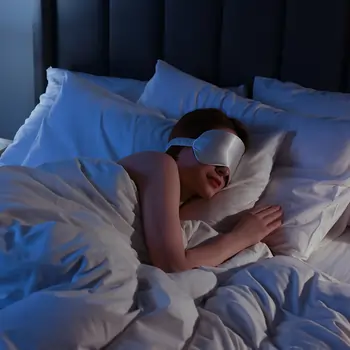
Insomnia occurs when you are unable to get the restful and restorative sleep that you need to feel refreshed and for your body to function optimally.
People with insomnia typically find it difficult to fall asleep and stay asleep.
They may also experience fatigue despite sleeping for several hours or have trouble functioning during the day.
### What are the different types of insomnia?
The two main types of insomnia are acute and chronic insomnia.
#### Acute insomnia
This type of insomnia causes sleep difficulties that last for several days or weeks but it doesn’t last for more than three months.
Also known as *short-term insomnia* or *primary insomnia*, this sleep disorder is often caused by circumstantial factors.
These can be stressors like major life changes, the death of a loved one, or illness.
#### Chronic insomnia
If acute insomnia persists for more than three months, it is then referred to as *chronic insomnia* or *secondary insomnia*.
This is when an individual experiences sleep problems *and* daytime symptoms like fatigue and lack of concentration.
Secondary insomnia is usually the result of a side effect or symptom of a health condition, medication, or substance abuse.
A person would need to experience insomnia for at least three days per week for it to be classified as chronic.
### What are the risk factors for insomnia?
According to the American Academy of Sleep Medicine (AASM), there is [no single cause](https://aasm.org/) of insomnia. However, certain individuals have an increased risk of developing sleep disorders, including:
- Women
- Older adults
- Individuals with chronic illnesses such as diabetes
- People with [sleep apnea](https://lifemd.com/learn/does-sleep-apnea-go-away)
- Those who have mood disorders like depression and anxiety
- People with a relative who has insomnia
- Individuals who suffer from chronic pain
### How is insomnia diagnosed?
Only a healthcare provider can diagnose insomnia. Their diagnosis will consider:
- Any medical conditions you have, including mental health disorders
- Your sleep history
- Details about your sleep habits which may mean you need to record your sleep patterns using a diary
- A sleep study where your sleep is monitored over a period of time
- A physical exam
### How much sleep should I get?
To ensure your body gets enough quality sleep, these are the guidelines for rest set by the [Centers for Disease Control and Prevention](https://www.cdc.gov/sleep/about/?CDC_AAref_Val=https://www.cdc.gov/sleep/about_sleep/how_much_sleep.html) (CDC):
- **Teenagers between 13 and 18 years:** eight to 10 hours per night.
- **Adults between 18 and 60 years:** seven or more hours per night.
- **Adults older than 60 years:** seven to nine hours per night.
## What are the Symptoms of Insomnia?
Now that you know more about insomnia, let’s unpack the most common symptoms associated with this sleep disorder.
It’s worth noting that these symptoms can be caused by other health conditions, which is why it’s important to consult a medical professional.
### Difficulty falling asleep
Despite having the right sleep environment and enough time for proper rest, people with insomnia will have trouble falling asleep.
Although they might be very tired and feel ready to doze off, individuals who experience insomnia may find themselves tossing, turning, and lying awake for many hours.
### Inability to stay asleep or frequently waking
Those who experience insomnia may be able to fall asleep, but they will typically wake up frequently during the night. This can make it difficult to get a good night’s rest.
Staying asleep throughout the night is important for getting enough restorative rest for the body to function properly.
People with insomnia might also find it hard to fall asleep again after they have woken up during the night.
### Waking up early
If you have insomnia, you may find yourself waking up very [early in the morning](https://www.ncbi.nlm.nih.gov/pmc/articles/PMC3377480/), even if you have only slept a few hours.
It might be impossible to fall asleep again once you have woken up early.
Waking up earlier than necessary can leave you feeling groggy and less refreshed than if you’d had a full night’s rest.
### Nonrestorative sleep (NRS)
Having insomnia may mean that when you wake up in the morning, you don’t feel refreshed or restored despite having slept.
Nonrestorative sleep can make it difficult to function normally during the day and may result in some of the symptoms discussed below.
### Daytime sleepiness and fatigue
People with insomnia may struggle with persistent and excessive sleepiness throughout the day.
Being fatigued during waking hours [causes problems](https://www.ncbi.nlm.nih.gov/pmc/articles/PMC4196062/) with:
- **Cognitive functioning:** Your ability to concentrate, process information, and respond to situations.
- **Productivity:** You may be unable to focus on and complete tasks throughout the day.
### Poor concentration and memory
Another aspect of cognitive functioning is your ability to remember or recall information, which may also affect your [attention span](https://www.ncbi.nlm.nih.gov/pmc/articles/PMC7000136/). Memory and focus are significantly affected by lack of sleep.
This may make it difficult to go about the most basic daily activities and may [affect your performance at school or work](https://www.ncbi.nlm.nih.gov/pmc/articles/PMC5985539/).
### Mood disturbances
People who get insufficient sleep may experience mood disturbances that include depression and anxiety.
Research has found that people who are sleep deprived have an [increased negative mood](https://pubmed.ncbi.nlm.nih.gov/15310523/), which includes irritability, sadness, frustration, and even anger.
There is also a [reciprocal relationship](https://www.ncbi.nlm.nih.gov/pmc/articles/PMC3972485/) between mental disorders and insomnia.
For example, people with mental health conditions will often suffer from insomnia, which may, in turn, cause [mental health problems](https://pubmed.ncbi.nlm.nih.gov/21491233/).
### Increased stress levels
Another symptom people with insomnia may experience is increased stress and anxiety.
Those who struggle to sleep may become hyper-focused on their inability to sleep, which can be psychologically stressful.
As mentioned above, [stress can cause insomnia](https://www.ncbi.nlm.nih.gov/pmc/articles/PMC7045300/v). So being worried about not sleeping might result in a further lack of sleep.
### Impaired physical performance
Insomnia doesn’t only affect your cognitive abilities, it can also affect your physical performance.
Sleep deprivation can lead to [poor hand-eye coordination](https://www.ncbi.nlm.nih.gov/pmc/articles/PMC1739867/pdf/v057p00649.pdf) and can result in [serious accidents](https://pubmed.ncbi.nlm.nih.gov/24237855/) and injuries.
## The Long-Term Health Effects of Insomnia
Aside from the unpleasant symptoms described above, people who don’t get enough sleep may experience serious long-term health effects.
### Hypertension
Sleep assists our bodies in [stress regulation](https://www.ncbi.nlm.nih.gov/pmc/articles/PMC7181893/). So, lack of sleep can worsen the effects of stress on the body.
This can lead to increased blood pressure and inflammation in the body.
### Heart attack and stroke
It is believed that because sleep deprivation disrupts the part of the brain that is responsible for the circulatory system, it [may lead to the development of blood clots](https://www.ncbi.nlm.nih.gov/pmc/articles/PMC2845795/).
This may result in an increased risk of heart attacks or strokes.
### Weight gain and obesity
There are two hormones in the body that are affected by lack of sleep:
- **Cortisol:** Also known as the ‘stress hormone’, too much cortisol in the body can [cause weight gain](https://pubmed.ncbi.nlm.nih.gov/27345309/).
- **Ghrelin:** Produced in the stomach, an excess of ghrelin can lead to [increased feelings of hunger](https://pubmed.ncbi.nlm.nih.gov/11739476/) that can cause overeating and weight gain.
It has also been found that sleep deprivation can [affect people’s eating habits](https://www.ncbi.nlm.nih.gov/pmc/articles/PMC3763921/), including eating more calorie-dense foods like carbohydrates and sugar.
## Treating Insomnia
You will need to see a healthcare provider to treat insomnia if you suspect you have the condition.
Insomnia treatment may include:
- **Lifestyle adjustments:** Short-term or acute insomnia can often be resolved by adapting to [good sleep hygiene and habits](https://lifemd.com/learn/what-is-sleep-hygiene-tips-for-healthy-sleep-habits) like avoiding caffeine, alcohol, and nicotine before bedtime.
- **Cognitive behavioral therapy (CBT):** This is a type of counseling that can help relieve the anxiety and frustration surrounding chronic insomnia. It may also help individuals deal with mental health conditions that cause insomnia.
- **Medication:** A doctor may prescribe medicine to help you establish a healthy sleep schedule.
## How to Prevent Sleep Disorders Like Insomnia
As mentioned above, some types of insomnia can be treated and even prevented with certain sleep habits. These include:
- **Sticking to a sleep schedule:** This means going to bed and waking up at the same time each day.
- **Eliminating stimulants:** Caffeine, for example, can affect your sleep as it is a stimulant that can keep you awake. Reducing caffeine intake at least four hours before bedtime may relieve insomnia.
- **Limiting daytime naps:** Establishing a healthy sleeping pattern includes avoiding napping during the daytime so that you can sleep at night.
- Regular exercise: Moderate exercise can improve the duration of your sleep. But it’s important to avoid exercising close to bedtime.
- **Stress reduction:** Practicing relaxation techniques or attending cognitive behavioral therapy sessions may help reduce stressors that cause insomnia.
It’s worth noting that short-term insomnia can typically be treated with the lifestyle changes outlined above. Chronic insomnia may require more specialized treatment to resolve.
## Where Can I Learn More About Insomnia Treatment?
A healthcare professional can provide an accurate diagnosis for sleep disorders and prescribe a treatment plan to treat your condition.
Don’t let insomnia control your nights. LifeMD-affiliated physicians can prescribe [FDA-approved, non-addictive medications](https://rx.lifemd.com/sleep-xp1/?c=sleep&utm_source_site=blog-copy&utm_article=symptoms-of-insomnia-signs-you-should-know-about) to help you fall asleep faster. Start your treatment today.
Share with others
This article is intended for informational purposes only and should not be considered medical advice. Consult a healthcare professional or call a doctor in the case of a medical emergency. [Privacy Policy.](https://lifemd.com/privacy.php)

### Jarrod Nero, MSN, APRN, FNP-C
Jarrod, a board-certified Family Nurse Practitioner, earned his B.S. in Nursing from William Carey University and an M. S. in Family Health Nursing from the Southern University of Baton Rouge. He lives in New Orleans with his partner and son.
## More articles like this
[](https://lifemd.com/learn/how-estrogen-supports-heart-health)
WOMEN'S HEALTHHEART DISEASE
### [Estrogen and Heart Disease: How Estrogen Supports Heart Health](https://lifemd.com/learn/how-estrogen-supports-heart-health)
Sep 14, 2025
4 mins
[](https://lifemd.com/learn/carbon-monoxide-poisoning)
FIRST AIDHEART DISEASE
### [Everything You Need to Know About Carbon Monoxide Poisoning](https://lifemd.com/learn/carbon-monoxide-poisoning)
May 30, 2025
4 mins
[](https://lifemd.com/learn/managing-comorbidities)
HEALTH INSURANCEHIGH CHOLESTEROL
### [Comorbidities Explained: A Guide to Understanding and Managing Them](https://lifemd.com/learn/managing-comorbidities)
Jun 20, 2024
5 mins
[](https://lifemd.com/learn/cardiomyopathy)
HEART DISEASE
### [An Essential Guide to Cardiomyopathy](https://lifemd.com/learn/cardiomyopathy)
Feb 06, 2024
5 mins
[](https://lifemd.com/learn/cardiac-arrest-symptoms-causes-and-risk-factors)
HEART DISEASE
### [Cardiac Arrest Symptoms, Causes, and Risk Factors](https://lifemd.com/learn/cardiac-arrest-symptoms-causes-and-risk-factors)
Feb 06, 2024
5 mins
[](https://lifemd.com/learn/cardiomyopathy-diagnosis-and-treatment)
HEART DISEASEDIAGNOSTICS
### [Cardiomyopathy Diagnosis and Treatment: What You Should Know](https://lifemd.com/learn/cardiomyopathy-diagnosis-and-treatment)
Feb 06, 2024
4 mins
[](https://lifemd.com/learn/atrial-fibrillation)
HEART DISEASE
### [What is Atrial Fibrillation? Symptoms, Causes, And Risk Factors](https://lifemd.com/learn/atrial-fibrillation)
Feb 05, 2024
4 mins
[](https://lifemd.com/learn/hypertrophic-cardiomyopathy-surgery)
HEART DISEASE
### [What to Expect from Hypertrophic Cardiomyopathy Surgery](https://lifemd.com/learn/hypertrophic-cardiomyopathy-surgery)
Feb 01, 2024
5 mins
[](https://lifemd.com/learn/myocarditis-recovery-and-rehabilitation)
HEART DISEASE
### [Myocarditis Recovery and Rehabilitation: What You Can Expect](https://lifemd.com/learn/myocarditis-recovery-and-rehabilitation)
Feb 01, 2024
5 mins
[](https://lifemd.com/learn/sudden-cardiac-arrest-vs-heart-attack)
HEART DISEASE
### [Sudden Cardiac Arrest vs. Heart Attack: Understanding the Difference](https://lifemd.com/learn/sudden-cardiac-arrest-vs-heart-attack)
Feb 01, 2024
5 mins
## Your doctor is online and ready to see you
Join LifeMD today and experience amazing healthcare, discounted labs and prescription medications plus around-the-clock access to medical guidance.
[Get Started Today Get Started Today](https://lifemd.com/membership)
 
Iron levels are low — I recommend adding iron-rich foods or supplements.
 
Good evening. Your labs are complete and available in your patient portal.
 
Your cholesterol is slightly elevated. Let's adjust your diet and check again in 3 months.
×
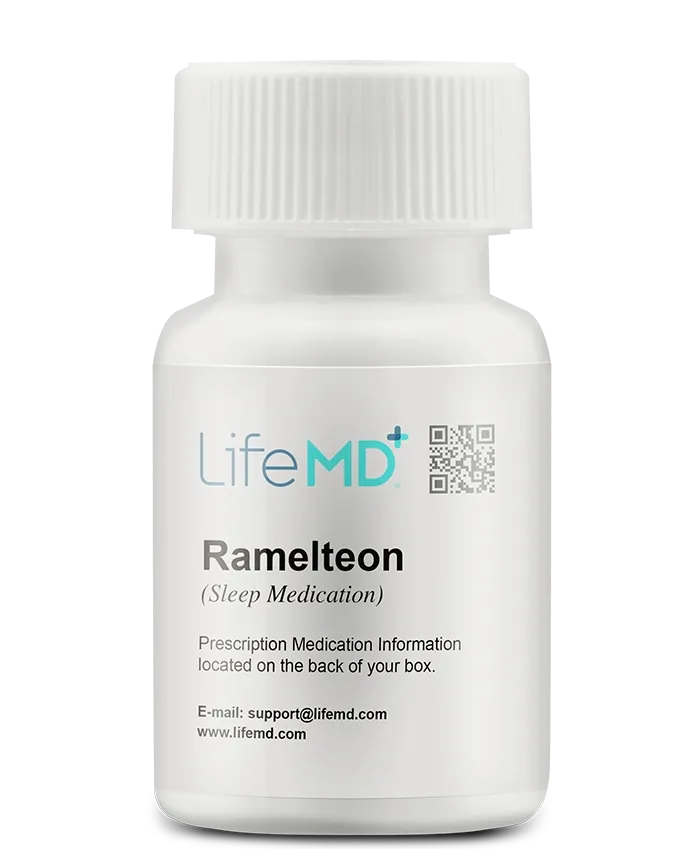
## Ramelteon
### Better Sleep Solutions for You
You may qualify for a prescription to support better, more restful sleep.
[Get Started Now Get Started Now](https://rx.lifemd.com/xp2/?utm_source_site=blog&utm_article=symptoms-of-insomnia-signs-you-should-know-about)
Free App Download
#### Healthcare, Made Simple
[](https://apps.apple.com/us/app/lifemd/id1584079757?platform=iphone) [](https://play.google.com/store/apps/details?id=com.lifemd.care)
Company
[Ways We Help Ways We Help](https://lifemd.com/help) [What is Telehealth What is Telehealth](https://lifemd.com/what-is-telehealth) [How It Works How It Works](https://lifemd.com/how-it-works) [Membership Plans Membership Plans](https://lifemd.com/membership) [Our Treatments Our Treatments](https://lifemd.com/treatment) [Browse Medications Browse Medications](https://lifemd.com/drugs) [Medical Team Medical Team](https://lifemd.com/medical-team) [Blog Blog](https://lifemd.com/learn)
Support
[About Us About Us](https://lifemd.com/about) [FAQ FAQ](https://lifemd.com/faq) [Support Desk Support Desk](https://support.lifemd.com/) [Investors Investors](https://ir.lifemd.com/) [Press Press](https://ir.lifemd.com/press-releases.php) [Careers Careers](https://lifemd.com/careers)
Contact us
[Contact Us Contact Us](https://lifemd.com/contact) [(800) 852-1575 (800) 852-1575](<tel:(800) 852-1575>) [\[email protected\] \[email protected\]](https://lifemd.com/cdn-cgi/l/email-protection#bcd5d2dad3fcd0d5dad9d1d892dfd3d1)
***

[ ](https://www.instagram.com/lifemd/) [ ](https://www.tiktok.com/@lifemd) [ ](https://www.linkedin.com/company/lifemd-inc) [ ](https://x.com/lifemd)
COPYRIGHT © 2026 \| LifeMD®
[Accessibility Accessibility](https://lifemd.com/accessibility) [Telehealth Telehealth](https://lifemd.com/consent-to-telehealth) [CCPA CCPA](https://lifemd.com/ccpa) [Terms & Conditions Terms & Conditions](https://lifemd.com/terms) [Privacy Policy Privacy Policy](https://lifemd.com/privacy) [NOPP NOPP](https://lifemd.com/notice-of-privacy-practices)
***
If you are using a screen reader, or having trouble reading this website, please call LifeMD support at [(866) 351-5907](tel:8663515907).
Medical treatment from licensed providers is provided by the “LifeMD Affiliated P.C.s,” an affiliated network of medical Professional Corporations and Associations. To learn more, [click here](https://lifemd.com/learn/symptoms-of-insomnia-signs-you-should-know-about).
\*Controlled substances, including amphetamines (such as Adderall) or benzodiazepines (such as Xanax and Valium) are not available through LifeMD.

LifeMD is a 50-state direct-to-patient telehealth company with a portfolio of brands that offer virtual primary care, diagnostics, and specialized treatment for men’s and women’s health, allergy & asthma, and dermatological issues. By leveraging its proprietary technology platform, 50-state medical group, and nationwide mail-order pharmacy network, LifeMD is increasing access to amazing healthcare that is affordable to everyone.
In all states, medical treatment from licensed providers is provided by the "LifeMD Affiliated P.C.s," a network of medical Professional Corporations and medical Professional Associations named "LifeMD \[Region/State\] Patient Medical Care \[P.C./P.A.\]". The LifeMD Affiliated P.C.s are administratively led by LifeMD Southern Patient Medical Care, P.C., with registered office 1200 South Pine Island Road, Plantation, FL 33324.
LifeMD, Inc. provides a variety of administrative and management services to the LifeMD Affiliated P.C.s and can be reached at [(866) 351-5907](tel:8663515907). |
| Readable Markdown | [HOME](https://lifemd.com/) / [LEARN](https://lifemd.com/learn)/ INSOMNIA
5 mins

Published: **Jul 19, 2023** Updated: **Feb 18, 2026**
If you consistently have trouble falling and staying asleep, it’s possible that you have a health condition called [insomnia](https://lifemd.com/learn/what-causes-insomnia-everything-you-need-to-know).
Insomnia is a sleep disorder that affects about [one in every three](https://www.psychiatry.org/patients-families/sleep-disorders/what-are-sleep-disorders) adults, according to the American Psychiatric Association (APA).
Sleep is vital to our physical and mental health and our ability to function normally. Poor sleep can lead to [numerous health problems](https://www.nhlbi.nih.gov/health/sleep-deprivation), such as heart disease, obesity, diabetes, stroke, and [high blood pressure](https://lifemd.com/learn/how-are-hypertension-heart-disease-and-strokes-related).
To avoid the onset of these health issues, it is crucial to have insomnia treated by a healthcare professional.
## Tired of restless nights?
Don’t let insomnia hold you back. Take the first step towards better sleep with LifeMD.
 
## What is Insomnia?
Insomnia occurs when you are unable to get the restful and restorative sleep that you need to feel refreshed and for your body to function optimally.
People with insomnia typically find it difficult to fall asleep and stay asleep.
They may also experience fatigue despite sleeping for several hours or have trouble functioning during the day.
### What are the different types of insomnia?
The two main types of insomnia are acute and chronic insomnia.
#### Acute insomnia
This type of insomnia causes sleep difficulties that last for several days or weeks but it doesn’t last for more than three months.
Also known as *short-term insomnia* or *primary insomnia*, this sleep disorder is often caused by circumstantial factors.
These can be stressors like major life changes, the death of a loved one, or illness.
#### Chronic insomnia
If acute insomnia persists for more than three months, it is then referred to as *chronic insomnia* or *secondary insomnia*.
This is when an individual experiences sleep problems *and* daytime symptoms like fatigue and lack of concentration.
Secondary insomnia is usually the result of a side effect or symptom of a health condition, medication, or substance abuse.
A person would need to experience insomnia for at least three days per week for it to be classified as chronic.
### What are the risk factors for insomnia?
According to the American Academy of Sleep Medicine (AASM), there is [no single cause](https://aasm.org/) of insomnia. However, certain individuals have an increased risk of developing sleep disorders, including:
- Women
- Older adults
- Individuals with chronic illnesses such as diabetes
- People with [sleep apnea](https://lifemd.com/learn/does-sleep-apnea-go-away)
- Those who have mood disorders like depression and anxiety
- People with a relative who has insomnia
- Individuals who suffer from chronic pain
### How is insomnia diagnosed?
Only a healthcare provider can diagnose insomnia. Their diagnosis will consider:
- Any medical conditions you have, including mental health disorders
- Your sleep history
- Details about your sleep habits which may mean you need to record your sleep patterns using a diary
- A sleep study where your sleep is monitored over a period of time
- A physical exam
### How much sleep should I get?
To ensure your body gets enough quality sleep, these are the guidelines for rest set by the [Centers for Disease Control and Prevention](https://www.cdc.gov/sleep/about/?CDC_AAref_Val=https://www.cdc.gov/sleep/about_sleep/how_much_sleep.html) (CDC):
- **Teenagers between 13 and 18 years:** eight to 10 hours per night.
- **Adults between 18 and 60 years:** seven or more hours per night.
- **Adults older than 60 years:** seven to nine hours per night.
## What are the Symptoms of Insomnia?
Now that you know more about insomnia, let’s unpack the most common symptoms associated with this sleep disorder.
It’s worth noting that these symptoms can be caused by other health conditions, which is why it’s important to consult a medical professional.
### Difficulty falling asleep
Despite having the right sleep environment and enough time for proper rest, people with insomnia will have trouble falling asleep.
Although they might be very tired and feel ready to doze off, individuals who experience insomnia may find themselves tossing, turning, and lying awake for many hours.
### Inability to stay asleep or frequently waking
Those who experience insomnia may be able to fall asleep, but they will typically wake up frequently during the night. This can make it difficult to get a good night’s rest.
Staying asleep throughout the night is important for getting enough restorative rest for the body to function properly.
People with insomnia might also find it hard to fall asleep again after they have woken up during the night.
### Waking up early
If you have insomnia, you may find yourself waking up very [early in the morning](https://www.ncbi.nlm.nih.gov/pmc/articles/PMC3377480/), even if you have only slept a few hours.
It might be impossible to fall asleep again once you have woken up early.
Waking up earlier than necessary can leave you feeling groggy and less refreshed than if you’d had a full night’s rest.
### Nonrestorative sleep (NRS)
Having insomnia may mean that when you wake up in the morning, you don’t feel refreshed or restored despite having slept.
Nonrestorative sleep can make it difficult to function normally during the day and may result in some of the symptoms discussed below.
### Daytime sleepiness and fatigue
People with insomnia may struggle with persistent and excessive sleepiness throughout the day.
Being fatigued during waking hours [causes problems](https://www.ncbi.nlm.nih.gov/pmc/articles/PMC4196062/) with:
- **Cognitive functioning:** Your ability to concentrate, process information, and respond to situations.
- **Productivity:** You may be unable to focus on and complete tasks throughout the day.
### Poor concentration and memory
Another aspect of cognitive functioning is your ability to remember or recall information, which may also affect your [attention span](https://www.ncbi.nlm.nih.gov/pmc/articles/PMC7000136/). Memory and focus are significantly affected by lack of sleep.
This may make it difficult to go about the most basic daily activities and may [affect your performance at school or work](https://www.ncbi.nlm.nih.gov/pmc/articles/PMC5985539/).
### Mood disturbances
People who get insufficient sleep may experience mood disturbances that include depression and anxiety.
Research has found that people who are sleep deprived have an [increased negative mood](https://pubmed.ncbi.nlm.nih.gov/15310523/), which includes irritability, sadness, frustration, and even anger.
There is also a [reciprocal relationship](https://www.ncbi.nlm.nih.gov/pmc/articles/PMC3972485/) between mental disorders and insomnia.
For example, people with mental health conditions will often suffer from insomnia, which may, in turn, cause [mental health problems](https://pubmed.ncbi.nlm.nih.gov/21491233/).
### Increased stress levels
Another symptom people with insomnia may experience is increased stress and anxiety.
Those who struggle to sleep may become hyper-focused on their inability to sleep, which can be psychologically stressful.
As mentioned above, [stress can cause insomnia](https://www.ncbi.nlm.nih.gov/pmc/articles/PMC7045300/v). So being worried about not sleeping might result in a further lack of sleep.
### Impaired physical performance
Insomnia doesn’t only affect your cognitive abilities, it can also affect your physical performance.
Sleep deprivation can lead to [poor hand-eye coordination](https://www.ncbi.nlm.nih.gov/pmc/articles/PMC1739867/pdf/v057p00649.pdf) and can result in [serious accidents](https://pubmed.ncbi.nlm.nih.gov/24237855/) and injuries.
## The Long-Term Health Effects of Insomnia
Aside from the unpleasant symptoms described above, people who don’t get enough sleep may experience serious long-term health effects.
### Hypertension
Sleep assists our bodies in [stress regulation](https://www.ncbi.nlm.nih.gov/pmc/articles/PMC7181893/). So, lack of sleep can worsen the effects of stress on the body.
This can lead to increased blood pressure and inflammation in the body.
### Heart attack and stroke
It is believed that because sleep deprivation disrupts the part of the brain that is responsible for the circulatory system, it [may lead to the development of blood clots](https://www.ncbi.nlm.nih.gov/pmc/articles/PMC2845795/).
This may result in an increased risk of heart attacks or strokes.
### Weight gain and obesity
There are two hormones in the body that are affected by lack of sleep:
- **Cortisol:** Also known as the ‘stress hormone’, too much cortisol in the body can [cause weight gain](https://pubmed.ncbi.nlm.nih.gov/27345309/).
- **Ghrelin:** Produced in the stomach, an excess of ghrelin can lead to [increased feelings of hunger](https://pubmed.ncbi.nlm.nih.gov/11739476/) that can cause overeating and weight gain.
It has also been found that sleep deprivation can [affect people’s eating habits](https://www.ncbi.nlm.nih.gov/pmc/articles/PMC3763921/), including eating more calorie-dense foods like carbohydrates and sugar.
## Treating Insomnia
You will need to see a healthcare provider to treat insomnia if you suspect you have the condition.
Insomnia treatment may include:
- **Lifestyle adjustments:** Short-term or acute insomnia can often be resolved by adapting to [good sleep hygiene and habits](https://lifemd.com/learn/what-is-sleep-hygiene-tips-for-healthy-sleep-habits) like avoiding caffeine, alcohol, and nicotine before bedtime.
- **Cognitive behavioral therapy (CBT):** This is a type of counseling that can help relieve the anxiety and frustration surrounding chronic insomnia. It may also help individuals deal with mental health conditions that cause insomnia.
- **Medication:** A doctor may prescribe medicine to help you establish a healthy sleep schedule.
## How to Prevent Sleep Disorders Like Insomnia
As mentioned above, some types of insomnia can be treated and even prevented with certain sleep habits. These include:
- **Sticking to a sleep schedule:** This means going to bed and waking up at the same time each day.
- **Eliminating stimulants:** Caffeine, for example, can affect your sleep as it is a stimulant that can keep you awake. Reducing caffeine intake at least four hours before bedtime may relieve insomnia.
- **Limiting daytime naps:** Establishing a healthy sleeping pattern includes avoiding napping during the daytime so that you can sleep at night.
- Regular exercise: Moderate exercise can improve the duration of your sleep. But it’s important to avoid exercising close to bedtime.
- **Stress reduction:** Practicing relaxation techniques or attending cognitive behavioral therapy sessions may help reduce stressors that cause insomnia.
It’s worth noting that short-term insomnia can typically be treated with the lifestyle changes outlined above. Chronic insomnia may require more specialized treatment to resolve.
## Where Can I Learn More About Insomnia Treatment?
A healthcare professional can provide an accurate diagnosis for sleep disorders and prescribe a treatment plan to treat your condition.
Don’t let insomnia control your nights. LifeMD-affiliated physicians can prescribe [FDA-approved, non-addictive medications](https://rx.lifemd.com/sleep-xp1/?c=sleep&utm_source_site=blog-copy&utm_article=symptoms-of-insomnia-signs-you-should-know-about) to help you fall asleep faster. Start your treatment today.
This article is intended for informational purposes only and should not be considered medical advice. Consult a healthcare professional or call a doctor in the case of a medical emergency. [Privacy Policy.](https://lifemd.com/privacy.php) |
| Shard | 155 (laksa) |
| Root Hash | 2479146007848103955 |
| Unparsed URL | com,lifemd!/learn/symptoms-of-insomnia-signs-you-should-know-about s443 |