ℹ️ Skipped - page is already crawled
| Filter | Status | Condition | Details |
|---|---|---|---|
| HTTP status | PASS | download_http_code = 200 | HTTP 200 |
| Age cutoff | PASS | download_stamp > now() - 6 MONTH | 0.1 months ago |
| History drop | PASS | isNull(history_drop_reason) | No drop reason |
| Spam/ban | PASS | fh_dont_index != 1 AND ml_spam_score = 0 | ml_spam_score=0 |
| Canonical | PASS | meta_canonical IS NULL OR = '' OR = src_unparsed | Not set |
| Property | Value | |||||||||||||||
|---|---|---|---|---|---|---|---|---|---|---|---|---|---|---|---|---|
| URL | https://historyfacts.com/world-history/article/rare-coins-that-are-worth-a-fortune/ | |||||||||||||||
| Last Crawled | 2026-04-26 21:49:18 (1 day ago) | |||||||||||||||
| First Indexed | 2025-08-14 13:05:05 (8 months ago) | |||||||||||||||
| HTTP Status Code | 200 | |||||||||||||||
| Content | ||||||||||||||||
| Meta Title | 10 Rare Coins That Are Worth a Fortune - History Facts | |||||||||||||||
| Meta Description | null | |||||||||||||||
| Meta Canonical | null | |||||||||||||||
| Boilerpipe Text | Author
Tony Dunnell
August 12, 2025
Love it?
40
Most of us, at some point, have probably seen a scattering of strange coins — perhaps at a yard sale or tucked away in a dusty drawer — and asked ourselves, “I wonder if those are worth anything?” For many of us, that’s about as close as we get to the fascinating world of coin collecting, or, to give it its technical name, numismatics. But there are plenty of proper numismatists out there. According to
data
from CivicScience, 38% of U.S. adults have collected coins at some point during their lives.
It’s easy to understand the appeal of collecting rare coins. For one, they offer a glimpse into the past. They can also be worth an awful lot of money. In numismatics, a decades-old manufacturing mistake can make you rich and a simple penny might pay off your mortgage. Part of the thrill of coin collecting is knowing that unexpected treasures can be hiding in plain sight, and that once-simple pocket change can become a highly collectible artifact worth thousands — or even millions — of dollars.
Here are 10 facts from the world of numismatics, from the oldest coin ever discovered to the most expensive ever sold.
Credit:
Zev Radovan
/ Alamy Stock Photo
The Lydian Lion Is the World’s Oldest Coin
The
Lydian Lion
is widely considered the world’s oldest coin. Minted around 600 BCE in the kingdom of Lydia (modern-day Turkey), these coins were made of electrum, a mixture of gold and silver. The creation of the Lydian Lion marked a truly significant milestone in economic history by establishing the concept of money as we know it today. A Lydian Lion coin is worth
an estimated
$2.5 million today due to its historical significance and rarity.
Continue Reading Below
More from our network
History Facts is part of Inbox Studio, an email-first media company. *Indicates a third-party property.
Credit:
MD Ariful Islam
/ iStock via Getty Images Plus
The Chain Cent Was the First Circulating Coin From the U.S. Mint
The
chain cent
was the first mass-produced, regular-issue coin to be struck at the fledgling U.S. Mint. Named for the interlocking chain design on its reverse, the chain cent was minted from February 27 to March 12, 1793, with only around 36,103 produced in total. Today, likely no more than 1,500 to 2,000 chain cents
exist
, with maybe only 10 or so in mint condition.
Credit: Rare Coin Wholesalers via Getty Images News
The First Official Silver Dollar Was Struck in 1794
The first silver dollar is known as the “Flowing Hair” dollar, as one side features a bust of Lady Liberty with noticeably flowing hair. It was produced by the U.S. Mint in 1794, and only 1,758 coins were struck in its first year. Far fewer exist today, making Flowing Hair dollars produced in 1794 rare and highly prized, even in imperfect condition. One of these rare coins went up for auction in 2013 and sold for
$10 million
— a world record at the time.
Credit:
IURII BUKHTA
/ iStock via Getty Images Plus
A Rare Gold Coin Proved a “Fake” Roman Emperor Was Real
In 1713,
a collection
of eight gold coins, of five different design types, was found in Transylvania, Romania. One of the coins featured an image of an unknown Roman emperor with the name Sponsian. For hundreds of years, the coins, and therefore the emperor, were believed to be fake. But in 2022,
scientists
at University College London proved that the coin had been in circulation 2,000 years ago. In doing so, they proved that Sponsian — whose name and portrait appear on the incredibly rare coin — was indeed a Roman emperor back in the third century.
Credit:
MD Ariful Islam
/ iStock via Getty Images Plus
Pattern Coins Can Fetch a Pretty Penny
A
pattern coin
is a prototype or proof of concept made to evaluate the design, composition, and technical aspects of a coin before it goes into mass production. They are normally produced in extremely limited quantities, potentially making them highly collectible. A prime example is the
1856 Flying Eagle cent
. Only around 1,500 to 2,000 examples were ever minted, primarily to distribute to members of Congress and influential figures to gain support for the new coin design. As such, the rare 1856 Flying Eagle cent is highly collectible. In 2024, one
was sold
at auction for $312,000.
Credit:
Don Bartletti
/ Los Angeles Times via Getty Images
A Wartime Mistake Created a Rare Copper Penny
Due to copper shortages during World War II, most 1943 pennies were made from zinc-coated steel. But the U.S. Mint accidentally made a
small batch
of copper pennies, of which only
around 40
are believed to exist today. That, of course, makes these 1943 copper pennies highly valuable, with one selling for $82,500 in 1996. Collector beware, however: There are plenty of fake 1943 copper pennies out there. If you think you’ve found one, first
test it
with a magnet. Genuine 1943 copper pennies are not magnetic, so if a coin sticks, it is made of steel and thus is not authentic.
Credit: Lea Suzuki/
San Francisco Chronicle/ Hearst Newspapers
via Getty Images
Errors Can Create Rare and Highly Valuable Coins
A
coin die
is a specialized metal stamp used to create coins by pressing an image into a blank metal disc. A double die coin is produced when the coin die is not manufactured correctly. This error causes parts of the finished coin’s design to be
slightly misaligned
, with elements doubled in overlapping positions. In the world of numismatics, such errors can increase a coin’s value, and in many cases the more obvious and distinct the error, the more the coin will be worth. In 2023, a rare 1958 double die penny
sold for
$1.136 million.
Credit:
piemags/rmn
/ Alamy Stock Photo
Unpopular Initials Turned a Lincoln Cent Into a Collector’s Item
In 1909, the U.S. Mint in San Francisco began production of the Lincoln cent,
the first
everyday U.S. coin to feature an actual person. Controversy soon arose, however, as people began to object to the coin designer’s inclusion of his own initials, VDB (for Victor David Brenner), on the coin, which was regarded as too prominent and too self-promotional. Three days later, production
was stopped
and the initials removed. Only 484,000 examples of the 1909 VDB-initialed Lincoln cent were struck, making it quite rare — especially today, more than a century later.
Credit:
Richard Brown
/ Alamy Stock Photo
A Missing “S” Added Half a Million to the Value of a 1975 Dime
In 1975, the San Francisco Mint produced a proof set of more than 2.8 million coins. Three years later, eagle-eyed collectors realized that, due to a manufacturing error, two of these dimes were missing the “S” mark for San Francisco, instantly making them two of
the rarest
and most sought-after coins in the world. Both coins have since
been sold
at auction for around half a million dollars.
Credit: Sotheby's via Getty Images News
The World’s Most Expensive Coin Sold for $18.9 Million
In the midst of the Great Depression, the U.S. Mint in Philadelphia produced a $20 gold coin
known as
the 1933 Saint-Gaudens Double Eagle. But nearly all of the 445,500 Double Eagles struck that year were melted down before they could circulate, thanks to Franklin D. Roosevelt’s
Executive Order 6102
, which prohibited the private ownership of gold coins.
Only 13
of these coins exist today, and they are extremely valuable. In 2021, one 1933 Double Eagle
sold at auction
for a whopping $18.9 million, making it the world’s most expensive coin. | |||||||||||||||
| Markdown | [Skip to content](https://historyfacts.com/world-history/article/rare-coins-that-are-worth-a-fortune/#primary)
**Article** 10 Rare Coins That Are Worth a Fortune
[Categories]()
- [Search](https://historyfacts.com/search/)
- [Subscribe](https://historyfacts.com/subscribe/)
- [Todays Fact](https://historyfacts.com/todays-fact/)
- [U.S. History](https://historyfacts.com/category/us-history/)
- [World History](https://historyfacts.com/category/world-history/)
- [Famous Figures](https://historyfacts.com/category/famous-figures/)
- [Arts & Culture](https://historyfacts.com/category/arts-culture/)
- [Science & Industry](https://historyfacts.com/category/science-industry/)
- [U.S. History](https://historyfacts.com/category/us-history/)
- [World History](https://historyfacts.com/category/world-history/)
- [Famous Figures](https://historyfacts.com/category/famous-figures/)
- [Arts & Culture](https://historyfacts.com/category/arts-culture/)
- [Science & Industry](https://historyfacts.com/category/science-industry/)
- [Subscribe](https://historyfacts.com/subscribe/)
- [Search](https://historyfacts.com/search/)
- [About](https://historyfacts.com/about/)
- [Contact Us](https://historyfacts.com/contact-us/)
Thank you for confirming your email! Welcome to the community.
# 10 Rare Coins That Are Worth a Fortune
- [Home](https://historyfacts.com/)
- [World History](https://historyfacts.com/category/world-history/)
- [Article]()
- 1933 rare coin at Sotheby’s auction
Credit: ANGELA WEISS/ AFP via Getty Images
##### Author Tony Dunnell
August 12, 2025
****Love it?****40
Most of us, at some point, have probably seen a scattering of strange coins — perhaps at a yard sale or tucked away in a dusty drawer — and asked ourselves, “I wonder if those are worth anything?” For many of us, that’s about as close as we get to the fascinating world of coin collecting, or, to give it its technical name, numismatics. But there are plenty of proper numismatists out there. According to [data](https://civicscience.com/5-things-you-didnt-know-about-people-who-collect-coins/) from CivicScience, 38% of U.S. adults have collected coins at some point during their lives.
Advertisement
It’s easy to understand the appeal of collecting rare coins. For one, they offer a glimpse into the past. They can also be worth an awful lot of money. In numismatics, a decades-old manufacturing mistake can make you rich and a simple penny might pay off your mortgage. Part of the thrill of coin collecting is knowing that unexpected treasures can be hiding in plain sight, and that once-simple pocket change can become a highly collectible artifact worth thousands — or even millions — of dollars.
Here are 10 facts from the world of numismatics, from the oldest coin ever discovered to the most expensive ever sold.
Credit: [Zev Radovan](https://www.alamy.com/search/imageresults.aspx?cid=24UZXRNF8A9WQN5LGLYSB8AFYVC83XHZSAC5LNPC9QCYKKKXN23QU7L74L7FT8SK&name=Zev%2BRadovan&st=12&mode=0&comp=1)/ Alamy Stock Photo
## The Lydian Lion Is the World’s Oldest Coin
The [Lydian Lion](https://lammuseum.wfu.edu/2021/03/ancient-coins-make-your-own-money/#:~:text=However%2C%20Lydian%20staters%20are%20widely,modern-day%20country%20of%20Turkey.) is widely considered the world’s oldest coin. Minted around 600 BCE in the kingdom of Lydia (modern-day Turkey), these coins were made of electrum, a mixture of gold and silver. The creation of the Lydian Lion marked a truly significant milestone in economic history by establishing the concept of money as we know it today. A Lydian Lion coin is worth [an estimated](https://coin-identifier.com/blog/historical-coin-profiles/oldest-coins-in-the-world) \$2.5 million today due to its historical significance and rarity.
### Continue Reading Below
## More from our network
History Facts is part of Inbox Studio, an email-first media company. \*Indicates a third-party property.
[ How Well Do You Know Your U.S. Geography? History Quiz](https://www.historyquiz.com/quiz/60f8841f07eae20007222d44?utm_campaign=content_syndication_widget&utm_source=History%20Facts&utm_medium=web)
[ Go Retro With This 1960s Fashion Quiz Quiz Daily](https://www.quizdaily.com/quiz/61a67112480af50008b230f5?utm_campaign=content_syndication_widget&utm_source=History%20Facts&utm_medium=web)
[ 6 Tricks Grocery Stores Use To Influence What You Buy Interesting Facts](https://interestingfacts.com/article/grocery-store-tricks/?utm_campaign=content_syndication_widget&utm_source=History%20Facts&utm_medium=web)
[ Born Between 1941-1969? Take Advantage of These 10 Benefits FinanceBuzz\*](https://www.yrxtrk.com/aff_c?offer_id=22607&aff_id=1818&aff_sub3=HistoryFacts&aff_sub2=onsite)
[ Do You Know What the “P” in “P.M.” Stands For? Word Smarts](https://wordsmarts.com/article/am-pm/?utm_campaign=content_syndication_widget&utm_source=History%20Facts&utm_medium=web)
Advertisement
Credit: [MD Ariful Islam](https://www.gettyimages.com/search/photographer?photographer=MD%20Ariful%20Islam)/ iStock via Getty Images Plus
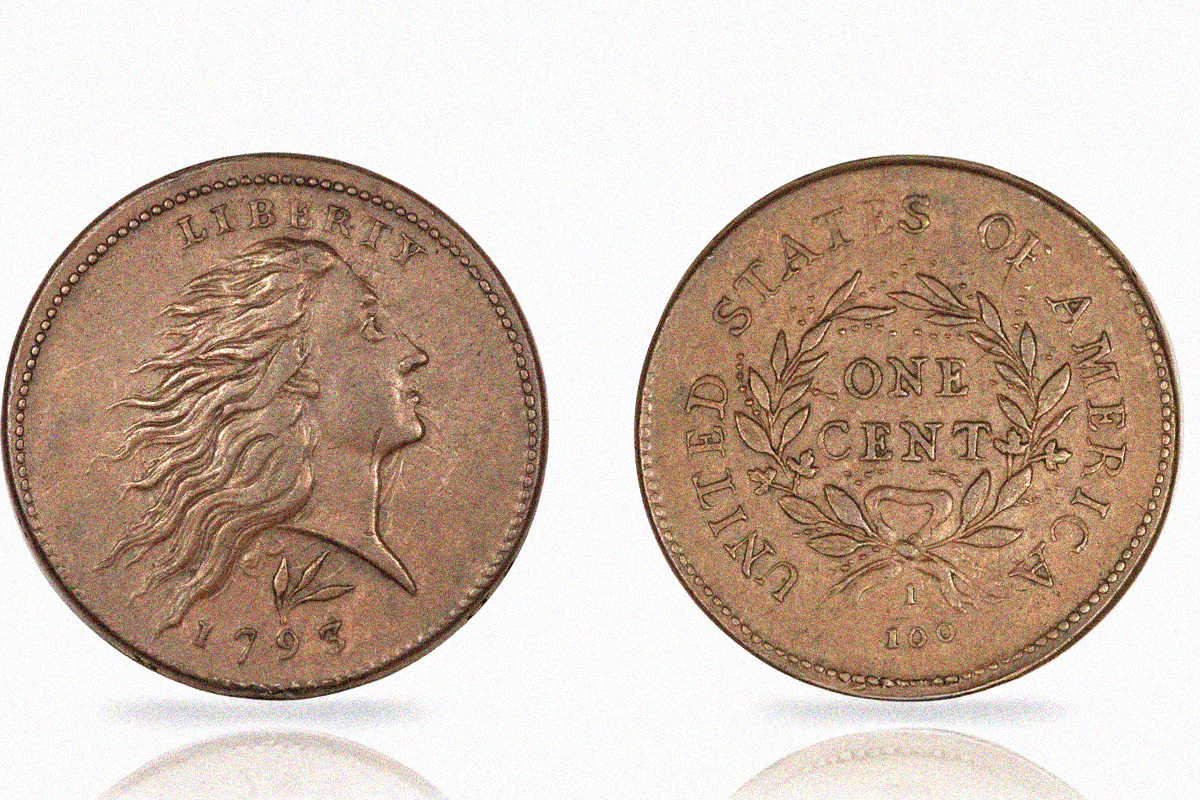
## The Chain Cent Was the First Circulating Coin From the U.S. Mint
The [chain cent](https://www.pcgs.com/coinfacts/coin/1793-1c-chain-america-bn/1341#:~:text=Gordon%20Wrubel:%20Chain%20cents%20were%20the%20first,36%2C103%20were%20coined%20from%20February%2027%20to) was the first mass-produced, regular-issue coin to be struck at the fledgling U.S. Mint. Named for the interlocking chain design on its reverse, the chain cent was minted from February 27 to March 12, 1793, with only around 36,103 produced in total. Today, likely no more than 1,500 to 2,000 chain cents [exist](https://www.ngccoin.com/coin-explorer/united-states/cents/chain-and-wreath-cents-1793/), with maybe only 10 or so in mint condition.
Advertisement
Credit: Rare Coin Wholesalers via Getty Images News
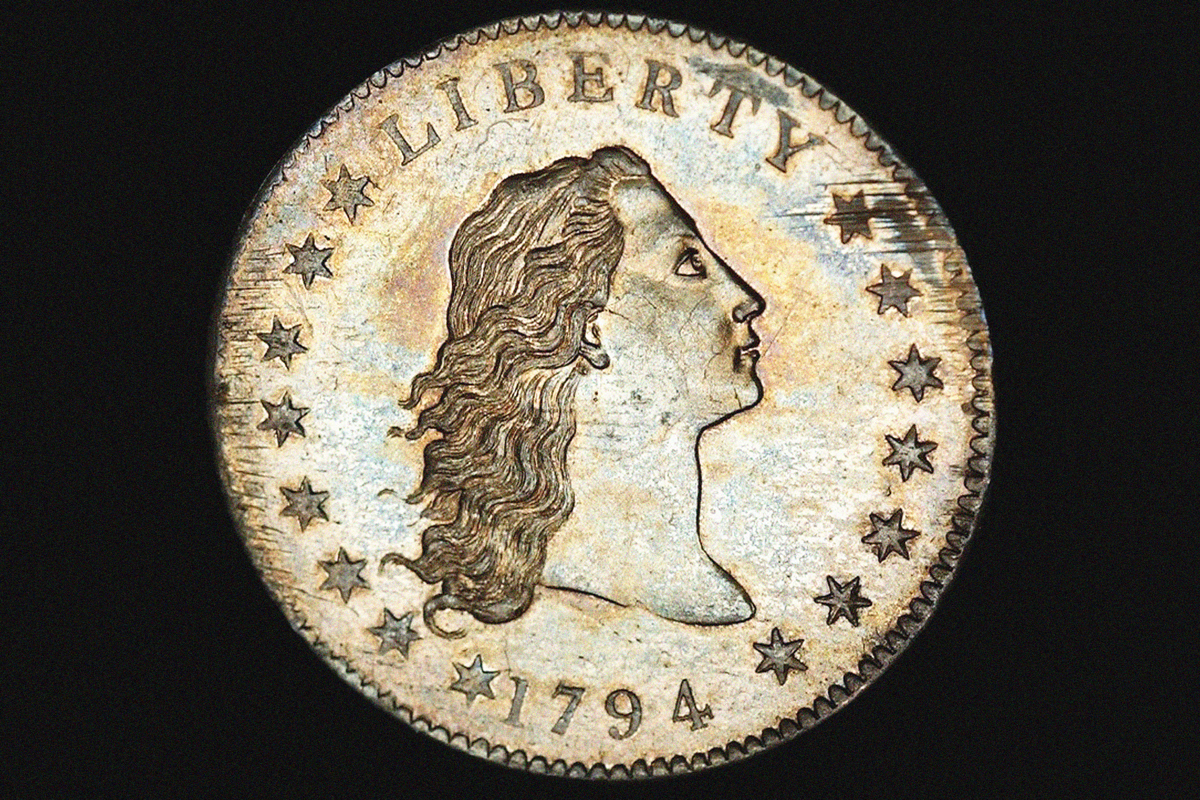
## The First Official Silver Dollar Was Struck in 1794
The first silver dollar is known as the “Flowing Hair” dollar, as one side features a bust of Lady Liberty with noticeably flowing hair. It was produced by the U.S. Mint in 1794, and only 1,758 coins were struck in its first year. Far fewer exist today, making Flowing Hair dollars produced in 1794 rare and highly prized, even in imperfect condition. One of these rare coins went up for auction in 2013 and sold for [\$10 million](https://edition.cnn.com/style/article/rare-coin-silver-dollar-up-for-sale-trnd) — a world record at the time.
Advertisement
**Related:** [What Everyday Life Was Like in Ancient Rome](https://historyfacts.com/world-history/article/what-life-was-like-in-ancient-rome/)
Credit: [IURII BUKHTA](https://www.gettyimages.com/search/photographer?photographer=IURII%20BUKHTA)/ iStock via Getty Images Plus
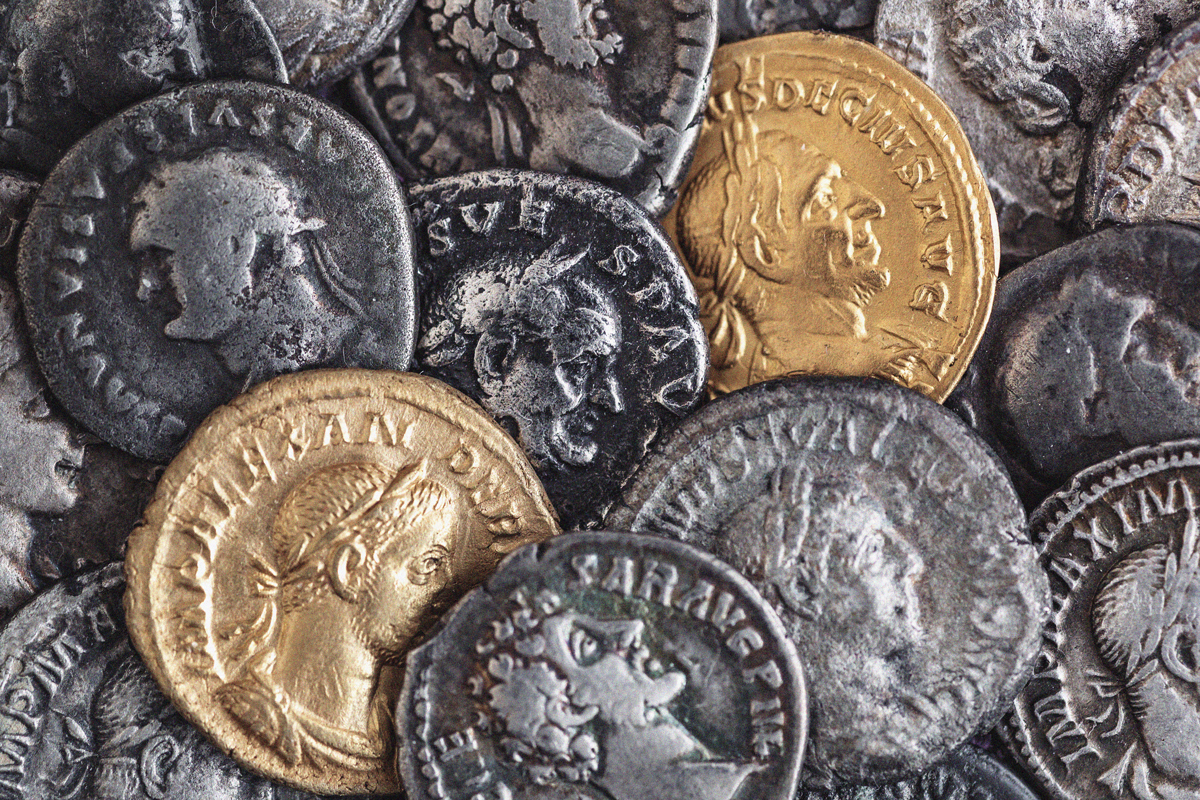
## A Rare Gold Coin Proved a “Fake” Roman Emperor Was Real
In 1713, [a collection](https://www.sci.news/archaeology/roman-emperor-sponsian-11422.html) of eight gold coins, of five different design types, was found in Transylvania, Romania. One of the coins featured an image of an unknown Roman emperor with the name Sponsian. For hundreds of years, the coins, and therefore the emperor, were believed to be fake. But in 2022, [scientists](https://www.bbc.com/news/science-environment-63636641) at University College London proved that the coin had been in circulation 2,000 years ago. In doing so, they proved that Sponsian — whose name and portrait appear on the incredibly rare coin — was indeed a Roman emperor back in the third century.
Advertisement
Credit: [MD Ariful Islam](https://www.gettyimages.com/search/photographer?photographer=MD%20Ariful%20Islam)/ iStock via Getty Images Plus
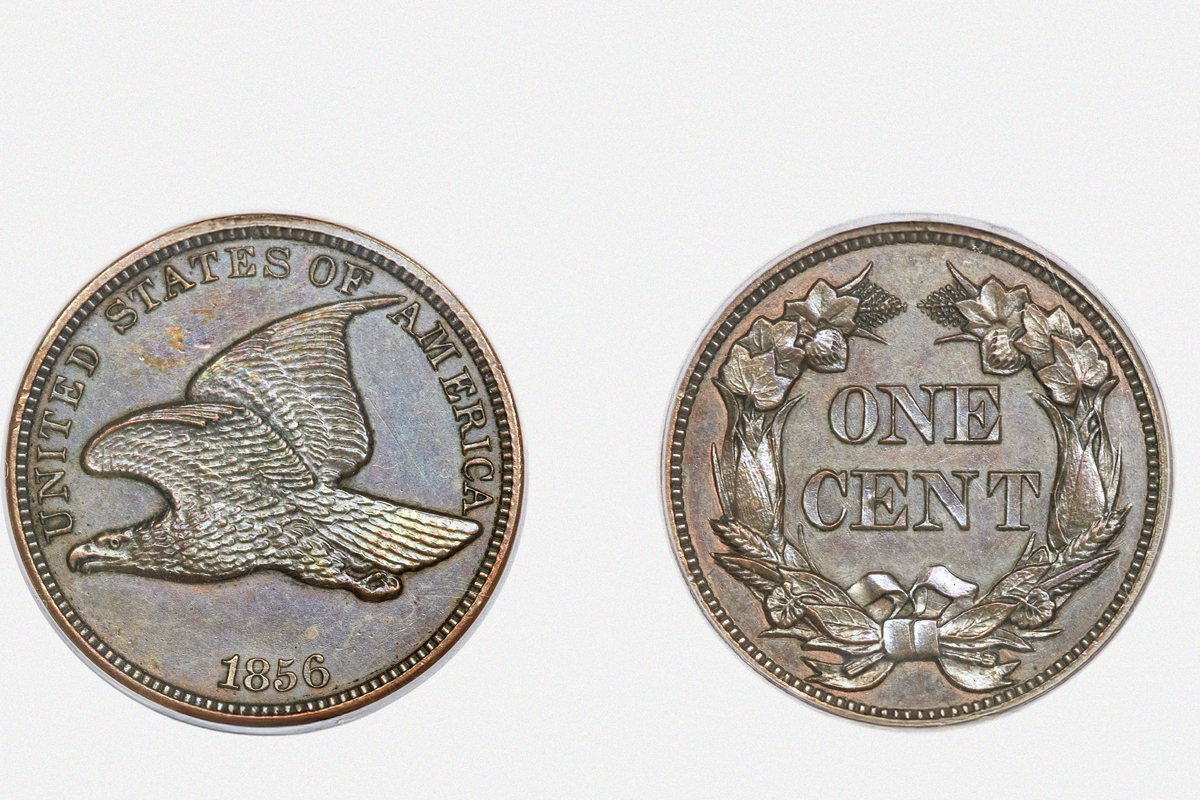
## Pattern Coins Can Fetch a Pretty Penny
A [pattern coin](https://auronum.co.uk/what-is-a-pattern-coin/) is a prototype or proof of concept made to evaluate the design, composition, and technical aspects of a coin before it goes into mass production. They are normally produced in extremely limited quantities, potentially making them highly collectible. A prime example is the [1856 Flying Eagle cent](https://coin-identifier.com/blog/coins-overview/1856-flying-eagle-cent-value). Only around 1,500 to 2,000 examples were ever minted, primarily to distribute to members of Congress and influential figures to gain support for the new coin design. As such, the rare 1856 Flying Eagle cent is highly collectible. In 2024, one [was sold](https://www.heirloomsathome.com/rare-1856-flying-eagle-cent-and-other-coins-break-auction-records/) at auction for \$312,000.
Advertisement
**Related:** [9 World War II Facts Every History Buff Should Know](https://historyfacts.com/world-history/article/wwii-facts-world-war-ii/)
Credit: [Don Bartletti](https://www.gettyimages.com/search/photographer?photographer=Don%20Bartletti)/ Los Angeles Times via Getty Images
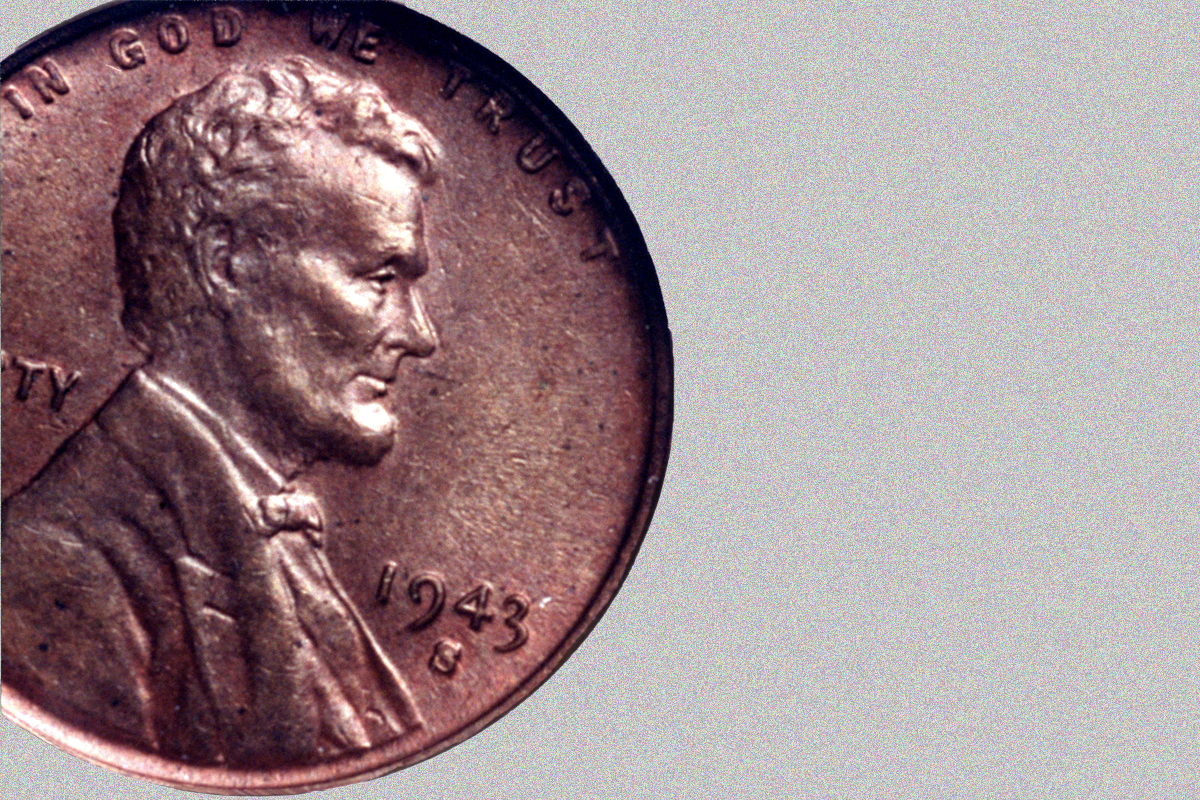
## A Wartime Mistake Created a Rare Copper Penny
Due to copper shortages during World War II, most 1943 pennies were made from zinc-coated steel. But the U.S. Mint accidentally made a [small batch](https://coin-identifier.com/blog/historical-coin-profiles/1943-copper-penny-value) of copper pennies, of which only [around 40](https://www.usmint.gov/news/press-releases/19990308-special-1943-copper-penny?srsltid=AfmBOopG4xuTBydN_tfE2jDvLZhaq4-d3UDApdOcT7Ewg3tIidmf_1oD) are believed to exist today. That, of course, makes these 1943 copper pennies highly valuable, with one selling for \$82,500 in 1996. Collector beware, however: There are plenty of fake 1943 copper pennies out there. If you think you’ve found one, first [test it](https://coin-identifier.com/blog/historical-coin-profiles/1943-copper-penny-value) with a magnet. Genuine 1943 copper pennies are not magnetic, so if a coin sticks, it is made of steel and thus is not authentic.
Advertisement
Credit: Lea Suzuki/[San Francisco Chronicle/ Hearst Newspapers](https://www.gettyimages.com/search/photographer?photographer=San%20Francisco%20Chronicle%2FHearst%20Newspapers) via Getty Images
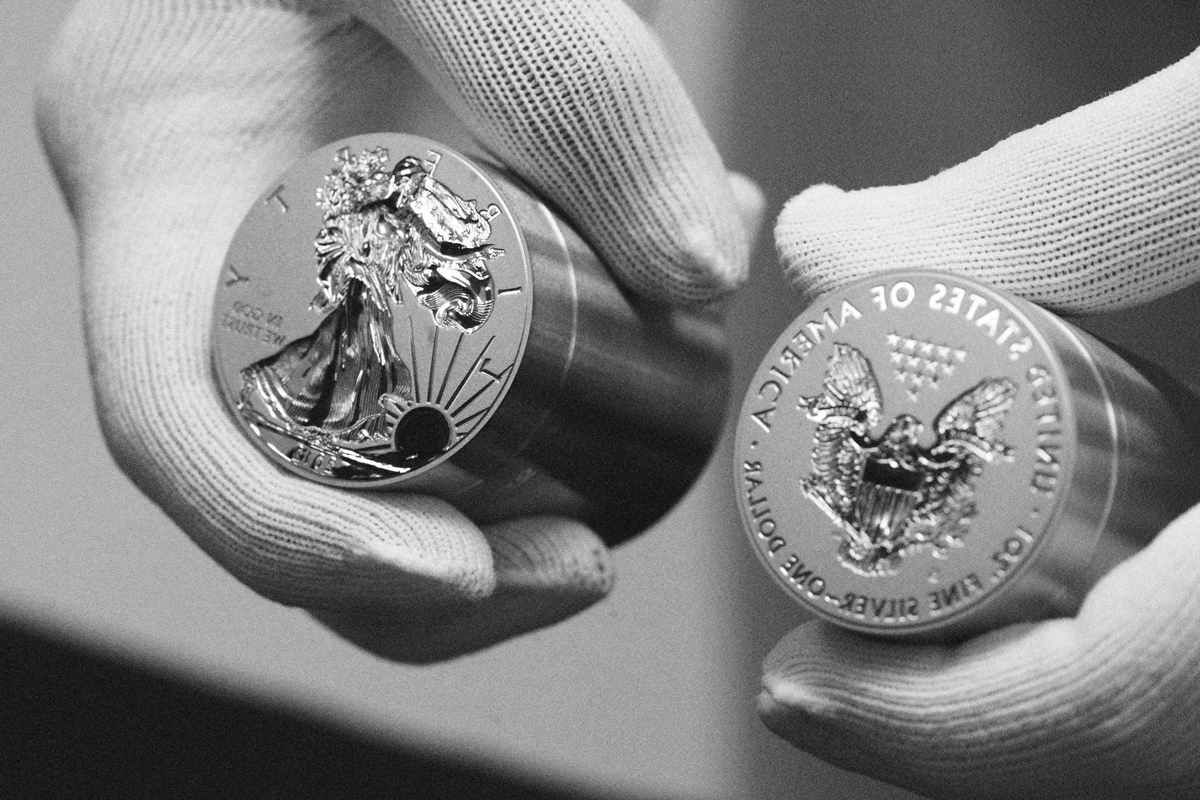
## Errors Can Create Rare and Highly Valuable Coins
A [coin die](https://www.usmint.gov/learn/production-process/die-making?srsltid=AfmBOoo3XnoqIrD0O5R5tWnsfBktBYo9FEFSzds10WLlzX93ge8AVATI) is a specialized metal stamp used to create coins by pressing an image into a blank metal disc. A double die coin is produced when the coin die is not manufactured correctly. This error causes parts of the finished coin’s design to be [slightly misaligned](https://www.edrmetals.com/post/what-are-double-die-obverse-coins-and-how-to-identify-them?srsltid=AfmBOopDtMiOAOcIZLL_2SZItB0hCi_7RDbHksUANsNdqKm5twMhGk8k), with elements doubled in overlapping positions. In the world of numismatics, such errors can increase a coin’s value, and in many cases the more obvious and distinct the error, the more the coin will be worth. In 2023, a rare 1958 double die penny [sold for](https://www.nasdaq.com/articles/if-you-find-rare-doubled-die-penny-it-could-be-worth-114-million) \$1.136 million.
Advertisement
**Related:** [7 Facts That Reveal the Wonder of the Ancient Maya](https://historyfacts.com/world-history/article/7-facts-that-reveal-the-wonder-of-the-ancient-maya/)
Credit: [piemags/rmn](https://www.alamy.com/search/imageresults.aspx?pseudoid=%7BF9A85870-24E0-46B2-879B-47FA3A5BB61E%7D&name=piemags%252frmn&st=11&mode=0&comp=1)/ Alamy Stock Photo
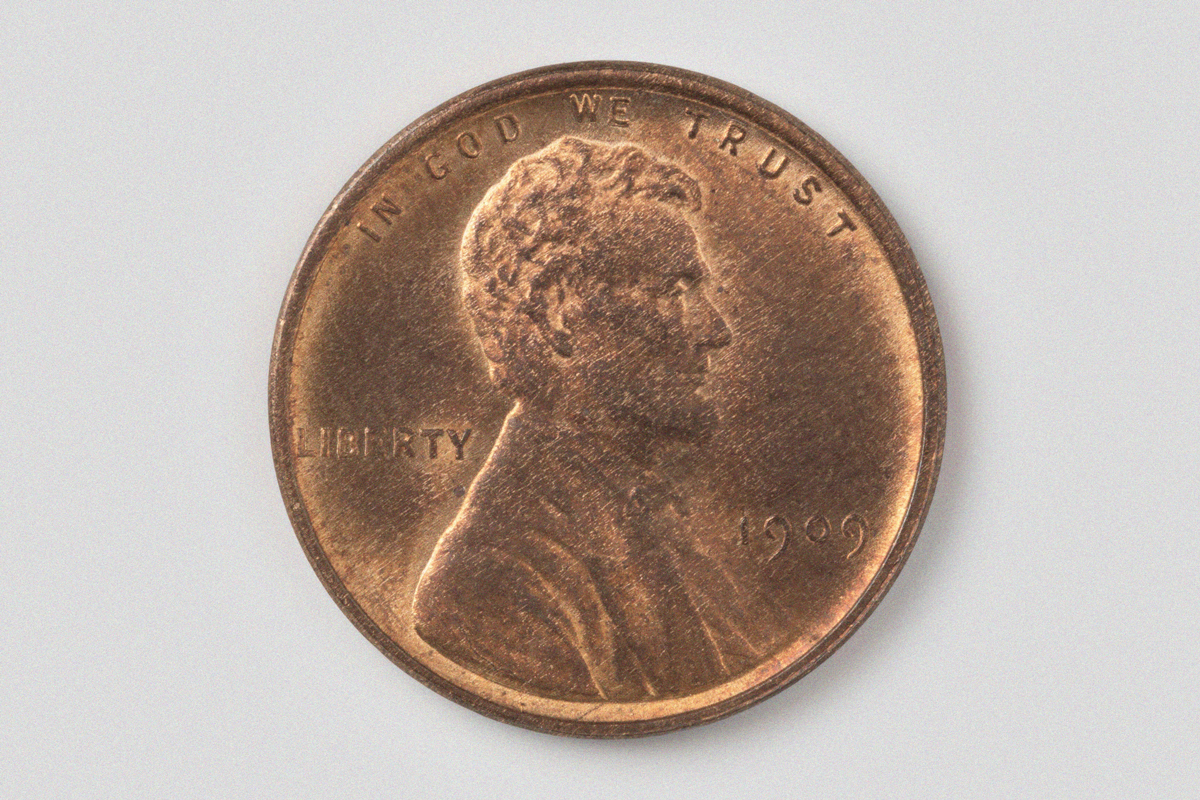
## Unpopular Initials Turned a Lincoln Cent Into a Collector’s Item
In 1909, the U.S. Mint in San Francisco began production of the Lincoln cent, [the first](https://www.blanchardgold.com/market-news/cashing-in-on-controversy-the-strange-history-of-the-1909-s-vdb-lincoln-cent/) everyday U.S. coin to feature an actual person. Controversy soon arose, however, as people began to object to the coin designer’s inclusion of his own initials, VDB (for Victor David Brenner), on the coin, which was regarded as too prominent and too self-promotional. Three days later, production [was stopped](https://coinweek.com/1909-s-v-d-b-lincoln-wheat-cent-a-collectors-guide/) and the initials removed. Only 484,000 examples of the 1909 VDB-initialed Lincoln cent were struck, making it quite rare — especially today, more than a century later.
Advertisement
Credit: [Richard Brown](https://www.alamy.com/search/imageresults.aspx?pseudoid=%7BED158769-063A-4167-9041-1A1200C803FD%7D&name=Richard%2BBrown&st=11&mode=0&comp=1)/ Alamy Stock Photo
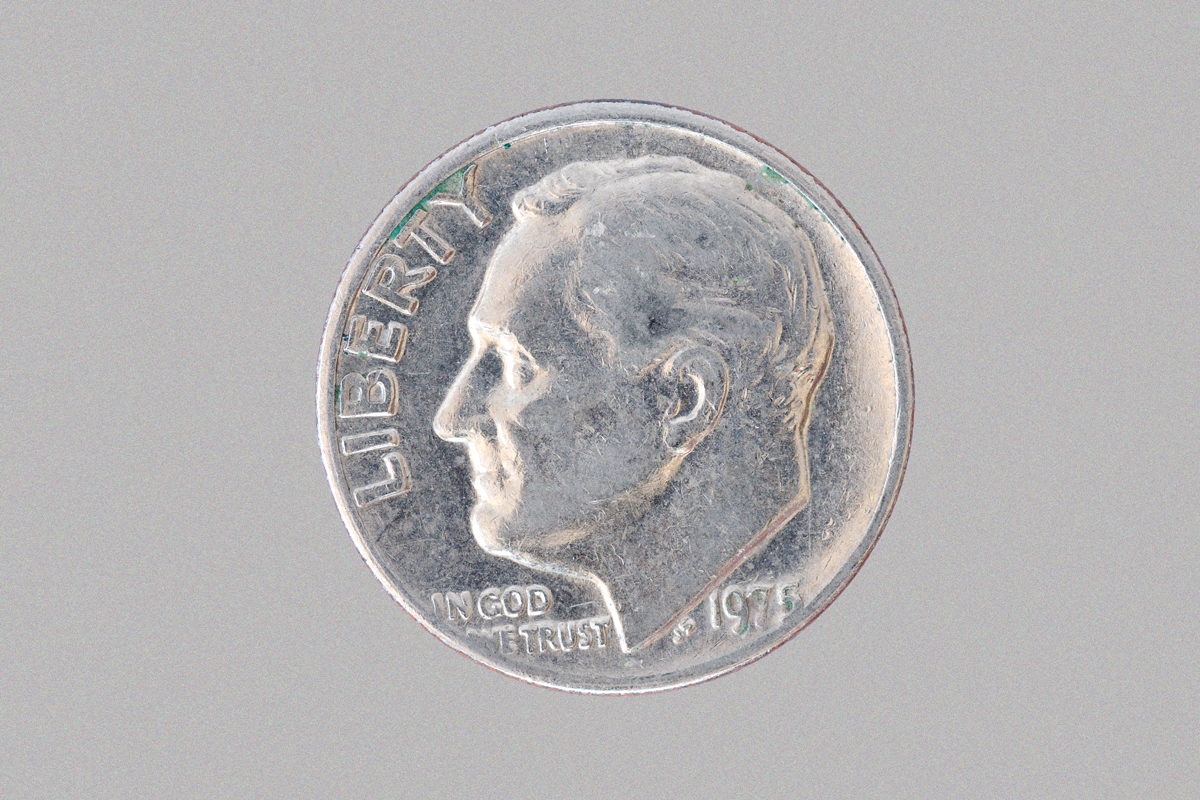
## A Missing “S” Added Half a Million to the Value of a 1975 Dime
In 1975, the San Francisco Mint produced a proof set of more than 2.8 million coins. Three years later, eagle-eyed collectors realized that, due to a manufacturing error, two of these dimes were missing the “S” mark for San Francisco, instantly making them two of [the rarest](https://www.smithsonianmag.com/smart-news/three-sisters-in-ohio-just-sold-a-rare-1975-dime-with-a-missing-s-mint-mark-for-500000-180985365/) and most sought-after coins in the world. Both coins have since [been sold](https://news.sky.com/story/rare-1975-roosevelt-dime-fetches-more-than-500-000-at-auction-13243565) at auction for around half a million dollars.
Advertisement
**Related:** [7 Facts About the Seven Wonders of the Ancient World](https://historyfacts.com/world-history/article/7-facts-about-the-seven-wonders-of-the-ancient-world/)
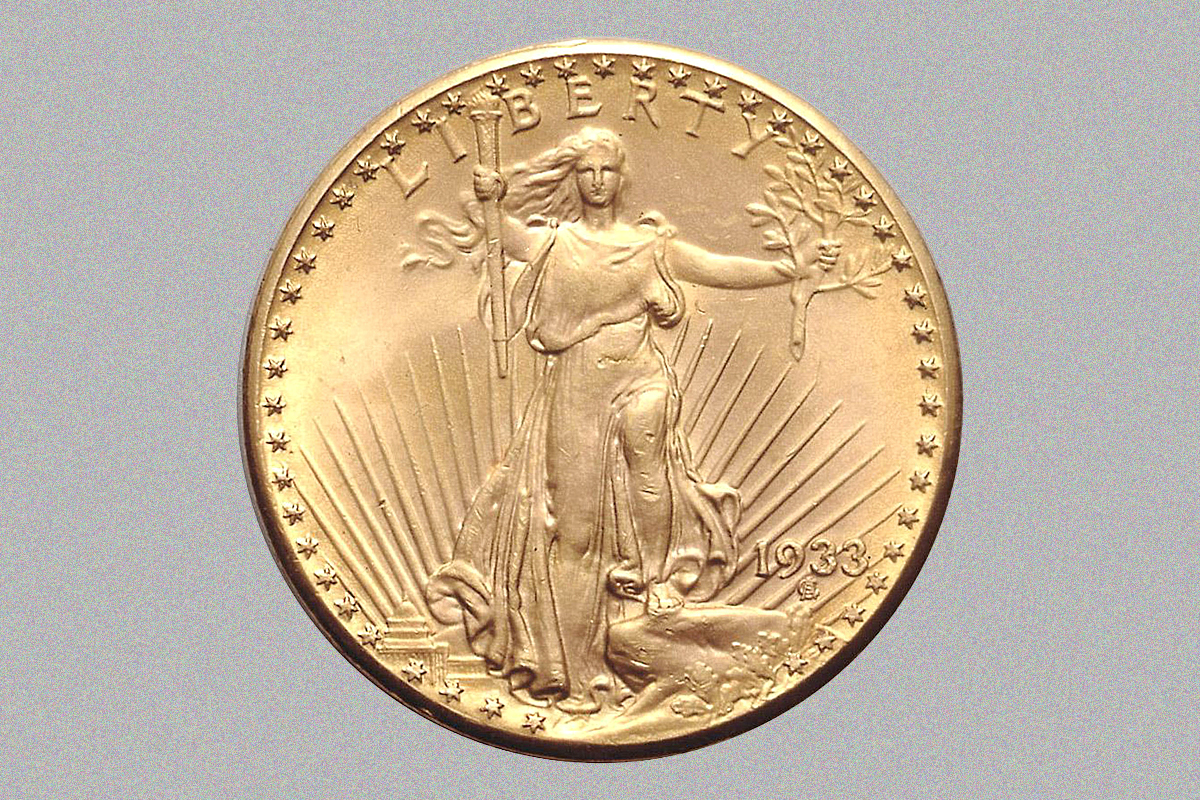
Credit: Sotheby's via Getty Images News
## The World’s Most Expensive Coin Sold for \$18.9 Million
In the midst of the Great Depression, the U.S. Mint in Philadelphia produced a \$20 gold coin [known as](https://coin-identifier.com/blog/coins-overview/million-dollar-coins-top-10-most-expensive-coins) the 1933 Saint-Gaudens Double Eagle. But nearly all of the 445,500 Double Eagles struck that year were melted down before they could circulate, thanks to Franklin D. Roosevelt’s [Executive Order 6102](https://www.presidency.ucsb.edu/documents/executive-order-6102-forbidding-the-hoarding-gold-coin-gold-bullion-and-gold-certificates), which prohibited the private ownership of gold coins. [Only 13](https://www.bbc.co.uk/news/uk-england-london-17230477) of these coins exist today, and they are extremely valuable. In 2021, one 1933 Double Eagle [sold at auction](https://www.smithsonianmag.com/smart-news/1933-double-eagle-sells-189-million-sets-world-record-most-valuable-coin-180977965/) for a whopping \$18.9 million, making it the world’s most expensive coin.
Advertisement

## Past events, present tense.
A daily digest of history's most fascinating happenings.




- [U.S. History](https://historyfacts.com/category/us-history/)
- [World History](https://historyfacts.com/category/world-history/)
- [Famous Figures](https://historyfacts.com/category/famous-figures/)
- [Arts & Culture](https://historyfacts.com/category/arts-culture/)
- [Science & Industry](https://historyfacts.com/category/science-industry/)
- [Subscribe](https://historyfacts.com/world-history/article/rare-coins-that-are-worth-a-fortune/)
- [Search](https://historyfacts.com/world-history/article/rare-coins-that-are-worth-a-fortune/)
- [About](https://historyfacts.com/about/)
- [Contact Us](https://historyfacts.com/contact-us/)
- [Advertise](https://corporate.britannica.com/advertise-with-us)
- [About](https://historyfacts.com/about/)
- [Contact Us](https://historyfacts.com/contact-us/)
- [Privacy Policy](https://historyfacts.com/privacy-policy/)
- [Terms of Use](https://historyfacts.com/terms-of-use/)
- [Your Privacy Choices](https://historyfacts.com/world-history/article/rare-coins-that-are-worth-a-fortune/#cmpscreen)
## Another History Pick for You
# Today in History
Get a daily dose of history’s most fascinating headlines — straight from Britannica’s editors.
[Subscribe]()
By clicking “Subscribe” you are agreeing to our [Terms of Use](https://local.vipdev.lndo.site/houseoutlook/terms-of-use/) and [Privacy Policy](https://local.vipdev.lndo.site/houseoutlook/privacy-policy/).

## Subscribe to History Facts
Enter your email to receive history's most fascinating happenings in your inbox each day.
Confirm Email
Sorry, your email address is not valid. Please try again.
Your email is:

CONFIRM MY EMAIL
CONFIRM
Sorry, your email address is not valid. Please try again.
Thank you for subscribing...
By clicking “Subscribe” you agree to History Fact’s [Terms of Use](https://historyfacts.com/terms-of-use/) and [Privacy Policy](https://historyfacts.com/privacy-policy/).

x | |||||||||||||||
| Readable Markdown | ##### Author Tony Dunnell
August 12, 2025
****Love it?****40
Most of us, at some point, have probably seen a scattering of strange coins — perhaps at a yard sale or tucked away in a dusty drawer — and asked ourselves, “I wonder if those are worth anything?” For many of us, that’s about as close as we get to the fascinating world of coin collecting, or, to give it its technical name, numismatics. But there are plenty of proper numismatists out there. According to [data](https://civicscience.com/5-things-you-didnt-know-about-people-who-collect-coins/) from CivicScience, 38% of U.S. adults have collected coins at some point during their lives.
It’s easy to understand the appeal of collecting rare coins. For one, they offer a glimpse into the past. They can also be worth an awful lot of money. In numismatics, a decades-old manufacturing mistake can make you rich and a simple penny might pay off your mortgage. Part of the thrill of coin collecting is knowing that unexpected treasures can be hiding in plain sight, and that once-simple pocket change can become a highly collectible artifact worth thousands — or even millions — of dollars.
Here are 10 facts from the world of numismatics, from the oldest coin ever discovered to the most expensive ever sold.

Credit: [Zev Radovan](https://www.alamy.com/search/imageresults.aspx?cid=24UZXRNF8A9WQN5LGLYSB8AFYVC83XHZSAC5LNPC9QCYKKKXN23QU7L74L7FT8SK&name=Zev%2BRadovan&st=12&mode=0&comp=1)/ Alamy Stock Photo
## The Lydian Lion Is the World’s Oldest Coin
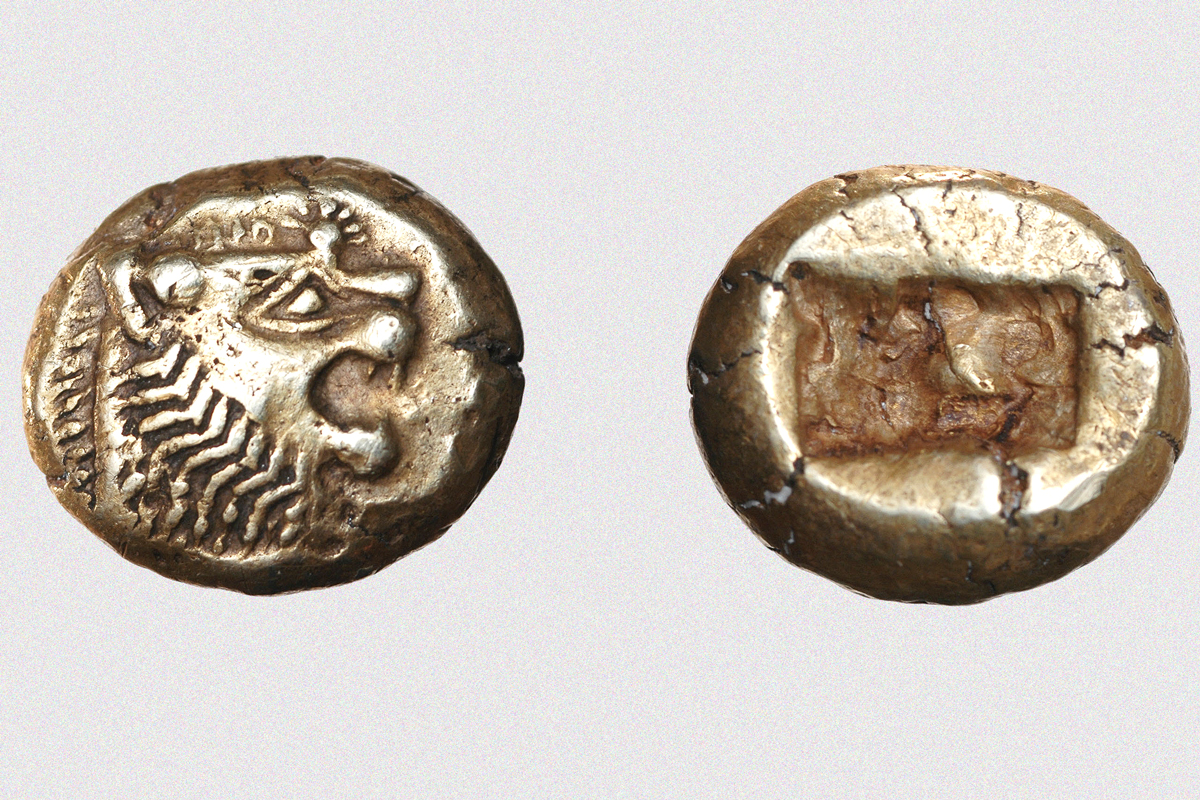
The [Lydian Lion](https://lammuseum.wfu.edu/2021/03/ancient-coins-make-your-own-money/#:~:text=However%2C%20Lydian%20staters%20are%20widely,modern-day%20country%20of%20Turkey.) is widely considered the world’s oldest coin. Minted around 600 BCE in the kingdom of Lydia (modern-day Turkey), these coins were made of electrum, a mixture of gold and silver. The creation of the Lydian Lion marked a truly significant milestone in economic history by establishing the concept of money as we know it today. A Lydian Lion coin is worth [an estimated](https://coin-identifier.com/blog/historical-coin-profiles/oldest-coins-in-the-world) \$2.5 million today due to its historical significance and rarity.
### Continue Reading Below
More from our network
History Facts is part of Inbox Studio, an email-first media company. \*Indicates a third-party property.

Credit: [MD Ariful Islam](https://www.gettyimages.com/search/photographer?photographer=MD%20Ariful%20Islam)/ iStock via Getty Images Plus
## The Chain Cent Was the First Circulating Coin From the U.S. Mint
The [chain cent](https://www.pcgs.com/coinfacts/coin/1793-1c-chain-america-bn/1341#:~:text=Gordon%20Wrubel:%20Chain%20cents%20were%20the%20first,36%2C103%20were%20coined%20from%20February%2027%20to) was the first mass-produced, regular-issue coin to be struck at the fledgling U.S. Mint. Named for the interlocking chain design on its reverse, the chain cent was minted from February 27 to March 12, 1793, with only around 36,103 produced in total. Today, likely no more than 1,500 to 2,000 chain cents [exist](https://www.ngccoin.com/coin-explorer/united-states/cents/chain-and-wreath-cents-1793/), with maybe only 10 or so in mint condition.

Credit: Rare Coin Wholesalers via Getty Images News
## The First Official Silver Dollar Was Struck in 1794
The first silver dollar is known as the “Flowing Hair” dollar, as one side features a bust of Lady Liberty with noticeably flowing hair. It was produced by the U.S. Mint in 1794, and only 1,758 coins were struck in its first year. Far fewer exist today, making Flowing Hair dollars produced in 1794 rare and highly prized, even in imperfect condition. One of these rare coins went up for auction in 2013 and sold for [\$10 million](https://edition.cnn.com/style/article/rare-coin-silver-dollar-up-for-sale-trnd) — a world record at the time.

Credit: [IURII BUKHTA](https://www.gettyimages.com/search/photographer?photographer=IURII%20BUKHTA)/ iStock via Getty Images Plus
## A Rare Gold Coin Proved a “Fake” Roman Emperor Was Real
In 1713, [a collection](https://www.sci.news/archaeology/roman-emperor-sponsian-11422.html) of eight gold coins, of five different design types, was found in Transylvania, Romania. One of the coins featured an image of an unknown Roman emperor with the name Sponsian. For hundreds of years, the coins, and therefore the emperor, were believed to be fake. But in 2022, [scientists](https://www.bbc.com/news/science-environment-63636641) at University College London proved that the coin had been in circulation 2,000 years ago. In doing so, they proved that Sponsian — whose name and portrait appear on the incredibly rare coin — was indeed a Roman emperor back in the third century.

Credit: [MD Ariful Islam](https://www.gettyimages.com/search/photographer?photographer=MD%20Ariful%20Islam)/ iStock via Getty Images Plus
## Pattern Coins Can Fetch a Pretty Penny
A [pattern coin](https://auronum.co.uk/what-is-a-pattern-coin/) is a prototype or proof of concept made to evaluate the design, composition, and technical aspects of a coin before it goes into mass production. They are normally produced in extremely limited quantities, potentially making them highly collectible. A prime example is the [1856 Flying Eagle cent](https://coin-identifier.com/blog/coins-overview/1856-flying-eagle-cent-value). Only around 1,500 to 2,000 examples were ever minted, primarily to distribute to members of Congress and influential figures to gain support for the new coin design. As such, the rare 1856 Flying Eagle cent is highly collectible. In 2024, one [was sold](https://www.heirloomsathome.com/rare-1856-flying-eagle-cent-and-other-coins-break-auction-records/) at auction for \$312,000.

Credit: [Don Bartletti](https://www.gettyimages.com/search/photographer?photographer=Don%20Bartletti)/ Los Angeles Times via Getty Images
## A Wartime Mistake Created a Rare Copper Penny
Due to copper shortages during World War II, most 1943 pennies were made from zinc-coated steel. But the U.S. Mint accidentally made a [small batch](https://coin-identifier.com/blog/historical-coin-profiles/1943-copper-penny-value) of copper pennies, of which only [around 40](https://www.usmint.gov/news/press-releases/19990308-special-1943-copper-penny?srsltid=AfmBOopG4xuTBydN_tfE2jDvLZhaq4-d3UDApdOcT7Ewg3tIidmf_1oD) are believed to exist today. That, of course, makes these 1943 copper pennies highly valuable, with one selling for \$82,500 in 1996. Collector beware, however: There are plenty of fake 1943 copper pennies out there. If you think you’ve found one, first [test it](https://coin-identifier.com/blog/historical-coin-profiles/1943-copper-penny-value) with a magnet. Genuine 1943 copper pennies are not magnetic, so if a coin sticks, it is made of steel and thus is not authentic.

Credit: Lea Suzuki/[San Francisco Chronicle/ Hearst Newspapers](https://www.gettyimages.com/search/photographer?photographer=San%20Francisco%20Chronicle%2FHearst%20Newspapers) via Getty Images
## Errors Can Create Rare and Highly Valuable Coins
A [coin die](https://www.usmint.gov/learn/production-process/die-making?srsltid=AfmBOoo3XnoqIrD0O5R5tWnsfBktBYo9FEFSzds10WLlzX93ge8AVATI) is a specialized metal stamp used to create coins by pressing an image into a blank metal disc. A double die coin is produced when the coin die is not manufactured correctly. This error causes parts of the finished coin’s design to be [slightly misaligned](https://www.edrmetals.com/post/what-are-double-die-obverse-coins-and-how-to-identify-them?srsltid=AfmBOopDtMiOAOcIZLL_2SZItB0hCi_7RDbHksUANsNdqKm5twMhGk8k), with elements doubled in overlapping positions. In the world of numismatics, such errors can increase a coin’s value, and in many cases the more obvious and distinct the error, the more the coin will be worth. In 2023, a rare 1958 double die penny [sold for](https://www.nasdaq.com/articles/if-you-find-rare-doubled-die-penny-it-could-be-worth-114-million) \$1.136 million.

Credit: [piemags/rmn](https://www.alamy.com/search/imageresults.aspx?pseudoid=%7BF9A85870-24E0-46B2-879B-47FA3A5BB61E%7D&name=piemags%252frmn&st=11&mode=0&comp=1)/ Alamy Stock Photo
## Unpopular Initials Turned a Lincoln Cent Into a Collector’s Item
In 1909, the U.S. Mint in San Francisco began production of the Lincoln cent, [the first](https://www.blanchardgold.com/market-news/cashing-in-on-controversy-the-strange-history-of-the-1909-s-vdb-lincoln-cent/) everyday U.S. coin to feature an actual person. Controversy soon arose, however, as people began to object to the coin designer’s inclusion of his own initials, VDB (for Victor David Brenner), on the coin, which was regarded as too prominent and too self-promotional. Three days later, production [was stopped](https://coinweek.com/1909-s-v-d-b-lincoln-wheat-cent-a-collectors-guide/) and the initials removed. Only 484,000 examples of the 1909 VDB-initialed Lincoln cent were struck, making it quite rare — especially today, more than a century later.

Credit: [Richard Brown](https://www.alamy.com/search/imageresults.aspx?pseudoid=%7BED158769-063A-4167-9041-1A1200C803FD%7D&name=Richard%2BBrown&st=11&mode=0&comp=1)/ Alamy Stock Photo
## A Missing “S” Added Half a Million to the Value of a 1975 Dime
In 1975, the San Francisco Mint produced a proof set of more than 2.8 million coins. Three years later, eagle-eyed collectors realized that, due to a manufacturing error, two of these dimes were missing the “S” mark for San Francisco, instantly making them two of [the rarest](https://www.smithsonianmag.com/smart-news/three-sisters-in-ohio-just-sold-a-rare-1975-dime-with-a-missing-s-mint-mark-for-500000-180985365/) and most sought-after coins in the world. Both coins have since [been sold](https://news.sky.com/story/rare-1975-roosevelt-dime-fetches-more-than-500-000-at-auction-13243565) at auction for around half a million dollars.

Credit: Sotheby's via Getty Images News
## The World’s Most Expensive Coin Sold for \$18.9 Million
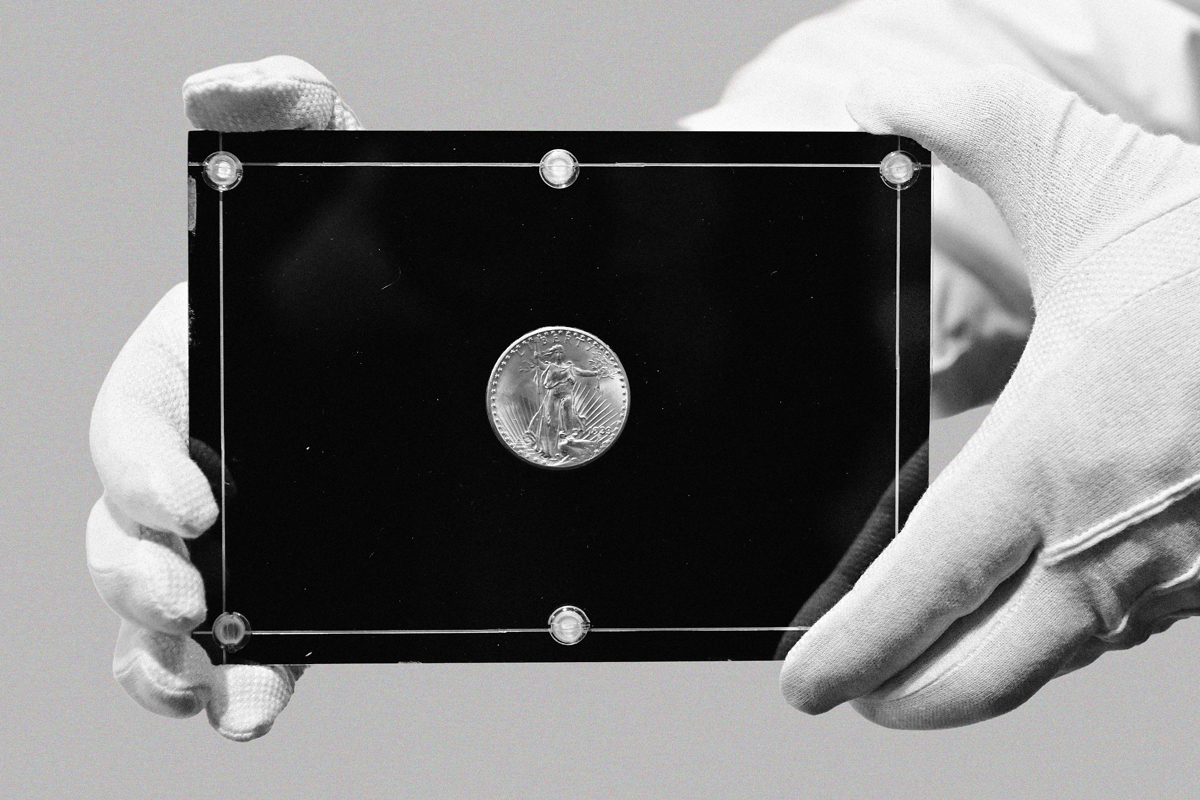
In the midst of the Great Depression, the U.S. Mint in Philadelphia produced a \$20 gold coin [known as](https://coin-identifier.com/blog/coins-overview/million-dollar-coins-top-10-most-expensive-coins) the 1933 Saint-Gaudens Double Eagle. But nearly all of the 445,500 Double Eagles struck that year were melted down before they could circulate, thanks to Franklin D. Roosevelt’s [Executive Order 6102](https://www.presidency.ucsb.edu/documents/executive-order-6102-forbidding-the-hoarding-gold-coin-gold-bullion-and-gold-certificates), which prohibited the private ownership of gold coins. [Only 13](https://www.bbc.co.uk/news/uk-england-london-17230477) of these coins exist today, and they are extremely valuable. In 2021, one 1933 Double Eagle [sold at auction](https://www.smithsonianmag.com/smart-news/1933-double-eagle-sells-189-million-sets-world-record-most-valuable-coin-180977965/) for a whopping \$18.9 million, making it the world’s most expensive coin. | |||||||||||||||
| ML Classification | ||||||||||||||||
| ML Categories |
Raw JSON{
"/Hobbies_and_Leisure": 688,
"/Hobbies_and_Leisure/Other": 551,
"/Arts_and_Entertainment": 211,
"/Reference": 186,
"/Arts_and_Entertainment/Visual_Art_and_Design": 119
} | |||||||||||||||
| ML Page Types |
Raw JSON{
"/Article": 966,
"/Article/Listicle": 848
} | |||||||||||||||
| ML Intent Types |
Raw JSON{
"Informational": 998
} | |||||||||||||||
| Content Metadata | ||||||||||||||||
| Language | en-us | |||||||||||||||
| Author | Tony Dunnell | |||||||||||||||
| Publish Time | 2025-08-12 19:47:06 (8 months ago) | |||||||||||||||
| Original Publish Time | 2025-08-12 19:47:06 (8 months ago) | |||||||||||||||
| Republished | No | |||||||||||||||
| Word Count (Total) | 1,627 | |||||||||||||||
| Word Count (Content) | 1,282 | |||||||||||||||
| Links | ||||||||||||||||
| External Links | 47 | |||||||||||||||
| Internal Links | 22 | |||||||||||||||
| Technical SEO | ||||||||||||||||
| Meta Nofollow | No | |||||||||||||||
| Meta Noarchive | No | |||||||||||||||
| JS Rendered | No | |||||||||||||||
| Redirect Target | null | |||||||||||||||
| Performance | ||||||||||||||||
| Download Time (ms) | 43 | |||||||||||||||
| TTFB (ms) | 42 | |||||||||||||||
| Download Size (bytes) | 33,219 | |||||||||||||||
| Shard | 136 (laksa) | |||||||||||||||
| Root Hash | 6675523707082664936 | |||||||||||||||
| Unparsed URL | com,historyfacts!/world-history/article/rare-coins-that-are-worth-a-fortune/ s443 | |||||||||||||||