ℹ️ Skipped - page is already crawled
| Filter | Status | Condition | Details |
|---|---|---|---|
| HTTP status | PASS | download_http_code = 200 | HTTP 200 |
| Age cutoff | PASS | download_stamp > now() - 6 MONTH | 0.3 months ago |
| History drop | PASS | isNull(history_drop_reason) | No drop reason |
| Spam/ban | PASS | fh_dont_index != 1 AND ml_spam_score = 0 | ml_spam_score=0 |
| Canonical | PASS | meta_canonical IS NULL OR = '' OR = src_unparsed | Not set |
| Property | Value |
|---|---|
| URL | https://himalayantrekking.com/blog/the-everest-base-camp-trek/ |
| Last Crawled | 2026-04-12 02:02:15 (9 days ago) |
| First Indexed | 2024-02-21 05:00:46 (2 years ago) |
| HTTP Status Code | 200 |
| Meta Title | The Everest Base Camp Trek - A Comprehensive Guide |
| Meta Description | A Comprehensive Guide to Conquering the Everest Base Camp Trek: Preparation, Challenges, and Adventure. Read our blog to understand the Everest Region of Nepal. |
| Meta Canonical | null |
| Boilerpipe Text | Introduction
Beginning on the
Everest Base Camp trek
is a thrilling and a very challenging adventure that requires comprehensive planning and preparation. One very important aspect of this preparation is understanding the duration of the trek. The EBC trek takes a specific number of days, and having a clear understanding of this timeline is very important for effective planning, safety, and overall enjoyment of the journey.
Table of Contents
Introduction
Understanding the Duration of the Everest Base Camp Trek
Key Factors That Influence the Duration of the Everest Base Camp Trek
Analyzing a Standard Everest Base Camp Trek Itinerary
Typical Day-by-Day Schedule
Distances Covered Each Day
Difficulty Levels
Managing Acclimatization: A Crucial Aspect of the Everest Base Camp Trek
Role of Acclimatization
Strategic Planning
Physical and Mental Preparation for the Everest Base Camp Adventure
Preparing for the Everest Base Camp Trek
Altitude training
Setting realistic expectations
Mindfulness and perseverance
Essential Gear Guide for the Everest Base Camp Trek
Maintaining Health and Hygiene on the Trail to Everest
Altitude-Related Challenges
Hygiene Practices
Avoiding Altitude Sickness
Supplements and Medications
Conclusion
More Useful Blog Posts
Understanding the Duration of the Everest Base Camp Trek
The popular
Everest Base Camp trek
, renowned for its stunning landscapes and rich Sherpa culture, typically takes around 12-14 days to complete, covering a distance of approximately 130 km from
Lukla
to Everest Base Camp and back. While this provides a general framework, various factors can influence the actual duration of the trek, making it essential for trekkers to explore these aspects to ensure a successful and fulfilling experience in Nepal.
Key Factors That Influence the Duration of the Everest Base Camp Trek
The duration of the
Everest Base Camp trek
can be influenced by various key factors that trekkers need to consider. Understanding these factors is important for better planning and preparation, ensuring a safe and enjoyable experience.
Here are some factors that can influence the duration of the EBC trek:
Altitude gain and its impact on trekking speed and acclimatization
As trekkers ascend higher in the
Everest region
, the altitude gain becomes more significant. Higher altitudes can lead to decreased oxygen levels, making it harder to breathe and causing fatigue. This can slow down trekking speed and require more frequent breaks for acclimatization. It is important to allow enough time for acclimatization at certain elevations to minimize the risk of
altitude sickness
.
Weather conditions in the Everest region
The weather conditions in the
Everest region
can vary greatly depending on the time of year. During the peak trekking seasons of February-May and September-November, the weather is generally more favorable for trekking with clear skies and stable temperatures. However, unexpected weather changes such as rain or snowfall can occur, potentially affecting trail conditions and visibility. Trekkers should be prepared for such variations and adjust their trekking pace accordingly.
Significance of maintaining a steady trekking pace
Maintaining a steady and consistent trekking pace is essential for a successful and timely completion of the EBC trek. It helps in managing energy levels, preventing exhaustion, and reducing the risk of altitude sickness. Trekking at a manageable pace also allows trekkers to enjoy the amazingly beautiful views, soak in the surroundings, and appreciate the beauty of the Himalayas in Nepal.
By considering these key factors, trekkers can have a better understanding of how they may impact the duration of their EBC trek. It is important to plan accordingly, allowing for ample time for acclimatization, adapting to weather conditions, and maintaining a steady pace throughout the journey. This will ensure a safe and memorable experience in the
Everest region
.
Analyzing a Standard Everest Base Camp Trek Itinerary
The standard
Everest Base Camp trek
itinerary typically spans around 12-14 days, encompassing various key highlights and challenges.
Here’s what you can expect from the EBC trek itinerary:
Typical Day-by-Day Schedule
The itinerary generally has acclimatization days at strategic points to facilitate the body’s adjustment to higher altitudes. These rest days are very important for minimizing the risk of altitude sickness and ensuring a safe ascent.
Distances Covered Each Day
The distances covered each day vary, with an average of approximately 15 km. However, it is essential to note that the challenging way and altitude can significantly impact the perceived difficulty of these distances.
Difficulty Levels
The trek presents a mix of moderate to strenuous segments, especially as trekkers ascend to higher elevations. Understanding the difficulty levels for each day allows individuals to prepare adequately and set realistic expectations for the journey ahead.
Managing Acclimatization: A Crucial Aspect of the Everest Base Camp Trek
The
acclimatization process during EBC trek
is a crucial component for ensuring the safety and well-being of trekkers as they ascend to higher altitudes.
Role of Acclimatization
Acclimatization involves the body’s adjustment to reduced oxygen levels at higher elevations, enabling trekkers to avoid altitude sickness and related complications. Proper acclimatization is essential for a successful and enjoyable trekking experience.
Strategic Planning
Acclimatization days are strategically interspersed throughout the
Everest Base Camp trek
itinerary. These rest days allow trekkers to adapt to the increasing altitude, with gradual exposure to higher elevations minimizing the risk of altitude-related illnesses.
By understanding the significance of acclimatization and following a well-planned itinerary that incorporates adequate rest and adaptation periods, trekkers can enhance their overall experience and maximize their chances of reaching
Everest Base Camp
safely and comfortably.
Physical and Mental Preparation for the Everest Base Camp Adventure
Preparing for the Everest Base Camp Trek
The EBC trek involves long hours of walking, often on steep and rocky terrain, at high altitudes. Assess your current fitness level and consider a training program that includes:
Cardiovascular exercises
Strength training
Endurance activities such as hiking or stair climbing
Building lower body strength and stamina will be particularly beneficial.
Altitude training
Since the trek involves ascending to high altitudes, it’s essential to incorporate altitude training into your preparation. This can include:
Simulated altitude training using specialized equipment
Planning pre-trek hikes in high-altitude locations
Mental strategies to stay motivated and overcome obstacles during the journey
Setting realistic expectations
Mental preparedness is just as crucial as physical fitness. Understand that the trek will present challenges, both expected and unexpected. Prepare yourself mentally by:
Researching the route
Understanding the potential difficulties
Setting realistic goals for each day
Mindfulness and perseverance
Practicing mindfulness techniques can help you stay focused and positive during challenging moments. Additionally, cultivating a mindset of perseverance and adaptability will be invaluable when facing obstacles along the trekking route.
Essential Gear Guide for the Everest Base Camp Trek
Preparing for a successful and comfortable
Everest Base Camp trek
requires careful consideration of the essential gear you will need. The right equipment can make a significant difference in your overall experience and ensure that you are well-prepared to tackle the challenges of the trek. Here is a comprehensive packing list that includes clothing and equipment recommendations:
Clothing:
Base Layers
: Bring moisture-wicking, thermal tops and bottoms to keep you warm and dry.
Insulating Layers
: Pack fleece jackets and pants for added warmth in colder temperatures.
Outer Shell
: A waterproof and windproof jacket is essential to protect you from the elements.
Trekking Pants
: Opt for lightweight, quick-drying pants with zip-off legs for versatility.
Hiking Socks
: Invest in high-quality, moisture-wicking socks to prevent blisters.
Headwear
: Bring a warm hat, sunglasses, and a buff or scarf to protect your face from wind and dust.
Gloves
: Have both lightweight gloves for moderate temperatures and insulated gloves for colder conditions.
Footwear:
Hiking Boots
: Choose sturdy, waterproof boots with ankle support for rocky terrain.
Camp Shoes
: Lightweight sandals or sneakers are ideal for relaxing at tea houses.
Backpack:
Daypack
: A comfortable daypack with a capacity of 25-30 liters is perfect for carrying essentials during daily hikes.
Sleeping Gear:
Sleeping Bag
: Invest in a high-quality sleeping bag rated for sub-zero temperatures.
Sleeping Pad
: A compact, inflatable sleeping pad adds insulation and comfort.
Other Equipment:
Trekking Poles
: These provide stability and reduce strain on your knees during descents.
Water Bottles
: Carry reusable water bottles or a hydration bladder to stay hydrated.
Headlamp
: A hands-free headlamp is essential for navigating in low-light conditions.
Sunblock and Lip Balm
: Protect your skin and lips from the intense mountain sun.
First Aid Kit
: Include basic medications, bandages, and blister care supplies.
Remember to pack light and only bring the essentials to minimize the weight you carry. Keep in mind that you can hire or purchase some gear in
Kathmandu
if needed. Having the right gear will ensure that you are comfortable, safe, and fully prepared for the challenges of the
Everest Base Camp trek
.
Maintaining Health and Hygiene on the Trail to Everest
Proper nutrition and hydration are very important factors to consider for trekking at high altitudes. Here are some tips to keep in mind:
Fuel Up with Balanced Meals:
A diet rich in carbohydrates, proteins, and healthy fats provides the necessary energy for sustained trekking.
Stay Hydrated:
Hydration is essential to combat the effects of altitude, so it’s important to drink plenty of water throughout the trek.
High altitudes can present unique challenges for your body. Here’s how you can overcome them:
Boost Your Calorie Intake:
At higher elevations, you may experience a loss of appetite. Consuming calorie-dense foods like fruits, nuts, energy bars, and hot soups can help you meet your nutritional needs without feeling too full.
Pack Light, Nutrient-Dense Snacks:
Opt for lightweight snacks that provide essential nutrients without weighing you down.
Hygiene Practices
Maintaining personal hygiene and sanitation is critical to prevent illnesses during the trek. Remember these hygiene practices:
Wash Your Hands Thoroughly:
Proper handwashing with soap and water before meals and after using the restroom is essential.
Pack Hand Sanitizer:
In case water is not readily available, carry a small bottle of hand sanitizer to keep your hands clean.
Avoiding Altitude Sickness
Altitude sickness can be a serious concern when trekking at high elevations. Take these precautions:
Listen to Your Body:
Pay attention to any symptoms of altitude sickness such as headache, nausea, or dizziness. If you experience any discomfort, communicate with your guide or fellow trekkers.
Take It Slow:
Allow your body time to acclimatize by taking rest days and gradually increasing your elevation.
Eat Well:
A well-balanced diet can help strengthen your immune system and minimize the risk of altitude-related health issues.
Supplements and Medications
Consult a healthcare professional for advice on appropriate supplements or medications to support your health during the trek. Here are some common items to consider:
Medication for Altitude Sickness:
Your doctor may prescribe medication to help prevent or alleviate symptoms of altitude sickness.
Diarrhea Medication:
In case of gastrointestinal issues, carrying anti-diarrheal medication can provide relief.
Basic First Aid Supplies:
It’s always wise to have a small kit with essentials like band-aids, antiseptic ointment, and pain relievers.
Remember, these tips are general guidelines and may vary depending on individual circumstances.
Conclusion
The duration of the
Everest Base Camp trek
is an important factor that every trekker should consider before going on this adventure. By understanding the duration, you can plan your itinerary more effectively, ensuring that you have enough time to acclimatize to the high altitudes and enjoy the stunning landscapes along the way. It also allows you to allocate sufficient rest days and breaks, reducing the risk of altitude sickness and fatigue.
The
Everest Base Camp trek
is a challenging but rewarding experience. It requires physical endurance, mental resilience, and flexibility in dealing with unforeseen circumstances such as weather changes or trail conditions. By approaching this adventure with a realistic mindset and a willingness to adapt, you can fully enjoy the most
popular trek in Nepal
and appreciate the beauty of the
Everest region
.
Remember, understanding the duration of the
Everest Base Camp trek
is crucial for successful planning and execution. So, prepare yourself physically and mentally, pack your essentials, maintain good health and hygiene on the trail, and begin this incredible adventure with confidence.
Happy trekking!
More Useful Blog Posts |
| Markdown | [](https://himalayantrekking.com/)
- [NEPAL](https://himalayantrekking.com/nepal/)
- [TREKKING](https://himalayantrekking.com/treks-in-nepal/)
- [Everest Region Treks](https://himalayantrekking.com/trek/everest-region-trek/)
- [Annapurna Region Treks](https://himalayantrekking.com/trek/annapurna-region-trek/)
- [Manaslu Region Treks](https://himalayantrekking.com/trek/manaslu-region-trek/)
- [Mustang Region Trek](https://himalayantrekking.com/trek/mustang-region-trek/)
- [Manang Region Trek](https://himalayantrekking.com/trek/manang-region-trek/)
- [Langtang Region Treks](https://himalayantrekking.com/trek/langtang-region-trek/)
- [Makalu Region Trek](https://himalayantrekking.com/trek/makalu-region-trek/)
- [Dolpo Region Trek](https://himalayantrekking.com/trek/dolpo-region/)
- [Kanchenjunga Region Trek](https://himalayantrekking.com/trek/kanchenjunga-region-trek/)
- [Best Selling Treks](https://himalayantrekking.com/trek/best-selling-treks-in-nepal/)
- [Popular Nepal Trekking](https://himalayantrekking.com/trek/nepal-trekking/)
- [Luxury Treks in Nepal](https://himalayantrekking.com/trek/luxury-treks-in-nepal/)
- [Challenging Treks in Nepal](https://himalayantrekking.com/trek/challenging-treks-in-nepal/)
- [Family Treks in Nepal](https://himalayantrekking.com/trek/family-treks-in-nepal/)
- [CLIMBING](https://himalayantrekking.com/climbing-in-nepal/)
- [Peak Climbing](https://himalayantrekking.com/climb/peak-climbing-in-nepal/)
- [Mountain Climbing](https://himalayantrekking.com/climb/mountain-climbing/)
- [TOUR](https://himalayantrekking.com/tours-in-nepal/)
- [Nepal Tour Packages](https://himalayantrekking.com/tour/nepal-tour-packages/)
- [Luxury Tours in Nepal](https://himalayantrekking.com/tour/luxury-tours-in-nepal/)
- [Helicopter Tours](https://himalayantrekking.com/tour/helicopter-tours/)
- [Nepal Family Tours](https://himalayantrekking.com/tour/nepal-family-tours/)
- [Pokhara Day Tour](https://himalayantrekking.com/tour/pokhara-day-tour/)
- [Kathmandu Day Tours](https://himalayantrekking.com/tour/kathmandu-day-tours/)
- [Jungle Safari in Nepal](https://himalayantrekking.com/tour/jungle-safari-in-nepal/)
- [TIBET](https://himalayantrekking.com/tibet/)
- [Kailash Tour](https://himalayantrekking.com/tour/kailash-tour/)
- [Tibet Tour](https://himalayantrekking.com/tour/tibet-tour/)
- [BHUTAN](https://himalayantrekking.com/bhutan/)
- [Bhutan Tour](https://himalayantrekking.com/tour/bhutan-tours/)
- [MULTI-COUNTRY](https://himalayantrekking.com/multi-country/)
- [Nepal Tibet Bhutan Tour](https://himalayantrekking.com/nepal-tibet-bhutan-tour/)
- [Nepal Bhutan Tour](https://himalayantrekking.com/nepal-bhutan-tour/)
- [Nepal Tibet Tour](https://himalayantrekking.com/nepal-tibet-tour/)
- [China Tibet Nepal Bhutan Tour](https://himalayantrekking.com/china-tibet-nepal-bhutan-tour/)
- [GUIDE](https://himalayantrekking.com/travel-guide/)
- [Nepal Visa Information](https://himalayantrekking.com/nepal-visa/)
- [Packing List for Trekking](https://himalayantrekking.com/packing-list-for-trekking/)
- [Bhutan Visa](https://himalayantrekking.com/guide/bhutan-visa/)
- [Tibet Visa](https://himalayantrekking.com/guide/tibet-visa/)
- [Fitness Training](https://himalayantrekking.com/fitness-training/)
- [10 Comprehensive Nepal Trekking Tips](https://himalayantrekking.com/nepal-trekking-tips/)
- [Flight Cancellation](https://himalayantrekking.com/flight-cancellations-in-nepal/)
- [Travel Insurance](https://himalayantrekking.com/travel-insurance/)
- [COMPANY](https://himalayantrekking.com/company/about-us/)
- [About Us](https://himalayantrekking.com/company/about-us/)
- [Our Team](https://himalayantrekking.com/company/our-team/)
- [The Differences](https://himalayantrekking.com/company/the-differences/)
- [Terms & Conditions](https://himalayantrekking.com/company/terms-conditions/)
- [CONTACT](https://himalayantrekking.com/contact-us/)
[](https://api.whatsapp.com/send?phone=9779851032316)
[](https://himalayantrekking.com/)
- [NEPAL](https://himalayantrekking.com/nepal/)
- [TREKKING](https://himalayantrekking.com/treks-in-nepal/)
- [Everest Region Treks](https://himalayantrekking.com/trek/everest-region-trek/)
- [Annapurna Region Treks](https://himalayantrekking.com/trek/annapurna-region-trek/)
- [Manaslu Region Treks](https://himalayantrekking.com/trek/manaslu-region-trek/)
- [Mustang Region Trek](https://himalayantrekking.com/trek/mustang-region-trek/)
- [Manang Region Trek](https://himalayantrekking.com/trek/manang-region-trek/)
- [Langtang Region Treks](https://himalayantrekking.com/trek/langtang-region-trek/)
- [Makalu Region Trek](https://himalayantrekking.com/trek/makalu-region-trek/)
- [Dolpo Region Trek](https://himalayantrekking.com/trek/dolpo-region/)
- [Kanchenjunga Region Trek](https://himalayantrekking.com/trek/kanchenjunga-region-trek/)
- [Best Selling Treks](https://himalayantrekking.com/trek/best-selling-treks-in-nepal/)
- [Popular Nepal Trekking](https://himalayantrekking.com/trek/nepal-trekking/)
- [Luxury Treks in Nepal](https://himalayantrekking.com/trek/luxury-treks-in-nepal/)
- [Challenging Treks in Nepal](https://himalayantrekking.com/trek/challenging-treks-in-nepal/)
- [Family Treks in Nepal](https://himalayantrekking.com/trek/family-treks-in-nepal/)
- [CLIMBING](https://himalayantrekking.com/climbing-in-nepal/)
- [Peak Climbing](https://himalayantrekking.com/climb/peak-climbing-in-nepal/)
- [Mountain Climbing](https://himalayantrekking.com/climb/mountain-climbing/)
- [TOUR](https://himalayantrekking.com/tours-in-nepal/)
- [Nepal Tour Packages](https://himalayantrekking.com/tour/nepal-tour-packages/)
- [Luxury Tours in Nepal](https://himalayantrekking.com/tour/luxury-tours-in-nepal/)
- [Helicopter Tours](https://himalayantrekking.com/tour/helicopter-tours/)
- [Nepal Family Tours](https://himalayantrekking.com/tour/nepal-family-tours/)
- [Pokhara Day Tour](https://himalayantrekking.com/tour/pokhara-day-tour/)
- [Kathmandu Day Tours](https://himalayantrekking.com/tour/kathmandu-day-tours/)
- [Jungle Safari in Nepal](https://himalayantrekking.com/tour/jungle-safari-in-nepal/)
- [TIBET](https://himalayantrekking.com/tibet/)
- [Kailash Tour](https://himalayantrekking.com/tour/kailash-tour/)
- [Tibet Tour](https://himalayantrekking.com/tour/tibet-tour/)
- [BHUTAN](https://himalayantrekking.com/bhutan/)
- [Bhutan Tour](https://himalayantrekking.com/tour/bhutan-tours/)
- [MULTI-COUNTRY](https://himalayantrekking.com/multi-country/)
- [Nepal Tibet Bhutan Tour](https://himalayantrekking.com/nepal-tibet-bhutan-tour/)
- [Nepal Bhutan Tour](https://himalayantrekking.com/nepal-bhutan-tour/)
- [Nepal Tibet Tour](https://himalayantrekking.com/nepal-tibet-tour/)
- [China Tibet Nepal Bhutan Tour](https://himalayantrekking.com/china-tibet-nepal-bhutan-tour/)
- [GUIDE](https://himalayantrekking.com/travel-guide/)
- [Nepal Visa Information](https://himalayantrekking.com/nepal-visa/)
- [Packing List for Trekking](https://himalayantrekking.com/packing-list-for-trekking/)
- [Bhutan Visa](https://himalayantrekking.com/guide/bhutan-visa/)
- [Tibet Visa](https://himalayantrekking.com/guide/tibet-visa/)
- [Fitness Training](https://himalayantrekking.com/fitness-training/)
- [10 Comprehensive Nepal Trekking Tips](https://himalayantrekking.com/nepal-trekking-tips/)
- [Flight Cancellation](https://himalayantrekking.com/flight-cancellations-in-nepal/)
- [Travel Insurance](https://himalayantrekking.com/travel-insurance/)
- [COMPANY](https://himalayantrekking.com/company/about-us/)
- [About Us](https://himalayantrekking.com/company/about-us/)
- [Our Team](https://himalayantrekking.com/company/our-team/)
- [The Differences](https://himalayantrekking.com/company/the-differences/)
- [Terms & Conditions](https://himalayantrekking.com/company/terms-conditions/)
- [CONTACT](https://himalayantrekking.com/contact-us/)
# A Comprehensive Guide to Conquering the Everest Base Camp Trek: Preparation, Challenges, and Adventure
: 2024-02-20
Last Updated : 2024-09-05
## **Introduction**
Beginning on the [Everest Base Camp trek](https://himalayantrekking.com/everest-base-camp-trek/) is a thrilling and a very challenging adventure that requires comprehensive planning and preparation. One very important aspect of this preparation is understanding the duration of the trek. The EBC trek takes a specific number of days, and having a clear understanding of this timeline is very important for effective planning, safety, and overall enjoyment of the journey.

## Table of Contents
- [Introduction](https://himalayantrekking.com/blog/the-everest-base-camp-trek/#introduction)
- [Understanding the Duration of the Everest Base Camp Trek](https://himalayantrekking.com/blog/the-everest-base-camp-trek/#understanding-the-duration-of-the-everest-base-camp-trek)
- [Key Factors That Influence the Duration of the Everest Base Camp Trek](https://himalayantrekking.com/blog/the-everest-base-camp-trek/#key-factors-that-influence-the-duration-of-the-everest-base-camp-trek)
- [Analyzing a Standard Everest Base Camp Trek Itinerary](https://himalayantrekking.com/blog/the-everest-base-camp-trek/#analyzing-a-standard-everest-base-camp-trek-itinerary)
- [Typical Day-by-Day Schedule](https://himalayantrekking.com/blog/the-everest-base-camp-trek/#typical-day-by-day-schedule)
- [Distances Covered Each Day](https://himalayantrekking.com/blog/the-everest-base-camp-trek/#distances-covered-each-day)
- [Difficulty Levels](https://himalayantrekking.com/blog/the-everest-base-camp-trek/#difficulty-levels)
- [Managing Acclimatization: A Crucial Aspect of the Everest Base Camp Trek](https://himalayantrekking.com/blog/the-everest-base-camp-trek/#managing-acclimatization-a-crucial-aspect-of-the-everest-base-camp-trek)
- [Role of Acclimatization](https://himalayantrekking.com/blog/the-everest-base-camp-trek/#role-of-acclimatization)
- [Strategic Planning](https://himalayantrekking.com/blog/the-everest-base-camp-trek/#strategic-planning)
- [Physical and Mental Preparation for the Everest Base Camp Adventure](https://himalayantrekking.com/blog/the-everest-base-camp-trek/#physical-and-mental-preparation-for-the-everest-base-camp-adventure)
- [Preparing for the Everest Base Camp Trek](https://himalayantrekking.com/blog/the-everest-base-camp-trek/#preparing-for-the-everest-base-camp-trek)
- [Altitude training](https://himalayantrekking.com/blog/the-everest-base-camp-trek/#altitude-training)
- [Setting realistic expectations](https://himalayantrekking.com/blog/the-everest-base-camp-trek/#setting-realistic-expectations)
- [Mindfulness and perseverance](https://himalayantrekking.com/blog/the-everest-base-camp-trek/#mindfulness-and-perseverance)
- [Essential Gear Guide for the Everest Base Camp Trek](https://himalayantrekking.com/blog/the-everest-base-camp-trek/#essential-gear-guide-for-the-everest-base-camp-trek)
- [Maintaining Health and Hygiene on the Trail to Everest](https://himalayantrekking.com/blog/the-everest-base-camp-trek/#maintaining-health-and-hygiene-on-the-trail-to-everest)
- [Altitude-Related Challenges](https://himalayantrekking.com/blog/the-everest-base-camp-trek/#altitude-related-challenges)
- [Hygiene Practices](https://himalayantrekking.com/blog/the-everest-base-camp-trek/#hygiene-practices)
- [Avoiding Altitude Sickness](https://himalayantrekking.com/blog/the-everest-base-camp-trek/#avoiding-altitude-sickness)
- [Supplements and Medications](https://himalayantrekking.com/blog/the-everest-base-camp-trek/#supplements-and-medications)
- [Conclusion](https://himalayantrekking.com/blog/the-everest-base-camp-trek/#conclusion)
- [More Useful Blog Posts](https://himalayantrekking.com/blog/the-everest-base-camp-trek/#more-useful-blog-posts)
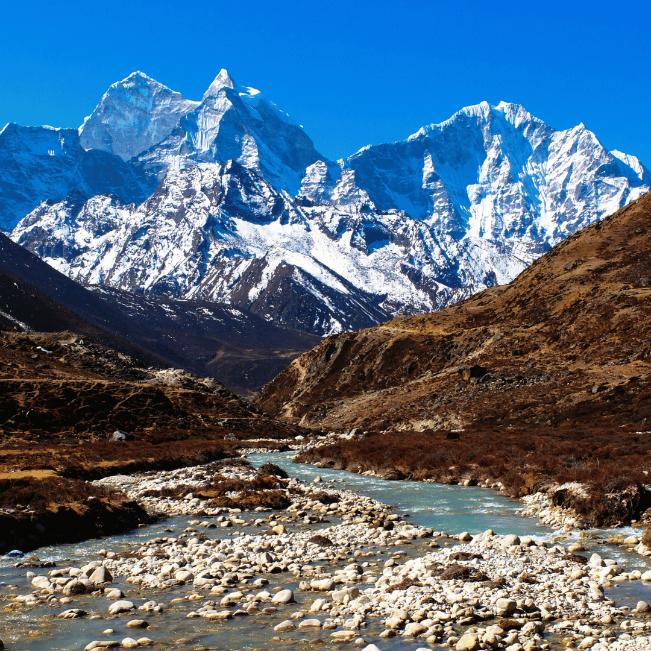
### **Understanding the Duration of the Everest Base Camp Trek**
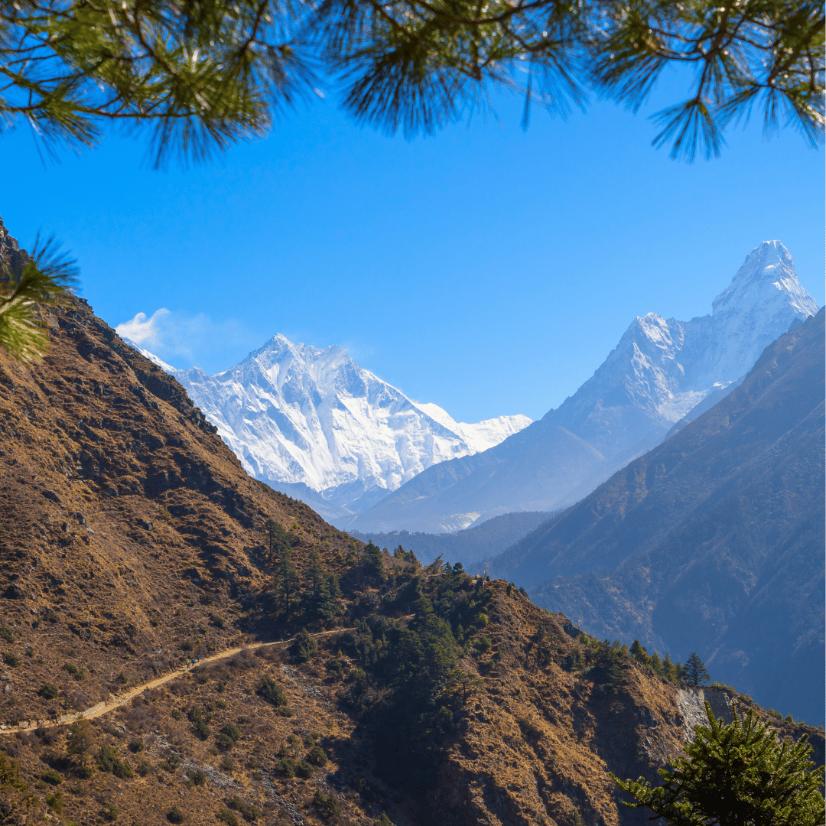
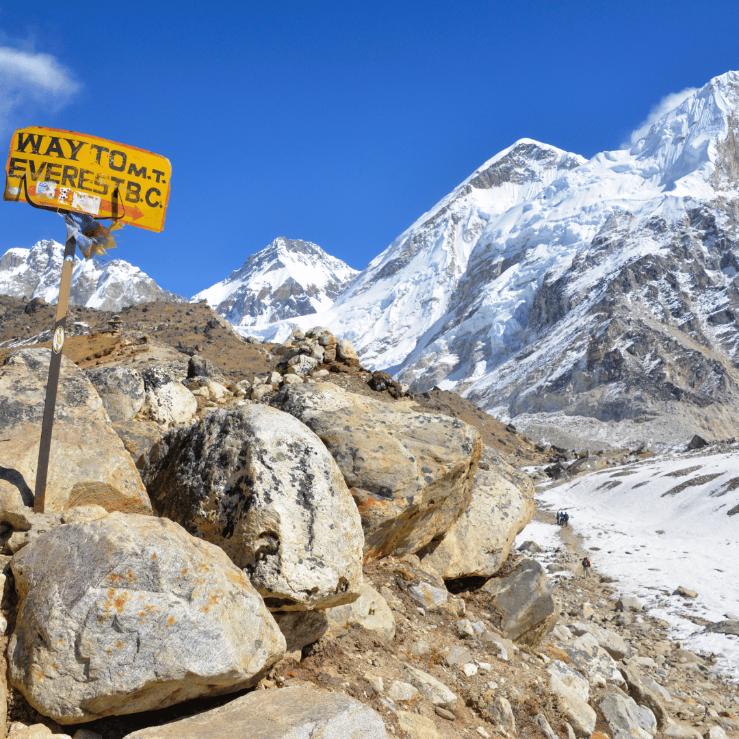
The popular [Everest Base Camp trek](https://himalayantrekking.com/everest-base-camp-trek/), renowned for its stunning landscapes and rich Sherpa culture, typically takes around 12-14 days to complete, covering a distance of approximately 130 km from [Lukla](https://www.forbes.com/sites/davidnikel/2019/07/20/lukla-the-worlds-most-dangerous-airport/) to Everest Base Camp and back. While this provides a general framework, various factors can influence the actual duration of the trek, making it essential for trekkers to explore these aspects to ensure a successful and fulfilling experience in Nepal.


## **Key Factors That Influence the Duration of the Everest Base Camp Trek**
The duration of the [Everest Base Camp trek](https://himalayantrekking.com/everest-base-camp-trek/) can be influenced by various key factors that trekkers need to consider. Understanding these factors is important for better planning and preparation, ensuring a safe and enjoyable experience.
Here are some factors that can influence the duration of the EBC trek:
1. **Altitude gain and its impact on trekking speed and acclimatization**
As trekkers ascend higher in the [Everest region](https://himalayantrekking.com/treks/everest-region-trek/), the altitude gain becomes more significant. Higher altitudes can lead to decreased oxygen levels, making it harder to breathe and causing fatigue. This can slow down trekking speed and require more frequent breaks for acclimatization. It is important to allow enough time for acclimatization at certain elevations to minimize the risk of [altitude sickness](https://my.clevelandclinic.org/health/diseases/15111-altitude-sickness).
1. **Weather conditions in the Everest region**
The weather conditions in the [Everest region](https://himalayantrekking.com/treks/everest-region-trek/) can vary greatly depending on the time of year. During the peak trekking seasons of February-May and September-November, the weather is generally more favorable for trekking with clear skies and stable temperatures. However, unexpected weather changes such as rain or snowfall can occur, potentially affecting trail conditions and visibility. Trekkers should be prepared for such variations and adjust their trekking pace accordingly.
1. **Significance of maintaining a steady trekking pace**
Maintaining a steady and consistent trekking pace is essential for a successful and timely completion of the EBC trek. It helps in managing energy levels, preventing exhaustion, and reducing the risk of altitude sickness. Trekking at a manageable pace also allows trekkers to enjoy the amazingly beautiful views, soak in the surroundings, and appreciate the beauty of the Himalayas in Nepal.
By considering these key factors, trekkers can have a better understanding of how they may impact the duration of their EBC trek. It is important to plan accordingly, allowing for ample time for acclimatization, adapting to weather conditions, and maintaining a steady pace throughout the journey. This will ensure a safe and memorable experience in the [Everest region](https://himalayantrekking.com/treks/everest-region-trek/).


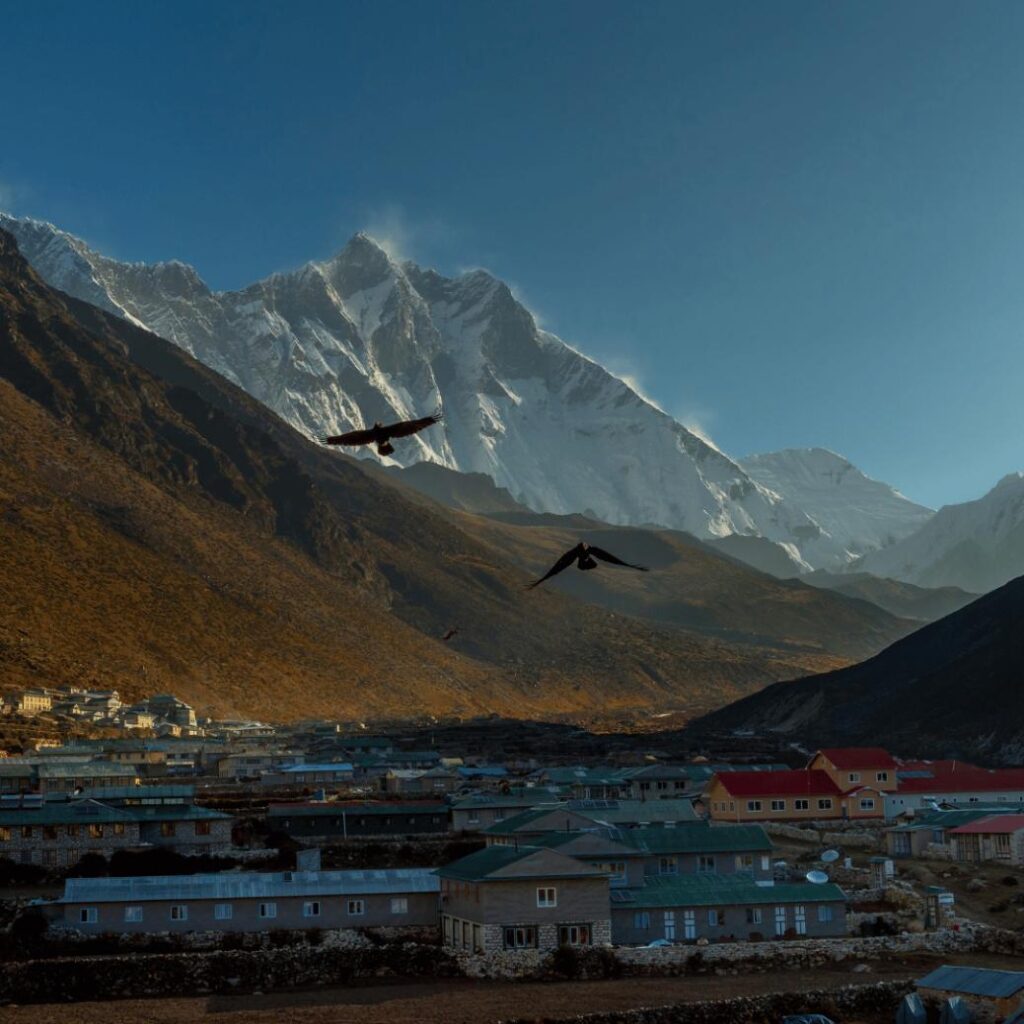

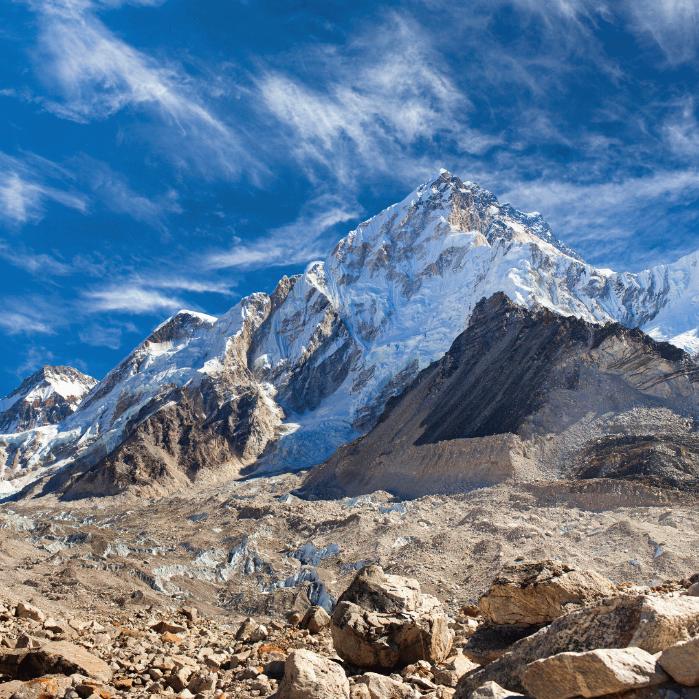
## **Analyzing a Standard Everest Base Camp Trek Itinerary**
The standard [Everest Base Camp trek](https://himalayantrekking.com/everest-base-camp-trek/) itinerary typically spans around 12-14 days, encompassing various key highlights and challenges.
Here’s what you can expect from the EBC trek itinerary:
### **Typical Day-by-Day Schedule**
The itinerary generally has acclimatization days at strategic points to facilitate the body’s adjustment to higher altitudes. These rest days are very important for minimizing the risk of altitude sickness and ensuring a safe ascent.
### **Distances Covered Each Day**
The distances covered each day vary, with an average of approximately 15 km. However, it is essential to note that the challenging way and altitude can significantly impact the perceived difficulty of these distances.
### **Difficulty Levels**
The trek presents a mix of moderate to strenuous segments, especially as trekkers ascend to higher elevations. Understanding the difficulty levels for each day allows individuals to prepare adequately and set realistic expectations for the journey ahead.

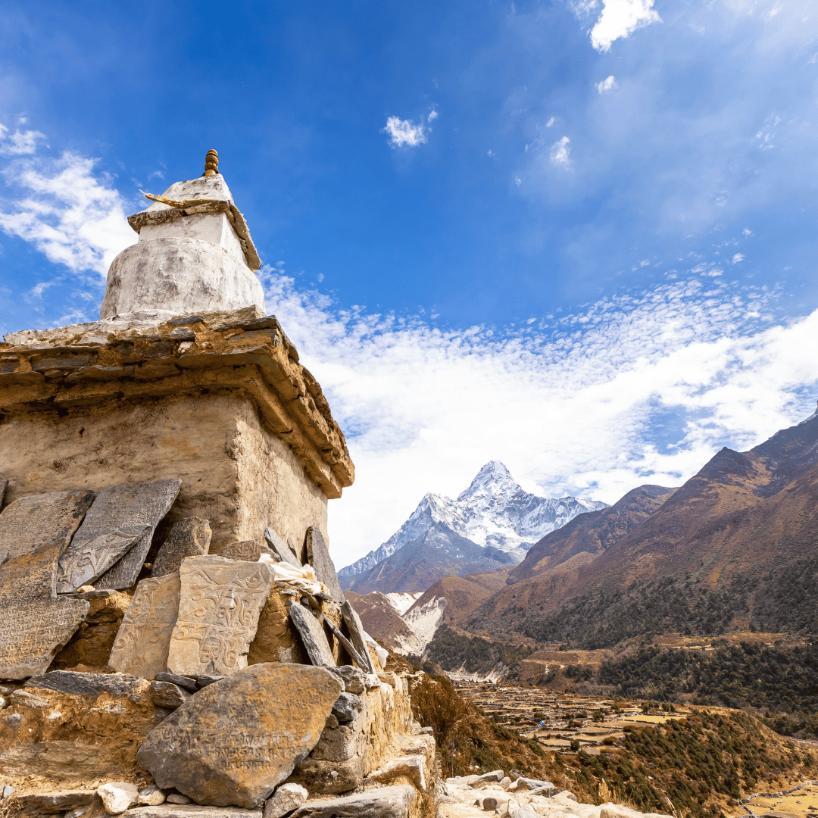
## **Managing Acclimatization: A Crucial Aspect of the Everest Base Camp Trek**
The *acclimatization process during EBC trek* is a crucial component for ensuring the safety and well-being of trekkers as they ascend to higher altitudes.
### **Role of Acclimatization**
Acclimatization involves the body’s adjustment to reduced oxygen levels at higher elevations, enabling trekkers to avoid altitude sickness and related complications. Proper acclimatization is essential for a successful and enjoyable trekking experience.
### **Strategic Planning**
Acclimatization days are strategically interspersed throughout the [Everest Base Camp trek](https://himalayantrekking.com/everest-base-camp-trek/) itinerary. These rest days allow trekkers to adapt to the increasing altitude, with gradual exposure to higher elevations minimizing the risk of altitude-related illnesses.
By understanding the significance of acclimatization and following a well-planned itinerary that incorporates adequate rest and adaptation periods, trekkers can enhance their overall experience and maximize their chances of reaching [Everest Base Camp](https://en.wikipedia.org/wiki/Everest_base_camps) safely and comfortably.
## **Physical and Mental Preparation for the Everest Base Camp Adventure**

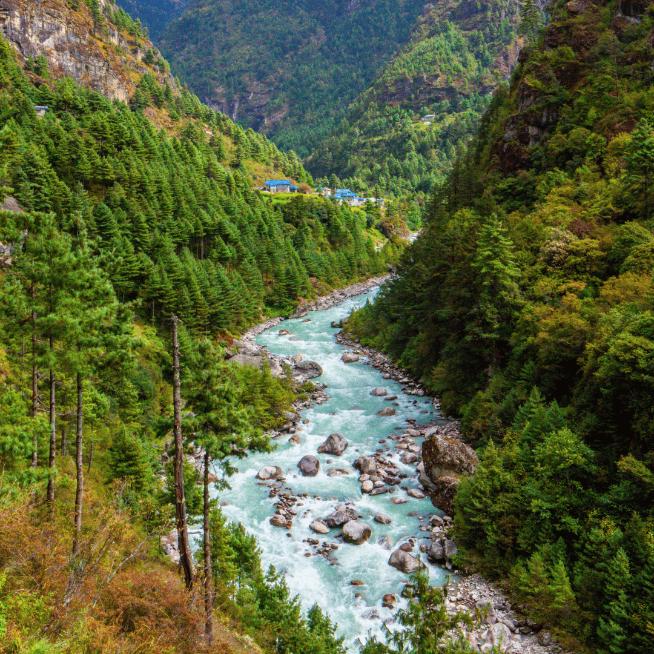

### **Preparing for the Everest Base Camp Trek**
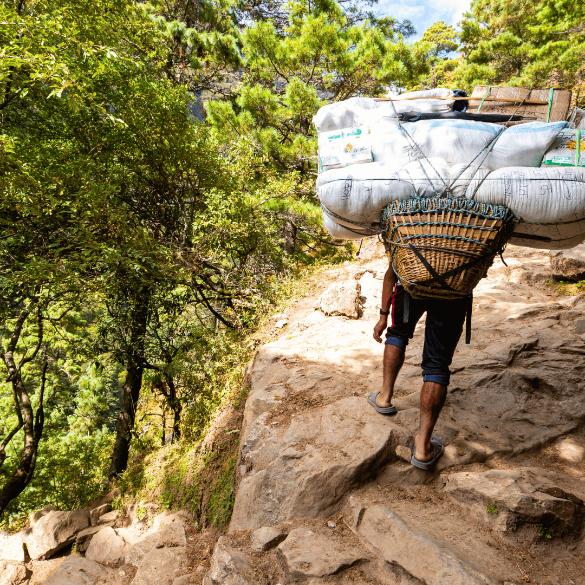
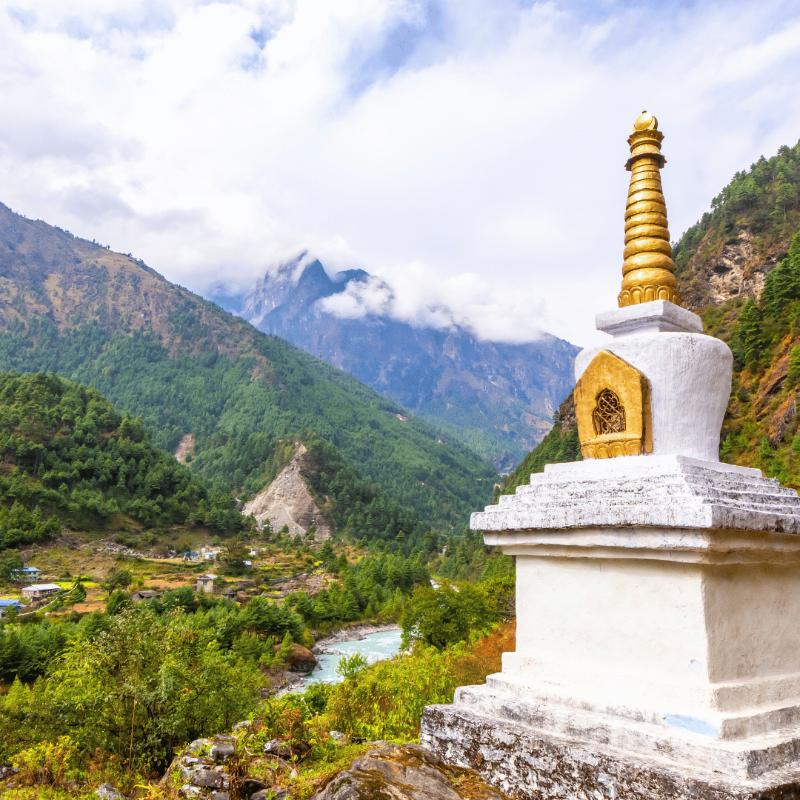
The EBC trek involves long hours of walking, often on steep and rocky terrain, at high altitudes. Assess your current fitness level and consider a training program that includes:
- Cardiovascular exercises
- Strength training
- Endurance activities such as hiking or stair climbing
Building lower body strength and stamina will be particularly beneficial.
##### **Altitude training**
Since the trek involves ascending to high altitudes, it’s essential to incorporate altitude training into your preparation. This can include:
- Simulated altitude training using specialized equipment
- Planning pre-trek hikes in high-altitude locations
#### **Mental strategies to stay motivated and overcome obstacles during the journey**
##### **Setting realistic expectations**
Mental preparedness is just as crucial as physical fitness. Understand that the trek will present challenges, both expected and unexpected. Prepare yourself mentally by:
- Researching the route
- Understanding the potential difficulties
- Setting realistic goals for each day
##### **Mindfulness and perseverance**
Practicing mindfulness techniques can help you stay focused and positive during challenging moments. Additionally, cultivating a mindset of perseverance and adaptability will be invaluable when facing obstacles along the trekking route.

## **Essential Gear Guide for the Everest Base Camp Trek**
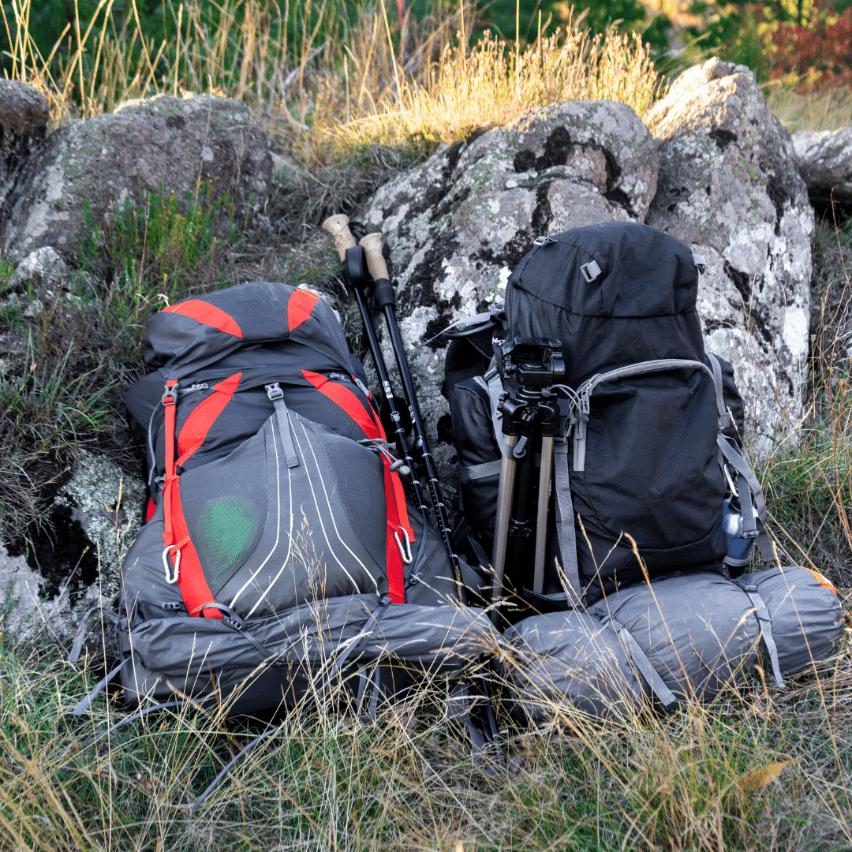
Preparing for a successful and comfortable [Everest Base Camp trek](https://himalayantrekking.com/everest-base-camp-trek/) requires careful consideration of the essential gear you will need. The right equipment can make a significant difference in your overall experience and ensure that you are well-prepared to tackle the challenges of the trek. Here is a comprehensive packing list that includes clothing and equipment recommendations:
**Clothing:**
- **Base Layers**: Bring moisture-wicking, thermal tops and bottoms to keep you warm and dry.
- **Insulating Layers**: Pack fleece jackets and pants for added warmth in colder temperatures.
- **Outer Shell**: A waterproof and windproof jacket is essential to protect you from the elements.
- **Trekking Pants**: Opt for lightweight, quick-drying pants with zip-off legs for versatility.
- **Hiking Socks**: Invest in high-quality, moisture-wicking socks to prevent blisters.
- **Headwear**: Bring a warm hat, sunglasses, and a buff or scarf to protect your face from wind and dust.
- **Gloves**: Have both lightweight gloves for moderate temperatures and insulated gloves for colder conditions.
**Footwear:**
- **Hiking Boots**: Choose sturdy, waterproof boots with ankle support for rocky terrain.
- **Camp Shoes**: Lightweight sandals or sneakers are ideal for relaxing at tea houses.
**Backpack:**
- **Daypack**: A comfortable daypack with a capacity of 25-30 liters is perfect for carrying essentials during daily hikes.
**Sleeping Gear:**
- **Sleeping Bag**: Invest in a high-quality sleeping bag rated for sub-zero temperatures.
- **Sleeping Pad**: A compact, inflatable sleeping pad adds insulation and comfort.
**Other Equipment:**
- **Trekking Poles**: These provide stability and reduce strain on your knees during descents.
- **Water Bottles**: Carry reusable water bottles or a hydration bladder to stay hydrated.
- **Headlamp**: A hands-free headlamp is essential for navigating in low-light conditions.
- **Sunblock and Lip Balm**: Protect your skin and lips from the intense mountain sun.
- **First Aid Kit**: Include basic medications, bandages, and blister care supplies.
Remember to pack light and only bring the essentials to minimize the weight you carry. Keep in mind that you can hire or purchase some gear in [Kathmandu](https://kathmandu.gov.np/?lang=en) if needed. Having the right gear will ensure that you are comfortable, safe, and fully prepared for the challenges of the [Everest Base Camp trek](https://himalayantrekking.com/everest-base-camp-trek/).
## **Maintaining Health and Hygiene on the Trail to Everest**
Proper nutrition and hydration are very important factors to consider for trekking at high altitudes. Here are some tips to keep in mind:
1. **Fuel Up with Balanced Meals:** A diet rich in carbohydrates, proteins, and healthy fats provides the necessary energy for sustained trekking.
2. **Stay Hydrated:** Hydration is essential to combat the effects of altitude, so it’s important to drink plenty of water throughout the trek.
#### **Altitude-Related Challenges**
High altitudes can present unique challenges for your body. Here’s how you can overcome them:
1. **Boost Your Calorie Intake:** At higher elevations, you may experience a loss of appetite. Consuming calorie-dense foods like fruits, nuts, energy bars, and hot soups can help you meet your nutritional needs without feeling too full.
2. **Pack Light, Nutrient-Dense Snacks:** Opt for lightweight snacks that provide essential nutrients without weighing you down.
#### **Hygiene Practices**
Maintaining personal hygiene and sanitation is critical to prevent illnesses during the trek. Remember these hygiene practices:
1. **Wash Your Hands Thoroughly:** Proper handwashing with soap and water before meals and after using the restroom is essential.
2. **Pack Hand Sanitizer:** In case water is not readily available, carry a small bottle of hand sanitizer to keep your hands clean.
#### **Avoiding Altitude Sickness**
Altitude sickness can be a serious concern when trekking at high elevations. Take these precautions:
1. **Listen to Your Body:** Pay attention to any symptoms of altitude sickness such as headache, nausea, or dizziness. If you experience any discomfort, communicate with your guide or fellow trekkers.
2. **Take It Slow:** Allow your body time to acclimatize by taking rest days and gradually increasing your elevation.
3. **Eat Well:** A well-balanced diet can help strengthen your immune system and minimize the risk of altitude-related health issues.
#### **Supplements and Medications**
Consult a healthcare professional for advice on appropriate supplements or medications to support your health during the trek. Here are some common items to consider:
1. **Medication for Altitude Sickness:** Your doctor may prescribe medication to help prevent or alleviate symptoms of altitude sickness.
2. **Diarrhea Medication:** In case of gastrointestinal issues, carrying anti-diarrheal medication can provide relief.
3. **Basic First Aid Supplies:** It’s always wise to have a small kit with essentials like band-aids, antiseptic ointment, and pain relievers.
*Remember, these tips are general guidelines and may vary depending on individual circumstances.*

## **Conclusion**
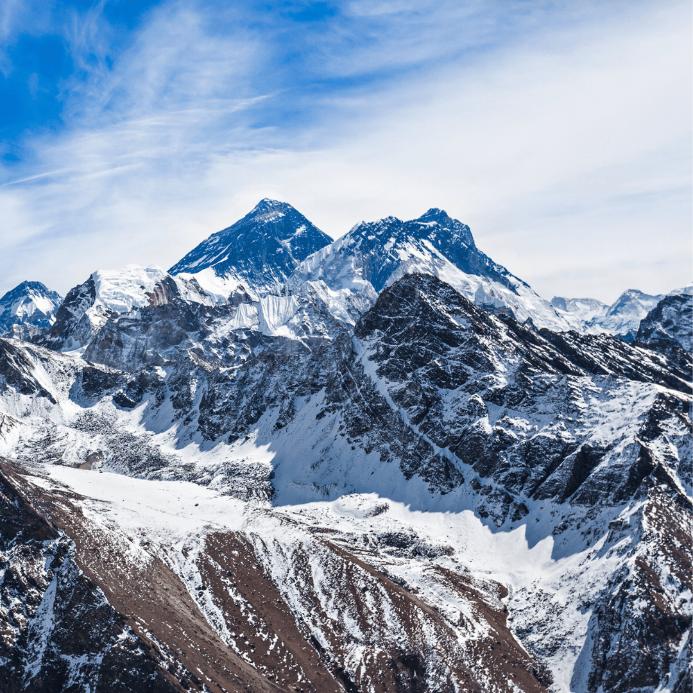
The duration of the [Everest Base Camp trek](https://himalayantrekking.com/everest-base-camp-trek/) is an important factor that every trekker should consider before going on this adventure. By understanding the duration, you can plan your itinerary more effectively, ensuring that you have enough time to acclimatize to the high altitudes and enjoy the stunning landscapes along the way. It also allows you to allocate sufficient rest days and breaks, reducing the risk of altitude sickness and fatigue.
The [Everest Base Camp trek](https://himalayantrekking.com/everest-base-camp-trek/) is a challenging but rewarding experience. It requires physical endurance, mental resilience, and flexibility in dealing with unforeseen circumstances such as weather changes or trail conditions. By approaching this adventure with a realistic mindset and a willingness to adapt, you can fully enjoy the most [popular trek in Nepal](https://himalayantrekking.com/blog/popular-trekking-in-nepal/) and appreciate the beauty of the [Everest region](https://himalayantrekking.com/treks/everest-region-trek/).
Remember, understanding the duration of the [Everest Base Camp trek](https://himalayantrekking.com/everest-base-camp-trek/) is crucial for successful planning and execution. So, prepare yourself physically and mentally, pack your essentials, maintain good health and hygiene on the trail, and begin this incredible adventure with confidence.
Happy trekking\!
### More Useful Blog Posts
- [ ](https://himalayantrekking.com/blog/saga-dawa-festival/)
##### [Saga Dawa Festival 2026: Date, Meaning, and Importance for Kailash Yatra](https://himalayantrekking.com/blog/saga-dawa-festival/)
March 16, 2026
March 16, 2026
- [ ](https://himalayantrekking.com/blog/gauri-kund-mount-kailash/)
##### [Gauri Kund: History, Spiritual Importance, and Location Near Mount Kailash](https://himalayantrekking.com/blog/gauri-kund-mount-kailash/)
March 13, 2026
March 13, 2026
- [ ](https://himalayantrekking.com/blog/mansarovar-lake-significance-history/)
##### [Mansarovar Lake: Significance, History, and Location](https://himalayantrekking.com/blog/mansarovar-lake-significance-history/)
March 9, 2026
March 9, 2026
#### Send an Enquiry
**Error:** Contact form not found.
[](<https://himalayantrekking.com >)
##### Contact Us
- Whatsapp: +977 9851032316
- Email: sales@himalayantrekking.com
[Contact us](https://himalayantrekking.com/contact-us/)
##### Resources
- [Blogs](https://himalayantrekking.com/blog/)
- [Reviews](https://himalayantrekking.com/reviews/)
##### Information
- [FAQ](https://himalayantrekking.com/faq/)
- [Top Deals](https://himalayantrekking.com/trek/top-trekking-and-tour-deals-in-nepal/)
- [All Packages](https://himalayantrekking.com/allpackages/)
##### Stay in Touch
##### Recommended on :
[](https://www.tripadvisor.com/Attraction_Review-g293890-d2272067-Reviews-Himalayan_Trekking_Tours-Kathmandu_Kathmandu_Valley_Bagmati_Zone_Central_Region.html)
[](https://www.bookmundi.com/companies/himalayan-trekking-and-tours-p-ltd/c1346)
© 2026 - Himalayan Trekking and Tours (P) Ltd. All Rights Reserved. |
| Readable Markdown | ## **Introduction**
Beginning on the [Everest Base Camp trek](https://himalayantrekking.com/everest-base-camp-trek/) is a thrilling and a very challenging adventure that requires comprehensive planning and preparation. One very important aspect of this preparation is understanding the duration of the trek. The EBC trek takes a specific number of days, and having a clear understanding of this timeline is very important for effective planning, safety, and overall enjoyment of the journey.

## Table of Contents
- [Introduction](https://himalayantrekking.com/blog/the-everest-base-camp-trek/#introduction)
- [Understanding the Duration of the Everest Base Camp Trek](https://himalayantrekking.com/blog/the-everest-base-camp-trek/#understanding-the-duration-of-the-everest-base-camp-trek)
- [Key Factors That Influence the Duration of the Everest Base Camp Trek](https://himalayantrekking.com/blog/the-everest-base-camp-trek/#key-factors-that-influence-the-duration-of-the-everest-base-camp-trek)
- [Analyzing a Standard Everest Base Camp Trek Itinerary](https://himalayantrekking.com/blog/the-everest-base-camp-trek/#analyzing-a-standard-everest-base-camp-trek-itinerary)
- [Typical Day-by-Day Schedule](https://himalayantrekking.com/blog/the-everest-base-camp-trek/#typical-day-by-day-schedule)
- [Distances Covered Each Day](https://himalayantrekking.com/blog/the-everest-base-camp-trek/#distances-covered-each-day)
- [Difficulty Levels](https://himalayantrekking.com/blog/the-everest-base-camp-trek/#difficulty-levels)
- [Managing Acclimatization: A Crucial Aspect of the Everest Base Camp Trek](https://himalayantrekking.com/blog/the-everest-base-camp-trek/#managing-acclimatization-a-crucial-aspect-of-the-everest-base-camp-trek)
- [Role of Acclimatization](https://himalayantrekking.com/blog/the-everest-base-camp-trek/#role-of-acclimatization)
- [Strategic Planning](https://himalayantrekking.com/blog/the-everest-base-camp-trek/#strategic-planning)
- [Physical and Mental Preparation for the Everest Base Camp Adventure](https://himalayantrekking.com/blog/the-everest-base-camp-trek/#physical-and-mental-preparation-for-the-everest-base-camp-adventure)
- [Preparing for the Everest Base Camp Trek](https://himalayantrekking.com/blog/the-everest-base-camp-trek/#preparing-for-the-everest-base-camp-trek)
- [Altitude training](https://himalayantrekking.com/blog/the-everest-base-camp-trek/#altitude-training)
- [Setting realistic expectations](https://himalayantrekking.com/blog/the-everest-base-camp-trek/#setting-realistic-expectations)
- [Mindfulness and perseverance](https://himalayantrekking.com/blog/the-everest-base-camp-trek/#mindfulness-and-perseverance)
- [Essential Gear Guide for the Everest Base Camp Trek](https://himalayantrekking.com/blog/the-everest-base-camp-trek/#essential-gear-guide-for-the-everest-base-camp-trek)
- [Maintaining Health and Hygiene on the Trail to Everest](https://himalayantrekking.com/blog/the-everest-base-camp-trek/#maintaining-health-and-hygiene-on-the-trail-to-everest)
- [Altitude-Related Challenges](https://himalayantrekking.com/blog/the-everest-base-camp-trek/#altitude-related-challenges)
- [Hygiene Practices](https://himalayantrekking.com/blog/the-everest-base-camp-trek/#hygiene-practices)
- [Avoiding Altitude Sickness](https://himalayantrekking.com/blog/the-everest-base-camp-trek/#avoiding-altitude-sickness)
- [Supplements and Medications](https://himalayantrekking.com/blog/the-everest-base-camp-trek/#supplements-and-medications)
- [Conclusion](https://himalayantrekking.com/blog/the-everest-base-camp-trek/#conclusion)
- [More Useful Blog Posts](https://himalayantrekking.com/blog/the-everest-base-camp-trek/#more-useful-blog-posts)
### **Understanding the Duration of the Everest Base Camp Trek**
The popular [Everest Base Camp trek](https://himalayantrekking.com/everest-base-camp-trek/), renowned for its stunning landscapes and rich Sherpa culture, typically takes around 12-14 days to complete, covering a distance of approximately 130 km from [Lukla](https://www.forbes.com/sites/davidnikel/2019/07/20/lukla-the-worlds-most-dangerous-airport/) to Everest Base Camp and back. While this provides a general framework, various factors can influence the actual duration of the trek, making it essential for trekkers to explore these aspects to ensure a successful and fulfilling experience in Nepal.


## **Key Factors That Influence the Duration of the Everest Base Camp Trek**
The duration of the [Everest Base Camp trek](https://himalayantrekking.com/everest-base-camp-trek/) can be influenced by various key factors that trekkers need to consider. Understanding these factors is important for better planning and preparation, ensuring a safe and enjoyable experience.
Here are some factors that can influence the duration of the EBC trek:
1. **Altitude gain and its impact on trekking speed and acclimatization**
As trekkers ascend higher in the [Everest region](https://himalayantrekking.com/treks/everest-region-trek/), the altitude gain becomes more significant. Higher altitudes can lead to decreased oxygen levels, making it harder to breathe and causing fatigue. This can slow down trekking speed and require more frequent breaks for acclimatization. It is important to allow enough time for acclimatization at certain elevations to minimize the risk of [altitude sickness](https://my.clevelandclinic.org/health/diseases/15111-altitude-sickness).
1. **Weather conditions in the Everest region**
The weather conditions in the [Everest region](https://himalayantrekking.com/treks/everest-region-trek/) can vary greatly depending on the time of year. During the peak trekking seasons of February-May and September-November, the weather is generally more favorable for trekking with clear skies and stable temperatures. However, unexpected weather changes such as rain or snowfall can occur, potentially affecting trail conditions and visibility. Trekkers should be prepared for such variations and adjust their trekking pace accordingly.
1. **Significance of maintaining a steady trekking pace**
Maintaining a steady and consistent trekking pace is essential for a successful and timely completion of the EBC trek. It helps in managing energy levels, preventing exhaustion, and reducing the risk of altitude sickness. Trekking at a manageable pace also allows trekkers to enjoy the amazingly beautiful views, soak in the surroundings, and appreciate the beauty of the Himalayas in Nepal.
By considering these key factors, trekkers can have a better understanding of how they may impact the duration of their EBC trek. It is important to plan accordingly, allowing for ample time for acclimatization, adapting to weather conditions, and maintaining a steady pace throughout the journey. This will ensure a safe and memorable experience in the [Everest region](https://himalayantrekking.com/treks/everest-region-trek/).



## **Analyzing a Standard Everest Base Camp Trek Itinerary**
The standard [Everest Base Camp trek](https://himalayantrekking.com/everest-base-camp-trek/) itinerary typically spans around 12-14 days, encompassing various key highlights and challenges.
Here’s what you can expect from the EBC trek itinerary:
### **Typical Day-by-Day Schedule**
The itinerary generally has acclimatization days at strategic points to facilitate the body’s adjustment to higher altitudes. These rest days are very important for minimizing the risk of altitude sickness and ensuring a safe ascent.
### **Distances Covered Each Day**
The distances covered each day vary, with an average of approximately 15 km. However, it is essential to note that the challenging way and altitude can significantly impact the perceived difficulty of these distances.
### **Difficulty Levels**
The trek presents a mix of moderate to strenuous segments, especially as trekkers ascend to higher elevations. Understanding the difficulty levels for each day allows individuals to prepare adequately and set realistic expectations for the journey ahead.

## **Managing Acclimatization: A Crucial Aspect of the Everest Base Camp Trek**
The *acclimatization process during EBC trek* is a crucial component for ensuring the safety and well-being of trekkers as they ascend to higher altitudes.
### **Role of Acclimatization**
Acclimatization involves the body’s adjustment to reduced oxygen levels at higher elevations, enabling trekkers to avoid altitude sickness and related complications. Proper acclimatization is essential for a successful and enjoyable trekking experience.
### **Strategic Planning**
Acclimatization days are strategically interspersed throughout the [Everest Base Camp trek](https://himalayantrekking.com/everest-base-camp-trek/) itinerary. These rest days allow trekkers to adapt to the increasing altitude, with gradual exposure to higher elevations minimizing the risk of altitude-related illnesses.
By understanding the significance of acclimatization and following a well-planned itinerary that incorporates adequate rest and adaptation periods, trekkers can enhance their overall experience and maximize their chances of reaching [Everest Base Camp](https://en.wikipedia.org/wiki/Everest_base_camps) safely and comfortably.
## **Physical and Mental Preparation for the Everest Base Camp Adventure**


### **Preparing for the Everest Base Camp Trek**
The EBC trek involves long hours of walking, often on steep and rocky terrain, at high altitudes. Assess your current fitness level and consider a training program that includes:
- Cardiovascular exercises
- Strength training
- Endurance activities such as hiking or stair climbing
Building lower body strength and stamina will be particularly beneficial.
##### **Altitude training**
Since the trek involves ascending to high altitudes, it’s essential to incorporate altitude training into your preparation. This can include:
- Simulated altitude training using specialized equipment
- Planning pre-trek hikes in high-altitude locations
#### **Mental strategies to stay motivated and overcome obstacles during the journey**
##### **Setting realistic expectations**
Mental preparedness is just as crucial as physical fitness. Understand that the trek will present challenges, both expected and unexpected. Prepare yourself mentally by:
- Researching the route
- Understanding the potential difficulties
- Setting realistic goals for each day
##### **Mindfulness and perseverance**
Practicing mindfulness techniques can help you stay focused and positive during challenging moments. Additionally, cultivating a mindset of perseverance and adaptability will be invaluable when facing obstacles along the trekking route.

## **Essential Gear Guide for the Everest Base Camp Trek**
Preparing for a successful and comfortable [Everest Base Camp trek](https://himalayantrekking.com/everest-base-camp-trek/) requires careful consideration of the essential gear you will need. The right equipment can make a significant difference in your overall experience and ensure that you are well-prepared to tackle the challenges of the trek. Here is a comprehensive packing list that includes clothing and equipment recommendations:
**Clothing:**
- **Base Layers**: Bring moisture-wicking, thermal tops and bottoms to keep you warm and dry.
- **Insulating Layers**: Pack fleece jackets and pants for added warmth in colder temperatures.
- **Outer Shell**: A waterproof and windproof jacket is essential to protect you from the elements.
- **Trekking Pants**: Opt for lightweight, quick-drying pants with zip-off legs for versatility.
- **Hiking Socks**: Invest in high-quality, moisture-wicking socks to prevent blisters.
- **Headwear**: Bring a warm hat, sunglasses, and a buff or scarf to protect your face from wind and dust.
- **Gloves**: Have both lightweight gloves for moderate temperatures and insulated gloves for colder conditions.
**Footwear:**
- **Hiking Boots**: Choose sturdy, waterproof boots with ankle support for rocky terrain.
- **Camp Shoes**: Lightweight sandals or sneakers are ideal for relaxing at tea houses.
**Backpack:**
- **Daypack**: A comfortable daypack with a capacity of 25-30 liters is perfect for carrying essentials during daily hikes.
**Sleeping Gear:**
- **Sleeping Bag**: Invest in a high-quality sleeping bag rated for sub-zero temperatures.
- **Sleeping Pad**: A compact, inflatable sleeping pad adds insulation and comfort.
**Other Equipment:**
- **Trekking Poles**: These provide stability and reduce strain on your knees during descents.
- **Water Bottles**: Carry reusable water bottles or a hydration bladder to stay hydrated.
- **Headlamp**: A hands-free headlamp is essential for navigating in low-light conditions.
- **Sunblock and Lip Balm**: Protect your skin and lips from the intense mountain sun.
- **First Aid Kit**: Include basic medications, bandages, and blister care supplies.
Remember to pack light and only bring the essentials to minimize the weight you carry. Keep in mind that you can hire or purchase some gear in [Kathmandu](https://kathmandu.gov.np/?lang=en) if needed. Having the right gear will ensure that you are comfortable, safe, and fully prepared for the challenges of the [Everest Base Camp trek](https://himalayantrekking.com/everest-base-camp-trek/).
## **Maintaining Health and Hygiene on the Trail to Everest**
Proper nutrition and hydration are very important factors to consider for trekking at high altitudes. Here are some tips to keep in mind:
1. **Fuel Up with Balanced Meals:** A diet rich in carbohydrates, proteins, and healthy fats provides the necessary energy for sustained trekking.
2. **Stay Hydrated:** Hydration is essential to combat the effects of altitude, so it’s important to drink plenty of water throughout the trek.
High altitudes can present unique challenges for your body. Here’s how you can overcome them:
1. **Boost Your Calorie Intake:** At higher elevations, you may experience a loss of appetite. Consuming calorie-dense foods like fruits, nuts, energy bars, and hot soups can help you meet your nutritional needs without feeling too full.
2. **Pack Light, Nutrient-Dense Snacks:** Opt for lightweight snacks that provide essential nutrients without weighing you down.
#### **Hygiene Practices**
Maintaining personal hygiene and sanitation is critical to prevent illnesses during the trek. Remember these hygiene practices:
1. **Wash Your Hands Thoroughly:** Proper handwashing with soap and water before meals and after using the restroom is essential.
2. **Pack Hand Sanitizer:** In case water is not readily available, carry a small bottle of hand sanitizer to keep your hands clean.
#### **Avoiding Altitude Sickness**
Altitude sickness can be a serious concern when trekking at high elevations. Take these precautions:
1. **Listen to Your Body:** Pay attention to any symptoms of altitude sickness such as headache, nausea, or dizziness. If you experience any discomfort, communicate with your guide or fellow trekkers.
2. **Take It Slow:** Allow your body time to acclimatize by taking rest days and gradually increasing your elevation.
3. **Eat Well:** A well-balanced diet can help strengthen your immune system and minimize the risk of altitude-related health issues.
#### **Supplements and Medications**
Consult a healthcare professional for advice on appropriate supplements or medications to support your health during the trek. Here are some common items to consider:
1. **Medication for Altitude Sickness:** Your doctor may prescribe medication to help prevent or alleviate symptoms of altitude sickness.
2. **Diarrhea Medication:** In case of gastrointestinal issues, carrying anti-diarrheal medication can provide relief.
3. **Basic First Aid Supplies:** It’s always wise to have a small kit with essentials like band-aids, antiseptic ointment, and pain relievers.
*Remember, these tips are general guidelines and may vary depending on individual circumstances.*

## **Conclusion**
The duration of the [Everest Base Camp trek](https://himalayantrekking.com/everest-base-camp-trek/) is an important factor that every trekker should consider before going on this adventure. By understanding the duration, you can plan your itinerary more effectively, ensuring that you have enough time to acclimatize to the high altitudes and enjoy the stunning landscapes along the way. It also allows you to allocate sufficient rest days and breaks, reducing the risk of altitude sickness and fatigue.
The [Everest Base Camp trek](https://himalayantrekking.com/everest-base-camp-trek/) is a challenging but rewarding experience. It requires physical endurance, mental resilience, and flexibility in dealing with unforeseen circumstances such as weather changes or trail conditions. By approaching this adventure with a realistic mindset and a willingness to adapt, you can fully enjoy the most [popular trek in Nepal](https://himalayantrekking.com/blog/popular-trekking-in-nepal/) and appreciate the beauty of the [Everest region](https://himalayantrekking.com/treks/everest-region-trek/).
Remember, understanding the duration of the [Everest Base Camp trek](https://himalayantrekking.com/everest-base-camp-trek/) is crucial for successful planning and execution. So, prepare yourself physically and mentally, pack your essentials, maintain good health and hygiene on the trail, and begin this incredible adventure with confidence.
Happy trekking\!
### More Useful Blog Posts |
| Shard | 54 (laksa) |
| Root Hash | 14820218984638471054 |
| Unparsed URL | com,himalayantrekking!/blog/the-everest-base-camp-trek/ s443 |