ℹ️ Skipped - page is already crawled
| Filter | Status | Condition | Details |
|---|---|---|---|
| HTTP status | PASS | download_http_code = 200 | HTTP 200 |
| Age cutoff | PASS | download_stamp > now() - 6 MONTH | 0.1 months ago |
| History drop | PASS | isNull(history_drop_reason) | No drop reason |
| Spam/ban | PASS | fh_dont_index != 1 AND ml_spam_score = 0 | ml_spam_score=0 |
| Canonical | PASS | meta_canonical IS NULL OR = '' OR = src_unparsed | Not set |
| Property | Value | ||||||
|---|---|---|---|---|---|---|---|
| URL | https://health.clevelandclinic.org/kids-fevers-when-to-worry-when-to-relax | ||||||
| Last Crawled | 2026-04-21 10:02:18 (3 days ago) | ||||||
| First Indexed | 2018-08-19 14:09:43 (7 years ago) | ||||||
| HTTP Status Code | 200 | ||||||
| Content | |||||||
| Meta Title | When To Take Your Child to the Hospital for a Fever | ||||||
| Meta Description | You should take your child to the ER for a fever if they’re under 3 months old, their fever lasts more than five days or if fever reducers aren’t working. | ||||||
| Meta Canonical | null | ||||||
| Boilerpipe Text | Your knee-jerk reaction when your child develops a
fever
may be to immediately start ringing the alarms. Fevers can be scary for parents, especially first-timers. You might wonder how high is too high or if you should call the doctor immediately if your child has one or head straight to the emergency room. Certainly, something must be done, right?
Well, not always. It turns out that not all fevers are something to fret about. And knowing the difference between a fever that needs treatment and a fever that can be left to run its course can help your child get better faster — and with less stress on you.
“Every child will eventually experience a fever, no matter how careful you are,” says pediatrician
Tracy Lim, MD
.
And it’s important for parents and caregivers to know what to do when this happens. Dr. Lim explains how to spot a worrisome fever in children and when to take your baby to the hospital for a fever.
Child fever temperature chart
A
“normal” body temperature
is 98.6 degrees Fahrenheit, or 37 degrees Celsius, but that doesn’t mean you have to hit the panic button if your child’s temperature inches above that.
Everyone’s temperature will vary a little throughout the day. It can also differ by age, activity level and other factors. The type of
thermometer
you use will change the definition of what’s actually a fever for your child, too. Different kinds of thermometers have different levels of
accuracy
.
“It’s most accurate to use a rectal thermometer for infants and young children, but if you feel uneasy doing this, use whichever device makes you most comfortable,” Dr. Lim advises. “In older children, an oral temperature is most accurate, if the child is able to tolerate it.”
Child’s age
Type of thermometer
What’s considered a fever
0 to 5 years
Rectal
100.4 F (38 C)
0 to 5+ years
Armpit
99 F (37.22 C)
0 to 5+ years
Forehead
100.4 F (38 C)
2 to 5+ years
Ear
100.4 F (38 C)
5+ years
Mouth
100 F (37.77 C)
Child’s age
0 to 5 years
Type of thermometer
Rectal
What’s considered a fever
100.4 F (38 C)
0 to 5+ years
Type of thermometer
Armpit
What’s considered a fever
99 F (37.22 C)
0 to 5+ years
Type of thermometer
Forehead
What’s considered a fever
100.4 F (38 C)
2 to 5+ years
Type of thermometer
Ear
What’s considered a fever
100.4 F (38 C)
5+ years
Type of thermometer
Mouth
What’s considered a fever
100 F (37.77 C)
Recognizing fever symptoms in children
A fever may be a sign that your child is fighting an infection from the
common cold
,
flu
, ear infection, stomach bug or a
urinary tract infection (UTI)
.
It can be difficult to spot certain symptoms in your baby or child. But your child may also experience the following symptoms if they have a fever:
Chills
.
Body aches.
Headaches.
Earache
.
Fatigue.
Sweating.
Fussiness.
Flushed or pale complexion.
Increased heart rate.
Not eating or drink well.
Excessive thirst
.
Decreased urination.
High-pitched crying.
“If your child experiences any of these symptoms when the fever comes down, you should contact your pediatrician’s office,” instructs Dr. Lim.
How to treat a fever at home
It can be worrying to see your kid spike even a mild fever. We get it. But the truth is that a fever is actually a sign that your child is fighting off germs. It’s doing what it’s supposed to. And that’s a good thing.
Dr. Lim says doctors tend not to worry about a fever if it’s mild, lasts fewer than five days and doesn’t affect your kid’s day-to-day activities. Mild fevers can be monitored at home. If needed, you can also treat them or
safely break a fever
with:
Fever-reducing medication such as infant or children’s acetaminophen (Tylenol®).
Cool compresses.
Plenty of liquids to prevent
dehydration
.
Rest.
When to see a doctor for a fever
Now, for the important question: When
should
you be worried about your baby’s fever? Do you know when to take your toddler to the ER for a fever?
Call your doctor in these cases:
Your infant under 3 months has a fever:
Fevers may be your infant’s only response to a serious illness. Especially in newborns, a low temperature can also be a sign of serious illness. Call a healthcare provider if your baby has
any
fever or if their temperature drops
below
97.7 F (36.5 C) rectally.
Your infant or child over 3 months has a fever:
In babies and children over 3 months, call a healthcare provider if your child’s fever is higher than 104 F (40 C), or if the fever doesn’t come down with a fever-reducing medication.
Your child’s fever lasts more than five days:
Your pediatrician may need to investigate further for underlying causes.
Your child’s fever doesn’t come down with fever reducers:
Infant and children’s versions of medications like acetaminophen can be used at home in babies and children if OK’d by their healthcare provider. The medications should work quickly to reduce your child’s fever. Contact your doctor if your child’s fever continues even after using a fever-reducing medication.
Emergency situations
In certain cases, a fever can be present with other symptoms that may be a sign of a serious illness.
Head to the ER or call 911 or emergency services, if your child has a fever and any of the following:
Extreme sluggishness or drowsiness.
Lack of appetite.
Excessive drooling or difficulty swallowing.
Continuous crying.
Stiff neck.
Fever rash.
Difficulty breathing.
Blue lips, tongue or nails.
Pain or tenderness in their abdomen.
Redness or swelling.
Dehydration
.
Decreased urination.
Strange behavior.
Altered speech.
Difficulty waking or extreme sleepiness.
Convulsions or seizures.
Seizures can be a very scary side effect of fevers in some children.
Febrile seizures
occur in 2% to 4% of all children under age 5. Not all seizures cause jerking movements in the body. Dr. Lim says some seizures look like “passing out.”
If your child develops a seizure:
Put your child on their side.
Do NOT put anything in your child’s mouth.
Call 911 or emergency services if the seizure lasts more than five minutes.
If the seizure lasts fewer than five minutes, call your physician or seek immediate medical attention.
Bottom line?
It can be scary when your child has a fever and it can be nerve-racking to know when to take your child to the ER for a fever.
While most fevers are considered mild and can be treated at home, Dr. Lim says if you’re concerned or have questions, don’t hesitate to call your child’s pediatrician to ask for guidance and advice.
“Your pediatrician’s office can help determine if your child’s symptoms require evaluation in the office,” she says. | ||||||
| Markdown | Locations:
[Abu Dhabi](https://www.clevelandclinicabudhabi.ae/)\|[Canada](https://my.clevelandclinic.org/canada)\|[Florida](https://my.clevelandclinic.org/florida)\|[London](https://clevelandcliniclondon.uk/)\|[Nevada](https://my.clevelandclinic.org/locations/nevada)\|[Ohio](https://my.clevelandclinic.org/)\|

- [Health Essentials](https://health.clevelandclinic.org/)
- [Health Library](https://my.clevelandclinic.org/health)
- [Find a Provider](https://my.clevelandclinic.org/providers)
- [Make an Appointment](https://my.clevelandclinic.org/patients/information/access)
- [News](https://newsroom.clevelandclinic.org/)
- [Careers](https://jobs.clevelandclinic.org/)
- [Contact Us](https://health.clevelandclinic.org/contact-us)
[](https://my.clevelandclinic.org/)[](https://my.clevelandclinic.org/)
[](https://health.clevelandclinic.org/)


Search
Advertisement
Advertisement
October 24, 2024/[Living Healthy](https://health.clevelandclinic.org/living-healthy)/[Children’s Health](https://health.clevelandclinic.org/living-healthy/childrens-health)
# When Should You Worry About Your Child’s Fever?
Most cases are mild and can be treated at home, but some situations may require medical care or a trip to the ER
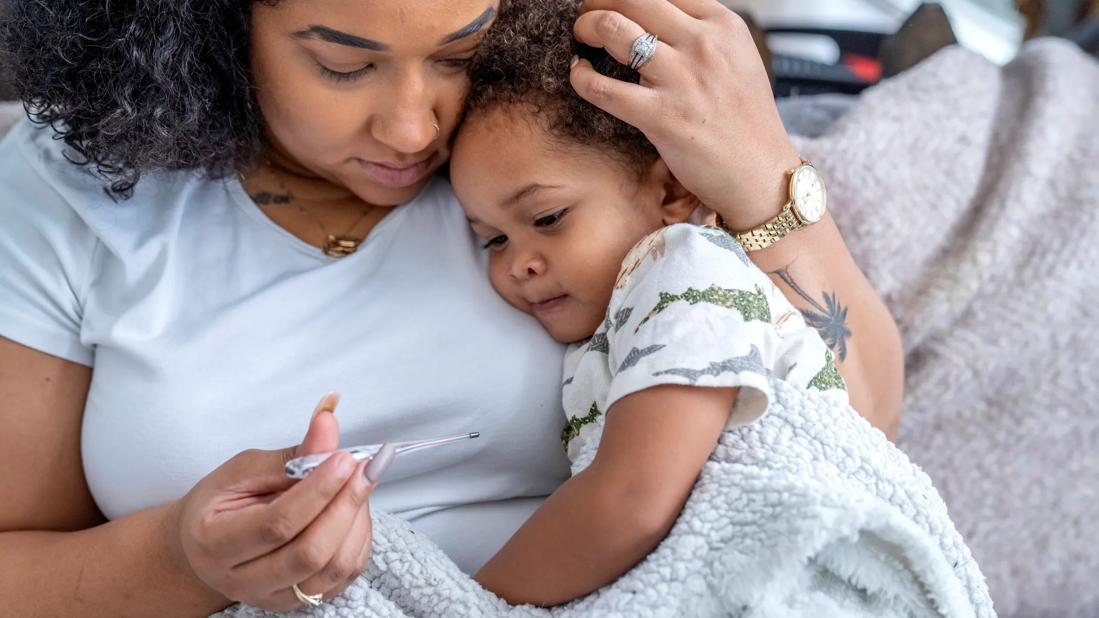
**Image content:** This image is available to view online.
View image online (https://assets.clevelandclinic.org/transform/8fe1b825-0621-454b-8968-3c24b8bf06bb/momChildFever-1294031305-770x533-1-jpg)
Caregiver holding thermometer and a sick child wrapped in blanket
Your knee-jerk reaction when your child develops a [fever](https://my.clevelandclinic.org/health/symptoms/10880-fever) may be to immediately start ringing the alarms. Fevers can be scary for parents, especially first-timers. You might wonder how high is too high or if you should call the doctor immediately if your child has one or head straight to the emergency room. Certainly, something must be done, right?
Advertisement
Cleveland Clinic is a non-profit academic medical center. Advertising on our site helps support our mission. We do not endorse non-Cleveland Clinic products or services. [Policy](https://health.clevelandclinic.org/advertising)
Well, not always. It turns out that not all fevers are something to fret about. And knowing the difference between a fever that needs treatment and a fever that can be left to run its course can help your child get better faster — and with less stress on you.
“Every child will eventually experience a fever, no matter how careful you are,” says pediatrician [Tracy Lim, MD](https://my.clevelandclinic.org/staff/14379-tracy-lim).
And it’s important for parents and caregivers to know what to do when this happens. Dr. Lim explains how to spot a worrisome fever in children and when to take your baby to the hospital for a fever.
## Child fever temperature chart
A [“normal” body temperature](https://health.clevelandclinic.org/body-temperature-what-is-and-isnt-normal) is 98.6 degrees Fahrenheit, or 37 degrees Celsius, but that doesn’t mean you have to hit the panic button if your child’s temperature inches above that.
Everyone’s temperature will vary a little throughout the day. It can also differ by age, activity level and other factors. The type of [thermometer](https://health.clevelandclinic.org/which-thermometer-is-best-for-taking-your-childs-temperature) you use will change the definition of what’s actually a fever for your child, too. Different kinds of thermometers have different levels of [accuracy](https://health.clevelandclinic.org/thermometers-how-to-take-your-temperature/).
“It’s most accurate to use a rectal thermometer for infants and young children, but if you feel uneasy doing this, use whichever device makes you most comfortable,” Dr. Lim advises. “In older children, an oral temperature is most accurate, if the child is able to tolerate it.”
Advertisement
| Child’s age | Type of thermometer | What’s considered a fever |
|---|---|---|
| 0 to 5 years | Rectal | 100\.4 F (38 C) |
| 0 to 5+ years | Armpit | 99 F (37.22 C) |
| 0 to 5+ years | Forehead | 100\.4 F (38 C) |
| 2 to 5+ years | Ear | 100\.4 F (38 C) |
| 5+ years | Mouth | 100 F (37.77 C) |
| Child’s age | | |
| 0 to 5 years | | |
| Type of thermometer | | |
| Rectal | | |
| What’s considered a fever | | |
| 100\.4 F (38 C) | | |
| 0 to 5+ years | | |
| Type of thermometer | | |
| Armpit | | |
| What’s considered a fever | | |
| 99 F (37.22 C) | | |
| 0 to 5+ years | | |
| Type of thermometer | | |
| Forehead | | |
| What’s considered a fever | | |
| 100\.4 F (38 C) | | |
| 2 to 5+ years | | |
| Type of thermometer | | |
| Ear | | |
| What’s considered a fever | | |
| 100\.4 F (38 C) | | |
| 5+ years | | |
| Type of thermometer | | |
| Mouth | | |
| What’s considered a fever | | |
| 100 F (37.77 C) | | |
## Recognizing fever symptoms in children
A fever may be a sign that your child is fighting an infection from the [common cold](https://my.clevelandclinic.org/health/diseases/12342-common-cold), [flu](https://my.clevelandclinic.org/health/diseases/4335-influenza-flu), ear infection, stomach bug or a [urinary tract infection (UTI)](https://my.clevelandclinic.org/health/diseases/12415-urinary-tract-infection-childrens).
It can be difficult to spot certain symptoms in your baby or child. But your child may also experience the following symptoms if they have a fever:
- [Chills](https://my.clevelandclinic.org/health/symptoms/21476-chills).
- Body aches.
- Headaches.
- [Earache](https://my.clevelandclinic.org/health/diseases/22710-ear-ache-ear-pain).
- Fatigue.
- Sweating.
- Fussiness.
- Flushed or pale complexion.
- Increased heart rate.
- Not eating or drink well.
- [Excessive thirst](https://my.clevelandclinic.org/health/symptoms/24050-polydipsia).
- Decreased urination.
- High-pitched crying.
“If your child experiences any of these symptoms when the fever comes down, you should contact your pediatrician’s office,” instructs Dr. Lim.
### How to treat a fever at home
It can be worrying to see your kid spike even a mild fever. We get it. But the truth is that a fever is actually a sign that your child is fighting off germs. It’s doing what it’s supposed to. And that’s a good thing.
Dr. Lim says doctors tend not to worry about a fever if it’s mild, lasts fewer than five days and doesn’t affect your kid’s day-to-day activities. Mild fevers can be monitored at home. If needed, you can also treat them or [safely break a fever](https://health.clevelandclinic.org/breaking-a-fever) with:
- Fever-reducing medication such as infant or children’s acetaminophen (Tylenol®).
- Cool compresses.
- Plenty of liquids to prevent [dehydration](https://my.clevelandclinic.org/health/articles/8276-dehydration-and-your-child).
- Rest.
## When to see a doctor for a fever
Now, for the important question: When *should* you be worried about your baby’s fever? Do you know when to take your toddler to the ER for a fever?
Call your doctor in these cases:
- **Your infant under 3 months has a fever:** Fevers may be your infant’s only response to a serious illness. Especially in newborns, a low temperature can also be a sign of serious illness. Call a healthcare provider if your baby has *any* fever or if their temperature drops *below* 97\.7 F (36.5 C) rectally.
- **Your infant or child over 3 months has a fever:** In babies and children over 3 months, call a healthcare provider if your child’s fever is higher than 104 F (40 C), or if the fever doesn’t come down with a fever-reducing medication.
- **Your child’s fever lasts more than five days:** Your pediatrician may need to investigate further for underlying causes.
- **Your child’s fever doesn’t come down with fever reducers:** Infant and children’s versions of medications like acetaminophen can be used at home in babies and children if OK’d by their healthcare provider. The medications should work quickly to reduce your child’s fever. Contact your doctor if your child’s fever continues even after using a fever-reducing medication.
Advertisement
### Emergency situations
In certain cases, a fever can be present with other symptoms that may be a sign of a serious illness.
Head to the ER or call 911 or emergency services, if your child has a fever and any of the following:
- Extreme sluggishness or drowsiness.
- Lack of appetite.
- Excessive drooling or difficulty swallowing.
- Continuous crying.
- Stiff neck.
- Fever rash.
- Difficulty breathing.
- Blue lips, tongue or nails.
- Pain or tenderness in their abdomen.
- Redness or swelling.
- [Dehydration](https://my.clevelandclinic.org/health/diseases/9013-dehydration).
- Decreased urination.
- Strange behavior.
- Altered speech.
- Difficulty waking or extreme sleepiness.
- Convulsions or seizures.
Seizures can be a very scary side effect of fevers in some children. [Febrile seizures](https://my.clevelandclinic.org/health/diseases/febrile-seizure) occur in 2% to 4% of all children under age 5. Not all seizures cause jerking movements in the body. Dr. Lim says some seizures look like “passing out.”
If your child develops a seizure:
- Put your child on their side.
- Do NOT put anything in your child’s mouth.
- Call 911 or emergency services if the seizure lasts more than five minutes.
If the seizure lasts fewer than five minutes, call your physician or seek immediate medical attention.
#### Bottom line?
It can be scary when your child has a fever and it can be nerve-racking to know when to take your child to the ER for a fever.
Advertisement
While most fevers are considered mild and can be treated at home, Dr. Lim says if you’re concerned or have questions, don’t hesitate to call your child’s pediatrician to ask for guidance and advice.
“Your pediatrician’s office can help determine if your child’s symptoms require evaluation in the office,” she says.
Advertisement
[](https://my.clevelandclinic.org/)[](https://my.clevelandclinic.org/)
[](https://health.clevelandclinic.org/)

## Better health starts here
Sign up for our Health Essentials emails for expert guidance on nutrition, fitness, sleep, skin care and more.
[Example email](https://assets.clevelandclinic.org/transform/2ff943a2-abb1-4a1c-8ede-f8848703e789/HealthEssentials-SampleEmail-2026)[Sign up](https://my.clevelandclinic.org/health-essentials-sign-up)
[Sign up](https://my.clevelandclinic.org/health-essentials-sign-up)[Example email](https://assets.clevelandclinic.org/transform/2ff943a2-abb1-4a1c-8ede-f8848703e789/HealthEssentials-SampleEmail-2026)
Learn more about our [editorial process](https://my.clevelandclinic.org/about/website/editorial-policy).
Health Library
Fever
[Overview](https://my.clevelandclinic.org/health/symptoms/10880-fever#overview)
[Possible Causes](https://my.clevelandclinic.org/health/symptoms/10880-fever#possible-causes)
[Care and Treatment](https://my.clevelandclinic.org/health/symptoms/10880-fever#care-and-treatment)
[When To Call the Doctor](https://my.clevelandclinic.org/health/symptoms/10880-fever#when-to-call-the-doctor)
[Additional Common Questions](https://my.clevelandclinic.org/health/symptoms/10880-fever#additional-common-questions)
Health Library
Fever
[Overview](https://my.clevelandclinic.org/health/symptoms/10880-fever#overview)
[Possible Causes](https://my.clevelandclinic.org/health/symptoms/10880-fever#possible-causes)
[Care and Treatment](https://my.clevelandclinic.org/health/symptoms/10880-fever#care-and-treatment)
[When To Call the Doctor](https://my.clevelandclinic.org/health/symptoms/10880-fever#when-to-call-the-doctor)
[Additional Common Questions](https://my.clevelandclinic.org/health/symptoms/10880-fever#additional-common-questions)
Advertisement
## Related Articles
[](https://health.clevelandclinic.org/why-cancer-patients-should-take-fevers-seriously)
November 20, 2025/[Cancer Care & Prevention](https://health.clevelandclinic.org/health-conditions/cancer-care-prevention)
### [When You Have Cancer, Take a Fever Seriously](https://health.clevelandclinic.org/why-cancer-patients-should-take-fevers-seriously)
https://health.clevelandclinic.org/why-cancer-patients-should-take-fevers-seriously
Any fever, especially one of 100.5 degrees Fahrenheit or higher, should trigger a call to your oncologist — and maybe a trip to the ER
[](https://health.clevelandclinic.org/breaking-a-fever)
October 29, 2025/[Primary Care](https://health.clevelandclinic.org/living-healthy/primary-care)
### [Hot Tips: How To Break a Fever](https://health.clevelandclinic.org/breaking-a-fever)
https://health.clevelandclinic.org/breaking-a-fever
A combination of rest, fluids and over-the-counter medications can help you feel better fast
[](https://health.clevelandclinic.org/whats-happening-in-my-body-when-i-have-a-fever)
December 16, 2024/[Cold, Flu & Respiratory Illnesses](https://health.clevelandclinic.org/health-conditions/cold-flu-respiratory-illnesses)
### [What Happens When Your Body Has a Fever](https://health.clevelandclinic.org/whats-happening-in-my-body-when-i-have-a-fever)
https://health.clevelandclinic.org/whats-happening-in-my-body-when-i-have-a-fever
When your body is fighting infection, your internal temperature rises as a defensive response
[](https://health.clevelandclinic.org/rubbing-alcohol-for-fever)
April 27, 2023/[Cold, Flu & Respiratory Illnesses](https://health.clevelandclinic.org/health-conditions/cold-flu-respiratory-illnesses)
### [Never Use Rubbing Alcohol To Bring Down a Fever](https://health.clevelandclinic.org/rubbing-alcohol-for-fever)
https://health.clevelandclinic.org/rubbing-alcohol-for-fever
It can cause alcohol poisoning and other serious health issues, especially in kids
[](https://health.clevelandclinic.org/reduce-fever-naturally)
April 17, 2023/[Children’s Health](https://health.clevelandclinic.org/living-healthy/childrens-health)
### [How To Treat Your Child’s Fever Naturally (and When To Let It Run Its Course)](https://health.clevelandclinic.org/reduce-fever-naturally)
https://health.clevelandclinic.org/reduce-fever-naturally
It’s important not to give them fever-reducing medications right off the bat
[](https://health.clevelandclinic.org/why-am-i-always-cold)
March 9, 2022/[Primary Care](https://health.clevelandclinic.org/living-healthy/primary-care)
### [Why Am I Always Cold?](https://health.clevelandclinic.org/why-am-i-always-cold)
https://health.clevelandclinic.org/why-am-i-always-cold
Is it just a passing chill or something more serious?
[](https://health.clevelandclinic.org/your-childs-fevers-5-common-myths-debunked)
September 29, 2021/[Children’s Health](https://health.clevelandclinic.org/living-healthy/childrens-health)
### [When Your Child Has a Fever: 5 Myths Debunked](https://health.clevelandclinic.org/your-childs-fevers-5-common-myths-debunked)
https://health.clevelandclinic.org/your-childs-fevers-5-common-myths-debunked
What you need to know about these common misconceptions
[](https://health.clevelandclinic.org/when-your-childs-fever-leads-to-a-seizure-8-things-to-do-when-to-call-9-1-1)
October 9, 2018/[Children’s Health](https://health.clevelandclinic.org/living-healthy/childrens-health)
### [When Your Child’s Fever Leads to a Seizure: 8 Things to Do + When to Call 9-1-1](https://health.clevelandclinic.org/when-your-childs-fever-leads-to-a-seizure-8-things-to-do-when-to-call-9-1-1)
https://health.clevelandclinic.org/when-your-childs-fever-leads-to-a-seizure-8-things-to-do-when-to-call-9-1-1
## Trending Topics
[](https://health.clevelandclinic.org/what-is-cali-sober)
[Mental Health](https://health.clevelandclinic.org/health-conditions/mental-health)
### [What Does It Mean To Be ‘California Sober’?](https://health.clevelandclinic.org/what-is-cali-sober)
https://health.clevelandclinic.org/what-is-cali-sober
This ‘harm reduction’ approach to sobriety involves subbing one substance for another — a method that isn’t backed by research
[](https://health.clevelandclinic.org/does-your-child-want-to-wear-makeup-5-things-you-should-know)
[Children’s Health](https://health.clevelandclinic.org/living-healthy/childrens-health)
### [Is It OK for Your Kid To Wear Makeup? 5 Things To Consider](https://health.clevelandclinic.org/does-your-child-want-to-wear-makeup-5-things-you-should-know)
https://health.clevelandclinic.org/does-your-child-want-to-wear-makeup-5-things-you-should-know
Educate your child about body image, expectations and skin care first
[](https://health.clevelandclinic.org/chlorine-rash)
[Skin Care & Beauty](https://health.clevelandclinic.org/health-conditions/skin-care-beauty)
### [Is That a Chlorine Rash? What Your Skin Is Telling You](https://health.clevelandclinic.org/chlorine-rash)
https://health.clevelandclinic.org/chlorine-rash
A true chlorine allergy is extremely rare — it’s far more likely that you have a damaged skin barrier
## Health Categories To Explore
[](https://health.clevelandclinic.org/health-conditions/brain-nervous-system)[Brain & Nervous System](https://health.clevelandclinic.org/health-conditions/brain-nervous-system)
[](https://health.clevelandclinic.org/living-healthy/childrens-health)[Children’s Health](https://health.clevelandclinic.org/living-healthy/childrens-health)
[](https://health.clevelandclinic.org/diet-food-fitness/exercise-fitness)[Exercise & Fitness](https://health.clevelandclinic.org/diet-food-fitness/exercise-fitness)
[](https://health.clevelandclinic.org/health-conditions/heart-health)[Heart Health](https://health.clevelandclinic.org/health-conditions/heart-health)
[](https://health.clevelandclinic.org/living-healthy/mens-health)[Men’s Health](https://health.clevelandclinic.org/living-healthy/mens-health)
[](https://health.clevelandclinic.org/health-conditions/mental-health)[Mental Health](https://health.clevelandclinic.org/health-conditions/mental-health)
[](https://health.clevelandclinic.org/diet-food-fitness/nutrition)[Nutrition](https://health.clevelandclinic.org/diet-food-fitness/nutrition)
[](https://health.clevelandclinic.org/health-conditions/orthopaedics)[Orthopaedics](https://health.clevelandclinic.org/health-conditions/orthopaedics)
[](https://health.clevelandclinic.org/living-healthy/primary-care)[Primary Care](https://health.clevelandclinic.org/living-healthy/primary-care)
[](https://health.clevelandclinic.org/health-conditions/skin-care-beauty)[Skin Care & Beauty](https://health.clevelandclinic.org/health-conditions/skin-care-beauty)
[](https://health.clevelandclinic.org/living-healthy/wellness)[Wellness](https://health.clevelandclinic.org/living-healthy/wellness)
[](https://health.clevelandclinic.org/living-healthy/womens-health)[Women’s Health](https://health.clevelandclinic.org/living-healthy/womens-health)
### Other Popular Categories
[Aging Well](https://health.clevelandclinic.org/living-healthy/aging-well)[Allergies](https://health.clevelandclinic.org/health-conditions/allergies)[Cancer Care & Prevention](https://health.clevelandclinic.org/health-conditions/cancer-care-prevention)[Chronic Pain](https://health.clevelandclinic.org/health-conditions/chronic-pain)[Cold, Flu & Respiratory Illnesses](https://health.clevelandclinic.org/health-conditions/cold-flu-respiratory-illnesses)[Diabetes & Endocrinology](https://health.clevelandclinic.org/health-conditions/diabetes-endocrinology)[Digestive](https://health.clevelandclinic.org/health-conditions/digestive-health)[Ear, Nose & Throat](https://health.clevelandclinic.org/health-conditions/ear-nose-throat)[Eye Care](https://health.clevelandclinic.org/health-conditions/eye-care)[Infectious Disease](https://health.clevelandclinic.org/health-conditions/infectious-disease)[Lung](https://health.clevelandclinic.org/health-conditions/lung-health)[Oral Health](https://health.clevelandclinic.org/health-conditions/oral-health)[Parenting](https://health.clevelandclinic.org/living-healthy/parenting-category)[Pregnancy & Childbirth](https://health.clevelandclinic.org/living-healthy/pregnancy-childbirth)[Recipes](https://health.clevelandclinic.org/diet-food-fitness/recipes)[Rheumatology & Immunology](https://health.clevelandclinic.org/health-conditions/rheumatology-immunology)[Senior Health](https://health.clevelandclinic.org/living-healthy/senior-health)[Sex & Relationships](https://health.clevelandclinic.org/living-healthy/sex-relationships)[Sleep](https://health.clevelandclinic.org/living-healthy/sleep)[Urinary & Kidney Health](https://health.clevelandclinic.org/health-conditions/urinary-kidney-health)[Weight Loss](https://health.clevelandclinic.org/diet-food-fitness/weight-loss)
Ad
Rendered: Tue Apr 21 2026 10:02:19 GMT+0000 (Coordinated Universal Time)
#### Cleveland Clinic
[Home](https://my.clevelandclinic.org/)[About Cleveland Clinic](https://my.clevelandclinic.org/about)[Careers at Cleveland Clinic](https://jobs.clevelandclinic.org/)[Giving](https://my.clevelandclinic.org/giving)[Community Outreach](https://my.clevelandclinic.org/about/community/government-relations)[Research & Innovations](https://my.clevelandclinic.org/research)[Health Library](https://my.clevelandclinic.org/health)[Free Health eNewsletters](https://my.clevelandclinic.org/health-essentials-newsletter?utm_medium=email&utm_source=jotform&utm_campaign=he&utm_content=signuppage)[Resources for Medical Professionals](https://my.clevelandclinic.org/professionals)[Media Relations](https://newsroom.clevelandclinic.org/)
#### Site Information & Policies
[Send Us Feedback](https://my.clevelandclinic.org/webmail)[About this Website](https://my.clevelandclinic.org/about/website)[Advertising Policy](https://health.clevelandclinic.org/advertising/)[Social Media Policy](https://my.clevelandclinic.org/about/website/social-media)[Copyright, Reprints & Licensing](https://my.clevelandclinic.org/about/website/reprints-licensing)[Website Terms of Use](https://my.clevelandclinic.org/about/website/terms-of-use)[Website Privacy Policy](https://my.clevelandclinic.org/about/website/privacy-security)[Notice of Privacy Practices](https://my.clevelandclinic.org/about/website/privacy-practices)[Non-Discrimination and Availability](https://my.clevelandclinic.org/about/website/non-discrimination-notice)
#### Resources
[Mobile Apps](https://my.clevelandclinic.org/mobile-apps)[Podcasts](https://my.clevelandclinic.org/podcasts/health-essentials)
9500 Euclid Avenue, Cleveland, Ohio 44195 \| [800\.223.2273](tel:8002232273) \| © 2026 Cleveland Clinic. All Rights Reserved. | ||||||
| Readable Markdown | Your knee-jerk reaction when your child develops a [fever](https://my.clevelandclinic.org/health/symptoms/10880-fever) may be to immediately start ringing the alarms. Fevers can be scary for parents, especially first-timers. You might wonder how high is too high or if you should call the doctor immediately if your child has one or head straight to the emergency room. Certainly, something must be done, right?
Well, not always. It turns out that not all fevers are something to fret about. And knowing the difference between a fever that needs treatment and a fever that can be left to run its course can help your child get better faster — and with less stress on you.
“Every child will eventually experience a fever, no matter how careful you are,” says pediatrician [Tracy Lim, MD](https://my.clevelandclinic.org/staff/14379-tracy-lim).
And it’s important for parents and caregivers to know what to do when this happens. Dr. Lim explains how to spot a worrisome fever in children and when to take your baby to the hospital for a fever.
## Child fever temperature chart
A [“normal” body temperature](https://health.clevelandclinic.org/body-temperature-what-is-and-isnt-normal) is 98.6 degrees Fahrenheit, or 37 degrees Celsius, but that doesn’t mean you have to hit the panic button if your child’s temperature inches above that.
Everyone’s temperature will vary a little throughout the day. It can also differ by age, activity level and other factors. The type of [thermometer](https://health.clevelandclinic.org/which-thermometer-is-best-for-taking-your-childs-temperature) you use will change the definition of what’s actually a fever for your child, too. Different kinds of thermometers have different levels of [accuracy](https://health.clevelandclinic.org/thermometers-how-to-take-your-temperature/).
“It’s most accurate to use a rectal thermometer for infants and young children, but if you feel uneasy doing this, use whichever device makes you most comfortable,” Dr. Lim advises. “In older children, an oral temperature is most accurate, if the child is able to tolerate it.”
| Child’s age | Type of thermometer | What’s considered a fever |
|---|---|---|
| 0 to 5 years | Rectal | 100\.4 F (38 C) |
| 0 to 5+ years | Armpit | 99 F (37.22 C) |
| 0 to 5+ years | Forehead | 100\.4 F (38 C) |
| 2 to 5+ years | Ear | 100\.4 F (38 C) |
| 5+ years | Mouth | 100 F (37.77 C) |
| Child’s age | | |
| 0 to 5 years | | |
| Type of thermometer | | |
| Rectal | | |
| What’s considered a fever | | |
| 100\.4 F (38 C) | | |
| 0 to 5+ years | | |
| Type of thermometer | | |
| Armpit | | |
| What’s considered a fever | | |
| 99 F (37.22 C) | | |
| 0 to 5+ years | | |
| Type of thermometer | | |
| Forehead | | |
| What’s considered a fever | | |
| 100\.4 F (38 C) | | |
| 2 to 5+ years | | |
| Type of thermometer | | |
| Ear | | |
| What’s considered a fever | | |
| 100\.4 F (38 C) | | |
| 5+ years | | |
| Type of thermometer | | |
| Mouth | | |
| What’s considered a fever | | |
| 100 F (37.77 C) | | |
## Recognizing fever symptoms in children
A fever may be a sign that your child is fighting an infection from the [common cold](https://my.clevelandclinic.org/health/diseases/12342-common-cold), [flu](https://my.clevelandclinic.org/health/diseases/4335-influenza-flu), ear infection, stomach bug or a [urinary tract infection (UTI)](https://my.clevelandclinic.org/health/diseases/12415-urinary-tract-infection-childrens).
It can be difficult to spot certain symptoms in your baby or child. But your child may also experience the following symptoms if they have a fever:
- [Chills](https://my.clevelandclinic.org/health/symptoms/21476-chills).
- Body aches.
- Headaches.
- [Earache](https://my.clevelandclinic.org/health/diseases/22710-ear-ache-ear-pain).
- Fatigue.
- Sweating.
- Fussiness.
- Flushed or pale complexion.
- Increased heart rate.
- Not eating or drink well.
- [Excessive thirst](https://my.clevelandclinic.org/health/symptoms/24050-polydipsia).
- Decreased urination.
- High-pitched crying.
“If your child experiences any of these symptoms when the fever comes down, you should contact your pediatrician’s office,” instructs Dr. Lim.
### How to treat a fever at home
It can be worrying to see your kid spike even a mild fever. We get it. But the truth is that a fever is actually a sign that your child is fighting off germs. It’s doing what it’s supposed to. And that’s a good thing.
Dr. Lim says doctors tend not to worry about a fever if it’s mild, lasts fewer than five days and doesn’t affect your kid’s day-to-day activities. Mild fevers can be monitored at home. If needed, you can also treat them or [safely break a fever](https://health.clevelandclinic.org/breaking-a-fever) with:
- Fever-reducing medication such as infant or children’s acetaminophen (Tylenol®).
- Cool compresses.
- Plenty of liquids to prevent [dehydration](https://my.clevelandclinic.org/health/articles/8276-dehydration-and-your-child).
- Rest.
## When to see a doctor for a fever
Now, for the important question: When *should* you be worried about your baby’s fever? Do you know when to take your toddler to the ER for a fever?
Call your doctor in these cases:
- **Your infant under 3 months has a fever:** Fevers may be your infant’s only response to a serious illness. Especially in newborns, a low temperature can also be a sign of serious illness. Call a healthcare provider if your baby has *any* fever or if their temperature drops *below* 97\.7 F (36.5 C) rectally.
- **Your infant or child over 3 months has a fever:** In babies and children over 3 months, call a healthcare provider if your child’s fever is higher than 104 F (40 C), or if the fever doesn’t come down with a fever-reducing medication.
- **Your child’s fever lasts more than five days:** Your pediatrician may need to investigate further for underlying causes.
- **Your child’s fever doesn’t come down with fever reducers:** Infant and children’s versions of medications like acetaminophen can be used at home in babies and children if OK’d by their healthcare provider. The medications should work quickly to reduce your child’s fever. Contact your doctor if your child’s fever continues even after using a fever-reducing medication.
### Emergency situations
In certain cases, a fever can be present with other symptoms that may be a sign of a serious illness.
Head to the ER or call 911 or emergency services, if your child has a fever and any of the following:
- Extreme sluggishness or drowsiness.
- Lack of appetite.
- Excessive drooling or difficulty swallowing.
- Continuous crying.
- Stiff neck.
- Fever rash.
- Difficulty breathing.
- Blue lips, tongue or nails.
- Pain or tenderness in their abdomen.
- Redness or swelling.
- [Dehydration](https://my.clevelandclinic.org/health/diseases/9013-dehydration).
- Decreased urination.
- Strange behavior.
- Altered speech.
- Difficulty waking or extreme sleepiness.
- Convulsions or seizures.
Seizures can be a very scary side effect of fevers in some children. [Febrile seizures](https://my.clevelandclinic.org/health/diseases/febrile-seizure) occur in 2% to 4% of all children under age 5. Not all seizures cause jerking movements in the body. Dr. Lim says some seizures look like “passing out.”
If your child develops a seizure:
- Put your child on their side.
- Do NOT put anything in your child’s mouth.
- Call 911 or emergency services if the seizure lasts more than five minutes.
If the seizure lasts fewer than five minutes, call your physician or seek immediate medical attention.
#### Bottom line?
It can be scary when your child has a fever and it can be nerve-racking to know when to take your child to the ER for a fever.
While most fevers are considered mild and can be treated at home, Dr. Lim says if you’re concerned or have questions, don’t hesitate to call your child’s pediatrician to ask for guidance and advice.
“Your pediatrician’s office can help determine if your child’s symptoms require evaluation in the office,” she says. | ||||||
| ML Classification | |||||||
| ML Categories |
Raw JSON{
"/Health": 999,
"/Health/Pediatrics": 996
} | ||||||
| ML Page Types |
Raw JSON{
"/Article": 999,
"/Article/How_to": 895
} | ||||||
| ML Intent Types |
Raw JSON{
"Informational": 999
} | ||||||
| Content Metadata | |||||||
| Language | en | ||||||
| Author | Cleveland Clinic | ||||||
| Publish Time | not set | ||||||
| Original Publish Time | 2018-08-19 14:09:43 (7 years ago) | ||||||
| Republished | No | ||||||
| Word Count (Total) | 1,866 | ||||||
| Word Count (Content) | 1,140 | ||||||
| Links | |||||||
| External Links | 12 | ||||||
| Internal Links | 96 | ||||||
| Technical SEO | |||||||
| Meta Nofollow | No | ||||||
| Meta Noarchive | No | ||||||
| JS Rendered | No | ||||||
| Redirect Target | null | ||||||
| Performance | |||||||
| Download Time (ms) | 645 | ||||||
| TTFB (ms) | 644 | ||||||
| Download Size (bytes) | 44,793 | ||||||
| Shard | 143 (laksa) | ||||||
| Root Hash | 9889140825964526943 | ||||||
| Unparsed URL | org,clevelandclinic!health,/kids-fevers-when-to-worry-when-to-relax s443 | ||||||