ℹ️ Skipped - page is already crawled
| Filter | Status | Condition | Details |
|---|---|---|---|
| HTTP status | PASS | download_http_code = 200 | HTTP 200 |
| Age cutoff | PASS | download_stamp > now() - 6 MONTH | 0.1 months ago |
| History drop | PASS | isNull(history_drop_reason) | No drop reason |
| Spam/ban | PASS | fh_dont_index != 1 AND ml_spam_score = 0 | ml_spam_score=0 |
| Canonical | PASS | meta_canonical IS NULL OR = '' OR = src_unparsed | Not set |
| Property | Value | |||||||||
|---|---|---|---|---|---|---|---|---|---|---|
| URL | https://getitinerary.com/complete-guide-to-schengen-visa-travel-insurance-requirements | |||||||||
| Last Crawled | 2026-04-22 03:32:14 (2 days ago) | |||||||||
| First Indexed | 2025-03-24 21:41:01 (1 year ago) | |||||||||
| HTTP Status Code | 200 | |||||||||
| Content | ||||||||||
| Meta Title | Complete Guide to Schengen Visa Travel Insurance Requirements | Get Itinerary | |||||||||
| Meta Description | Comprehensive guide to Schengen visa travel insurance requirements, including minimum €30,000 coverage, required benefits, documentation, and country-specific variations. Everything you need to know for a successful visa application. | |||||||||
| Meta Canonical | null | |||||||||
| Boilerpipe Text | Table of Contents
Introduction
Insurance Requirements
Choosing the Right Insurance Plan
Types of Insurances
Documents
Country-Specific Requirements
Tips and Mistakes
Pre-existing Medical Conditions
Conclusion
Introduction
When applying for a Schengen visa, one of the most important requirements is travel insurance. This is not just a formality—it’s a requirement by the Schengen Agreement to ensure that visitors won’t burden the healthcare systems of member countries in case of medical emergencies. Medical travel insurance is crucial as it secures coverage for various medical-related incidents that may arise during travel, including hospitalization and repatriation.
Schengen insurance is a mandatory requirement and must include medical coverage, trip cancellation, and other specific benefits for travelers in the Schengen area.
What is Schengen Medical Insurance?
Schengen medical insurance is a specialized type of travel insurance designed to cover medical expenses, hospitalization, and medical repatriation during your stay in the Schengen Area. This insurance is not just a recommendation but a mandatory requirement for anyone applying for a Schengen visa. The policy must meet specific criteria, including a minimum coverage of €30,000, to ensure that travelers are adequately protected in case of medical emergencies. This minimum coverage is essential to cover potential medical expenses, ensuring that visitors do not become a financial burden on the healthcare systems of Schengen member countries. When selecting a Schengen medical insurance policy, make sure it explicitly states coverage for the Schengen Area and meets all the necessary requirements to avoid any issues during your visa application process.
Why Travel Insurance is Mandatory for Schengen Visas
The European Union requires all Schengen visa applicants to have valid travel insurance to cover any emergency medical expenses, hospitalization or repatriation costs that might occur during their stay. This was made mandatory in 2009 as part of the Schengen Visa Code (Regulation (EC) No 810/2009) to:
Protect the public health systems of Schengen countries from bearing medical costs for visitors
Ensure travelers receive adequate health care if needed during their visit
Cover potential emergency medical evacuation or repatriation costs
Provide financial protection for both the traveler and the hosting countries
Common Myths
Despite being a requirement, there are several myths about Schengen visa insurance requirements:
My domestic health insurance is enough
- Most domestic health insurances don’t cover international travel or meet Schengen requirements.
I can buy any travel insurance
- Not all travel insurances meet Schengen coverage amounts, geographical scope, and benefits.
Credit card travel insurance is enough
- While some premium credit cards offer travel insurance, they rarely meet all Schengen requirements or provide documentation in the required format.
I’m healthy so I don’t need full coverage
- Unexpected illness or emergencies can happen to anyone, regardless of health status. The insurance requirement is non-negotiable for visa approval.
I can buy insurance after getting the visa
- Insurance proof is required during the application process, not after approval.
Insurance Requirements
Schengen applications must include proof of travel medical insurance that meets very specific criteria. Understanding these requirements will help you avoid visa rejection due to inadequate insurance coverage.
Minimum Coverage Amount (€30,000)
Schengen Visa Code requires travel insurance to have a minimum coverage of €30,000 (roughly $32,500 USD). This amount is to cover:
Potential medical expenses
Hospitalization costs
Medical repatriation expenses in case you need to be transported back to your home country for treatment
Note that this is the minimum coverage requirement. Depending on your destination countries, trip duration, age and any pre-existing medical conditions, it may be wise to consider higher coverage for better protection.
Geographic Coverage Requirements
Your insurance policy must explicitly cover the entire Schengen Area, which currently includes 27 Schengen countries:
Austria
Belgium
Croatia
Czech Republic
Denmark
Estonia
Finland
France
Germany
Greece
Hungary
Iceland
Italy
Latvia
Liechtenstein
Lithuania
Luxembourg
Malta
Netherlands
Norway
Poland
Portugal
Slovakia
Slovenia
Spain
Sweden
Switzerland
If your trip includes both Schengen and non-Schengen countries, your travel insurance policy should cover all destinations on your itinerary. The policy must state coverage for the “Schengen Area” or list all Schengen countries you will visit.
Validity
Your travel insurance must be valid for the entire duration of your stay in the Schengen Area plus a recommended buffer period. Specifically:
Start date:
From the day you enter the Schengen Area
End date:
Until the day you exit the Schengen Area
Most Schengen embassies recommend having a few extra days of coverage beyond your exit date
For multiple-entry visas, you need to have insurance for your first trip and then buy appropriate insurance for each subsequent trip.
Required Benefits/Coverages
To be valid for a Schengen visa application, your insurance policy must include:
Medical Emergency
: For sudden illness or accident.
Hospitalization
: For any hospital stay during your trip.
Emergency Evacuation/Repatriation
: For medical reasons to repatriate you back to your home country.
Repatriation of Remains
: For the repatriation of your remains to your home country in case of death.
Travel insurance coverage is crucial for various travel scenarios, whether you are visiting recreational destinations like ski resorts or beaches. It is important to stay informed about travel advisories, as they can impact the validity of your travel insurance policy.
Additional recommended (but not always required) coverage:
Trip cancellation and trip interruption insurance
Lost luggage insurance
Personal liability insurance
24/7 emergency assistance services
Each Schengen country’s embassy or consulate will verify that your insurance policy meets these requirements before approving your application. Canada travel insurance is particularly relevant for individuals planning to live or work outside Canada, as local laws may necessitate proof of medical insurance for visa applications.
Choosing the Right Insurance Plan
Choosing the right insurance plan for your Schengen visa application can be overwhelming, but it’s essential to ensure that you have adequate coverage. Here are some factors to consider when selecting an insurance plan:
Coverage for Emergency Medical Expenses
: Ensure the plan covers emergency medical expenses, hospitalization, and medical repatriation. This is crucial for handling unexpected medical emergencies during your trip.
Minimum Coverage of €30,000
: The insurance policy must have a minimum coverage of €30,000 to meet Schengen visa requirements. This amount is necessary to cover potential medical expenses and repatriation costs.
Coverage Period
: The insurance must cover the entire period of your intended stay or transit in the Schengen Area. It’s advisable to include a few extra days beyond your planned exit date.
Geographical Validity
: The policy should be valid throughout the Schengen Area Member States territory. Ensure it explicitly states coverage for the Schengen Area.
Pre-existing Medical Conditions
: If you have any pre-existing medical conditions, look for a plan that includes coverage for these conditions. Some policies may exclude pre-existing conditions, so it’s important to verify this.
Trip Interruption Insurance
: Consider adding trip interruption insurance if you want coverage for unexpected trip cancellations or interruptions. This can provide financial protection in case your travel plans change unexpectedly.
Get Free Quotes and Compare Coverage Plans
To find the best insurance plan for your needs, it’s essential to compare coverage plans from different insurance providers. You can get free quotes from reputable insurance companies, such as AXA, Europ Assistance, and Allianz, and compare their coverage options, prices, and benefits. Comparing multiple plans will help you find the most cost-effective option that meets all Schengen visa requirements.
Selecting a Reputable Insurance Provider
When selecting an insurance provider, it’s crucial to choose a reputable company that is licensed and approved by EU/Schengen embassies and consulates. Look for insurance providers that have a good reputation, excellent customer service, and a wide range of coverage options. Reputable providers are more likely to offer reliable coverage and support in case of a medical emergency.
Types of Insurance
When choosing travel insurance for your application, you will see several types of policies.
Single-entry Insurance
Covers one continuous trip to the Schengen Area
Valid from your entry date until your exit date
Less expensive than multiple-entry policies
Suitable for tourists or business travelers visiting once
Must cover the exact dates of your Schengen stay
Multiple-entry Insurance
Designed for travelers who will enter and exit the Schengen Area multiple times
Valid for longer periods (e.g., 6 months, 1 year)
Allows multiple trips during the coverage period
Often has limits on the duration of each individual trip (e.g., 90 days per trip)
More expensive but provides flexibility for frequent travelers.
Annual Travel Insurance
Annual travel insurance policies cover multiple trips throughout a one-year period. Here are some key points to consider:
Typically covers unlimited trips in a 12-month period
Usually limits the duration of each trip (e.g., 30, 60, 90 days per trip)
Cost-effective for frequent travelers who make multiple international trips per year
May offer comprehensive coverage beyond medical (baggage, trip cancellation insurance, trip interruption, etc.)
Must state coverage for the Schengen Area
Must have minimum €30,000 medical coverage
If you’re a frequent traveler, an annual travel insurance might be more cost-effective than buying single-trip policies for each journey. However, verify that the policy meets all Schengen requirements and will provide the necessary documentation for your visa application.
Comparison of Popular Online Insurance Providers
Several insurance companies offer Schengen visa travel insurance. Here is a comparison of popular providers:
Provider
Base Coverage
Price Range*
Visa Acceptance Rate
Features
AXA Schengen
€30,000 to €100,000
€20-€100
Very High
Direct embassy acceptance, instant insurance certificate
Europ Assistance
€30,000 to €150,000
€30-€120
High
Multi-trip options, extensive network
Allianz Global Assistance
€30,000 to €500,000
€25-€150
High
Worldwide coverage options, mobile app
WorldNomads
€30,000+
€40-€200
Good
Extreme sports coverage, extendable policies
SafetyWing
€30,000+
€40-€180
Good
Renewable monthly, digital nomad-friendly
*Price range is approximate for a 7-14 day trip duration and varies based on age, destination, coverage level, and trip duration.
Credit Card Travel Insurance (When It’s Acceptable)
Some premium credit cards offer travel insurance when you use the card to pay for your trip. However, these policies rarely meet the visa insurance requirements because:
Limitations of Credit Card Insurance:
Some don't provide the minimum €30,000 coverage
Some don't explicitly cover the Schengen Area
Some don't provide insurance certificate in the required format by consulates
Some only cover only short trips (e.g., up to 30 days)
Some don't include medical evacuation or repatriation for medical reasons
Some don't cover pre-existing conditions
When Credit Card Insurance Might Be Acceptable:
If the policy states it meets Schengen visa requirements
If the credit card company provides official certificate for visa purposes
If the coverage amount is at or above €30,000
If the policy covers medical evacuation and repatriation
Always request a detailed insurance certificate from your credit card company and verify with the specific consulate whether it will be accepted before relying on credit card insurance for your application.
Documentation Requirements
Proper documentation of your travel insurance is crucial. Consulates have specific requirements for the insurance certificate you submit.
Required Insurance Certificate Details
Your travel insurance certificate must contain the following:
Full Name of the Insured
: Must match exactly with your passport name.
Policy Number
: Unique identifier for your specific insurance policy.
Coverage Dates
: Clear dates of coverage which must cover your entire stay in the Schengen Area.
Geographical Coverage
: Must state “Schengen Area” or list all Schengen countries you will visit.
Coverage Amount
: Clearly state the coverage amount which must be at least €30,000 or equivalent.
Types of Coverage
: List of all covered benefits (medical expenses, hospitalization, emergency evacuation, repatriation).
Insurance Company Details
: Full name, address and contact details of the insurance provider.
24/7 Emergency Assistance
: Contact information for emergency assistance services.
Statement of Schengen Compliance
: Many reputable insurers include a statement confirming the policy meets Schengen requirements.
The certificate must be printed on the insurance company’s letterhead or contain official branding elements to verify its authenticity.
Obtaining and Submitting the Insurance Certificate
After purchasing a compliant Schengen health insurance policy, the provider will issue a certificate. The certificate serves as proof of coverage and is mandatory for the visa application. The certificate must contain the following information:
Policy Number
: A unique identifier for your specific insurance policy.
Policy Holder’s Name and Address
: Ensure it matches your passport details.
Policy Start and End Dates
: Coverage must span the entire duration of your stay in the Schengen Area.
Coverage Amount
: Clearly state the coverage amount, which must be at least €30,000.
List of Covered Countries
: The certificate should list all Schengen countries covered by the policy.
You must submit your health protection letter along with the rest of your visa application documents. The Schengen embassies may ask you to submit the document in the following ways:
Online
: Upload the certificate through the embassy’s online portal.
By Email
: Send a digital copy to the embassy’s designated email address.
In Person
: Provide a physical copy during your visa appointment.
Ensuring that your insurance certificate meets all these requirements will help streamline your visa application process and provide peace of mind during your travels.
Common Reasons for Rejection
Visa applications are often rejected due to insurance-related issues. Here are some common reasons:
Insufficient Coverage
: Less than €30,000 coverage
No Schengen Area coverage
: Doesn’t cover Schengen Area or all Schengen countries you will visit
Inadequate Coverage Period
: Doesn’t cover entire duration of your stay
Missing Required Benefits
: Doesn’t include emergency medical evacuation or repatriation
Unclear Certificate
: Vague, doesn’t clearly state coverage or in a language other than English or the local language of the consulate
Non-Recognized Insurer
: Some consulates may be hesitant to accept policies from lesser-known insurers
Policy Exclusions
: Significant exclusions that effectively invalidate coverage for likely scenarios
Missing Information
: Policy number, emergency contact, insurer information missing
To avoid rejection, review your certificate carefully before submission and buy from providers known to be accepted by Schengen embassies.
Country Specifics
While insurance requirements for a Schengen visa are standard across all member countries, each country’s embassy or consulate has its own way of implementing these requirements.
Schengen Country Variations
Different Schengen countries have slightly different approaches to insurance verification:
France, Germany and Italy
(high volume visa processors):* Stricter verification
Must mention "Schengen Area" in the policy
Check if insurer has representation in Europe
May require French/German/Italian translation of certificate
Nordic Countries
(Finland, Sweden, Norway, Iceland):
Accept English language certificates
Emphasis on repatriation coverage
Higher coverage amounts during winter months
Spain and Portugal
:
Verify medical expenses and urgent medical attention
Clear mention of coverage throughout the Iberian Peninsula
Benelux Countries
(Belgium, Netherlands, Luxembourg):
Accept digital certificates
Emphasis on 24/7 assistance
European partner of the insurer
Eastern European Schengen Members
:
Standard requirements
Flexible on certificate format
Check the embassy or consulate website of the country where you apply as requirements may change.
Embassy Specific Requirements
Some embassies have additional requirements:
Swiss Embassy/Consulate
:
Insurer must have a Swiss partner or presence
Validates certificate through direct communication with the provider
Higher coverage for winter sports seasons
French Embassy/Consulate
:
Insurer must have a French branch or partner
Certificate in French
"Assistance" coverage in addition to medical coverage
German Embassy/Consulate
:
Thorough verification of insurance credentials
Medical expenses and return transportation coverage separate
Evidence of insurer’s financial stability
Italian Embassy/Consulate
:
Clarification on coverage for specific Italian regions
Policy covers entire duration of stay plus extra days
"Certificate of conformity" for Schengen requirements
Spanish Embassy/Consulate
:
Repatriation for medical reasons coverage
On-site medical services coverage
Emergency numbers will work from Spain
Other
Insurance Providers for Schengen Visa
Traditional Insurance Companies
:
Many national and international insurers offer Schengen-compliant travel health insurance
Personalized service through agents
Physical offices for in-person assistance
Can customize policies for specific needs
Bundle with other insurance products for discounts
Travel Agency Options
:
Travel agencies offer travel insurance as part of travel packages
One-stop solution
Partnerships with recognized insurers
Competitive rates
Ensure policy matches your exact travel dates and destinations
Bank Services
:
Banks offer travel insurance to their customers
Discounts for existing customers
Partnerships with major insurance companies
Added to premium banking packages
Convenient payment from your bank account
Insurance Brokers
:
Compare multiple offers from different providers
Personalized advice for your needs
Special rates or packages
Help with claims process if issues arise
Useful for travelers with medical conditions
When you buy, make sure:
Provider explicitly states policy meets Schengen requirements
You can get certificate immediately for application
Policy covers minimum €30,000 and all required benefits
Insurer has good reputation for claims and customer service
24/7 emergency assistance with multilingual support
Tips and Mistakes
The insurance requirements for a Schengen visa can be tricky. Here are key tips and common mistakes to avoid for a smooth visa application process.
When to Buy
Timing your purchase correctly is important:
Best Time
:
Buy after fixing your travel dates but before submitting your application
Ideally 1-2 weeks before your visa appointment
Leave time to review the certificate and ask for changes if needed
Don’t Buy Too Early
:
Don’t buy before confirming your travel dates* Changing dates may require policy modifications or new purchase
Some policies have limited validity for unused insurance
Don’t Buy Too Late
:
Last minute purchases may delay documentation
You may not have time to fix any issues with the certificate
Some consulates verify insurance details with providers which takes time
Flexible Policies
:
Some providers offer "visa denial" coverage that refunds your insurance cost if your visa is denied
Policies with date change options can be useful if your travel dates change
Check if provider allows free changes to coverage dates before your trip starts
Cost Saving Tips
While insurance is necessary, there are ways to save:
Compare Multiple Providers
:
Rates vary between insurance companies
Use comparison websites to compare multiple options quickly
Check if your home country has agreements with certain Schengen countries
Coverage Length
:
Match your insurance dates to your travel dates (plus a small buffer)
Don’t overbuy coverage for longer periods than needed
Look for Discounts
:
Family members traveling together can get per-person discounts
Seasonal promotions or coupon codes may be available
Some providers offer discounts for students, seniors or members of certain organizations
Annual Policies
:
If you travel to Schengen Area frequently, an annual multi-trip policy might be more cost effective
Calculate the cost of multiple single-trip policies vs one annual travel insurance
Canadian providers often offer competitive annual plans for frequent European travelers
Price vs Service
:
Cheapest isn’t always the best value
Consider claim process, customer service and direct billing options
Check online forums and reviews focusing on claim experiences
Unnecessary Add-ons
:
Focus on meeting Schengen requirements first
Add optional coverage only if it addresses specific risks for your trip
Some coverage (like baggage delay) might be already covered by your credit card
What to Do If Your Visa Duration Exceeds Insurance Coverage
Sometimes your visa duration and insurance coverage won’t match:
Long-Stay Visas
:
Some long-stay visas (over 90 days) require different insurance arrangements
Consider combination of short-term travel insurance and local health insurance* Some countries allow you to buy their national health insurance after arrival
If Granted a Longer Visa Than Expected
:
Contact your insurer immediately to extend coverage
Most companies offer extension options if requested before the original policy expires
Keep documentation of your extended coverage for border control
If Staying Longer Than Planned
:
Never overstay your insurance coverage
Buy extension coverage before your original policy expires
Some policies allow online extensions even while traveling
Keep digital and physical proof of your continuous coverage
For Multiple-Entry Visas
:
Understand you must have valid insurance for each entry
Consider an annual multi-trip policy that covers repeat visits
Keep proof of insurance for each entry into the Schengen Area
Emergency Situations
:
If facing a medical emergency near the end of your coverage, contact your insurer immediately
Many policies include provisions for extending coverage during ongoing treatment
Document all communication with your insurer
Remember traveling without valid insurance in the Schengen Area not only breaches visa conditions but also leaves you financially exposed to huge medical bills. Always prioritize maintaining valid coverage throughout your stay.
Pre-existing Medical Conditions
If you have pre-existing medical conditions, getting Schengen travel health insurance requires extra attention:
Disclosure
Most insurance policies require full disclosure of pre-existing medical conditions
Failure to disclose can result in denied claims even if the condition seems unrelated
Some insurers require medical examinations or doctors’ statements for certain conditions
Finding Coverage with Pre-existing Conditions
Some standard policies exclude pre-existing conditions entirely
Specialized providers offer coverage with pre-existing medical conditions included
Expect to pay higher premiums for comprehensive coverage
Look for plans that offer coverage after a stability period (typically 3-6 months without treatment changes)
Options for Travellers with Pre-existing Conditions
Medical Screening Policies
: Some insurers offer coverage after a medical screening process
Exclusion Waivers
: Pay extra for a waiver that includes coverage for stable pre-existing conditions
High-Risk Policies
: Specialized policies for travellers with complex medical histories
Age-Specific Policies
: Insurance plans for seniors often have better terms for pre-existing conditions
Tips for Travellers with Medical Conditions
Start your search early, underwriting can take time
Get written confirmation your condition is covered* Bring a letter from your doctor explaining your condition
Bring sufficient medication for your entire trip plus extra in case of delays
Research medical facilities at your destinations that can treat your condition
Conclusion
Getting travel health insurance is not just a bureaucratic requirement for your Schengen visa—it’s an essential protection for your health, your finances and your mind while traveling. By understanding the specific requirements and navigating the options wisely, you can have a smooth application and a worry-free European trip.
Key Points
Mandatory
: Travel health insurance with minimum €30,000 coverage is not negotiable for Schengen visa.
Comprehensive
: Your insurance policy must cover emergency medical expenses, hospitalisation and repatriation across all Schengen countries you plan to visit.
Proper Documentation
: Insurance certificate must highlight all required details and match your travel dates exactly.
Verification Process
: Different embassies have different verification processes and specific requirements.
Strategic Purchase
: Timing your insurance purchase and comparing providers can optimise both coverage and cost.
What to Do Next
Finalize Your Travel Plans
: Before buying insurance.
Compare Providers
: Research multiple insurance options that mention Schengen compliance.
Verify Requirements
: Check the embassy website where you’ll apply for any special insurance requirements.
Buy and Verify
: After buying, review your certificate to ensure it meets all requirements.
Digital and Physical Copies
: Keep both digital and physical copies of your insurance document throughout your trip.
Travel health insurance for your Schengen visa is about being able to access quality healthcare without financial stress should an emergency arise. Treat it as an investment in a stress-free European experience rather than just a visa requirement.
This guide was last updated March, 2025 and reflects the latest requirements. However, requirements may change, so always check with your specific embassy or consulate before applying.
Need help with your
flight
or
hotel itinerary
for visa purposes? Visit
GetItinerary.com
for reliable, embassy-accepted travel documentation services. | |||||||||
| Markdown | [](https://getitinerary.com/)
Toggle navigation
- [Faq](https://getitinerary.com/faq)
- [About Us](https://getitinerary.com/about-us)
- [Blog](https://getitinerary.com/blog)
- [Reviews](https://getitinerary.com/reviews)
- [Order](https://getitinerary.com#order)
- [Login](https://getitinerary.com/login)
- [Order](https://getitinerary.com#order3)
# Complete Guide to Schengen Visa Travel Insurance Requirements
03 Sep, 2025
## Table of Contents
1. [Introduction](https://getitinerary.com/complete-guide-to-schengen-visa-travel-insurance-requirements#introduction)
2. [Insurance Requirements](https://getitinerary.com/complete-guide-to-schengen-visa-travel-insurance-requirements#insurancerequirements)
3. [Choosing the Right Insurance Plan](https://getitinerary.com/complete-guide-to-schengen-visa-travel-insurance-requirements#choosing-the-right-insurance-plan)
4. [Types of Insurances](https://getitinerary.com/complete-guide-to-schengen-visa-travel-insurance-requirements#typesofinsurances)
5. [Documents](https://getitinerary.com/complete-guide-to-schengen-visa-travel-insurance-requirements#documents)
6. [Country-Specific Requirements](https://getitinerary.com/complete-guide-to-schengen-visa-travel-insurance-requirements#countryspecificrequirements)
7. [Tips and Mistakes](https://getitinerary.com/complete-guide-to-schengen-visa-travel-insurance-requirements#tipsandmistakes)
8. [Pre-existing Medical Conditions](https://getitinerary.com/complete-guide-to-schengen-visa-travel-insurance-requirements#preexistingmedicalconditions)
9. [Conclusion](https://getitinerary.com/complete-guide-to-schengen-visa-travel-insurance-requirements#conclusion)
## Introduction
When applying for a Schengen visa, one of the most important requirements is travel insurance. This is not just a formality—it’s a requirement by the Schengen Agreement to ensure that visitors won’t burden the healthcare systems of member countries in case of medical emergencies. Medical travel insurance is crucial as it secures coverage for various medical-related incidents that may arise during travel, including hospitalization and repatriation.
Schengen insurance is a mandatory requirement and must include medical coverage, trip cancellation, and other specific benefits for travelers in the Schengen area.
### What is Schengen Medical Insurance?
Schengen medical insurance is a specialized type of travel insurance designed to cover medical expenses, hospitalization, and medical repatriation during your stay in the Schengen Area. This insurance is not just a recommendation but a mandatory requirement for anyone applying for a Schengen visa. The policy must meet specific criteria, including a minimum coverage of €30,000, to ensure that travelers are adequately protected in case of medical emergencies. This minimum coverage is essential to cover potential medical expenses, ensuring that visitors do not become a financial burden on the healthcare systems of Schengen member countries. When selecting a Schengen medical insurance policy, make sure it explicitly states coverage for the Schengen Area and meets all the necessary requirements to avoid any issues during your visa application process.
### Why Travel Insurance is Mandatory for Schengen Visas
The European Union requires all Schengen visa applicants to have valid travel insurance to cover any emergency medical expenses, hospitalization or repatriation costs that might occur during their stay. This was made mandatory in 2009 as part of the Schengen Visa Code (Regulation (EC) No 810/2009) to:
- Protect the public health systems of Schengen countries from bearing medical costs for visitors
- Ensure travelers receive adequate health care if needed during their visit
- Cover potential emergency medical evacuation or repatriation costs
- Provide financial protection for both the traveler and the hosting countries
### Common Myths
Despite being a requirement, there are several myths about Schengen visa insurance requirements:
1. **My domestic health insurance is enough** - Most domestic health insurances don’t cover international travel or meet Schengen requirements.
2. **I can buy any travel insurance** - Not all travel insurances meet Schengen coverage amounts, geographical scope, and benefits.
3. **Credit card travel insurance is enough** - While some premium credit cards offer travel insurance, they rarely meet all Schengen requirements or provide documentation in the required format.
4. **I’m healthy so I don’t need full coverage** - Unexpected illness or emergencies can happen to anyone, regardless of health status. The insurance requirement is non-negotiable for visa approval.
5. **I can buy insurance after getting the visa** - Insurance proof is required during the application process, not after approval.
## Insurance Requirements
Schengen applications must include proof of travel medical insurance that meets very specific criteria. Understanding these requirements will help you avoid visa rejection due to inadequate insurance coverage.
### Minimum Coverage Amount (€30,000)
Schengen Visa Code requires travel insurance to have a minimum coverage of €30,000 (roughly \$32,500 USD). This amount is to cover:
- Potential medical expenses
- Hospitalization costs
- Medical repatriation expenses in case you need to be transported back to your home country for treatment
Note that this is the minimum coverage requirement. Depending on your destination countries, trip duration, age and any pre-existing medical conditions, it may be wise to consider higher coverage for better protection.
### Geographic Coverage Requirements
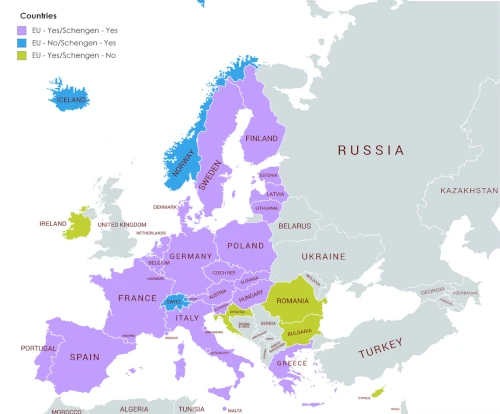
Your insurance policy must explicitly cover the entire Schengen Area, which currently includes 27 Schengen countries:
- Austria
- Belgium
- Croatia
- Czech Republic
- Denmark
- Estonia
- Finland
- France
- Germany
- Greece
- Hungary
- Iceland
- Italy
- Latvia
- Liechtenstein
- Lithuania
- Luxembourg
- Malta
- Netherlands
- Norway
- Poland
- Portugal
- Slovakia
- Slovenia
- Spain
- Sweden
- Switzerland
If your trip includes both Schengen and non-Schengen countries, your travel insurance policy should cover all destinations on your itinerary. The policy must state coverage for the “Schengen Area” or list all Schengen countries you will visit.
### Validity
Your travel insurance must be valid for the entire duration of your stay in the Schengen Area plus a recommended buffer period. Specifically:
- **Start date:** From the day you enter the Schengen Area
- **End date:** Until the day you exit the Schengen Area
- Most Schengen embassies recommend having a few extra days of coverage beyond your exit date
For multiple-entry visas, you need to have insurance for your first trip and then buy appropriate insurance for each subsequent trip.
### Required Benefits/Coverages
To be valid for a Schengen visa application, your insurance policy must include:
1. **Medical Emergency**: For sudden illness or accident.
2. **Hospitalization**: For any hospital stay during your trip.
3. **Emergency Evacuation/Repatriation**: For medical reasons to repatriate you back to your home country.
4. **Repatriation of Remains**: For the repatriation of your remains to your home country in case of death.
Travel insurance coverage is crucial for various travel scenarios, whether you are visiting recreational destinations like ski resorts or beaches. It is important to stay informed about travel advisories, as they can impact the validity of your travel insurance policy.
Additional recommended (but not always required) coverage:
- Trip cancellation and trip interruption insurance
- Lost luggage insurance
- Personal liability insurance
- 24/7 emergency assistance services
Each Schengen country’s embassy or consulate will verify that your insurance policy meets these requirements before approving your application. Canada travel insurance is particularly relevant for individuals planning to live or work outside Canada, as local laws may necessitate proof of medical insurance for visa applications.
## Choosing the Right Insurance Plan

Choosing the right insurance plan for your Schengen visa application can be overwhelming, but it’s essential to ensure that you have adequate coverage. Here are some factors to consider when selecting an insurance plan:
- **Coverage for Emergency Medical Expenses**: Ensure the plan covers emergency medical expenses, hospitalization, and medical repatriation. This is crucial for handling unexpected medical emergencies during your trip.
- **Minimum Coverage of €30,000**: The insurance policy must have a minimum coverage of €30,000 to meet Schengen visa requirements. This amount is necessary to cover potential medical expenses and repatriation costs.
- **Coverage Period**: The insurance must cover the entire period of your intended stay or transit in the Schengen Area. It’s advisable to include a few extra days beyond your planned exit date.
- **Geographical Validity**: The policy should be valid throughout the Schengen Area Member States territory. Ensure it explicitly states coverage for the Schengen Area.
- **Pre-existing Medical Conditions**: If you have any pre-existing medical conditions, look for a plan that includes coverage for these conditions. Some policies may exclude pre-existing conditions, so it’s important to verify this.
- **Trip Interruption Insurance**: Consider adding trip interruption insurance if you want coverage for unexpected trip cancellations or interruptions. This can provide financial protection in case your travel plans change unexpectedly.
### Get Free Quotes and Compare Coverage Plans
To find the best insurance plan for your needs, it’s essential to compare coverage plans from different insurance providers. You can get free quotes from reputable insurance companies, such as AXA, Europ Assistance, and Allianz, and compare their coverage options, prices, and benefits. Comparing multiple plans will help you find the most cost-effective option that meets all Schengen visa requirements.
### Selecting a Reputable Insurance Provider
When selecting an insurance provider, it’s crucial to choose a reputable company that is licensed and approved by EU/Schengen embassies and consulates. Look for insurance providers that have a good reputation, excellent customer service, and a wide range of coverage options. Reputable providers are more likely to offer reliable coverage and support in case of a medical emergency.
## Types of Insurance

When choosing travel insurance for your application, you will see several types of policies.
**Single-entry Insurance**
- Covers one continuous trip to the Schengen Area
- Valid from your entry date until your exit date
- Less expensive than multiple-entry policies
- Suitable for tourists or business travelers visiting once
- Must cover the exact dates of your Schengen stay
**Multiple-entry Insurance**
- Designed for travelers who will enter and exit the Schengen Area multiple times
- Valid for longer periods (e.g., 6 months, 1 year)
- Allows multiple trips during the coverage period
- Often has limits on the duration of each individual trip (e.g., 90 days per trip)
- More expensive but provides flexibility for frequent travelers.
### Annual Travel Insurance
Annual travel insurance policies cover multiple trips throughout a one-year period. Here are some key points to consider:
- Typically covers unlimited trips in a 12-month period
- Usually limits the duration of each trip (e.g., 30, 60, 90 days per trip)
- Cost-effective for frequent travelers who make multiple international trips per year
- May offer comprehensive coverage beyond medical (baggage, trip cancellation insurance, trip interruption, etc.)
- Must state coverage for the Schengen Area
- Must have minimum €30,000 medical coverage
If you’re a frequent traveler, an annual travel insurance might be more cost-effective than buying single-trip policies for each journey. However, verify that the policy meets all Schengen requirements and will provide the necessary documentation for your visa application.
### Comparison of Popular Online Insurance Providers
Several insurance companies offer Schengen visa travel insurance. Here is a comparison of popular providers:
| **Provider** | **Base Coverage** | **Price Range\*** | **Visa Acceptance Rate** | **Features** |
|---|---|---|---|---|
| [**AXA Schengen**](https://www.axa-schengen.com/) | €30,000 to €100,000 | €20-€100 | Very High | Direct embassy acceptance, instant insurance certificate |
| [**Europ Assistance**](https://www.europ-assistance.com/) | €30,000 to €150,000 | €30-€120 | High | Multi-trip options, extensive network |
| [**Allianz Global Assistance**](https://www.allianztravelinsurance.com/) | €30,000 to €500,000 | €25-€150 | High | Worldwide coverage options, mobile app |
| [**WorldNomads**](https://www.worldnomads.com/) | €30,000+ | €40-€200 | Good | Extreme sports coverage, extendable policies |
| [**SafetyWing**](https://safetywing.com/) | €30,000+ | €40-€180 | Good | Renewable monthly, digital nomad-friendly |
*\*Price range is approximate for a 7-14 day trip duration and varies based on age, destination, coverage level, and trip duration.*
### Credit Card Travel Insurance (When It’s Acceptable)
Some premium credit cards offer travel insurance when you use the card to pay for your trip. However, these policies rarely meet the visa insurance requirements because:
**Limitations of Credit Card Insurance:**
- Some don't provide the minimum €30,000 coverage
- Some don't explicitly cover the Schengen Area
- Some don't provide insurance certificate in the required format by consulates
- Some only cover only short trips (e.g., up to 30 days)
- Some don't include medical evacuation or repatriation for medical reasons
- Some don't cover pre-existing conditions
**When Credit Card Insurance Might Be Acceptable:**
- If the policy states it meets Schengen visa requirements
- If the credit card company provides official certificate for visa purposes
- If the coverage amount is at or above €30,000
- If the policy covers medical evacuation and repatriation
Always request a detailed insurance certificate from your credit card company and verify with the specific consulate whether it will be accepted before relying on credit card insurance for your application.
## Documentation Requirements
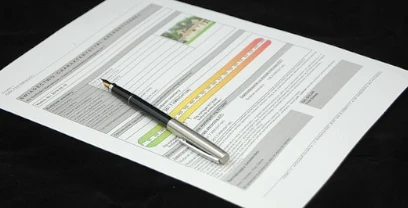
Proper documentation of your travel insurance is crucial. Consulates have specific requirements for the insurance certificate you submit.
### Required Insurance Certificate Details
Your travel insurance certificate must contain the following:
1. **Full Name of the Insured**: Must match exactly with your passport name.
2. **Policy Number**: Unique identifier for your specific insurance policy.
3. **Coverage Dates**: Clear dates of coverage which must cover your entire stay in the Schengen Area.
4. **Geographical Coverage**: Must state “Schengen Area” or list all Schengen countries you will visit.
5. **Coverage Amount**: Clearly state the coverage amount which must be at least €30,000 or equivalent.
6. **Types of Coverage**: List of all covered benefits (medical expenses, hospitalization, emergency evacuation, repatriation).
7. **Insurance Company Details**: Full name, address and contact details of the insurance provider.
8. **24/7 Emergency Assistance**: Contact information for emergency assistance services.
9. **Statement of Schengen Compliance**: Many reputable insurers include a statement confirming the policy meets Schengen requirements.
The certificate must be printed on the insurance company’s letterhead or contain official branding elements to verify its authenticity.
### Obtaining and Submitting the Insurance Certificate
After purchasing a compliant Schengen health insurance policy, the provider will issue a certificate. The certificate serves as proof of coverage and is mandatory for the visa application. The certificate must contain the following information:
- **Policy Number**: A unique identifier for your specific insurance policy.
- **Policy Holder’s Name and Address**: Ensure it matches your passport details.
- **Policy Start and End Dates**: Coverage must span the entire duration of your stay in the Schengen Area.
- **Coverage Amount**: Clearly state the coverage amount, which must be at least €30,000.
- **List of Covered Countries**: The certificate should list all Schengen countries covered by the policy.
You must submit your health protection letter along with the rest of your visa application documents. The Schengen embassies may ask you to submit the document in the following ways:
- **Online**: Upload the certificate through the embassy’s online portal.
- **By Email**: Send a digital copy to the embassy’s designated email address.
- **In Person**: Provide a physical copy during your visa appointment.
Ensuring that your insurance certificate meets all these requirements will help streamline your visa application process and provide peace of mind during your travels.
### Common Reasons for Rejection

Visa applications are often rejected due to insurance-related issues. Here are some common reasons:
1. **Insufficient Coverage**: Less than €30,000 coverage
2. **No Schengen Area coverage**: Doesn’t cover Schengen Area or all Schengen countries you will visit
3. **Inadequate Coverage Period**: Doesn’t cover entire duration of your stay
4. **Missing Required Benefits**: Doesn’t include emergency medical evacuation or repatriation
5. **Unclear Certificate**: Vague, doesn’t clearly state coverage or in a language other than English or the local language of the consulate
6. **Non-Recognized Insurer**: Some consulates may be hesitant to accept policies from lesser-known insurers
7. **Policy Exclusions**: Significant exclusions that effectively invalidate coverage for likely scenarios
8. **Missing Information**: Policy number, emergency contact, insurer information missing
To avoid rejection, review your certificate carefully before submission and buy from providers known to be accepted by Schengen embassies.
## Country Specifics

While insurance requirements for a Schengen visa are standard across all member countries, each country’s embassy or consulate has its own way of implementing these requirements.
### Schengen Country Variations
Different Schengen countries have slightly different approaches to insurance verification:
**France, Germany and Italy** (high volume visa processors):\* Stricter verification
- Must mention "Schengen Area" in the policy
- Check if insurer has representation in Europe
- May require French/German/Italian translation of certificate
**Nordic Countries** (Finland, Sweden, Norway, Iceland):
- Accept English language certificates
- Emphasis on repatriation coverage
- Higher coverage amounts during winter months
**Spain and Portugal**:
- Verify medical expenses and urgent medical attention
- Clear mention of coverage throughout the Iberian Peninsula
**Benelux Countries** (Belgium, Netherlands, Luxembourg):
- Accept digital certificates
- Emphasis on 24/7 assistance
- European partner of the insurer
**Eastern European Schengen Members**:
- Standard requirements
- Flexible on certificate format
Check the embassy or consulate website of the country where you apply as requirements may change.
### Embassy Specific Requirements
Some embassies have additional requirements:
**Swiss Embassy/Consulate**:
- Insurer must have a Swiss partner or presence
- Validates certificate through direct communication with the provider
- Higher coverage for winter sports seasons
**French Embassy/Consulate**:
- Insurer must have a French branch or partner
- Certificate in French
- "Assistance" coverage in addition to medical coverage
**German Embassy/Consulate**:
- Thorough verification of insurance credentials
- Medical expenses and return transportation coverage separate
- Evidence of insurer’s financial stability
**Italian Embassy/Consulate**:
- Clarification on coverage for specific Italian regions
- Policy covers entire duration of stay plus extra days
- "Certificate of conformity" for Schengen requirements
**Spanish Embassy/Consulate**:
- Repatriation for medical reasons coverage
- On-site medical services coverage
- Emergency numbers will work from Spain
### Other **Insurance Providers for Schengen Visa**
**Traditional Insurance Companies**:
- Many national and international insurers offer Schengen-compliant travel health insurance
- Personalized service through agents
- Physical offices for in-person assistance
- Can customize policies for specific needs
- Bundle with other insurance products for discounts
**Travel Agency Options**:
- Travel agencies offer travel insurance as part of travel packages
- One-stop solution
- Partnerships with recognized insurers
- Competitive rates
- Ensure policy matches your exact travel dates and destinations
**Bank Services**:
- Banks offer travel insurance to their customers
- Discounts for existing customers
- Partnerships with major insurance companies
- Added to premium banking packages
- Convenient payment from your bank account
**Insurance Brokers**:
- Compare multiple offers from different providers
- Personalized advice for your needs
- Special rates or packages
- Help with claims process if issues arise
- Useful for travelers with medical conditions
When you buy, make sure:
- Provider explicitly states policy meets Schengen requirements
- You can get certificate immediately for application
- Policy covers minimum €30,000 and all required benefits
- Insurer has good reputation for claims and customer service
- 24/7 emergency assistance with multilingual support
## Tips and Mistakes
The insurance requirements for a Schengen visa can be tricky. Here are key tips and common mistakes to avoid for a smooth visa application process.
### When to Buy
Timing your purchase correctly is important:
**Best Time**:
- Buy after fixing your travel dates but before submitting your application
- Ideally 1-2 weeks before your visa appointment
- Leave time to review the certificate and ask for changes if needed
**Don’t Buy Too Early**:
- Don’t buy before confirming your travel dates\* Changing dates may require policy modifications or new purchase
- Some policies have limited validity for unused insurance
**Don’t Buy Too Late**:
- Last minute purchases may delay documentation
- You may not have time to fix any issues with the certificate
- Some consulates verify insurance details with providers which takes time
**Flexible Policies**:
- Some providers offer "visa denial" coverage that refunds your insurance cost if your visa is denied
- Policies with date change options can be useful if your travel dates change
- Check if provider allows free changes to coverage dates before your trip starts
### Cost Saving Tips

While insurance is necessary, there are ways to save:
**Compare Multiple Providers**:
- Rates vary between insurance companies
- Use comparison websites to compare multiple options quickly
- Check if your home country has agreements with certain Schengen countries
**Coverage Length**:
- Match your insurance dates to your travel dates (plus a small buffer)
- Don’t overbuy coverage for longer periods than needed
**Look for Discounts**:
- Family members traveling together can get per-person discounts
- Seasonal promotions or coupon codes may be available
- Some providers offer discounts for students, seniors or members of certain organizations
**Annual Policies**:
- If you travel to Schengen Area frequently, an annual multi-trip policy might be more cost effective
- Calculate the cost of multiple single-trip policies vs one annual travel insurance
- Canadian providers often offer competitive annual plans for frequent European travelers
**Price vs Service**:
- Cheapest isn’t always the best value
- Consider claim process, customer service and direct billing options
- Check online forums and reviews focusing on claim experiences
**Unnecessary Add-ons**:
- Focus on meeting Schengen requirements first
- Add optional coverage only if it addresses specific risks for your trip
- Some coverage (like baggage delay) might be already covered by your credit card
### What to Do If Your Visa Duration Exceeds Insurance Coverage
Sometimes your visa duration and insurance coverage won’t match:
**Long-Stay Visas**:
- Some long-stay visas (over 90 days) require different insurance arrangements
- Consider combination of short-term travel insurance and local health insurance\* Some countries allow you to buy their national health insurance after arrival
**If Granted a Longer Visa Than Expected**:
- Contact your insurer immediately to extend coverage
- Most companies offer extension options if requested before the original policy expires
- Keep documentation of your extended coverage for border control
**If Staying Longer Than Planned**:
- Never overstay your insurance coverage
- Buy extension coverage before your original policy expires
- Some policies allow online extensions even while traveling
- Keep digital and physical proof of your continuous coverage
**For Multiple-Entry Visas**:
- Understand you must have valid insurance for each entry
- Consider an annual multi-trip policy that covers repeat visits
- Keep proof of insurance for each entry into the Schengen Area
**Emergency Situations**:
- If facing a medical emergency near the end of your coverage, contact your insurer immediately
- Many policies include provisions for extending coverage during ongoing treatment
- Document all communication with your insurer
Remember traveling without valid insurance in the Schengen Area not only breaches visa conditions but also leaves you financially exposed to huge medical bills. Always prioritize maintaining valid coverage throughout your stay.
## Pre-existing Medical Conditions

If you have pre-existing medical conditions, getting Schengen travel health insurance requires extra attention:
### Disclosure
- Most insurance policies require full disclosure of pre-existing medical conditions
- Failure to disclose can result in denied claims even if the condition seems unrelated
- Some insurers require medical examinations or doctors’ statements for certain conditions
### Finding Coverage with Pre-existing Conditions
- Some standard policies exclude pre-existing conditions entirely
- Specialized providers offer coverage with pre-existing medical conditions included
- Expect to pay higher premiums for comprehensive coverage
- Look for plans that offer coverage after a stability period (typically 3-6 months without treatment changes)
### Options for Travellers with Pre-existing Conditions
1. **Medical Screening Policies**: Some insurers offer coverage after a medical screening process
2. **Exclusion Waivers**: Pay extra for a waiver that includes coverage for stable pre-existing conditions
3. **High-Risk Policies**: Specialized policies for travellers with complex medical histories
4. **Age-Specific Policies**: Insurance plans for seniors often have better terms for pre-existing conditions
### Tips for Travellers with Medical Conditions
- Start your search early, underwriting can take time
- Get written confirmation your condition is covered\* Bring a letter from your doctor explaining your condition
- Bring sufficient medication for your entire trip plus extra in case of delays
- Research medical facilities at your destinations that can treat your condition
## Conclusion
Getting travel health insurance is not just a bureaucratic requirement for your Schengen visa—it’s an essential protection for your health, your finances and your mind while traveling. By understanding the specific requirements and navigating the options wisely, you can have a smooth application and a worry-free European trip.
### Key Points
- **Mandatory**: Travel health insurance with minimum €30,000 coverage is not negotiable for Schengen visa.
- **Comprehensive**: Your insurance policy must cover emergency medical expenses, hospitalisation and repatriation across all Schengen countries you plan to visit.
- **Proper Documentation**: Insurance certificate must highlight all required details and match your travel dates exactly.
- **Verification Process**: Different embassies have different verification processes and specific requirements.
- **Strategic Purchase**: Timing your insurance purchase and comparing providers can optimise both coverage and cost.
### What to Do Next
1. **Finalize Your Travel Plans**: Before buying insurance.
2. **Compare Providers**: Research multiple insurance options that mention Schengen compliance.
3. **Verify Requirements**: Check the embassy website where you’ll apply for any special insurance requirements.
4. **Buy and Verify**: After buying, review your certificate to ensure it meets all requirements.
5. **Digital and Physical Copies**: Keep both digital and physical copies of your insurance document throughout your trip.
Travel health insurance for your Schengen visa is about being able to access quality healthcare without financial stress should an emergency arise. Treat it as an investment in a stress-free European experience rather than just a visa requirement.
***
*This guide was last updated March, 2025 and reflects the latest requirements. However, requirements may change, so always check with your specific embassy or consulate before applying.*
*Need help with your* [*flight*](https://getitinerary.com/#order) *or* [*hotel itinerary*](https://getitinerary.com/#order) *for visa purposes? Visit* [*GetItinerary.com*](https://getitinerary.com/) *for reliable, embassy-accepted travel documentation services.*
[Blog](https://getitinerary.com/category/blog)

### Categories
- [News 0](https://getitinerary.com/category/news)
- [Blog 26](https://getitinerary.com/category/blog)
### Tag Cloud
- [Visa Application Cover Letter Tips](https://getitinerary.com/complete-guide-to-schengen-visa-travel-insurance-requirements)
- [Schengen Cover Letter](https://getitinerary.com/complete-guide-to-schengen-visa-travel-insurance-requirements)


- COMPANY
- Offices:
- Vancouver,
Canada V6A 2K9
- TokyoBay,
Japan 279-0013
- SITE
- [Home](https://getitinerary.com/)
- [About Us](https://getitinerary.com/about-us)
- [Contact Us](https://getitinerary.com/contact-us)
- SERVICES
- [Pricing](https://getitinerary.com#order)
- [Flight](https://getitinerary.com/itinerary-search-fligh-one?amount=jO0eMYeRAo&id=85Azx9KGJ3&pname=Flight)
- [Hotel](https://getitinerary.com/itinerary-search-hotel?amount=jO0eMYeRAo&pname=Hotel&id=W6op93z2nG)
- [Flight + Hotel](https://getitinerary.com/itinerary-search-flight-hotel?amount=wWjeZYpx6G&pname=Flight+%2B+Hotel&id=4ndKGRzMmZ)
- [Download](https://getitinerary.com/itinerary-dashboard-download)
- LINKS
- [FAQ](https://getitinerary.com/faq)
- [Blog](https://getitinerary.com/blog)
- [Reviews](https://getitinerary.com/reviews)
- [Login](https://getitinerary.com/login)
- [Register](https://getitinerary.com/register)
- [Profile](https://getitinerary.com/itinerary-dashboard-profile)
- [Privacy Policy](https://getitinerary.com/privacy)
- [Terms and Conditions](https://getitinerary.com/terms)
- LANGUAGE
- [English](https://getitinerary.com/set-locale/en)
- [Español](https://getitinerary.com/set-locale/es)
- [العربية](https://getitinerary.com/set-locale/ar)
- [中文](https://getitinerary.com/set-locale/cn)
- [हिन्दी](https://getitinerary.com/set-locale/hi)
© 2026 Get Itinerary

**J.S.** from **Canada**
recently purchased a Flight Itinerary
×
[Get Your Itinerary Now - From \$15](https://getitinerary.com/#order)
✓ 5-min delivery ✓ Money-back guarantee ✓ Embassy approved | |||||||||
| Readable Markdown | ## Table of Contents
1. [Introduction](https://getitinerary.com/complete-guide-to-schengen-visa-travel-insurance-requirements#introduction)
2. [Insurance Requirements](https://getitinerary.com/complete-guide-to-schengen-visa-travel-insurance-requirements#insurancerequirements)
3. [Choosing the Right Insurance Plan](https://getitinerary.com/complete-guide-to-schengen-visa-travel-insurance-requirements#choosing-the-right-insurance-plan)
4. [Types of Insurances](https://getitinerary.com/complete-guide-to-schengen-visa-travel-insurance-requirements#typesofinsurances)
5. [Documents](https://getitinerary.com/complete-guide-to-schengen-visa-travel-insurance-requirements#documents)
6. [Country-Specific Requirements](https://getitinerary.com/complete-guide-to-schengen-visa-travel-insurance-requirements#countryspecificrequirements)
7. [Tips and Mistakes](https://getitinerary.com/complete-guide-to-schengen-visa-travel-insurance-requirements#tipsandmistakes)
8. [Pre-existing Medical Conditions](https://getitinerary.com/complete-guide-to-schengen-visa-travel-insurance-requirements#preexistingmedicalconditions)
9. [Conclusion](https://getitinerary.com/complete-guide-to-schengen-visa-travel-insurance-requirements#conclusion)
## Introduction
When applying for a Schengen visa, one of the most important requirements is travel insurance. This is not just a formality—it’s a requirement by the Schengen Agreement to ensure that visitors won’t burden the healthcare systems of member countries in case of medical emergencies. Medical travel insurance is crucial as it secures coverage for various medical-related incidents that may arise during travel, including hospitalization and repatriation.
Schengen insurance is a mandatory requirement and must include medical coverage, trip cancellation, and other specific benefits for travelers in the Schengen area.
### What is Schengen Medical Insurance?
Schengen medical insurance is a specialized type of travel insurance designed to cover medical expenses, hospitalization, and medical repatriation during your stay in the Schengen Area. This insurance is not just a recommendation but a mandatory requirement for anyone applying for a Schengen visa. The policy must meet specific criteria, including a minimum coverage of €30,000, to ensure that travelers are adequately protected in case of medical emergencies. This minimum coverage is essential to cover potential medical expenses, ensuring that visitors do not become a financial burden on the healthcare systems of Schengen member countries. When selecting a Schengen medical insurance policy, make sure it explicitly states coverage for the Schengen Area and meets all the necessary requirements to avoid any issues during your visa application process.
### Why Travel Insurance is Mandatory for Schengen Visas
The European Union requires all Schengen visa applicants to have valid travel insurance to cover any emergency medical expenses, hospitalization or repatriation costs that might occur during their stay. This was made mandatory in 2009 as part of the Schengen Visa Code (Regulation (EC) No 810/2009) to:
- Protect the public health systems of Schengen countries from bearing medical costs for visitors
- Ensure travelers receive adequate health care if needed during their visit
- Cover potential emergency medical evacuation or repatriation costs
- Provide financial protection for both the traveler and the hosting countries
### Common Myths
Despite being a requirement, there are several myths about Schengen visa insurance requirements:
1. **My domestic health insurance is enough** - Most domestic health insurances don’t cover international travel or meet Schengen requirements.
2. **I can buy any travel insurance** - Not all travel insurances meet Schengen coverage amounts, geographical scope, and benefits.
3. **Credit card travel insurance is enough** - While some premium credit cards offer travel insurance, they rarely meet all Schengen requirements or provide documentation in the required format.
4. **I’m healthy so I don’t need full coverage** - Unexpected illness or emergencies can happen to anyone, regardless of health status. The insurance requirement is non-negotiable for visa approval.
5. **I can buy insurance after getting the visa** - Insurance proof is required during the application process, not after approval.
## Insurance Requirements
Schengen applications must include proof of travel medical insurance that meets very specific criteria. Understanding these requirements will help you avoid visa rejection due to inadequate insurance coverage.
### Minimum Coverage Amount (€30,000)
Schengen Visa Code requires travel insurance to have a minimum coverage of €30,000 (roughly \$32,500 USD). This amount is to cover:
- Potential medical expenses
- Hospitalization costs
- Medical repatriation expenses in case you need to be transported back to your home country for treatment
Note that this is the minimum coverage requirement. Depending on your destination countries, trip duration, age and any pre-existing medical conditions, it may be wise to consider higher coverage for better protection.
### Geographic Coverage Requirements

Your insurance policy must explicitly cover the entire Schengen Area, which currently includes 27 Schengen countries:
- Austria
- Belgium
- Croatia
- Czech Republic
- Denmark
- Estonia
- Finland
- France
- Germany
- Greece
- Hungary
- Iceland
- Italy
- Latvia
- Liechtenstein
- Lithuania
- Luxembourg
- Malta
- Netherlands
- Norway
- Poland
- Portugal
- Slovakia
- Slovenia
- Spain
- Sweden
- Switzerland
If your trip includes both Schengen and non-Schengen countries, your travel insurance policy should cover all destinations on your itinerary. The policy must state coverage for the “Schengen Area” or list all Schengen countries you will visit.
### Validity
Your travel insurance must be valid for the entire duration of your stay in the Schengen Area plus a recommended buffer period. Specifically:
- **Start date:** From the day you enter the Schengen Area
- **End date:** Until the day you exit the Schengen Area
- Most Schengen embassies recommend having a few extra days of coverage beyond your exit date
For multiple-entry visas, you need to have insurance for your first trip and then buy appropriate insurance for each subsequent trip.
### Required Benefits/Coverages
To be valid for a Schengen visa application, your insurance policy must include:
1. **Medical Emergency**: For sudden illness or accident.
2. **Hospitalization**: For any hospital stay during your trip.
3. **Emergency Evacuation/Repatriation**: For medical reasons to repatriate you back to your home country.
4. **Repatriation of Remains**: For the repatriation of your remains to your home country in case of death.
Travel insurance coverage is crucial for various travel scenarios, whether you are visiting recreational destinations like ski resorts or beaches. It is important to stay informed about travel advisories, as they can impact the validity of your travel insurance policy.
Additional recommended (but not always required) coverage:
- Trip cancellation and trip interruption insurance
- Lost luggage insurance
- Personal liability insurance
- 24/7 emergency assistance services
Each Schengen country’s embassy or consulate will verify that your insurance policy meets these requirements before approving your application. Canada travel insurance is particularly relevant for individuals planning to live or work outside Canada, as local laws may necessitate proof of medical insurance for visa applications.
## Choosing the Right Insurance Plan

Choosing the right insurance plan for your Schengen visa application can be overwhelming, but it’s essential to ensure that you have adequate coverage. Here are some factors to consider when selecting an insurance plan:
- **Coverage for Emergency Medical Expenses**: Ensure the plan covers emergency medical expenses, hospitalization, and medical repatriation. This is crucial for handling unexpected medical emergencies during your trip.
- **Minimum Coverage of €30,000**: The insurance policy must have a minimum coverage of €30,000 to meet Schengen visa requirements. This amount is necessary to cover potential medical expenses and repatriation costs.
- **Coverage Period**: The insurance must cover the entire period of your intended stay or transit in the Schengen Area. It’s advisable to include a few extra days beyond your planned exit date.
- **Geographical Validity**: The policy should be valid throughout the Schengen Area Member States territory. Ensure it explicitly states coverage for the Schengen Area.
- **Pre-existing Medical Conditions**: If you have any pre-existing medical conditions, look for a plan that includes coverage for these conditions. Some policies may exclude pre-existing conditions, so it’s important to verify this.
- **Trip Interruption Insurance**: Consider adding trip interruption insurance if you want coverage for unexpected trip cancellations or interruptions. This can provide financial protection in case your travel plans change unexpectedly.
### Get Free Quotes and Compare Coverage Plans
To find the best insurance plan for your needs, it’s essential to compare coverage plans from different insurance providers. You can get free quotes from reputable insurance companies, such as AXA, Europ Assistance, and Allianz, and compare their coverage options, prices, and benefits. Comparing multiple plans will help you find the most cost-effective option that meets all Schengen visa requirements.
### Selecting a Reputable Insurance Provider
When selecting an insurance provider, it’s crucial to choose a reputable company that is licensed and approved by EU/Schengen embassies and consulates. Look for insurance providers that have a good reputation, excellent customer service, and a wide range of coverage options. Reputable providers are more likely to offer reliable coverage and support in case of a medical emergency.
## Types of Insurance

When choosing travel insurance for your application, you will see several types of policies.
**Single-entry Insurance**
- Covers one continuous trip to the Schengen Area
- Valid from your entry date until your exit date
- Less expensive than multiple-entry policies
- Suitable for tourists or business travelers visiting once
- Must cover the exact dates of your Schengen stay
**Multiple-entry Insurance**
- Designed for travelers who will enter and exit the Schengen Area multiple times
- Valid for longer periods (e.g., 6 months, 1 year)
- Allows multiple trips during the coverage period
- Often has limits on the duration of each individual trip (e.g., 90 days per trip)
- More expensive but provides flexibility for frequent travelers.
### Annual Travel Insurance
Annual travel insurance policies cover multiple trips throughout a one-year period. Here are some key points to consider:
- Typically covers unlimited trips in a 12-month period
- Usually limits the duration of each trip (e.g., 30, 60, 90 days per trip)
- Cost-effective for frequent travelers who make multiple international trips per year
- May offer comprehensive coverage beyond medical (baggage, trip cancellation insurance, trip interruption, etc.)
- Must state coverage for the Schengen Area
- Must have minimum €30,000 medical coverage
If you’re a frequent traveler, an annual travel insurance might be more cost-effective than buying single-trip policies for each journey. However, verify that the policy meets all Schengen requirements and will provide the necessary documentation for your visa application.
### Comparison of Popular Online Insurance Providers
Several insurance companies offer Schengen visa travel insurance. Here is a comparison of popular providers:
| **Provider** | **Base Coverage** | **Price Range\*** | **Visa Acceptance Rate** | **Features** |
|---|---|---|---|---|
| [**AXA Schengen**](https://www.axa-schengen.com/) | €30,000 to €100,000 | €20-€100 | Very High | Direct embassy acceptance, instant insurance certificate |
| [**Europ Assistance**](https://www.europ-assistance.com/) | €30,000 to €150,000 | €30-€120 | High | Multi-trip options, extensive network |
| [**Allianz Global Assistance**](https://www.allianztravelinsurance.com/) | €30,000 to €500,000 | €25-€150 | High | Worldwide coverage options, mobile app |
| [**WorldNomads**](https://www.worldnomads.com/) | €30,000+ | €40-€200 | Good | Extreme sports coverage, extendable policies |
| [**SafetyWing**](https://safetywing.com/) | €30,000+ | €40-€180 | Good | Renewable monthly, digital nomad-friendly |
*\*Price range is approximate for a 7-14 day trip duration and varies based on age, destination, coverage level, and trip duration.*
### Credit Card Travel Insurance (When It’s Acceptable)
Some premium credit cards offer travel insurance when you use the card to pay for your trip. However, these policies rarely meet the visa insurance requirements because:
**Limitations of Credit Card Insurance:**
- Some don't provide the minimum €30,000 coverage
- Some don't explicitly cover the Schengen Area
- Some don't provide insurance certificate in the required format by consulates
- Some only cover only short trips (e.g., up to 30 days)
- Some don't include medical evacuation or repatriation for medical reasons
- Some don't cover pre-existing conditions
**When Credit Card Insurance Might Be Acceptable:**
- If the policy states it meets Schengen visa requirements
- If the credit card company provides official certificate for visa purposes
- If the coverage amount is at or above €30,000
- If the policy covers medical evacuation and repatriation
Always request a detailed insurance certificate from your credit card company and verify with the specific consulate whether it will be accepted before relying on credit card insurance for your application.
## Documentation Requirements

Proper documentation of your travel insurance is crucial. Consulates have specific requirements for the insurance certificate you submit.
### Required Insurance Certificate Details
Your travel insurance certificate must contain the following:
1. **Full Name of the Insured**: Must match exactly with your passport name.
2. **Policy Number**: Unique identifier for your specific insurance policy.
3. **Coverage Dates**: Clear dates of coverage which must cover your entire stay in the Schengen Area.
4. **Geographical Coverage**: Must state “Schengen Area” or list all Schengen countries you will visit.
5. **Coverage Amount**: Clearly state the coverage amount which must be at least €30,000 or equivalent.
6. **Types of Coverage**: List of all covered benefits (medical expenses, hospitalization, emergency evacuation, repatriation).
7. **Insurance Company Details**: Full name, address and contact details of the insurance provider.
8. **24/7 Emergency Assistance**: Contact information for emergency assistance services.
9. **Statement of Schengen Compliance**: Many reputable insurers include a statement confirming the policy meets Schengen requirements.
The certificate must be printed on the insurance company’s letterhead or contain official branding elements to verify its authenticity.
### Obtaining and Submitting the Insurance Certificate
After purchasing a compliant Schengen health insurance policy, the provider will issue a certificate. The certificate serves as proof of coverage and is mandatory for the visa application. The certificate must contain the following information:
- **Policy Number**: A unique identifier for your specific insurance policy.
- **Policy Holder’s Name and Address**: Ensure it matches your passport details.
- **Policy Start and End Dates**: Coverage must span the entire duration of your stay in the Schengen Area.
- **Coverage Amount**: Clearly state the coverage amount, which must be at least €30,000.
- **List of Covered Countries**: The certificate should list all Schengen countries covered by the policy.
You must submit your health protection letter along with the rest of your visa application documents. The Schengen embassies may ask you to submit the document in the following ways:
- **Online**: Upload the certificate through the embassy’s online portal.
- **By Email**: Send a digital copy to the embassy’s designated email address.
- **In Person**: Provide a physical copy during your visa appointment.
Ensuring that your insurance certificate meets all these requirements will help streamline your visa application process and provide peace of mind during your travels.
### Common Reasons for Rejection

Visa applications are often rejected due to insurance-related issues. Here are some common reasons:
1. **Insufficient Coverage**: Less than €30,000 coverage
2. **No Schengen Area coverage**: Doesn’t cover Schengen Area or all Schengen countries you will visit
3. **Inadequate Coverage Period**: Doesn’t cover entire duration of your stay
4. **Missing Required Benefits**: Doesn’t include emergency medical evacuation or repatriation
5. **Unclear Certificate**: Vague, doesn’t clearly state coverage or in a language other than English or the local language of the consulate
6. **Non-Recognized Insurer**: Some consulates may be hesitant to accept policies from lesser-known insurers
7. **Policy Exclusions**: Significant exclusions that effectively invalidate coverage for likely scenarios
8. **Missing Information**: Policy number, emergency contact, insurer information missing
To avoid rejection, review your certificate carefully before submission and buy from providers known to be accepted by Schengen embassies.
## Country Specifics

While insurance requirements for a Schengen visa are standard across all member countries, each country’s embassy or consulate has its own way of implementing these requirements.
### Schengen Country Variations
Different Schengen countries have slightly different approaches to insurance verification:
**France, Germany and Italy** (high volume visa processors):\* Stricter verification
- Must mention "Schengen Area" in the policy
- Check if insurer has representation in Europe
- May require French/German/Italian translation of certificate
**Nordic Countries** (Finland, Sweden, Norway, Iceland):
- Accept English language certificates
- Emphasis on repatriation coverage
- Higher coverage amounts during winter months
**Spain and Portugal**:
- Verify medical expenses and urgent medical attention
- Clear mention of coverage throughout the Iberian Peninsula
**Benelux Countries** (Belgium, Netherlands, Luxembourg):
- Accept digital certificates
- Emphasis on 24/7 assistance
- European partner of the insurer
**Eastern European Schengen Members**:
- Standard requirements
- Flexible on certificate format
Check the embassy or consulate website of the country where you apply as requirements may change.
### Embassy Specific Requirements
Some embassies have additional requirements:
**Swiss Embassy/Consulate**:
- Insurer must have a Swiss partner or presence
- Validates certificate through direct communication with the provider
- Higher coverage for winter sports seasons
**French Embassy/Consulate**:
- Insurer must have a French branch or partner
- Certificate in French
- "Assistance" coverage in addition to medical coverage
**German Embassy/Consulate**:
- Thorough verification of insurance credentials
- Medical expenses and return transportation coverage separate
- Evidence of insurer’s financial stability
**Italian Embassy/Consulate**:
- Clarification on coverage for specific Italian regions
- Policy covers entire duration of stay plus extra days
- "Certificate of conformity" for Schengen requirements
**Spanish Embassy/Consulate**:
- Repatriation for medical reasons coverage
- On-site medical services coverage
- Emergency numbers will work from Spain
### Other **Insurance Providers for Schengen Visa**
**Traditional Insurance Companies**:
- Many national and international insurers offer Schengen-compliant travel health insurance
- Personalized service through agents
- Physical offices for in-person assistance
- Can customize policies for specific needs
- Bundle with other insurance products for discounts
**Travel Agency Options**:
- Travel agencies offer travel insurance as part of travel packages
- One-stop solution
- Partnerships with recognized insurers
- Competitive rates
- Ensure policy matches your exact travel dates and destinations
**Bank Services**:
- Banks offer travel insurance to their customers
- Discounts for existing customers
- Partnerships with major insurance companies
- Added to premium banking packages
- Convenient payment from your bank account
**Insurance Brokers**:
- Compare multiple offers from different providers
- Personalized advice for your needs
- Special rates or packages
- Help with claims process if issues arise
- Useful for travelers with medical conditions
When you buy, make sure:
- Provider explicitly states policy meets Schengen requirements
- You can get certificate immediately for application
- Policy covers minimum €30,000 and all required benefits
- Insurer has good reputation for claims and customer service
- 24/7 emergency assistance with multilingual support
## Tips and Mistakes
The insurance requirements for a Schengen visa can be tricky. Here are key tips and common mistakes to avoid for a smooth visa application process.
### When to Buy
Timing your purchase correctly is important:
**Best Time**:
- Buy after fixing your travel dates but before submitting your application
- Ideally 1-2 weeks before your visa appointment
- Leave time to review the certificate and ask for changes if needed
**Don’t Buy Too Early**:
- Don’t buy before confirming your travel dates\* Changing dates may require policy modifications or new purchase
- Some policies have limited validity for unused insurance
**Don’t Buy Too Late**:
- Last minute purchases may delay documentation
- You may not have time to fix any issues with the certificate
- Some consulates verify insurance details with providers which takes time
**Flexible Policies**:
- Some providers offer "visa denial" coverage that refunds your insurance cost if your visa is denied
- Policies with date change options can be useful if your travel dates change
- Check if provider allows free changes to coverage dates before your trip starts
### Cost Saving Tips

While insurance is necessary, there are ways to save:
**Compare Multiple Providers**:
- Rates vary between insurance companies
- Use comparison websites to compare multiple options quickly
- Check if your home country has agreements with certain Schengen countries
**Coverage Length**:
- Match your insurance dates to your travel dates (plus a small buffer)
- Don’t overbuy coverage for longer periods than needed
**Look for Discounts**:
- Family members traveling together can get per-person discounts
- Seasonal promotions or coupon codes may be available
- Some providers offer discounts for students, seniors or members of certain organizations
**Annual Policies**:
- If you travel to Schengen Area frequently, an annual multi-trip policy might be more cost effective
- Calculate the cost of multiple single-trip policies vs one annual travel insurance
- Canadian providers often offer competitive annual plans for frequent European travelers
**Price vs Service**:
- Cheapest isn’t always the best value
- Consider claim process, customer service and direct billing options
- Check online forums and reviews focusing on claim experiences
**Unnecessary Add-ons**:
- Focus on meeting Schengen requirements first
- Add optional coverage only if it addresses specific risks for your trip
- Some coverage (like baggage delay) might be already covered by your credit card
### What to Do If Your Visa Duration Exceeds Insurance Coverage
Sometimes your visa duration and insurance coverage won’t match:
**Long-Stay Visas**:
- Some long-stay visas (over 90 days) require different insurance arrangements
- Consider combination of short-term travel insurance and local health insurance\* Some countries allow you to buy their national health insurance after arrival
**If Granted a Longer Visa Than Expected**:
- Contact your insurer immediately to extend coverage
- Most companies offer extension options if requested before the original policy expires
- Keep documentation of your extended coverage for border control
**If Staying Longer Than Planned**:
- Never overstay your insurance coverage
- Buy extension coverage before your original policy expires
- Some policies allow online extensions even while traveling
- Keep digital and physical proof of your continuous coverage
**For Multiple-Entry Visas**:
- Understand you must have valid insurance for each entry
- Consider an annual multi-trip policy that covers repeat visits
- Keep proof of insurance for each entry into the Schengen Area
**Emergency Situations**:
- If facing a medical emergency near the end of your coverage, contact your insurer immediately
- Many policies include provisions for extending coverage during ongoing treatment
- Document all communication with your insurer
Remember traveling without valid insurance in the Schengen Area not only breaches visa conditions but also leaves you financially exposed to huge medical bills. Always prioritize maintaining valid coverage throughout your stay.
## Pre-existing Medical Conditions

If you have pre-existing medical conditions, getting Schengen travel health insurance requires extra attention:
### Disclosure
- Most insurance policies require full disclosure of pre-existing medical conditions
- Failure to disclose can result in denied claims even if the condition seems unrelated
- Some insurers require medical examinations or doctors’ statements for certain conditions
### Finding Coverage with Pre-existing Conditions
- Some standard policies exclude pre-existing conditions entirely
- Specialized providers offer coverage with pre-existing medical conditions included
- Expect to pay higher premiums for comprehensive coverage
- Look for plans that offer coverage after a stability period (typically 3-6 months without treatment changes)
### Options for Travellers with Pre-existing Conditions
1. **Medical Screening Policies**: Some insurers offer coverage after a medical screening process
2. **Exclusion Waivers**: Pay extra for a waiver that includes coverage for stable pre-existing conditions
3. **High-Risk Policies**: Specialized policies for travellers with complex medical histories
4. **Age-Specific Policies**: Insurance plans for seniors often have better terms for pre-existing conditions
### Tips for Travellers with Medical Conditions
- Start your search early, underwriting can take time
- Get written confirmation your condition is covered\* Bring a letter from your doctor explaining your condition
- Bring sufficient medication for your entire trip plus extra in case of delays
- Research medical facilities at your destinations that can treat your condition
## Conclusion
Getting travel health insurance is not just a bureaucratic requirement for your Schengen visa—it’s an essential protection for your health, your finances and your mind while traveling. By understanding the specific requirements and navigating the options wisely, you can have a smooth application and a worry-free European trip.
### Key Points
- **Mandatory**: Travel health insurance with minimum €30,000 coverage is not negotiable for Schengen visa.
- **Comprehensive**: Your insurance policy must cover emergency medical expenses, hospitalisation and repatriation across all Schengen countries you plan to visit.
- **Proper Documentation**: Insurance certificate must highlight all required details and match your travel dates exactly.
- **Verification Process**: Different embassies have different verification processes and specific requirements.
- **Strategic Purchase**: Timing your insurance purchase and comparing providers can optimise both coverage and cost.
### What to Do Next
1. **Finalize Your Travel Plans**: Before buying insurance.
2. **Compare Providers**: Research multiple insurance options that mention Schengen compliance.
3. **Verify Requirements**: Check the embassy website where you’ll apply for any special insurance requirements.
4. **Buy and Verify**: After buying, review your certificate to ensure it meets all requirements.
5. **Digital and Physical Copies**: Keep both digital and physical copies of your insurance document throughout your trip.
Travel health insurance for your Schengen visa is about being able to access quality healthcare without financial stress should an emergency arise. Treat it as an investment in a stress-free European experience rather than just a visa requirement.
***
*This guide was last updated March, 2025 and reflects the latest requirements. However, requirements may change, so always check with your specific embassy or consulate before applying.*
*Need help with your* [*flight*](https://getitinerary.com/#order) *or* [*hotel itinerary*](https://getitinerary.com/#order) *for visa purposes? Visit* [*GetItinerary.com*](https://getitinerary.com/) *for reliable, embassy-accepted travel documentation services.* | |||||||||
| ML Classification | ||||||||||
| ML Categories |
Raw JSON{
"/Travel_and_Transportation": 848,
"/Travel_and_Transportation/Travel_Agencies_and_Services": 567,
"/Travel_and_Transportation/Travel_Agencies_and_Services/Other": 560
} | |||||||||
| ML Page Types |
Raw JSON{
"/Article": 998,
"/Article/Tutorial_or_Guide": 958
} | |||||||||
| ML Intent Types |
Raw JSON{
"Informational": 998
} | |||||||||
| Content Metadata | ||||||||||
| Language | en | |||||||||
| Author | null | |||||||||
| Publish Time | not set | |||||||||
| Original Publish Time | 2025-03-24 21:41:01 (1 year ago) | |||||||||
| Republished | No | |||||||||
| Word Count (Total) | 3,989 | |||||||||
| Word Count (Content) | 3,838 | |||||||||
| Links | ||||||||||
| External Links | 10 | |||||||||
| Internal Links | 23 | |||||||||
| Technical SEO | ||||||||||
| Meta Nofollow | No | |||||||||
| Meta Noarchive | No | |||||||||
| JS Rendered | No | |||||||||
| Redirect Target | null | |||||||||
| Performance | ||||||||||
| Download Time (ms) | 2,809 | |||||||||
| TTFB (ms) | 1,200 | |||||||||
| Download Size (bytes) | 35,992 | |||||||||
| Shard | 97 (laksa) | |||||||||
| Root Hash | 10749588133676027297 | |||||||||
| Unparsed URL | com,getitinerary!/complete-guide-to-schengen-visa-travel-insurance-requirements s443 | |||||||||