ℹ️ Skipped - page is already crawled
| Filter | Status | Condition | Details |
|---|---|---|---|
| HTTP status | PASS | download_http_code = 200 | HTTP 200 |
| Age cutoff | PASS | download_stamp > now() - 6 MONTH | 1.6 months ago |
| History drop | PASS | isNull(history_drop_reason) | No drop reason |
| Spam/ban | PASS | fh_dont_index != 1 AND ml_spam_score = 0 | ml_spam_score=0 |
| Canonical | PASS | meta_canonical IS NULL OR = '' OR = src_unparsed | Not set |
| Property | Value |
|---|---|
| URL | https://gardening.alibaba.com/plant-care/how-often-should-plants-be-watered |
| Last Crawled | 2026-02-28 01:59:21 (1 month ago) |
| First Indexed | not set |
| HTTP Status Code | 200 |
| Meta Title | Watering Plants: Frequency Guide Based on Plant Type & Conditions |
| Meta Description | No universal watering schedule exists. Learn how plant type, pot size, soil, and season determine when to water plants. |
| Meta Canonical | null |
| Boilerpipe Text | 22 February 2026
By Sarah Chen
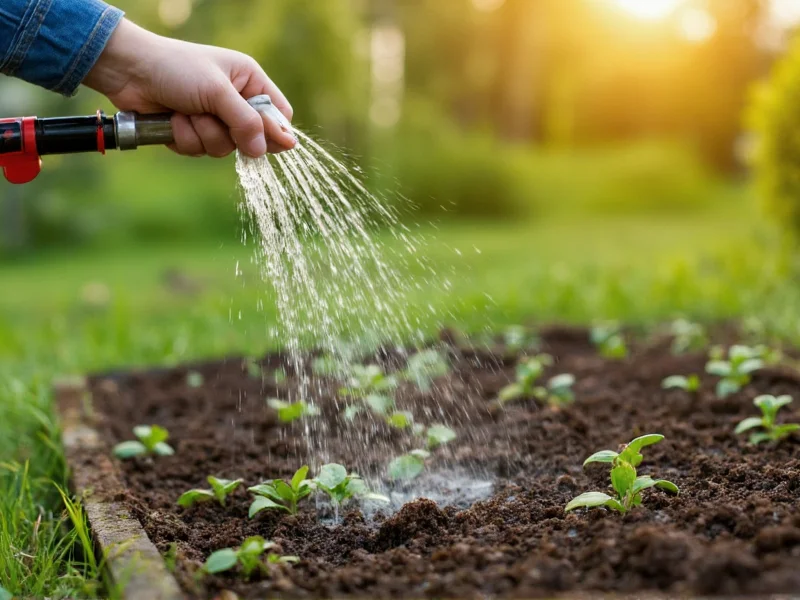
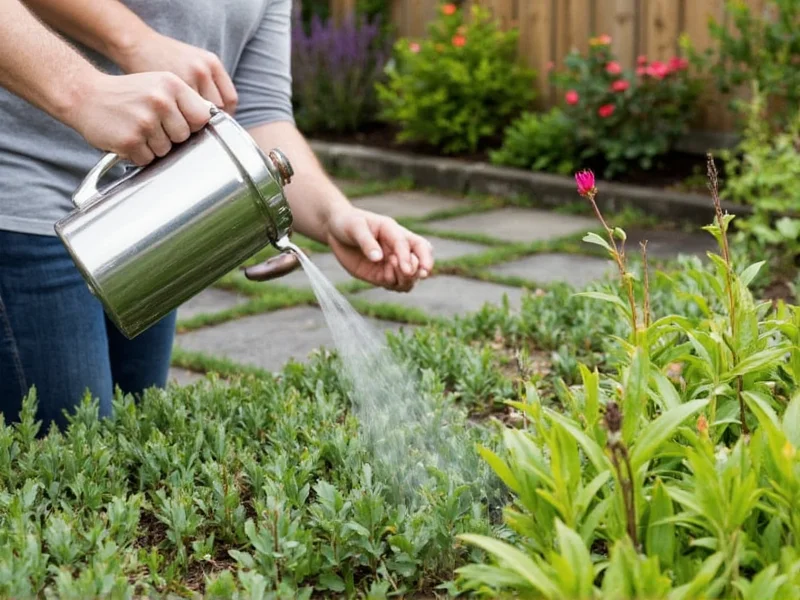
There's no universal watering schedule - frequency depends on plant type, pot size, soil, climate, and season. Most houseplants need watering when the top 1-2 inches of soil feel dry, while outdoor plants typically require 1-1.5 inches of water weekly during active growth periods. The key is checking soil moisture at root level rather than following a calendar.
Watering mistakes cause more plant deaths than any other gardening error. That crisp yellow leaf or sudden droop isn't always about frequency—it's about understanding your plant's unique needs. After two decades of helping gardeners rescue struggling plants, I've discovered that the real question isn't
how often
but
how to know when
. This guide reveals the science-backed assessment methods professional growers use to determine perfect watering timing for any plant, in any environment.
The Truth About Watering Frequency
"Water your plants every Tuesday and Friday"—this common advice causes more harm than good. Plants don't operate on human calendars. Your African violet in a terracotta pot on a sunny windowsill needs completely different care than your snake plant in a plastic container in a basement office. The optimal watering frequency for indoor plants versus outdoor plants varies significantly based on multiple environmental factors.
Why There's No Universal Watering Schedule
Soil moisture evaporates at different rates based on temperature and humidity
Plant water needs change with growth stages (flowering vs dormant)
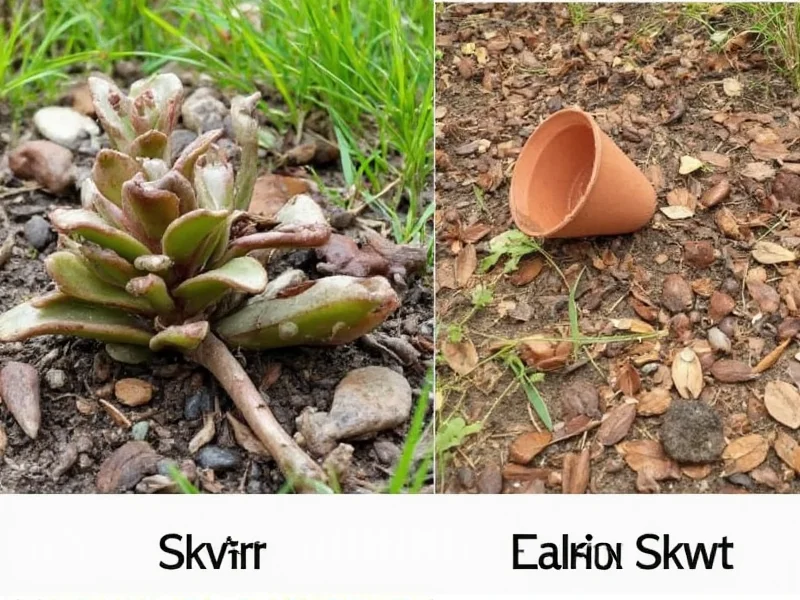
Pot material affects drainage (terra cotta breathes, plastic retains moisture)
Seasonal light changes alter transpiration rates
Indoor versus outdoor plant watering frequency differs substantially
Five Science-Backed Factors That Determine Watering Frequency
Plant Type & Natural Habitat
Understanding a plant's origin reveals its water preferences. Desert natives like cacti store water in thick stems, while tropical plants like ferns evolved in constantly moist environments. Proper indoor plant watering frequency depends on matching care to natural habitat conditions.
Plant Category
Natural Habitat
Watering Approach
Succulents & Cacti
Deserts
Soak thoroughly, then dry completely
Tropical Houseplants
Rainforests
Maintain consistent moisture
Mediterranean Herbs
Dry climates
Dry between waterings
Vegetable Gardens
Varies by crop
Deep, infrequent watering
Pot Size & Material Science
A 4-inch pot dries out 3-4 times faster than a 12-inch container. Material affects breathability and ultimately determines proper container plant watering frequency:
Terra cotta:
Absorbs moisture, dries fastest (water 2-3x/week in summer)
Plastic:
Retains moisture (water 1-2x/week)
Glazed ceramic:
Moderate drying rate
Self-watering pots:
Require less frequent top watering
Soil Composition Chemistry
That bag of "potting mix" isn't all the same. Professional growers adjust blends for specific needs, which directly impacts how often to water indoor plants:
Standard potting mix:
Good for most houseplants (water when top inch dry)
Cactus/succulent mix:
Fast-draining (water when completely dry)
Orchid bark mix:
Dries very quickly (water 2-3x/week)
Garden soil:
Retains moisture (water less frequently)
Environmental Conditions Impact
Two identical plants in different locations need different care. Track these variables that affect how often to water garden plants:
Temperature:
Plants drink 40% faster at 80°F vs 60°F
Humidity:
Low humidity increases water loss (use humidity trays)
Light exposure:
South-facing windows dry soil 2x faster than north-facing
Airflow:
Fans and open windows accelerate drying
Seasonal Watering Requirements
Plants have natural growth cycles that affect water needs. Understanding seasonal plant watering frequency prevents common mistakes:
Spring/Summer:
Active growth phase (water more frequently)
Fall:
Gradually reduce as growth slows
Winter:
Dormant period (water 50-75% less)
Flowering/fruiting:
Increased water demand during reproductive stages
The Professional's 3-Step Watering Assessment Method
Forget calendars—pro growers use these three reliable techniques to determine
exactly
when to water, eliminating guesswork from your plant care routine:
The Finger Test:
Insert finger 1-2 inches deep. Water only when soil feels dry at root level (not surface).
Weight Assessment:
Lift pot regularly to learn its "dry weight" versus "watered weight".
Moisture Meter:
For precise readings (calibrate regularly for accuracy).
Plant-Specific Watering Guidelines
Use these starting points for how often to water common plants, then adjust based on your specific conditions:
Common Houseplants Watering Schedule
Snake plant:
Every 3-6 weeks (thrives on neglect)
ZZ plant:
Every 2-3 weeks
Pothos:
When top 1-2 inches dry (weekly in summer)
Peace lily:
When leaves slightly droop (2-3x/week)
Succulents:
Only when completely dry (every 2-4 weeks)
Garden Plants Watering Requirements
Tomatoes:
1-2 inches weekly, deep watering to encourage root growth
Lavender:
Drought-tolerant, water only during extended dry spells
Hydrangeas:
Consistent moisture, water when top inch dry
Hostas:
Keep evenly moist, especially in sun
Watering Problem Diagnosis & Solutions
Learn to read your plant's distress signals to determine proper watering frequency adjustments:
Symptom
Overwatering
Underwatering
Leaf color
Yellow, soft leaves
Brown, crispy edges
Stem condition
Mushy, blackened stems
Dry, brittle stems
Soil test
Wet 2+ inches down
Dry throughout
Recovery method
Stop watering, improve drainage
Soak thoroughly, then resume proper schedule
Advanced Watering Techniques for Healthy Plants
Bottom watering:
Place pot in water tray for 15-20 minutes (prevents surface fungus)
Deep watering:
Slow, thorough soaking encourages deeper roots
Water quality:
Let tap water sit 24 hours to dissipate chlorine
Morning watering:
Reduces evaporation and fungal growth
Frequently Asked Questions
How often should I water plants in hot weather?
During extreme heat (above 90°F), most container plants need watering every 1-2 days. Check soil moisture daily and water when the top inch feels dry. Morning watering reduces evaporation. For garden beds, provide 1.5-2 inches of water weekly, applied deeply rather than frequently.
Should I water plants in winter?
Yes, but significantly less. Most plants enter dormancy in winter and require 50-75% less water. Water only when the top 2-3 inches of soil feel dry, which might be every 3-4 weeks for houseplants. Outdoor plants generally rely on rainfall except during extended dry periods.
What's the best time of day to water plants?
Morning (6-10 AM) is ideal as it allows foliage to dry before nightfall, reducing fungal diseases. Plants absorb water most efficiently before temperatures rise. Avoid evening watering which keeps plants wet overnight. If morning isn't possible, late afternoon (after 4 PM) is the next best option.
How can I tell if I'm overwatering my plants?
Signs of overwatering include yellowing leaves starting from the bottom, consistently wet soil, mushy stems, and leaf drop. If the soil feels damp 2 inches below the surface and the plant shows these symptoms, you're watering too frequently. Root rot often develops before visible symptoms appear.
Can plants recover from underwatering?
Most plants can recover from mild underwatering with proper care. Soak the pot thoroughly until water drains from the bottom, then let excess water escape. For severe cases, submerge the pot in a bucket for 10-15 minutes. Avoid sudden overwatering after drought, as this shocks the roots. Recovery typically takes 1-2 weeks. |
| Markdown | [ Gardening Alibaba](https://gardening.alibaba.com/)
- [Home](https://gardening.alibaba.com/)
- Blog ▾
- [By Space](https://gardening.alibaba.com/by-space)
- [Plant Care](https://gardening.alibaba.com/plant-care)
- [Seasonal Projects](https://gardening.alibaba.com/seasonal-projects)
- [Tips](https://gardening.alibaba.com/tips)
- [About Us](https://gardening.alibaba.com/author/team)
- [Home](https://gardening.alibaba.com/)
- [By Space](https://gardening.alibaba.com/by-space)
- [Plant Care](https://gardening.alibaba.com/plant-care)
- [Seasonal Projects](https://gardening.alibaba.com/seasonal-projects)
- [Tips](https://gardening.alibaba.com/tips)
- [About Us](https://gardening.alibaba.com/author/team)
# Watering Plants: Frequency Guide Based on Plant Type & Conditions
22 February 2026
By Sarah Chen
There's no universal watering schedule - frequency depends on plant type, pot size, soil, climate, and season. Most houseplants need watering when the top 1-2 inches of soil feel dry, while outdoor plants typically require 1-1.5 inches of water weekly during active growth periods. The key is checking soil moisture at root level rather than following a calendar.
Watering mistakes cause more plant deaths than any other gardening error. That crisp yellow leaf or sudden droop isn't always about frequency—it's about understanding your plant's unique needs. After two decades of helping gardeners rescue struggling plants, I've discovered that the real question isn't *how often* but *how to know when*. This guide reveals the science-backed assessment methods professional growers use to determine perfect watering timing for any plant, in any environment.
## The Truth About Watering Frequency
"Water your plants every Tuesday and Friday"—this common advice causes more harm than good. Plants don't operate on human calendars. Your African violet in a terracotta pot on a sunny windowsill needs completely different care than your snake plant in a plastic container in a basement office. The optimal watering frequency for indoor plants versus outdoor plants varies significantly based on multiple environmental factors.
### Why There's No Universal Watering Schedule
- Soil moisture evaporates at different rates based on temperature and humidity
- Plant water needs change with growth stages (flowering vs dormant)
- Pot material affects drainage (terra cotta breathes, plastic retains moisture)
- Seasonal light changes alter transpiration rates
- Indoor versus outdoor plant watering frequency differs substantially
## Five Science-Backed Factors That Determine Watering Frequency
### Plant Type & Natural Habitat
Understanding a plant's origin reveals its water preferences. Desert natives like cacti store water in thick stems, while tropical plants like ferns evolved in constantly moist environments. Proper indoor plant watering frequency depends on matching care to natural habitat conditions.
| Plant Category | Natural Habitat | Watering Approach |
|---|---|---|
| Succulents & Cacti | Deserts | Soak thoroughly, then dry completely |
| Tropical Houseplants | Rainforests | Maintain consistent moisture |
| Mediterranean Herbs | Dry climates | Dry between waterings |
| Vegetable Gardens | Varies by crop | Deep, infrequent watering |
### Pot Size & Material Science
A 4-inch pot dries out 3-4 times faster than a 12-inch container. Material affects breathability and ultimately determines proper container plant watering frequency:
- **Terra cotta:** Absorbs moisture, dries fastest (water 2-3x/week in summer)
- **Plastic:** Retains moisture (water 1-2x/week)
- **Glazed ceramic:** Moderate drying rate
- **Self-watering pots:** Require less frequent top watering
### Soil Composition Chemistry
That bag of "potting mix" isn't all the same. Professional growers adjust blends for specific needs, which directly impacts how often to water indoor plants:
- **Standard potting mix:** Good for most houseplants (water when top inch dry)
- **Cactus/succulent mix:** Fast-draining (water when completely dry)
- **Orchid bark mix:** Dries very quickly (water 2-3x/week)
- **Garden soil:** Retains moisture (water less frequently)
### Environmental Conditions Impact
Two identical plants in different locations need different care. Track these variables that affect how often to water garden plants:
- **Temperature:** Plants drink 40% faster at 80°F vs 60°F
- **Humidity:** Low humidity increases water loss (use humidity trays)
- **Light exposure:** South-facing windows dry soil 2x faster than north-facing
- **Airflow:** Fans and open windows accelerate drying
### Seasonal Watering Requirements
Plants have natural growth cycles that affect water needs. Understanding seasonal plant watering frequency prevents common mistakes:
- **Spring/Summer:** Active growth phase (water more frequently)
- **Fall:** Gradually reduce as growth slows
- **Winter:** Dormant period (water 50-75% less)
- **Flowering/fruiting:** Increased water demand during reproductive stages
## The Professional's 3-Step Watering Assessment Method
Forget calendars—pro growers use these three reliable techniques to determine *exactly* when to water, eliminating guesswork from your plant care routine:
1. **The Finger Test:** Insert finger 1-2 inches deep. Water only when soil feels dry at root level (not surface).
2. **Weight Assessment:** Lift pot regularly to learn its "dry weight" versus "watered weight".
3. **Moisture Meter:** For precise readings (calibrate regularly for accuracy).
## Plant-Specific Watering Guidelines
Use these starting points for how often to water common plants, then adjust based on your specific conditions:
### Common Houseplants Watering Schedule
- **Snake plant:** Every 3-6 weeks (thrives on neglect)
- **ZZ plant:** Every 2-3 weeks
- **Pothos:** When top 1-2 inches dry (weekly in summer)
- **Peace lily:** When leaves slightly droop (2-3x/week)
- **Succulents:** Only when completely dry (every 2-4 weeks)
### Garden Plants Watering Requirements
- **Tomatoes:** 1-2 inches weekly, deep watering to encourage root growth
- **Lavender:** Drought-tolerant, water only during extended dry spells
- **Hydrangeas:** Consistent moisture, water when top inch dry
- **Hostas:** Keep evenly moist, especially in sun
## Watering Problem Diagnosis & Solutions
Learn to read your plant's distress signals to determine proper watering frequency adjustments:
| Symptom | Overwatering | Underwatering |
|---|---|---|
| Leaf color | Yellow, soft leaves | Brown, crispy edges |
| Stem condition | Mushy, blackened stems | Dry, brittle stems |
| Soil test | Wet 2+ inches down | Dry throughout |
| Recovery method | Stop watering, improve drainage | Soak thoroughly, then resume proper schedule |
## Advanced Watering Techniques for Healthy Plants
- **Bottom watering:** Place pot in water tray for 15-20 minutes (prevents surface fungus)
- **Deep watering:** Slow, thorough soaking encourages deeper roots
- **Water quality:** Let tap water sit 24 hours to dissipate chlorine
- **Morning watering:** Reduces evaporation and fungal growth
## Frequently Asked Questions
### How often should I water plants in hot weather?
During extreme heat (above 90°F), most container plants need watering every 1-2 days. Check soil moisture daily and water when the top inch feels dry. Morning watering reduces evaporation. For garden beds, provide 1.5-2 inches of water weekly, applied deeply rather than frequently.
### Should I water plants in winter?
Yes, but significantly less. Most plants enter dormancy in winter and require 50-75% less water. Water only when the top 2-3 inches of soil feel dry, which might be every 3-4 weeks for houseplants. Outdoor plants generally rely on rainfall except during extended dry periods.
### What's the best time of day to water plants?
Morning (6-10 AM) is ideal as it allows foliage to dry before nightfall, reducing fungal diseases. Plants absorb water most efficiently before temperatures rise. Avoid evening watering which keeps plants wet overnight. If morning isn't possible, late afternoon (after 4 PM) is the next best option.
### How can I tell if I'm overwatering my plants?
Signs of overwatering include yellowing leaves starting from the bottom, consistently wet soil, mushy stems, and leaf drop. If the soil feels damp 2 inches below the surface and the plant shows these symptoms, you're watering too frequently. Root rot often develops before visible symptoms appear.
### Can plants recover from underwatering?
Most plants can recover from mild underwatering with proper care. Soak the pot thoroughly until water drains from the bottom, then let excess water escape. For severe cases, submerge the pot in a bucket for 10-15 minutes. Avoid sudden overwatering after drought, as this shocks the roots. Recovery typically takes 1-2 weeks.

### Sarah Chen
Organic gardening expert with over 15 years of experience. Specializes in sustainable growing, companion planting, and natural pest control. Passionate about making organic gardening accessible for beginners and small-space growers.
### Table of Contents
### Related Articles
[ How to Sow Seeds: Step-by-Step Guide for Beginners](https://gardening.alibaba.com/plant-care/how-do-i-sow)
[ Annual vs Perennial Plants: Key Differences & Garden Strategies](https://gardening.alibaba.com/plant-care/annual-plants-vs-perennial-plants)
[ Best Flowering Plants for Every Garden: Expert Selections & Care](https://gardening.alibaba.com/plant-care/flowering-plants)
[ Dainty Flowers: Elegant Garden Additions Explained](https://gardening.alibaba.com/plant-care/dainty-flowers)
[ Why Rose Leaves Turn Yellow: Causes & Fixes](https://gardening.alibaba.com/plant-care/rose-plant-yellow-leaves)
[ Succulent Fertilizing Guide: When & How to Feed Safely](https://gardening.alibaba.com/plant-care/succulents-and-fertilizer)
[ Annual vs Perennial Plants: Key Differences & Garden Strategies](https://gardening.alibaba.com/plant-care/annual-and-perennial-plants)
[ Pet-Safe House Plants: 15 Vet-Approved Non-Toxic Options](https://gardening.alibaba.com/plant-care/pet-safe-house-plants)
[ Aloe Vera Care Guide: Watering, Light & Soil Essentials](https://gardening.alibaba.com/plant-care/looking-after-an-aloe-vera-plant)
[ Big Snake Plant: Complete Care Guide & Varieties (2024)](https://gardening.alibaba.com/plant-care/big-snake-plant)
### Get support
- [Help Center](https://service.alibaba.com/page/home?pageId=122)
- [Live chat](https://ai.alimebot.alibaba.com/intl/index.htm?from=qB7A60vABX&_lang=en_US)
- [Check order status](https://i.alibaba.com/globalBuyerIndex.htm)
- [Refunds](https://biz.alibaba.com/order/list.htm?spm=a2700.7756200.b50006.d50006.7bd87ead9tGlwA&role=buyer&tradelog=from_orderlist_menu&menuCode=order_management_all_order_leaf_buyer)
- [Report abuse](https://my-health.alibaba.com/helpCenter/mainTab.htm)
### Trade Assurance
- [Safe and easy payments](https://tradeassurance.alibaba.com/ta/Payment.htm)
- [Money-back policy](https://tradeassurance.alibaba.com/ta/MoneyBackPolicy.htm)
- [On-time shipping](https://tradeassurance.alibaba.com/ta/ShippingAndLogistics.htm)
- [After-sales protections](https://tradeassurance.alibaba.com/ta/AfterSales.htm)
- [Product monitoring services](https://inspection.alibaba.com/?spm=a2700.product_home_l0.0.0.2ce267afAadJmR&tracelog=footer_inspection)
### Source on Alibaba.com
- [Request for Quotation](https://rfq.alibaba.com/rfq/exhibition.htm?spm=a2700.product_home_l0.0.0.2ce267afzgonXG&tracelog=footer_rfq)
- [Membership program](https://sale.alibaba.com/p/dd4pt71ef/index.html?wx_screen_direc=portrait&wx_navbar_transparent=true&path=/p/dd4pt71ef/index.html&ncms_spm=a27aq.25843503&prefetchKey=met&wx_screen_direc=portrait&wx_navbar_transparent=true%3Fspm%3Da27aq.28224311.scGlobalHomeHeader.425.4f8a6c40lq6V8C&tracelog=pc_header#/)
- [Alibaba.com Logistics](https://sale.alibaba.com/p/logistics_market.html?wx_navbar_transparent=true&path=/p/logistics_market.html&ncms_spm=a27aq.28305390&prefetchKey=met&wx_xpage=true&from=btnNav)
- [Sales tax and VAT](https://sale.alibaba.com/p/ddhcqxncs?wx_navbar_transparent=true&path=/p/ddhcqxncs&ncms_spm=a27aq.28348692&prefetchKey=met&wx_xpage=true)
- [Alibaba.com Reads](https://baba-blog.com/?spm=a2700.product_home_l0.0.0.2ce267afzgonXG&tracelog=footer_alibabablog)
### Sell on Alibaba.com
- [Start selling](https://seller.alibaba.com/how-to-sell?spm=a2700.product_home_l0.0.0.2ce267afzgonXG&tracelog=footer_sell_train&language=en_US&tenantId=US)
- [Seller Central](https://i.alibaba.com/globalSellerIndex.htm?spm=a2700.7756200.icbumamenu.dswitchb.7bd87eadEPUmPX)
- [Become a Verified Supplier](https://seller.alibaba.com/verified_supplier)
- [Partnerships](https://partner.alibaba.com/)
- [Download the app for suppliers](https://activity.alibaba.com/page/SupplierAPP_download.html)
### Get to know us
- [About Alibaba.com](https://activities.alibaba.com/alibaba/following-about-alibaba.php)
- [Corporate responsibility](https://www.alibabagroup.com/en-US/esg)
- [News center](https://baba-blog.com/)
- [Careers](https://talent.alibaba.com/en/home)
[](https://www.facebook.com/Alibaba.comGlobal?file=Alibaba.comGlobal)[](https://www.linkedin.com/company/alibaba-com)[](https://twitter.com/AlibabaB2B)[](https://www.instagram.com/alibaba.com_official)[](https://www.youtube.com/channel/UCSoIxtP6J6oNo_d1njSluxw)[](https://www.tiktok.com/@alibaba.com_buyercentral)
Trade on the go with the [Alibaba.com app](https://app.alibaba.com/)
[](https://apps.apple.com/us/app/alibaba-for-iphone/id503451073?spm=a2700.product_home_l3.home_header.42.2ce267afj7vdoC)[](https://play.google.com/store/apps/details?spm=a2700.product_home_l3.home_header.43.2ce267afj7vdoC&id=com.alibaba.intl.android.apps.poseidon&referrer=pcmaindownload)
[AliExpress](https://www.aliexpress.com/)[1688\.com](https://www.1688.com/)[Tmall Taobao World](https://g-sellercenter.taobao.com/mail)[Alipay](https://global.alipay.com/platform/site/ihome)[Lazada](https://www.lazada.com/en/)[Taobao Global](https://world.taobao.com/)
[Policies and rules](https://rulechannel.alibaba.com/icbu#/)[Legal Notice](https://rulechannel.alibaba.com/icbu?spm=a2700.product_home_l0.0.0.2ce267afC1wZlo&type=detail&ruleId=20002006&cId=147#/rule/detail?ruleId=20002006&cId=147)[Product Listing Policy](https://rulechannel.alibaba.com/icbu?type=detail&ruleId=2047&cId=1396#/rule/detail?cId=1396&ruleId=2047)[Intellectual Property Protection](https://ipp.aidcgroup.net/#/ippHome)[Privacy Policy](https://rulechannel.alibaba.com/icbu?type=detail&ruleId=2034&cId=1306#/rule/detail?cId=1306&ruleId=2034)[Terms of Use](https://rulechannel.alibaba.com/icbu?type=detail&ruleId=2041&cId=1307#/rule/detail?cId=1307&ruleId=2041)[Integrity Compliance](https://aidc.jubao.alibaba.com/)
© 1999-2025 Alibaba.com. All rights reserved.
[浙公网安备 33010002000092号](https://beian.mps.gov.cn/#/query/webSearch)[浙B2-20120091-4](https://beian.miit.gov.cn/#/Integrated/recordQuery) |
| Readable Markdown | 22 February 2026 By Sarah Chen

There's no universal watering schedule - frequency depends on plant type, pot size, soil, climate, and season. Most houseplants need watering when the top 1-2 inches of soil feel dry, while outdoor plants typically require 1-1.5 inches of water weekly during active growth periods. The key is checking soil moisture at root level rather than following a calendar.
Watering mistakes cause more plant deaths than any other gardening error. That crisp yellow leaf or sudden droop isn't always about frequency—it's about understanding your plant's unique needs. After two decades of helping gardeners rescue struggling plants, I've discovered that the real question isn't *how often* but *how to know when*. This guide reveals the science-backed assessment methods professional growers use to determine perfect watering timing for any plant, in any environment.
## The Truth About Watering Frequency
"Water your plants every Tuesday and Friday"—this common advice causes more harm than good. Plants don't operate on human calendars. Your African violet in a terracotta pot on a sunny windowsill needs completely different care than your snake plant in a plastic container in a basement office. The optimal watering frequency for indoor plants versus outdoor plants varies significantly based on multiple environmental factors.
### Why There's No Universal Watering Schedule
- Soil moisture evaporates at different rates based on temperature and humidity
- Plant water needs change with growth stages (flowering vs dormant)
- Pot material affects drainage (terra cotta breathes, plastic retains moisture)
- Seasonal light changes alter transpiration rates
- Indoor versus outdoor plant watering frequency differs substantially
## Five Science-Backed Factors That Determine Watering Frequency
### Plant Type & Natural Habitat
Understanding a plant's origin reveals its water preferences. Desert natives like cacti store water in thick stems, while tropical plants like ferns evolved in constantly moist environments. Proper indoor plant watering frequency depends on matching care to natural habitat conditions.
| Plant Category | Natural Habitat | Watering Approach |
|---|---|---|
| Succulents & Cacti | Deserts | Soak thoroughly, then dry completely |
| Tropical Houseplants | Rainforests | Maintain consistent moisture |
| Mediterranean Herbs | Dry climates | Dry between waterings |
| Vegetable Gardens | Varies by crop | Deep, infrequent watering |
### Pot Size & Material Science
A 4-inch pot dries out 3-4 times faster than a 12-inch container. Material affects breathability and ultimately determines proper container plant watering frequency:
- **Terra cotta:** Absorbs moisture, dries fastest (water 2-3x/week in summer)
- **Plastic:** Retains moisture (water 1-2x/week)
- **Glazed ceramic:** Moderate drying rate
- **Self-watering pots:** Require less frequent top watering

### Soil Composition Chemistry
That bag of "potting mix" isn't all the same. Professional growers adjust blends for specific needs, which directly impacts how often to water indoor plants:
- **Standard potting mix:** Good for most houseplants (water when top inch dry)
- **Cactus/succulent mix:** Fast-draining (water when completely dry)
- **Orchid bark mix:** Dries very quickly (water 2-3x/week)
- **Garden soil:** Retains moisture (water less frequently)
### Environmental Conditions Impact
Two identical plants in different locations need different care. Track these variables that affect how often to water garden plants:
- **Temperature:** Plants drink 40% faster at 80°F vs 60°F
- **Humidity:** Low humidity increases water loss (use humidity trays)
- **Light exposure:** South-facing windows dry soil 2x faster than north-facing
- **Airflow:** Fans and open windows accelerate drying
### Seasonal Watering Requirements
Plants have natural growth cycles that affect water needs. Understanding seasonal plant watering frequency prevents common mistakes:
- **Spring/Summer:** Active growth phase (water more frequently)
- **Fall:** Gradually reduce as growth slows
- **Winter:** Dormant period (water 50-75% less)
- **Flowering/fruiting:** Increased water demand during reproductive stages

## The Professional's 3-Step Watering Assessment Method
Forget calendars—pro growers use these three reliable techniques to determine *exactly* when to water, eliminating guesswork from your plant care routine:
1. **The Finger Test:** Insert finger 1-2 inches deep. Water only when soil feels dry at root level (not surface).
2. **Weight Assessment:** Lift pot regularly to learn its "dry weight" versus "watered weight".
3. **Moisture Meter:** For precise readings (calibrate regularly for accuracy).
## Plant-Specific Watering Guidelines
Use these starting points for how often to water common plants, then adjust based on your specific conditions:
### Common Houseplants Watering Schedule
- **Snake plant:** Every 3-6 weeks (thrives on neglect)
- **ZZ plant:** Every 2-3 weeks
- **Pothos:** When top 1-2 inches dry (weekly in summer)
- **Peace lily:** When leaves slightly droop (2-3x/week)
- **Succulents:** Only when completely dry (every 2-4 weeks)
### Garden Plants Watering Requirements
- **Tomatoes:** 1-2 inches weekly, deep watering to encourage root growth
- **Lavender:** Drought-tolerant, water only during extended dry spells
- **Hydrangeas:** Consistent moisture, water when top inch dry
- **Hostas:** Keep evenly moist, especially in sun

## Watering Problem Diagnosis & Solutions
Learn to read your plant's distress signals to determine proper watering frequency adjustments:
| Symptom | Overwatering | Underwatering |
|---|---|---|
| Leaf color | Yellow, soft leaves | Brown, crispy edges |
| Stem condition | Mushy, blackened stems | Dry, brittle stems |
| Soil test | Wet 2+ inches down | Dry throughout |
| Recovery method | Stop watering, improve drainage | Soak thoroughly, then resume proper schedule |
## Advanced Watering Techniques for Healthy Plants
- **Bottom watering:** Place pot in water tray for 15-20 minutes (prevents surface fungus)
- **Deep watering:** Slow, thorough soaking encourages deeper roots
- **Water quality:** Let tap water sit 24 hours to dissipate chlorine
- **Morning watering:** Reduces evaporation and fungal growth
## Frequently Asked Questions
### How often should I water plants in hot weather?
During extreme heat (above 90°F), most container plants need watering every 1-2 days. Check soil moisture daily and water when the top inch feels dry. Morning watering reduces evaporation. For garden beds, provide 1.5-2 inches of water weekly, applied deeply rather than frequently.
### Should I water plants in winter?
Yes, but significantly less. Most plants enter dormancy in winter and require 50-75% less water. Water only when the top 2-3 inches of soil feel dry, which might be every 3-4 weeks for houseplants. Outdoor plants generally rely on rainfall except during extended dry periods.
### What's the best time of day to water plants?
Morning (6-10 AM) is ideal as it allows foliage to dry before nightfall, reducing fungal diseases. Plants absorb water most efficiently before temperatures rise. Avoid evening watering which keeps plants wet overnight. If morning isn't possible, late afternoon (after 4 PM) is the next best option.
### How can I tell if I'm overwatering my plants?
Signs of overwatering include yellowing leaves starting from the bottom, consistently wet soil, mushy stems, and leaf drop. If the soil feels damp 2 inches below the surface and the plant shows these symptoms, you're watering too frequently. Root rot often develops before visible symptoms appear.
### Can plants recover from underwatering?
Most plants can recover from mild underwatering with proper care. Soak the pot thoroughly until water drains from the bottom, then let excess water escape. For severe cases, submerge the pot in a bucket for 10-15 minutes. Avoid sudden overwatering after drought, as this shocks the roots. Recovery typically takes 1-2 weeks. |
| Shard | 117 (laksa) |
| Root Hash | 16931545446299227517 |
| Unparsed URL | com,alibaba!gardening,/plant-care/how-often-should-plants-be-watered s443 |