ℹ️ Skipped - page is already crawled
| Filter | Status | Condition | Details |
|---|---|---|---|
| HTTP status | PASS | download_http_code = 200 | HTTP 200 |
| Age cutoff | PASS | download_stamp > now() - 6 MONTH | 0.1 months ago |
| History drop | PASS | isNull(history_drop_reason) | No drop reason |
| Spam/ban | PASS | fh_dont_index != 1 AND ml_spam_score = 0 | ml_spam_score=0 |
| Canonical | PASS | meta_canonical IS NULL OR = '' OR = src_unparsed | Not set |
| Property | Value |
|---|---|
| URL | https://europeanlung.org/en/information-hub/lung-conditions/lung-disease-in-children/ |
| Last Crawled | 2026-04-18 17:05:47 (1 day ago) |
| First Indexed | 2021-04-09 20:24:27 (5 years ago) |
| HTTP Status Code | 200 |
| Meta Title | Lung Diseases In Children | Chronic & Common Diseases |ELF |
| Meta Description | Lung Diseases In Children Account For Approximately 1/4 Of All Visits By Children To a GP. Asthma & Cystic Fibrosis Being the Two Most Common. Find Out More |
| Meta Canonical | null |
| Boilerpipe Text | Content Table
Lung disease in children
Research has shown that lung problems account for about one quarter of all visits by children to a general practitioner. The two main conditions affecting children are
asthma
and
cystic fibrosis
, which are covered in different sections. Other major lung conditions are covered here.
This content is available in multiple languages.
Bronchiolitis
Bronchiolitis is inflammation or swelling of the smallest airways, called bronchioles. It affects babies and infants under 2 years of age and is the most common cause of admission to hospital of babies under the age of 1 year.
Bronchiolitis is caused by a viral infection, most often respiratory syncytial virus (RSV). This is the most common lung infection in infancy. Most babies develop an RSV infection by the time they are 2 years old and, for most, the symptoms are similar to a common cold. The virus causes excess mucus and swelling of the lining of the small airways.
Affected infants develop rapid breathing, wheezing irritability, poor feeding and vomiting.
Babies infected with the respiratory syncytial virus (RSV) usually require supportive care but no medication. In very severe cases they are given antiviral drugs. Infants who are at high risk of developing the condition may be given treatment with an antibody called palivizumab to help reduce severe infections.
Lung conditions linked with prematurity, including bronchopulmonary dysplasia
Babies born prematurely are at an increased risk of developing problems with their lungs. The lungs are one of the last organs to develop when a baby is growing. This means that when a baby is born prematurely their lungs are not fully developed.
In a study in the USA of 100 children born at 23 weeks, 60 died prior to hospital discharge, most from respiratory failure.
The most common lung condition affecting preterm babies is bronchopulmonary dysplasia (BPD).
BPD is one of the most important complications of premature birth with 23% of babies born at 28 weeks and 73% of babies born at 23 weeks experiencing the condition. It is characterised by rapid and difficult breathing with gasping and coughing and difficulties maintaining normal oxygen levels, which often leads to mechanical ventilation.
BPD is typically diagnosed if an infant still requires additional oxygen and continues to show signs of respiratory problems beyond the age of 28 days. Treatment is aimed at supporting breathing until the developing lungs become adequate but BPD often results in breathing problems in later childhood and adult life. No treatments are available to cure the condition and more research is needed to develop effective treatment for babies born with immature lungs.
Pneumonia
Pneumonia is common across the world, but particularly in the developing world. It is estimated that about 151 million new cases of pneumonia occur each year among children aged under 5 years in the developing world. In developed countries serious complications are usually limited to children with underlying diseases.
Pneumonia is most common in younger children and often starts after a cold, cough or sore throat and it can be spread easily from person to person either through the air or via a contaminated surface. Pneumonia is most commonly caused by infection by the bacterium Streptococcus pneumoniae or a virus, such as:
Adenovirus
Rhinovirus
Influenza virus
Respiratory syncytial virus (RSV)
People with pneumonia develop a cough along with other symptoms, such as fever or breathlessness. There is wide variation between countries in the number of cases of pneumonia and the number of deaths from the condition. This is due to a number of factors including malnutrition, overcrowding, low birthweight, pre-existing HIV-infection and the effectiveness of immunisation programmes within countries. There is a higher death rate from pneumonia in eastern European compared to western European countries.
Pneumonia can also develop as a complication of measles, occurring in between 5 and 10% of children with measles.
Pneumonia is usually diagnosed by a chest x-ray showing lung shadowing. Antibiotics are usually used to treat pneumonia. Antibiotics kill bacteria but not viruses. However, often the cause of pneumonia is not known early in the illness and antibiotics are given to cover likely bacterial causes; also, infection by bacteria may follow an initial viral infection.
Tuberculosis (TB)
TB is caused by the bacterium Mycobacterium Tuberculosis. TB in children most commonly results from contact with someone in the household with active TB.
Infants and children are at an increased risk of catching TB and are likely to develop an active form of the disease more quickly than adults. If it is not treated, infants have a 50-60% chance of dying from the infection.
TB symptoms vary, but include cough, chest pain, phlegm, tiredness and loss of appetite.
The diagnosis of TB can be difficult to confirm as it is hard to collect samples of mucus produced by coughing from children. Doctors will look at a child’s symptoms, tissue samples and evidence of an exposure to TB to decide whether they have the condition.
Although children are very vulnerable to TB, it is not one of the leading causes of death in childhood. The Bacille Calmette-Guerin (BCG) vaccine, is used in some countries, particularly where TB is relatively common but its general use has been phased out in many countries where the likelihood of TB is low.
Lung problems present from birth (congenital lung problems)
Congenital respiratory conditions are present from birth and affect the structure and function of the lungs. They can affect the diaphragm, the lungs, the blood supply, the airways, the larynx and the mouth.
The causes of congenital conditions are usually unknown. Sometimes they can be caused by an inherited disorder. One example of this is primary ciliary dyskinesia, when a child inherits a faulty gene from their parent.
The effects of congenital lung problems are usually seen in the 1st year of life. For primary ciliary dyskinesia, symptoms can include inability to remove mucus from the lungs, recurrent bronchitis, persistently blocked nose and sinusitis.
Diagnosis and treatment of congenital lung problems should be provided in specialist centres, as the conditions are rare and often difficult to manage.
Whooping cough
Whooping cough, also known as pertussis, is a short-term respiratory infection caused by the bacterium Bordetella Pertussis. Symptoms are characterised by prolonged periods of coughing, often followed by the characteristic “whoop” as the child breathes in. The cough may last for weeks or months.
As most children in the EU are vaccinated against whooping cough, symptoms are often mild. However, outbreaks still occur because the vaccine does not produce life-long protection and increasingly, cases of whooping cough are seen in adults.
Vaccination, clean air exposure and practising good hygiene are effective ways of preventing certain diseases, including pneumonia and TB.
Programmes for vaccination usually cover 90% of the population and have successfully lowered the rate of diseases such as whooping cough, measles, and infection with the bacteria
Haemophilus influenzae
and
Streptococcus pneumoniae (pneumococcus)
in all European countries.
The following actions can help lower the risk of lung disease in children:
Vaccination
Follow routine vaccines offered for children in your country
Seasonal flu vaccination for children and others at risk
For pregnant women: RSV vaccination between ~28–36 weeks.
Infants: RSV prophylaxis vaccine
Practice good hygiene
measures
Frequent handwashing
Clean surfaces
Use tissues for coughs
Avoid large crowds during illness seasons
Environment
Avoid
second‑hand smoke
Avoid areas of
indoor and outdoor air pollution
Support with good nutrition and healthy routines
Encourage breastfeeding in infancy
Balanced meals
, rest, and exercise
This page was last updated in 2025.
Visit our dedicated Children's interstitial lung disease site
Read more
Join our mailing list
Sign up to get the latest information and research on lung conditions, hear about our upcoming events and campaigns, plus views from experts and patients! You can unsubscribe at any time. |
| Markdown | [ European Lung Foundation](https://europeanlung.org/en)
[Close](https://europeanlung.org/en/information-hub/lung-conditions/lung-disease-in-children/)

Close
- [News](https://europeanlung.org/en/news/)
- [Contact](https://europeanlung.org/en/contact-us/)
- [Language](https://europeanlung.org/en/information-hub/lung-conditions/lung-disease-in-children/)
## You are visiting our International site
Our core content on Lung conditions and related factsheets has been translated to a number of other languages.
### Also available in...
- [fr Français](https://europeanlung.org/fr/information-hub/lung-conditions/les-maladies-pulmonaires-infantiles/)
- [de Deutsch](https://europeanlung.org/de/information-hub/lung-conditions/lungenerkrankungen-bei-kindern/)
- [it Italiano](https://europeanlung.org/it/information-hub/lung-conditions/malattie-polmonari-nei-bambini/)
- [es Español](https://europeanlung.org/es/information-hub/lung-conditions/enfermedades-pulmonares-en-ninos/)
- [pl polski](https://europeanlung.org/pl/information-hub/lung-conditions/choroby-pluc-u-dzieci/)
- [ru Русский](https://europeanlung.org/ru/information-hub/lung-conditions/%D0%B7%D0%B0%D0%B1%D0%BE%D0%BB%D0%B5%D0%B2%D0%B0%D0%BD%D0%B8%D1%8F-%D0%BB%D0%B5%D0%B3%D0%BA%D0%B8%D1%85-%D1%83-%D0%B4%D0%B5%D1%82%D0%B5%D0%B9/)
- [el Ελληνικά](https://europeanlung.org/el/information-hub/lung-conditions/%CF%80%CE%BD%CE%B5%CF%85%CE%BC%CE%BF%CE%BD%CE%BF%CF%80a%CE%B8%CE%B5%CE%B9%CE%B5%CF%83-%CF%83%CE%B5-%CF%80%CE%B1%CE%B9%CE%B4%CE%B9a/)
- [pt Português](https://europeanlung.org/pt-pt/information-hub/lung-conditions/doenca-pulmonar-nas-criancas/)
For more languages explore all available [Factsheet translations](https://europeanlung.org/en/information-hub/factsheets).
### Is your language missing?
Volunteer as a translator or learn how to translate using [Chrome](https://support.google.com/chrome/answer/173424?co=GENIE.Platform%3DDesktop&hl=en), [Firefox](https://support.mozilla.org/en-US/kb/how-add-translate-feature-firefox) or [Edge](https://support.microsoft.com/en-us/office/use-microsoft-translator-in-microsoft-edge-browser-4ad1c6cb-01a4-4227-be9d-a81e127fcb0b) browsers.
- [Donate](https://europeanlungfoundation.enthuse.com/donate#!/)
- [Search ELF](https://europeanlung.org/en/information-hub/lung-conditions/lung-disease-in-children/)
[  European Lung Foundation](https://europeanlung.org/en)
[ European Lung Foundation](https://europeanlung.org/en)
- [Information hub](https://europeanlung.org/en/information-hub/)
[About Information Hub](https://europeanlung.org/information-hub/)
###### Information hub
***
- [All lung conditions](https://europeanlung.org/en/information-hub/lung-conditions/)
- [Living with a lung condition](https://europeanlung.org/en/information-hub/living-with-a-lung-condition/)
- [Lung tests and procedures](https://europeanlung.org/en/information-hub/lung-tests-and-procedures/)
- [Keeping lungs healthy](https://europeanlung.org/en/information-hub/keeping-lungs-healthy/)
- [Organ donation](https://europeanlung.org/en/information-hub/donating-your-lungs-a-choice-for-life/)
- [Understanding professional guidelines](https://europeanlung.org/en/information-hub/understanding-professional-guidelines/)

Information hub Інформація про здоров'я легенів укр - Information about lung health in Ukrainian [Read more](https://europeanlung.org/en/lung-health-information-in-ukranian/)
- [Projects and campaigns](https://europeanlung.org/en/projects-and-campaigns/)
[Visit this section home](https://europeanlung.org/en/projects-and-campaigns/)
###### Projects and campaigns
***
- [Patient Priorities](https://europeanlung.org/en/projects-and-campaigns/patient-priorities/)
- [Healthy Lungs for Life](https://europeanlung.org/en/projects-and-campaigns/healthy-lungs-for-life/)
- [EU projects](https://europeanlung.org/en/projects-and-campaigns/eu-projects/)
- [Festive Stars 2025](https://europeanlung.org/en/festive-stars/)
- [Global Voices 2025](https://europeanlung.org/en/projects-and-campaigns/global-voices-2025/)
- [Chair’s Campaign](https://europeanlung.org/en/projects-and-campaigns/chairs-campaign/)
###### Task forces and clinical research collaborations
***
- [About task forces and clinical research collaborations](https://europeanlung.org/en/projects-and-campaigns/about-task-forces-and-crcs/)
- [List of task forces and clinical research collaborations](https://europeanlung.org/en/projects-and-campaigns/list-of-task-forces-and-crcs/)
Healthy Lungs for Life Look after your lungs with Healthy Lungs for Life\! [Read more](https://europeanlung.org/en/projects-and-campaigns/healthy-lungs-for-life/)
- [People and partners](https://europeanlung.org/en/people-and-partners/)
[Visit this section home](https://europeanlung.org/en/people-and-partners/)
###### Meet the team
***
- [The ELF team](https://europeanlung.org/en/people-and-partners/meet-the-elf-team/)
- [Patient Advisory Groups](https://europeanlung.org/en/people-and-partners/patient-advisory-groups/)
- [Working groups](https://europeanlung.org/en/people-and-partners/working-groups/)
- [Youth Group](https://europeanlung.org/en/people-and-partners/youth-group/)
###### Partners and patient organisations
***
- [ELF Patient Organisation Network](https://europeanlung.org/en/people-and-partners/elf-patient-organisation-network/)
- [Our partnerships](https://europeanlung.org/en/people-and-partners/our-partnerships/)
- [Funding partners](https://europeanlung.org/en/people-and-partners/funding-partners/)
###### Your experiences
***
- [Your experiences](https://europeanlung.org/en/people-and-partners/your-experiences/)
- [Global Voices 2025](https://europeanlung.org/en/projects-and-campaigns/global-voices-2025/)
###### Awards
***
- [ELF Award](https://europeanlung.org/en/people-and-partners/elf-award/)
- [Get involved](https://europeanlung.org/en/get-involved/)
[Visit this section home](https://europeanlung.org/en/get-involved/)
###### How we work together
***
- [Patients and care-givers](https://europeanlung.org/en/get-involved/how-we-work-together-with-patients-and-care-givers/)
- [Healthcare professionals and researchers](https://europeanlung.org/en/get-involved/how-we-work-together-with-healthcare-professionals-and-researchers/)
- [Patient organisations](https://europeanlung.org/en/get-involved/how-we-work-together-with-patient-organisations/)
- [Journalists](https://europeanlung.org/en/get-involved/how-we-work-together-with-journalists%E2%80%AF/)
###### The European Patient Ambassador Programme
***
- [The European Patient Ambassador Programme](https://europeanlung.org/en/get-involved/european-patient-ambassador-programme-epap/)
###### Take part in a survey
***
- [All surveys](https://europeanlung.org/en/get-involved/surveys/)
###### Events
***
- [All events](https://europeanlung.org/en/get-involved/events/)
- [ELF calendar](https://europeanlung.org/en/elf-calendar/)
- [Support us](https://europeanlung.org/en/support-us/)
[Visit this section home](https://europeanlung.org/en/support-us/)
###### Donate to ELF
***
- [Donate to ELF today](https://europeanlung.org/en/support-us/donate-to-elf-today/)
- [Leave a legacy](https://europeanlung.org/en/support-us/leave-a-legacy/)
- [Remember a loved one](https://europeanlung.org/en/support-us/remember-a-loved-one/)
- [Other ways to donate](https://europeanlung.org/en/support-us/other-ways-to-donate/)
###### Fundraise for ELF
***
- [Fundraise for ELF](https://europeanlung.org/en/support-us/fundraising-for-elf/)
###### Corporate and philanthropy
***
- [Become a corporate partner](https://europeanlung.org/en/support-us/become-a-corporate-partner/)
- [Philanthropy and major gifts](https://europeanlung.org/en/support-us/philanthropy-major-gifts/)
- [About us](https://europeanlung.org/en/about-us/)
[Visit this section home](https://europeanlung.org/en/about-us/)
###### About us
***
- [About ELF](https://europeanlung.org/en/about-us/about-elf/)
- [The structure](https://europeanlung.org/en/about-us/structure/)
- [Memory wall](https://europeanlung.org/en/memory-wall/)
###### Our processes
***
- [Our patient input process](https://europeanlung.org/en/about-us/our-patient-input-process/)
###### FAQs
***
- [Frequently asked questions](https://europeanlung.org/en/about-us/faqs/)
###### Publications
***
- [Publications](https://europeanlung.org/en/publications/)
- [News](https://europeanlung.org/en/news/)
- [Contact](https://europeanlung.org/en/contact-us/)
- [Language]()
### You are visiting our International site
Our core content on Lung conditions and related factsheets has been translated to a number of other languages by our [volunteer team](https://europeanlung.org/en/people-and-partners/meet-our-volunteers/).
#### Also available in...
- [fr Français](https://europeanlung.org/fr/information-hub/lung-conditions/les-maladies-pulmonaires-infantiles/)
- [de Deutsch](https://europeanlung.org/de/information-hub/lung-conditions/lungenerkrankungen-bei-kindern/)
- [el Ελληνικά](https://europeanlung.org/el/information-hub/lung-conditions/%CF%80%CE%BD%CE%B5%CF%85%CE%BC%CE%BF%CE%BD%CE%BF%CF%80a%CE%B8%CE%B5%CE%B9%CE%B5%CF%83-%CF%83%CE%B5-%CF%80%CE%B1%CE%B9%CE%B4%CE%B9a/)
- [it Italiano](https://europeanlung.org/it/information-hub/lung-conditions/malattie-polmonari-nei-bambini/)
- [pl polski](https://europeanlung.org/pl/information-hub/lung-conditions/choroby-pluc-u-dzieci/)
- [pt Português](https://europeanlung.org/pt-pt/information-hub/lung-conditions/doenca-pulmonar-nas-criancas/)
- [ru Русский](https://europeanlung.org/ru/information-hub/lung-conditions/%D0%B7%D0%B0%D0%B1%D0%BE%D0%BB%D0%B5%D0%B2%D0%B0%D0%BD%D0%B8%D1%8F-%D0%BB%D0%B5%D0%B3%D0%BA%D0%B8%D1%85-%D1%83-%D0%B4%D0%B5%D1%82%D0%B5%D0%B9/)
- [es Español](https://europeanlung.org/es/information-hub/lung-conditions/enfermedades-pulmonares-en-ninos/)
For more languages explore all available [Factsheet translations](https://europeanlung.org/en/information-hub/factsheets).
#### Is your language missing?
Volunteer as a translator or learn how to translate using [Chrome](https://support.google.com/chrome/answer/173424?co=GENIE.Platform%3DDesktop&hl=en), [Firefox](https://support.mozilla.org/en-US/kb/how-add-translate-feature-firefox) or [Edge](https://support.microsoft.com/en-us/office/use-microsoft-translator-in-microsoft-edge-browser-4ad1c6cb-01a4-4227-be9d-a81e127fcb0b) browsers.
- [Donate](https://europeanlungfoundation.enthuse.com/donate#!/)
Content Table
- [Conditions]()
- [Prevention]()
Content Table
- [Conditions]()
- [Prevention]()
 [Print]()
# Lung disease in children
Research has shown that lung problems account for about one quarter of all visits by children to a general practitioner. The two main conditions affecting children are [asthma](https://europeanlung.org/en/information-hub/lung-conditions/childhood-asthma/) and [cystic fibrosis](https://europeanlung.org/en/information-hub/lung-conditions/cystic-fibrosis/), which are covered in different sections. Other major lung conditions are covered here.
This content is available in multiple languages.
[Content Table](https://europeanlung.org/en/information-hub/lung-conditions/lung-disease-in-children/)
[Conditions]()
[Prevention]()
[Useful resources]()
## Conditions
***
##### Bronchiolitis
Bronchiolitis is inflammation or swelling of the smallest airways, called bronchioles. It affects babies and infants under 2 years of age and is the most common cause of admission to hospital of babies under the age of 1 year.
Bronchiolitis is caused by a viral infection, most often respiratory syncytial virus (RSV). This is the most common lung infection in infancy. Most babies develop an RSV infection by the time they are 2 years old and, for most, the symptoms are similar to a common cold. The virus causes excess mucus and swelling of the lining of the small airways.
Affected infants develop rapid breathing, wheezing irritability, poor feeding and vomiting.
Babies infected with the respiratory syncytial virus (RSV) usually require supportive care but no medication. In very severe cases they are given antiviral drugs. Infants who are at high risk of developing the condition may be given treatment with an antibody called palivizumab to help reduce severe infections.
##### Lung conditions linked with prematurity, including bronchopulmonary dysplasia
Babies born prematurely are at an increased risk of developing problems with their lungs. The lungs are one of the last organs to develop when a baby is growing. This means that when a baby is born prematurely their lungs are not fully developed.
In a study in the USA of 100 children born at 23 weeks, 60 died prior to hospital discharge, most from respiratory failure.
The most common lung condition affecting preterm babies is bronchopulmonary dysplasia (BPD).
BPD is one of the most important complications of premature birth with 23% of babies born at 28 weeks and 73% of babies born at 23 weeks experiencing the condition. It is characterised by rapid and difficult breathing with gasping and coughing and difficulties maintaining normal oxygen levels, which often leads to mechanical ventilation.
BPD is typically diagnosed if an infant still requires additional oxygen and continues to show signs of respiratory problems beyond the age of 28 days. Treatment is aimed at supporting breathing until the developing lungs become adequate but BPD often results in breathing problems in later childhood and adult life. No treatments are available to cure the condition and more research is needed to develop effective treatment for babies born with immature lungs.
##### Pneumonia
Pneumonia is common across the world, but particularly in the developing world. It is estimated that about 151 million new cases of pneumonia occur each year among children aged under 5 years in the developing world. In developed countries serious complications are usually limited to children with underlying diseases.
Pneumonia is most common in younger children and often starts after a cold, cough or sore throat and it can be spread easily from person to person either through the air or via a contaminated surface. Pneumonia is most commonly caused by infection by the bacterium Streptococcus pneumoniae or a virus, such as:
Adenovirus
Rhinovirus
Influenza virus
Respiratory syncytial virus (RSV)
People with pneumonia develop a cough along with other symptoms, such as fever or breathlessness. There is wide variation between countries in the number of cases of pneumonia and the number of deaths from the condition. This is due to a number of factors including malnutrition, overcrowding, low birthweight, pre-existing HIV-infection and the effectiveness of immunisation programmes within countries. There is a higher death rate from pneumonia in eastern European compared to western European countries.
Pneumonia can also develop as a complication of measles, occurring in between 5 and 10% of children with measles.
Pneumonia is usually diagnosed by a chest x-ray showing lung shadowing. Antibiotics are usually used to treat pneumonia. Antibiotics kill bacteria but not viruses. However, often the cause of pneumonia is not known early in the illness and antibiotics are given to cover likely bacterial causes; also, infection by bacteria may follow an initial viral infection.
##### Tuberculosis (TB)
TB is caused by the bacterium Mycobacterium Tuberculosis. TB in children most commonly results from contact with someone in the household with active TB.
Infants and children are at an increased risk of catching TB and are likely to develop an active form of the disease more quickly than adults. If it is not treated, infants have a 50-60% chance of dying from the infection.
TB symptoms vary, but include cough, chest pain, phlegm, tiredness and loss of appetite.
The diagnosis of TB can be difficult to confirm as it is hard to collect samples of mucus produced by coughing from children. Doctors will look at a child’s symptoms, tissue samples and evidence of an exposure to TB to decide whether they have the condition.
Although children are very vulnerable to TB, it is not one of the leading causes of death in childhood. The Bacille Calmette-Guerin (BCG) vaccine, is used in some countries, particularly where TB is relatively common but its general use has been phased out in many countries where the likelihood of TB is low.
##### Lung problems present from birth (congenital lung problems)
Congenital respiratory conditions are present from birth and affect the structure and function of the lungs. They can affect the diaphragm, the lungs, the blood supply, the airways, the larynx and the mouth.
The causes of congenital conditions are usually unknown. Sometimes they can be caused by an inherited disorder. One example of this is primary ciliary dyskinesia, when a child inherits a faulty gene from their parent.
The effects of congenital lung problems are usually seen in the 1st year of life. For primary ciliary dyskinesia, symptoms can include inability to remove mucus from the lungs, recurrent bronchitis, persistently blocked nose and sinusitis.
Diagnosis and treatment of congenital lung problems should be provided in specialist centres, as the conditions are rare and often difficult to manage.
##### Whooping cough
Whooping cough, also known as pertussis, is a short-term respiratory infection caused by the bacterium Bordetella Pertussis. Symptoms are characterised by prolonged periods of coughing, often followed by the characteristic “whoop” as the child breathes in. The cough may last for weeks or months.
As most children in the EU are vaccinated against whooping cough, symptoms are often mild. However, outbreaks still occur because the vaccine does not produce life-long protection and increasingly, cases of whooping cough are seen in adults.
## Prevention
***
Vaccination, clean air exposure and practising good hygiene are effective ways of preventing certain diseases, including pneumonia and TB.
Programmes for vaccination usually cover 90% of the population and have successfully lowered the rate of diseases such as whooping cough, measles, and infection with the bacteria *Haemophilus influenzae* and *Streptococcus pneumoniae (pneumococcus)* in all European countries.
The following actions can help lower the risk of lung disease in children:
- **Vaccination**
- Follow routine vaccines offered for children in your country
- Seasonal flu vaccination for children and others at risk
- For pregnant women: RSV vaccination between ~28–36 weeks.
- Infants: RSV prophylaxis vaccine
- **Practice good hygiene** **measures**
- Frequent handwashing
- Clean surfaces
- Use tissues for coughs
- Avoid large crowds during illness seasons
- **Environment**
- Avoid [second‑hand smoke](https://europeanlung.org/en/information-hub/keeping-lungs-healthy/passive-smoking/)
- Avoid areas of [indoor and outdoor air pollution](https://europeanlung.org/en/information-hub/keeping-lungs-healthy/air-quality-breathe-clean-air/)
- **Support with good nutrition and healthy routines**
- Encourage breastfeeding in infancy
- [Balanced meals](https://europeanlung.org/en/information-hub/keeping-lungs-healthy/eating-well-for-healthy-lungs/), rest, and exercise
## Useful resources
***
[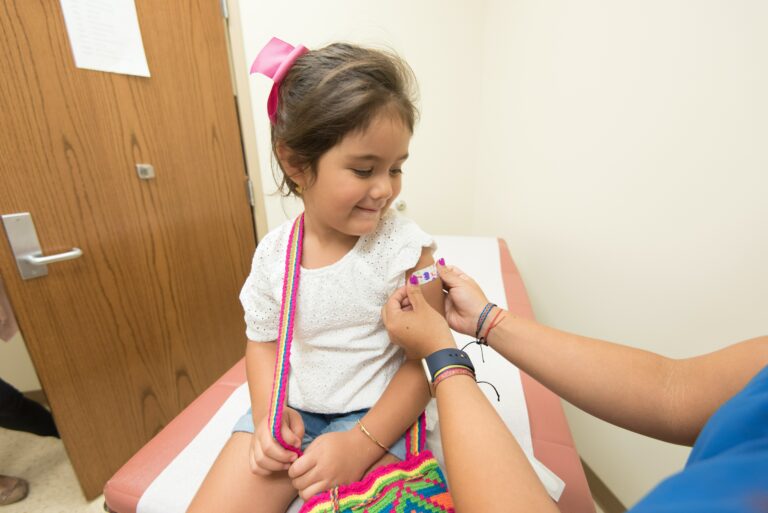 Vaccinations](https://europeanlung.org/wp-content/uploads/2021/01/Vaccination-2021.pdf)
This page was last updated in 2025.
## Visit our dedicated Children's interstitial lung disease site
[Read more](https://europeanlunginfo.org/child/)
[Lung conditions Learn about the conditions that can affect our lungs and access our lung condition specific information. Read more](https://europeanlung.org/en/information-hub/lung-conditions/)
[Living with a lung condition Learn more about life with a lung condition and things you can do to improve your quality of life. Read more](https://europeanlung.org/en/information-hub/living-with-a-lung-condition/)
[Keeping lungs healthy Learn about the factors that can cause lung disease and the ways to reduce your contact with them. Read more](https://europeanlung.org/en/information-hub/keeping-lungs-healthy/)
[Get involved We work hard to involve patients and the public in research, have your say. Read more](https://europeanlung.org/get-involved/)
[News Read clear, short summaries of the most up-to-date research in lung health. Read more](https://europeanlung.org/en/news/)
## Join our mailing list
Sign up to get the latest information and research on lung conditions, hear about our upcoming events and campaigns, plus views from experts and patients! You can unsubscribe at any time.
[ European Lung Foundation](https://europeanlung.org/en) [ European Respiratory Society](https://www.ersnet.org/)
###### Lung conditions
- [All lung conditions](https://europeanlung.org/en/information-hub/lung-conditions/)
###### COVID-19
- [What is COVID-19](https://europeanlung.org/en/information-hub/lung-conditions/covid-19/)
- [All expert information](https://europeanlung.org/en/information-hub/lung-conditions/covid-19/expert-information/)
###### External links
- [ERS](https://www.ersnet.org/)
- [European Patient Ambassador Programme (EPAP)](https://elearning.epaponline.eu/)
###### Keeping lungs healthy
- [Keeping lungs healthy](https://europeanlung.org/en/information-hub/keeping-lungs-healthy/)
###### Stay up to date
[Get in touch](https://europeanlung.org/en/contact-us/)
- [Terms of website use](https://europeanlung.org/en/terms-of-website-use/)
- [Acceptable use policy](https://europeanlung.org/en/acceptable-use-policy/)
- [Accessibility](https://europeanlung.org/en/accessibility/)
- [Privacy policy](https://europeanlung.org/en/privacy-policy/)
- [Safeguarding policy](https://europeanlung.org/wp-content/uploads/2021/06/European-Lung-Foundation-Safeguarding-Policy-v2.1.pdf)
- [Inclusion and diversity](https://europeanlung.org/wp-content/uploads/2022/04/Inclusion-and-diversity-1.pdf)
ELF is a non-profit organisation registered as a UK company (VAT no. GB 115 0027 74) and charity (no. 1118930).
Our Brussels office enterprise number is 0738.383.695
European Lung Foundation's TR ID number in the Transparency Register is: 094039644810-79
We use cookies on our website to give you the most relevant experience by remembering your preferences and repeat visits. By clicking “Accept”, you consent to the use of ALL the cookies. However you may visit Cookie Settings to provide a controlled consent.
[Cookie settings]()[ACCEPT]()[REJECT]()
Privacy & Cookies Policy
Close
#### Privacy Overview
This website uses cookies to improve your experience while you navigate through the website. Out of these cookies, the cookies that are categorized as necessary are stored on your browser as they are essential for the working of basic functionalities of the website. We also use third-party cookies that help us analyze and understand how you use this website. These cookies will be stored in your browser only with your consent. You also have the option to opt-out of these cookies. But opting out of some of these cookies may have an effect on your browsing experience.
[Necessary]()
Necessary
Always Enabled
Necessary cookies are absolutely essential for the website to function properly. This category only includes cookies that ensures basic functionalities and security features of the website. These cookies do not store any personal information.
[Performance]()
performance
Performance cookies are used to understand and analyze the key performance indexes of the website which helps in delivering a better user experience for the visitors.
[Advertisement]()
advertisement
Advertisement cookies are used to provide visitors with relevant ads and marketing campaigns. These cookies track visitors across websites and collect information to provide customized ads.
[Other]()
other
No description
[Others]()
others
Other uncategorized cookies are those that are being analyzed and have not been classified into a category as yet.
| Cookie | Duration | Description |
|---|---|---|
| \_\_Secure-ROLLOUT\_TOKEN | 6 months | Description is currently not available. |
| \_\_Secure-YEC | past | Description is currently not available. |
| \_\_Secure-YNID | 6 months | Description is currently not available. |
[Analytics]()
analytics
Analytical cookies are used to understand how visitors interact with the website. These cookies help provide information on metrics the number of visitors, bounce rate, traffic source, etc.
| Cookie | Duration | Description |
|---|---|---|
| \_clck | 1 year | Microsoft Clarity sets this cookie to retain the browser's Clarity User ID and settings exclusive to that website. This guarantees that actions taken during subsequent visits to the same website will be linked to the same user ID. |
| \_clsk | 1 day | Microsoft Clarity sets this cookie to store and consolidate a user's pageviews into a single session recording. |
| \_ga | 1 year 1 month 4 days | Google Analytics sets this cookie to calculate visitor, session and campaign data and track site usage for the site's analytics report. The cookie stores information anonymously and assigns a randomly generated number to recognise unique visitors. |
| \_ga\_\* | 1 year 1 month 4 days | Google Analytics sets this cookie to store and count page views. |
| CLID | 1 year | Microsoft Clarity set this cookie to store information about how visitors interact with the website. The cookie helps to provide an analysis report. The data collection includes the number of visitors, where they visit the website, and the pages visited. |
| MR | 7 days | This cookie, set by Bing, is used to collect user information for analytics purposes. |
| SM | session | Microsoft Clarity cookie set this cookie for synchronizing the MUID across Microsoft domains. |
[Functional]()
functional
Functional cookies help to perform certain functionalities like sharing the content of the website on social media platforms, collect feedbacks, and other third-party features.
| Cookie | Duration | Description |
|---|---|---|
| yt-remote-cast-available | session | The yt-remote-cast-available cookie is used to store the user's preferences regarding whether casting is available on their YouTube video player. |
| yt-remote-cast-installed | session | The yt-remote-cast-installed cookie is used to store the user's video player preferences using embedded YouTube video. |
| yt-remote-connected-devices | never | YouTube sets this cookie to store the user's video preferences using embedded YouTube videos. |
| yt-remote-device-id | never | YouTube sets this cookie to store the user's video preferences using embedded YouTube videos. |
| yt-remote-fast-check-period | session | The yt-remote-fast-check-period cookie is used by YouTube to store the user's video player preferences for embedded YouTube videos. |
| yt-remote-session-app | session | The yt-remote-session-app cookie is used by YouTube to store user preferences and information about the interface of the embedded YouTube video player. |
| yt-remote-session-name | session | The yt-remote-session-name cookie is used by YouTube to store the user's video player preferences using embedded YouTube video. |
| ytidb::LAST\_RESULT\_ENTRY\_KEY | never | The cookie ytidb::LAST\_RESULT\_ENTRY\_KEY is used by YouTube to store the last search result entry that was clicked by the user. This information is used to improve the user experience by providing more relevant search results in the future. |
[Save & Accept]()
Powered by [](https://www.cookieyes.com/)
Notifications
 |
| Readable Markdown | Content Table
## Lung disease in children
Research has shown that lung problems account for about one quarter of all visits by children to a general practitioner. The two main conditions affecting children are [asthma](https://europeanlung.org/en/information-hub/lung-conditions/childhood-asthma/) and [cystic fibrosis](https://europeanlung.org/en/information-hub/lung-conditions/cystic-fibrosis/), which are covered in different sections. Other major lung conditions are covered here.
This content is available in multiple languages.
##### Bronchiolitis
Bronchiolitis is inflammation or swelling of the smallest airways, called bronchioles. It affects babies and infants under 2 years of age and is the most common cause of admission to hospital of babies under the age of 1 year.
Bronchiolitis is caused by a viral infection, most often respiratory syncytial virus (RSV). This is the most common lung infection in infancy. Most babies develop an RSV infection by the time they are 2 years old and, for most, the symptoms are similar to a common cold. The virus causes excess mucus and swelling of the lining of the small airways.
Affected infants develop rapid breathing, wheezing irritability, poor feeding and vomiting.
Babies infected with the respiratory syncytial virus (RSV) usually require supportive care but no medication. In very severe cases they are given antiviral drugs. Infants who are at high risk of developing the condition may be given treatment with an antibody called palivizumab to help reduce severe infections.
##### Lung conditions linked with prematurity, including bronchopulmonary dysplasia
Babies born prematurely are at an increased risk of developing problems with their lungs. The lungs are one of the last organs to develop when a baby is growing. This means that when a baby is born prematurely their lungs are not fully developed.
In a study in the USA of 100 children born at 23 weeks, 60 died prior to hospital discharge, most from respiratory failure.
The most common lung condition affecting preterm babies is bronchopulmonary dysplasia (BPD).
BPD is one of the most important complications of premature birth with 23% of babies born at 28 weeks and 73% of babies born at 23 weeks experiencing the condition. It is characterised by rapid and difficult breathing with gasping and coughing and difficulties maintaining normal oxygen levels, which often leads to mechanical ventilation.
BPD is typically diagnosed if an infant still requires additional oxygen and continues to show signs of respiratory problems beyond the age of 28 days. Treatment is aimed at supporting breathing until the developing lungs become adequate but BPD often results in breathing problems in later childhood and adult life. No treatments are available to cure the condition and more research is needed to develop effective treatment for babies born with immature lungs.
##### Pneumonia
Pneumonia is common across the world, but particularly in the developing world. It is estimated that about 151 million new cases of pneumonia occur each year among children aged under 5 years in the developing world. In developed countries serious complications are usually limited to children with underlying diseases.
Pneumonia is most common in younger children and often starts after a cold, cough or sore throat and it can be spread easily from person to person either through the air or via a contaminated surface. Pneumonia is most commonly caused by infection by the bacterium Streptococcus pneumoniae or a virus, such as:
Adenovirus
Rhinovirus
Influenza virus
Respiratory syncytial virus (RSV)
People with pneumonia develop a cough along with other symptoms, such as fever or breathlessness. There is wide variation between countries in the number of cases of pneumonia and the number of deaths from the condition. This is due to a number of factors including malnutrition, overcrowding, low birthweight, pre-existing HIV-infection and the effectiveness of immunisation programmes within countries. There is a higher death rate from pneumonia in eastern European compared to western European countries.
Pneumonia can also develop as a complication of measles, occurring in between 5 and 10% of children with measles.
Pneumonia is usually diagnosed by a chest x-ray showing lung shadowing. Antibiotics are usually used to treat pneumonia. Antibiotics kill bacteria but not viruses. However, often the cause of pneumonia is not known early in the illness and antibiotics are given to cover likely bacterial causes; also, infection by bacteria may follow an initial viral infection.
##### Tuberculosis (TB)
TB is caused by the bacterium Mycobacterium Tuberculosis. TB in children most commonly results from contact with someone in the household with active TB.
Infants and children are at an increased risk of catching TB and are likely to develop an active form of the disease more quickly than adults. If it is not treated, infants have a 50-60% chance of dying from the infection.
TB symptoms vary, but include cough, chest pain, phlegm, tiredness and loss of appetite.
The diagnosis of TB can be difficult to confirm as it is hard to collect samples of mucus produced by coughing from children. Doctors will look at a child’s symptoms, tissue samples and evidence of an exposure to TB to decide whether they have the condition.
Although children are very vulnerable to TB, it is not one of the leading causes of death in childhood. The Bacille Calmette-Guerin (BCG) vaccine, is used in some countries, particularly where TB is relatively common but its general use has been phased out in many countries where the likelihood of TB is low.
##### Lung problems present from birth (congenital lung problems)
Congenital respiratory conditions are present from birth and affect the structure and function of the lungs. They can affect the diaphragm, the lungs, the blood supply, the airways, the larynx and the mouth.
The causes of congenital conditions are usually unknown. Sometimes they can be caused by an inherited disorder. One example of this is primary ciliary dyskinesia, when a child inherits a faulty gene from their parent.
The effects of congenital lung problems are usually seen in the 1st year of life. For primary ciliary dyskinesia, symptoms can include inability to remove mucus from the lungs, recurrent bronchitis, persistently blocked nose and sinusitis.
Diagnosis and treatment of congenital lung problems should be provided in specialist centres, as the conditions are rare and often difficult to manage.
##### Whooping cough
Whooping cough, also known as pertussis, is a short-term respiratory infection caused by the bacterium Bordetella Pertussis. Symptoms are characterised by prolonged periods of coughing, often followed by the characteristic “whoop” as the child breathes in. The cough may last for weeks or months.
As most children in the EU are vaccinated against whooping cough, symptoms are often mild. However, outbreaks still occur because the vaccine does not produce life-long protection and increasingly, cases of whooping cough are seen in adults.
Vaccination, clean air exposure and practising good hygiene are effective ways of preventing certain diseases, including pneumonia and TB.
Programmes for vaccination usually cover 90% of the population and have successfully lowered the rate of diseases such as whooping cough, measles, and infection with the bacteria *Haemophilus influenzae* and *Streptococcus pneumoniae (pneumococcus)* in all European countries.
The following actions can help lower the risk of lung disease in children:
- **Vaccination**
- Follow routine vaccines offered for children in your country
- Seasonal flu vaccination for children and others at risk
- For pregnant women: RSV vaccination between ~28–36 weeks.
- Infants: RSV prophylaxis vaccine
- **Practice good hygiene** **measures**
- Frequent handwashing
- Clean surfaces
- Use tissues for coughs
- Avoid large crowds during illness seasons
- **Environment**
- Avoid [second‑hand smoke](https://europeanlung.org/en/information-hub/keeping-lungs-healthy/passive-smoking/)
- Avoid areas of [indoor and outdoor air pollution](https://europeanlung.org/en/information-hub/keeping-lungs-healthy/air-quality-breathe-clean-air/)
- **Support with good nutrition and healthy routines**
- Encourage breastfeeding in infancy
- [Balanced meals](https://europeanlung.org/en/information-hub/keeping-lungs-healthy/eating-well-for-healthy-lungs/), rest, and exercise
This page was last updated in 2025.
## Visit our dedicated Children's interstitial lung disease site
[Read more](https://europeanlunginfo.org/child/)
## Join our mailing list
Sign up to get the latest information and research on lung conditions, hear about our upcoming events and campaigns, plus views from experts and patients! You can unsubscribe at any time. |
| Shard | 162 (laksa) |
| Root Hash | 4999020012870991162 |
| Unparsed URL | org,europeanlung!/en/information-hub/lung-conditions/lung-disease-in-children/ s443 |