ℹ️ Skipped - page is already crawled
| Filter | Status | Condition | Details |
|---|---|---|---|
| HTTP status | PASS | download_http_code = 200 | HTTP 200 |
| Age cutoff | PASS | download_stamp > now() - 6 MONTH | 0 months ago |
| History drop | PASS | isNull(history_drop_reason) | No drop reason |
| Spam/ban | PASS | fh_dont_index != 1 AND ml_spam_score = 0 | ml_spam_score=0 |
| Canonical | PASS | meta_canonical IS NULL OR = '' OR = src_unparsed | Not set |
| Property | Value |
|---|---|
| URL | https://ctmirror.org/2026/03/18/why-the-save-act-must-not-pass-congress/ |
| Last Crawled | 2026-04-19 11:50:13 (28 minutes ago) |
| First Indexed | 2026-03-18 04:26:02 (1 month ago) |
| HTTP Status Code | 200 |
| Meta Title | Opinion: Why the SAVE Act must not pass Congress |
| Meta Description | The SAVE Act is being promoted as a safeguard for elections, but in practice it will move the country in the wrong direction. |
| Meta Canonical | null |
| Boilerpipe Text | Credit:
Mark Pazniokas
The right to vote in the United States has never come easily. For much of the nation’s history, large groups of Americans were denied access to the ballot box.
Women were not guaranteed the right to vote until the ratification of the Nineteenth Amendment in 1920, and many Black Americans continued to face discriminatory barriers until the passage of the Voting Rights Act in 1965.
Over time, the country has worked to remove obstacles that prevented citizens from participating in democracy. That history is why proposals like the SAVE Act deserve scrutiny. While the proposal is presented as a measure to protect election integrity, requiring proof of citizenship to vote risks creating new barriers for eligible voters.
Debates about election integrity have become a defining feature of American politics since the 2020 presidential election. President Donald Trump has repeatedly claimed that widespread fraud occurred when he lost to Joe Biden. However, numerous investigations and court rulings found little evidence that the 2020 election was compromised.
Despite those findings, a new proposal known as the SAVE Act has emerged. The SAVE Act, short for the
Safeguard American Voter Eligibility Act
, would require Americans to provide documentary proof of citizenship, such as a passport or birth certificate, when registering to vote in federal elections.
At first glance, the proposals sound reasonable. Only U.S. citizens are allowed to vote in federal elections. However, the SAVE Act attempts to solve a problem that little evidence suggests actually exists, which will make it harder for millions of eligible Americans to participate in our democracy.
For college students who register to vote on campus, obtaining official citizenship documents may not be simple. Many students do not carry birth certificates or passports with them at school, which will create unnecessary barriers to participation.
Another consequence of the SAVE Act involves Americans who have legally changed their names. Millions of married women in the United States take their spouse’s last name, meaning the name on their birth certificate no longer matches the name on their driver’s license or voter registration. If proof of citizenship is tied strictly to documents like birth certificates, many of these voters could face additional bureaucratic hurdles when registering to vote. Policies intending to protect elections should not make it harder for eligible citizens to exercise their right to vote.
Another issue with the SAVE Act is the assumption that most Americans already possess documents proving citizenship. Millions of Americans do not have ready access to identifying documentation. Obtaining these documents requires time, fees, and dealing with slow and often outdated bureaucratic processes. For individuals working multiple jobs, caring for families, or living far from government offices, these requirements will discourage participation in elections even more than there already is by creating more red tape.
There is also the broader constitutional question regarding federal authority. Historically, states have played the primary role in administering elections and managing voter registration systems. A sweeping federal mandate dictating documentation requirements risks overriding systems that states have developed since the country’s conception. Rather than imposing a one-size-fits-all rule from Washington, policymakers should work with states to strengthen election administration without creating unnecessary barriers.
It is also important to remember that non-citizen voting is already illegal and carries serious penalties. Individuals who attempt to vote unlawfully can face fines, imprisonment, and deportation. Election officials across the country already verify voter registration information and maintain voter rolls to prevent ineligible voting. Creating sweeping new documentation requirements for every voter is not the most effective way to address a problem that existing laws already prohibit.
In Connecticut, where many college students register to vote on campus and where voter participation is often encouraged through civic engagement programs, policies like the SAVE Act will create unnecessary barriers for eligible voters.
The SAVE Act is being promoted as a safeguard for elections, but in practice it will move the country in the wrong direction. Throughout American history, progress in democracy has meant removing barriers to voting, not creating new ones. From the expansion of voting rights in the nineteenth century, to the Nineteenth Amendment, to the Voting Rights Act of 1965, the nation has gradually worked to make participation in democracy more accessible.
Policies promoted during the Trump administration, such as the SAVE Act, threaten to reverse the progress that civil rights advocates have fought so hard for. If enacted, it would introduce new bureaucratic obstacles for millions of eligible voters.
At a moment when our democracy is at risk, the SAVE Act must not pass.
William Moroz is a political science student at Southern Connecticut State University and president of the Student Government Association. |
| Markdown | 
# Sign up and continue reading.
Stay informed with our daily newsletter that delivers trusted Connecticut public policy news and analysis — for free.
## **Looking for a reason to give to CT Mirror**? Our members have plenty.
“The Connecticut Mirror's articles are almost always much more in-depth than other local media reports.”
Glen B., West Hartford
[Give today.](https://ctmirror.org/?form=FUNPJLSPFPB)
### Be in the know about CT politics with The Issue.
You'll get newsletter-exclusive insights and commentary so you can be part of the conversation.
## **Learn more about** **Connecticut — every morning**.
Subscribe to CT Mirror's free daily newsletter.
Close
- [NEWSLETTERS](https://ctmirror.org/newsletters/?utm_source=newsletter_header_button&utm_medium=website&utm_campaign=header)
- [2026 Legislative Session](https://ctmirror.org/ct-2026-legislative-session/)
- [Investigations](https://ctmirror.org/investigations/)
- [Immigration](https://ctmirror.org/news/immigration/)
- [Justice](https://ctmirror.org/justice/)
- [Money](https://ctmirror.org/news/budget-economy/)
- [Health](https://ctmirror.org/news/health/)
- [Explainers](https://ctmirror.org/explain/)
- [Opinion](https://ctmirror.org/viewpoints/)
- [Staff](https://ctmirror.org/about/staff/)
- [Contact Us](https://ctmirror.org/contact-us/)
- [Board & Friends](https://ctmirror.org/?page_id=779873)
- [Sponsors](https://ctmirror.org/about/sponsors/)
- [Advertising](https://ctmirror.org/?page_id=805396)
- [Investigations](https://ctmirror.org/news/investigations/)
- [Newsletters](https://ctmirror.org/newsletters)
- [Search](https://ctmirror.org/?s)
- [Donate](https://ctmirror.donorsupport.co/page/FUNDVURKCRQ)
## Topics
- [Politics](https://ctmirror.org/politics/)
- [Money / State Budget](https://ctmirror.org/news/budget-economy/)
- [Housing](https://ctmirror.org/news/housing/)
- [Economy](https://ctmirror.org/news/economic-development/)
- [Health](https://ctmirror.org/news/health/)
- [Education](https://ctmirror.org/news/education/)
- [Environment](https://ctmirror.org/news/environment/)
- [Government](https://ctmirror.org/government/)
- [Justice](https://ctmirror.org/justice/)
- [Human Services](https://ctmirror.org/human-services/)
- [Explainers](https://ctmirror.org/explain/)
- [Crossing Connecticut](https://ctmirror.org/crossing-connecticut/)
- [Charting CT](https://ctmirror.org/charting-ct-data-stats/)
## Opinion
- [Community Editorial Board](https://ctmirror.org/opinion/community-editorial-board/)
- [CT Viewpoints](https://ctmirror.org/opinion/ct-viewpoints/)
- [Student Voice](https://ctmirror.org/opinion/student-voice/)
## Engage
- [Connecticut News Quiz](https://ctmirror.org/ct-news-quiz/)
- [CT Mirror en Español](http://espanol.ctmirror.org/)
- [Events](https://ctmirror.org/events)
- [Podcasts](https://ctmirror.org/Podcasts)
- [CT Mirror Bridgeport](https://ctmirror.org/bridgeport/)
- [CT Mirror Hartford](https://ctmirror.org/hartford/)
## About
- [Mission](https://ctmirror.org/about/)
- [Board](https://ctmirror.org/about/board/)
- [Staff](https://ctmirror.org/about/staff/)
- [Resources](https://ctmirror.org/toolbox/)
## Columns
- [Talking Transportation](http://ctmirror.org/opinion/talking-transportation)
Close
- [Investigations](https://ctmirror.org/news/investigations/)
- [Newsletters](https://ctmirror.org/newsletters)
- [Search](https://ctmirror.org/?s)
- [Donate](https://ctmirror.donorsupport.co/page/FUNDVURKCRQ)
## Topics
- [Politics](https://ctmirror.org/politics/)
- [Money / State Budget](https://ctmirror.org/news/budget-economy/)
- [Housing](https://ctmirror.org/news/housing/)
- [Economy](https://ctmirror.org/news/economic-development/)
- [Health](https://ctmirror.org/news/health/)
- [Education](https://ctmirror.org/news/education/)
- [Environment](https://ctmirror.org/news/environment/)
- [Government](https://ctmirror.org/government/)
- [Justice](https://ctmirror.org/justice/)
- [Human Services](https://ctmirror.org/human-services/)
- [Explainers](https://ctmirror.org/explain/)
- [Crossing Connecticut](https://ctmirror.org/crossing-connecticut/)
- [Charting CT](https://ctmirror.org/charting-ct-data-stats/)
## Opinion
- [Community Editorial Board](https://ctmirror.org/opinion/community-editorial-board/)
- [CT Viewpoints](https://ctmirror.org/opinion/ct-viewpoints/)
- [Student Voice](https://ctmirror.org/opinion/student-voice/)
## Engage
- [Connecticut News Quiz](https://ctmirror.org/ct-news-quiz/)
- [CT Mirror en Español](http://espanol.ctmirror.org/)
- [Events](https://ctmirror.org/events)
- [Podcasts](https://ctmirror.org/Podcasts)
- [CT Mirror Bridgeport](https://ctmirror.org/bridgeport/)
- [CT Mirror Hartford](https://ctmirror.org/hartford/)
## About
- [Mission](https://ctmirror.org/about/)
- [Board](https://ctmirror.org/about/board/)
- [Staff](https://ctmirror.org/about/staff/)
- [Resources](https://ctmirror.org/toolbox/)
## Columns
- [Talking Transportation](http://ctmirror.org/opinion/talking-transportation)
[Skip to content](https://ctmirror.org/2026/03/18/why-the-save-act-must-not-pass-congress/#main)
[![en]() English](https://ctmirror.org/2026/03/18/why-the-save-act-must-not-pass-congress/ "English")[![es]() Español](https://espanol.ctmirror.org/2026/03/18/why-the-save-act-must-not-pass-congress/ "Español")
[ English](https://ctmirror.org/2026/03/18/why-the-save-act-must-not-pass-congress/)
Menu
- [Staff](https://ctmirror.org/about/staff/)
- [Contact Us](https://ctmirror.org/contact-us/)
- [Board & Friends](https://ctmirror.org/?page_id=779873)
- [Sponsors](https://ctmirror.org/about/sponsors/)
- [Advertising](https://ctmirror.org/?page_id=805396)
[](https://ctmirror.org/)
[CT Mirror](https://ctmirror.org/)
Connecticut's Nonprofit Journalism.
- [NEWSLETTERS](https://ctmirror.org/newsletters/?utm_source=newsletter_header_button&utm_medium=website&utm_campaign=header)
Open Search
[Newsletters](https://ctmirror.org/newsletters/?utm_source=newsletter_header_button&utm_medium=website&utm_campaign=header)
Menu
- [2026 Legislative Session](https://ctmirror.org/ct-2026-legislative-session/)
- [Investigations](https://ctmirror.org/investigations/)
- [Immigration](https://ctmirror.org/news/immigration/)
- [Justice](https://ctmirror.org/justice/)
- [Money](https://ctmirror.org/news/budget-economy/)
- [Health](https://ctmirror.org/news/health/)
- [Explainers](https://ctmirror.org/explain/)
- [Opinion](https://ctmirror.org/viewpoints/)
Posted in[Student Voice](https://ctmirror.org/opinion/student-voice/)
# Why the SAVE Act must not pass Congress
 by [William Moroz](https://ctmirror.org/author/william-moroz/)
March 18, 2026 @ 12:01 am
March 12, 2026 @ 9:41 am
- [Share on Facebook (Opens in new window) Facebook](https://ctmirror.org/2026/03/18/why-the-save-act-must-not-pass-congress/?share=facebook&nb=1)
- [Share on Bluesky (Opens in new window) Bluesky](https://ctmirror.org/2026/03/18/why-the-save-act-must-not-pass-congress/?share=bluesky&nb=1)
- [Share on X (Opens in new window) X](https://ctmirror.org/2026/03/18/why-the-save-act-must-not-pass-congress/?share=twitter&nb=1)
- [Share on LinkedIn (Opens in new window) LinkedIn](https://ctmirror.org/2026/03/18/why-the-save-act-must-not-pass-congress/?share=linkedin&nb=1)
- [Share on Reddit (Opens in new window) Reddit](https://ctmirror.org/2026/03/18/why-the-save-act-must-not-pass-congress/?share=reddit&nb=1)
- [Email a link to a friend (Opens in new window) Email](mailto:?subject=%5BShared%20Post%5D%20Why%20the%20SAVE%20Act%20must%20not%20pass%20Congress&body=https%3A%2F%2Fctmirror.org%2F2026%2F03%2F18%2Fwhy-the-save-act-must-not-pass-congress%2F&share=email&nb=1)
- [Print (Opens in new window) Print](https://ctmirror.org/2026/03/18/why-the-save-act-must-not-pass-congress/#print?share=print&nb=1)
Republish This Story
[](https://creativecommons.org/licenses/by-nd/4.0/)
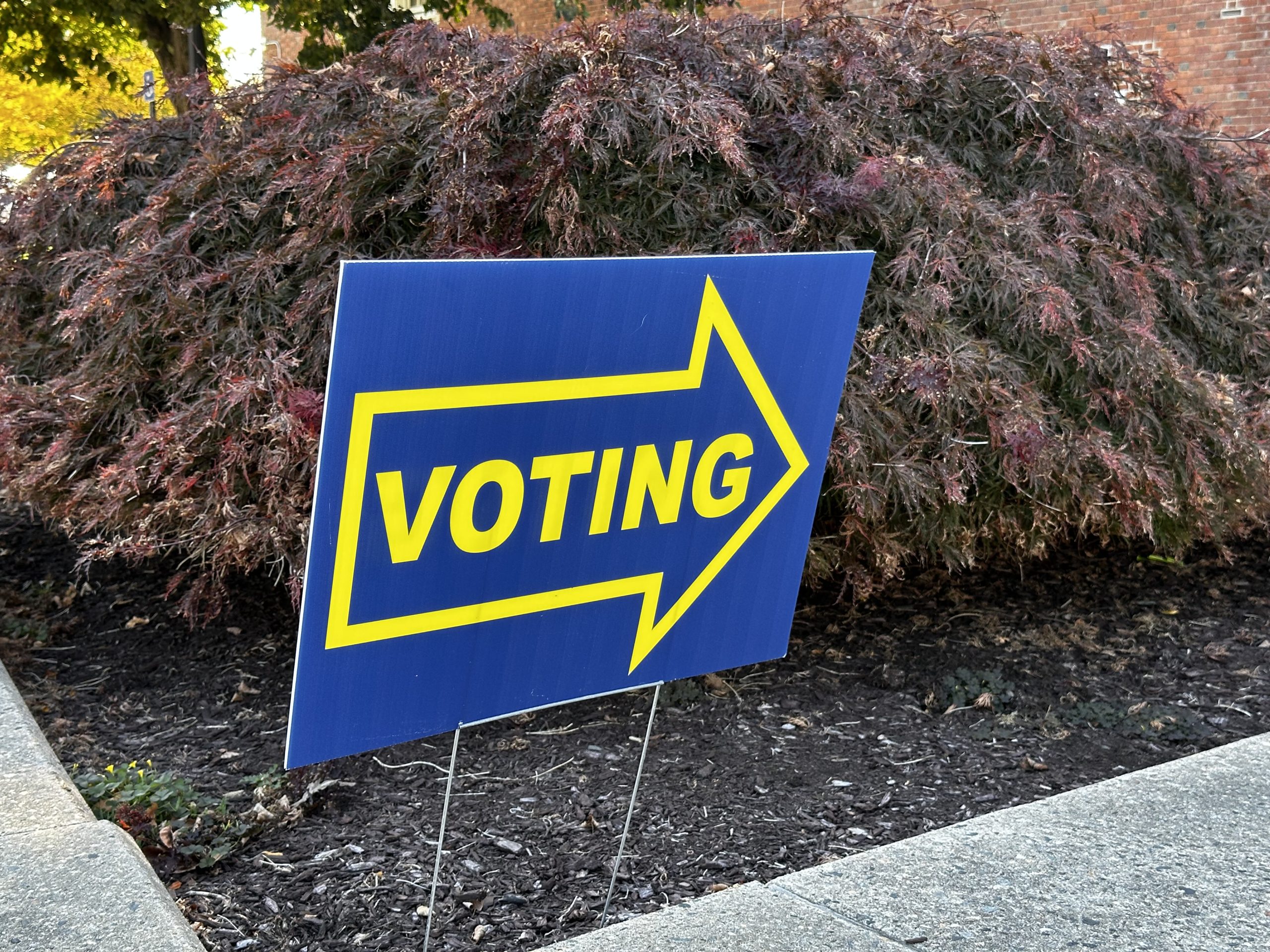
Credit: Mark Pazniokas
The right to vote in the United States has never come easily. For much of the nation’s history, large groups of Americans were denied access to the ballot box.
Women were not guaranteed the right to vote until the ratification of the Nineteenth Amendment in 1920, and many Black Americans continued to face discriminatory barriers until the passage of the Voting Rights Act in 1965.
Over time, the country has worked to remove obstacles that prevented citizens from participating in democracy. That history is why proposals like the SAVE Act deserve scrutiny. While the proposal is presented as a measure to protect election integrity, requiring proof of citizenship to vote risks creating new barriers for eligible voters.
Debates about election integrity have become a defining feature of American politics since the 2020 presidential election. President Donald Trump has repeatedly claimed that widespread fraud occurred when he lost to Joe Biden. However, numerous investigations and court rulings found little evidence that the 2020 election was compromised.
Despite those findings, a new proposal known as the SAVE Act has emerged. The SAVE Act, short for the [Safeguard American Voter Eligibility Act](https://www.congress.gov/bill/119th-congress/house-bill/22), would require Americans to provide documentary proof of citizenship, such as a passport or birth certificate, when registering to vote in federal elections.
At first glance, the proposals sound reasonable. Only U.S. citizens are allowed to vote in federal elections. However, the SAVE Act attempts to solve a problem that little evidence suggests actually exists, which will make it harder for millions of eligible Americans to participate in our democracy.
For college students who register to vote on campus, obtaining official citizenship documents may not be simple. Many students do not carry birth certificates or passports with them at school, which will create unnecessary barriers to participation.
Another consequence of the SAVE Act involves Americans who have legally changed their names. Millions of married women in the United States take their spouse’s last name, meaning the name on their birth certificate no longer matches the name on their driver’s license or voter registration. If proof of citizenship is tied strictly to documents like birth certificates, many of these voters could face additional bureaucratic hurdles when registering to vote. Policies intending to protect elections should not make it harder for eligible citizens to exercise their right to vote.
[](https://www.google.com/preferences/source?q=ctmirror.org)
Another issue with the SAVE Act is the assumption that most Americans already possess documents proving citizenship. Millions of Americans do not have ready access to identifying documentation. Obtaining these documents requires time, fees, and dealing with slow and often outdated bureaucratic processes. For individuals working multiple jobs, caring for families, or living far from government offices, these requirements will discourage participation in elections even more than there already is by creating more red tape.
There is also the broader constitutional question regarding federal authority. Historically, states have played the primary role in administering elections and managing voter registration systems. A sweeping federal mandate dictating documentation requirements risks overriding systems that states have developed since the country’s conception. Rather than imposing a one-size-fits-all rule from Washington, policymakers should work with states to strengthen election administration without creating unnecessary barriers.
## More OP-EDS IN STUDENT VOICE
[](https://ctmirror.org/2026/03/11/hunger-should-never-be-a-weapon/)
### [Hunger should never be a weapon](https://ctmirror.org/2026/03/11/hunger-should-never-be-a-weapon/)
[](https://ctmirror.org/2026/02/25/youth-sports-in-ct-create-stress-inequality-and-distrust/)
### [Youth sports in CT create stress, inequality and distrust](https://ctmirror.org/2026/02/25/youth-sports-in-ct-create-stress-inequality-and-distrust/)
It is also important to remember that non-citizen voting is already illegal and carries serious penalties. Individuals who attempt to vote unlawfully can face fines, imprisonment, and deportation. Election officials across the country already verify voter registration information and maintain voter rolls to prevent ineligible voting. Creating sweeping new documentation requirements for every voter is not the most effective way to address a problem that existing laws already prohibit.
In Connecticut, where many college students register to vote on campus and where voter participation is often encouraged through civic engagement programs, policies like the SAVE Act will create unnecessary barriers for eligible voters.
The SAVE Act is being promoted as a safeguard for elections, but in practice it will move the country in the wrong direction. Throughout American history, progress in democracy has meant removing barriers to voting, not creating new ones. From the expansion of voting rights in the nineteenth century, to the Nineteenth Amendment, to the Voting Rights Act of 1965, the nation has gradually worked to make participation in democracy more accessible.
Policies promoted during the Trump administration, such as the SAVE Act, threaten to reverse the progress that civil rights advocates have fought so hard for. If enacted, it would introduce new bureaucratic obstacles for millions of eligible voters.
At a moment when our democracy is at risk, the SAVE Act must not pass.
*William Moroz is a political science student at Southern Connecticut State University and president of the Student Government Association.*
[](https://ctmirror.org/viewpoints)
The opinions expressed by contributors are theirs alone. CT Mirror welcomes rebuttal or opposing views to this and all its commentaries. [Read our guidelines and submit your commentary here.](https://ctmirror.org/yourviewpoint)
## Start
- [News](https://ctmirror.org/news/)
- [Viewpoints](https://ctmirror.org/viewpoints/)
- [Events](https://ctmirror.org/events)
- [‘In the Room’](https://ctmirror.org/in-the-room/)
- [Podcasts](https://ctmirror.org/podcasts-archive/)
- [In-Depth Series](https://ctmirror.org/series/)
- [Investigations](https://ctmirror.org/news/investigations/)
- [CT Mirror Explains](https://ctmirror.org/explain/)
- [Crossing Connecticut](https://ctmirror.org/crossing-connecticut/)
- [En Español](https://ctmirror.org/espanol/)
- [Economic Indicator Dashboard](https://ctmirror.org/economic-indicator-dashboard/)
- [Legal and Public Notices](https://ctmirror.org/legal-notices/)
- [Toolbox](https://ctmirror.org/toolbox/)
## Engage
- [Sign Up for Newsletters](https://ctmirror.org/newsletters)
- [Donate](https://ctmirror.donorsupport.co/page/FUNEKVKZKKN)
- [News Quiz](https://ctmirror.org/ct-news-quiz/)
- [Submit a commentary to CT Viewpoints](https://ctmirror.org/yourviewpoint/)
- [Manage Your CT Mirror Membership](https://ctmirror.org/members/)
- [Advertise With Us](https://ctmirror.org/advertising-and-sponsorship/)
- [Publish Branded Storytelling](https://ctmirror.org/brandedstorytelling/)
- [Free Nonprofit Advertising](https://ctmirror.org/nonprofit-advertising-faqs/)
- [Request a Speaking Engagement](https://ctmirror.org/speaking-engagements/)
- [Use CT Mirror Photography](https://ctmirror.org/use-of-photography/)
## Learn
- [About Us](https://ctmirror.org/about/)
- [History](https://ctmirror.org/about/history/)
- [Impact](https://ctmirror.org/about/impact/)
- [Awards](https://ctmirror.org/about/awards/)
- [Financial](https://ctmirror.org/about/financial/)
- [Strategic Plan](https://ctmirror.org/about/strategic-plan/)
- [Policies](https://ctmirror.org/about/policies/)
- [Privacy Policy](https://ctmirror.org/privacy-policy/)
- [FAQ](https://ctmirror.org/about/faq/)
## Connect
- [Board of Directors](https://ctmirror.org/about/board/)
- [Staff](https://ctmirror.org/about/staff/)
- [2024 Community Editorial Board](https://ctmirror.org/about/community-editorial-board/)
- [Sponsors](https://ctmirror.org/about/sponsors/)
- [Funders](https://ctmirror.org/about/funders/)
- [Donors](https://ctmirror.org/about/donors/)
- [Friends of The Connecticut Mirror](https://ctmirror.org/about/friends/)
- [Work for Us](https://ctmirror.org/work-for-us/)
- [Intern with Us](https://ctmirror.org/internships/)
- [Contact Us](https://ctmirror.org/contact-us/)
© 2026 The Connecticut News Project. All Rights Reserved [Powered by Newspack](https://newspack.com/)
## Gift this article
Close
Link Copy link
1
Close window X
## Republish this article
[](https://creativecommons.org/licenses/by-nd/4.0/)
This work is licensed under a [Creative Commons Attribution-NoDerivatives 4.0 International License](https://creativecommons.org/licenses/by-nd/4.0/).
Nonprofit and hyperlocal news organizations are welcome to republish CT Mirror stories and opinion pieces at no charge. If you do republish CT Mirror content we ask that you follow a few guidelines:
- **You must use the HTML code below (including the Canonical code).**
- You must include a byline, ideally in this format: "by Ginny Monk, CT Mirror."
- Access to CT Mirror content that you republish must remain free. You may not sell access to this article, place it behind a paywall, or grant downstream publication rights to other publishers.
- You must receive approval from CT Mirror [Publisher Bruce Putterman](mailto:bputterman@ctmirror.org) prior to re-publishing your first CT Mirror story.
- See additional Republishing Guidelines, including conditions by which you may make small changes to story content, [here](https://ctmirror.org/republication-guidelines/).
# Why the SAVE Act must not pass Congress
by William Moroz, CT Mirror
March 18, 2026
\<h1\>Why the SAVE Act must not pass Congress\</h1\> \<p class="byline"\>by William Moroz, CT Mirror \<br\>March 18, 2026\</p\> \<p\>The right to vote in the United States has never come easily. For much of the nation’s history, large groups of Americans were denied access to the ballot box. \</p\> \<p\>Women were not guaranteed the right to vote until the ratification of the Nineteenth Amendment in 1920, and many Black Americans continued to face discriminatory barriers until the passage of the Voting Rights Act in 1965. \</p\> \<p\>Over time, the country has worked to remove obstacles that prevented citizens from participating in democracy. That history is why proposals like the SAVE Act deserve scrutiny. While the proposal is presented as a measure to protect election integrity, requiring proof of citizenship to vote risks creating new barriers for eligible voters.\</p\> \<p\>Debates about election integrity have become a defining feature of American politics since the 2020 presidential election. President Donald Trump has repeatedly claimed that widespread fraud occurred when he lost to Joe Biden. However, numerous investigations and court rulings found little evidence that the 2020 election was compromised.\</p\> \<p\>Despite those findings, a new proposal known as the SAVE Act has emerged. The SAVE Act, short for the \<a href="https://www.congress.gov/bill/119th-congress/house-bill/22" id="https://www.congress.gov/bill/119th-congress/house-bill/22"\>Safeguard American Voter Eligibility Act\</a\>, would require Americans to provide documentary proof of citizenship, such as a passport or birth certificate, when registering to vote in federal elections.\</p\> \<p\>At first glance, the proposals sound reasonable. Only U.S. citizens are allowed to vote in federal elections. However, the SAVE Act attempts to solve a problem that little evidence suggests actually exists, which will make it harder for millions of eligible Americans to participate in our democracy.\</p\> \<p\>For college students who register to vote on campus, obtaining official citizenship documents may not be simple. Many students do not carry birth certificates or passports with them at school, which will create unnecessary barriers to participation.\</p\> \<p\>Another consequence of the SAVE Act involves Americans who have legally changed their names. Millions of married women in the United States take their spouse’s last name, meaning the name on their birth certificate no longer matches the name on their driver’s license or voter registration. If proof of citizenship is tied strictly to documents like birth certificates, many of these voters could face additional bureaucratic hurdles when registering to vote. Policies intending to protect elections should not make it harder for eligible citizens to exercise their right to vote.\</p\> \<p\>Another issue with the SAVE Act is the assumption that most Americans already possess documents proving citizenship. Millions of Americans do not have ready access to identifying documentation. Obtaining these documents requires time, fees, and dealing with slow and often outdated bureaucratic processes. For individuals working multiple jobs, caring for families, or living far from government offices, these requirements will discourage participation in elections even more than there already is by creating more red tape.\</p\> \<p\>There is also the broader constitutional question regarding federal authority. Historically, states have played the primary role in administering elections and managing voter registration systems. A sweeping federal mandate dictating documentation requirements risks overriding systems that states have developed since the country’s conception. Rather than imposing a one-size-fits-all rule from Washington, policymakers should work with states to strengthen election administration without creating unnecessary barriers.\</p\> \<p\>It is also important to remember that non-citizen voting is already illegal and carries serious penalties. Individuals who attempt to vote unlawfully can face fines, imprisonment, and deportation. Election officials across the country already verify voter registration information and maintain voter rolls to prevent ineligible voting. Creating sweeping new documentation requirements for every voter is not the most effective way to address a problem that existing laws already prohibit.\</p\> \<p\>In Connecticut, where many college students register to vote on campus and where voter participation is often encouraged through civic engagement programs, policies like the SAVE Act will create unnecessary barriers for eligible voters.\</p\> \<p\>The SAVE Act is being promoted as a safeguard for elections, but in practice it will move the country in the wrong direction. Throughout American history, progress in democracy has meant removing barriers to voting, not creating new ones. From the expansion of voting rights in the nineteenth century, to the Nineteenth Amendment, to the Voting Rights Act of 1965, the nation has gradually worked to make participation in democracy more accessible. \</p\> \<p\>Policies promoted during the Trump administration, such as the SAVE Act, threaten to reverse the progress that civil rights advocates have fought so hard for. If enacted, it would introduce new bureaucratic obstacles for millions of eligible voters. \</p\> \<p\>At a moment when our democracy is at risk, the SAVE Act must not pass.\</p\> \<p\>\<em\>William Moroz is a political science student at Southern Connecticut State University and president of the Student Government Association.\</em\>\</p\> \<p\>This \<a target="\_blank" href="https://ctmirror.org/2026/03/18/why-the-save-act-must-not-pass-congress/"\>article\</a\> first appeared on \<a target="\_blank" href="https://ctmirror.org"\>CT Mirror\</a\> and is republished here under a \<a target="\_blank" href="https://creativecommons.org/licenses/by-nd/4.0/"\>Creative Commons Attribution-NoDerivatives 4.0 International License\</a\>.\<img src="https://ctmirror.org/wp-content/uploads/2023/02/cropped-CTMirror\_bug\_rgb-180x180.jpg" style="width:1em;height:1em;margin-left:10px;"\>\<img id="republication-tracker-tool-source" src="https://ctmirror.org/?republication-pixel=true\&post=1159601\&ga4=G-9GVNVL530Q" style="width:1px;height:1px;"\>\<script\> PARSELY = { autotrack: false, onload: function() { PARSELY.beacon.trackPageView({ url: "https://ctmirror.org/2026/03/18/why-the-save-act-must-not-pass-congress/", urlref: window.location.href }); } } \</script\> \<script id="parsely-cfg" src="//cdn.parsely.com/keys/ctmirror.org/p.js"\>\</script\>\</p\>
Copy to Clipboard
# Search results
Sort by:
Relevance
•
Newest
•
Oldest
## No results found
## Filter options
Close Search |
| Readable Markdown | [](https://creativecommons.org/licenses/by-nd/4.0/)

Credit: Mark Pazniokas
The right to vote in the United States has never come easily. For much of the nation’s history, large groups of Americans were denied access to the ballot box.
Women were not guaranteed the right to vote until the ratification of the Nineteenth Amendment in 1920, and many Black Americans continued to face discriminatory barriers until the passage of the Voting Rights Act in 1965.
Over time, the country has worked to remove obstacles that prevented citizens from participating in democracy. That history is why proposals like the SAVE Act deserve scrutiny. While the proposal is presented as a measure to protect election integrity, requiring proof of citizenship to vote risks creating new barriers for eligible voters.
Debates about election integrity have become a defining feature of American politics since the 2020 presidential election. President Donald Trump has repeatedly claimed that widespread fraud occurred when he lost to Joe Biden. However, numerous investigations and court rulings found little evidence that the 2020 election was compromised.
Despite those findings, a new proposal known as the SAVE Act has emerged. The SAVE Act, short for the [Safeguard American Voter Eligibility Act](https://www.congress.gov/bill/119th-congress/house-bill/22), would require Americans to provide documentary proof of citizenship, such as a passport or birth certificate, when registering to vote in federal elections.
At first glance, the proposals sound reasonable. Only U.S. citizens are allowed to vote in federal elections. However, the SAVE Act attempts to solve a problem that little evidence suggests actually exists, which will make it harder for millions of eligible Americans to participate in our democracy.
For college students who register to vote on campus, obtaining official citizenship documents may not be simple. Many students do not carry birth certificates or passports with them at school, which will create unnecessary barriers to participation.
Another consequence of the SAVE Act involves Americans who have legally changed their names. Millions of married women in the United States take their spouse’s last name, meaning the name on their birth certificate no longer matches the name on their driver’s license or voter registration. If proof of citizenship is tied strictly to documents like birth certificates, many of these voters could face additional bureaucratic hurdles when registering to vote. Policies intending to protect elections should not make it harder for eligible citizens to exercise their right to vote.
Another issue with the SAVE Act is the assumption that most Americans already possess documents proving citizenship. Millions of Americans do not have ready access to identifying documentation. Obtaining these documents requires time, fees, and dealing with slow and often outdated bureaucratic processes. For individuals working multiple jobs, caring for families, or living far from government offices, these requirements will discourage participation in elections even more than there already is by creating more red tape.
There is also the broader constitutional question regarding federal authority. Historically, states have played the primary role in administering elections and managing voter registration systems. A sweeping federal mandate dictating documentation requirements risks overriding systems that states have developed since the country’s conception. Rather than imposing a one-size-fits-all rule from Washington, policymakers should work with states to strengthen election administration without creating unnecessary barriers.
It is also important to remember that non-citizen voting is already illegal and carries serious penalties. Individuals who attempt to vote unlawfully can face fines, imprisonment, and deportation. Election officials across the country already verify voter registration information and maintain voter rolls to prevent ineligible voting. Creating sweeping new documentation requirements for every voter is not the most effective way to address a problem that existing laws already prohibit.
In Connecticut, where many college students register to vote on campus and where voter participation is often encouraged through civic engagement programs, policies like the SAVE Act will create unnecessary barriers for eligible voters.
The SAVE Act is being promoted as a safeguard for elections, but in practice it will move the country in the wrong direction. Throughout American history, progress in democracy has meant removing barriers to voting, not creating new ones. From the expansion of voting rights in the nineteenth century, to the Nineteenth Amendment, to the Voting Rights Act of 1965, the nation has gradually worked to make participation in democracy more accessible.
Policies promoted during the Trump administration, such as the SAVE Act, threaten to reverse the progress that civil rights advocates have fought so hard for. If enacted, it would introduce new bureaucratic obstacles for millions of eligible voters.
At a moment when our democracy is at risk, the SAVE Act must not pass.
*William Moroz is a political science student at Southern Connecticut State University and president of the Student Government Association.* |
| Shard | 54 (laksa) |
| Root Hash | 8427199184369503654 |
| Unparsed URL | org,ctmirror!/2026/03/18/why-the-save-act-must-not-pass-congress/ s443 |