ℹ️ Skipped - page is already crawled
| Filter | Status | Condition | Details |
|---|---|---|---|
| HTTP status | PASS | download_http_code = 200 | HTTP 200 |
| Age cutoff | PASS | download_stamp > now() - 6 MONTH | 0.9 months ago |
| History drop | PASS | isNull(history_drop_reason) | No drop reason |
| Spam/ban | PASS | fh_dont_index != 1 AND ml_spam_score = 0 | ml_spam_score=0 |
| Canonical | PASS | meta_canonical IS NULL OR = '' OR = src_unparsed | Not set |
| Property | Value |
|---|---|
| URL | https://cheekmedia.substack.com/p/how-systemic-racism-works-quietly |
| Last Crawled | 2026-03-12 00:35:51 (25 days ago) |
| First Indexed | not set |
| HTTP Status Code | 200 |
| Meta Title | How systemic racism works quietly, through hair like mine |
| Meta Description | By Gloria Tabi |
| Meta Canonical | null |
| Boilerpipe Text | I’m an African Australian woman, and for most of my life, I wore wigs not for fashion or fun, but to survive rules I didn’t yet have language for, writes Gloria Tabi.
Pieces like this one are free to read. Please consider becoming a paid subscriber so Cheek can continue paying writers for their insight and expertise.
Until 18 months ago, I was an anti-racism advocate who still wore wigs.
I spoke publicly about systemic racism. I delivered keynotes. I challenged institutions. And yet, every time I stepped into a professional space, I covered my natural hair. Not because I liked hiding the hair I was born with under a wig. Not because they felt like self-expression. But because I understood, deeply, the unspoken rules about what Black women’s hair is allowed to look like if we want to be taken seriously.
Even after the global reckoning of 2020, even after Black Lives Matter entered mainstream conversation, even as Australia began speaking more openly about women’s rights and violence against women, the rules around Black women’s hair remained largely untouched.
Quiet. Persistent. Enforced without being spoken. While gendered harm was finally being named, racialised control over Black women’s bodies continued in plain sight, normalised, minimised, and rarely challenged.
Before I understood systemic racism, I understood this: my hair was only “acceptable” when it didn’t look like mine. Everything else came later. Racism didn’t announce itself; it first appeared in my hair.
I’m an African Australian woman, and for most of my life, I wore wigs not for fashion or fun, but to survive rules I didn’t yet have language for. No one ever sat me down and explained that natural Black hair would be read as unprofessional, distracting, or inappropriate. But I learned quickly by watching what was praised, what was ignored, and what was quietly corrected.
That’s how the rules work: they don’t shout, they reward compliance.
Every Black woman I admired- in offices, on TV, in leadership - had the same look. Straightened. Smoothed. Hidden. It wasn’t a coincidence. Even Michelle Obama has spoken about wearing wigs in the White House because her natural hair would have shifted how she was perceived. That wasn’t vanity. That was a strategy.
At university, before I’d even entered the workforce, I was already wearing wigs and extensions. Looking back at photos from those years, I can’t find a single image of my natural hair. That absence tells a story of its own.
My decisions were affirmed by feedback. When I wore a wig, people said I looked “professional”. When I didn’t, there was silence. No insults. No confrontation. Just the quiet withdrawal of approval.
Silence, I learned, is one of racism’s most effective tools.
Over time, the message became internal: if I wanted opportunities, safety, or respect, I had to adjust myself first. This is how racism becomes invisible; not through explicit exclusion, but through repetition, until conformity feels like common sense.
Black women and girls’ hair has long been loaded with stereotypes: uneducated, unkempt, and unprofessional. These ideas don’t just float around; they shape decisions. Who gets hired; who gets promoted; who is seen as “capable”. Research backs this up. In 2023, a US study co-commissioned by Dove and LinkedIn found Black women’s hair is 2.5 times more likely to be labelled “unprofessional.” Even more shocking was that hair discrimination starts as early as age five in Black girls - that’s preschool. Before they’ve even started learning their ABCs, the rules of “acceptable” hair are already shaping how the world sees them.
When appearance determines access, it’s no longer about style, it’s about power.
This isn’t just about confidence. It’s structural. For many Black women, hair choices determine whether you even get through the door. And if you don’t get the interview, you don’t get the job. Hair stigma sits quietly at the intersection of race, class, and survival.
For me, it all came to a head eighteen months ago.
I saw two young Black girls, one wearing a wig, the other long fake extensions. They couldn’t have been more than ten. And suddenly, I saw myself. I realised I was reproducing the very system I was critiquing. At the time, I was publicly challenging racism, positioning myself as a leader, all while covering my own hair. In an instant, it was clear that I couldn’t keep challenging the system while performing it.
Letting my natural hair grow wasn’t a style choice. It forced me to confront decades of inherited shame. One day, after taking my wig off, I sat frozen in my car outside a grocery store. We needed milk. I couldn’t move. That fear told me everything about how deeply these rules had shaped me. When I finally did step out, someone said, “You look free.” And they were right. I never liked wearing wigs. They felt heavy, physically and emotionally. Each one was a small act of self-erasure.
Freedom, I realised, isn’t loud. It is lightness.
This journey led me to write Enough, a book about what it means to stop performing perfection just to belong. Writing it brought back memories of sitting between my mother’s legs while hot combs burned my ears and chemicals scalded my scalp. For us, it wasn’t an occasional bad hair day. It was every day.
I’ve also launched
Enable Women Africa
to help women and girls unlearn inherited shame, starting with hair, but reaching far beyond it. I’ll continue to
push these conversations forward publicly
, because they are still yet to hit the mainstream in Australia in the ways they have in the US or UK. Here, there is still a reluctance to name how race operates in everyday professional norms.
Today, I define beauty as authenticity - not the curated kind, but the courageous kind. Understanding hair stigma sharpened my understanding of racism itself: how it operates structurally, culturally, epistemically, quietly shaping who belongs without ever naming itself.
Once you see the rules, you can’t unsee them. And once you understand what they were really doing all along, you realise something else: we don’t need permission to stop following them.
Our hair was never the problem. Our hair was simply the first place the system revealed itself.
Gloria Tabi
Gloria is an author, researcher, and TEDx speaker whose work sits at the intersection of race, gender, and belonging. As the founder of
Everyday Inclusion
, she helps leaders move beyond performative Diversity and Inclusion to build workplaces grounded in equity and justice. Born in Ghana and shaped by life in Australia, Gloria also leads
Enable Women Africa
, inspiring hair freedom, challenging hair discrimination, and redefining what professionalism looks like. You can find Gloria on Instagram, at
@gloriabinks
.
Thanks for reading Cheek Media Co. ! This post is public so feel free to share it.
Share
No posts |
| Markdown | [](https://cheekmedia.substack.com/)
# [Cheek Media Co.](https://cheekmedia.substack.com/)
Subscribe
Sign in
# How systemic racism works quietly, through hair like mine
### By Gloria Tabi
[](https://substack.com/@gloriatabi1)
[Gloria Tabi](https://substack.com/@gloriatabi1)
Mar 07, 2026
49
10
7
Share
***I’m an African Australian woman, and for most of my life, I wore wigs not for fashion or fun, but to survive rules I didn’t yet have language for, writes Gloria Tabi.***
***
[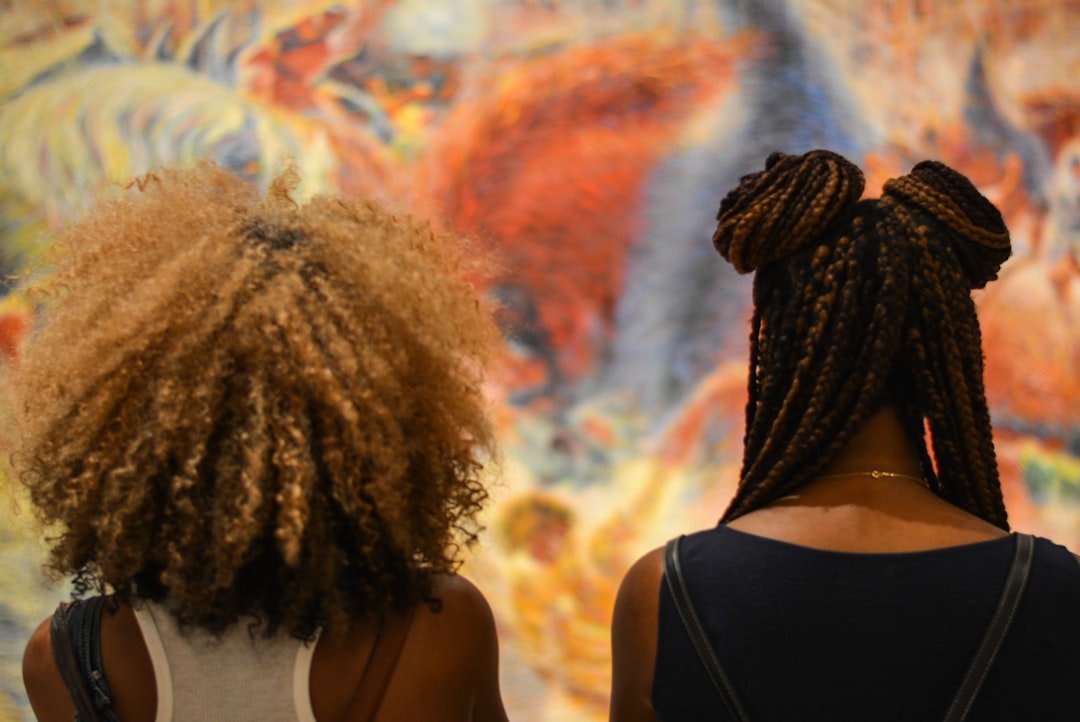](https://images.unsplash.com/photo-1604853321570-a48853f54c58?crop=entropy&cs=tinysrgb&fit=max&fm=jpg&ixid=M3wzMDAzMzh8MHwxfHNlYXJjaHw4NXx8YmxhY2slMjB3b21lbiUyMGhhaXJ8ZW58MHx8fHwxNzcyOTIxODE1fDA&ixlib=rb-4.1.0&q=80&w=1080)
Photo by [Flow Clark](https://unsplash.com/@flowclark) on [Unsplash](https://unsplash.com/)
**Pieces like this one are free to read. Please consider becoming a paid subscriber so Cheek can continue paying writers for their insight and expertise.**
***
Until 18 months ago, I was an anti-racism advocate who still wore wigs.
I spoke publicly about systemic racism. I delivered keynotes. I challenged institutions. And yet, every time I stepped into a professional space, I covered my natural hair. Not because I liked hiding the hair I was born with under a wig. Not because they felt like self-expression. But because I understood, deeply, the unspoken rules about what Black women’s hair is allowed to look like if we want to be taken seriously.
Even after the global reckoning of 2020, even after Black Lives Matter entered mainstream conversation, even as Australia began speaking more openly about women’s rights and violence against women, the rules around Black women’s hair remained largely untouched.
Quiet. Persistent. Enforced without being spoken. While gendered harm was finally being named, racialised control over Black women’s bodies continued in plain sight, normalised, minimised, and rarely challenged.
Before I understood systemic racism, I understood this: my hair was only “acceptable” when it didn’t look like mine. Everything else came later. Racism didn’t announce itself; it first appeared in my hair.
I’m an African Australian woman, and for most of my life, I wore wigs not for fashion or fun, but to survive rules I didn’t yet have language for. No one ever sat me down and explained that natural Black hair would be read as unprofessional, distracting, or inappropriate. But I learned quickly by watching what was praised, what was ignored, and what was quietly corrected.
That’s how the rules work: they don’t shout, they reward compliance.
Every Black woman I admired- in offices, on TV, in leadership - had the same look. Straightened. Smoothed. Hidden. It wasn’t a coincidence. Even Michelle Obama has spoken about wearing wigs in the White House because her natural hair would have shifted how she was perceived. That wasn’t vanity. That was a strategy.
At university, before I’d even entered the workforce, I was already wearing wigs and extensions. Looking back at photos from those years, I can’t find a single image of my natural hair. That absence tells a story of its own.
My decisions were affirmed by feedback. When I wore a wig, people said I looked “professional”. When I didn’t, there was silence. No insults. No confrontation. Just the quiet withdrawal of approval.
Silence, I learned, is one of racism’s most effective tools.
Over time, the message became internal: if I wanted opportunities, safety, or respect, I had to adjust myself first. This is how racism becomes invisible; not through explicit exclusion, but through repetition, until conformity feels like common sense.
Black women and girls’ hair has long been loaded with stereotypes: uneducated, unkempt, and unprofessional. These ideas don’t just float around; they shape decisions. Who gets hired; who gets promoted; who is seen as “capable”. Research backs this up. In 2023, a US study co-commissioned by Dove and LinkedIn found Black women’s hair is 2.5 times more likely to be labelled “unprofessional.” Even more shocking was that hair discrimination starts as early as age five in Black girls - that’s preschool. Before they’ve even started learning their ABCs, the rules of “acceptable” hair are already shaping how the world sees them.
When appearance determines access, it’s no longer about style, it’s about power.
This isn’t just about confidence. It’s structural. For many Black women, hair choices determine whether you even get through the door. And if you don’t get the interview, you don’t get the job. Hair stigma sits quietly at the intersection of race, class, and survival.
For me, it all came to a head eighteen months ago.
I saw two young Black girls, one wearing a wig, the other long fake extensions. They couldn’t have been more than ten. And suddenly, I saw myself. I realised I was reproducing the very system I was critiquing. At the time, I was publicly challenging racism, positioning myself as a leader, all while covering my own hair. In an instant, it was clear that I couldn’t keep challenging the system while performing it.
Letting my natural hair grow wasn’t a style choice. It forced me to confront decades of inherited shame. One day, after taking my wig off, I sat frozen in my car outside a grocery store. We needed milk. I couldn’t move. That fear told me everything about how deeply these rules had shaped me. When I finally did step out, someone said, “You look free.” And they were right. I never liked wearing wigs. They felt heavy, physically and emotionally. Each one was a small act of self-erasure.
Freedom, I realised, isn’t loud. It is lightness.
This journey led me to write Enough, a book about what it means to stop performing perfection just to belong. Writing it brought back memories of sitting between my mother’s legs while hot combs burned my ears and chemicals scalded my scalp. For us, it wasn’t an occasional bad hair day. It was every day.
I’ve also launched [Enable Women Africa](https://enablewomenafrica.com/) to help women and girls unlearn inherited shame, starting with hair, but reaching far beyond it. I’ll continue to [push these conversations forward publicly](https://www.youtube.com/watch?v=HrVkD2mz6yc&t=279s), because they are still yet to hit the mainstream in Australia in the ways they have in the US or UK. Here, there is still a reluctance to name how race operates in everyday professional norms.
Today, I define beauty as authenticity - not the curated kind, but the courageous kind. Understanding hair stigma sharpened my understanding of racism itself: how it operates structurally, culturally, epistemically, quietly shaping who belongs without ever naming itself.
Once you see the rules, you can’t unsee them. And once you understand what they were really doing all along, you realise something else: we don’t need permission to stop following them.
Our hair was never the problem. Our hair was simply the first place the system revealed itself.
***
### About the author
**Gloria Tabi**
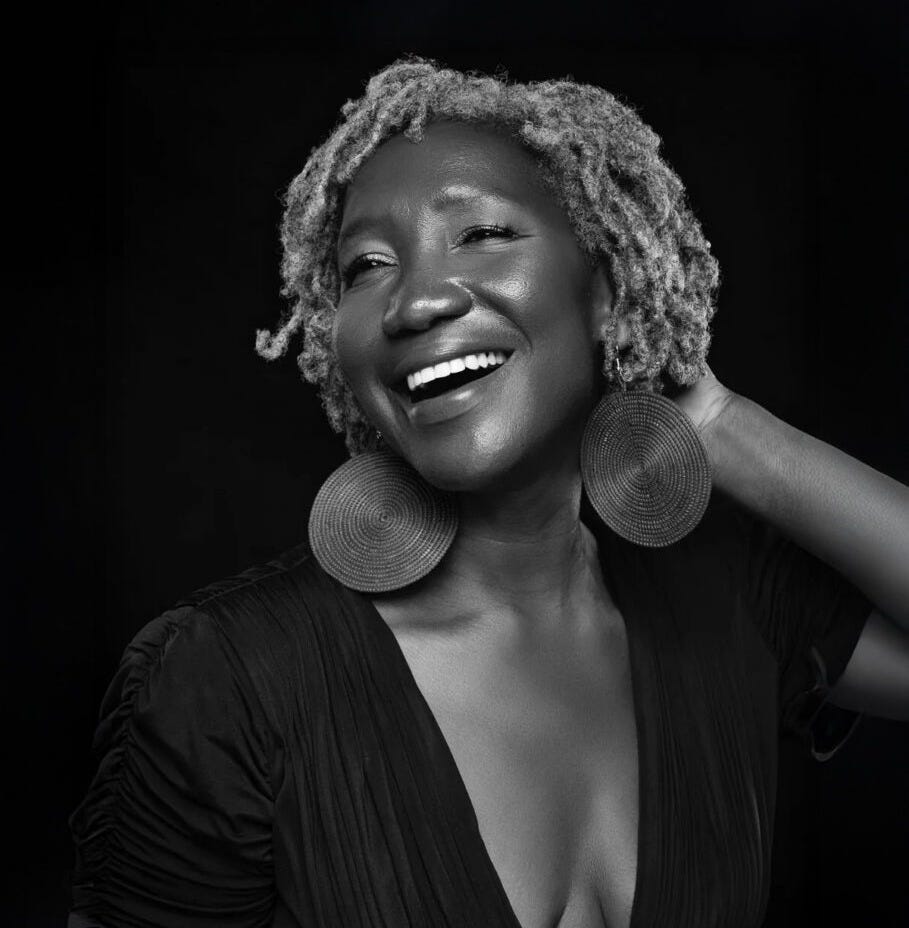
Gloria is an author, researcher, and TEDx speaker whose work sits at the intersection of race, gender, and belonging. As the founder of *Everyday Inclusion*, she helps leaders move beyond performative Diversity and Inclusion to build workplaces grounded in equity and justice. Born in Ghana and shaped by life in Australia, Gloria also leads [Enable Women Africa](https://enablewomenafrica.com/about-gloria-tabi/), inspiring hair freedom, challenging hair discrimination, and redefining what professionalism looks like. You can find Gloria on Instagram, at [@gloriabinks](https://www.instagram.com/gloriabinks/).
[](https://substackcdn.com/image/fetch/$s_!UmNO!,f_auto,q_auto:good,fl_progressive:steep/https%3A%2F%2Fsubstack-post-media.s3.amazonaws.com%2Fpublic%2Fimages%2Fd682833f-483e-402b-9c21-e84b54030b75_909x928.jpeg)
Thanks for reading Cheek Media Co. ! This post is public so feel free to share it.
[Share](https://cheekmedia.substack.com/p/how-systemic-racism-works-quietly?utm_source=substack&utm_medium=email&utm_content=share&action=share)
49
10
7
Share
| | |
|---|---|
| [](https://substack.com/@gloriatabi1?utm_source=byline) | |
| | |
| [Gloria Tabi](https://substack.com/@gloriatabi1?utm_campaign=guest_post_bio&utm_medium=web)Gloria Tabi hid her natural hair for nearly 30 years before recognising how systemic racism shaped that silence. Removing the wig sparked her book ENOUGH and Enable Women Africa: \#InspiringHairFreedom to end hair discrimination in Australia. | [Subscribe to Gloria](https://gloriatabi1.substack.com/subscribe) |
#### Discussion about this post
Comments
Restacks
[](https://substack.com/profile/253031672-gloria-tabi?utm_source=comment)
[Gloria Tabi](https://substack.com/profile/253031672-gloria-tabi?utm_source=substack-feed-item)
[4d](https://cheekmedia.substack.com/p/how-systemic-racism-works-quietly/comment/224570772 "Mar 7, 2026, 11:06 PM")
Author
It’s interesting that we talk passionately about gender equality and advocate for it fiercely as progressive women in Australia. Yet hair, a core part of identity for many Black women and girls, is rarely part of the conversation. Its impact is real: economically, socially, and even environmentally. And still, it often goes unnoticed.
[Reply]()
[Share]()
[5 replies](https://cheekmedia.substack.com/p/how-systemic-racism-works-quietly/comment/224570772)
[](https://substack.com/profile/31150027-emma-walmsley?utm_source=comment)
[Emma Walmsley](https://substack.com/profile/31150027-emma-walmsley?utm_source=substack-feed-item)
[4d](https://cheekmedia.substack.com/p/how-systemic-racism-works-quietly/comment/224676694 "Mar 8, 2026, 5:30 AM")Edited
Liked by Gloria Tabi
Great article, thanks for sharing your experience Gloria. Are Black men also expected to have specific hairstyles in the workplace? I remember a student in my hometown being suspended for having braids in his Afro hair at a Catholic school.
[Reply]()
[Share]()
[3 replies](https://cheekmedia.substack.com/p/how-systemic-racism-works-quietly/comment/224676694)
[8 more comments...](https://cheekmedia.substack.com/p/how-systemic-racism-works-quietly/comments)
Top
Latest
Discussions
No posts
### Ready for more?
© 2026 Hannah Ferguson · [Privacy](https://substack.com/privacy) ∙ [Terms](https://substack.com/tos) ∙ [Collection notice](https://substack.com/ccpa#personal-data-collected)
[Start your Substack](https://substack.com/signup?utm_source=substack&utm_medium=web&utm_content=footer)
[Get the app](https://substack.com/app/app-store-redirect?utm_campaign=app-marketing&utm_content=web-footer-button)
[Substack](https://substack.com/) is the home for great culture
This site requires JavaScript to run correctly. Please [turn on JavaScript](https://enable-javascript.com/) or unblock scripts |
| Readable Markdown | ***I’m an African Australian woman, and for most of my life, I wore wigs not for fashion or fun, but to survive rules I didn’t yet have language for, writes Gloria Tabi.***
**Pieces like this one are free to read. Please consider becoming a paid subscriber so Cheek can continue paying writers for their insight and expertise.**
Until 18 months ago, I was an anti-racism advocate who still wore wigs.
I spoke publicly about systemic racism. I delivered keynotes. I challenged institutions. And yet, every time I stepped into a professional space, I covered my natural hair. Not because I liked hiding the hair I was born with under a wig. Not because they felt like self-expression. But because I understood, deeply, the unspoken rules about what Black women’s hair is allowed to look like if we want to be taken seriously.
Even after the global reckoning of 2020, even after Black Lives Matter entered mainstream conversation, even as Australia began speaking more openly about women’s rights and violence against women, the rules around Black women’s hair remained largely untouched.
Quiet. Persistent. Enforced without being spoken. While gendered harm was finally being named, racialised control over Black women’s bodies continued in plain sight, normalised, minimised, and rarely challenged.
Before I understood systemic racism, I understood this: my hair was only “acceptable” when it didn’t look like mine. Everything else came later. Racism didn’t announce itself; it first appeared in my hair.
I’m an African Australian woman, and for most of my life, I wore wigs not for fashion or fun, but to survive rules I didn’t yet have language for. No one ever sat me down and explained that natural Black hair would be read as unprofessional, distracting, or inappropriate. But I learned quickly by watching what was praised, what was ignored, and what was quietly corrected.
That’s how the rules work: they don’t shout, they reward compliance.
Every Black woman I admired- in offices, on TV, in leadership - had the same look. Straightened. Smoothed. Hidden. It wasn’t a coincidence. Even Michelle Obama has spoken about wearing wigs in the White House because her natural hair would have shifted how she was perceived. That wasn’t vanity. That was a strategy.
At university, before I’d even entered the workforce, I was already wearing wigs and extensions. Looking back at photos from those years, I can’t find a single image of my natural hair. That absence tells a story of its own.
My decisions were affirmed by feedback. When I wore a wig, people said I looked “professional”. When I didn’t, there was silence. No insults. No confrontation. Just the quiet withdrawal of approval.
Silence, I learned, is one of racism’s most effective tools.
Over time, the message became internal: if I wanted opportunities, safety, or respect, I had to adjust myself first. This is how racism becomes invisible; not through explicit exclusion, but through repetition, until conformity feels like common sense.
Black women and girls’ hair has long been loaded with stereotypes: uneducated, unkempt, and unprofessional. These ideas don’t just float around; they shape decisions. Who gets hired; who gets promoted; who is seen as “capable”. Research backs this up. In 2023, a US study co-commissioned by Dove and LinkedIn found Black women’s hair is 2.5 times more likely to be labelled “unprofessional.” Even more shocking was that hair discrimination starts as early as age five in Black girls - that’s preschool. Before they’ve even started learning their ABCs, the rules of “acceptable” hair are already shaping how the world sees them.
When appearance determines access, it’s no longer about style, it’s about power.
This isn’t just about confidence. It’s structural. For many Black women, hair choices determine whether you even get through the door. And if you don’t get the interview, you don’t get the job. Hair stigma sits quietly at the intersection of race, class, and survival.
For me, it all came to a head eighteen months ago.
I saw two young Black girls, one wearing a wig, the other long fake extensions. They couldn’t have been more than ten. And suddenly, I saw myself. I realised I was reproducing the very system I was critiquing. At the time, I was publicly challenging racism, positioning myself as a leader, all while covering my own hair. In an instant, it was clear that I couldn’t keep challenging the system while performing it.
Letting my natural hair grow wasn’t a style choice. It forced me to confront decades of inherited shame. One day, after taking my wig off, I sat frozen in my car outside a grocery store. We needed milk. I couldn’t move. That fear told me everything about how deeply these rules had shaped me. When I finally did step out, someone said, “You look free.” And they were right. I never liked wearing wigs. They felt heavy, physically and emotionally. Each one was a small act of self-erasure.
Freedom, I realised, isn’t loud. It is lightness.
This journey led me to write Enough, a book about what it means to stop performing perfection just to belong. Writing it brought back memories of sitting between my mother’s legs while hot combs burned my ears and chemicals scalded my scalp. For us, it wasn’t an occasional bad hair day. It was every day.
I’ve also launched [Enable Women Africa](https://enablewomenafrica.com/) to help women and girls unlearn inherited shame, starting with hair, but reaching far beyond it. I’ll continue to [push these conversations forward publicly](https://www.youtube.com/watch?v=HrVkD2mz6yc&t=279s), because they are still yet to hit the mainstream in Australia in the ways they have in the US or UK. Here, there is still a reluctance to name how race operates in everyday professional norms.
Today, I define beauty as authenticity - not the curated kind, but the courageous kind. Understanding hair stigma sharpened my understanding of racism itself: how it operates structurally, culturally, epistemically, quietly shaping who belongs without ever naming itself.
Once you see the rules, you can’t unsee them. And once you understand what they were really doing all along, you realise something else: we don’t need permission to stop following them.
Our hair was never the problem. Our hair was simply the first place the system revealed itself.
**Gloria Tabi**
Gloria is an author, researcher, and TEDx speaker whose work sits at the intersection of race, gender, and belonging. As the founder of *Everyday Inclusion*, she helps leaders move beyond performative Diversity and Inclusion to build workplaces grounded in equity and justice. Born in Ghana and shaped by life in Australia, Gloria also leads [Enable Women Africa](https://enablewomenafrica.com/about-gloria-tabi/), inspiring hair freedom, challenging hair discrimination, and redefining what professionalism looks like. You can find Gloria on Instagram, at [@gloriabinks](https://www.instagram.com/gloriabinks/).
[](https://substackcdn.com/image/fetch/$s_!UmNO!,f_auto,q_auto:good,fl_progressive:steep/https%3A%2F%2Fsubstack-post-media.s3.amazonaws.com%2Fpublic%2Fimages%2Fd682833f-483e-402b-9c21-e84b54030b75_909x928.jpeg)
Thanks for reading Cheek Media Co. ! This post is public so feel free to share it.
[Share](https://cheekmedia.substack.com/p/how-systemic-racism-works-quietly?utm_source=substack&utm_medium=email&utm_content=share&action=share)
No posts |
| Shard | 76 (laksa) |
| Root Hash | 14862242593741677076 |
| Unparsed URL | com,substack!cheekmedia,/p/how-systemic-racism-works-quietly s443 |