ℹ️ Skipped - page is already crawled
| Filter | Status | Condition | Details |
|---|---|---|---|
| HTTP status | PASS | download_http_code = 200 | HTTP 200 |
| Age cutoff | PASS | download_stamp > now() - 6 MONTH | 0.5 months ago |
| History drop | PASS | isNull(history_drop_reason) | No drop reason |
| Spam/ban | PASS | fh_dont_index != 1 AND ml_spam_score = 0 | ml_spam_score=0 |
| Canonical | PASS | meta_canonical IS NULL OR = '' OR = src_unparsed | Not set |
| Property | Value |
|---|---|
| URL | https://bestcare.org/news/clearing-covid-related-brain-fog-optimizing-your-health |
| Last Crawled | 2026-04-13 09:33:00 (14 days ago) |
| First Indexed | 2023-03-01 22:28:51 (3 years ago) |
| HTTP Status Code | 200 |
| Content | |
| Meta Title | Clearing COVID-Related Brain Fog by Optimizing Your Health | Methodist Health System | Omaha, Council Bluffs, Fremont |
| Meta Description | Slow thinking, poor concentration, confusion and difficulty remembering things. These troubling cognitive symptoms are often referred to as “brain fog,” which i |
| Meta Canonical | null |
| Boilerpipe Text | Slow thinking, poor concentration, confusion and difficulty remembering things. These troubling cognitive symptoms are often referred to as “brain fog,” which is becoming increasingly common among those who’ve contracted COVID-19.
Although
new research
is unveiling significant imaging or structural changes to the brain after a COVID-19 infection, it’s still unclear whether these changes have any long-term effects or how significantly they might impact quality of life. But there are some important takeaways when it comes to the neurological implications we’re seeing with COVID-19 – as well as some hope for anyone still feeling a little “dazed and confused” following their bout of the virus.
Understanding the Fog
Brain fog – something we’ve all likely experienced at some point – is the most common neurological symptom I’ve seen in patients with or after COVID-19 infection. With COVID-related brain fog, that sluggish, fuzzy feeling can persist for weeks or months as part of
long COVID
and is often accompanied by chronic headaches.
While
research has shown
that COVID-related brain fog is likely due to a sustained overactive immune response to the virus, I think it goes without saying that recovering from COVID-19 can be taxing on the body and mind. Over time, fatigue, body aches, shortness of breath and other lingering COVID-19 symptoms can impact one’s ability to get adequate sleep and exercise, which are necessary for cognitive function.
Many individuals who’ve been hospitalized with COVID-19 have more severe neurological impairment, including disorientation, excessive drowsiness and poor recall memory. But a
recent study
suggests that even those who don’t seem to notice any cognitive symptoms – or brain fog – after a mild case of COVID-19 may still have minor issues with memory and attention.
Clearing the Fog
The good news is this: The vast majority of patients struggling with post-COVID brain fog will recover with time. Patience is key, as recovery could take several months or longer.
In the meantime, here are some tips to help you think more clearly:
Don’t skip the (healthy) fat.
A diet that includes plenty of fruits and vegetables is important for overall health. But don’t forget about those healthy omega-3 fatty acids that studies have shown are likely to boost learning and memory. Salmon, olive oil, walnuts, flax seeds, chia seeds and avocados are some good options.
Focus on catching some quality Z’s.
Our bodies and brains need sleep to heal and recover. Make it a priority.
Get moving.
If you find that exercise has been difficult following a COVID-19 infection, start small. Even walking a total of 30 minutes a day, five days a week can be beneficial.
Hold the booze.
Alcohol can negatively affect the brain – even as little as one or two drinks. It can also reduce sleep quality.
Socialize.
Being social, laughing and enjoying the company of family and friends can boost mood and memory.
Stay engaged.
Keep your mind sharp by engaging in mentally stimulating activities. Read a book, listen to music, play a game, learn a new skill, practice mindfulness, or challenge yourself to a crossword or Sudoku puzzle.
Preventing the Fog
Outside of eating healthy, staying active, managing underlying health conditions and taking all the
necessary precautions against COVID-19
infection, there’s little else that can be done to prevent neurological complications of the virus.
Some research suggests a
lower risk of severe disease
in patients with a normal vitamin D level, but talk to your provider before beginning any supplement regimen. And, of course, talk to your provider if you suspect any neurological symptoms as a result of COVID-19 or have questions regarding your risk of complications.
Your care team can provide supportive treatment options and help you optimize your overall health, which is the best defense for your body and brain in the fight against COVID-19.
More Resources
Learn more about
neurological services
at Methodist.
Read similar articles in our
COVID-19
section.
Settle in to a
better sleep
routine.
About the Author
Health care is a family affair for neurologist David Franco, MD. Both parents and several aunts and uncles were physicians, dentists or nurses. After his father-in-law was diagnosed with early onset Alzheimer’s disease, he was called to neurology.
“While it was difficult to witness the tragic effects of the disease,” he said, “seeing his decline also gave me insight into how the brain makes us who we are as human beings.”
What Dr. Franco enjoys most about his profession is building personal relationships with patients and their families while helping them understand the sometimes “frightening and overwhelming” aspects of neurological illness.
“Patients should know that I am dedicated to taking the time to listen to them and then explaining the rationale behind the diagnosis and treatment plan,” he said.
Born and raised in Omaha, Dr. Franco is dedicated to his faith and family. He enjoys spending time with his wife and six children, playing soccer, fishing and rooting for the Bluejays.
See more articles from David Franco, MD |
| Markdown | [Skip to main content](https://bestcare.org/news/clearing-covid-related-brain-fog-optimizing-your-health#main)
[Methodist Health System ](https://bestcare.org/ "Home")
Toggle Menu  
- [Providers](https://bestcare.org/providers)
- [Locations](https://bestcare.org/locations)
- [Specialties](https://bestcare.org/specialties)
- [Appointments](https://bestcare.org/appointments)
- [Contact Us](https://bestcare.org/contact-us)
- [Methodist My Care](https://bestcare.org/patient-resources/methodist-my-care)
- [Bill Pay](https://bestcare.org/patient-resources/billing-and-insurance/online-bill-pay)
- [Patient Resources](https://bestcare.org/patient-resources)
- [Giving](https://bestcare.org/giving)
- [News](https://bestcare.org/news)
- [Calendar](https://bestcare.org/events/calendar)
- [Jobs](https://bestcare.org/jobs)
Toggle Site Search  
## Breadcrumb
1. [Home](https://bestcare.org/)
2. [News](https://bestcare.org/news)
3. Clearing COVID-Related Brain Fog By Optimizing Your Health
# Clearing COVID-Related Brain Fog by Optimizing Your Health
Published: March 29, 2022


Slow thinking, poor concentration, confusion and difficulty remembering things. These troubling cognitive symptoms are often referred to as “brain fog,” which is becoming increasingly common among those who’ve contracted COVID-19.
Although [new research](https://www.nature.com/articles/s41586-022-04569-5) is unveiling significant imaging or structural changes to the brain after a COVID-19 infection, it’s still unclear whether these changes have any long-term effects or how significantly they might impact quality of life. But there are some important takeaways when it comes to the neurological implications we’re seeing with COVID-19 – as well as some hope for anyone still feeling a little “dazed and confused” following their bout of the virus.
#### Understanding the Fog
Brain fog – something we’ve all likely experienced at some point – is the most common neurological symptom I’ve seen in patients with or after COVID-19 infection. With COVID-related brain fog, that sluggish, fuzzy feeling can persist for weeks or months as part of [long COVID](https://bestcare.org/news/20210824/her-port-storm-patient-leans-methodist-doctor-through-unknowns-long-covid) and is often accompanied by chronic headaches.
While [research has shown](https://www.ucsf.edu/news/2022/01/422156/cerebrospinal-fluid-offers-clues-post-covid-brain-fog) that COVID-related brain fog is likely due to a sustained overactive immune response to the virus, I think it goes without saying that recovering from COVID-19 can be taxing on the body and mind. Over time, fatigue, body aches, shortness of breath and other lingering COVID-19 symptoms can impact one’s ability to get adequate sleep and exercise, which are necessary for cognitive function.
Many individuals who’ve been hospitalized with COVID-19 have more severe neurological impairment, including disorientation, excessive drowsiness and poor recall memory. But a [recent study](https://academic.oup.com/braincomms/article/4/1/fcab295/6511053?login=true) suggests that even those who don’t seem to notice any cognitive symptoms – or brain fog – after a mild case of COVID-19 may still have minor issues with memory and attention.
#### Clearing the Fog
The good news is this: The vast majority of patients struggling with post-COVID brain fog will recover with time. Patience is key, as recovery could take several months or longer.
In the meantime, here are some tips to help you think more clearly:
- **Don’t skip the (healthy) fat.** A diet that includes plenty of fruits and vegetables is important for overall health. But don’t forget about those healthy omega-3 fatty acids that studies have shown are likely to boost learning and memory. Salmon, olive oil, walnuts, flax seeds, chia seeds and avocados are some good options.
- **Focus on catching some quality Z’s.** Our bodies and brains need sleep to heal and recover. Make it a priority.
- **Get moving.** If you find that exercise has been difficult following a COVID-19 infection, start small. Even walking a total of 30 minutes a day, five days a week can be beneficial.
- **Hold the booze.** Alcohol can negatively affect the brain – even as little as one or two drinks. It can also reduce sleep quality.
- **Socialize.** Being social, laughing and enjoying the company of family and friends can boost mood and memory.
- **Stay engaged.** Keep your mind sharp by engaging in mentally stimulating activities. Read a book, listen to music, play a game, learn a new skill, practice mindfulness, or challenge yourself to a crossword or Sudoku puzzle.
#### Preventing the Fog
Outside of eating healthy, staying active, managing underlying health conditions and taking all the [necessary precautions against COVID-19](https://www.cdc.gov/covid/prevention/?CDC_AAref_Val=https://www.cdc.gov/coronavirus/2019-ncov/prevent-getting-sick/prevention.html) infection, there’s little else that can be done to prevent neurological complications of the virus.
Some research suggests a [lower risk of severe disease](https://www.ncbi.nlm.nih.gov/pmc/articles/PMC7385774/) in patients with a normal vitamin D level, but talk to your provider before beginning any supplement regimen. And, of course, talk to your provider if you suspect any neurological symptoms as a result of COVID-19 or have questions regarding your risk of complications.
Your care team can provide supportive treatment options and help you optimize your overall health, which is the best defense for your body and brain in the fight against COVID-19.
#### More Resources
- Learn more about [neurological services](https://bestcare.org/specialties/neurology) at Methodist.
- Read similar articles in our [COVID-19](https://bestcare.org/news/covid-19) section.
- Settle in to a [better sleep](https://bestcare.org/news/abcs-getting-more-zzzs) routine.
#### About the Author
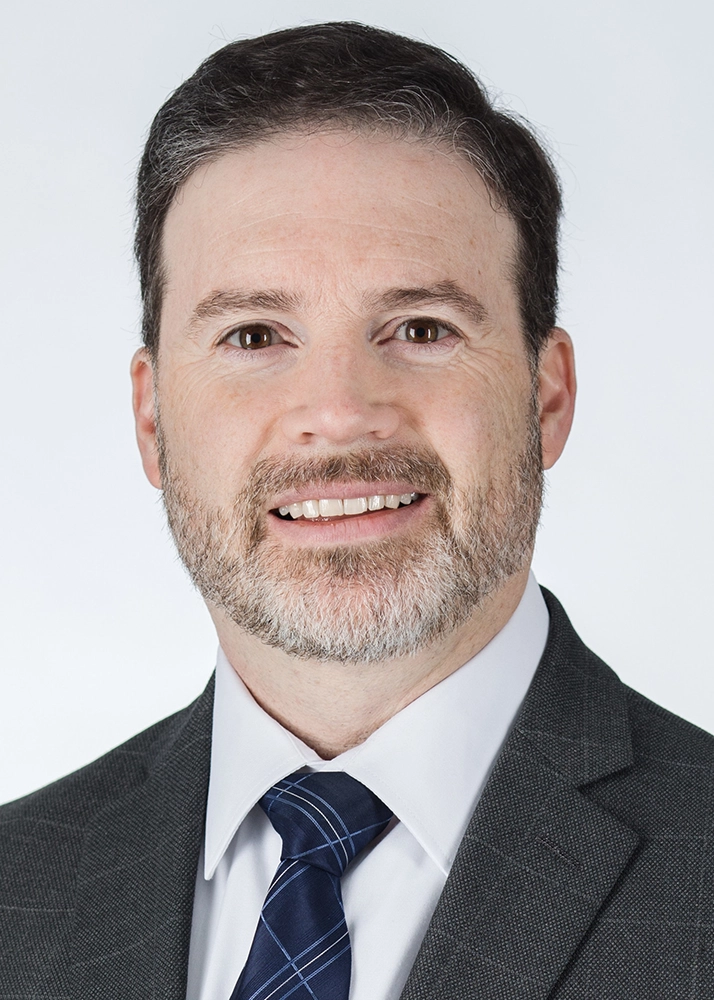
Health care is a family affair for neurologist David Franco, MD. Both parents and several aunts and uncles were physicians, dentists or nurses. After his father-in-law was diagnosed with early onset Alzheimer’s disease, he was called to neurology.
“While it was difficult to witness the tragic effects of the disease,” he said, “seeing his decline also gave me insight into how the brain makes us who we are as human beings.”
What Dr. Franco enjoys most about his profession is building personal relationships with patients and their families while helping them understand the sometimes “frightening and overwhelming” aspects of neurological illness.
“Patients should know that I am dedicated to taking the time to listen to them and then explaining the rationale behind the diagnosis and treatment plan,” he said.
Born and raised in Omaha, Dr. Franco is dedicated to his faith and family. He enjoys spending time with his wife and six children, playing soccer, fishing and rooting for the Bluejays.
[See more articles from David Franco, MD](https://bestcare.org/news/authors/franco-david)
##### Categories
- [Awards and Achievements](https://bestcare.org/news/awards-and-achievements)
- [Cancer Care](https://bestcare.org/news/cancer-care)
- [Family Health](https://bestcare.org/news/family-health)
- [Healthy Lifestyle](https://bestcare.org/news/healthy-lifestyle)
- [Heart Health](https://bestcare.org/news/heart-health)
- [In the Community](https://bestcare.org/news/community)
- [Inspiring Stories](https://bestcare.org/news/inspiring-stories)
- [Mental Health](https://bestcare.org/news/mental-health)
- [Methodist in the Media](https://bestcare.org/news/methodist-media)
- [Our People](https://bestcare.org/news/our-people)
- [The Meaning of Care Magazine](https://bestcare.org/news/meaning-care-magazine)
- [Today's Medicine](https://bestcare.org/news/todays-medicine)
- [Women's Health](https://bestcare.org/news/womens-health)
##### Related Articles
- [The Latest Trends and Recommendations for COVID-19, Influenza and RSV](https://bestcare.org/news/latest-trends-and-recommendations-covid-19-influenza-and-rsv)
- [Q\&A on Updated Boosters: Our Newest Weapons in the Fight Against COVID-19 Are Here](https://bestcare.org/news/qa-updated-boosters-our-newest-weapons-fight-against-covid-19-are-here)
- [Is My Child’s Weight Gain Normal? Tips To Keep Kids on Track With Healthy Habits](https://bestcare.org/news/my-childs-weight-gain-normal-tips-keep-kids-track-healthy-habits)
For **media inquiries**, please contact the Methodist Health System
[public relations and communications team](https://bestcare.org/newsroom/media-inquiries "Methodist Health System media inquiry")
.
### The Meaning of Care Magazine
Highlighting Methodist's medical technology, provider-patient relationships, compassionate care and more.
[Check Out the Magazine](https://bestcare.org/news/meaning-care-magazine/issues)
#### Sign up now to receive health information email updates.
[Methodist Health System ](https://bestcare.org/ "Home")
Address:
825 S. 169th St.
Omaha, NE 68118
Phone:
[(402) 354-4800](<tel:(402) 354-4800>)
Social:
- [facebook](https://www.facebook.com/bestcare)
- [twitter](https://twitter.com/meaningofcare)
- [youtube](https://www.youtube.com/user/methodisths)
- [linkedin](https://www.linkedin.com/company/nebraska-methodist-health-system)
- [instagram](https://www.instagram.com/themeaningofcare/)
- - [Methodist My Care \| Patient Portal](https://bestcare.org/patient-resources/methodist-my-care)
- [Billing and Insurance](https://bestcare.org/patient-resources/billing-and-insurance)
- [Price Transparency](https://bestcare.org/patient-resources/billing-and-insurance/patient-estimates-and-pricing)
- [Request Medical Records](https://bestcare.org/patient-resources/request-medical-records)
- [Patient Forms](https://bestcare.org/patient-resources/patient-forms)
- [Advance Directives](https://bestcare.org/patient-resources/patient-and-visitor-services/advance-directives-and-care-planning)
- [Patient Education](https://bestcare.org/patient-resources/patient-education)
- [Patient Rights and Responsibilities](https://bestcare.org/patient-resources/patient-and-visitor-services/patient-rights-and-responsibilities)
- - [Methodist Health Partners](https://bestcare.org/methodist-health-partners)
- [For Employees](https://bestcare.org/provider-and-employee-resources/employee-resources)
- [For Providers](https://staff.bestcare.org/)
- [Tax Information](https://bestcare.org/provider-and-employee-resources/important-health-coverage-tax-documents)
- [Methodist Pathology Center](https://pathologycenter.bestcare.org/)
- [Best Care EAP](https://bestcareeap.org/)
- - [Mission, Vision, Values and Commitment](https://bestcare.org/mission-vision-and-values)
- [Leadership](https://bestcare.org/about/leadership)
- [Affiliated Organizations](https://bestcare.org/about/affiliated-organizations)
- [Awards and Accreditations](https://bestcare.org/awards-accreditations)
- [Community Benefits](https://bestcare.org/about/community-benefits)
- [Jobs](https://bestcare.org/jobs)
© Copyright 2026 Methodist Health System
- [Nondiscrimination Notice](https://bestcare.org/sites/default/files/2024-10/nondiscrimination-notice.pdf)
- [Disclaimer](https://bestcare.org/disclaimer)
- [Privacy Policy](https://bestcare.org/patient-resources/patient-and-visitor-services/patient-privacy)
- [Language Assistance](https://bestcare.org/sites/default/files/2021-01/language-assistance.pdf)
- [Sitemap](https://bestcare.org/sitemap.xml)
Install App |
| Readable Markdown | Slow thinking, poor concentration, confusion and difficulty remembering things. These troubling cognitive symptoms are often referred to as “brain fog,” which is becoming increasingly common among those who’ve contracted COVID-19.
Although [new research](https://www.nature.com/articles/s41586-022-04569-5) is unveiling significant imaging or structural changes to the brain after a COVID-19 infection, it’s still unclear whether these changes have any long-term effects or how significantly they might impact quality of life. But there are some important takeaways when it comes to the neurological implications we’re seeing with COVID-19 – as well as some hope for anyone still feeling a little “dazed and confused” following their bout of the virus.
#### Understanding the Fog
Brain fog – something we’ve all likely experienced at some point – is the most common neurological symptom I’ve seen in patients with or after COVID-19 infection. With COVID-related brain fog, that sluggish, fuzzy feeling can persist for weeks or months as part of [long COVID](https://bestcare.org/news/20210824/her-port-storm-patient-leans-methodist-doctor-through-unknowns-long-covid) and is often accompanied by chronic headaches.
While [research has shown](https://www.ucsf.edu/news/2022/01/422156/cerebrospinal-fluid-offers-clues-post-covid-brain-fog) that COVID-related brain fog is likely due to a sustained overactive immune response to the virus, I think it goes without saying that recovering from COVID-19 can be taxing on the body and mind. Over time, fatigue, body aches, shortness of breath and other lingering COVID-19 symptoms can impact one’s ability to get adequate sleep and exercise, which are necessary for cognitive function.
Many individuals who’ve been hospitalized with COVID-19 have more severe neurological impairment, including disorientation, excessive drowsiness and poor recall memory. But a [recent study](https://academic.oup.com/braincomms/article/4/1/fcab295/6511053?login=true) suggests that even those who don’t seem to notice any cognitive symptoms – or brain fog – after a mild case of COVID-19 may still have minor issues with memory and attention.
#### Clearing the Fog
The good news is this: The vast majority of patients struggling with post-COVID brain fog will recover with time. Patience is key, as recovery could take several months or longer.
In the meantime, here are some tips to help you think more clearly:
- **Don’t skip the (healthy) fat.** A diet that includes plenty of fruits and vegetables is important for overall health. But don’t forget about those healthy omega-3 fatty acids that studies have shown are likely to boost learning and memory. Salmon, olive oil, walnuts, flax seeds, chia seeds and avocados are some good options.
- **Focus on catching some quality Z’s.** Our bodies and brains need sleep to heal and recover. Make it a priority.
- **Get moving.** If you find that exercise has been difficult following a COVID-19 infection, start small. Even walking a total of 30 minutes a day, five days a week can be beneficial.
- **Hold the booze.** Alcohol can negatively affect the brain – even as little as one or two drinks. It can also reduce sleep quality.
- **Socialize.** Being social, laughing and enjoying the company of family and friends can boost mood and memory.
- **Stay engaged.** Keep your mind sharp by engaging in mentally stimulating activities. Read a book, listen to music, play a game, learn a new skill, practice mindfulness, or challenge yourself to a crossword or Sudoku puzzle.
#### Preventing the Fog
Outside of eating healthy, staying active, managing underlying health conditions and taking all the [necessary precautions against COVID-19](https://www.cdc.gov/covid/prevention/?CDC_AAref_Val=https://www.cdc.gov/coronavirus/2019-ncov/prevent-getting-sick/prevention.html) infection, there’s little else that can be done to prevent neurological complications of the virus.
Some research suggests a [lower risk of severe disease](https://www.ncbi.nlm.nih.gov/pmc/articles/PMC7385774/) in patients with a normal vitamin D level, but talk to your provider before beginning any supplement regimen. And, of course, talk to your provider if you suspect any neurological symptoms as a result of COVID-19 or have questions regarding your risk of complications.
Your care team can provide supportive treatment options and help you optimize your overall health, which is the best defense for your body and brain in the fight against COVID-19.
#### More Resources
- Learn more about [neurological services](https://bestcare.org/specialties/neurology) at Methodist.
- Read similar articles in our [COVID-19](https://bestcare.org/news/covid-19) section.
- Settle in to a [better sleep](https://bestcare.org/news/abcs-getting-more-zzzs) routine.
#### About the Author
Health care is a family affair for neurologist David Franco, MD. Both parents and several aunts and uncles were physicians, dentists or nurses. After his father-in-law was diagnosed with early onset Alzheimer’s disease, he was called to neurology.
“While it was difficult to witness the tragic effects of the disease,” he said, “seeing his decline also gave me insight into how the brain makes us who we are as human beings.”
What Dr. Franco enjoys most about his profession is building personal relationships with patients and their families while helping them understand the sometimes “frightening and overwhelming” aspects of neurological illness.
“Patients should know that I am dedicated to taking the time to listen to them and then explaining the rationale behind the diagnosis and treatment plan,” he said.
Born and raised in Omaha, Dr. Franco is dedicated to his faith and family. He enjoys spending time with his wife and six children, playing soccer, fishing and rooting for the Bluejays.
[See more articles from David Franco, MD](https://bestcare.org/news/authors/franco-david)
 |
| ML Classification | |
| ML Categories | null |
| ML Page Types | null |
| ML Intent Types | null |
| Content Metadata | |
| Language | en |
| Author | David Franco |
| Publish Time | 2022-03-29 05:00:00 (4 years ago) |
| Original Publish Time | 2022-03-29 05:00:00 (4 years ago) |
| Republished | No |
| Word Count (Total) | 1,114 |
| Word Count (Content) | 824 |
| Links | |
| External Links | 16 |
| Internal Links | 63 |
| Technical SEO | |
| Meta Nofollow | No |
| Meta Noarchive | No |
| JS Rendered | No |
| Redirect Target | null |
| Performance | |
| Download Time (ms) | 1,292 |
| TTFB (ms) | 1,292 |
| Download Size (bytes) | 15,328 |
| Shard | 21 (laksa) |
| Root Hash | 16216728933937163621 |
| Unparsed URL | org,bestcare!/news/clearing-covid-related-brain-fog-optimizing-your-health s443 |