ℹ️ Skipped - page is already crawled
| Filter | Status | Condition | Details |
|---|---|---|---|
| HTTP status | PASS | download_http_code = 200 | HTTP 200 |
| Age cutoff | PASS | download_stamp > now() - 6 MONTH | 0 months ago |
| History drop | PASS | isNull(history_drop_reason) | No drop reason |
| Spam/ban | PASS | fh_dont_index != 1 AND ml_spam_score = 0 | ml_spam_score=0 |
| Canonical | PASS | meta_canonical IS NULL OR = '' OR = src_unparsed | Not set |
| Property | Value | |||||||||
|---|---|---|---|---|---|---|---|---|---|---|
| URL | https://au.reachout.com/challenges-and-coping/stress/what-is-burnout | |||||||||
| Last Crawled | 2026-04-24 01:16:17 (34 minutes ago) | |||||||||
| First Indexed | 2024-05-12 09:22:44 (1 year ago) | |||||||||
| HTTP Status Code | 200 | |||||||||
| Content | ||||||||||
| Meta Title | What is burnout? Signs & recovery | ReachOut | |||||||||
| Meta Description | What is burnout? Read our guide to understand the symptoms of burnout and find out healthy ways of how to recover from burnout and emotional exhaustion. | |||||||||
| Meta Canonical | null | |||||||||
| Boilerpipe Text | Burnout and stress are pretty closely linked, but they’re not the same thing. If you’re feeling run down or stressed and are wondering what burnout is, find out what the warning signs look like and learn how to prevent yourself feeling burnt out below.
This can help if:
you’re feeling stressed all the time
you’re worried that you’re approaching breaking point
you're feeling burnt out and want to know how to feel better.
Use these links to jump to the section you want:
What's the difference between burnout and stress?
What are the most common burnout symptoms?
What causes burnout?
How to recover from burnout
How can I prevent feeling burnt out in the future?
What's the difference between burnout and stress?
Stress puts a lot of pressure on the body. This can be manageable in the short term, and may even be beneficial in small doses. Learn more about
what stress does to the body
.
However, if the stress is constant, it can be bad for both your physical health and your emotional wellbeing. Eventually, too much stress on your body over a long period of time can cause you to burn out. Burnout is a state of complete mental, physical and emotional exhaustion.
What are the most common burnout symptoms?
Long-term stress is exhausting and can prevent you from taking part in activities that you normally really enjoy or find meaningful. This is emotional burnout.
Some of the symptoms of burnout include:
feeling exhausted and unable to perform basic tasks
losing motivation in many aspects of your life, including your work, hobbies or relationships
feeling unable to focus or concentrate on tasks
feeling empty or lacking in emotion
losing your passion and drive
being easily irritated by small problems
experiencing conflict in your relationships with co-workers, friends and family
emotionally withdrawing from friends and family.
Essentially, when you've reached the point of burnout, it can feel like you’ve had the life sucked out of you. You no longer feel capable of caring about what’s important to you, or making any effort, or staying motivated.
Take this quiz to help you figure out whether you're showing signs of burnout.
What causes burnout?
Burnout often isn’t caused by just one thing, such as a stressful job or too many life responsibilities. It’s often the result of a combination of things, including how you’re spending your downtime and how you view the world.
Work-related causes of burnout can include:
working in a high-pressure or disorganised environment
doing work that you don’t find exciting or challenging
having unrealistic expectations placed on you
not being recognised or rewarded for your good work
feeling like you have little or no control over your work.
Lifestyle-related causes of burnout can include:
taking on too many responsibilities, including carer responsibilities
not getting enough sleep
not having enough time to relax and recharge
not having enough close, meaningful relationships
not meeting your own unique needs (e.g. you’re spending too much time socialising, when you really want more time alone).
Personality traits and your mindset can also contribute to burning out. These traits can include:
perfectionist tendencies
a pessimistic view of the world and of yourself
always wanting to be in control
feeling unable to set boundaries and to say ‘no’ to things you don’t want to do.
How to recover from burnout
If you’ve recognised that you’re burnt out, or on your way to burning out, you’ve taken the first step. The next step is to undo some of the damage and start managing your stress levels.
Lean on others for support
Talking to people you trust can be a great way to start figuring out what you’re going through. They could be a friend, family member, classmate or teammate. Whether it’s to talk through how you’re feeling, or just to connect with a loved one and take your mind off things, talking to someone can help you to start feeling better.
You could also chat with a health professional such as a
GP
or
psychologist
.
Mental health support when and where you need it
MOST is a digital mental health service for young people, offering 1-on-1 professional support, a safe online community and tailored therapy journeys.
Get support when showing signs of burnout at work, school or uni
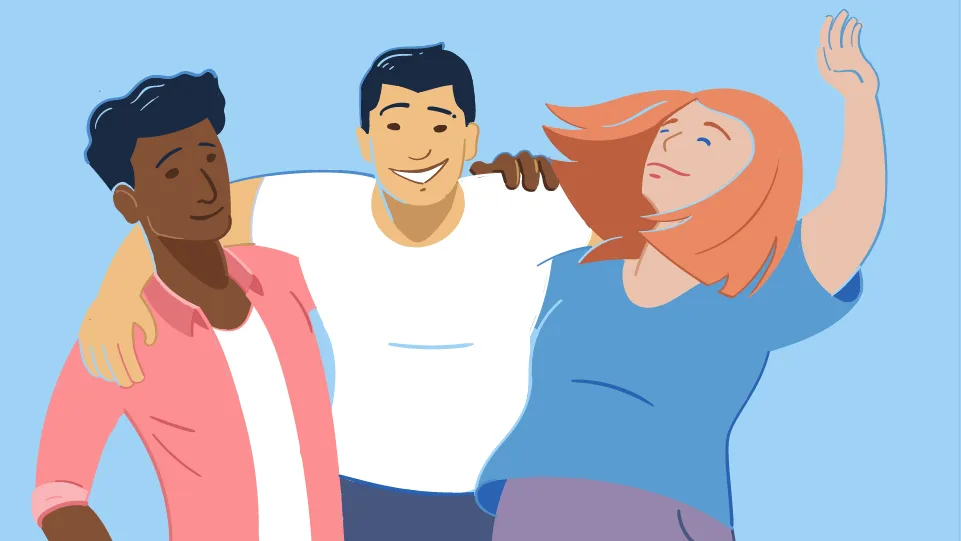
If you’re having trouble performing to your best at work or school, chat with your supervisor or school/uni counsellor about how your concerns. Together you might come up with ways that your work/school/uni can support you in coping better, such as by giving you time off or reducing your responsibilities or classes.
If you’ve been hating work for a while or your workplace isn’t one where you feel comfortable having this discussion,
learn what you can do if you’re stuck in a job you don’t like
.
Prioritise your physical health when feeling the physical symptoms of burnout
Sometimes, it’s easy to forget to do some basic things that can make a world of difference to how you feel. Keeping yourself physically healthy can help you to think more clearly and to manage stress better. Try these ways to improve your physical health:
Get the recommended six to eight hours of sleep a night.
The amount of sleep that works best for you will depend on your needs and lifestyle.
Eat healthy meals, with plenty of fresh fruits, vegetables and protein.
When you get busy, it’s easy to resort to living on takeaways or microwavable foods. You could try preparing meals in advance or learning to cook a few simple dishes that you can fall back on. Eating healthily doesn’t mean you can’t treat yourself! It just means that you’re more conscious of what your body needs in order to feel well.
Learn more about making healthy food choices.
Make time to exercise.
Being physically active can recharge you, help you to sleep better and improve your overall wellbeing. Exercising doesn’t mean that you have to spend hours on a treadmill – you can find an activity that you enjoy! This could be hiking, a team sport, a gym class or even a home dance workout.
How can I prevent feeling burnt out in the future?
Once you’ve got your burnout symptoms under control, there are things you can do to look after yourself over the long term and reduce the likelihood that this will happen again.
Take regular time out
Just as it’s important to do things that make you feel good, you need to take time out regularly. Physical exhaustion from taking on too much can still cause burnout, even if what you’re doing too much of is something you enjoy.
Here are some things you can do to stop feeling burnt out:
Make sure you have 20 minutes free every night to switch off, wind down and relax.
Set aside at least one night a week when you don't have any plans or responsibilities.
Schedule at least two or three weeks each year when you don’t have any work or study to do.
Identify your early warning signs of burnout
After you’ve reversed some of the symptoms of burnout, you could try to figure out what your early warning signs for burnout are. That way, you can get ahead of it in the future and minimise how much it impacts you.
For example, you could ask yourself:
Were there any hobbies that you let go of when things got busy?
Did you experience any physical signs of stress, such as trouble sleeping or concentrating, or forgetting things?
When you first started feeling drained, what areas of your life suffered first? Maybe you weren’t motivated to perform with your work or study, or did you have trouble keeping up with texting friends?
Were you more pessimistic or more easily irritated by small things?
Did you have increased conflict with friends, family or co-workers?
Figure out what’s important to you
Take some time to re-evaluate your goals and priorities, so that you can tip the balance back to including activities that make you feel happy.
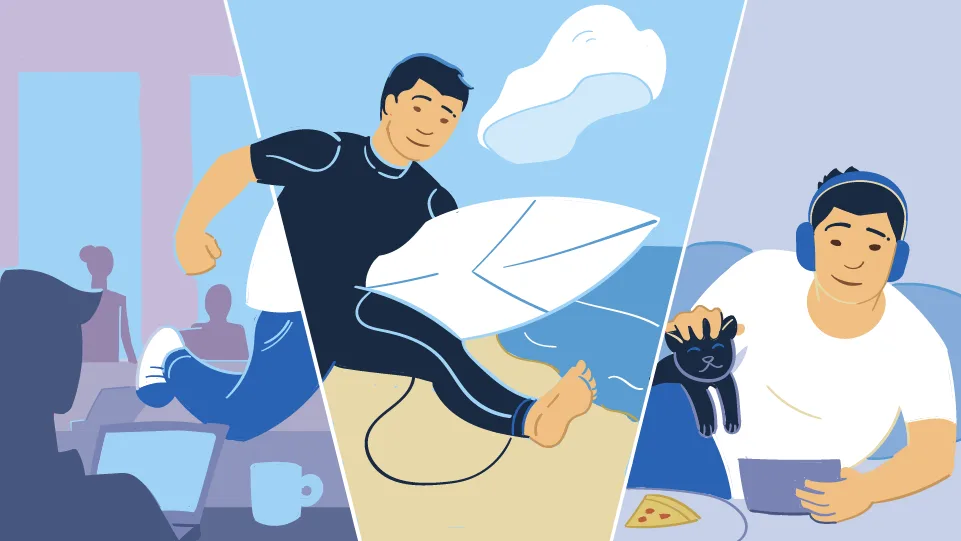
Try making a list of all the things you currently do – such as study, work, socialising, exercising and hobbies – and the things you enjoy doing that you haven’t had time for. For each activity, write down how important it is to you and how good it makes you feel. If you have goals for any of them, include them, too. Don’t worry if you don’t have goals for some activities; doing them just because you love them is totally cool, too!
After figuring out what activities are important to you or make you feel good, you’ll be able to look at what you’re currently doing and make changes so that you’re doing more of those things. If you’re unsure of how you feel about some things, check out this
video on how to process mixed emotions
.
Learn to set boundaries
One way to avoid overextending yourself is to learn how to say ‘no’ to things you don’t want to do or that you’re unsure about. Whether it’s a time commitment or some kind of emotional discomfort or distress, continually doing things you don’t want to do can contribute to burnout.
If you’re having a hard time with saying ‘no’, think about what your role is in the relationship. For example, if your boss who you aren’t close to asked to stay the night on your couch, you’d probably feel uncomfortable with this. What is being asked of you is outside of what you were hired as an employee to do. But if a close friend asked the same thing, you might feel more comfortable, as there’s mutual personal support in the relationship.
Here are some more
tips on setting boundaries
and
tips on how to say ‘no’
.
Get a creative outlet
Creativity can be a powerful way to take care of yourself and boost your overall wellbeing. If you find an activity you enjoy that’s unrelated to work or study, you’ll have something to do where there isn’t any pressure to perform. The only expectation is that you have fun!
This could be any activity where you build or create something – for example, cooking/baking, gardening, creating art, playing games like Animal Farm or Minecraft, or singing/playing music.
Accept things that aren’t in your control
As much as it sucks, there are some things you can’t control. For example, if you’re frustrated with something that happened in the past, or if you have a great relationship with your brother but dislike his partner, there isn’t much you can do to change the situation.
Identifying when something isn’t in your control can help you to accept it. It doesn’t mean that you’re giving it a big ‘thumbs up’ – it just means that you can move on and not let it affect you too much. Once you do that, you’ll feel a whole lot better and can channel that energy into things you care about. Check out this article if you want to learn more about how
how to cope when things feel out of your control
.
Read more about how to recover from burnout and stress
Check out more tips to
help with stress and anxiety here
, as well as these tips on
how to manage your time
and
nail your study–work–life balance
so you don’t get burnt out. If you’re worried about a friend, check out
how to help a stressed-out friend
. | |||||||||
| Markdown | [Skip to main content](https://au.reachout.com/challenges-and-coping/stress/what-is-burnout#main-content)
[For Young People](https://au.reachout.com/)
[For Parents/Carers](https://parents.au.reachout.com/)
[For Schools](https://schools.au.reachout.com/)
[About us](https://about.au.reachout.com/)
[Urgent help](https://au.reachout.com/urgent-help)
- Topics
- [Anxiety](https://au.reachout.com/mental-health-issues/anxiety)
- [Bullying](https://au.reachout.com/bullying)
- [Depression](https://au.reachout.com/mental-health-issues/depression)
- [Relationships](https://au.reachout.com/relationships)
- [Self-care](https://au.reachout.com/mental-wellbeing/self-care)
- [Stress](https://au.reachout.com/challenges-and-coping/stress)
- [Study, work and money](https://au.reachout.com/study-work-and-money)
- [View all](https://au.reachout.com/all-topics)
- [PeerChat](https://au.reachout.com/peerchat)
- Explore
- [Ask ReachOut](https://au.reachout.com/ask-ro)
- [Tools and apps](https://au.reachout.com/tools-and-apps)
- [NextStep](https://au.reachout.com/#nextstep)
- [First Nations](https://au.reachout.com/collections/yarn-up)
COMMON SEARCHES:
[Anxiety](https://au.reachout.com/search?q=Anxiety)
[Depression](https://au.reachout.com/search?q=Depression)
[Self-harm](https://au.reachout.com/search?q=Self-harm)
[Grief](https://au.reachout.com/search?q=Grief)
[ADHD](https://au.reachout.com/search?q=ADHD)
[Self-care](https://au.reachout.com/search?q=Self-care)
[Body image](https://au.reachout.com/search?q=Body%20image)
REACHOUT SUPPORT OPTIONS:
[PeerChat](https://au.reachout.com/peerchat)[First Nations](https://au.reachout.com/collections/yarn-up)[Urgent Help](https://au.reachout.com/urgent-help)
[Urgent help](https://au.reachout.com/urgent-help)
***
Tell us what you think about ReachOut and you could win a \$100 voucher, [take the survey now](https://reachout.questionpro.com.au/t/mRnFVZRnFV).
[Take our survey and you could win a \$100 voucher](https://reachout.questionpro.com.au/t/mRnFUZRnFU).
1. [Stress](https://au.reachout.com/challenges-and-coping/stress)
2. What is burnout?
# What is burnout?
By [ReachOut Content Team](https://au.reachout.com/authors/reachout-content-team)
Published 15 September 2023 • 8 minute read
***
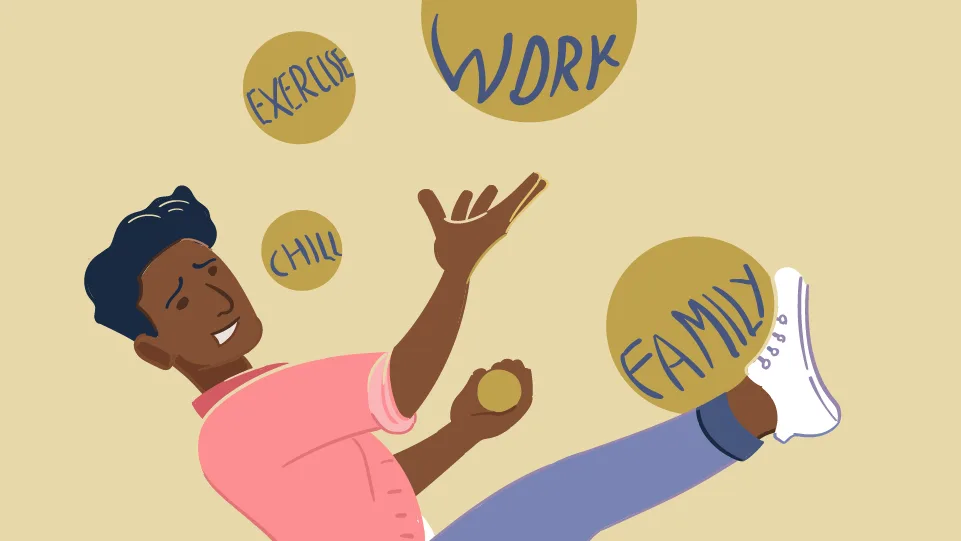
Burnout and stress are pretty closely linked, but they’re not the same thing. If you’re feeling run down or stressed and are wondering what burnout is, find out what the warning signs look like and learn how to prevent yourself feeling burnt out below.
### This can help if:
- you’re feeling stressed all the time
- you’re worried that you’re approaching breaking point
- you're feeling burnt out and want to know how to feel better.
Use these links to jump to the section you want:
- [What's the difference between burnout and stress?](https://au.reachout.com/challenges-and-coping/stress/what-is-burnout#whats-the-difference-between-burnout-and-stress)
- [What are the most common burnout symptoms?](https://au.reachout.com/challenges-and-coping/stress/what-is-burnout#what-are-the-most-common-burnout-symptoms)
- [What causes burnout?](https://au.reachout.com/challenges-and-coping/stress/what-is-burnout#what-causes-burnout)
- [How to recover from burnout](https://au.reachout.com/challenges-and-coping/stress/what-is-burnout#how-to-recover-from-burnout)
- [How can I prevent feeling burnt out in the future?](https://au.reachout.com/challenges-and-coping/stress/what-is-burnout#how-can-i-prevent-feeling-burnt-out-in-the-future)
## What's the difference between burnout and stress?
Stress puts a lot of pressure on the body. This can be manageable in the short term, and may even be beneficial in small doses. Learn more about [what stress does to the body](https://au.reachout.com/challenges-and-coping/stress/what-does-stress-do-to-the-body).
However, if the stress is constant, it can be bad for both your physical health and your emotional wellbeing. Eventually, too much stress on your body over a long period of time can cause you to burn out. Burnout is a state of complete mental, physical and emotional exhaustion.
## What are the most common burnout symptoms?
Long-term stress is exhausting and can prevent you from taking part in activities that you normally really enjoy or find meaningful. This is emotional burnout.
Some of the symptoms of burnout include:
- feeling exhausted and unable to perform basic tasks
- losing motivation in many aspects of your life, including your work, hobbies or relationships
- feeling unable to focus or concentrate on tasks
- feeling empty or lacking in emotion
- losing your passion and drive
- being easily irritated by small problems
- experiencing conflict in your relationships with co-workers, friends and family
- emotionally withdrawing from friends and family.
Essentially, when you've reached the point of burnout, it can feel like you’ve had the life sucked out of you. You no longer feel capable of caring about what’s important to you, or making any effort, or staying motivated.
[Take this quiz to help you figure out whether you're showing signs of burnout.](https://au.reachout.com/challenges-and-coping/stress/quiz-are-you-burning-out)
## What causes burnout?
Burnout often isn’t caused by just one thing, such as a stressful job or too many life responsibilities. It’s often the result of a combination of things, including how you’re spending your downtime and how you view the world.
Work-related causes of burnout can include:
- working in a high-pressure or disorganised environment
- doing work that you don’t find exciting or challenging
- having unrealistic expectations placed on you
- not being recognised or rewarded for your good work
- feeling like you have little or no control over your work.
Lifestyle-related causes of burnout can include:
- taking on too many responsibilities, including carer responsibilities
- not getting enough sleep
- not having enough time to relax and recharge
- not having enough close, meaningful relationships
- not meeting your own unique needs (e.g. you’re spending too much time socialising, when you really want more time alone).
Personality traits and your mindset can also contribute to burning out. These traits can include:
- perfectionist tendencies
- a pessimistic view of the world and of yourself
- always wanting to be in control
- feeling unable to set boundaries and to say ‘no’ to things you don’t want to do.
## How to recover from burnout
If you’ve recognised that you’re burnt out, or on your way to burning out, you’ve taken the first step. The next step is to undo some of the damage and start managing your stress levels.
### Lean on others for support
Talking to people you trust can be a great way to start figuring out what you’re going through. They could be a friend, family member, classmate or teammate. Whether it’s to talk through how you’re feeling, or just to connect with a loved one and take your mind off things, talking to someone can help you to start feeling better.
You could also chat with a health professional such as a [GP](https://au.reachout.com/mental-health-issues/professional-help/gps) or [psychologist](https://au.reachout.com/mental-health-issues/professional-help/5-tips-for-choosing-the-right-mental-health-professional).
[ Mental health support when and where you need it MOST is a digital mental health service for young people, offering 1-on-1 professional support, a safe online community and tailored therapy journeys. Get help](https://app.most.org.au/landing?to=home&utm_source=ro&utm_medium=web&utm_campaign=most&utm_id=2)
### Get support when showing signs of burnout at work, school or uni
If you’re having trouble performing to your best at work or school, chat with your supervisor or school/uni counsellor about how your concerns. Together you might come up with ways that your work/school/uni can support you in coping better, such as by giving you time off or reducing your responsibilities or classes.
If you’ve been hating work for a while or your workplace isn’t one where you feel comfortable having this discussion, [learn what you can do if you’re stuck in a job you don’t like](https://au.reachout.com/study-work-and-money/work/what-to-do-if-youre-stuck-in-a-job-you-dont-like).
### Prioritise your physical health when feeling the physical symptoms of burnout
Sometimes, it’s easy to forget to do some basic things that can make a world of difference to how you feel. Keeping yourself physically healthy can help you to think more clearly and to manage stress better. Try these ways to improve your physical health:
- **Get the recommended six to eight hours of sleep a night.** The amount of sleep that works best for you will depend on your needs and lifestyle.
- **Eat healthy meals, with plenty of fresh fruits, vegetables and protein.** When you get busy, it’s easy to resort to living on takeaways or microwavable foods. You could try preparing meals in advance or learning to cook a few simple dishes that you can fall back on. Eating healthily doesn’t mean you can’t treat yourself! It just means that you’re more conscious of what your body needs in order to feel well. [Learn more about making healthy food choices.](https://au.reachout.com/mental-wellbeing/exercise-and-eating-well/how-to-make-healthy-food-choices)
- **Make time to exercise.** Being physically active can recharge you, help you to sleep better and improve your overall wellbeing. Exercising doesn’t mean that you have to spend hours on a treadmill – you can find an activity that you enjoy! This could be hiking, a team sport, a gym class or even a home dance workout.
## How can I prevent feeling burnt out in the future?
Once you’ve got your burnout symptoms under control, there are things you can do to look after yourself over the long term and reduce the likelihood that this will happen again.
### Take regular time out
Just as it’s important to do things that make you feel good, you need to take time out regularly. Physical exhaustion from taking on too much can still cause burnout, even if what you’re doing too much of is something you enjoy.
Here are some things you can do to stop feeling burnt out:
- Make sure you have 20 minutes free every night to switch off, wind down and relax.
- Set aside at least one night a week when you don't have any plans or responsibilities.
- Schedule at least two or three weeks each year when you don’t have any work or study to do.
### Identify your early warning signs of burnout
After you’ve reversed some of the symptoms of burnout, you could try to figure out what your early warning signs for burnout are. That way, you can get ahead of it in the future and minimise how much it impacts you.

For example, you could ask yourself:
- Were there any hobbies that you let go of when things got busy?
- Did you experience any physical signs of stress, such as trouble sleeping or concentrating, or forgetting things?
- When you first started feeling drained, what areas of your life suffered first? Maybe you weren’t motivated to perform with your work or study, or did you have trouble keeping up with texting friends?
- Were you more pessimistic or more easily irritated by small things?
- Did you have increased conflict with friends, family or co-workers?
### Figure out what’s important to you
Take some time to re-evaluate your goals and priorities, so that you can tip the balance back to including activities that make you feel happy.
Try making a list of all the things you currently do – such as study, work, socialising, exercising and hobbies – and the things you enjoy doing that you haven’t had time for. For each activity, write down how important it is to you and how good it makes you feel. If you have goals for any of them, include them, too. Don’t worry if you don’t have goals for some activities; doing them just because you love them is totally cool, too\!
After figuring out what activities are important to you or make you feel good, you’ll be able to look at what you’re currently doing and make changes so that you’re doing more of those things. If you’re unsure of how you feel about some things, check out this [video on how to process mixed emotions](https://au.reachout.com/challenges-and-coping/coping/ask-a-therapist-dealing-with-mixed-emotions).
### Learn to set boundaries
One way to avoid overextending yourself is to learn how to say ‘no’ to things you don’t want to do or that you’re unsure about. Whether it’s a time commitment or some kind of emotional discomfort or distress, continually doing things you don’t want to do can contribute to burnout.
If you’re having a hard time with saying ‘no’, think about what your role is in the relationship. For example, if your boss who you aren’t close to asked to stay the night on your couch, you’d probably feel uncomfortable with this. What is being asked of you is outside of what you were hired as an employee to do. But if a close friend asked the same thing, you might feel more comfortable, as there’s mutual personal support in the relationship.
Here are some more [tips on setting boundaries](https://www.inc.com/jonathan-alpert/7-ways-to-say-no-to-someone-and-not-feel-bad-about-it.html) and [tips on how to say ‘no’](https://tinybuddha.com/blog/stop-saying-yes-want-say-no/).
### Get a creative outlet
Creativity can be a powerful way to take care of yourself and boost your overall wellbeing. If you find an activity you enjoy that’s unrelated to work or study, you’ll have something to do where there isn’t any pressure to perform. The only expectation is that you have fun\!
This could be any activity where you build or create something – for example, cooking/baking, gardening, creating art, playing games like Animal Farm or Minecraft, or singing/playing music.
### Accept things that aren’t in your control
As much as it sucks, there are some things you can’t control. For example, if you’re frustrated with something that happened in the past, or if you have a great relationship with your brother but dislike his partner, there isn’t much you can do to change the situation.
Identifying when something isn’t in your control can help you to accept it. It doesn’t mean that you’re giving it a big ‘thumbs up’ – it just means that you can move on and not let it affect you too much. Once you do that, you’ll feel a whole lot better and can channel that energy into things you care about. Check out this article if you want to learn more about how [how to cope when things feel out of your control](https://au.reachout.com/mental-wellbeing/postive-mindsets/how-acceptance-can-help-you-cope-with-things-out-of-your-control).
## Read more about how to recover from burnout and stress
Check out more tips to [help with stress and anxiety here](https://au.reachout.com/mental-health-issues/anxiety/how-to-manage-your-anxiety-and-stress), as well as these tips on [how to manage your time](https://au.reachout.com/study-work-and-money/exam-stress/how-to-manage-your-time-while-studying) and [nail your study–work–life balance](https://au.reachout.com/study-work-and-money/exam-stress/how-to-nail-your-study-life-balance) so you don’t get burnt out. If you’re worried about a friend, check out [how to help a stressed-out friend](https://au.reachout.com/relationships/helping-friends/helping-a-friend-with-stress).
## What can I do now?
- Get some tips on [talking about burnout with someone you trust](https://au.reachout.com/relationships/communication-skills/5-steps-to-talking-to-someone-you-trust).
- Learn about [self-care and why it's important.](https://au.reachout.com/mental-wellbeing/self-care)
- Want to chat with a peer worker who can listen to you and support you? [Book a free, text-based session with ReachOut PeerChat.](https://au.reachout.com/peerchat)
#### Tagged in
[Article](https://au.reachout.com/search?q=&page=1&contentType=Article)
[Challenges and coping](https://au.reachout.com/search?q=Challenges%20and%20coping)
[Stress](https://au.reachout.com/search?q=&page=1&topics=Stress)
Got questions? Ask ReachOut
WHATEVER'S
ON YOUR MIND,
ASK REACHOUT
How can Ask ReachOut help me?
How should I study for exams?
How much sleep do I need?
How do I break up with someone respectfully?
What causes anxiety?
I want to talk to someone
Ask ReachOut uses AI. It can’t provide diagnoses or medical advice. [Ask ReachOut FAQs](https://au.reachout.com/ask-ro/faq).
For Young People
[For Parents and Carers](https://parents.au.reachout.com/)
[For Schools](https://schools.au.reachout.com/)
MENTAL HEALTH & WELLBEING TOPICS
[Anxiety](https://au.reachout.com/mental-health-issues/anxiety)[Bullying](https://au.reachout.com/bullying)[Depression](https://au.reachout.com/mental-health-issues/depression)[Relationships](https://au.reachout.com/relationships)[Self-care](https://au.reachout.com/mental-wellbeing/self-care)[Stress](https://au.reachout.com/challenges-and-coping/stress)[Study, work and money](https://au.reachout.com/study-work-and-money)[All topics](https://au.reachout.com/all-topics)
SUPPORT
[Ask ReachOut](https://au.reachout.com/ask-ro)[PeerChat](https://au.reachout.com/peerchat)[First Nations](https://au.reachout.com/collections/yarn-up)[Tools and apps](https://au.reachout.com/tools-and-apps)[FAQs for Young people](https://au.reachout.com/faqs)[FAQs for Parents](https://parents.au.reachout.com/frequently-asked-questions)
ABOUT REACHOUT
[About us](https://about.au.reachout.com/)[Our research](https://about.au.reachout.com/our-research)[Our impact](https://about.au.reachout.com/our-impact)[Contact us](https://about.au.reachout.com/contact-us)
GET INVOLVED & ORGANISATION
[Get involved](https://about.au.reachout.com/get-involved)[Donate](https://about.au.reachout.com/donate-once)[Partner with us](https://about.au.reachout.com/partner-with-us)[Make a complaint](https://about.au.reachout.com/complaints)
We acknowledge the traditional owners of Country throughout Australia. We pay our respects to Aboriginal and Torres Strait Islander cultures, and to Elders past and present. We recognise connection to Country as integral to health and wellbeing.
We acknowledge people with lived experience of mental ill-health and recovery and the experience of people who have been carers, families, or supporters.
ReachOut values diversity. We are committed to providing a safe, culturally appropriate, and inclusive service for all people, regardless of their ethnicity, faith, disability, sexuality, or gender identity.
[Terms and conditions](https://au.reachout.com/our-policies/terms-and-conditions)
[Privacy policy](https://au.reachout.com/our-policies/privacy-policy)
[Sitemap](https://au.reachout.com/all-topics)
[Accessibility Statement](https://au.reachout.com/our-policies/accessibility-statement)
© ReachOut Australia 2026
 | |||||||||
| Readable Markdown | Burnout and stress are pretty closely linked, but they’re not the same thing. If you’re feeling run down or stressed and are wondering what burnout is, find out what the warning signs look like and learn how to prevent yourself feeling burnt out below.
### This can help if:
- you’re feeling stressed all the time
- you’re worried that you’re approaching breaking point
- you're feeling burnt out and want to know how to feel better.

Use these links to jump to the section you want:
- [What's the difference between burnout and stress?](https://au.reachout.com/challenges-and-coping/stress/what-is-burnout#whats-the-difference-between-burnout-and-stress)
- [What are the most common burnout symptoms?](https://au.reachout.com/challenges-and-coping/stress/what-is-burnout#what-are-the-most-common-burnout-symptoms)
- [What causes burnout?](https://au.reachout.com/challenges-and-coping/stress/what-is-burnout#what-causes-burnout)
- [How to recover from burnout](https://au.reachout.com/challenges-and-coping/stress/what-is-burnout#how-to-recover-from-burnout)
- [How can I prevent feeling burnt out in the future?](https://au.reachout.com/challenges-and-coping/stress/what-is-burnout#how-can-i-prevent-feeling-burnt-out-in-the-future)
## What's the difference between burnout and stress?
Stress puts a lot of pressure on the body. This can be manageable in the short term, and may even be beneficial in small doses. Learn more about [what stress does to the body](https://au.reachout.com/challenges-and-coping/stress/what-does-stress-do-to-the-body).
However, if the stress is constant, it can be bad for both your physical health and your emotional wellbeing. Eventually, too much stress on your body over a long period of time can cause you to burn out. Burnout is a state of complete mental, physical and emotional exhaustion.
## What are the most common burnout symptoms?
Long-term stress is exhausting and can prevent you from taking part in activities that you normally really enjoy or find meaningful. This is emotional burnout.
Some of the symptoms of burnout include:
- feeling exhausted and unable to perform basic tasks
- losing motivation in many aspects of your life, including your work, hobbies or relationships
- feeling unable to focus or concentrate on tasks
- feeling empty or lacking in emotion
- losing your passion and drive
- being easily irritated by small problems
- experiencing conflict in your relationships with co-workers, friends and family
- emotionally withdrawing from friends and family.
Essentially, when you've reached the point of burnout, it can feel like you’ve had the life sucked out of you. You no longer feel capable of caring about what’s important to you, or making any effort, or staying motivated.
[Take this quiz to help you figure out whether you're showing signs of burnout.](https://au.reachout.com/challenges-and-coping/stress/quiz-are-you-burning-out)
## What causes burnout?
Burnout often isn’t caused by just one thing, such as a stressful job or too many life responsibilities. It’s often the result of a combination of things, including how you’re spending your downtime and how you view the world.
Work-related causes of burnout can include:
- working in a high-pressure or disorganised environment
- doing work that you don’t find exciting or challenging
- having unrealistic expectations placed on you
- not being recognised or rewarded for your good work
- feeling like you have little or no control over your work.
Lifestyle-related causes of burnout can include:
- taking on too many responsibilities, including carer responsibilities
- not getting enough sleep
- not having enough time to relax and recharge
- not having enough close, meaningful relationships
- not meeting your own unique needs (e.g. you’re spending too much time socialising, when you really want more time alone).
Personality traits and your mindset can also contribute to burning out. These traits can include:
- perfectionist tendencies
- a pessimistic view of the world and of yourself
- always wanting to be in control
- feeling unable to set boundaries and to say ‘no’ to things you don’t want to do.
## How to recover from burnout
If you’ve recognised that you’re burnt out, or on your way to burning out, you’ve taken the first step. The next step is to undo some of the damage and start managing your stress levels.
### Lean on others for support
Talking to people you trust can be a great way to start figuring out what you’re going through. They could be a friend, family member, classmate or teammate. Whether it’s to talk through how you’re feeling, or just to connect with a loved one and take your mind off things, talking to someone can help you to start feeling better.
You could also chat with a health professional such as a [GP](https://au.reachout.com/mental-health-issues/professional-help/gps) or [psychologist](https://au.reachout.com/mental-health-issues/professional-help/5-tips-for-choosing-the-right-mental-health-professional).
[ Mental health support when and where you need it MOST is a digital mental health service for young people, offering 1-on-1 professional support, a safe online community and tailored therapy journeys.](https://app.most.org.au/landing?to=home&utm_source=ro&utm_medium=web&utm_campaign=most&utm_id=2)

### Get support when showing signs of burnout at work, school or uni
If you’re having trouble performing to your best at work or school, chat with your supervisor or school/uni counsellor about how your concerns. Together you might come up with ways that your work/school/uni can support you in coping better, such as by giving you time off or reducing your responsibilities or classes.
If you’ve been hating work for a while or your workplace isn’t one where you feel comfortable having this discussion, [learn what you can do if you’re stuck in a job you don’t like](https://au.reachout.com/study-work-and-money/work/what-to-do-if-youre-stuck-in-a-job-you-dont-like).
### Prioritise your physical health when feeling the physical symptoms of burnout
Sometimes, it’s easy to forget to do some basic things that can make a world of difference to how you feel. Keeping yourself physically healthy can help you to think more clearly and to manage stress better. Try these ways to improve your physical health:
- **Get the recommended six to eight hours of sleep a night.** The amount of sleep that works best for you will depend on your needs and lifestyle.
- **Eat healthy meals, with plenty of fresh fruits, vegetables and protein.** When you get busy, it’s easy to resort to living on takeaways or microwavable foods. You could try preparing meals in advance or learning to cook a few simple dishes that you can fall back on. Eating healthily doesn’t mean you can’t treat yourself! It just means that you’re more conscious of what your body needs in order to feel well. [Learn more about making healthy food choices.](https://au.reachout.com/mental-wellbeing/exercise-and-eating-well/how-to-make-healthy-food-choices)
- **Make time to exercise.** Being physically active can recharge you, help you to sleep better and improve your overall wellbeing. Exercising doesn’t mean that you have to spend hours on a treadmill – you can find an activity that you enjoy! This could be hiking, a team sport, a gym class or even a home dance workout.
## How can I prevent feeling burnt out in the future?
Once you’ve got your burnout symptoms under control, there are things you can do to look after yourself over the long term and reduce the likelihood that this will happen again.
### Take regular time out
Just as it’s important to do things that make you feel good, you need to take time out regularly. Physical exhaustion from taking on too much can still cause burnout, even if what you’re doing too much of is something you enjoy.
Here are some things you can do to stop feeling burnt out:
- Make sure you have 20 minutes free every night to switch off, wind down and relax.
- Set aside at least one night a week when you don't have any plans or responsibilities.
- Schedule at least two or three weeks each year when you don’t have any work or study to do.
### Identify your early warning signs of burnout
After you’ve reversed some of the symptoms of burnout, you could try to figure out what your early warning signs for burnout are. That way, you can get ahead of it in the future and minimise how much it impacts you.

For example, you could ask yourself:
- Were there any hobbies that you let go of when things got busy?
- Did you experience any physical signs of stress, such as trouble sleeping or concentrating, or forgetting things?
- When you first started feeling drained, what areas of your life suffered first? Maybe you weren’t motivated to perform with your work or study, or did you have trouble keeping up with texting friends?
- Were you more pessimistic or more easily irritated by small things?
- Did you have increased conflict with friends, family or co-workers?
### Figure out what’s important to you
Take some time to re-evaluate your goals and priorities, so that you can tip the balance back to including activities that make you feel happy.
Try making a list of all the things you currently do – such as study, work, socialising, exercising and hobbies – and the things you enjoy doing that you haven’t had time for. For each activity, write down how important it is to you and how good it makes you feel. If you have goals for any of them, include them, too. Don’t worry if you don’t have goals for some activities; doing them just because you love them is totally cool, too\!

After figuring out what activities are important to you or make you feel good, you’ll be able to look at what you’re currently doing and make changes so that you’re doing more of those things. If you’re unsure of how you feel about some things, check out this [video on how to process mixed emotions](https://au.reachout.com/challenges-and-coping/coping/ask-a-therapist-dealing-with-mixed-emotions).
### Learn to set boundaries
One way to avoid overextending yourself is to learn how to say ‘no’ to things you don’t want to do or that you’re unsure about. Whether it’s a time commitment or some kind of emotional discomfort or distress, continually doing things you don’t want to do can contribute to burnout.
If you’re having a hard time with saying ‘no’, think about what your role is in the relationship. For example, if your boss who you aren’t close to asked to stay the night on your couch, you’d probably feel uncomfortable with this. What is being asked of you is outside of what you were hired as an employee to do. But if a close friend asked the same thing, you might feel more comfortable, as there’s mutual personal support in the relationship.
Here are some more [tips on setting boundaries](https://www.inc.com/jonathan-alpert/7-ways-to-say-no-to-someone-and-not-feel-bad-about-it.html) and [tips on how to say ‘no’](https://tinybuddha.com/blog/stop-saying-yes-want-say-no/).
### Get a creative outlet
Creativity can be a powerful way to take care of yourself and boost your overall wellbeing. If you find an activity you enjoy that’s unrelated to work or study, you’ll have something to do where there isn’t any pressure to perform. The only expectation is that you have fun\!
This could be any activity where you build or create something – for example, cooking/baking, gardening, creating art, playing games like Animal Farm or Minecraft, or singing/playing music.
### Accept things that aren’t in your control
As much as it sucks, there are some things you can’t control. For example, if you’re frustrated with something that happened in the past, or if you have a great relationship with your brother but dislike his partner, there isn’t much you can do to change the situation.
Identifying when something isn’t in your control can help you to accept it. It doesn’t mean that you’re giving it a big ‘thumbs up’ – it just means that you can move on and not let it affect you too much. Once you do that, you’ll feel a whole lot better and can channel that energy into things you care about. Check out this article if you want to learn more about how [how to cope when things feel out of your control](https://au.reachout.com/mental-wellbeing/postive-mindsets/how-acceptance-can-help-you-cope-with-things-out-of-your-control).
## Read more about how to recover from burnout and stress
Check out more tips to [help with stress and anxiety here](https://au.reachout.com/mental-health-issues/anxiety/how-to-manage-your-anxiety-and-stress), as well as these tips on [how to manage your time](https://au.reachout.com/study-work-and-money/exam-stress/how-to-manage-your-time-while-studying) and [nail your study–work–life balance](https://au.reachout.com/study-work-and-money/exam-stress/how-to-nail-your-study-life-balance) so you don’t get burnt out. If you’re worried about a friend, check out [how to help a stressed-out friend](https://au.reachout.com/relationships/helping-friends/helping-a-friend-with-stress). | |||||||||
| ML Classification | ||||||||||
| ML Categories |
Raw JSON{
"/Health": 986,
"/Health/Mental_Health": 985,
"/Health/Mental_Health/Anxiety_and_Stress": 955
} | |||||||||
| ML Page Types |
Raw JSON{
"/Article": 999,
"/Article/Tutorial_or_Guide": 827
} | |||||||||
| ML Intent Types |
Raw JSON{
"Informational": 999
} | |||||||||
| Content Metadata | ||||||||||
| Language | en | |||||||||
| Author | null | |||||||||
| Publish Time | not set | |||||||||
| Original Publish Time | 2024-05-12 09:22:44 (1 year ago) | |||||||||
| Republished | No | |||||||||
| Word Count (Total) | 2,317 | |||||||||
| Word Count (Content) | 1,910 | |||||||||
| Links | ||||||||||
| External Links | 14 | |||||||||
| Internal Links | 56 | |||||||||
| Technical SEO | ||||||||||
| Meta Nofollow | No | |||||||||
| Meta Noarchive | No | |||||||||
| JS Rendered | Yes | |||||||||
| Redirect Target | null | |||||||||
| Performance | ||||||||||
| Download Time (ms) | 1,468 | |||||||||
| TTFB (ms) | 1,465 | |||||||||
| Download Size (bytes) | 31,831 | |||||||||
| Shard | 138 (laksa) | |||||||||
| Root Hash | 7914559723989064338 | |||||||||
| Unparsed URL | com,reachout!au,/challenges-and-coping/stress/what-is-burnout s443 | |||||||||